
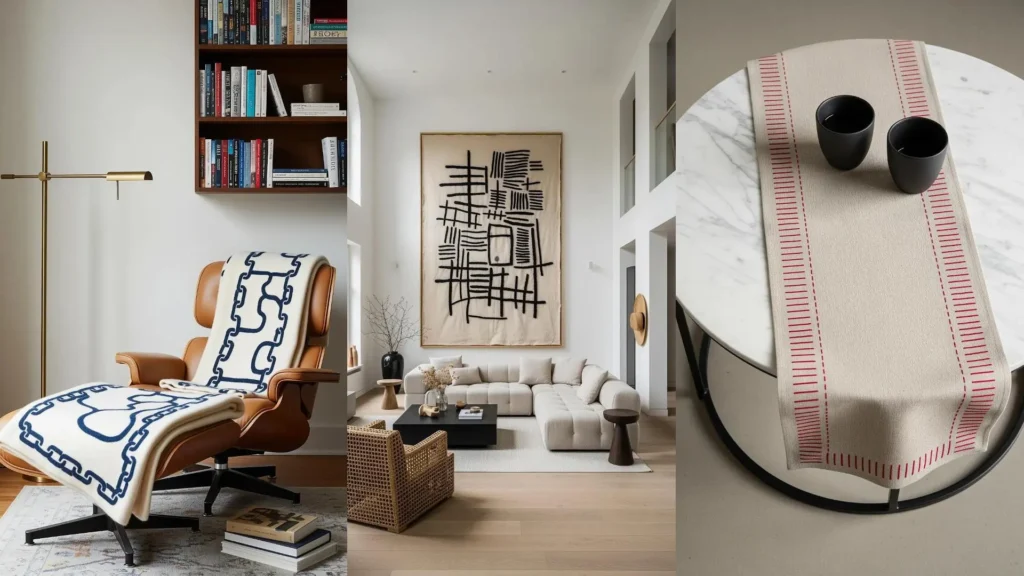
You have the threads, the fabric, and the desire to create something beautiful, but sometimes the gap between the project in your mind and the one in your hands feels vast.
This isn’t about learning a hundred new stitches or buying more supplies. It’s about rethinking how you use the skills you already possess. It’s about choosing a simple line over a complex floral, understanding how texture interacts with light, and recognizing that the space you leave empty is just as important as the space you fill.
These ideas are designed to connect your stitching directly to the clean lines and calm spaces of modern living. Let’s create embroidery that doesn’t just decorate a room, but completes it.
1. Architectural Lines with Couching
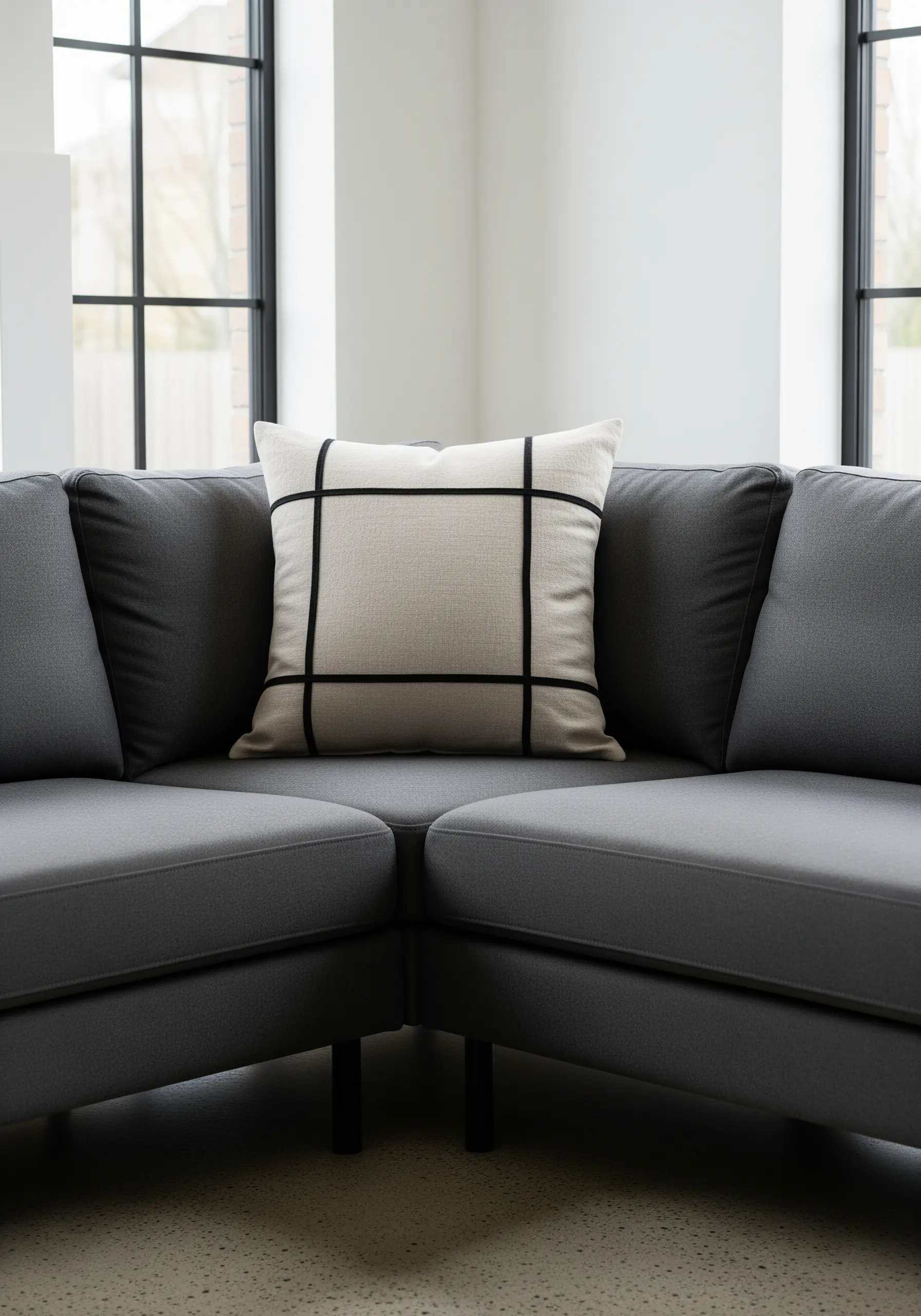
Transform a simple cushion cover by adding bold, graphic lines that mimic architectural details.
Instead of stitching the lines directly, use a couching stitch to attach a thicker material like fine black cord or yarn onto the fabric surface.
This technique creates a raised, three-dimensional line that is perfectly clean and defined, providing a textural contrast against a neutral linen or cotton base.
The key is to use a strong, matching thread for your couching stitches, keeping them small and evenly spaced so they become almost invisible, allowing the bold grid to take center stage.
2. Meditative Color Gradients in a Circle
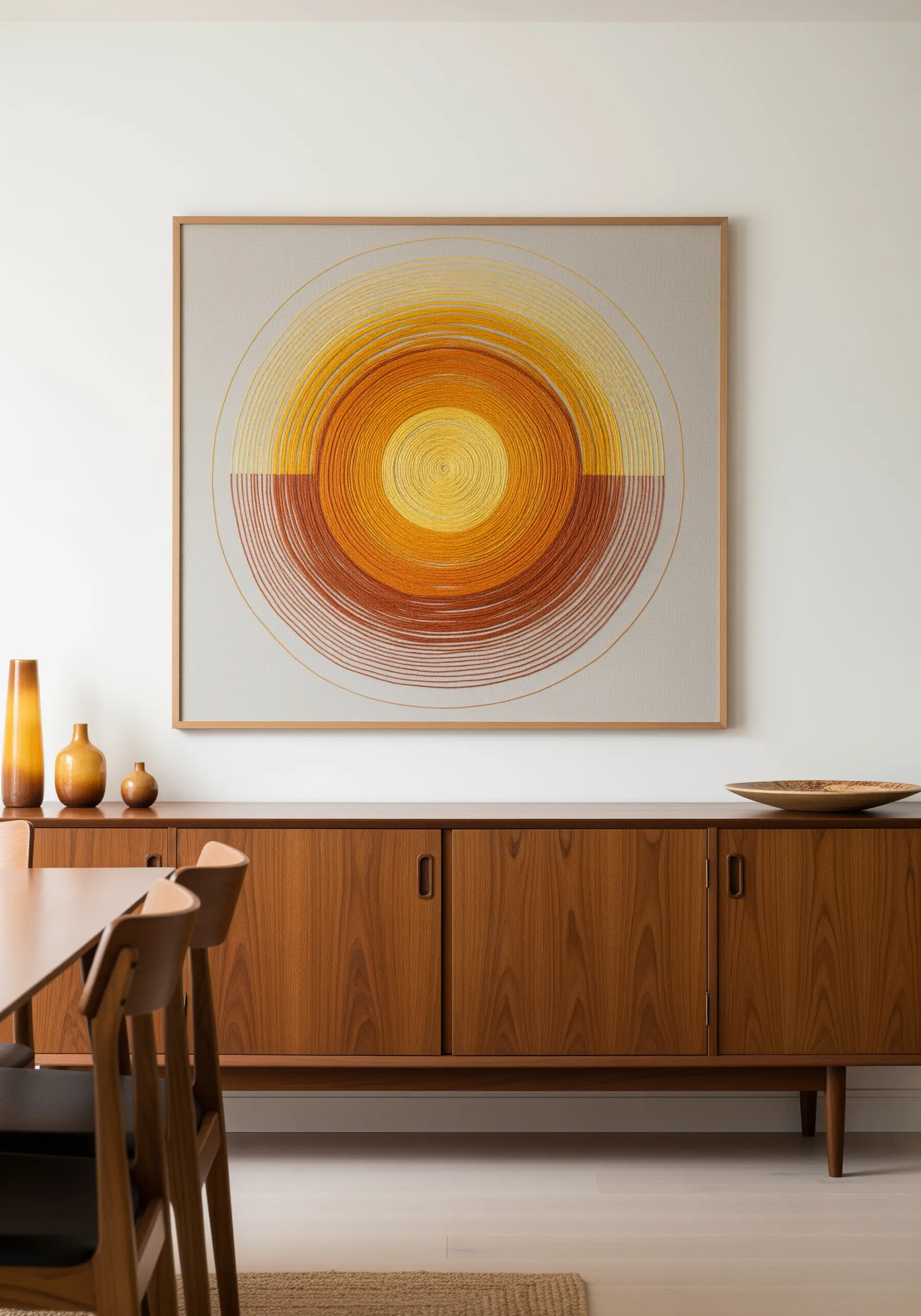
Create a large-scale wall piece that feels both expansive and calming by stitching concentric circles.
Use a simple running stitch or backstitch, but focus entirely on color progression and thread tension to avoid puckering the canvas.
Start with a warm, intense color at the center, like a deep ochre, and gradually shift to lighter yellows and then earthy reds as you radiate outwards.
This creates a stunning visual gradient that draws the eye inward, making it a powerful focal point above a console or sideboard. The effect is almost like a woven tapestry, but with the precision of a single drawn line.
3. The Subtle Grid Headboard
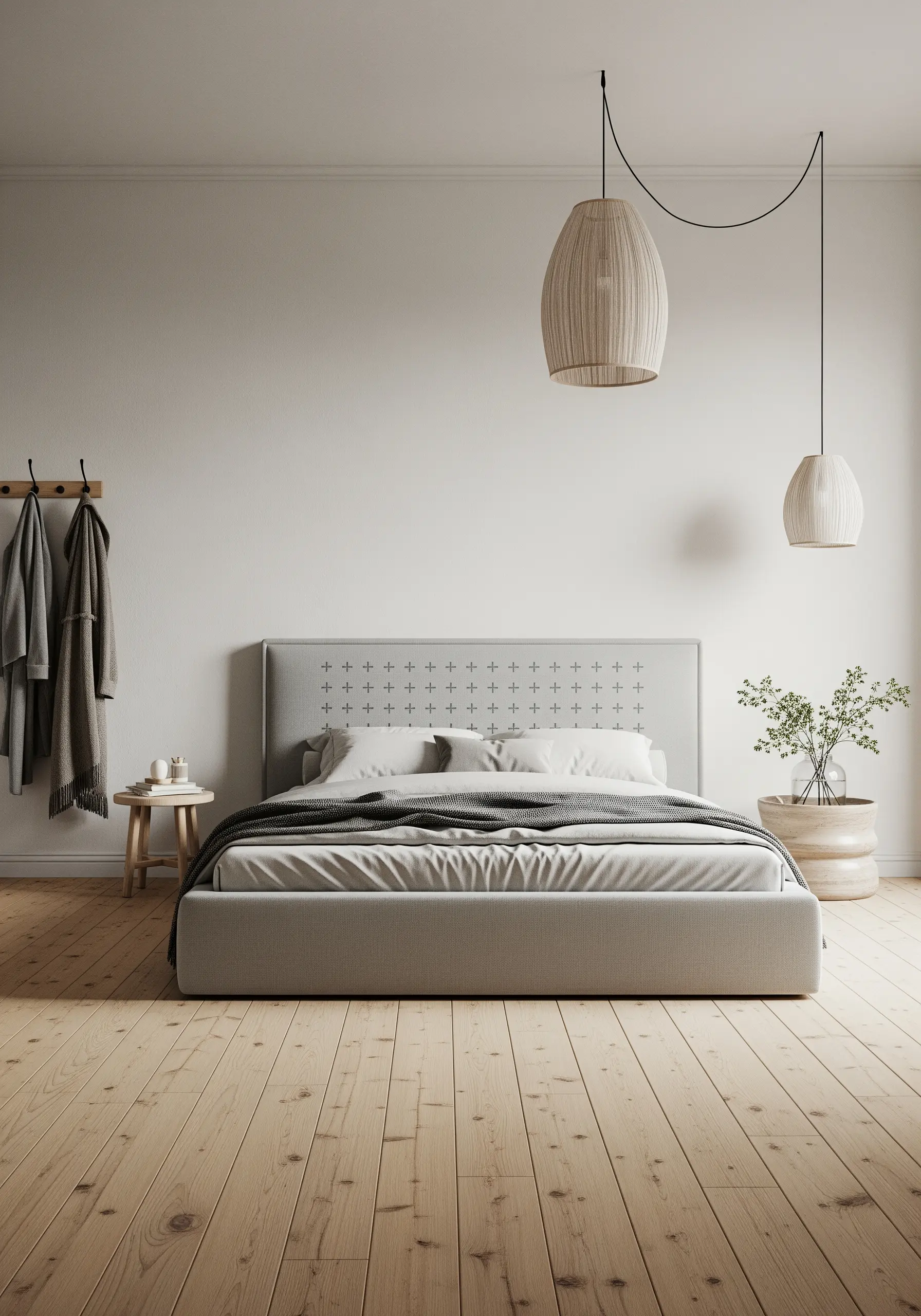
Elevate a simple fabric headboard with a subtle, repeating geometric pattern.
Instead of an all-over design, stitch a simple grid of plus signs or small cross-stitches using a thread that is only a few shades lighter or darker than the upholstery fabric.
This technique, known as tonal embroidery, adds texture and a bespoke, high-end feel without visually cluttering the space.
The goal is to create a pattern that catches the light and is discovered, rather than announced, contributing to a serene and sophisticated bedroom atmosphere.
4. Bold Graphic Motifs on Throws
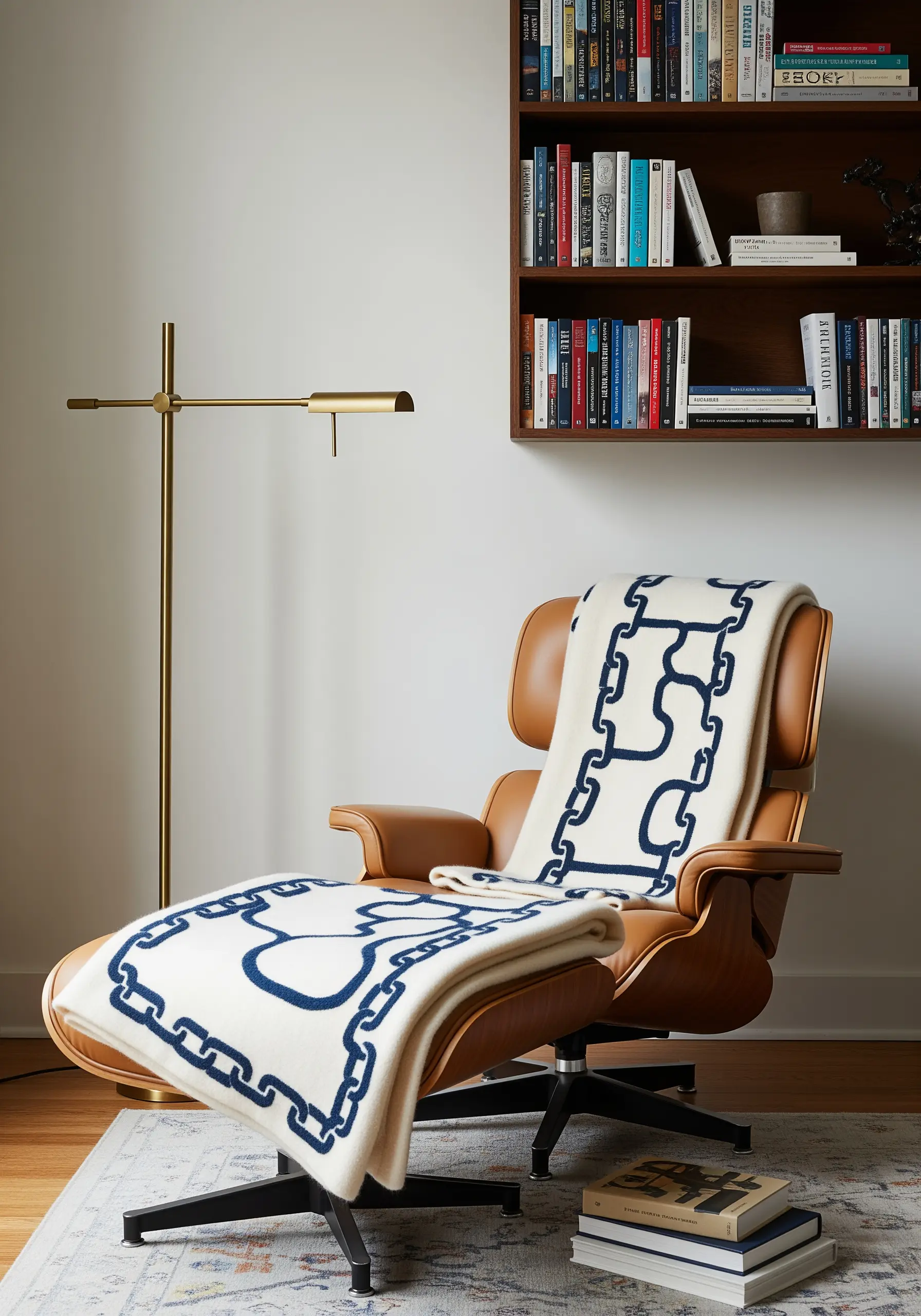
Make a statement on a simple throw blanket by embroidering a large, graphic motif like a stylized chain link.
Outline the shape using a thick chain stitch for definition, then fill the interior with rows of satin stitch.
To keep the satin stitch smooth over a large area, break it up into smaller sections using split stitch as a guide—this is a classic tailor’s trick for preventing thread from sagging.
Using a high-contrast color, like navy on cream, ensures the pattern reads clearly and becomes a piece of functional art.
5. Single-Line Botanicals on Upholstery
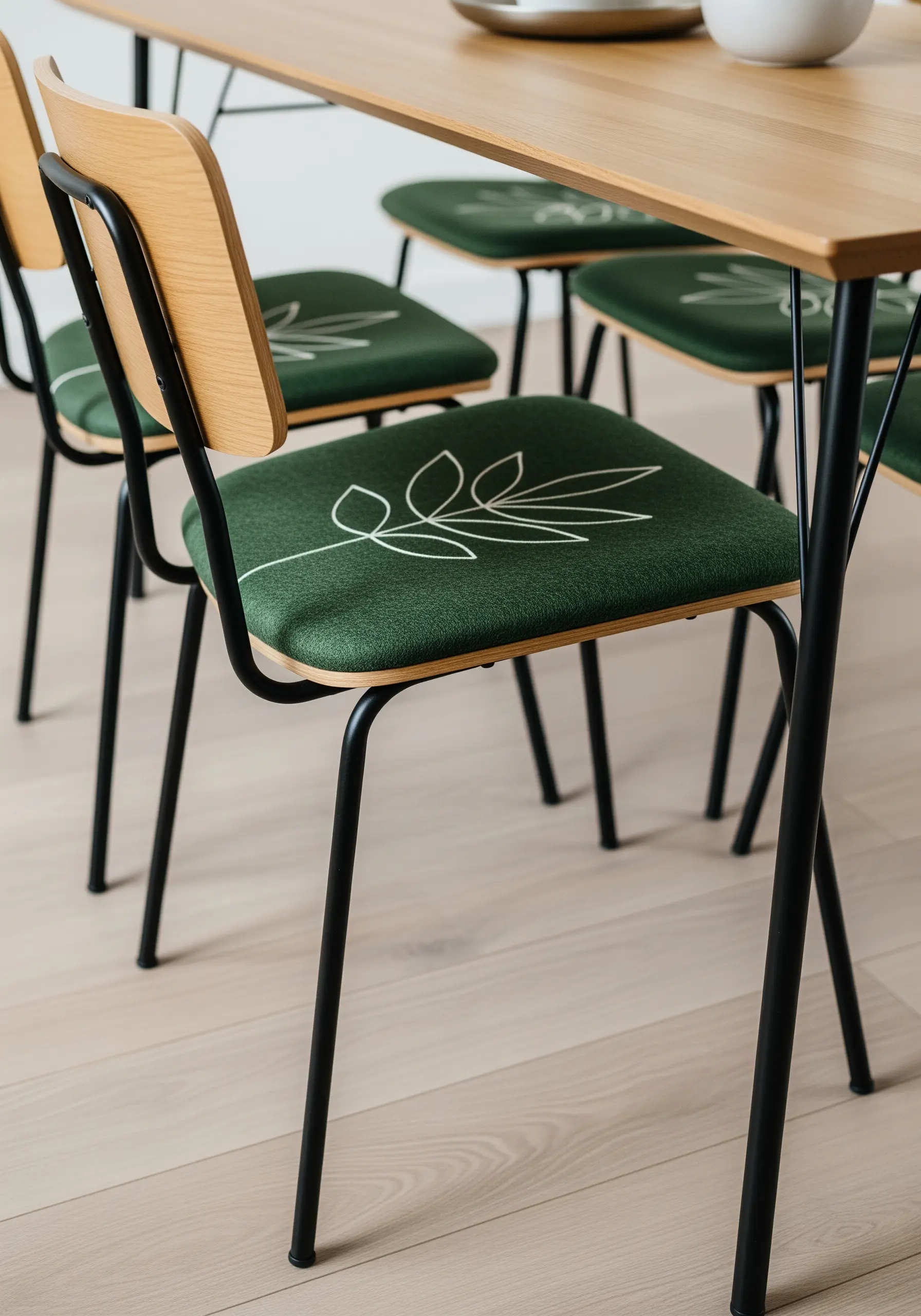
Breathe life into dining chairs by adding a delicate, continuous-line botanical motif to the seat cushions.
Use a stem stitch or whipped backstitch in a high-contrast thread—like ivory on deep green—to create a line that is both fluid and strong.
The key is to choose a design that feels light and airy, allowing the negative space to be part of the composition.
This simple embellishment connects the hard lines of the chair frame to a softer, organic element, making the entire piece feel more integrated and intentional.
6. Abstract Geometric Hoop Clusters
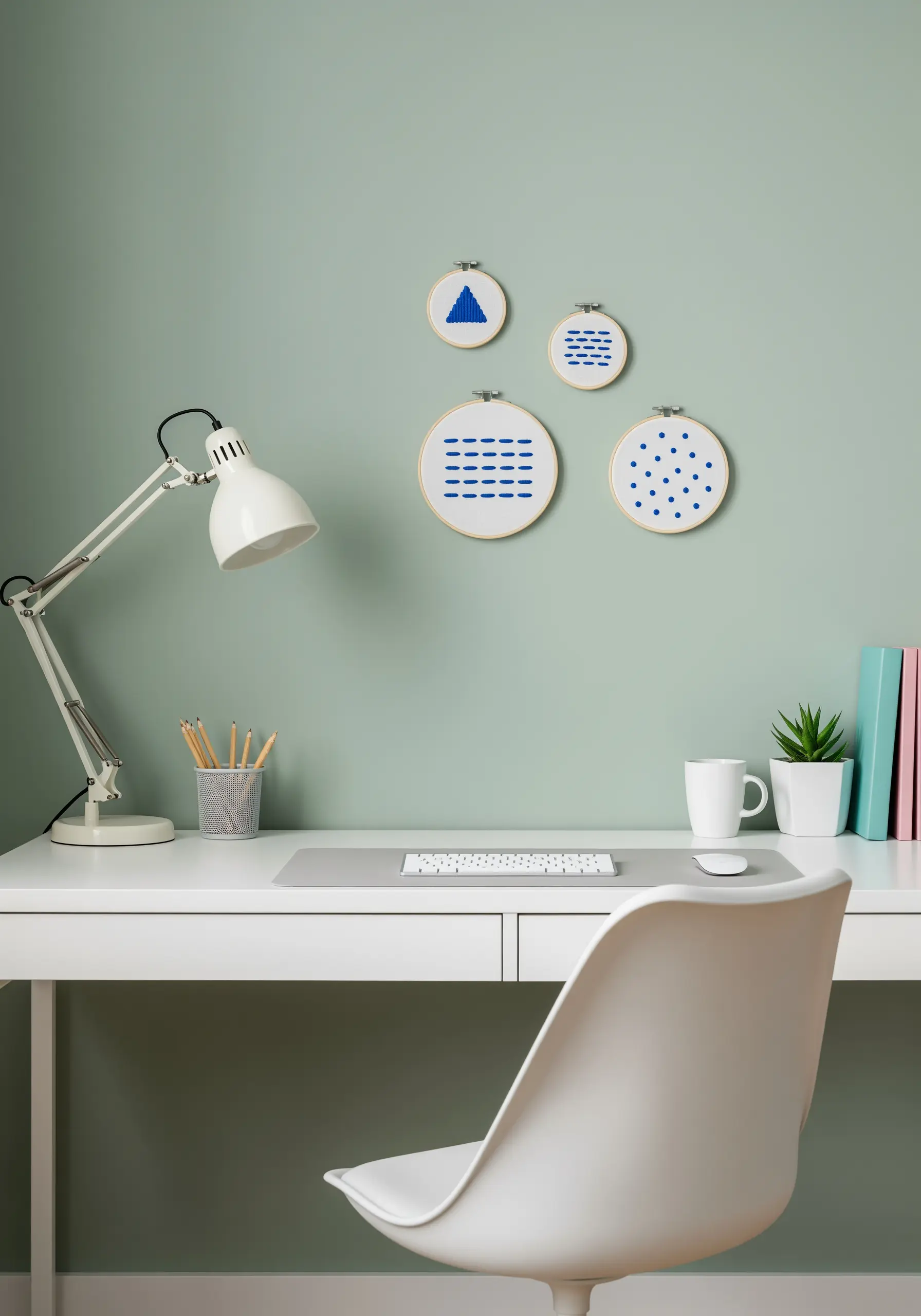
Group small hoops together to create a dynamic gallery wall that feels personal and modern.
Instead of intricate scenes, focus on simple geometric and abstract motifs: fields of seed stitch, rows of running stitch, or solid blocks of satin stitch.
By limiting your palette to one or two colors (like blue and white) and varying the textures within each hoop, you create a cohesive yet interesting display.
This approach allows you to build a collection of circle frame minimal embroidery compositions that can grow and change over time, perfectly suiting a home office or creative space.
7. Large-Scale Expressive Tapestry
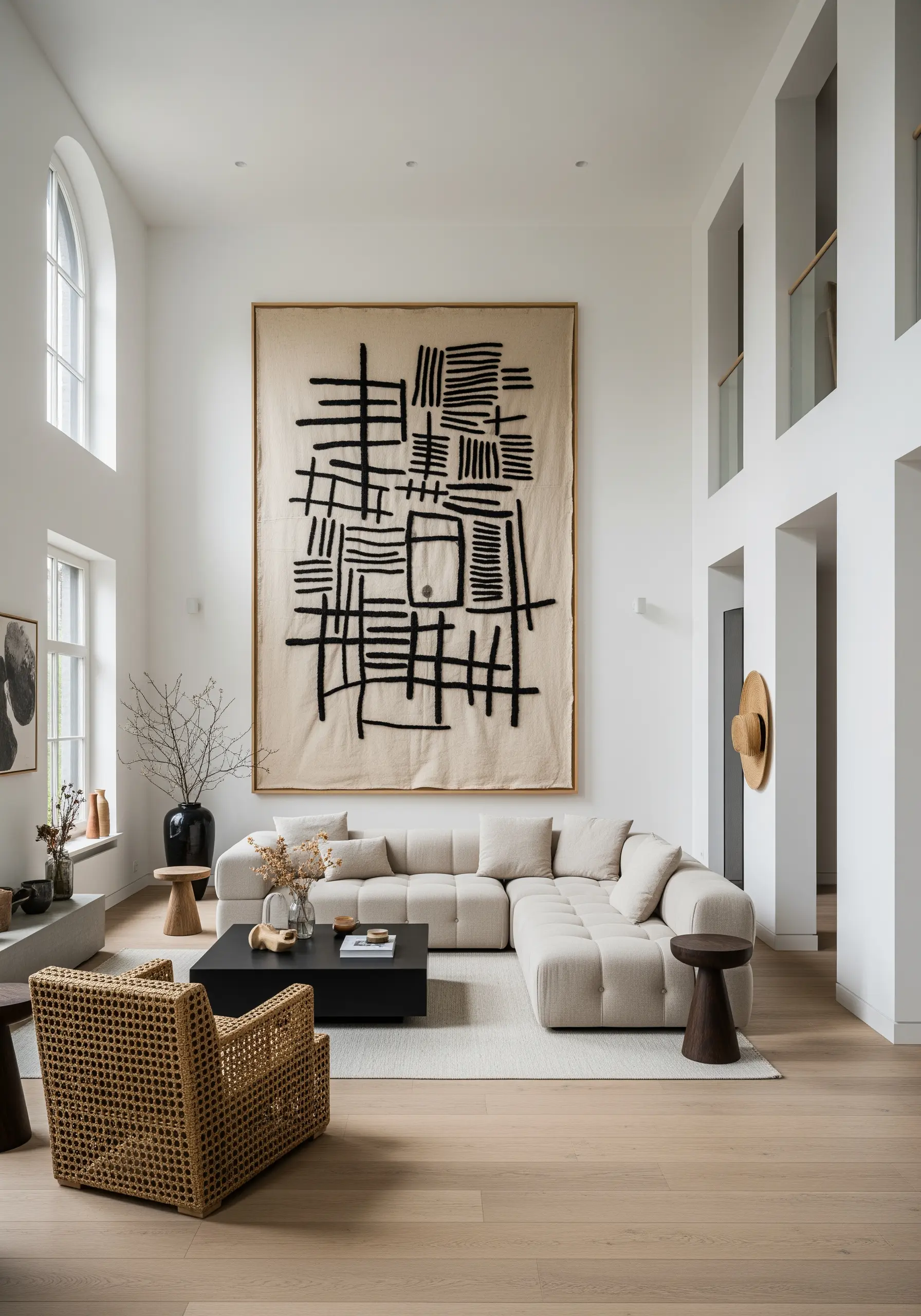
Move beyond the hoop and create a statement wall tapestry using heavy-duty fabric like raw canvas or burlap.
Use thick black yarn and a large-eyed needle to stitch bold, abstract lines that feel gestural and energetic, like a charcoal drawing.
Embrace imperfection; the goal is not perfect stitches but expressive marks that command attention in a large, open space.
This technique allows you to create large-scale embroidery tapestries that balance the architecture of a room with raw, handmade texture.
8. The Modern Dashed Line Border
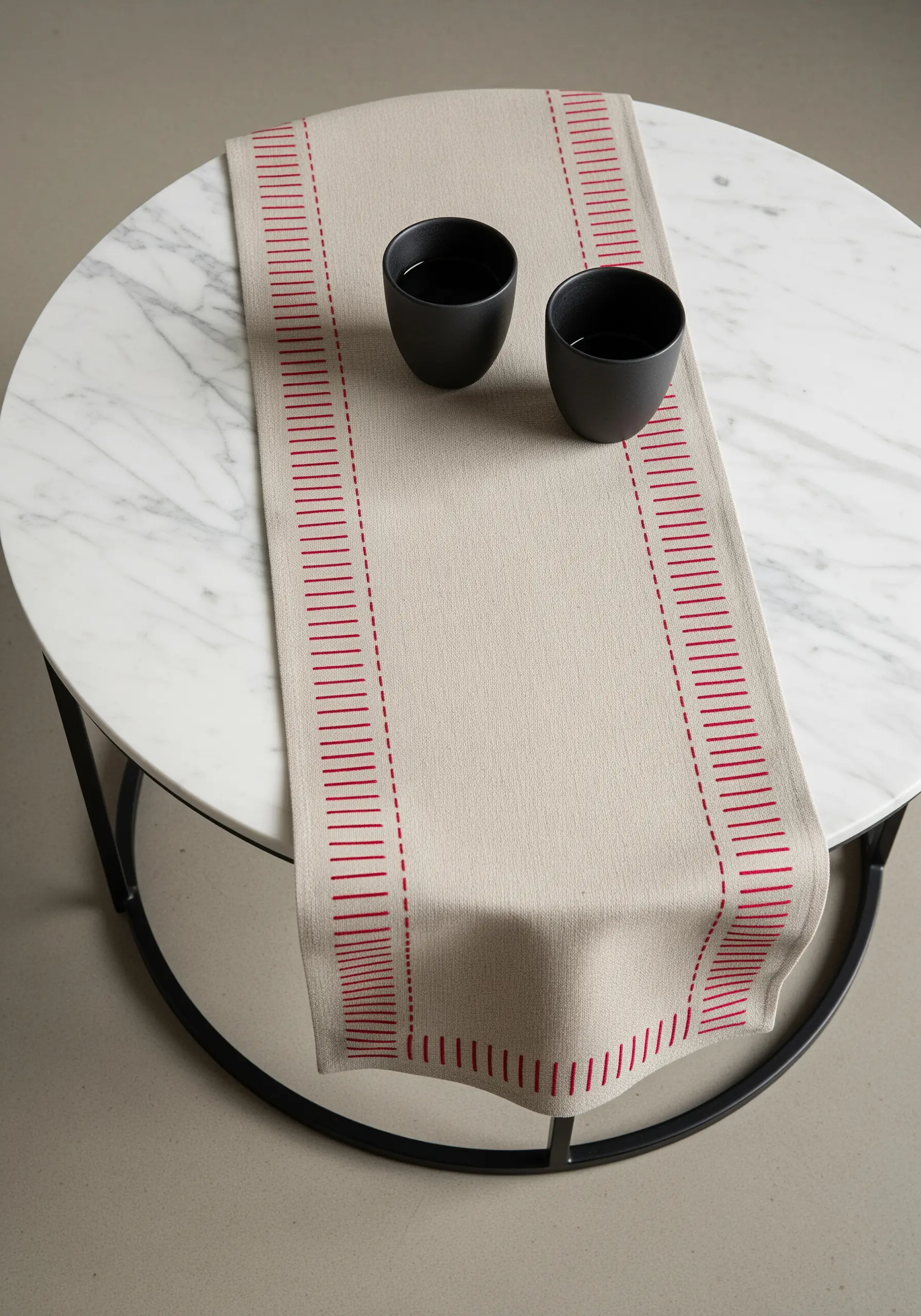
Frame a simple table runner with a clean, modern border using precisely spaced running stitches.
The key to making this design look polished is absolute consistency. Use a water-soluble fabric marker and a clear ruler to mark out every single stitch and gap before you begin.
Choose a vibrant, contrasting color thread to make the minimalist pattern pop against a neutral linen background.
This detail adds a touch of bespoke craftsmanship that elevates a simple textile into a thoughtfully designed object.
9. Radiating Lines for a Focal Point
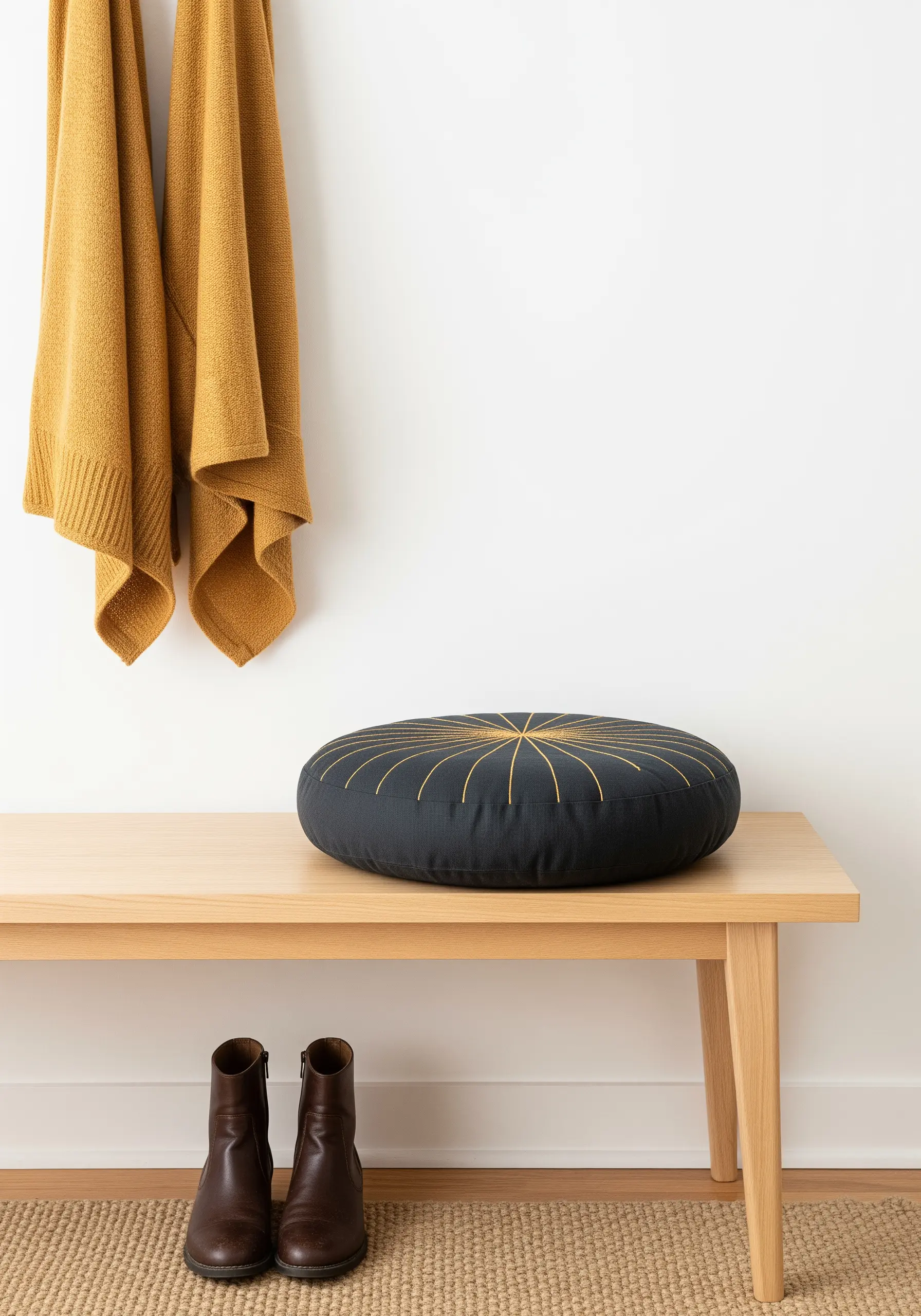
Turn a simple floor cushion into a striking decorative object by creating a sunburst of radiating lines.
Stitch long, straight stitches from a central point out towards the cushion’s edge. Use a durable, high-sheen thread like pearl cotton or even a fine metallic thread for a subtle glimmer.
To ensure even tension on a three-dimensional object, embroider the top fabric panel before you sew the cushion together.
This design draws the eye to the center, creating a dynamic focal point that adds energy to an entryway bench or quiet corner.
10. Stylized Waves with Whipped Backstitch
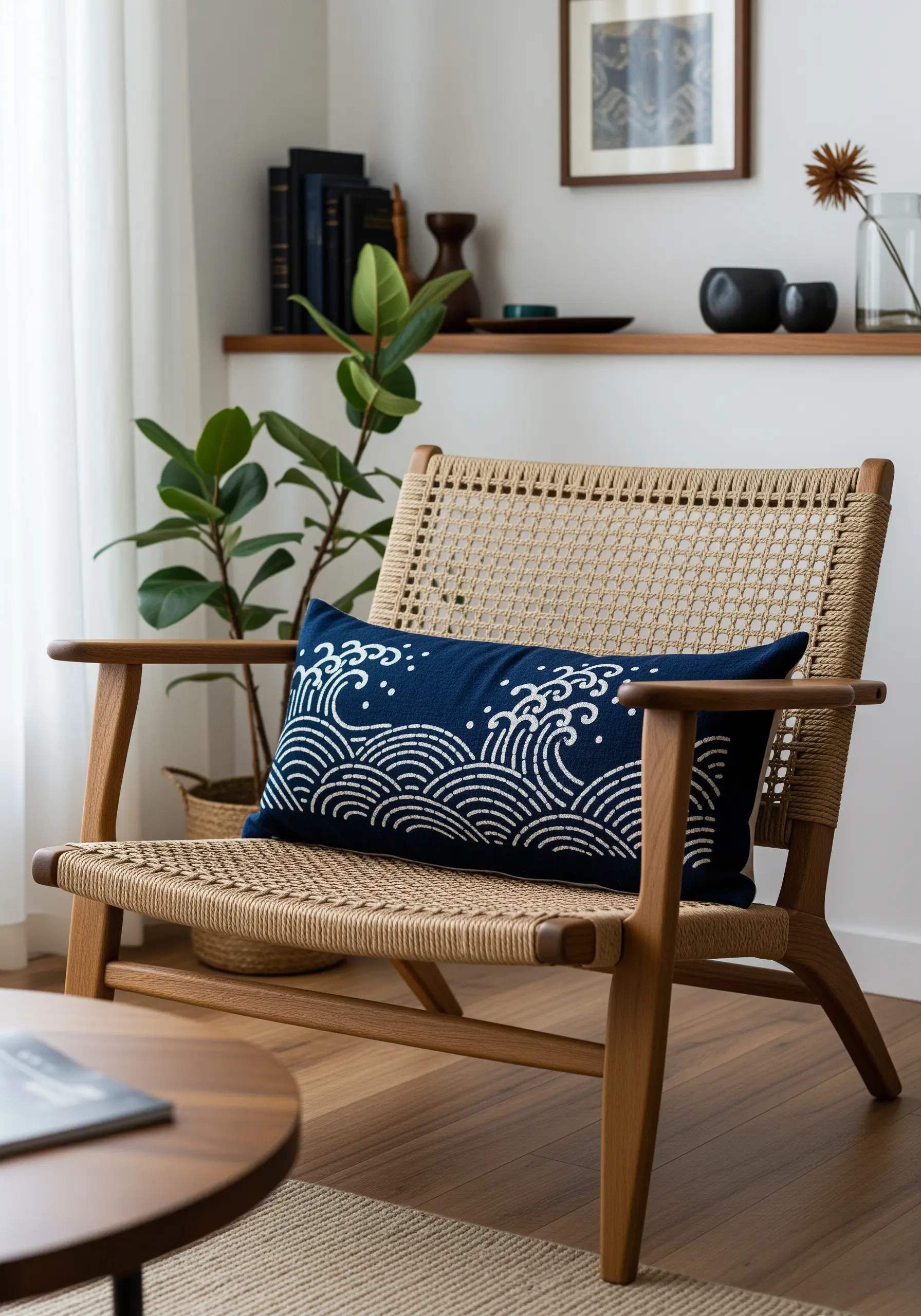
Embroider a lumbar pillow with a traditional Japanese Seigaiha wave pattern for a look that is both classic and contemporary.
Use a whipped backstitch to create perfectly smooth, uninterrupted curves. First, lay down a foundation of simple backstitches, then weave a second thread through them without piercing the fabric.
The high contrast of white thread on deep indigo fabric is essential for this design, giving it a crisp, graphic quality that complements natural wood and woven textures.
This technique turns a simple pattern into a sophisticated, tactile statement piece.
11. Scattered Seed Stitch ‘Confetti’
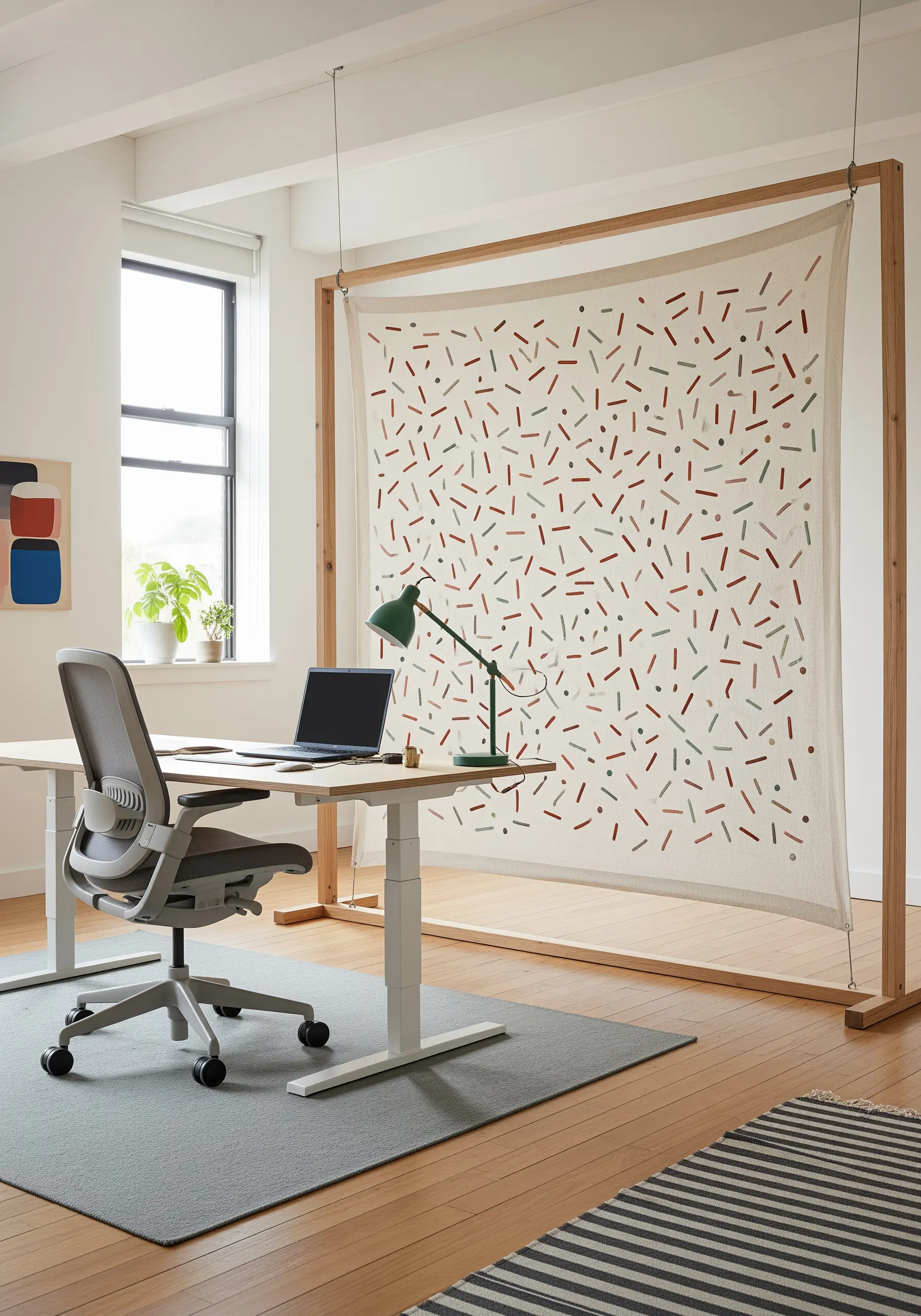
Create a playful, modern textile by scattering small, straight stitches across a large piece of fabric, like a room divider or curtain panel.
This technique, often called seed stitch, adds subtle texture and color without a discernible pattern, giving the impression of floating confetti.
Choose a restrained color palette of three to four muted tones to keep the overall effect sophisticated and calm, rather than chaotic.
The randomness of the stitches is key; it creates a dynamic surface that interacts beautifully with light and movement.
12. Sculptural Couching with Rope
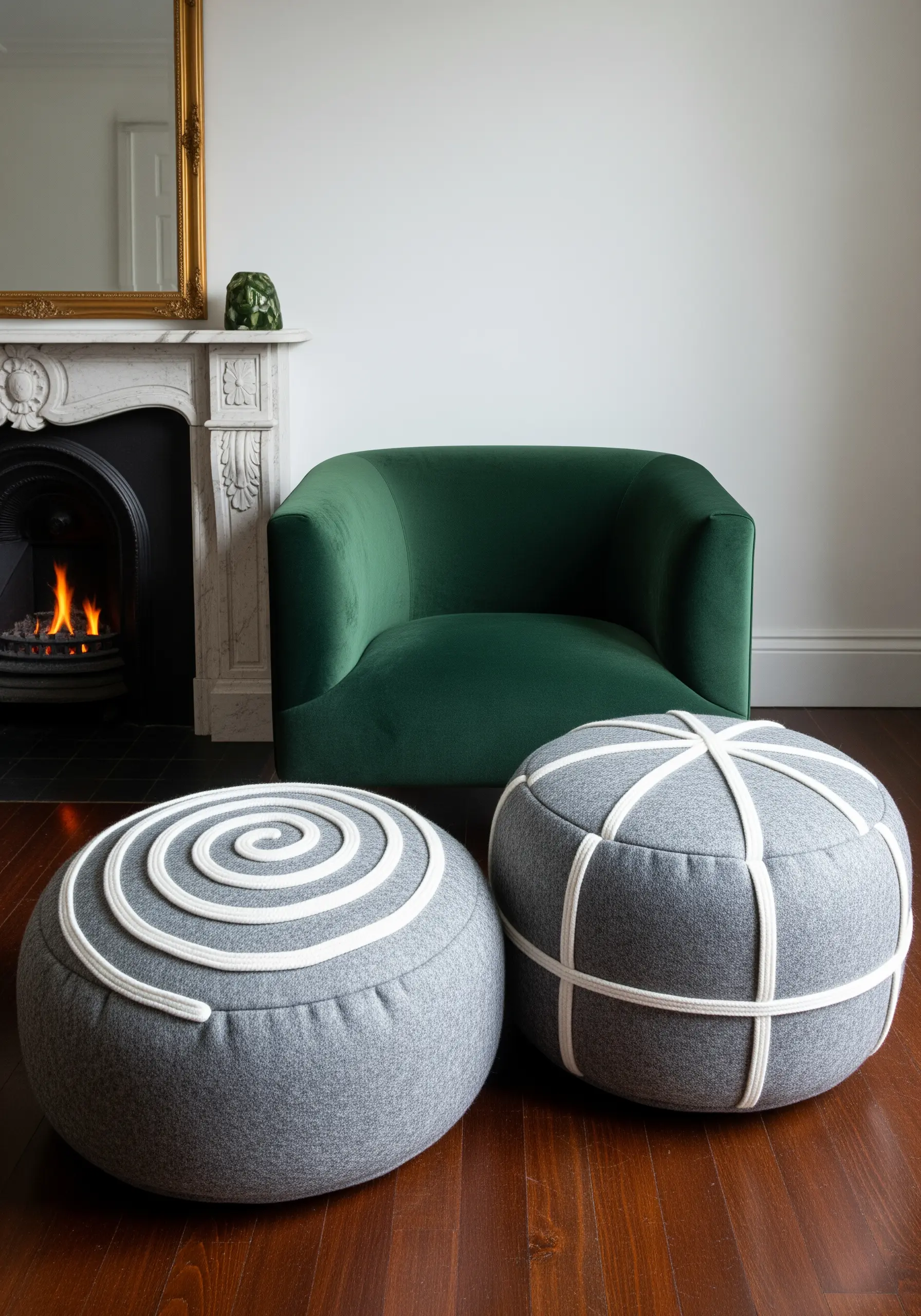
Add bold, sculptural dimension to ottomans or poufs by couching thick cotton rope directly onto the upholstered surface.
Use a curved upholstery needle and a strong, waxed thread that matches the fabric to secure the rope in place. The stitches should be small and discreet, hiding in the texture of the rope.
This method transforms a simple piece of furniture into a unique, high-texture object, playing with line, form, and shadow.
It’s a powerful way to introduce a graphic element that is both visual and intensely tactile.
13. Minimalist Geometry on Table Linens
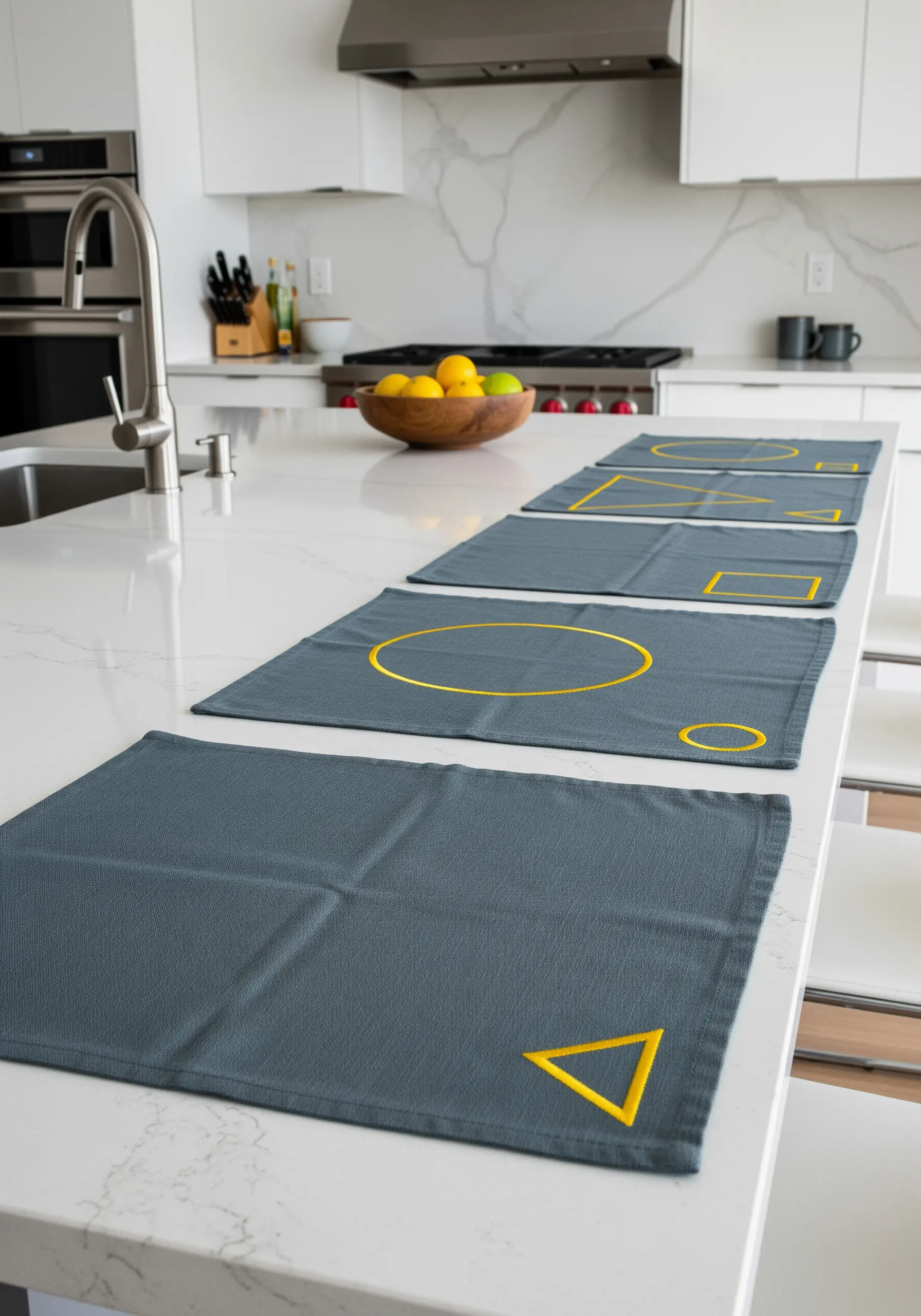
Bring a touch of modern art to your dining table with clean, geometric outlines on placemats or napkins.
Use a split stitch for your outlines; it creates a line that is sharper and more solid than a backstitch, which is ideal for precise shapes like circles and triangles.
A single strand of a vibrant, contrasting thread—like gold against slate gray—is all you need for a high-impact, minimalist statement.
Explore asymmetrical placements to make these modern minimal table linen embroidery ideas feel dynamic and thoughtfully curated.
14. Abstract ‘Rainfall’ Wall Art
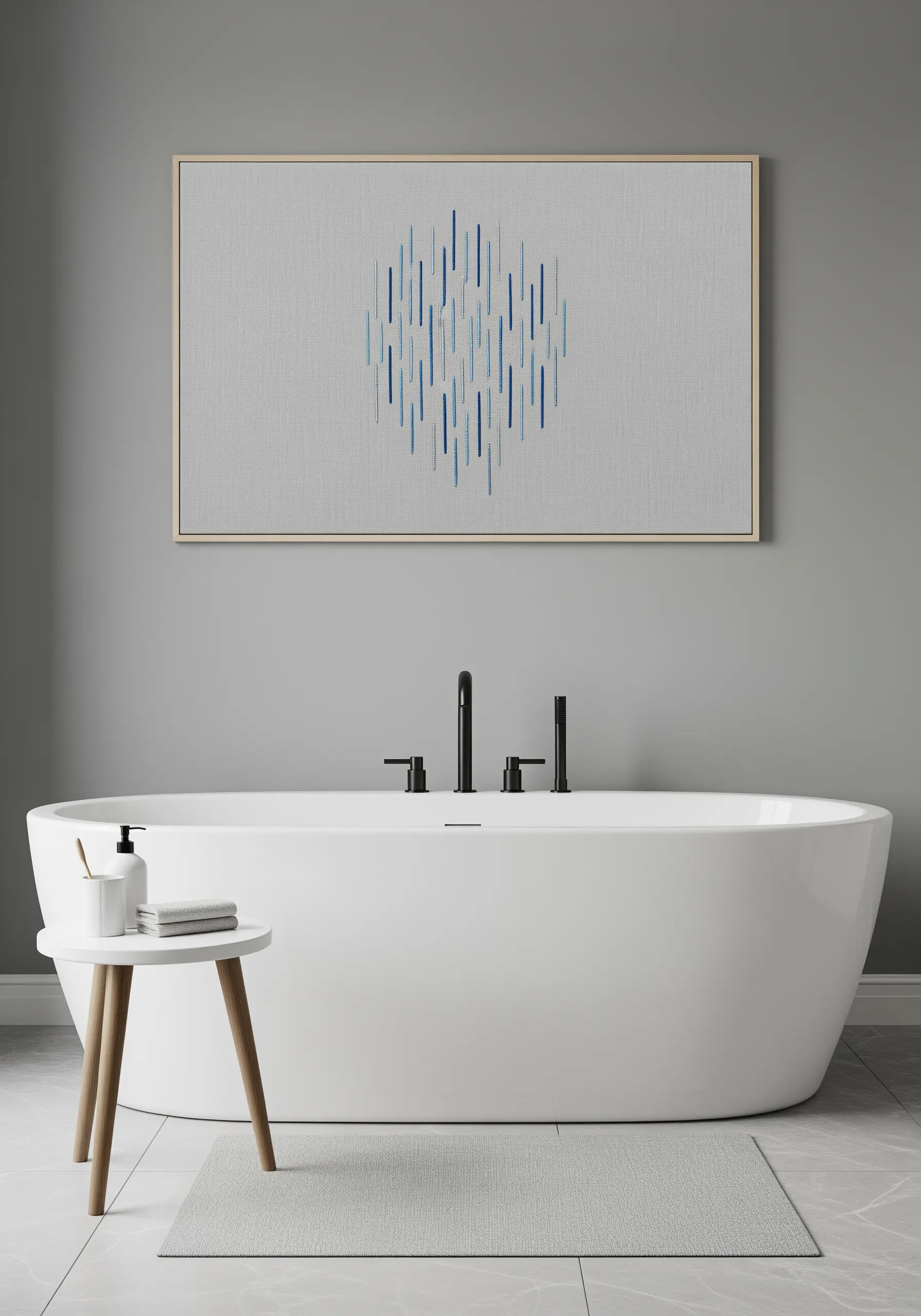
Create a serene piece of framed art by stitching vertical lines of varying lengths and colors.
Group straight stitches together to form an abstract shape, like an oval or circle, and use a monochromatic palette—several shades of blue, for example—to create a sense of depth and movement.
Varying the number of strands you use for each stitch will also add subtle textural differences.
This technique is meditative to create and calming to view, making it perfect for a bathroom or bedroom where tranquility is key.
15. The Sculptural Fiber Installation
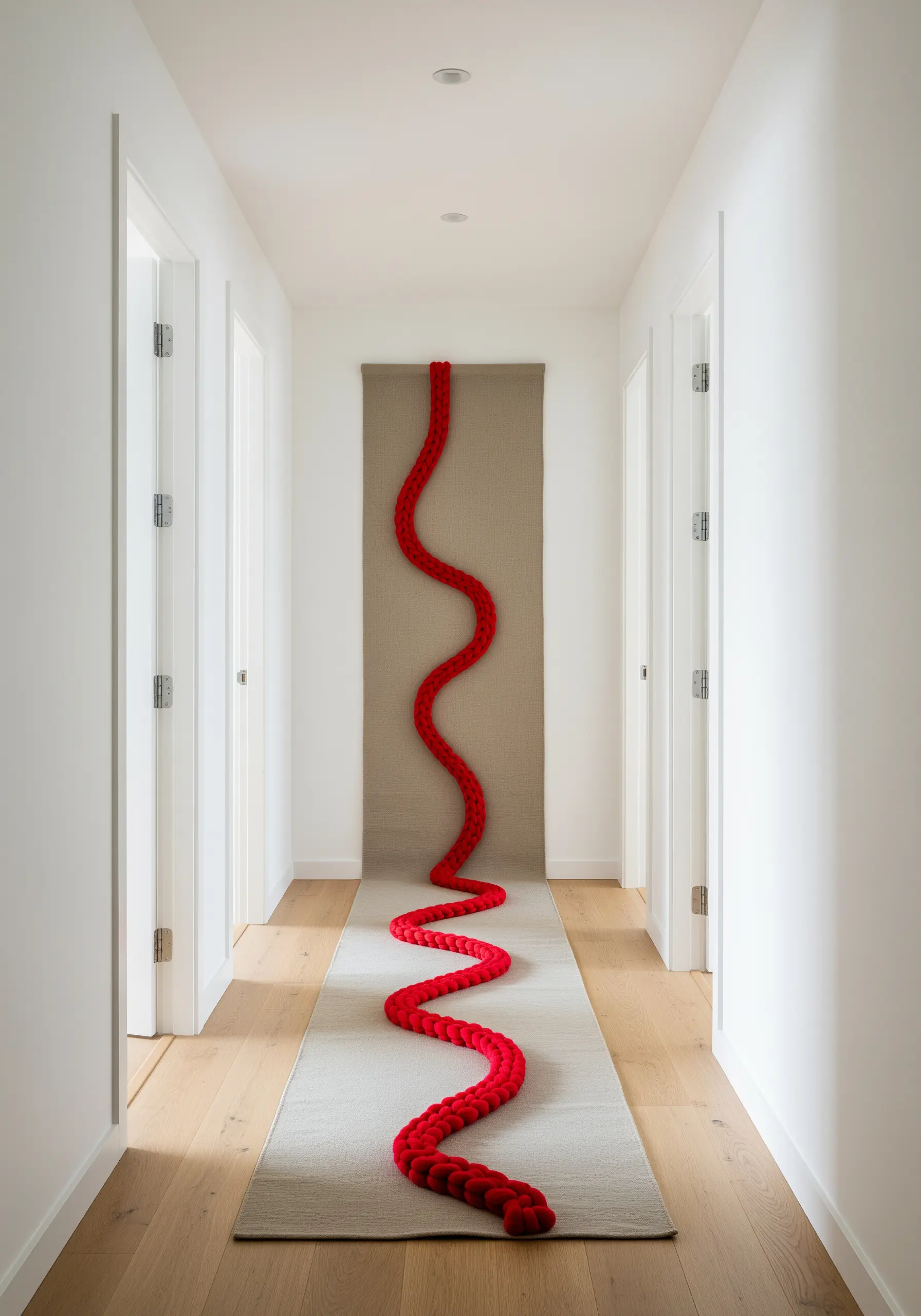
Push the boundaries of embroidery by creating a large-scale, sculptural fiber art installation for a hallway or statement wall.
This involves creating a long, padded fabric tube and then stitching it onto a heavy-duty canvas runner using strong, invisible couching stitches.
The oversized scale and bold, singular form turn thread and fabric into a dramatic architectural element.
While technically an appliqué, the principle of stitching one element to another is pure embroidery, just taken to a powerful new extreme.
16. The Modern Woven-Look Grid
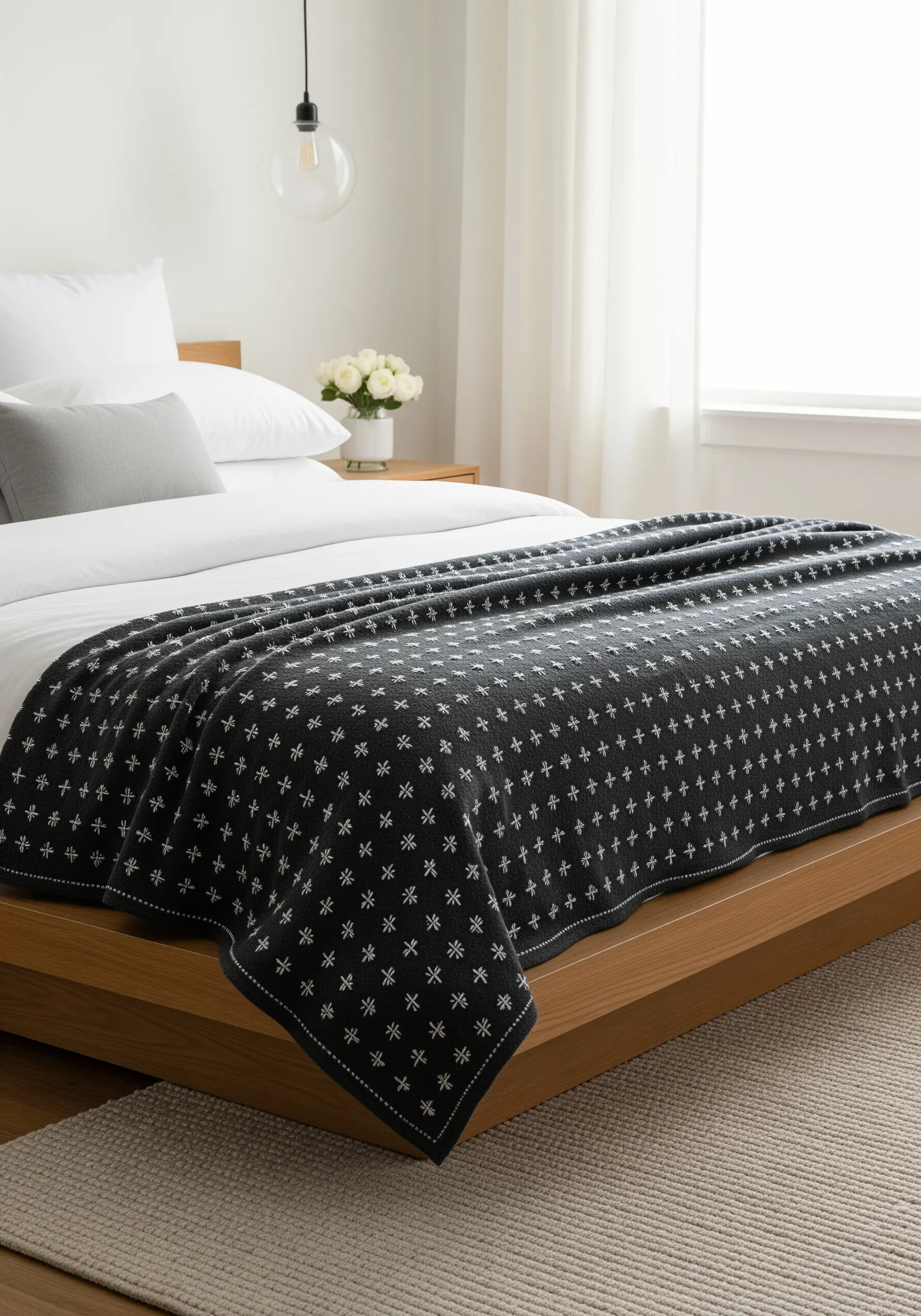
Give a dark-colored blanket or throw the look of intricate woven fabric with a simple, repeating stitch pattern.
Work a grid of small, light-colored star stitches or cross-stitches across the entire surface.
The regularity of the grid provides a sense of order and calm, while the texture of the stitches adds warmth and a handcrafted feel.
This is an excellent way to add a subtle yet sophisticated pattern to solid-colored textiles, making them feel instantly more luxurious.
17. The Minimalist Satin Stitch Bar
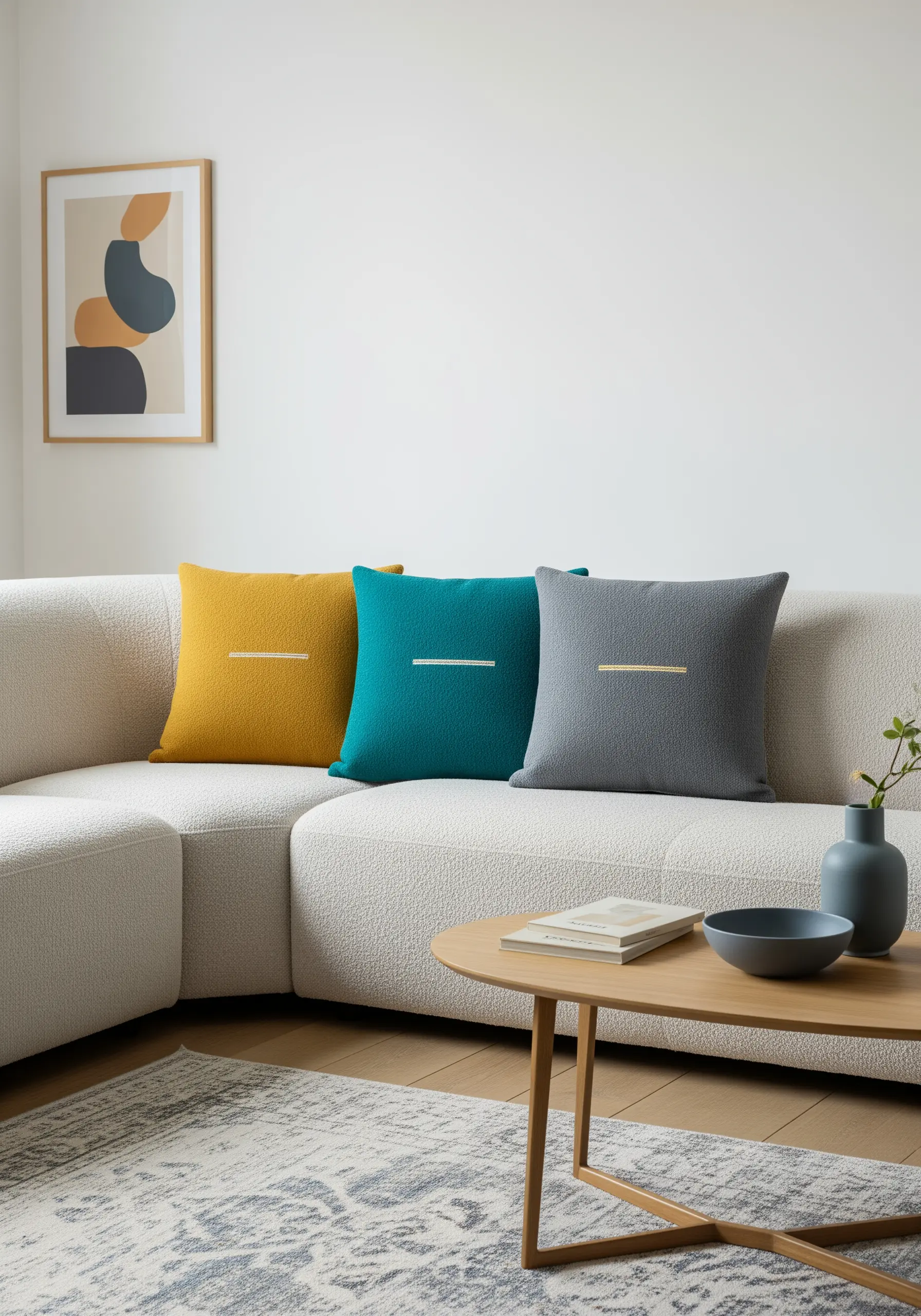
Add a single, refined detail to a set of cushions with a small, horizontal bar of satin stitch.
The success of this design lies in its perfection: the stitches must be perfectly parallel, the tension even, and the edges razor-sharp.
To achieve this, outline the shape with a split stitch first. This raised edge will act as a guide, helping you keep your satin stitches contained and neat.
Placed slightly off-center, this tiny detail acts as a focal point, proving that impactful design doesn’t require complexity.
18. Tufted Upholstery for Depth
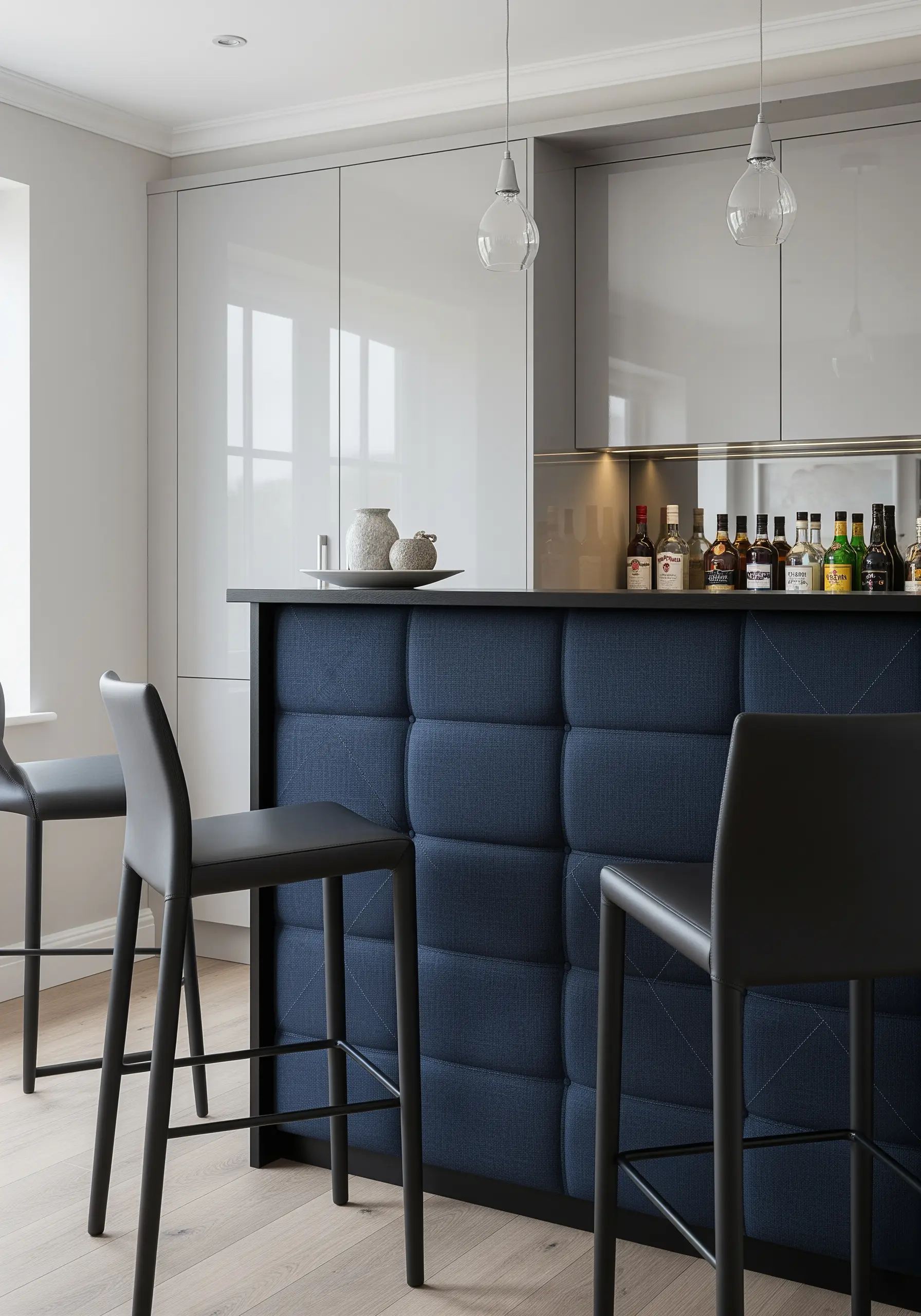
Introduce luxurious depth and texture to a furniture piece, like a bar or headboard, using a tufting technique.
This involves stitching through layers of fabric and padding, pulling the thread tight at regular intervals to create geometric indentations.
While traditionally done with buttons, using a simple, strong stitched knot at each intersection creates a more modern, seamless look.
The resulting grid of soft, pillowy squares adds a sophisticated, tactile quality that invites touch and elevates the entire piece.
19. Geometric Gradients on Structured Objects
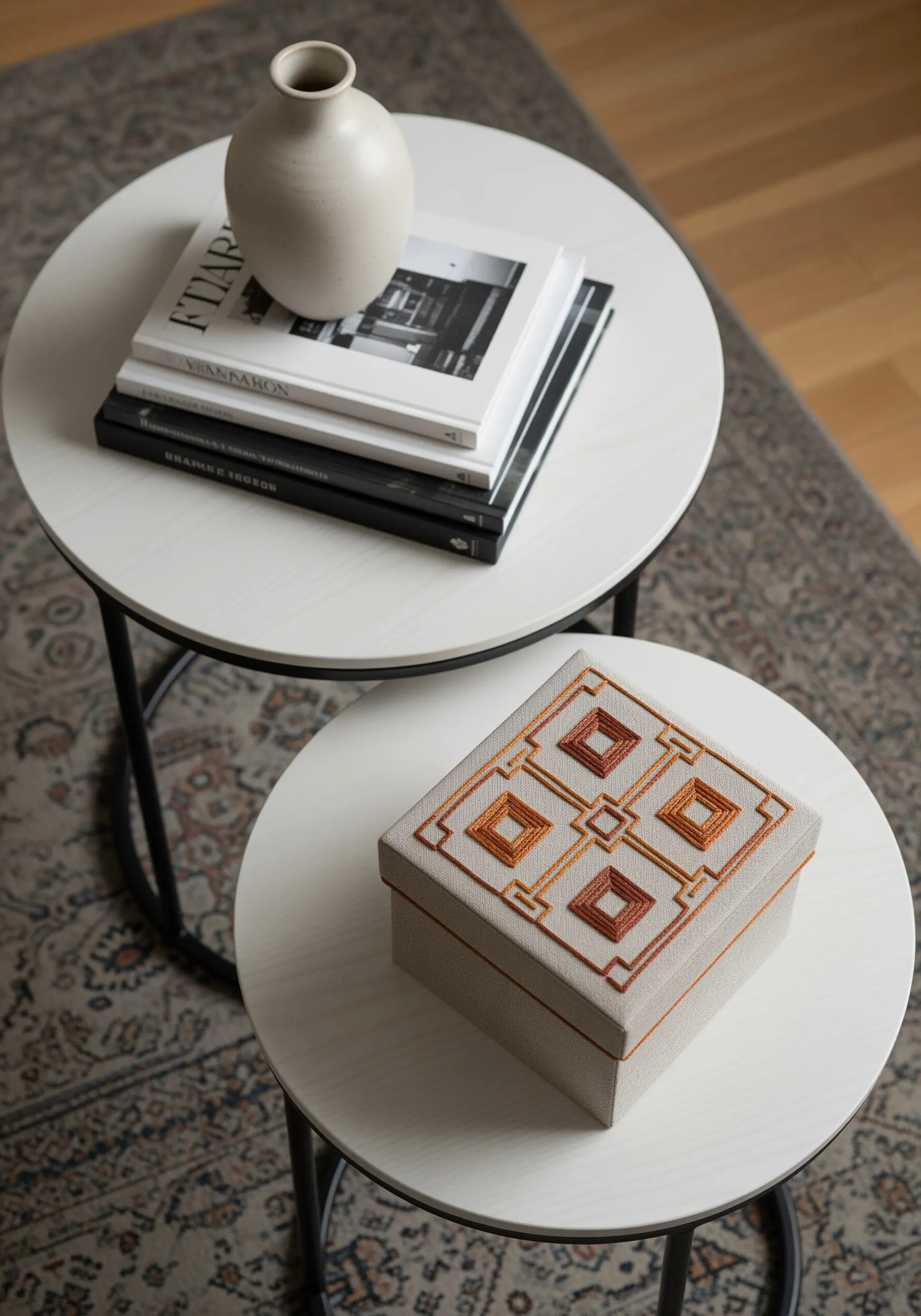
Decorate a fabric-covered box or storage container with a precise geometric pattern that uses color gradients to create an illusion of depth.
Combine satin stitch for the filled areas and backstitch for the outlines. Use an analogous color scheme—like shades of copper, ochre, and rust—to make the interlocking shapes feel cohesive and warm.
Working on a hard surface requires a sharp needle and good tension control. Consider using a light stabilizer on the reverse side to prevent any distortion of the fabric.
20. Suspended Stitches for a Nursery
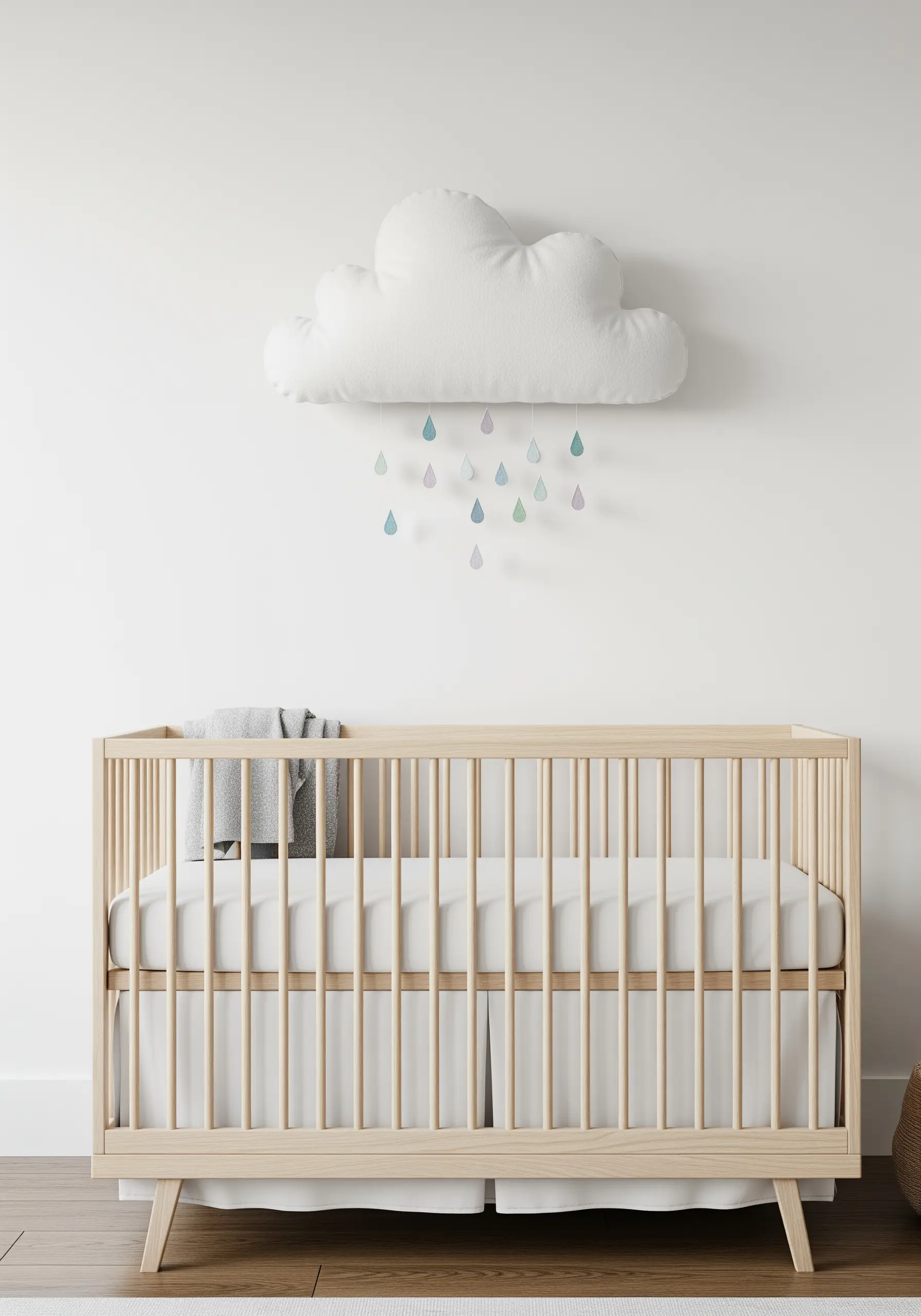
Create a gentle, kinetic piece of wall art perfect for a nursery by combining soft sculpture with delicate embroidery.
First, craft a simple, lightly stuffed cloud shape from felt or linen. Then, stitch individual ‘raindrops’—small, teardrop-shaped satin stitches—onto separate, small pieces of fabric or felt.
Cut out the raindrops and suspend them from the cloud with fine, strong, nearly invisible thread.
This creates a piece of embroidered nursery decor that has gentle movement and a dreamy, three-dimensional quality.


