Your bedroom should be a sanctuary, a place where you can truly rest. And the art you choose for its walls plays a crucial role in setting that tone. Instead of searching for the perfect print, what if you could create that serenity yourself, stitch by stitch?
This is where floral embroidery transforms from a simple craft into a powerful tool for interior design. It’s not just about creating something beautiful, but about infusing your most personal space with intention, texture, and a quiet sense of calm. The gentle repetition of the needle, the soft pull of the thread—it’s a meditative act that extends into the very atmosphere of the room.
Here, you’ll discover how to move beyond basic patterns to create pieces that feel intentional and sophisticated. We’ll explore how simple shifts in technique—like choosing a specific stitch for texture, using negative space to create focus, or framing your work in an unexpected way—can elevate your embroidery into true art that nurtures your well-being.
1. Master the Art of Minimalist Lavender
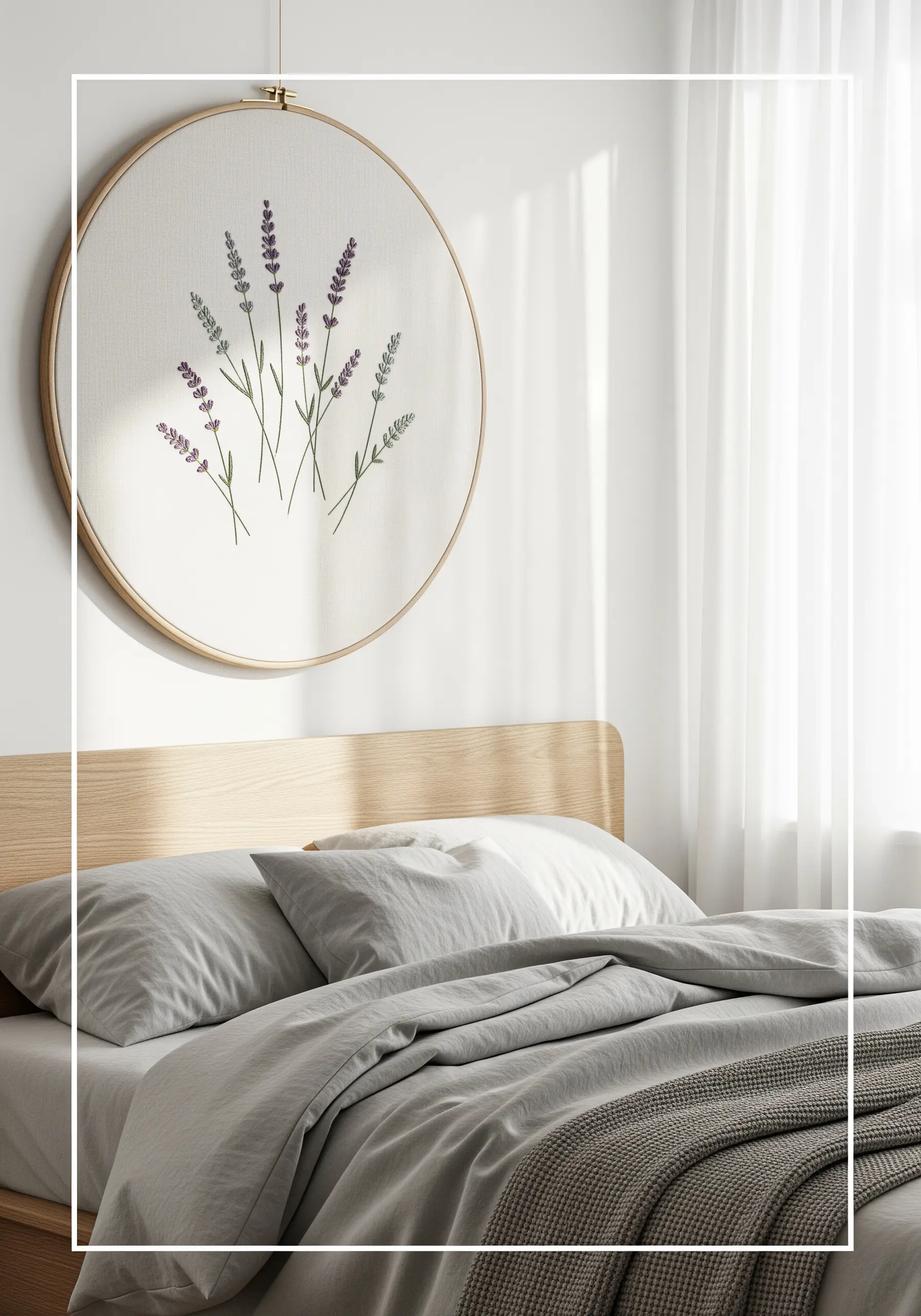
Create a calming focal point by focusing on negative space, allowing a simple lavender bouquet to breathe on the fabric.
Use a single strand of thread for the delicate stems (stem stitch) and two strands for the blossoms (lazy daisy or detached chain stitch) to create subtle dimension.
Choosing an oversized hoop turns a simple sketch into a significant piece of art, perfectly suited for the space above a headboard.
The key is restraint; the unstitched canvas is just as important as the threads, giving the piece a light, airy quality that promotes restfulness.
2. Curate a Cohesive Wildflower Gallery Wall
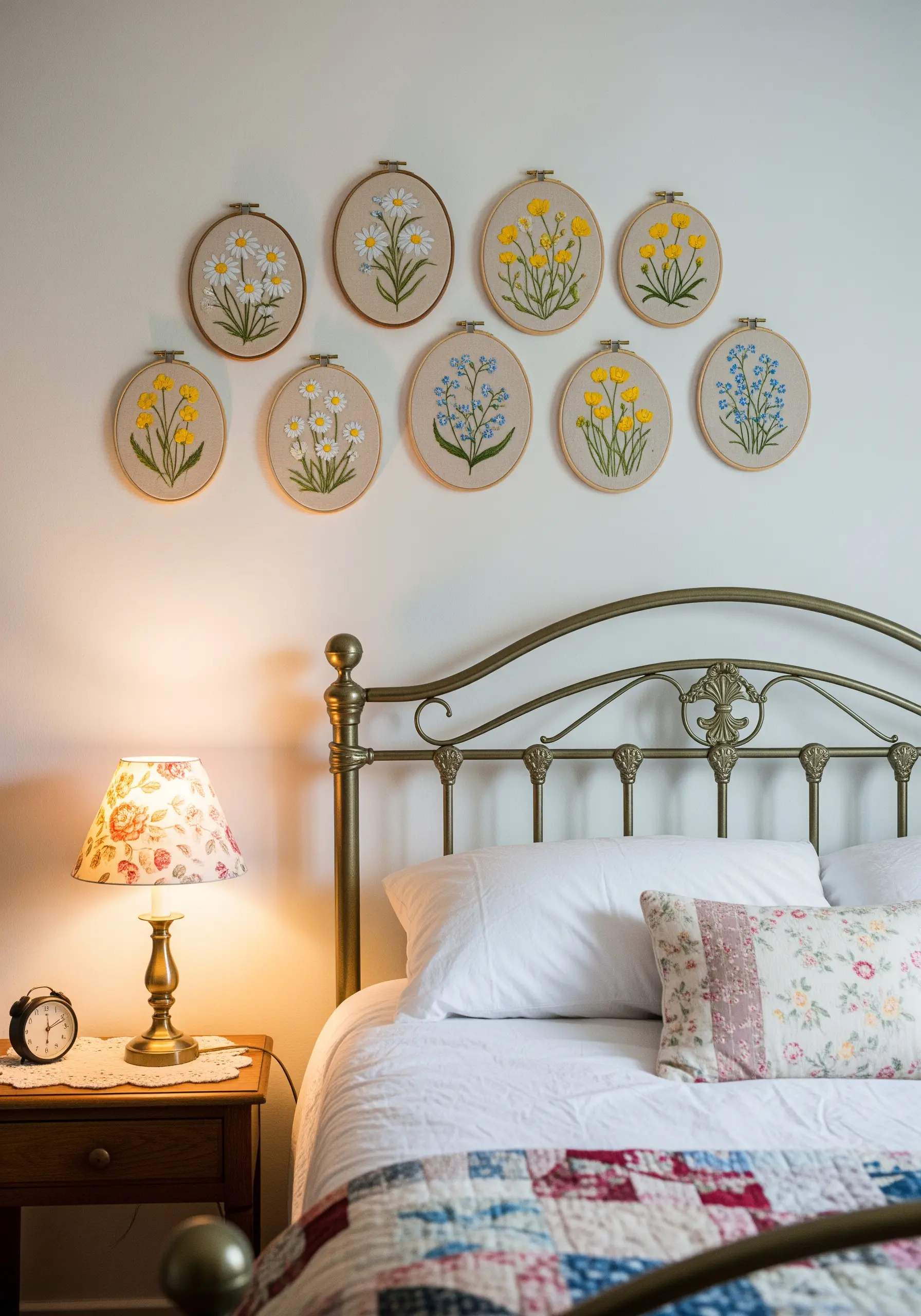
To create a harmonious collection, stitch different wildflower specimens on the same type of fabric, like a neutral linen or cotton canvas.
While the botanicals can vary—daisies, buttercups, forget-me-nots—maintain a consistent stitch style and color palette to unify the group.
Arrange the hoops in a gentle, organic cluster rather than a rigid grid to enhance the natural, whimsical feel of the floral theme.
This approach allows you to build your wall hoop art over time, adding a new flower whenever you feel inspired, creating a personal, evolving story.
3. Frame Single-Line Botanicals as Modern Art
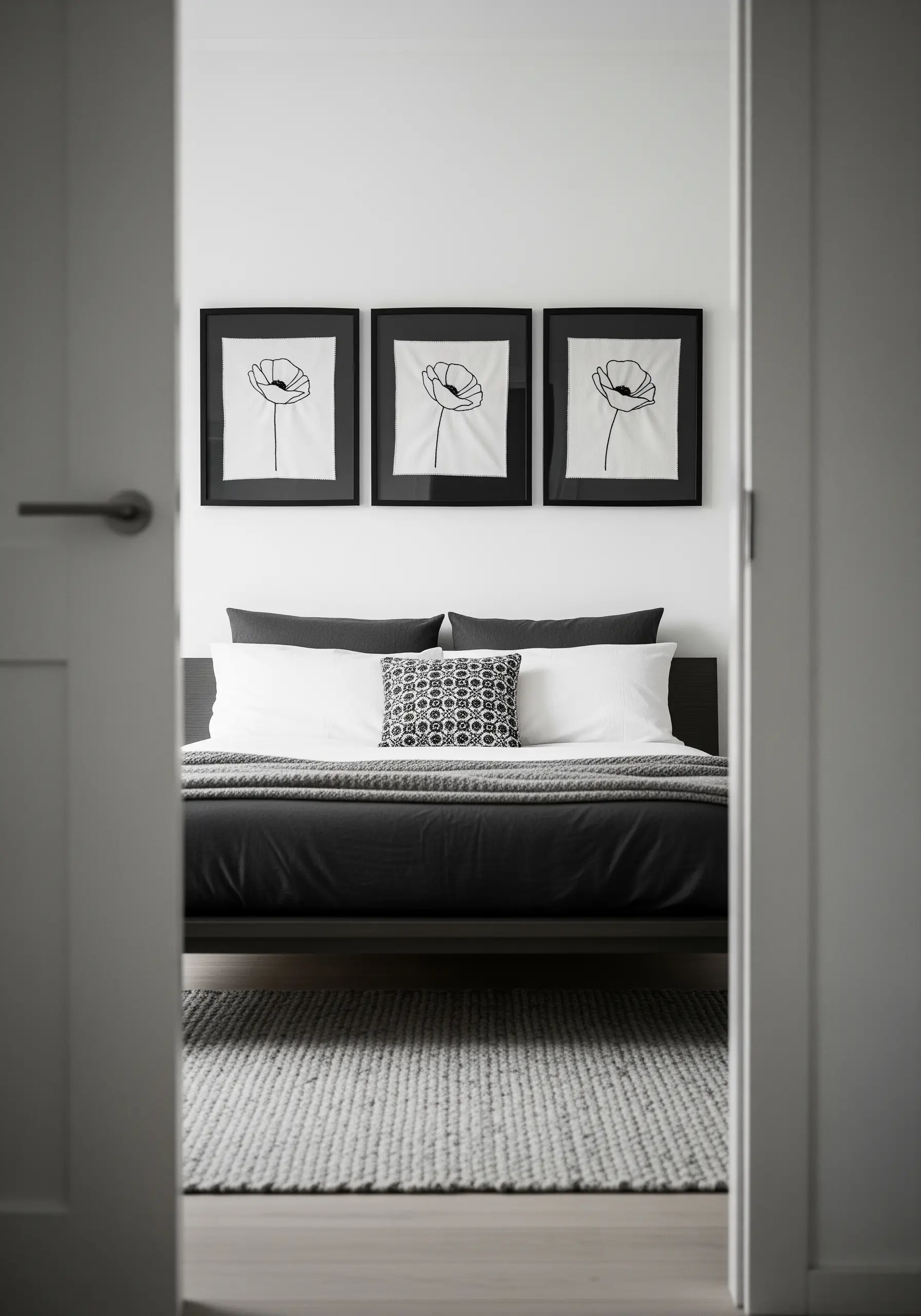
Elevate a simple floral outline by treating it as a piece of fine art.
Use a single strand of black six-strand floss and a crisp backstitch or stem stitch to create clean, graphic abstract line art silhouettes.
The choice of a stark black frame and ample white space around the motif transforms the embroidery into a sophisticated, minimalist statement.
This triptych arrangement creates a powerful rhythm and draws the eye, proving that simplicity often has the greatest impact.
4. Stitch a Serene Cherry Blossom Wall Scroll
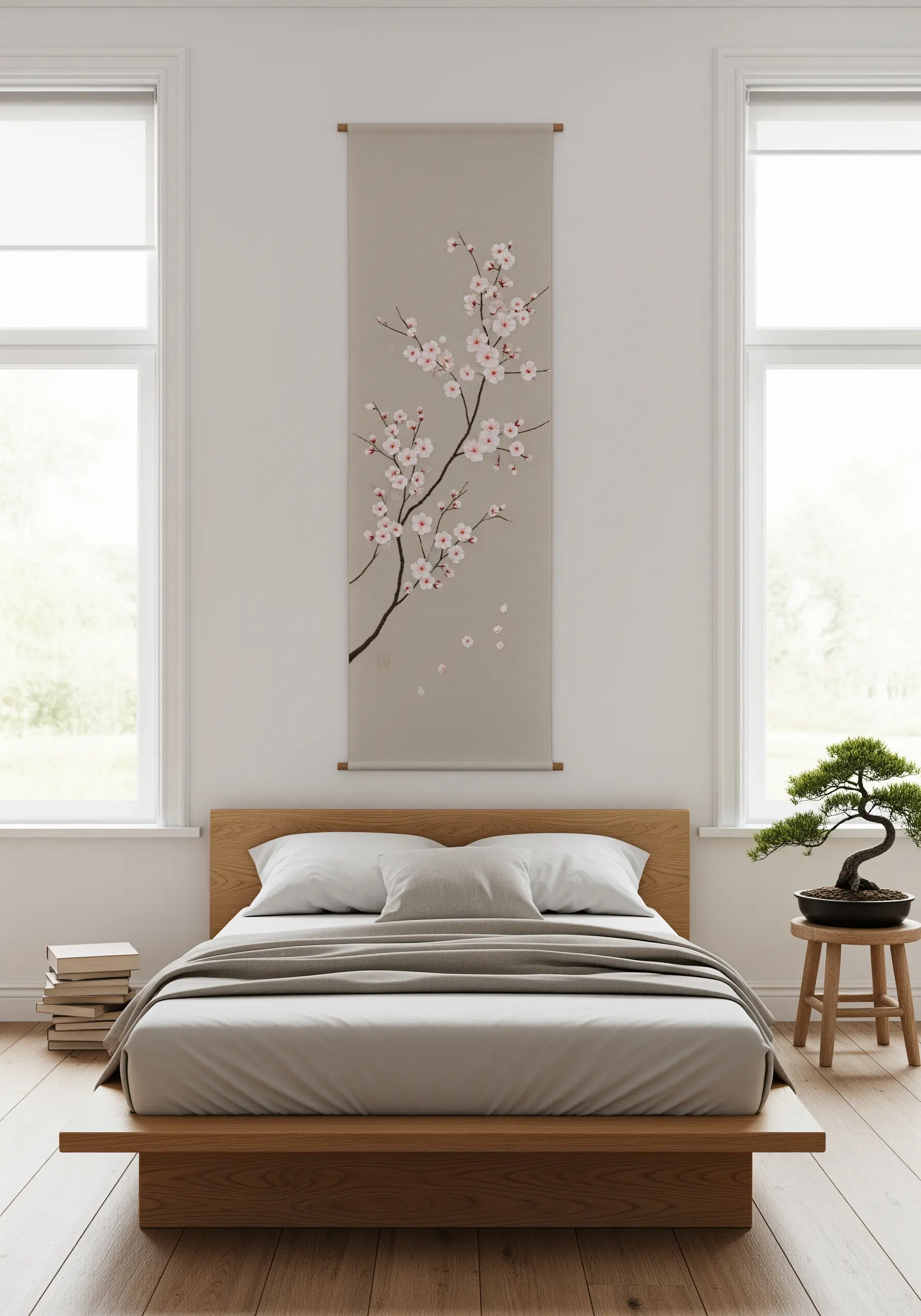
Move beyond the hoop and display your work on an elegant fabric scroll, perfect for creating a sense of calm and verticality in a room.
For the cherry blossoms, use a delicate satin stitch with just two strands of floss in pale pink and white, blending them slightly to mimic soft petals.
Use tiny French knots for the flower centers and a textured, variegated brown thread for the branch to add realism and depth.
This format, inspired by Japanese kakejiku, turns your embroidery into a piece of intentional, serene decor.
5. Combine Punch Needle and Macramé for a Bohemian Tapestry
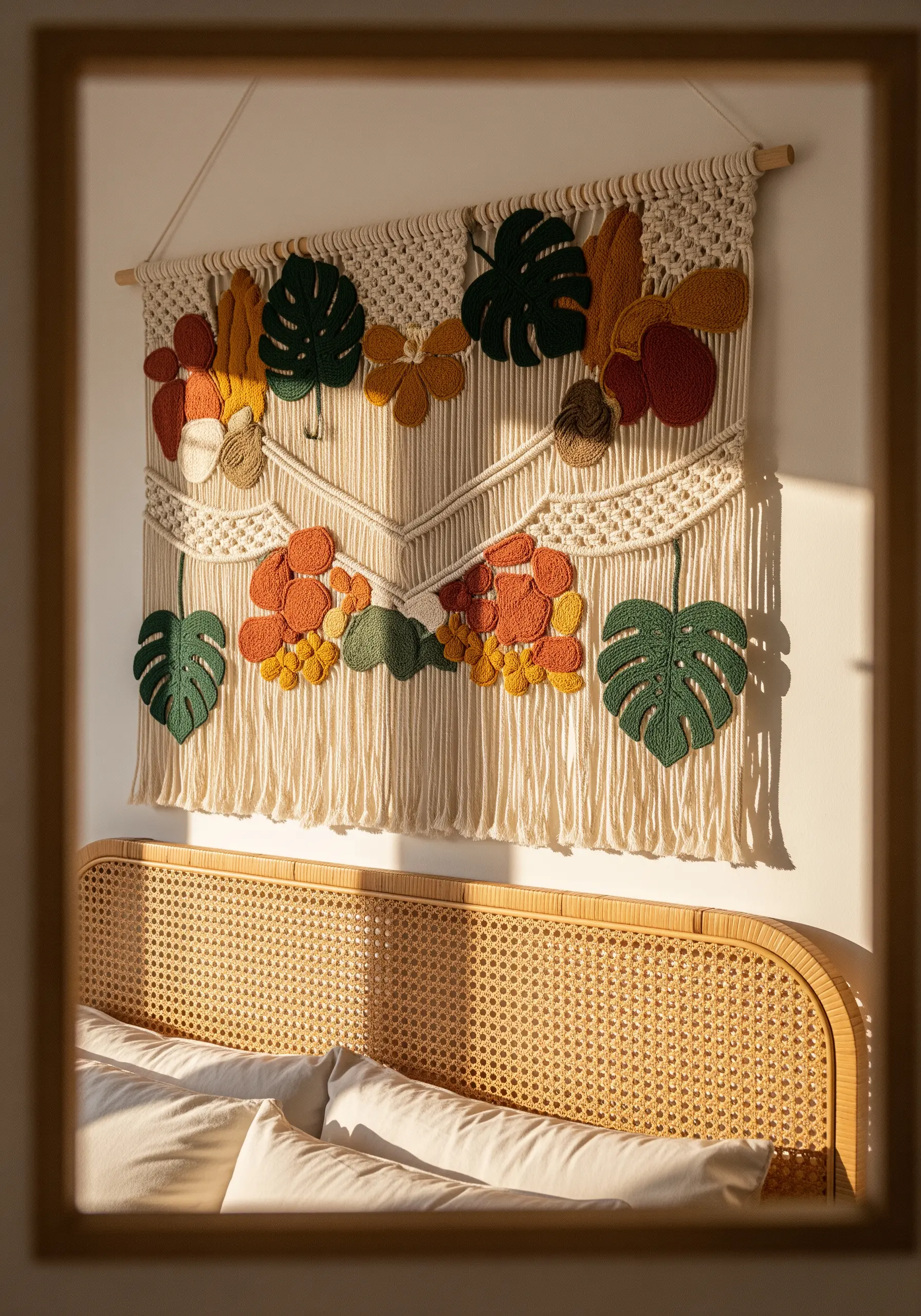
Introduce bold texture and a tactile quality by merging punch needle embroidery with macramé.
Create your floral and leaf motifs separately using a punch needle with chunky yarn, varying the loop height to build dimension.
Attach these finished shapes to a macramé base, allowing you to compose your design with more freedom than stitching directly onto a woven background.
This mixed-media approach results in stunning, boho-inspired textile wall art that feels both handmade and luxurious.
6. Use Colored Fabric as Your Canvas
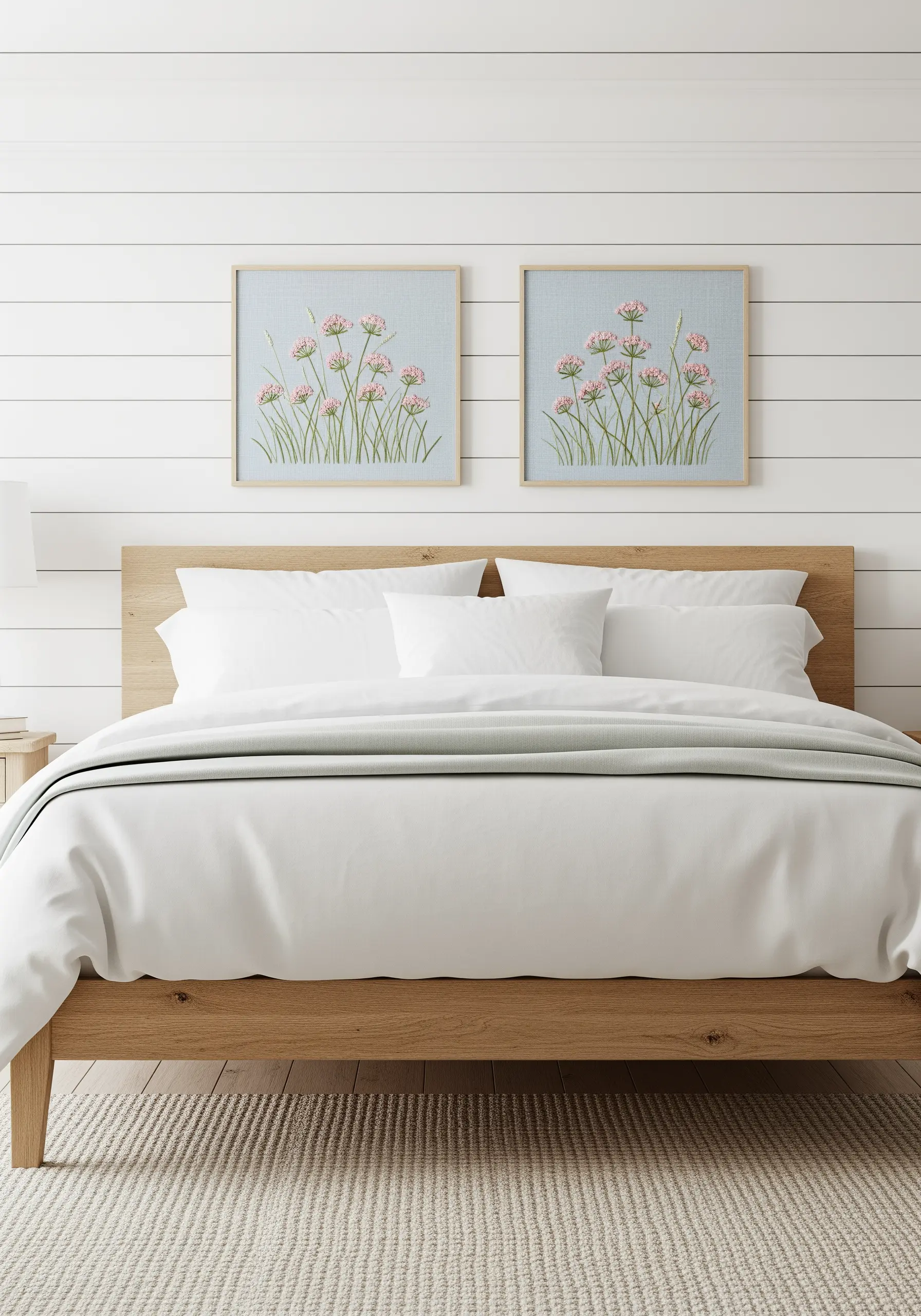
Let your background fabric do some of the work by choosing a soft, colored linen as your base.
A dusty blue or sage green canvas can make pink and white floral stitches pop, creating an immediate atmospheric effect without needing to fill the entire background.
Use simple stitches like stem stitch for outlines and lazy daisy for petals to create a delicate, meadow-like scene.
Framing the finished piece in a simple wooden frame that matches your furniture creates a cohesive, thoughtful look.
7. Create Depth in a Large-Scale Sunflower Landscape
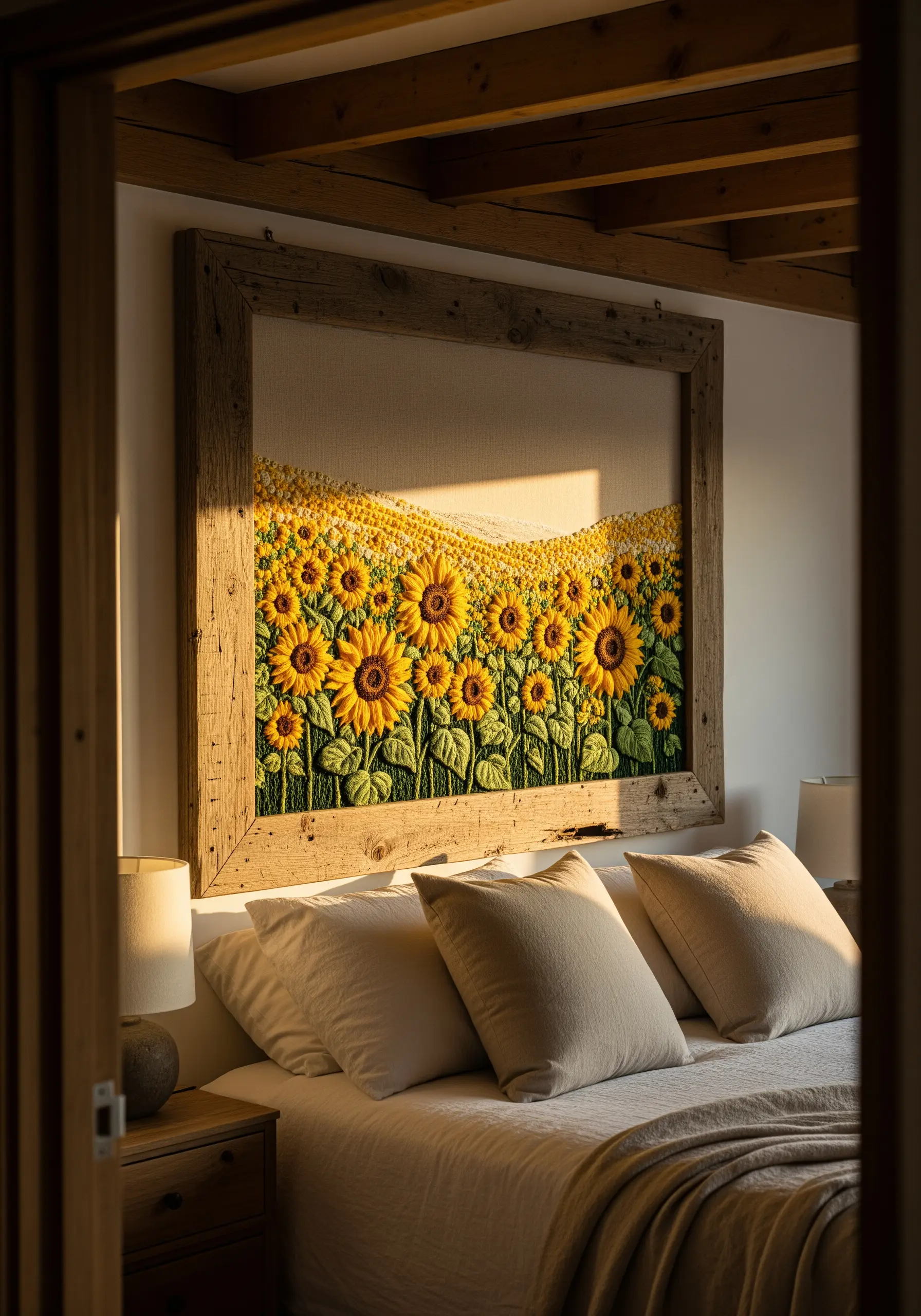
To tackle a large, ambitious piece like a field of sunflowers, focus on creating perspective.
Stitch the sunflowers in the foreground larger and with more textural detail—using French knots or turkey work for the centers—to make them feel closer.
For the flowers in the distance, use smaller, simpler stitches and slightly muted colors to create the illusion of depth.
This technique, borrowed from landscape painting, transforms a flat surface into a dynamic, immersive scene full of sunshine.
8. Design a Sprawling Botanical Banner
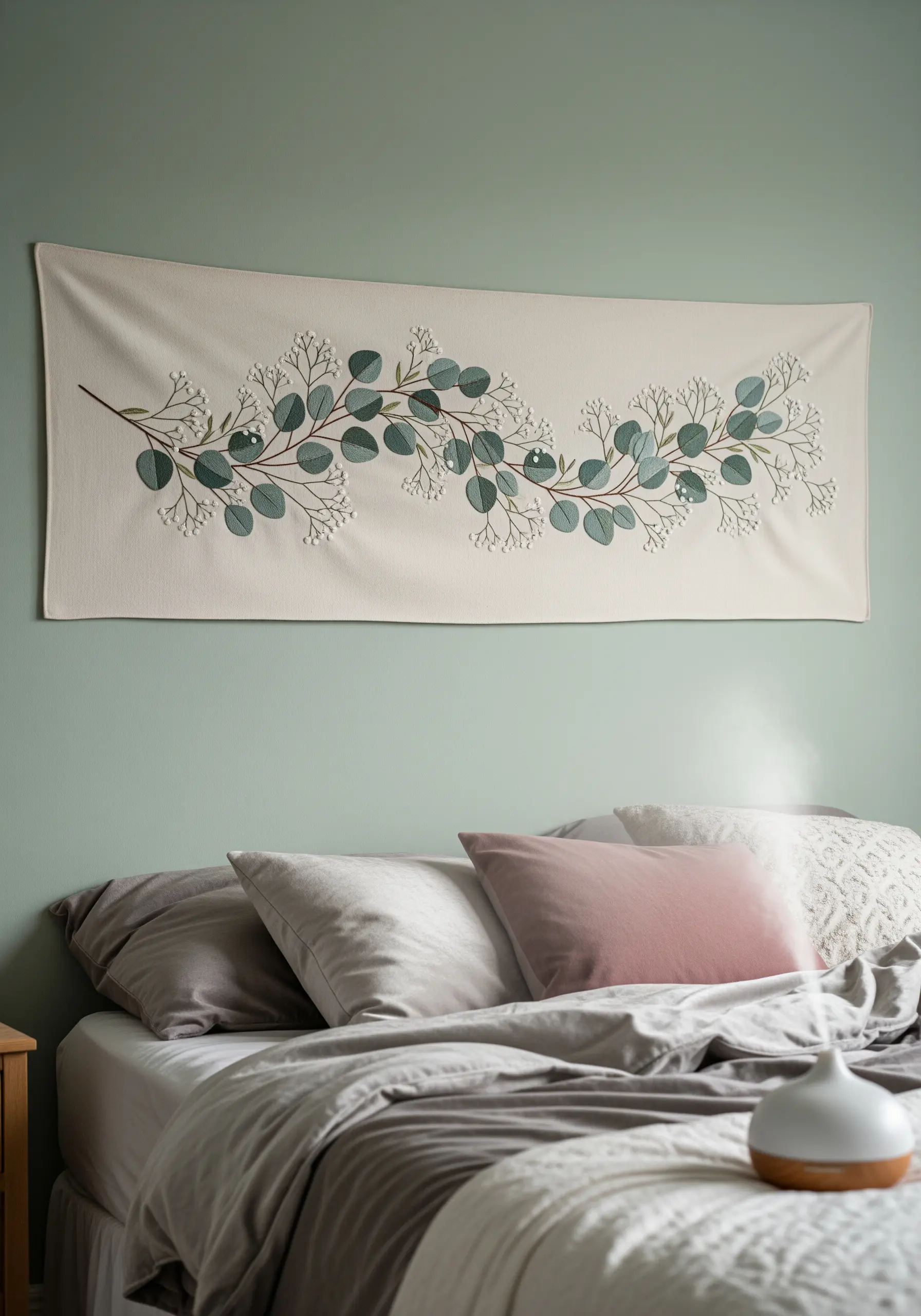
For a piece that feels both delicate and expansive, stitch a single, sprawling branch across a long, horizontal banner.
Render eucalyptus leaves with a smooth satin stitch in muted sage and blue-green tones, overlapping them slightly for a natural look.
Intersperse the leaves with clusters of tiny white French knots to represent baby’s breath, adding a layer of fine texture.
This elongated format is perfect for hanging above a headboard, creating a serene, uninterrupted line of sight.
9. Achieve Dramatic Contrast with Light on Dark
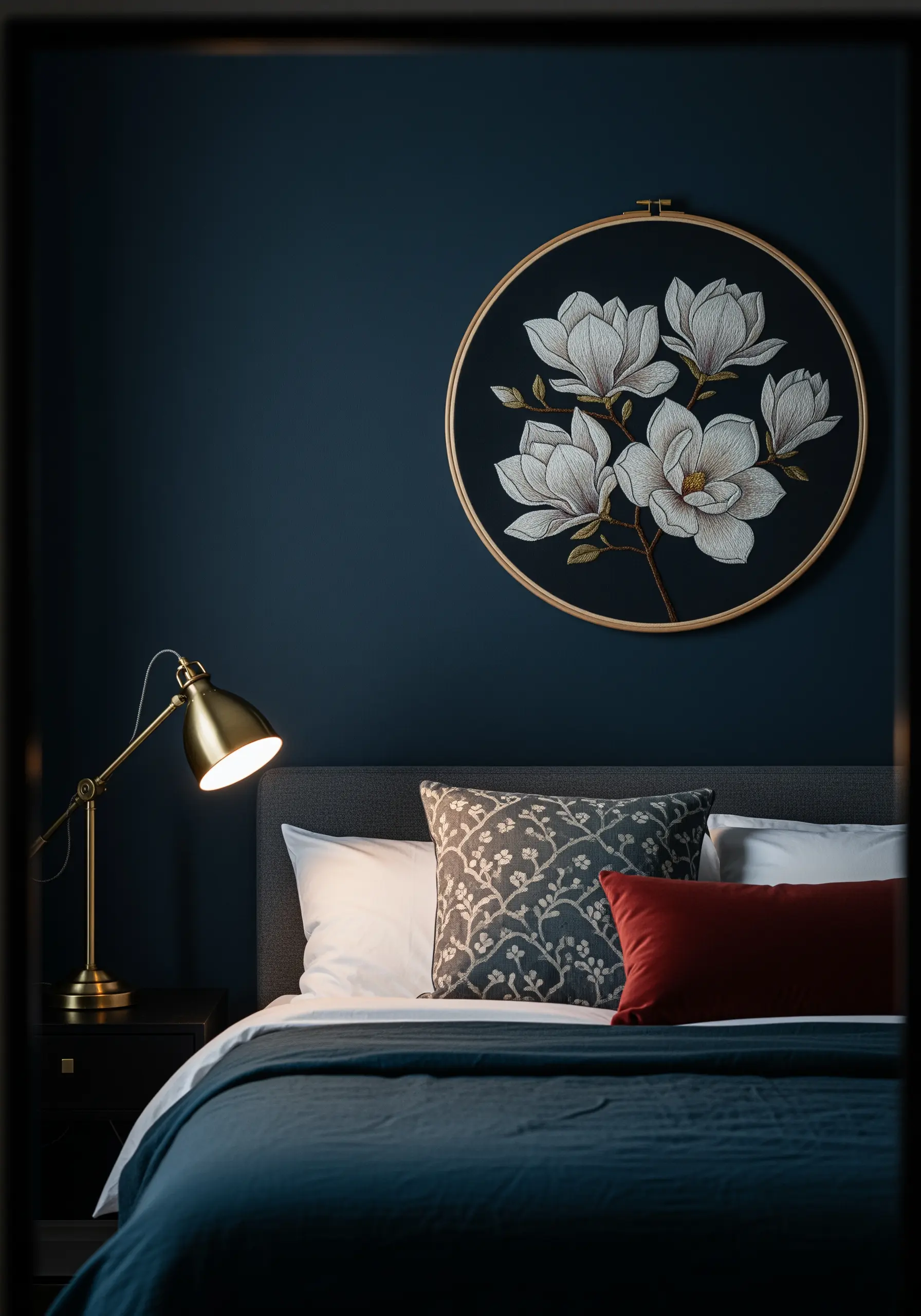
Create a stunning, moody piece by stitching white magnolias on a dark navy or black fabric background.
Use a thread painting technique with long and short stitches, blending shades of white, cream, and pale grey to give the petals a realistic, velvety texture that seems to catch the light.
A single strand of dark brown for the branches provides structure without distracting from the luminous blossoms.
This high-contrast approach creates a dramatic and sophisticated piece, perfect for a modern bedroom.
10. Capture Whimsy with Tulle and Floating Seeds
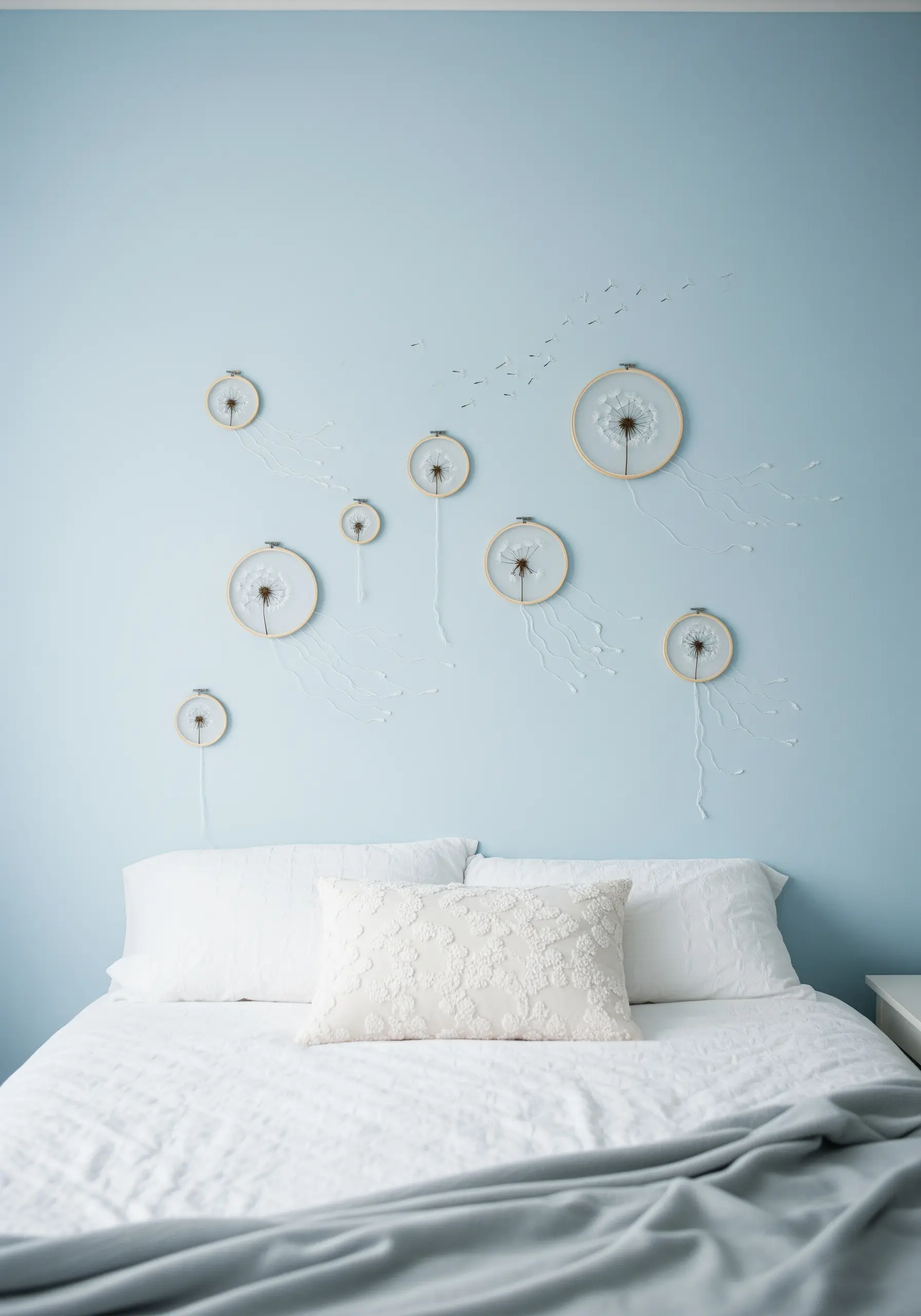
Embrace ethereal design by stitching delicate dandelions on sheer tulle or organza stretched in a hoop.
Stitch the dandelion head directly onto the tulle, then create the effect of blowing seeds by stitching individual seed stitches directly onto the wall or letting threads float away from the hoop.
This technique breaks the boundary of the hoop, creating a dynamic installation that interacts with the space around it.
Arrange multiple hoops of varying sizes to create a sense of movement and magic across the wall.
11. Add Modern Drama with Deconstructed Threads
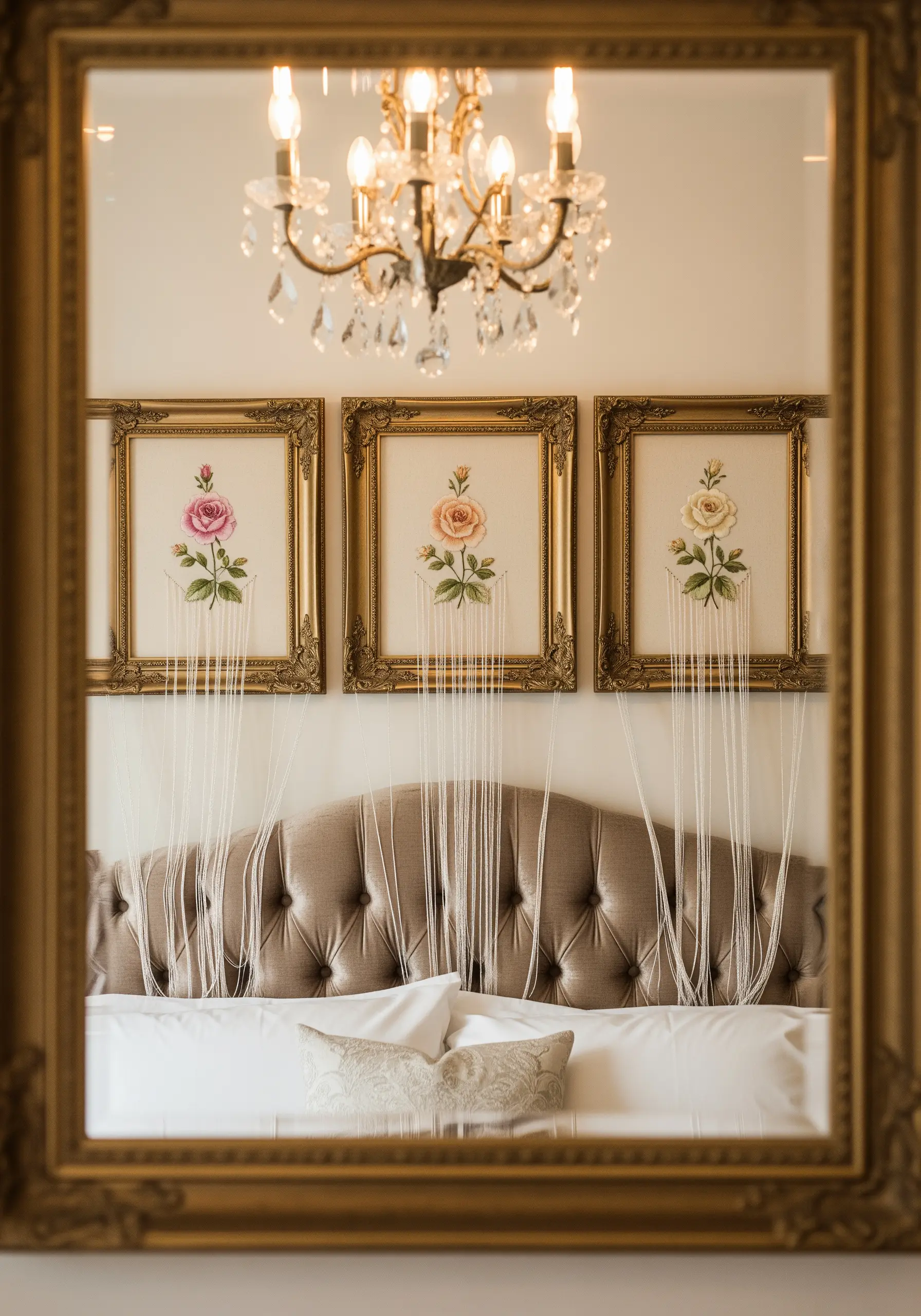
Give a classic floral motif a contemporary twist by allowing threads to cascade down from the finished embroidery.
Stitch your roses using traditional techniques like padded satin stitch for a raised effect, then let the threads used for the stems hang long and loose.
Frame the piece in an ornate, vintage-style frame to create a compelling contrast between the classic and the contemporary.
This deconstructed approach adds an element of raw, artistic expression to an otherwise traditional subject.
12. Evoke a Forest with Textured Birch Trunks
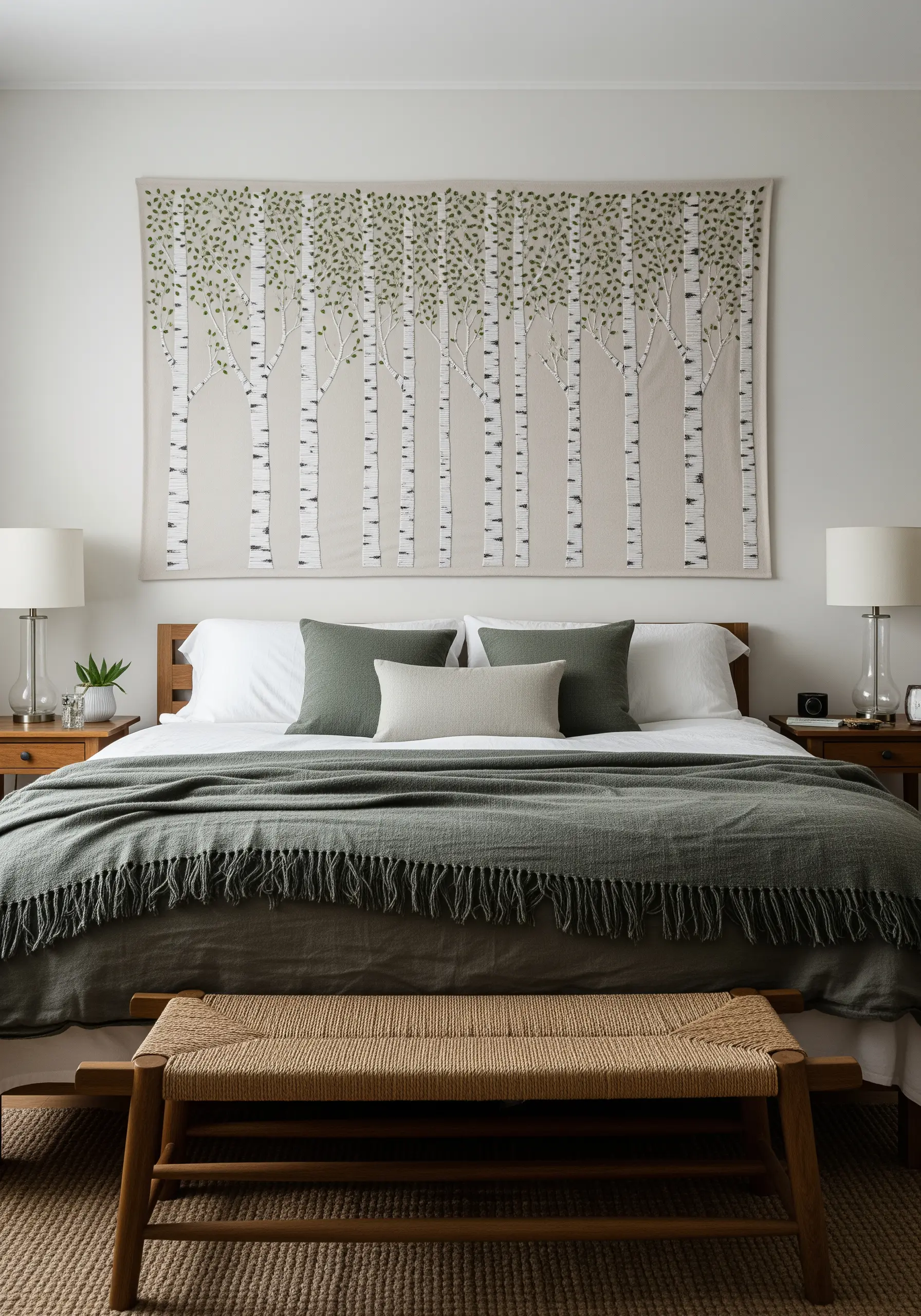
Suggest a peaceful birch forest without stitching a single leaf by focusing on the unique texture of the tree trunks.
Use a neutral oatmeal-colored fabric as your base. Create the white trunks with vertical satin stitches, then add the characteristic black marks with small, randomly placed horizontal stitches.
A smattering of green French knots at the top is all you need to suggest a full canopy, keeping the focus on the graphic beauty of the trunks.
This large-scale embroidery creates a serene, natural backdrop with minimalist effort.
13. Create a Framed Triptych of Calming Herbs
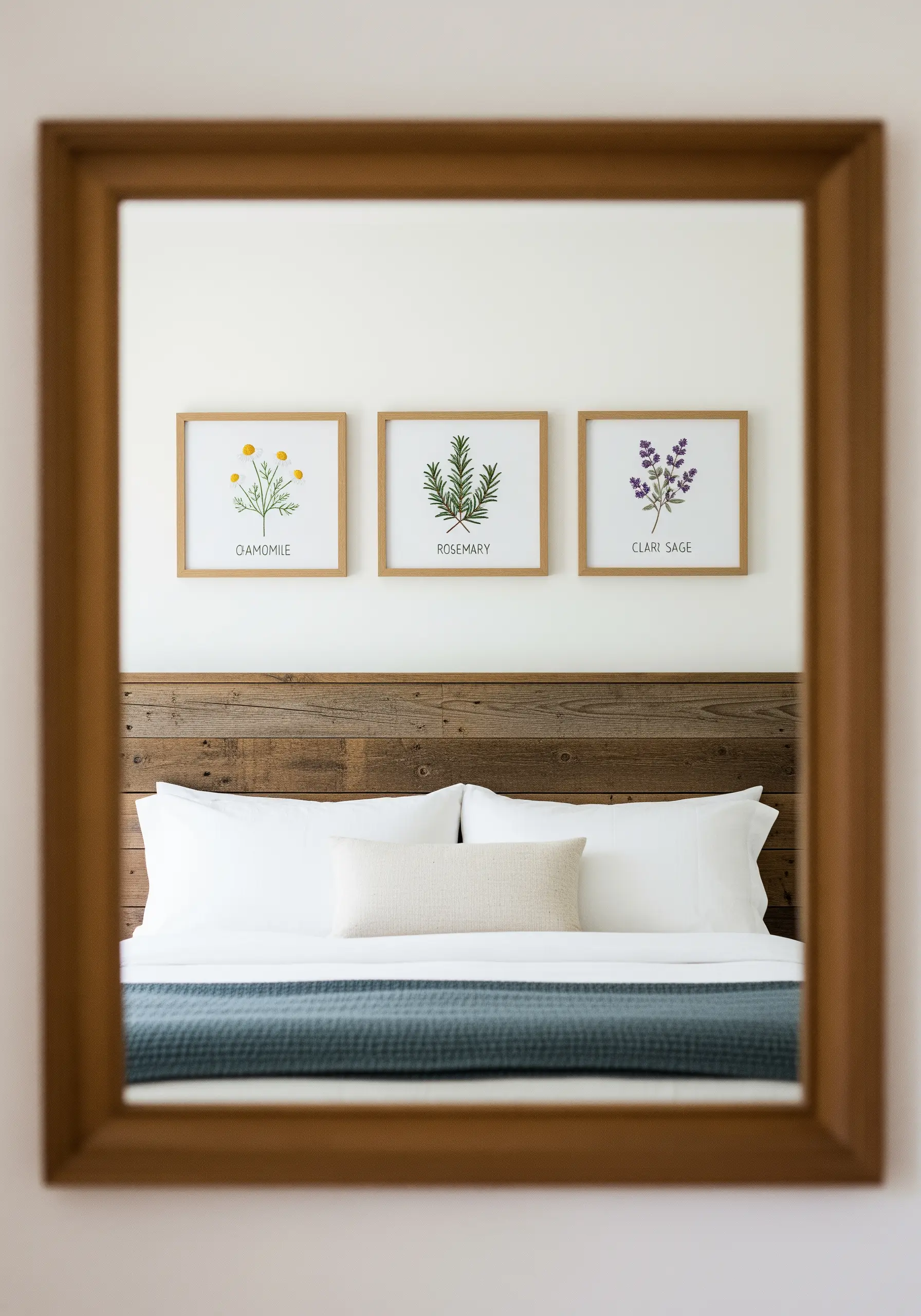
Design a set of botanical illustrations featuring calming herbs like chamomile, rosemary, and lavender.
For a clean, scientific-illustration style, use a fine backstitch for the outlines and lettering. Add color sparingly with simple satin stitches or seed stitches.
The key to a polished look is consistency: use the same fabric, frame style, and font for each piece in the series.
Grouping them together creates a sophisticated, spa-like atmosphere perfect for promoting relaxation and sleep.
14. Build Sculptural Desert Florals with Yarn
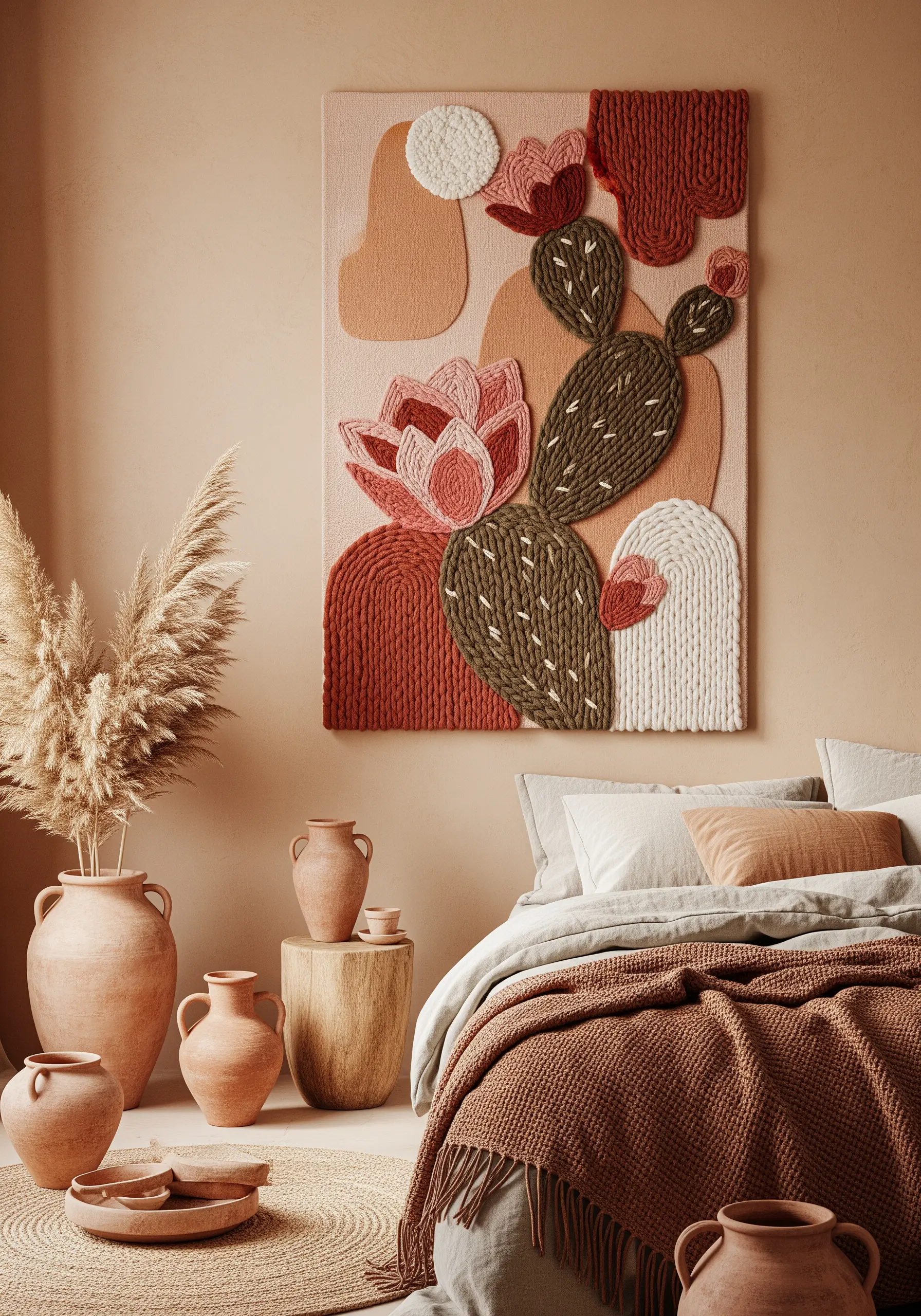
Explore the bold, tactile world of punch needle or couching with thick yarn to create a statement piece with sculptural depth.
Instead of fine floss, use chunky wool or cotton yarn to fill in large, organic shapes, creating a highly textured, abstract cactus garden.
Varying the direction of your stitches or the height of your punch needle loops adds another layer of visual interest.
The result is a piece of fiber art that bridges the gap between embroidery and sculpture, perfect for an earthy, terracotta-toned room.
15. Weave a Floral Crescent Moon Tapestry
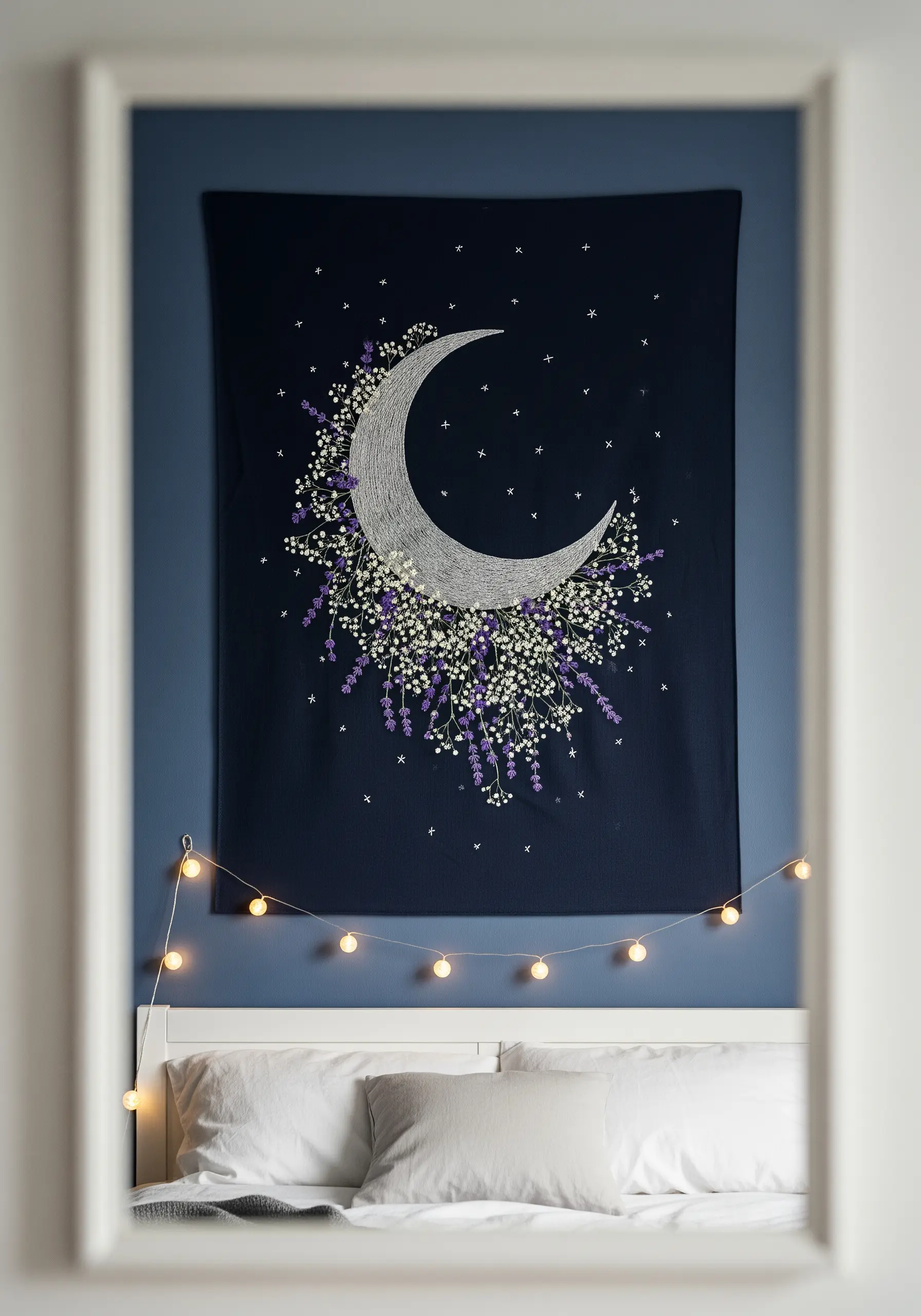
Combine celestial and botanical elements for a truly magical bedroom centerpiece.
Create the crescent moon using a dense satin stitch with a silver or metallic grey thread to give it a subtle shimmer.
Frame the moon with a cascade of embroidered lavender and baby’s breath, using French knots and detached chain stitches for delicate texture.
Scatter tiny star stitches (a simple cross-stitch or a single straight stitch) across the dark fabric to complete your celestial night garden.
16. Capture Elegance with a Single-Line Bouquet
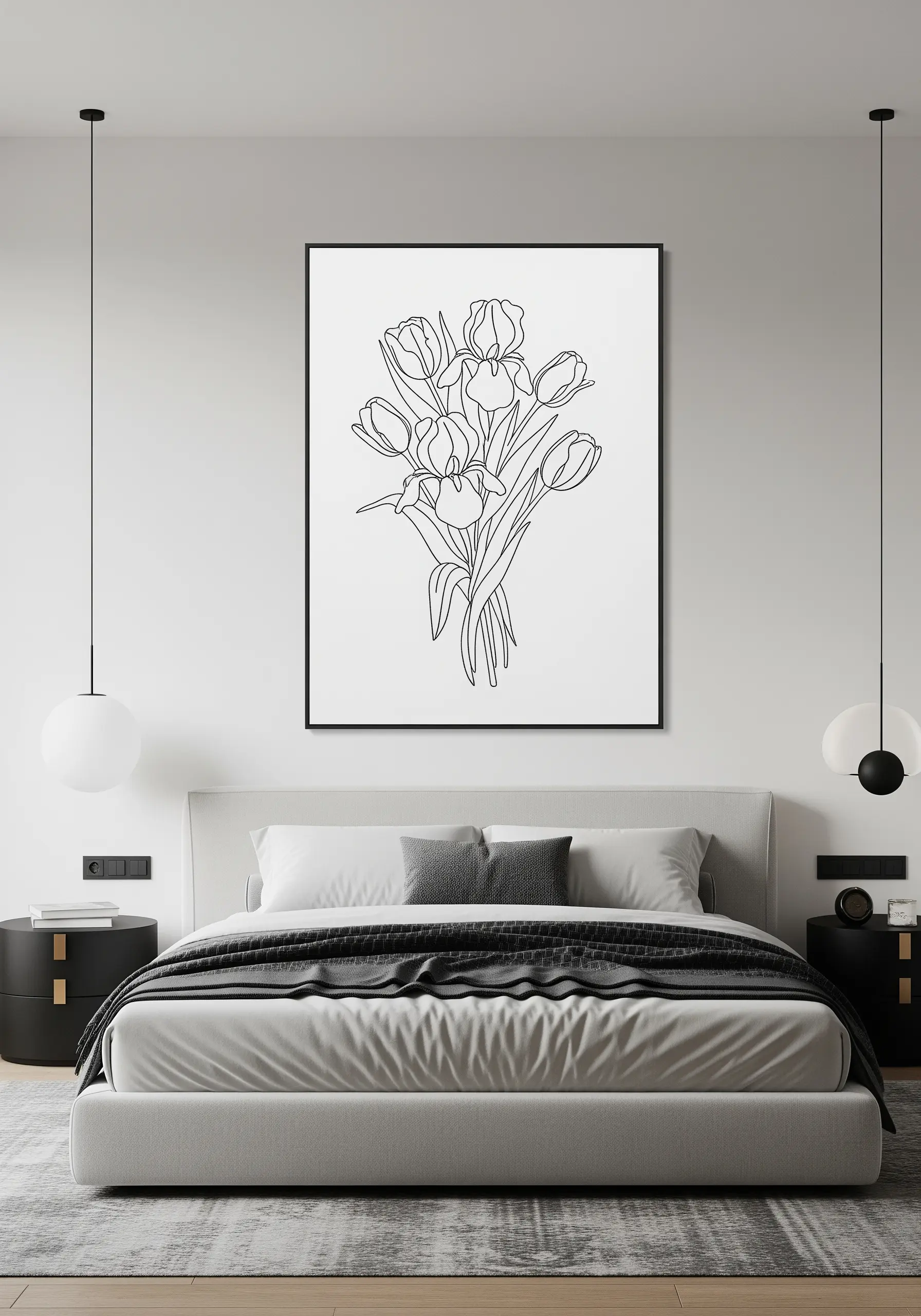
Embrace the power of minimalism by rendering a full bouquet using a single, unbroken line.
To achieve this fluid look, use a smooth stem stitch or whipped backstitch with a single strand of black thread on crisp white fabric.
The challenge is in the planning: trace your design carefully to ensure the line flows logically from one flower to the next.
Framed simply, this minimalist line art piece is a testament to the idea that less can be profoundly more.
17. Design a Bold, Embroidered Headboard
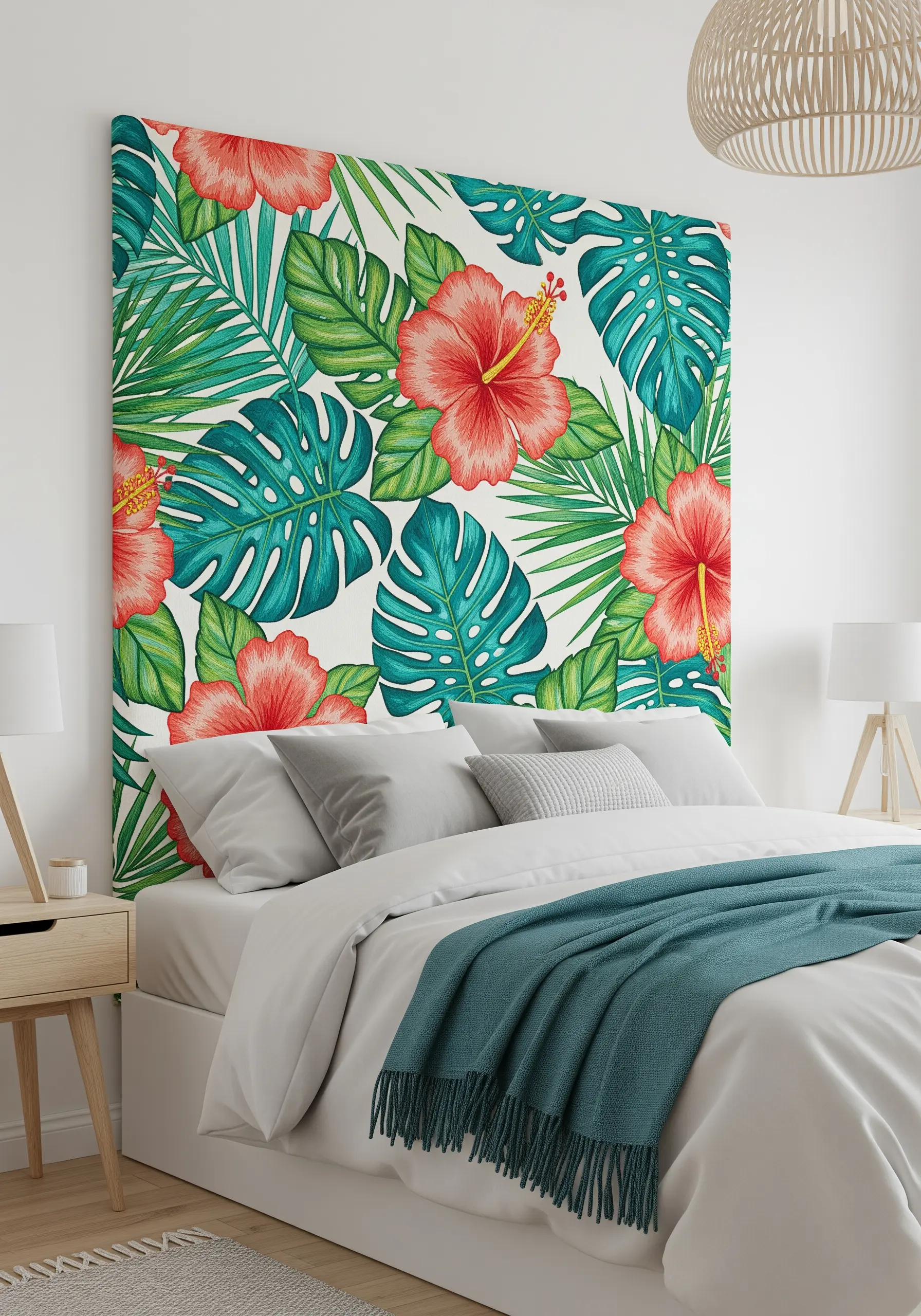
Make the ultimate statement by turning an entire headboard into a canvas for vibrant, tropical flora.
For a project of this scale, use a long and short stitch to fill the large hibiscus petals and monstera leaves, which allows for beautiful color blending.
Opt for a slightly thicker thread, like a pearl cotton, to cover the area more efficiently while still achieving a smooth finish.
This functional work of art becomes the undeniable focal point, infusing the room with energy and personality.
18. Layer French Knots for Lush Lilac Clusters
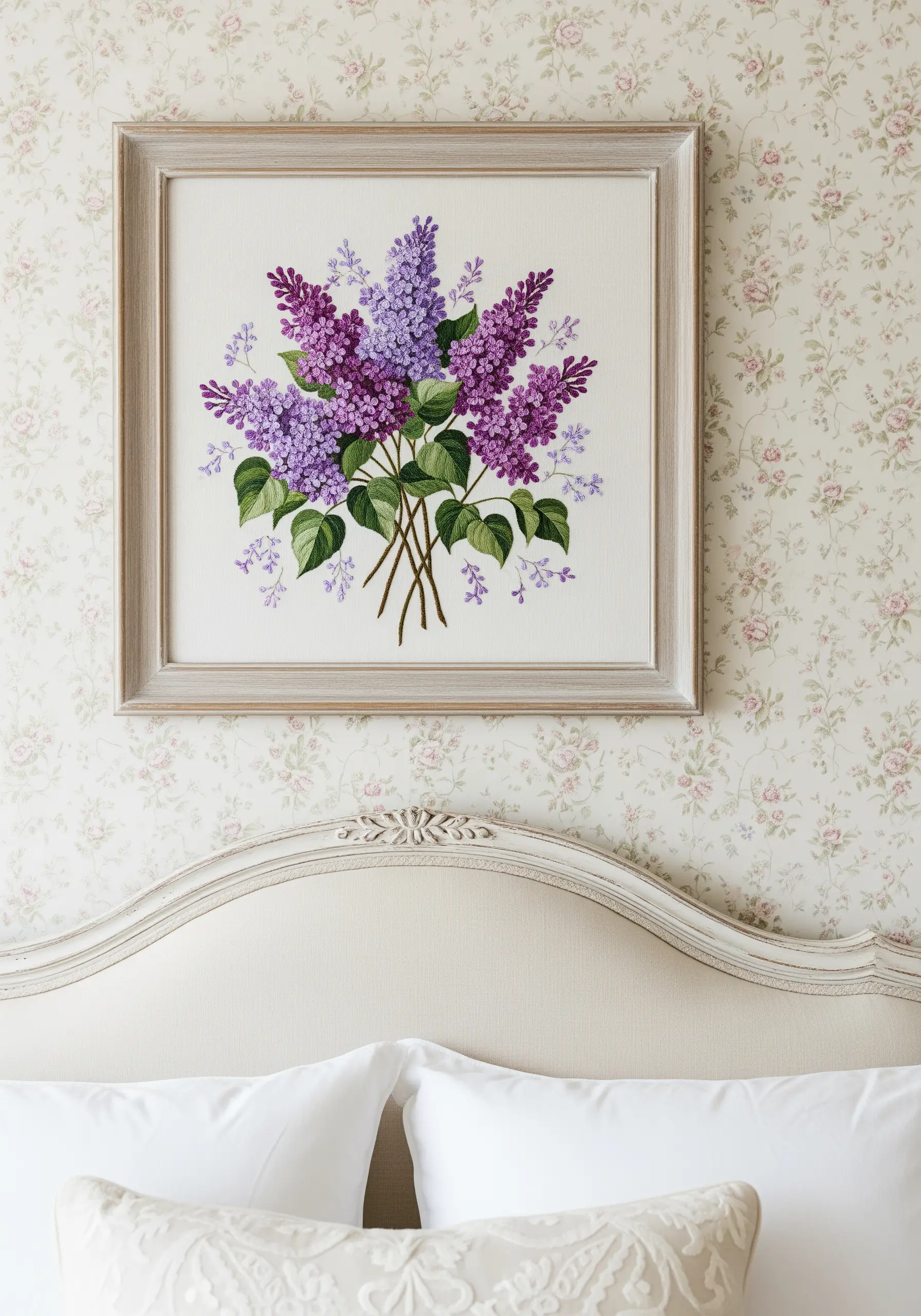
To capture the dense, clustered nature of lilac blossoms, rely on the texture of French knots.
Use at least three or four shades of purple, lavender, and white floss, and work in dense clusters, allowing the colors to mix organically.
Vary the number of times you wrap the thread around the needle (once or twice) to create knots of slightly different sizes, adding to the realism.
This technique creates a wonderfully plush, three-dimensional effect that perfectly mimics the look of a fresh lilac bouquet.
19. Embrace Asymmetry in a Corner Motif
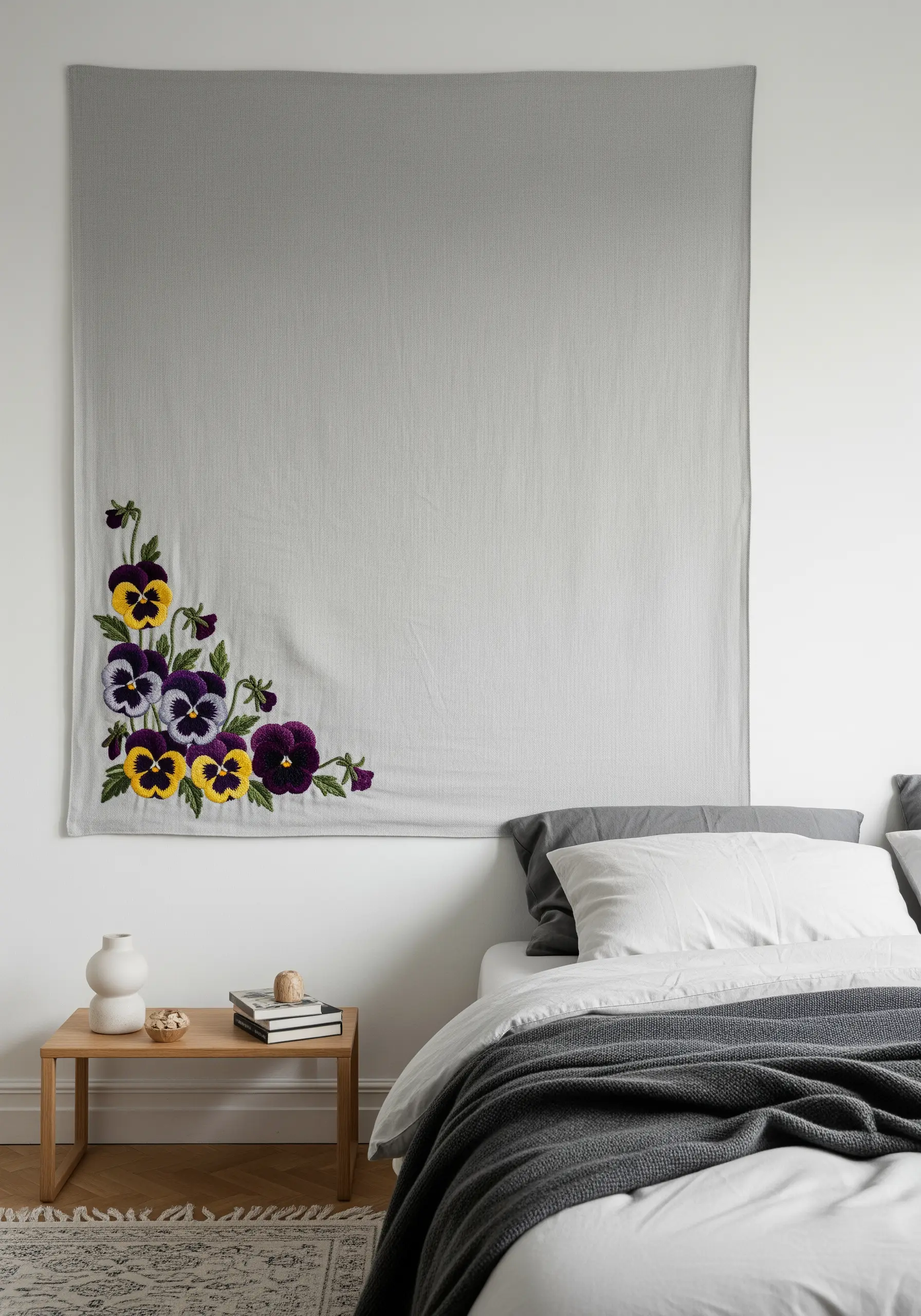
Create a modern and sophisticated wall hanging by placing your embroidery in a single corner, leaving the rest of the fabric beautifully bare.
This asymmetrical composition draws the eye and feels more dynamic than a centered design.
Use a detailed thread painting technique for the pansies to make the solitary motif feel special and worthy of focus.
This approach works wonderfully on large fabric panels, adding a touch of artistry without overwhelming the space.
20. Stitch a Seasonal Trio for an Autumnal Glow
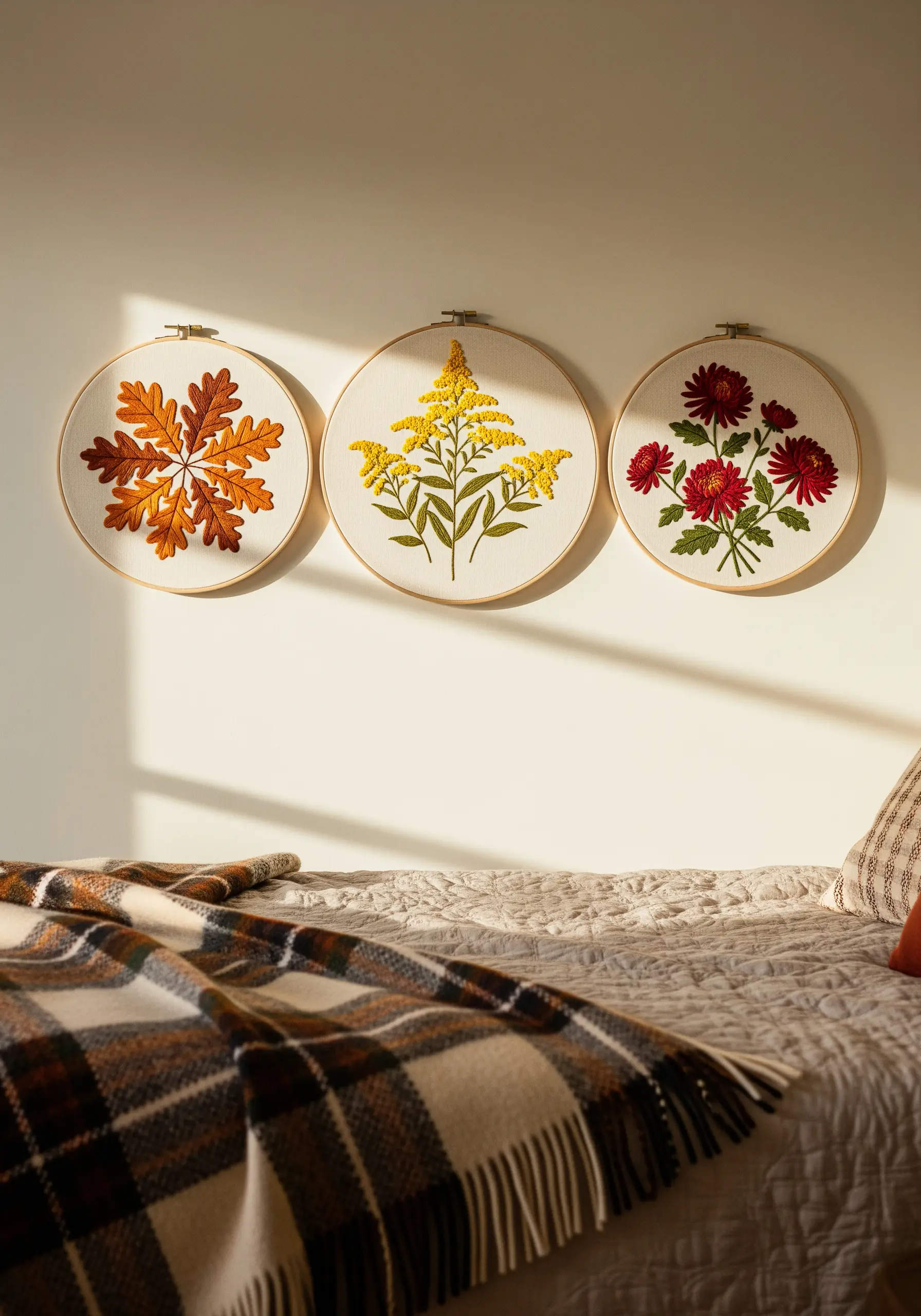
Capture the warmth of autumn by creating a trio of hoops that celebrate the season’s flora.
Choose subjects with distinct shapes but a shared color story—the radial form of an oak leaf, the vertical spray of goldenrod, and the clustered pom-poms of chrysanthemums.
Using a consistent cream-colored background fabric and simple wooden hoops ties the collection together.
This curated set brings a touch of seasonal change indoors, creating a cozy, warm atmosphere as the days get shorter.
21. Let a Single, Vibrant Poppy Command Attention
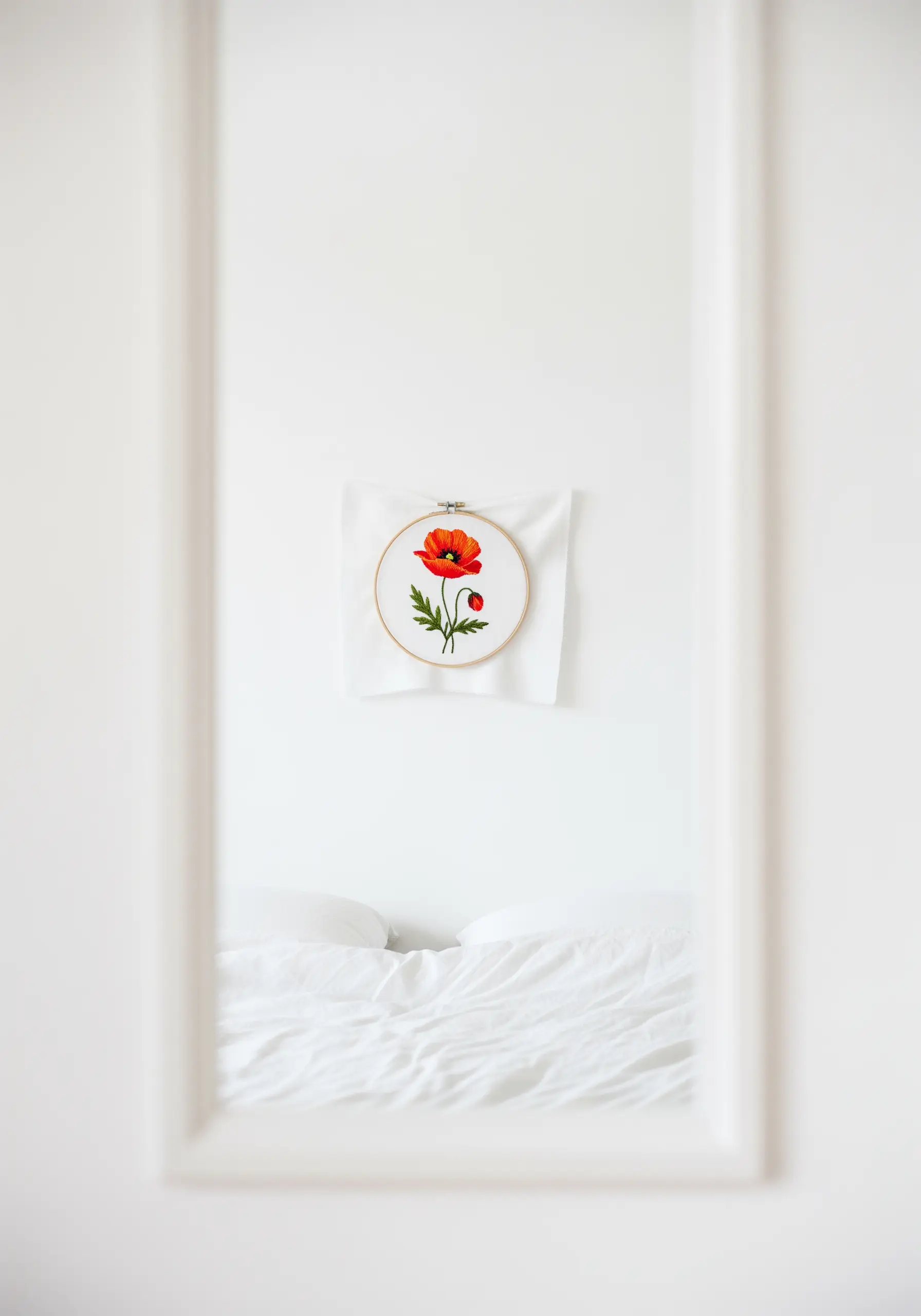
Sometimes, a single, perfectly stitched flower is all you need.
To make a solo poppy feel significant, focus on achieving a flawless color gradient in the petals using the long and short stitch.
Blend shades of red, orange, and deep crimson to create a sense of light and form, making the flower look almost three-dimensional.
Mount the finished piece on a clean, white fabric background with plenty of negative space to ensure your solitary bloom is the undisputed star.
22. Create Graphic Florals on Indigo-Dyed Fabric
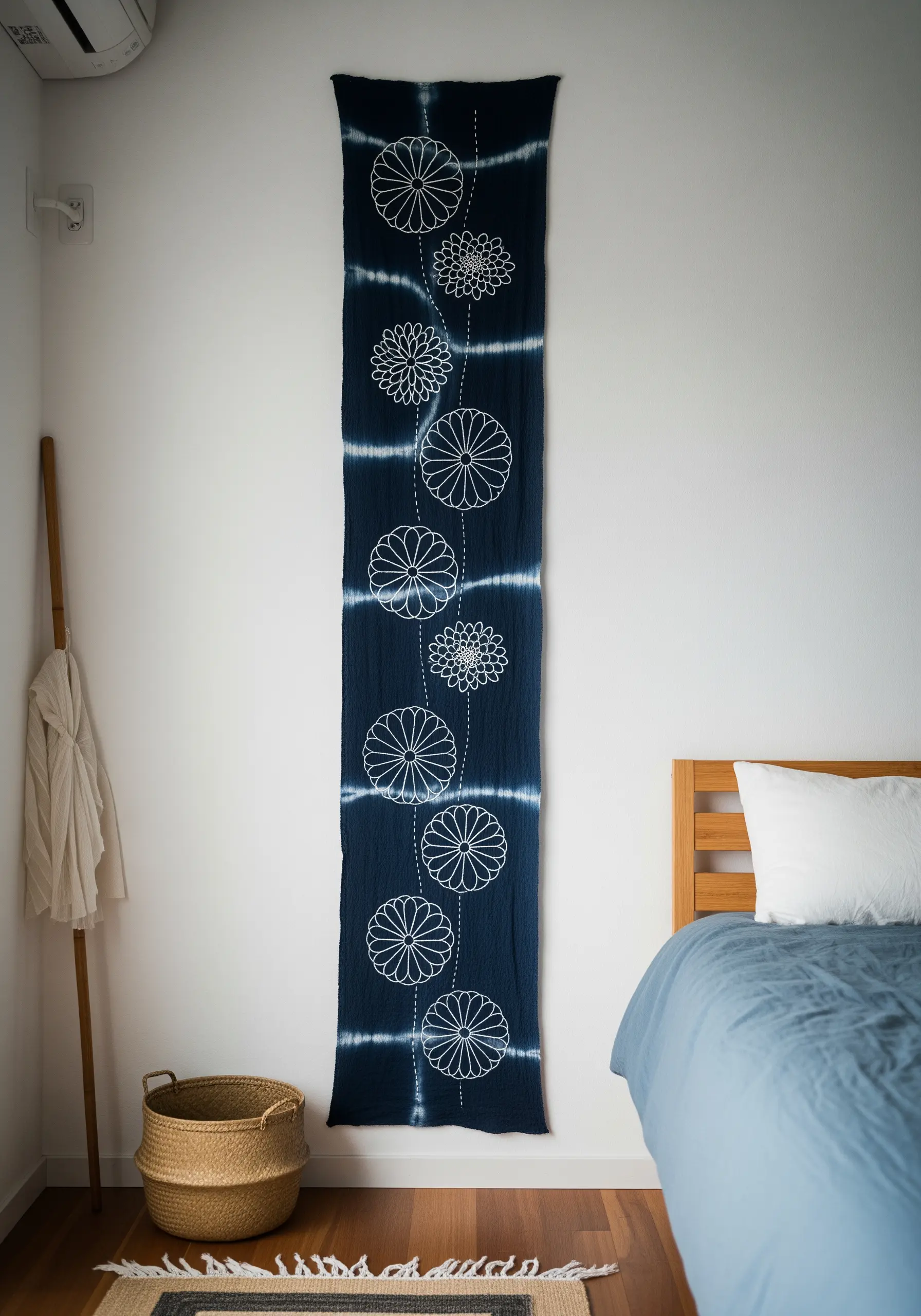
Combine the beauty of hand-dyeing with the precision of embroidery for a striking result.
Start with a piece of fabric dyed using the shibori technique to create a unique, patterned indigo background.
Then, use a bright white thread and a simple backstitch or stem stitch to embroider clean, graphic floral outlines.
The contrast between the organic, flowing dye patterns and the crisp, controlled lines of the stitching is what makes this piece so captivating.
23. Add Art Deco Glamour with Metallic Threads
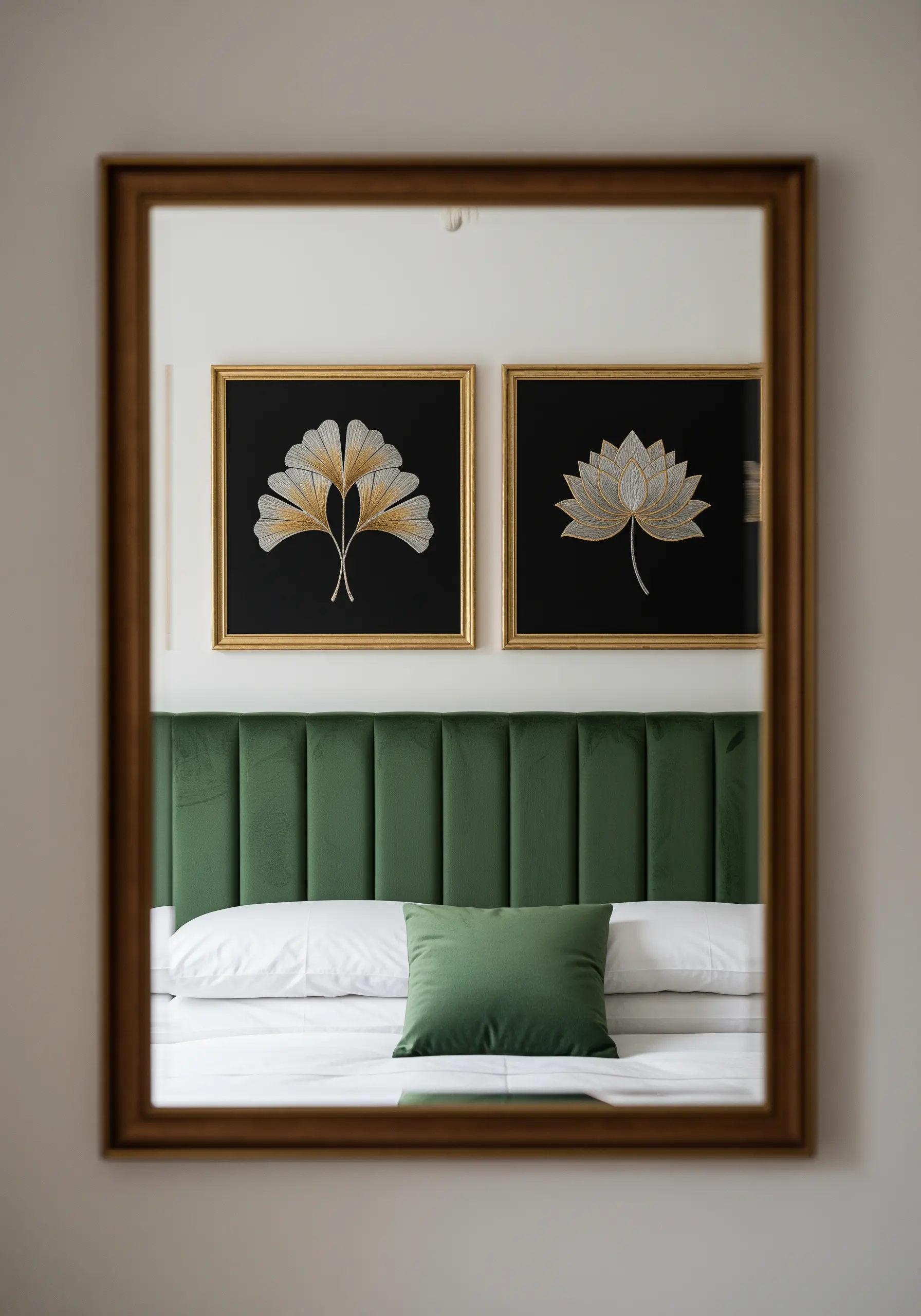
Infuse your bedroom with a touch of luxury by stitching stylized botanicals with metallic threads on a dark, dramatic background.
Use a couching stitch for thicker outlines or a delicate backstitch for finer details to control the often-tricky metallic floss.
Choose motifs with strong, geometric shapes, like a ginkgo leaf or a lotus flower, which lend themselves well to an Art Deco aesthetic.
Framing the pieces with black and gold adds the final touch of opulence, turning them into handmade art objects.
24. Paint a Meadow with Thread
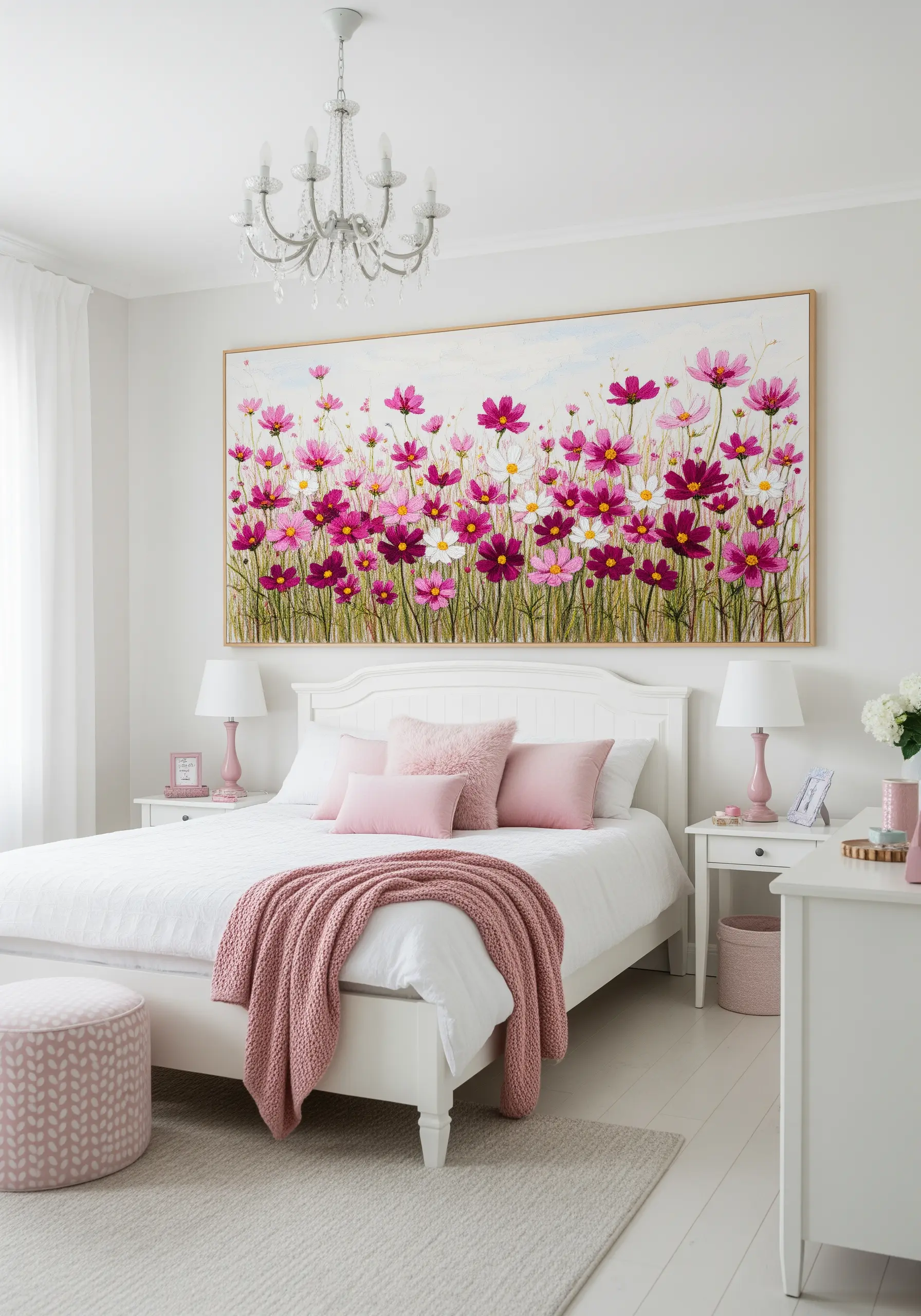
To create the feeling of a vast field of flowers, think like a painter.
Use a variety of stitches to represent different flowers: lazy daisies for cosmos petals, French knots for distant blooms, and long straight stitches for grasses.
Create depth by stitching the flowers in the foreground with brighter, more saturated colors and those in the background with paler, dustier shades.
This floral thread-painting technique on a large canvas creates an immersive, romantic atmosphere.
25. Capture a Moonlit Garden Scene
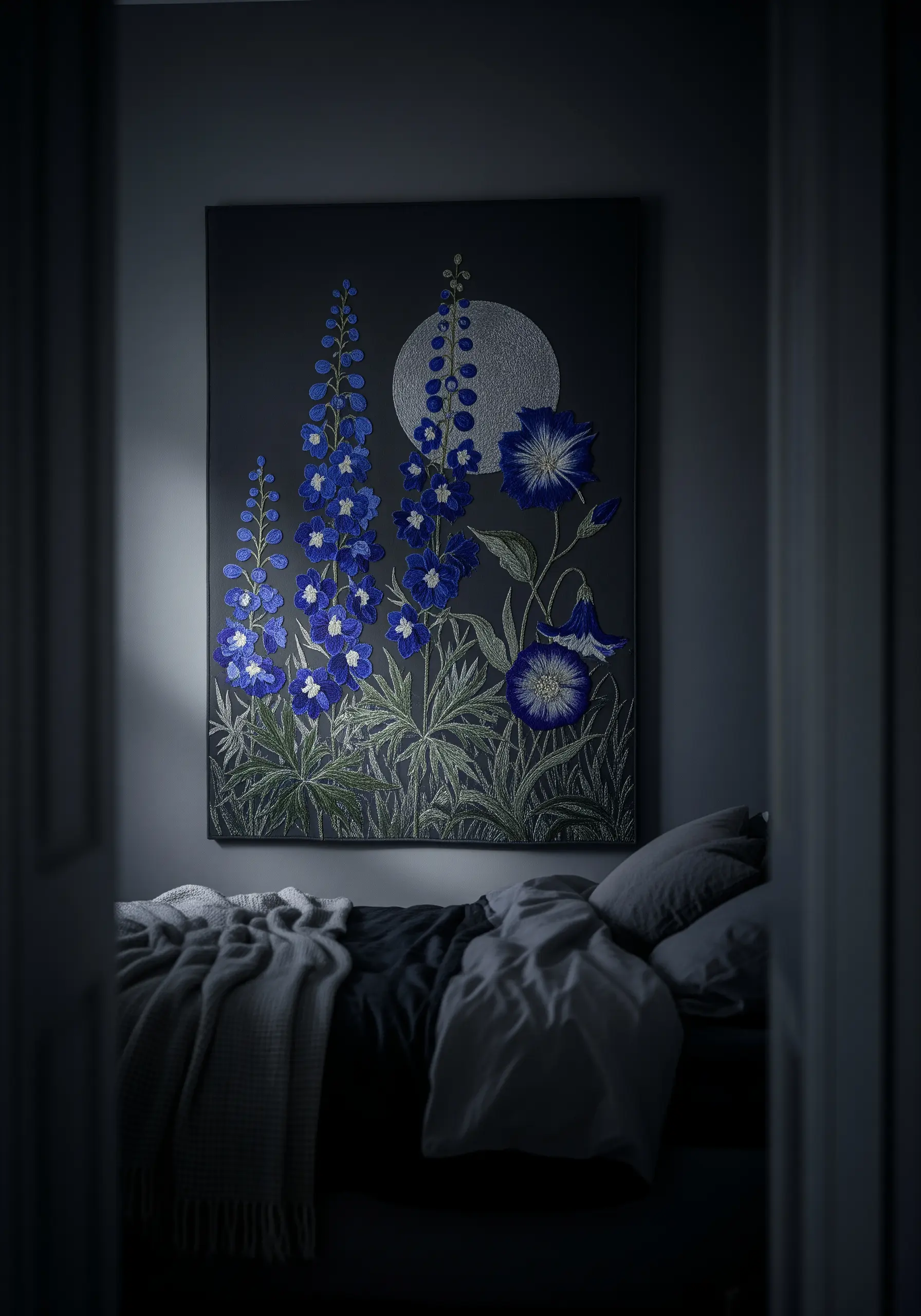
Evoke the magic of a garden at night by using a palette of blues, silvers, and deep greens on a dark grey or black canvas.
Use satin stitch with a shimmering silver thread to create a full moon that acts as the scene’s light source.
For the delphiniums and other florals, use shades of royal blue and periwinkle, highlighting the edges that would be touched by moonlight with a lighter thread.
This thoughtful use of light and shadow creates a piece that is both dramatic and deeply serene.
26. Stitch a Cheerful Teacup Bouquet
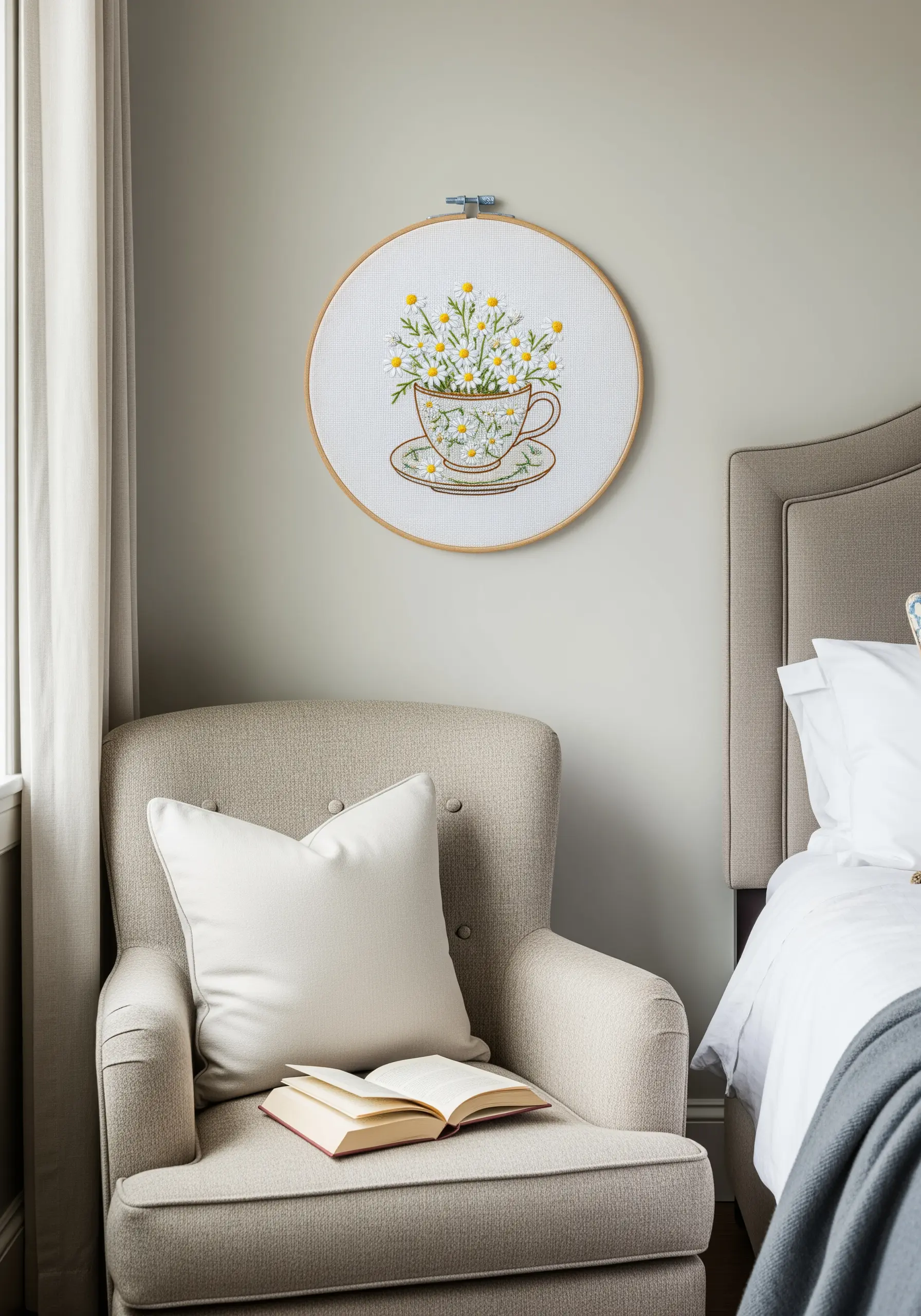
Create a charming and comforting piece by stitching a bouquet of wildflowers spilling from a delicate teacup.
Give the daisy centers a raised, pollen-like texture by using the woven wheel stitch (or spider web stitch) in a contrasting yellow.
Use a fine backstitch for the details on the teacup to keep the lines clean and crisp.
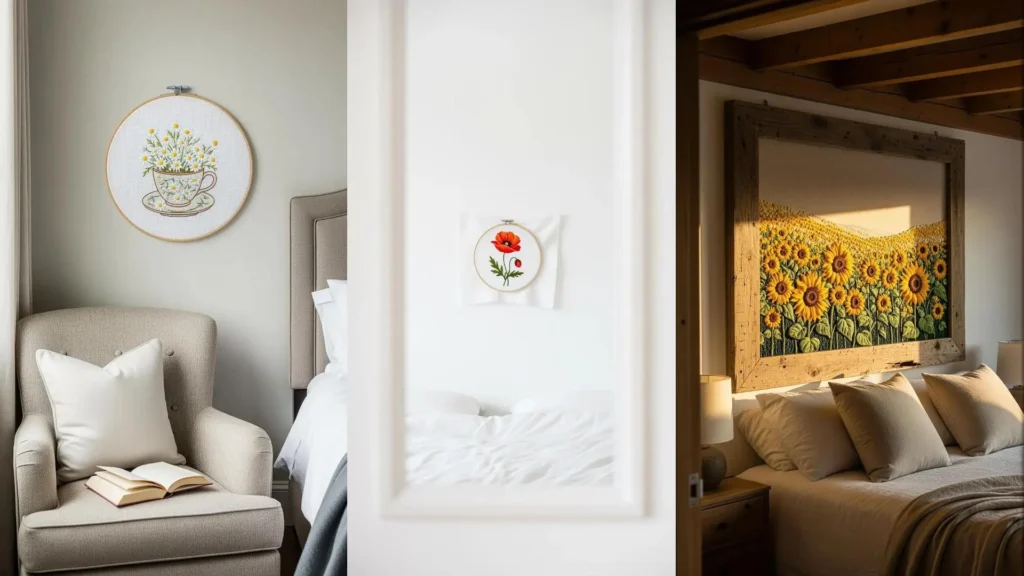
This sweet motif, displayed in a simple hoop, is perfect for a cozy reading nook or bedside table area, adding a touch of cottage charm.
27. Create Water’s Illusion with Satin Stitch
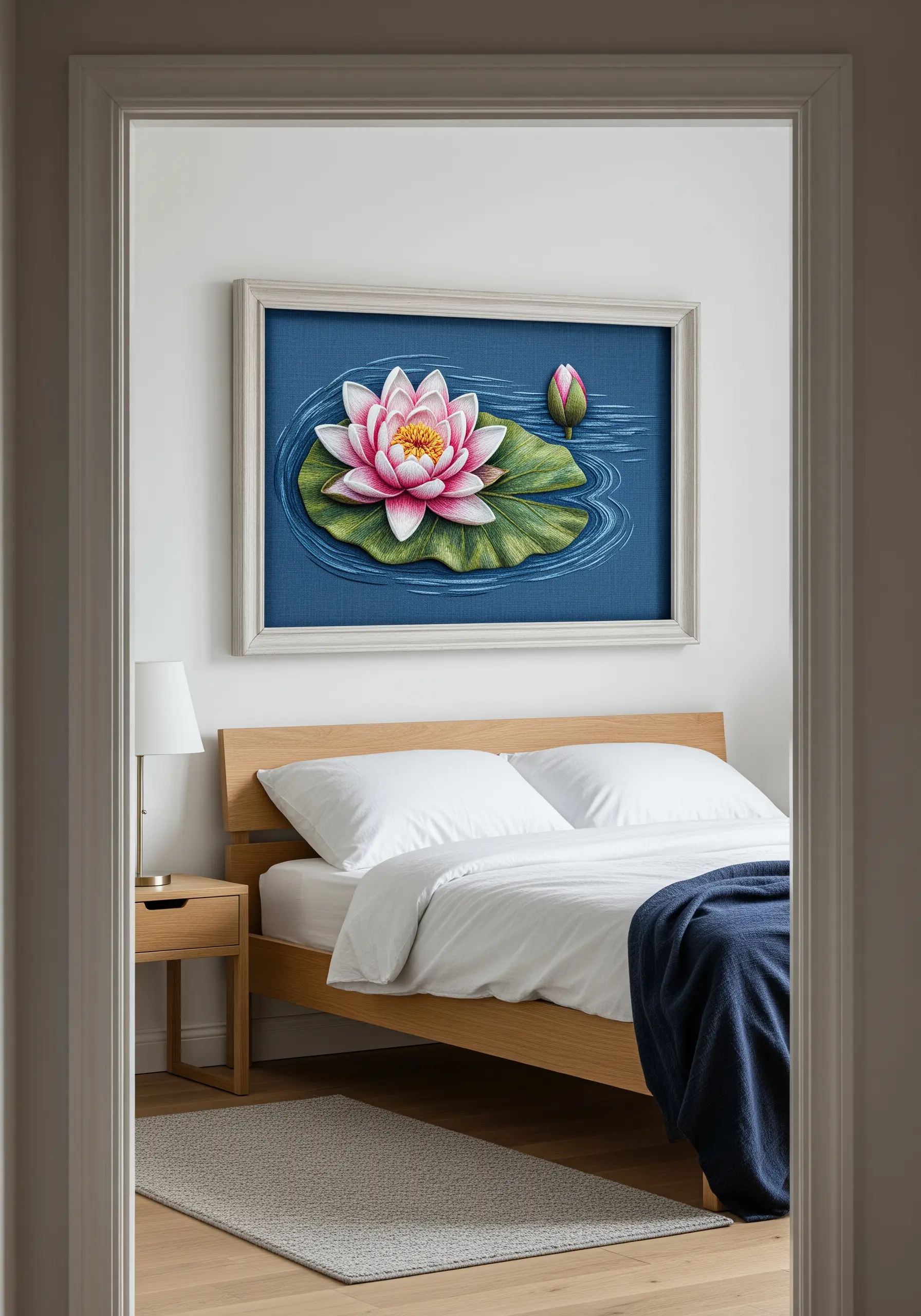
Recreate the tranquility of a water garden by using thread to mimic the surface of a pond.
Use long, horizontal satin stitches in varying shades of blue, from deep navy to pale sky blue, to create the ripples and reflections in the water.
Keep the stitches slightly irregular in length and placement to enhance the organic feel of moving water.
The central water lily, stitched with blended pinks and whites, becomes the serene focal point in this calming aquatic scene.
28. Embrace Global Traditions with a Suzani Tapestry
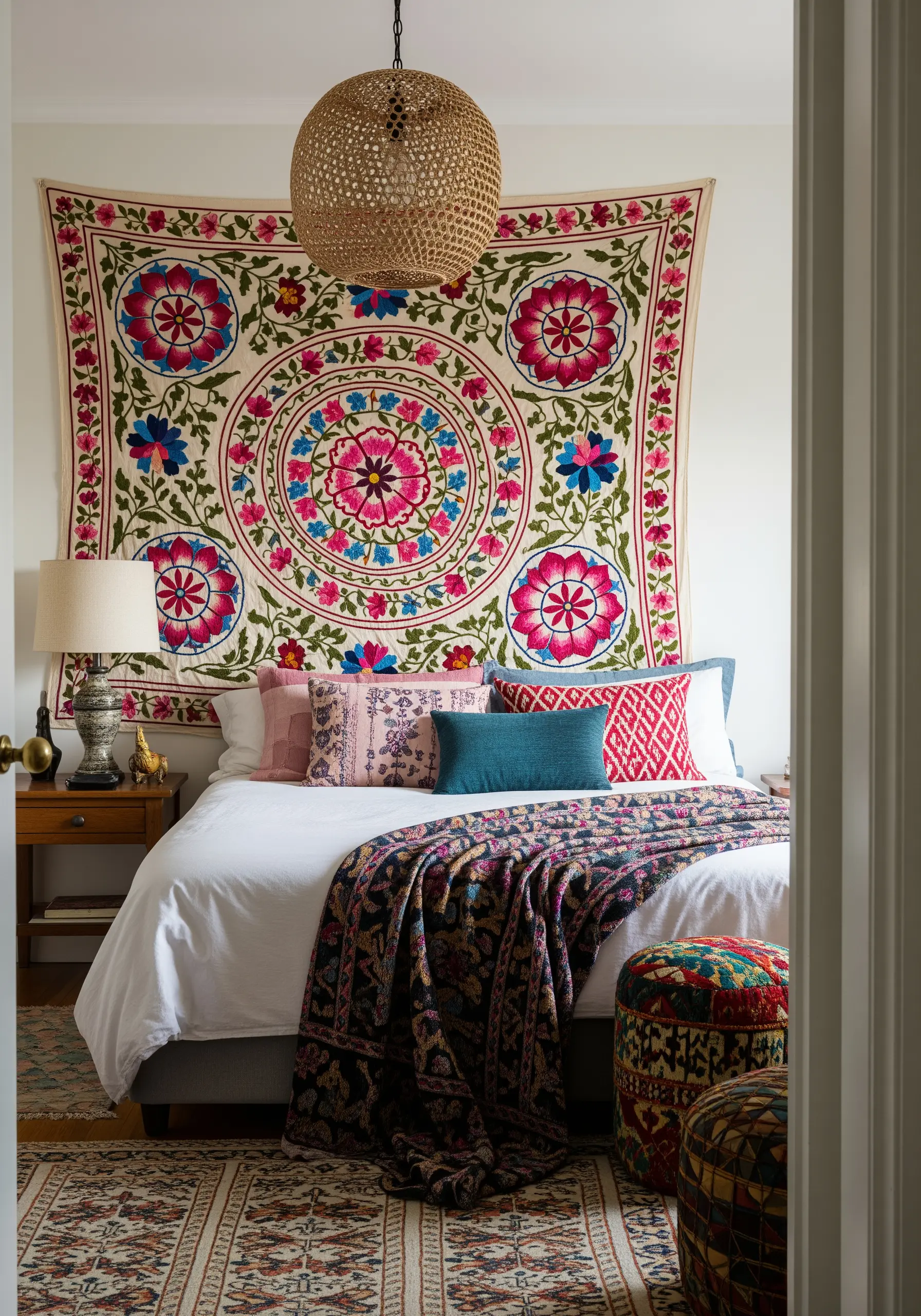
Channel the vibrant, celebratory energy of Central Asian textiles by creating a Suzani-inspired headboard tapestry.
Characterized by bold, symmetrical floral medallions and motifs, Suzani embroidery often utilizes chain stitch and buttonhole stitch to create its graphic, textured fills.
Don’t be afraid to use a riot of color—pinks, blues, and greens—against a neutral background for an authentic, joyful look.
This single, large-scale piece can define the entire color palette and mood of your bedroom.
29. Arrange a Grid of Spring Botanical Studies
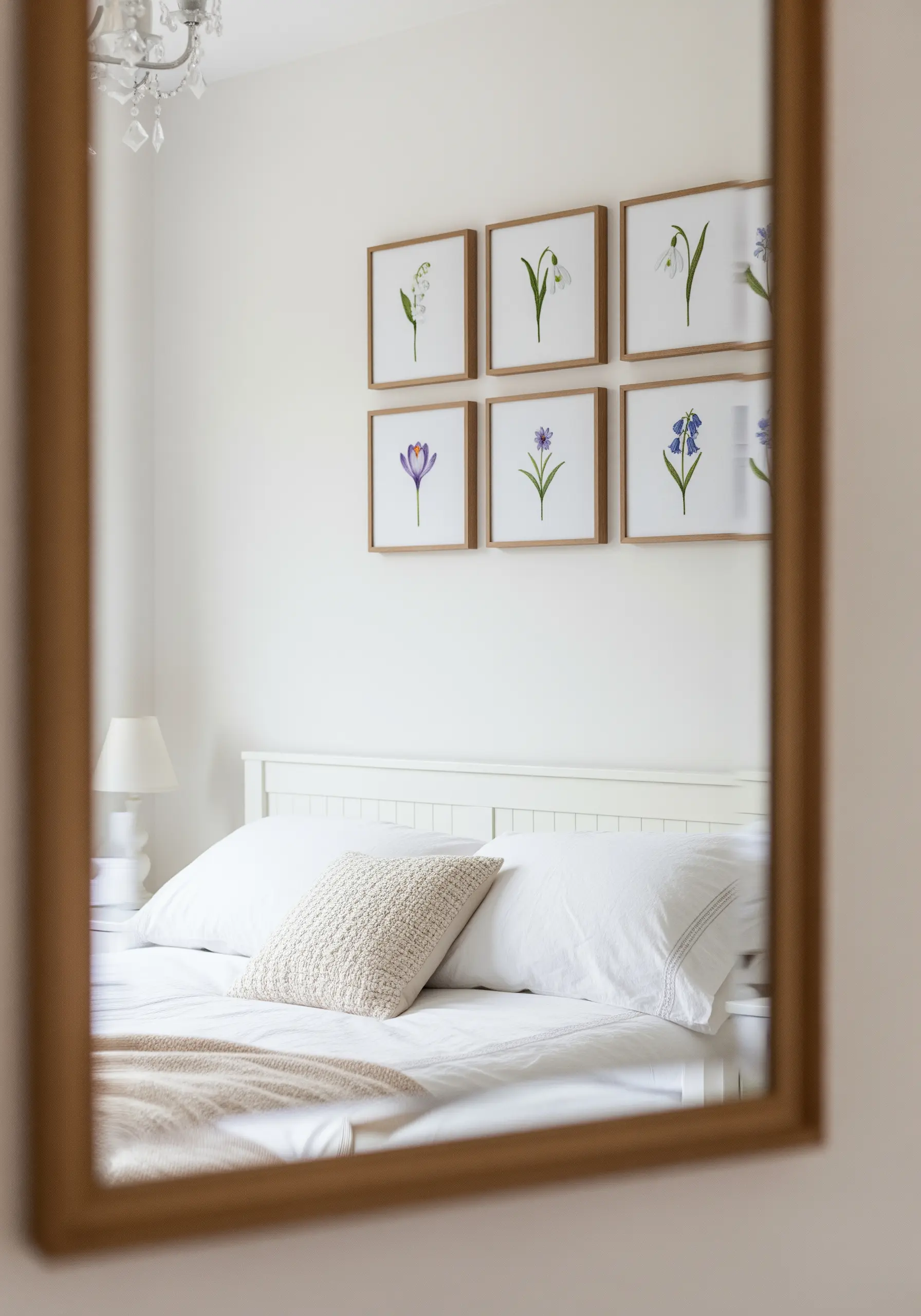
For a clean, organized, and elegant display, stitch a series of individual spring flowers and frame them in a simple grid.
Choose early bloomers like snowdrops, crocuses, and lily of the valley for a cohesive theme.
The power of this display comes from its uniformity: use identical frames, fabric, and composition style for each flower.
This approach transforms simple botanical stitches into a sophisticated collection that feels like a page from a naturalist’s journal.
30. Design an Immersive Embroidered Forest Mural
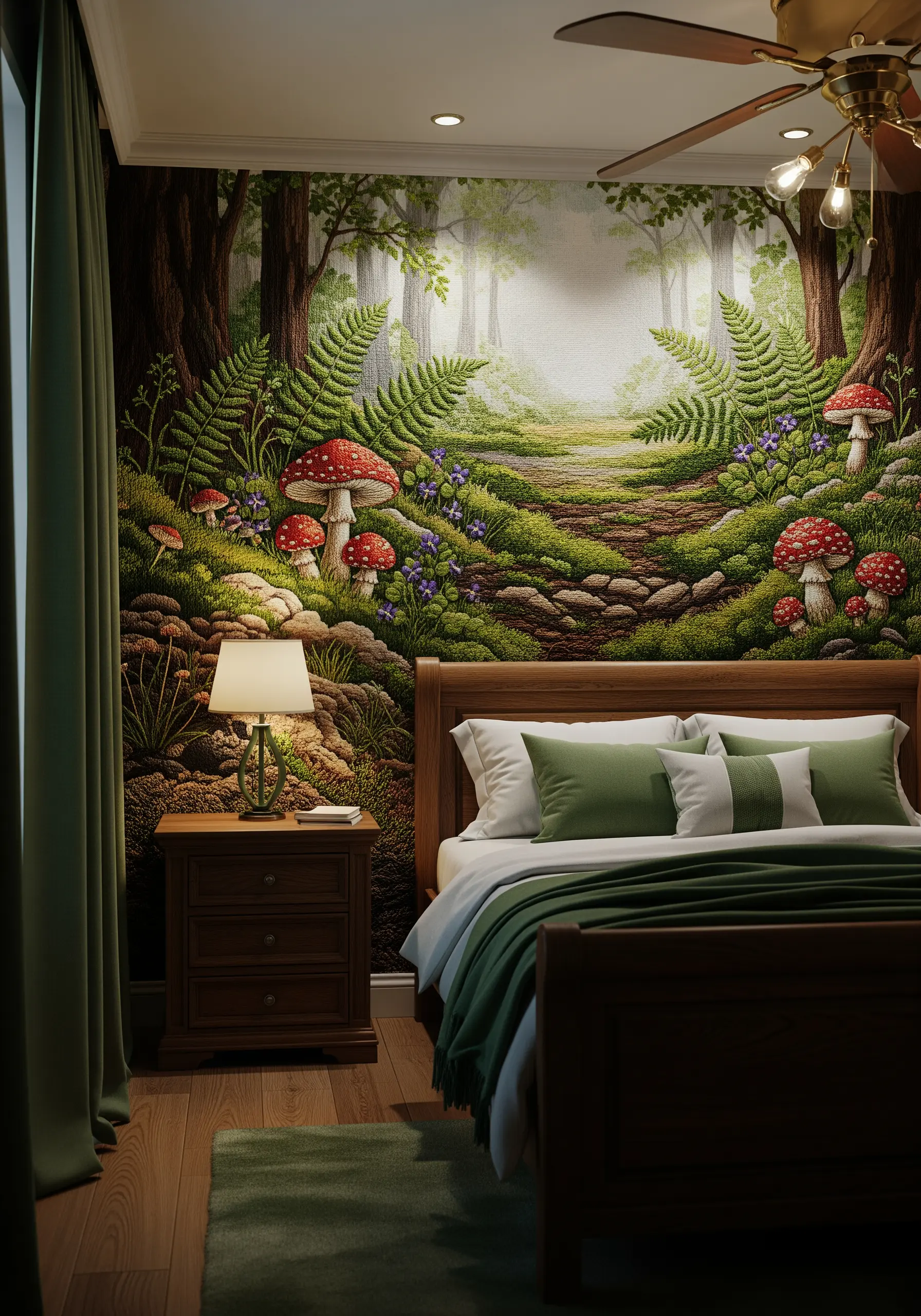
Transform an entire wall into a magical woodland escape with a floor-to-ceiling embroidered mural.
For a project this vast, focus on building texture through simple, repetitive stitches. Use seed stitch and French knots for mossy ground, stem stitch for tree trunks, and lazy daisy stitches for ferns.
Create a sense of atmospheric perspective by using darker, more textured threads in the foreground and lighter, smoother stitches for the distant, misty background.
This is the ultimate commitment to creating a serene sanctuary, turning your bedroom into an enchanted forest.
31. Merge Organic Florals with Geometric Lines
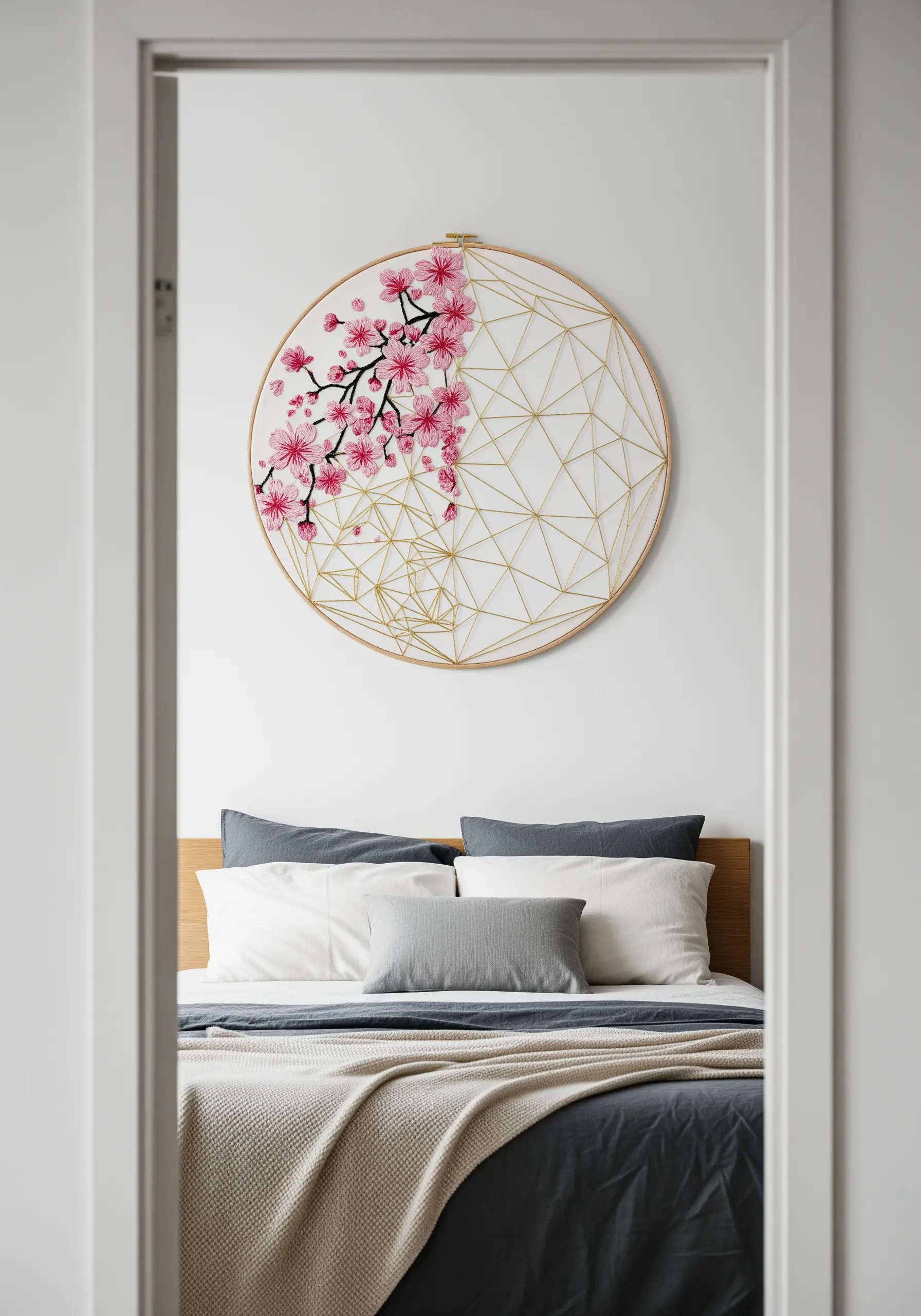
Create a striking piece of modern art by combining soft, organic cherry blossoms with a crisp, geometric background.
First, stitch the floral branch using traditional satin stitches for the petals and stem stitch for the branches.
Then, using a single strand of gold metallic thread, add a network of straight, intersecting lines over the bare half of the hoop.
This juxtaposition of natural forms and man-made structure results in a visually complex and thoroughly contemporary piece.
32. Explore Texture with White-on-White Embroidery
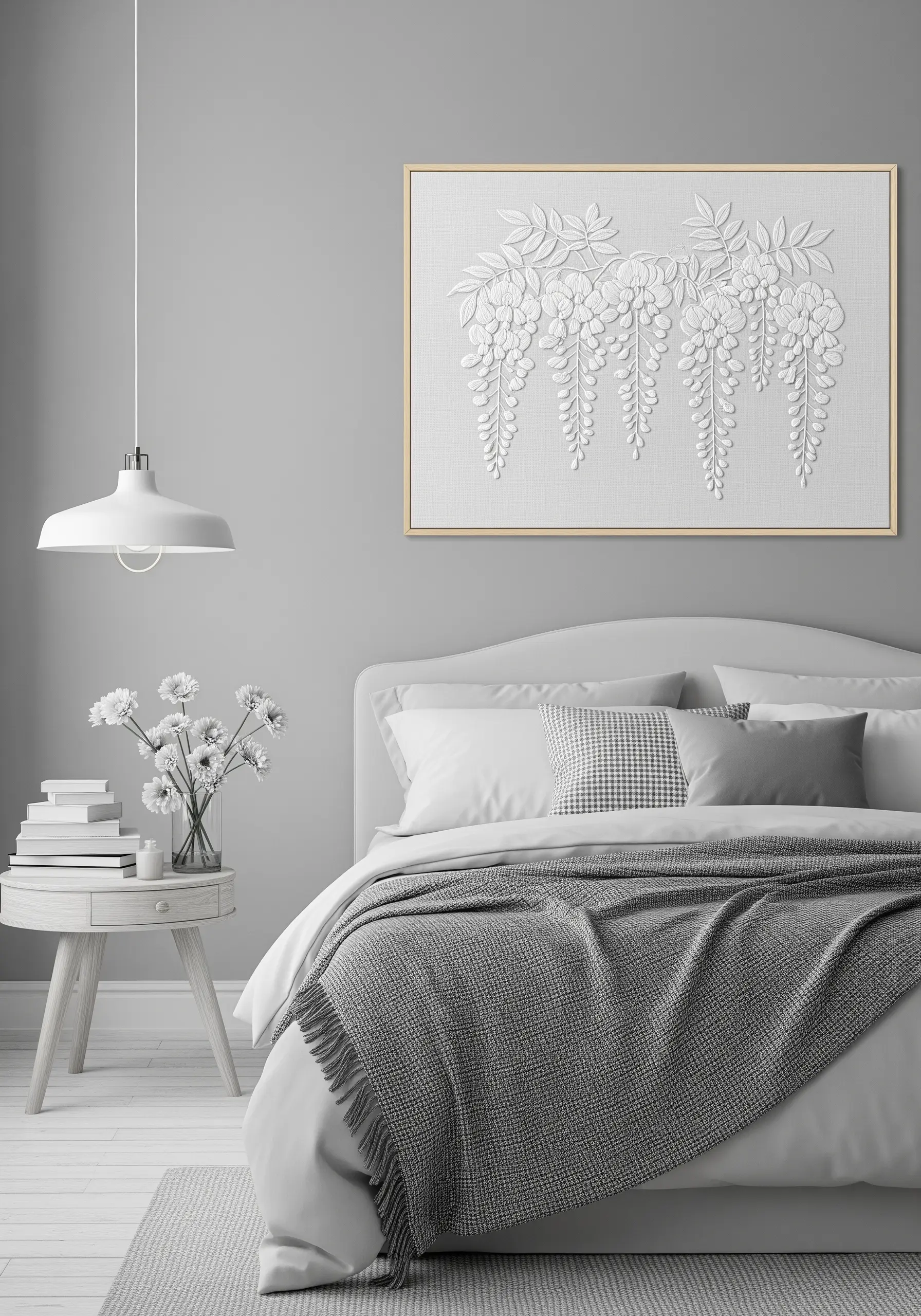
Create an incredibly elegant and subtle piece by using only white thread on a white or light grey fabric.
The beauty of this monochrome embroidery lies entirely in texture and shadow, so use a variety of stitches to make the design visible.
Combine raised stitches like padded satin stitch and French knots with flat ones like backstitch to create contrast.
This technique results in a sophisticated, sculptural piece that adds a touch of serene luxury without adding color, perfect for a minimalist or neutral-toned room.
33. Cultivate a Joyful, Freeform Garden
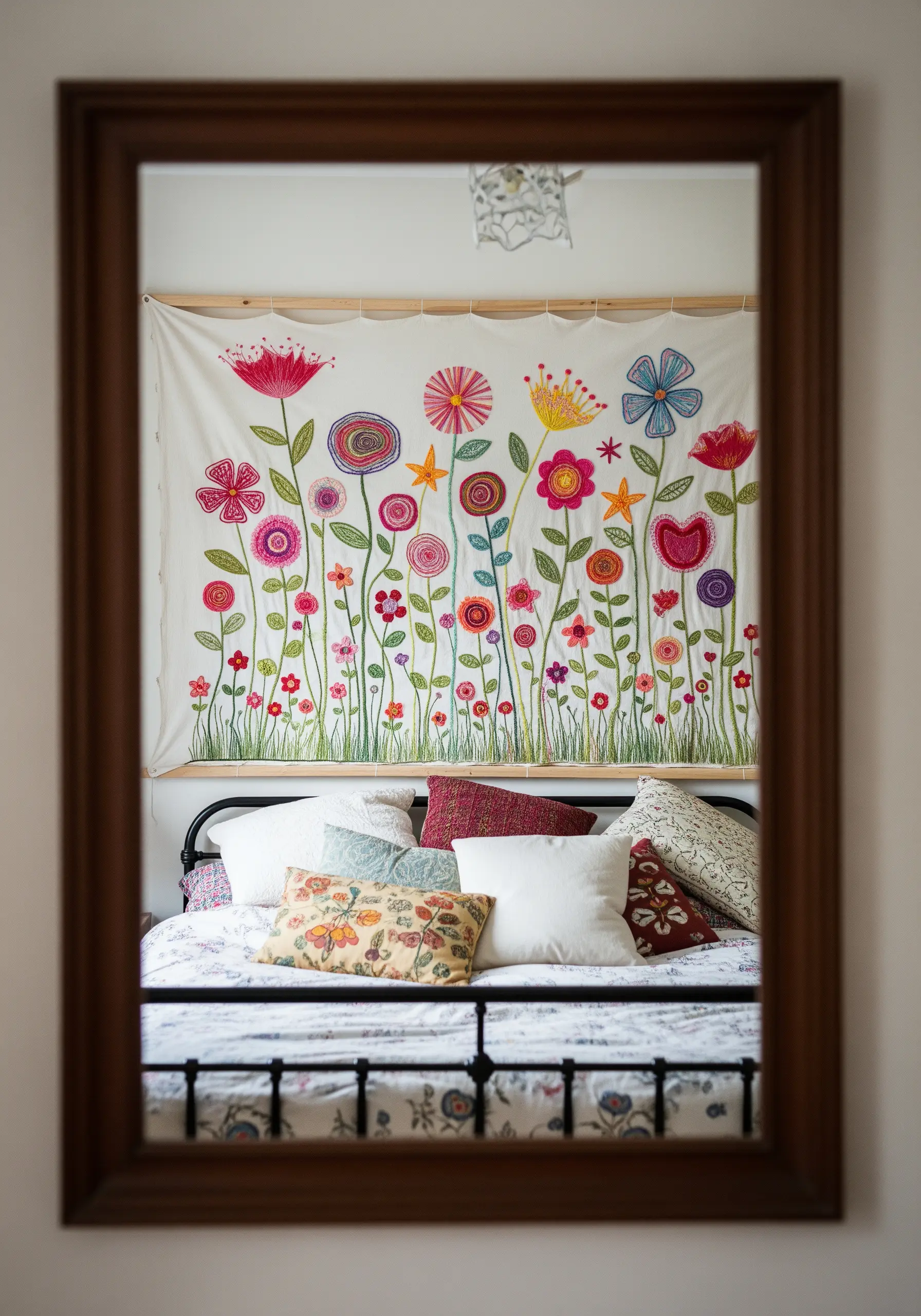
Let go of realism and stitch a garden that exists only in your imagination.
Embrace a playful, illustrative style by mixing bold colors and whimsical shapes. Use stitches that are fun and textural, like woven wheels, bullion knots for curly stems, and detached chain stitches for heart-shaped leaves.
Don’t worry about perfect placement or scale; the charm of this piece lies in its spontaneous, joyful energy.
This is a wonderful opportunity to use up leftover threads and simply enjoy the creative process.