
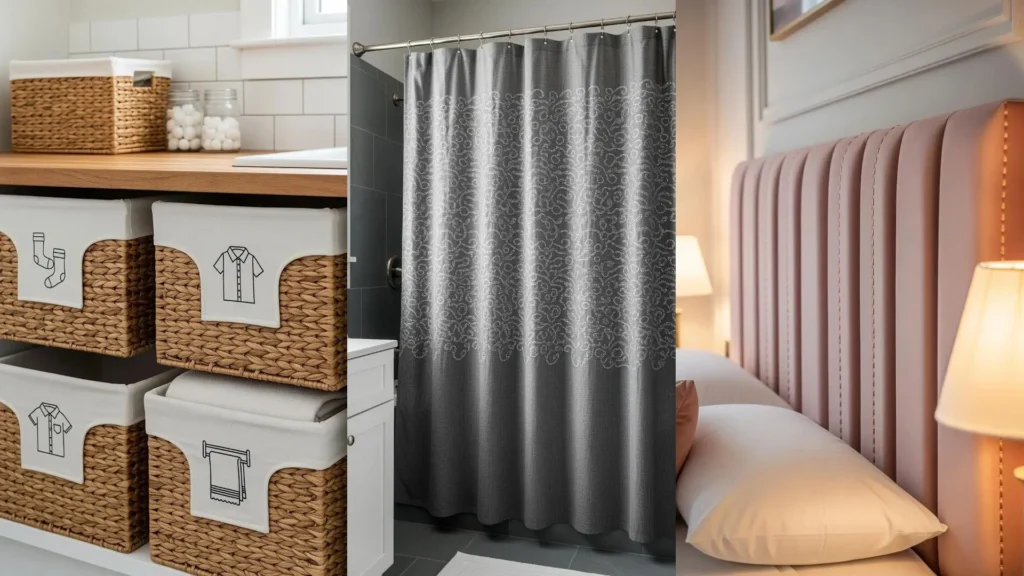
When you limit your palette, you unlock your creativity. Monochrome embroidery isn’t about restriction; it’s about shifting your focus from color to what truly gives a piece its soul: texture, line, form, and light.
Think of it as a conversation between thread and fabric. A single color forces you to consider how a smooth satin stitch feels next to a nubby French knot, or how a single, clean backstitch can carry more weight than a dozen hues.
Here, you’ll discover how to use monochrome to create decor that feels intentional, harmonious, and deeply personal. It’s time to let the quiet power of a single color elevate your craft and transform your home.
1. Render a Meditative Brushstroke in Thread
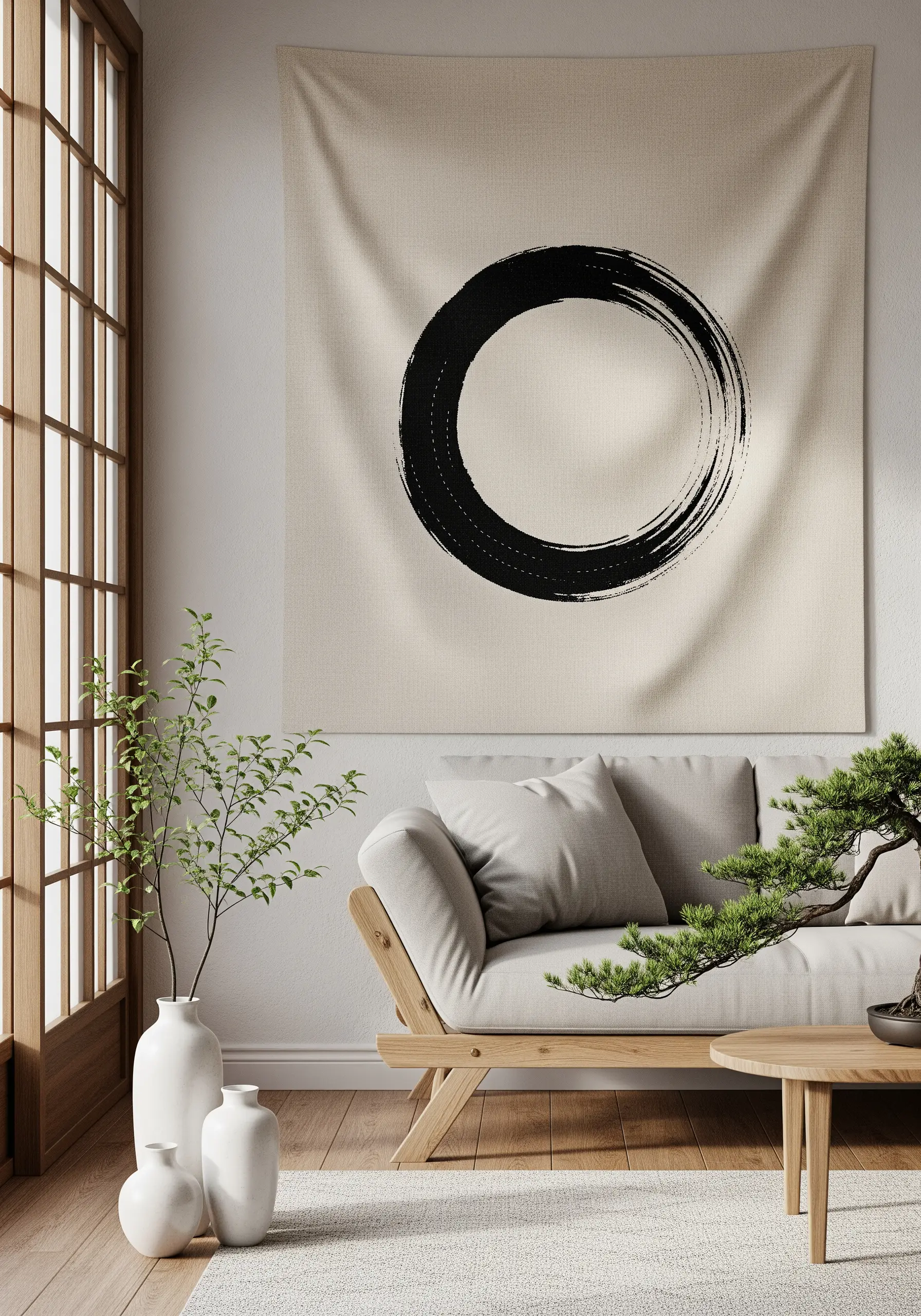
To capture the dynamic energy of an ink brushstroke, abandon uniform stitches.
Use a single, thick strand of black cotton floss or fine yarn on a large-scale canvas wall hanging.
Fill the shape with a mix of long straight stitches and shorter seed stitches, varying the direction and density to mimic the bristles of a brush.
This technique turns a simple circle into a piece of intentional art, creating movement and depth where a satin stitch would fall flat.
Explore these monochrome thread embroidery ideas to bring a serene aesthetic to your space.
2. Master the Unbroken Line for Abstract Portraits
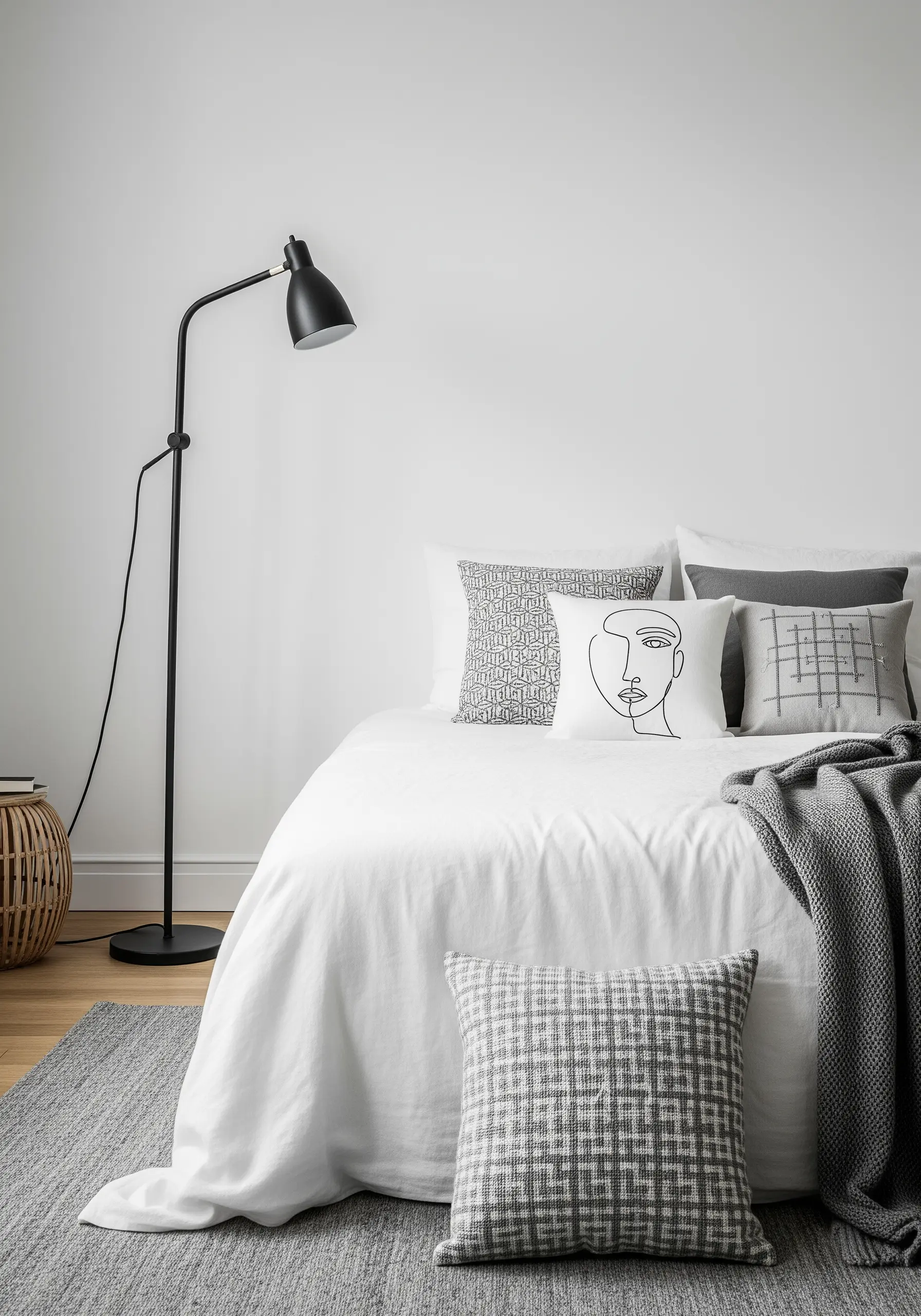
For minimalist face motifs on cushion covers, the goal is a flawless, continuous line.
Use a three-strand whipped backstitch to eliminate gaps and create a smooth, raised edge that gives the design prominence.
Choose a high-contrast combination, like black perle cotton on a white linen-blend fabric, to make the artwork pop.
This simple stitch adjustment ensures your single-line face profiles look deliberate and gallery-ready, not hesitant.
3. Create Botanical Depth with Varied Stitches
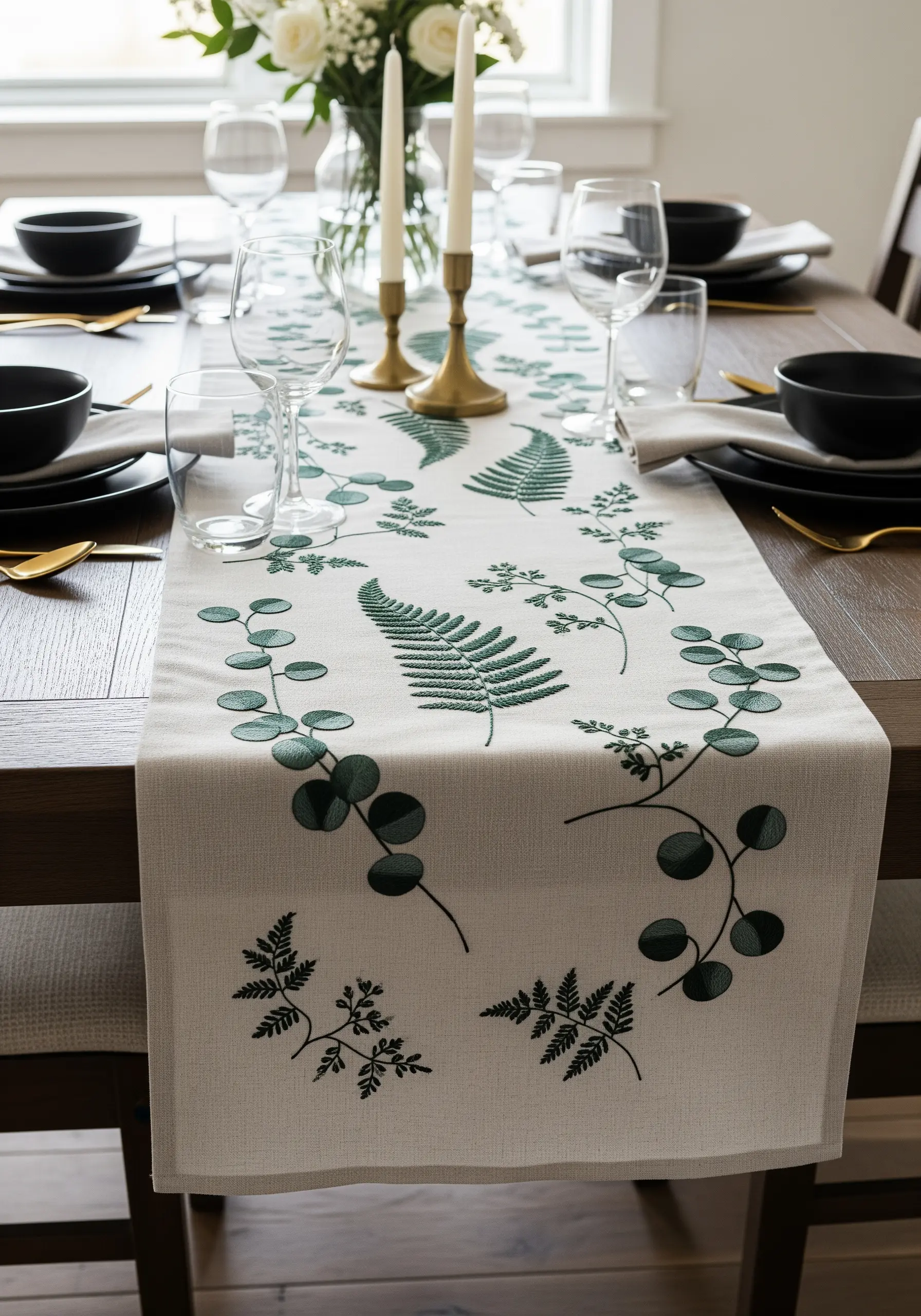
Prevent a monochrome botanical table runner from looking flat by assigning a different stitch to each type of foliage.
Use a fishbone stitch for ferns to create a realistic central vein, and fill in eucalyptus leaves with a padded satin stitch to give them a plump, three-dimensional quality.
For the most delicate sprigs, a simple backstitch is all you need.
This thoughtful mix of textures draws the eye and makes the single-color design feel rich and complex.
Discover more fern foliage stitch variations to add lushness to your art.
4. Stitch an Art Deco Burst with Metallics
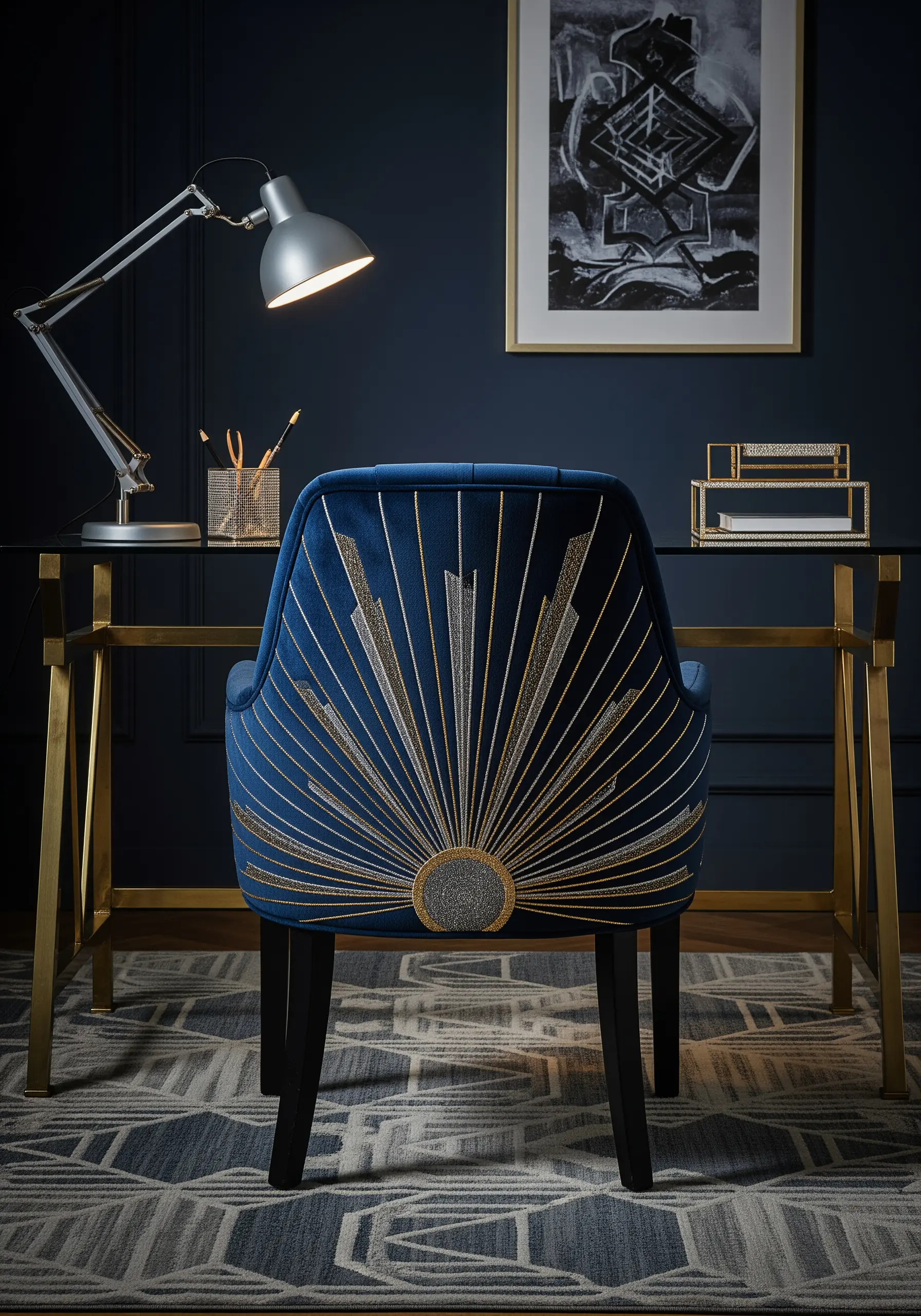
To achieve a glamorous Art Deco sunburst on upholstery, you must handle metallic threads with care.
Work with shorter lengths of thread (no more than 12 inches) to prevent fraying and tangling.
Use a couching stitch for the main rays—laying down the metallic thread and tacking it with a finer, matching cotton thread—to ensure it lies flat and brilliant against the dark velvet.
This technique delivers maximum shine and clean lines, perfect for these bold, geometric abstract metallic thread projects.
5. Layer Sheer Curtains with Gradual Tones
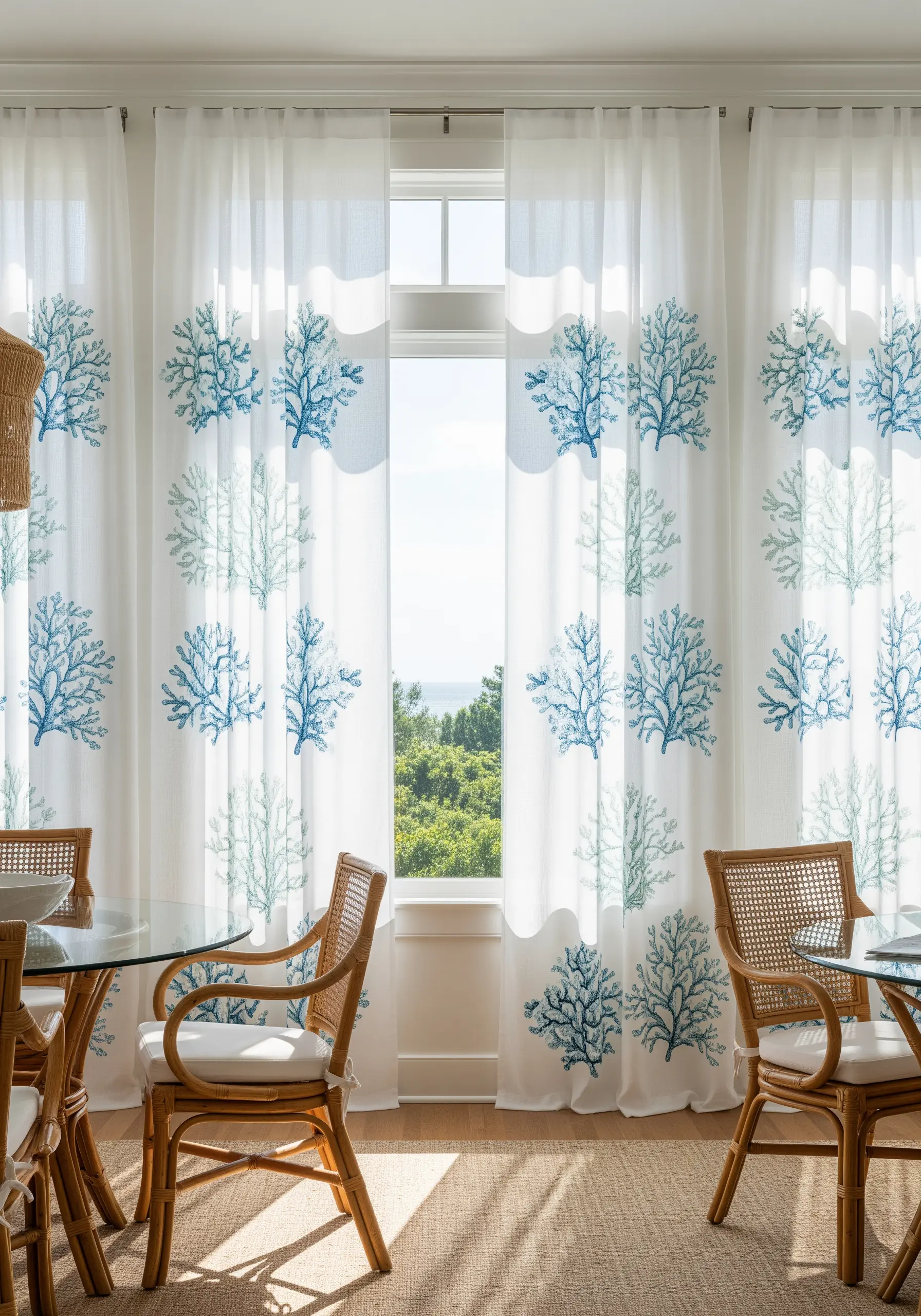
Create a gentle, ombré effect on sheer curtains by embroidering motifs in two or three closely related shades of a single color.
Place the darkest shade at the bottom of the curtain panel and the lightest at the top.
This draws the eye upward and makes the room feel taller and more airy.
Use a simple satin stitch or seed stitch fill, as the color gradient itself provides all the necessary visual interest without complex techniques.
6. Add Sculptural Dimension with Couching
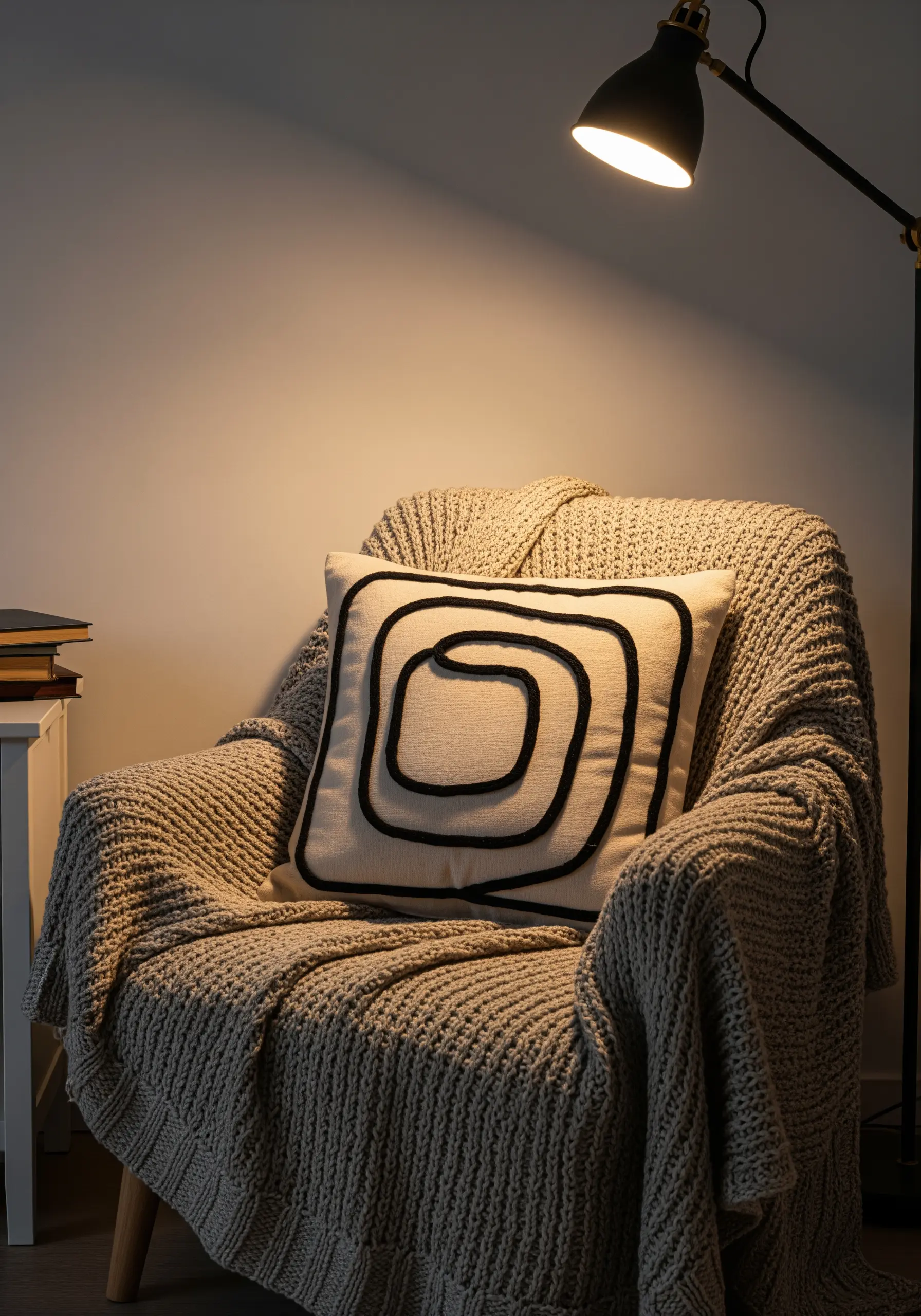
Transform a simple pillow with a bold, graphic swirl by using a thick yarn or cord for the motif.
Instead of trying to stitch with the bulky fiber, lay it on the fabric surface and secure it with small, evenly spaced stitches in a matching embroidery floss—a technique called couching.
This method allows you to create clean, raised lines that have a sculptural, high-end feel, adding instant texture and definition to any abstract design.
These abstract embroidery stitches turn plain fabric into art.
7. Compose a Triptych with Satin Stitch Blocks
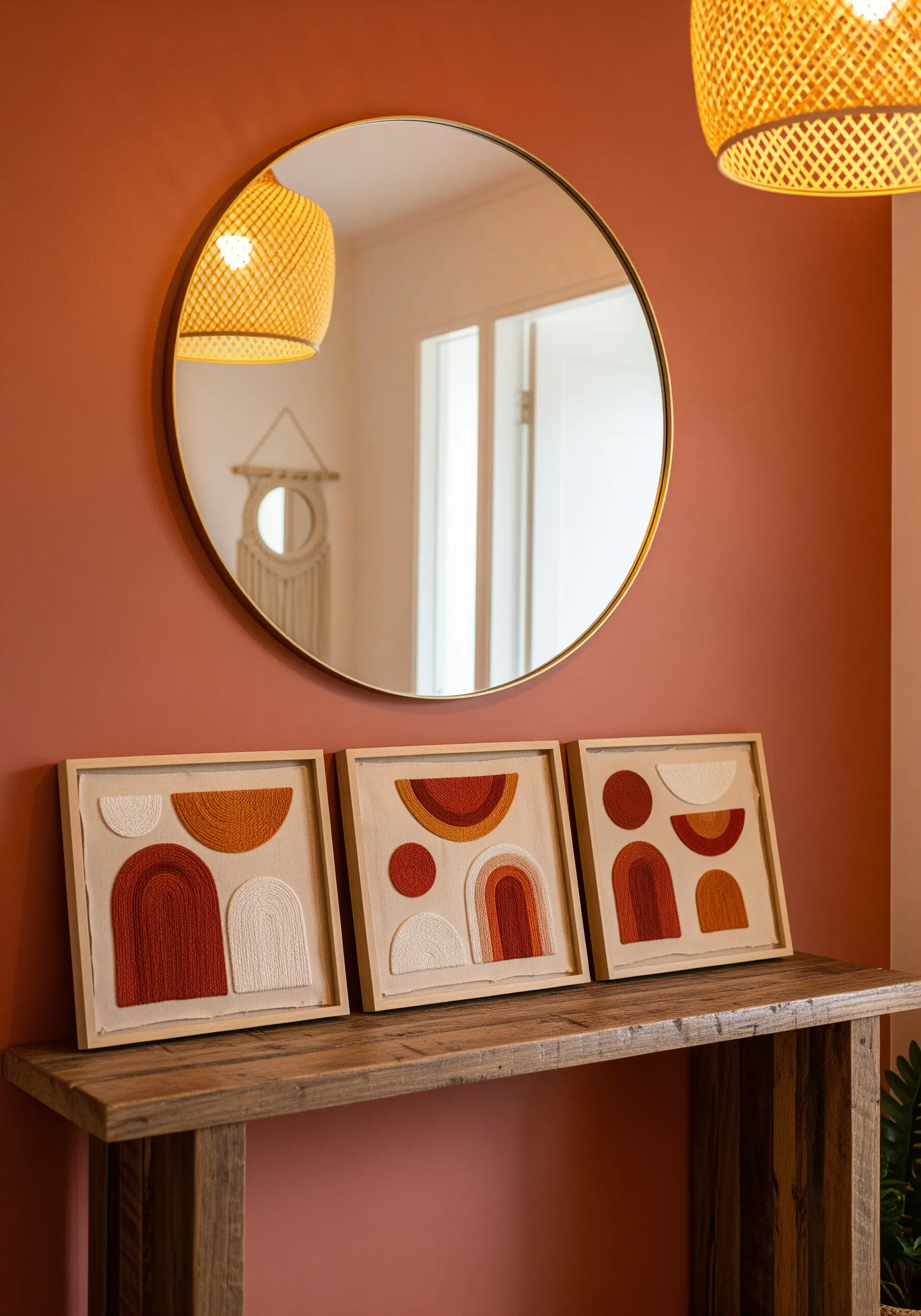
Create a cohesive set of three framed pieces by using simple geometric shapes filled with dense satin stitch.
To keep your satin stitches perfectly smooth and even, outline each shape first with a split stitch. This raised edge acts as a guide and prevents the fill stitches from looking uneven.
Arrange the blocks in different compositions across the three frames for a balanced yet dynamic display that feels like a curated collection.
These organic shape embroidery patterns are perfect for neutral walls.
8. Elevate Kitchen Linens with Delicate Line Art
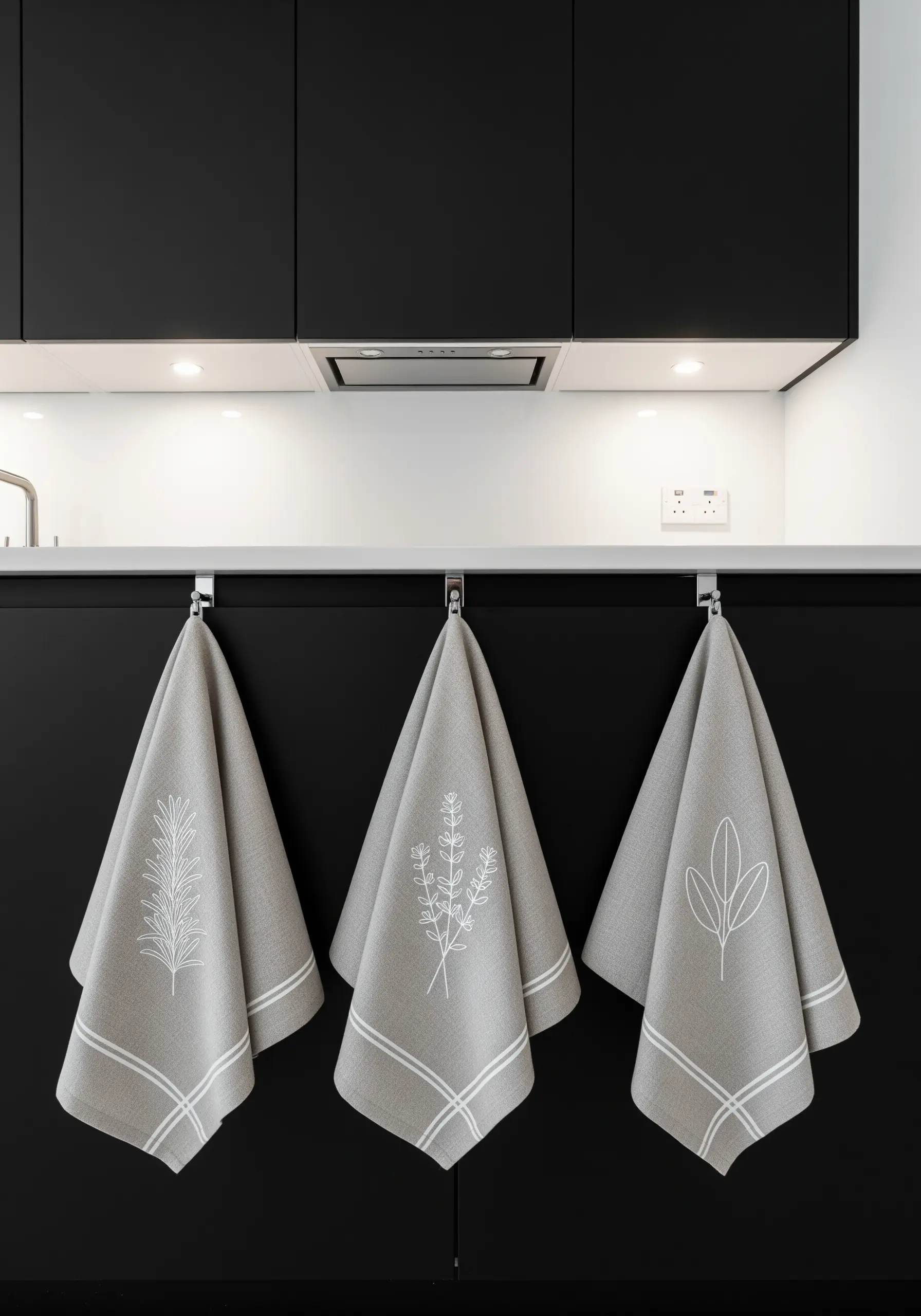
For kitchen towels that look refined, focus on clean, single-line botanical motifs.
Use a two-strand backstitch in bright white floss on a neutral linen or cotton fabric.
The key is precision, not complexity; ensure each stitch is the same length to achieve a crisp, graphic quality that feels both modern and timeless.
This approach transforms a functional item into a piece of decor that enhances your kitchen’s aesthetic. Try these delicate line art embroidery ideas anywhere in your home.
9. Weave a Pattern with Seed Stitch Bands
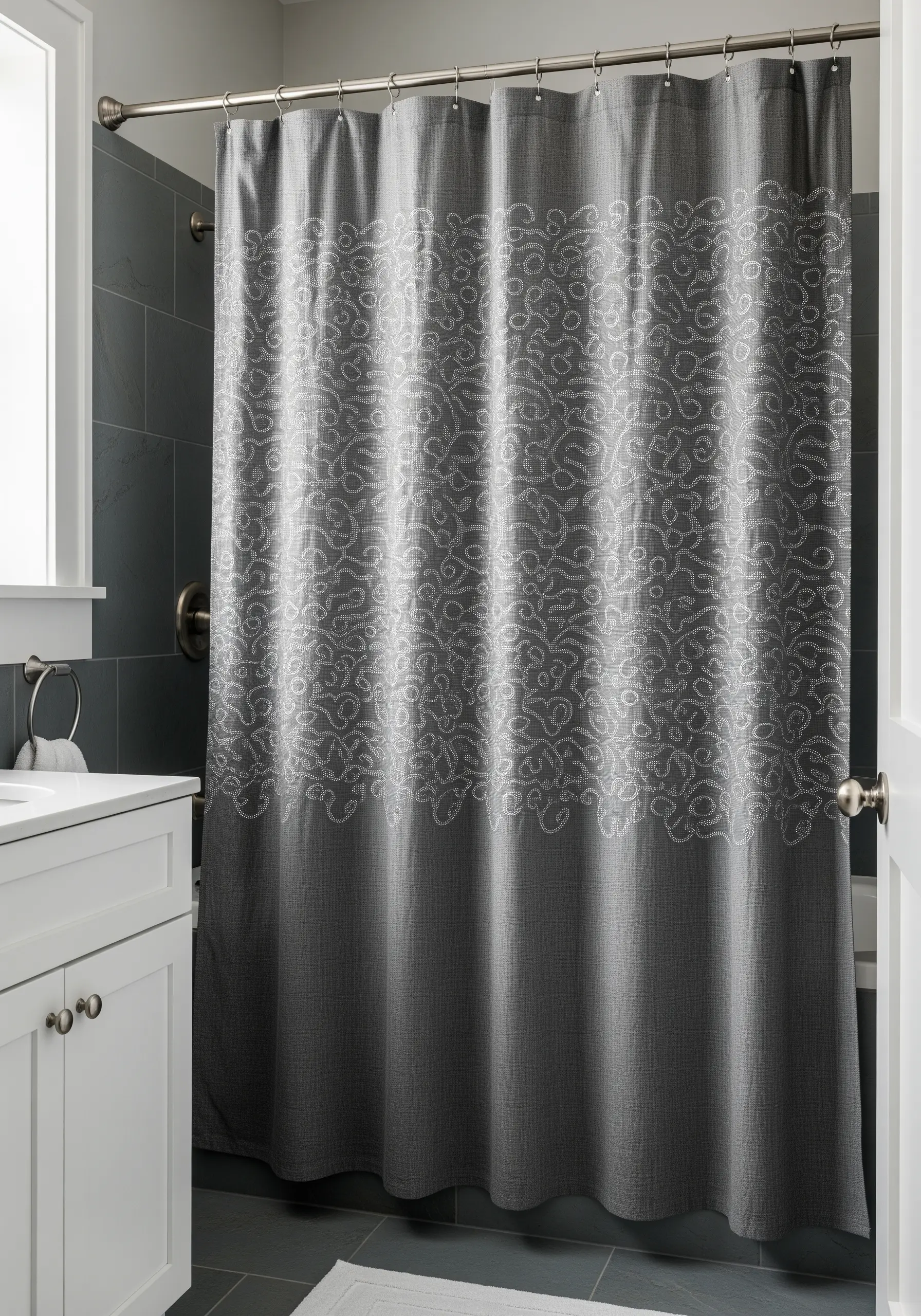
Embellish a shower curtain with a wide, decorative band using only the humble seed stitch.
Create your swirling or geometric pattern and fill it entirely with tiny, randomly placed straight stitches in a contrasting color.
The dense collection of small stitches builds a beautiful, pointillist texture that looks intricate and luxurious from a distance but is remarkably simple to execute.
This method is meditative and forgiving, ideal for a large-scale project.
10. Personalize Book Spines with Modern Typography
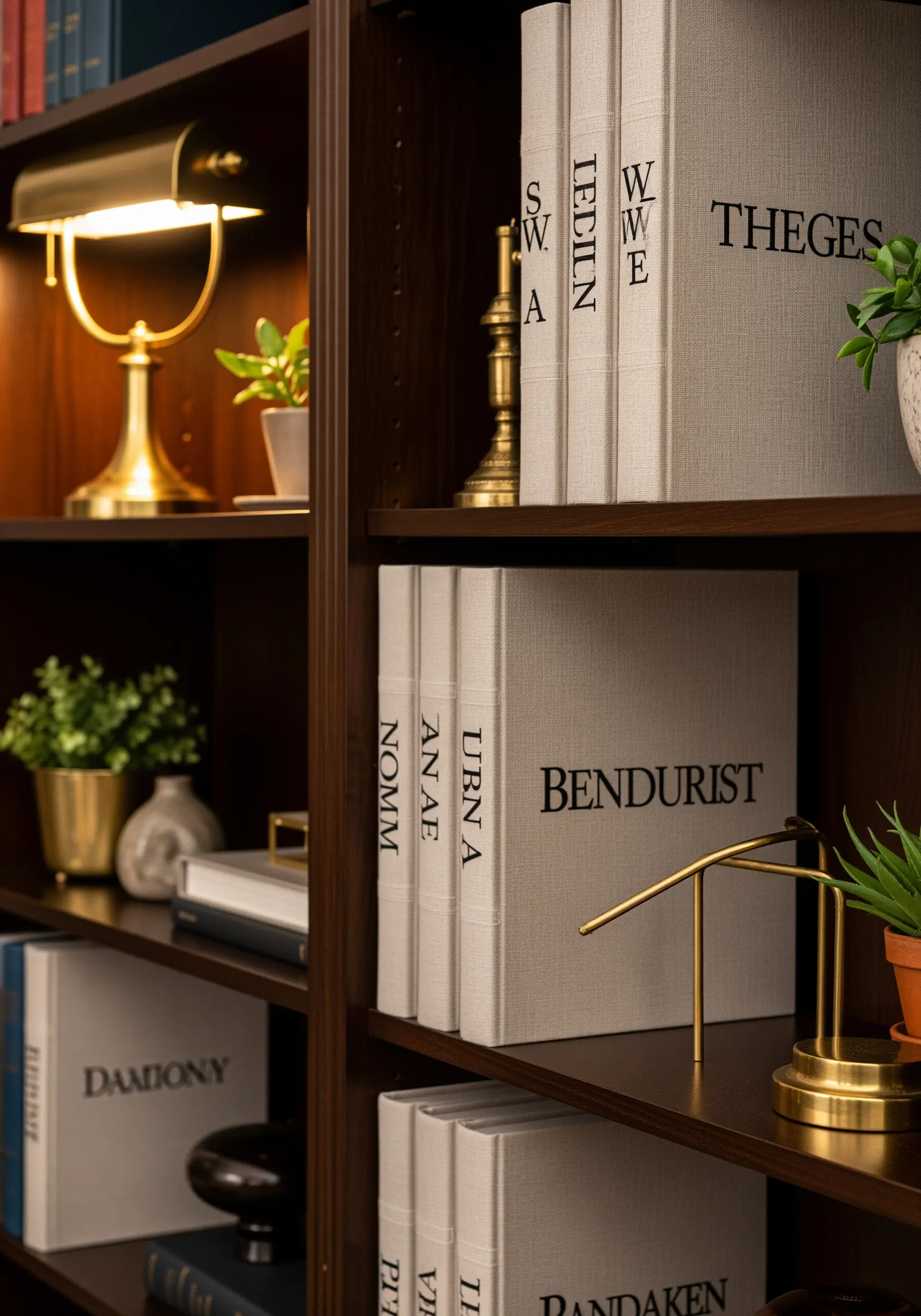
Give your decorative book boxes or journal covers a bespoke library feel with embroidered typography.
Choose a clean, sans-serif font and use a tiny backstitch (with a single strand of floss) to render the letters with precision.
For a perfect result, print your text on water-soluble stabilizer, adhere it to the fabric spine, stitch directly over the lines, and then dissolve the stabilizer away.
This ensures your lettering is sharp and professional.
Try these tiny lettering embroidery ideas to personalize anything.
11. Design a Playful Rug with Textured Fills
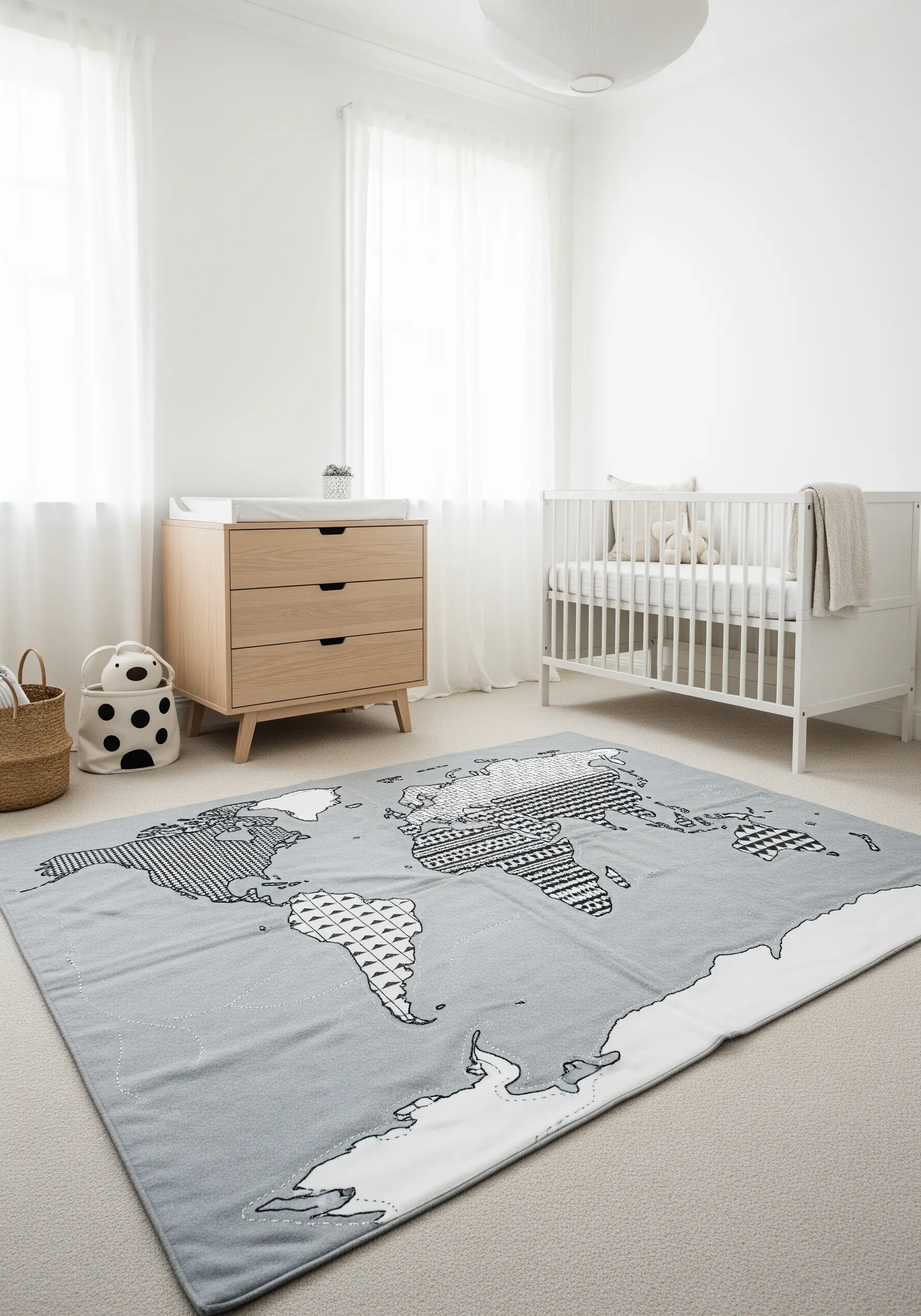
When designing a large-scale piece like a child’s rug, use different fill stitches to add tactile interest to a simple monochrome map.
Fill in various countries or continents with alternating patterns: dense running stitches for stripes, cross-stitches for a grid, or French knots for a bumpy texture.
This approach turns a simple outline into an interactive, sensory experience and is far more engaging than a simple satin stitch fill.
It makes the final piece both visually and physically playful.
12. Create Subtle Upholstery Stripes with Thread Weight
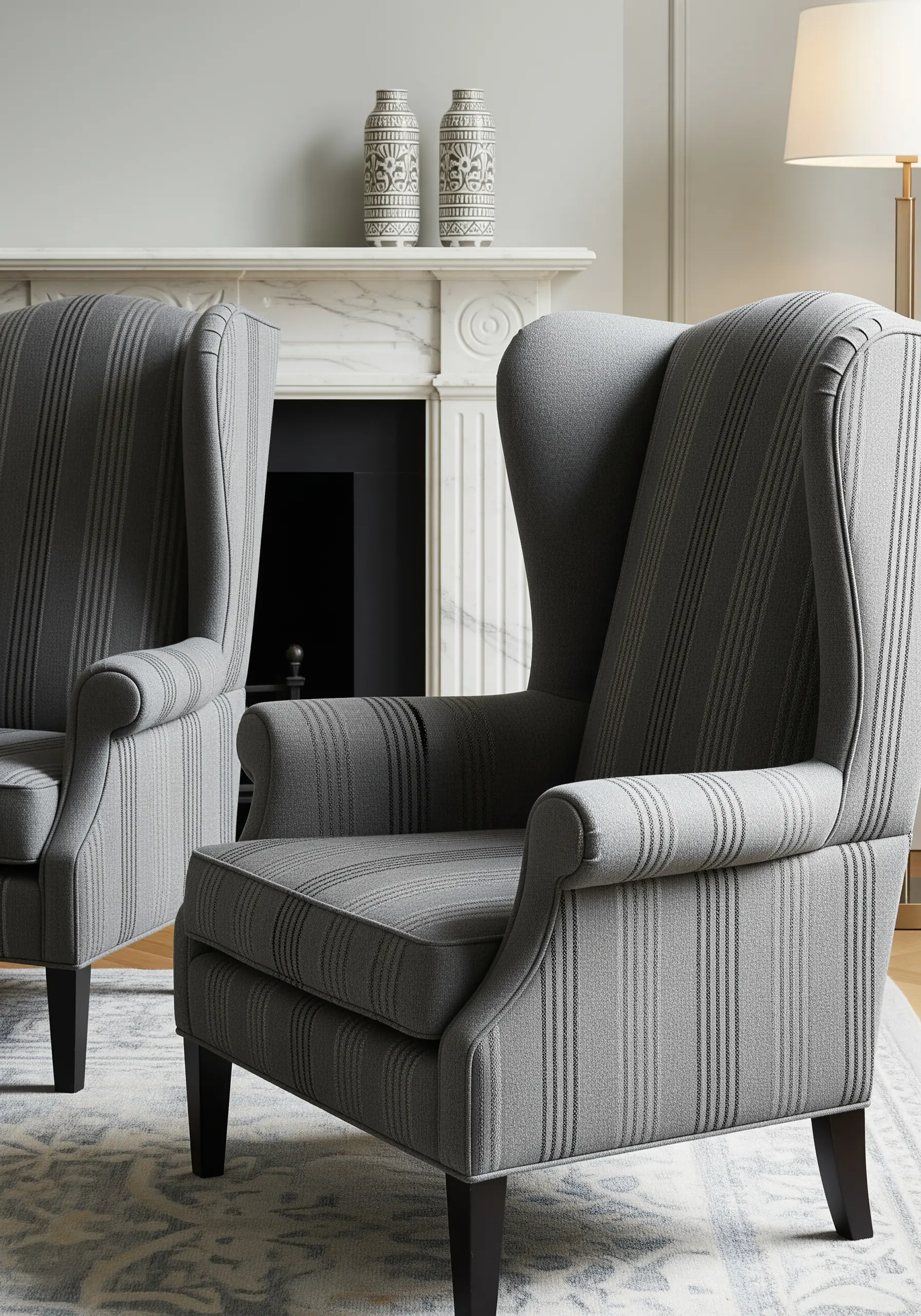
Emulate the texture of classic ticking stripe fabric directly on plain upholstery.
Instead of using different colors, create stripes by alternating the weight of your thread.
Use a thicker perle cotton for the dominant stripes and a finer, single strand of floss for the thinner accent lines.
Stitch them on with a simple running stitch. This tone-on-tone textural effect is sophisticated, subtle, and adds custom detail without overwhelming the furniture’s form.
13. Stitch a Star Chart with Precise Details
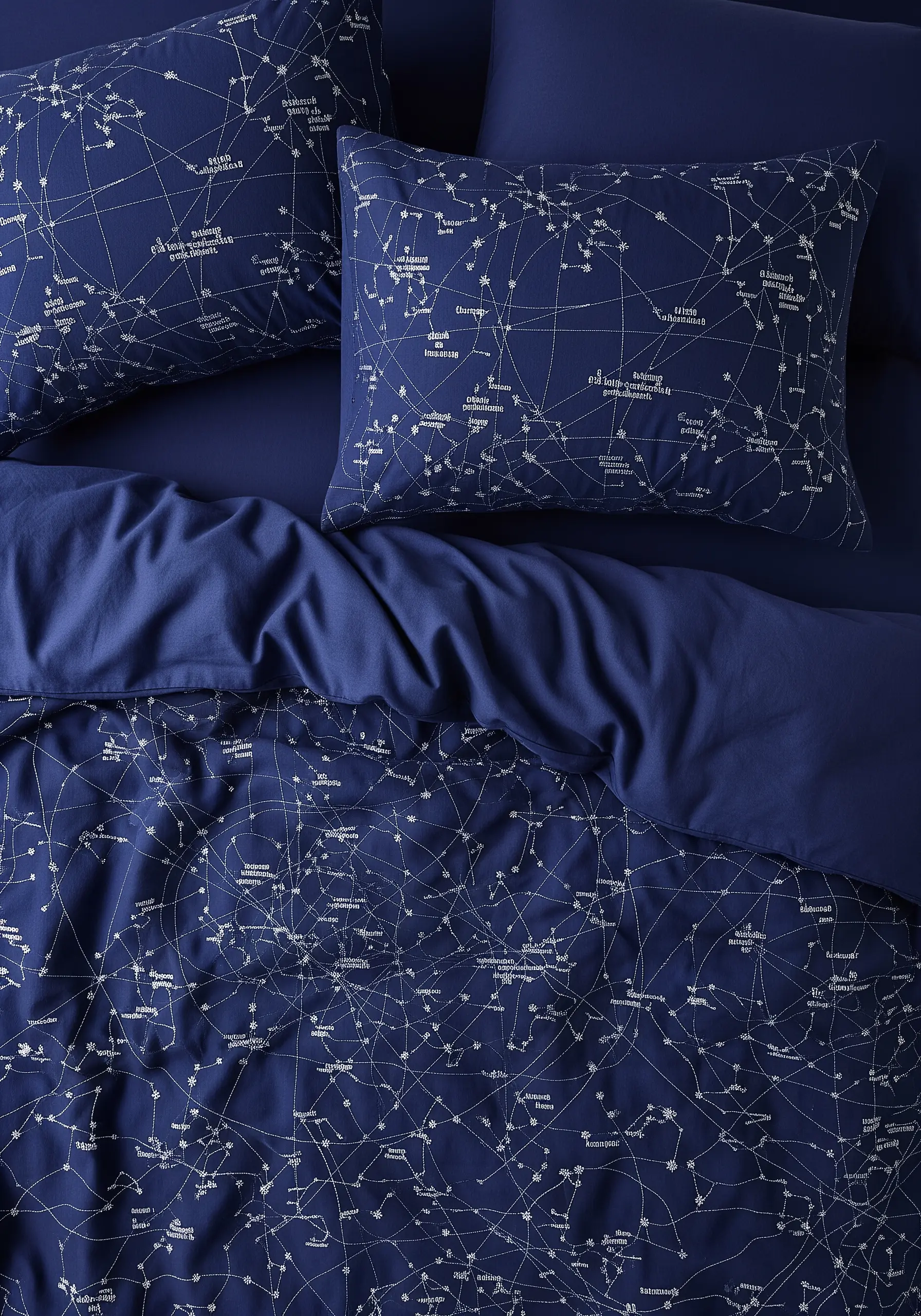
To embroider a detailed constellation map on dark fabric, prioritize clarity and precision.
Use a bright white or silver thread for high contrast against a navy or black background.
Render the stars with single French knots or tiny star stitches, and connect them with a neat, single-strand backstitch.
For the lettering, use a water-soluble stabilizer to ensure the tiny names are legible and perfectly formed, creating a piece that is both beautiful and accurate.
Explore these tiny night sky embroidery designs for more inspiration.
14. Draft an Architectural Blueprint on Canvas
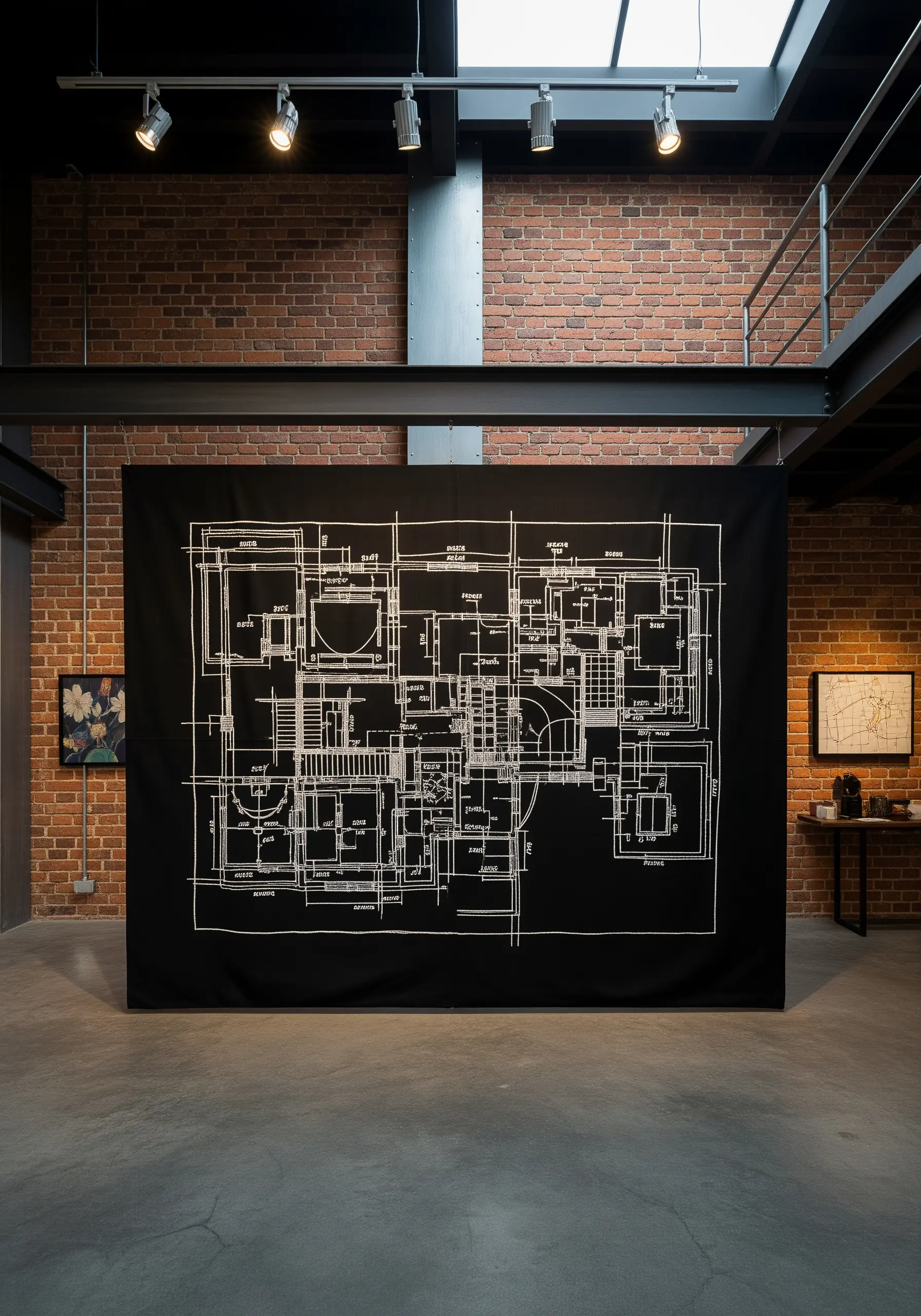
Recreate the precision of an architectural drawing as a large-scale textile wall hanging.
Transfer your design onto black canvas using a white water-erasable fabric pen.
Stitch every line with a two-strand backstitch in bright white thread to ensure the lines are clean and unbroken.
The high contrast and technical nature of the subject matter create a powerful, modern art piece that commands attention in any industrial or minimalist space.
15. Add Subtle Detail with a Running Stitch
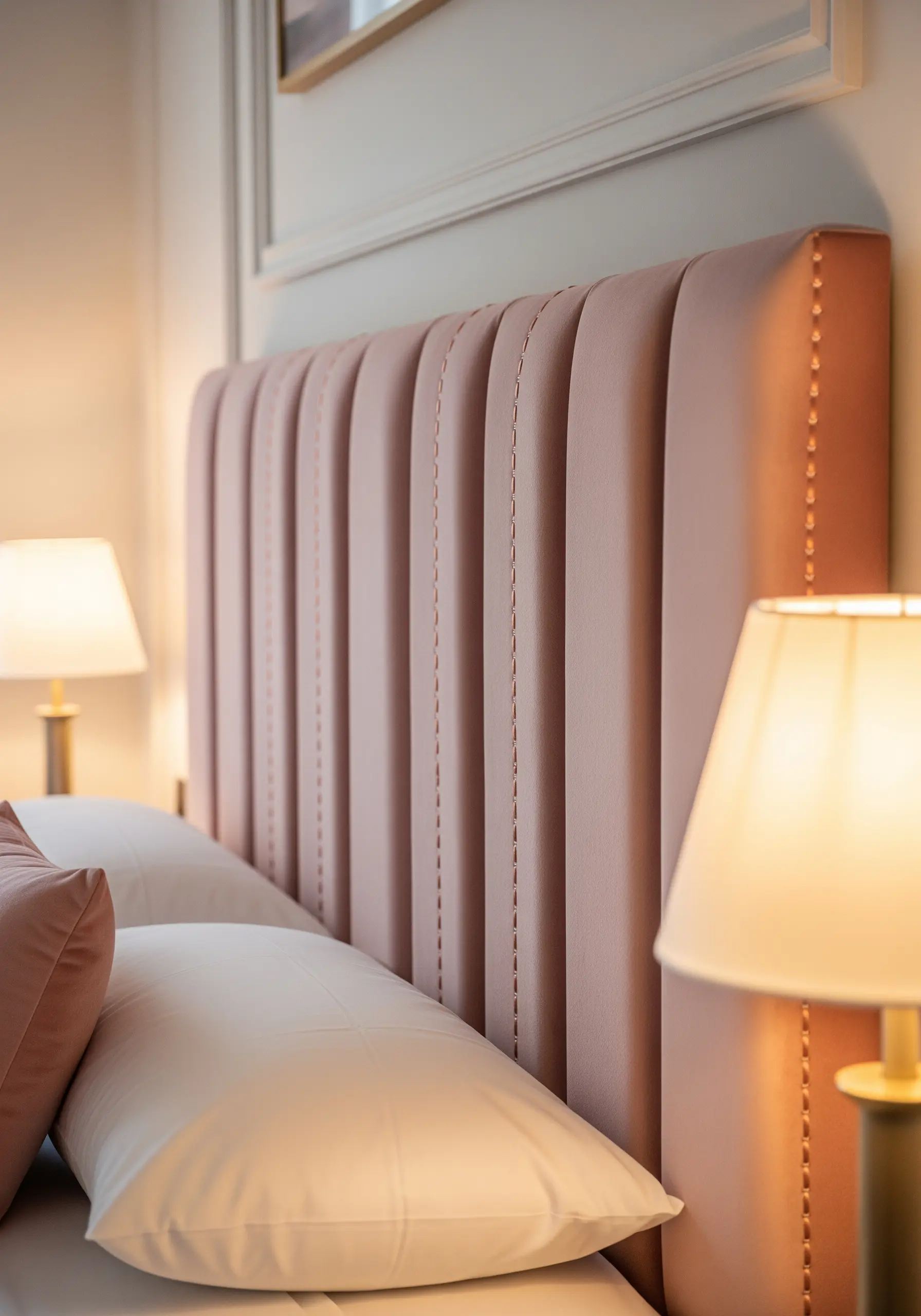
Elevate a channel-tufted headboard or cushion with a simple, decorative running stitch.
Use a thread that is just one or two shades lighter or darker than the base fabric for a subtle, tone-on-tone effect.
Place a single line of evenly spaced running stitches down the center of each channel. This hand-stitched detail adds a layer of bespoke craftsmanship and texture that feels luxurious and intentional without being loud.
16. Embroider a Lampshade for Diffused Art
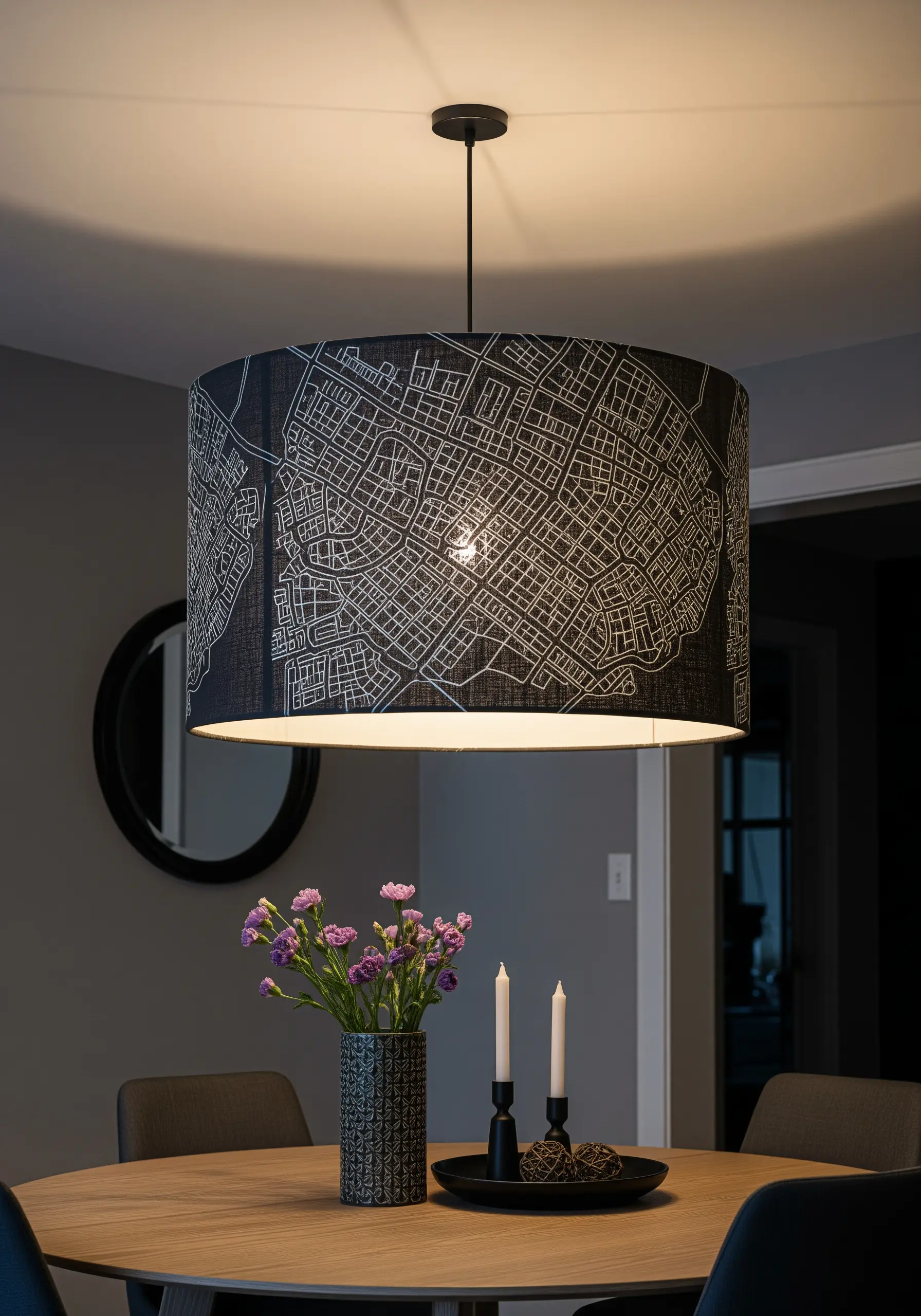
Turn a plain drum lampshade into a piece of illuminated art.
Choose a simple, graphic pattern like a city map and stitch it directly onto the lampshade fabric using a basic backstitch.
A dark fabric with white thread creates a striking silhouette effect when the lamp is turned on, casting a soft, patterned glow.
Ensure your stitches are neat on the inside as well, as they will be visible when lit.
17. Curate a Gallery of Geometric Symbols
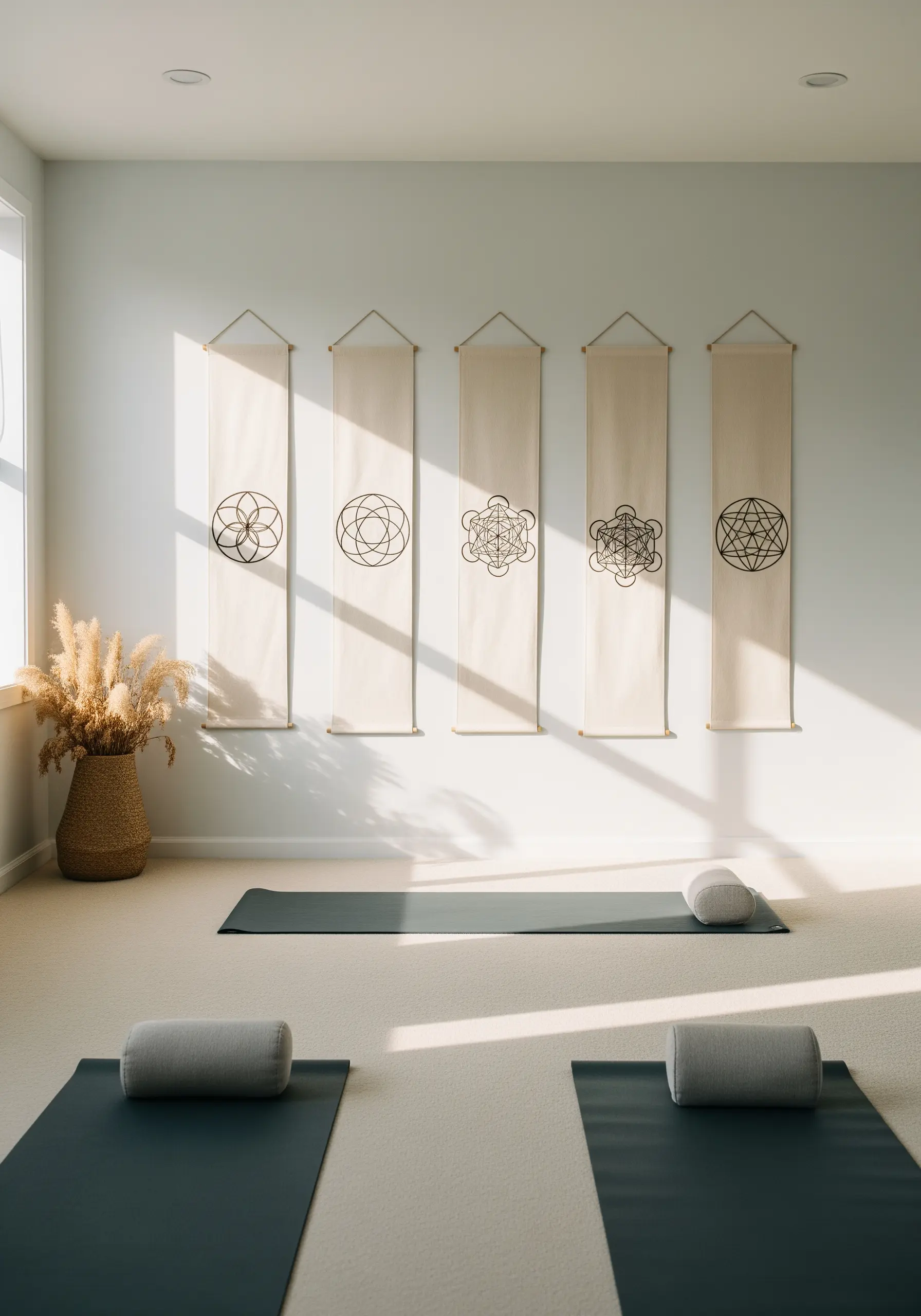
Create a calming focal point in a yoga or meditation space with a series of embroidered sacred geometry symbols.
Stitch each design on a separate, narrow linen banner using a simple backstitch with black cotton floss.
The repetition of the black-on-ivory color scheme and the clean, mathematical lines create a sense of rhythm and tranquility.
Hanging them as a group transforms simple stitchwork into a serene, intentional installation.
These mandala embroidery wall art ideas can create a similar meditative effect.
18. Craft a Modern Cameo Gallery Wall
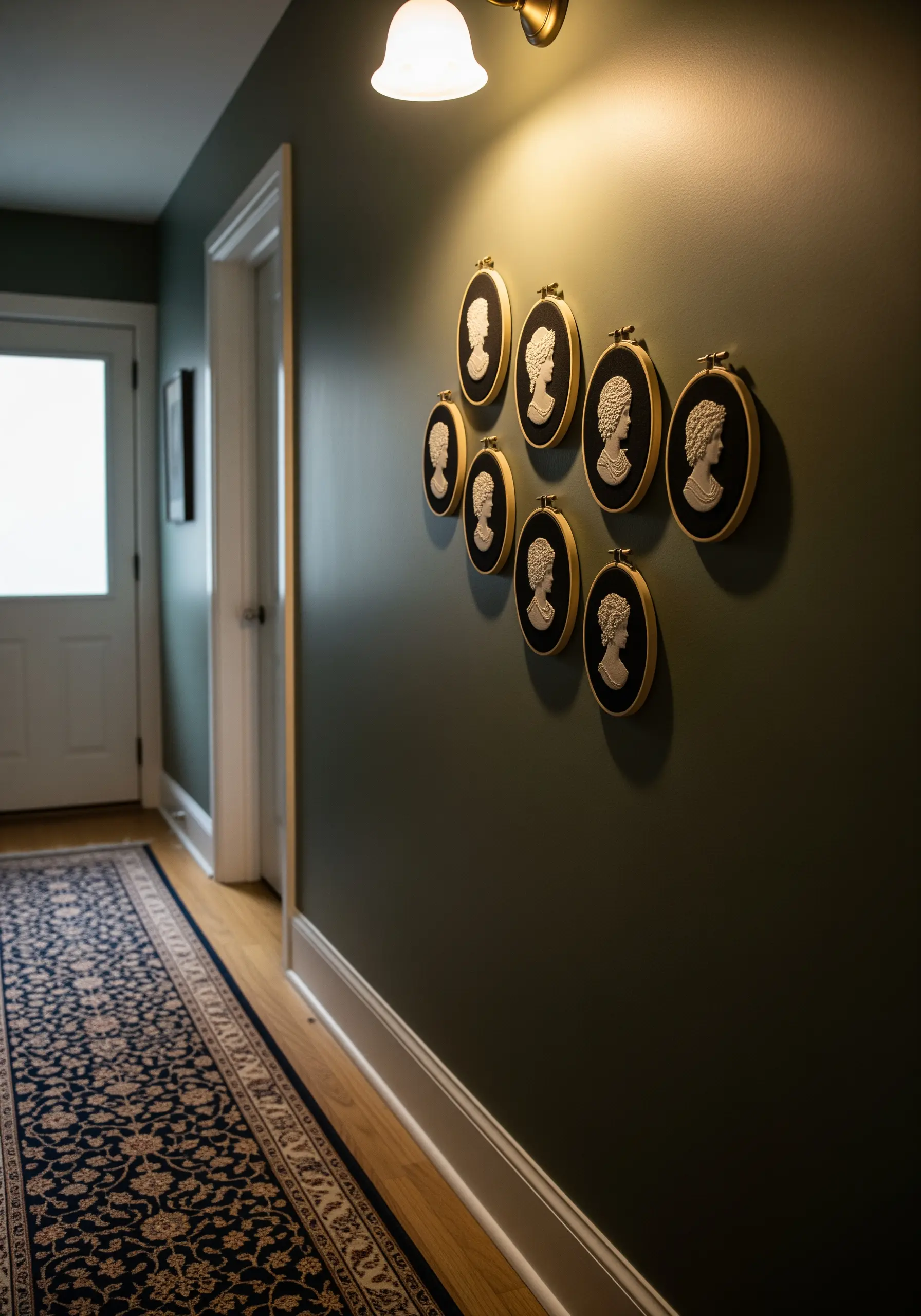
Reinterpret traditional cameo silhouettes with a modern embroidery twist.
Use a dense satin stitch with bright white thread on black fabric to create a bold, graphic portrait.
For the finest details, like curls of hair, switch to a single-strand backstitch.
Mounting a collection of these in simple wooden hoops and arranging them in a cluster on a dark wall creates a dramatic, high-contrast gallery that feels both classic and contemporary.
19. Play with Texture and Sheen on Cushions
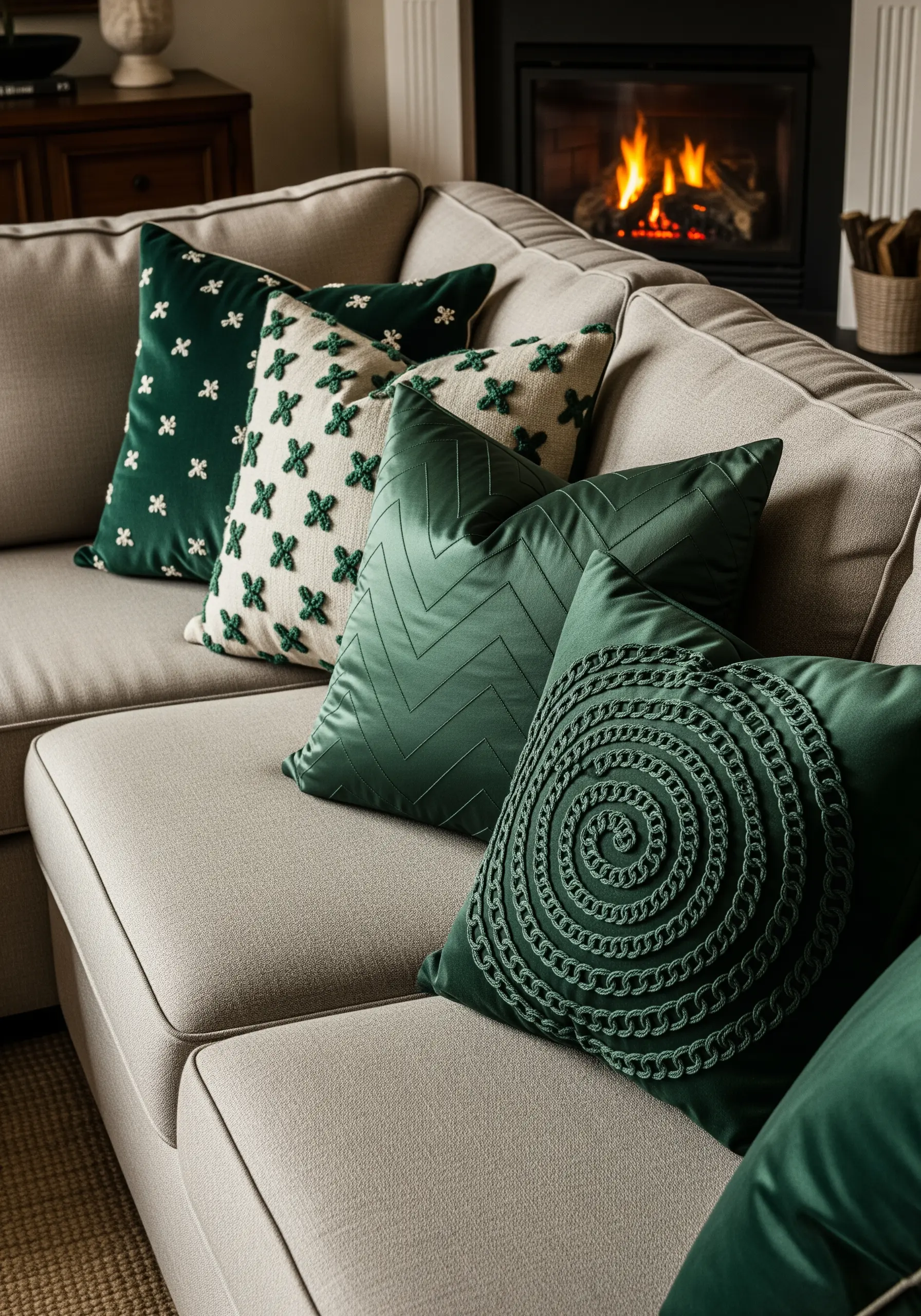
Design a cohesive set of cushions by exploring different textures within one color family.
Combine a matte, wool-embroidered cushion with a shiny, satin-stitched one.
On another, use couching to create raised, chain-like patterns with a thicker cord.
By keeping the color consistent (e.g., emerald green), the various textures—from plush to silky to sculptural—work together harmoniously, adding depth and tactile interest to your sofa.
20. Use Appliqué for Bold Graphic Numbers
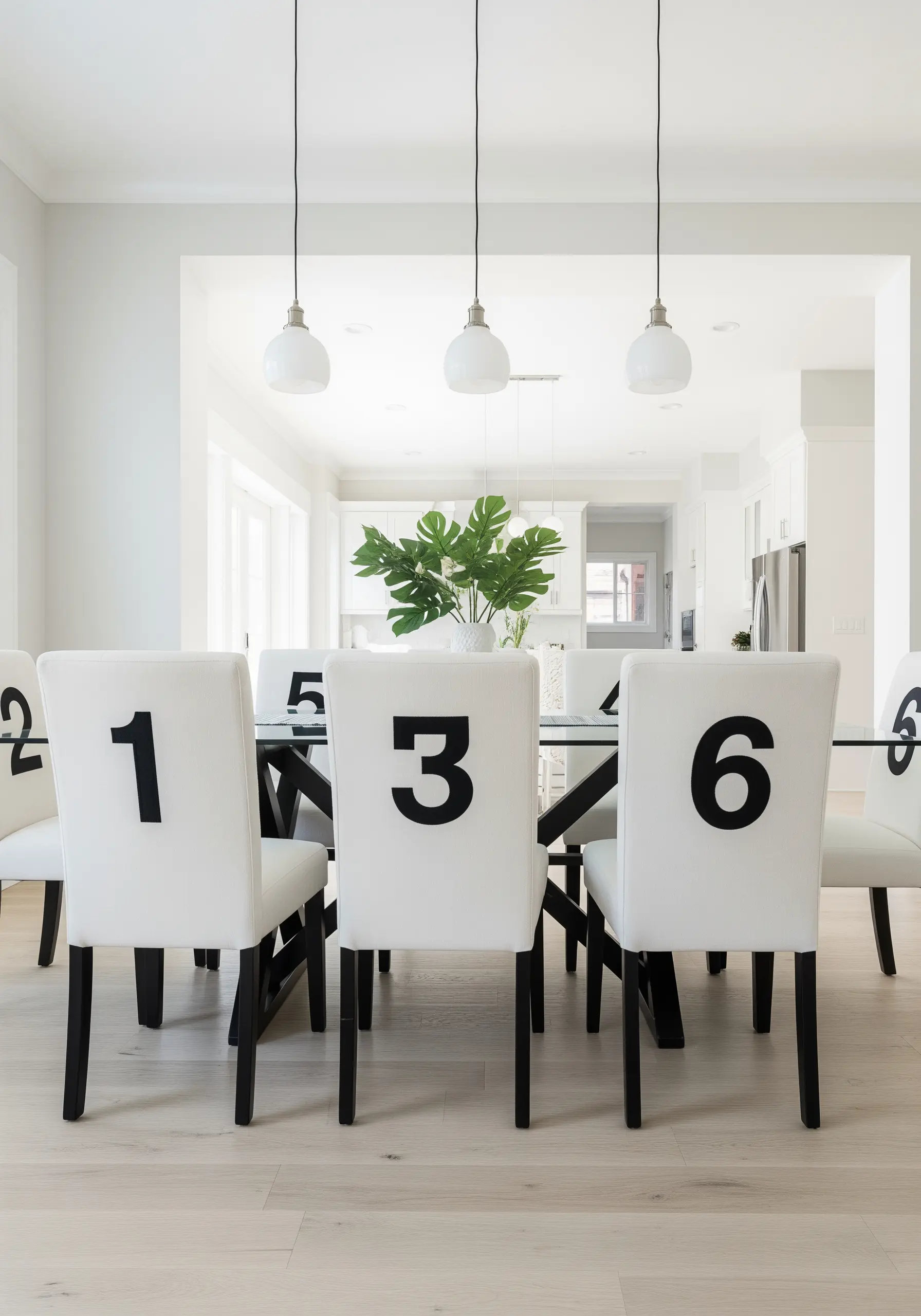
For large, bold numbers on dining chair covers, appliqué is more effective than fill stitching.
Cut your numbers from a non-fraying fabric like felt and secure them to the chair cover with a neat, contrasting blanket stitch around the edges.
This technique is faster for large areas, creates a perfectly crisp edge, and adds a charming, handcrafted dimension that simple embroidery can’t replicate on this scale.
21. Detail a Dragon with Grayscale Shading
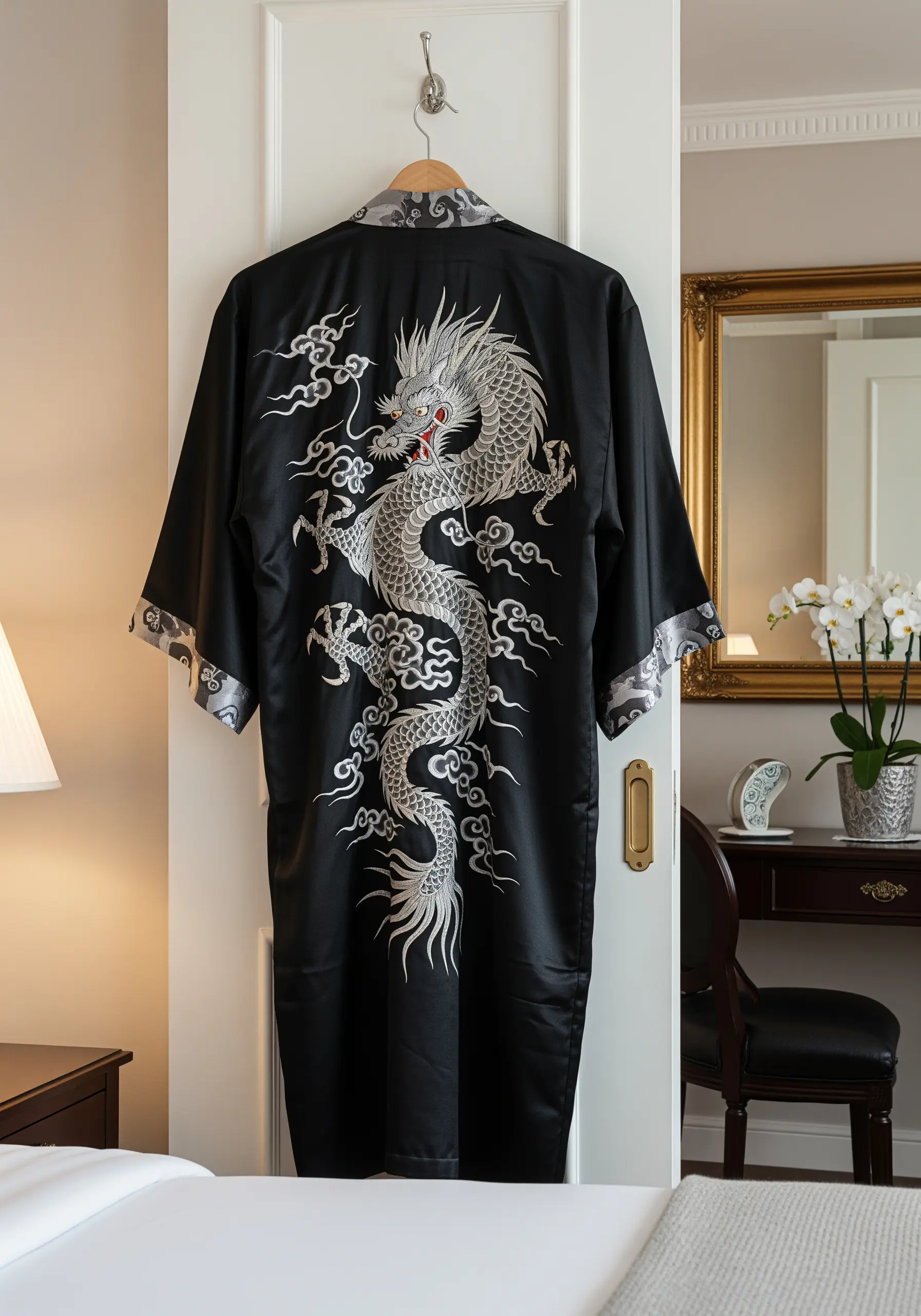
To give a complex monochrome design, like a dragon, depth and form, use thread painting techniques with a grayscale palette.
Select four to five shades of gray, from dark charcoal to pale silver. Use long-and-short stitches to blend these shades seamlessly, creating highlights on the scales and shadows in the folds.
This meticulous shading transforms a flat outline into a dynamic, three-dimensional creature, making the embroidery feel like a detailed ink wash painting.
22. Replicate Tufted Leather with Stitching
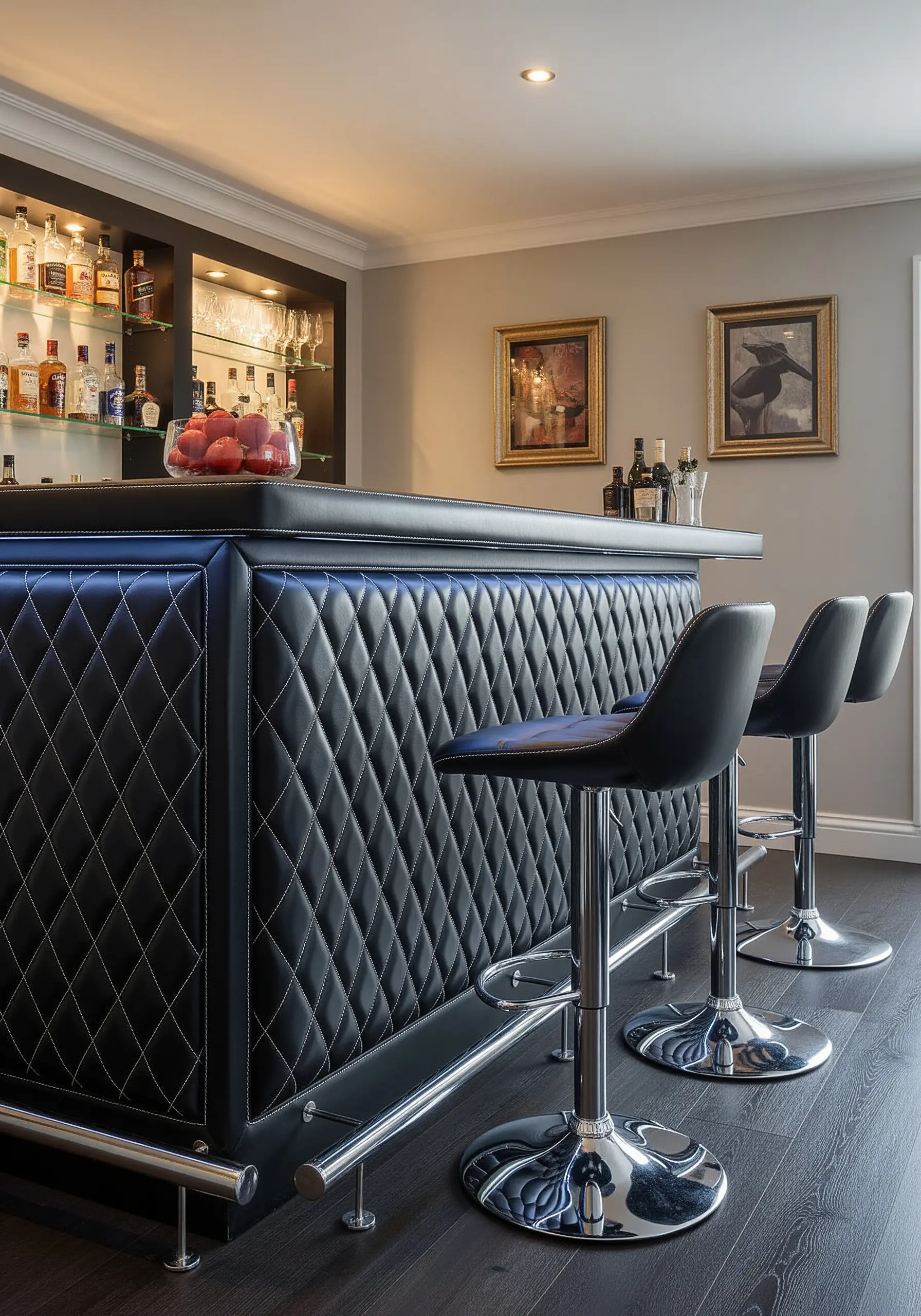
Achieve the luxurious look of diamond-tufted leather using only thread.
On a dark, smooth fabric, create a grid of diagonal lines with a simple running stitch in a contrasting color, like silver on black.
The key is perfect geometric precision; use a ruler and a fabric marker to draw your grid before you begin stitching.
This optical illusion adds a sophisticated, textural pattern to bar fronts or headboards, mimicking a classic upholstery technique.
23. Frame a View with a Geometric Border
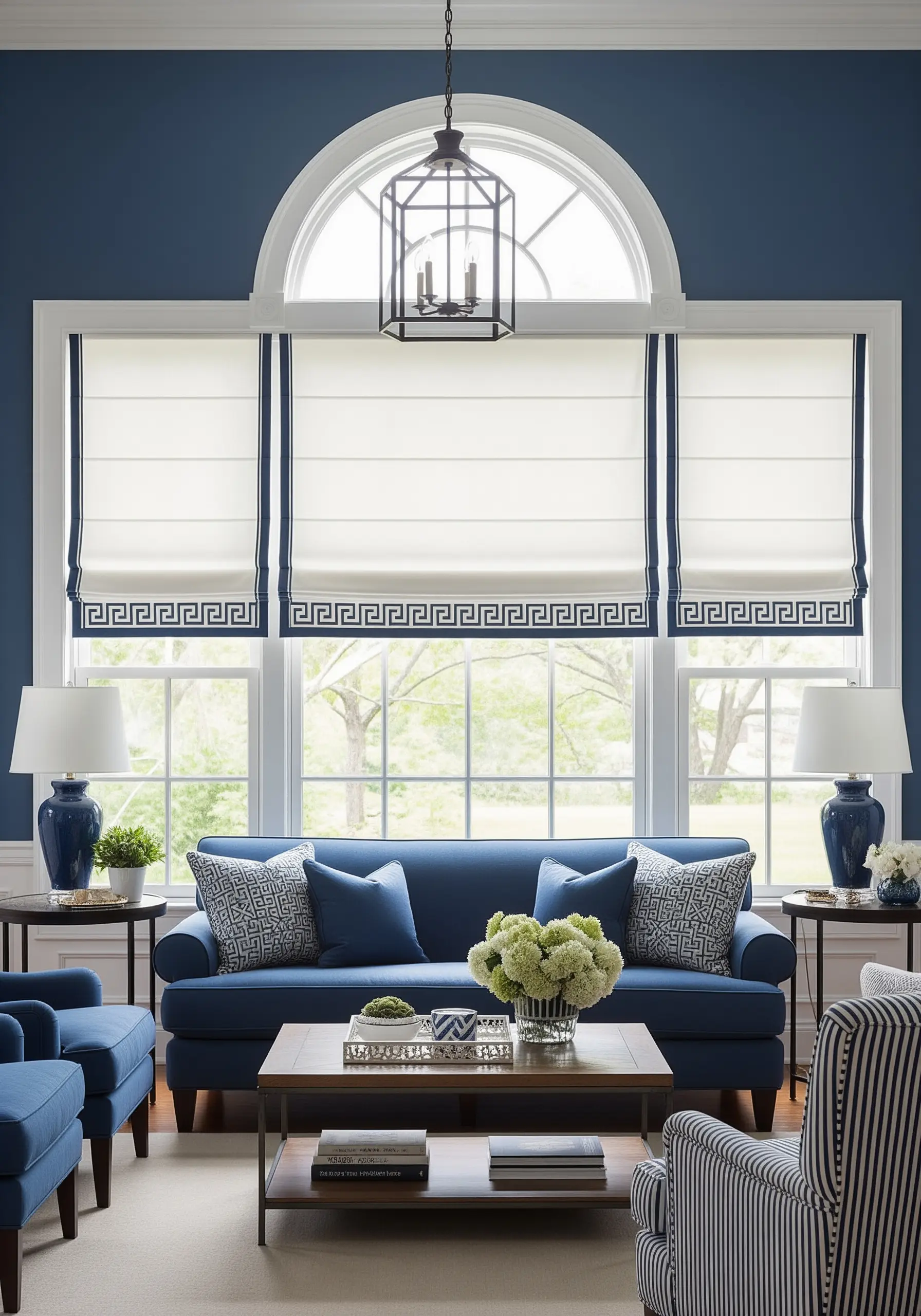
Add a crisp, tailored finish to Roman shades or curtains with an embroidered geometric border.
A classic Greek key pattern, stitched in a high-contrast color like navy on white, provides a strong graphic element that frames the window beautifully.
Use a satin stitch for the pattern to ensure it looks solid and bold. This simple addition makes standard window treatments feel custom-made and integrates them perfectly with the room’s color scheme.
24. Organize with Simple Pictogram Labels
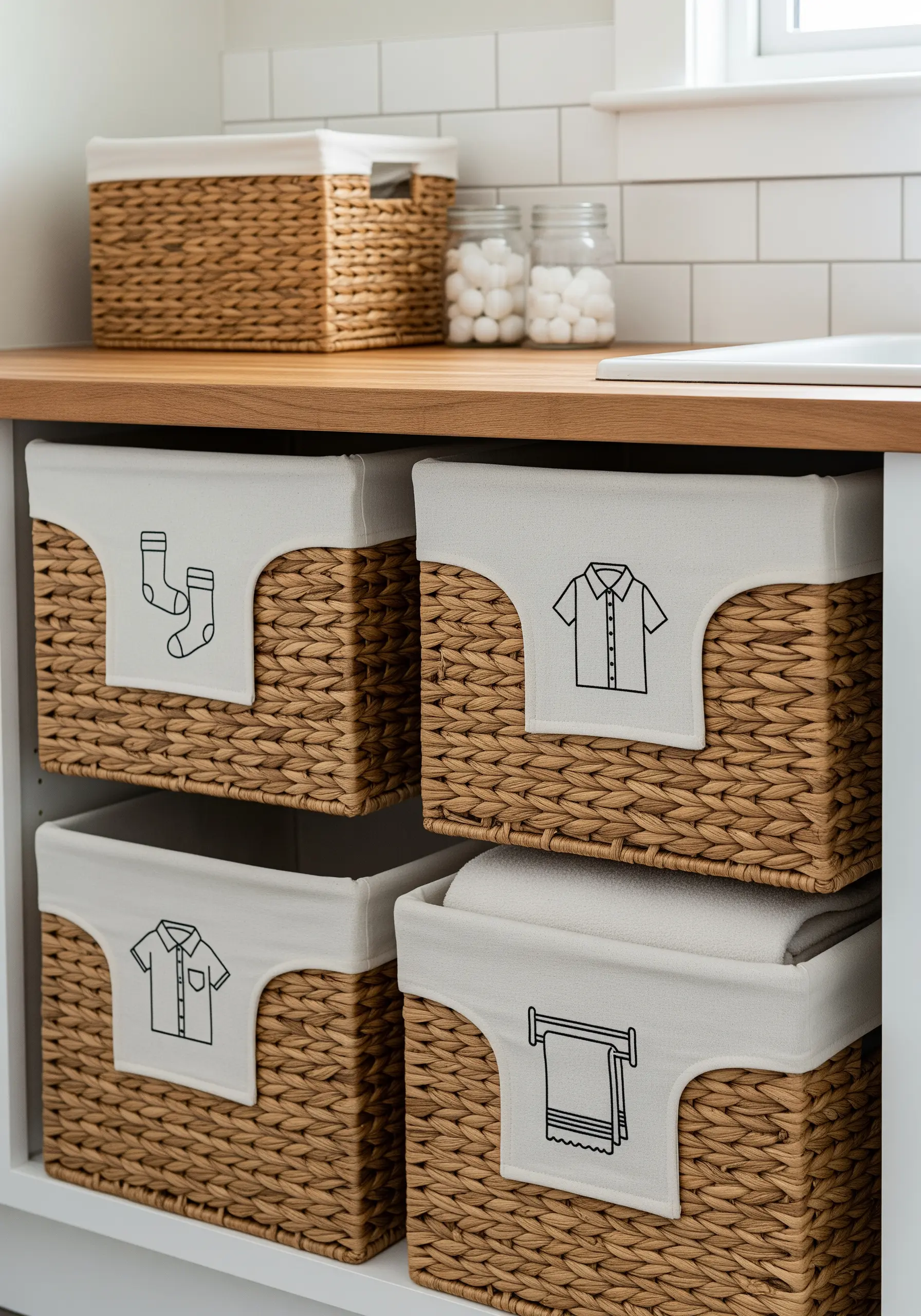
Bring order to your laundry room or closet with clear, embroidered labels on storage baskets.
Stitch simple, universal pictograms—like a shirt, socks, or a towel—onto removable canvas panels using a clean backstitch.
The minimalist, single-line style is easy to read at a glance and adds a touch of thoughtful, handmade organization to your space.
This functional embroidery makes chores a little more beautiful. You can adapt these simple line-art fruit & food motifs for any room.
25. Stitch Golden Scars Inspired by Kintsugi
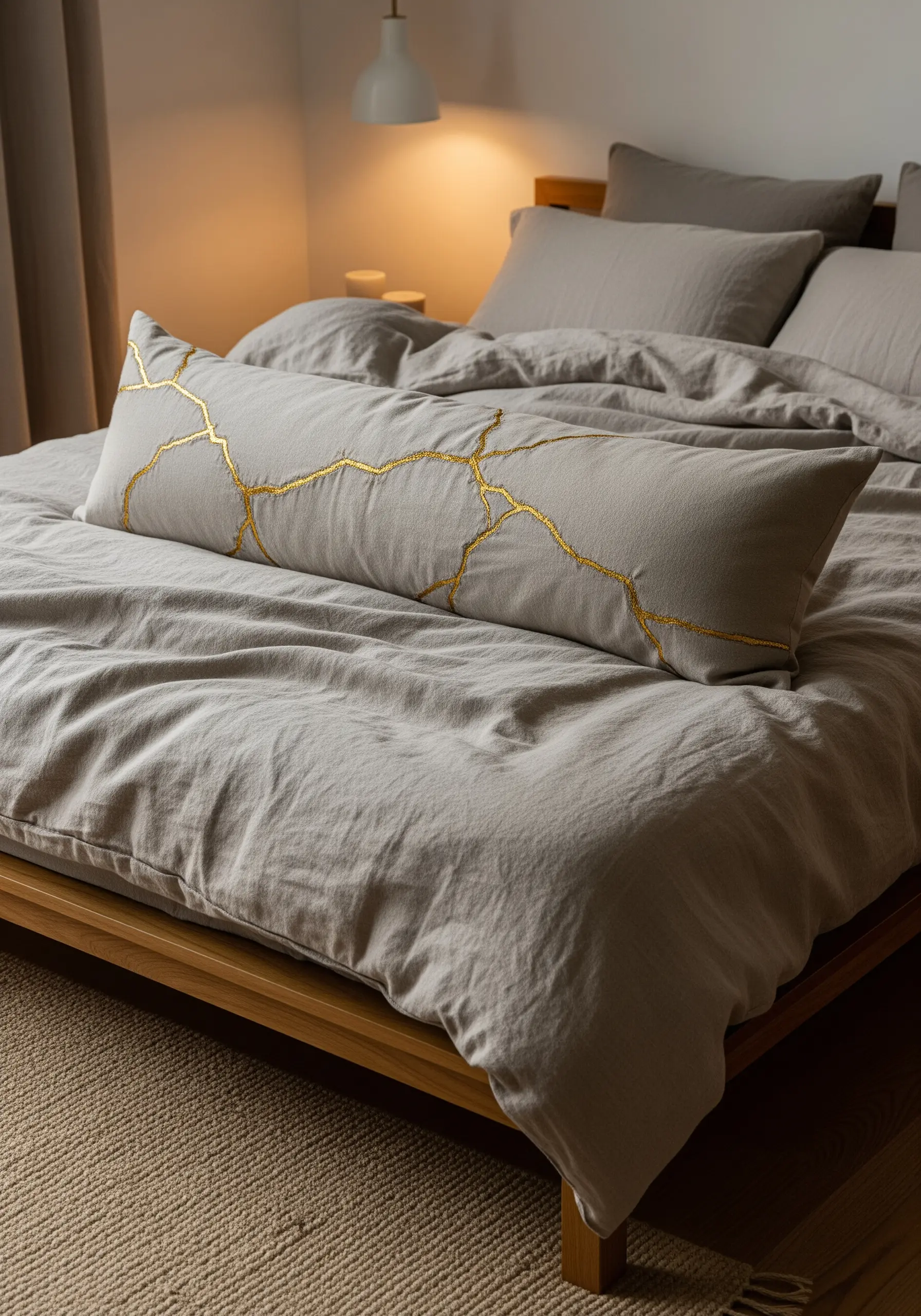
Embrace the Japanese art of Kintsugi—mending broken pottery with gold—on your textiles.
Use a shimmering gold metallic thread to stitch abstract, crack-like lines across a neutral linen pillow.
Vary your stitch direction and use a mix of backstitch and straight stitches to create an organic, branching pattern.
This technique transforms a simple cushion into a piece of art with a beautiful philosophy: celebrating imperfection and repair.
26. Define Stairs with a Bold Runner
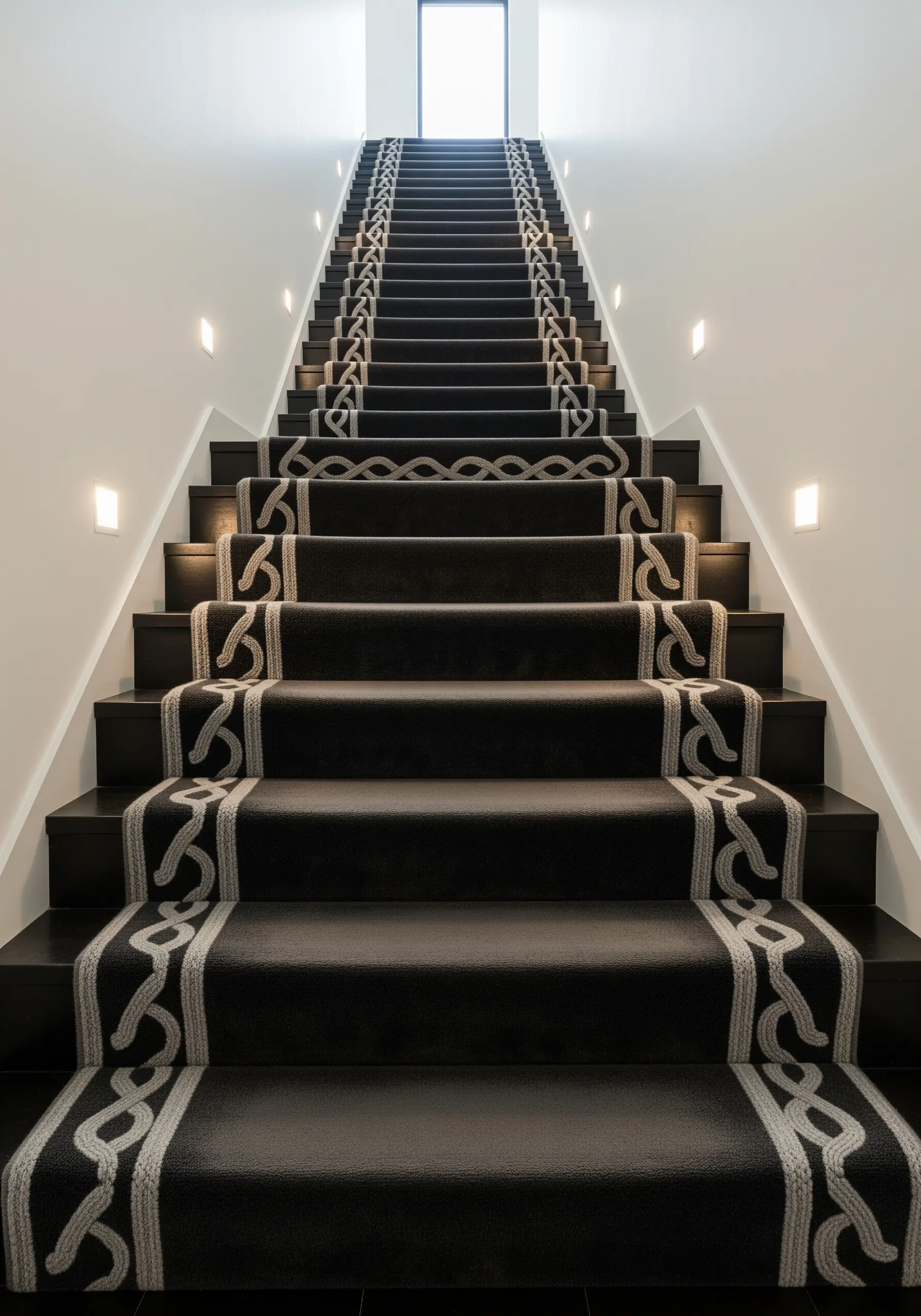
Make a dramatic statement on a staircase with a custom-embroidered runner.
Choose a durable, low-pile carpet runner and embellish the edges with a bold, graphic pattern in a high-contrast color.
A thick, chunky yarn applied with a chain stitch or couching technique will provide the necessary scale and durability for a high-traffic area.
This approach transforms a purely functional element into a powerful design feature that guides the eye upward.
27. Create Tone-on-Tone Botanical Upholstery
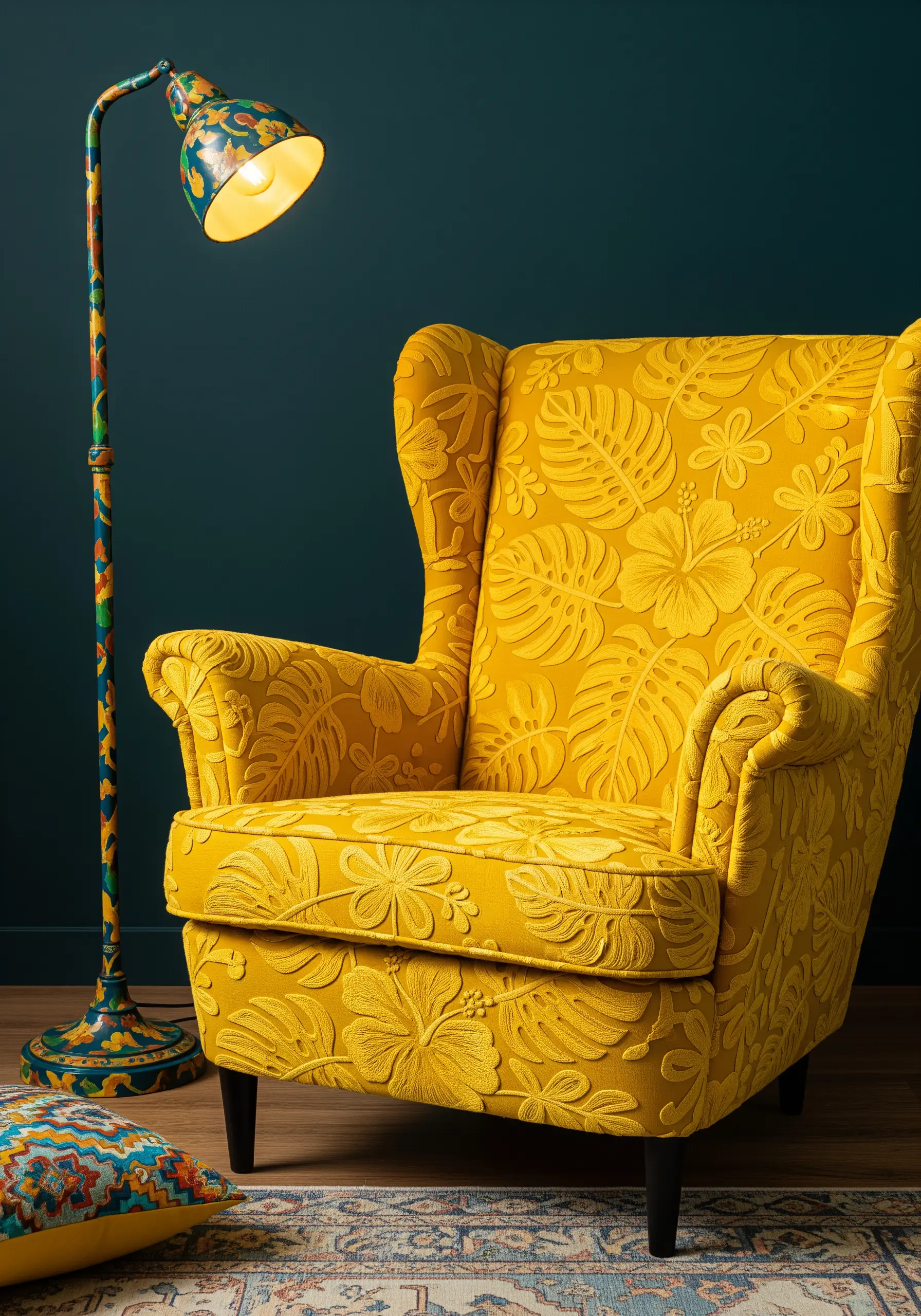
For a rich, textured effect on upholstery, use thread that is the exact same color as your fabric.
Cover an armchair in dense, overlapping tropical leaf motifs using a combination of satin stitch and long-and-short stitch.
The magic happens as light hits the chair from different angles, revealing the pattern through the subtle difference in sheen and shadow between the thread and the base fabric.
It’s a sophisticated, luxurious approach to pattern. Learn more about creating tropical flower embroidery ideas for your projects.
28. Finish a Blanket with a Statement Edge
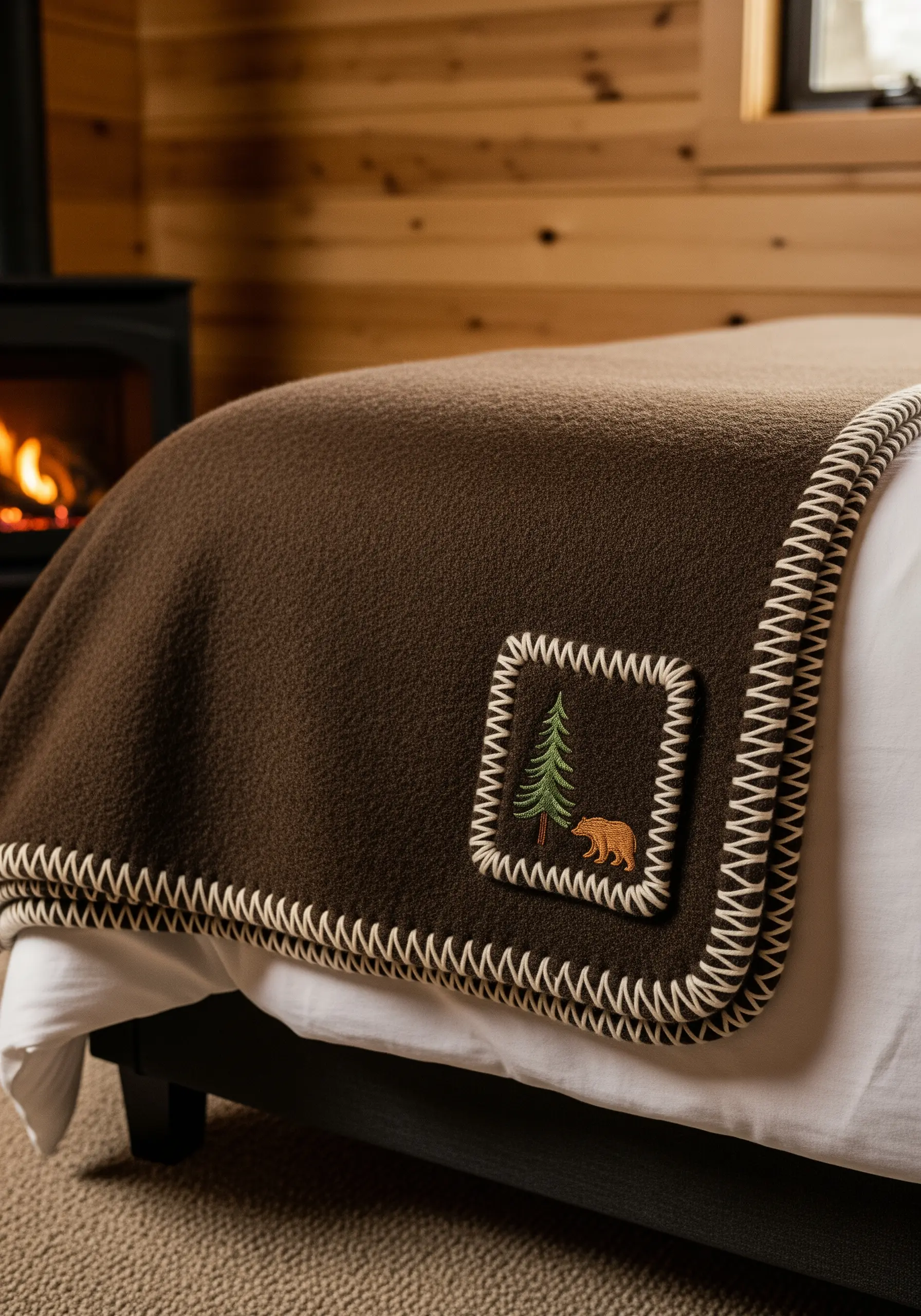
Elevate a simple woolen blanket with a decorative, handcrafted edge and a personalized patch.
Use a thick, contrasting yarn (like ivory on brown) and a classic blanket stitch to finish the entire perimeter. This not only prevents fraying but also adds a rustic, cozy charm.
For the patch, use simple satin and backstitches to create a small, meaningful scene. The combination of the bold edge and the detailed patch makes the piece feel like a cherished heirloom.


