
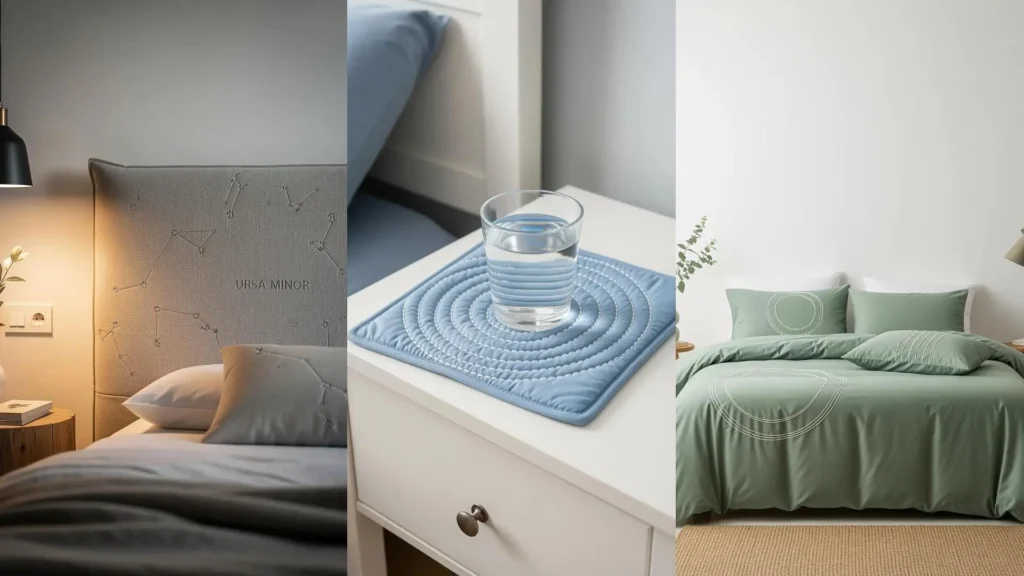
Your bedroom should be a sanctuary—a place where every detail contributes to a sense of calm. Embroidery, in its quietest form, can be the very thing that transforms your space from merely decorated to deeply personal and serene.
Forget complex, time-consuming patterns for a moment. Instead, think about the power of a single, well-placed line, the gentle texture of a repeated stitch, or the subtlety of a tonal color choice. These are the elements that create a sophisticated and tranquil atmosphere.
Here, you’ll find ideas that focus on intention rather than intricacy. You’ll see how a simple running stitch can redefine a surface, how a minimal motif can anchor a room, and how your own hands can create a space that truly feels like your own. Let’s begin.
1. Add a Single Botanical Sprig to Pillowcases
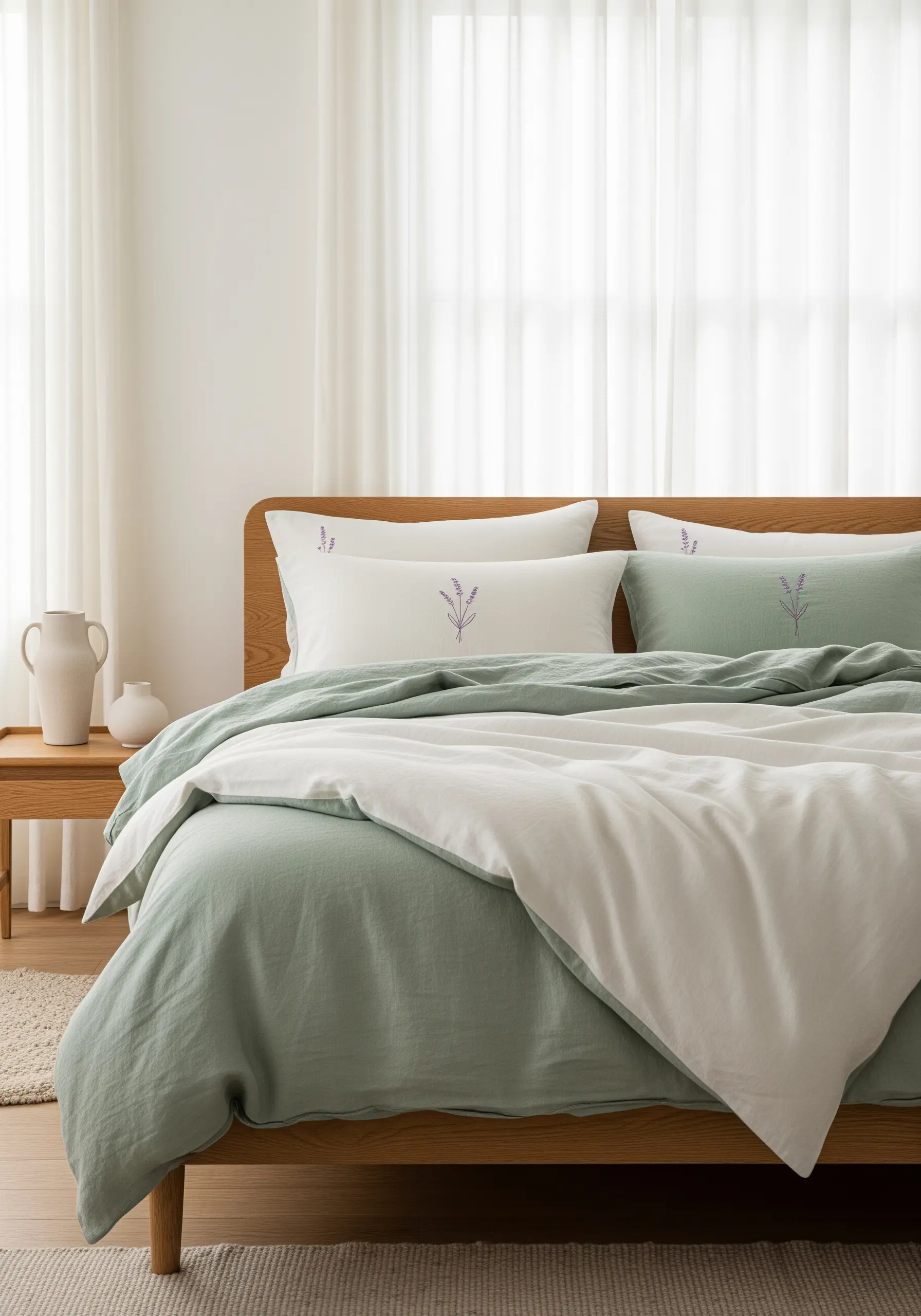
Embroider a delicate lavender sprig onto pillowcases to introduce a subtle, calming motif without overwhelming the space.
Use just two or three strands of floss to keep the design light and airy, ensuring it complements the soft texture of the bedding.
Stitch the stems with a simple stem stitch and use detached chain stitches or French knots for the blossoms, creating a gentle, organic texture.
Consider placement carefully—positioning the design in a corner allows it to be seen without interfering with comfort.
2. Create Large-Scale Abstract Line Art
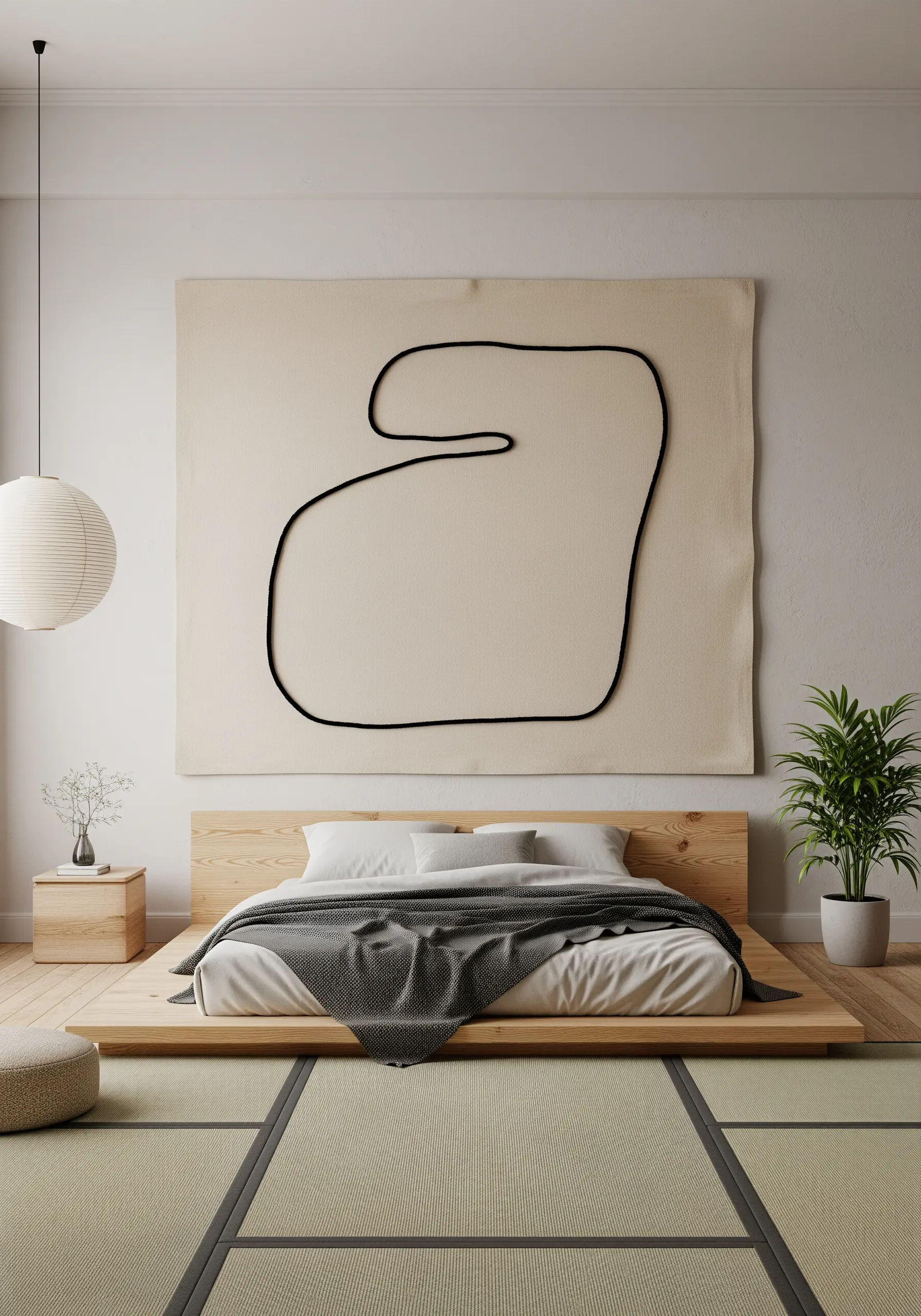
Transform a plain canvas into a modern art piece by stitching a single, bold, abstract line.
For a prominent, sculptural effect, use the couching technique: lay down a thick cord or yarn and secure it with smaller, discreet stitches in a matching thread.
This method allows you to create fluid curves and maintain a clean, powerful line that traditional embroidery stitches can’t achieve on this scale.
Mount the finished canvas on a simple wooden frame to create a focal point that feels both minimalist and intentional.
3. Weave a Textural Border onto a Knit Throw
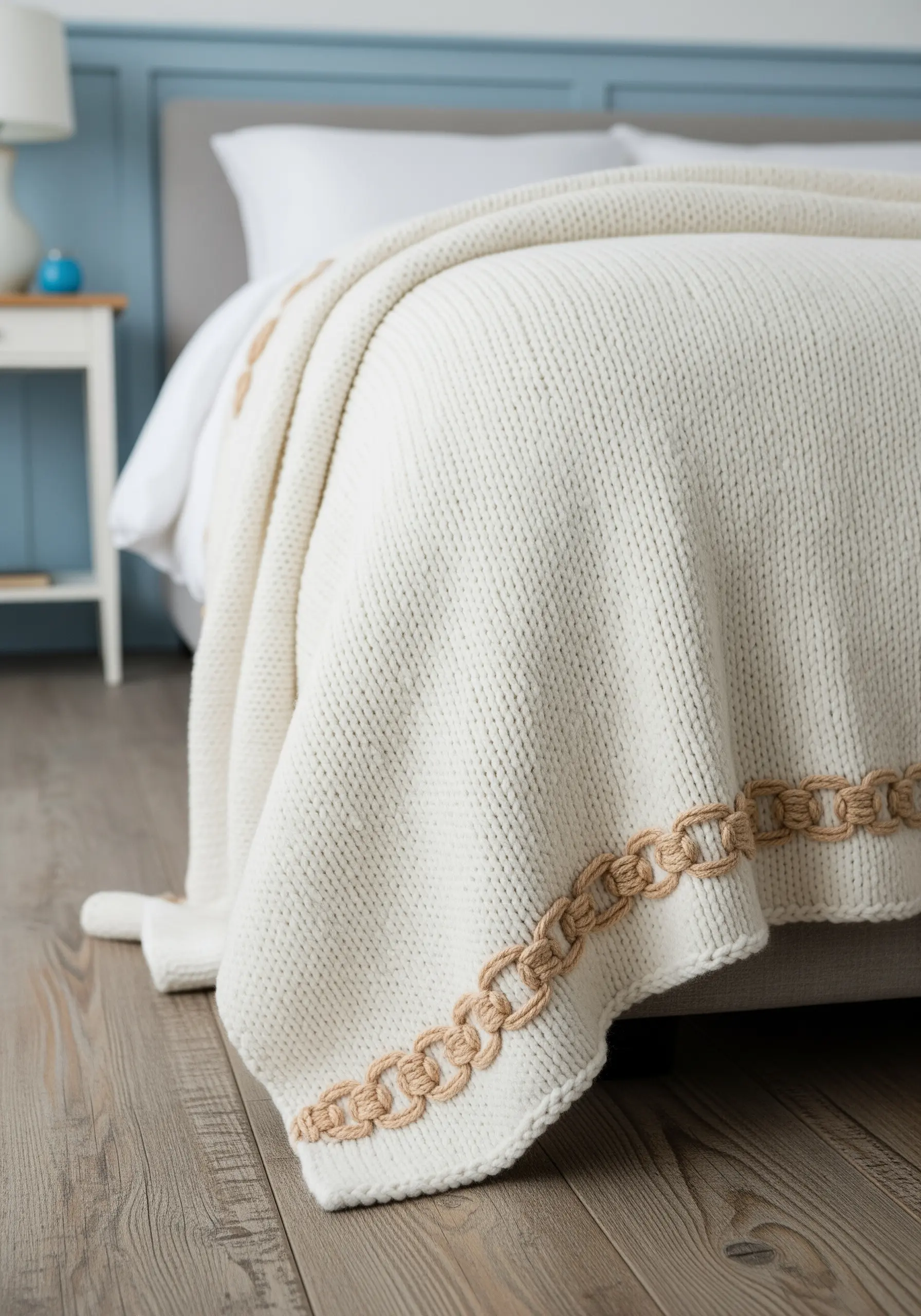
Elevate a simple knit blanket by adding a dimensional border with a contrasting fiber.
Use a thick, rustic yarn like jute or chunky cotton to create an interlocking chain effect along the edge.
You can achieve this look by working a crocheted chain directly into the knit stitches or by using a large tapestry needle to weave the yarn through the existing loops.
This technique adds weight and a tactile quality, turning a standard throw into a custom, high-end decor piece.
4. Stitch a Minimalist Landscape on a Lampshade
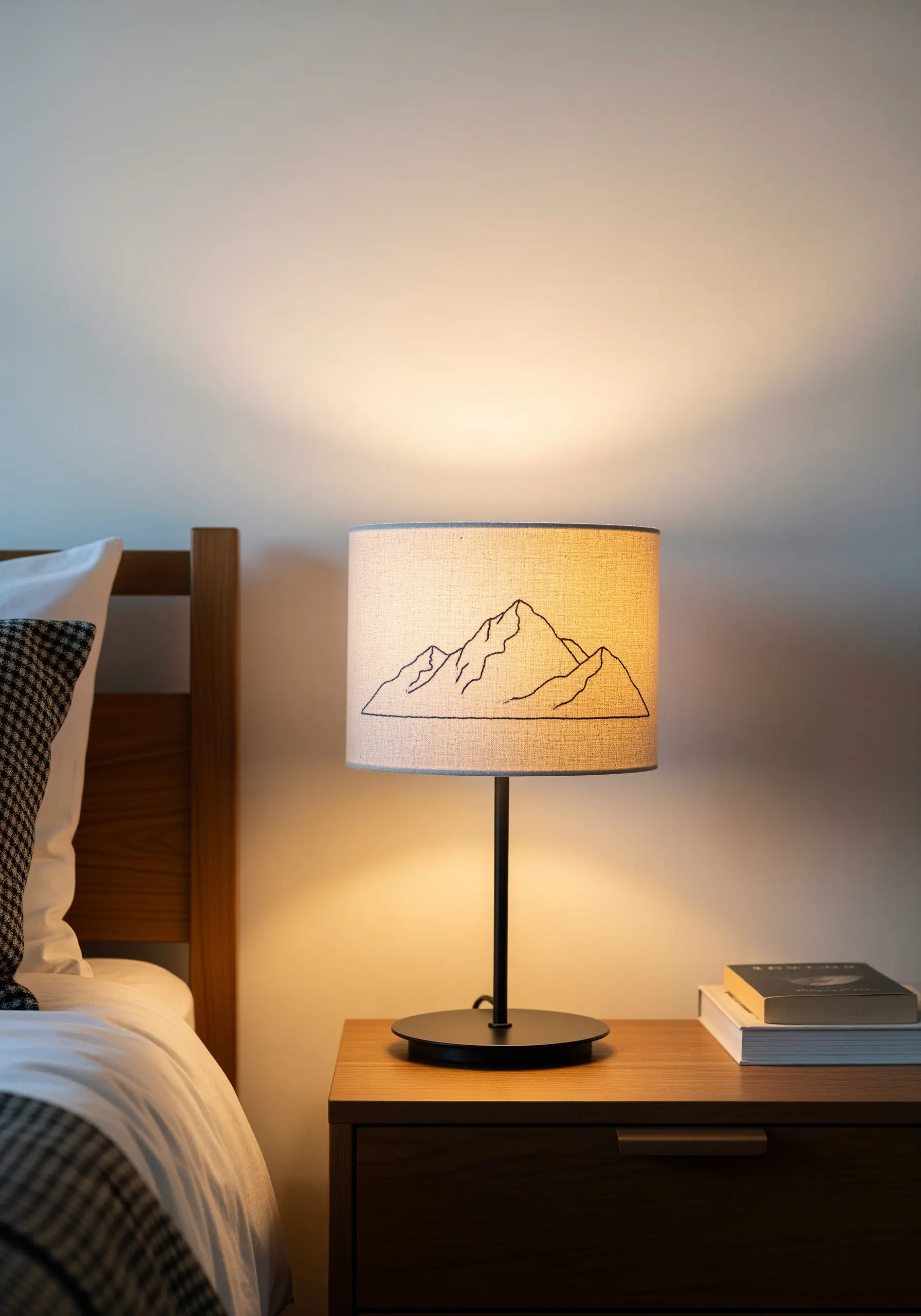
Personalize a plain linen lampshade with a clean, single-line mountain range.
Use a sharp needle and a simple backstitch with three strands of black floss to ensure the outline is crisp and graphic.
To prevent puckering, work with a small hoop if possible or secure the fabric with temporary adhesive stabilizer on the inside of the shade.
When illuminated, the stitched design creates a subtle silhouette, adding a layer of artistry to your ambient lighting.
5. Create a Faux Quilt with a Simple Grid
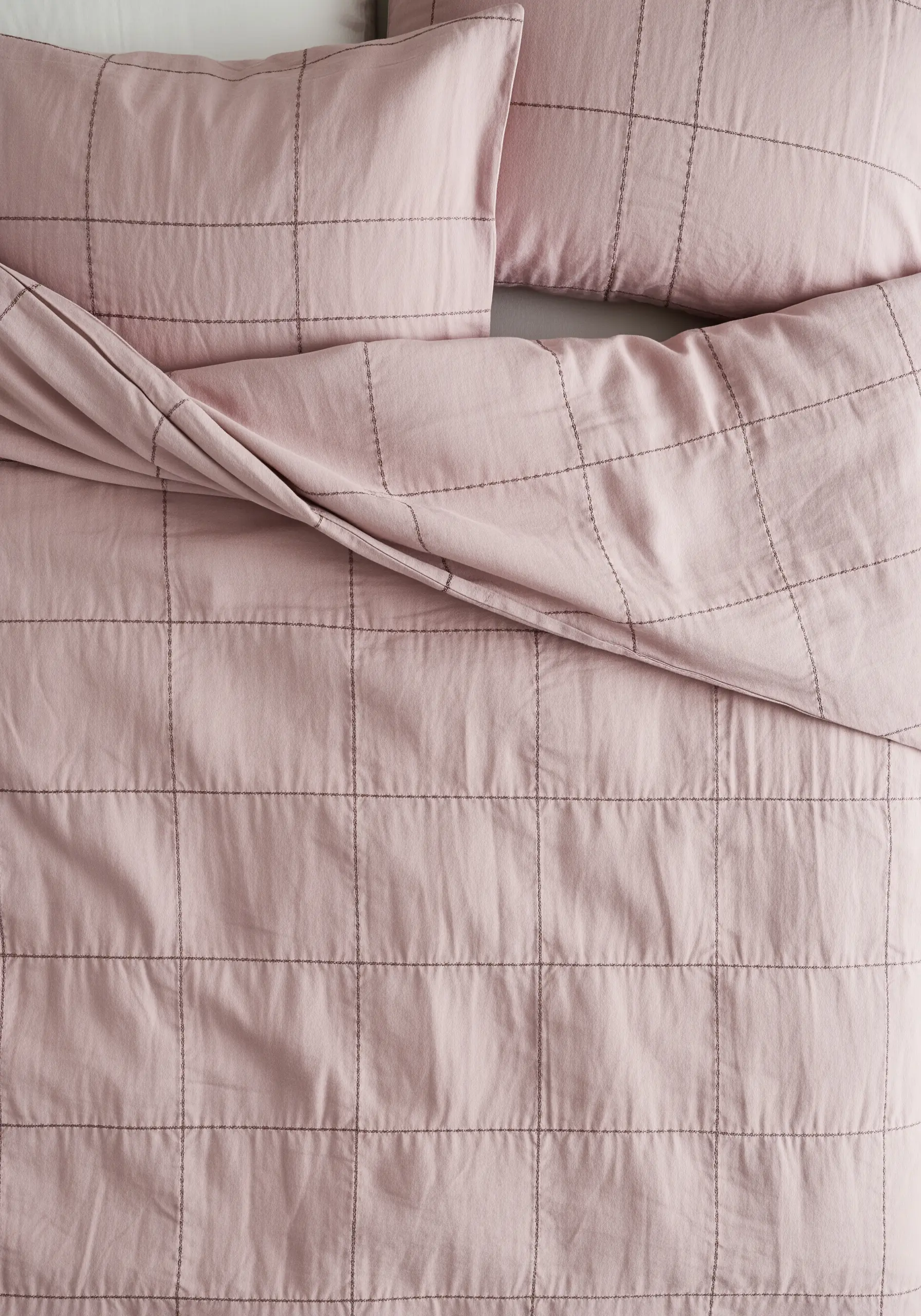
Give a plain duvet cover the look of traditional quilting using a simple running stitch.
Mark a grid on your fabric with a water-soluble pen to ensure your lines remain perfectly straight and evenly spaced.
Use a contrasting thread color, like a dark charcoal on blush pink, to make the pattern pop and add visual structure.
This technique adds texture and a handmade feel without the bulk of actual quilting, perfect for a lightweight and serene bedding layer.
6. Design Geometric Curtain Tie-Backs
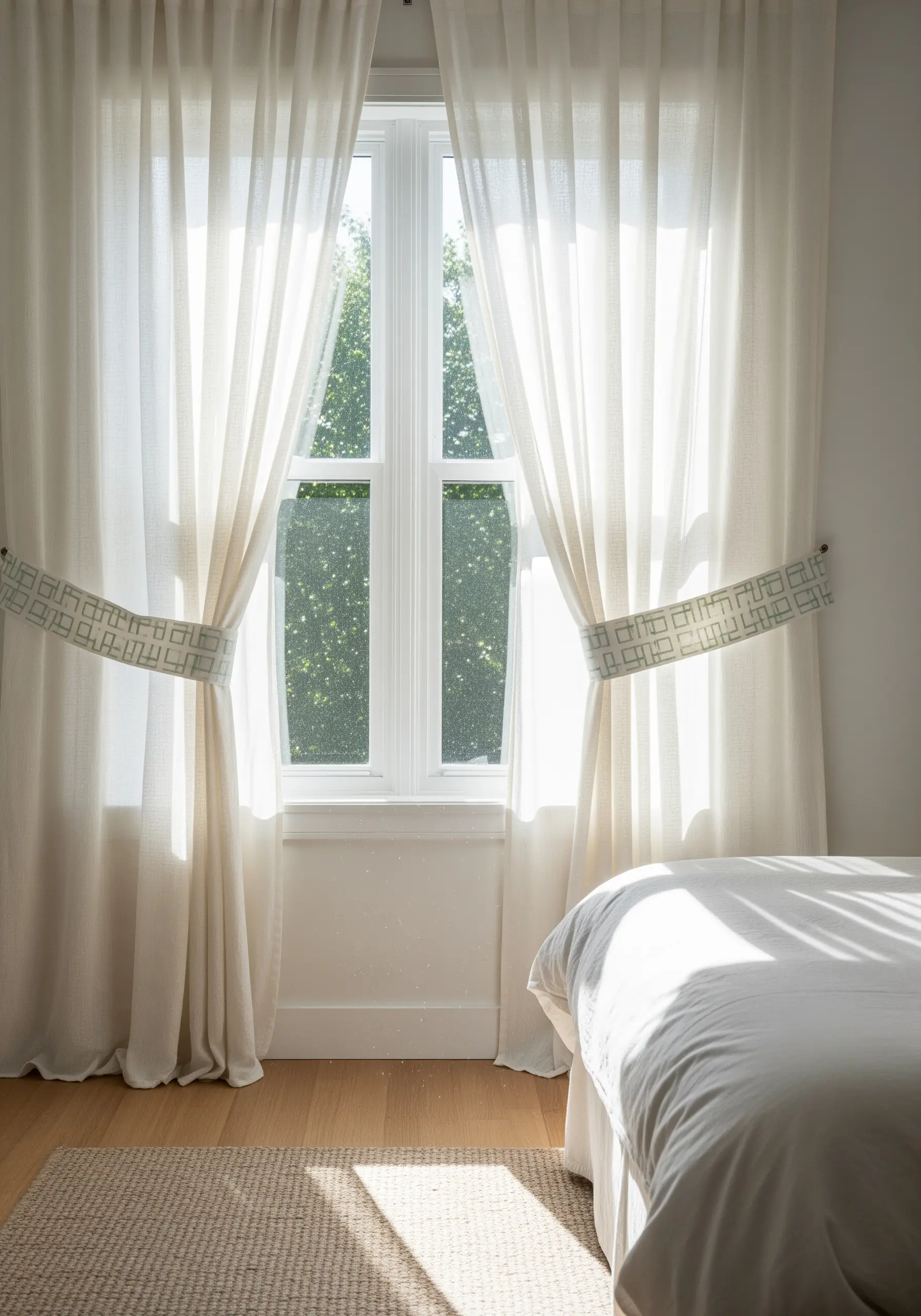
Craft custom curtain tie-backs that function as both hardware and art.
On a strip of heavy linen or canvas, stitch a bold geometric pattern using a dense satin stitch or darning stitch.
Choose a thread color that complements your wall color or other bedroom embroidery accents, creating a cohesive look.
This project allows you to introduce a controlled pop of pattern that frames the window and catches the light beautifully.
7. Embroider a Celestial Map onto a Headboard
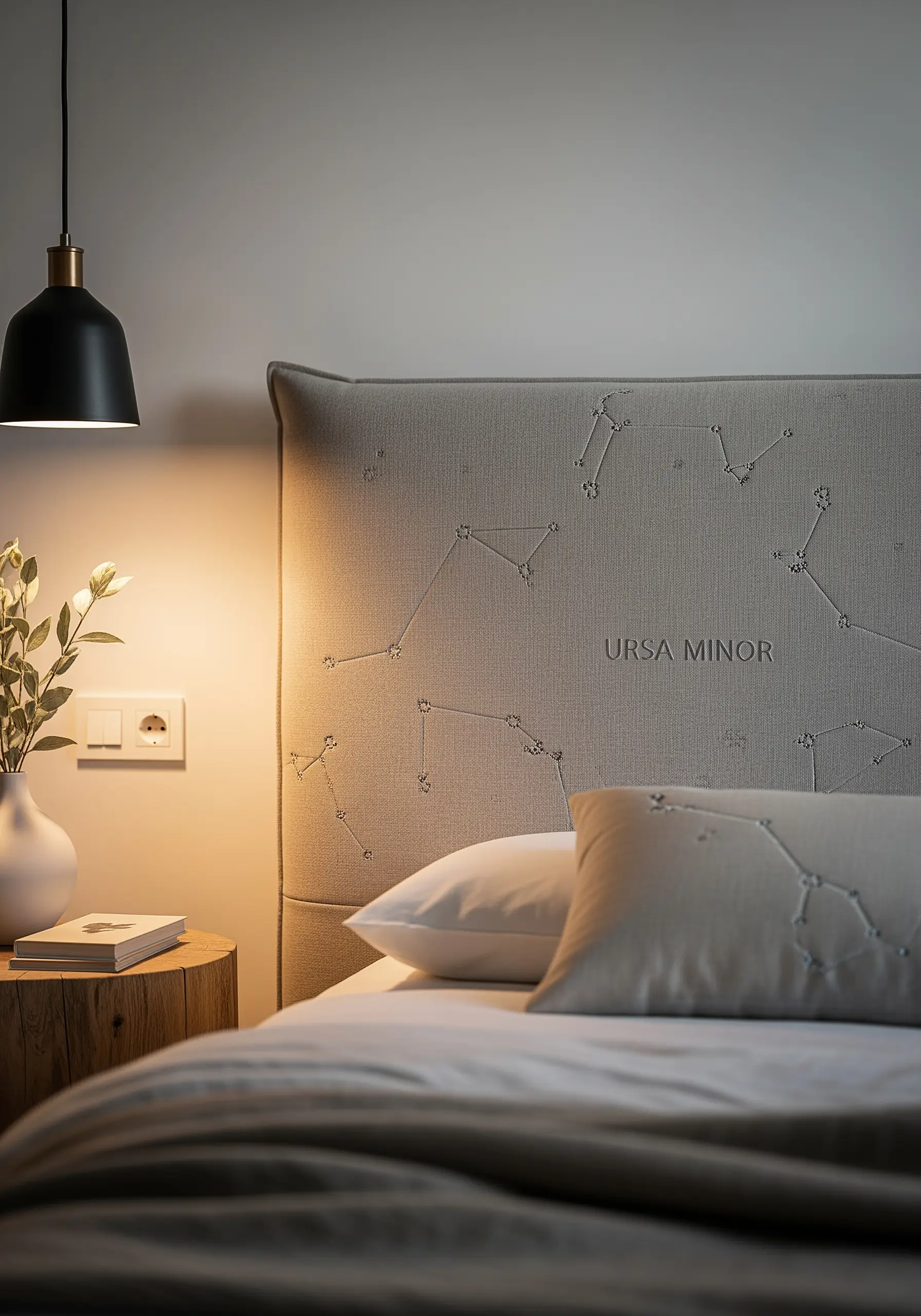
Transform an upholstered headboard into a celestial work of art by stitching constellation patterns directly onto the fabric.
Use a thick, tonal pearl cotton thread to create a raised effect that is both visible and subtle.
A curved upholstery needle will make it easier to navigate the padded surface, while small backstitches for the lines and French knots for the stars provide definition.
This technique adds a deeply personal and dreamy element to the focal point of your bedroom.
8. Add Tailored Stripes to Upholstery

Give a plain window seat cushion a crisp, tailored look with embroidered stripes.
Instead of a simple backstitch, use a heavy chain stitch or stem stitch in a contrasting color to create raised, rope-like lines.
Carefully measure and mark your lines to ensure they are perfectly parallel, which is key to achieving a professional, high-end upholstered finish.
This technique works beautifully on durable, tightly woven fabrics like canvas or linen blends.
9. Curate a Botanical Hoop Art Trio
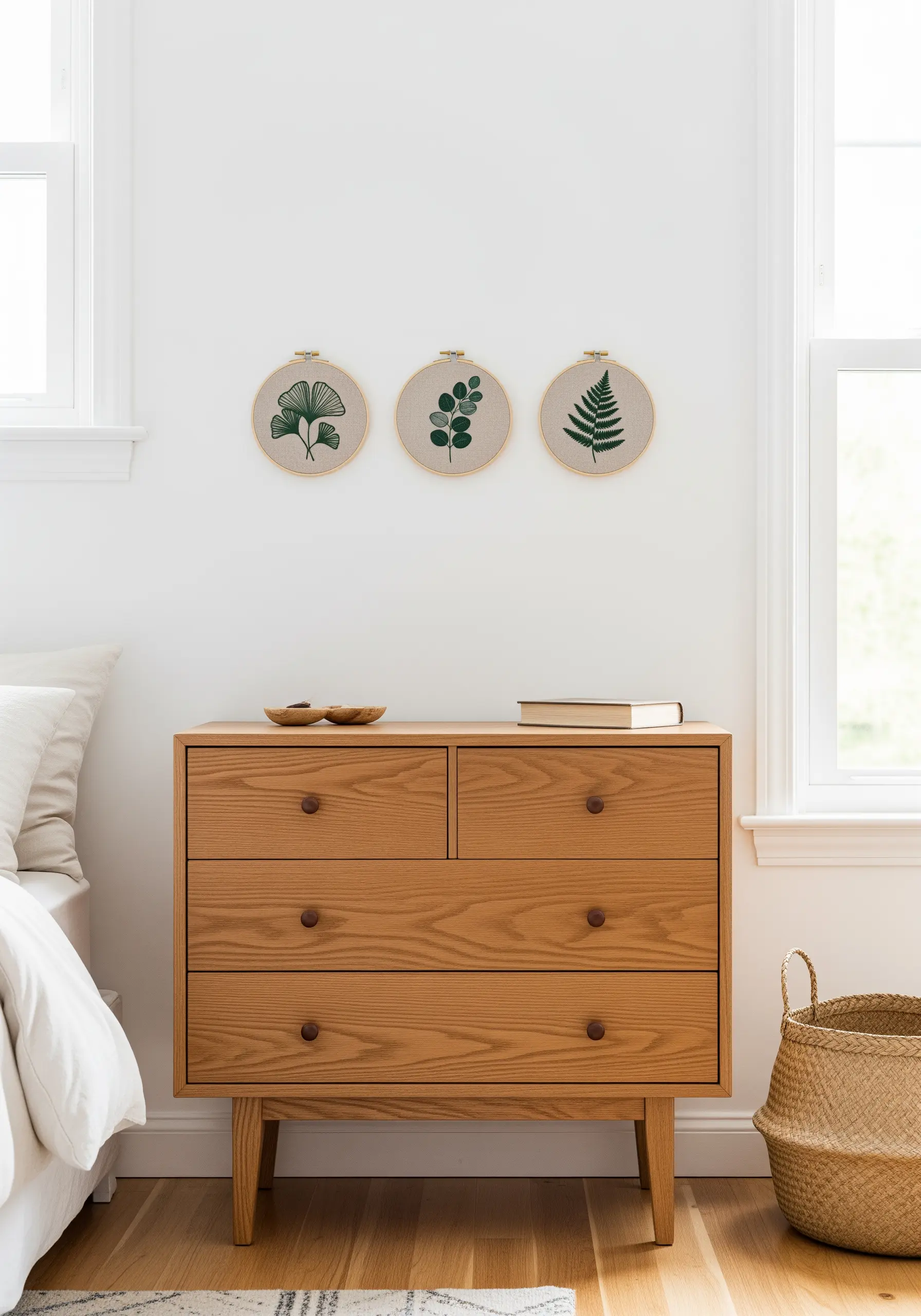
Create a serene and cohesive gallery wall with a set of three botanical hoops.
To ensure they work together, use the same neutral linen fabric and a consistent shade of green thread for all three designs.
Vary the foliage in each hoop—a ginkgo, eucalyptus, and fern—to maintain interest. Use a fishbone stitch for the leaves to create a lovely, organic texture.
Hanging them together provides a focal point that brings a touch of nature indoors in a clean, modern way.
10. Integrate a Herringbone Weave
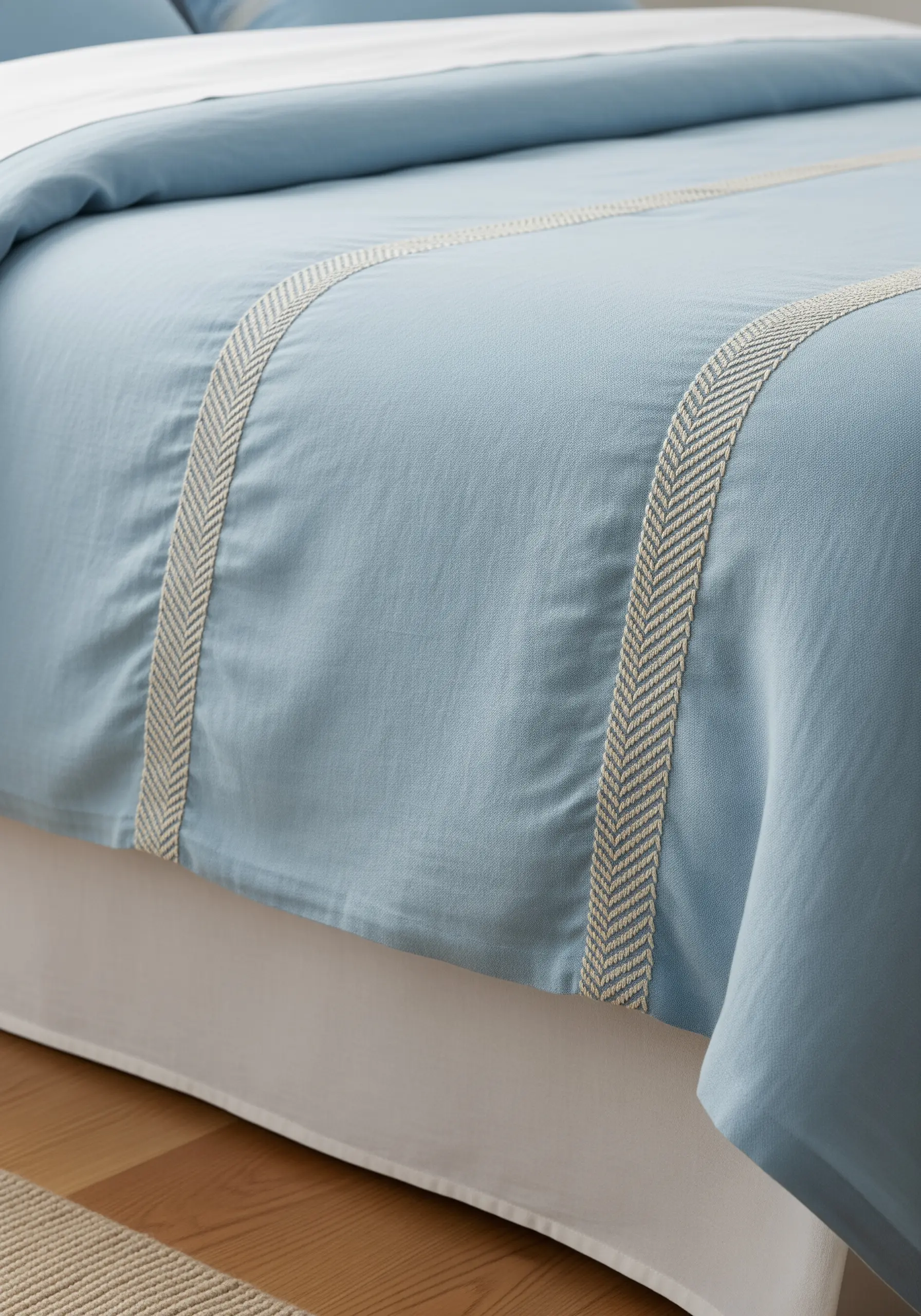
Incorporate the texture of a woven ribbon directly into your bedding for a polished, designer look.
Instead of embroidery, source a high-quality herringbone trim and stitch it neatly along the seams of a duvet cover.
This technique is faster than stitching a pattern from scratch but delivers a similar custom-made feel.
The subtle zigzag of the herringbone weave adds a sophisticated, textural detail that elevates the entire piece.
11. Stitch a Simple Celestial Motif
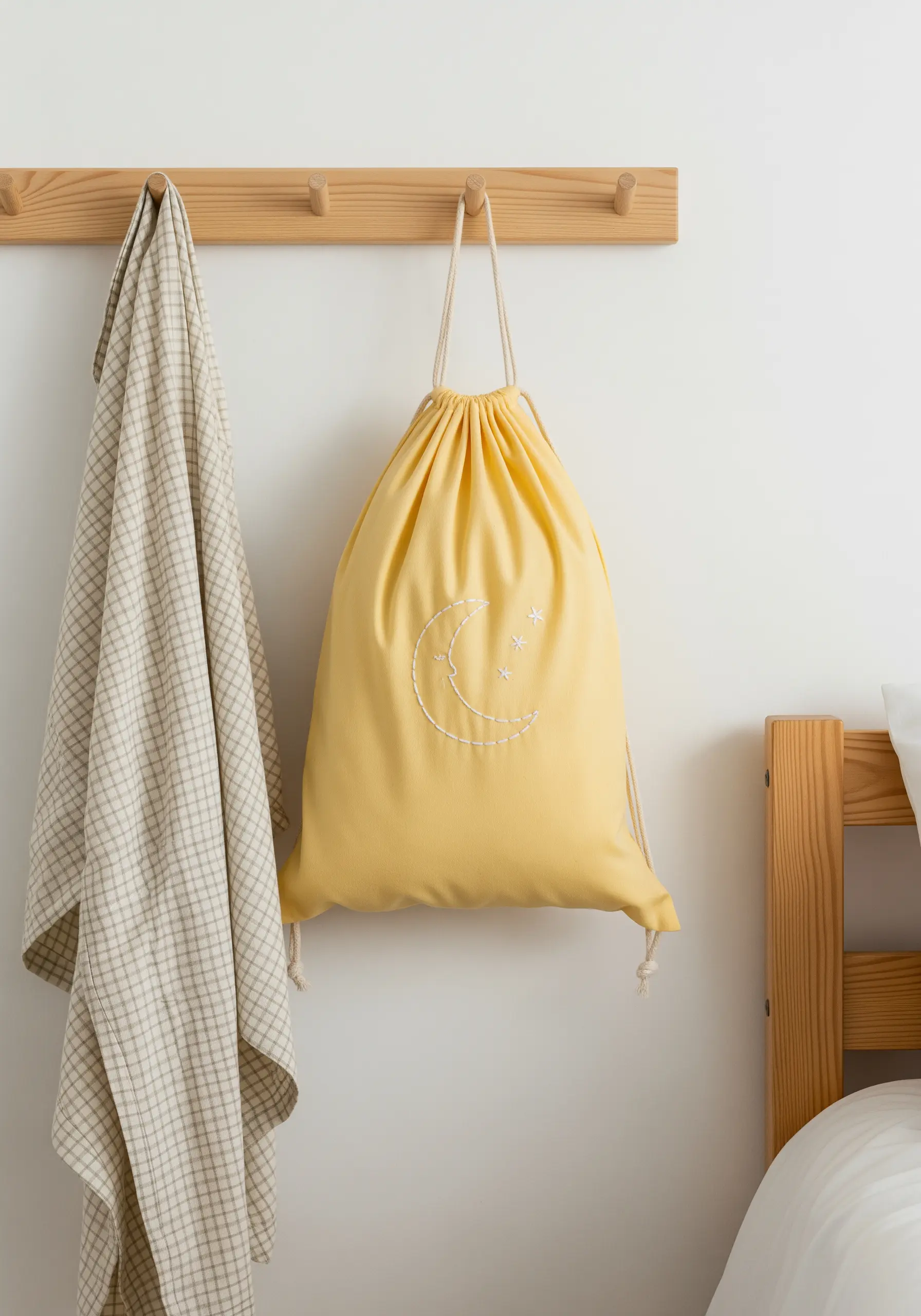
Personalize a simple drawstring bag or pajama pouch with a delicate celestial design.
Use a basic backstitch in a contrasting white thread to outline a crescent moon, which gives it a clean, illustrative quality.
Add a few scattered French knots or tiny star stitches to complete the dreamy scene.
This minimalist stitching project is perfect for adding a touch of magic to everyday items.
12. Finish a Rug with Bold Whipstitching
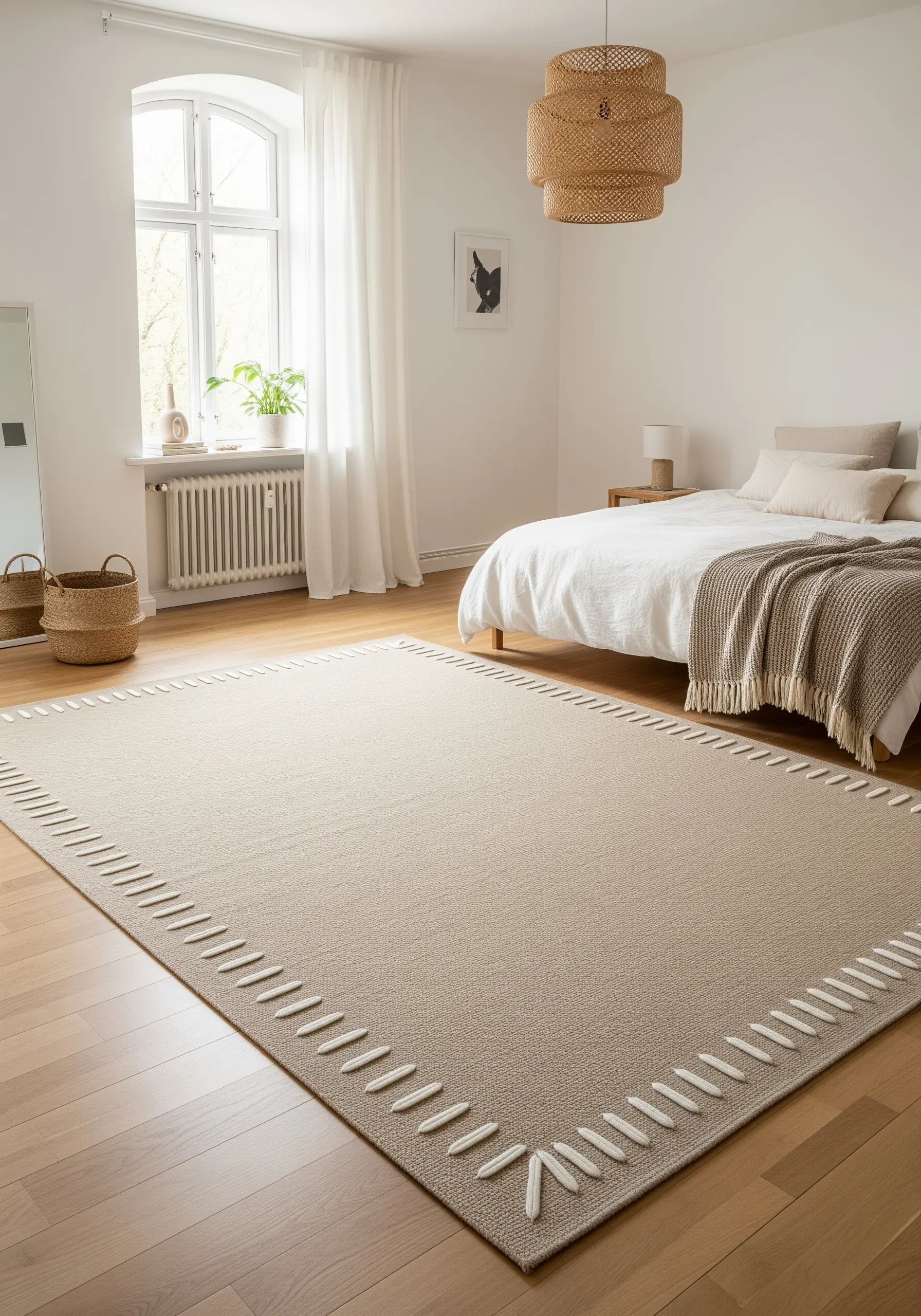
Define the edge of a simple woven rug with oversized, decorative stitches.
Using a thick yarn and a large tapestry needle, work a whip stitch or blanket stitch around the entire perimeter of the rug.
The key to this look is spacing the stitches far apart to create a graphic, almost deconstructed feel.
This technique not only prevents the edges from fraying but also turns the rug into a unique statement piece.
13. Add an Unexpected Motif to Furniture
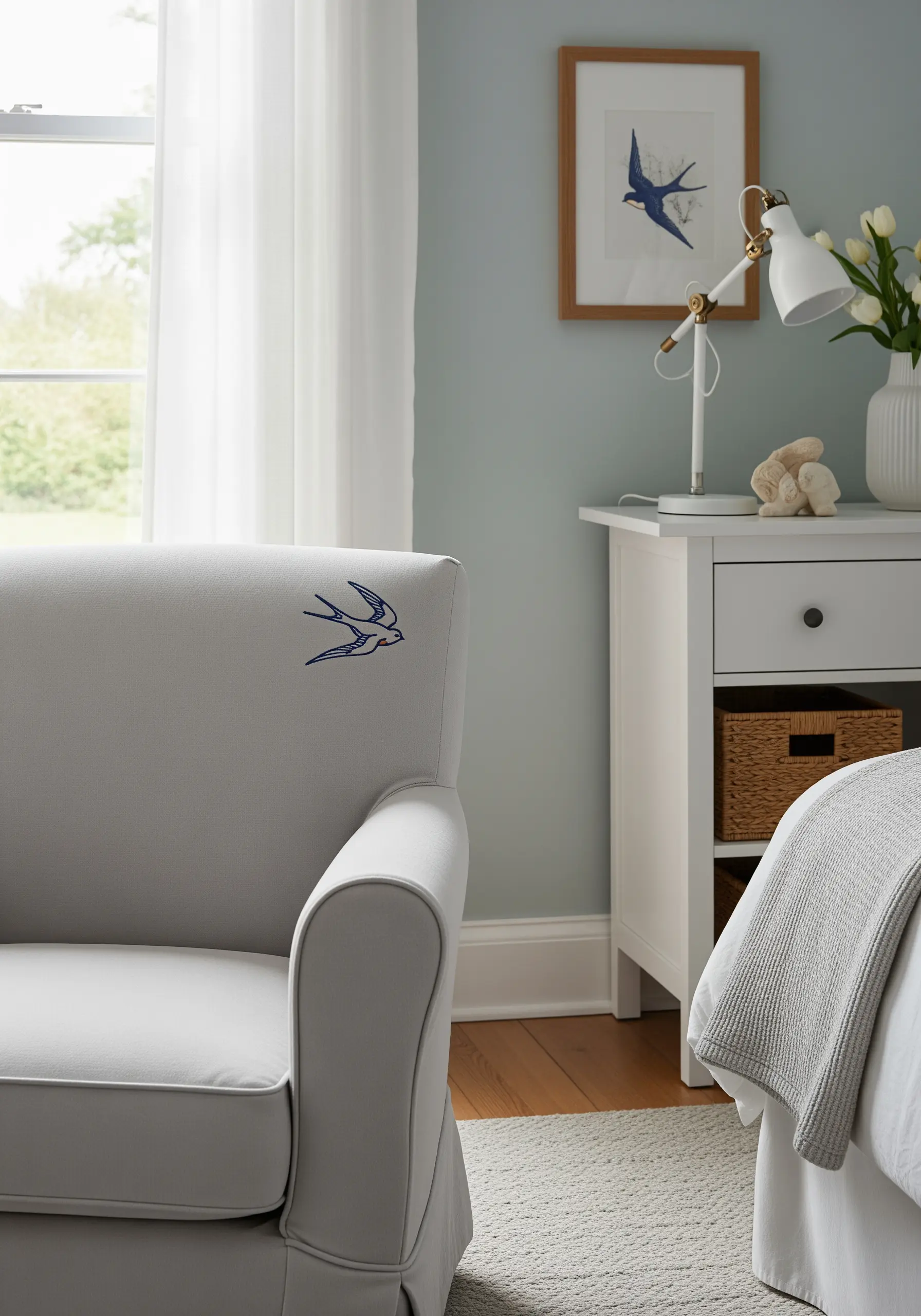
Place a small, beautifully detailed motif on an unexpected part of your furniture, like the corner of an armchair.
A classic swallow, stitched in a rich navy blue, adds a touch of personality and draws the eye.
For upholstery, choose a durable thread like pearl cotton that can withstand wear.
This subtle embellishment makes a piece of furniture feel entirely unique and custom-made.
14. Create Rhythmic Waves on a Bolster Pillow
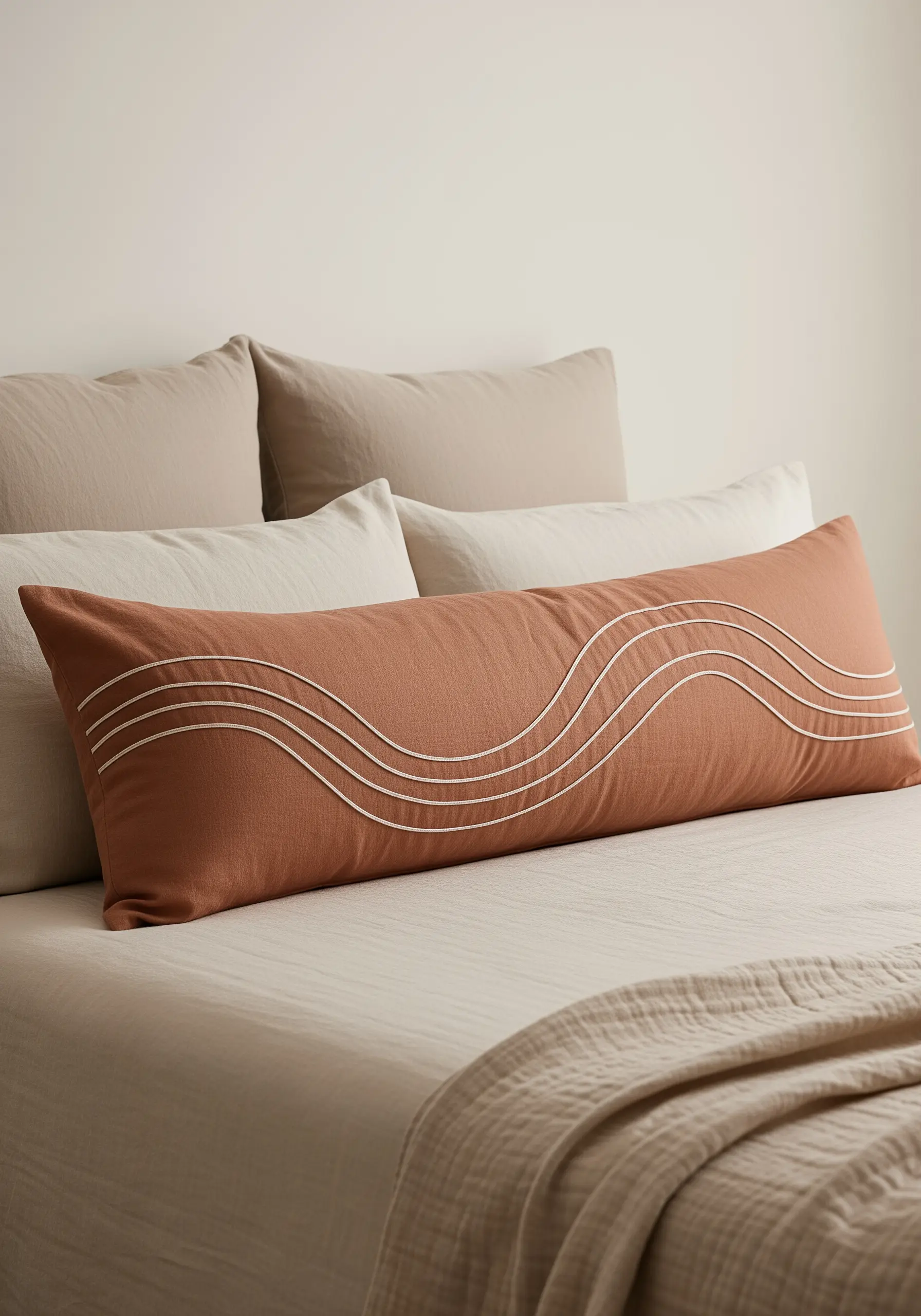
Add a sense of calm and movement to a long bolster pillow with parallel wavy lines.
Use several rows of whipped backstitch or stem stitch to create smooth, raised curves that flow across the fabric.
Stitching with a slightly lighter thread than the base fabric, like an ivory on terracotta, creates a subtle contrast that emphasizes the texture.
This design elongates the pillow and adds a touch of serene, organic rhythm to your bedding.
15. Frame a Cascade of Stitched Marks
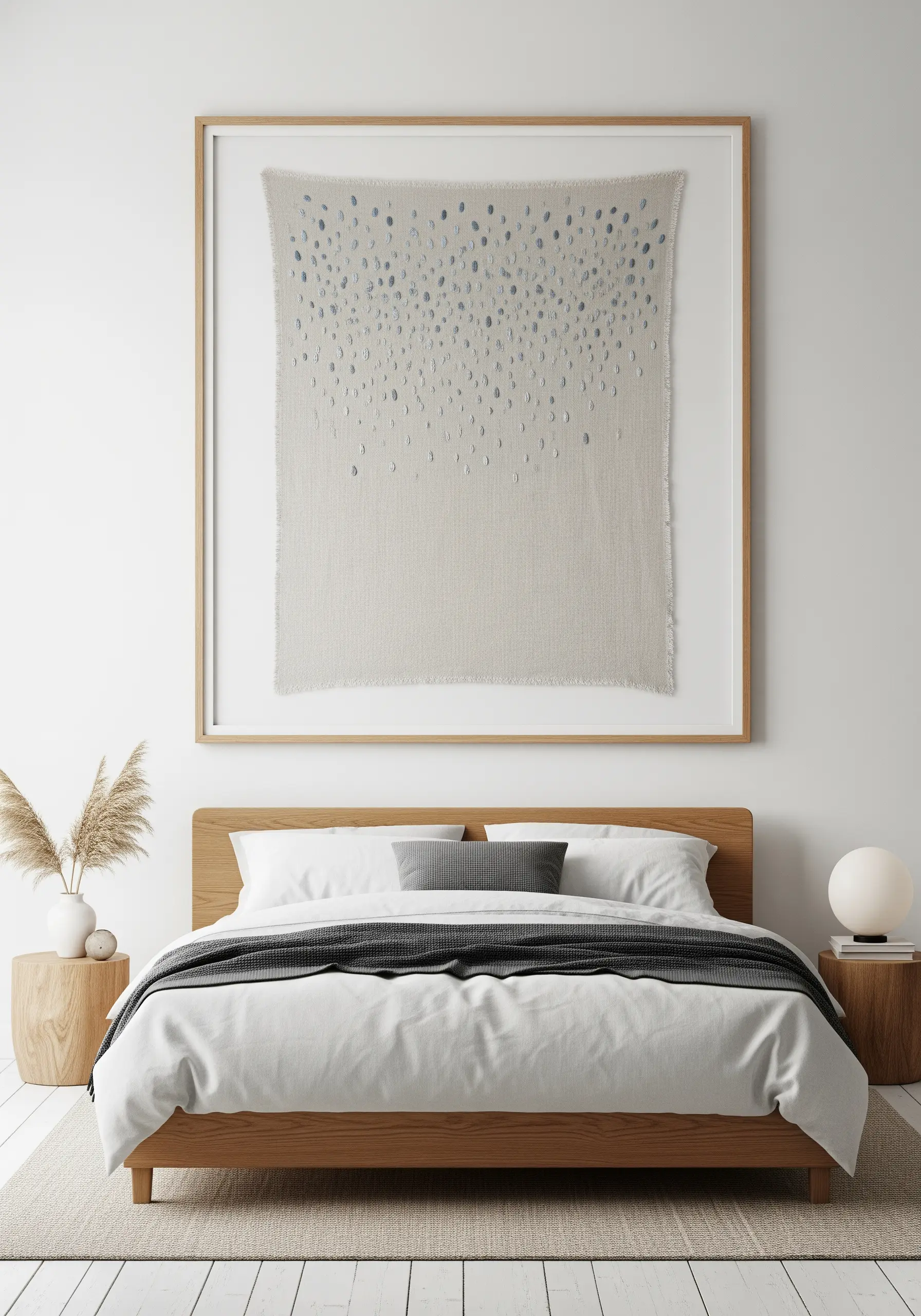
Create a large-scale piece of textile art by filling a fabric panel with a cascade of simple seed stitches.
Vary the density of the stitches, starting with a denser concentration at the top and letting them become more sparse toward the bottom.
Using a few harmonious, muted colors will create a subtle gradient effect that feels like falling rain or petals.
Frame the finished piece with a raw, frayed edge inside a shadow box to emphasize its soft, textural quality.
16. Capture Movement with Dandelion Seeds
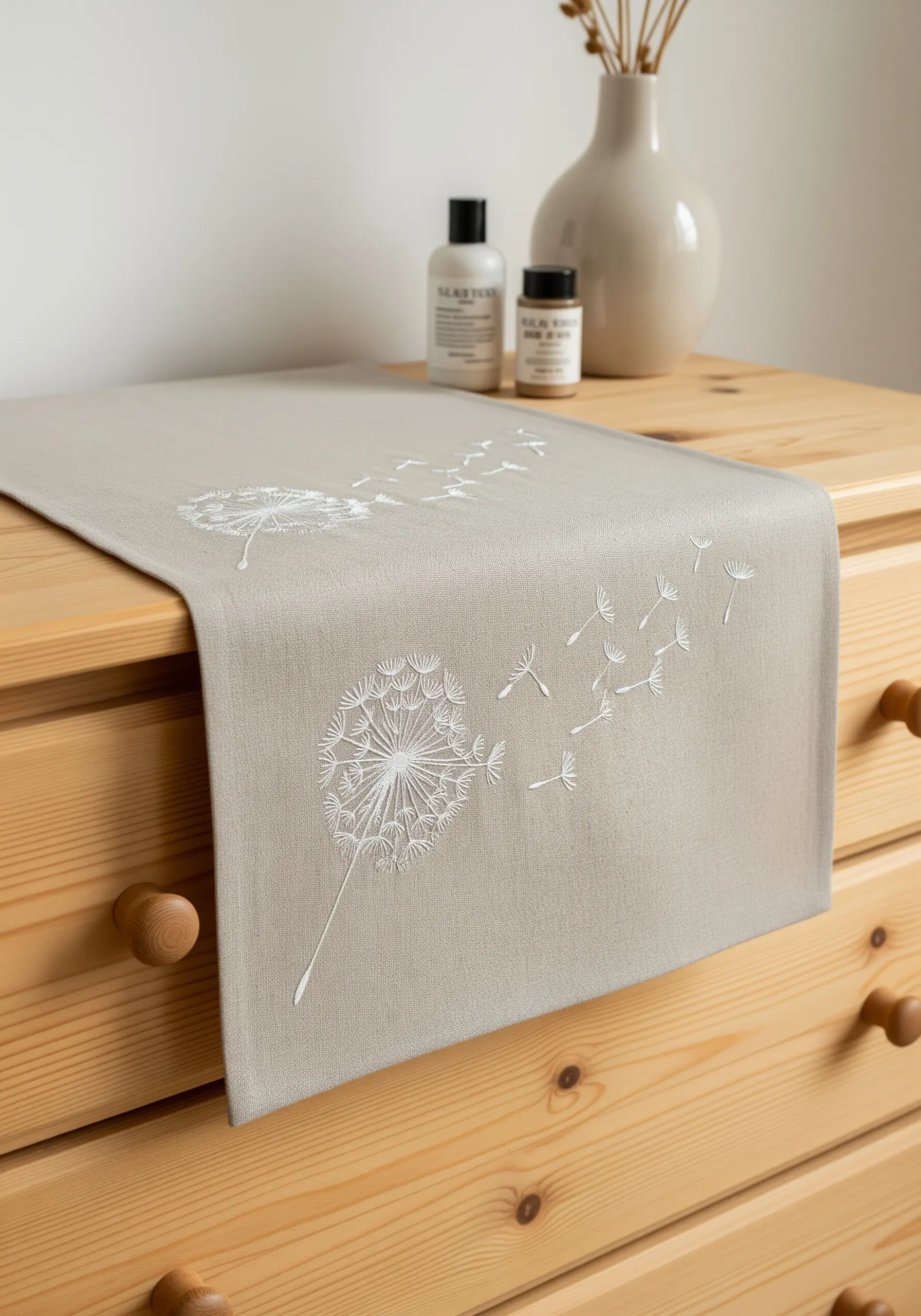
Embroider a dandelion motif on a linen table runner to create a feeling of lightness and movement.
Use a dense satin stitch or a series of straight stitches for the main flower head, then scatter individual detached chain stitches across the fabric to represent seeds blowing in the wind.
This composition tells a small story and draws the eye along the length of the runner.
It’s a perfect example of how simple stitches can be combined to create a dynamic and evocative scene.
17. Add Radiating Lines to a Round Cushion
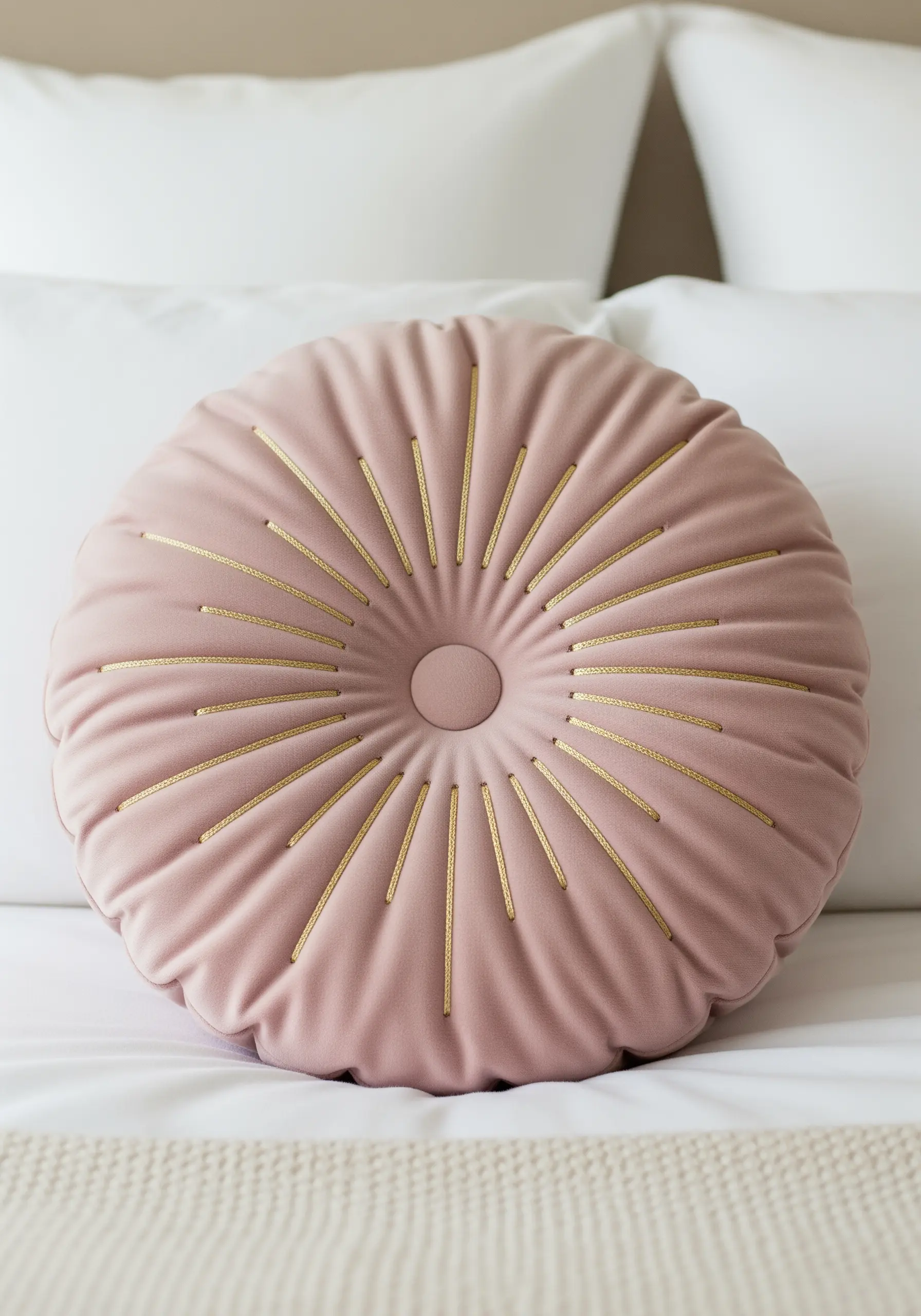
Emphasize the shape of a round, tufted cushion with radiating lines of simple stitching.
Use a metallic or high-sheen thread to contrast with a matte fabric like velvet, creating a touch of understated glamour.
Work simple straight stitches from the central button outwards, following the natural pleats of the cushion.
This technique highlights the cushion’s form and adds a sunburst effect that feels both classic and modern.
18. Perfect the Satin Stitch Ginkgo Leaf
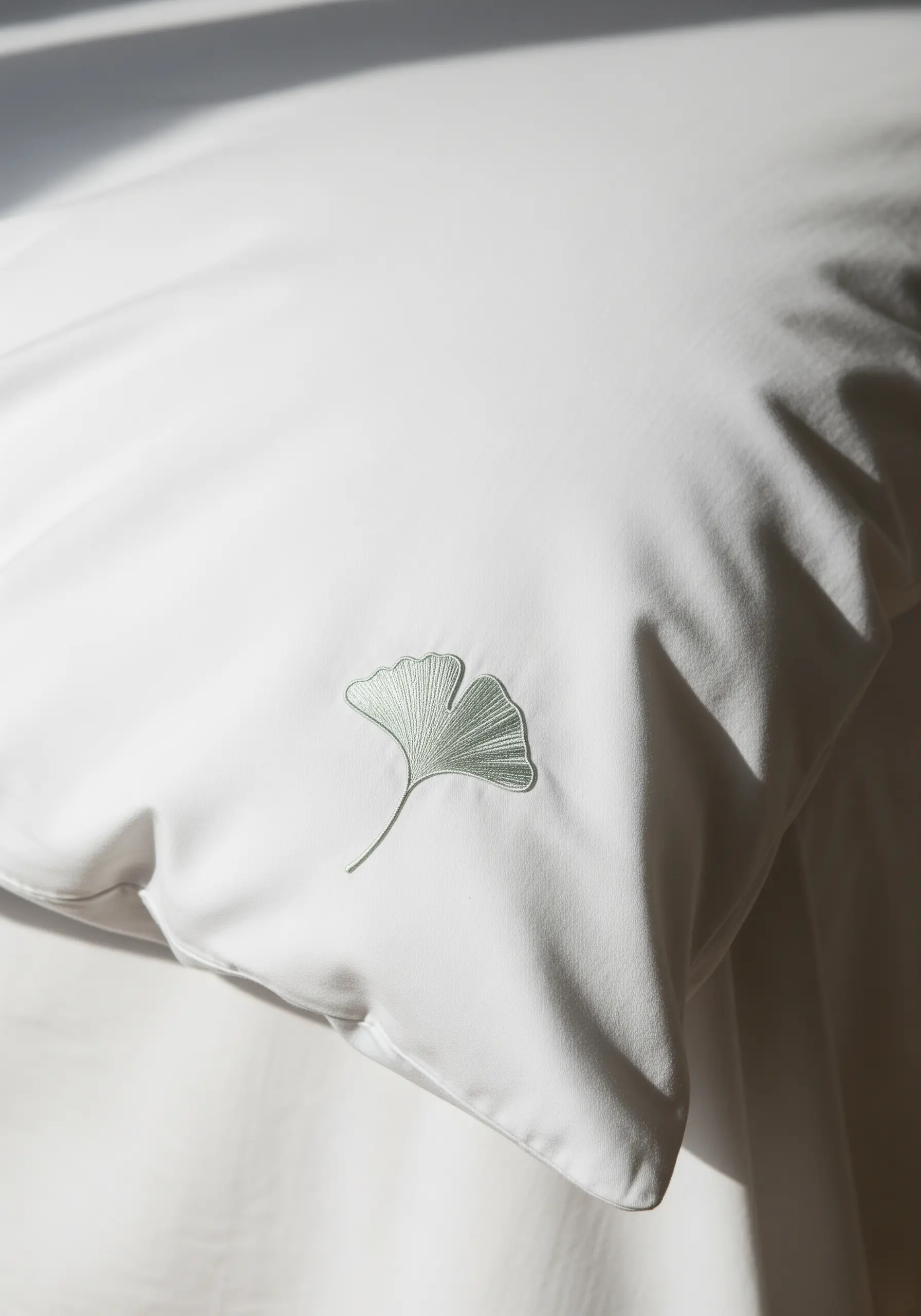
Place a single, perfectly executed ginkgo leaf on a crisp white pillowcase for a touch of serene elegance.
To achieve a smooth, glossy finish, first outline the shape with a split stitch. Then, fill the shape with satin stitches, angling them to follow the natural direction of the leaf’s veins.
Using a thread with a slight sheen, like a silk or rayon floss, will enhance the light-reflecting quality of the satin stitch.
This single motif is a testament to how precision and technique can turn a simple design into a work of art.
19. Scatter Subtle Stitches on Sheer Fabric
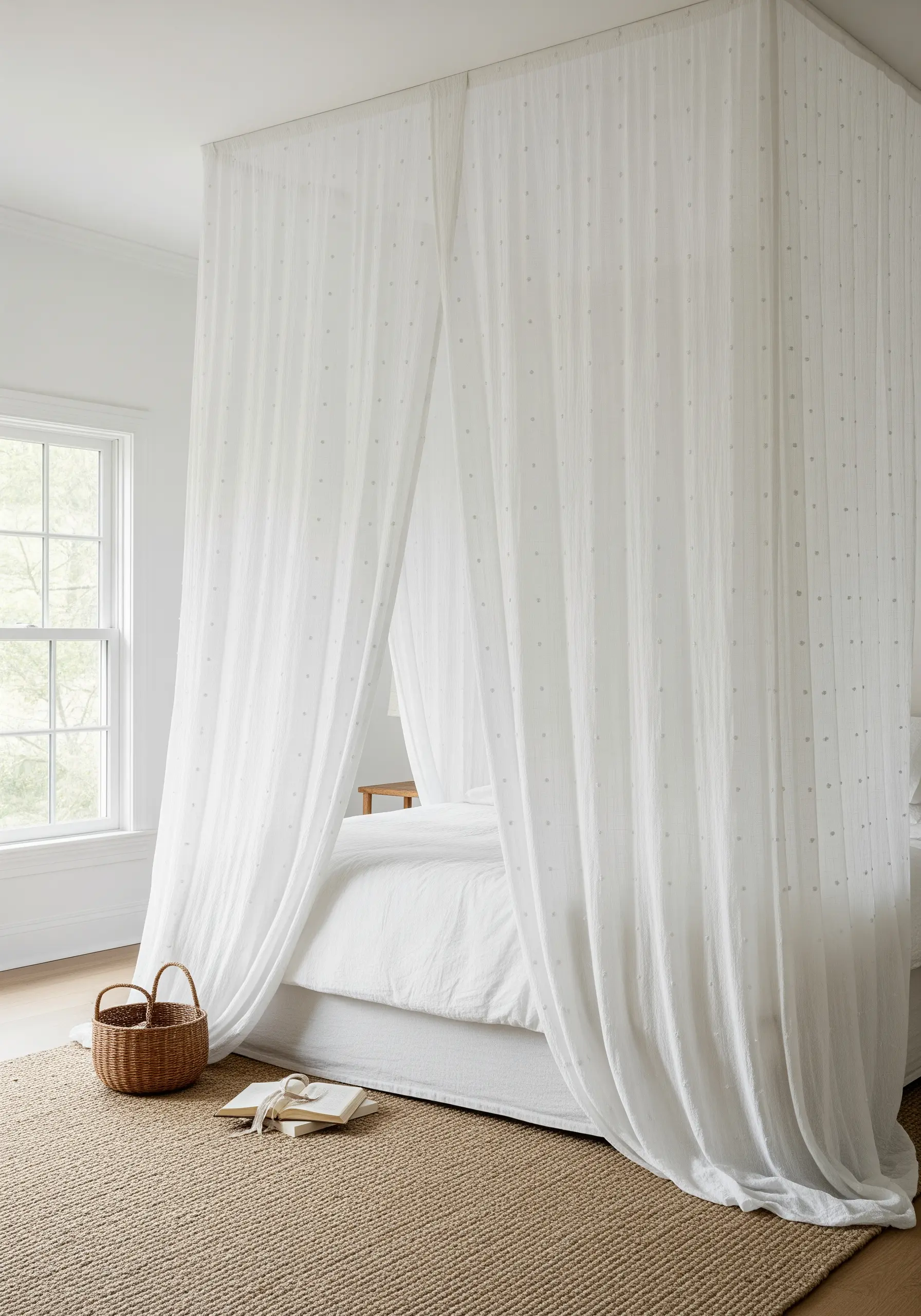
Create a dreamy, ethereal effect by embroidering a scattered pattern onto sheer canopy curtains.
Use a single strand of metallic or tonal thread to work tiny French knots or simple cross-stitches in a random or gridded pattern.
A lightweight, wash-away stabilizer is essential to support the delicate fabric without leaving any residue.
When the light filters through, the stitches will appear to float, creating a magical, starry-night ambiance in the room.
20. Refine a Classic Monogram
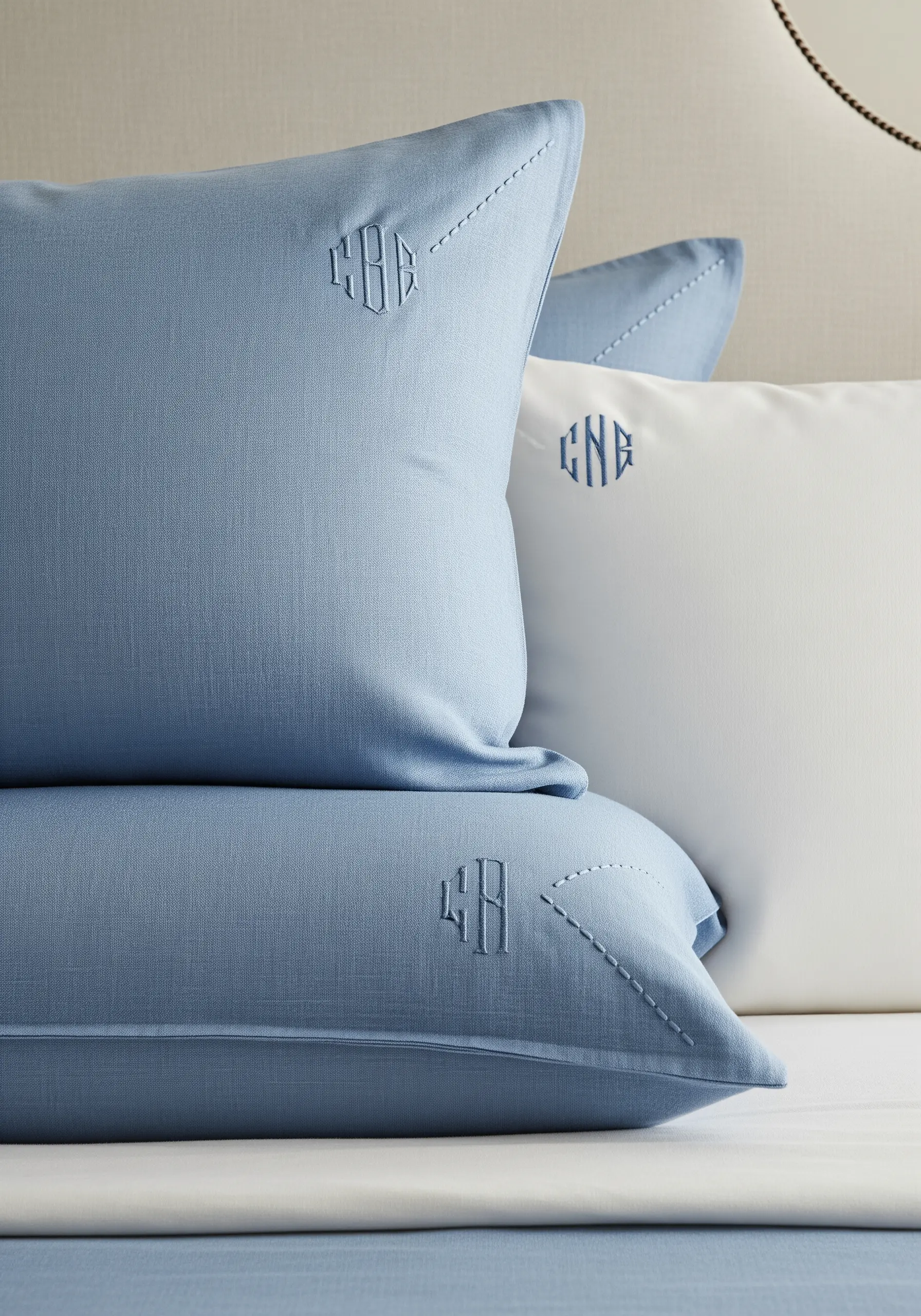
Give a traditional monogram a modern, sophisticated update with thoughtful detailing.
Use a padded satin stitch to give the letters a raised, three-dimensional quality that feels luxurious.
For an extra touch of bespoke elegance, add a few decorative running stitches in the corner of the pillow, echoing the lines of a classic mitered corner.
Stitching monograms in a color that matches the bedding creates a subtle, tone-on-tone effect that is all about quiet confidence.
21. Create Textured Lettering on Canvas
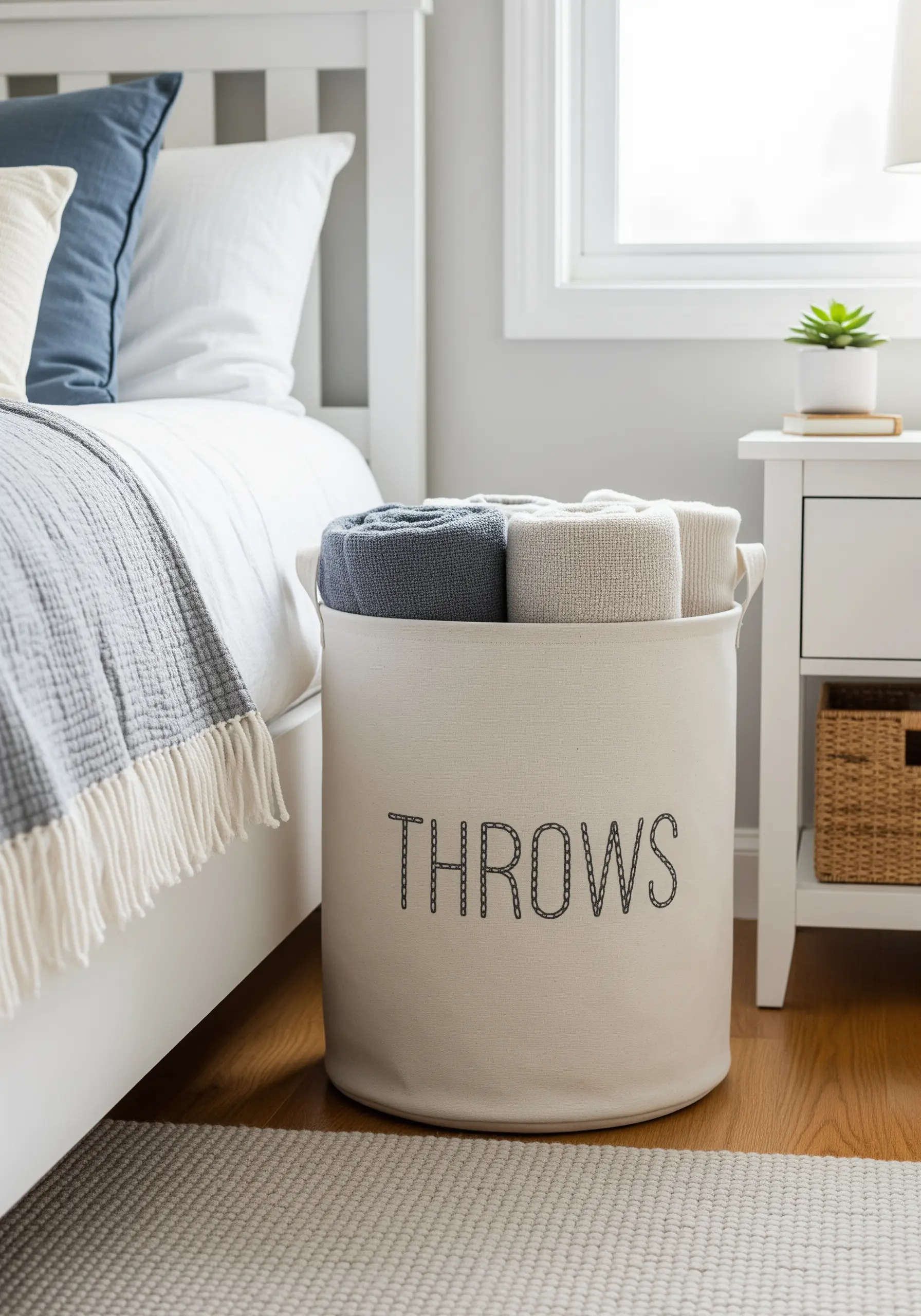
Make functional storage beautiful by embroidering labels onto canvas bins.
For a font that is both charming and highly legible, outline the letters with a simple backstitch, then fill them in with a dense pattern of seed stitches.
This technique creates a wonderfully tactile texture that stands out against the plain canvas.
Choose a durable, thick floss like sashiko thread to ensure the lettering is robust and long-lasting.
22. Stitch a Geometric Sashiko-Style Quilt
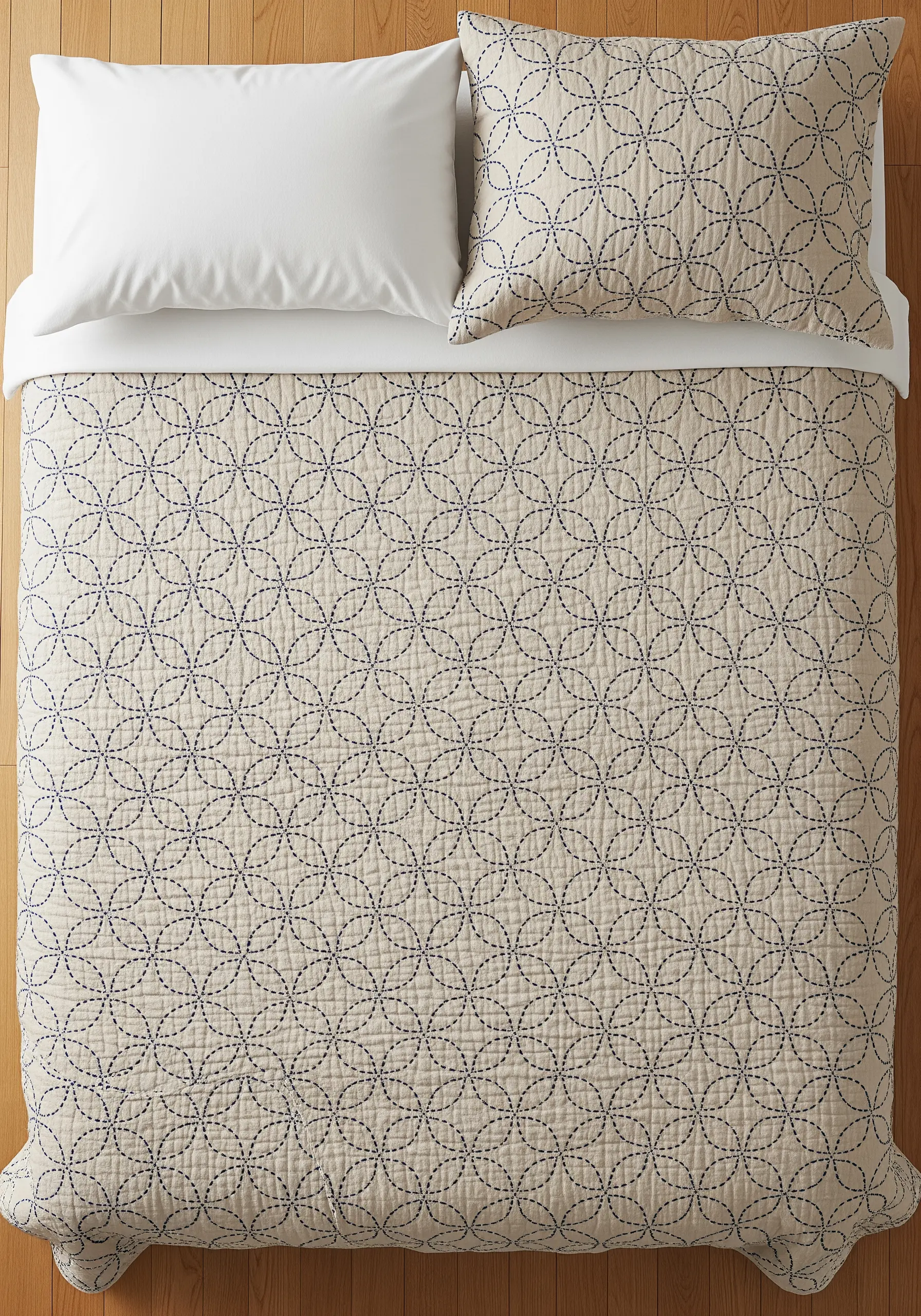
Cover an entire quilt or duvet with a continuous, interlocking geometric pattern inspired by Japanese Sashiko.
Use a simple running stitch and a thick, high-contrast cotton thread to create the traditional ‘linked circles’ or other geometric motifs.
The beauty of this style lies in the rhythm and consistency of the stitches.
This all-over pattern adds incredible texture and a sense of meditative calm to your bedding.
23. Add a Delicate Vine to Sheer Curtains
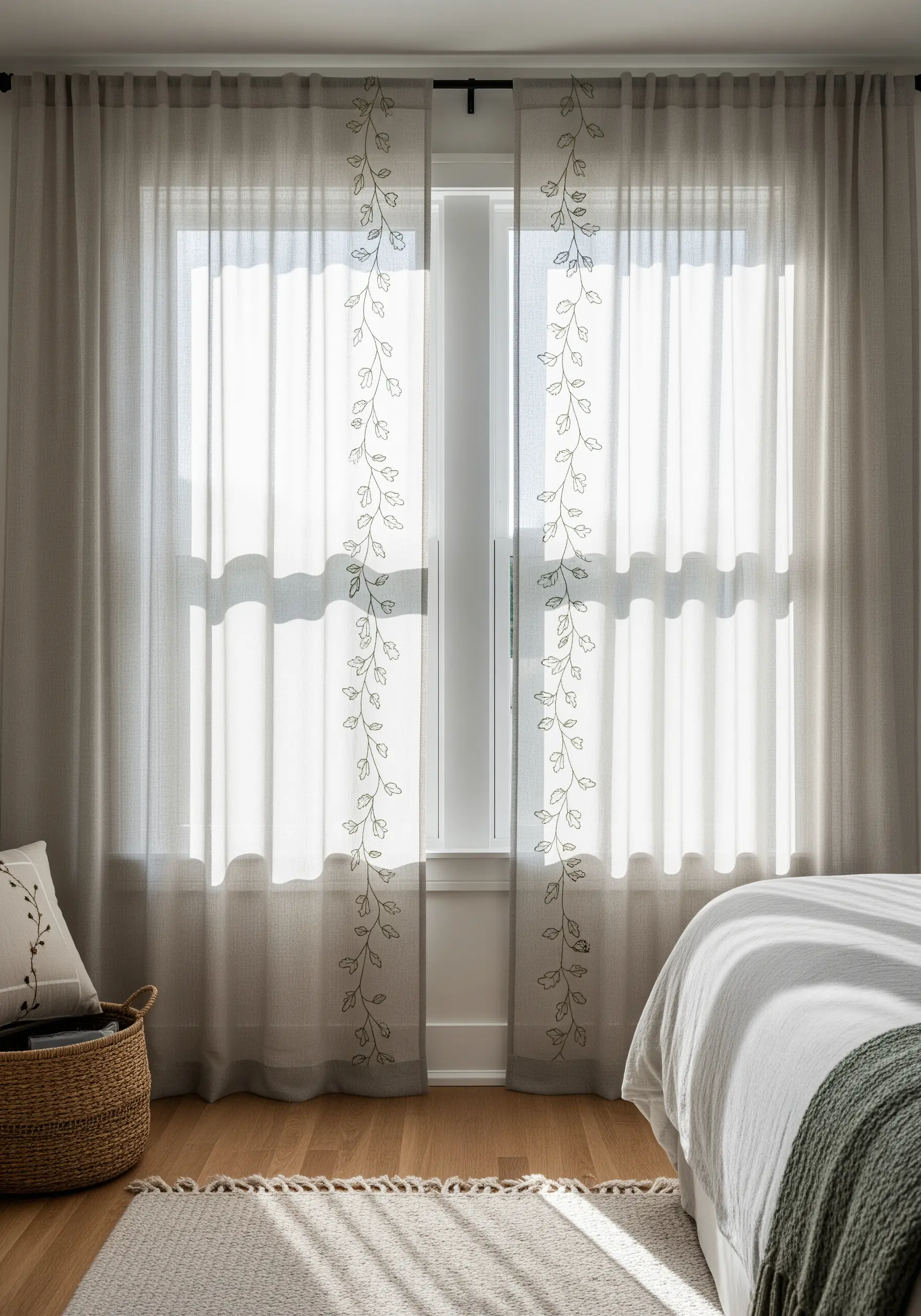
Frame a window with the subtle beauty of a climbing vine embroidered along the edge of sheer curtains.
Use a fine stem stitch for the main vine and tiny lazy daisy stitches for the leaves, keeping the design light and airy.
To stabilize the delicate fabric, hoop it with a layer of water-soluble stabilizer that can be gently rinsed away after you’re finished stitching.
This allows the embroidery to appear as if it’s floating on the fabric, catching the sunlight beautifully.
24. Define Edges with a Contrasting Blanket Stitch
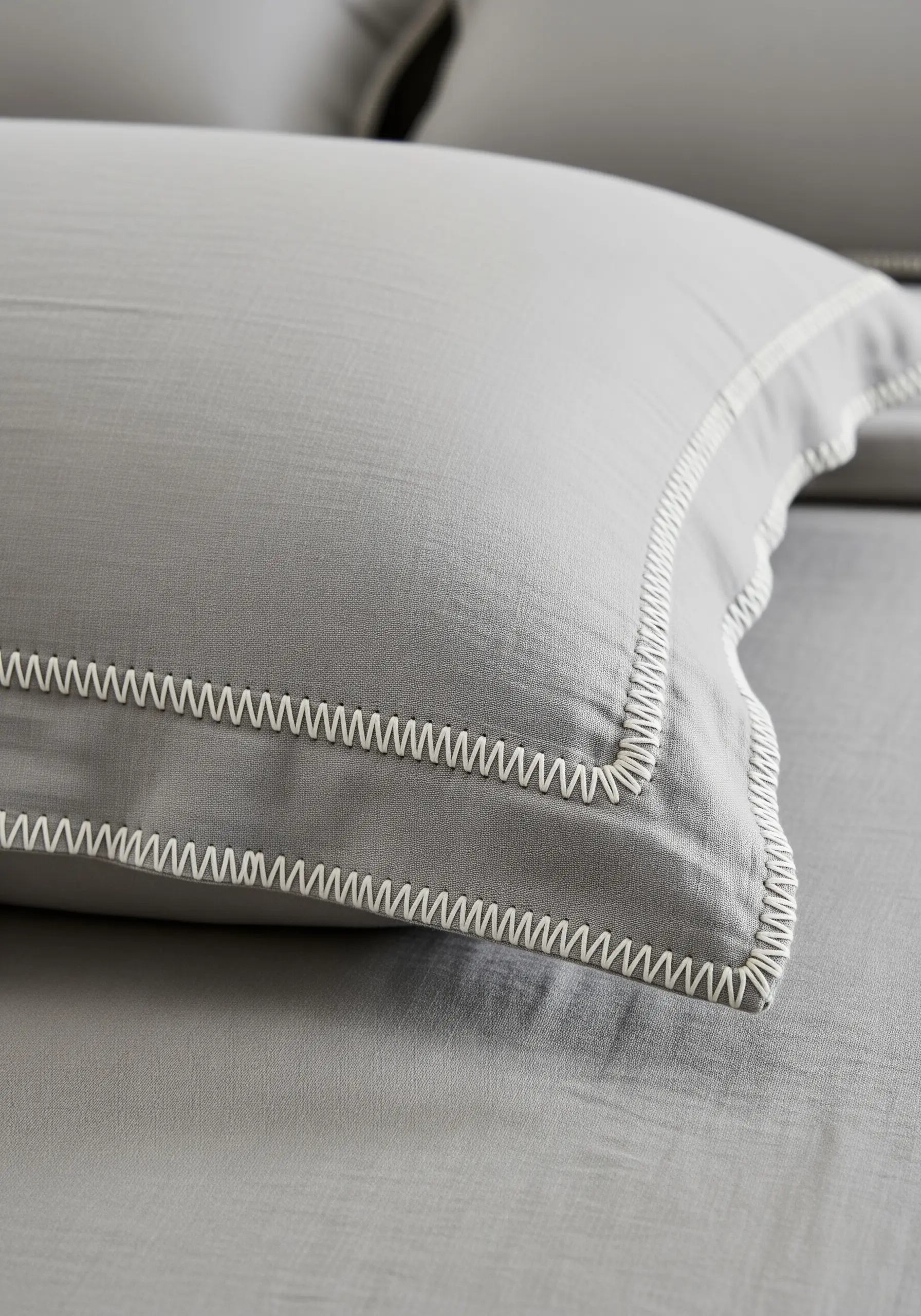
Give your pillowcases a crisp, boutique-hotel finish with a decorative blanket stitch.
Work the stitch along the flange or outer seam using a contrasting color thread, like white on grey, to create a sharp, graphic outline.
Focus on keeping your stitch height and spacing perfectly consistent for a professional look.
This simple addition transforms standard bedding into a thoughtfully designed set.
25. Finish a Cashmere Throw with a Subtle Detail
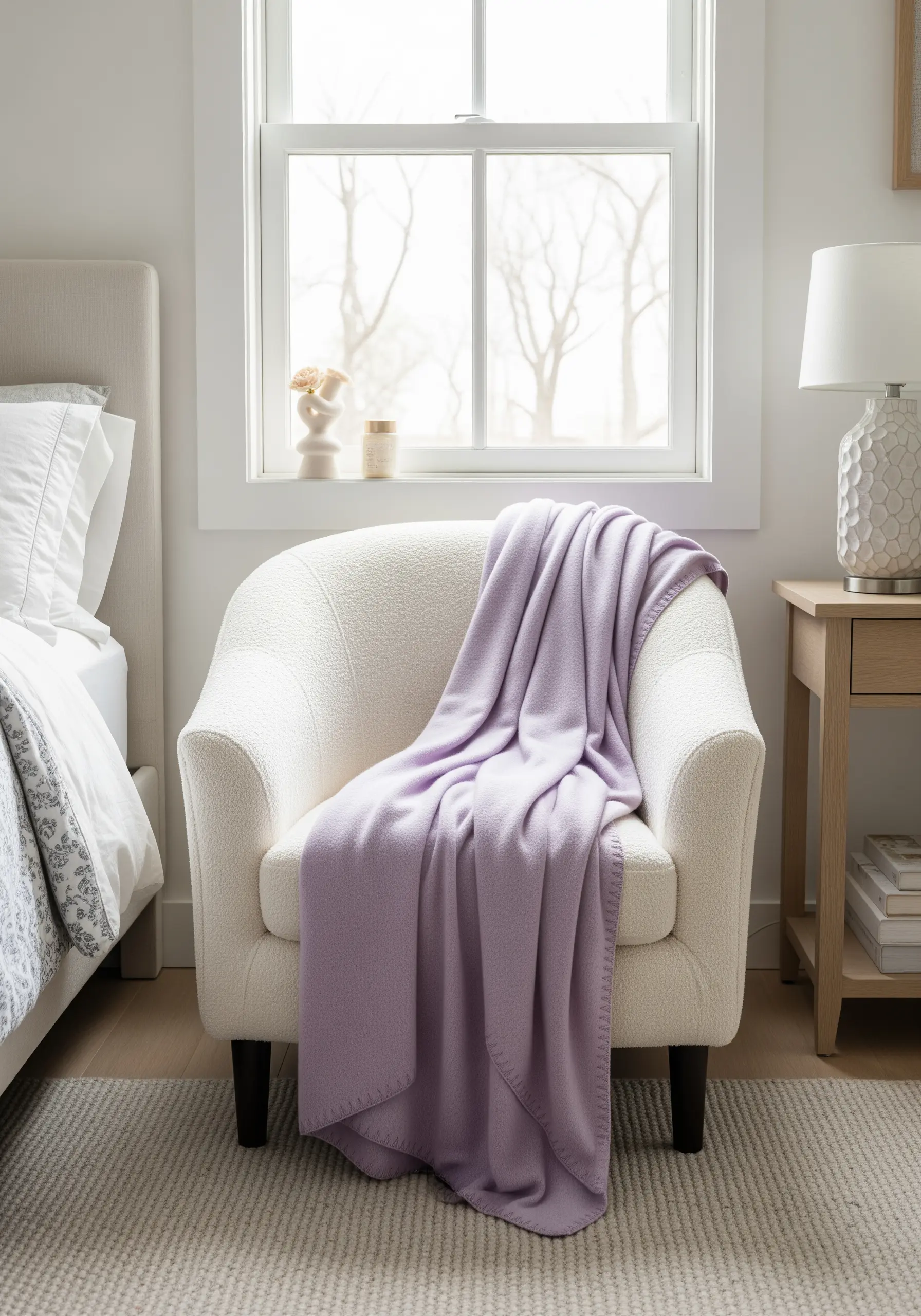
Enhance the luxury of a fine textile like a cashmere throw with an almost-invisible embroidered edge.
Use a matching thread color and a simple, delicate stitch like a small running stitch or a tiny blanket stitch right along the hem.
The goal isn’t to create a bold design, but to add a subtle, handcrafted detail that speaks to quality and care.
This quiet finishing touch elevates the piece without distracting from its natural beauty.
26. Craft a Sculptural Yarn Headboard

Create a stunning, high-texture focal point by applying thick yarn or piping cord directly to an upholstered headboard.
Form a soft rainbow arch by arranging multiple rows of cord side-by-side and using a couching stitch with a strong, invisible thread to secure them in place.
This technique creates a bold, three-dimensional effect that merges embroidery with sculptural fiber art.
The result is a soft, modern, and entirely unique piece of personalized bedroom decor.
27. Detail a Botanical Bookmark
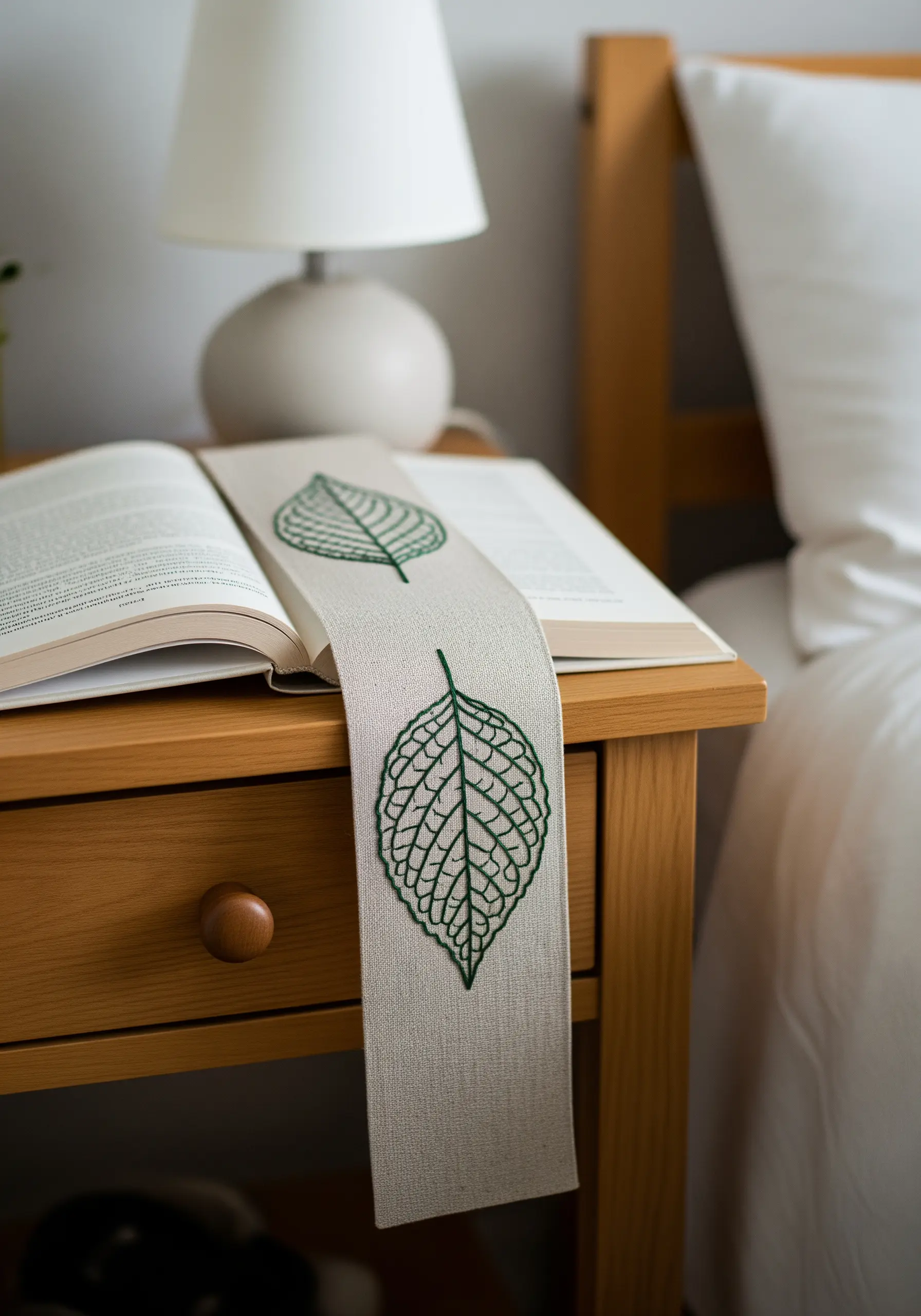
Create a beautiful and functional piece by embroidering detailed leaf skeletons onto a strip of linen.
Use a fine backstitch or whipped backstitch in a dark green thread to meticulously trace the central stem and delicate veins of each leaf.
The precision required for this project is meditative, and the result is an elegant bookmark that celebrates the intricate beauty of nature.
This is a perfect project for using up scraps of your favorite high-quality linen.
28. Create Texture with Minimalist Line Work
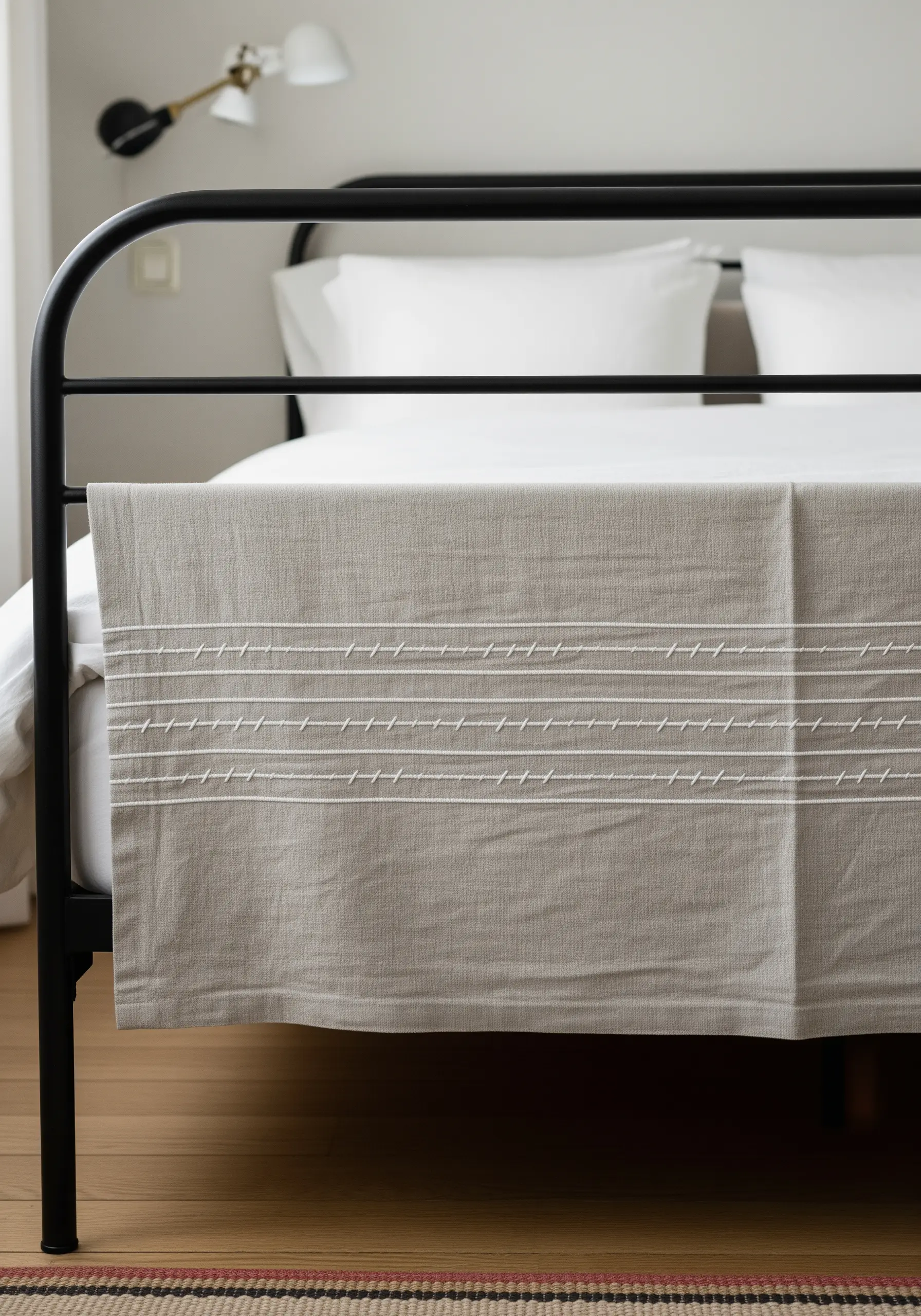
Transform a simple linen throw with bands of minimalist, textured stitches.
Work several rows of parallel running stitches, but instead of keeping them straight, angle each stitch slightly to create a subtle slanted or dashed effect.
Grouping the lines together in bands creates a modern, rhythmic pattern that is all about texture and subtlety.
The beauty of this design lies in its simplicity and the quiet rhythm it brings to the fabric.
29. Stitch a Topographic Pattern
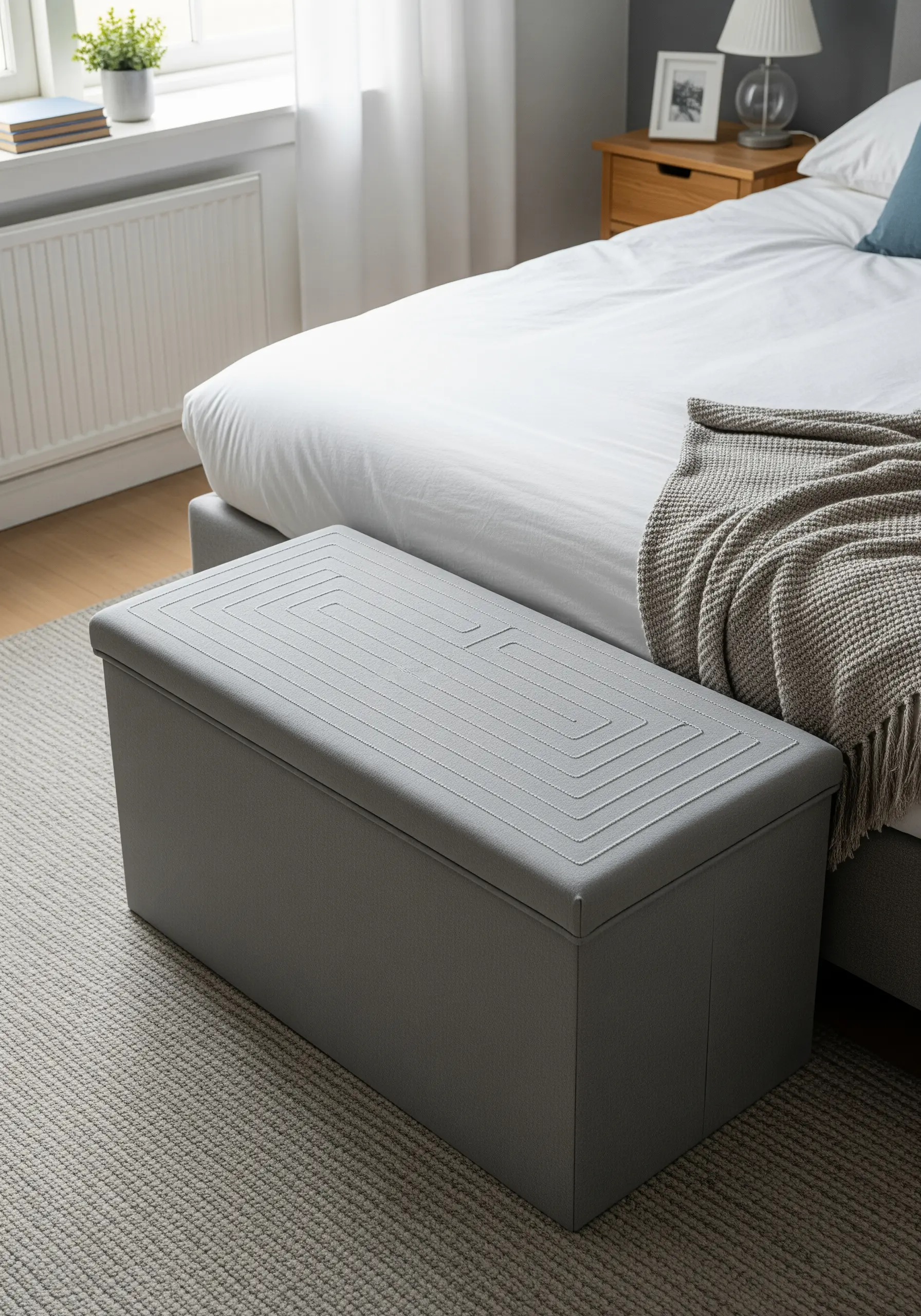
Add intrigue to a plain fabric storage box with a continuous, maze-like line pattern.
Using a simple backstitch in a tonal thread, create an organic, spiraling shape that resembles topographic map lines or a fingerprint.
This technique is wonderfully meditative, as you can let the line wander freely without a strict pattern.
It adds a layer of sophisticated, abstract texture to an everyday object.
30. Use Graphic Circles as a Focal Point
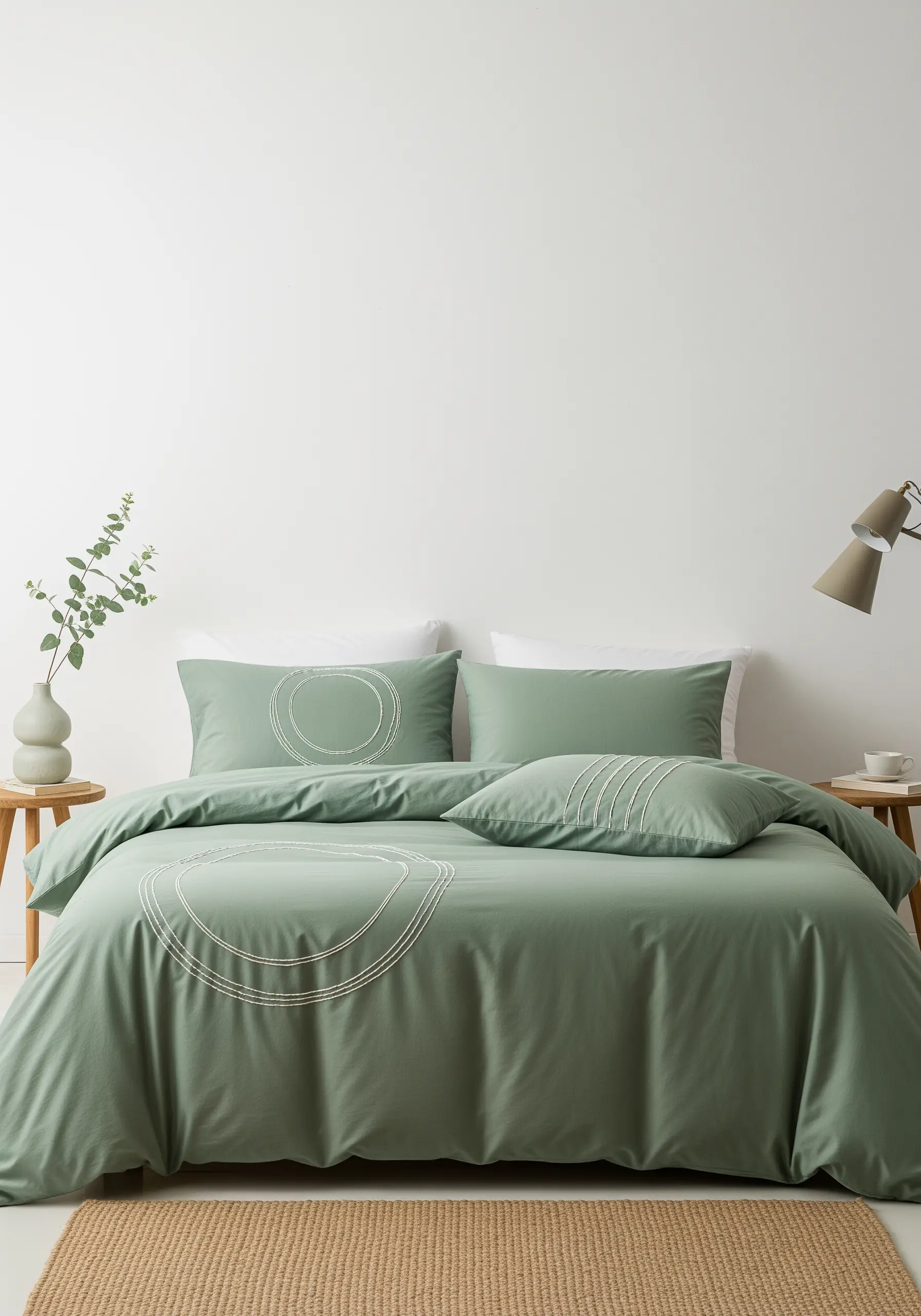
Make a bold statement on your bedding with large, abstract circular motifs.
Use a thick thread or multiple strands of floss and a heavy chain stitch or couching to create clean, graphic outlines.
Placing the circles asymmetrically on the duvet cover and pillows creates a dynamic, modern composition.
This is a fantastic way to introduce an abstract design element into your bedroom without relying on printed fabrics.
31. Quilt a Bedside Coaster
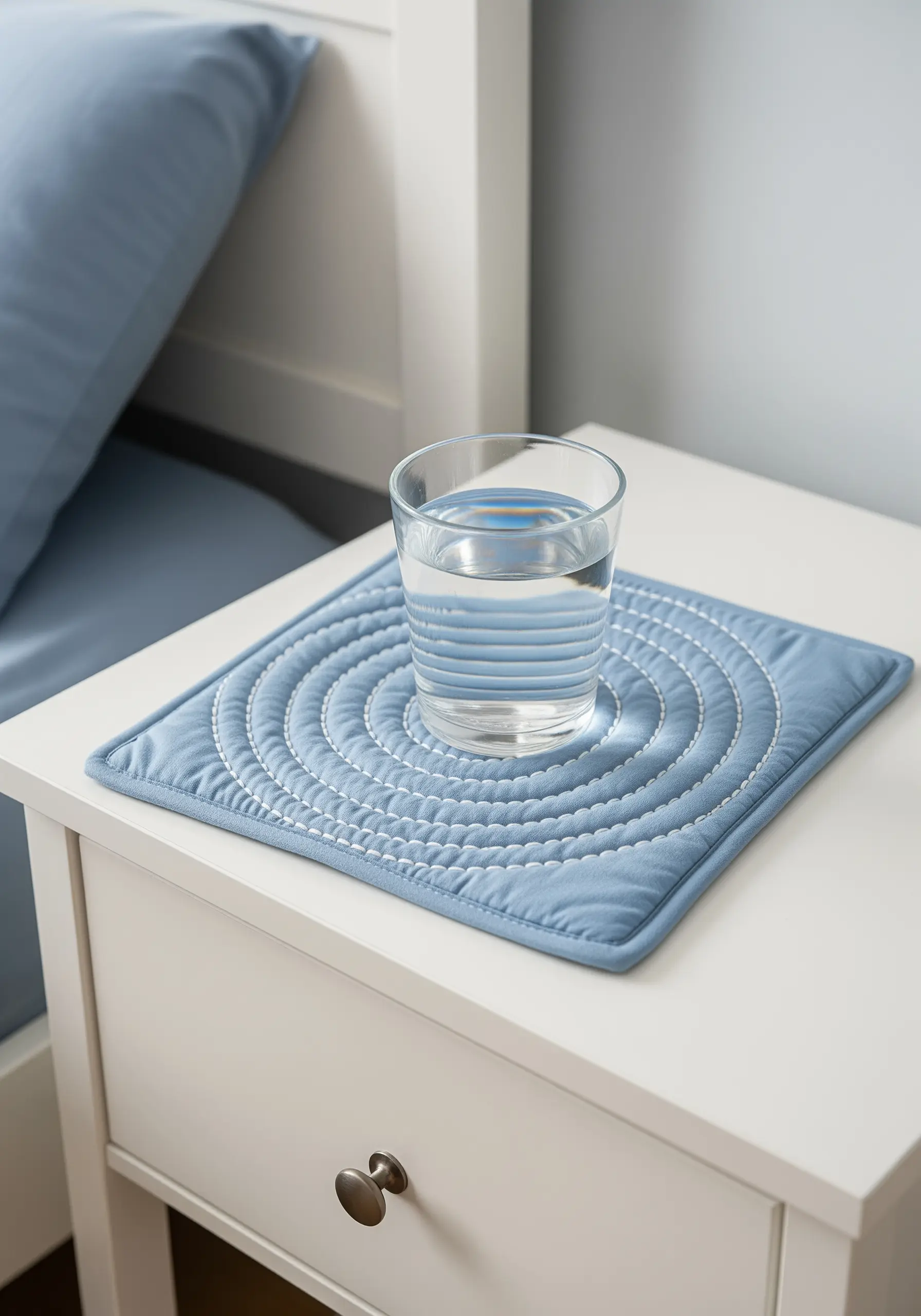
Craft a small, functional piece of art for your nightstand with a quilted coaster.
Use a simple running stitch in a contrasting color to stitch concentric circles on a small, padded fabric square.
The quilting not only adds a beautiful texture but also gives the coaster structure and absorbency.
This quick project is a perfect way to practice stitch consistency and create something both beautiful and useful.
32. Create Faux Pinstripes on Fabric Doors
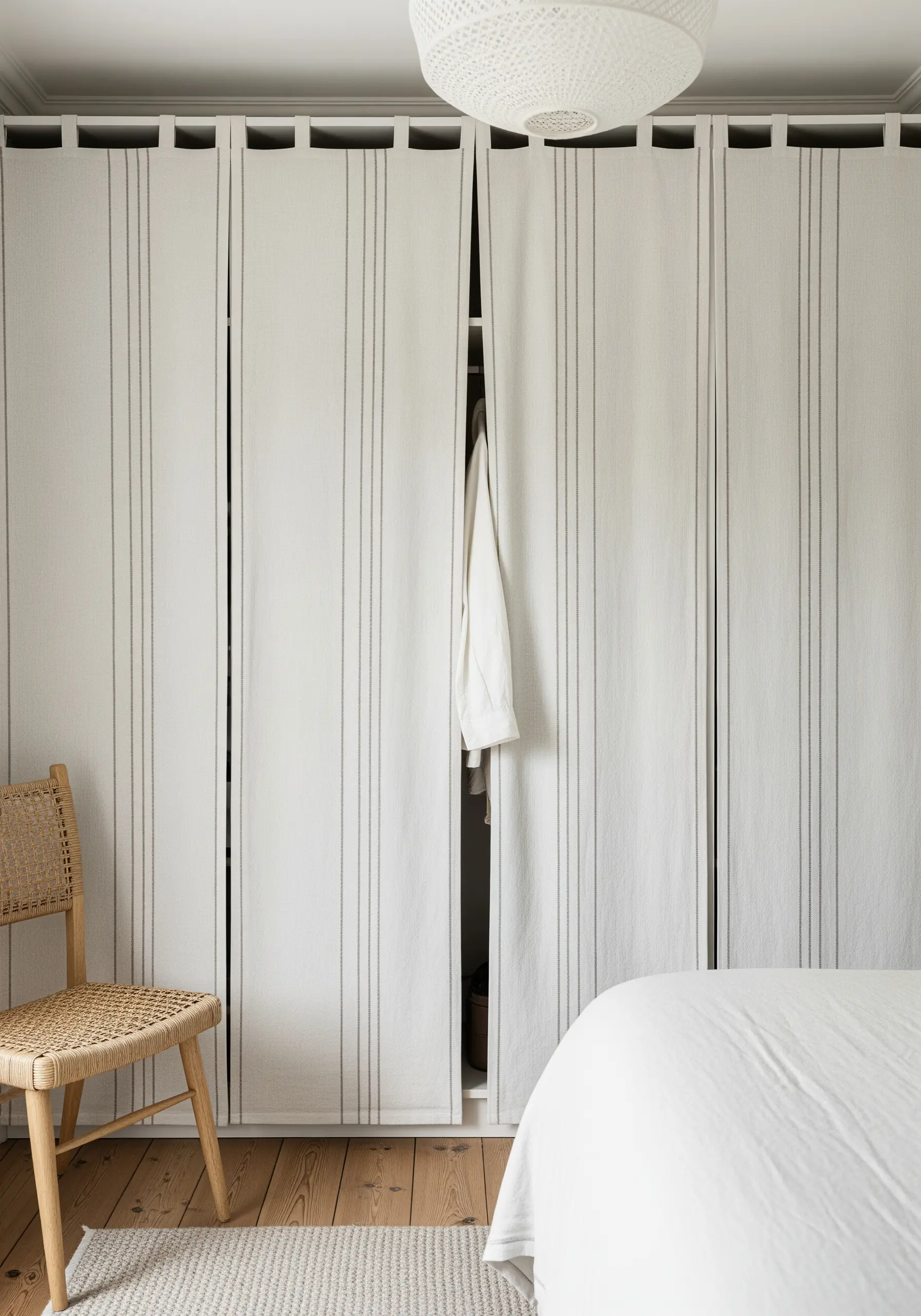
Soften a closet or storage area by replacing solid doors with embroidered fabric panels.
On plain linen or canvas, stitch simple, vertical pinstripes using a basic running stitch.
The key to a sophisticated look is maintaining perfectly straight lines and consistent spacing.
This technique adds a subtle, tailored pattern that provides visual height and texture while elegantly concealing storage.
33. Fill a Shape with Tactile Seed Stitch
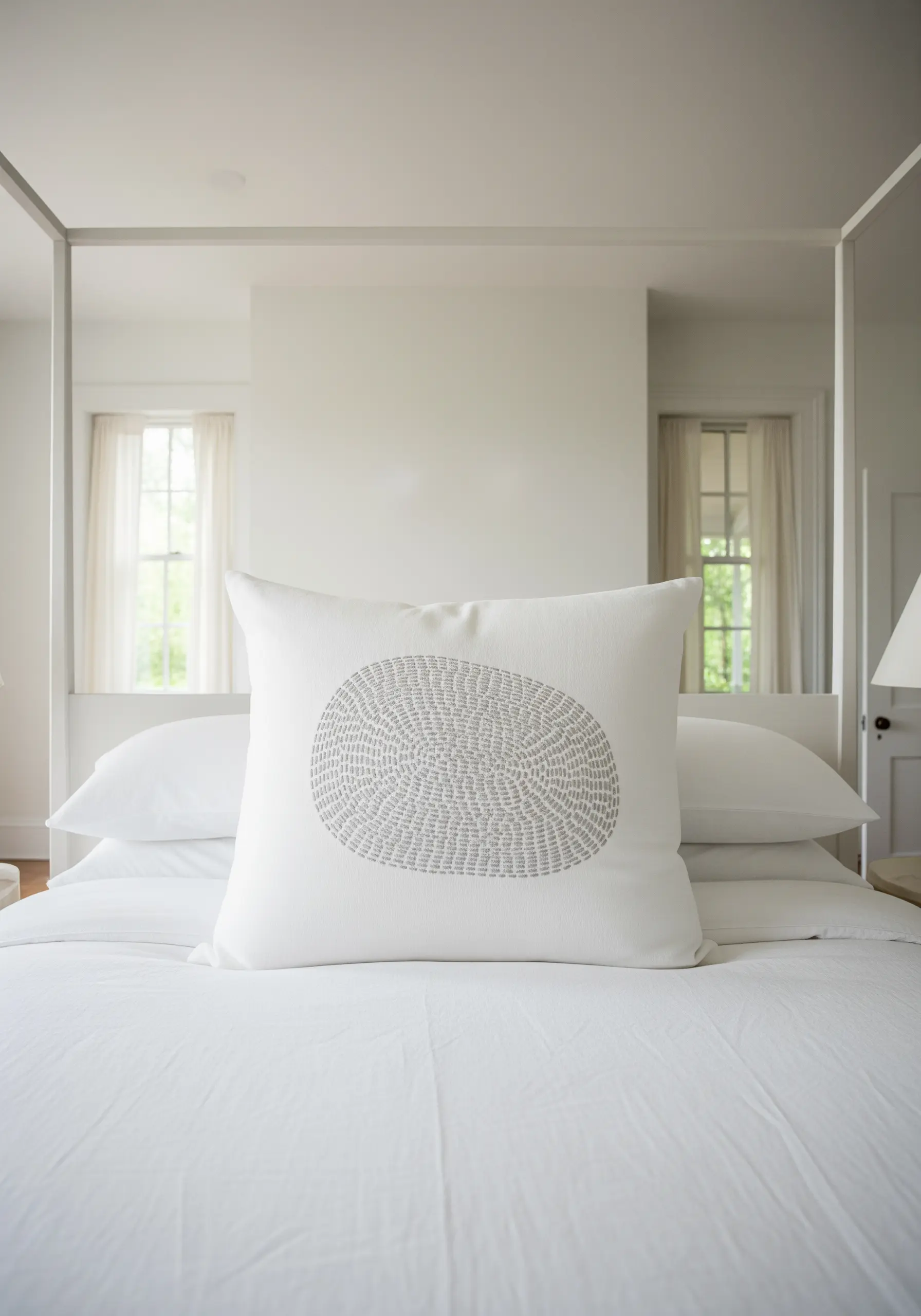
Create a focal point on a plain pillow with a filled shape that invites touch.
Draw a simple organic shape, like a pebble or circle, and fill it entirely with a dense pattern of seed stitches or French knots.
Using a thread that is just a shade or two different from the fabric creates a subtle, tone-on-tone effect where texture is the star.
This technique transforms a simple cushion into a piece of tactile art.


