
You love the feel of thread and fabric in your hands, the quiet rhythm of stitching. But sometimes, you finish a piece and feel it’s missing a certain polish, a sense of intention that would elevate it from a craft into true home decor.
The secret isn’t in learning dozens of complex new stitches or buying expensive supplies. Instead, it lies in small, thoughtful adjustments—a change in thread weight, a specific stitch choice to create texture, or applying your skills to an unexpected surface. It’s about making your embroidery work *with* the object it adorns.
Here, you’ll find 21 clear, elegant ideas designed to do just that. These are not just patterns; they are techniques and applications that will give you the confidence to transform your textiles, create stunning accents, and finally make your home feel as personal and artful as you’ve always imagined.
1. Achieve Painterly Depth on Cushions
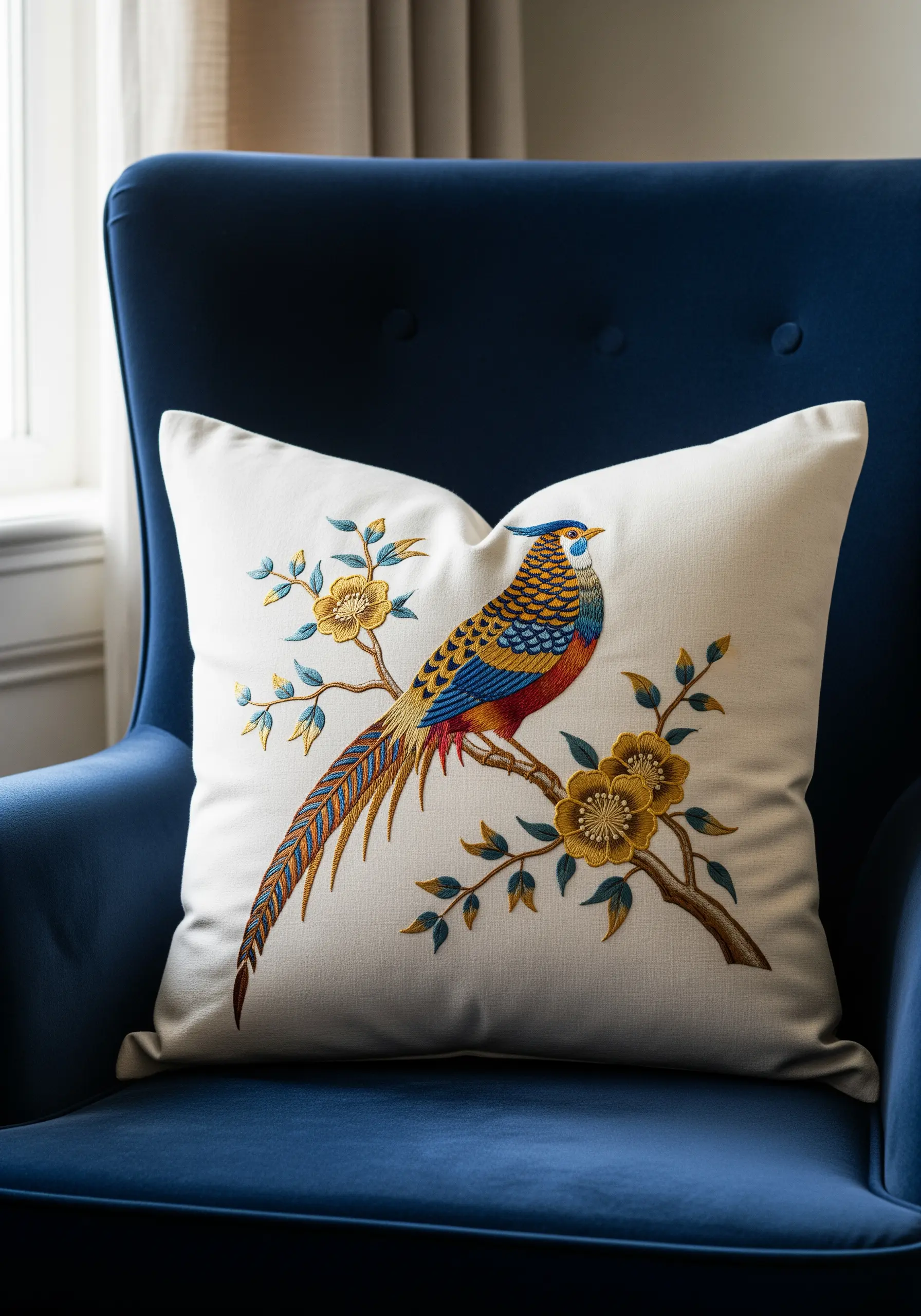
To give motifs like birds and botanicals a lifelike, dimensional quality, choose thread painting over simple satin stitch.
Use a single strand of cotton floss and the long-and-short stitch technique to blend colors seamlessly, creating soft gradients that mimic light and shadow.
Vary the direction of your stitches to follow the natural contours of a feather or petal; this small adjustment creates realistic texture and movement.
This method transforms a standard cushion into a focal piece of textile art, inviting a closer look.
2. Frame High-Contrast Geometric Lines
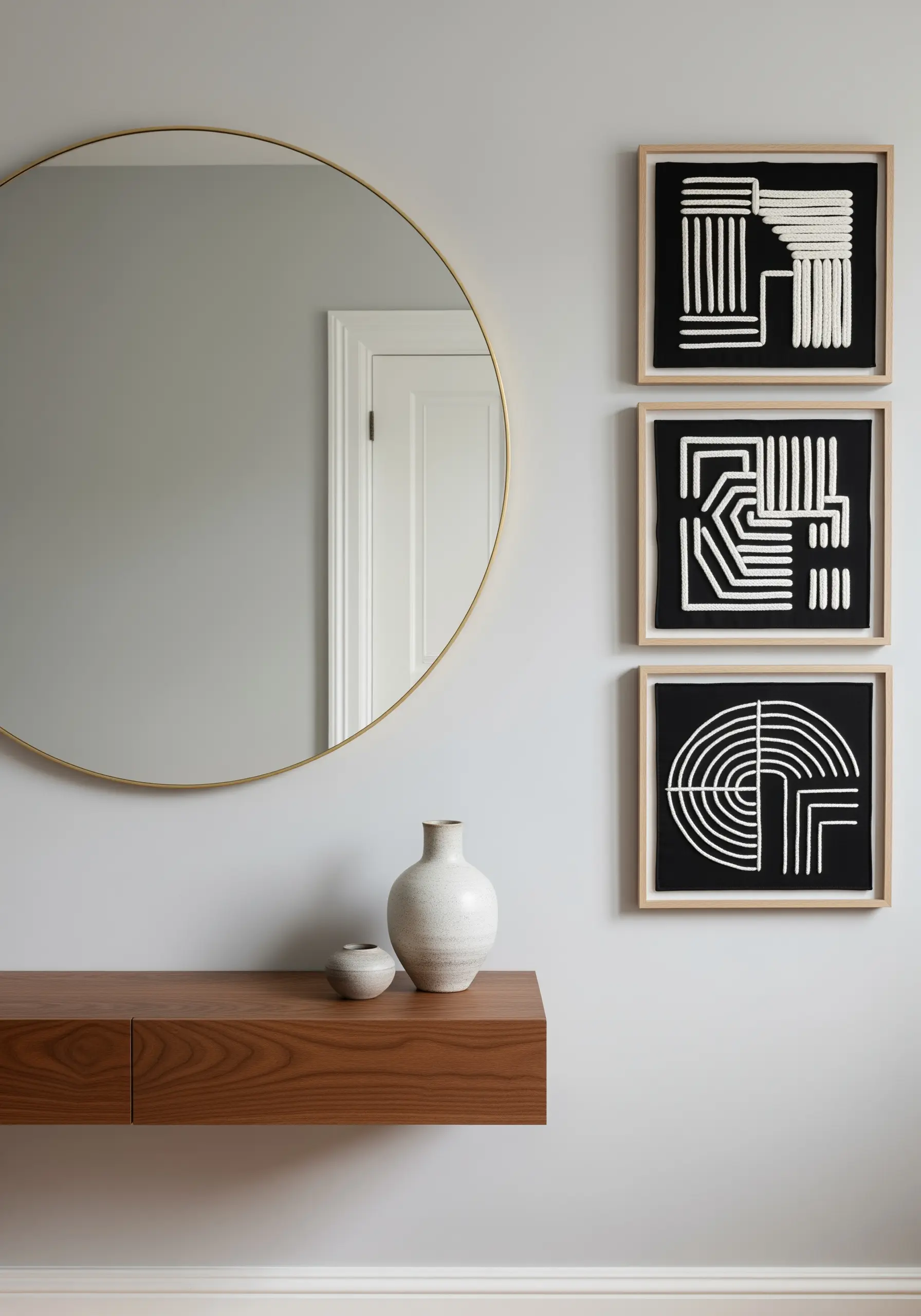
For bold, graphic art, couching is your most effective technique.
Lay down a thick cord or yarn in your desired pattern and tack it to the fabric with a thinner, contrasting thread.
This approach creates perfectly uniform, raised lines with more speed and precision than a satin stitch, resulting in a clean, modern aesthetic.
Stitch your designs on black linen with white yarn and group them as a triptych for a sophisticated, gallery-wall effect that feels both handmade and highly designed.
3. Embroider a Luminous Lampshade
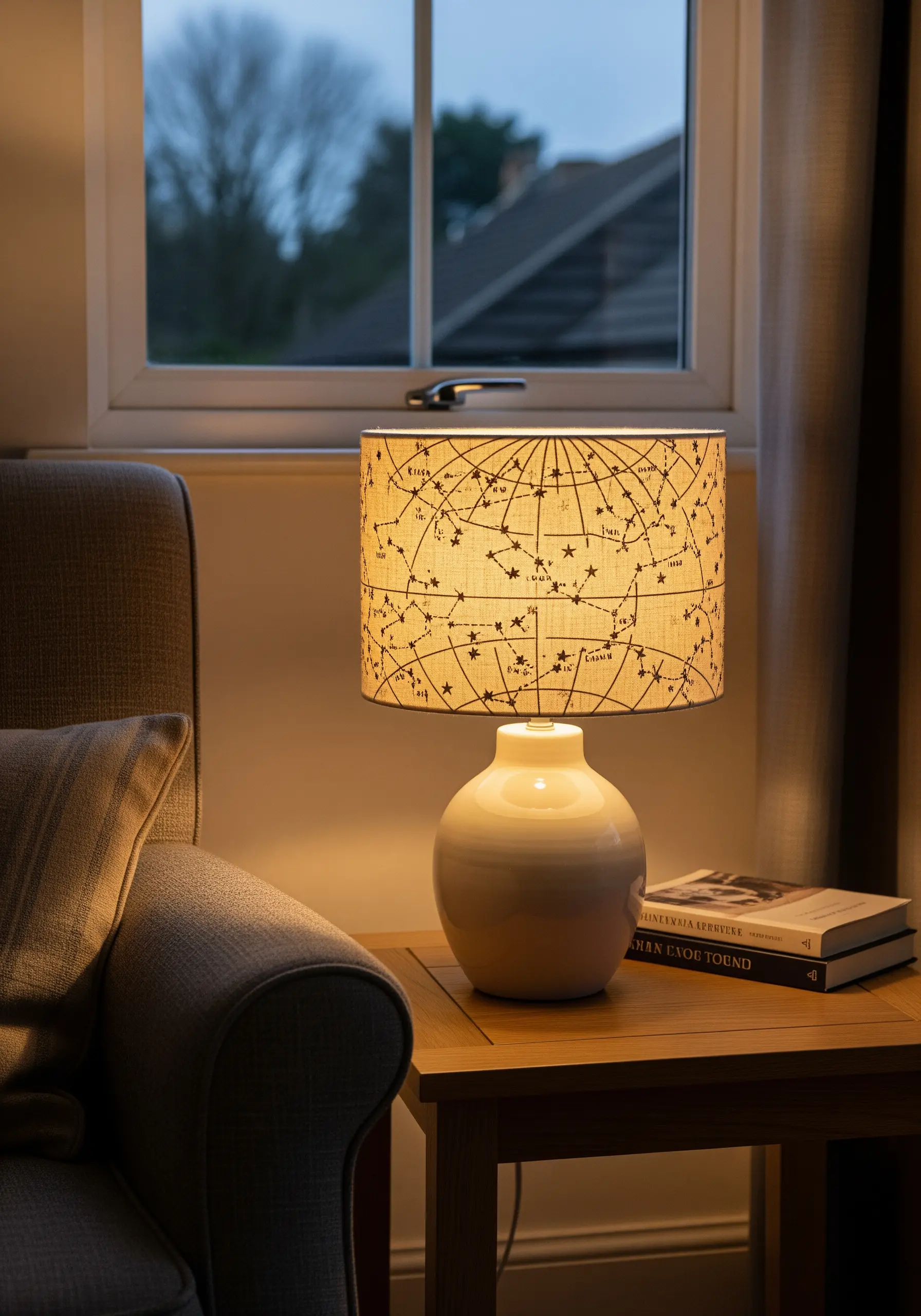
Turn a plain lampshade into a storytelling object by stitching a celestial map directly onto the fabric.
Use a simple backstitch for constellation lines and tiny French knots for stars; the key is simplicity and precision.
Choose a light-colored linen or cotton shade that allows light to diffuse gently, making your stitches glow when the lamp is on.
For a subtle surprise, use a single strand of metallic or glow-in-the-dark thread to add a magical, shimmering quality.
4. Integrate Beading for Art Deco Opulence
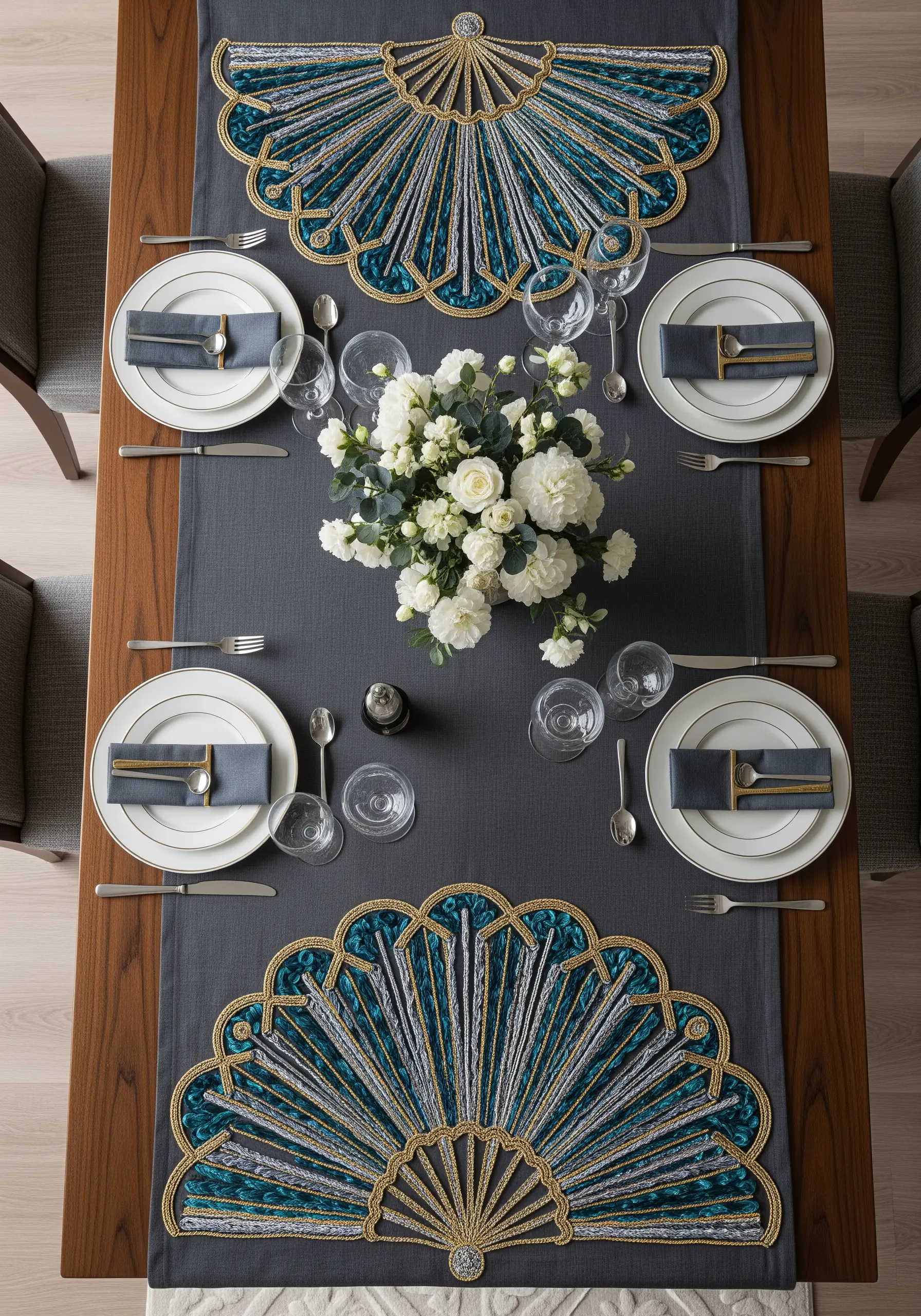
Elevate a table runner from simple to stunning by incorporating beads into your embroidery.
After stitching your primary shapes with satin stitch and couched metallic thread, add fine seed beads along the outlines.
Secure each bead with a small backstitch, passing through twice for durability, especially on items that require cleaning.
This mixed-media approach adds a luxurious, light-catching texture that instantly upgrades your entire tablescape for special occasions.
5. Craft Functional Floral Tie-Backs
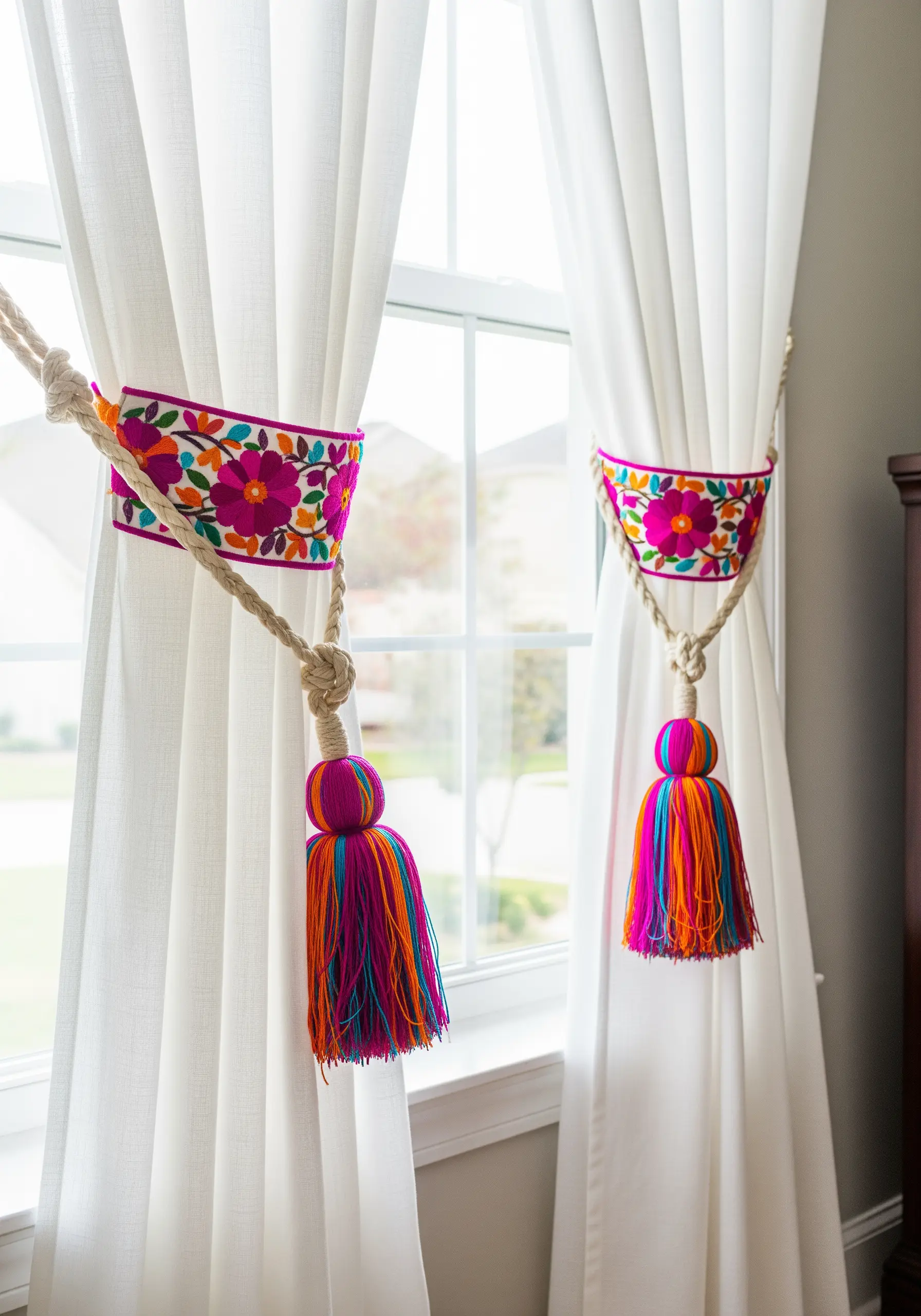
Transform a small embroidered piece into a functional and charming home accent.
Stitch a vibrant, dense floral motif onto a sturdy fabric base like felt or canvas using bold satin stitches.
Attach the finished embroidered panel to a simple rope or cord to create a custom curtain tie-back.
This adds an unexpected pop of color and personality to your window treatments, proving that embroidery can be both beautiful and useful.
6. Master the Tone-on-Tone Monogram
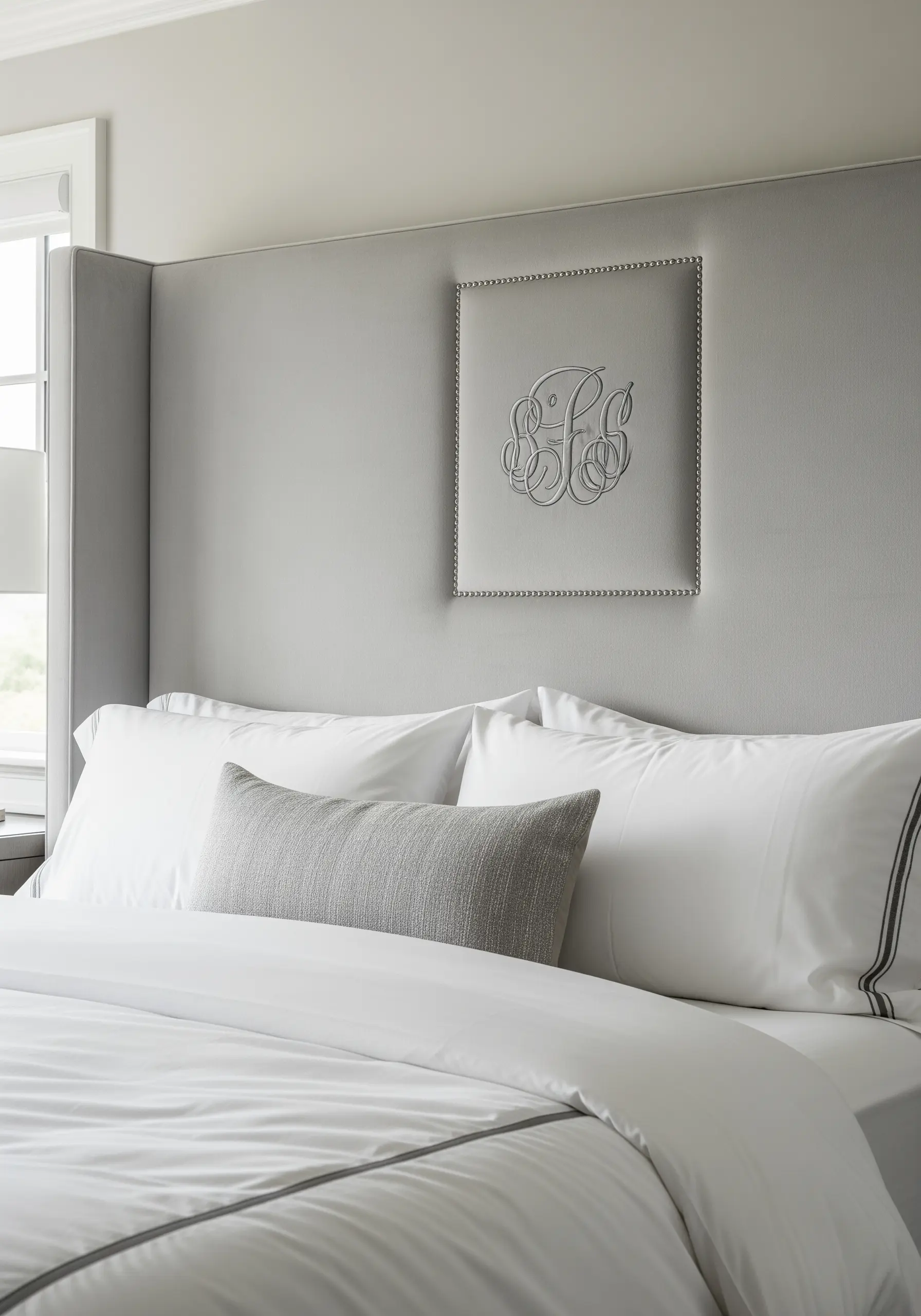
For a sophisticated, high-end look on upholstery or bedding, embrace the subtlety of tone-on-tone embroidery.
Select a thread that is just one or two shades lighter or darker than your base fabric.
Use a padded satin stitch to give the monogram a raised, three-dimensional quality that catches the light.
This technique emphasizes texture over color, creating a personalized accent that feels like quiet, bespoke luxury.
7. Add a Botanical Border to Towels
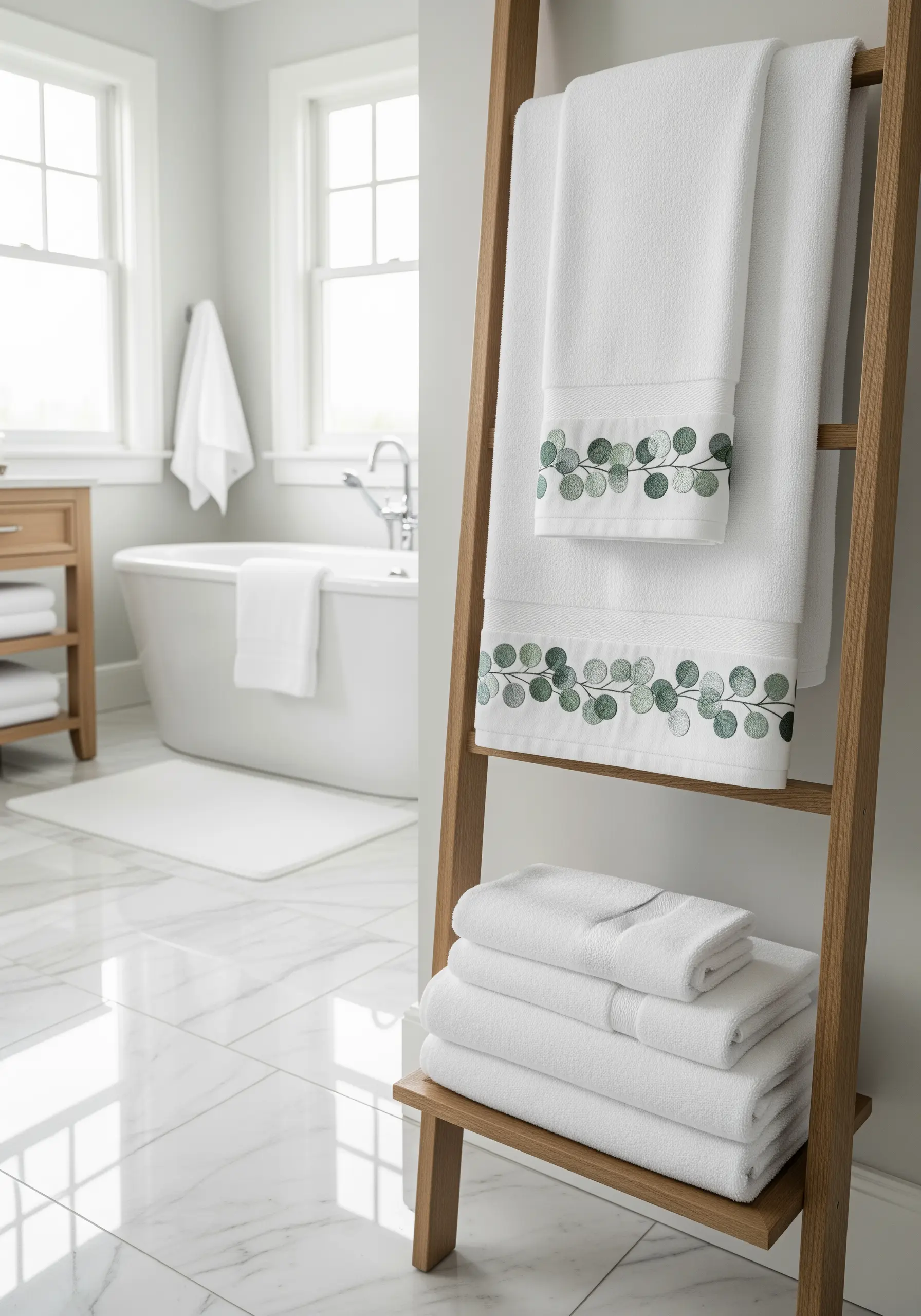
Instantly upgrade plain bath towels into a coordinated, spa-like set with a simple embroidered border.
Use a fishbone stitch for leaves like eucalyptus, as it naturally creates a central vein and an organic shape with a single stitch.
Connect the leaves with a clean stem stitch for a continuous, trailing vine effect.
This subtle detail makes everyday textiles feel intentional and refined.
8. Personalize Storage with Symbolic Motifs
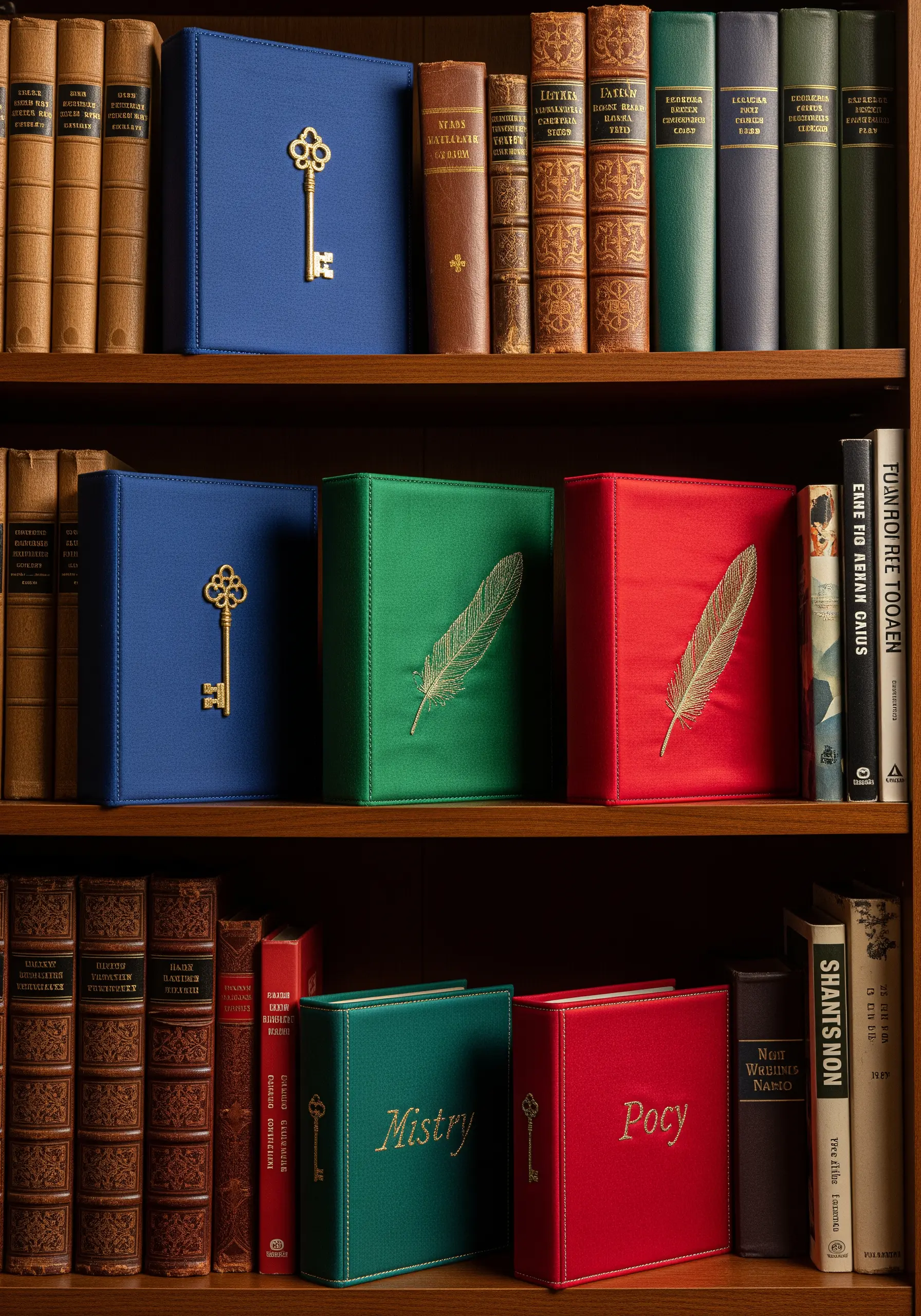
Turn ordinary fabric-covered boxes into a decorative element with single, elegant motifs.
Choose a simple, iconic symbol—a key, a feather, a shell—and stitch it with a contrasting thread using a crisp backstitch or split stitch.
The clarity of a single motif on a solid background is modern and chic.
This not only beautifies your storage but can also serve as a visual label, hinting at what’s stored inside.
9. Stitch a Single, Striking Napkin Accent
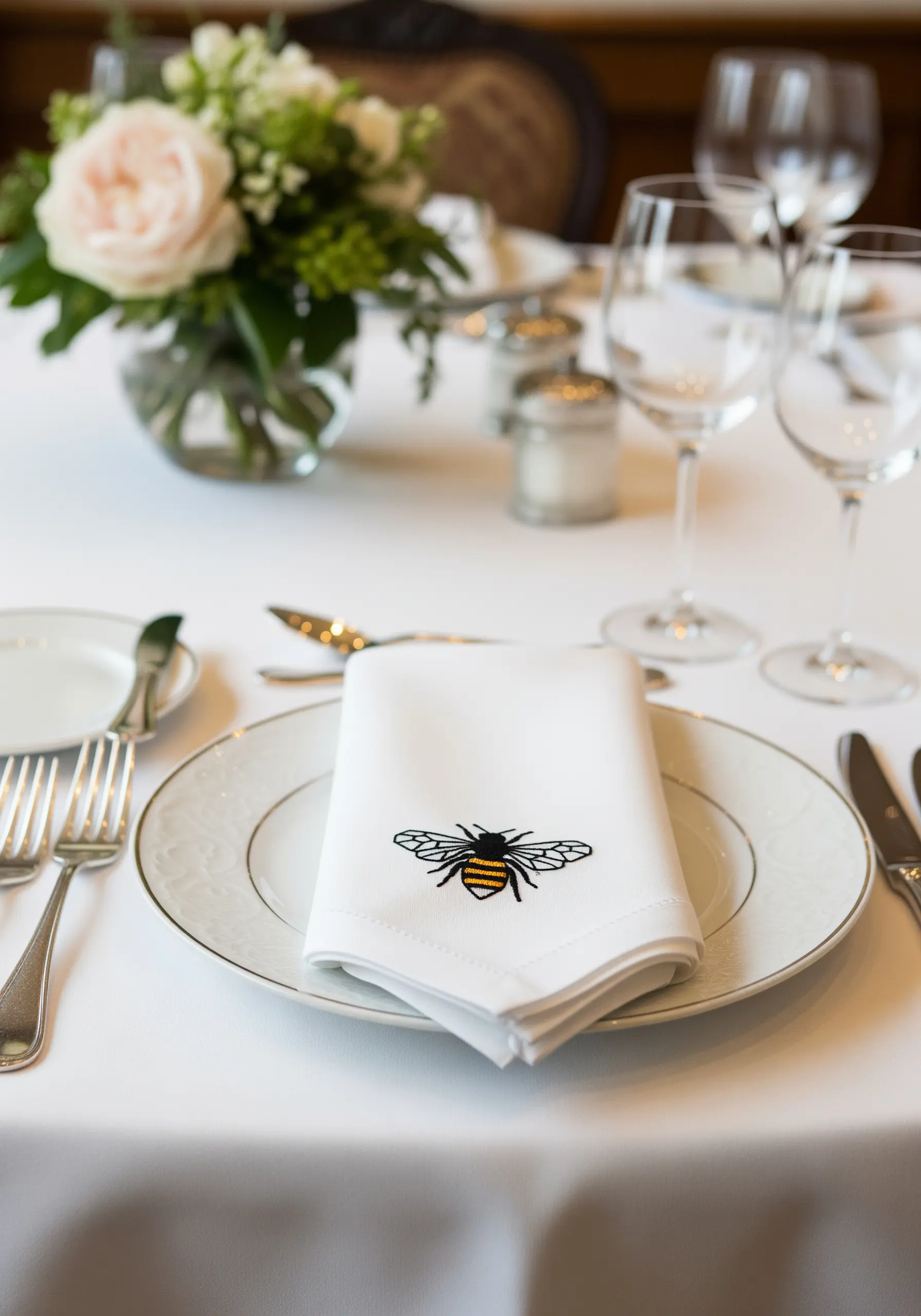
You don’t need an elaborate design to make an impact on table linens; a single, beautifully executed motif is often more powerful.
For a tiny creature like a bee, use a mix of stitches to create texture: satin stitch for the solid body and detached chain stitches for delicate, transparent wings.
Placing this small detail in an unexpected corner adds a touch of wit and artistry, making every place setting feel special.
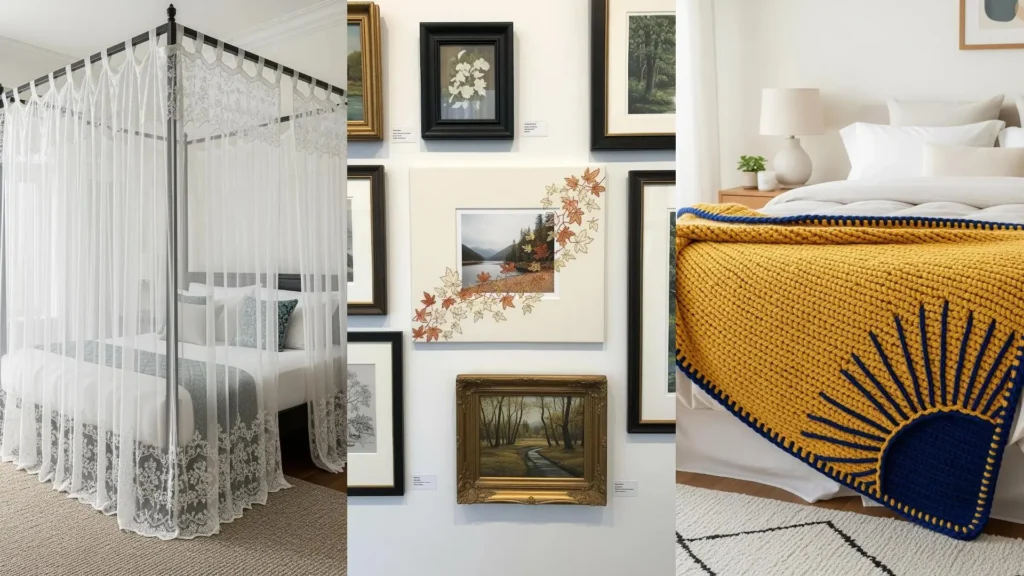
10. Combine Appliqué and Yarn on Knits
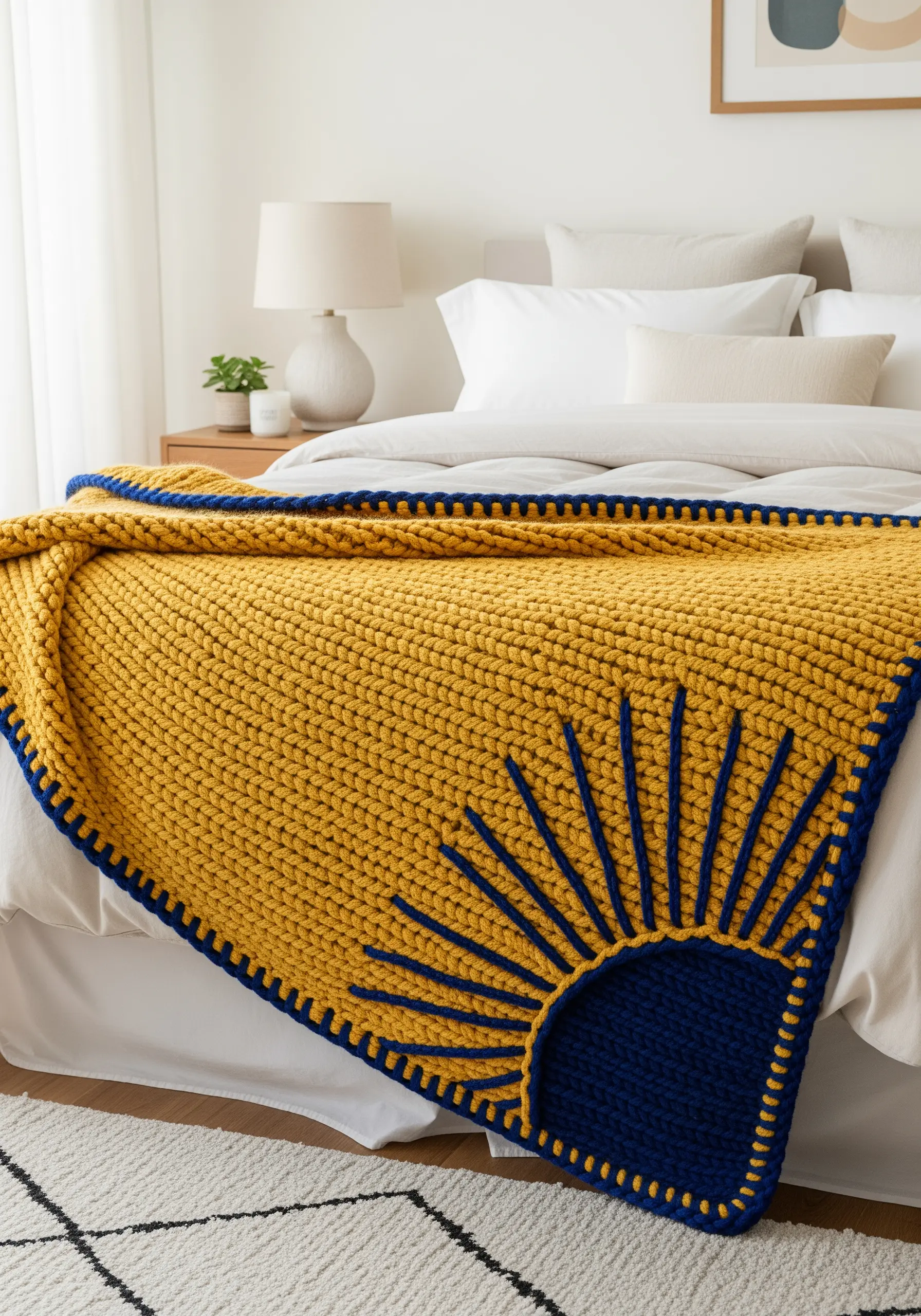
To embroider on a heavy or stretchy knit without causing puckering, use appliqué as your foundation.
Cut your main shape from a stable fabric like felt and attach it to the blanket with a decorative blanket stitch around the edge.
Then, add bold accents like sun rays using a thick yarn and a tapestry needle, stitching directly through both the appliqué and the knit.
This technique gives you a stable canvas for creating graphic, high-impact designs on cozy textiles.
11. Create a Sculptural Leaf Cushion
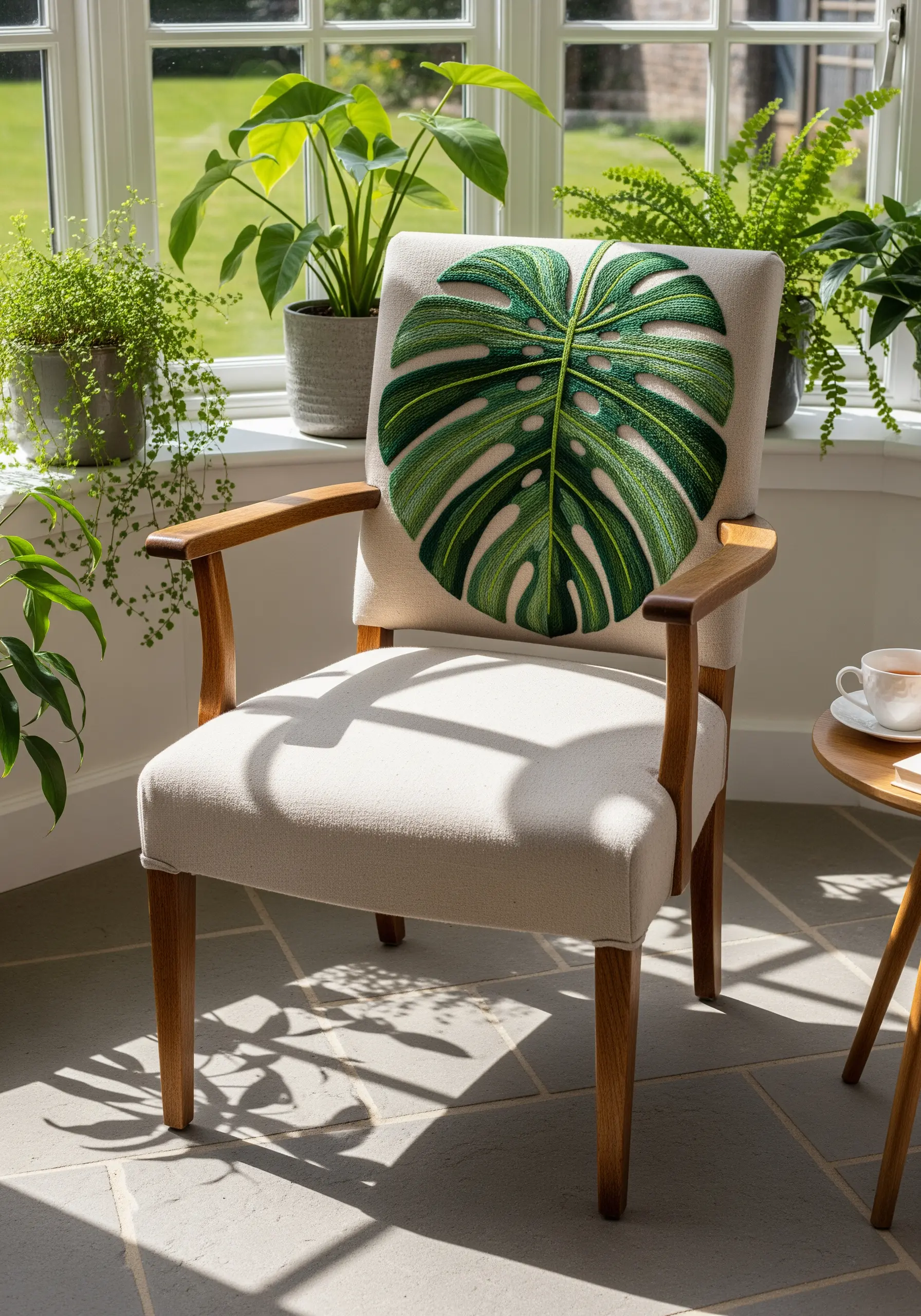
Move your embroidery off the wall and into three dimensions by creating a shaped cushion.
Cut your fabric in the shape of a large botanical leaf, like a Monstera.
Use thread painting with several shades of green to create realistic veins and color variations.
Stitch the front and back together and stuff it lightly to create a piece that is both a comfortable cushion and a sculptural art object.
12. Define a Space with Embroidered Screens
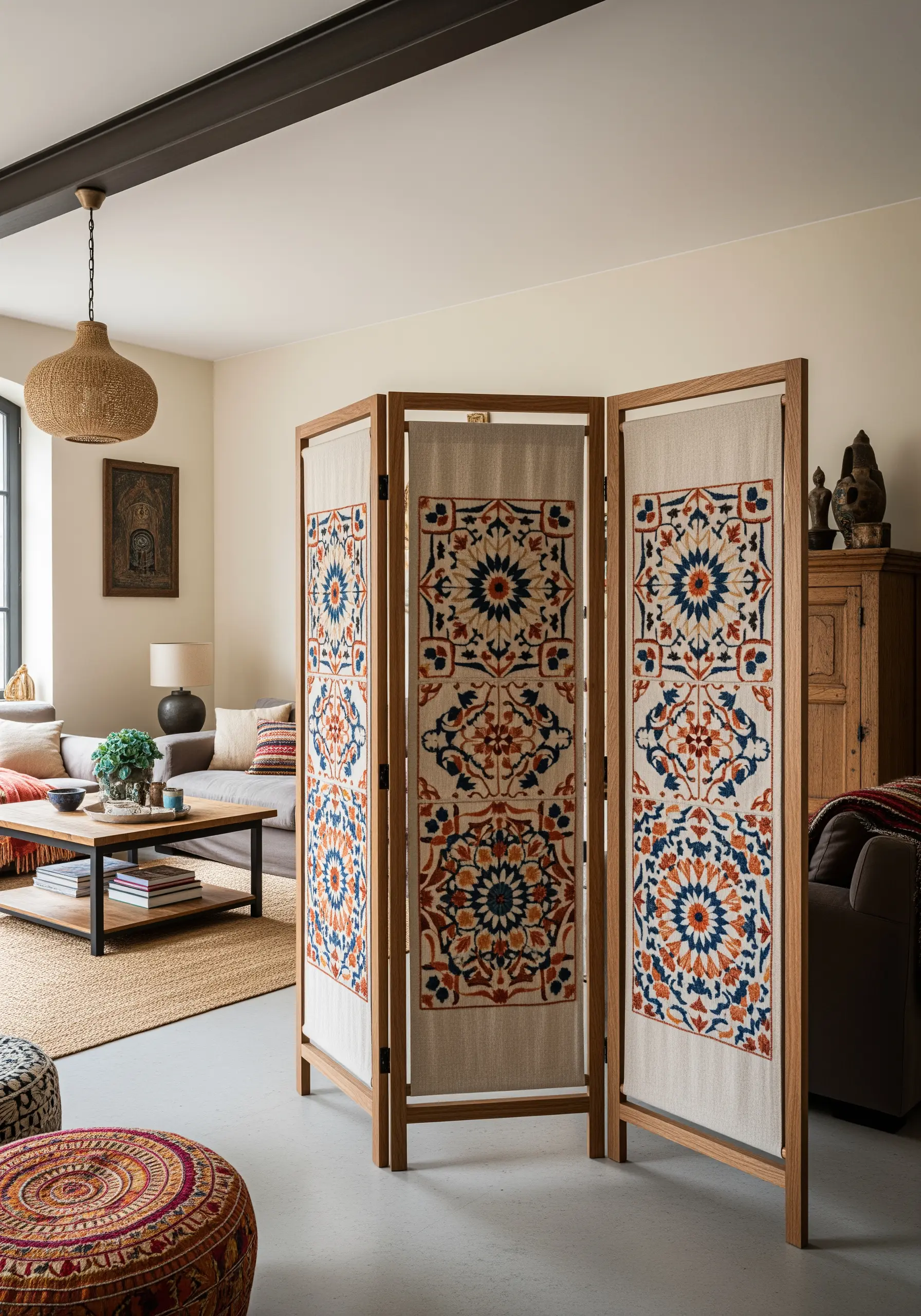
Use embroidery on a larger scale to create architectural elements like a folding screen.
Stitch repeating geometric patterns on heavy linen panels using bold, contrasting colors and fill stitches like chain or satin stitch.
When mounted, these embroidered textile wall hangings become a flexible room divider that adds pattern, color, and texture without a permanent renovation.
13. Line a Tray with Mindful Sashiko
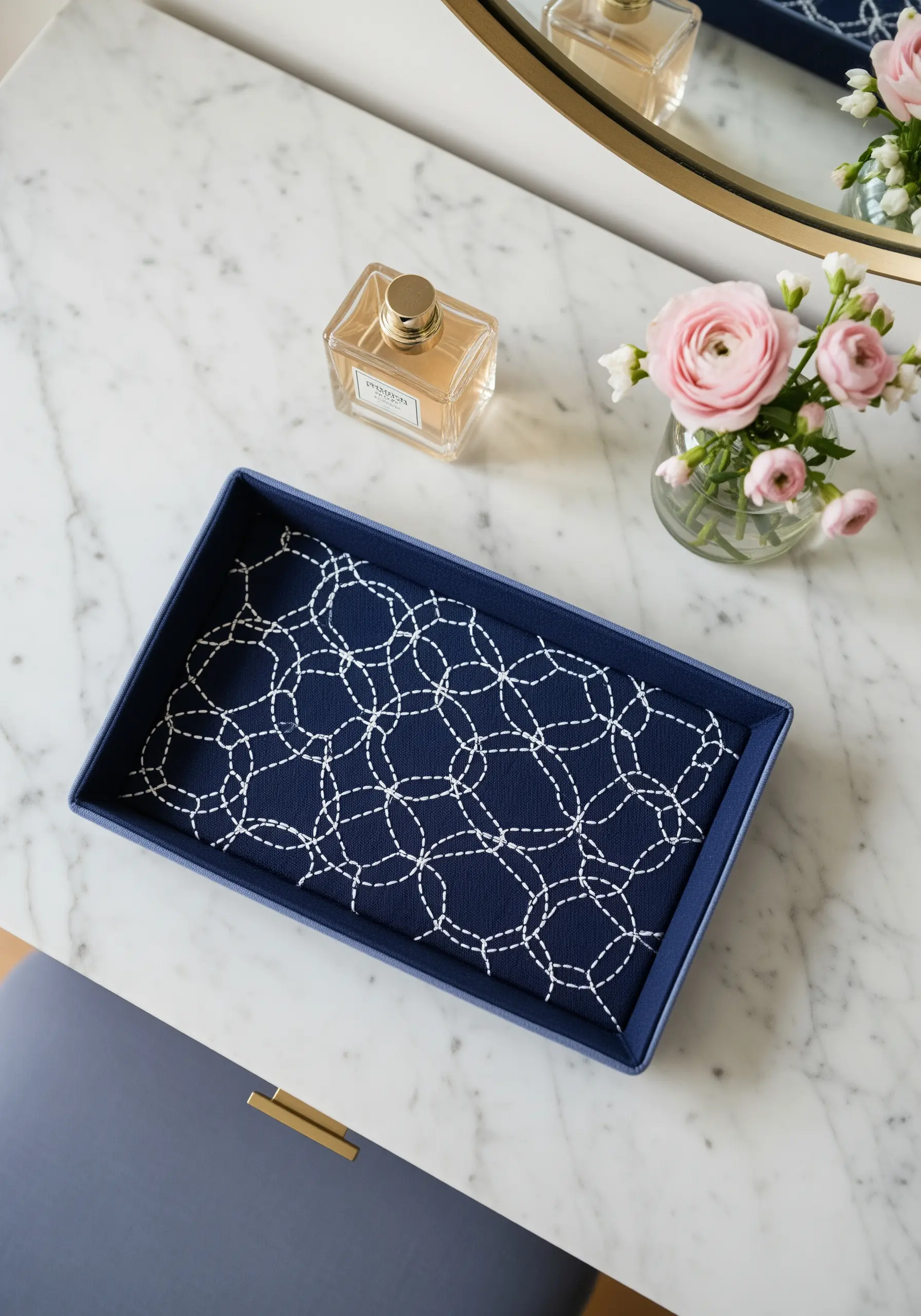
Elevate an everyday object, like a valet tray or drawer, with a beautifully stitched lining.
The traditional Japanese technique of Sashiko, which uses a simple running stitch to create geometric patterns, is perfect for this.
The graphic contrast of white thread on indigo or navy fabric adds a sense of calm and intentional craftsmanship.
This small detail brings a moment of beauty to an ordinary routine.
14. Stitch a Dynamic Burst of Energy
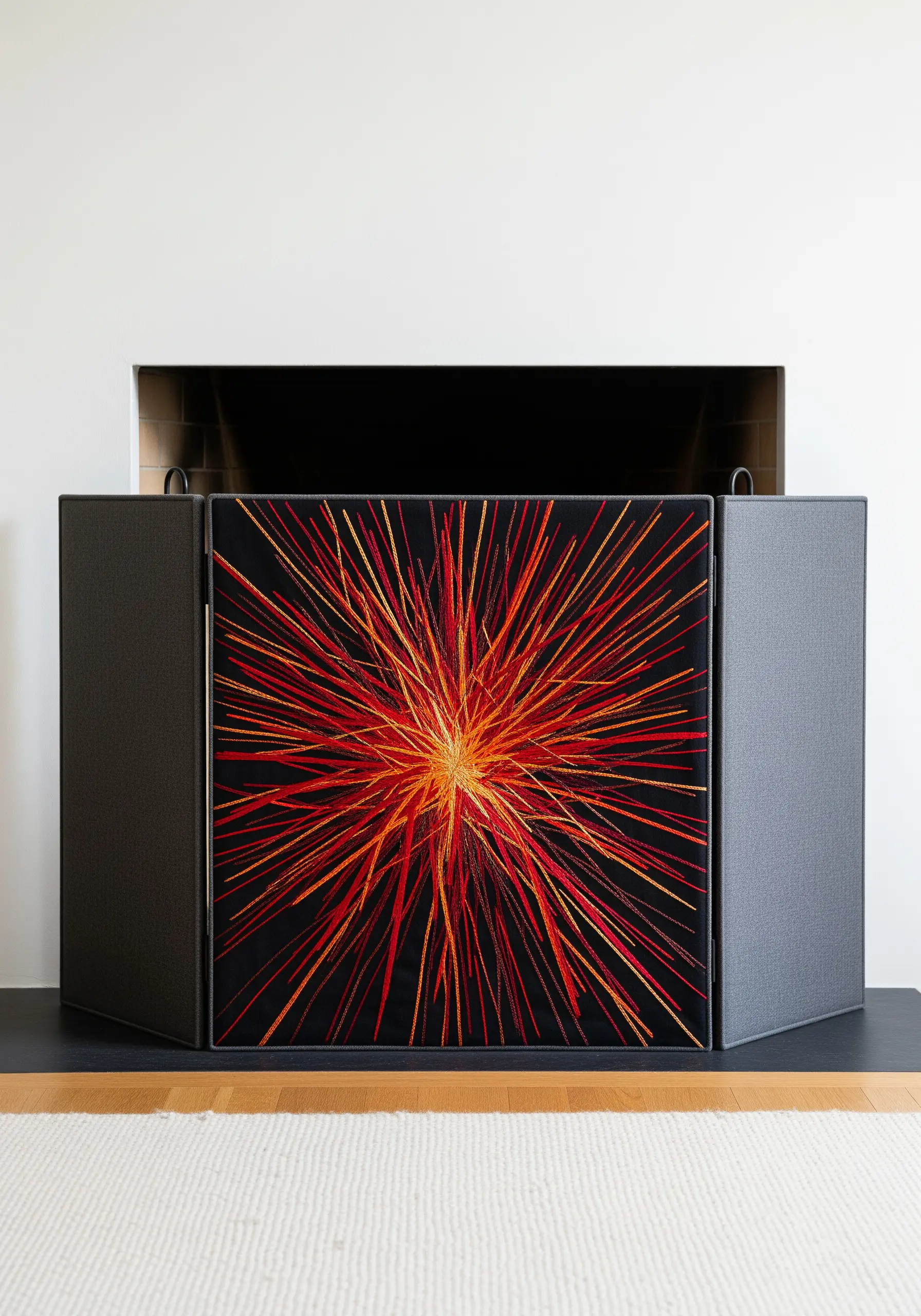
Apply embroidery to unexpected surfaces, like a fireplace screen, to turn a functional item into art.
Create an abstract burst by stitching long, straight lines radiating from a central point.
Use a fiery palette of reds, oranges, and yellows, varying the length and density of the stitches to build a sense of explosive motion.
Against a dark background, this design becomes a captivating focal point, full of energy and warmth.
15. Etch Minimalist Lines onto Felt
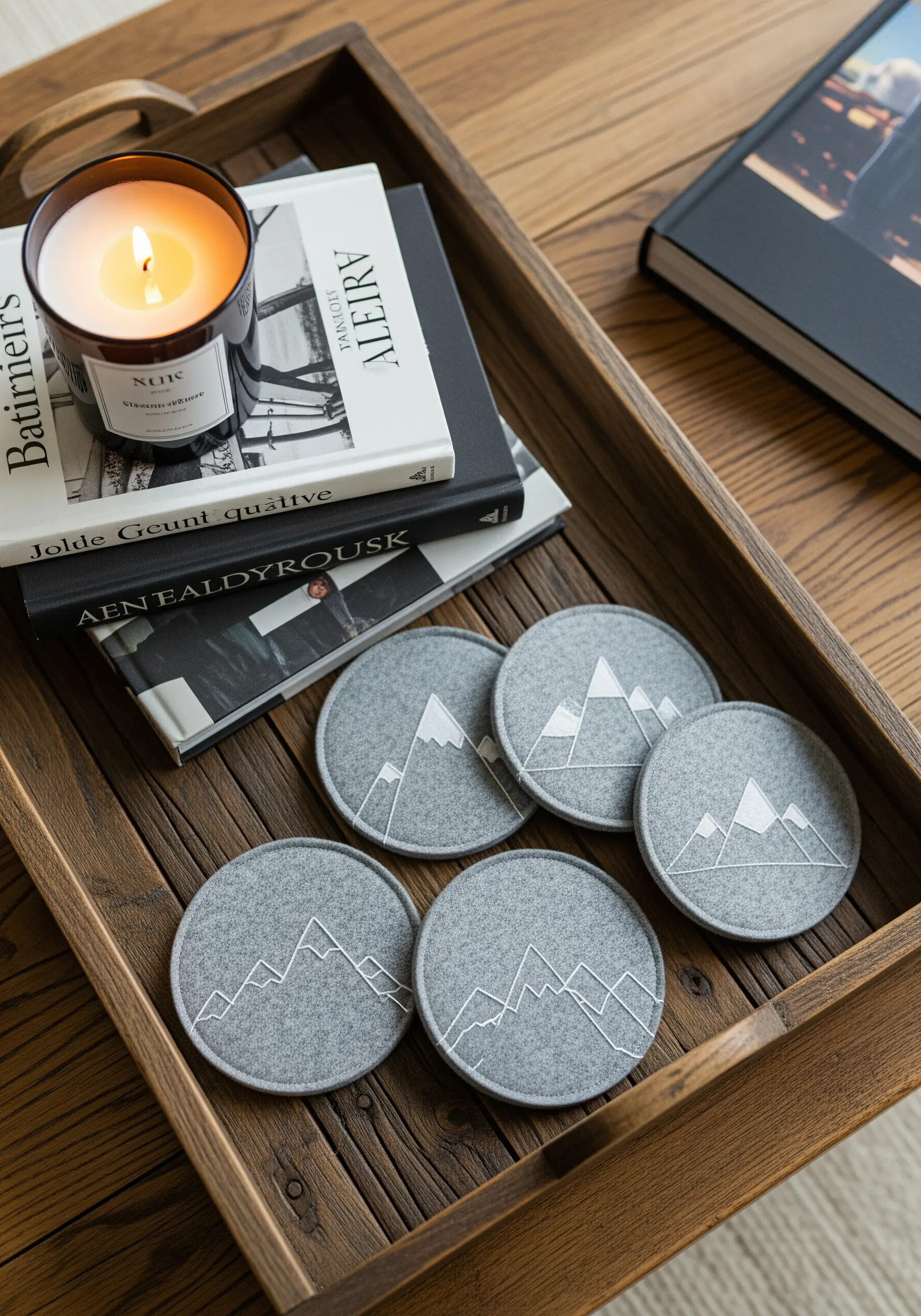
Felt’s dense, matte texture makes it the perfect canvas for clean, minimalist line art.
Use a simple backstitch in a contrasting color to trace a simple mountain range or geometric shape onto felt coasters.
The beauty of this project lies in its simplicity—the crisp line against the soft texture is all you need.
It’s a quick, satisfying way to create a modern, cohesive set of accents for your living space.
16. Master Ethereal Stitches on Organza
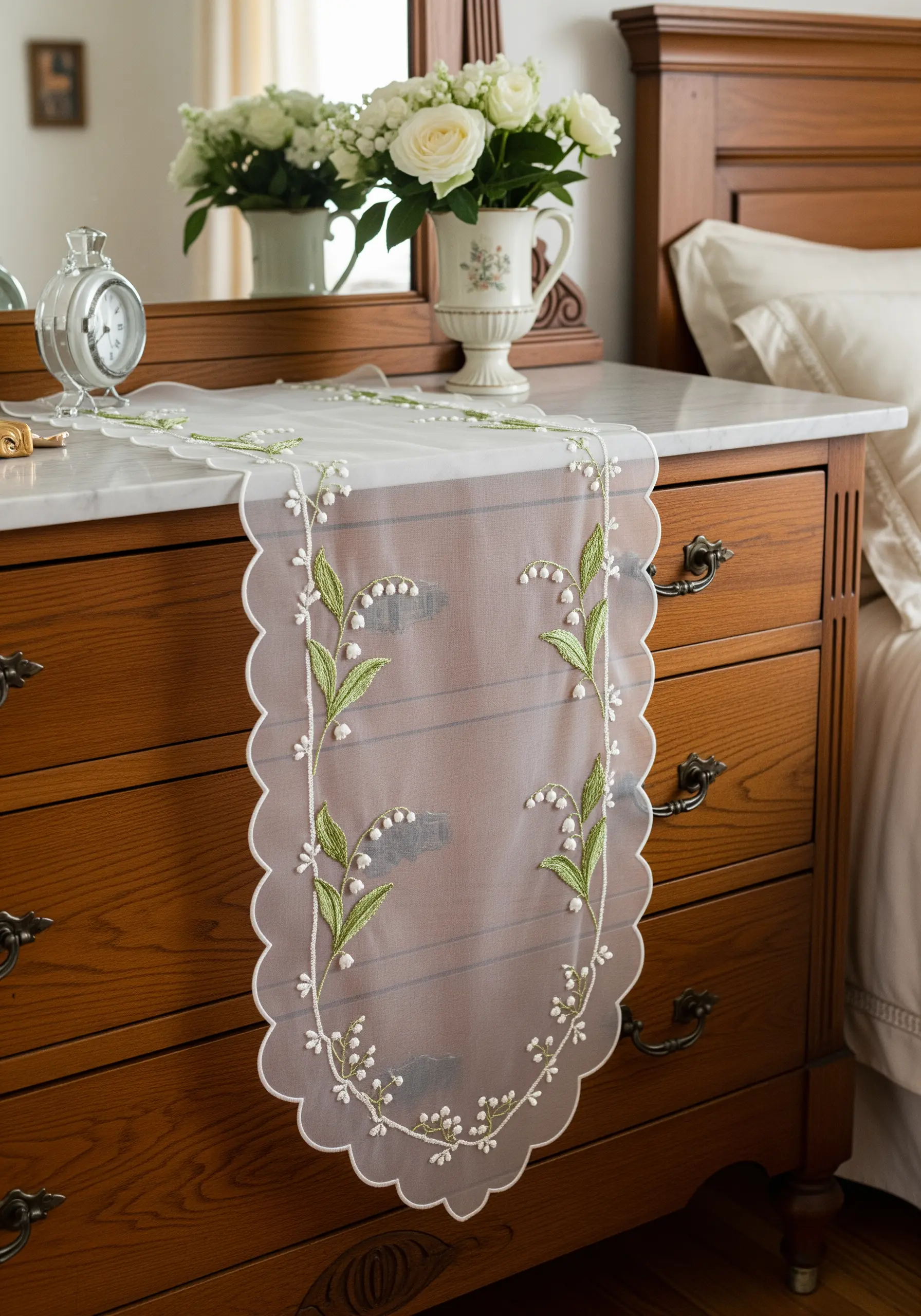
Stitching on a sheer fabric like organza creates a magical, floating effect.
To prevent puckering, always use a water-soluble stabilizer on the back of the fabric while you stitch; it will dissolve in water later, leaving only your design.
Use lightweight thread and delicate stitches—stem stitch for vines, tiny French knots for blossoms—to create a design that seems to hover in mid-air.
This technique is perfect for table runners or curtains, adding a layer of ethereal beauty.
17. Design with Cascading Drapery Stitches
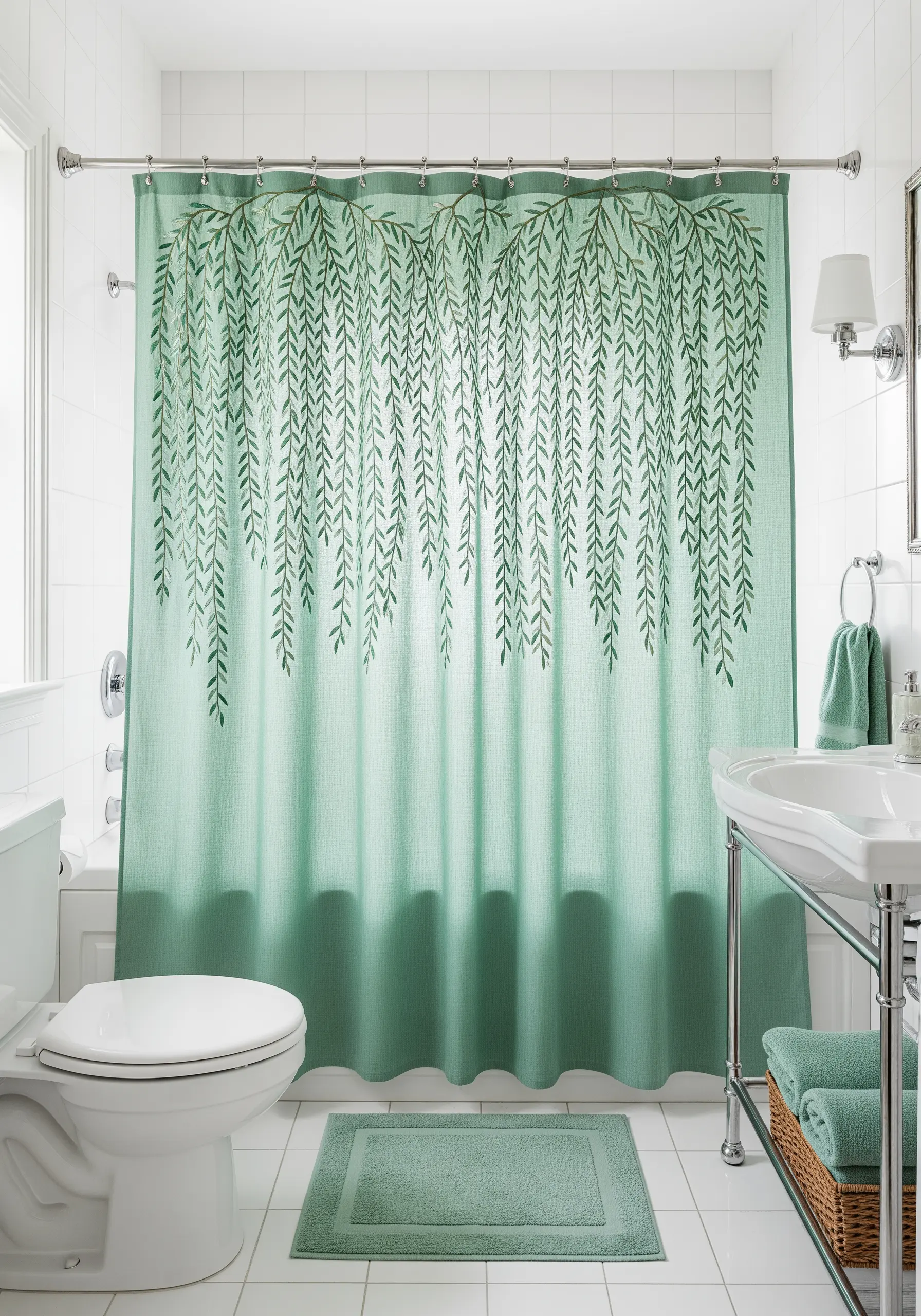
Use stitch direction to create a sense of graceful movement on large textiles like shower curtains.
For a weeping willow design, orient your fishbone stitches downwards to form the leaves, enhancing the natural, cascading drape of the branches.
Concentrating the embroidery at the top of the curtain draws the eye upward and allows the design to flow down, transforming your bathroom into a serene sanctuary.
18. Construct an Airy Freestanding Lace Canopy
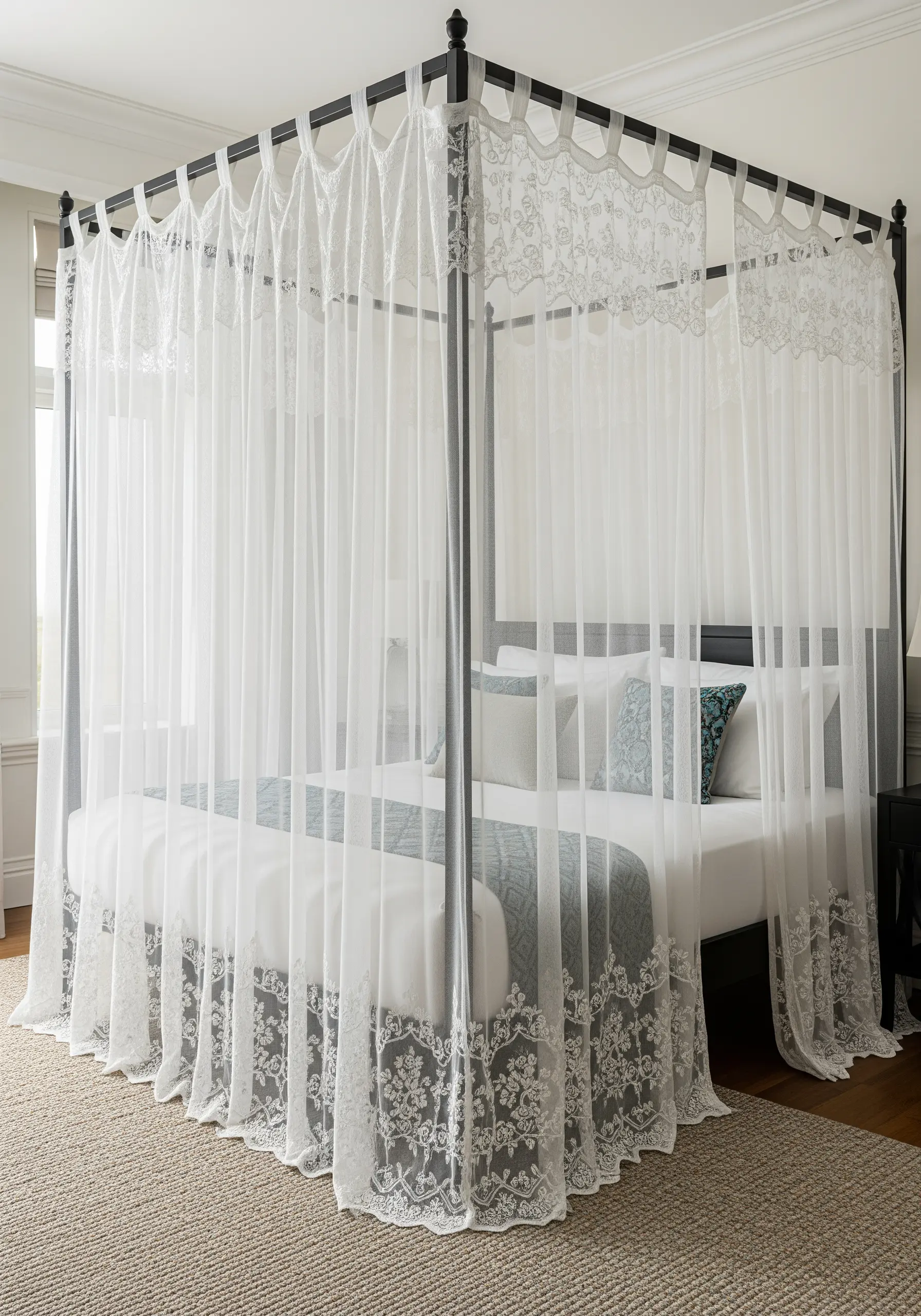
Create the delicate look of lace using only thread with a machine embroidery technique called freestanding lace.
You will stitch a dense, interlocking design onto a water-soluble stabilizer.
After stitching, the stabilizer is washed away, leaving a sturdy yet intricate fabric made entirely of thread.
Drape these ethereal panels around a four-poster bed to create a romantic and breathtakingly beautiful canopy.
19. Extend a Photograph with Stitched Details
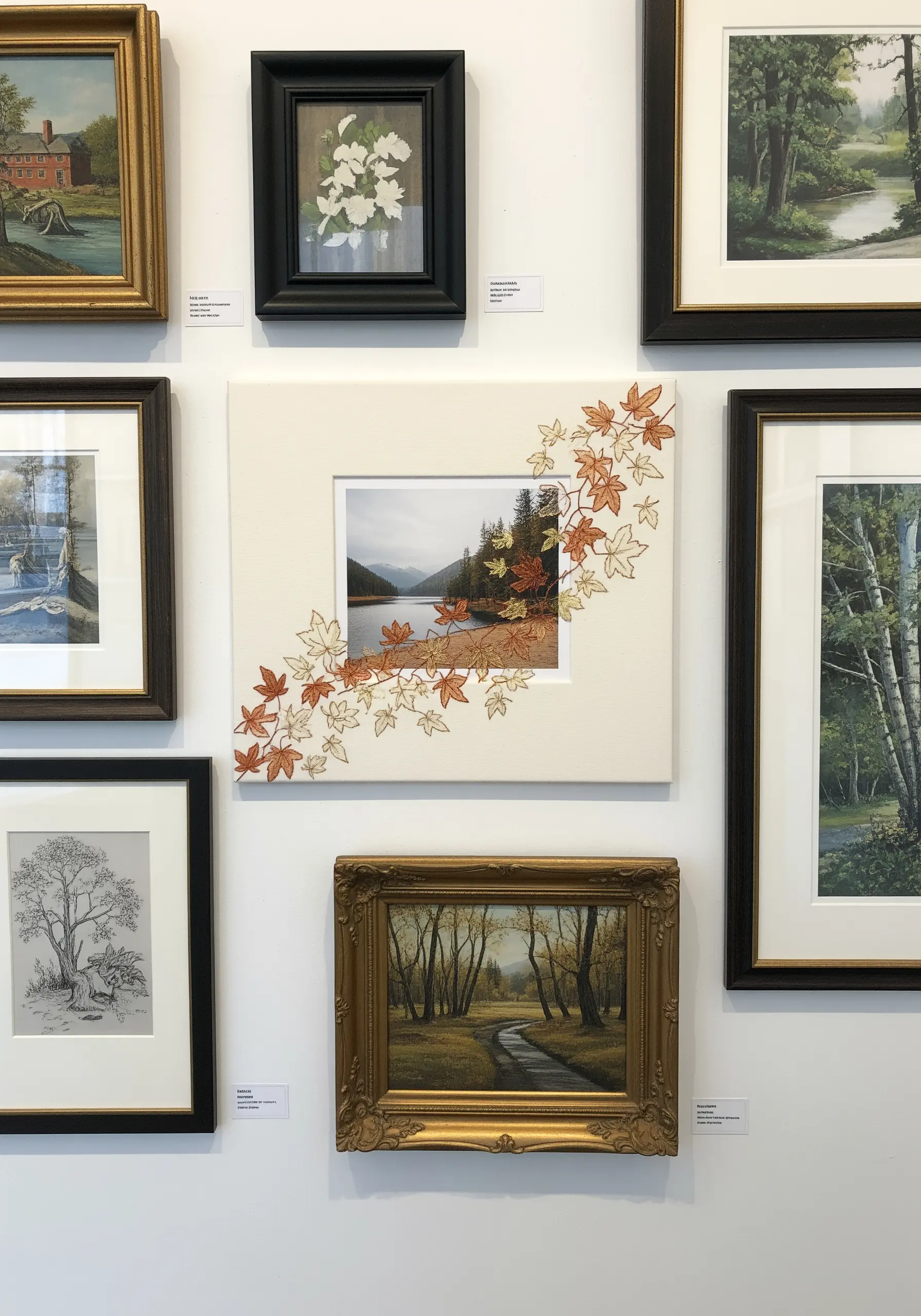
Bridge the world of your photograph with its frame by embroidering directly onto the mat board.
Lightly sketch a design that extends elements from the image—like branches or leaves—onto the mat.
Use a sharp needle or awl to pre-punch holes along your lines, then stitch through them with your chosen thread.
This mixed-media technique adds a personal, three-dimensional story to your most cherished memories.
20. Sculpt with Three-Dimensional Braids
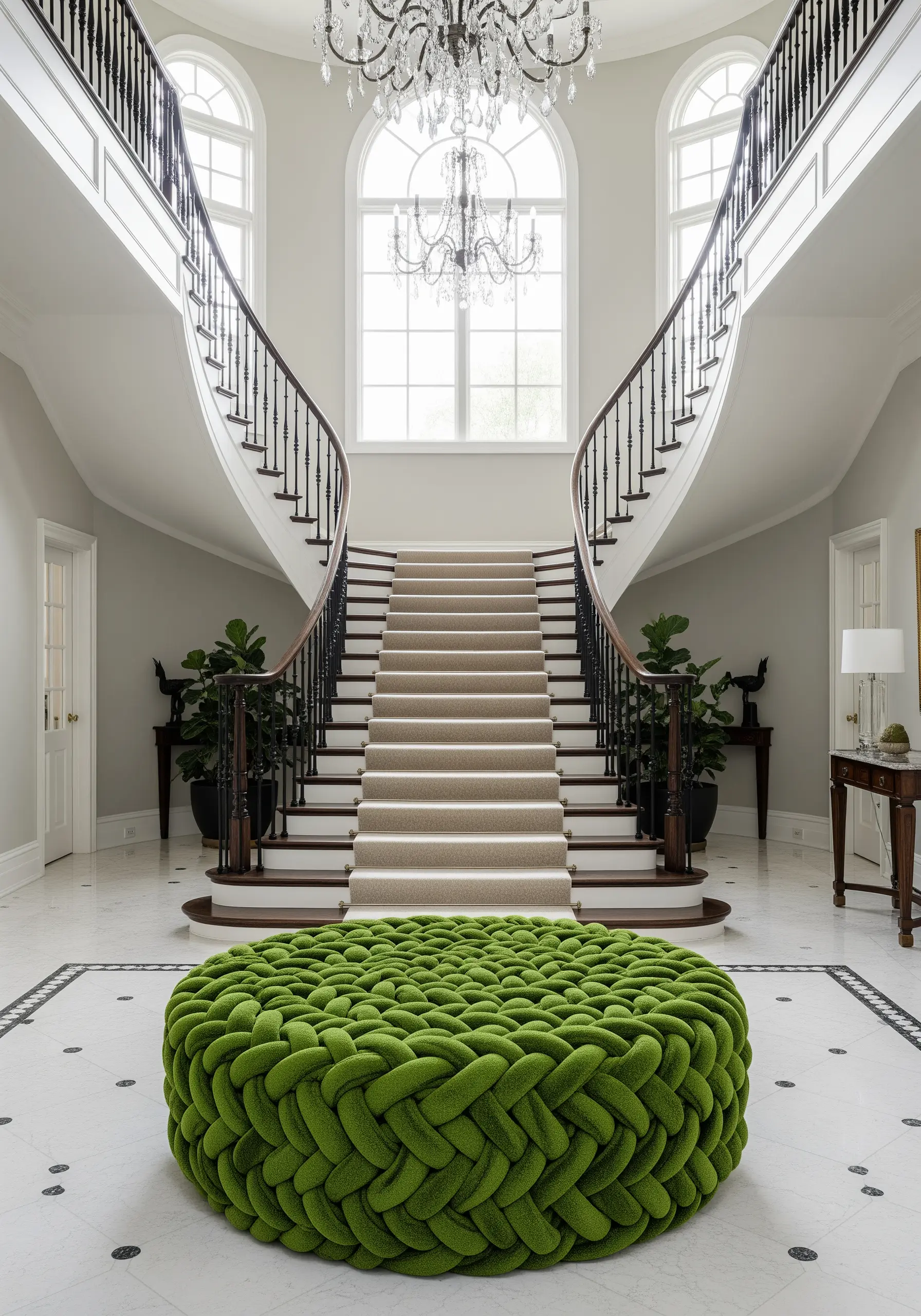
Explore a form of textile art that moves beyond the needle: sculptural braiding for upholstery.
Create padded tubes of fabric and weave or knot them tightly over a surface, like an ottoman.
The result is a highly tactile, visually commanding piece of furniture that acts as a focal point in any room.
This technique is a testament to how manipulating textiles can create form, pattern, and unforgettable texture.
21. Add a Subtle Accent to a Functional Board
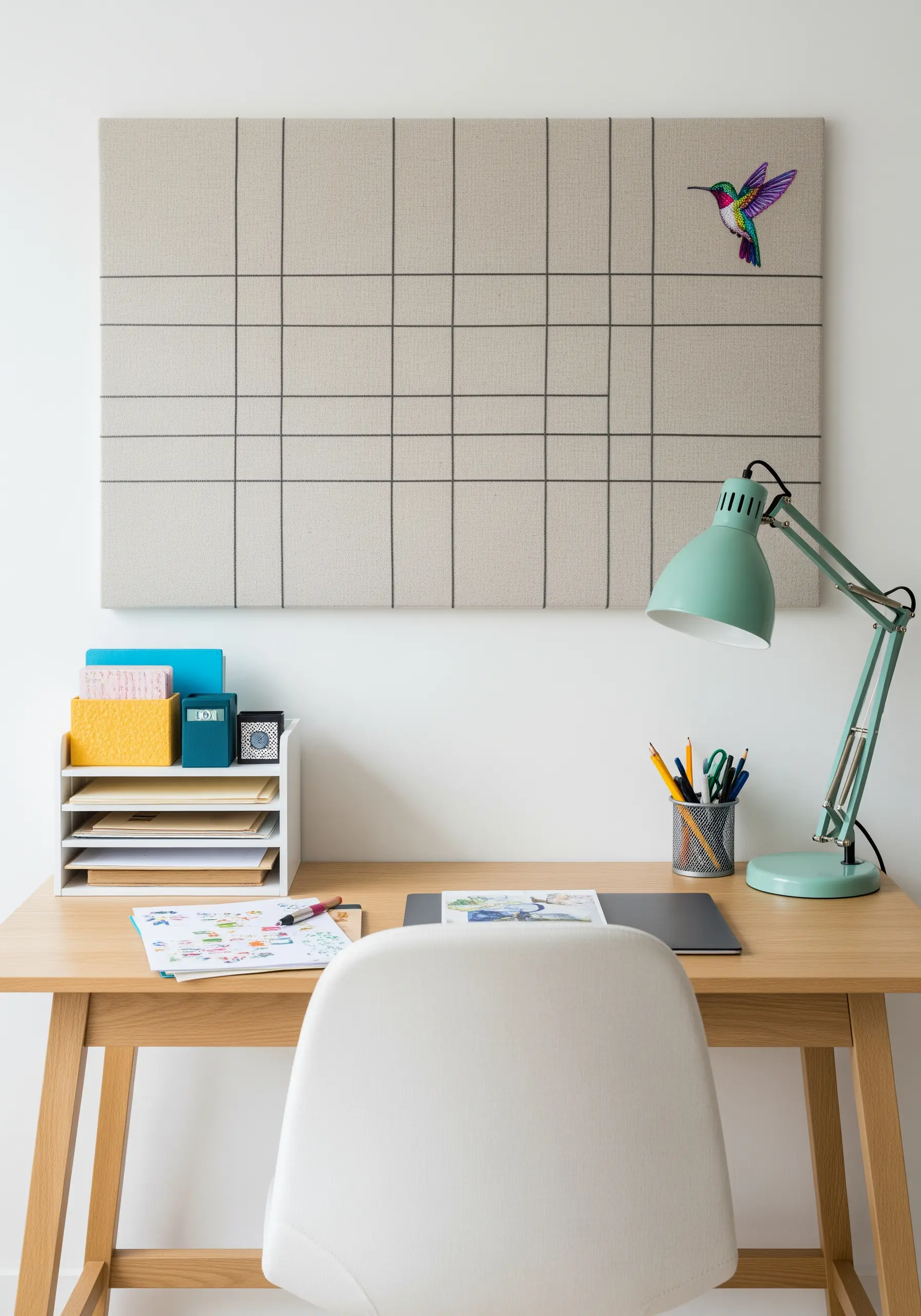
Even the most practical items, like a fabric notice board, can be elevated with a tiny, thoughtful detail.
Choose a corner and add a single, brightly colored motif—a hummingbird, a flower, a star.
Use silk or rayon threads to give it a subtle sheen that catches the eye.
This small touch adds a moment of unexpected beauty and personal craftsmanship without compromising the board’s functionality.


