Have you ever looked at a finished piece and felt that something was missing? That elusive element that separates ‘handmade’ from ‘artfully crafted’ is often nuance—and nothing delivers nuance quite like a gentle gradient.
A gradient isn’t just a color change; it’s a mood. It’s the soft fade of twilight, the blush on a petal, or the haze over distant mountains. By learning to blend thread with intention, you can infuse your work with a quiet, peaceful energy that transforms the entire feel of a room.
Here, you won’t find complicated instructions. Instead, you’ll discover how simple shifts in color, stitch density, and texture can create profoundly calming effects. This is your invitation to slow down, to see color differently, and to stitch decor that truly helps you rest.
1. Create Atmospheric Depth with Layered Landscapes
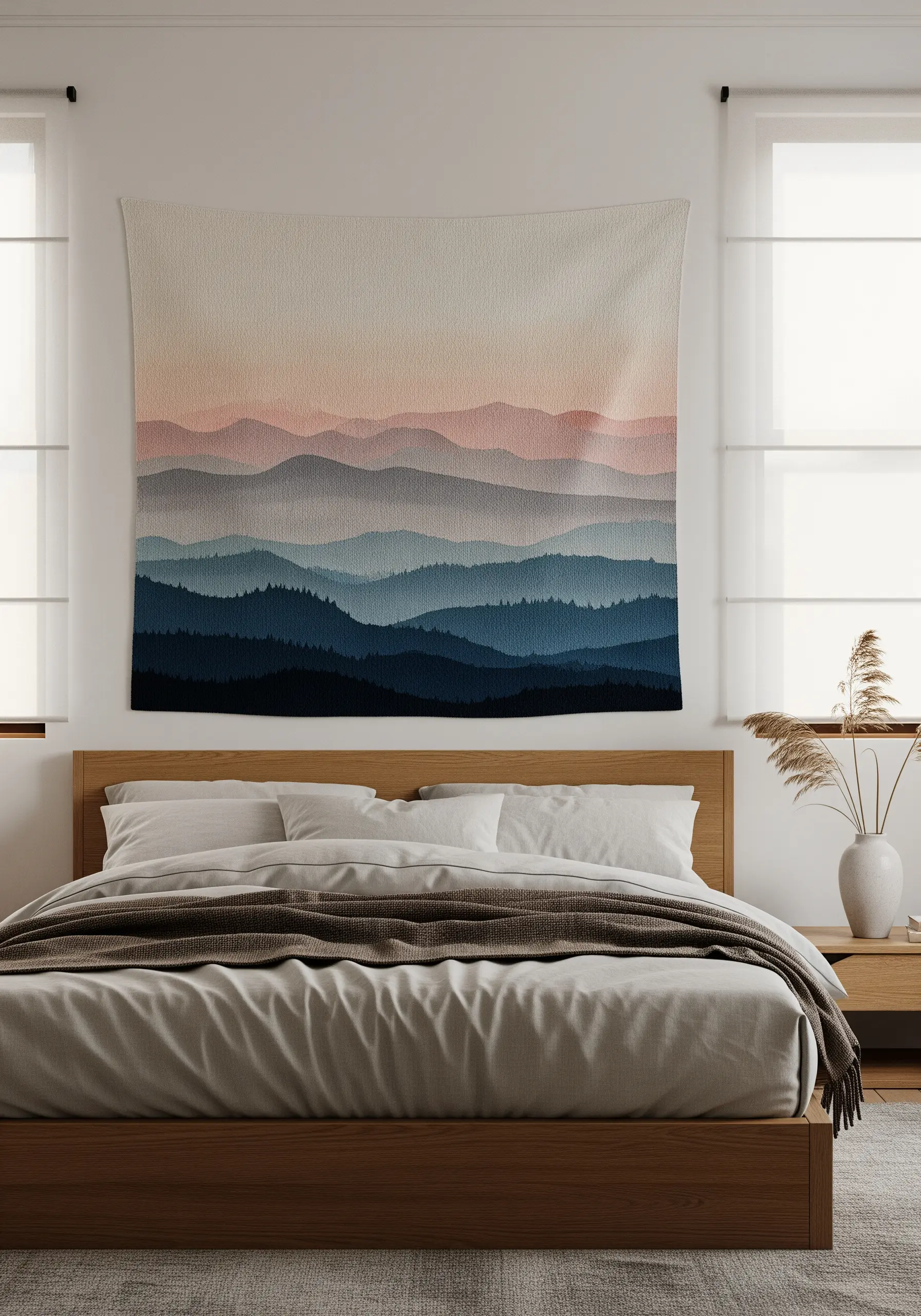
For a large-scale wall hanging, you can create the illusion of atmospheric haze by stitching layers of mountains, each one slightly lighter than the last.
Use a simple long-and-short fill stitch, focusing on blending the horizon line of each mountain range into the next.
Select an analogous color palette—like dusty rose transitioning into slate blue—with five to seven shades to ensure the gradient feels gradual and soft.
This technique transforms a simple landscape into an immersive piece of art, making it one of the best mountain landscape thread painting techniques for adding tranquility to a bedroom.
2. Stitch a Hypnotic Gradient with Concentric Lines
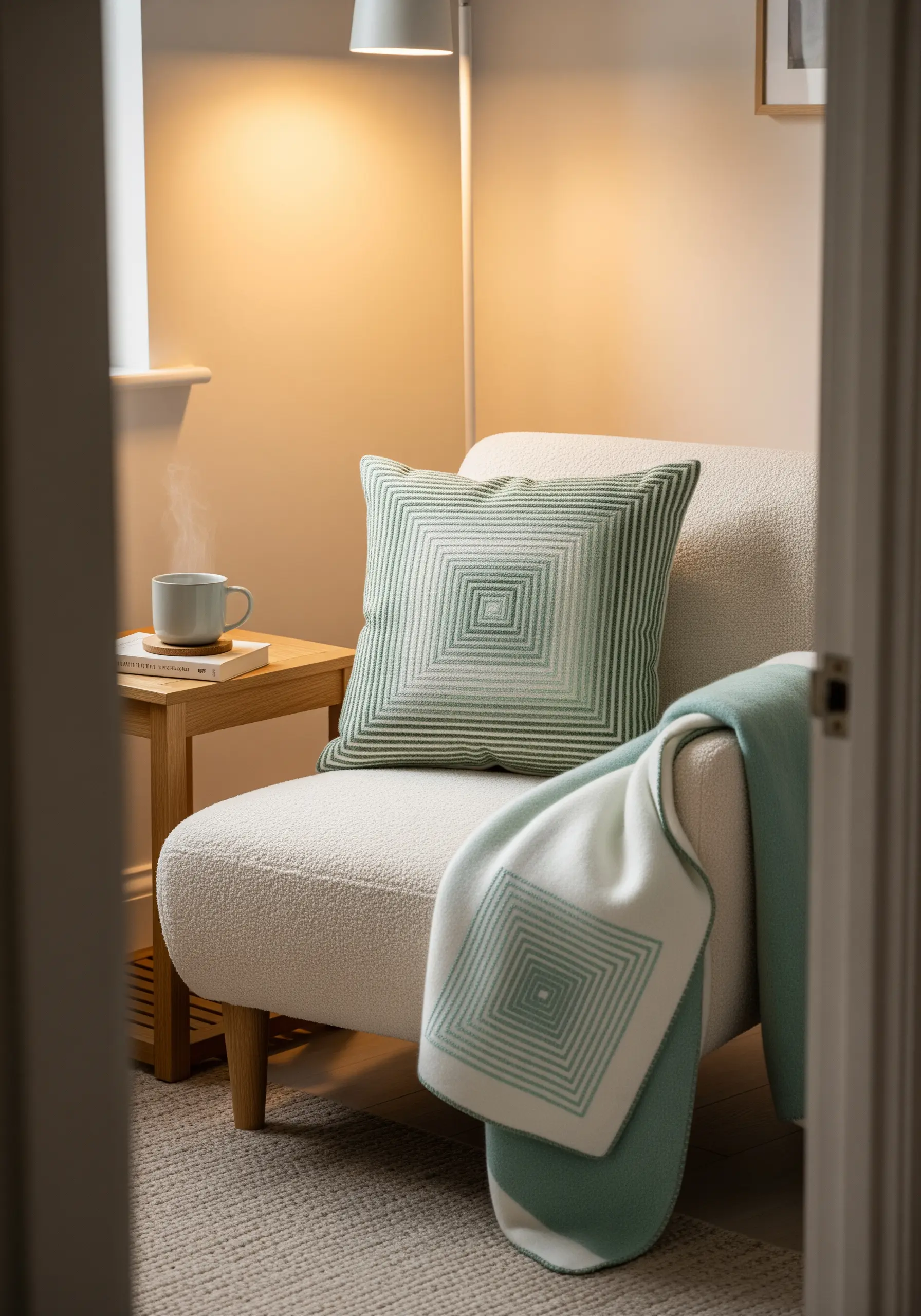
Transform a simple pillow with a mesmerizing geometric gradient.
Instead of complex fill stitches, use a basic backstitch or running stitch to create concentric squares.
Change your thread color every two or three rows, moving from a dark outer edge to a light center.
This method turns a simple stitch into a sophisticated design element, proving that texture and color progression are all you need for a modern finish.
3. Map a Celestial Gradient with Radiant Stitches
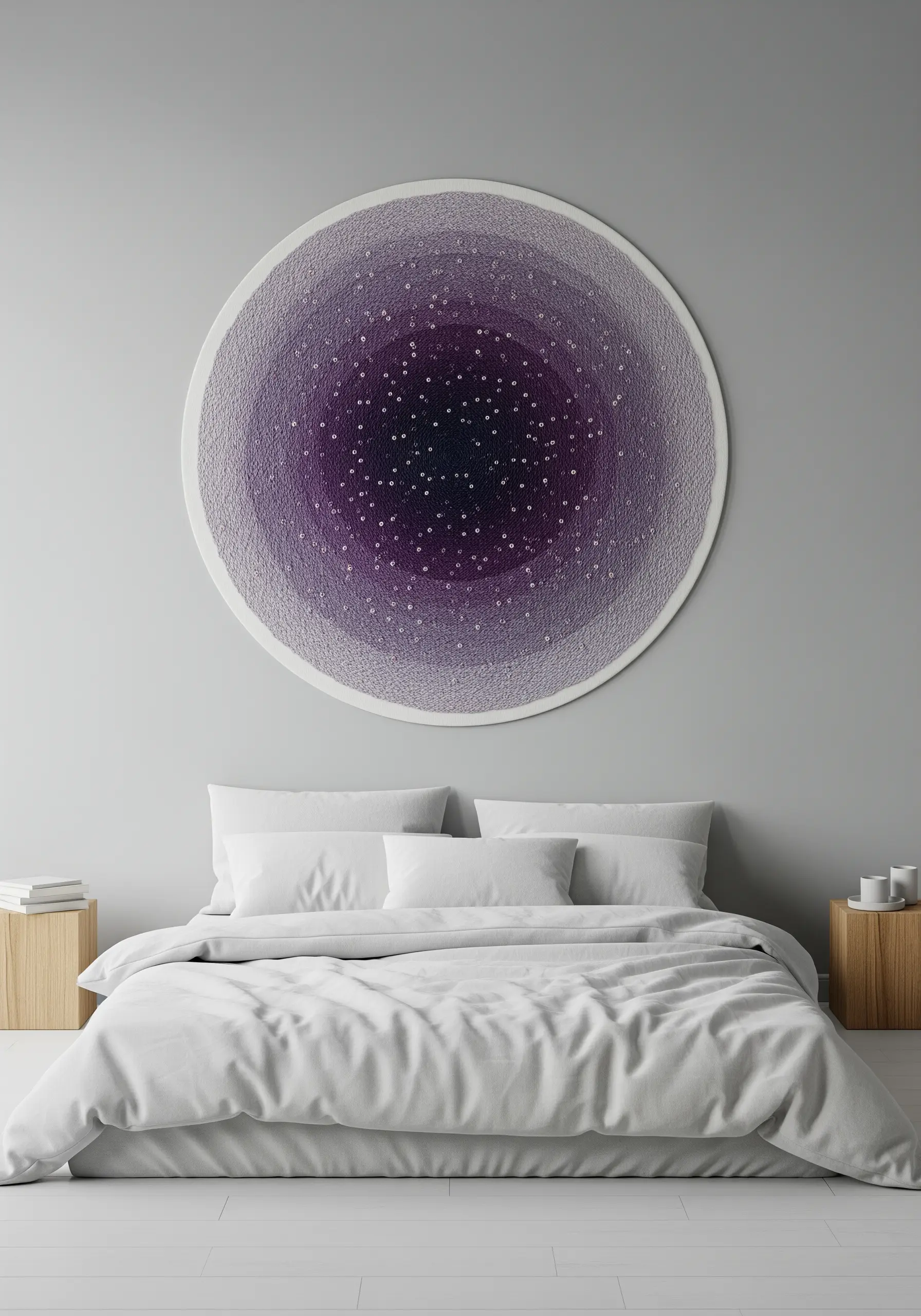
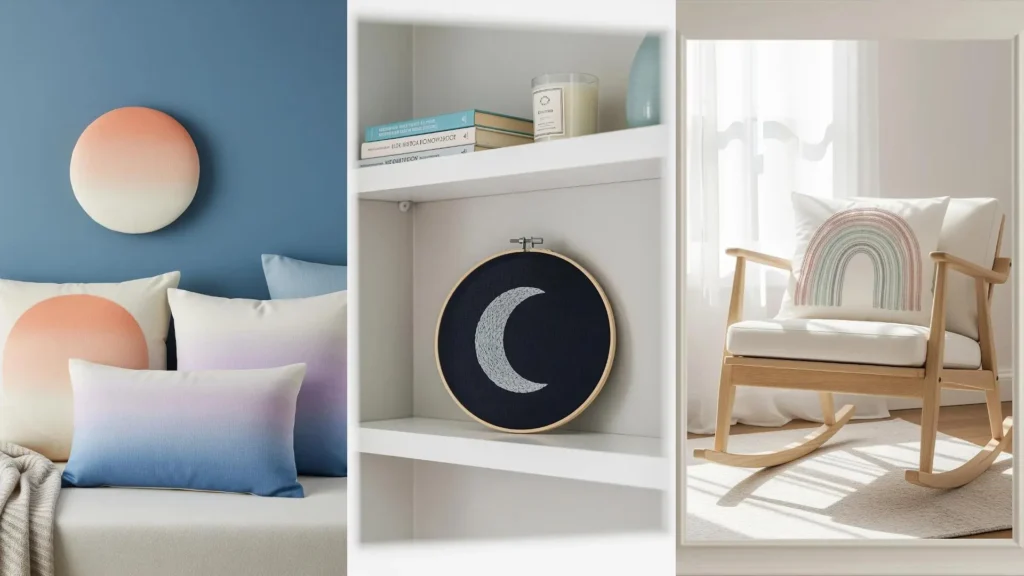
Recreate the feeling of a deep galaxy with radiating straight stitches on a large, circular hoop.
Start with your darkest thread at the outer edge, pulling long straight stitches toward the center, and gradually switch to lighter threads as you work your way inward.
Don’t worry about perfect placement; slight overlaps will enhance the blending effect.
Scatter French knots or seed stitches in white or metallic thread near the center to represent distant stars, adding a final touch to your tiny night sky embroidery designs.
4. Add Texture to Gradients with Contoured Quilting
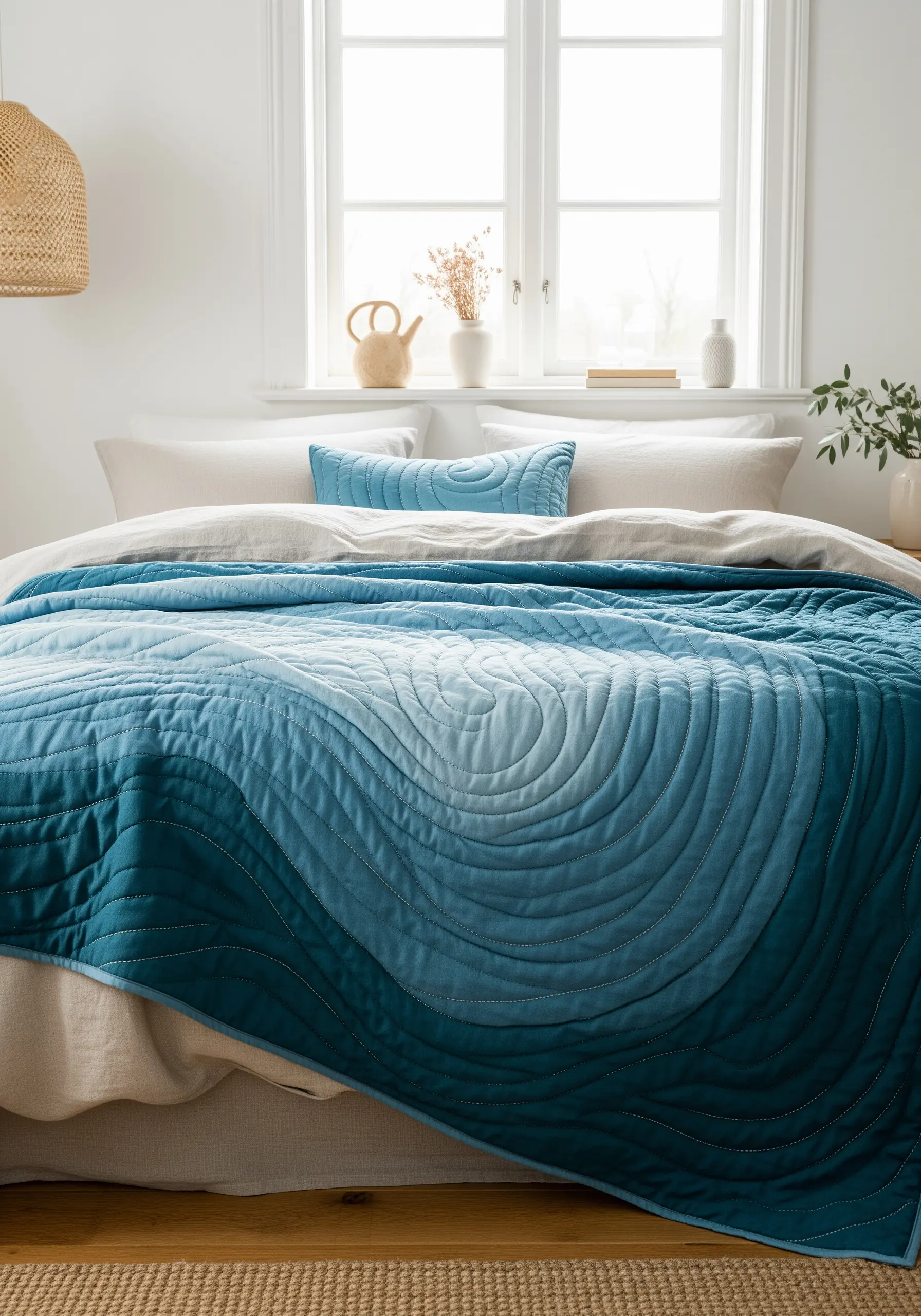
Elevate a pre-dyed gradient fabric or a pieced quilt top with contoured stitching.
Use a simple running stitch in a contrasting but harmonious thread color—like a pale cream on a deep teal—to echo the curves of your design.
The stitches create valleys and peaks in the fabric, adding a layer of texture that catches the light and emphasizes the color shift.
This technique beautifully marries color and texture, making it one of the most effective ocean-inspired hoop embroidery ideas when applied to textiles.
5. Build a Luminous Mandala with Satin Stitch
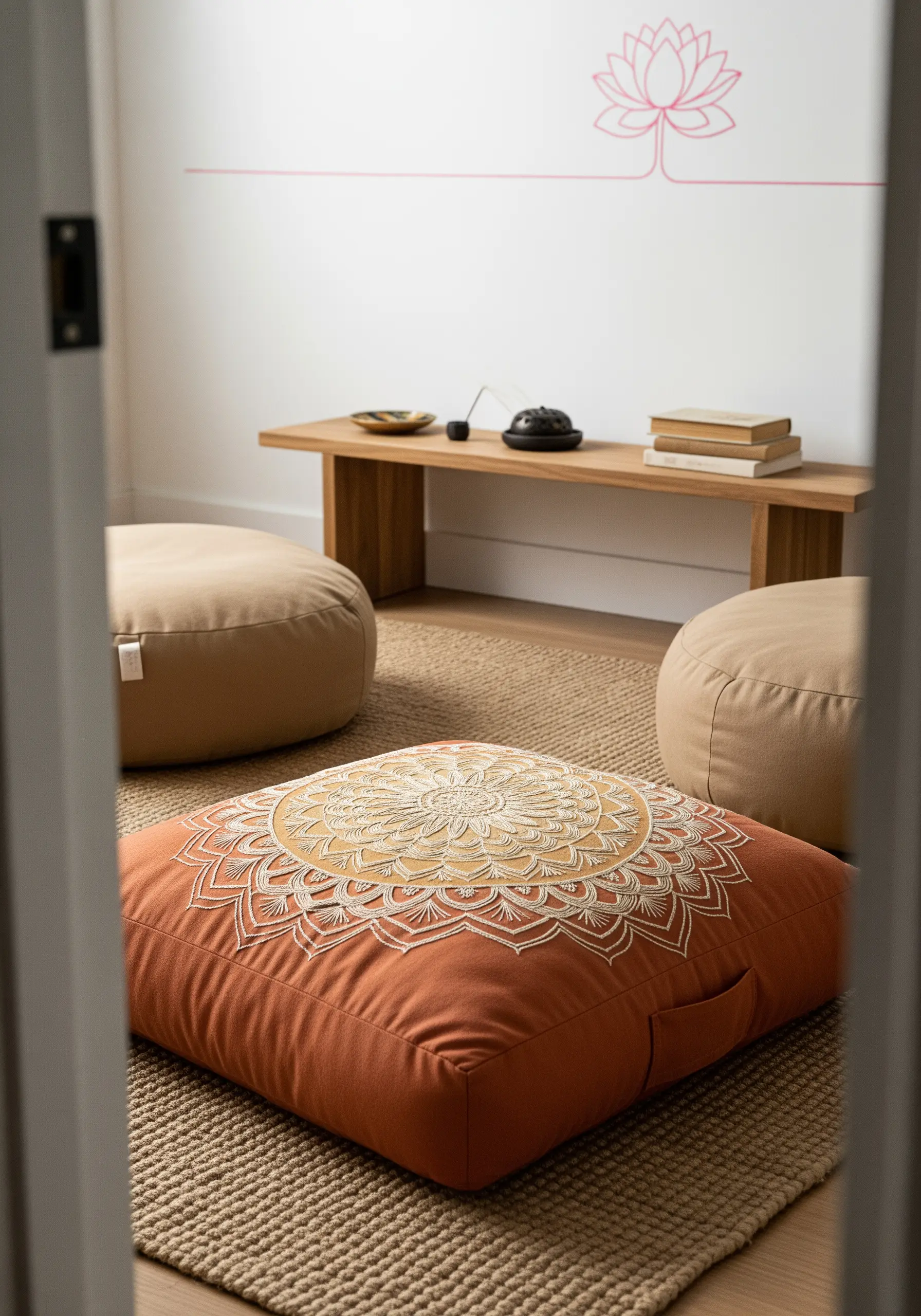
For a meditative floor cushion, create a gradient mandala using blocks of satin stitch.
Work from the center outward, dedicating each ring of petals or geometric shapes to a specific shade.
Choose a warm, earthy palette—like terracotta, ochre, and cream—to create a design that feels both grounding and uplifting.
Using a single strand of floss will keep your stitches smooth and refined, allowing the color transition to be the primary focus of your neutral mandala embroidery patterns.
6. Paint with Thread in Vertical Columns
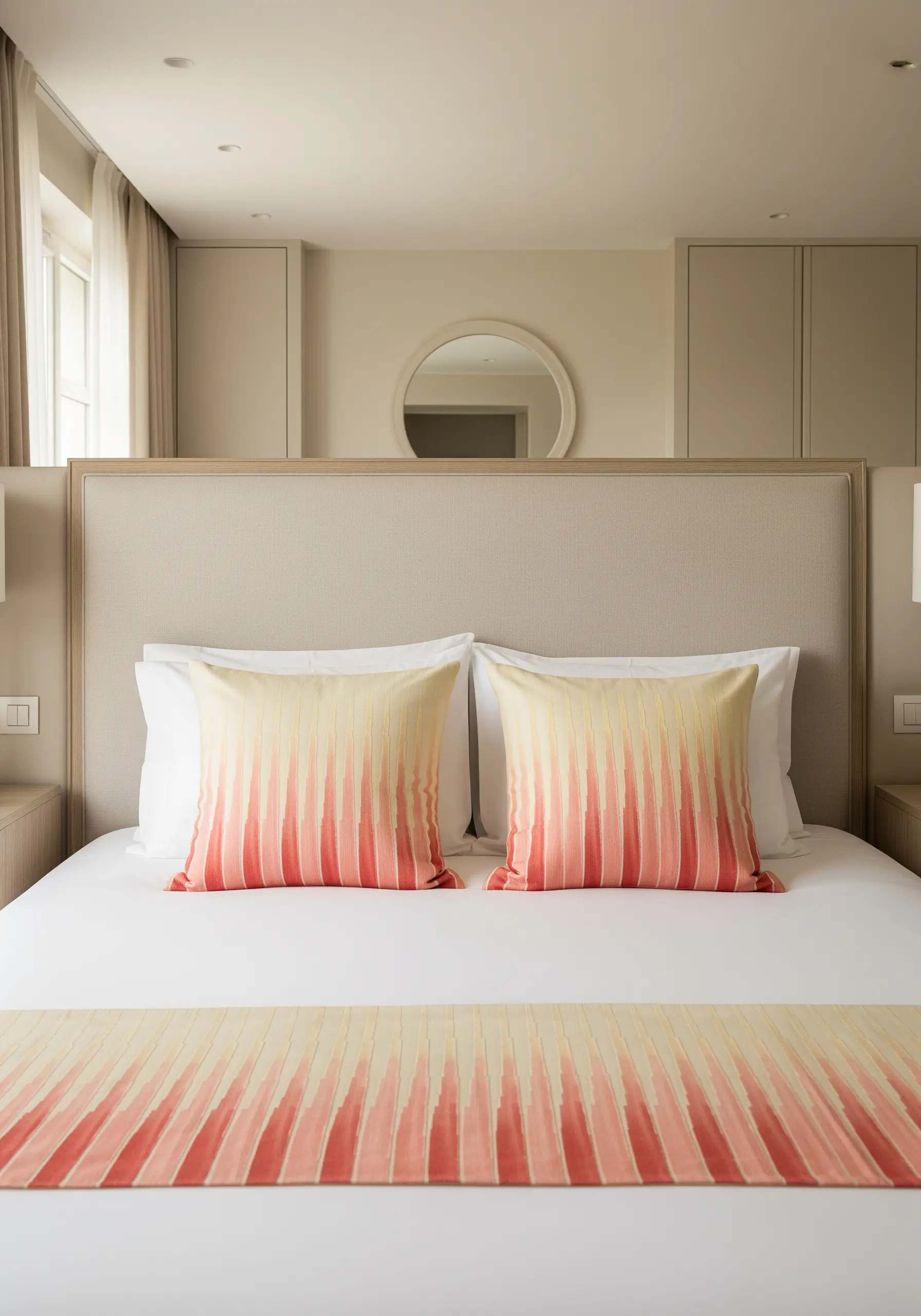
Achieve a painterly effect on pillows or a bed runner with vertical long-and-short stitches.
Instead of blending horizontally, create distinct columns of color that bleed into one another at the edges.
This technique allows you to create sharp yet soft transitions, mimicking the look of a watercolor painting.
For a truly luminous finish, choose a silk or rayon thread that reflects light and enhances the richness of your chosen colors, resulting in stunning abstract color blend stitch ideas.
7. Layer Appliqué and Seed Stitch for a Tactile Cloudscape
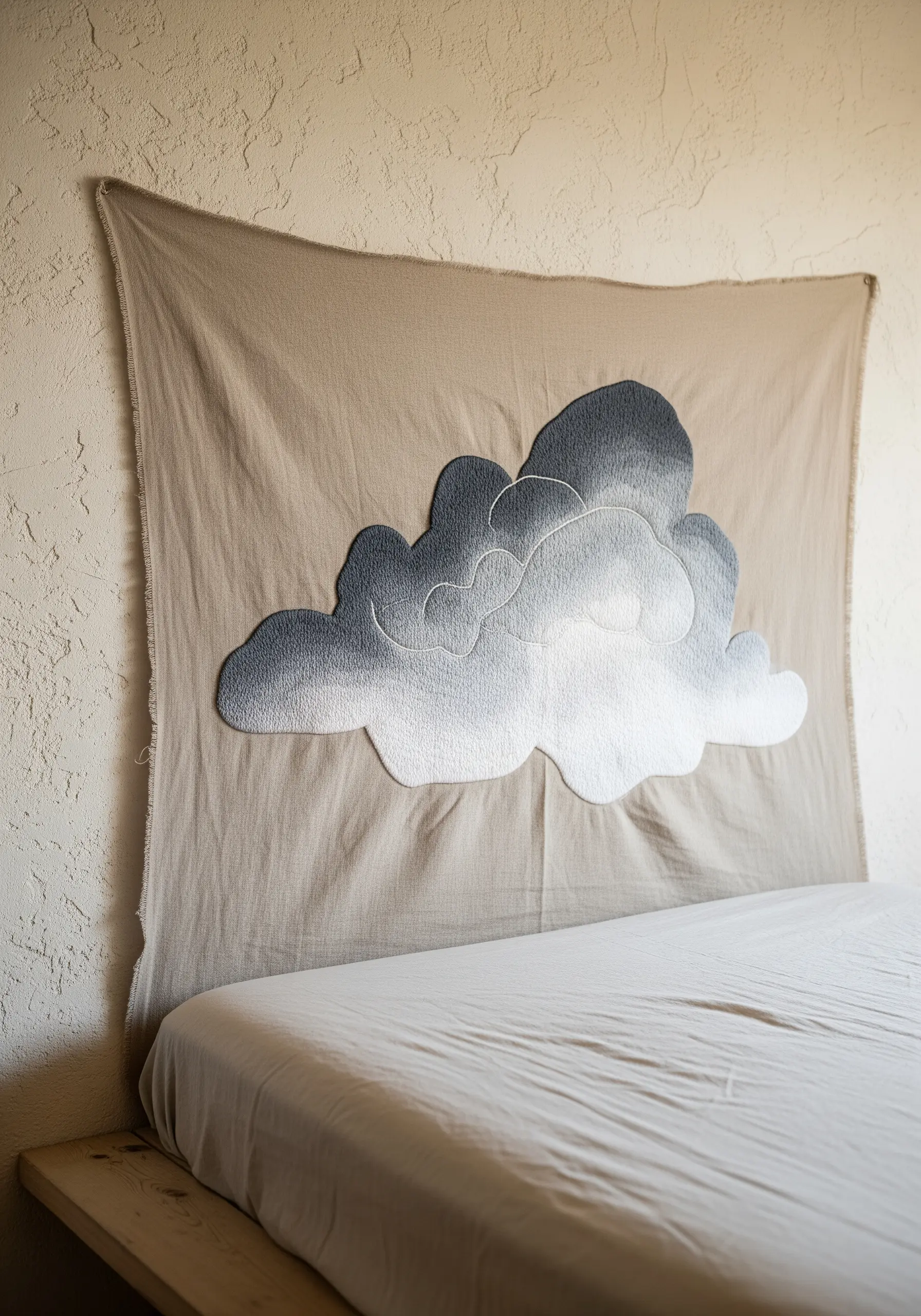
Create a soft, dreamy cloud by combining fabric appliqué with a textured fill stitch.
Cut cloud shapes from different shades of linen or felt, from dark grey to pale white, and arrange them on a neutral background.
Fill each shape with dense seed stitching, using a thread color that matches the fabric to create a subtle, textural gradient.
This is a wonderful way to use fabric scraps and create upcycled fabric wall art projects with incredible depth.
8. Compose a Gradient with Botanical Stitches
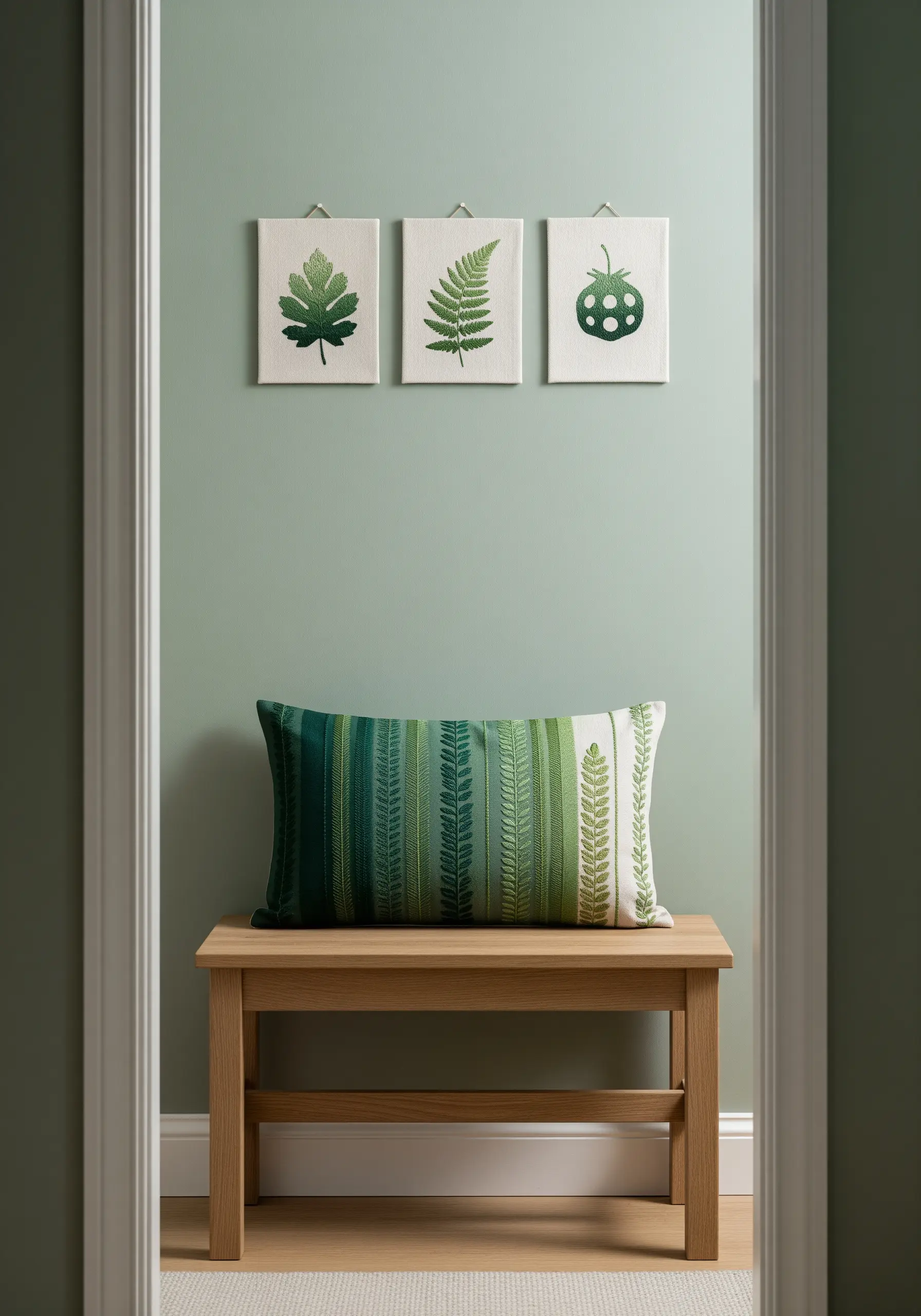
Create a sophisticated gradient on a lumbar pillow not just with color, but with varied stitches.
Divide your design into vertical bands. In each band, use a different botanical stitch—like fly stitch, fishbone stitch, or straight stitch—and a different shade of green.
Arrange the bands from darkest to lightest to create a visual flow that feels both organic and orderly.
This approach adds an extra layer of interest, showing sophisticated ways to layer leaf stitching for a rich finish.
9. Achieve a Gradient with Cross-Stitch Color Blocking
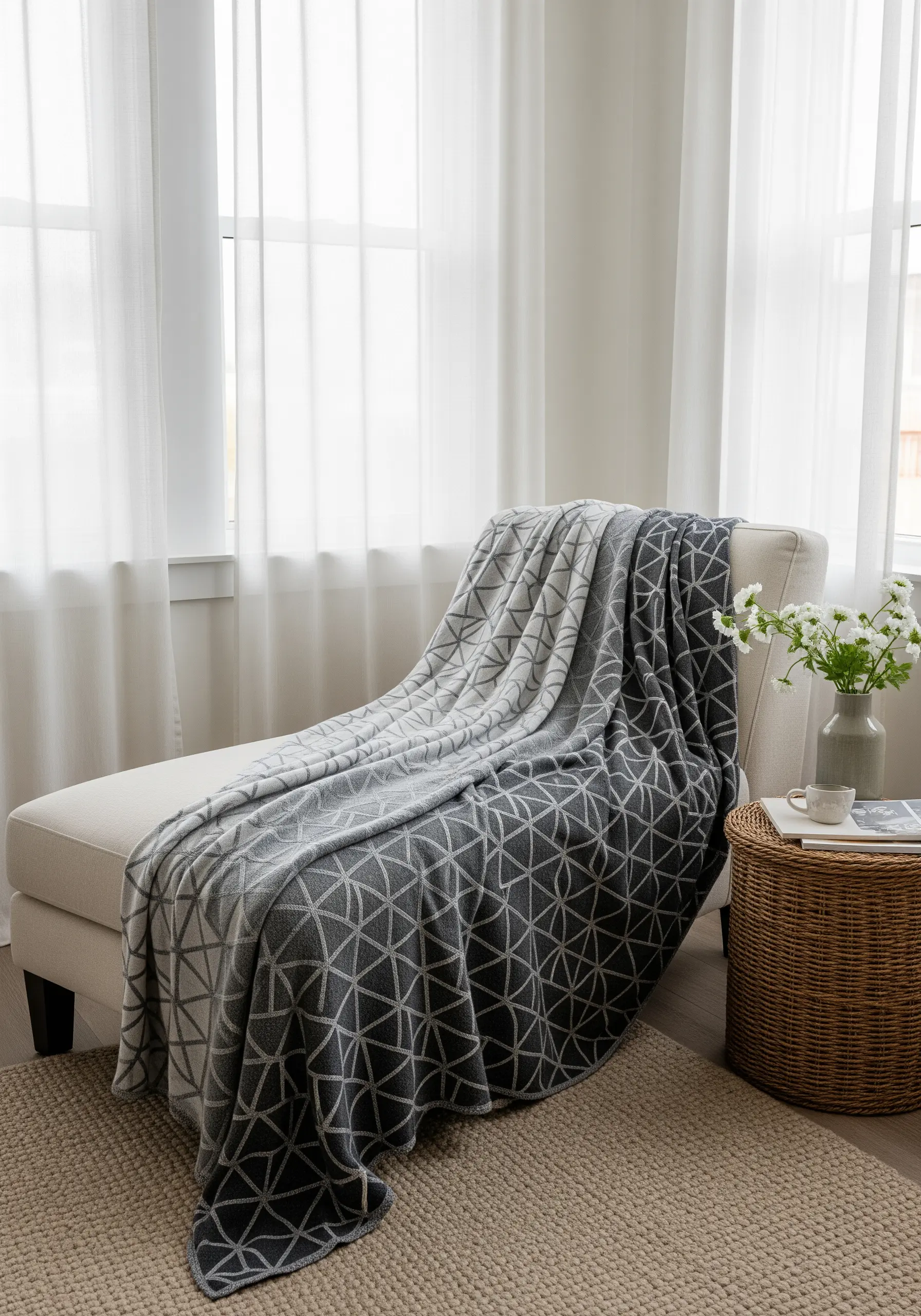
For a project like a throw blanket, you can create a large-scale gradient using the precision of cross-stitch or blackwork.
Choose an even-weave fabric or Aida cloth and map out a simple geometric pattern.
Work the pattern in blocks of color, gradually shifting from a dark tone to a light one across the surface.
The result is clean, graphic, and visually calming, perfect for monochrome embroidery wall art concepts that rely on structure and subtlety.
10. Master the Airbrushed Effect with Single-Strand Blending
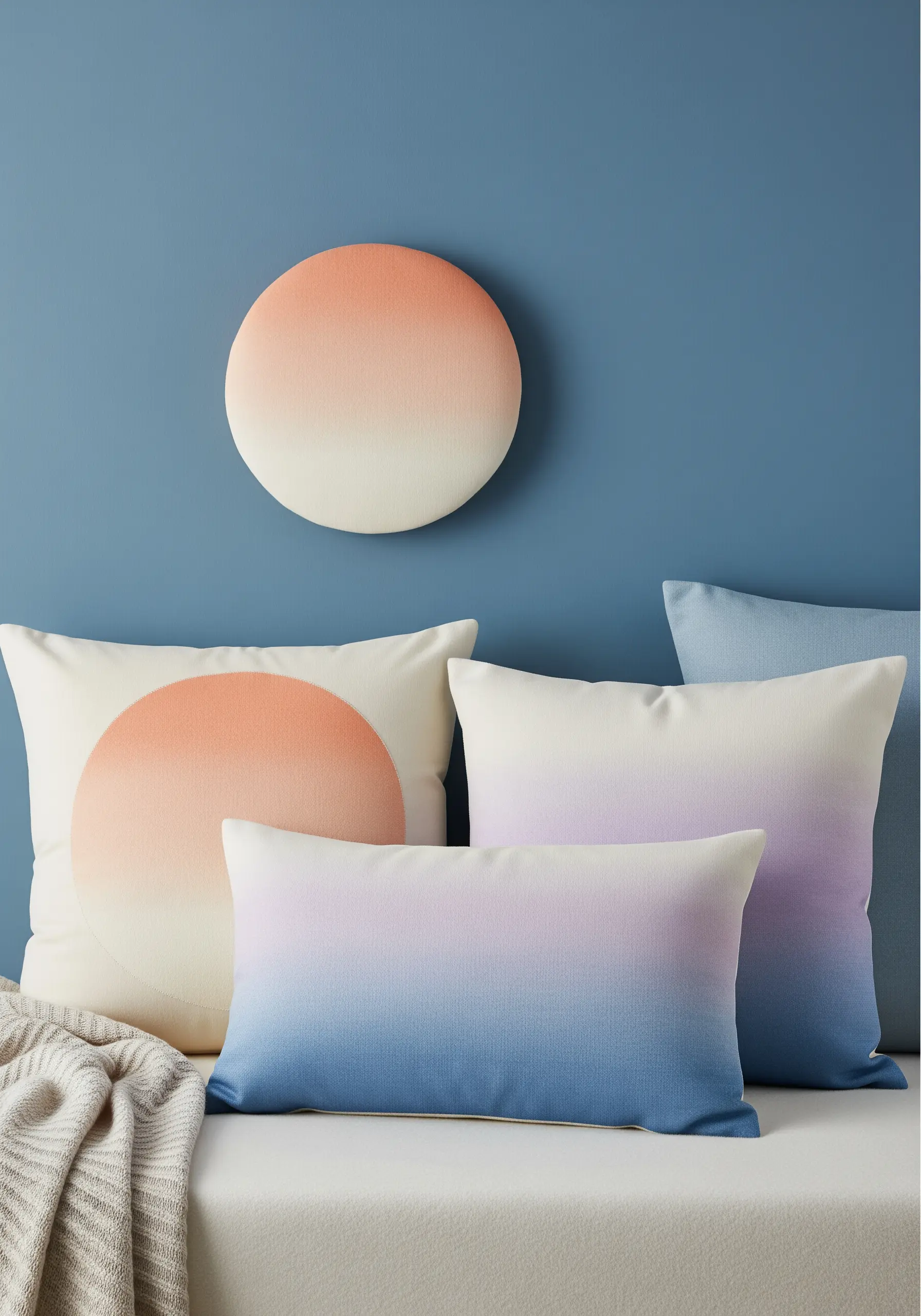
Create an ethereal, soft-focus gradient by using a single strand of embroidery floss and dense long-and-short stitches.
This technique requires patience, but the result is a seamless blend of color that looks almost airbrushed onto the fabric.
Work in small sections and introduce new colors one stitch at a time to avoid harsh lines.
This approach is perfect for abstract circular motifs or pillows where the color itself is the main feature, much like in soft pastel fabric collage embroidery patterns.
11. Stitch Serene Hills with Horizontal Satin Stitch
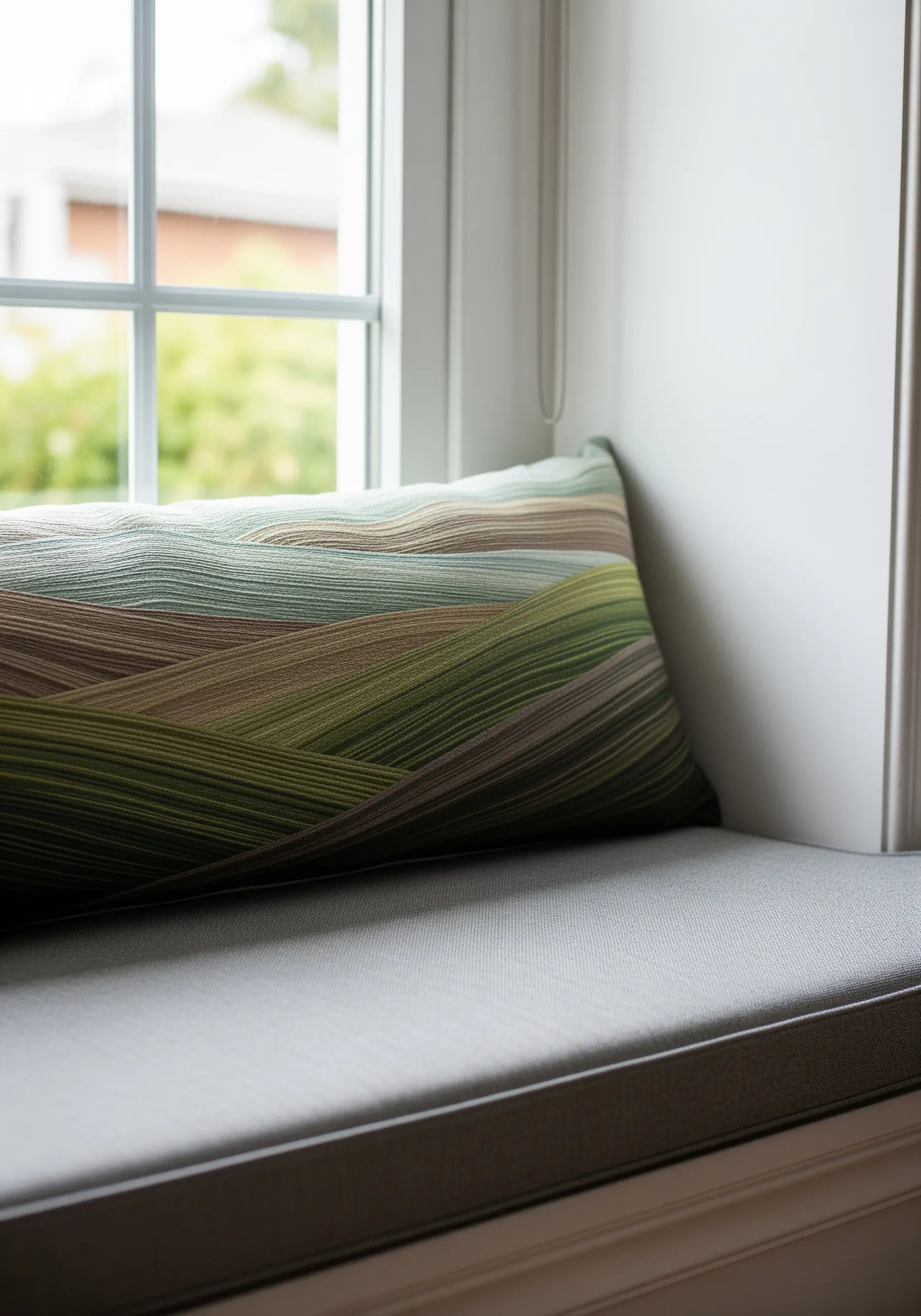
Capture the calm of rolling hills with horizontal bands of satin stitch or long-and-short stitch.
Let each band of color represent a distant hill, blending each layer softly into the next.
Use a palette of muted greens, taupes, and browns to evoke a sense of peace and tranquility.
This is one of the most direct ways to create abstract thread landscapes, perfect for a pillow in a quiet reading nook.
12. Explore Gradients Through Stitch Density
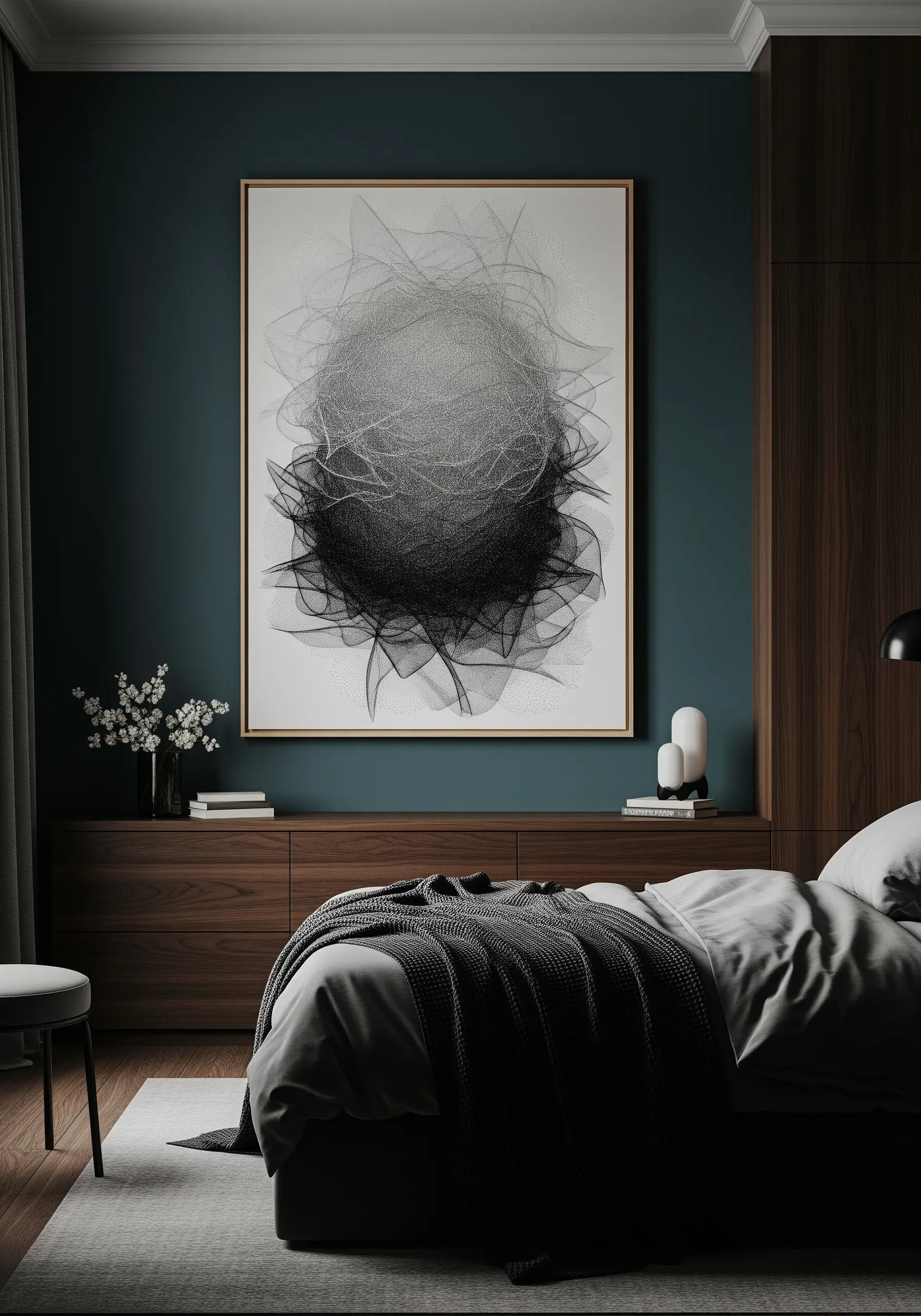
Create a dramatic gradient without changing thread color by varying your stitch density.
Using black thread on a light background, fill one area of your design with incredibly dense free-motion stitching or hand-stitched seed stitches.
As you move across the canvas, gradually increase the space between your stitches, allowing more of the light fabric to show through.
This technique creates a powerful sense of depth and movement, ideal for modern, abstract line art silhouettes.
13. Add Subtle Elegance with a Gradient Border
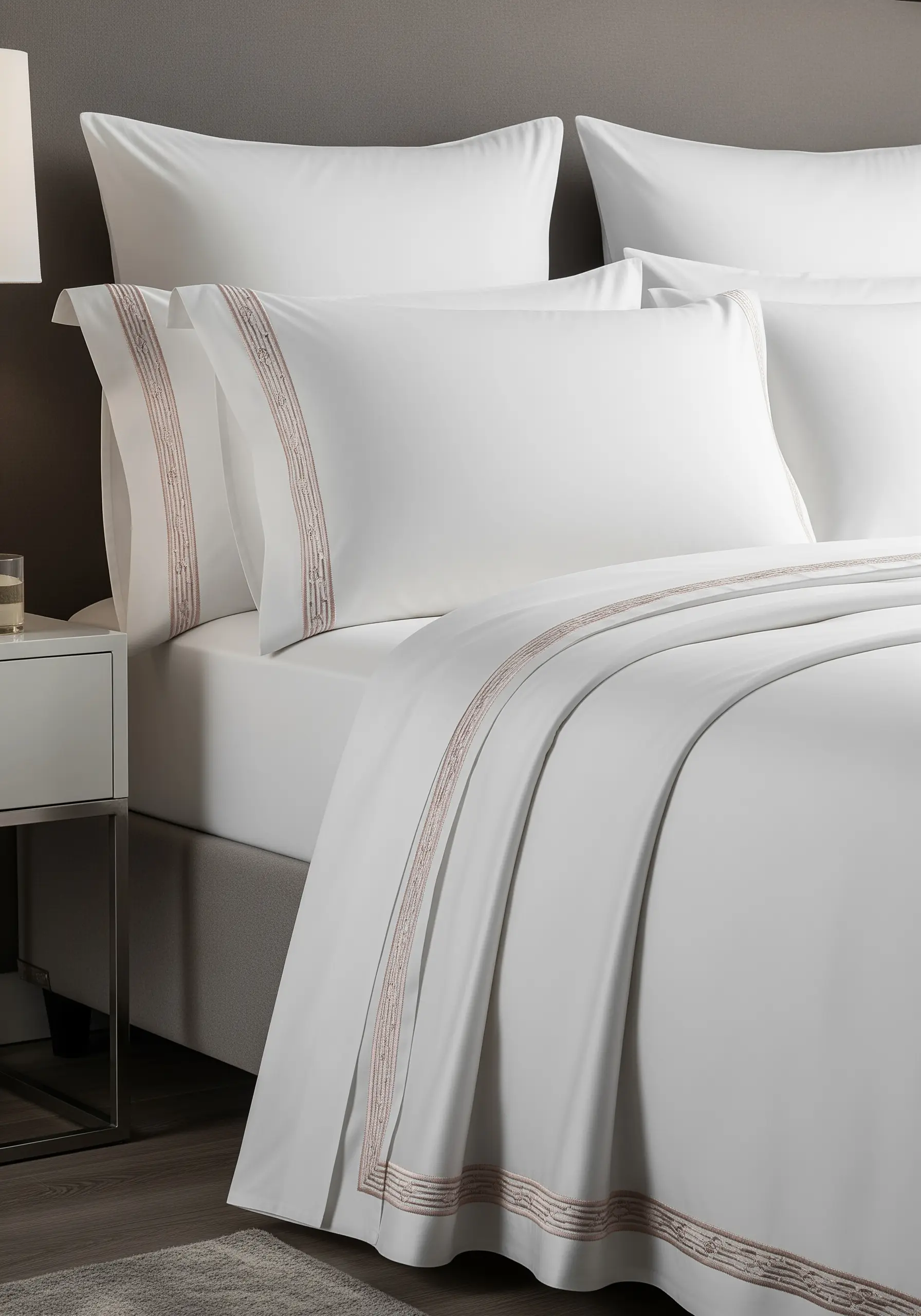
For a touch of understated luxury on bed linens, stitch a simple geometric border that shifts in color.
Use a tight, uniform stitch like a four-sided stitch or small satin stitch blocks.
Plan your color transition to be extremely gradual, using five or more shades of a single color family, like dusty rose to pale shell pink.
This high-end detail is a perfect example of tone-on-tone embroidery techniques that signal quality and care.
14. Capture Natural Light in a Single Leaf
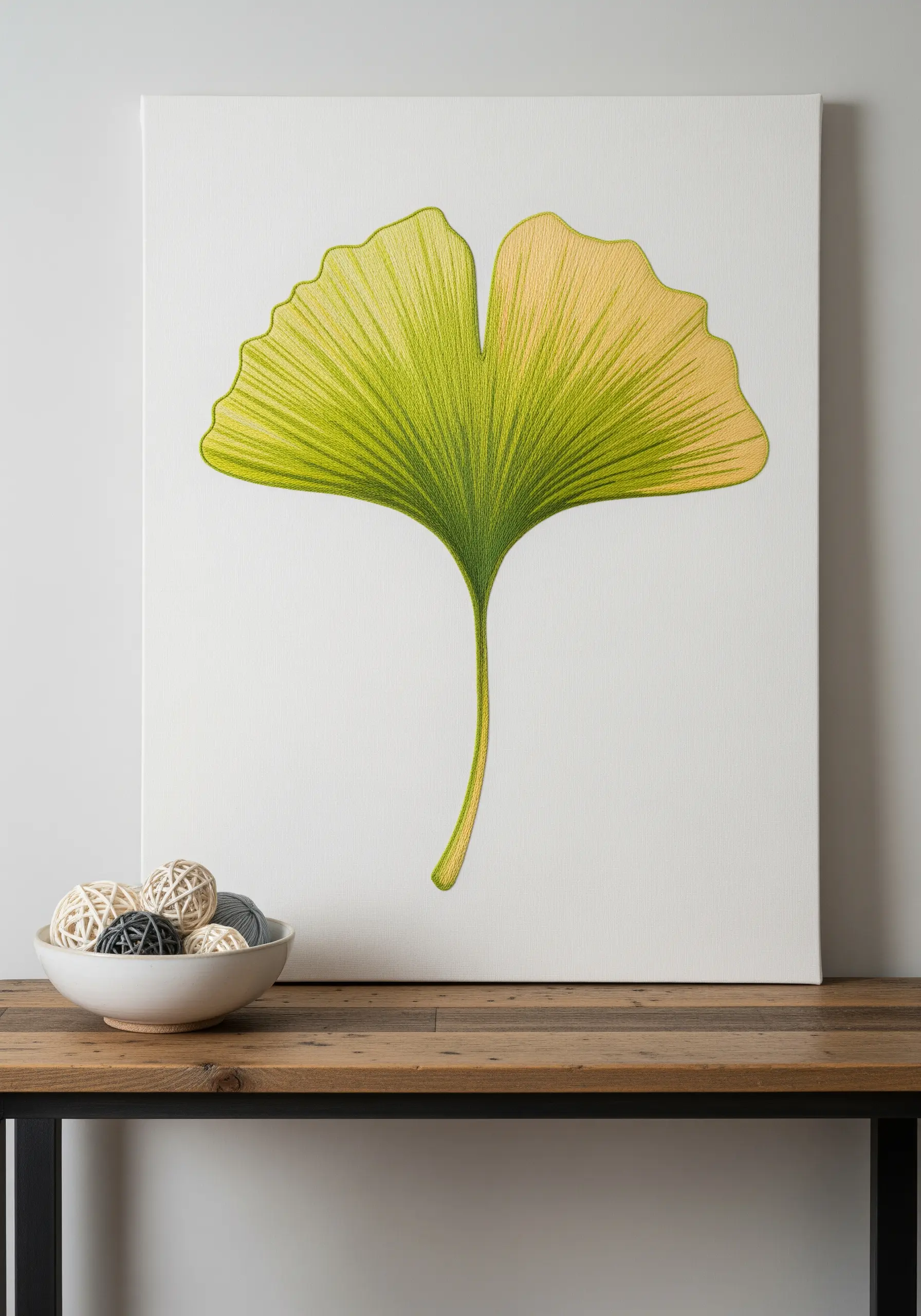
Bring a botanical element to life by stitching it with a natural light gradient.
For a ginkgo leaf, use radiating straight stitches that fan out from the stem.
Start with a vibrant green near the base and seamlessly blend into a sunny yellow or warm peach at the outer edges, as if the leaf is being touched by sunlight.
This technique makes simple delicate leaf embroidery stitches feel dynamic and alive.
15. Create a Cohesive Triptych with Flowing Color
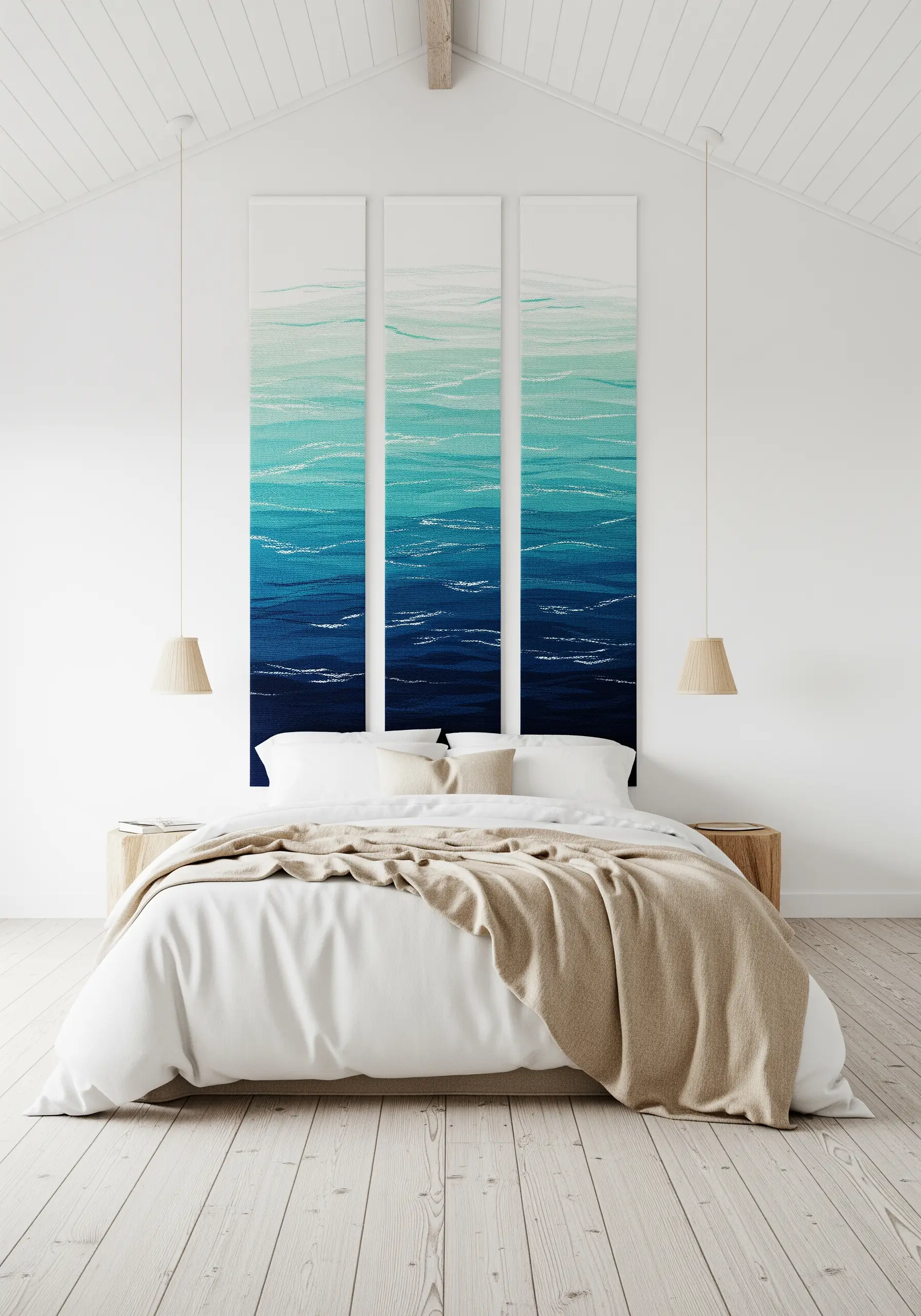
For a large statement piece above a bed, break your design into three vertical panels.
Stitch a continuous gradient that flows across all three canvases, such as a deep ocean blue fading into a pale aqua sky.
Use a mix of long-and-short stitch for the larger color fields and short straight stitches to create the texture of waves or clouds.
This method makes a large project more manageable and results in a stunning, cohesive installation, perfect for lake & river embroidery ideas.
16. Stitch Dynamic Energy with a Flame Gradient
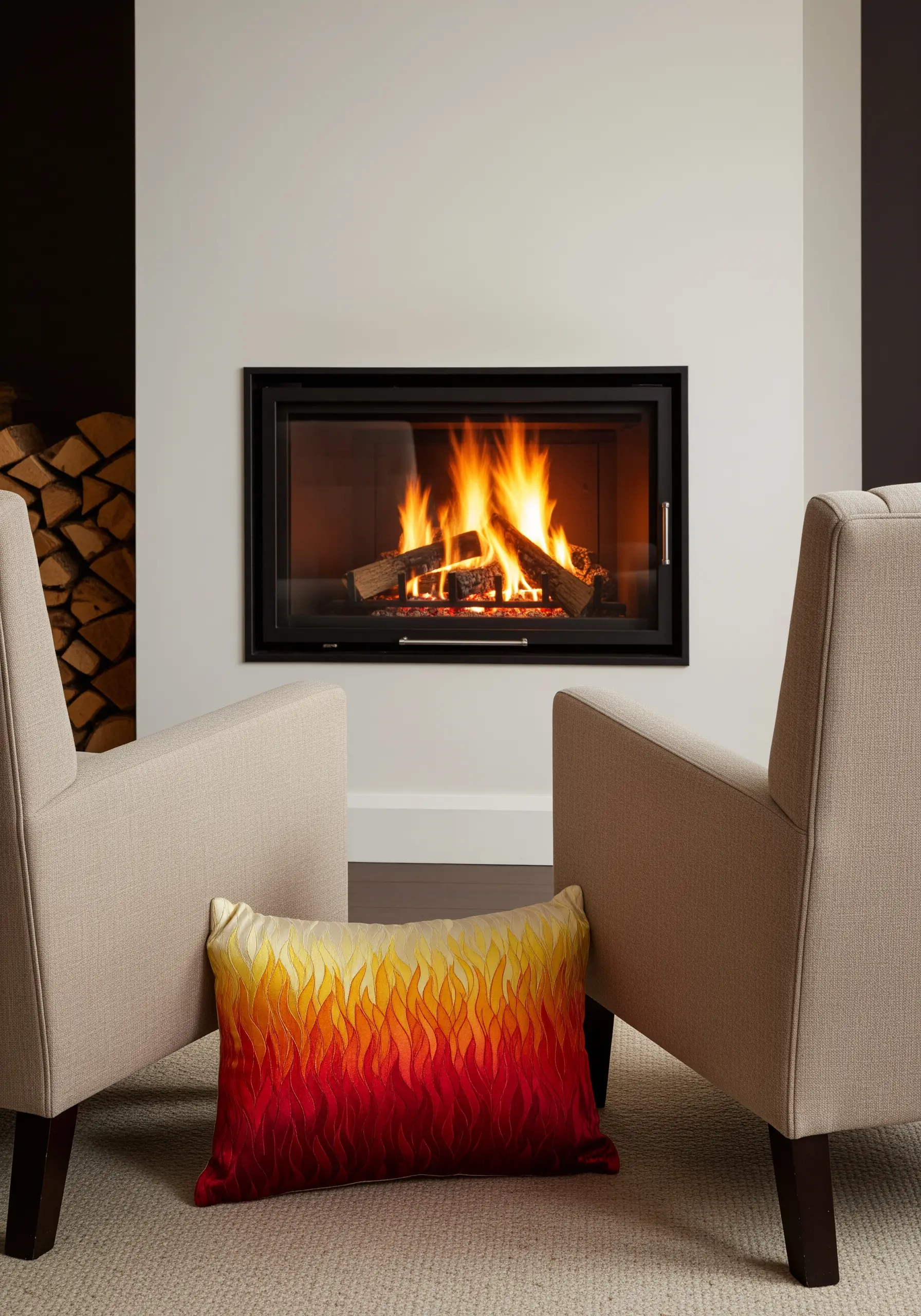
Capture the cozy warmth of a fire by stitching a flame-inspired gradient on a decorative pillow.
Use long, flowing fishbone or satin stitches to create the shapes of flames.
Start with a deep crimson or burgundy at the base, blending upward into vibrant orange, and finishing with tips of bright yellow.
This design introduces energy and warmth into a room, making it a perfect example of using abstract color psychology stitch ideas to set a mood.
17. Frame a Minimalist Gradient for Modern Art
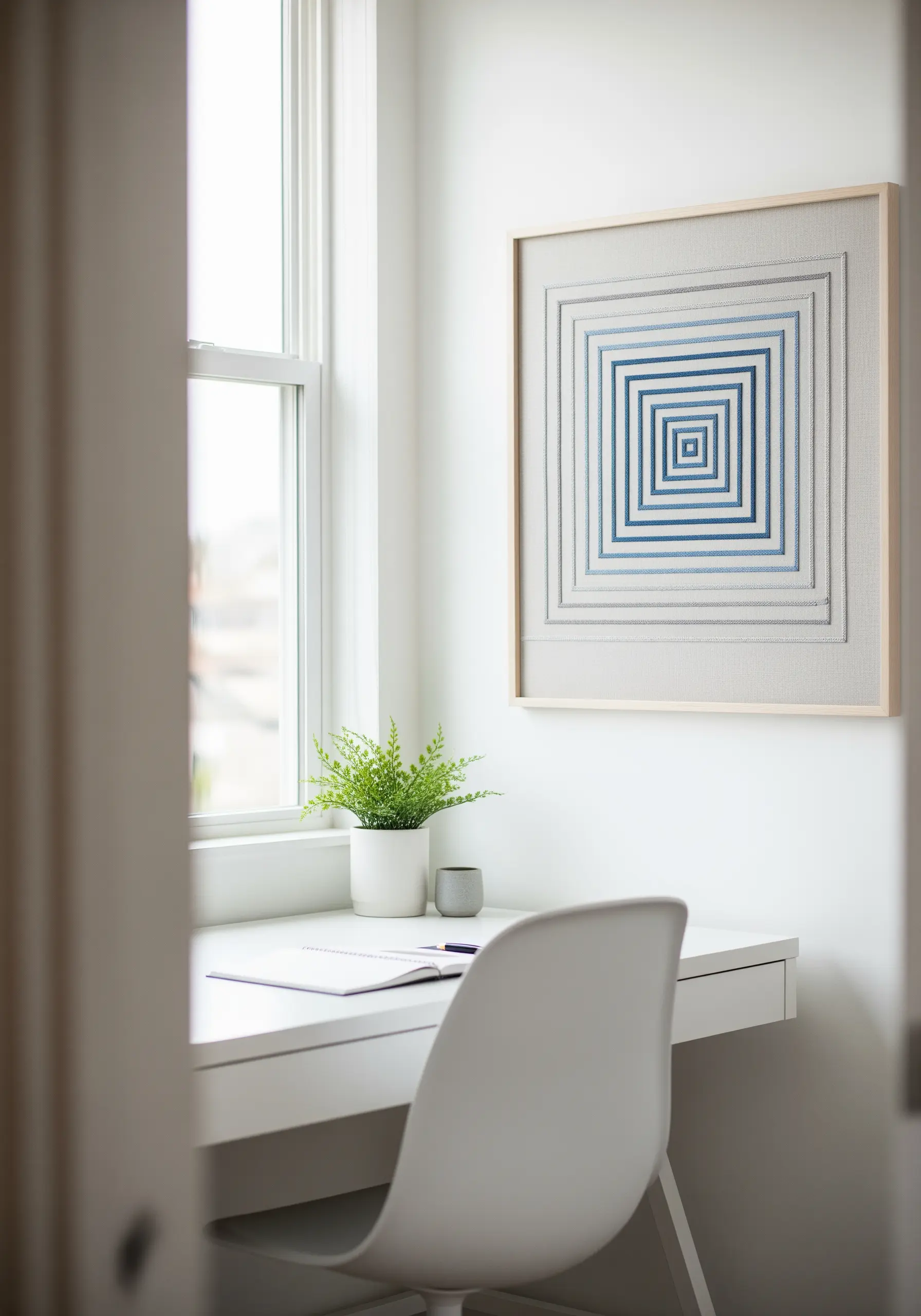
Turn embroidery into modern wall art with a precise, framed geometric gradient.
Use perfect satin stitches to fill a series of concentric squares, transitioning from a light neutral to a deeper accent color like steel blue.
To ensure your lines are crisp and the fabric doesn’t pucker, always use a high-quality embroidery hoop or stretcher bars.
This level of precision transforms simple stitches into sophisticated, framed embroidery artworks worthy of a gallery wall.
18. Create a Radiant Sunburst with Segmented Color
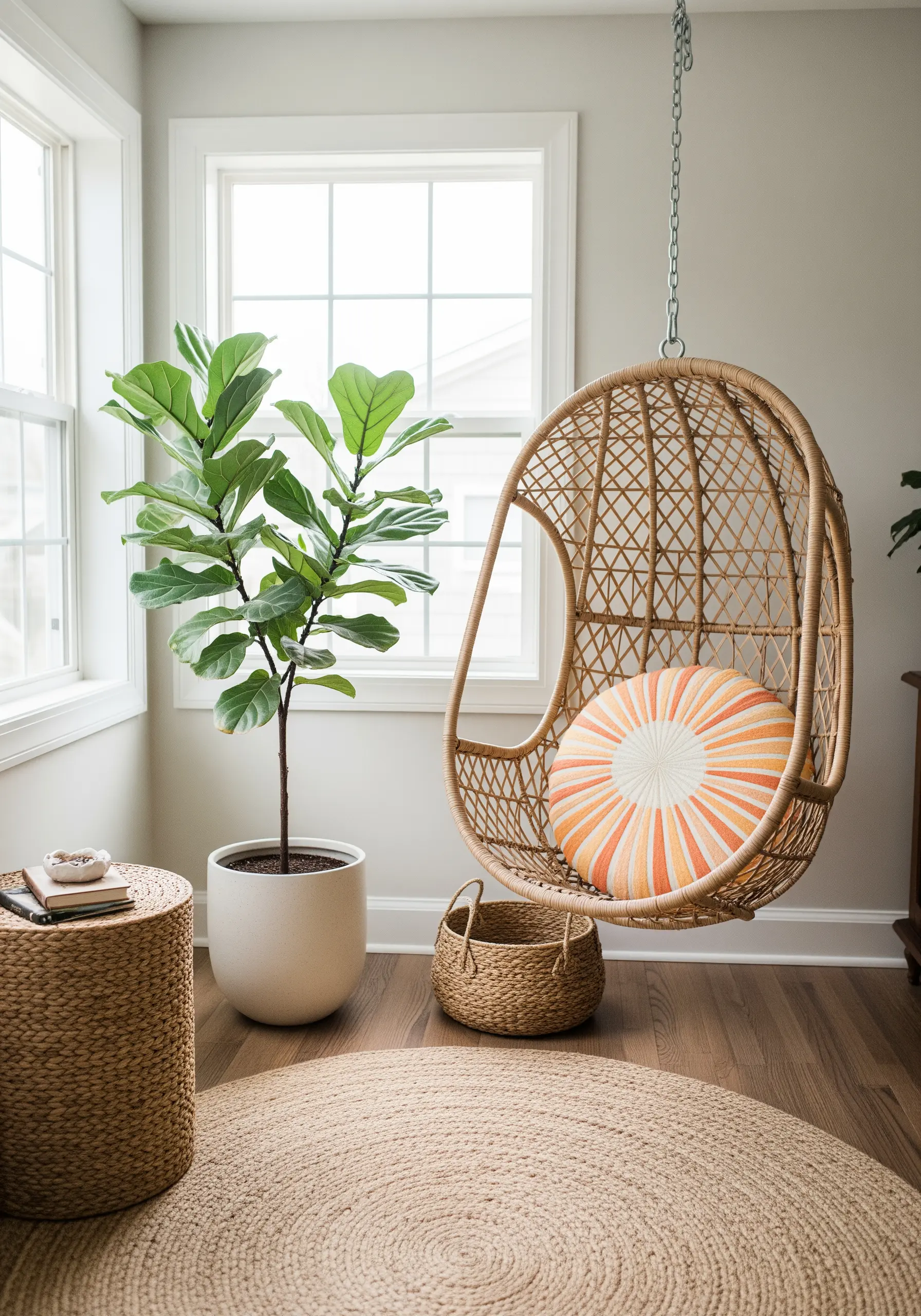
For a cheerful and calming design, stitch a radial sunburst on a round pillow.
Divide the circle into segments, like slices of a pie. Fill each segment with satin stitch, using a slightly different shade in each one to create a 360-degree gradient.
A warm palette of coral, peach, and cream evokes the feeling of a gentle sunrise or sunset, ideal for a cozy corner.
This technique is a great way to experiment with earth-tone patterns in a structured, geometric format.
19. Weave a Gradient with Textured Color Blocks
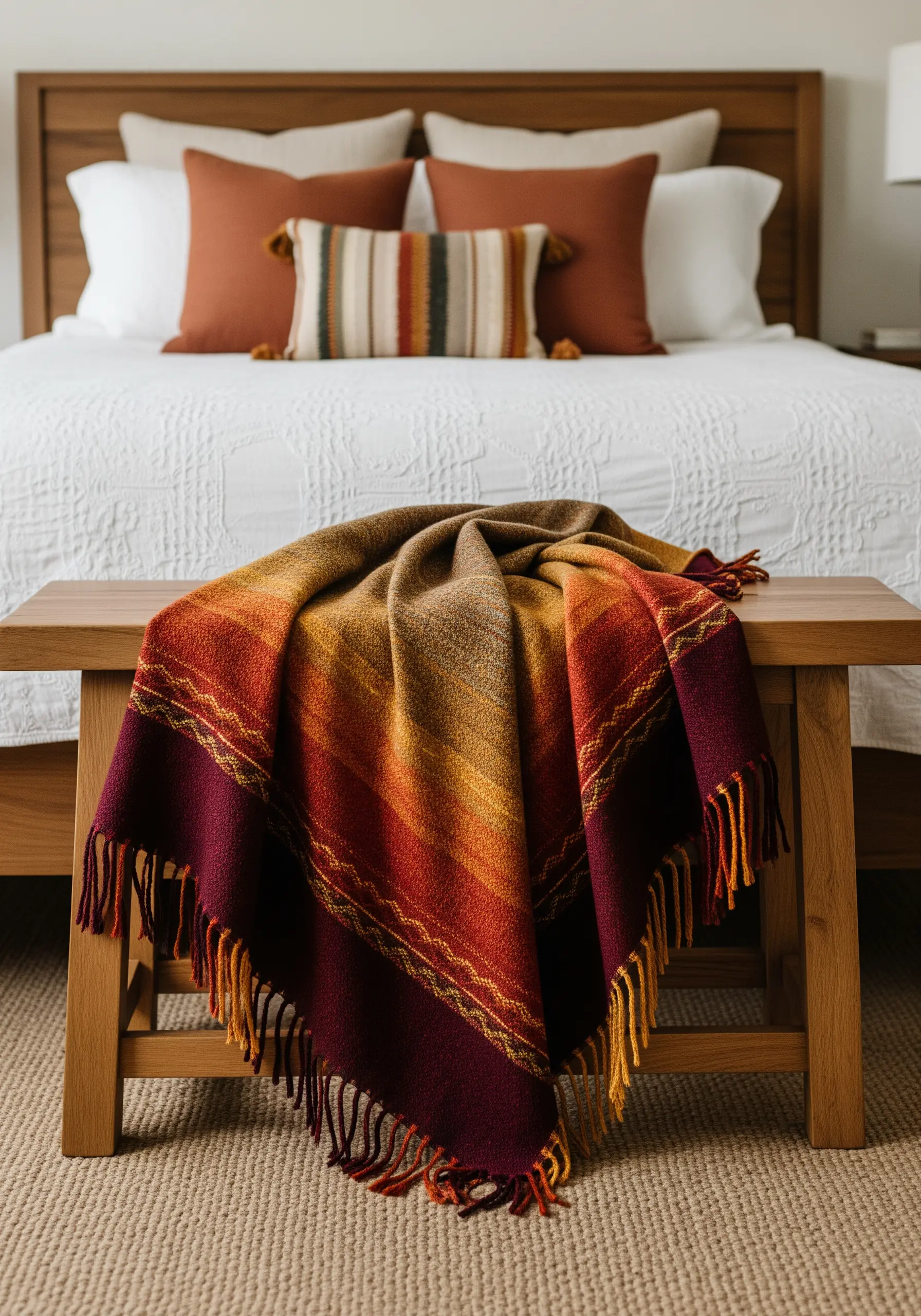
Instead of blending fine threads, create a bold gradient on a throw blanket with bands of textured stitches.
Using a chunky yarn or multiple strands of floss, fill wide horizontal stripes with a tactile stitch like the chain stitch or even dense French knots.
Transition through a rich, earthy palette—from deep burgundy to warm ochre and brown—for a cozy, rustic feel.
The combination of color and texture makes this one of those natural texture embroidery ideas that feels incredibly inviting.
20. Sculpt a Luminous Moon with Textured Stitches
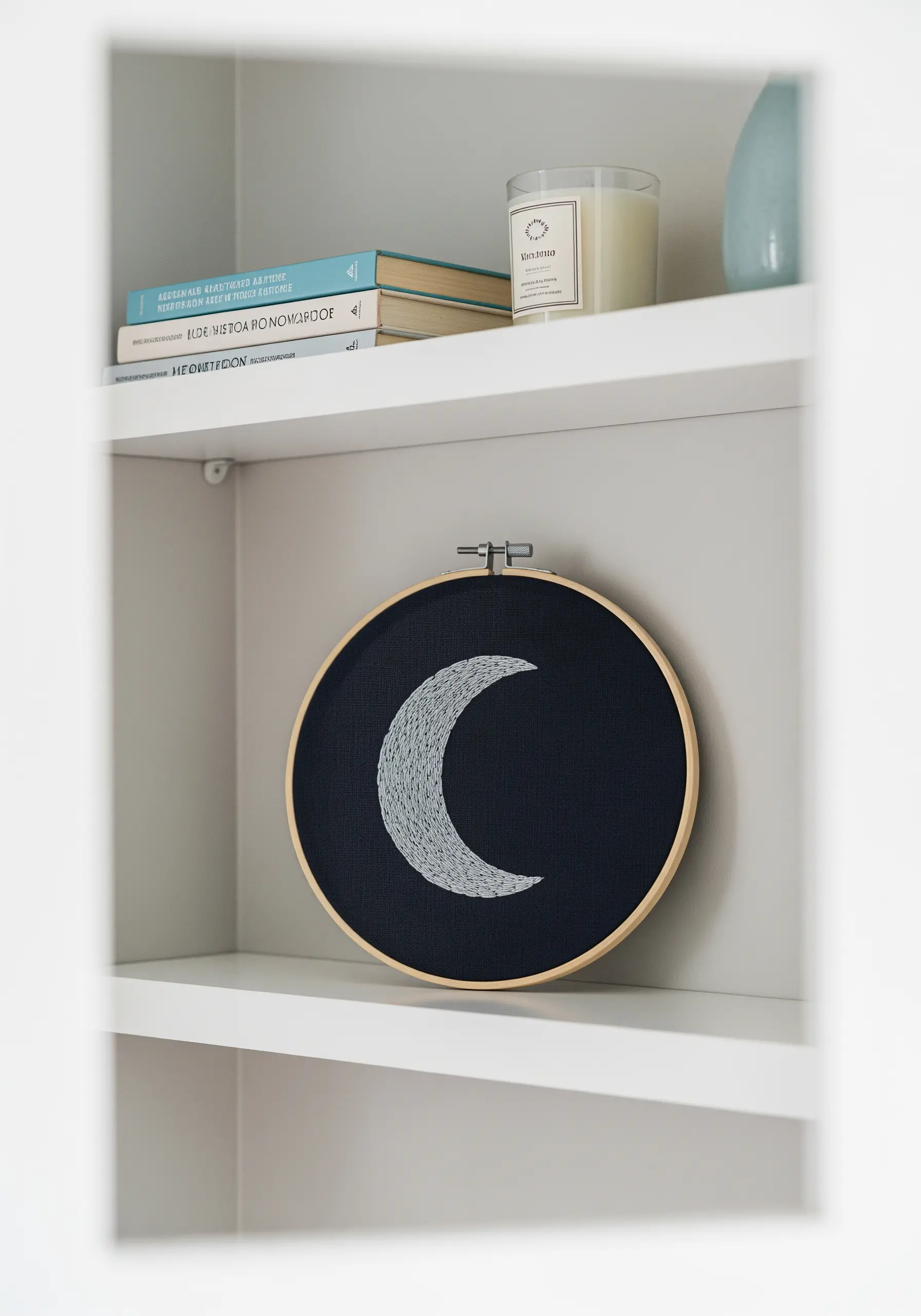
Give a simple crescent moon a three-dimensional feel by using a textural gradient fill.
On dark navy or black fabric, fill the moon shape with dense French knots or seed stitches.
Use a slightly darker thread (like a very light grey) along the outer edge and transition to a bright white on the inner curve to mimic reflected light.
This subtle shift creates a beautiful, glowing effect, making it one of the most elegant minimal sky & moon designs for a shelf or nightstand.
21. Blend a Watercolor Wash with Thread
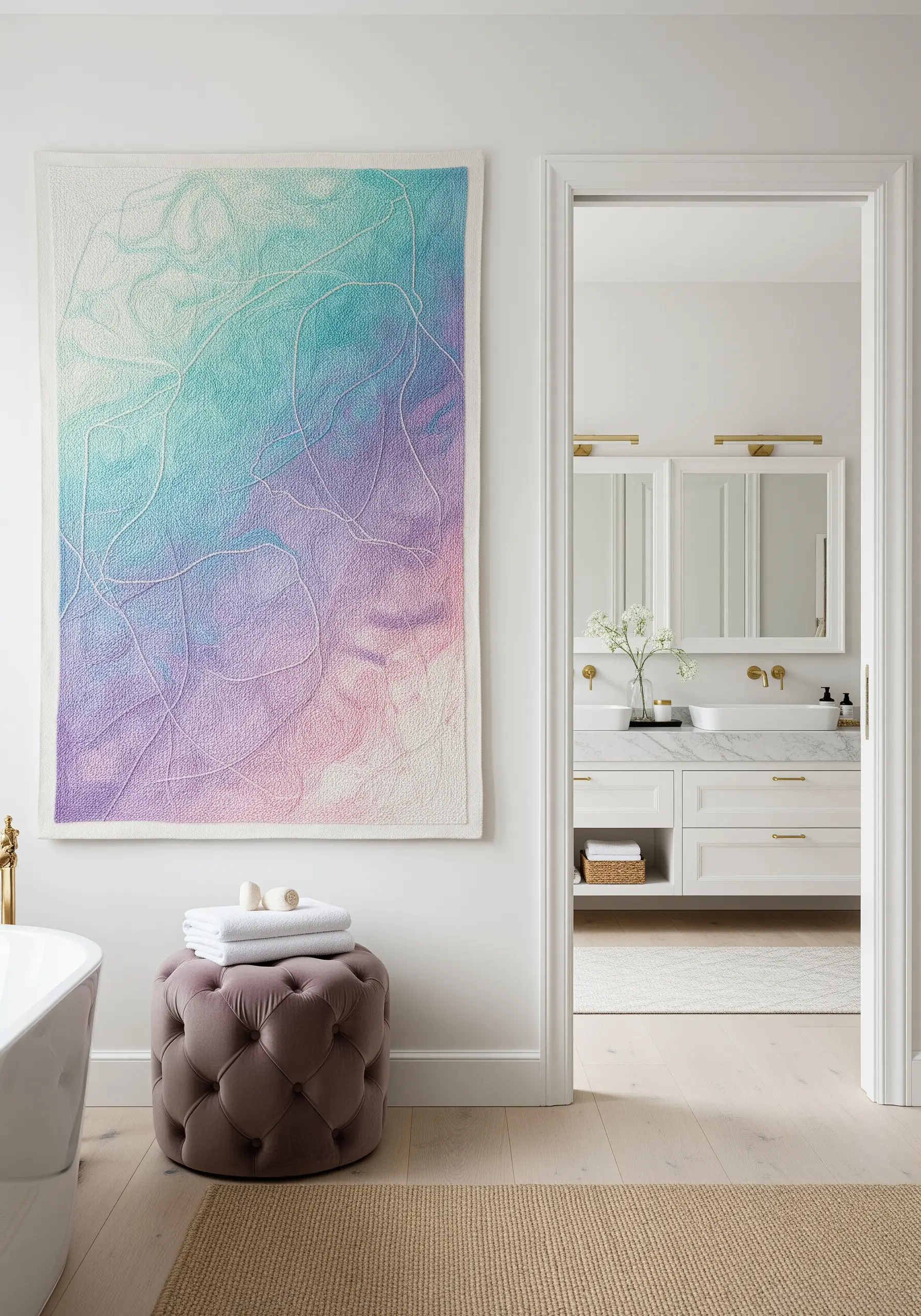
Create the soft, dreamy feel of a watercolor painting with thread.
Use a single strand of floss and the long-and-short stitch, allowing your colors to bleed into one another organically rather than planning precise transitions.
A pastel palette of mint, lavender, and soft pink works beautifully for this technique.
After filling the area, you can add delicate, meandering lines of backstitch on top to provide a hint of definition, resulting in beautiful watercolor-style embroidery patterns.
22. Elevate a Simple Motif with a Micro-Gradient
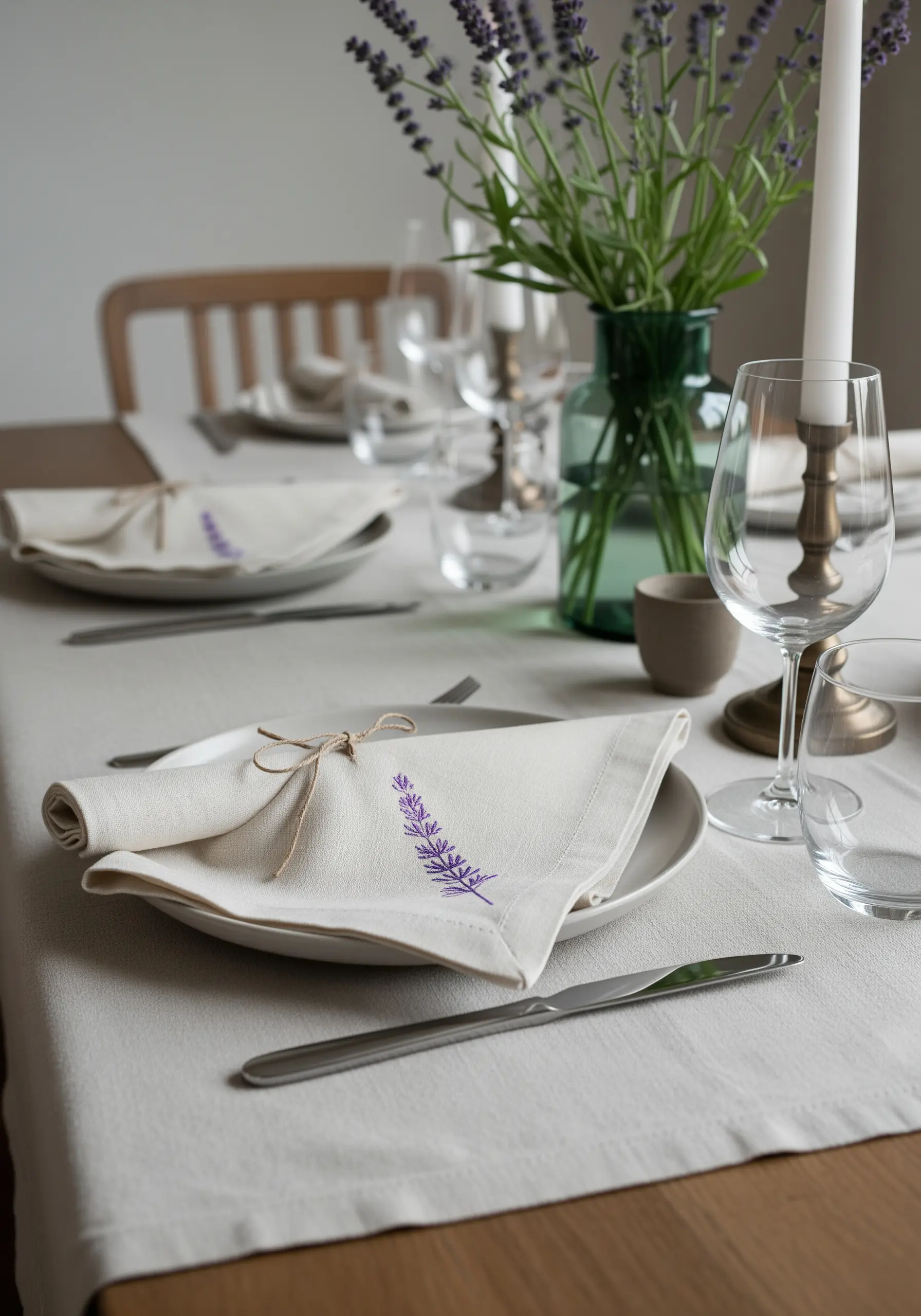
Even a tiny motif, like a sprig of lavender on a napkin, can be elevated with a subtle gradient.
Use three or four closely related shades of purple. Stitch the top buds with the lightest shade using French knots, then work your way down the stem with slightly darker shades using short straight stitches.
This tiny detail adds realism and sophistication, transforming a simple design into one of your favorite delicate lavender stitch ideas.
23. Refine a Rainbow with Muted Tones
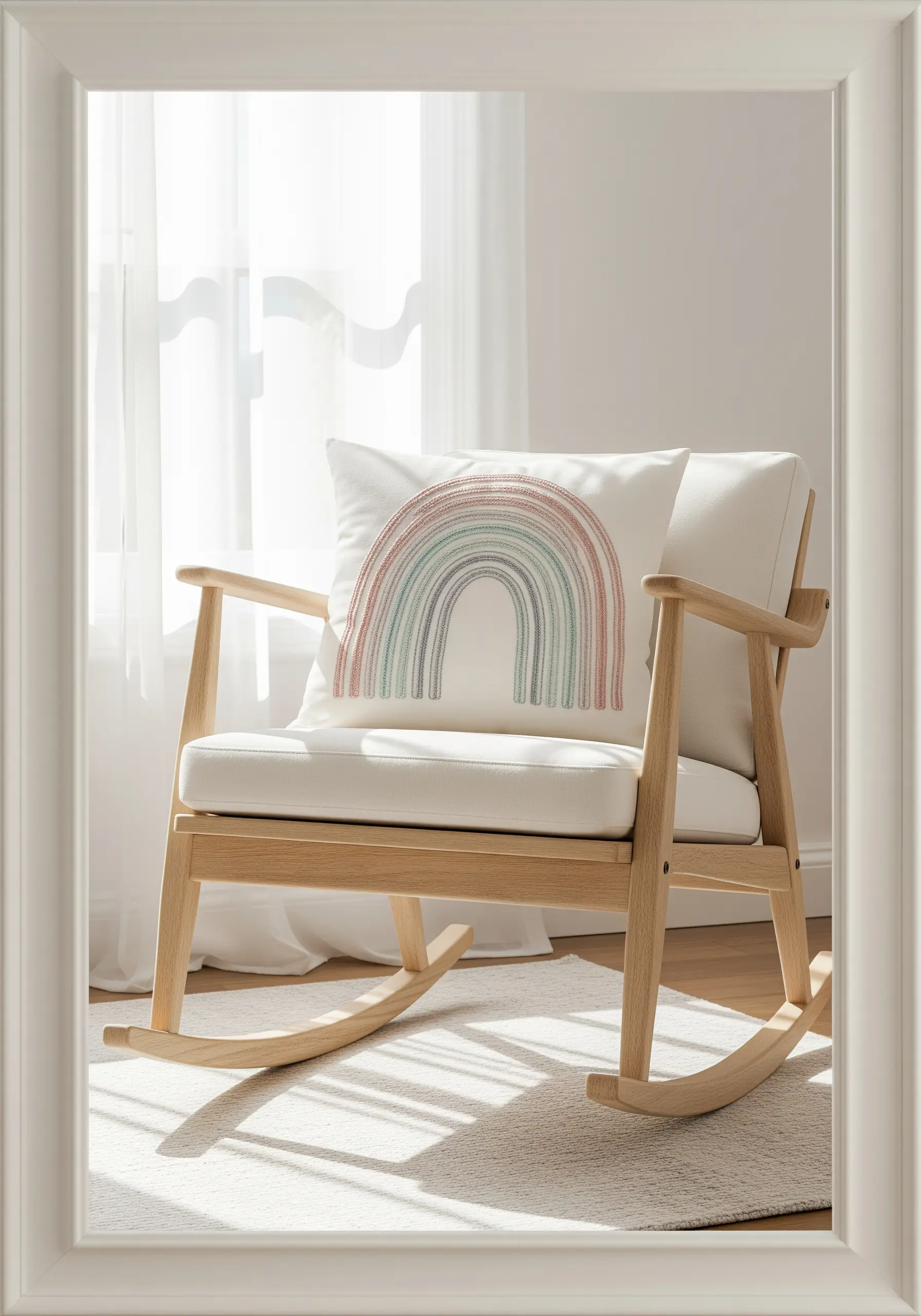
For a nursery or a calm space, stitch a rainbow using a muted, earthy palette instead of bright primary colors.
Use a textured stitch like a chain stitch or a chunky split stitch to give the arcs a soft, appealing quality.
Choose colors like dusty rose, sage green, and pale terracotta for a sophisticated and sleep-friendly take on a classic motif.
The result is gentle and reassuring, perfect for cloud-soft embroidery hoops and decor.
24. Fill a Wall with a Soft Spectrum Tapestry
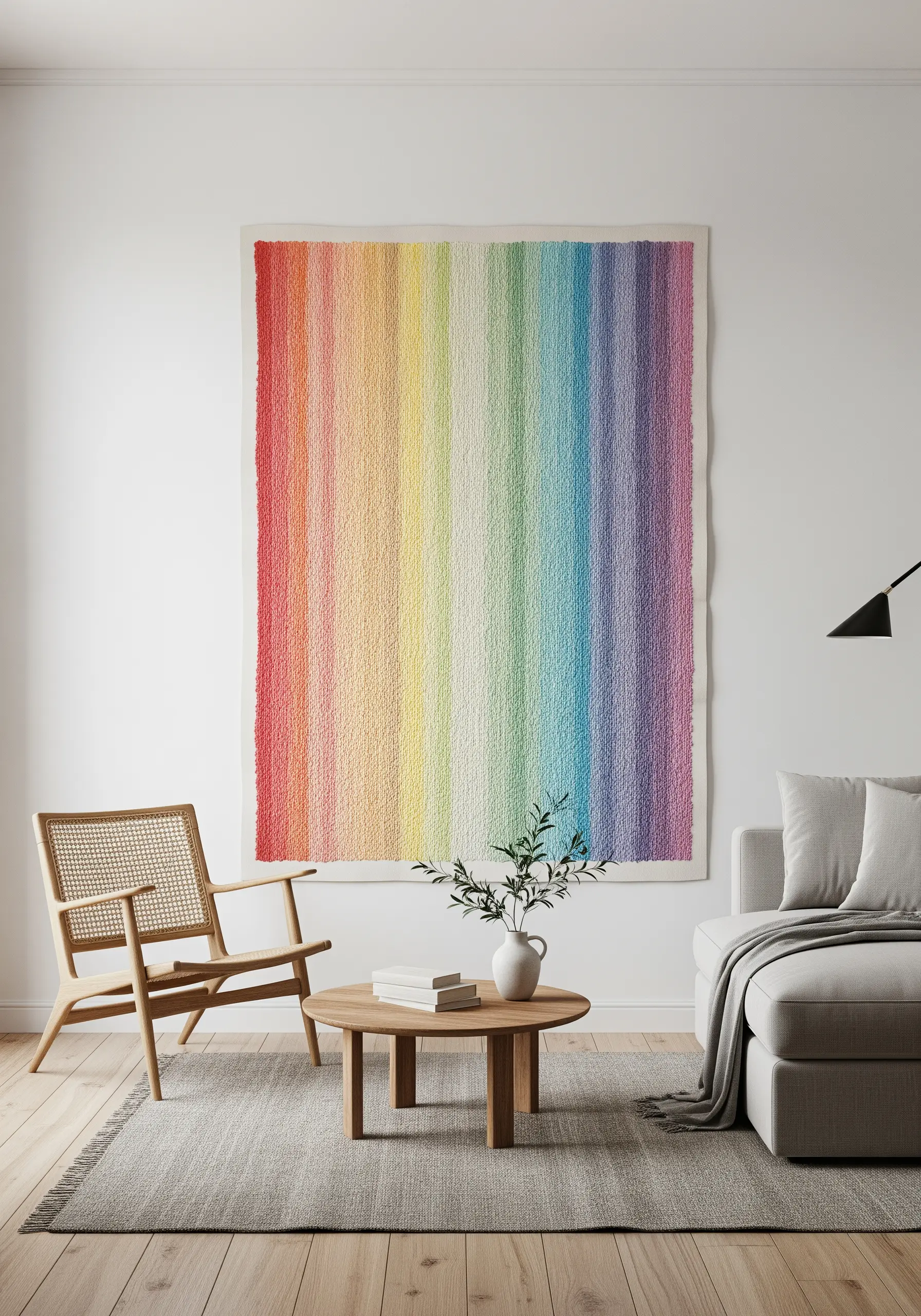
For an ambitious but rewarding project, create a floor-to-ceiling wall hanging with a full-spectrum gradient.
Work in vertical columns, filling each one with a dense, textured stitch like the seed stitch or French knots.
To make the gradient flow, slowly introduce threads of the next color into each column before fully switching over.
This pointillist approach to blending creates a soft, heathered transition and results in one of those large-scale embroidery tapestries that truly defines a room.
25. Add Depth with Textured Color Blocking
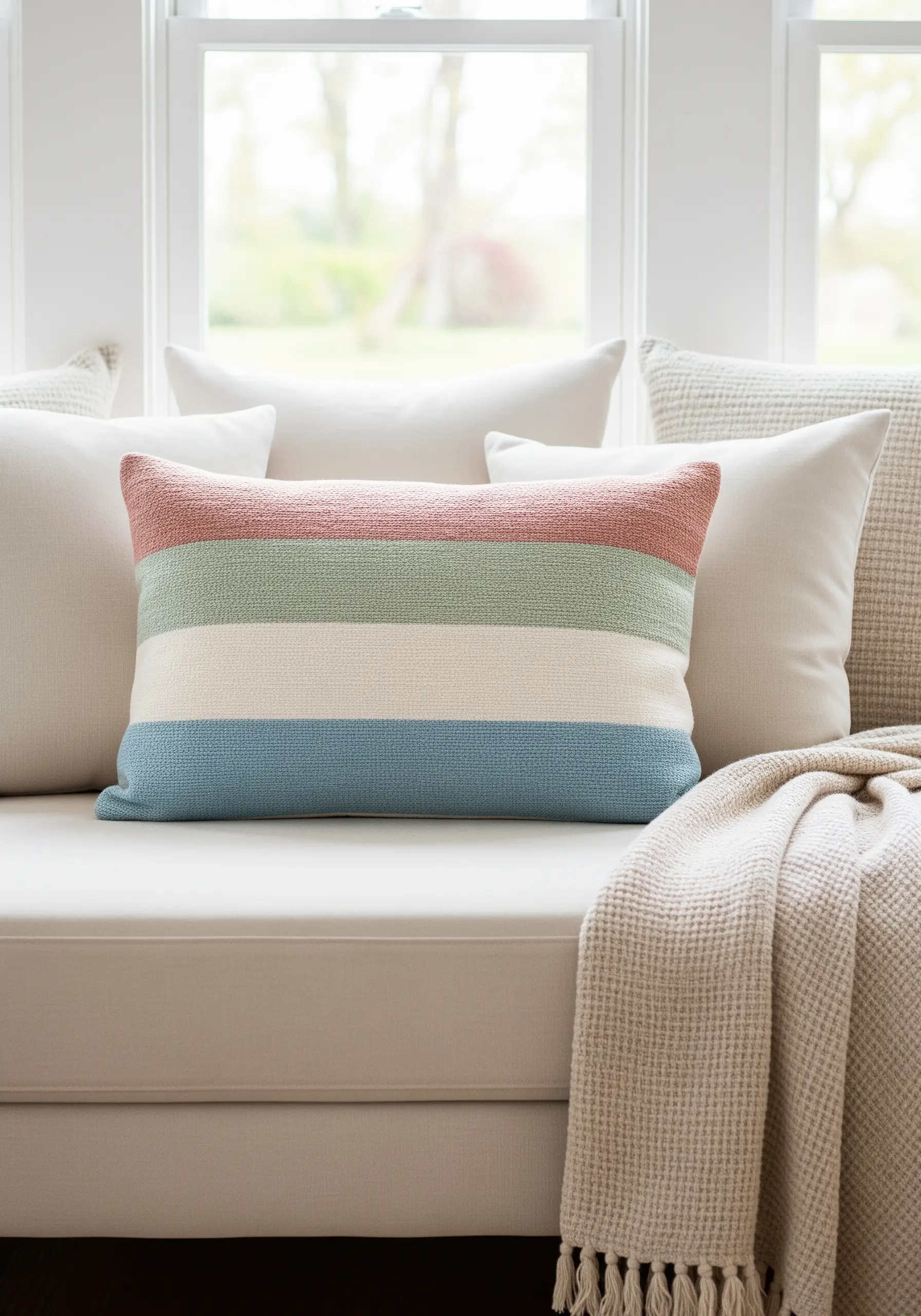
On a simple striped pillow, let texture create a secondary, more subtle gradient.
Fill each horizontal stripe with a dense, uniform stitch like seed stitch or a tight satin stitch.
While the color blocks are solid, the texture of the stitches will catch the light differently, creating a beautiful play of light and shadow that adds depth and sophistication.
This is one of the easiest ways to create subtle neutral embroidery designs that feel anything but plain.