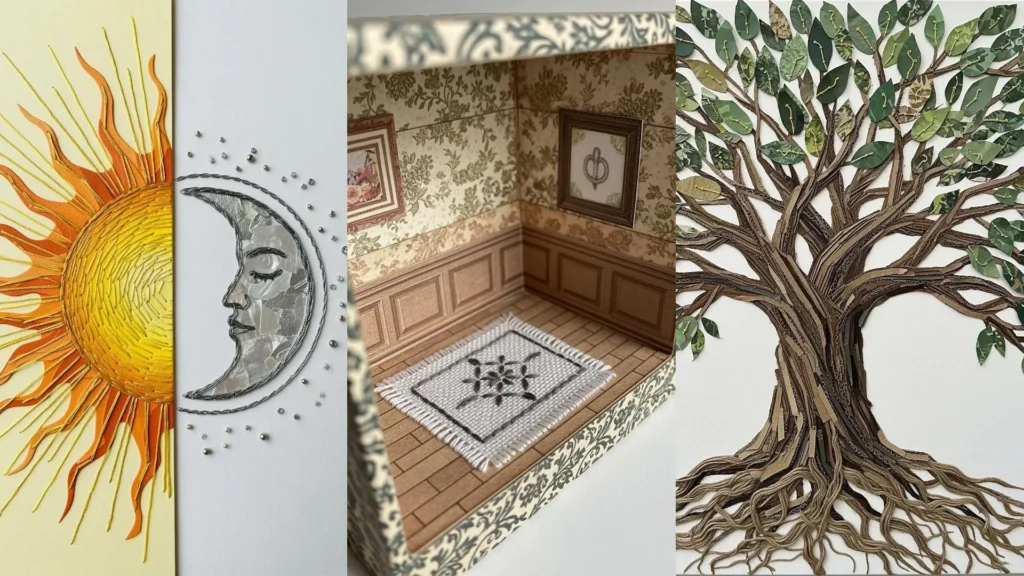
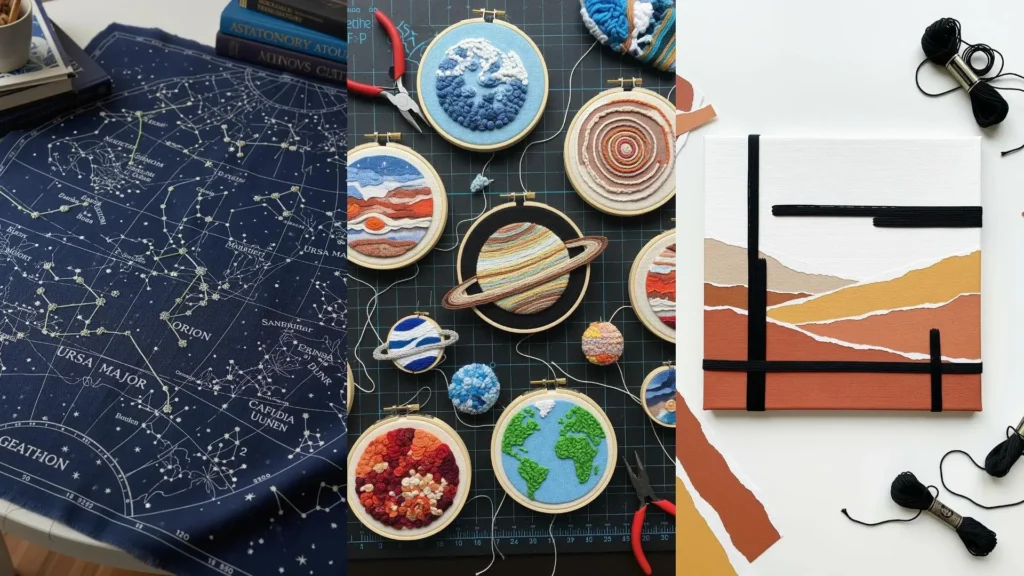
Have you ever held a piece of beautiful, thick paper and felt the impulse to add just one more layer of texture? That’s the feeling that bridges the gap between papercraft and embroidery. It’s a space where the crisp fold of paper meets the soft tension of thread, creating something entirely new.
Combining these two mediums isn’t about complexity; it’s about intention. It’s knowing that a few carefully placed stitches can transform a flat paper cutout into a dimensional object, or that a collaged paper background can give your embroidery a narrative depth that fabric alone cannot.
In these ideas, I want you to see paper not just as a surface, but as a structural and textural element in your fiber art. You’ll learn how to pierce, layer, and construct with it, allowing your thread to perform in new and unexpected ways. Let’s begin.
1. Botanical Collage with Translucent Layers
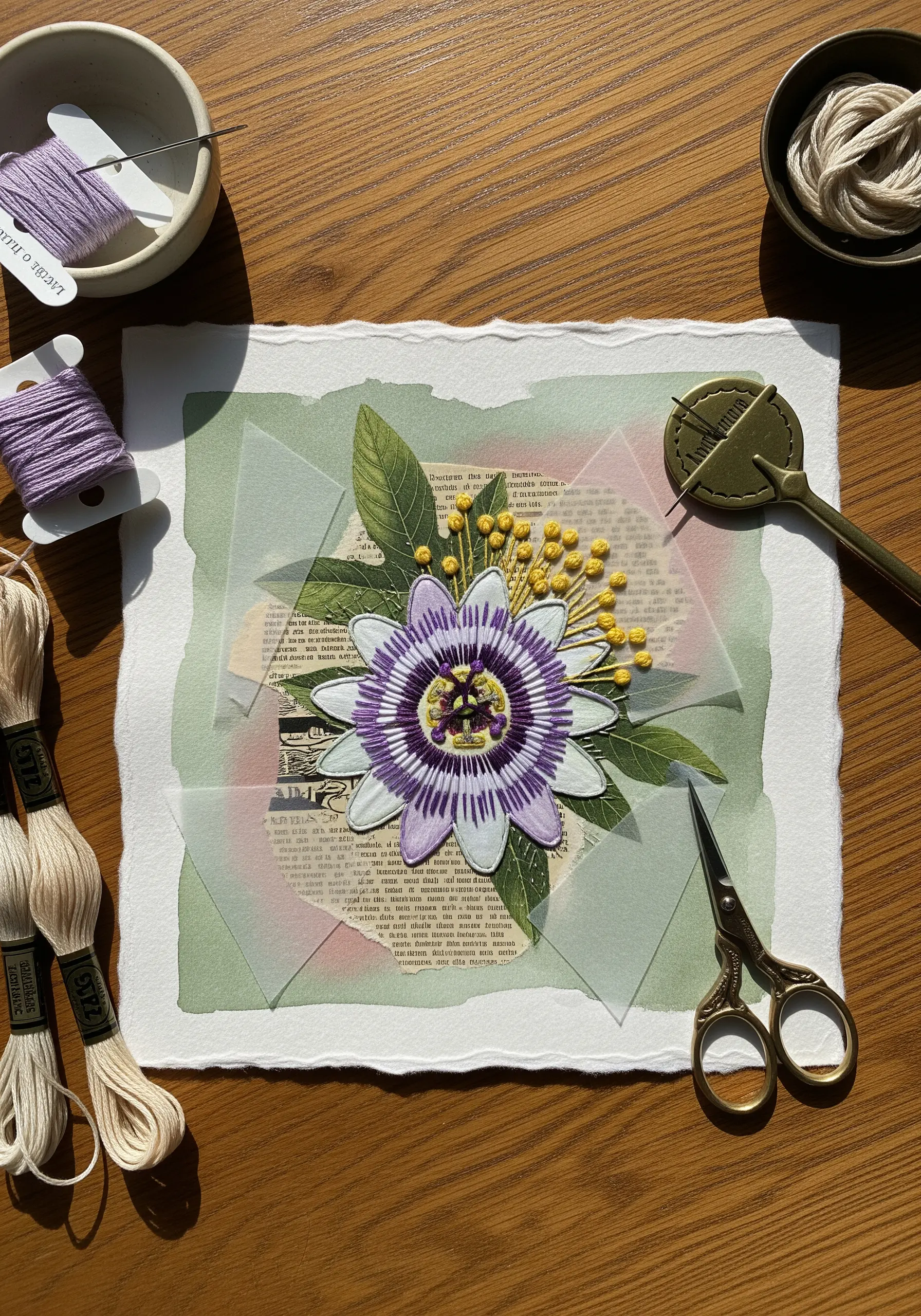
Create compositions with surprising depth by layering different types of paper before you stitch.
Place vellum or another translucent paper over a piece with text or a subtle pattern to create a soft, veiled effect.
Stitch your main botanical motif directly through all the layers, which unites the separate elements into a single, cohesive piece.
To avoid tearing delicate paper, use a sharp, fine needle (like a #10) and consider pre-punching your stitch holes with a pin vise or awl.
This is one of those handmade collage projects that blend paper, fabric, and hand-stitched magic into a truly unique result.
2. Architectural String Art on Textured Paper
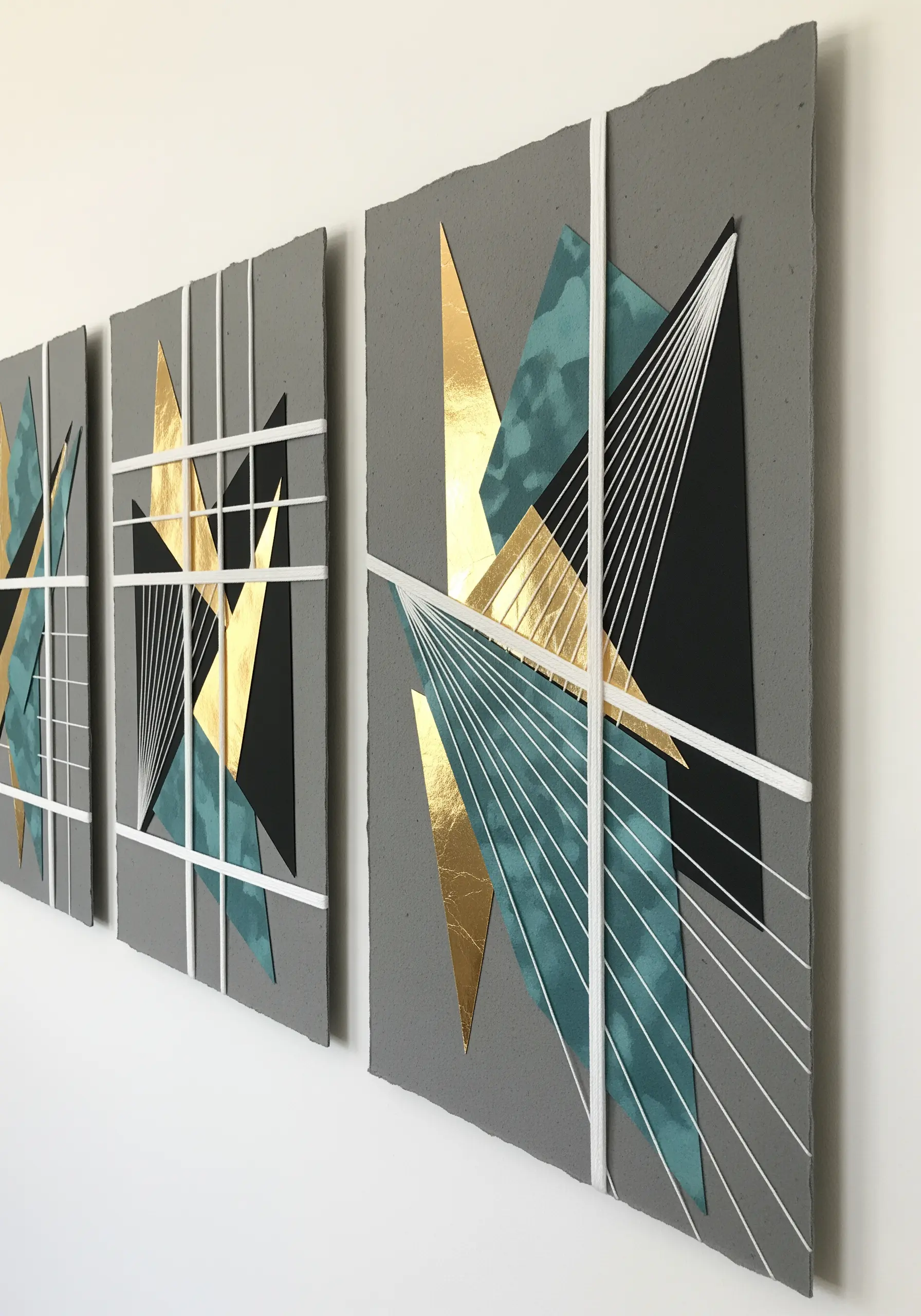
Transform thread from a decorative element into a structural one by using tension to create crisp, geometric lines.
Start by mounting heavy, textured cardstock onto a firm backing like foam board, which prevents the paper from buckling under tension.
Arrange cut paper shapes—using metallic foil for a reflective contrast—to build a dynamic, abstract composition.
Use an awl to pre-punch holes along the edges of your shapes, then wrap a strong, smooth thread tautly between points to build planes of color and line.
This technique creates modern geometric thread art ideas perfect for trendy office walls and studio spaces.
3. Celestial Patches with Watercolor and Metallic Thread
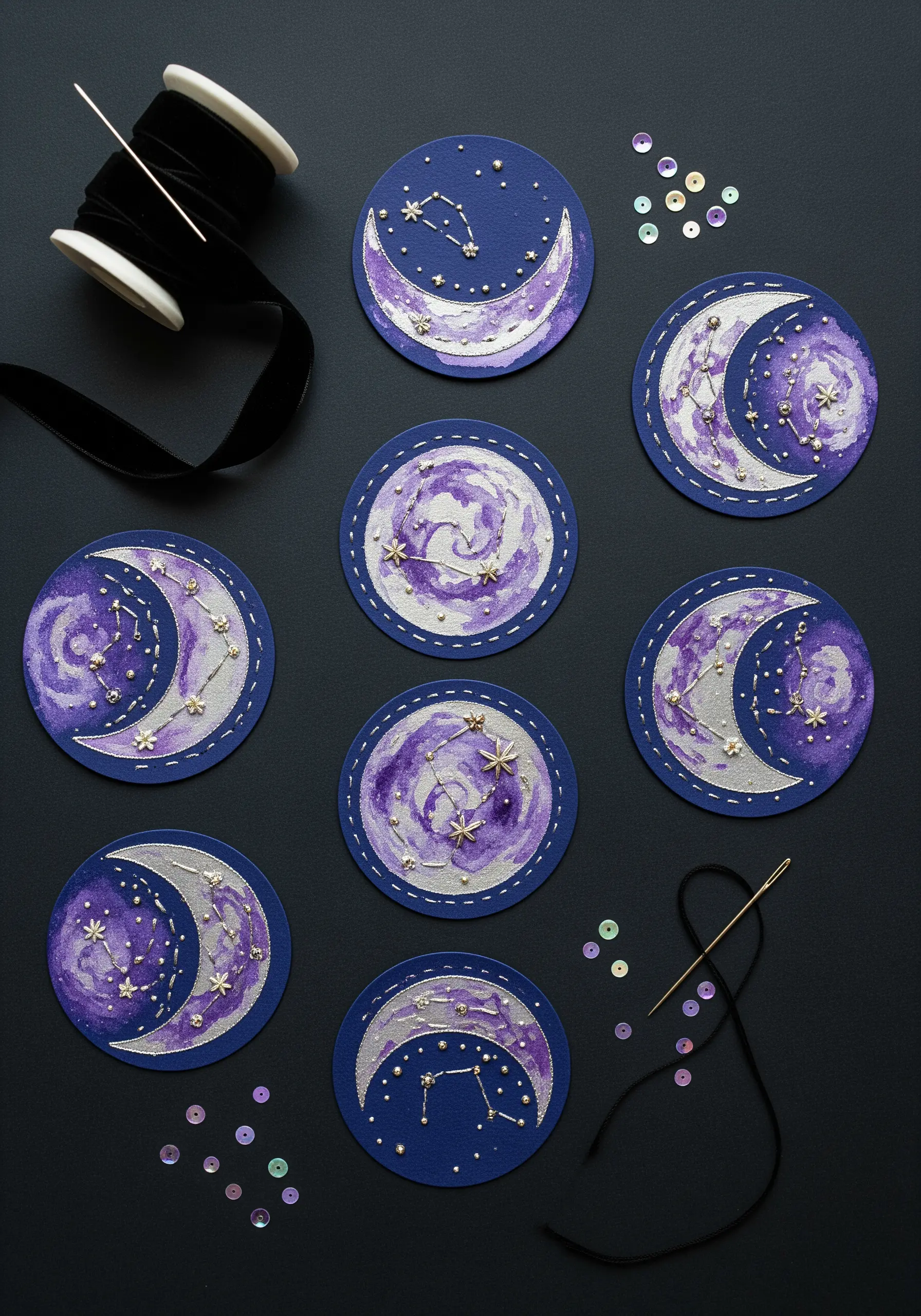
Combine the soft bleed of watercolor with the sharp sparkle of metallic thread to create miniature cosmic scenes.
Apply a loose wash of blues and purples onto heavy watercolor paper, letting the colors blend naturally.
Once completely dry, use a circle punch or template to cut out your patches.
Stitch constellations using a single strand of metallic floss; simple straight stitches for lines and tiny French knots for stars are all you need for these minimal sky moon designs.
The contrast between the soft-focus background and the precise, glittering stitches is what makes this technique so effective.
4. Layered Paper Landscapes with Dimensional Stitches
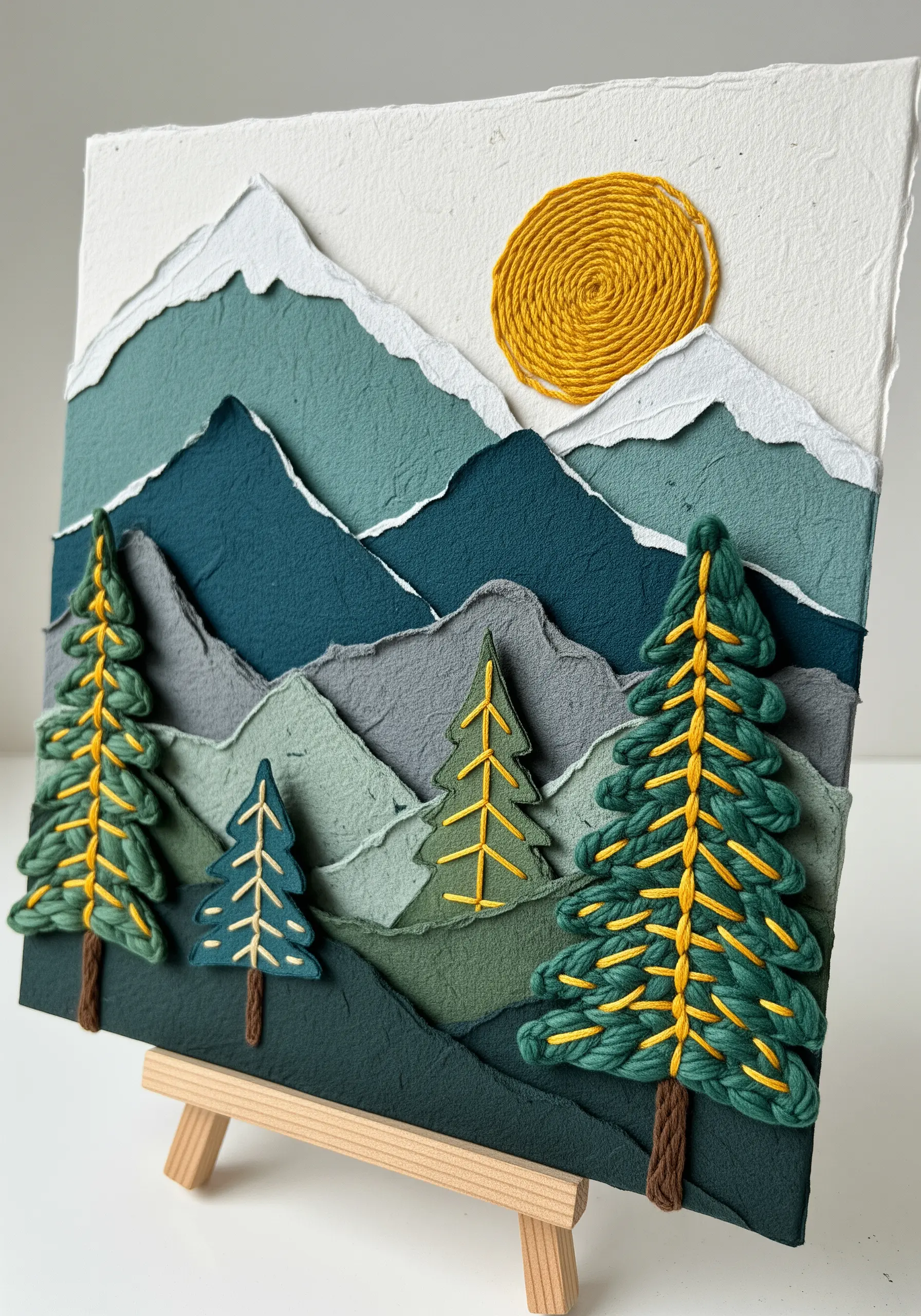
Build a landscape with real topographical depth by layering torn paper and adding high-texture stitches.
Tear, rather than cut, your paper strips for mountains and hills; this creates a soft, feathered edge that looks more natural.
For elements like trees, switch from standard floss to a thicker yarn and use stitches like chain stitch or satin stitch for a bold, raised effect that stands out from the flat paper.
A coiled circle of yarn, secured with couching stitches, makes a wonderfully tactile sun and becomes an immediate focal point, showing one of the best ways to capture nature’s textures in your next embroidery project.
5. Enhancing Vintage Postcards with Selective Stitching
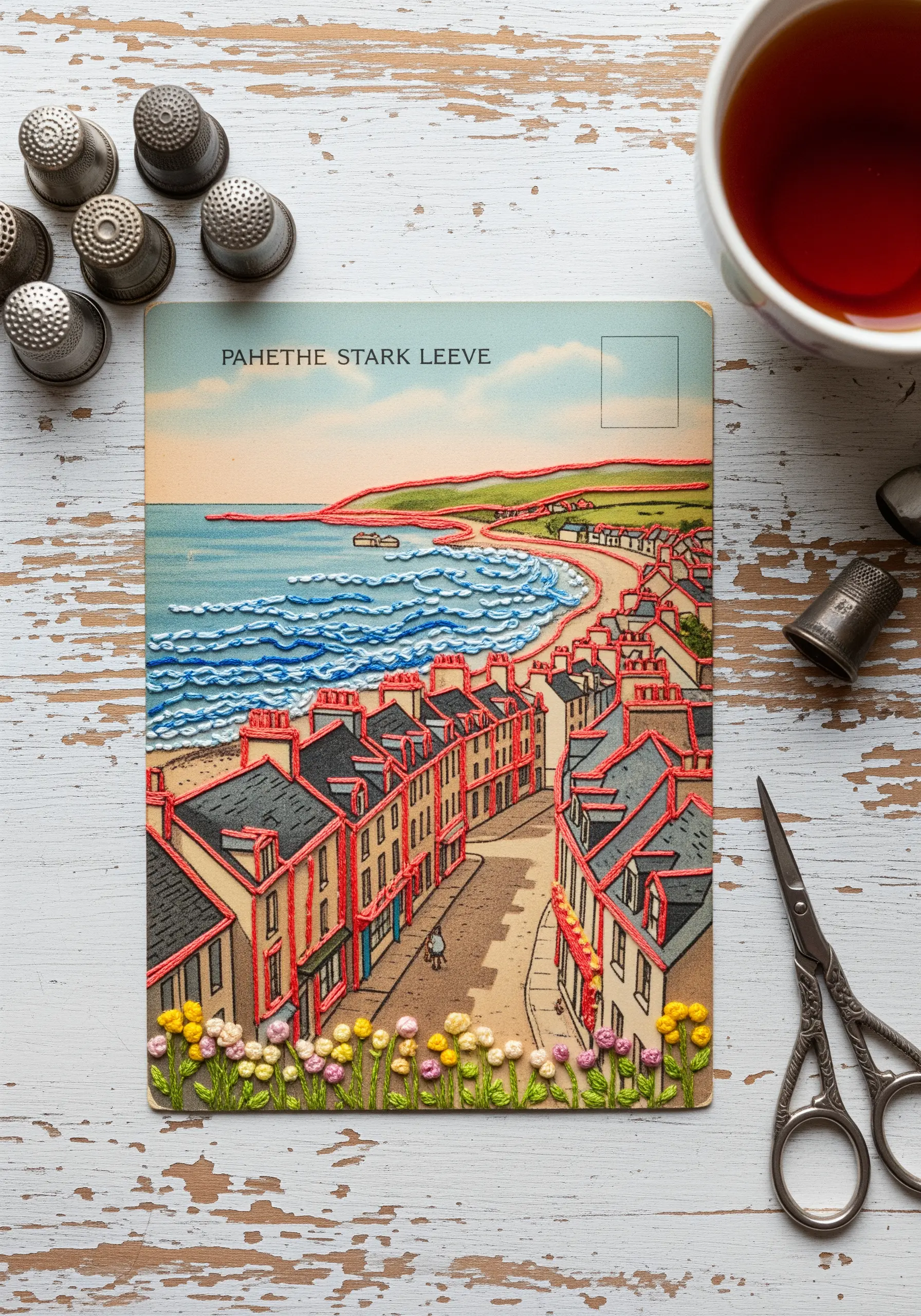
Breathe new life into a found object by using thread to highlight or reinterpret details on a vintage postcard.
Choose specific elements to accentuate—the rooflines of houses, the crest of a wave, or a garden of flowers.
Use a fine needle and just one or two strands of floss to avoid overwhelming the delicate paper.
A simple backstitch for outlines or clusters of French knots for texture is enough to add a personal, dimensional layer to the original illustration, turning it into one of your favorite handmade embroidery projects to give as thoughtful birthday gifts.
6. Woven Paper Base with Couched Yarn Details
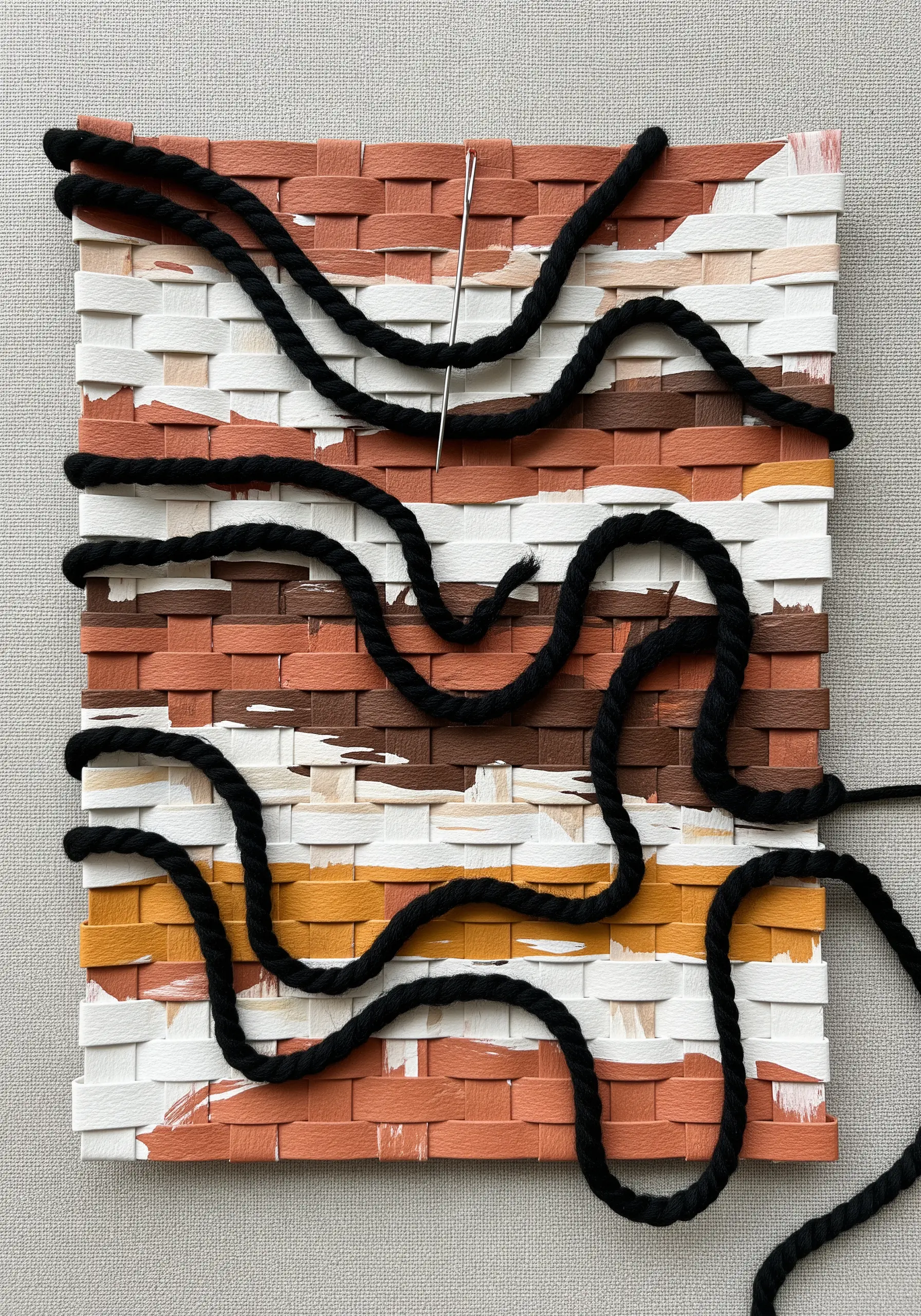
Create your own textured canvas by weaving strips of painted paper, which provides an instant graphic background for your stitching.
Once your woven base is secure, you can “draw” on its surface using a thick, contrasting yarn.
Use the couching technique: lay the yarn in a flowing, organic line and use a thinner, discreet thread to tack it down with small, evenly spaced stitches.
This method gives you complete freedom to add bold, sculptural lines that would be impossible to create with conventional stitching, resulting in beautiful abstract thread embroidery ideas inspired by nature.
7. Satin-Stitched Feathers with Gilded Tips
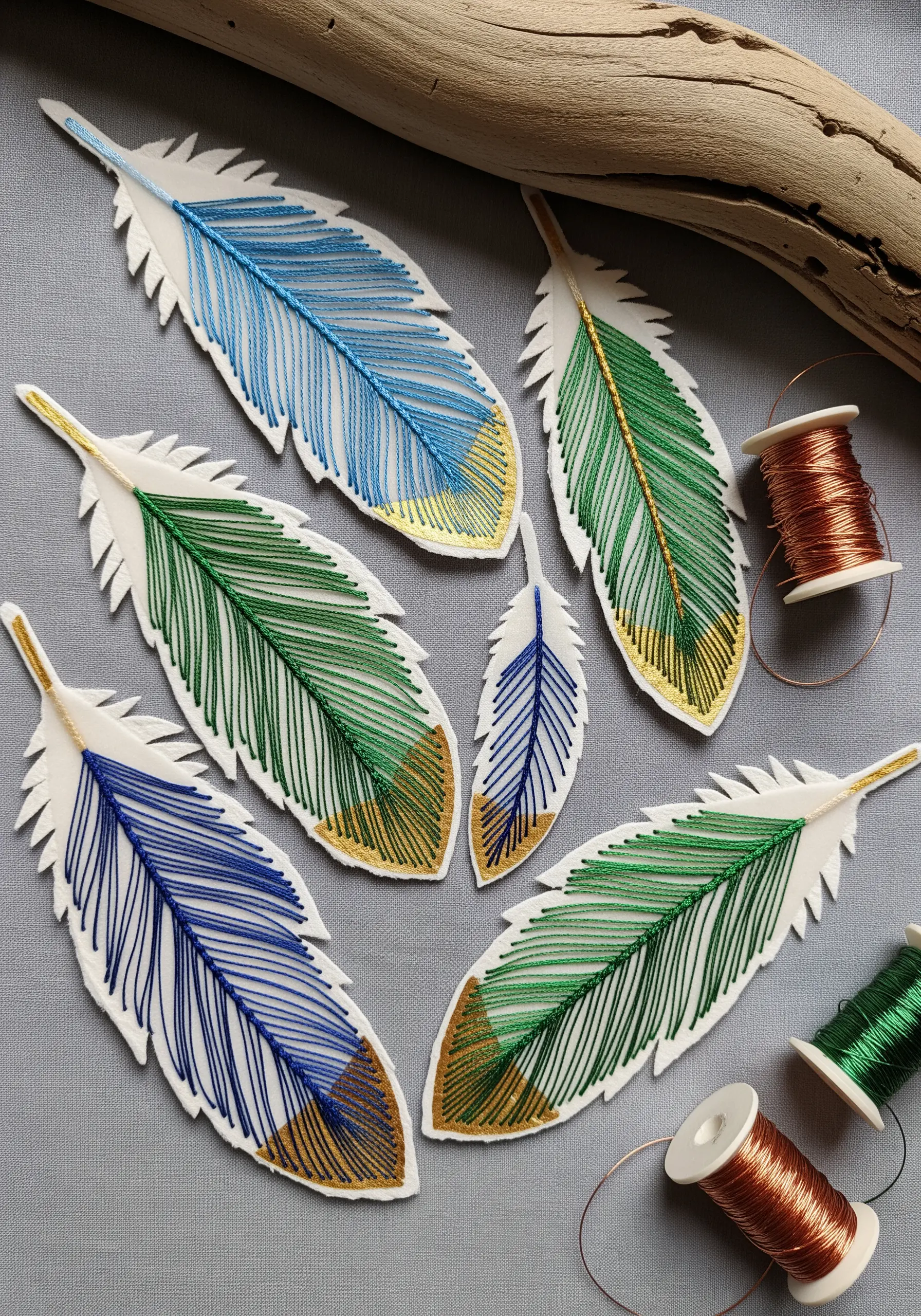
Cut elegant feather shapes from sturdy cardstock to create a perfectly smooth surface for satin stitch.
Fill the vanes of the feather with long, parallel satin stitches, angling them slightly up and away from the central spine to mimic natural growth.
The paper base prevents the puckering that can sometimes occur with long satin stitches on fabric.
For a final touch of luxury, use a metallic thread to add a solid block of color at the tip, creating a gilded effect.
This method is one of the most effective realistic feather embroidery techniques for mixed media art.
8. Architectural Collage with Illuminated Stitched Windows
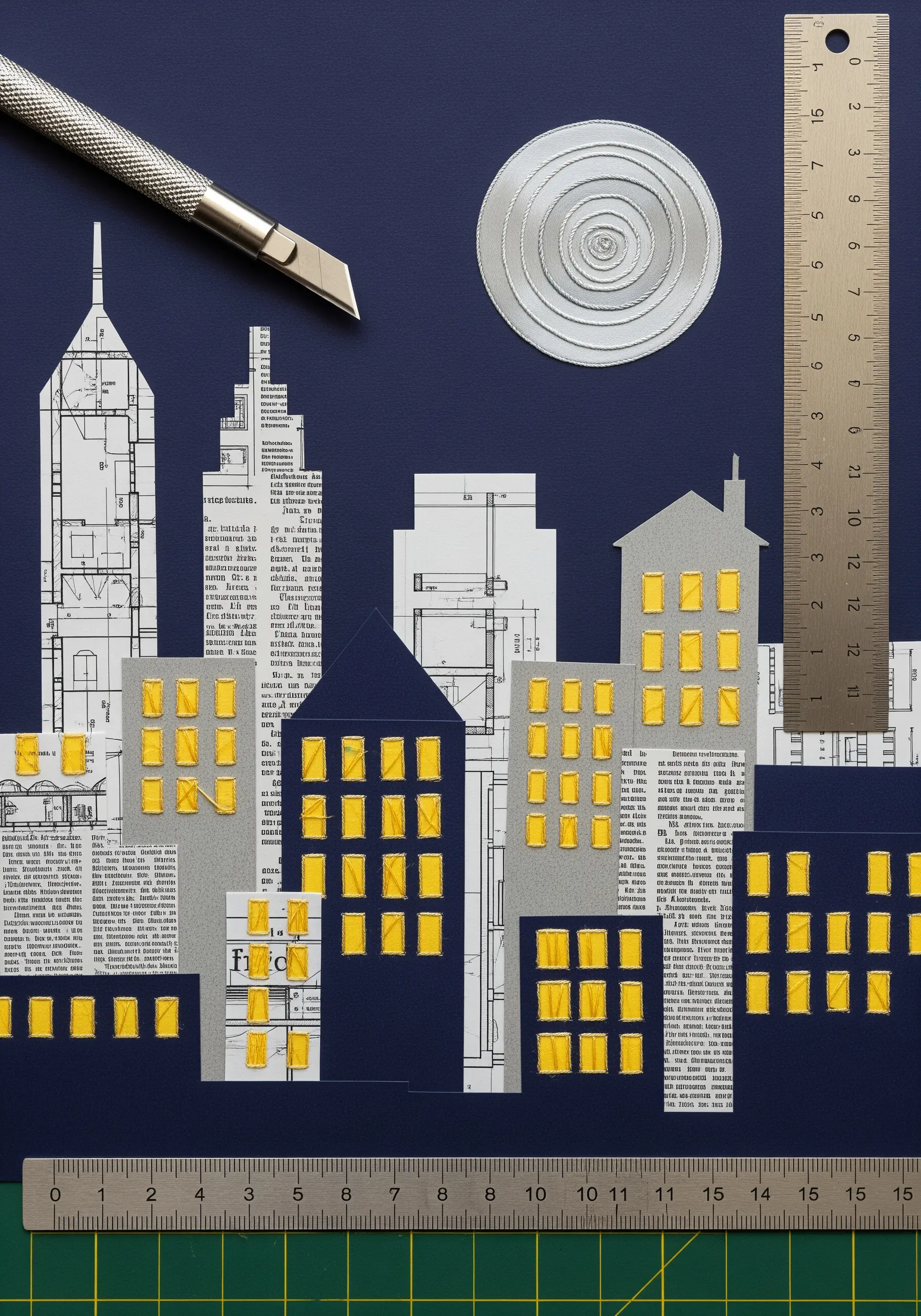
Construct a cityscape by collaging building silhouettes cut from interesting papers like blueprints, book pages, or textured cardstock.
The magic of this technique lies in the simple addition of stitched windows.
Use a vibrant yellow or gold thread to fill in the window shapes with simple satin stitches or small cross stitches.
This single pop of color and texture creates a compelling illusion of light and life within the flat paper buildings, proving that even simple abstract metallic thread projects that sparkle against dark backgrounds can have a huge impact.
9. Delicate Stitched Dandelions on Cardstock
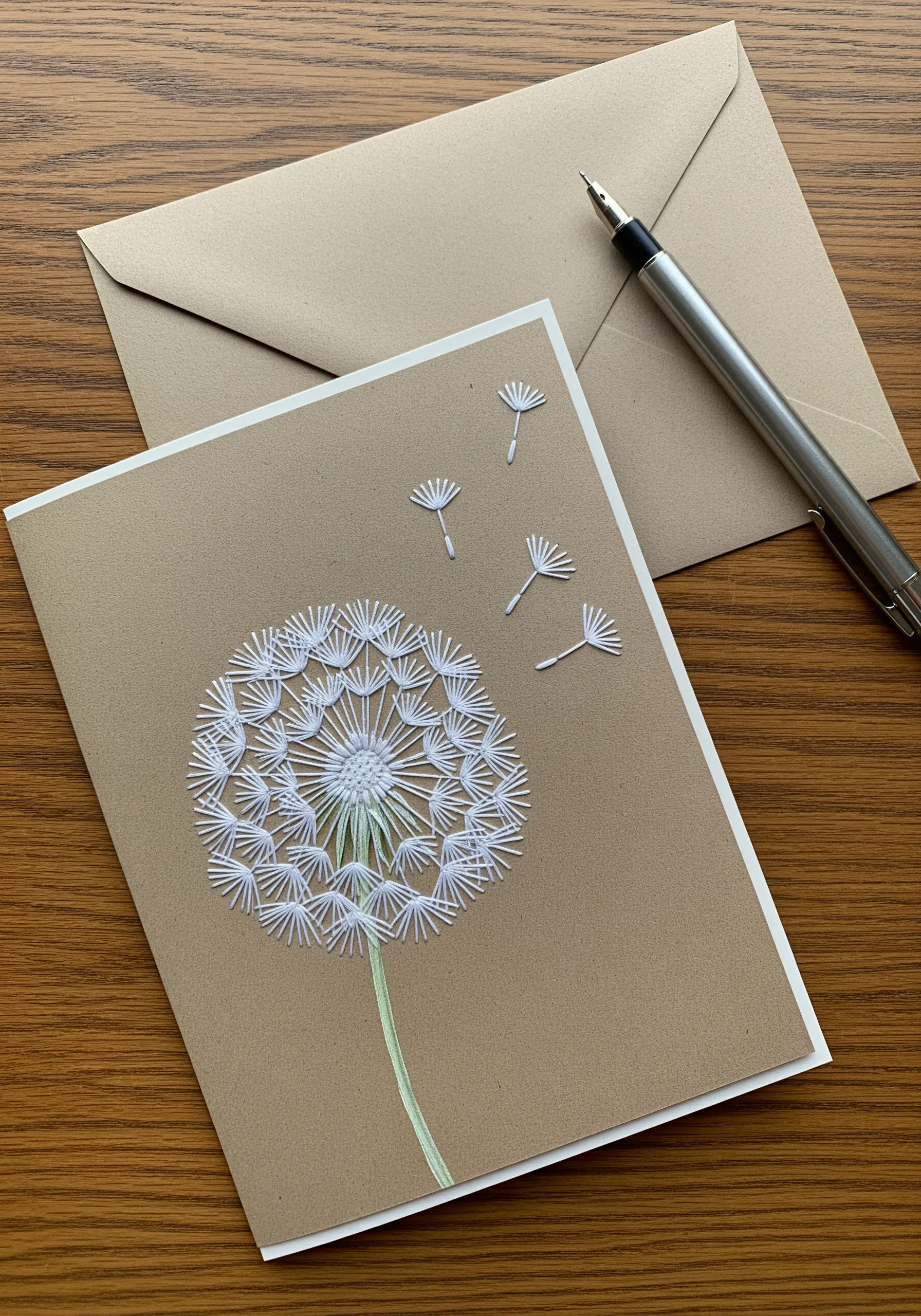
You can create a powerful sense of movement and delicacy by stitching a simple motif directly onto high-quality cardstock.
For the dandelion head, use single straight stitches radiating from a central point.
Add a few detached straight stitches floating away to represent seeds caught in the wind.
The key to a clean finish on paper is to pre-pierce your holes with a fine pin before you stitch, ensuring the thread passes through without buckling or tearing the card.
This is one of the most charming and cute and tiny embroidery ideas for your first stitching adventure.
10. Narrative Stitching in Altered Books
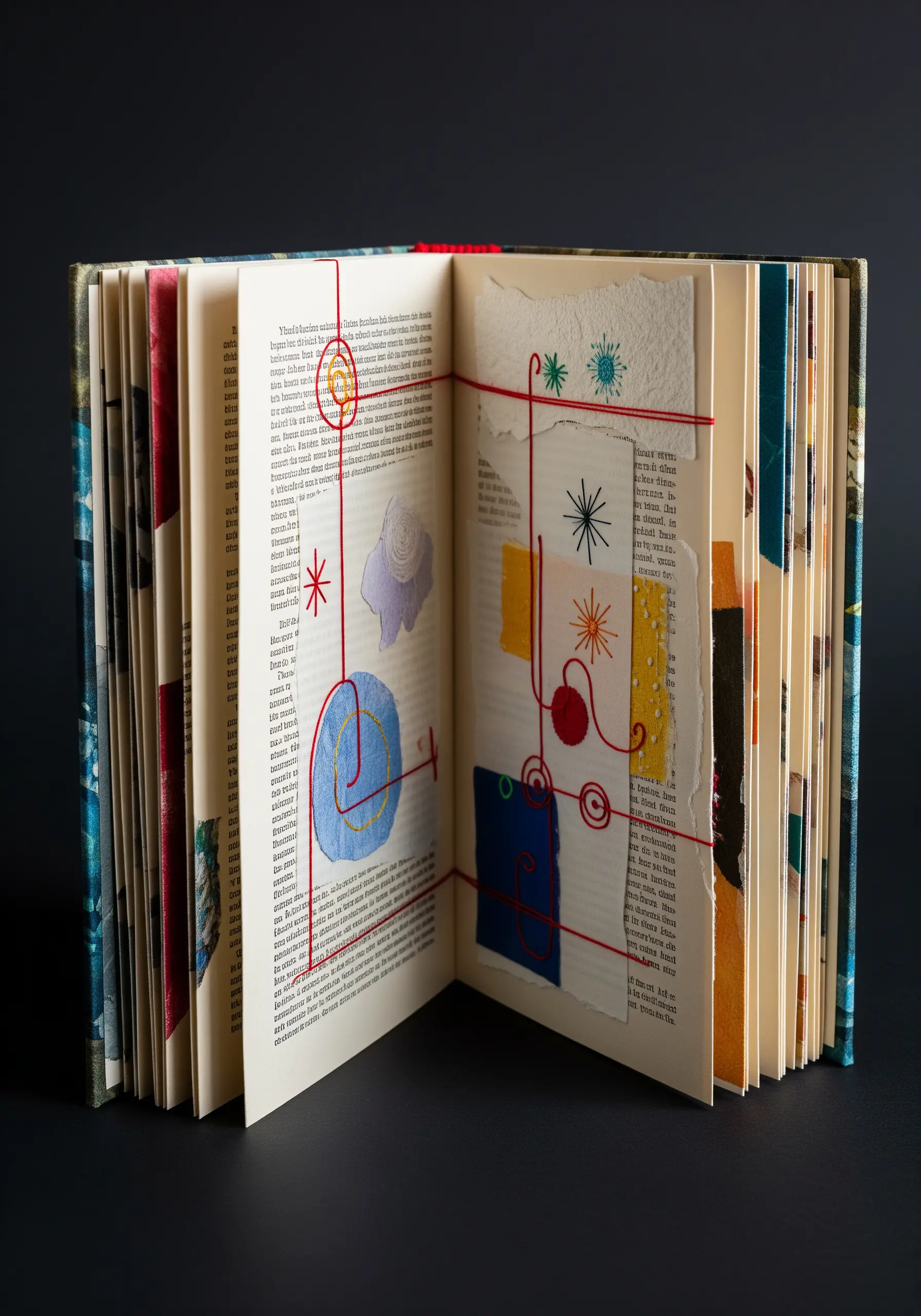
Use an old book as both canvas and inspiration, letting thread create new connections between words, images, and pages.
You can stitch directly through pages to create pathways that guide the eye, or add small embroidered motifs to collaged elements you’ve layered onto the pages.
This process transforms the book from a linear story into a multi-layered art object.
The thread adds a physical narrative, creating a dialogue between your stitches and the book’s original content, which is the essence of all good creative collage art ideas that use thread, paper, and tiny hand-stitched details.
11. Inlaid Paper Collage within Embroidered Outlines
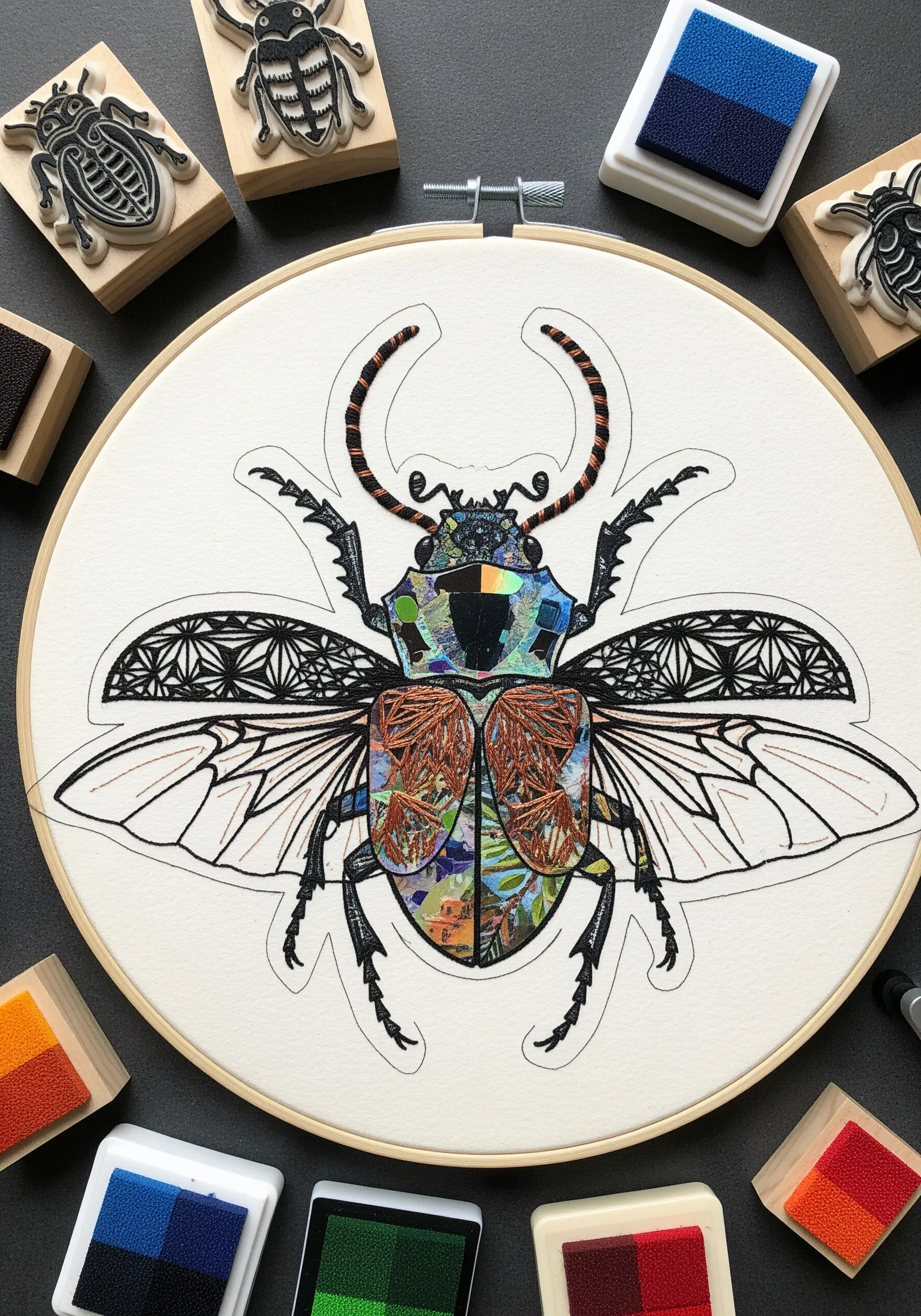
Instead of filling a design with thread, think of paper as your color palette.
First, hoop your fabric and stitch the complete outline of your motif using a crisp, clear stitch like the backstitch.
Next, carefully cut pieces of decorative paper to fit perfectly within the stitched sections and adhere them with a thin layer of fabric-safe glue.
You can then add small stitched details over the paper to blend the two mediums, creating fabric collage embroidery compositions that add storytelling to every stitch.
12. Miniature Stitched Motifs for Gift Tags
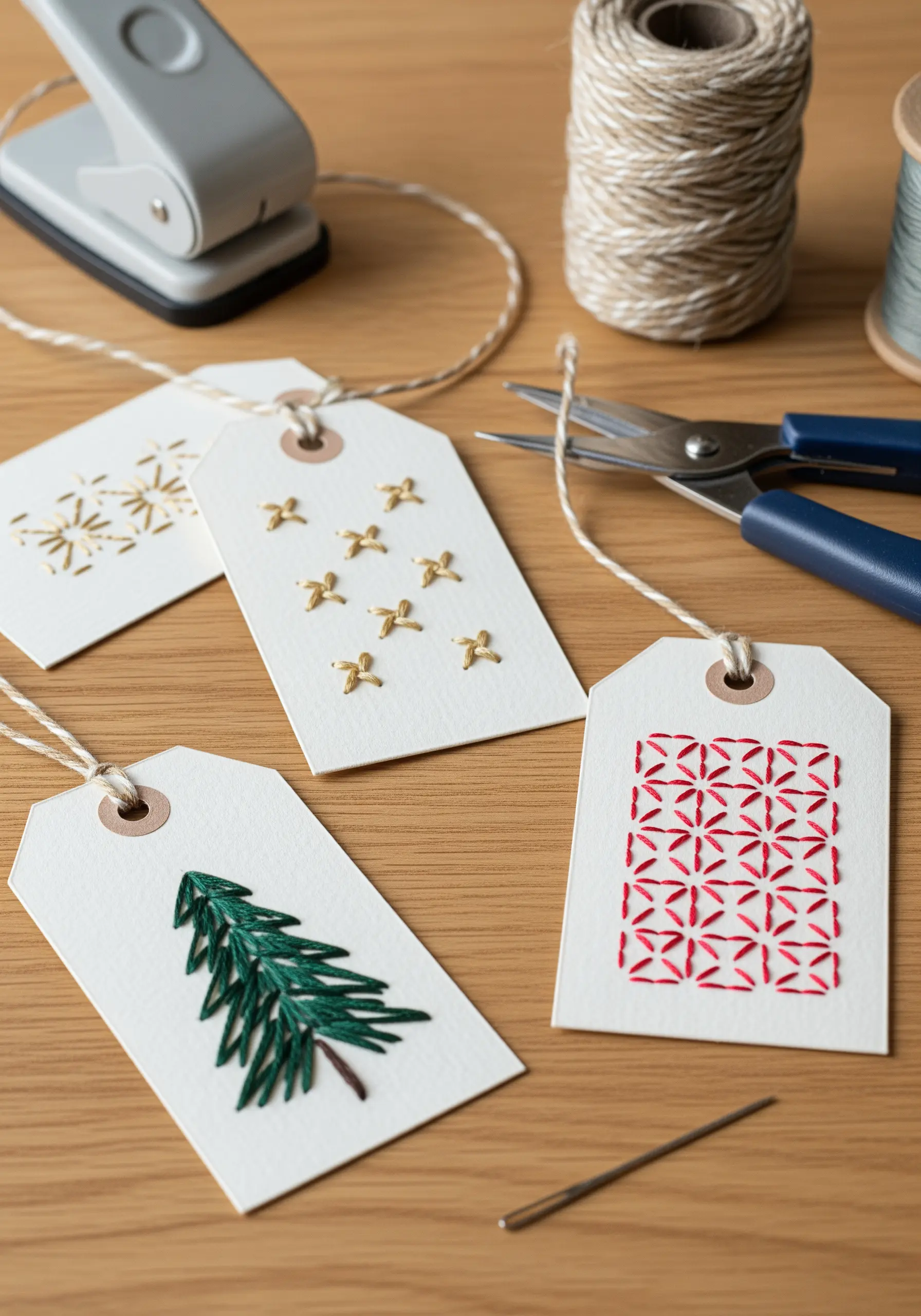
Elevate the simple act of gift-giving by adding a small, thoughtful embroidered detail to a paper tag.
Choose simple, graphic motifs that are easily recognizable, like stars, a tree, or a geometric pattern.
Use a slightly thicker thread, such as Perle cotton #8, to ensure the stitches have a visible, tactile presence on the paper.
A few well-placed stitches can transform a disposable tag into a keepsake, making it one of those tiny embroidered accents that make your home look designer-crafted.
13. Creating Textural Waves with Layered Paper and Knots
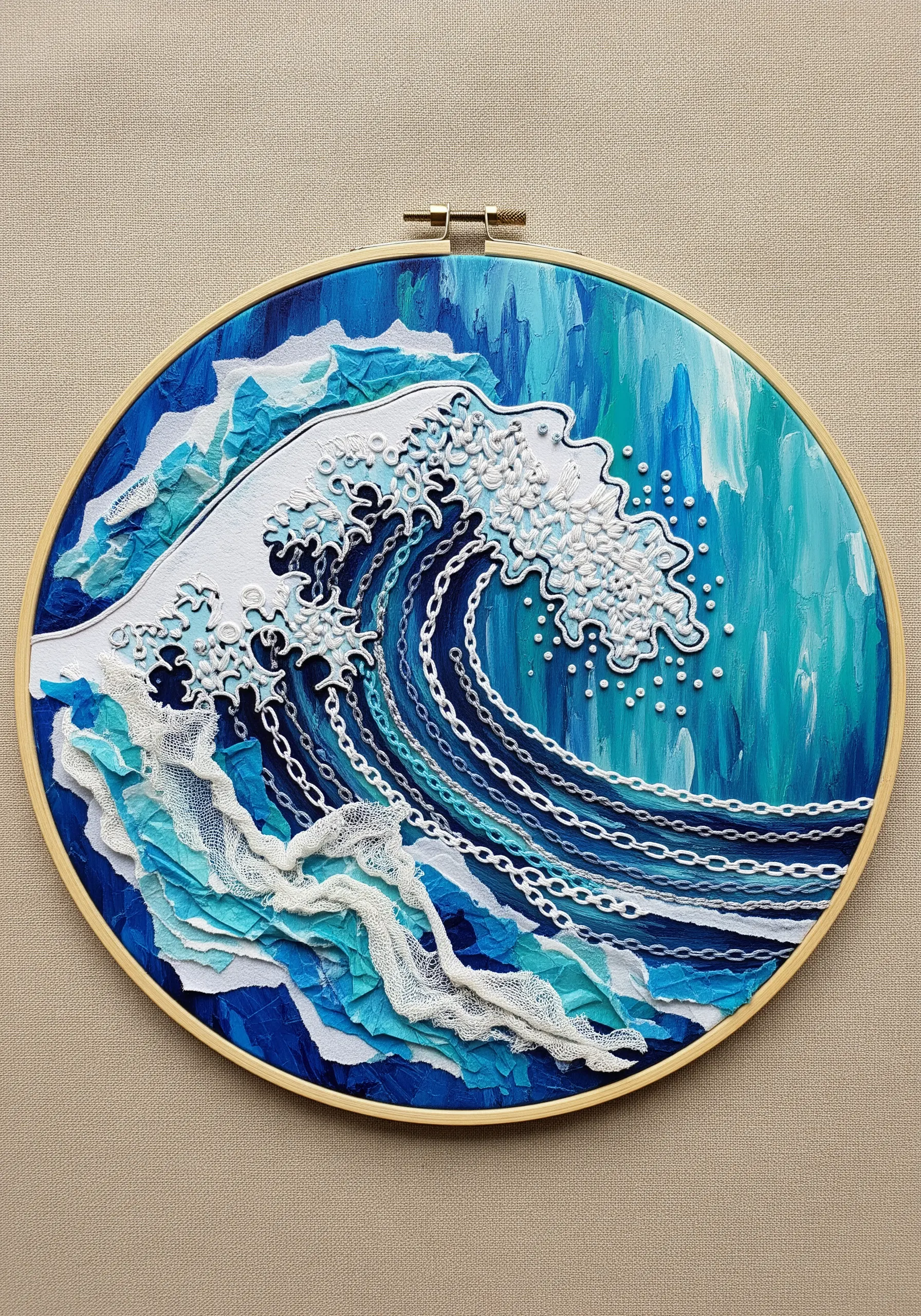
Capture the dynamic energy of the ocean by combining layered paper, fabric, and dense stitch work.
Create your background by layering torn strips of painted paper and wisps of tulle or lace to build depth and movement.
Then, use dense clusters of white French knots to represent the churning sea foam.
By varying the size and tightness of your knots, you can create a highly realistic, tactile effect that contrasts beautifully with the smoother layers beneath, one of many ways to use abstract thread waves swirls to capture motion and flow in your embroidery.
14. Embellishing Illustrated Maps with Thread
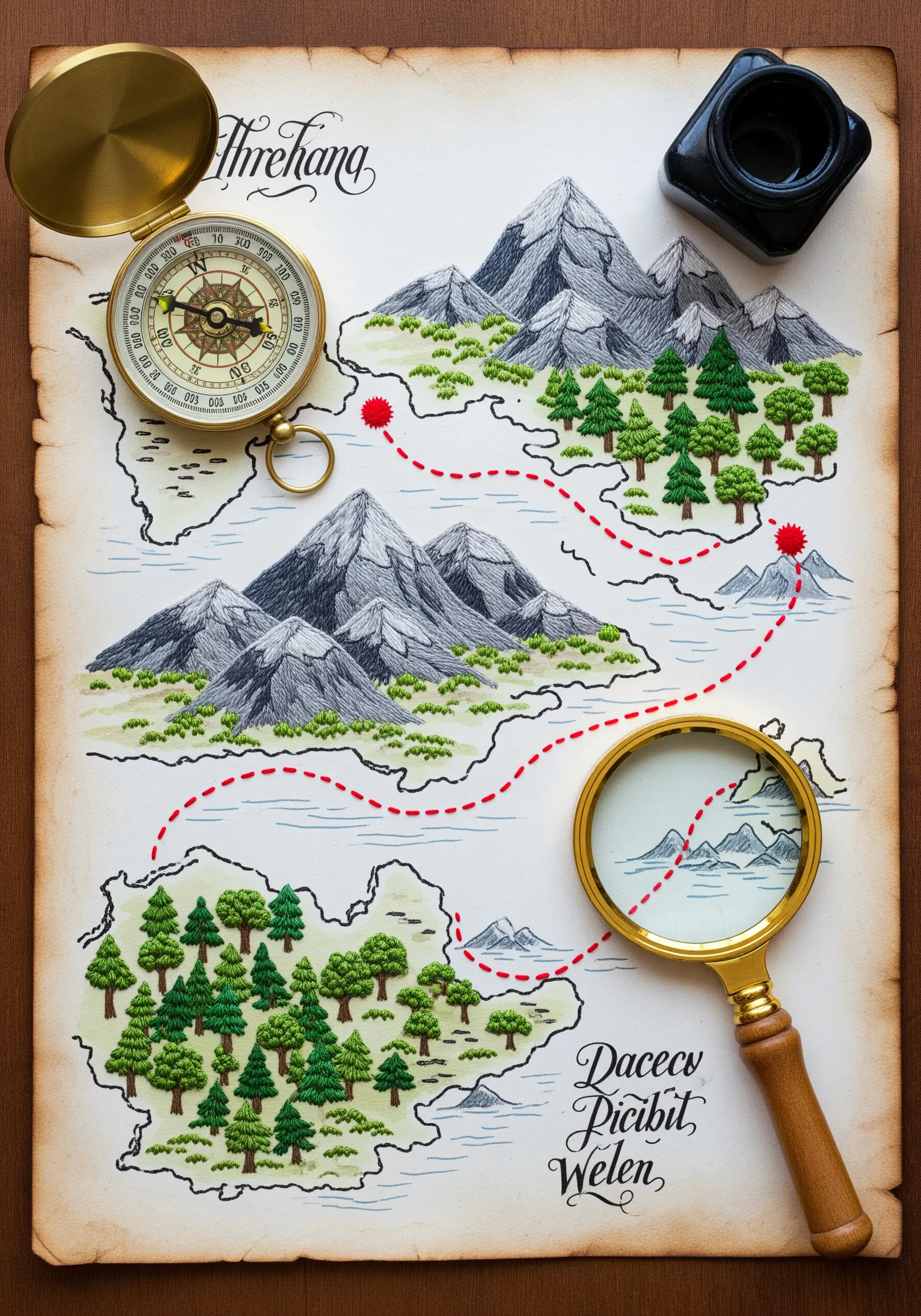
Add a sense of personal history and tactile appeal to an illustrated map with simple stitches.
Use a dashed backstitch in a bold, contrasting color to mark a significant journey or outline a territory.
You can also add textural fills to areas like forests or mountains using scattered seed stitches or French knots.
This technique turns a printed map into a unique artifact, creating deeply personal and travel-inspired embroidery hoops that tell a story on your wall.
15. Embroidering on Paper Before 3D Construction
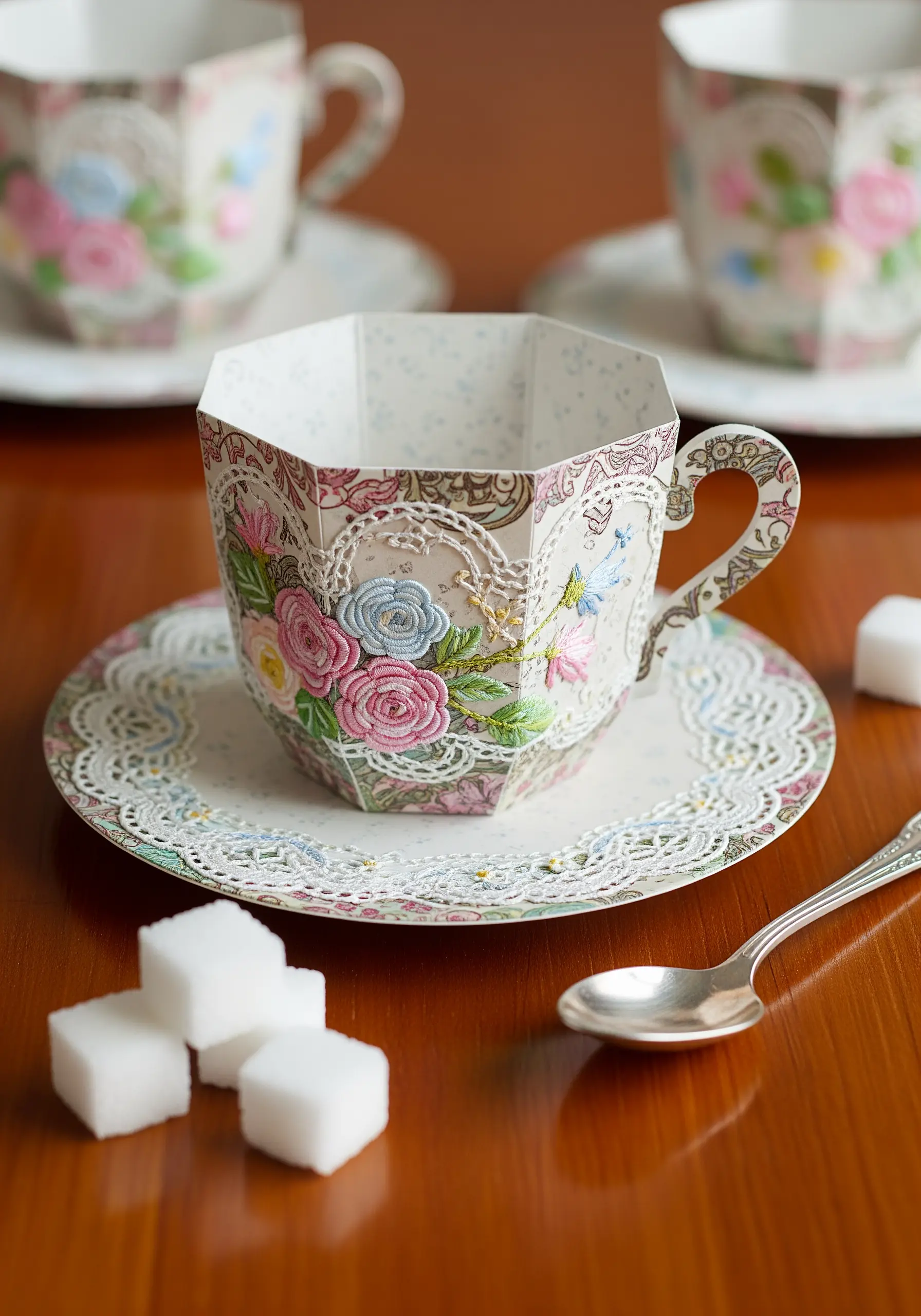
The key to adding embroidery to 3D papercrafts is to do all your stitching while the paper is still flat.
Embroider your motifs—like these satin-stitched roses—directly onto the printed and scored template pieces.
Once the embroidery is complete, carefully cut, fold, and glue the pieces together according to the instructions.
The thread introduces a surprising softness and handcrafted elegance to the crisp, geometric paper form, resulting in unique handmade objects every creative home needs.
16. Expressive Portraits with Scribble Stitch String Art
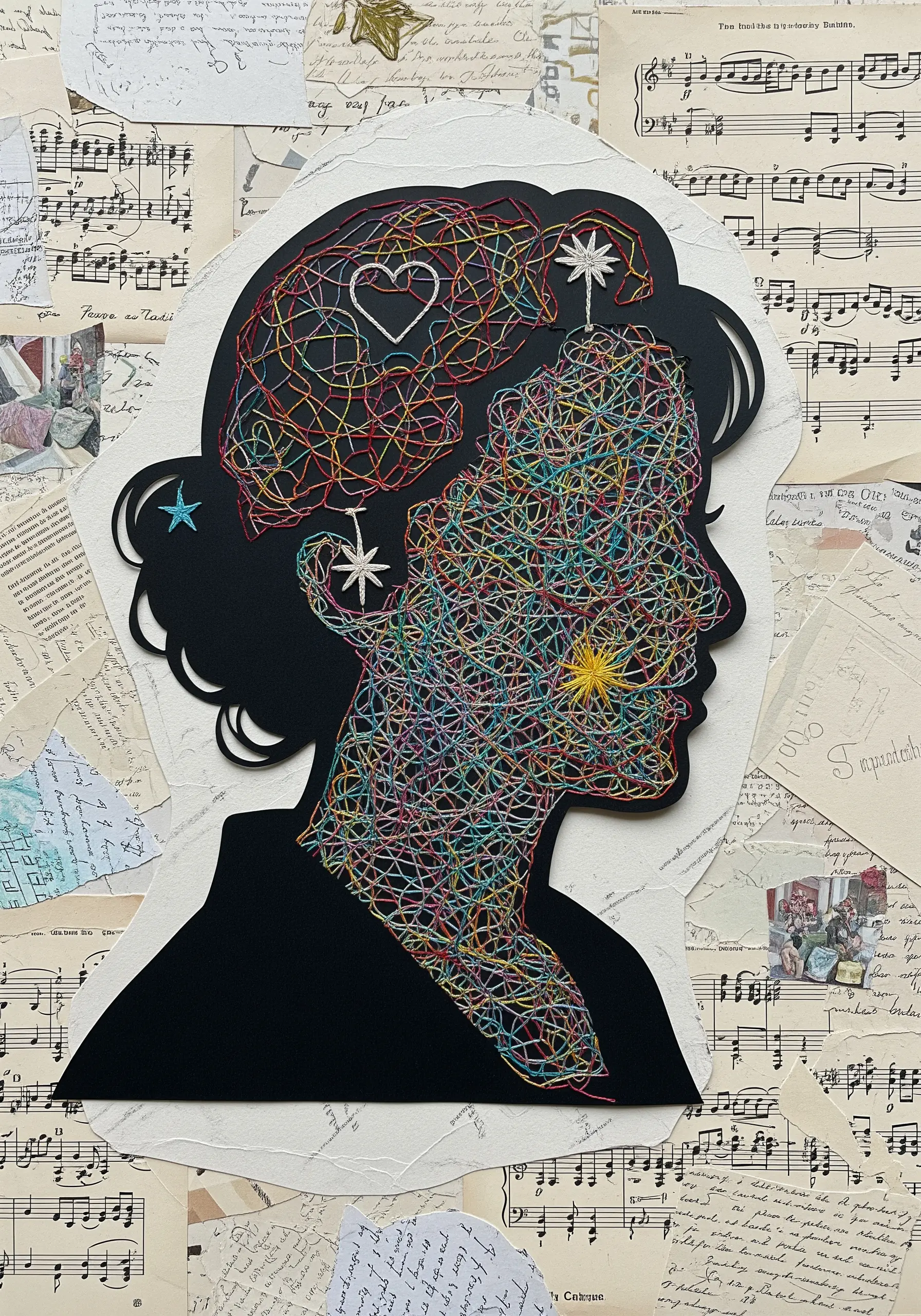
Create a portrait that pulses with energy by using a freeform string art technique over a simple paper silhouette.
Mount your paper silhouette onto a background collage of vintage sheet music or handwritten letters for added depth.
Pre-punch holes around the perimeter of the silhouette, then use a long strand of thread to randomly crisscross the interior, creating a dense, web-like fill.
The chaotic lines convey a sense of inner life and emotion, turning the portrait into a piece of abstract concept art embroidery ideas inspired by feelings memories.
17. Pierced Paper Lanterns with Stitched Accents
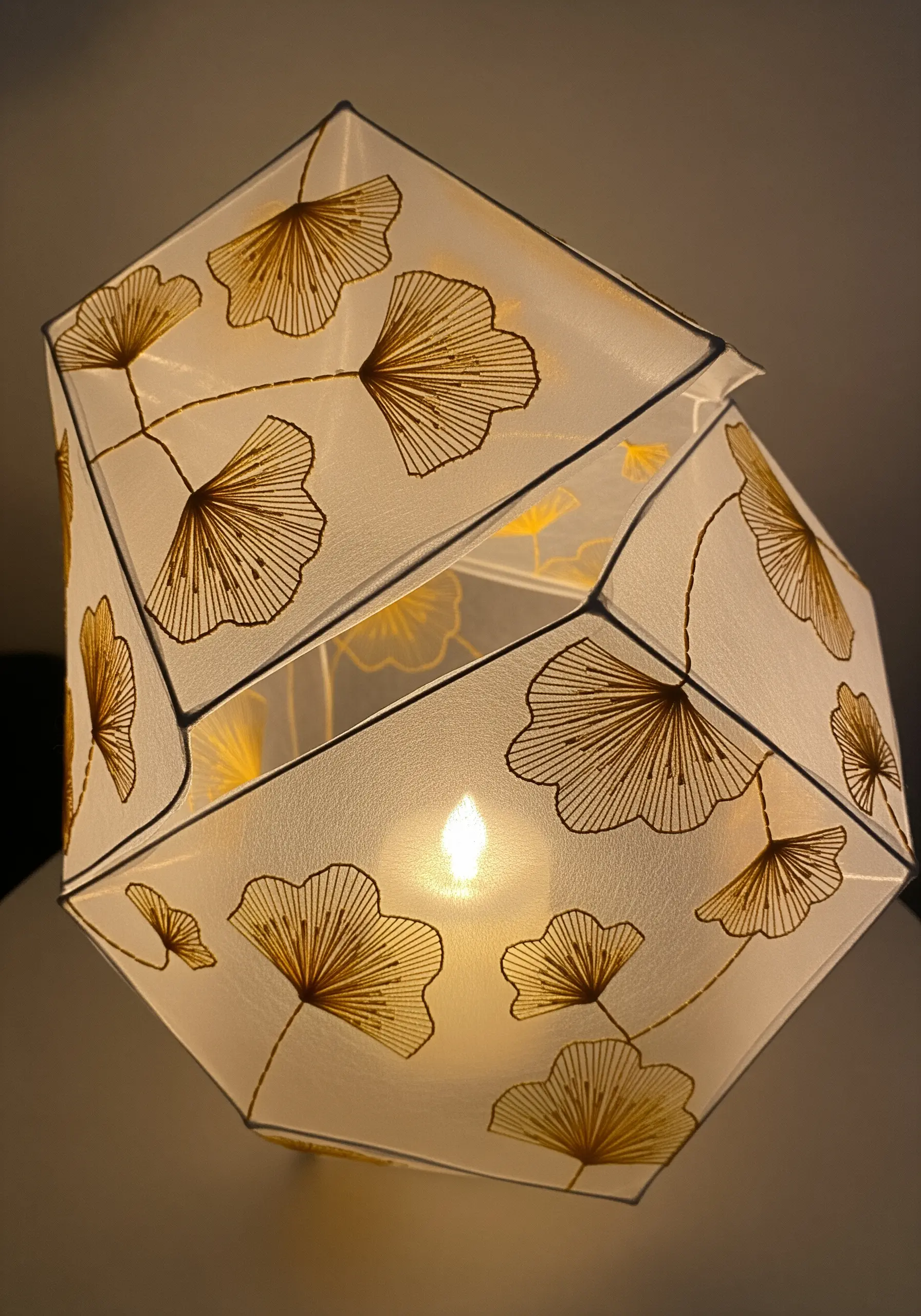
Combine stitching with paper piercing to create lanterns that are as beautiful unlit as they are when glowing.
Choose a translucent paper like vellum and stitch the outlines of your motifs, such as these elegant ginkgo leaves.
Use the stitch holes as a guide to carefully cut away sections within your design.
When an LED candle is placed inside, the light shines through both the thread and the cutouts, casting intricate shadows and highlighting your handiwork in these paper art designs that pair beautifully with nature-inspired embroidery.
18. Framing Keepsakes with Embroidered Botanical Wreaths
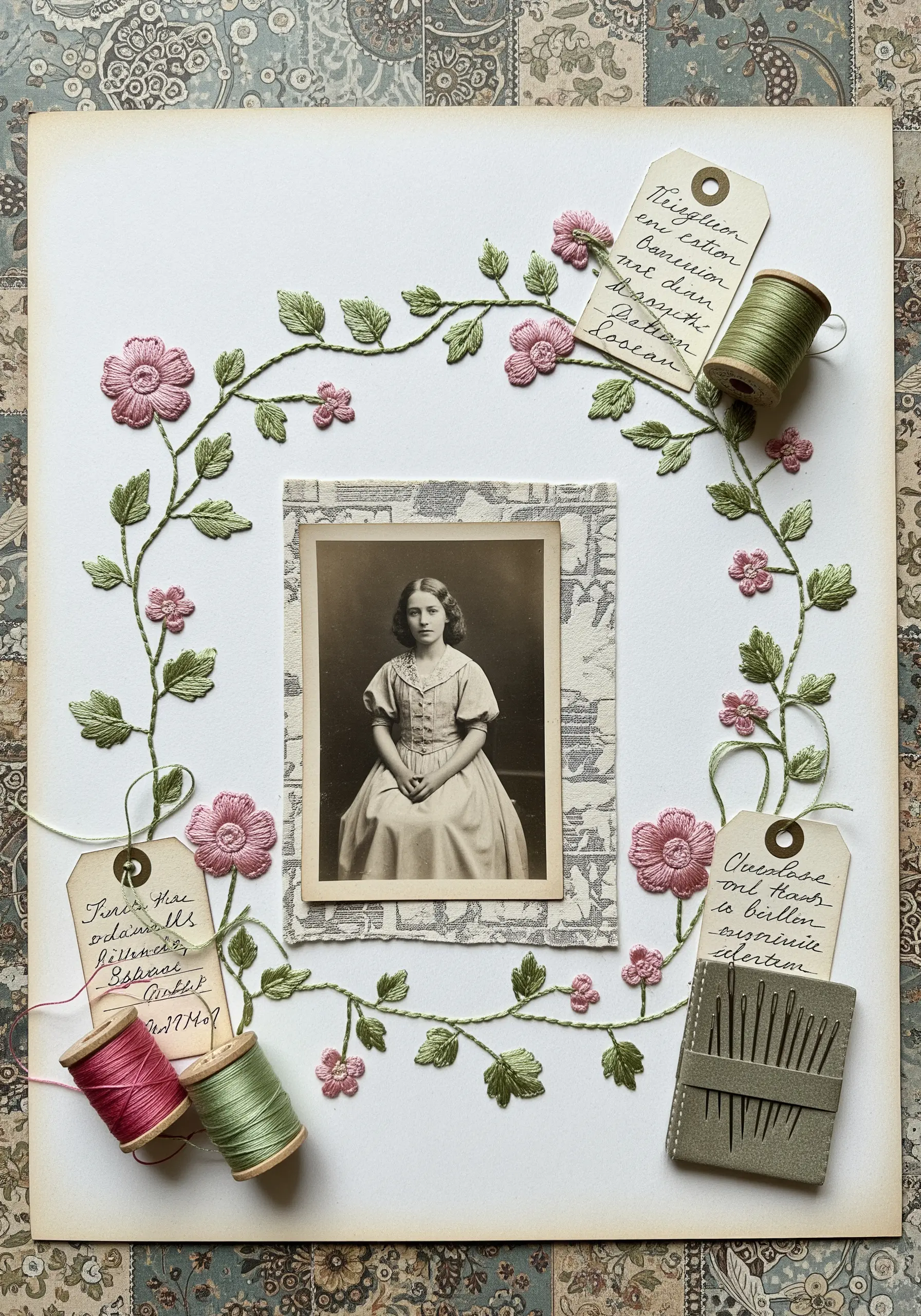
Elevate a cherished photograph or piece of ephemera by stitching a decorative frame directly onto the background paper.
A botanical wreath is a classic choice; use a simple stem stitch for the vines, leaf stitch for the foliage, and small woven wheel stitches for dimensional flowers.
This handmade frame adds softness and a deep sense of personal value, turning a simple memento into a cohesive piece of art, creating beautiful floral framed embroidery ideas that feel straight out of a fairytale.
19. Minimalist Stitching on Small Paper Envelopes
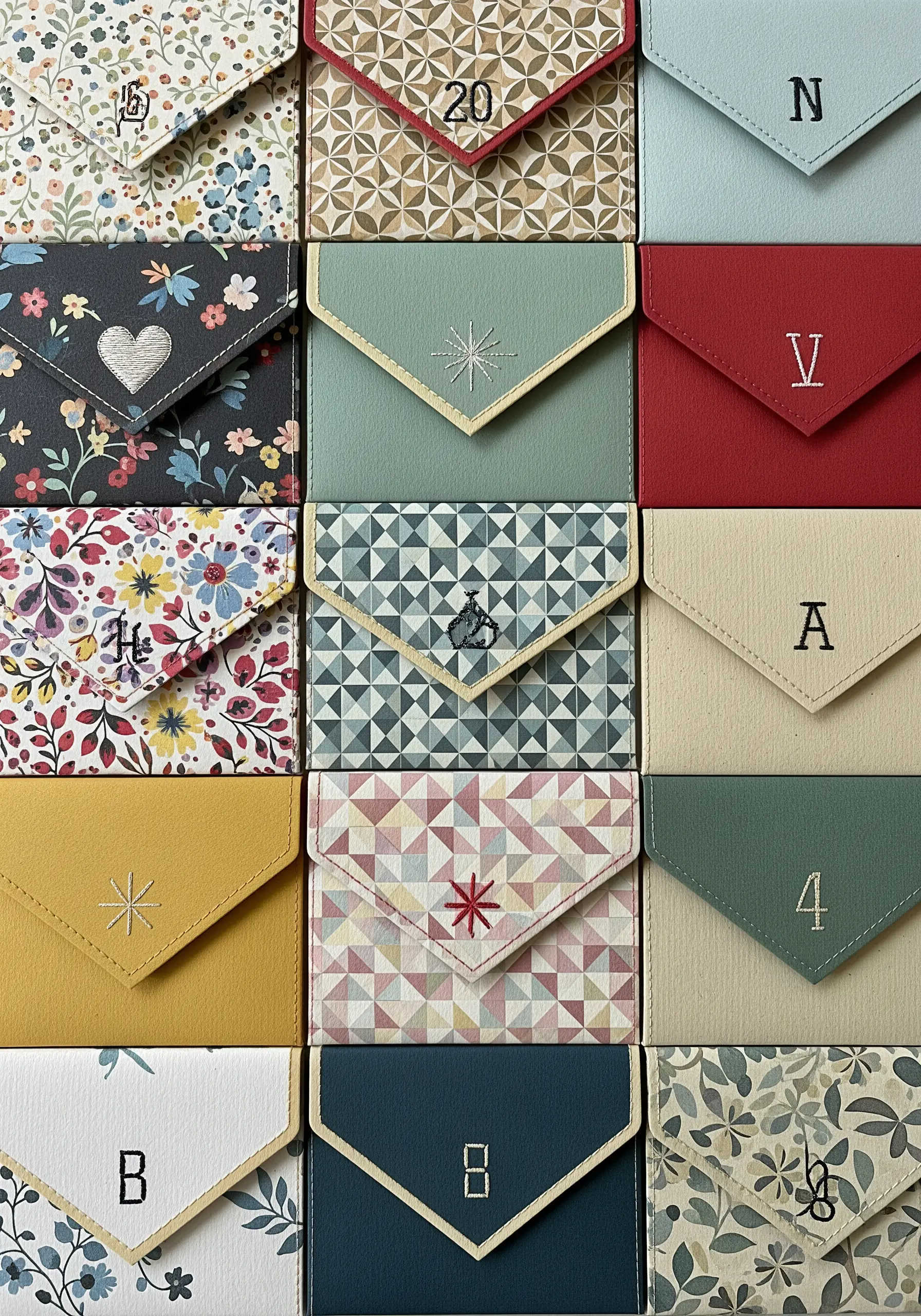
Add a bespoke touch to paper goods like advent calendars, gift card holders, or place cards with a single, minimalist stitched motif.
A tiny starburst, a simple initial, or a delicately stitched heart is all you need.
Use a contrasting thread color on solid paper to ensure the design is visible and impactful.
The clean, graphic quality of a few precise stitches on paper feels both modern and deeply thoughtful, much like the best minimal monogram styles that make personalized gifts look high-end.
20. Sculptural Marine Life with Stitched Paper Forms
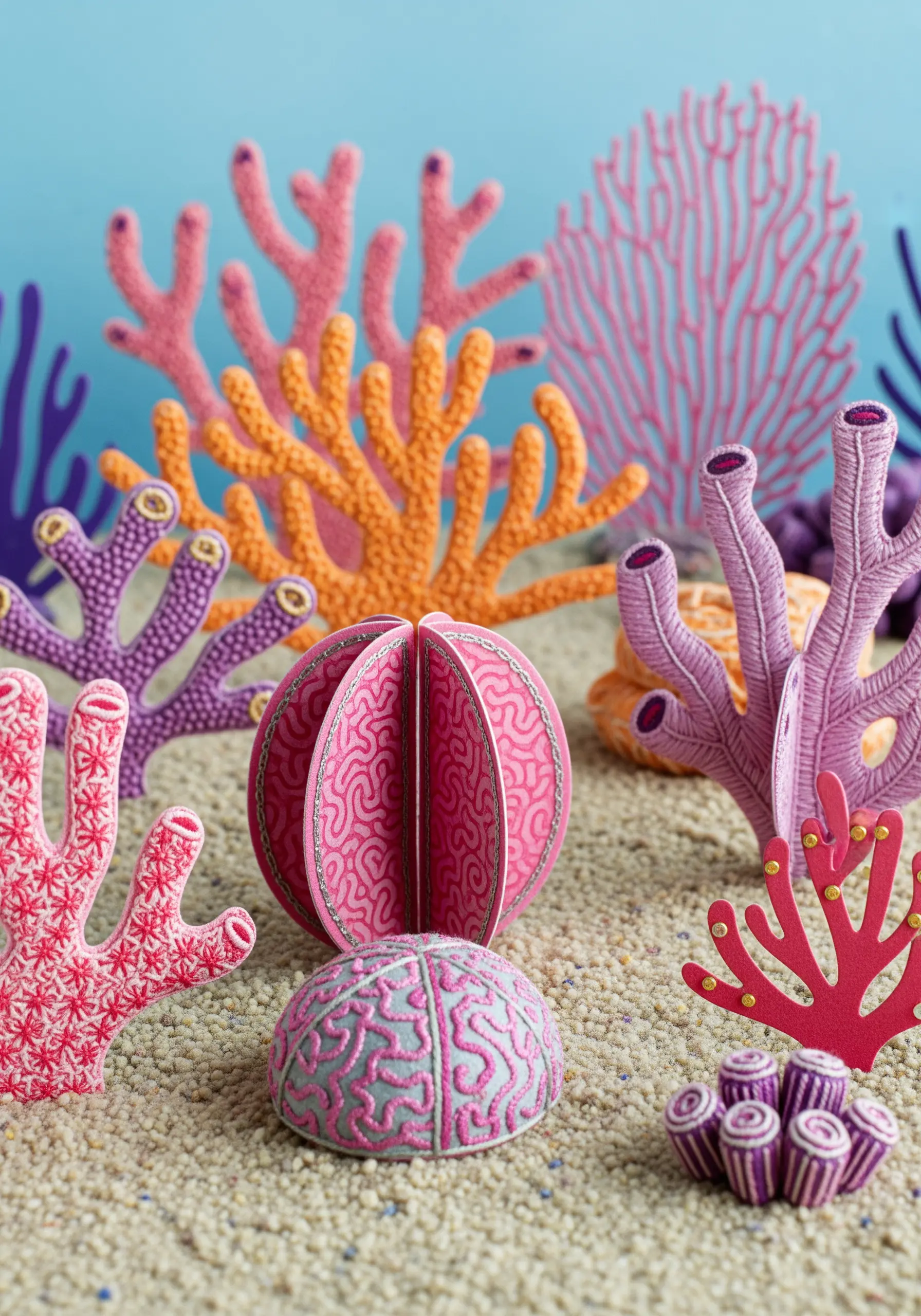
Move beyond two dimensions by building a sculptural paper scene with embroidered details.
Cut coral and other marine shapes from various colors of heavy cardstock.
Before you assemble them, add texture and pattern by stitching directly onto the flat paper pieces.
Simple backstitches, seed stitches, or French knots are perfect for mimicking the intricate textures of a real coral reef.
Assembling the stitched pieces in layers creates a vibrant, 3D world, resulting in unexpected fiber art installations that mix embroidery and sculpture.
21. Integrating Bold Stitches into Abstract Paintings
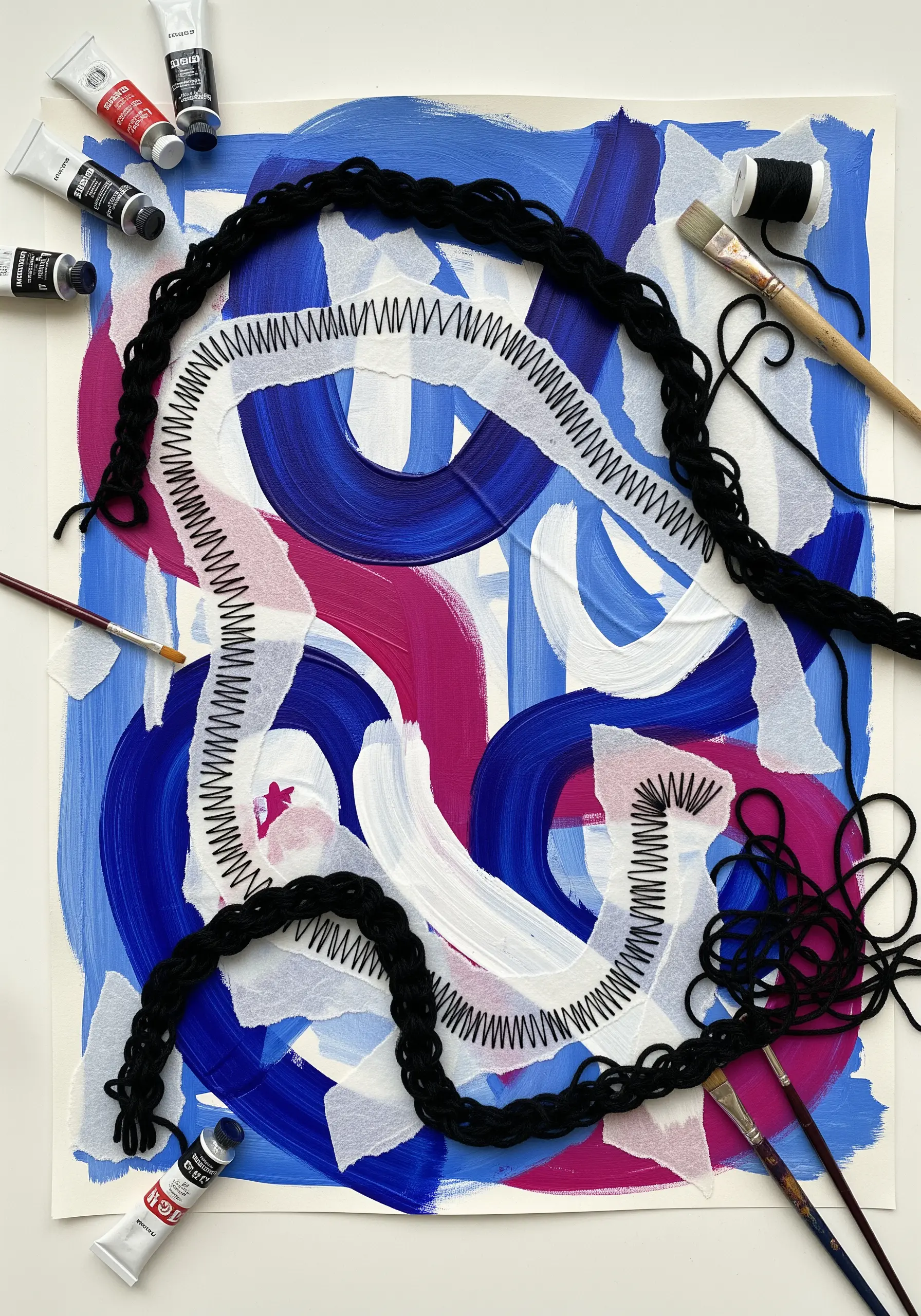
Bridge the gap between painting and fiber art by adding stitched elements directly onto your abstract artwork on paper.
After the paint is completely dry, introduce another layer of texture with torn paper strips or thick gesso.
Then, use a heavy-duty needle to couch down thick yarn or use a sewing machine to add bold, graphic stitches.
This disruption of the flat painted surface creates a compelling dialogue between color, texture, and line, letting you create DIY art pieces that capture the magic of imperfection.
22. Combining Marbled Paper with Simple Line Embroidery
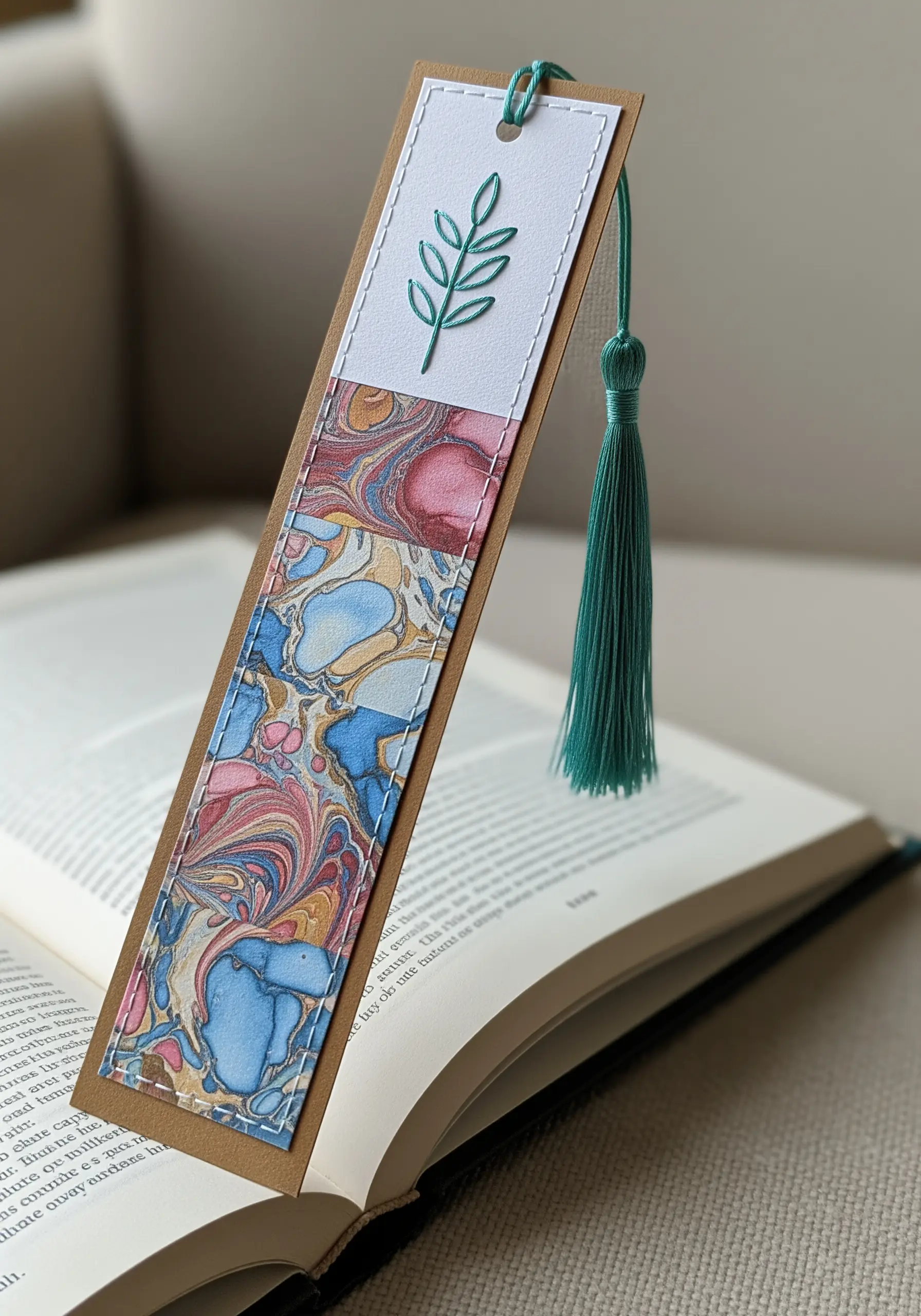
Create a beautifully balanced composition by pairing an ornate paper with a clean, simple stitched motif.
Choose a piece of marbled paper and mount it alongside a solid-colored cardstock on your bookmark base.
On the solid portion, stitch a minimalist design—like a single botanical sprig in backstitch.
The juxtaposition of the fluid, chaotic pattern of the marbling with the crisp, controlled lines of your embroidery creates a sophisticated and visually pleasing contrast, perfect for simple embroidery accents to refresh your coffee table this week.
23. Geometric String Art Mandalas over Vintage Maps
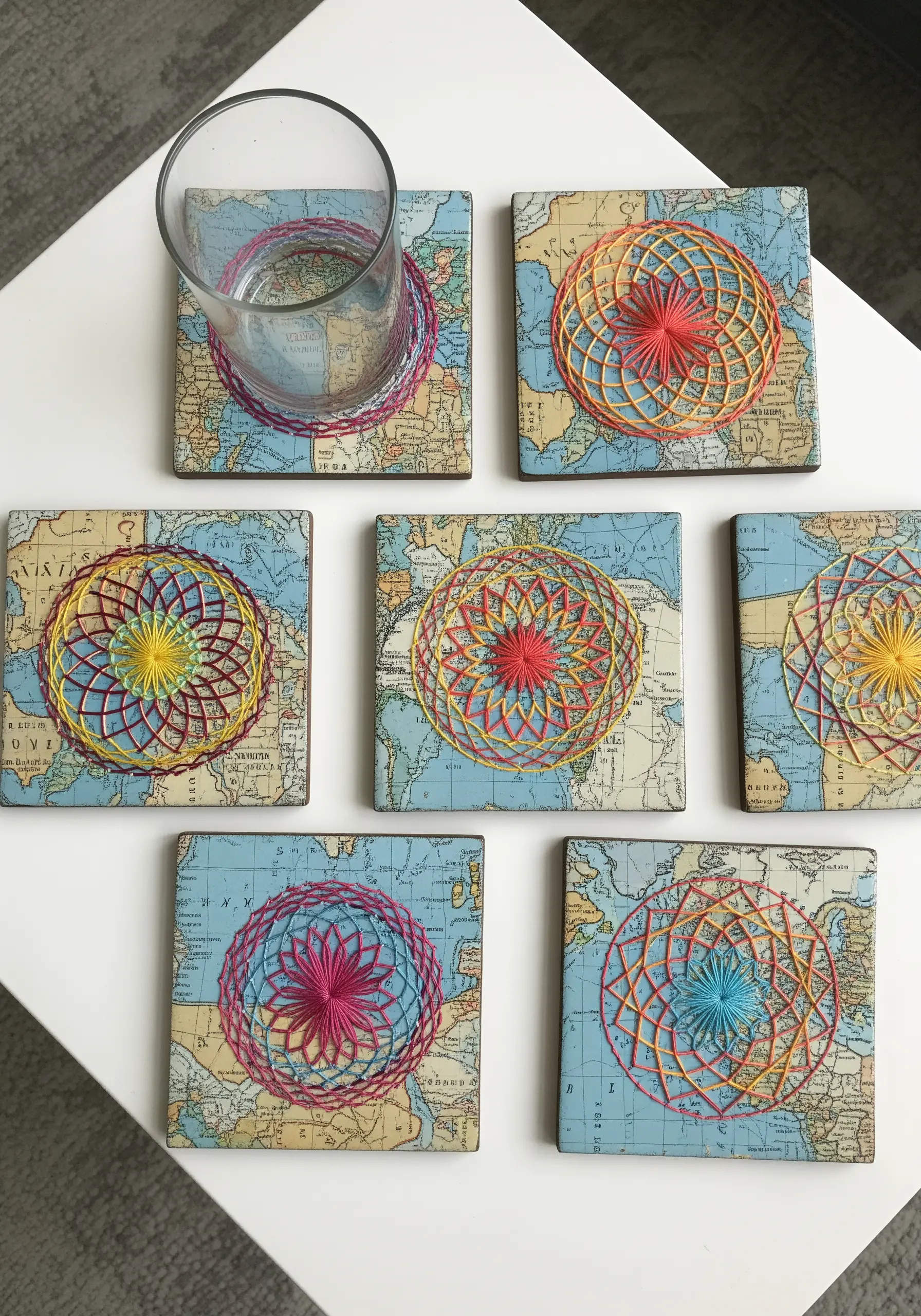
Layer precise, geometric string art over the organic lines of a vintage map to create a stunning visual contrast.
First, adhere map segments to a sturdy base like wood or tile coasters using decoupage medium.
Once dry, use a template and awl to punch an evenly spaced circle of holes.
Weave colorful embroidery floss between the holes to build intricate, mandala-like patterns.
This project is a perfect way to explore modern thread mandala ideas for people obsessed with calming, meditative embroidery.
24. Adding Embellishments to 3D Paper Models
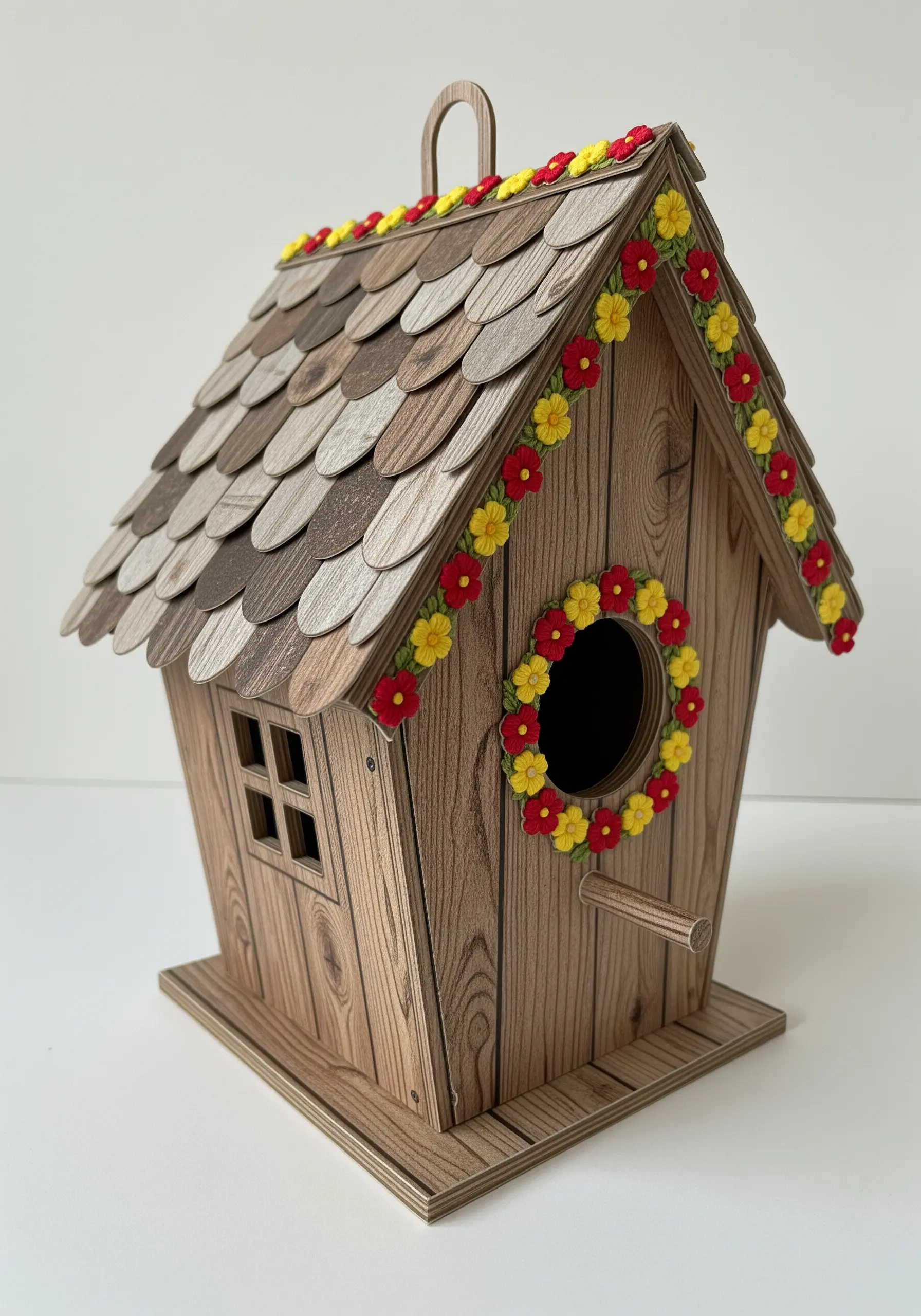
Bring warmth and intricate detail to papercraft models by adding tiny, handmade embellishments.
You can create miniature garlands from embroidered flowers or paper-punched shapes and drape them around windows and doorways.
Alternatively, you can stitch small patterns directly onto the paper panels before you begin assembly.
These focused details draw the eye and add a delicate, artisanal charm to the finished model, turning them into adorable mini-stitch ideas that make perfect gifts.
25. Monochrome Texture Study with Paper and Thread
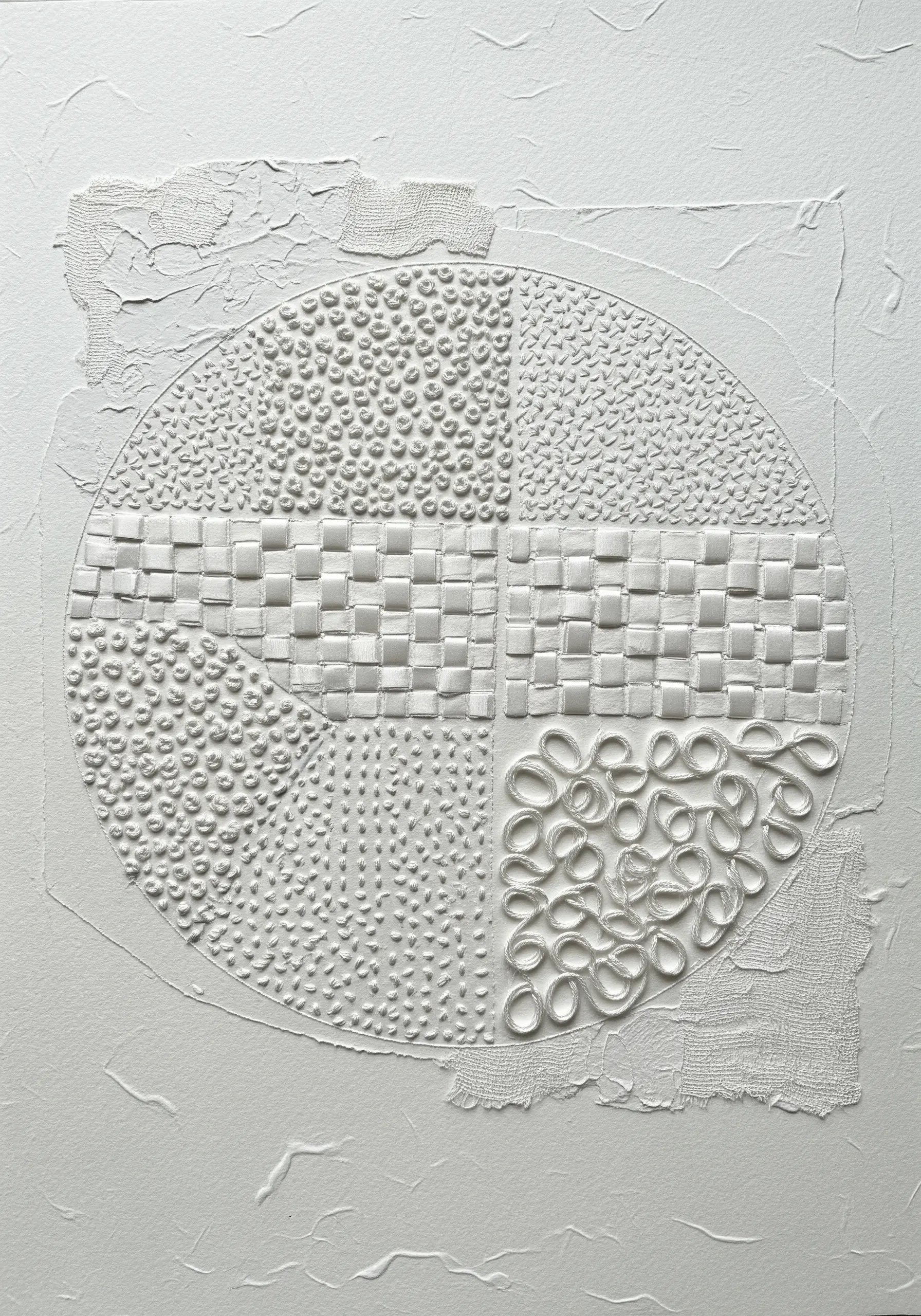
Explore the interplay of light and shadow by creating a mixed-media piece using only one color.
Combine various materials like woven paper strips, gesso, fabric scraps, and different weights of thread and yarn, all in shades of white.
Fill different sections with unique textures: dense French knots, rows of couched cord, or grids of straight stitches.
The lack of color variation makes the textural details the star of the show, creating a sophisticated and deeply serene artwork that fits perfectly into a monochrome thread embroidery ideas for bedrooms with a serene aesthetic.
26. Creating a Seasonal Wreath with Embroidered Paper Leaves
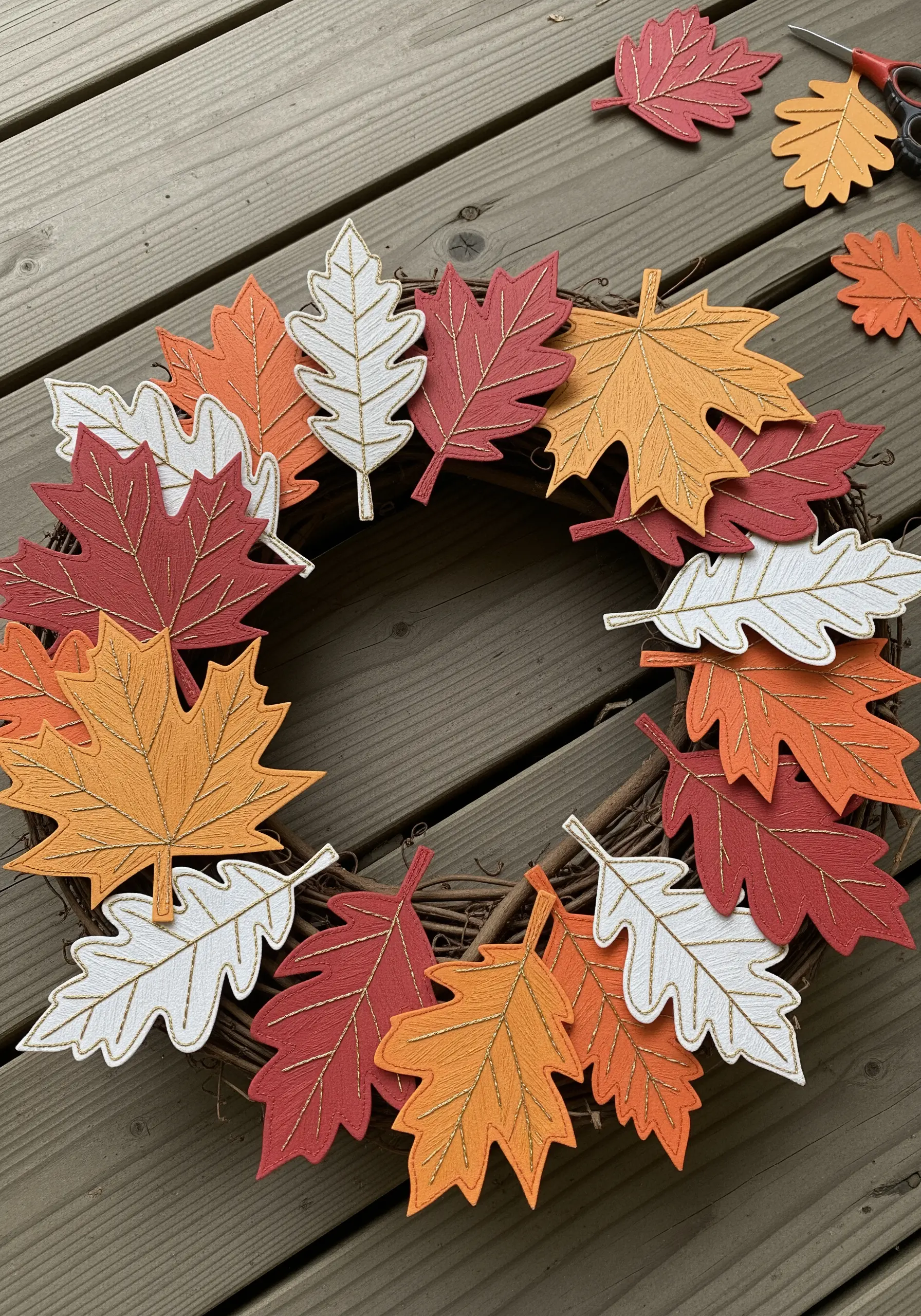
Design a beautiful seasonal wreath that will never wilt by crafting your leaves from paper and thread.
Cut leaf shapes from high-quality cardstock in your chosen color palette.
Use a simple backstitch or stem stitch to embroider the central vein and smaller offshoots, which adds both visual detail and structural integrity to the paper.
Attach the finished leaves to a grapevine wreath base for a piece of decor that evokes the feeling of dried flower style embroidery ideas for rustic home decor lovers.
27. Personalizing a Family Tree with Stitched Initials
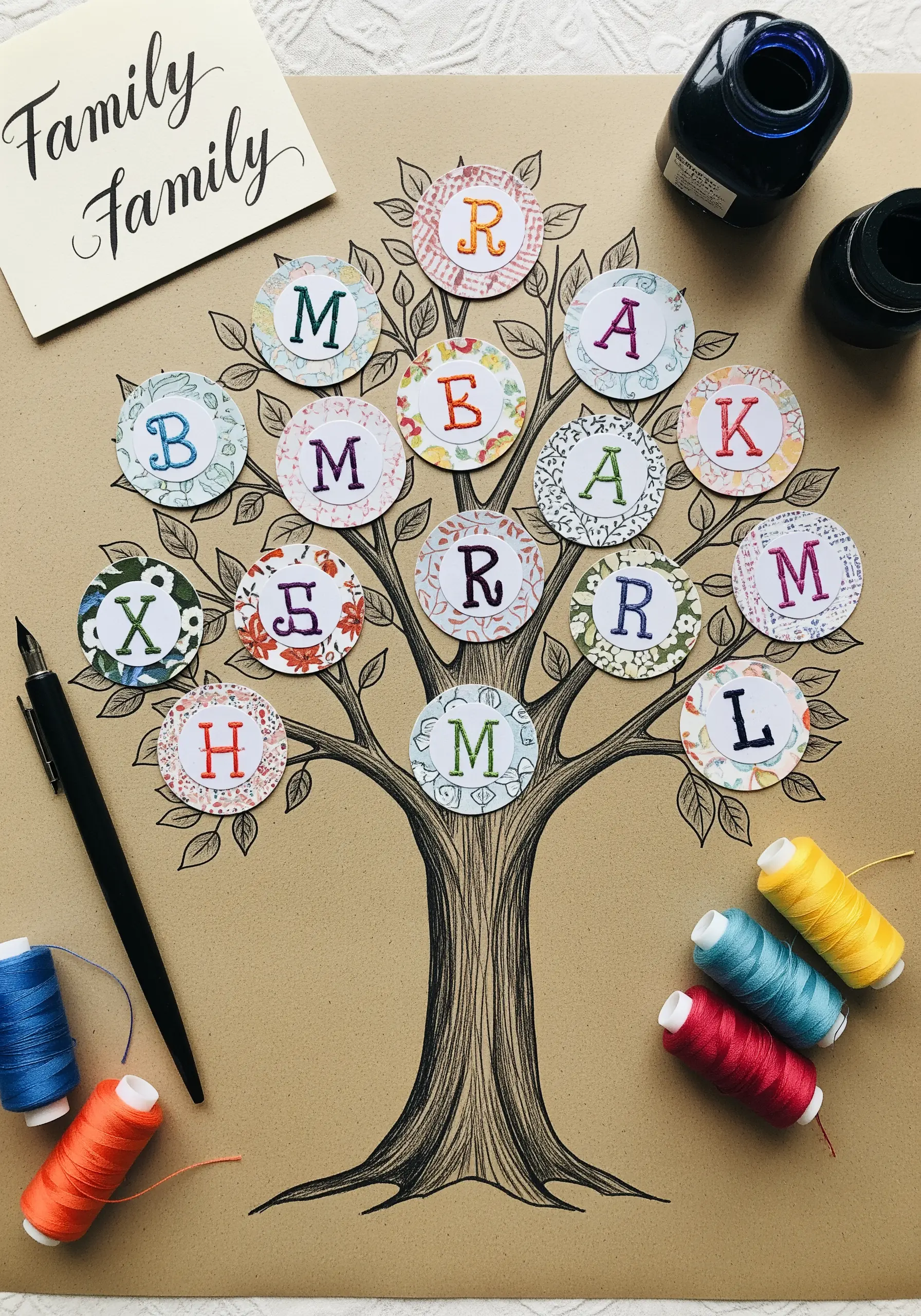
Add a tactile, heirloom quality to a family tree project by incorporating paper and stitch.
For each family member, cut a circle from a unique piece of patterned scrapbook paper.
Hand-stitch their initial onto the paper circle using a simple, clean backstitch in a contrasting color.
The combination of different patterns and consistent stitching style creates a piece that is both cohesive and deeply individual, which is key for personalized embroidery ideas to make your bedroom truly yours.
28. Decorating Box Lids with Geometric Thread Patterns
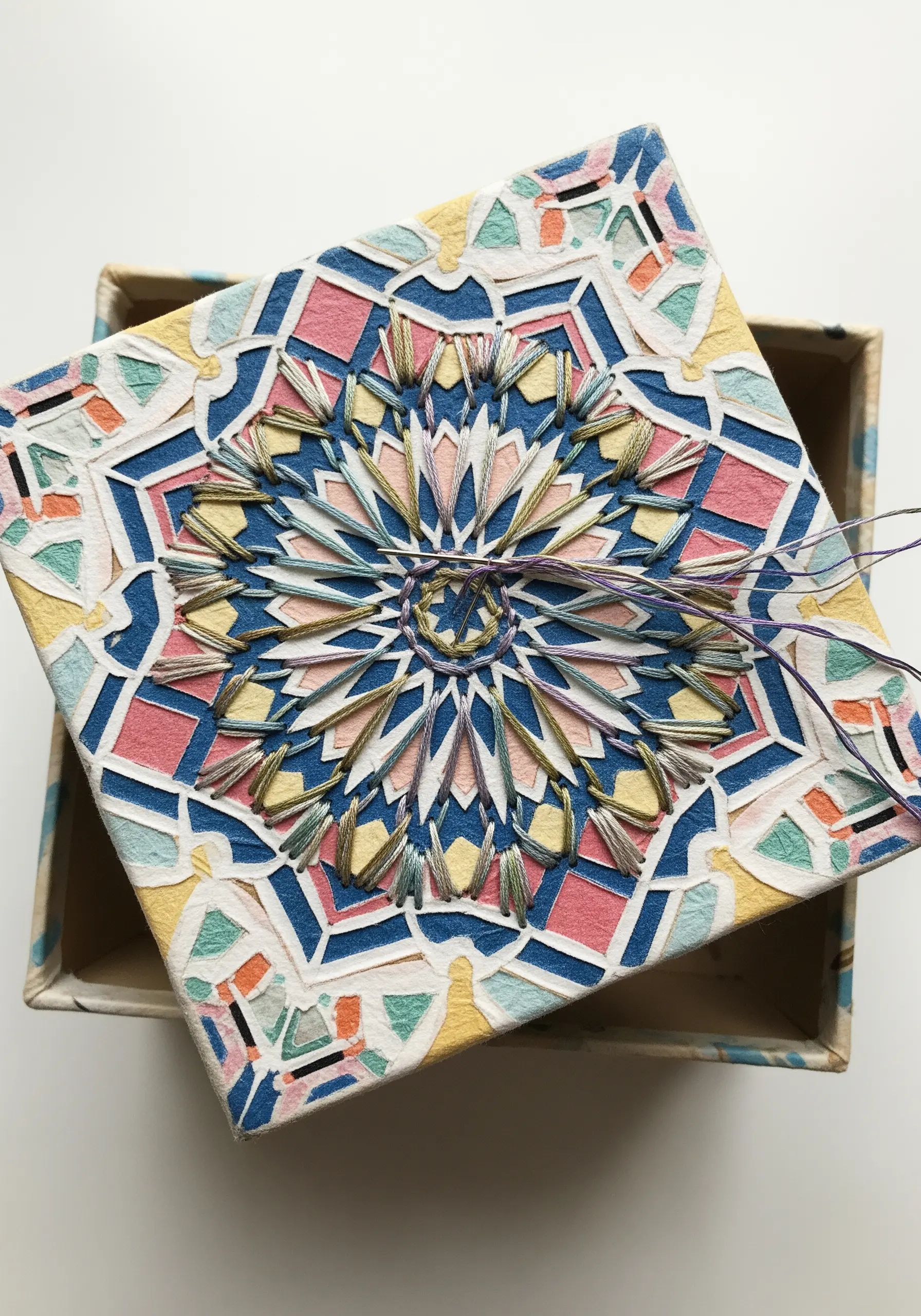
Transform a simple paper-mâché or gift box into a stunning keepsake with geometric string art.
Cover the box lid with decorative paper, then use a template to mark a pattern of holes.
Carefully pre-punch the holes with an awl for clean results.
Weave embroidery floss—try a variegated thread for effortless color shifts—between the holes to create an intricate, mandala-like design, similar to beautiful mandala embroidery wall art ideas for meditation calmness zen decor.
29. Luminous Patterns with Pierced and Stitched Vellum
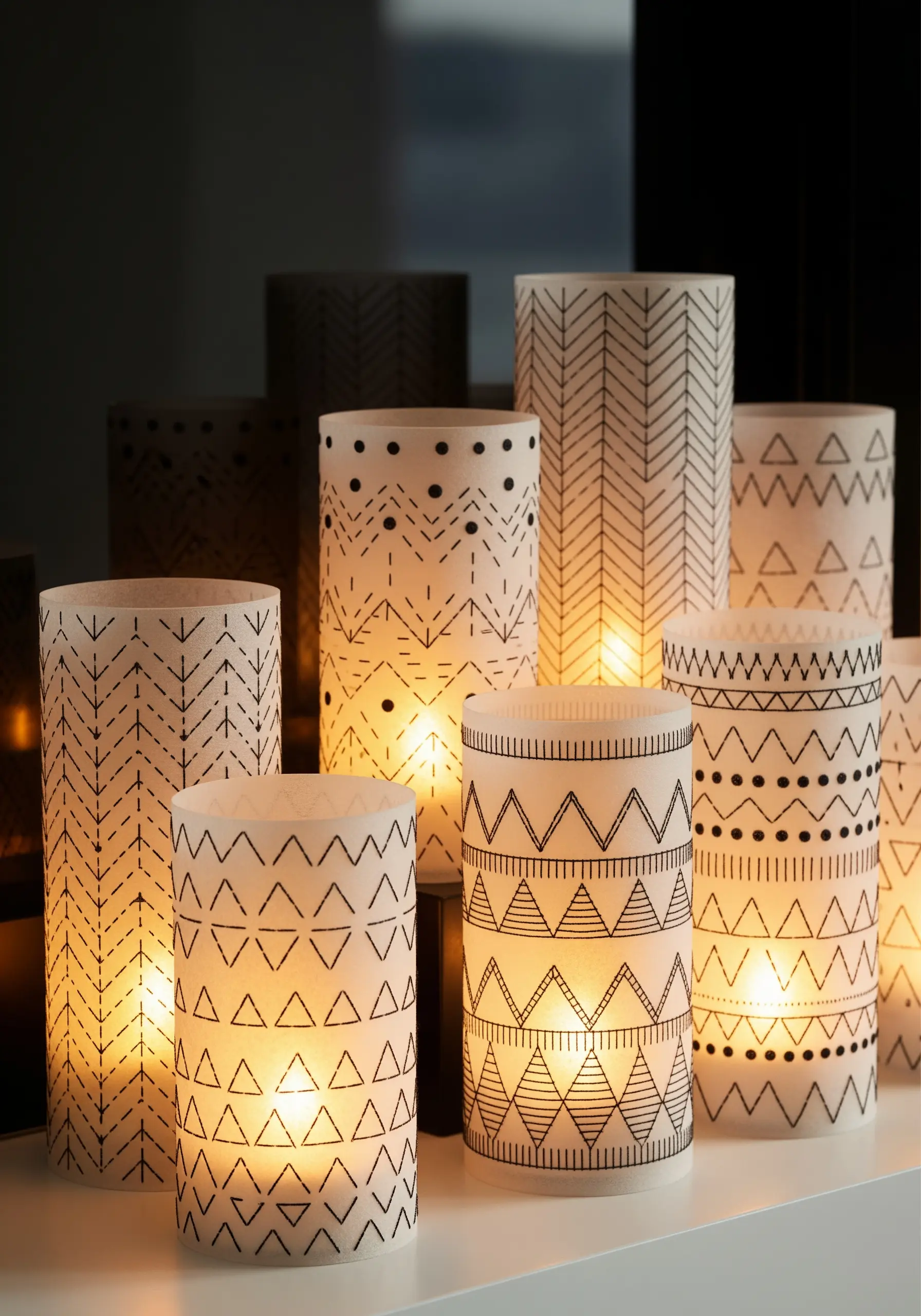
Create delicate, modern luminaries by combining paper piercing and stitching on translucent vellum.
First, use an unthreaded sewing machine or a piercing tool to create grids and lines of holes.
Then, use a dark thread to hand-stitch graphic patterns like chevrons and triangles, using the holes as your guide.
When you form the vellum into a cylinder and place an LED candle inside, the light glows through the paper, illuminating both the pierced and stitched designs, creating perfect minimalist embroidery decor ideas that make compact apartments look clean and modern.
30. Simple Stitches on Paper Appliqués
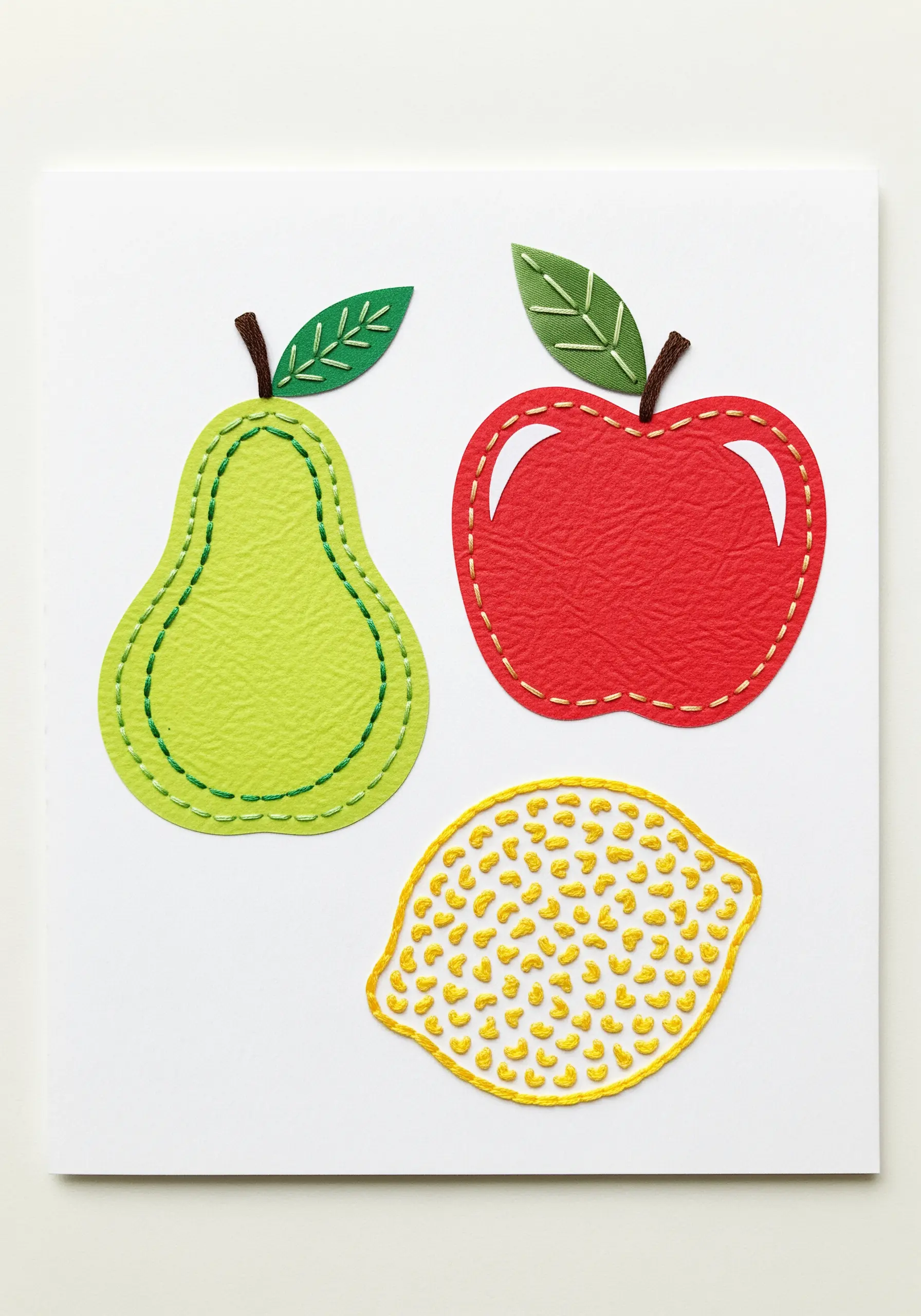
Give simple paper cutouts the charming, tactile feel of hand-sewn appliqués with the addition of a few basic stitches.
After cutting your shapes from textured cardstock, use a simple running stitch along the border in a contrasting thread.
Add textural details like seed stitches or French knots to the interior of the shapes.
This incredibly simple technique adds a surprising amount of warmth and character, turning basic papercrafts into simple embroidery patterns that make statement wall art.