Embroidery is more than a craft; it’s a quiet conversation with yourself, a way to slow down and create something truly personal. But perhaps you’re looking to move beyond following a pattern and want to imbue your work with a deeper sense of artistry and calm.
This is where intention comes in. By focusing on the small details—the way a stitch lays, the texture of a thread against fabric, the harmony of a limited color palette—you can transform your stitching practice into a powerful form of self-care. It’s about making choices that not only look beautiful but feel deeply satisfying to create.
Here, you’ll find ideas designed to refine your technique and refresh your perspective. Each project is an invitation to explore a new texture, a simpler line, or a more thoughtful composition. Let these gentle prompts guide your needle and help you find your own peaceful rhythm, one stitch at a time.
1. Render Lavender with Tactile Detail
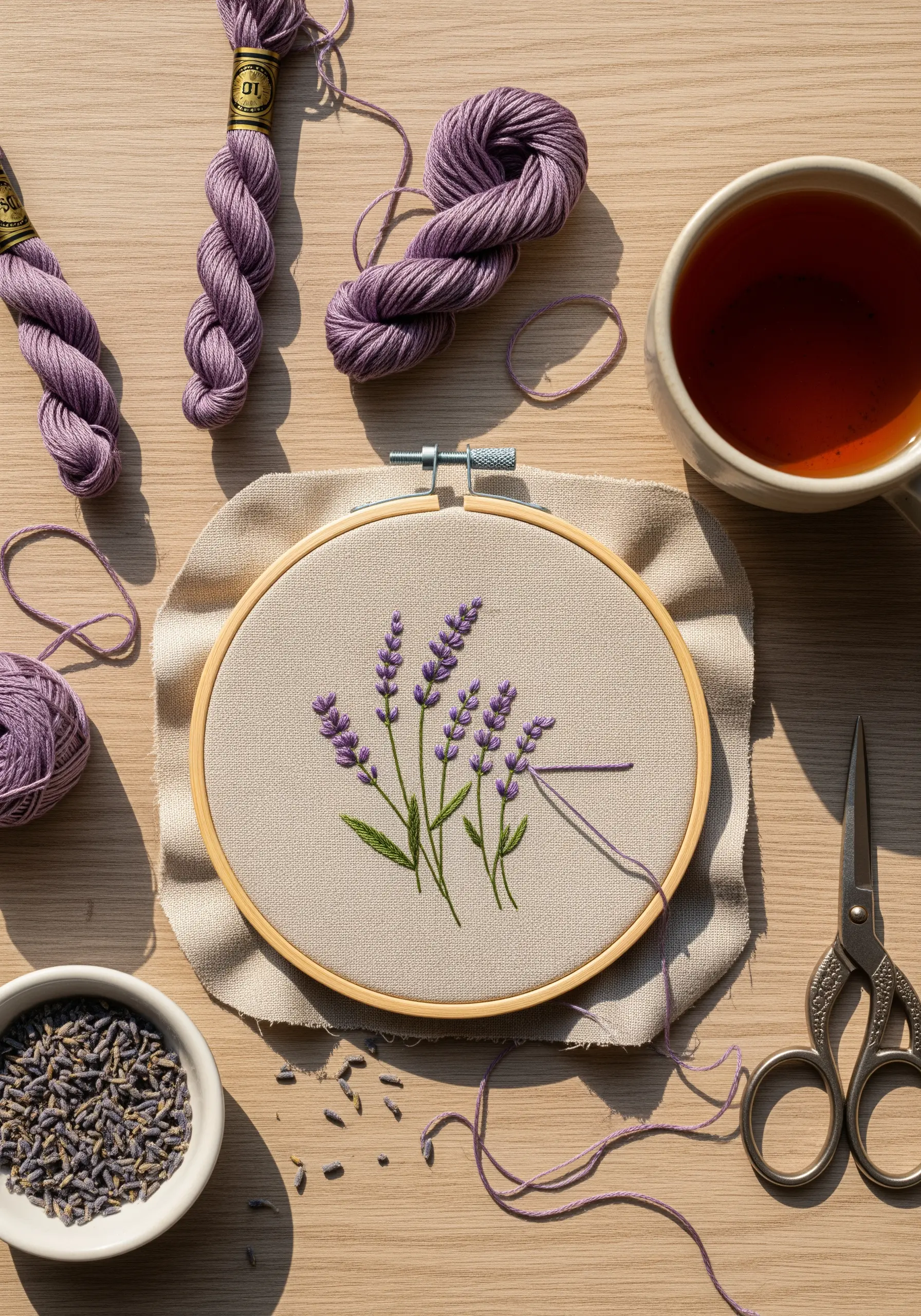
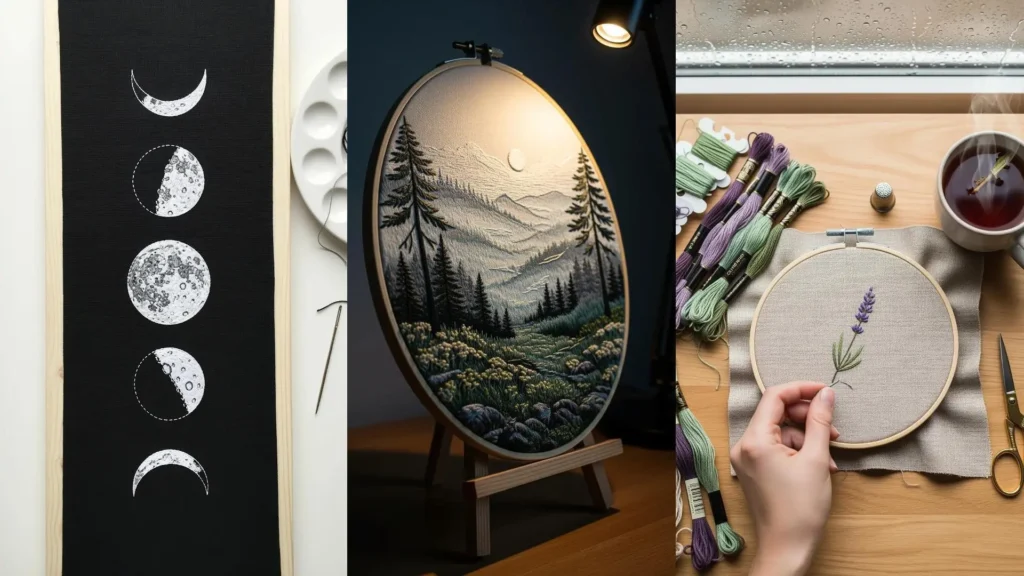
Give your lavender stems a realistic, plump texture by using French knots or bullion knots for the individual buds.
Vary the number of wraps for each knot to create subtle differences in size, mimicking how they grow in nature.
For the stems, use a single strand of floss in a slightly darker green to maintain a delicate look, then switch to two strands for the leaves, stitched in a simple fishbone stitch for dimension.
This combination of textures makes the botanicals feel alive, turning a simple design into a sensory piece of calming bedroom art.
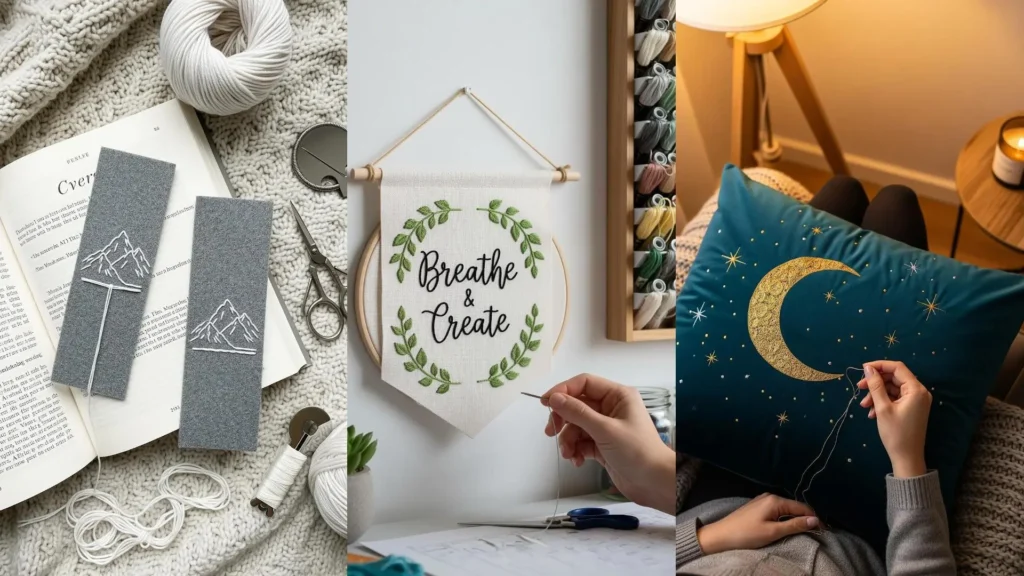
2. Stitch a Celestial Scene on Velvet
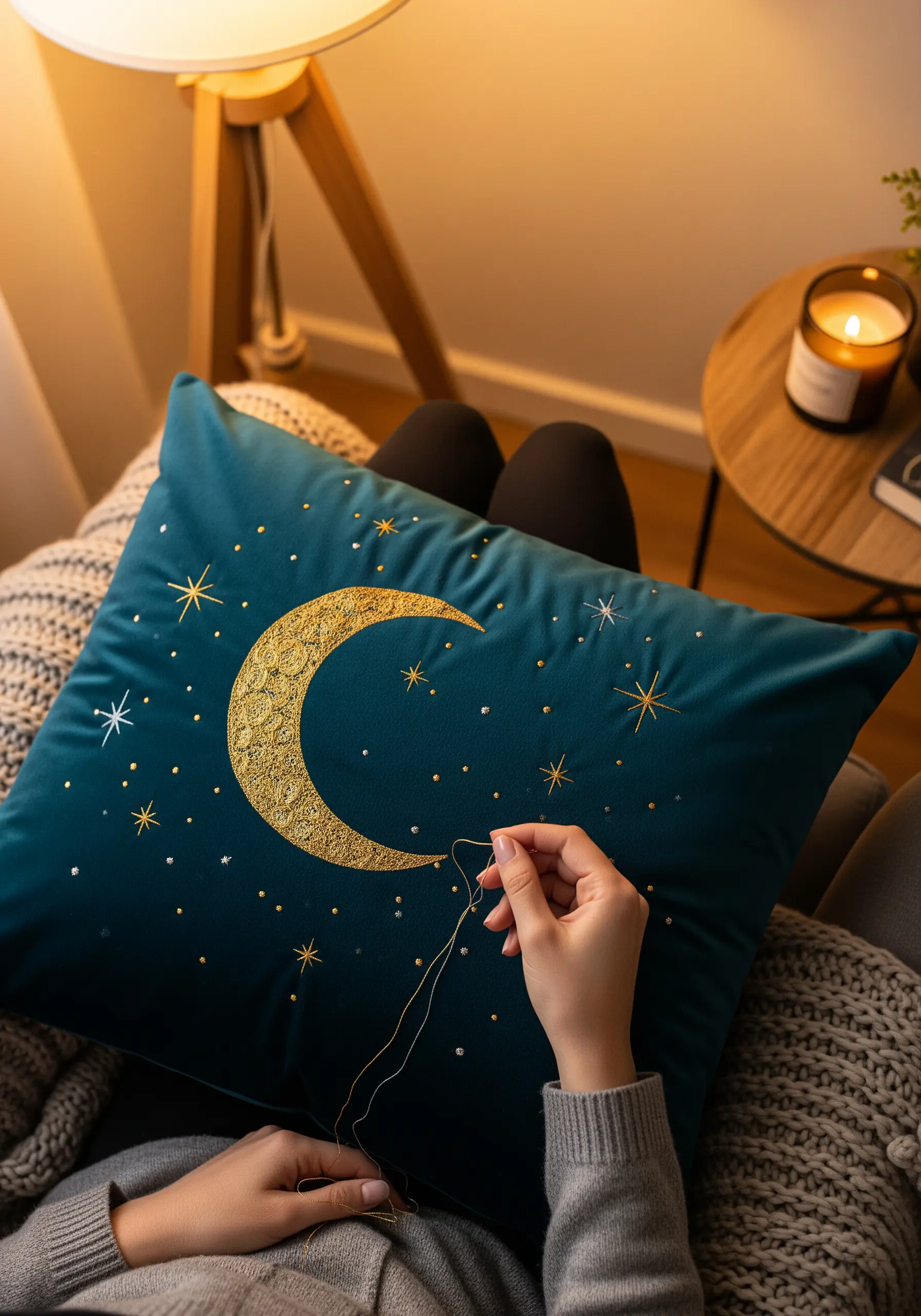
When embroidering on a plush fabric like velvet, the key is to create a strong textural contrast that allows your stitches to stand out.
Fill the crescent moon using a dense field of French knots with a metallic gold thread; this technique catches the light beautifully and creates a shimmering, cratered effect against the matte velvet pile.
For the stars, use sharp, radiating straight stitches in varying lengths to suggest twinkling light.
A fine, sharp needle is essential here to pierce the dense fabric without causing pulls, resulting in a luxurious, dramatic piece that feels as good as it looks.
3. Achieve Depth in Large Botanical Pieces
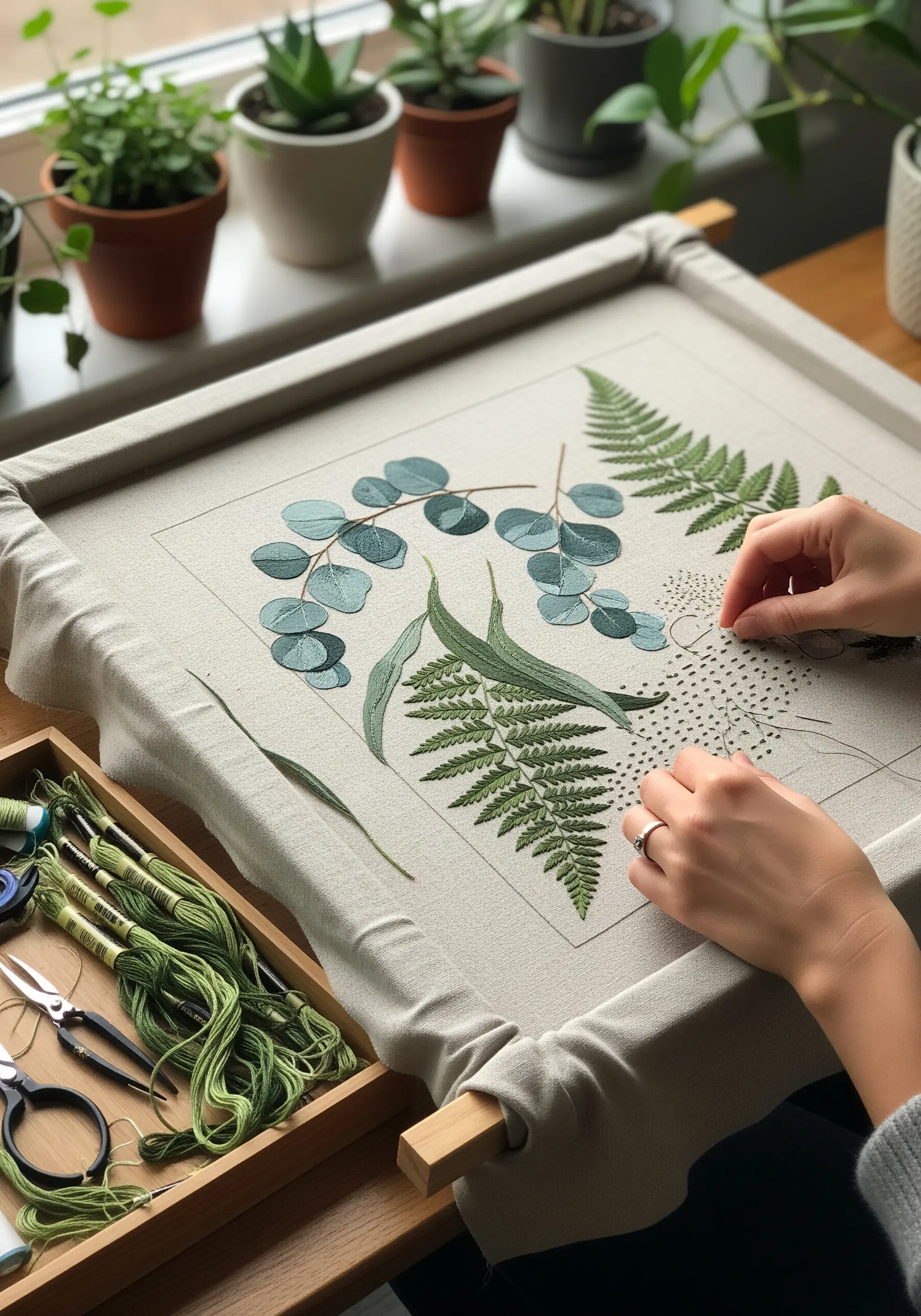
To prevent a large botanical composition from looking flat, introduce subtle variations in stitch direction and color.
For the rounded eucalyptus leaves, use a satin stitch, angling the stitches to follow the natural curve of each leaf.
Contrast this with the delicate fern fronds by using a fly stitch for the central stem and tiny straight stitches for the leaflets.
Employ at least three similar shades of green floss throughout the piece to mimic light and shadow. This is one of the most effective ways to layer leaf stitching for three-dimensional botanical texture.
4. Master Minimalist Lines on Felt
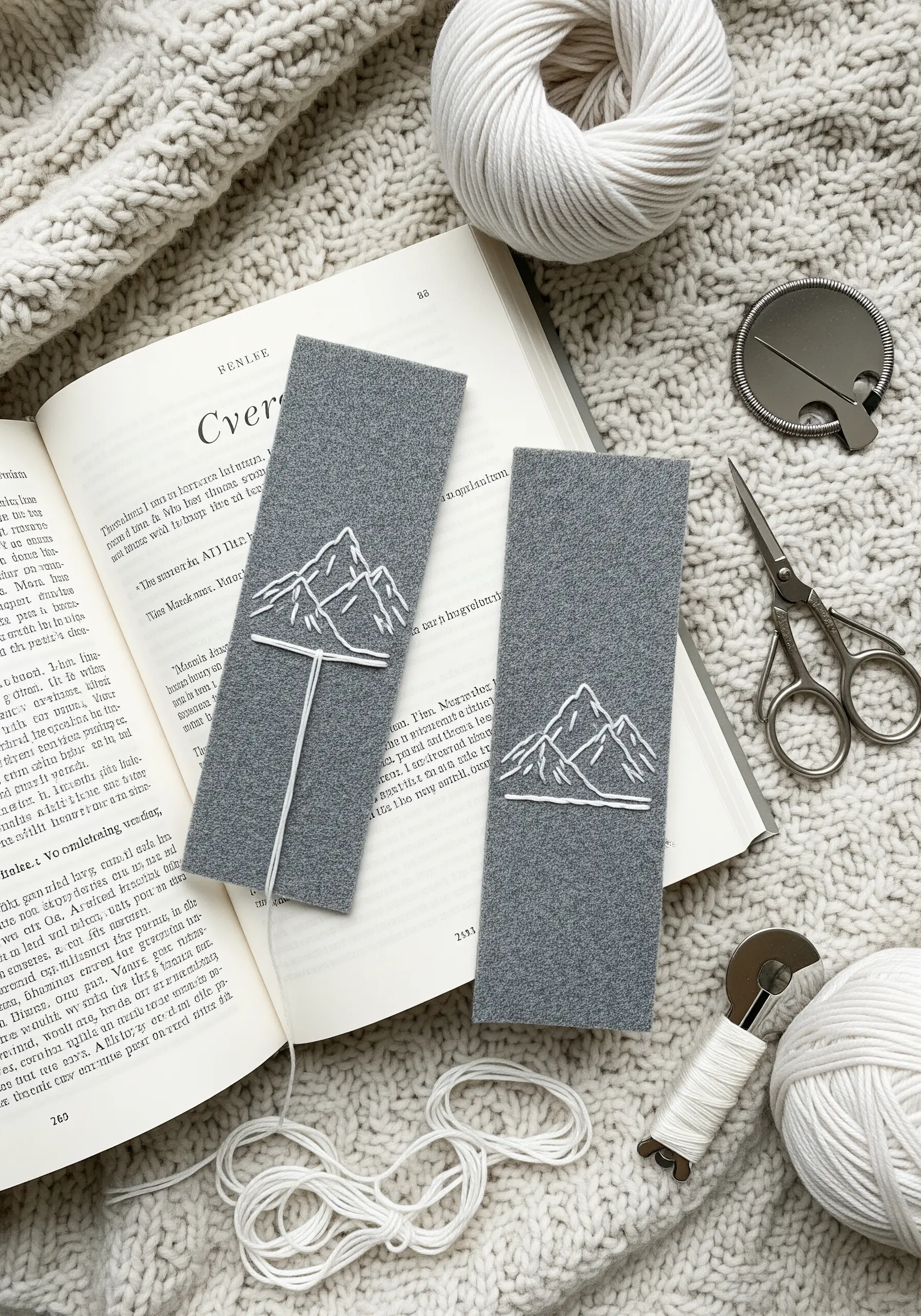
Felt is an ideal canvas for quick, impactful projects because its pressed fibers won’t fray, eliminating the need for hemming.
Create a crisp, graphic mountain range using a simple backstitch with a thicker thread, like cotton perle or sashiko thread, for a bold line that stands out against the soft texture of the felt.
The stability of felt allows you to maintain even tension, resulting in perfectly straight lines and sharp peaks.
These DIY cozy embroidery bookmarks are a perfect five-minute project for mindful stitching.
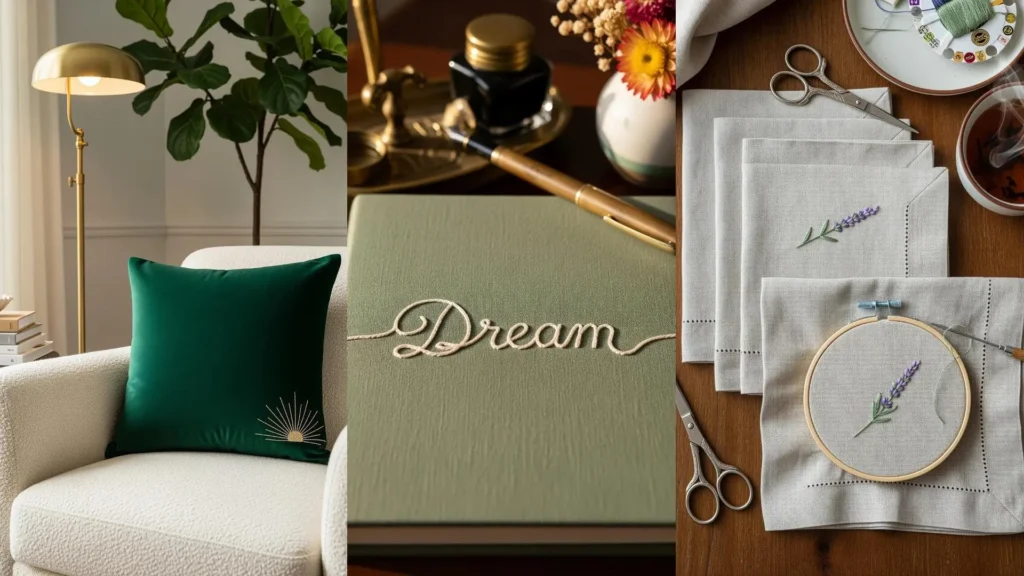
5. Embellish a Journal Cover with a Floral Monogram
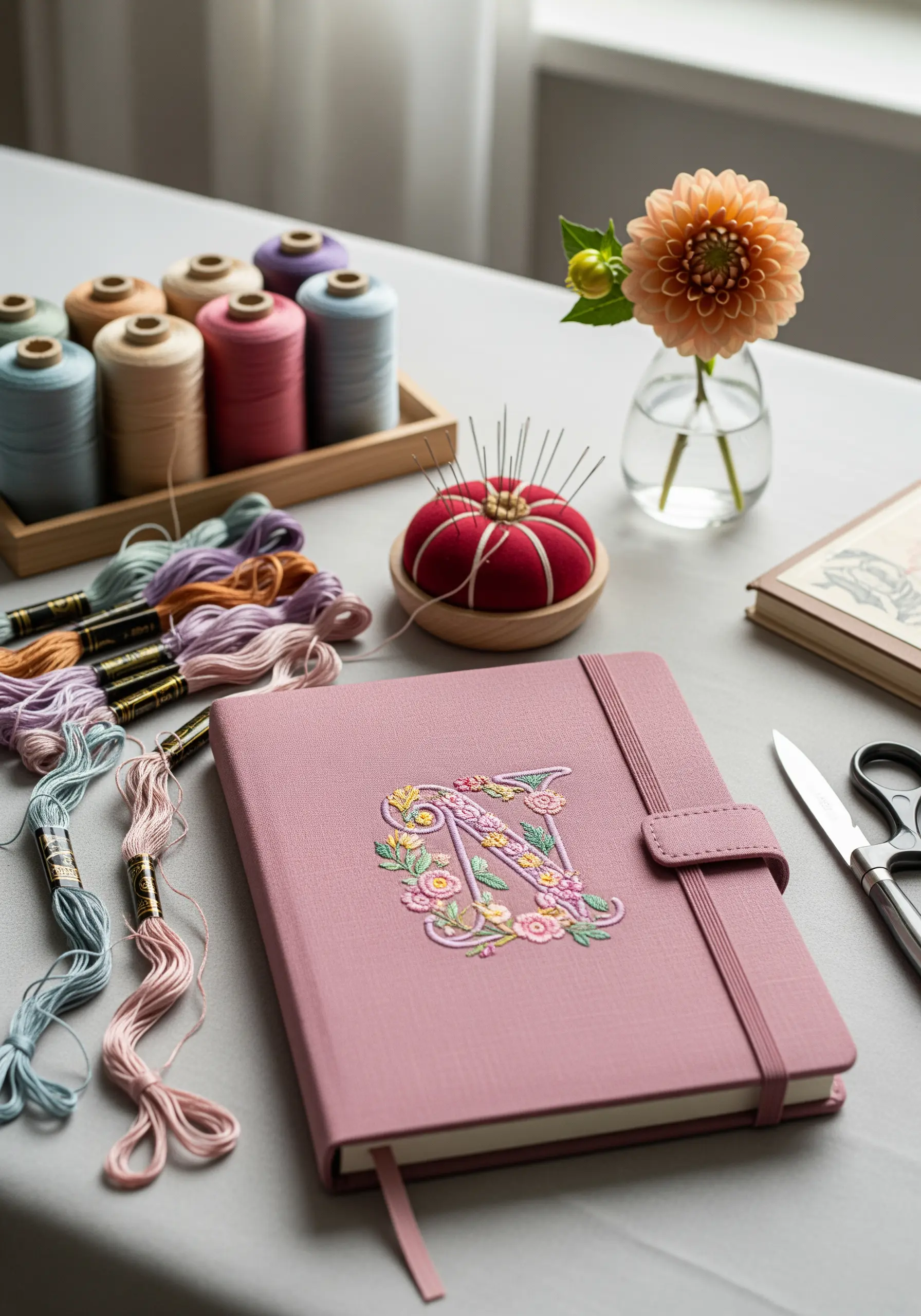
Taking your embroidery beyond the hoop and onto functional items like a journal cover requires a few adjustments.
Use a sturdy, sharp needle and a thimble to comfortably stitch through the thicker material.
Trace your monogram onto the cover, then fill the main letter shape with a smooth satin stitch before adding tiny floral details around it, such as lazy daisy flowers and single-stitch leaves.
This layering of stitches creates a rich, dimensional effect, turning a simple notebook into a personalized keepsake. These are wonderful small, sweet embroidery ideas for your journal covers.
6. Design a Calming Weighted Eye Pillow
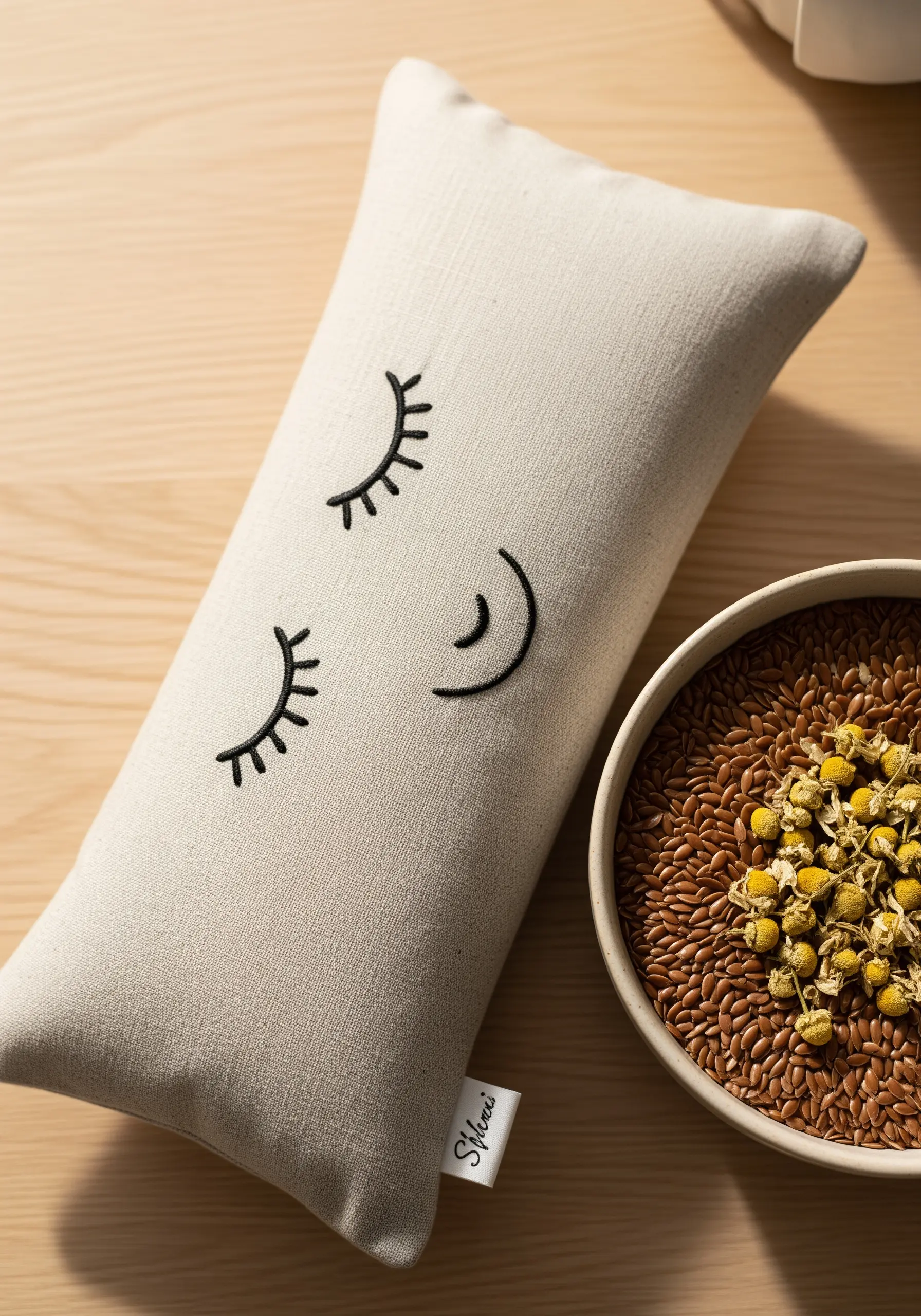
For functional wellness items, a minimalist design often has the greatest impact.
Embroider a simple sleeping face using a single, high-contrast thread color like black on natural linen.
To achieve perfectly smooth curves for the eyelashes and mouth, use a whipped backstitch. This stitch wraps a second thread around a standard backstitch, eliminating any gaps and creating a fluid, ink-like line.
The clean design enhances the pillow’s purpose, making it one of the most soothing embroidered pillow covers that promote calm.
7. Add Delicate Florals to Knitwear
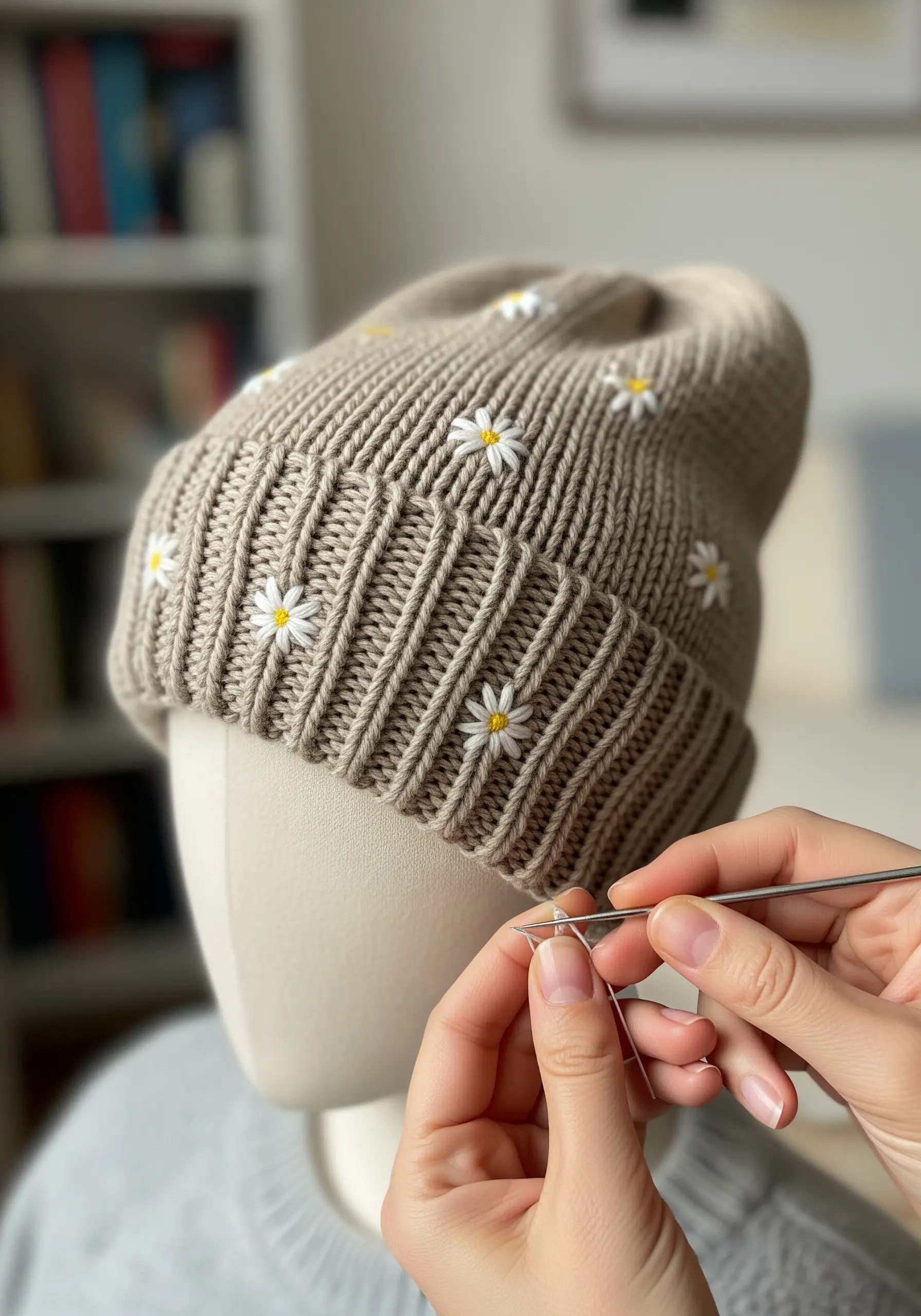
Embroidering on a knitted surface requires a gentle touch to avoid distorting the garment.
Use a tapestry needle with a blunt tip to glide between the knit stitches rather than piercing them.
Create scattered daisies using the lazy daisy stitch for petals and a single French knot for the center.
The most important rule is to maintain loose tension; pull the floss just enough for the stitch to lie flat, ensuring the knit remains flexible and doesn’t pucker. These daisy projects add whimsical energy to any piece of clothing.
8. Transform Denim with a Sashiko-Inspired Patch
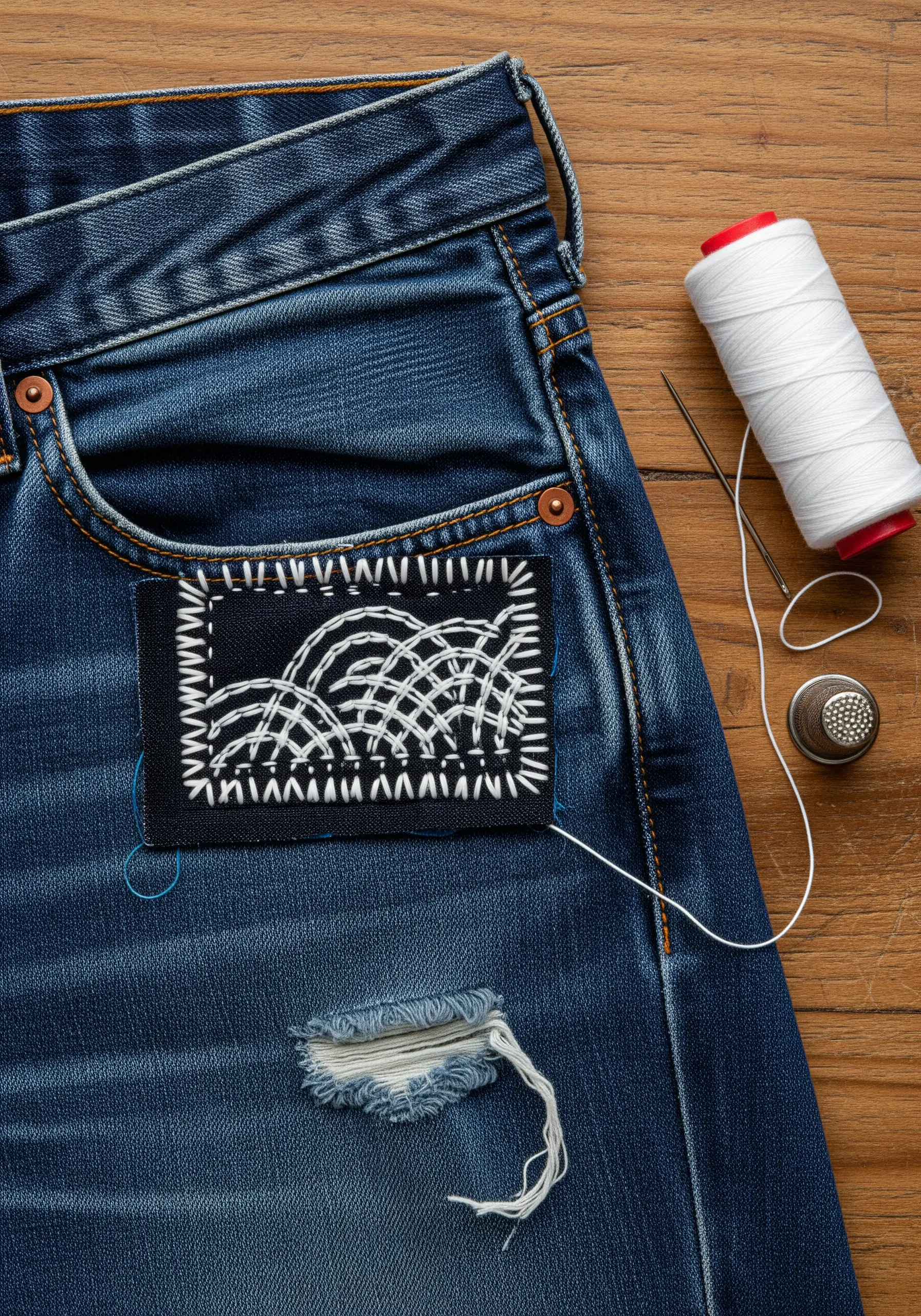
Visible mending is a powerful way to breathe new life into worn clothing while adding a personal artistic touch.
Create an abstract patch using layers of simple running stitches in a thick, contrasting thread like sashiko cotton.
The rhythm of repeated stitches is meditative, and the final design is guided by intuition rather than a precise pattern.
Secure the patch with a simple blanket stitch around the edge for a durable, handcrafted finish. It’s one of the best embroidery hacks for creative fabric lovers.
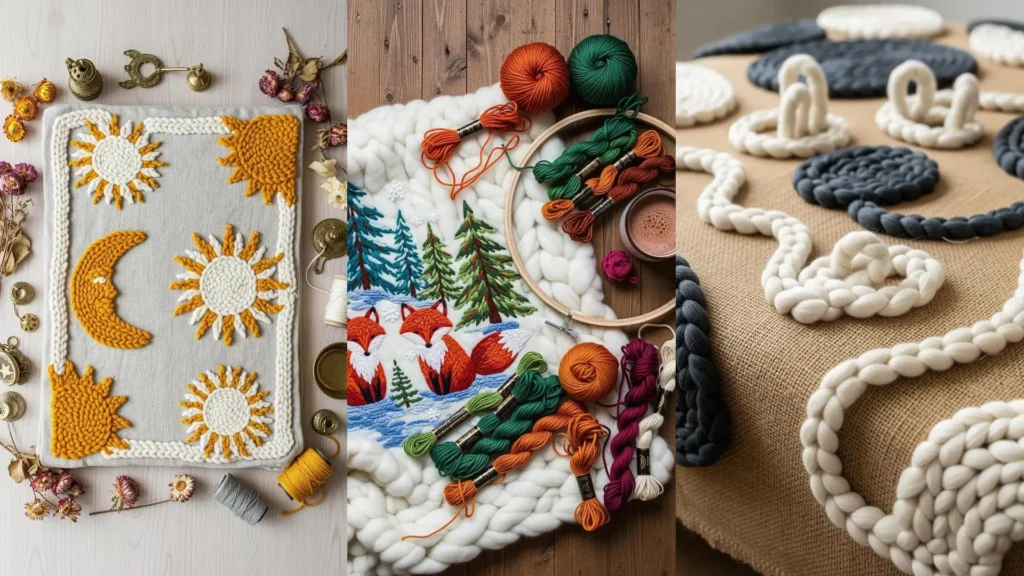
9. Create Geometric Coasters with Yarn and Felt
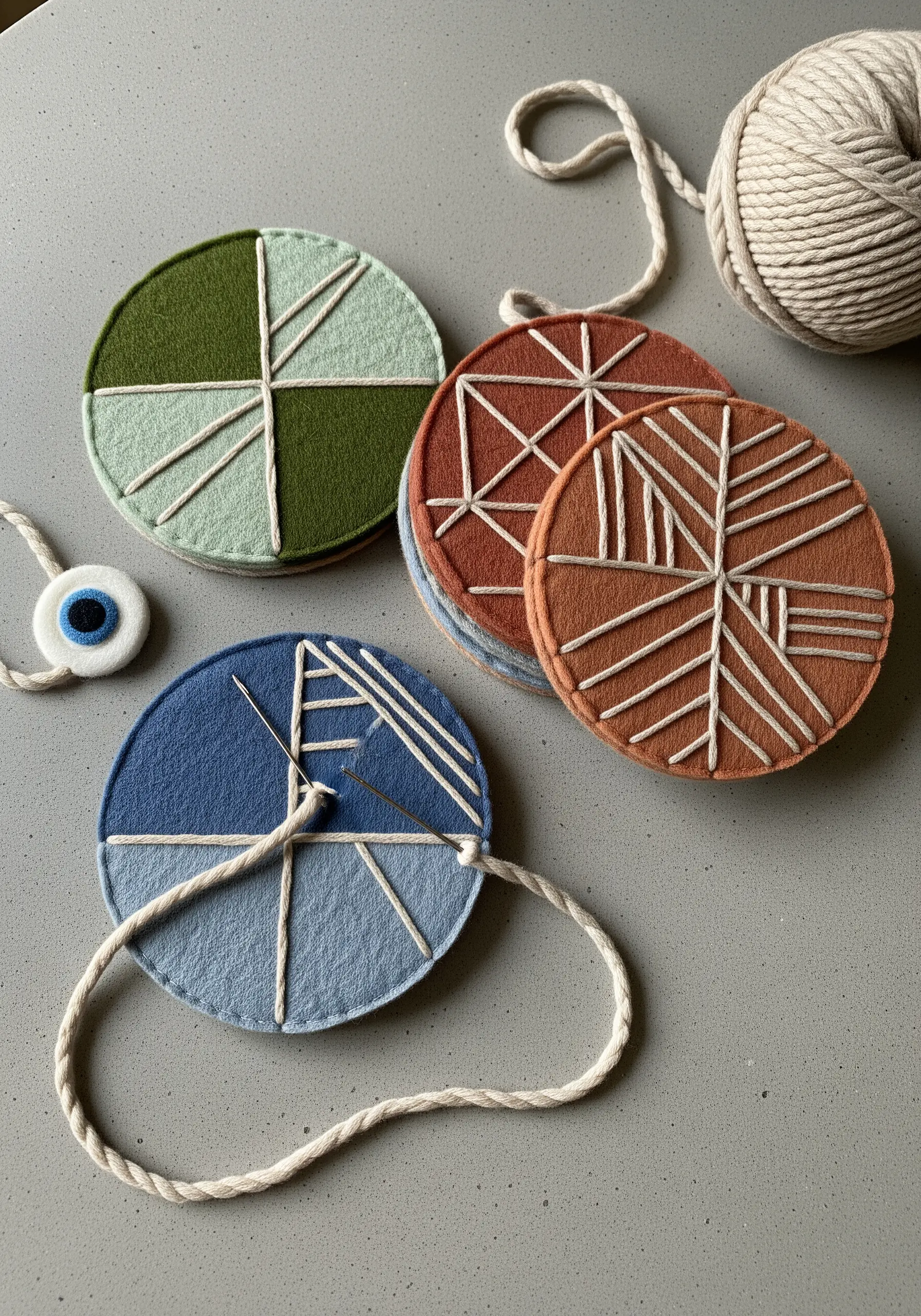
Combine the softness of felt with the bold texture of yarn for a quick and satisfying project.
Cut felt circles and use a simple running stitch or backstitch with thick cotton yarn to create geometric patterns.
The thickness of the yarn means the design comes together quickly, and the felt provides a stable, no-fray base.
Experiment with color-blocking by stitching together two different shades of felt before adding your yarn details. These are perfect simple mini embroidery patterns for absolute beginners.
10. Stitch a Culinary Herb Sampler
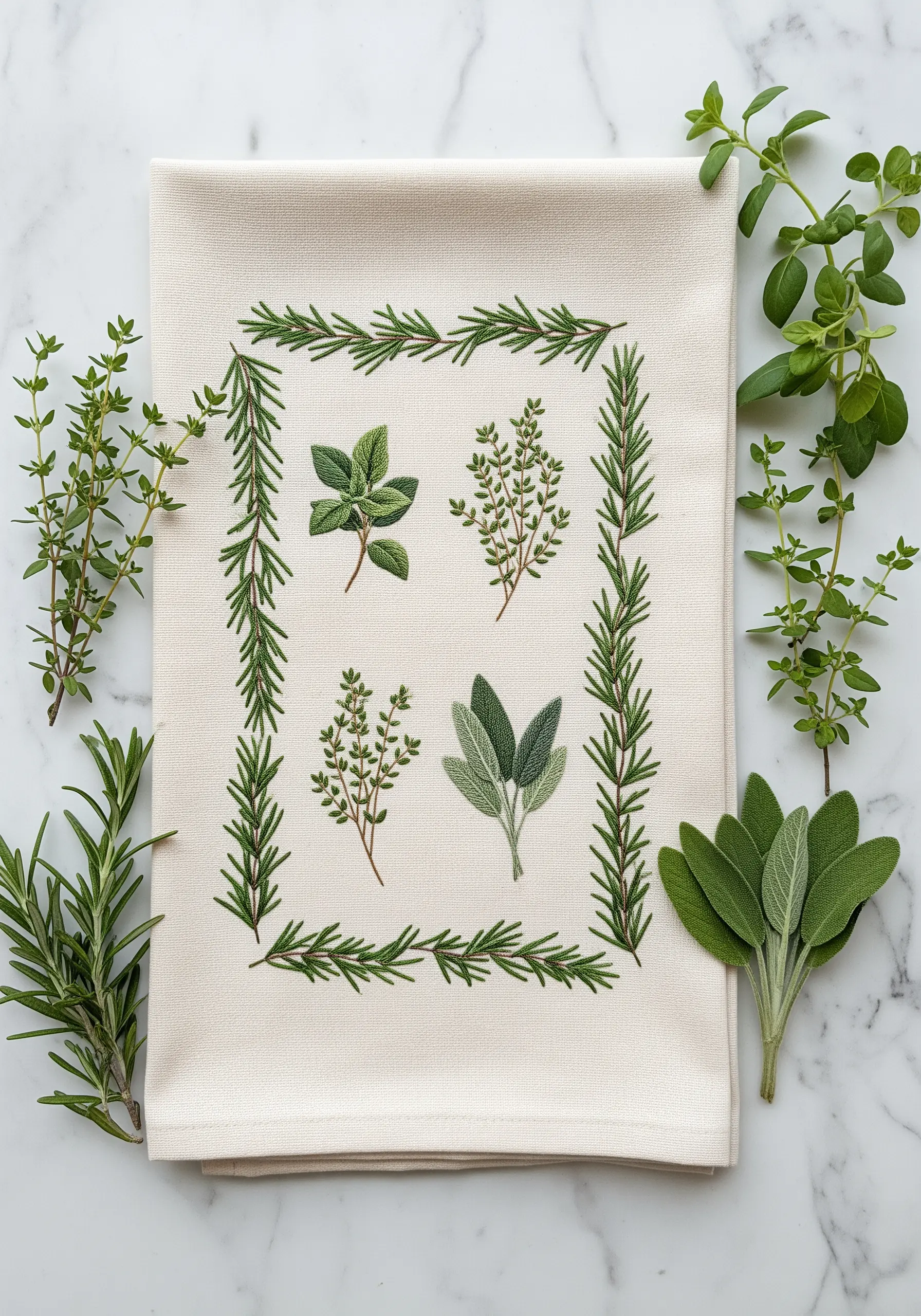
When embroidering kitchen textiles, choose 100% cotton, colorfast floss to ensure your work withstands frequent washing.
Render each herb with stitches that mimic its texture: use tiny detached chain stitches for thyme, fishbone stitch for sage leaves, and straight stitches for rosemary needles.
This attention to detail turns a simple tea towel into a piece of functional art.
Frame your botanicals with a simple backstitch border to create a polished composition, making it one of those botanical embroidery patterns that elevates your kitchen.
11. Craft a Mindful Reminder Banner
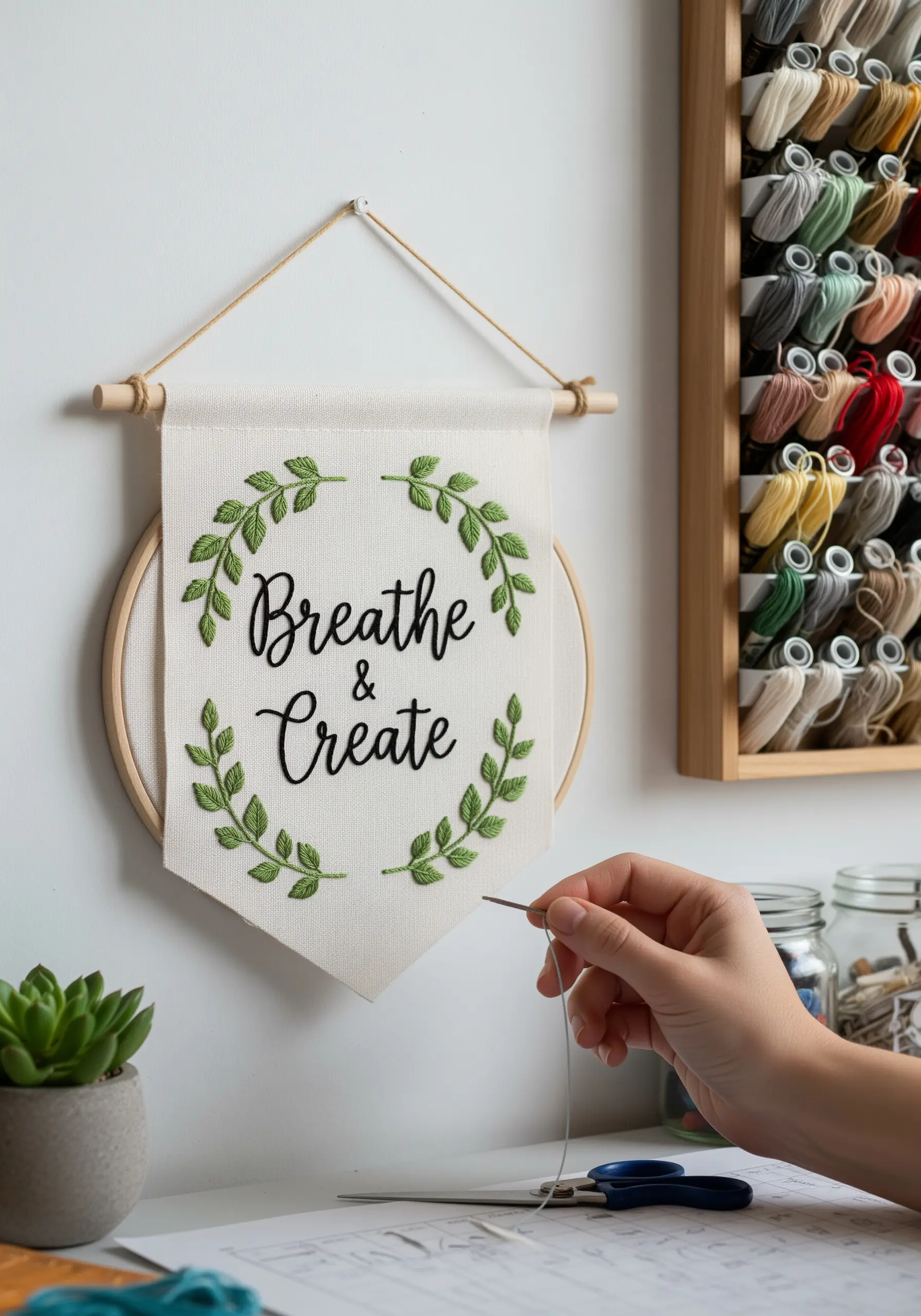
For crisp, readable text, especially with cursive fonts, a split stitch is your best tool.
It creates a solid, chain-like line that flows smoothly around curves, giving your letters a clean, calligraphic look.
Frame your motivational phrase with a simple leaf garland made from fishbone stitch, which adds a touch of organic texture.
Displaying the finished piece on a simple wooden dowel turns your stitching session into a lasting piece of decor to showcase your favorite quotes.
12. Add Hand-Stitched Detail to Quilting
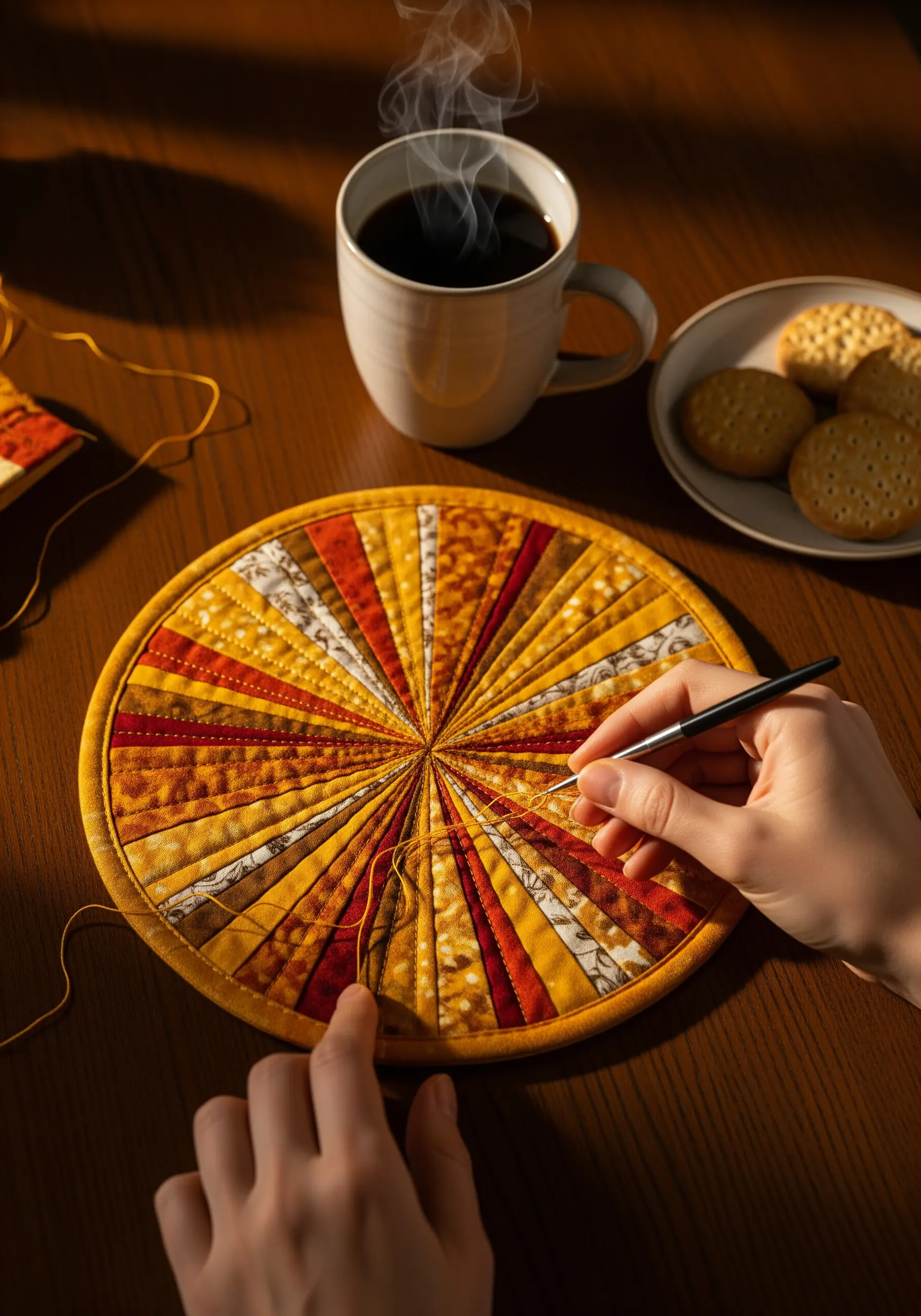
Enhance a pre-quilted or patchwork piece with decorative hand stitching, often called ‘big-stitch’ quilting.
Using a thick, contrasting thread like perle cotton, add simple running stitches along the existing seam lines of the patchwork.
This technique adds a layer of color, texture, and handmade charm without requiring you to piece the fabric yourself.
The repetitive motion is incredibly calming, and it’s a beautiful way to personalize items like trivets, placemats, or cushion borders.
13. Stitch Constellations on a Silk Sleep Mask
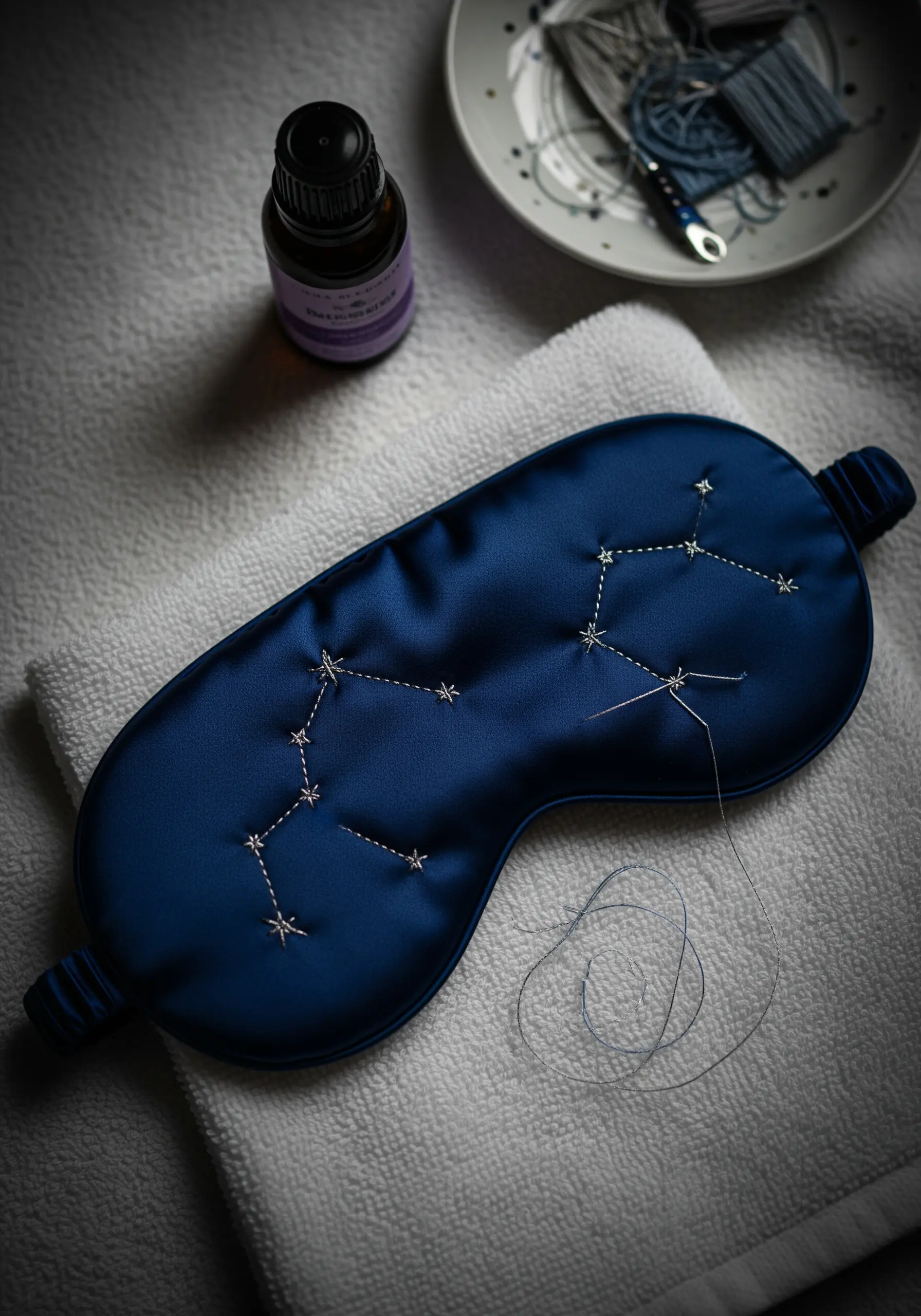
Working on delicate fabrics like silk or satin requires a very fine, sharp needle (like a milliner’s needle) to prevent snags.
Use a light-colored transfer method or a chalk pencil that will brush away easily.
Stitch your favorite constellation using a subtle metallic or silk thread for an elegant shimmer.
Connect small, star-like star stitches with simple backstitches to map out the pattern. This project transforms a simple sleep mask into one of those tiny night sky embroidery designs you’ll cherish.
14. Create a Pocket-Sized Needle Book
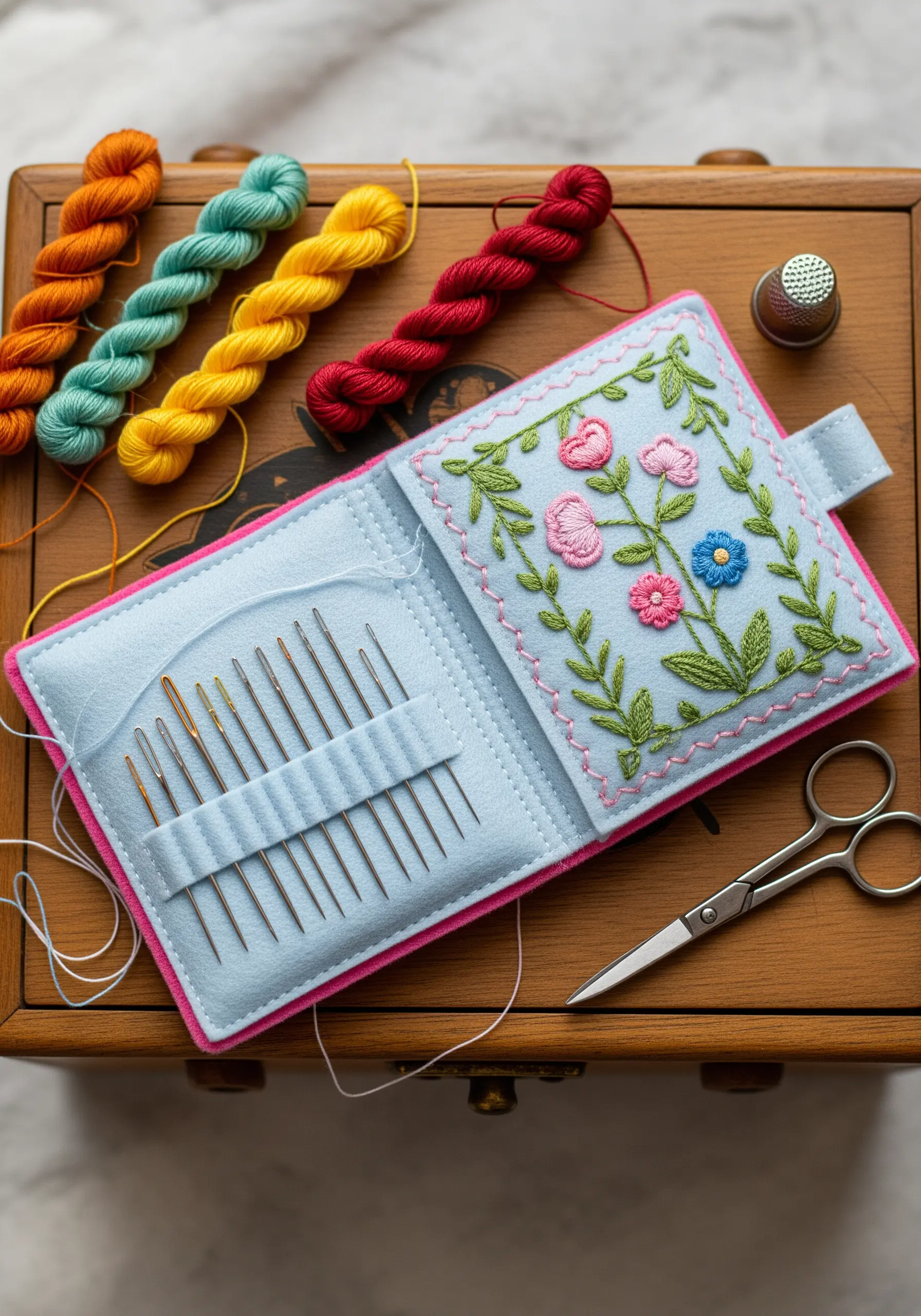
A needle book is a perfect project for practicing a variety of simple stitches on a small, manageable scale.
Use felt for the pages, as it grips needles securely and doesn’t require finished edges.
Decorate the cover with a small floral scene using basic stitches: stem stitch for stems, lazy daisy stitch for petals, and French knots for flower centers.
This practical tool becomes a beautiful object in its own right, making it one of the most adorable mini stitch ideas that make perfect gifts for fellow crafters.
15. Adorn a Denim Jacket with a Bold Mandala
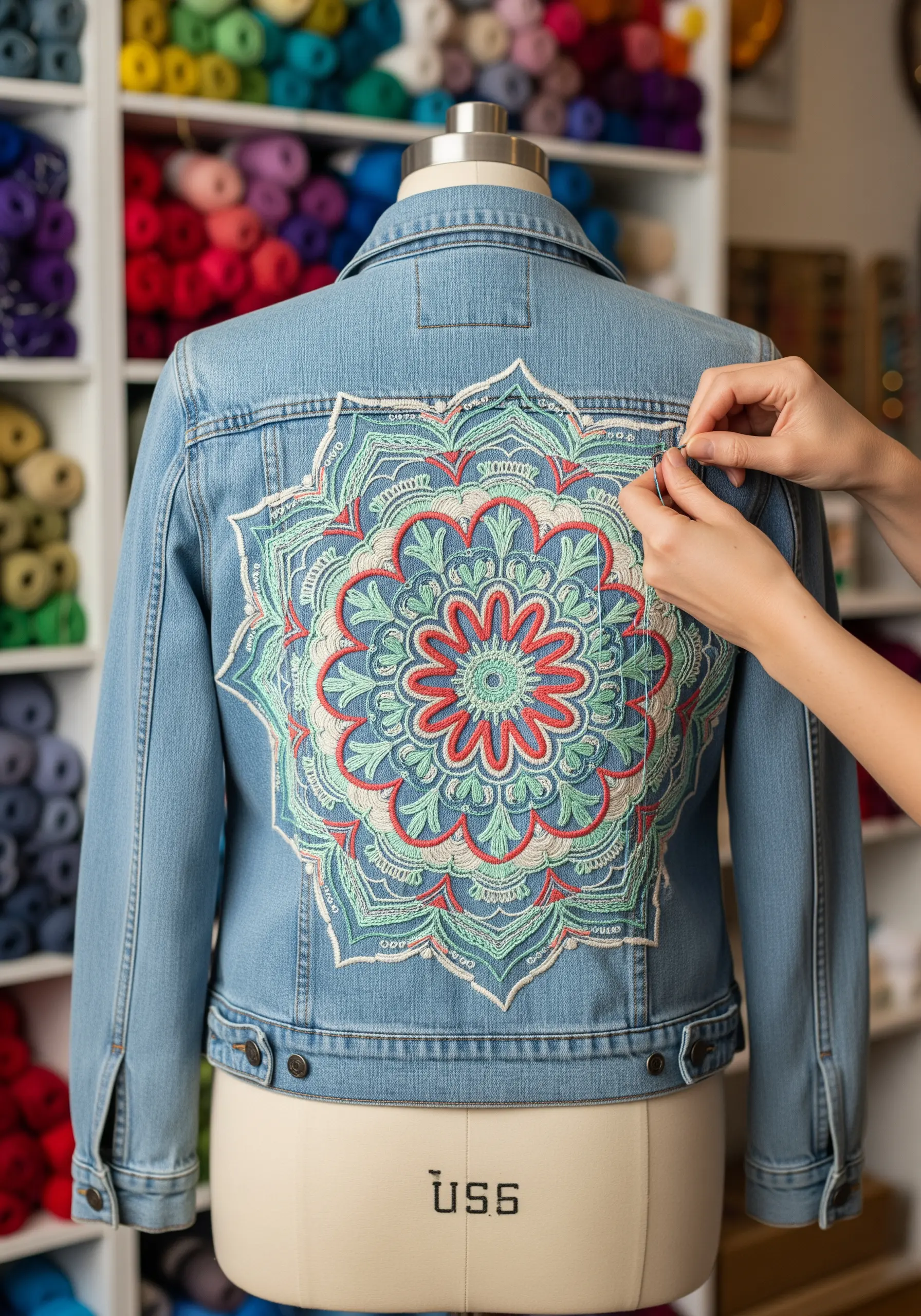
For a large-scale design on a heavy fabric like denim, always use a stabilizer.
Iron a cut-away or stick-on stabilizer to the inside of the jacket before you begin stitching. This prevents the fabric from puckering under the weight of the thread and keeps your stitches even.
Break the mandala into small, manageable sections, filling each with a different textural stitch like seed stitch, chain stitch, or satin stitch. This approach will bring your plain denim jackets to life.
16. Construct Geometric Baskets with Cross-Stitch
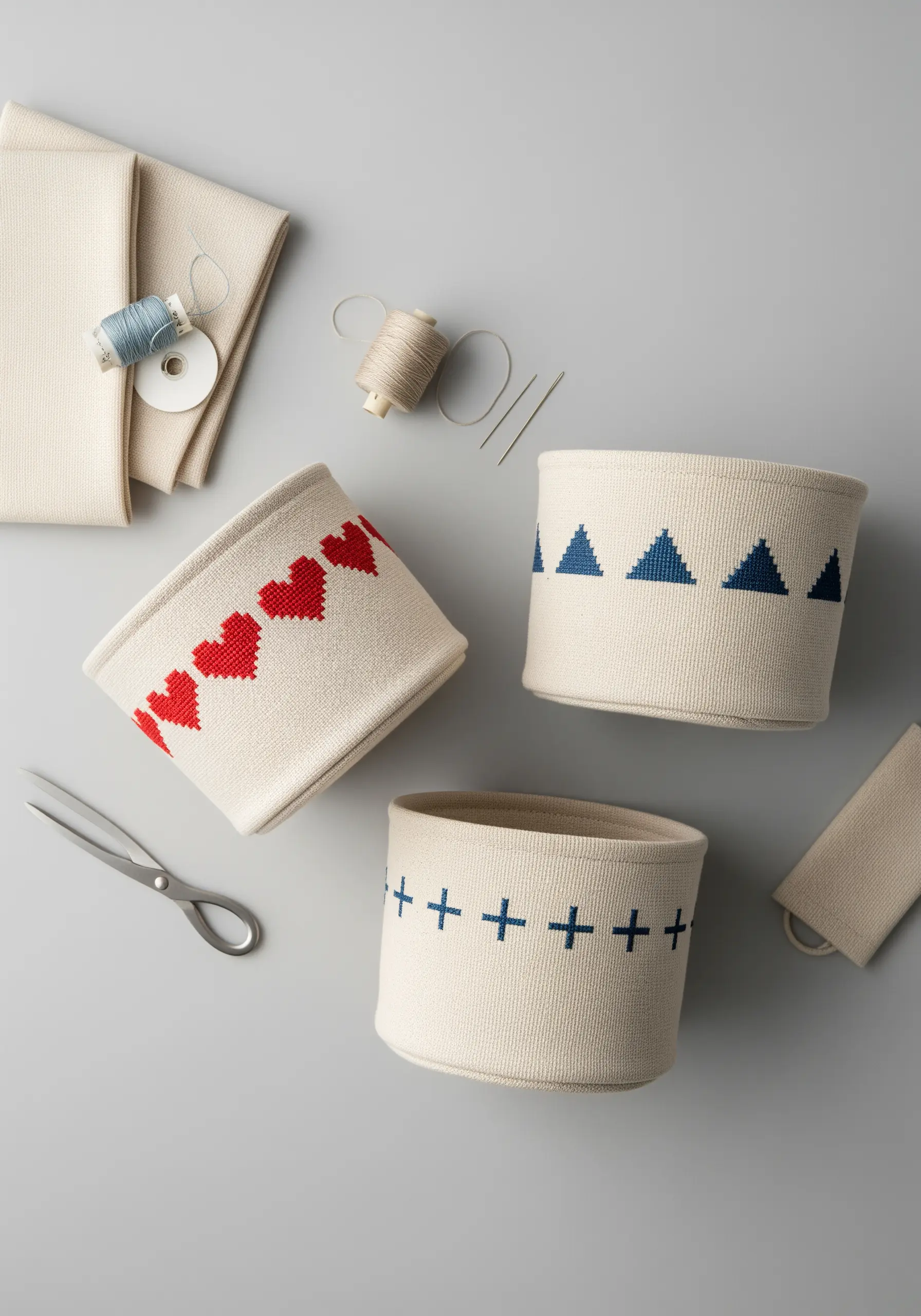
Move beyond flat hoops by using stiff Aida cloth or evenweave canvas to construct three-dimensional objects.
Stitch your simple, repeating geometric pattern while the fabric is flat—the gridded nature of the fabric makes counting stitches for patterns like hearts or triangles meditative and precise.
Once the embroidery is complete, you can hand-sew the fabric into a cylindrical shape to create a charming, structured storage basket.
This is a great way to explore Scandinavian-style embroidery decor ideas.
17. Craft a Scented Pomander Ball
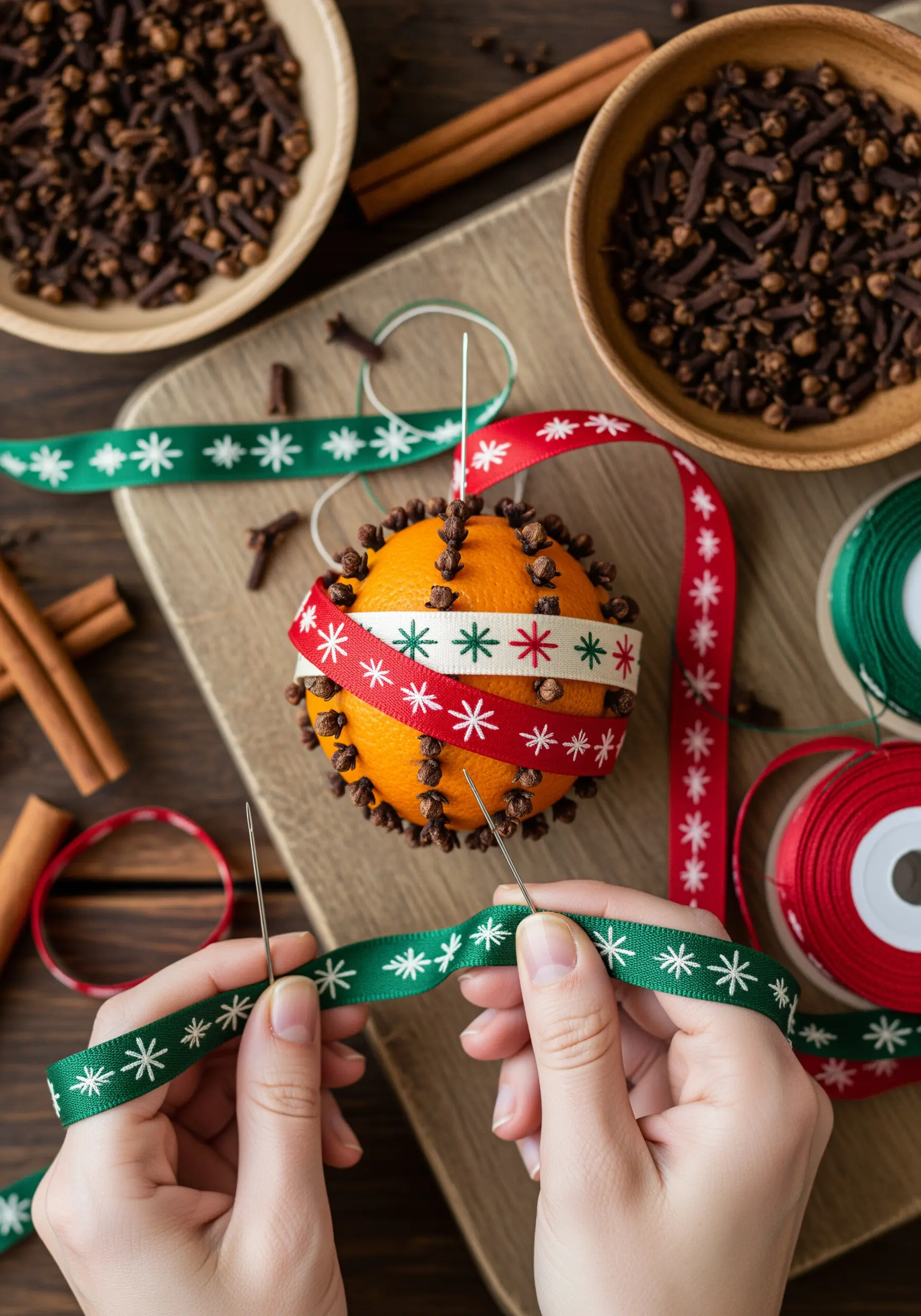
While not embroidery, creating a clove pomander uses the same mindful, pattern-making principles.
Wrap an orange tightly with ribbon to create guide-lines for your design, which also adds a festive touch.
Use a nail or skewer to pre-pierce the orange skin, making it easier to press the cloves in without breaking them.
The repetitive action combined with the incredible aroma of citrus and spice makes for a deeply calming, sensory craft project. These are handmade art objects that engage all the senses.
18. Paint a Sunset in a Miniature Hoop
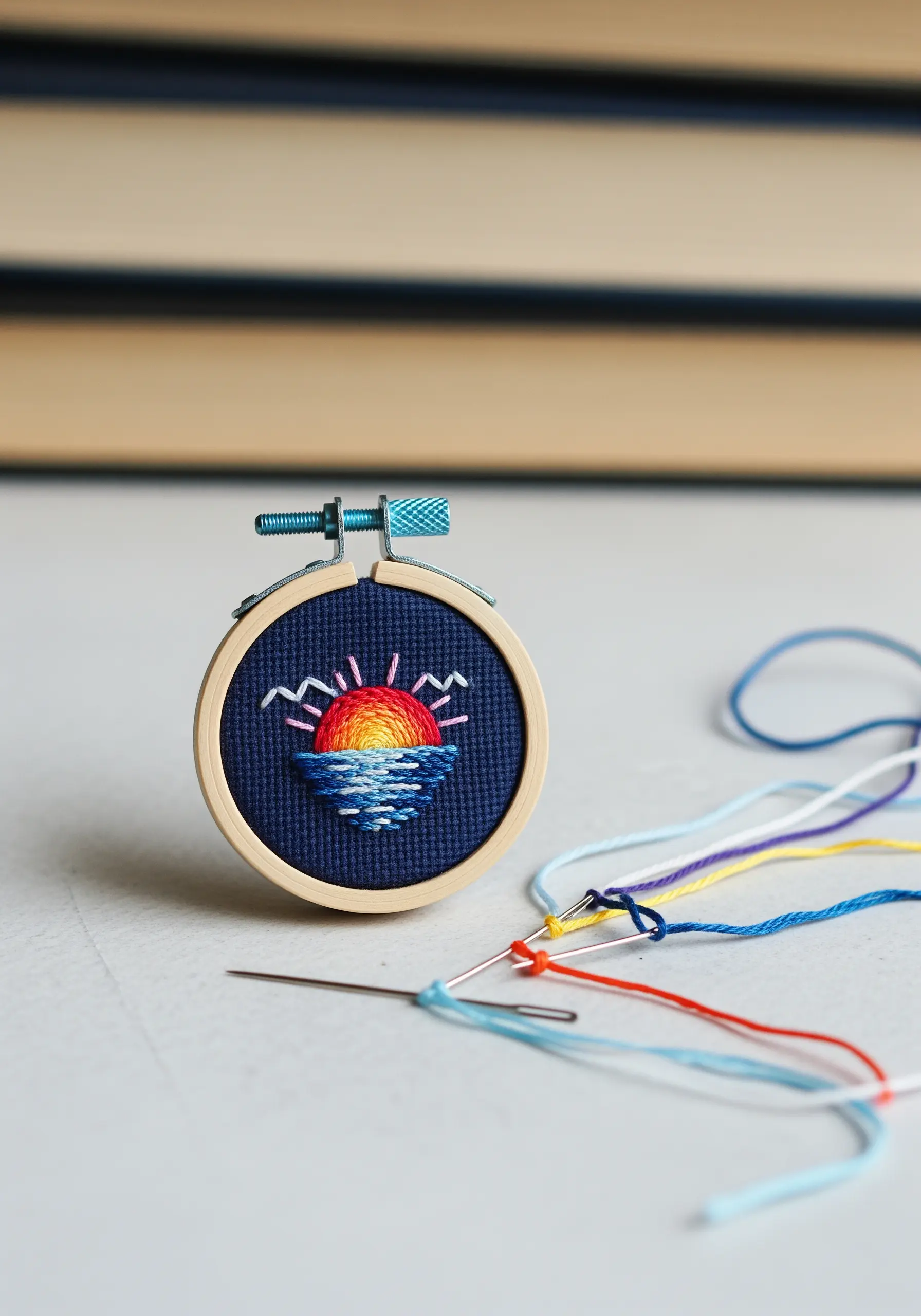
Even in a tiny space, you can achieve a beautiful gradient effect with thread painting.
Use just a single strand of floss for the finest detail, and work with closely related shades of red, orange, and yellow for the sun.
Blend the colors using the long-and-short stitch, ensuring your stitches follow the curve of the sun.
For the water, alternate rows of light and dark blue satin stitch to create the illusion of reflective waves. Small embroidery ideas that look complex are often about smart color blending.
19. Stitch a Custom Fabric Book Cover
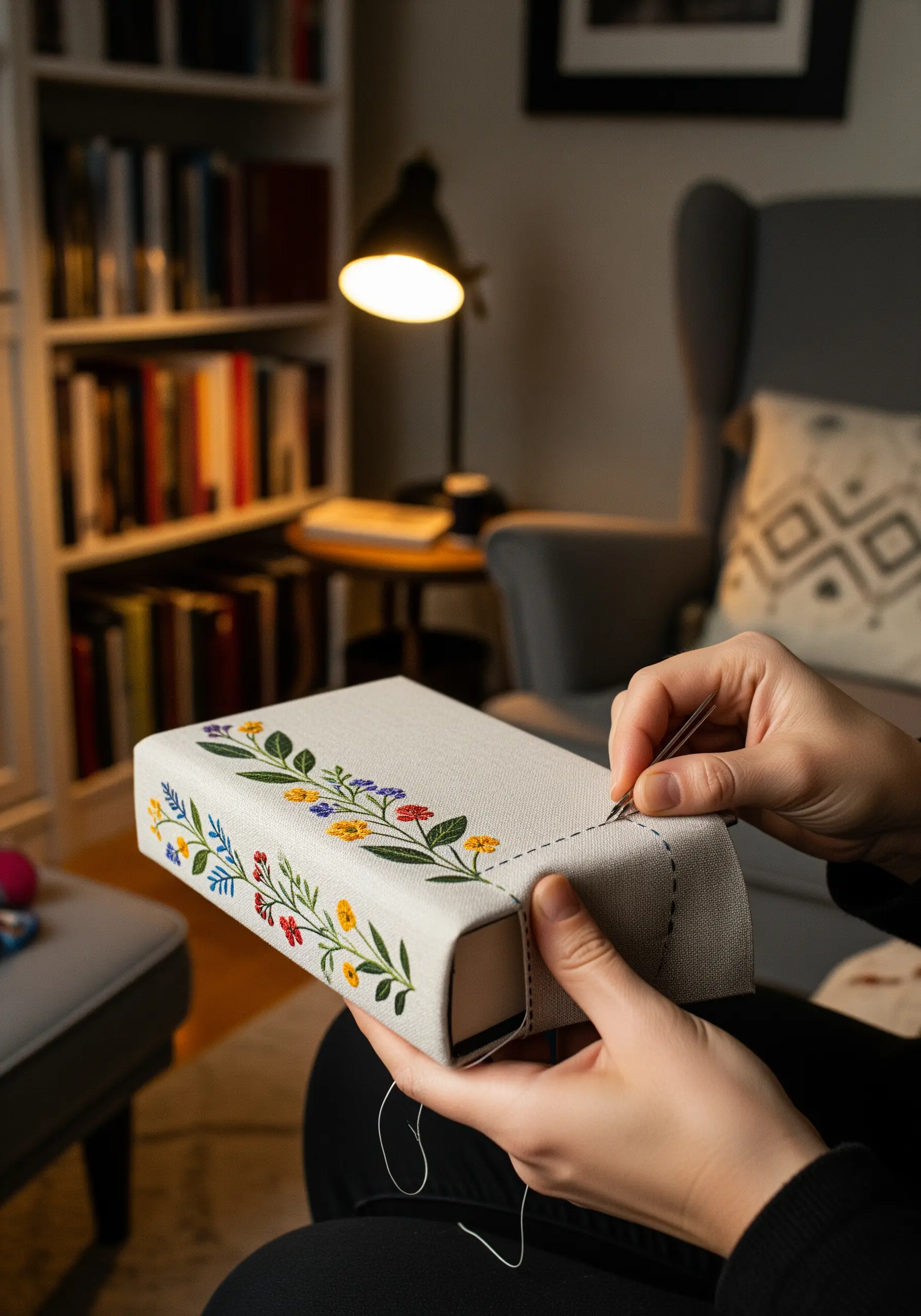
A handmade book jacket not only protects your favorite reads but also turns them into decorative objects.
Choose a durable fabric like cotton canvas or linen that can withstand handling.
Embroider a simple botanical border along one edge using basic stitches like stem stitch for the vines and lazy daisy stitch for the flowers and leaves.
Measure and fold the fabric carefully to create pockets that slip over the book’s cover, turning it into one of those handmade embroidery ideas that will transform ordinary gifts.
20. Elevate a Classic Tomato Pincushion
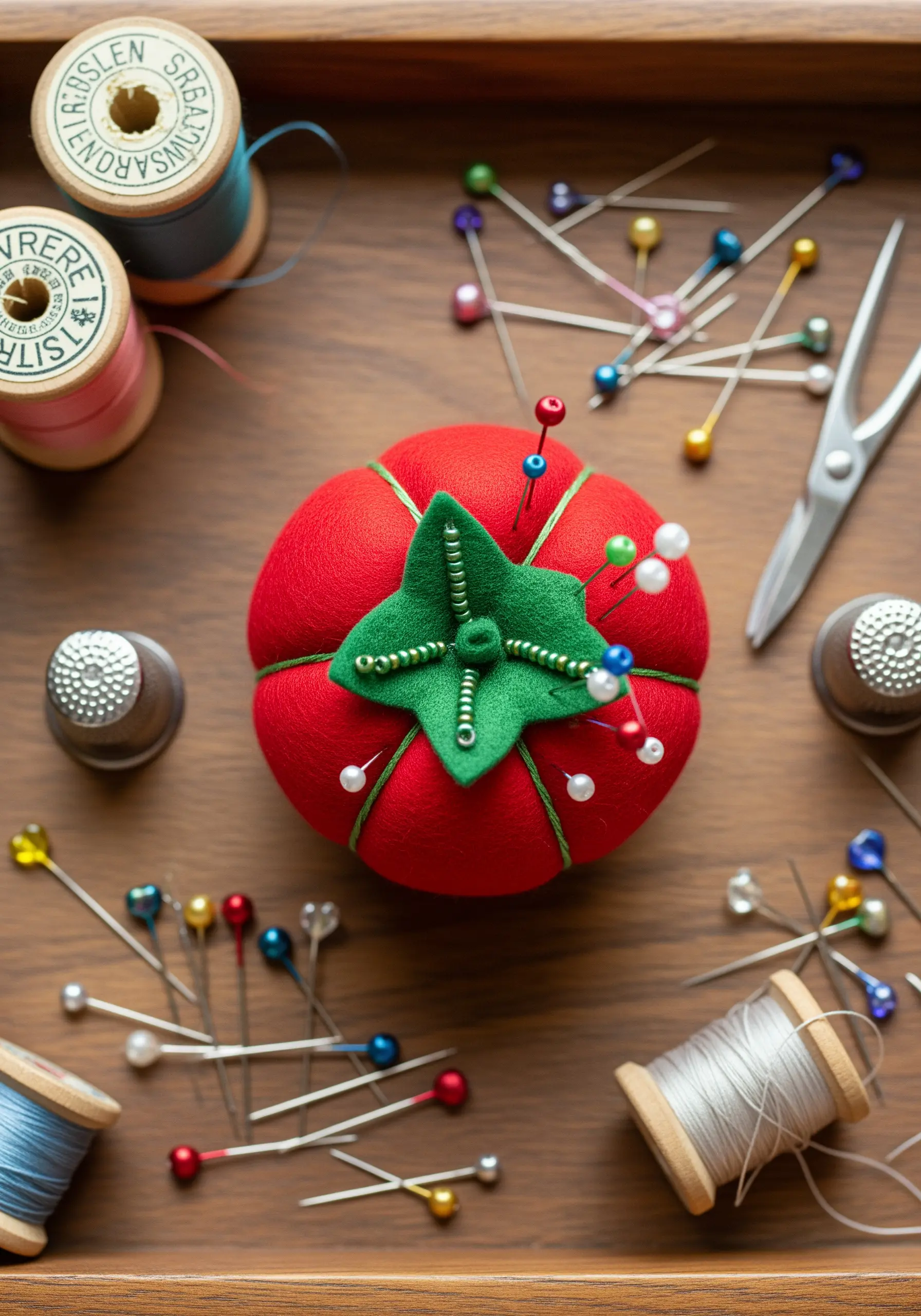
Transform a traditional sewing tool into a small work of art with a few thoughtful details.
Use a strong, contrasting thread like perle cotton to create the iconic tomato segments, pulling tightly to create deep indentations.
For the felt leaves on top, add a decorative touch by stitching a central vein with a simple backstitch and securing the piece with a few complementary seed beads.
These small additions are creative handmade trinkets that celebrate the beauty in everyday tools.
21. Capture Expression with Continuous Line Art
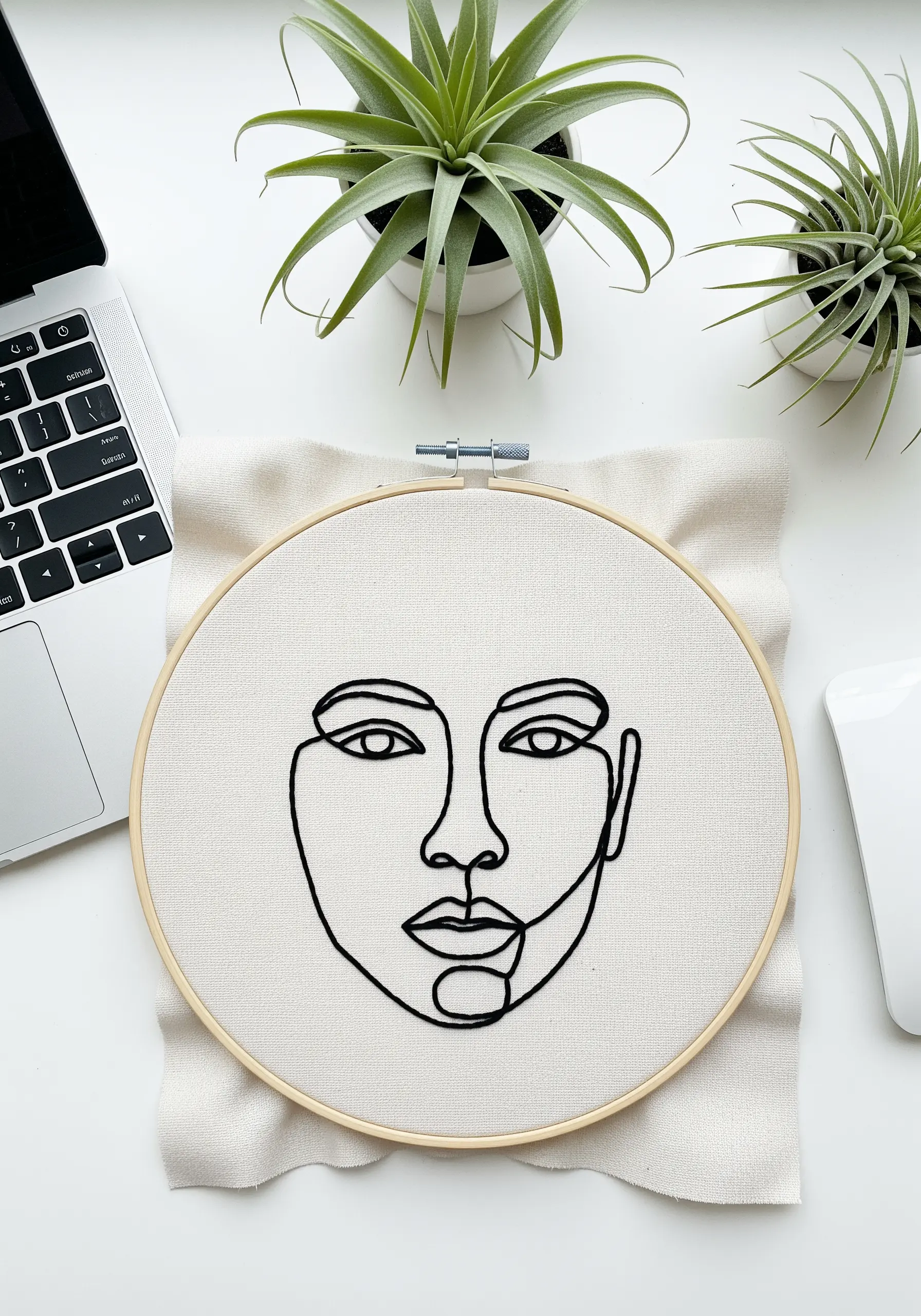
The elegance of a continuous line design comes from its fluidity, which you can replicate perfectly with thread.
Use a stem stitch or a whipped backstitch to create a smooth, solid line with no gaps.
Before you start, trace the entire path of the design with your finger to plan your stitching route, minimizing the need to carry thread across the back.
Using a single color of thread on a neutral background keeps the focus entirely on the form. Abstract face line embroidery designs are perfect for this technique.
22. Add a Graphic Touch to Kitchen Linens
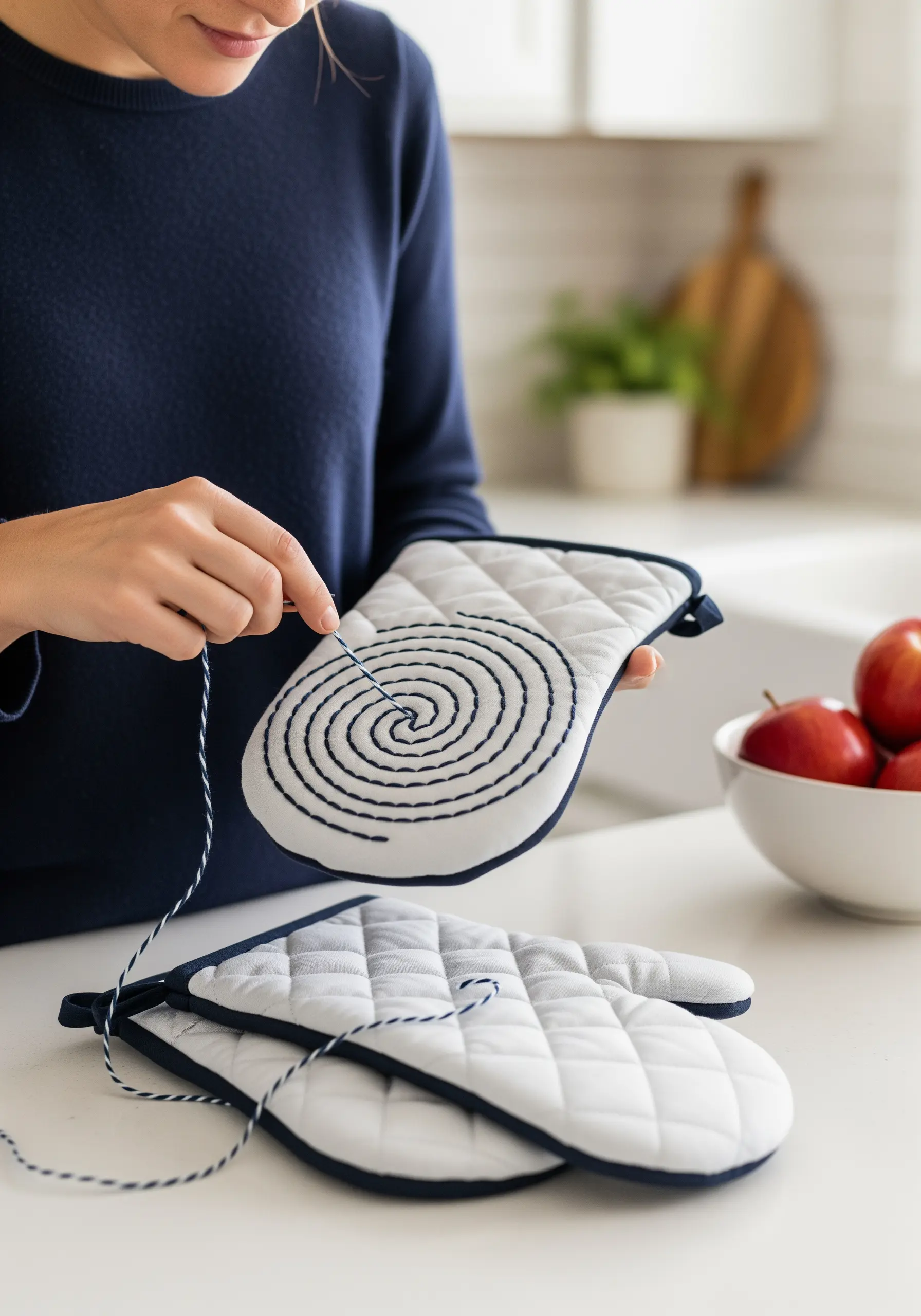
Personalize functional items like oven mitts with a bold, graphic stitch that complements their existing structure.
Use a thick, sturdy thread like perle cotton that will stand up to use and washing.
A simple running stitch worked in a spiral pattern is incredibly meditative and creates a high-impact design with minimal effort.
The texture of the quilted mitt provides a natural grid, helping you keep your stitches even as you work your way around. These are the kinds of simple line art motifs that make kitchen textiles chic.