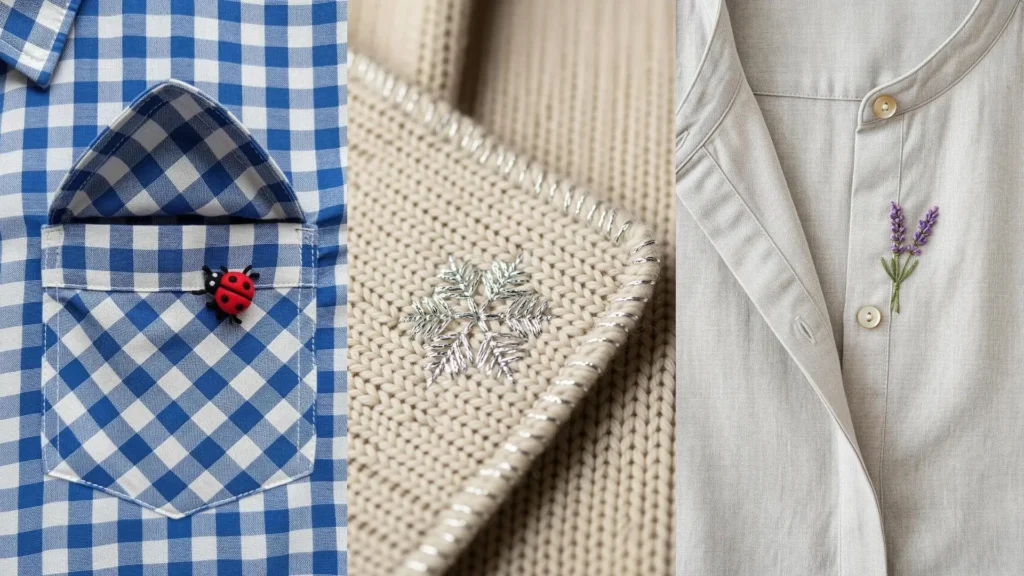
A floral mandala is more than just a beautiful, symmetrical design—it’s a meditative practice you can stitch into a tote bag, creating a piece of portable tranquility.
Think of each stitch as a moment of mindfulness. As you build the layers of your mandala, you’re not just filling a shape with thread; you are exploring texture, balancing color, and creating harmony. It’s an opportunity to transform a simple canvas bag into a personal statement of calm and creativity.
These patterns are your guide, but your hands hold the artistry. Don’t be afraid to change a color, try a new stitch for a petal, or add a bead where you feel a touch of sparkle is needed. This is your weekend craft, your mindful moment. Let it be a true reflection of you.
1. Layered Petals and Geometric Contrast
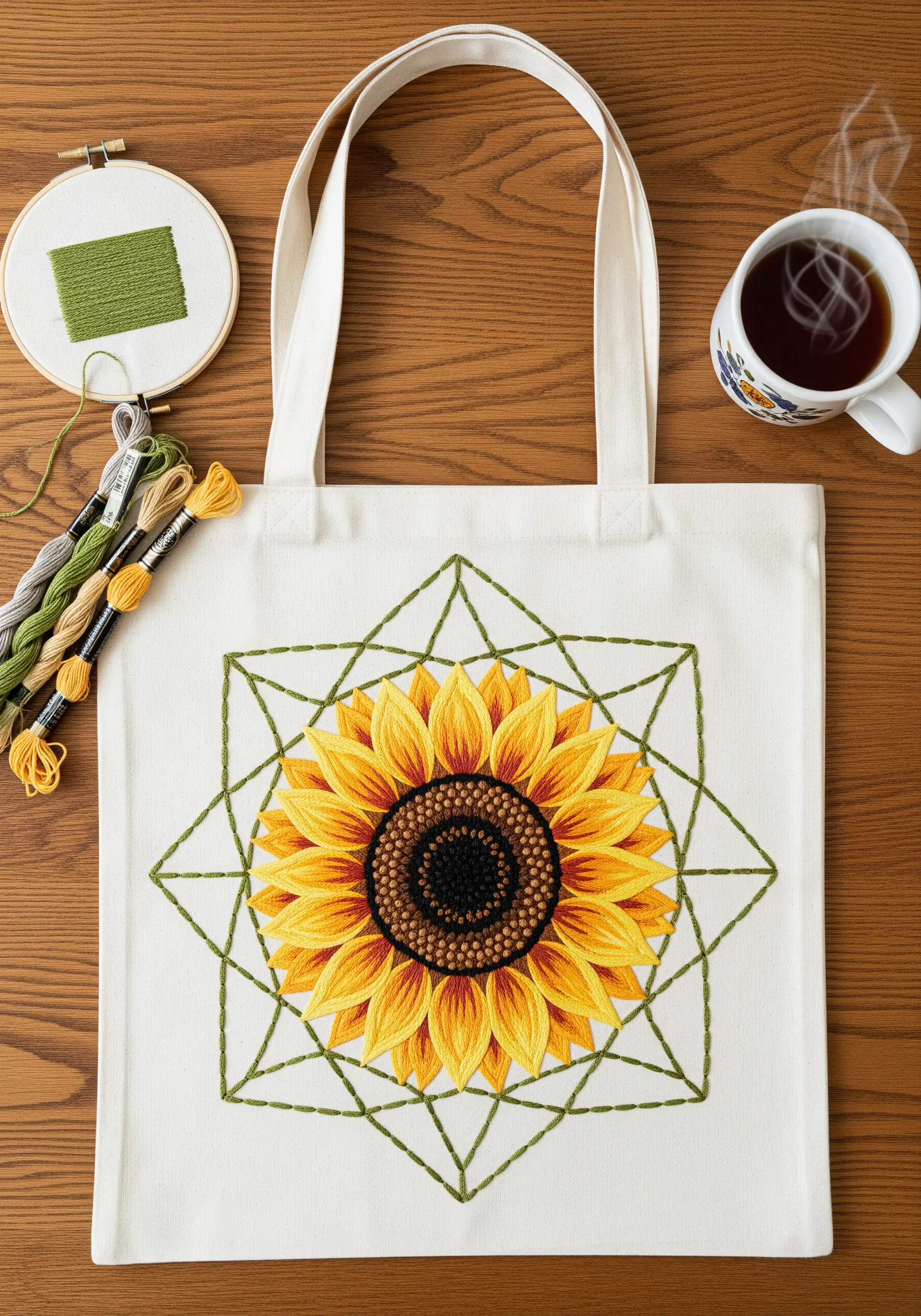
Create a photorealistic sunflower by using four or five shades of yellow and gold floss for the petals.
Use long-and-short stitch, blending the shades from light at the tips to dark at the base, to achieve a natural gradient that mimics sunlight.
For the center, build dense layers of French knots in dark brown and black, which adds a convincing, seed-like texture that contrasts beautifully with the smooth petals.
Frame the organic flower with a crisp, geometric outline using a simple backstitch in a contrasting green to ground the entire design.
2. Delicate Sprigs on a Muted Canvas
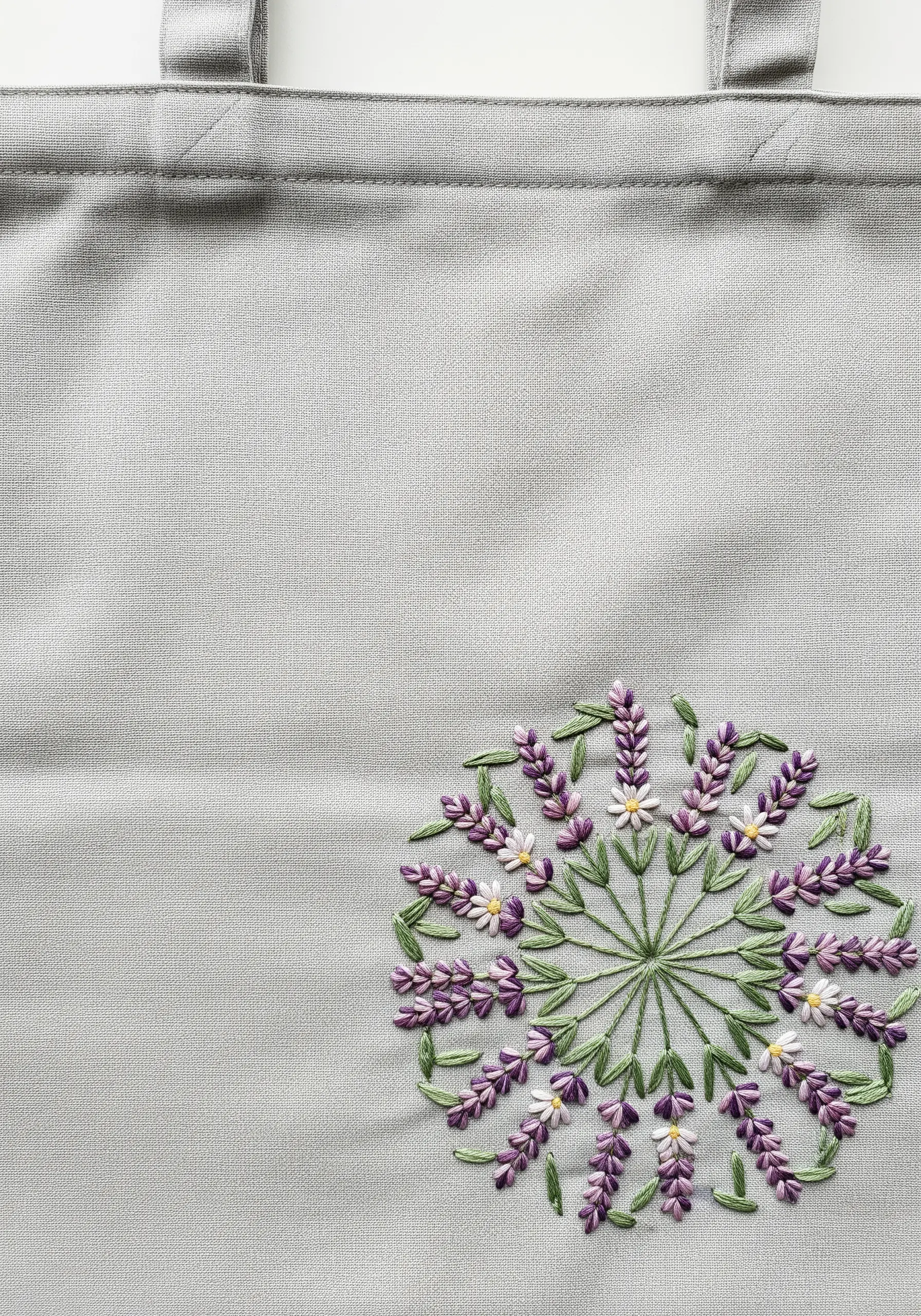
When working on a colored fabric like this grey canvas, select a color palette that harmonizes rather than competes.
Use a simple satin stitch for the lavender buds, slightly angling each stitch to mimic their natural growth pattern.
Incorporate tiny detached chain stitches (lazy daisies) for the chamomile flowers, using a single French knot for the centers to add a pop of yellow.
The success of this delicate design lies in its negative space; by leaving room between the elements, you create a light, airy feel that prevents the mandala from feeling cluttered.
3. High-Contrast Florals with Metallic Outlines
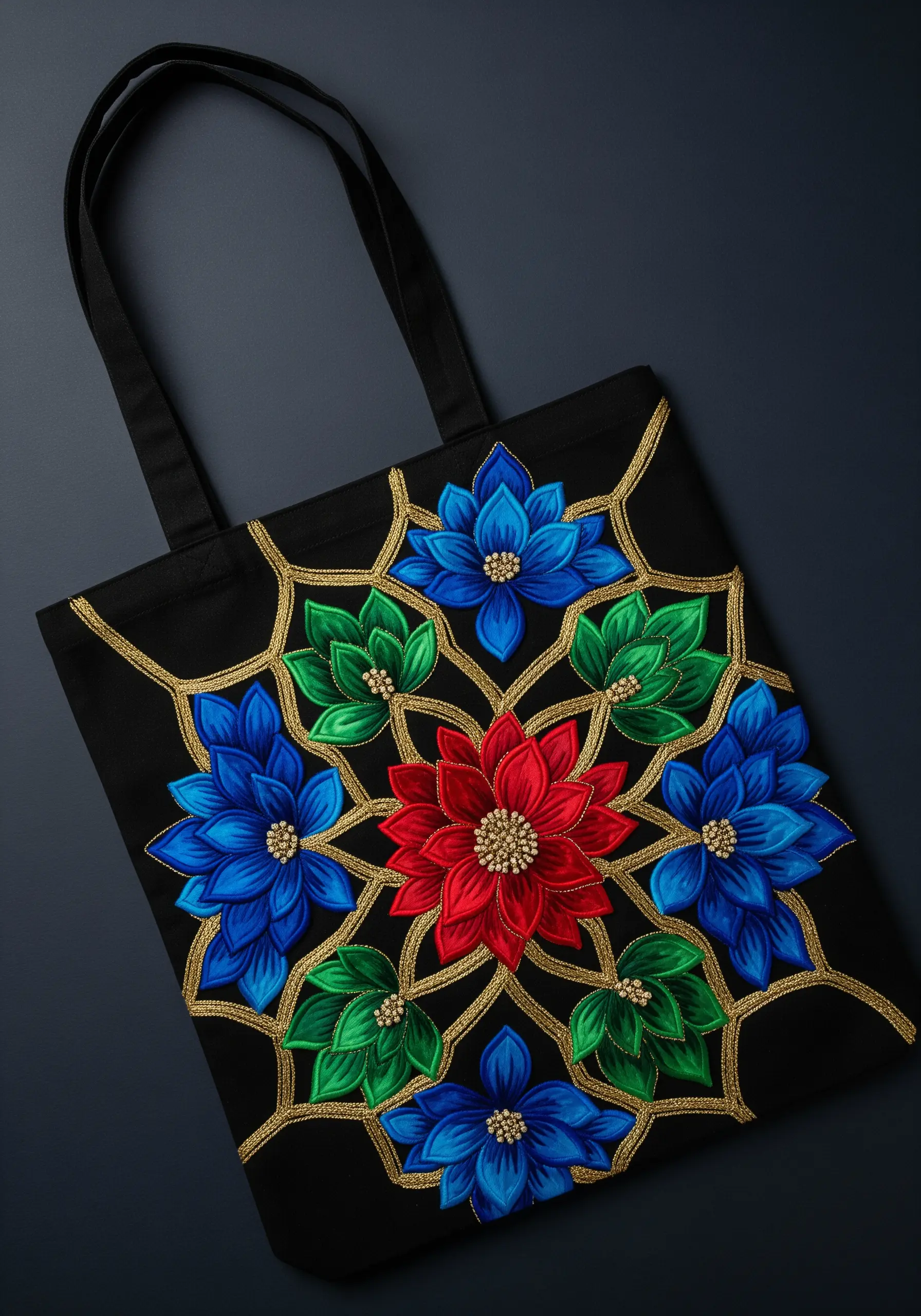
Make jewel tones pop on a black tote by first outlining every shape with a couched metallic thread.
Couching—tacking down a thick thread with smaller, separate stitches—creates a bold, raised outline that contains your satin stitch fills and adds a touch of luxury.
Fill the petals with a smooth satin stitch, using two or three shades of the same color to create depth and dimension.
Finish with a cluster of gold seed beads in the flower centers to catch the light and unify the design with the metallic outlines.
4. Sculptural Succulents with Padded Satin Stitch
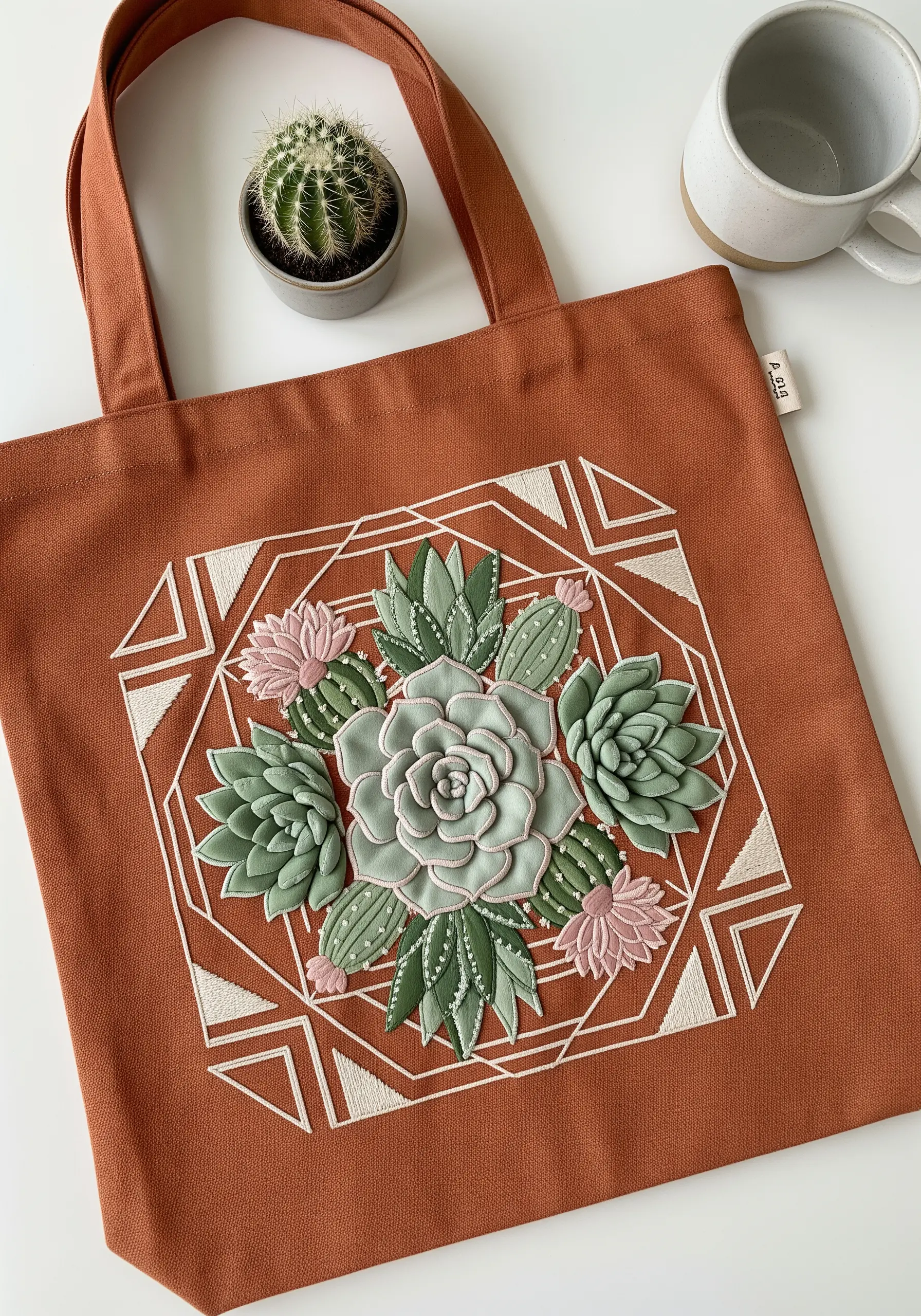
Achieve a stunning 3D effect by using padded satin stitch for the succulent leaves.
To do this, first fill the shape with a base layer of small, underlying stitches (like seed stitches), then cover it with a smooth, tight satin stitch.
This padding lifts the embroidery from the fabric surface, creating realistic dimension and shadows.
Contrast the soft, sculptural succulents with a sharp, geometric background in a simple backstitch to emphasize their organic forms.
5. A Wildflower Meadow in a Mandala
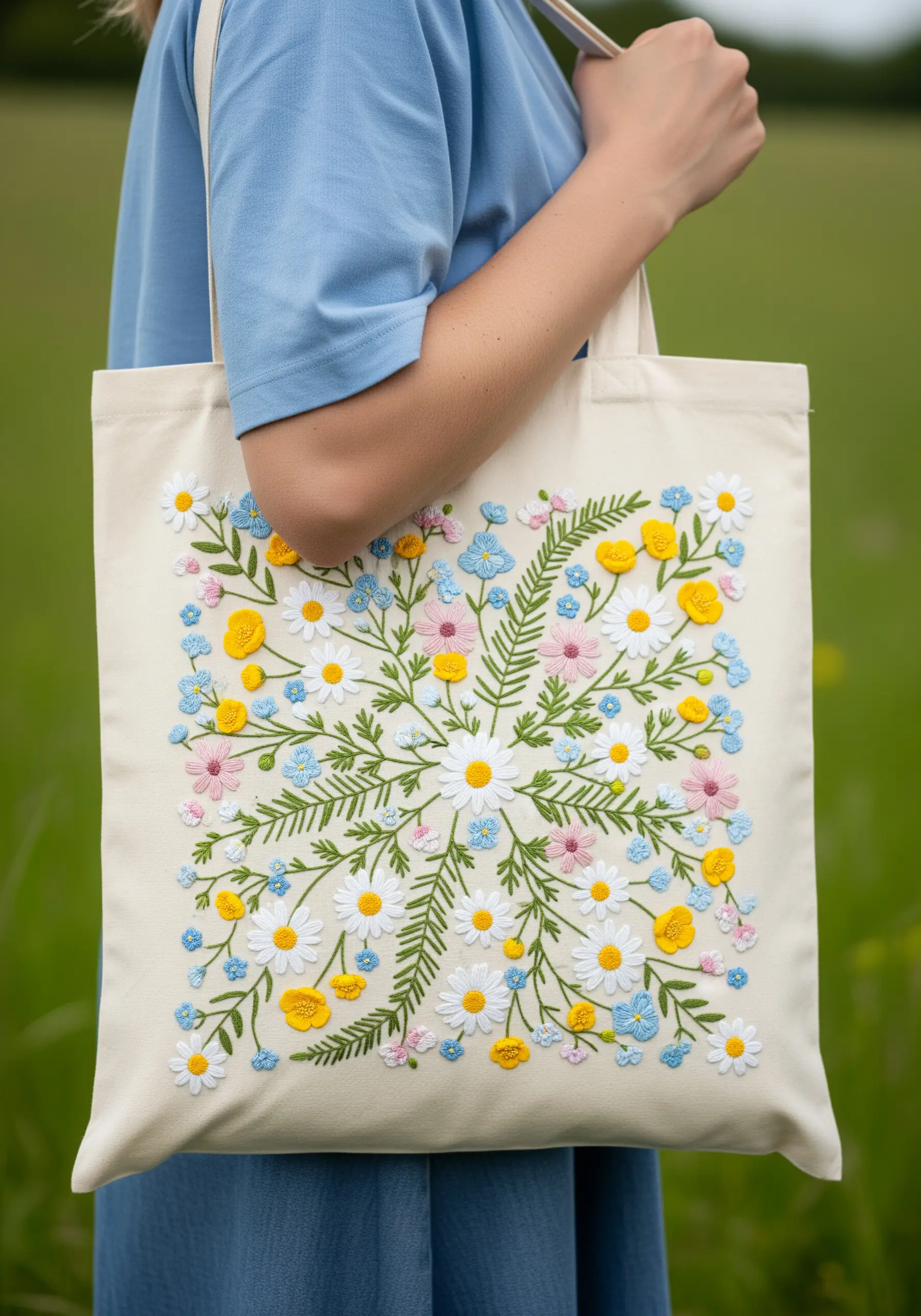
Capture the joyful chaos of a wildflower field by mixing multiple stitch types within your mandala structure.
Use detached chain stitches for small petals, French knots for flower centers and filler blossoms, and fishbone stitch for the leaves.
This variety in texture makes the design feel abundant and alive, drawing the eye across the composition.
Stick to a fresh, spring-inspired palette of pastel pinks, blues, and sunny yellows to maintain a sense of harmony and prevent the textures from becoming overwhelming.
6. Voluminous Roses with Woven Wheel Stitches
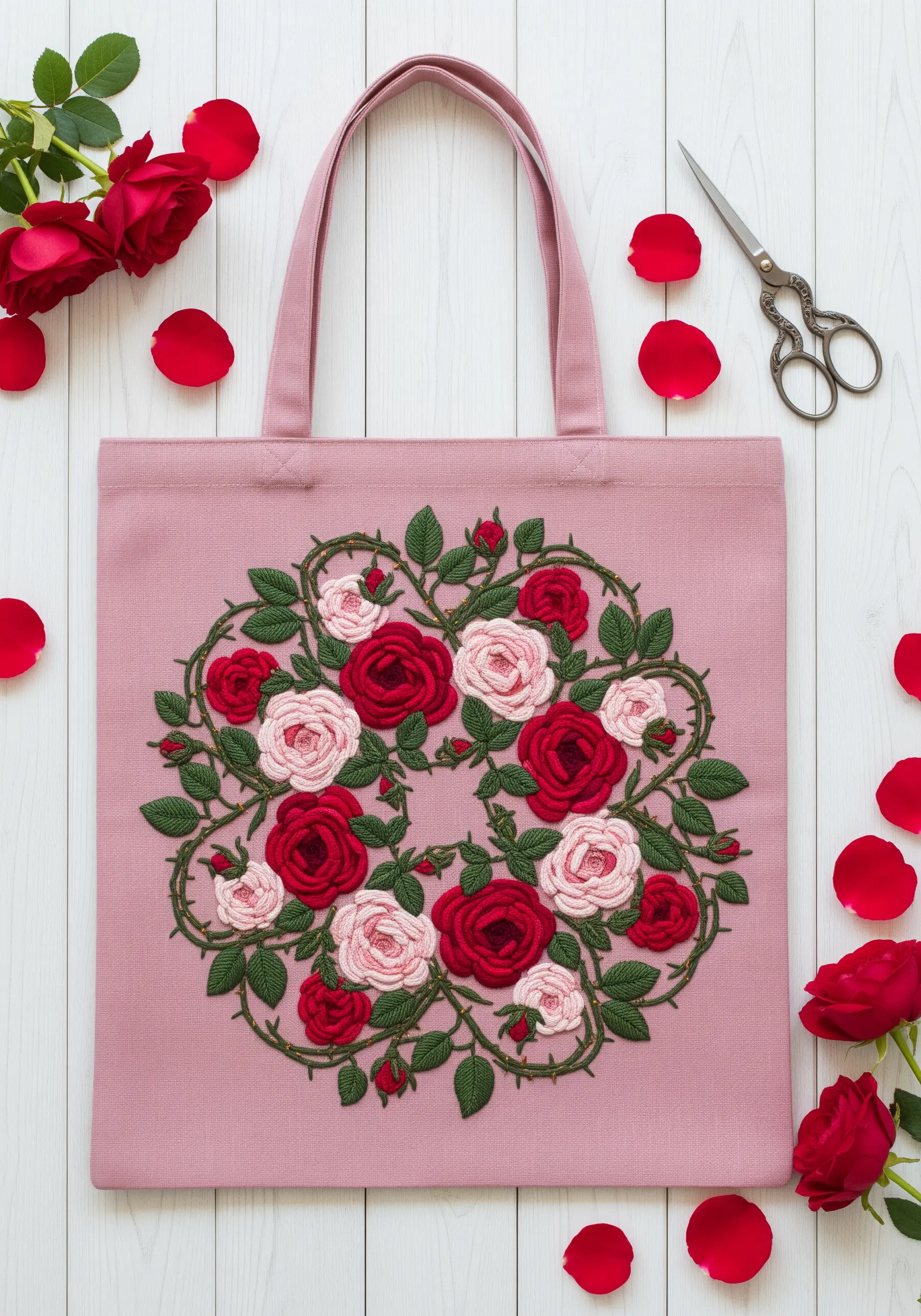
Create lush, dimensional roses by mastering the woven wheel stitch, also known as the spider web rose stitch.
Start with a star of straight stitches (five or seven spokes work best) and weave your thread over and under each spoke until the shape is filled.
For tighter buds, weave firmly; for fuller, open blooms, allow the thread to loop more loosely.
Use a variegated thread to achieve subtle color shifts within a single rose, adding realism without changing floss.
7. Graphic Impact with Monochrome Thread
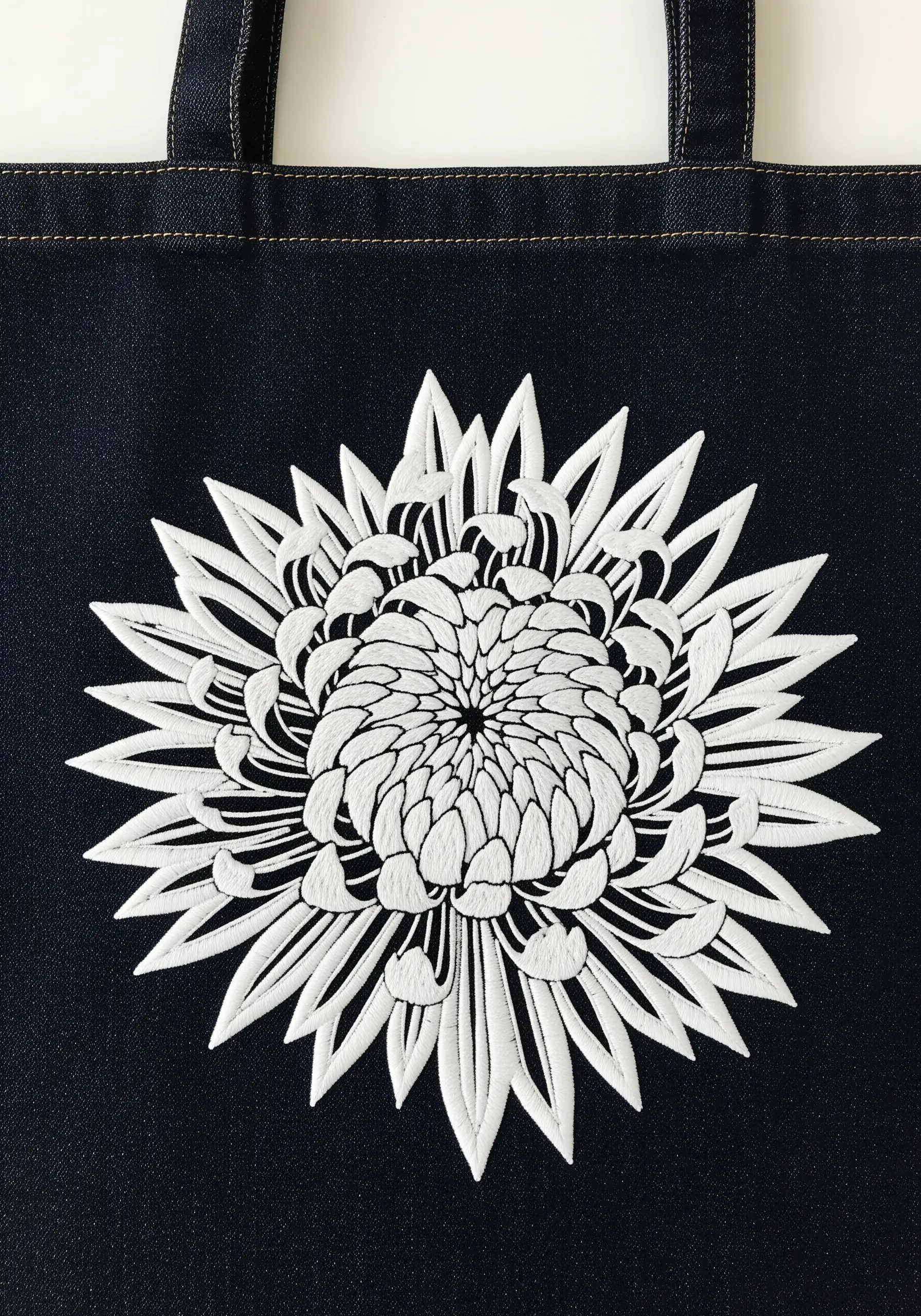
Explore the power of form and shadow by stitching a complex floral in a single color.
On a dark fabric like denim, a bright white thread creates a striking, graphic effect that highlights the intricacy of the stitchwork.
Use the direction of your satin stitches to define the shape of each petal. By angling the stitches away from a central point, you create the illusion of light and shadow.
This monochrome floral embroidery approach forces you to focus on texture and line, instantly elevating the design to a piece of wearable art.
8. Vibrant Gradients on Natural Burlap
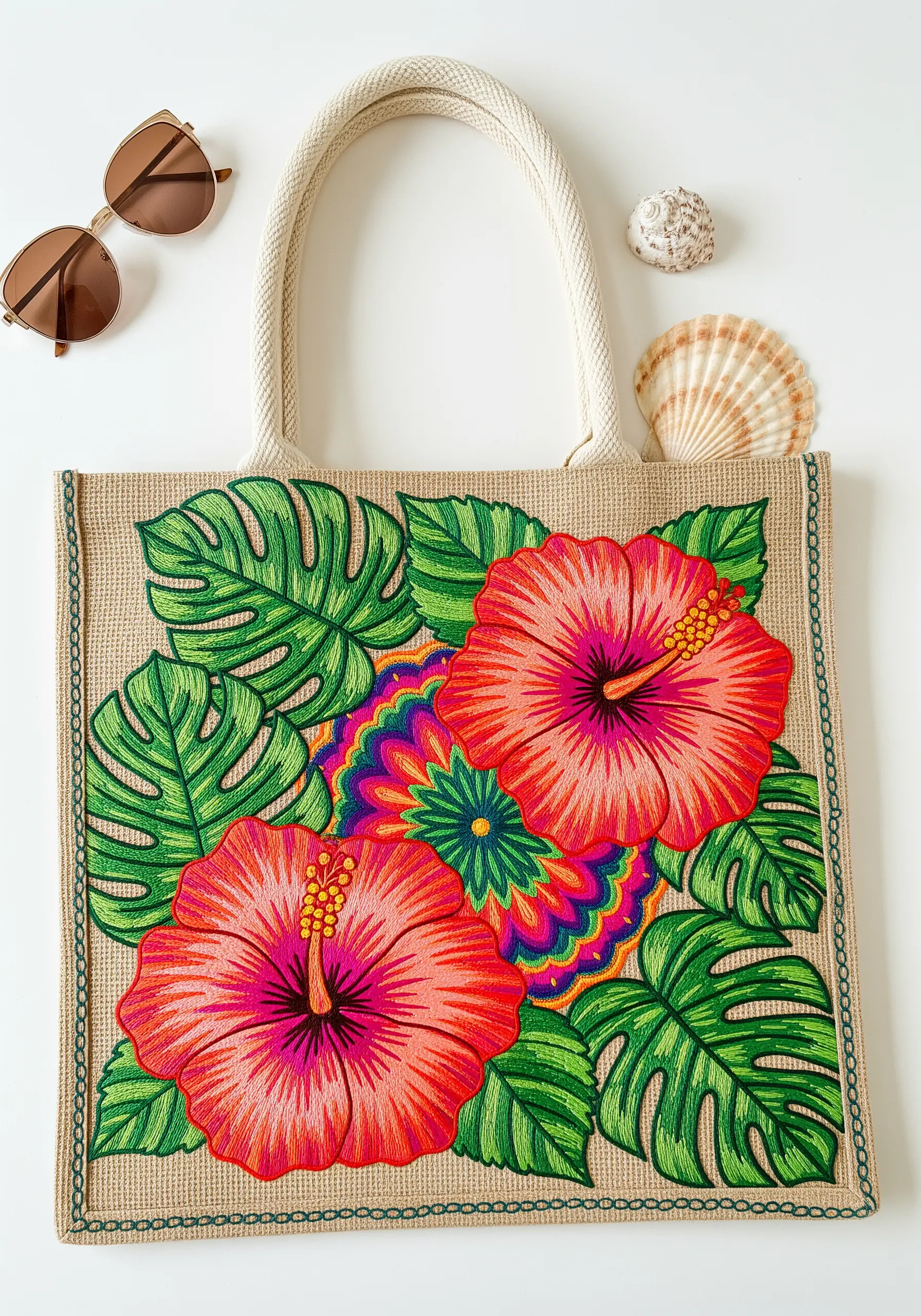
When stitching on a coarse, open-weave fabric like burlap, adjust your technique for a smoother finish.
Use all six strands of embroidery floss to ensure full coverage and prevent the fabric from showing through your stitches.
For the hibiscus petals, use long-and-short stitch to blend vibrant pinks, oranges, and reds, creating a tropical sunset effect.
The texture of the burlap adds a rustic, earthy quality that beautifully balances the intensity of the floral colors.
9. Symmetrical Autumn Foliage
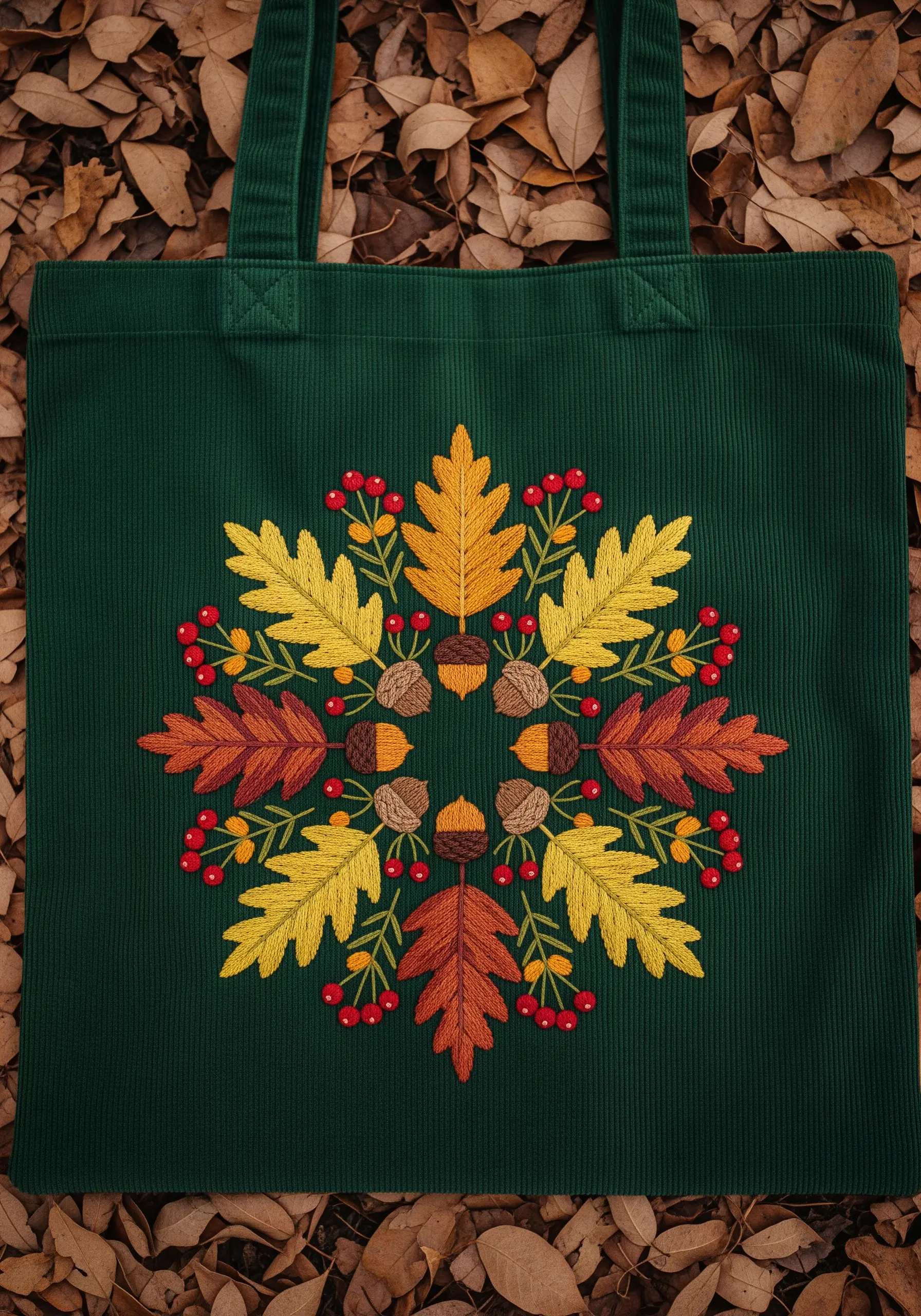
Build a rich, autumnal palette by selecting warm golds, russet oranges, and deep reds.
Use the fishbone stitch for the oak leaves; this stitch creates a beautiful central vein and angles the threads outward, mimicking the natural structure of a leaf.
Incorporate small details like brown satin-stitched acorns and bright red French knot berries to add textural variety and visual interest.
The symmetry of the mandala brings a sense of calm and order to the composition, making it deeply meditative to stitch.
10. Layering Delicate Blossoms and Branches
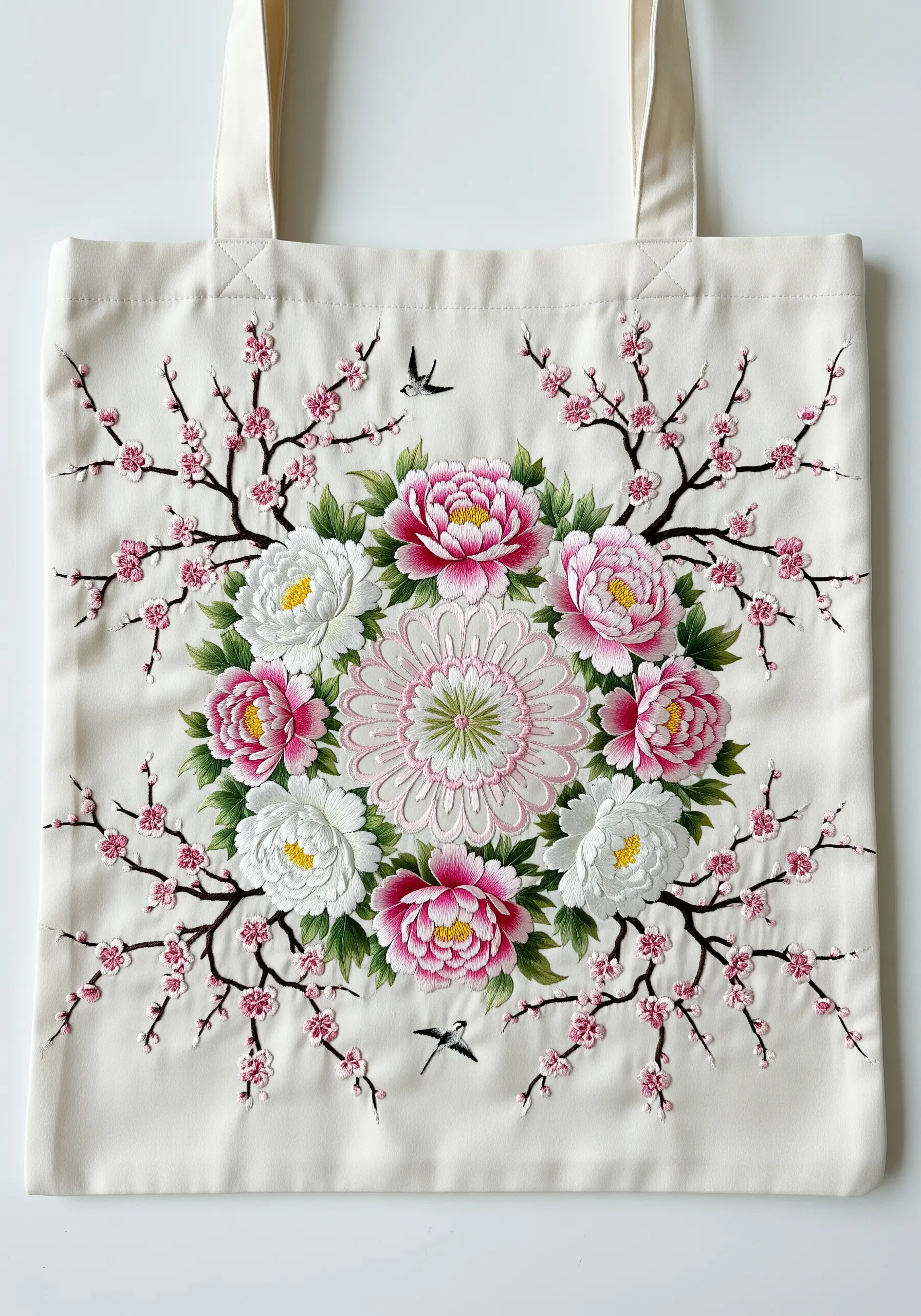
Create a sense of depth by layering different floral elements within your mandala.
Stitch the larger peonies first using a soft long-and-short stitch to blend pinks and whites for a painterly effect.
Then, add the delicate cherry blossom branches, allowing them to weave behind and in front of the larger blooms.
Use tiny French knots for the blossoms and a fine stem stitch for the branches to ensure they feel light and don’t overwhelm the central bouquet.
11. Capturing Movement with Radiating Stitches
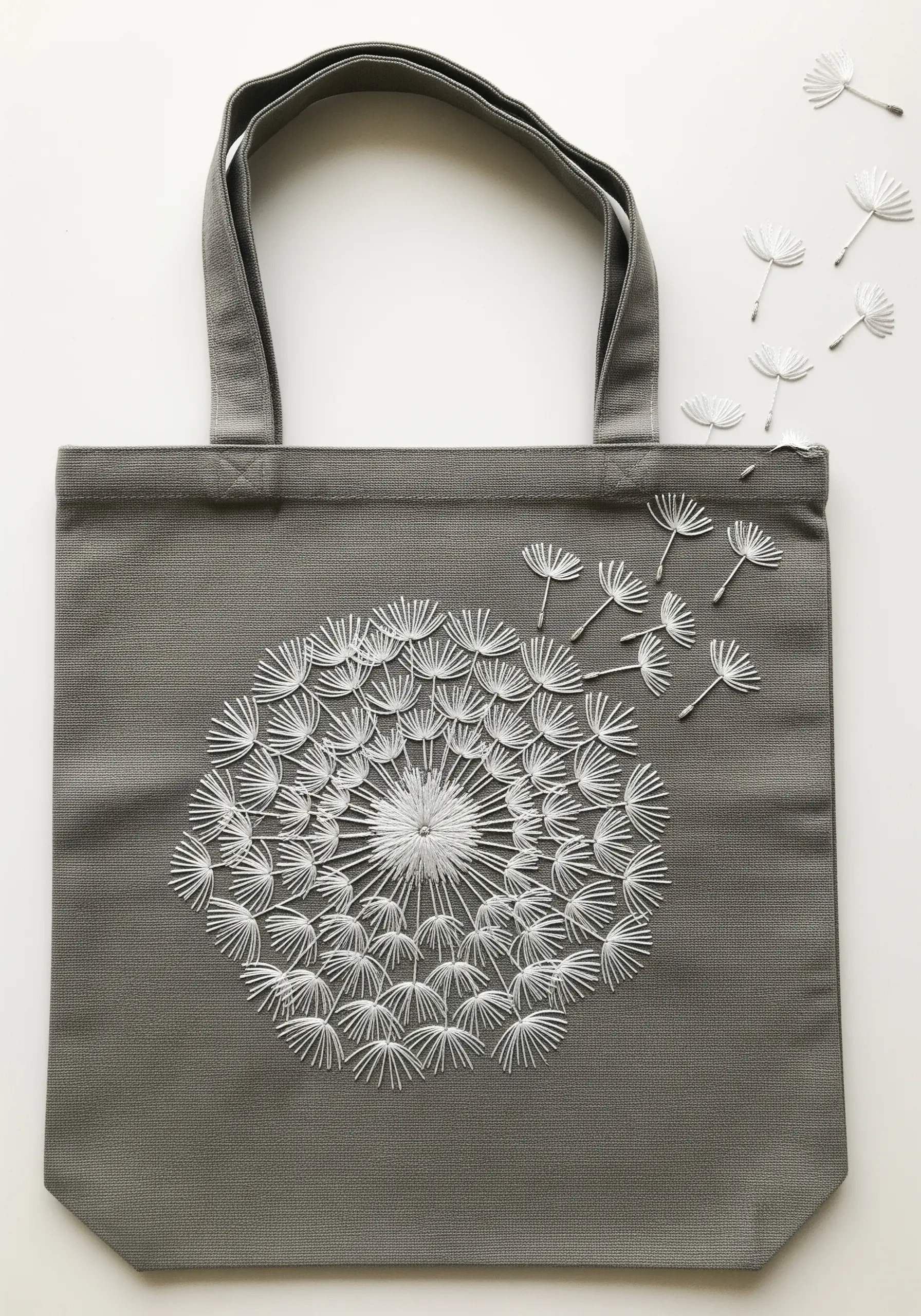
Suggest the delicate movement of dandelion seeds drifting on the wind with carefully placed straight stitches.
Create the central seed head with a dense cluster of straight stitches radiating from a satin-stitched center.
For the floating seeds, stitch each one individually, varying the angle and spacing to create a sense of randomness and flight.
Using a single color of thread on a contrasting fabric emphasizes the clean, graphic lines and the illusion of motion.
12. Celestial Blooms on a Midnight Canvas
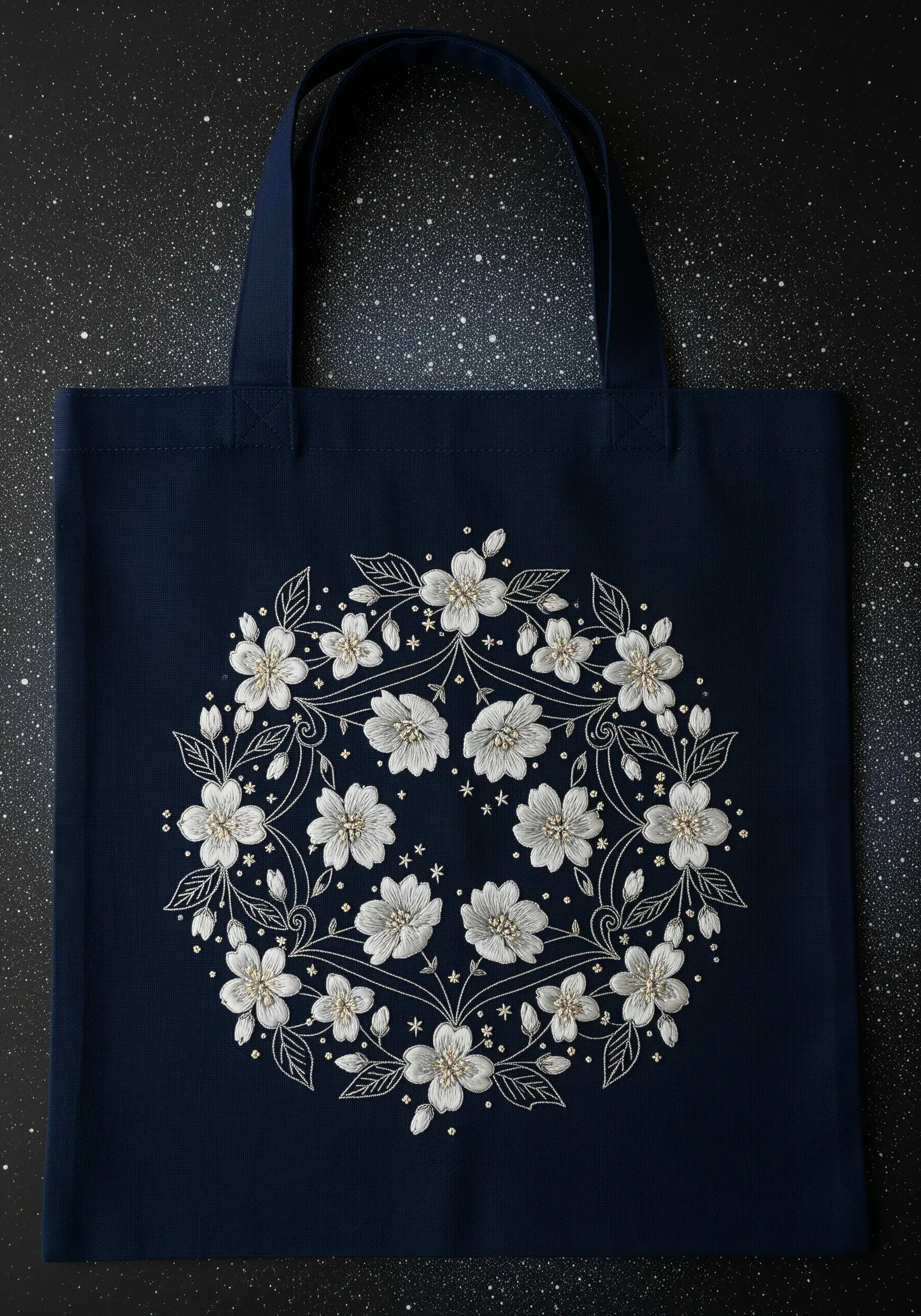
Give your floral mandala a celestial feel by working with light, shimmering threads on a dark navy or black tote.
Use a silvery-white floss for the petals and outline them with a fine metallic thread for a subtle glow.
Incorporate tiny seed beads or metallic French knots in the flower centers and scatter them like stars around the wreath.
This technique transforms a simple floral design into a magical, night-sky composition.
13. High-Texture Marigolds with Sequin Accents
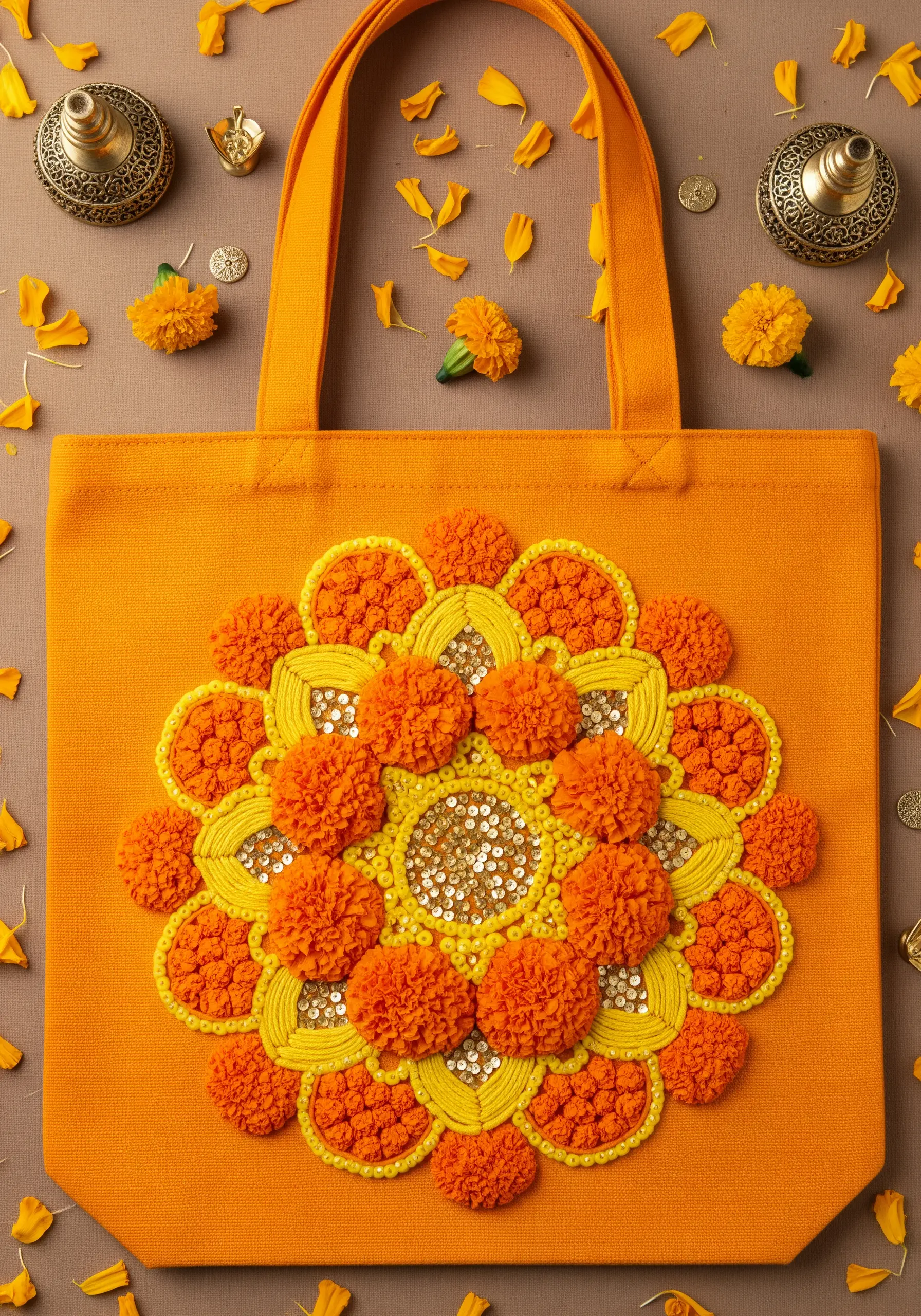
Recreate the dense, fluffy texture of marigolds by using clusters of tightly packed French knots or short loops of turkey work.
To create a turkey work stitch, make a loop and secure it with a tiny tacking stitch, leaving the loop on the surface. Later, you can trim the loops for a velvety finish.
Fill the mandala’s center with a dense layer of gold sequins, stitching each one down with a single seed bead.
This combination of soft, fuzzy texture and metallic shine creates a celebratory and tactile piece of art.
14. Watercolor Effects with Sparse Stitches
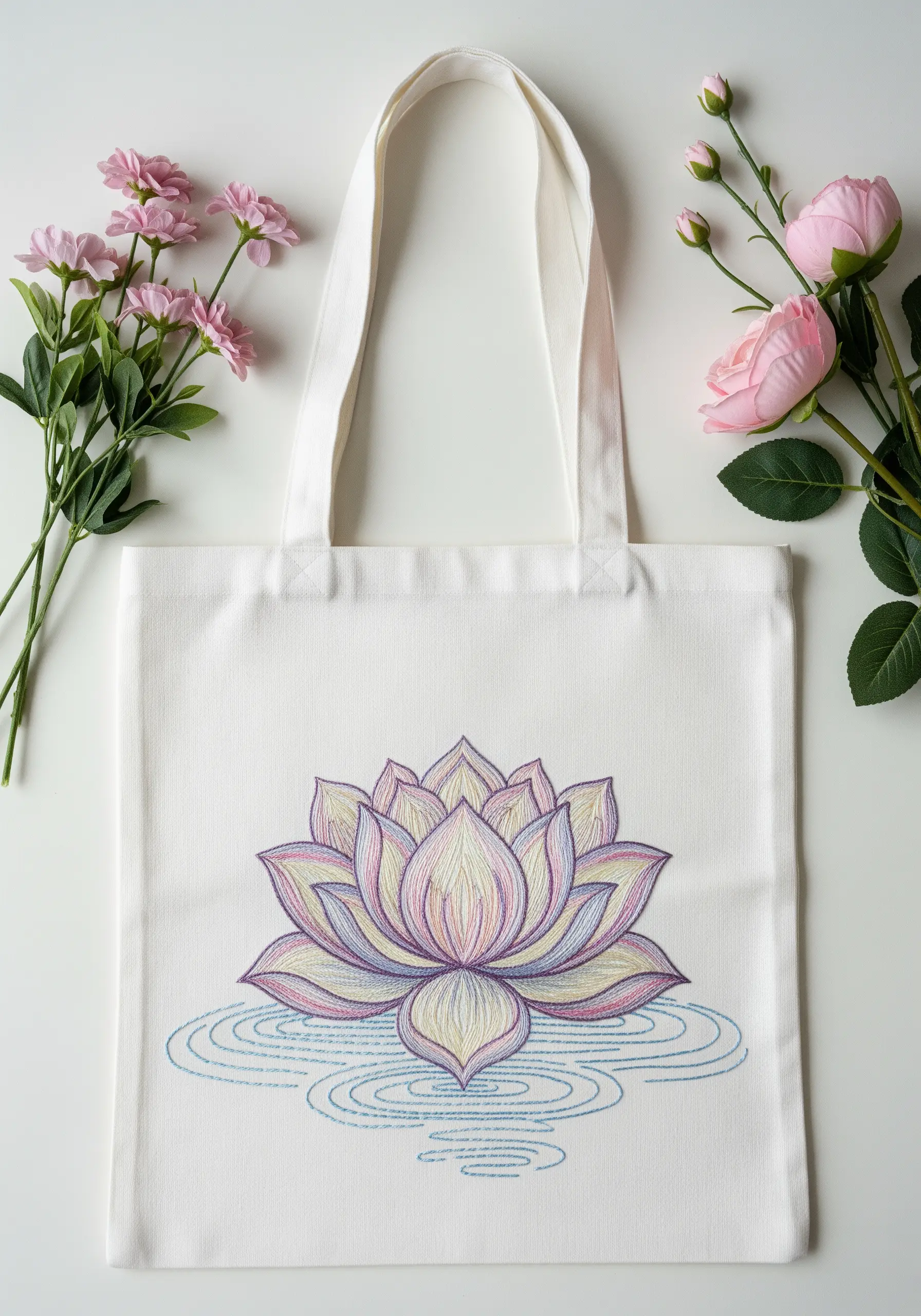
Achieve a soft, painterly effect by focusing on delicate outlines and sparse color fills.
Use a single strand of floss in a dark, contrasting color to create the line art garden motifs of the lotus petals.
Instead of dense satin stitch, fill the shapes with a light wash of color using a few strategically placed long-and-short stitches.
This minimalist approach allows the fabric of the tote to show through, giving the design a translucent, watercolor-like quality.
15. Art Deco Glamour with Metallic Thread

Capture the elegance of the Art Deco era by focusing on geometric shapes, symmetry, and a touch of metallic shine.
Use blocks of satin stitch to fill the fan-like shapes, ensuring your stitches are perfectly parallel for a clean, graphic look.
Define each section with a crisp backstitch in a bright silver or gold metallic thread. This not only adds glamour but also cleans up the edges of your satin stitch blocks.
A limited, high-contrast color palette of gold, silver, and teal enhances the bold, stylized aesthetic.
16. A Miniature Forest Floor Vignette
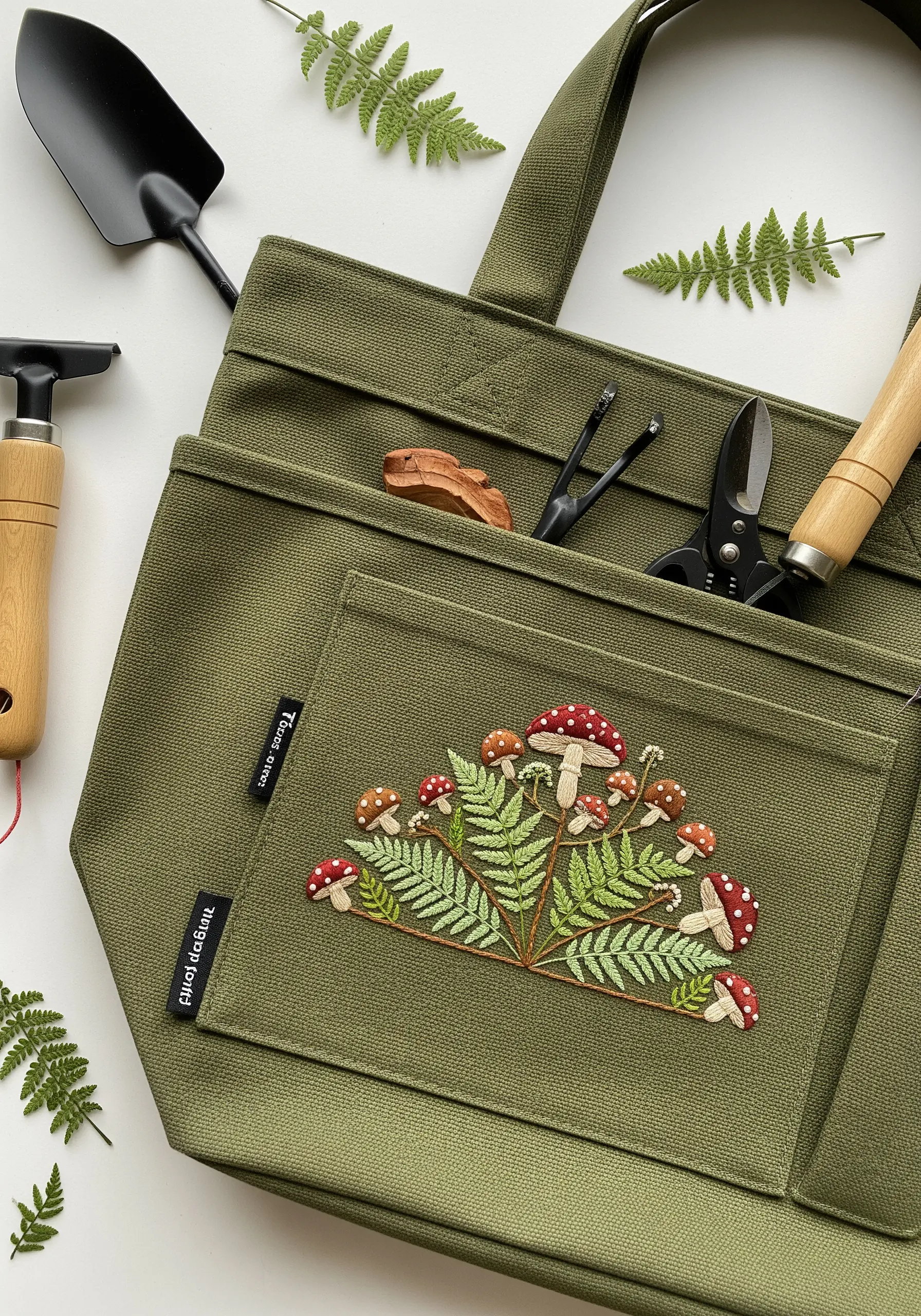
Turn a tote bag pocket into a miniature scene from nature by centering a small, detailed design.
For the fern, use fishbone stitch to create the central stem and feathery fronds in one motion.
Create the amanita mushroom caps with red satin stitch, adding small white straight stitches for the iconic spots.
This realistic mushroom forest floor embroidery on a functional element like a pocket adds a delightful and unexpected touch of artistry.
17. Cheerful Daisy Wreath on a Bold Background
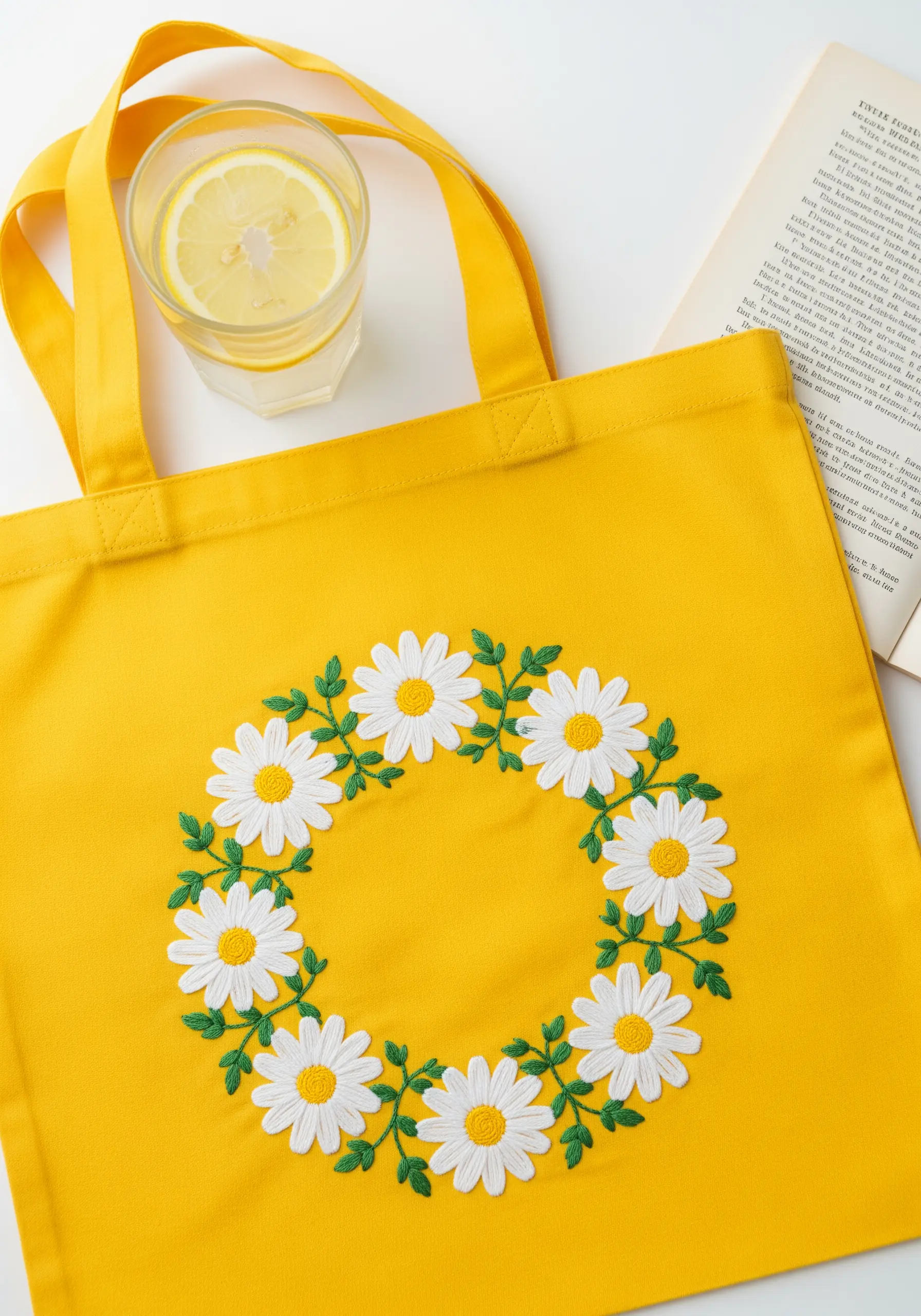
Make a simple daisy design unforgettable by stitching it on a brightly colored tote.
The vibrant yellow fabric makes the crisp white petals, stitched with lazy daisies, appear even brighter.
Create full, textured centers with a dense cluster of yellow French knots, using a slightly darker shade than the bag for subtle contrast.
The key to a perfect daisy chain is uniform stitch tension, so each petal has the same gentle loop.
18. Earthy Textures and Symmetrical Fungi
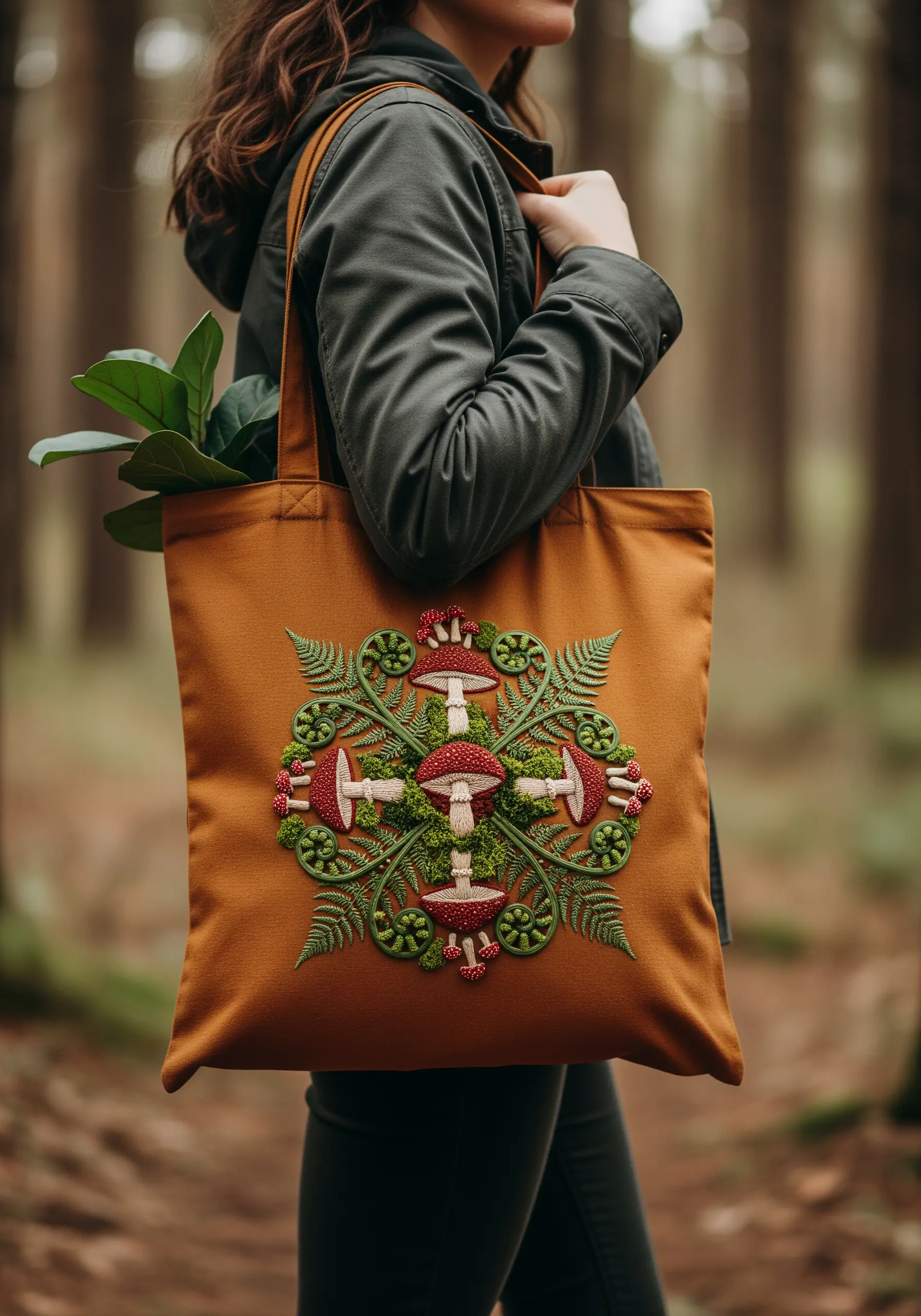
Ground your design with an earthy, natural palette that reflects a walk in the woods.
Create a mossy texture for the fern-like elements by using dense French knots or bullion knots in several shades of green.
This high-texture stitch contrasts beautifully with the smooth satin stitch of the mushroom caps.
Stitching this design on a canvas tote in a warm, terracotta color enhances the organic, forest-floor aesthetic.
19. Pomegranate Motifs on Natural Linen
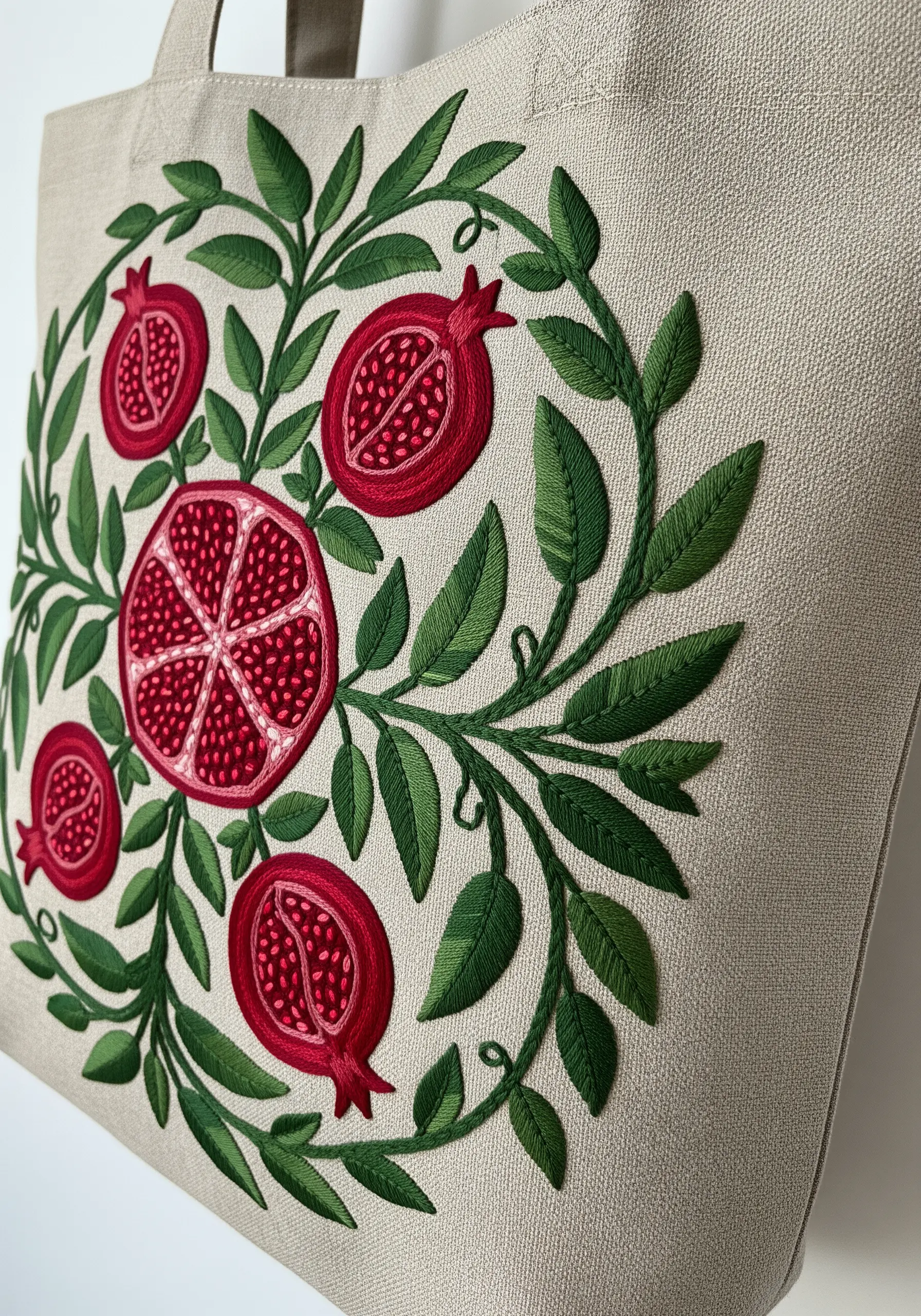
Highlight the unique texture of a linen or linen-blend tote by choosing a design with clean, bold shapes.
Use a split stitch for the outlines of the leaves and pomegranate sections to create a sharp, defined edge that stands up to the fabric’s texture.
Fill the pomegranate seeds with a contrasting seed stitch or tiny French knots to give them a juicy, granular appearance.
A classic color combination of deep red and rich green feels both timeless and sophisticated on a neutral background.
20. An Underwater Garden Mandala
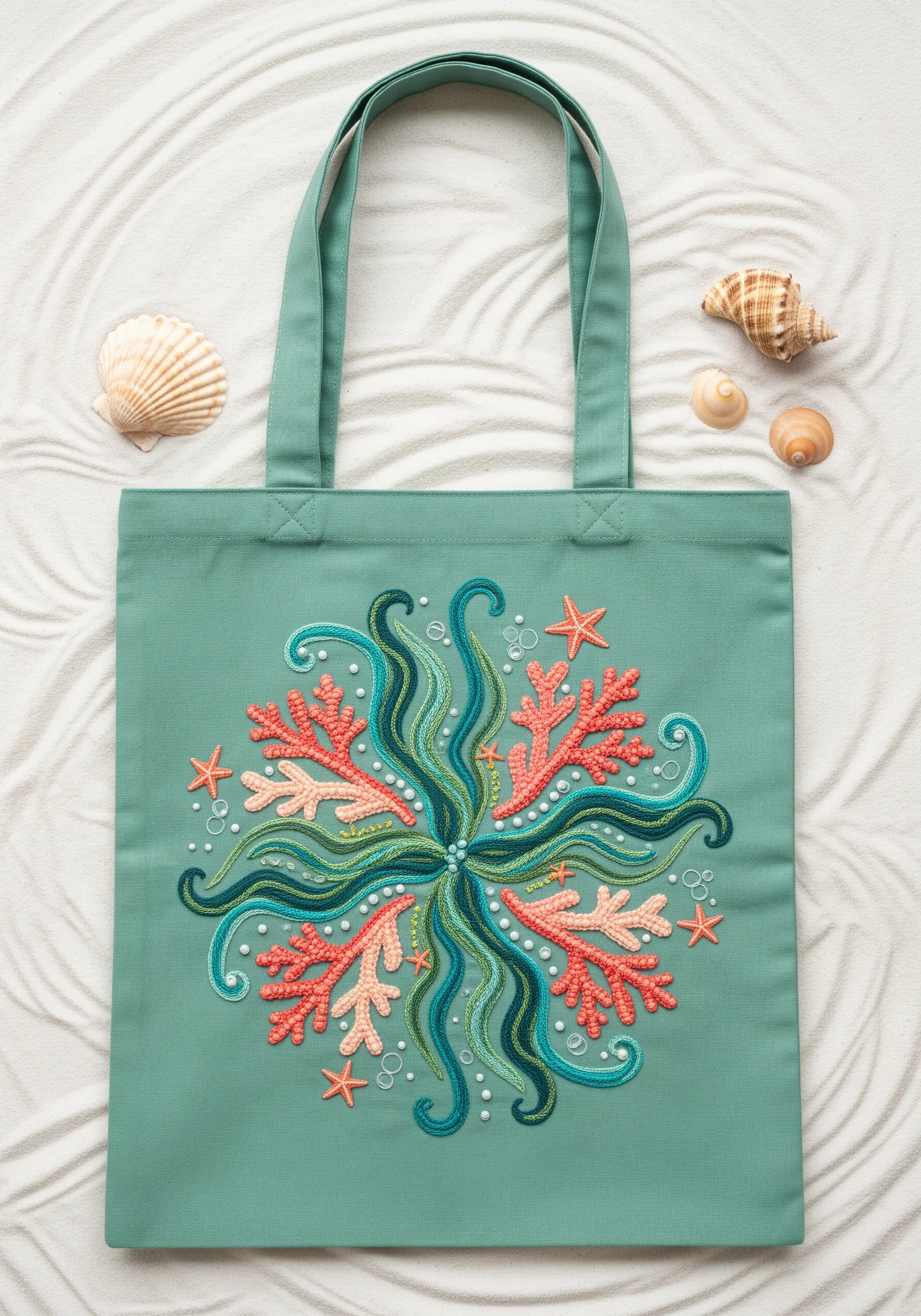
Evoke the gentle sway of underwater life using flowing, curved stitches.
Use whipped backstitch or chain stitch for the seaweed to create smooth, rope-like lines that suggest movement.
For the coral, use clusters of French knots or the textured coral stitch itself to mimic its bumpy, organic structure.
Scatter tiny straight stitches or seed beads throughout the design to represent air bubbles, adding to the aquatic atmosphere.
21. Celestial Balance: Sun and Moon

Tell a story of cosmic balance by dividing your mandala into solar and lunar halves.
Use warm golds and yellows with radiating straight stitches for the sun’s rays, and cool silvers and whites for the moon.
A single strand of metallic thread blended with your regular floss can add a magical shimmer without being overpowering.
Surround the central motif with a wreath of simple satin-stitched flowers and sprinkle tiny star-shaped stitches or French knots to complete the celestial theme.
22. A Full Spectrum of Tiny Florals
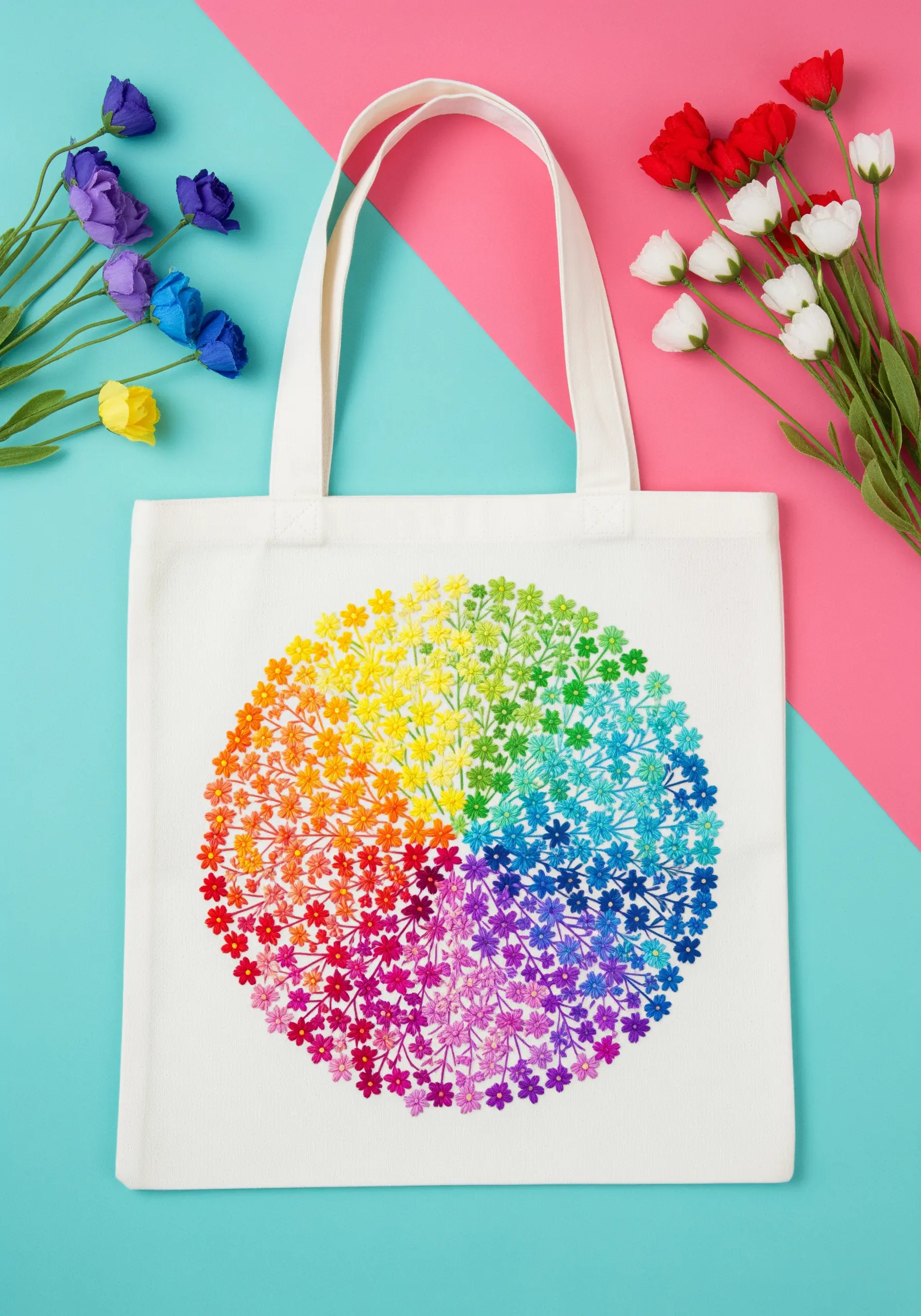
Create a stunning contemporary rainbow blend by filling a circular shape with hundreds of tiny, simple flowers.
Use a basic lazy daisy stitch with a French knot center for each blossom, which is quick to execute and effective in large groups.
Arrange your thread colors according to a color wheel to ensure a smooth, harmonious transition from one hue to the next.
This project is a perfect way to use up small scraps of leftover floss while creating a joyful, high-impact design.
23. Minimalist Herbal Mandala
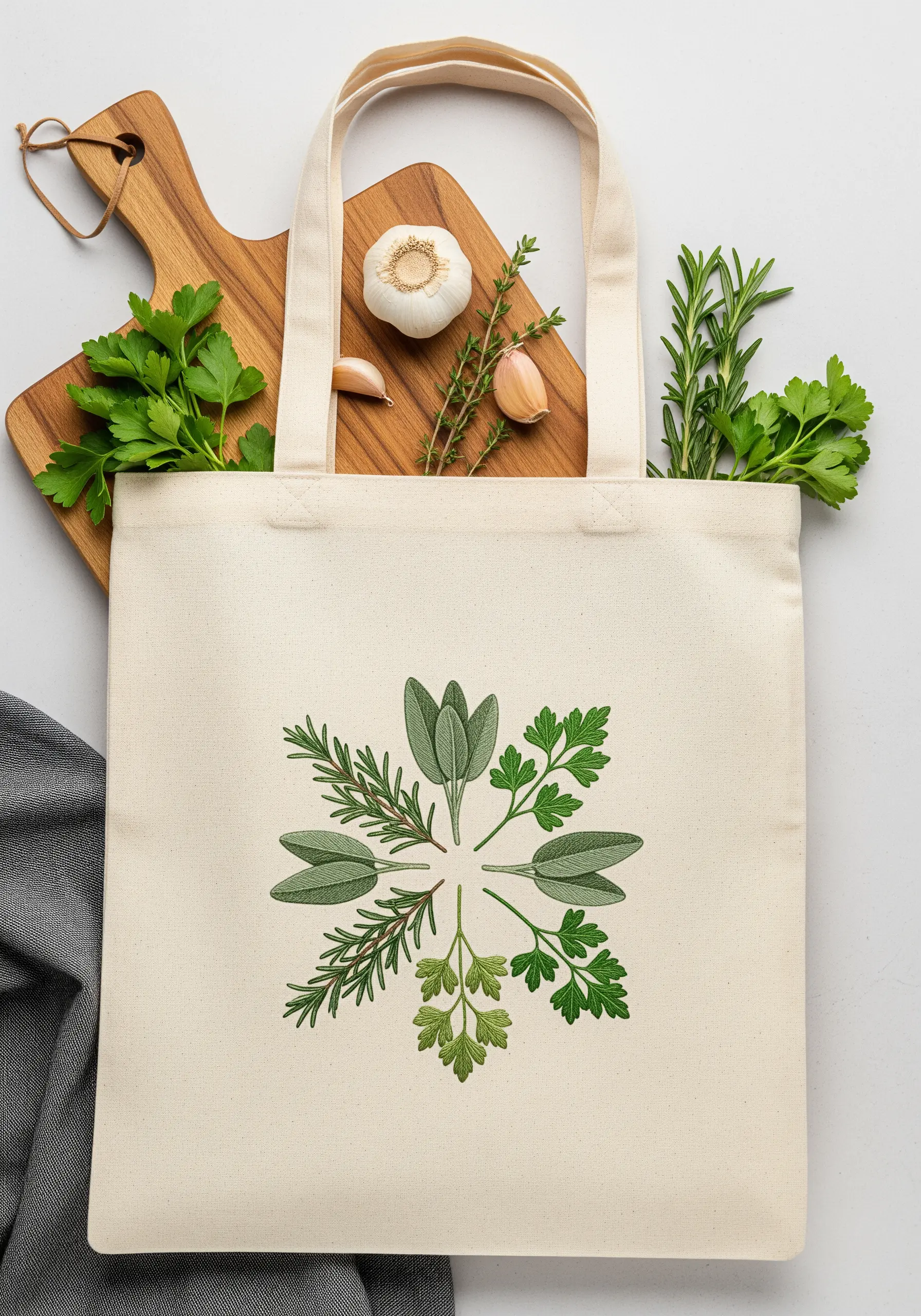
Celebrate the beauty of simplicity with a clean, modern arrangement of culinary herbs.
Focus on creating recognizable leaf shapes using just one or two simple stitches, like stem stitch for the outlines and fishbone stitch for the fills.
Using several shades of green adds depth and realism, helping to distinguish the parsley from the sage and rosemary.
The generous use of negative space is crucial here; it gives the design a crisp, contemporary feel and allows each herb to be appreciated.
24. Art Nouveau Elegance on Velvet
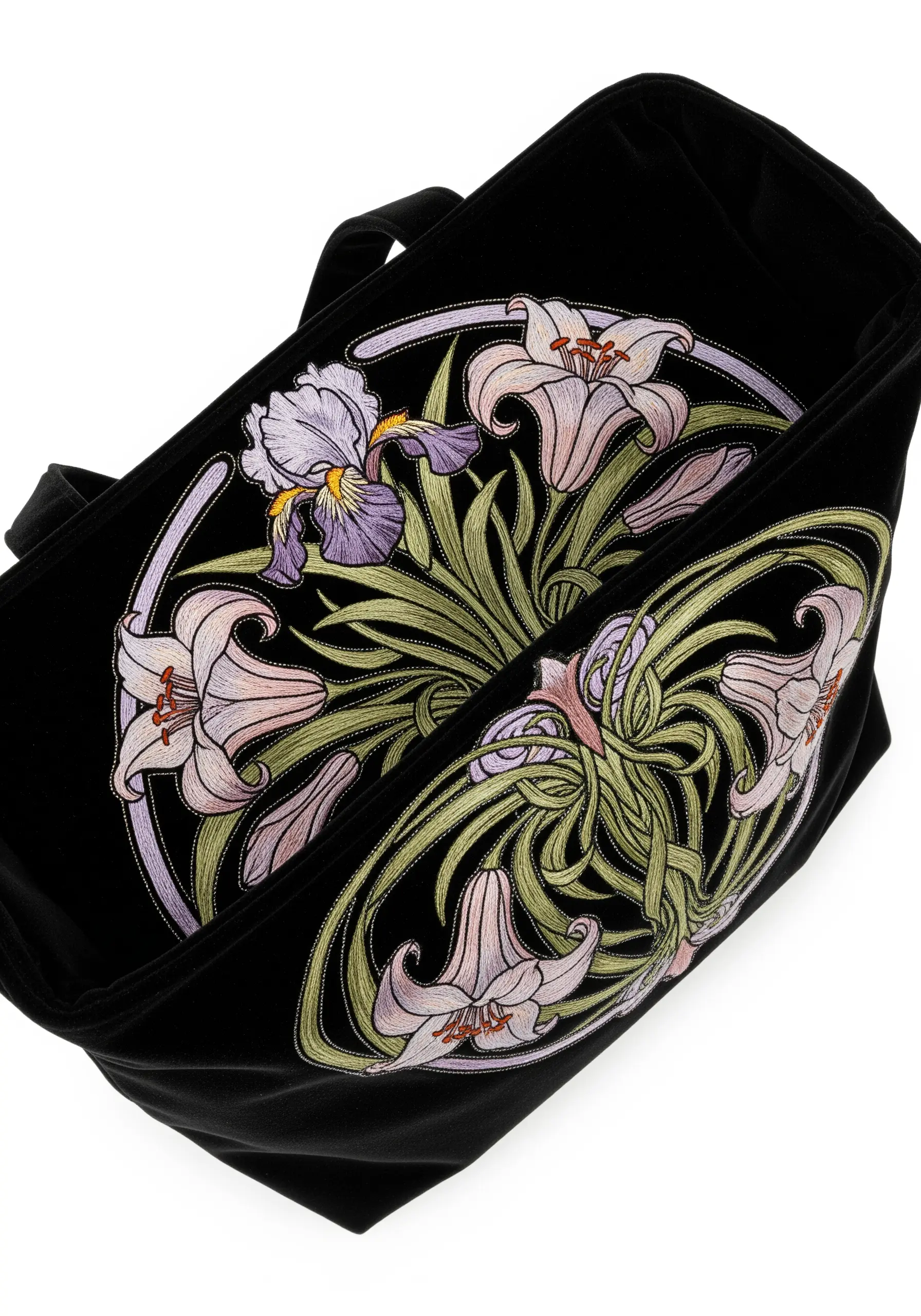
Stitching on velvet requires a gentle touch, but the result is unparalleled in its richness.
Use a sharp, fine needle (like a chenille needle) to part the fabric’s pile rather than piercing it, which prevents crushing.
The long, flowing lines characteristic of Art Nouveau are best achieved with a smooth outline stitch, like a whipped backstitch or a split stitch.
A soft, muted color palette allows the luxurious texture of the velvet to play a central role in the final design.
25. A Vintage-Inspired Pansy Mandala
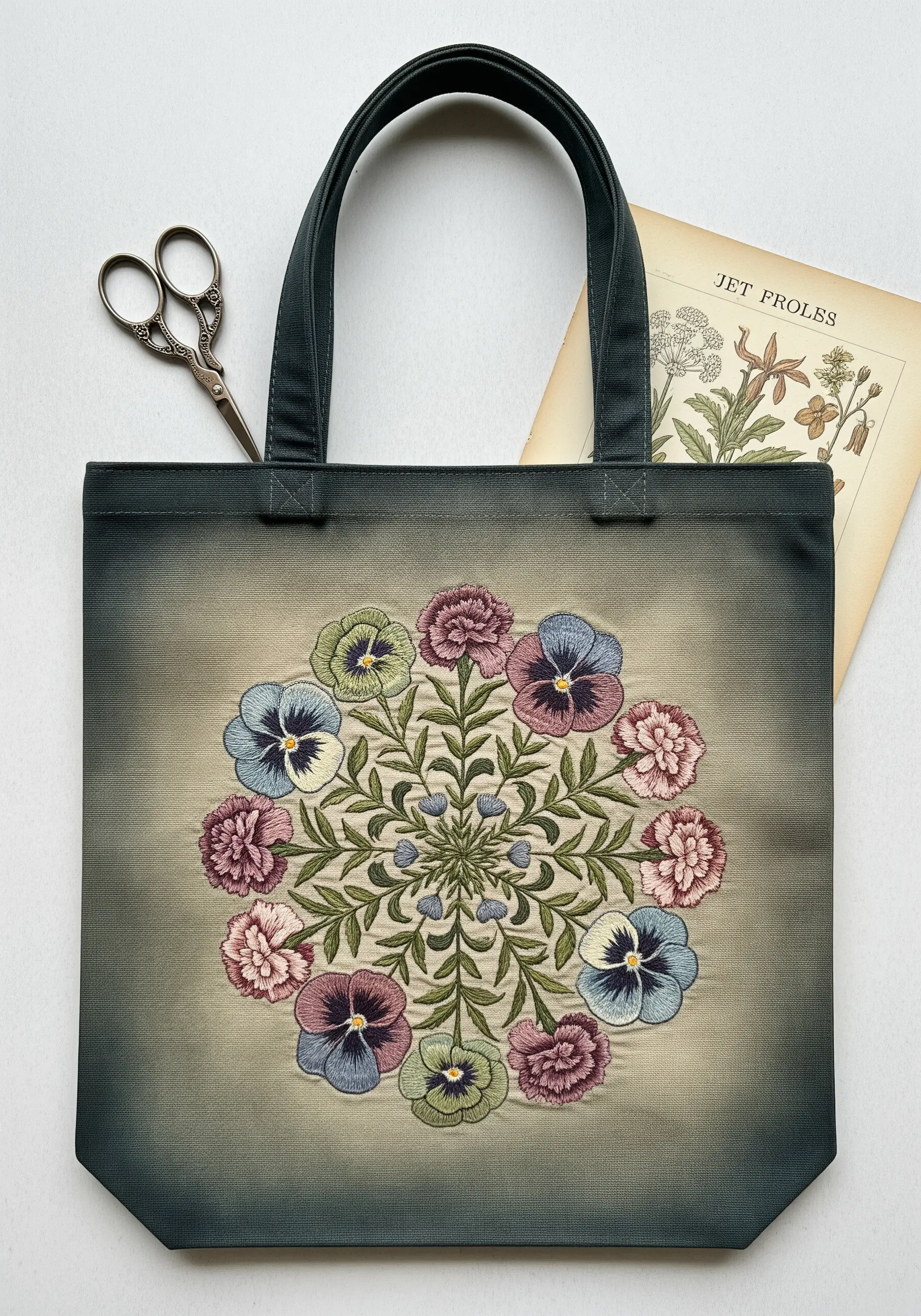
Create a soft, heirloom feel by working on a hand-dyed or faded-look fabric.
For the pansies, use long-and-short stitch to blend multiple colors within a single petal, capturing their unique, velvety appearance.
Choose a slightly muted, dusty color palette to enhance the vintage aesthetic.
The symmetrical, repeating pattern of the mandala gives the nostalgic floral a structured, formal quality that feels both classic and composed.
26. Opulent Beadwork Mandala
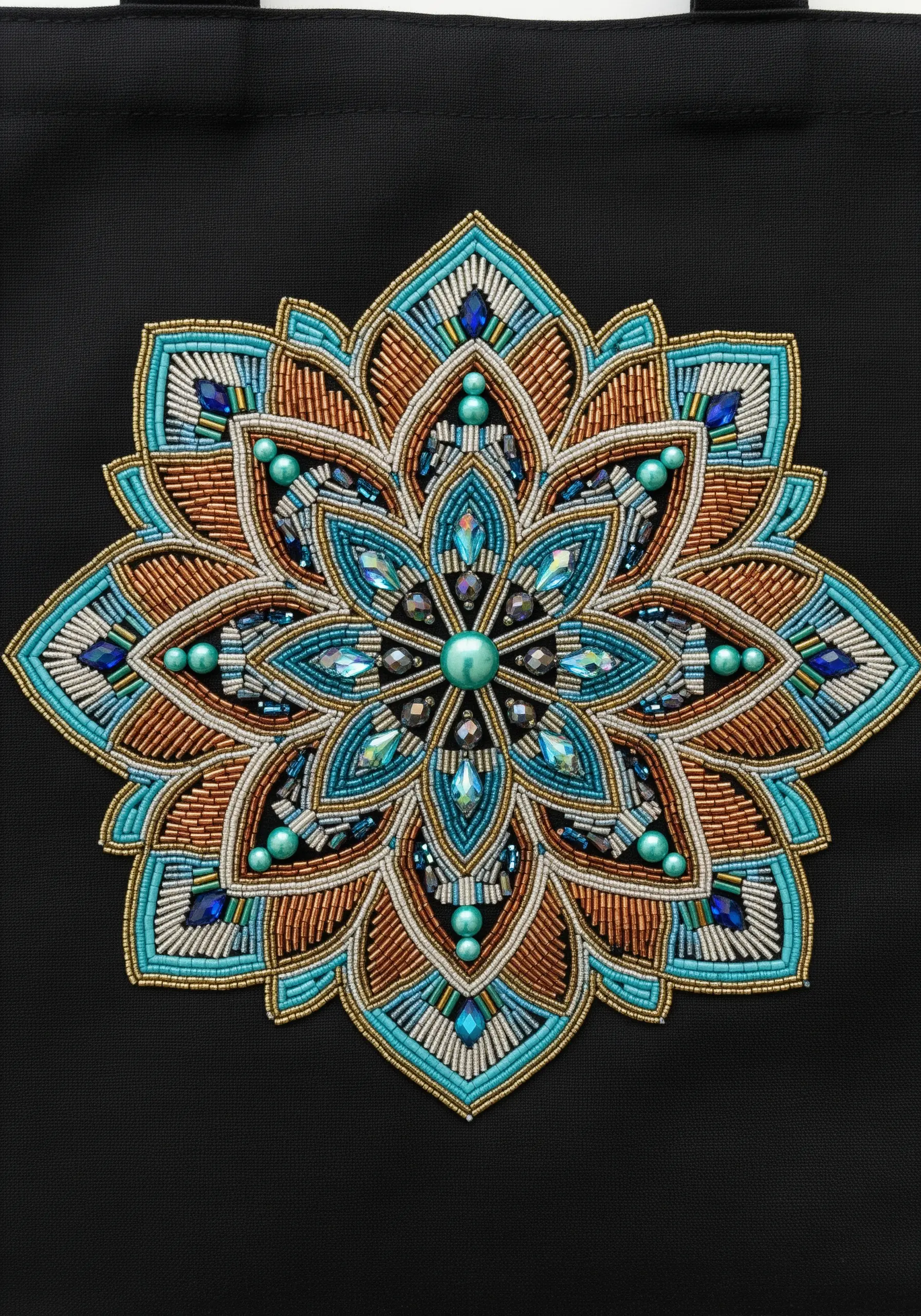
Explore textile art beyond thread by creating a mandala entirely from beads, sequins, and crystals.
Begin by outlining each petal shape with a row of small seed beads, then fill the interior with larger beads or crystals for texture and focus.
Use a strong beading thread and a fine beading needle, securing every few beads with a small backstitch on the reverse side of the fabric for durability.
This technique transforms a simple tote into a piece of statement jewelry, perfect for adding glamour to any outfit.
27. Graphic Spirograph Line Art
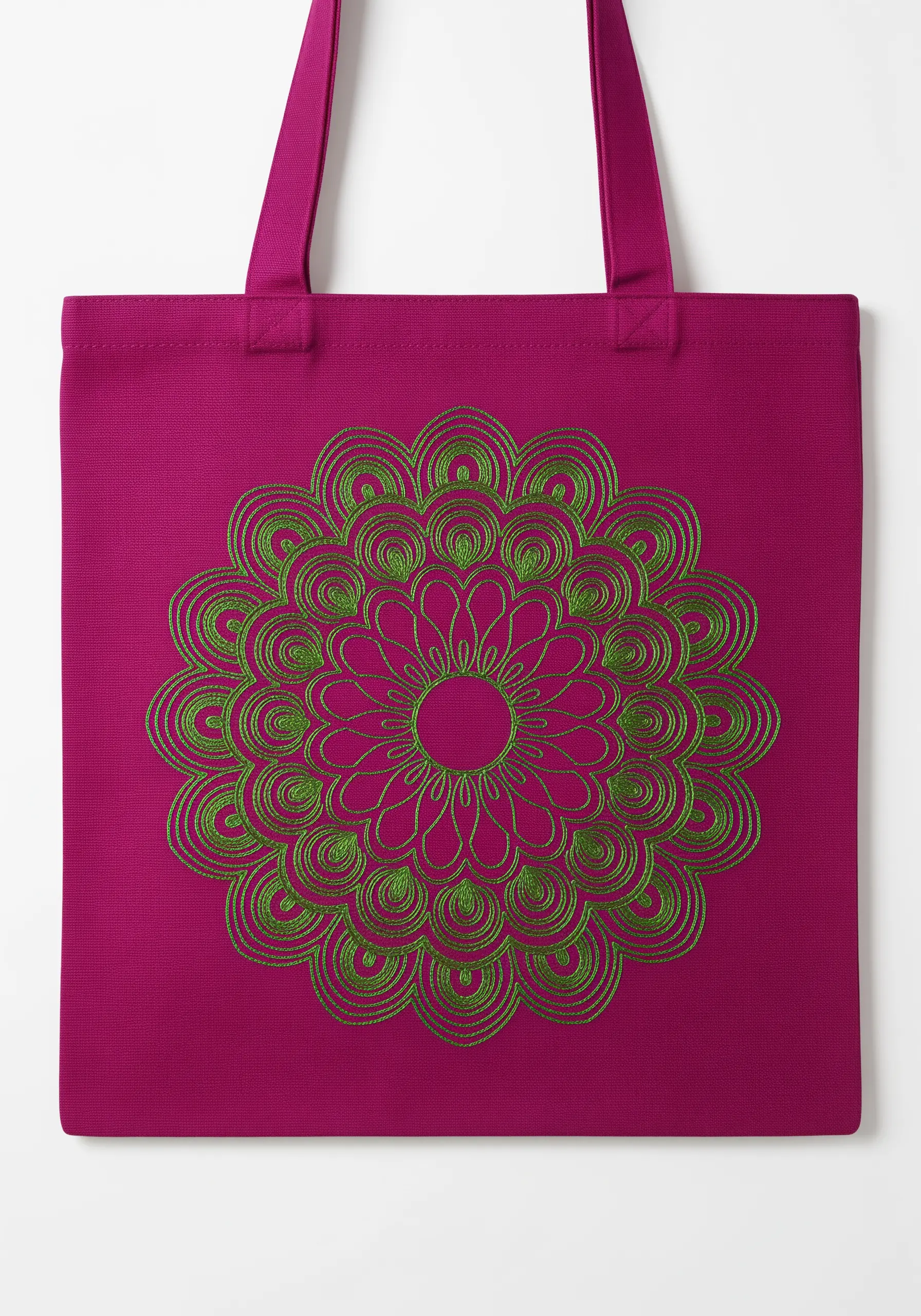
Achieve a hypnotic, modern look by focusing on pure line and repetition.
This design is all about precision, so transfer your pattern carefully to ensure the lines are evenly spaced.
Use a whipped backstitch or a stem stitch to create smooth, uninterrupted lines that mimic the look of a Spirograph drawing.
Choosing a single, high-contrast color—like this electric lime green on magenta—makes the intricate pattern the undeniable star of the show.
28. Sacred Geometry and a Serene Lotus
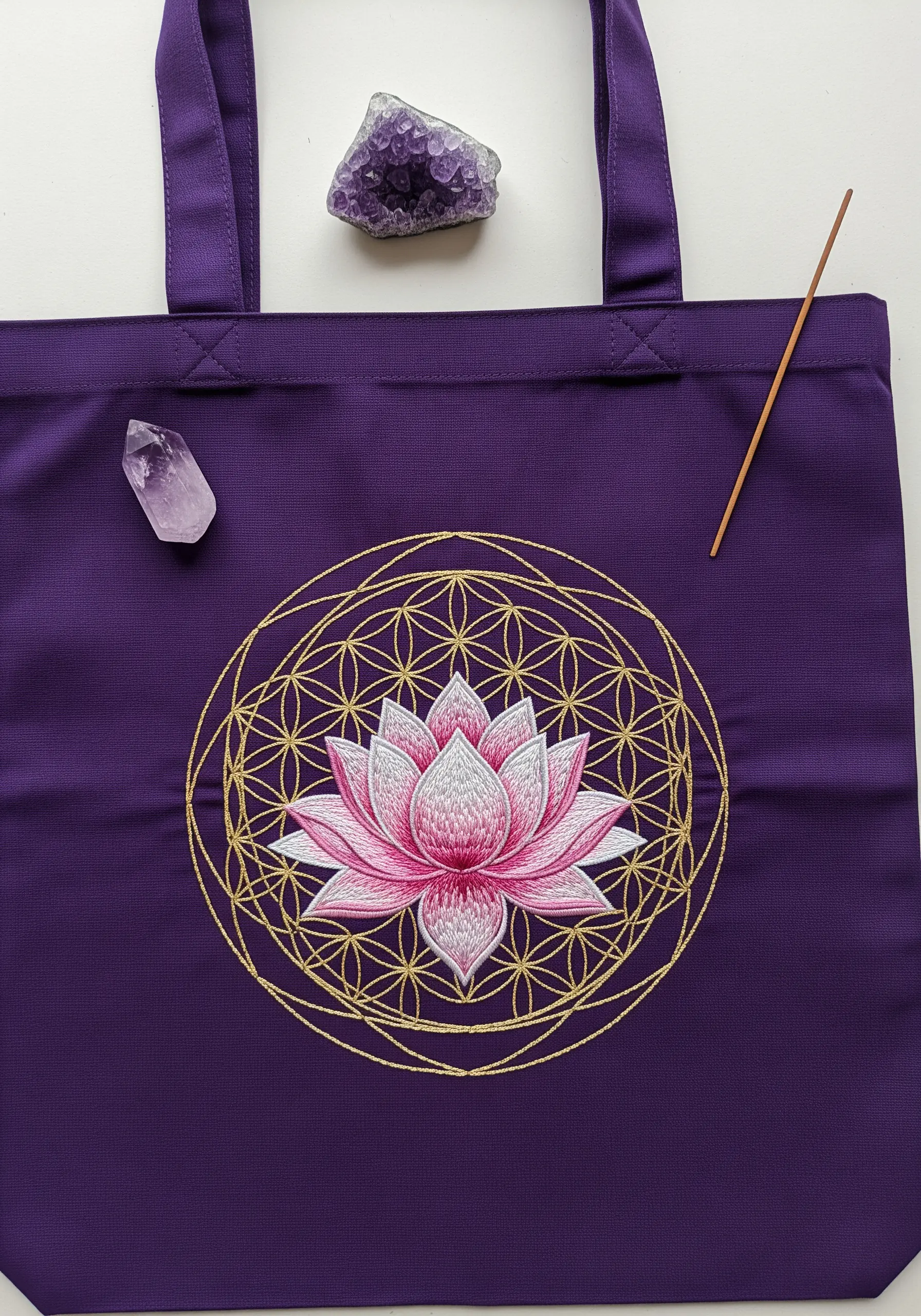
Combine the spiritual symbolism of the lotus with the sacred geometry of the Flower of Life for a deeply meaningful design.
Stitch the geometric background first using a fine, single-strand metallic thread to give it a subtle, energetic shimmer.
Then, work the lotus on top with a classic long-and-short stitch, allowing it to be the soft, organic focal point.
This layering of sharp geometry with soft botanicals creates a beautiful visual and conceptual harmony.
29. Cascading Wisteria with Beaded Details
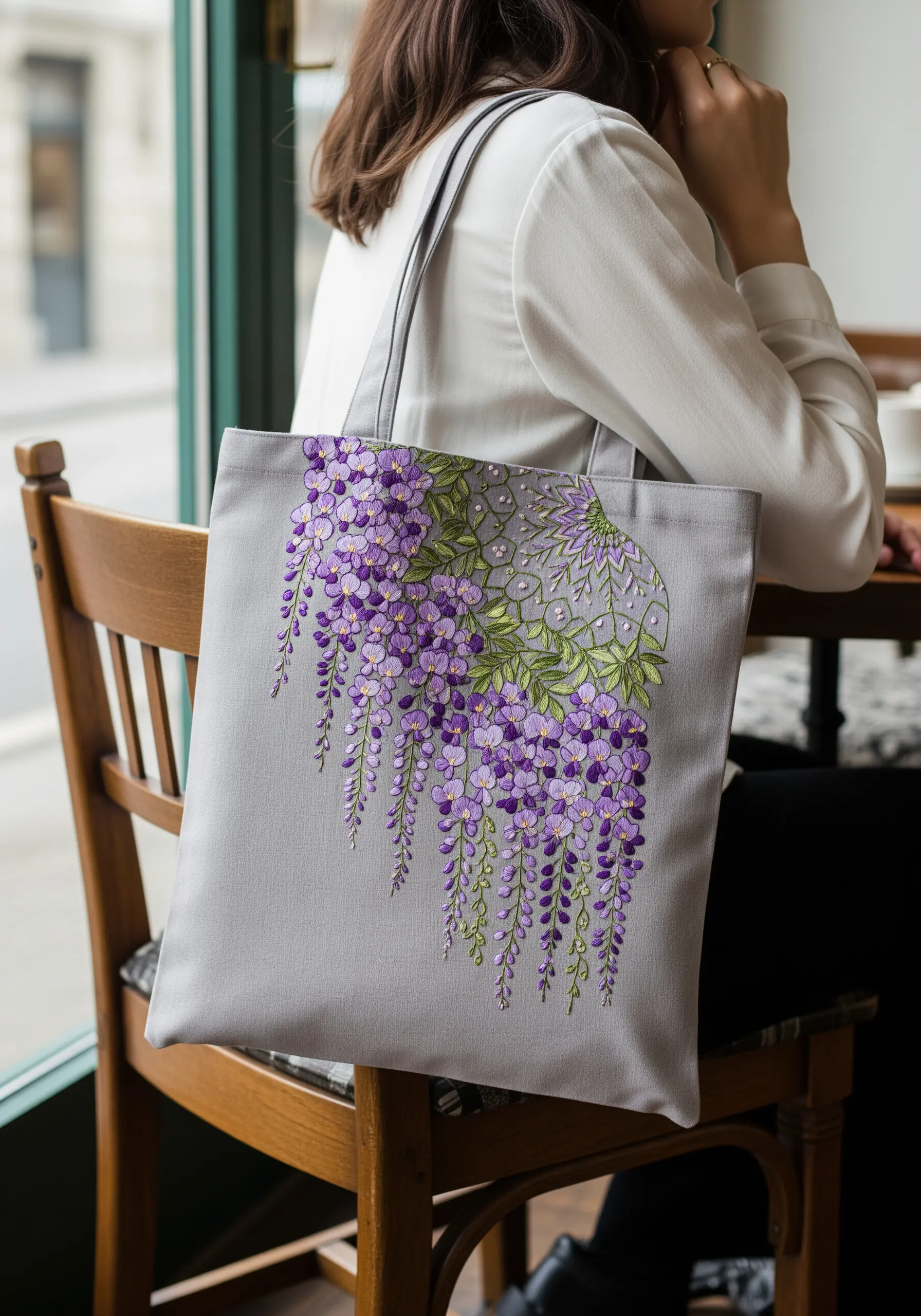
Break free from a perfect circle and let your design drape organically across the tote.
Create the wisteria blossoms with dense clusters of French knots or lazy daisy stitches in shades of purple and lilac for a realistic, textured look.
Incorporate clear or iridescent beads among the blossoms to simulate raindrops or dew, adding a touch of sparkle and dimension.
The asymmetrical composition feels more natural and dynamic, as if the wisteria is growing right on the bag.
30. A Scottish Thistle with Tactile Stitches
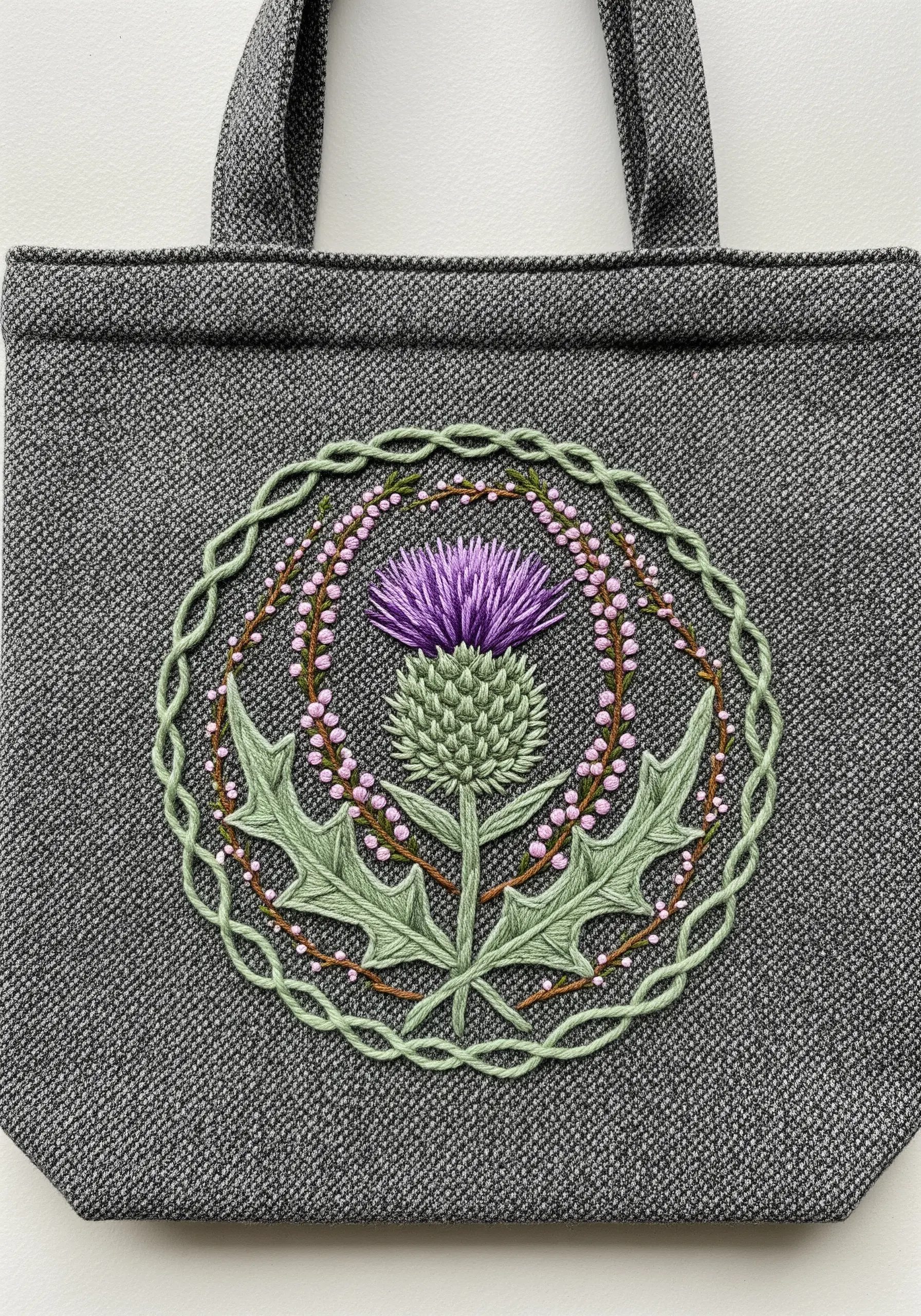
Capture the unique texture of a Scottish thistle by using a combination of specialized stitches.
For the prickly flower head, use a turkey work stitch and trim the loops to create a fluffy, brush-like effect.
Use a padded satin stitch for the spiky leaves to give them dimension and a sense of sturdiness.
Enclose the central motif in a frame of whipped chain stitch or braided stitch to add another layer of rope-like texture.
31. dimensional Poppies with Silk Ribbon
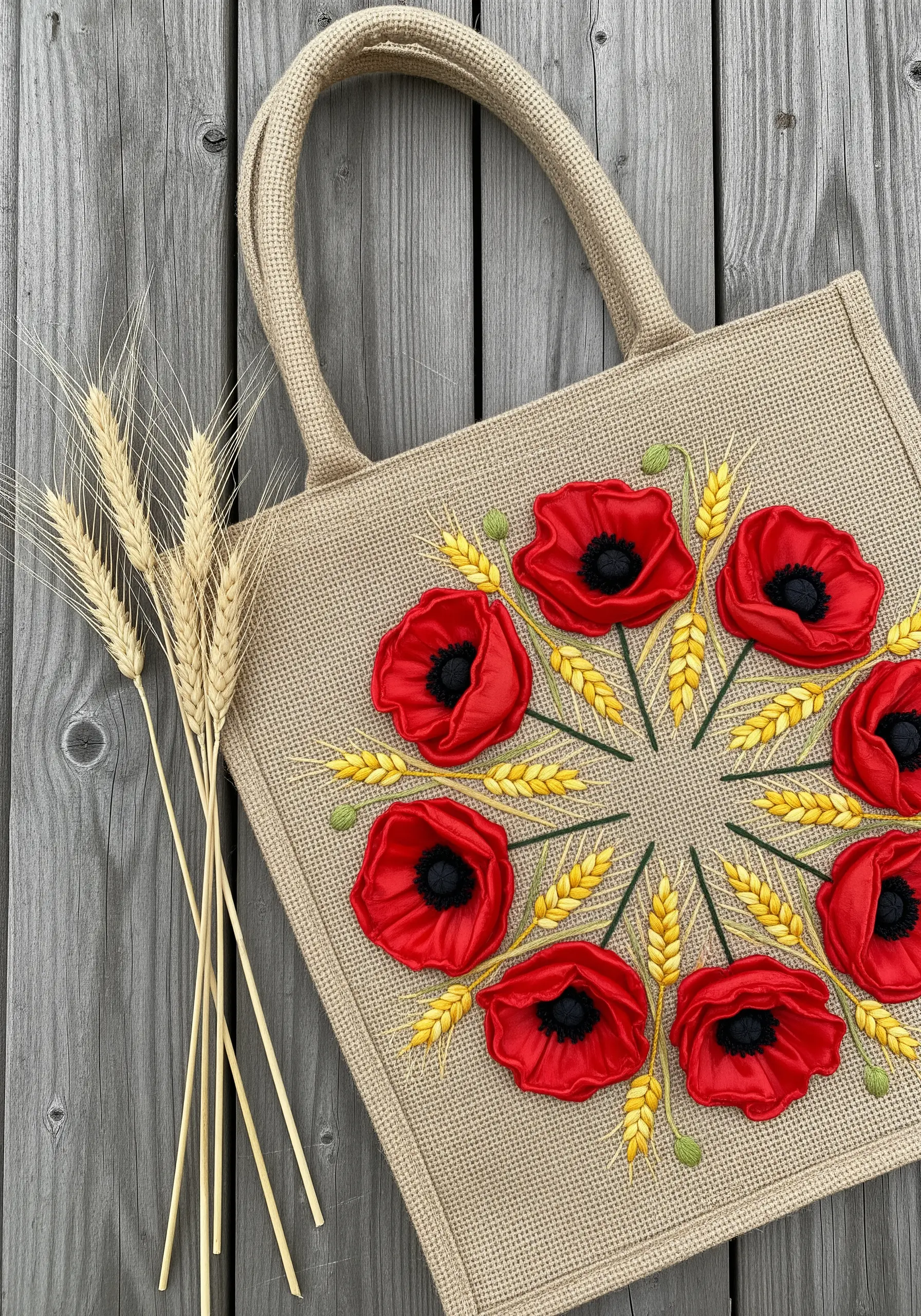
For instant volume and a luxurious sheen, swap your embroidery floss for silk ribbon.
Create the soft, delicate poppy petals using a simple ribbon stitch—bringing the ribbon and needle up through the fabric and then piercing the ribbon itself to create a gentle fold.
The width of the ribbon does the work for you, creating full petals with just a single stitch.
Contrast the soft ribbon poppies with sharp, satin-stitched wheat stalks for a beautiful mix of textures.
32. An Airy Bouquet of Cosmos
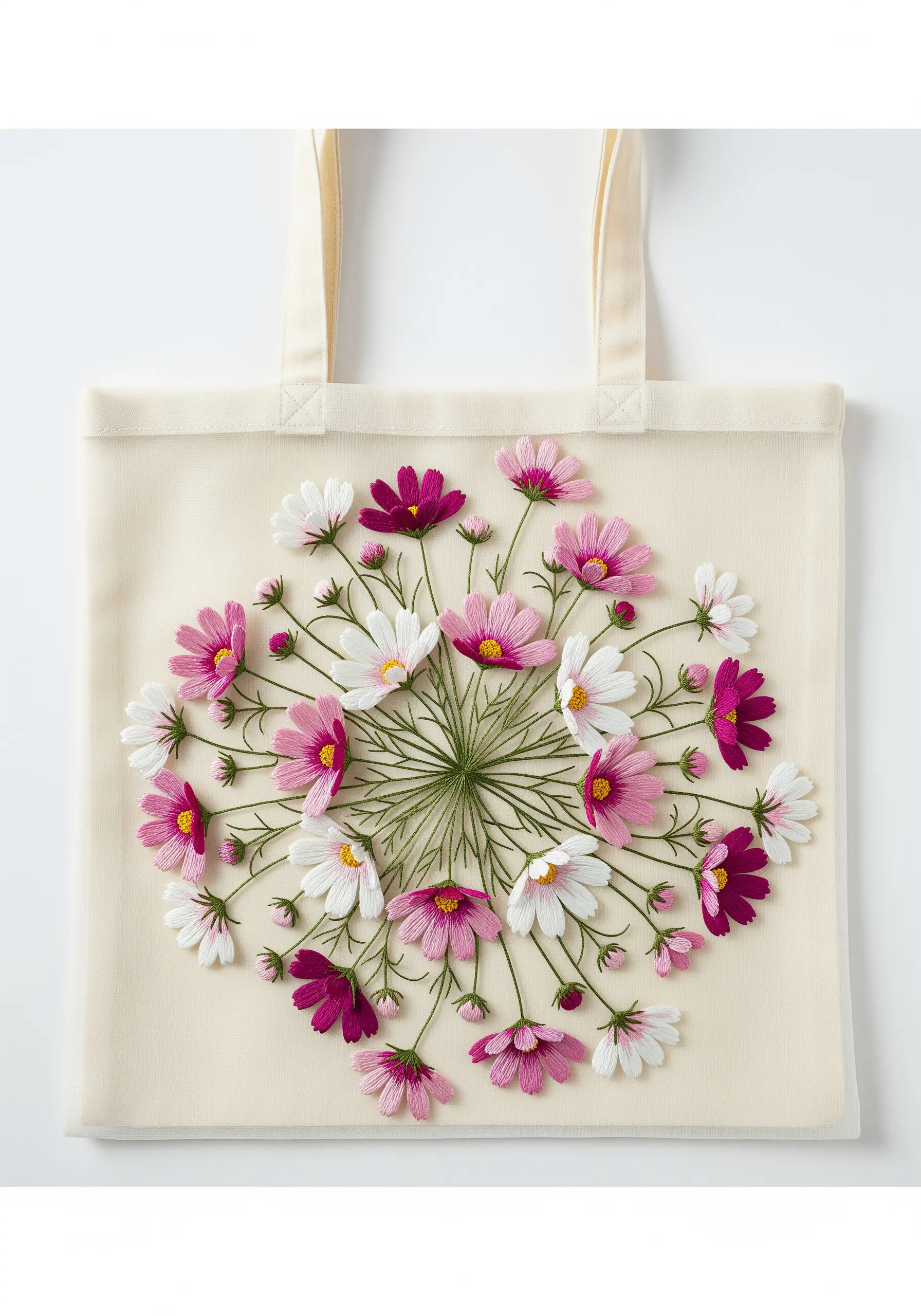
Recreate the light, delicate nature of cosmos flowers with simple, clean stitches.
Use a basic satin stitch for the petals, but keep the stitch count minimal to avoid a heavy, dense look.
The long, thin stems are essential to the design’s graceful feel; create them with a single, elegant line of stem stitch.
By radiating the stems from a central point, you create a mandala that feels like a freshly picked, hand-held bouquet.
33. A Cheerful Prickly Pear Mandala

Have fun with texture by depicting a playful cactus mandala.
Use a padded satin stitch for the cactus pads to give them a plump, three-dimensional look. Vary the direction of your satin stitch on adjacent pads for added visual interest.
For the cactus spines, add tiny, scattered straight stitches in a contrasting light color.
The bright pink, wheel-stitched flowers provide a vibrant pop of color and a soft textural contrast to the spiky cacti.
34. Saturated Color in a Folk Art Style
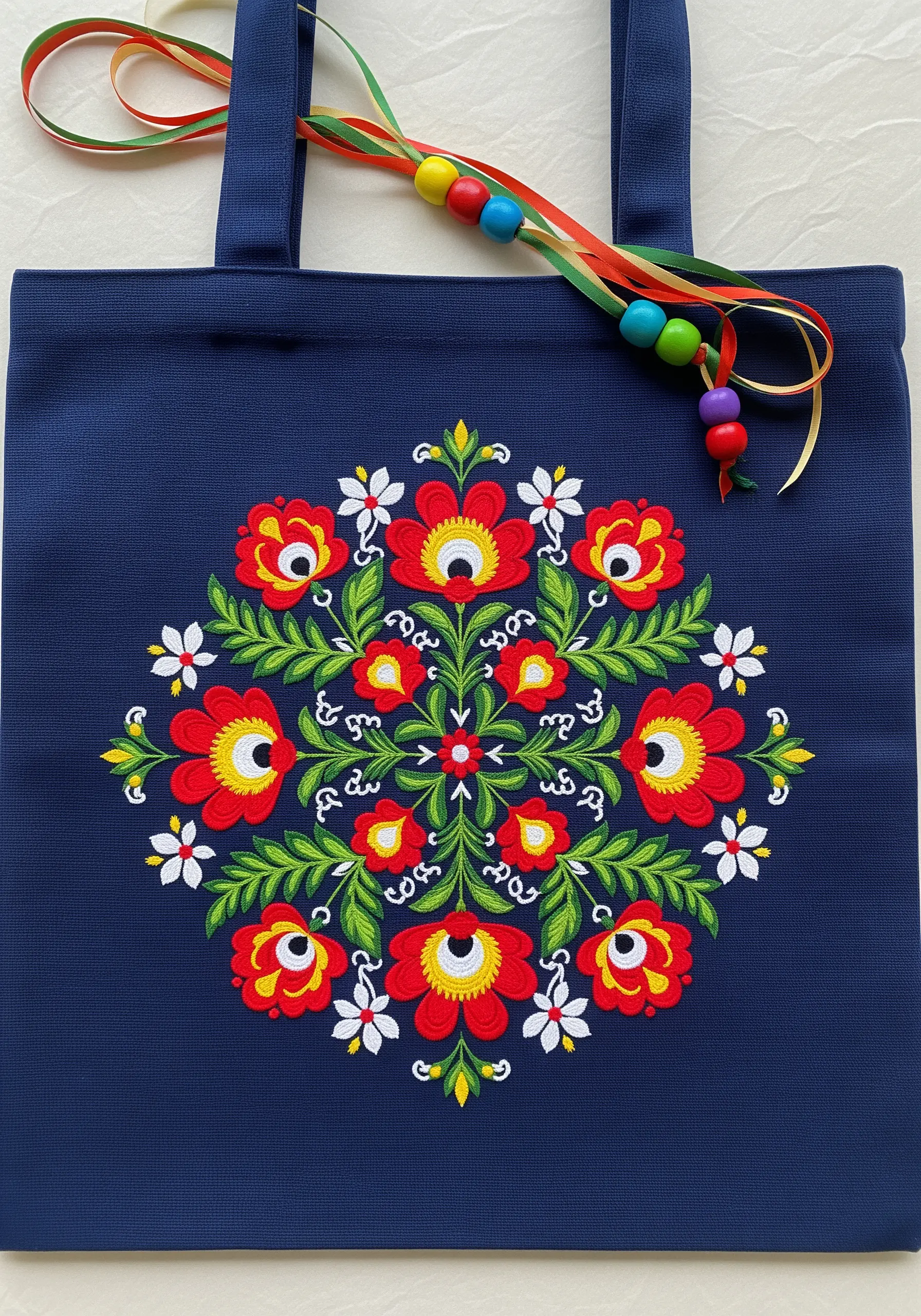
Embrace the joyful energy of folk art with bold, stylized florals and a vibrant, saturated color palette.
Use dense, impeccable satin stitch to fill each shape, creating solid blocks of color.
Define the motifs with crisp outlines in a contrasting color, like white or black, to make the shapes pop.
The charm of this style lies in its perfect symmetry and its cheerful, unapologetic use of bright reds, yellows, and greens.