Your kitchen is more than just a place to cook; it’s a space where you nourish, create, and gather. The act of stitching can bring that same sense of calm and intention to the room itself, turning everyday objects into quiet moments of beauty.
You don’t need complex patterns or dozens of colors. A minimalist kitchen aesthetic is about thoughtful details—a single line on a napkin, a perfectly stitched label on a jar, a subtle texture on a tea towel. It’s about elevating the functional with a personal, handmade touch.
These ideas are designed to meet you right where you are. They are invitations to slow down, pick up a needle, and add a small, meaningful detail to the heart of your home. You’ll see how refining your choice of stitch, thread, and placement can create a cohesive space that feels both modern and deeply yours.
1. The Continuous Line Coffee Cup
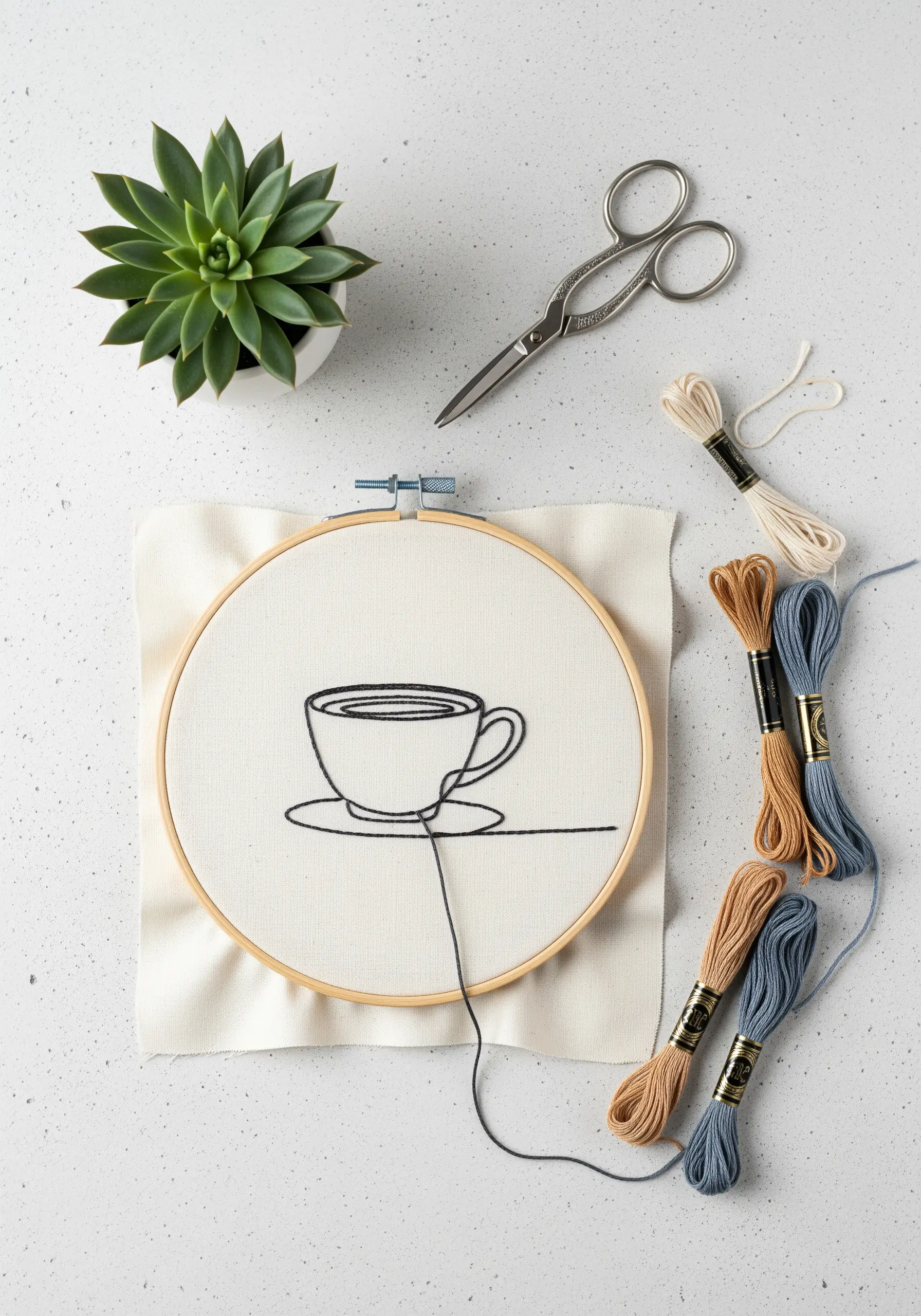
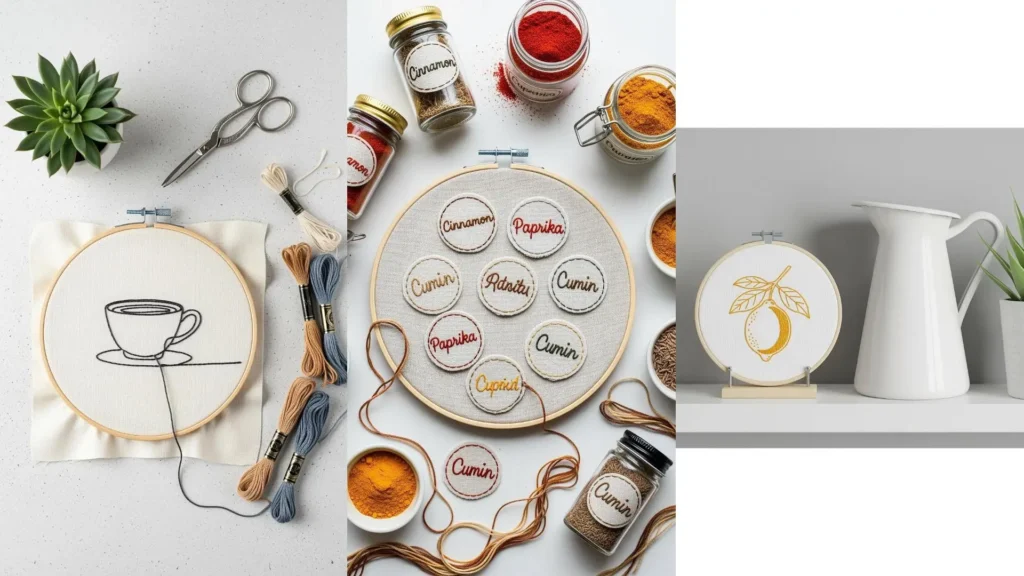
Embrace the elegance of a single, unbroken line to sketch your favorite kitchen motifs, like a simple coffee cup.
Use a whipped backstitch or a smooth stem stitch to eliminate the dotted look of a standard backstitch, creating a fluid, modern feel.
For a design that stands out on natural linen or cotton, use three to four strands of black or dark grey floss.
This technique relies on consistent tension to ensure the line flows gracefully, turning a simple sketch into a refined piece of art.
It’s one of the quickest ways to create simple line art fruit food motifs with high impact.
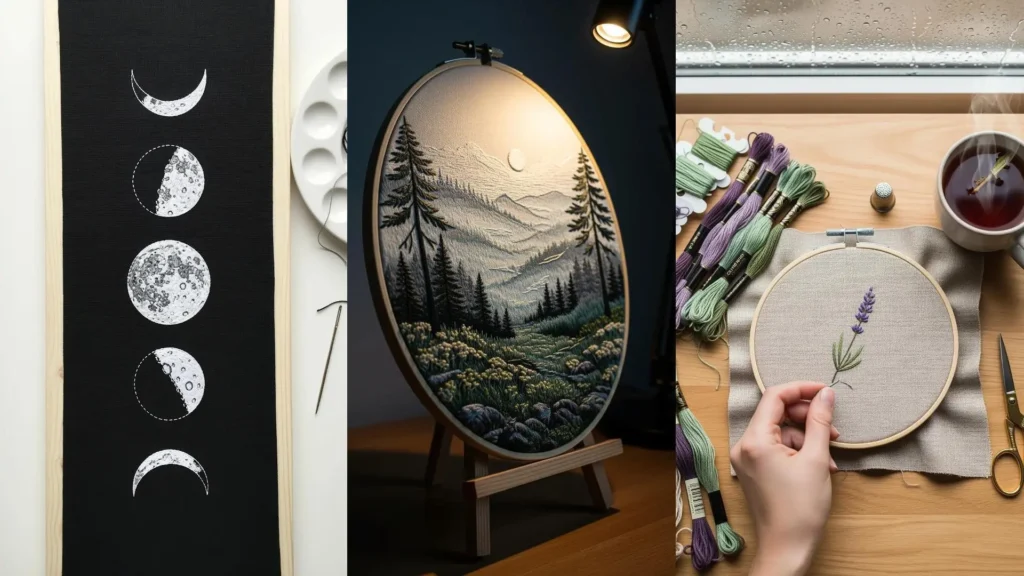
2. Dimensional Lavender on Tea Towels
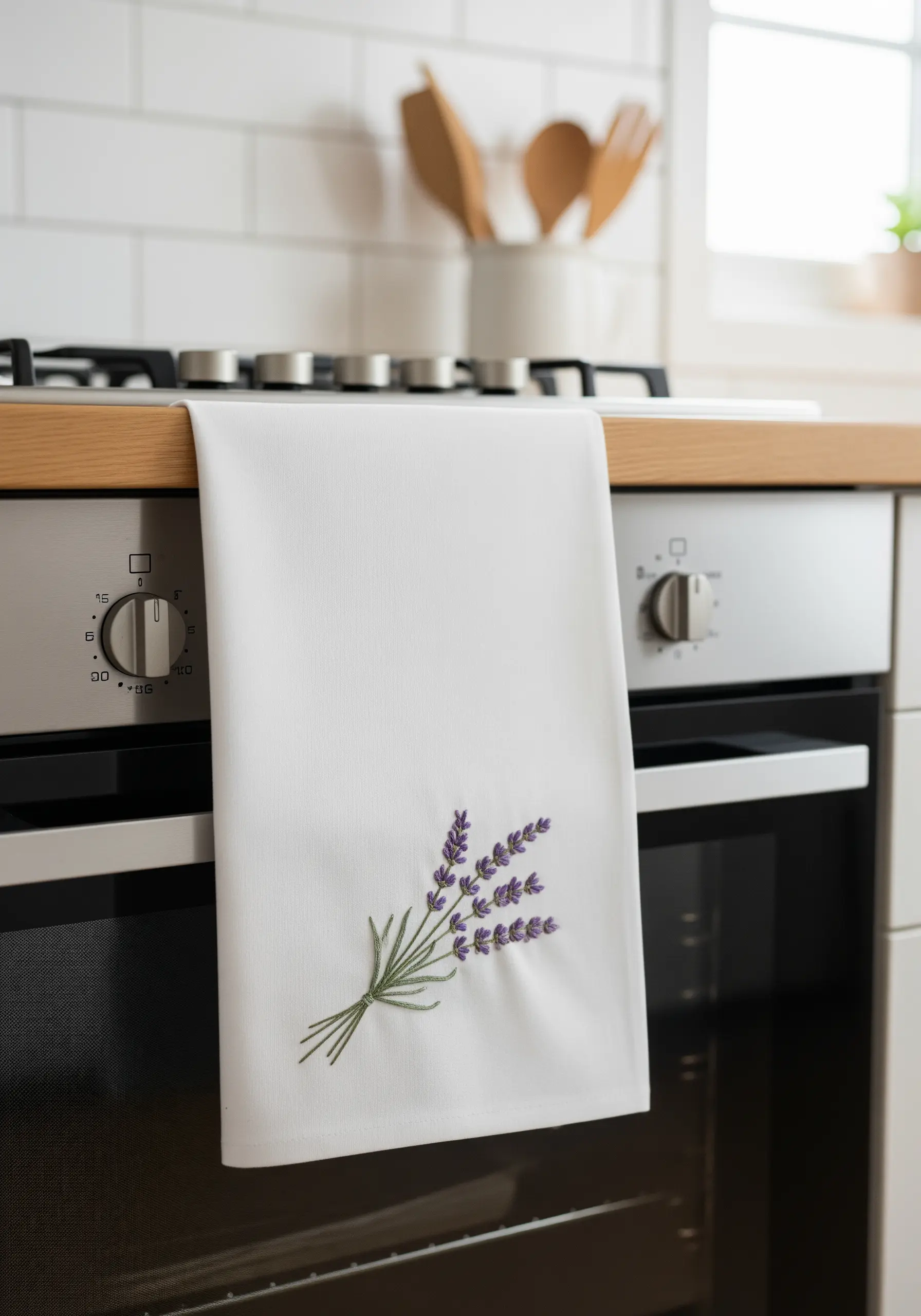
To give your lavender sprigs a realistic, tactile texture, use a combination of stitches.
Create the delicate buds with French knots, varying your thread wraps from one to three times around the needle to build natural-looking clusters.
For the stems, a simple stem stitch using only two strands of green thread keeps the design from feeling heavy or bulky.
This blend of a textured stitch with a linear one is what gives the embroidery depth and dimension, elevating a simple tea towel into a thoughtful, handmade accessory.
These delicate lavender stitch ideas are perfect for adding a touch of Provence to your kitchen.
3. Modern Geometry on Linen Placemats
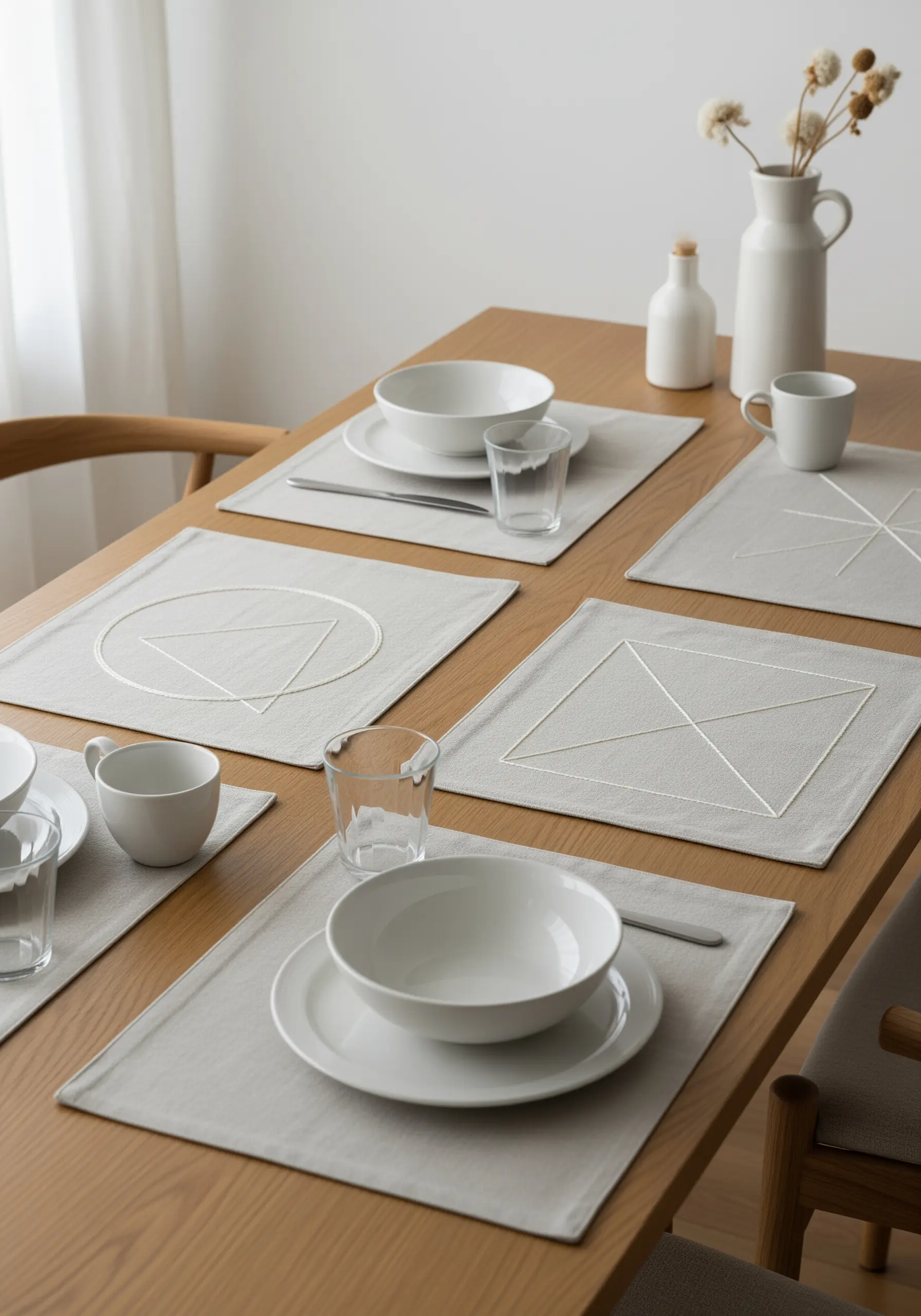
Transform simple linen placemats with the clean precision of geometric embroidery.
Your most important tools here are a ruler and a water-soluble fabric marker to ensure your lines are perfectly straight and symmetrical.
Use a simple backstitch in a high-contrast thread—like bright white on natural linen—to make the design pop.
The key to a polished, professional finish is maintaining an absolutely consistent stitch length throughout the entire design. This is what makes modern minimalist table linen embroidery ideas feel so luxurious.
4. Rustic Pantry Jar Labels
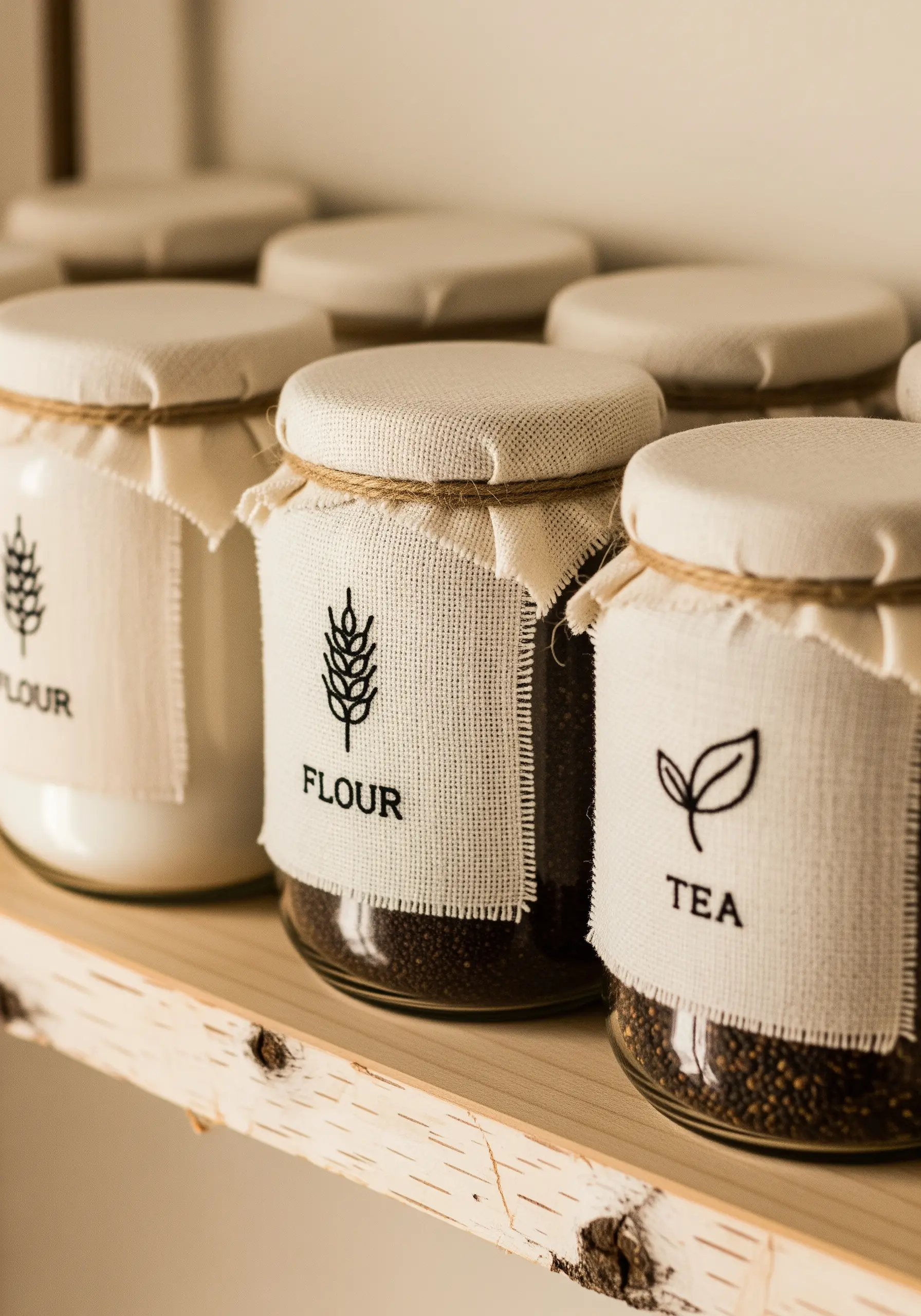
Create charming, reusable pantry labels by embroidering on a coarse-weave fabric like burlap or linen canvas.
Use a simple backstitch with all six strands of floss to create bold, easy-to-read lettering and icons.
After stitching, carefully fray the edges of the fabric by pulling a few threads from each side.
This intentional, rustic finish adds warmth and character, turning pantry organization into a decorative element.
You can also use this technique to create minimal monogram styles for gifting.
5. The Artichoke: Line Art with Color Washes
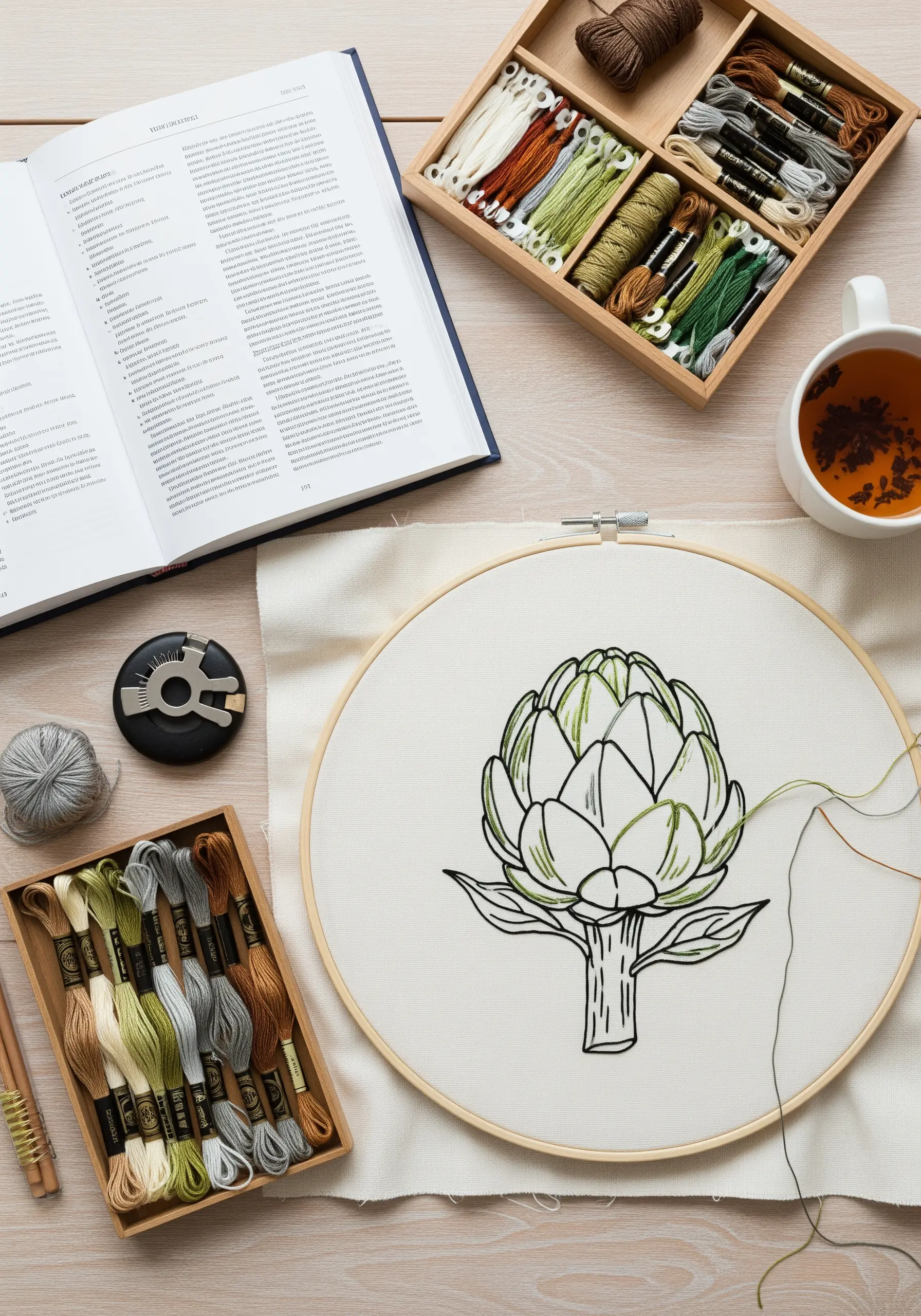
Combine a strong outline with a delicate fill to give botanical subjects a modern, illustrative quality.
First, establish the shape with a crisp backstitch using three strands of a dark thread.
Then, instead of a heavy satin stitch, add a ‘wash’ of color using sparse seed stitches or a light long-and-short stitch with only one or two strands of floss.
This technique allows the fabric’s texture to show through, keeping the design light and airy while adding just enough color to bring your abstract botanical silhouettes to life.
6. A Refined Cross-Stitch Apron Border
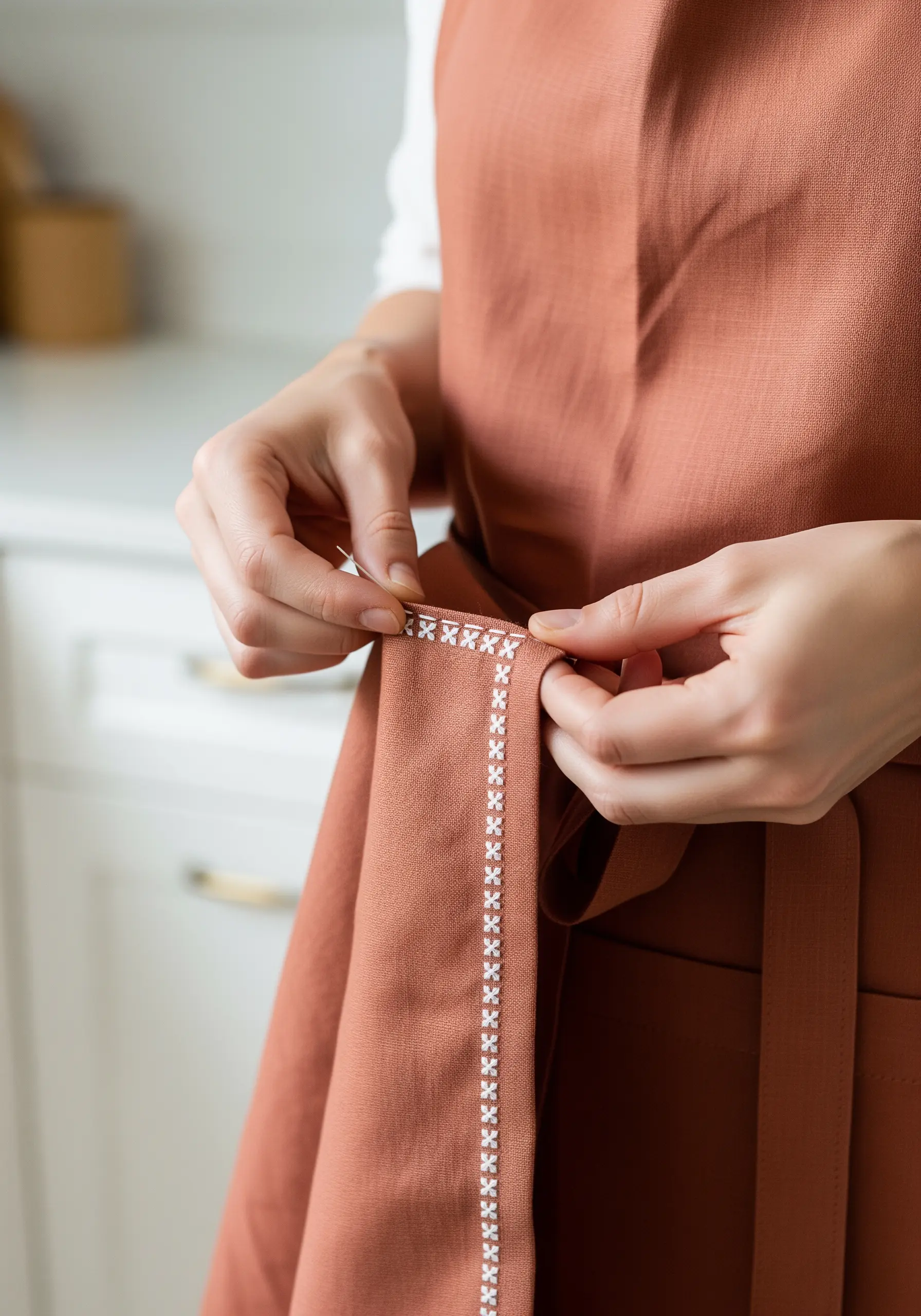
Elevate a simple linen apron by adding a clean, repetitive border instead of a single, central design.
Choose a simple cross-stitch pattern and a high-contrast thread, like ecru on this terracotta linen, for a crisp and modern effect.
This approach transforms a utilitarian item into a bespoke piece without overwhelming the design.
It’s a perfect example of how modern minimal border designs can add a touch of timeless, tailored detail.
7. The Weightless Vine Curtain Border
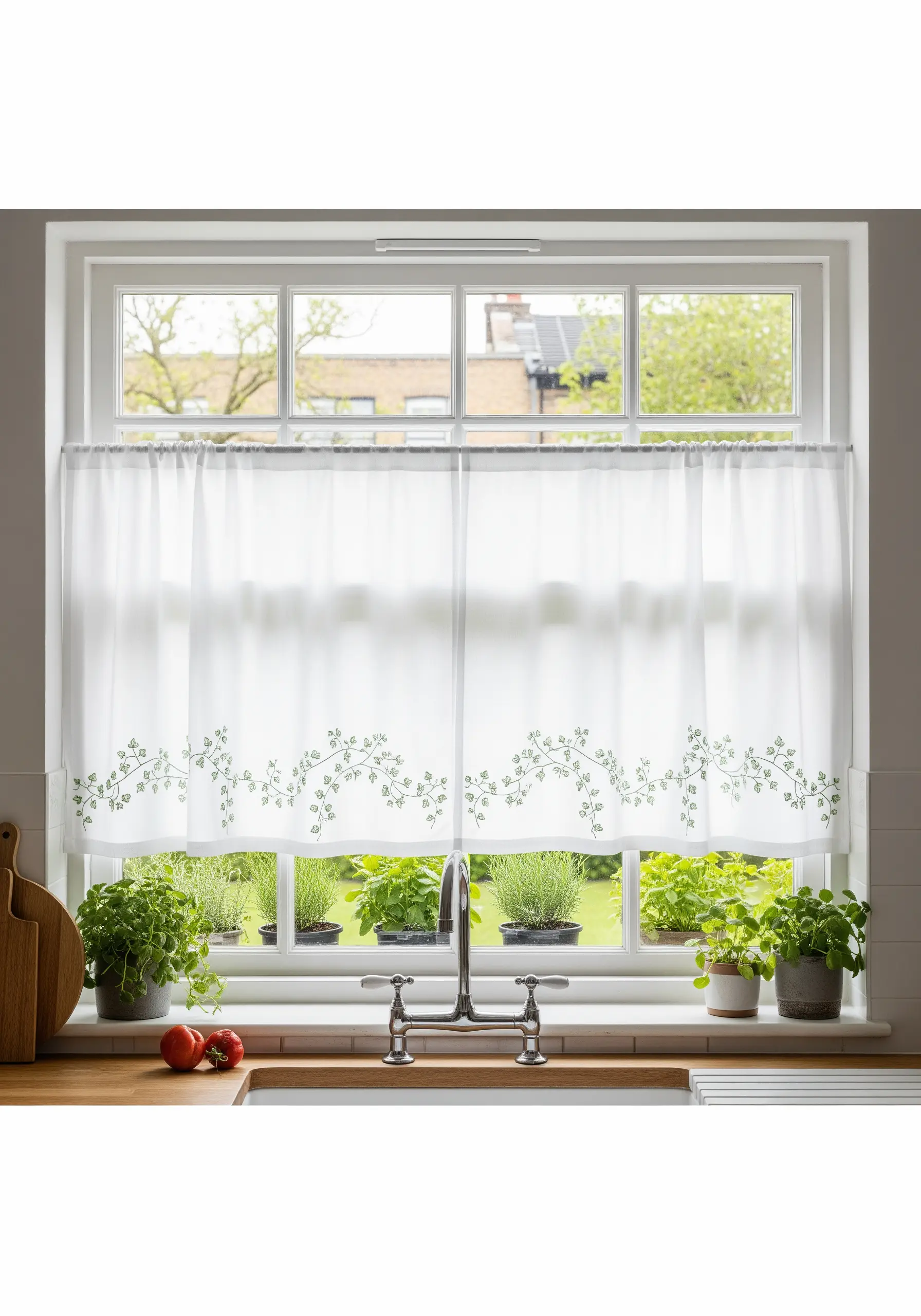
When embroidering on sheer or lightweight fabrics like cafe curtains, your design and technique must be equally light.
A delicate, trailing vine using stem stitch for the main lines and lazy daisy stitches for the leaves is an ideal choice.
Use only two strands of thread to avoid puckering the fabric, and always back your work with a tear-away or water-soluble stabilizer for support.
This ensures your stitches remain smooth and your fabric hangs beautifully, creating elegant embroidered curtain borders that seem to float.
8. Radiant Sunburst Coasters
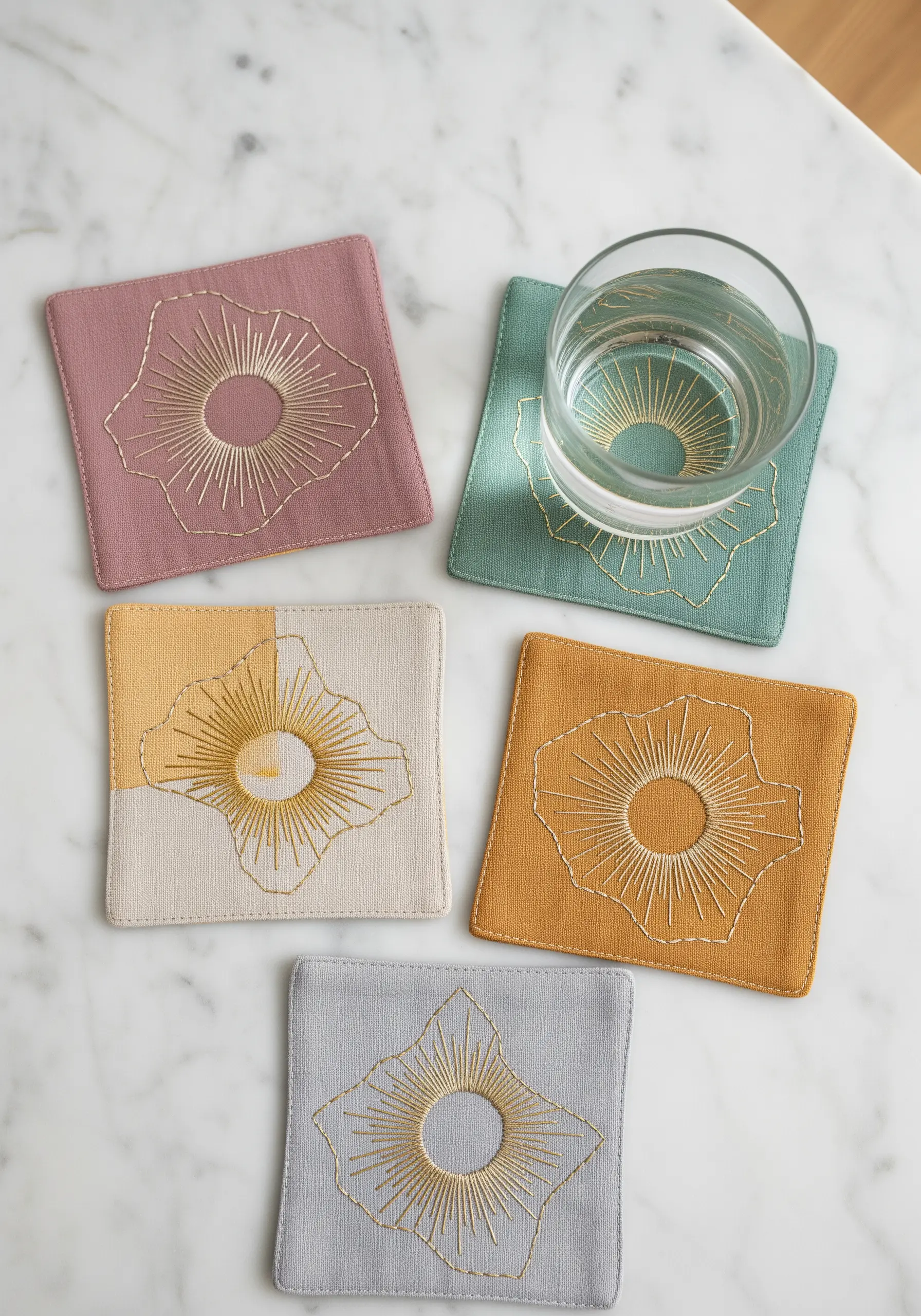
Create these striking coasters using only straight stitches radiating from a central point.
The secret to their dynamic appearance is varying the length of the stitches to create an organic, sunburst shape.
Using a metallic thread on a matte cotton or linen fabric introduces a beautiful contrast in texture and sheen.
These coasters are wonderful simple embroidery accents that catch the light and feel surprisingly luxurious.
9. Thread-Painted Garden Carrots
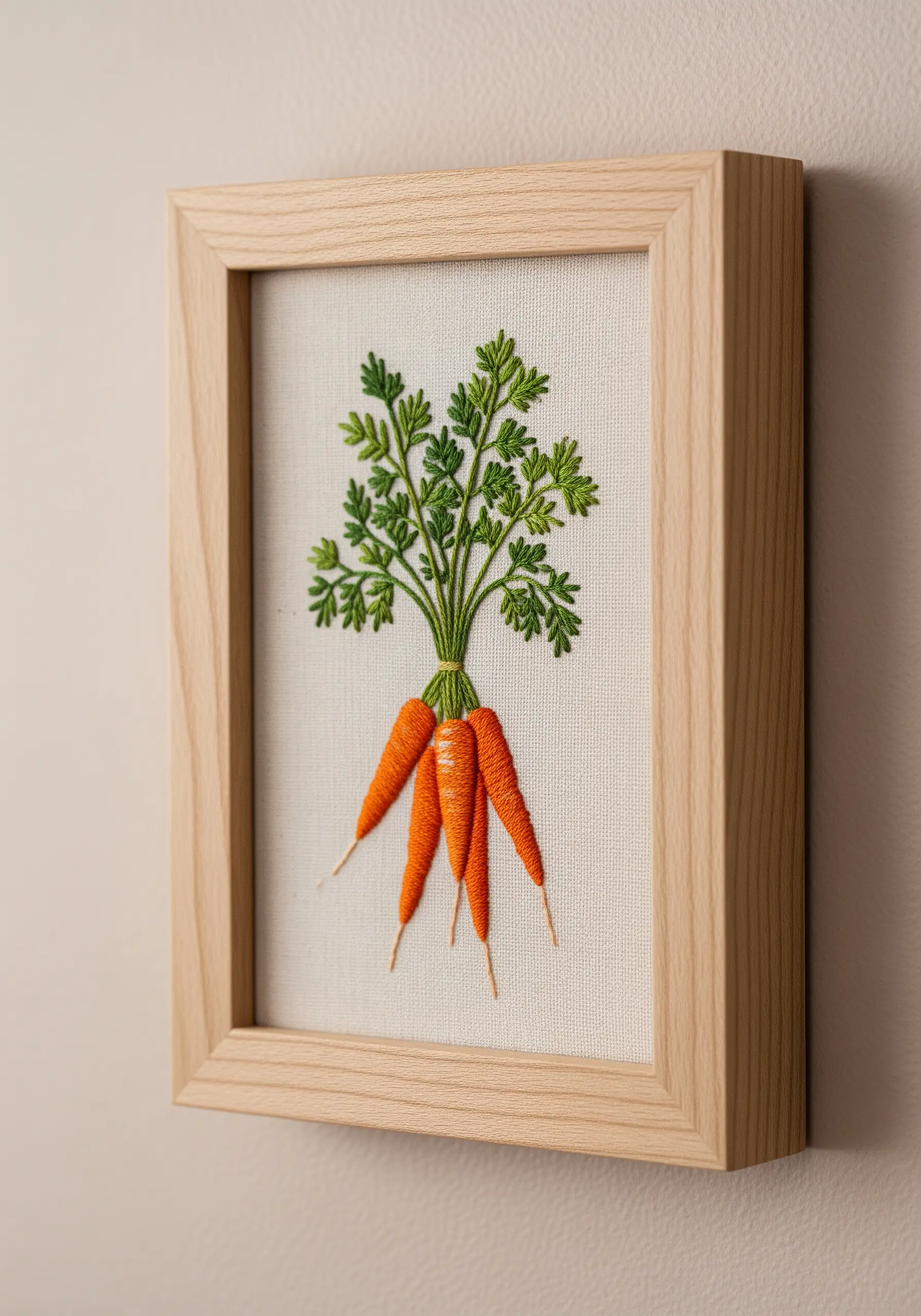
To achieve a smooth, realistic gradient on the carrots, practice your long-and-short stitch, also known as thread painting.
Blend two or three shades of orange together to create highlights and shadows, giving the carrots a rounded, three-dimensional look.
For the feathery tops, a mix of French knots and detached chain stitches perfectly mimics their delicate texture.
When finished, these framed embroidery artworks bring a piece of the garden right into your kitchen.
10. Braided Lettering for a Bread Bag
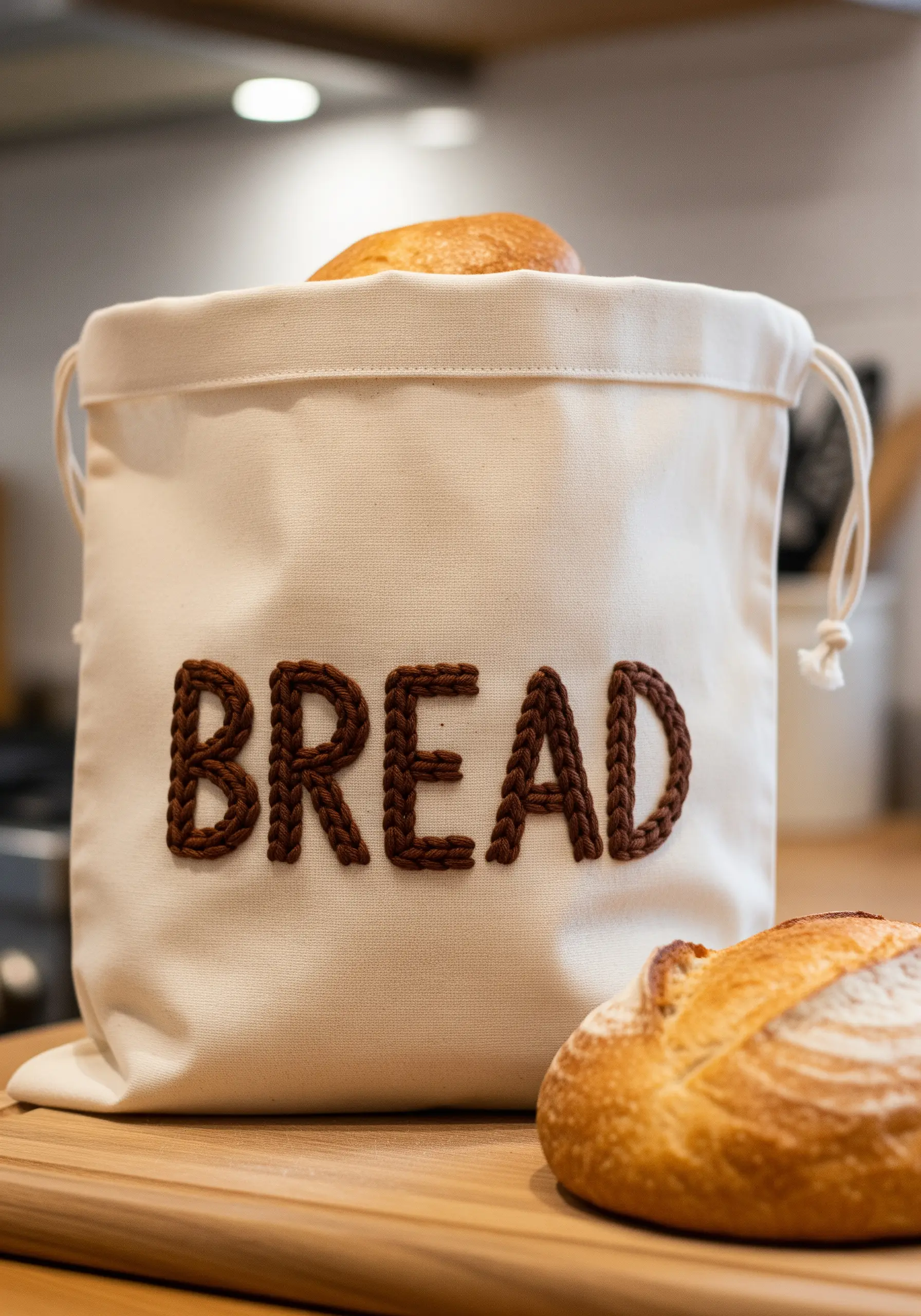
Achieve this satisfyingly chunky, three-dimensional text using a thick thread and a heavy chain stitch.
For an even bolder effect, you can use a raised stem stitch band or simply use all six strands of embroidery floss.
This textural approach is highly tactile and visually striking against the plain canvas of a bread bag.
It proves that even tiny lettering embroidery ideas can be adapted to make a big statement.
11. A Collection of Botanical Herb Patches
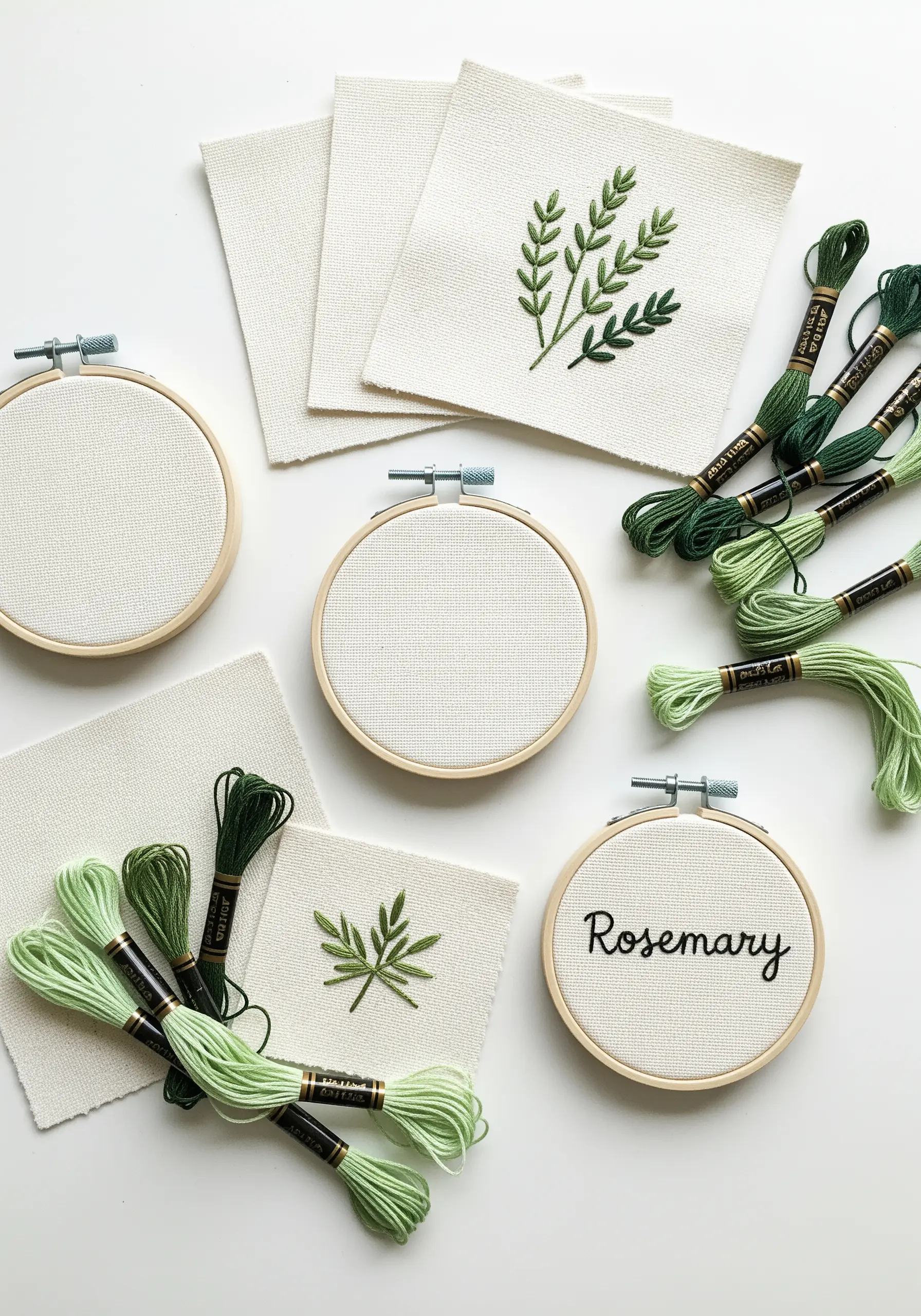
Create a charming kitchen gallery by stitching a series of small herb studies on individual canvas squares.
Working on small patches allows you to focus on mastering the details of one motif at a time.
Use simple combinations, like stem stitch for stalks and lazy daisy stitch for leaves, to capture the essence of each herb.
These medicinal herb embroidery designs can be framed individually or grouped together for a cohesive display.
12. Graphic Lemon with Patterned Fill
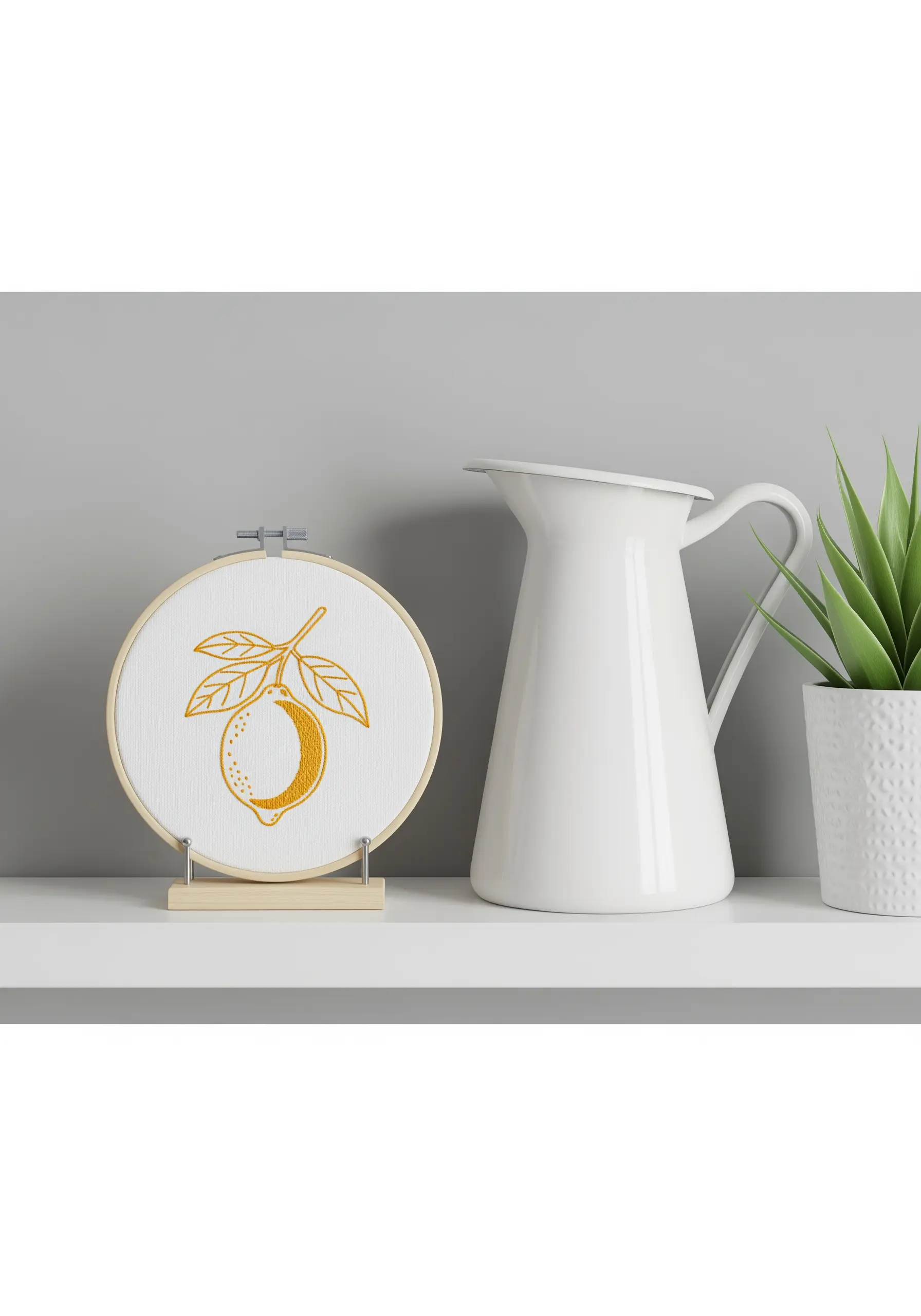
Instead of filling a motif with a solid satin stitch, give it a modern twist by using a simple geometric pattern.
Here, the lemon is filled with evenly spaced vertical satin stitches, creating a subtle texture that adds visual interest without overwhelming the clean outline.
This technique elevates classic minimal fruit plant motifs, giving them a contemporary, graphic quality that feels fresh and unexpected.
13. Minimalist Utensil Napkin Motifs
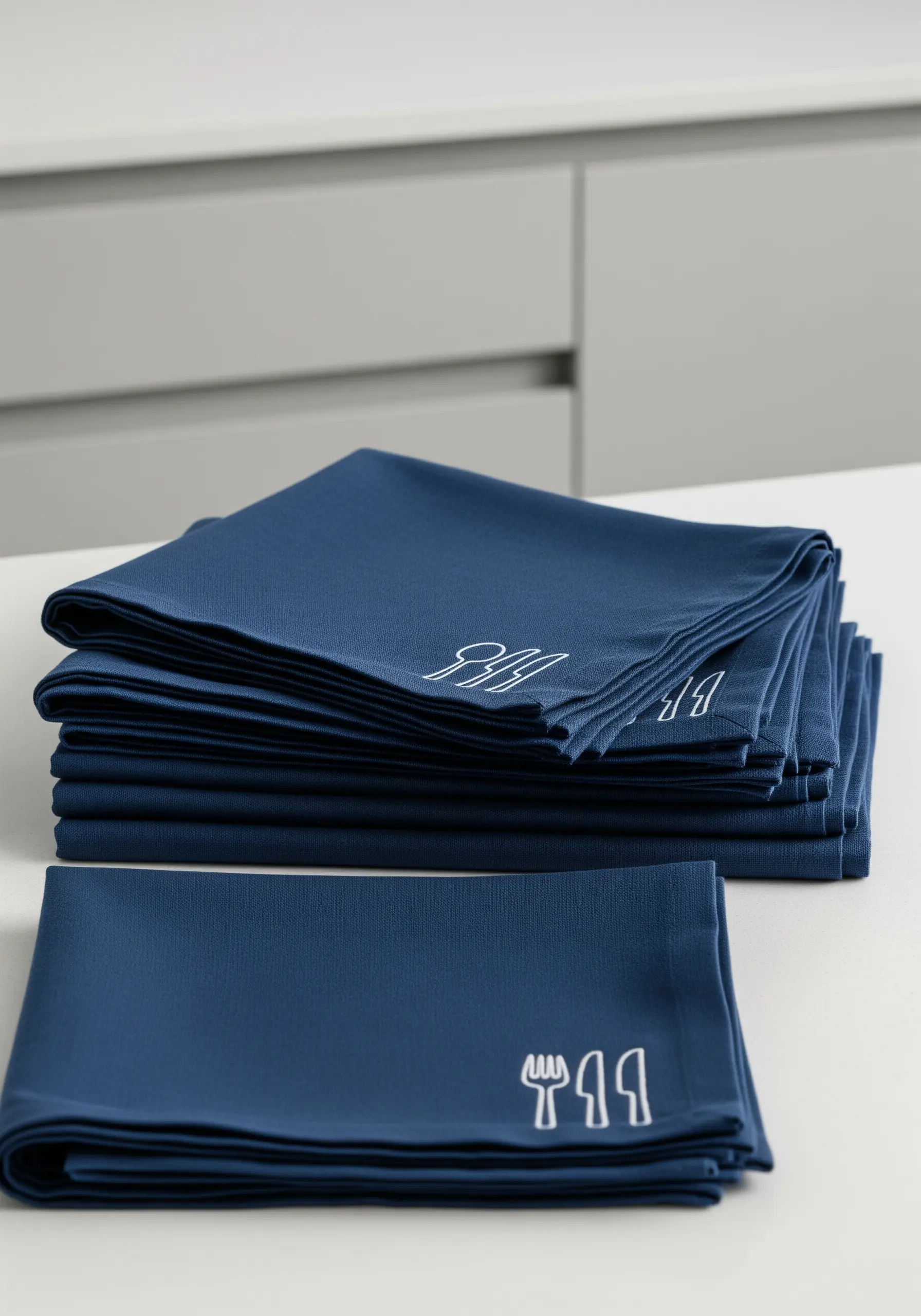
Add a subtle, contemporary touch to your dining napkins with tiny, abstract utensil icons.
Place the motif in an unexpected spot, like the corner, and use a fine backstitch with only two strands of thread.
The power of this design lies in its use of negative space; the simple white outline on the dark blue fabric is all that’s needed for an elegant statement.
These are the kinds of table linen embroidery motifs that whisper, rather than shout.
14. Functional Cutlery Pouch with Hand-Stitched Details
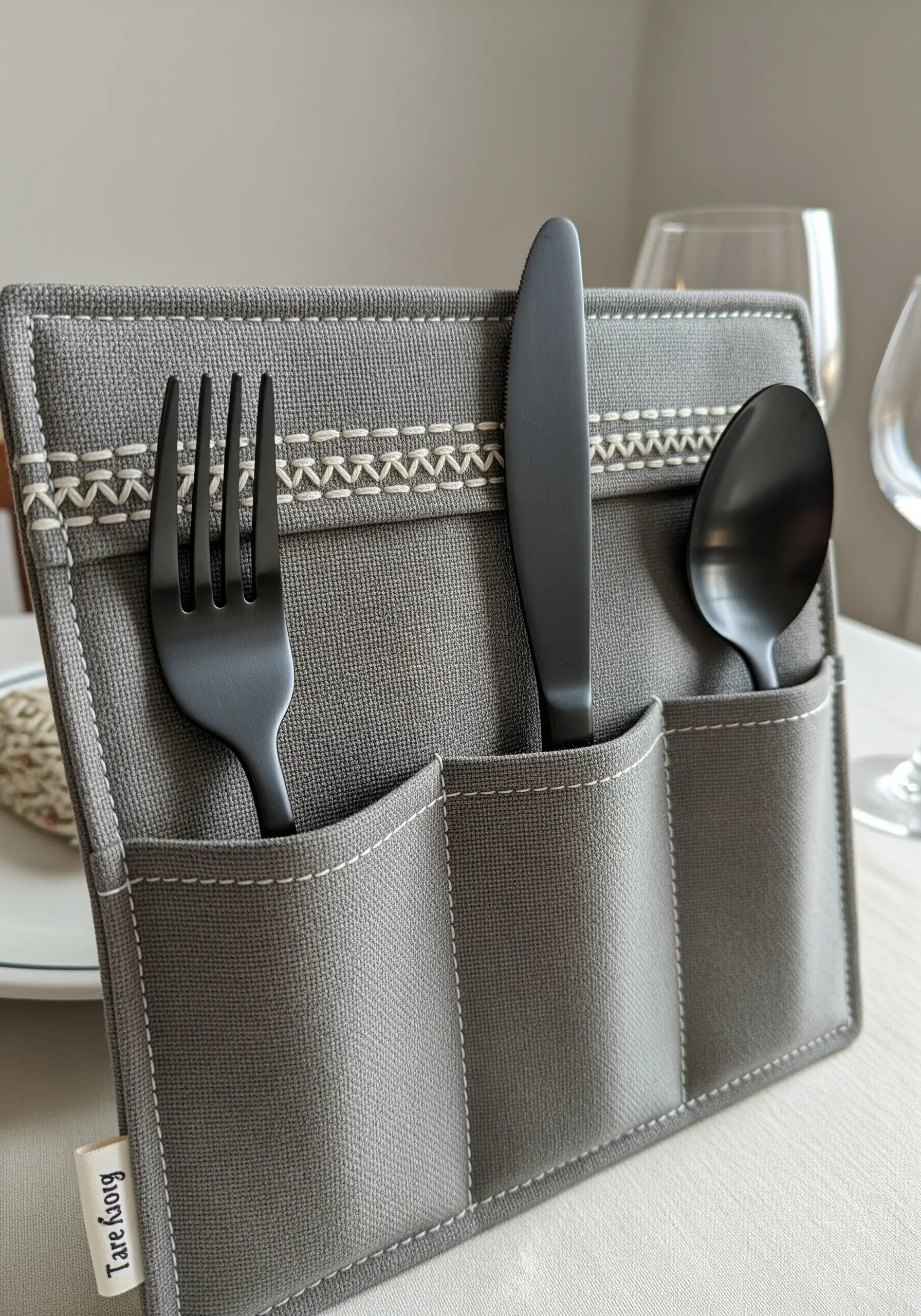
Elevate a simple, functional object like a cutlery pouch with a single, thoughtful decorative stitch.
A wide, open stitch like a herringbone or blanket stitch along the top edge adds a distinct handmade touch.
Choose a thick, contrasting thread to transform the stitch from a mere construction element into a prominent design feature.
This is a perfect example of how simple, hand stitched aesthetic projects can blend utility with beauty.
15. The Foundation of a Botanical Study
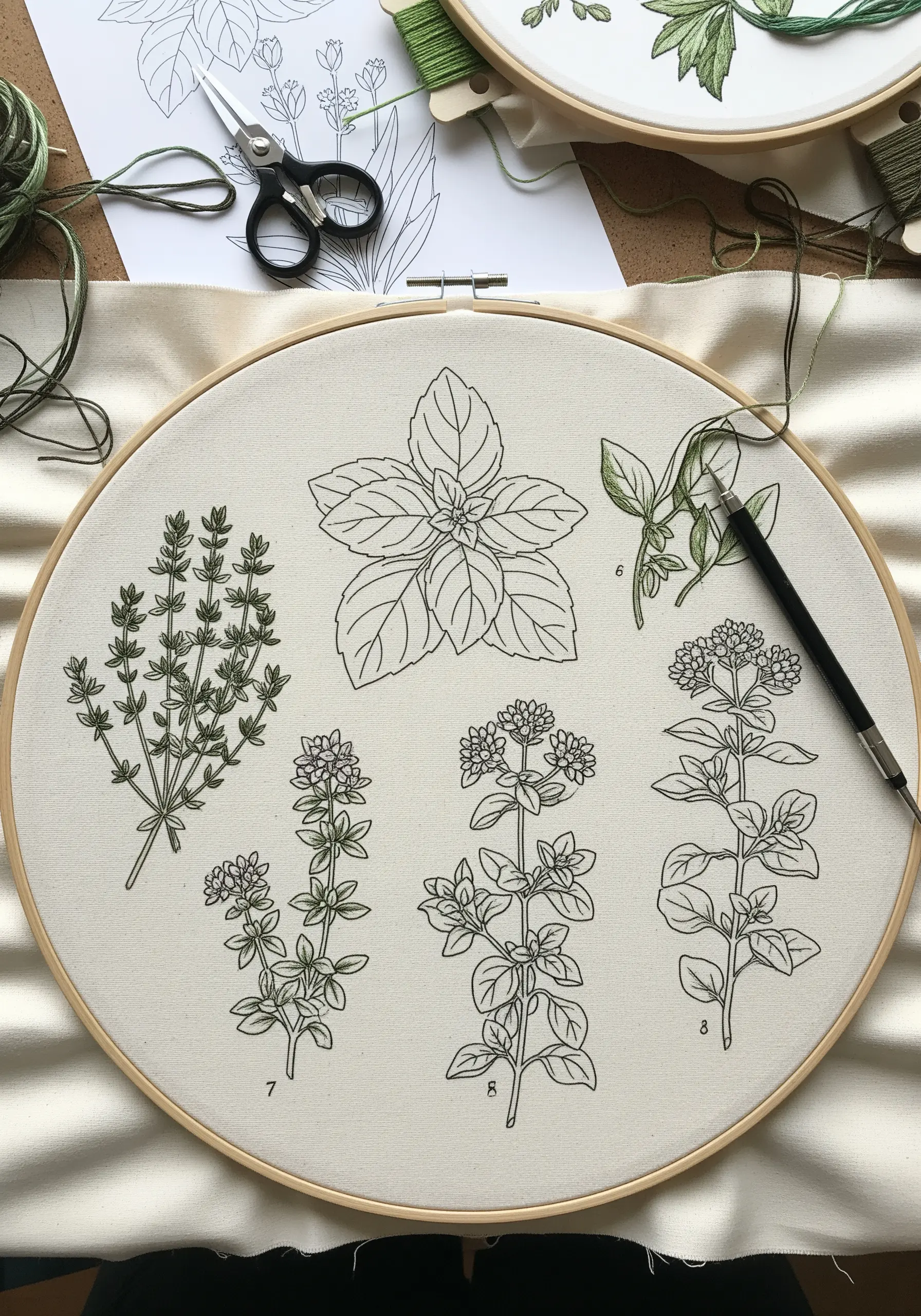
The secret to flawless, professional-looking embroidery is a precise and reliable pattern transfer.
For intricate designs like botanical illustrations, tracing your pattern onto a sheet of water-soluble stabilizer is the superior method.
It provides a clear, stitchable guide that won’t shift or smudge, and it dissolves completely in water, leaving only your perfect stitches behind.
This is the first step in creating beautiful botanical textile art ideas.
16. Continuous Line Appliance Cover
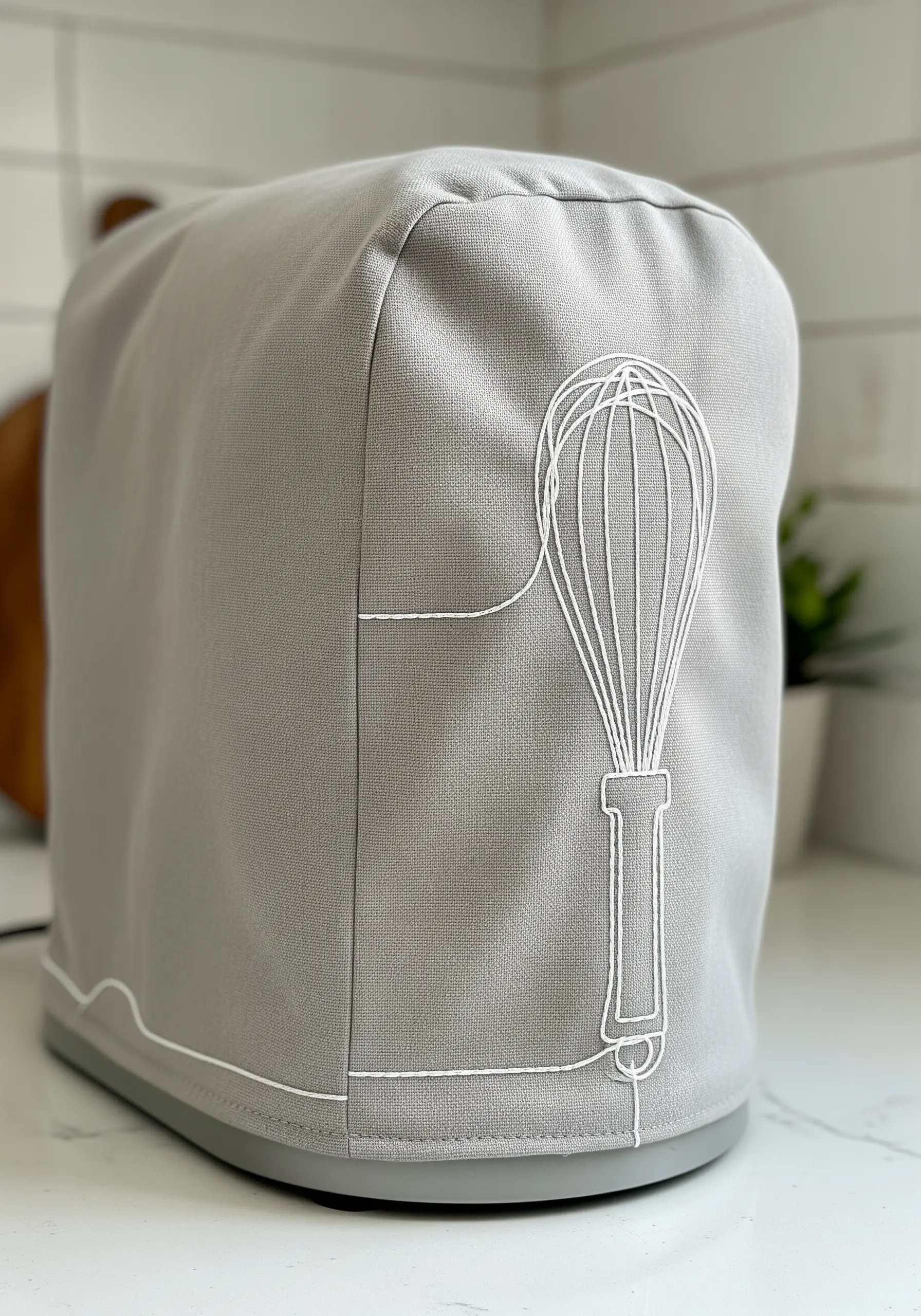
Transform a plain appliance cover from a purely functional item into a piece of minimalist art.
Use a whipped backstitch in a clean, white thread to create a smooth, uninterrupted line that gives the illusion of a single pen stroke.
This modern approach adds personality and a touch of whimsy to your kitchen without creating visual clutter.
It’s a beautiful application of abstract line art embroidery styles on an unexpected canvas.
17. The Simple Leaf Produce Bag Tag
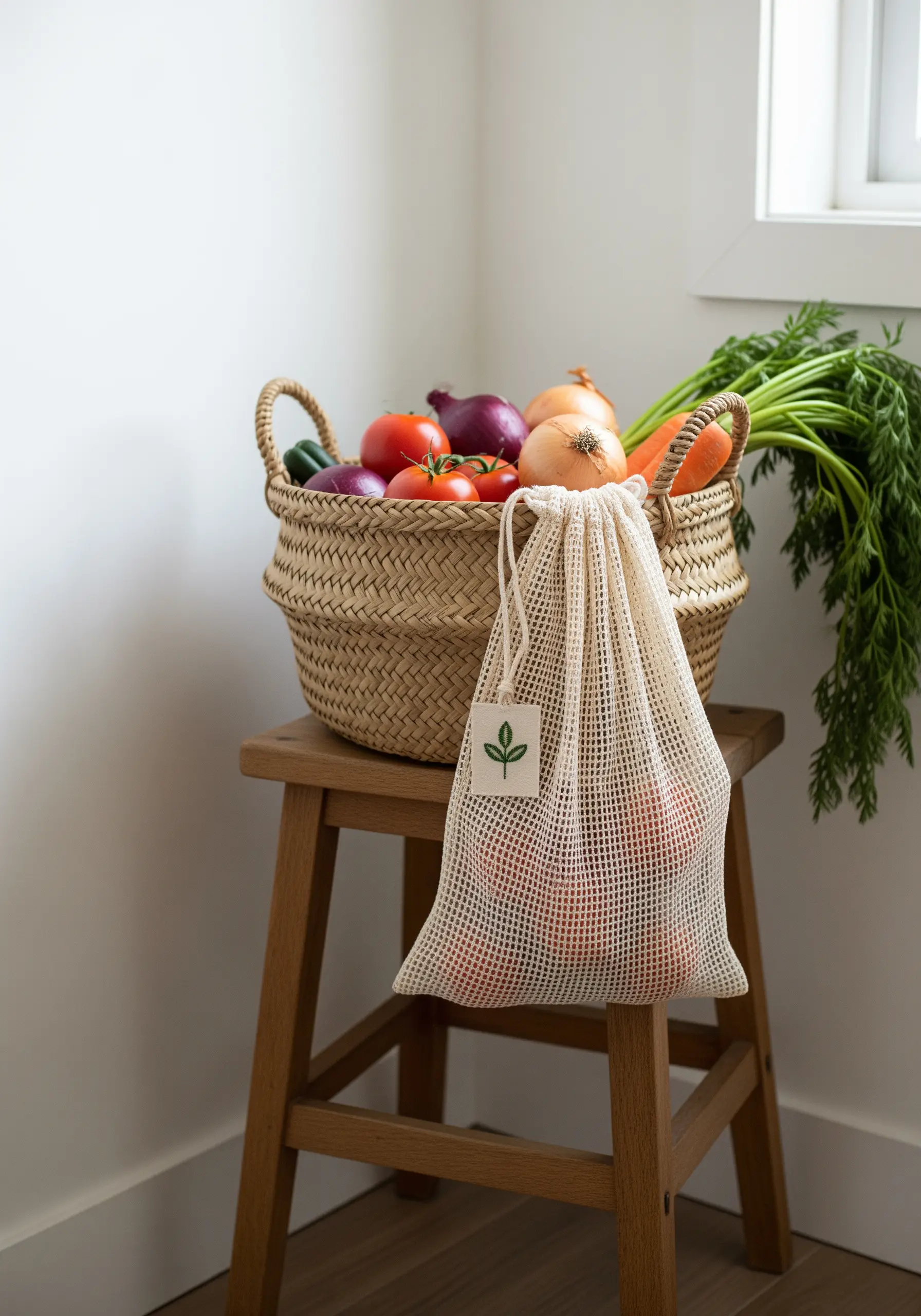
Bring a touch of intention to your reusable grocery bags with a tiny, hand-stitched tag.
A single leaf motif, created with a fishbone stitch on a small scrap of canvas, is a quick yet meaningful detail.
It’s a small reminder of the beauty in conscious, sustainable choices.
This is one of the easiest eco friendly embroidery decor ideas you can implement today.
18. The Insulated Chevron Mug Cozy
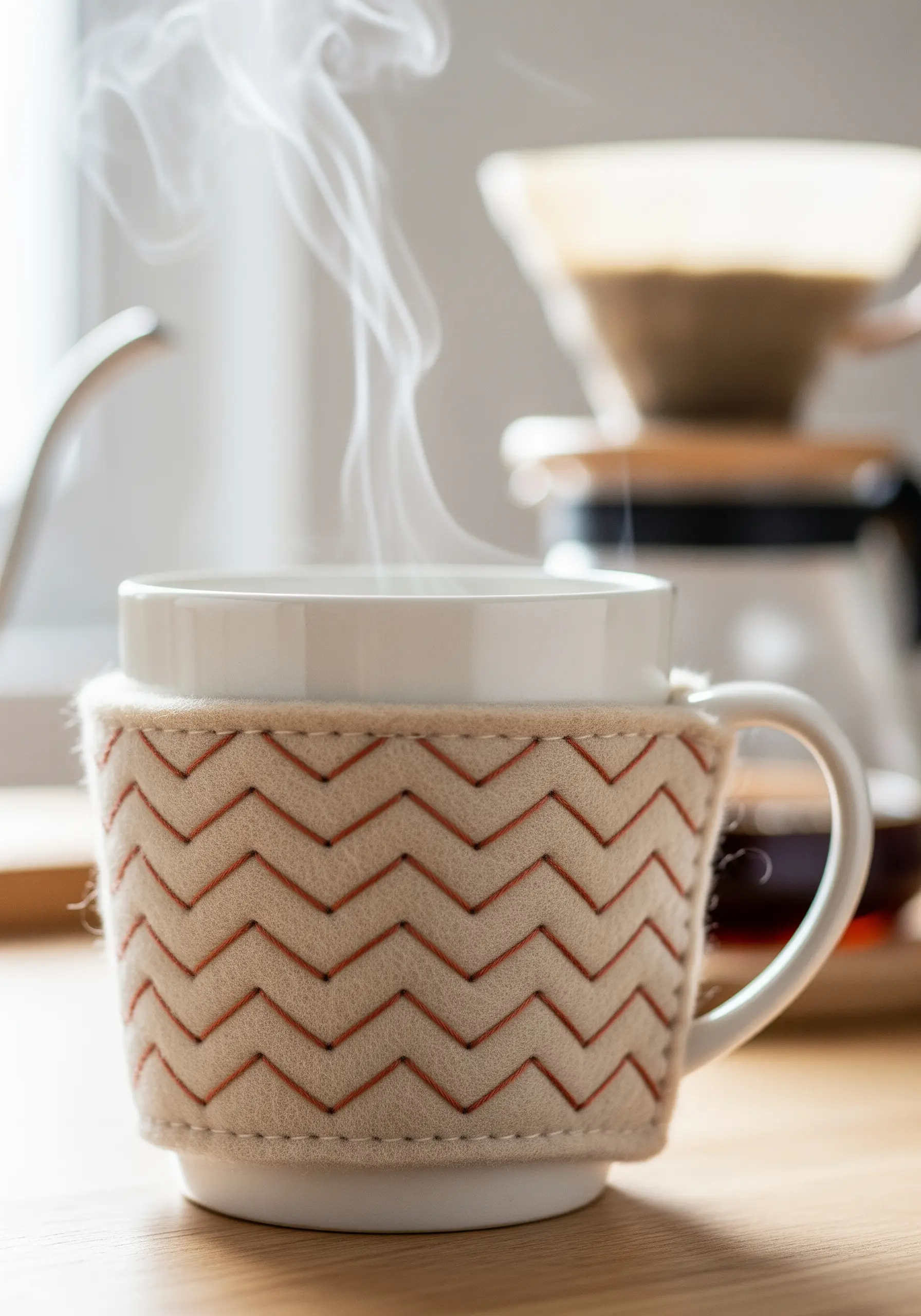
For a project that needs to be both beautiful and functional, choose a thicker fabric like felt or wool for its insulating properties.
Create a simple chevron pattern using a basic running stitch and a contrasting thread color.
The slight imperfections of hand stitching are what give this piece its warmth and character, making your morning coffee ritual feel even more special.
This is one of those cozy DIY ideas that brings immediate comfort.
19. Hand-Lettered Spice Jar Labels
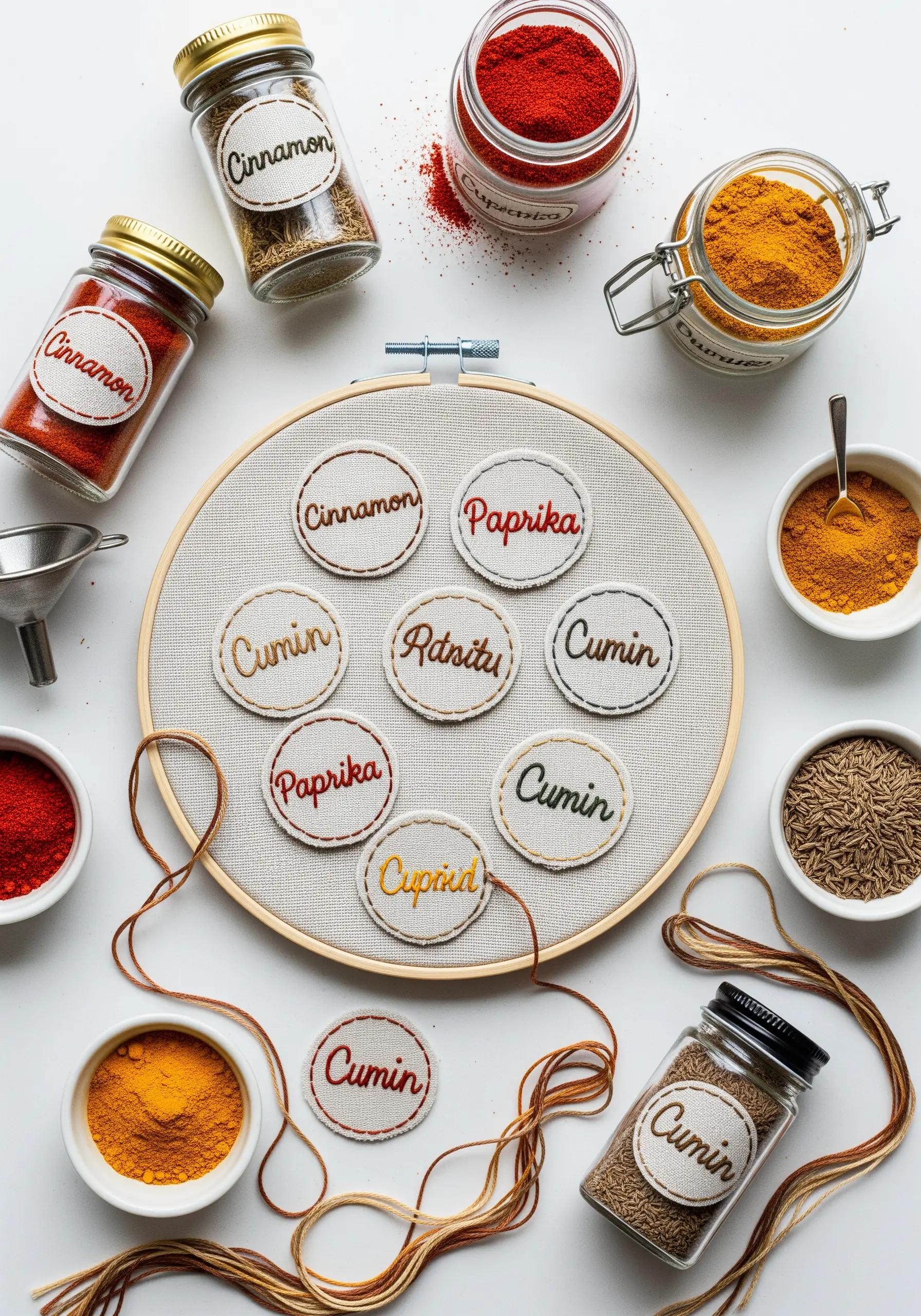
Create a set of unique, reusable spice labels by embroidering directly onto small fabric circles.
Use a simple backstitch for clean, legible lettering, and choose thread colors that hint at the spice inside.
To turn them into patches, stitch your design, cut it out leaving a small border, and then finish the raw edge with a blanket stitch to prevent any fraying.
These are perfect quick stitch inspirations for an organized kitchen.
20. Tone-on-Tone Lettered Organizer
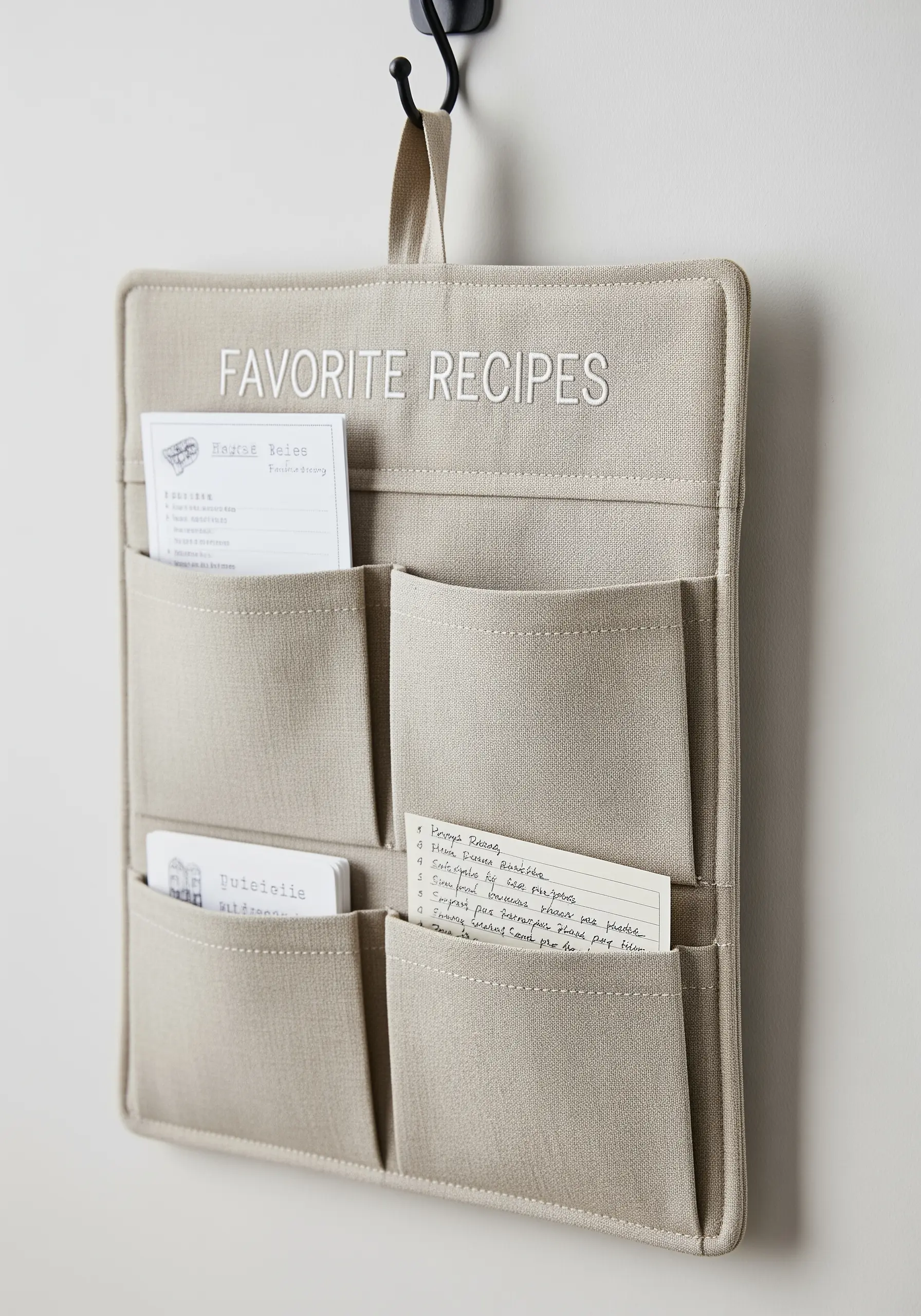
For an effect of understated sophistication, embrace tone on tone embroidery.
Choose a thread color that is just a few shades lighter or darker than your base fabric.
This subtle contrast adds texture and a high-end feel without demanding attention.
A clean split stitch is the perfect choice for creating legible lettering that feels integrated with the fabric itself.
21. Abstract Topography Table Runner
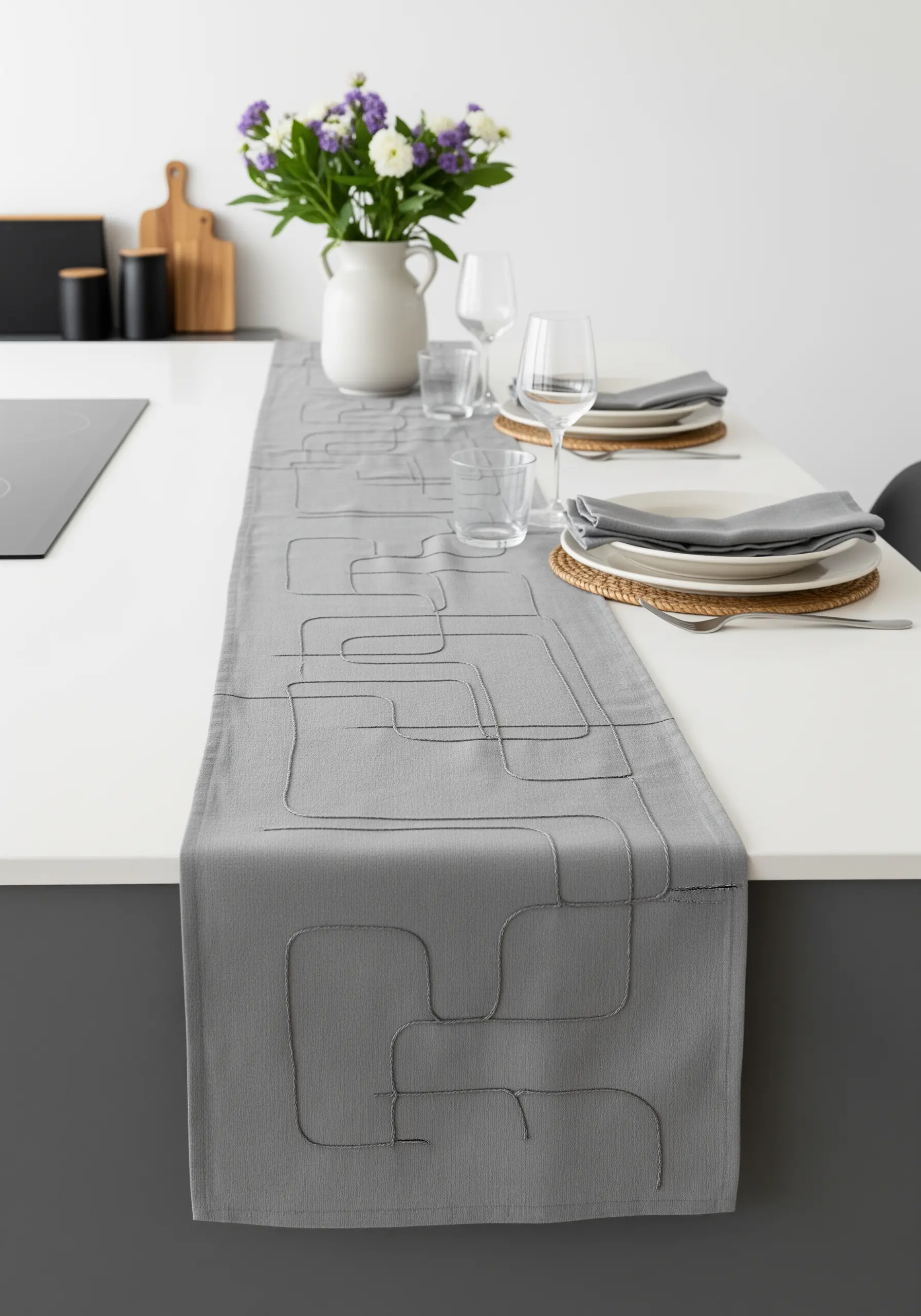
Create a dynamic, one-of-a-kind table runner using a simple backstitch and an improvisational approach.
Let your needle wander across the fabric, allowing your lines to meander, intersect, and overlap to create a pattern that resembles a topographical map.
The beauty of this design lies in its organic flow and the freedom from perfection.
These kinds of abstract embroidery patterns turn a simple textile into a conversation piece.
22. Vibrant Avocado Apron Pocket
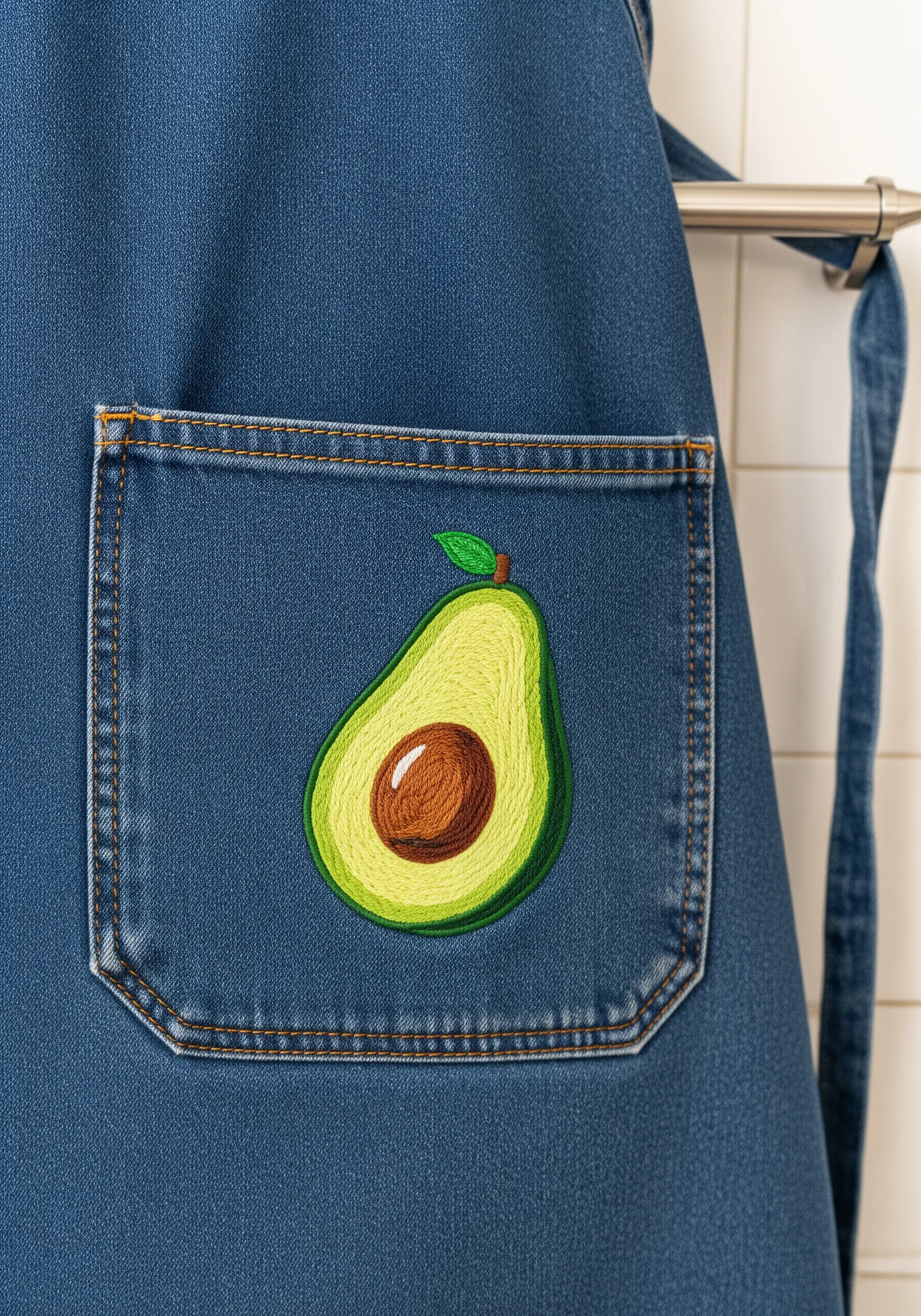
To achieve the creamy, blended texture of an avocado, use the long-and-short stitch with at least three shades of green and yellow-green thread.
For the pit, create a smooth, rounded shape by working a satin stitch in a spiral, starting from the center and working your way out.
Stitching this vibrant design on a dark denim background makes the colors pop dramatically.
This is a great project to try out minimalist pocket embroidery ideas with a splash of color.
23. Beaded Pointillism Teapot
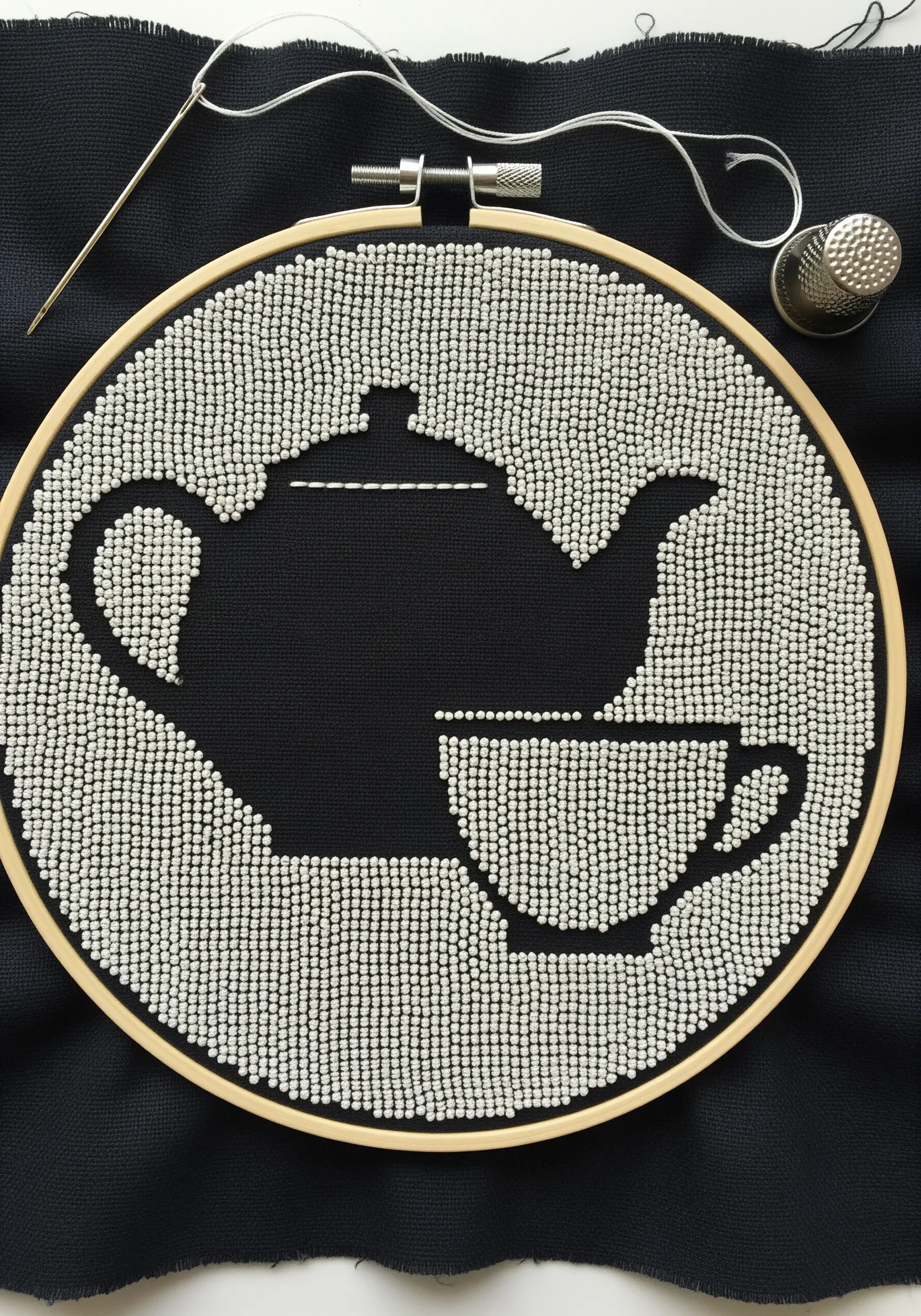
Explore texture by using beads instead of thread to create a stunning, mosaic-like effect.
Begin by stitching a simple outline of your chosen kitchen motif, like a teapot and cup.
Then, instead of filling the object, fill the negative space around it with tiny seed beads, attaching each one with a single, small stitch.
This is a brilliant way to combine thread and negative space for a luminous, unexpected result.
24. Hand-Stitched Garden Herb Markers
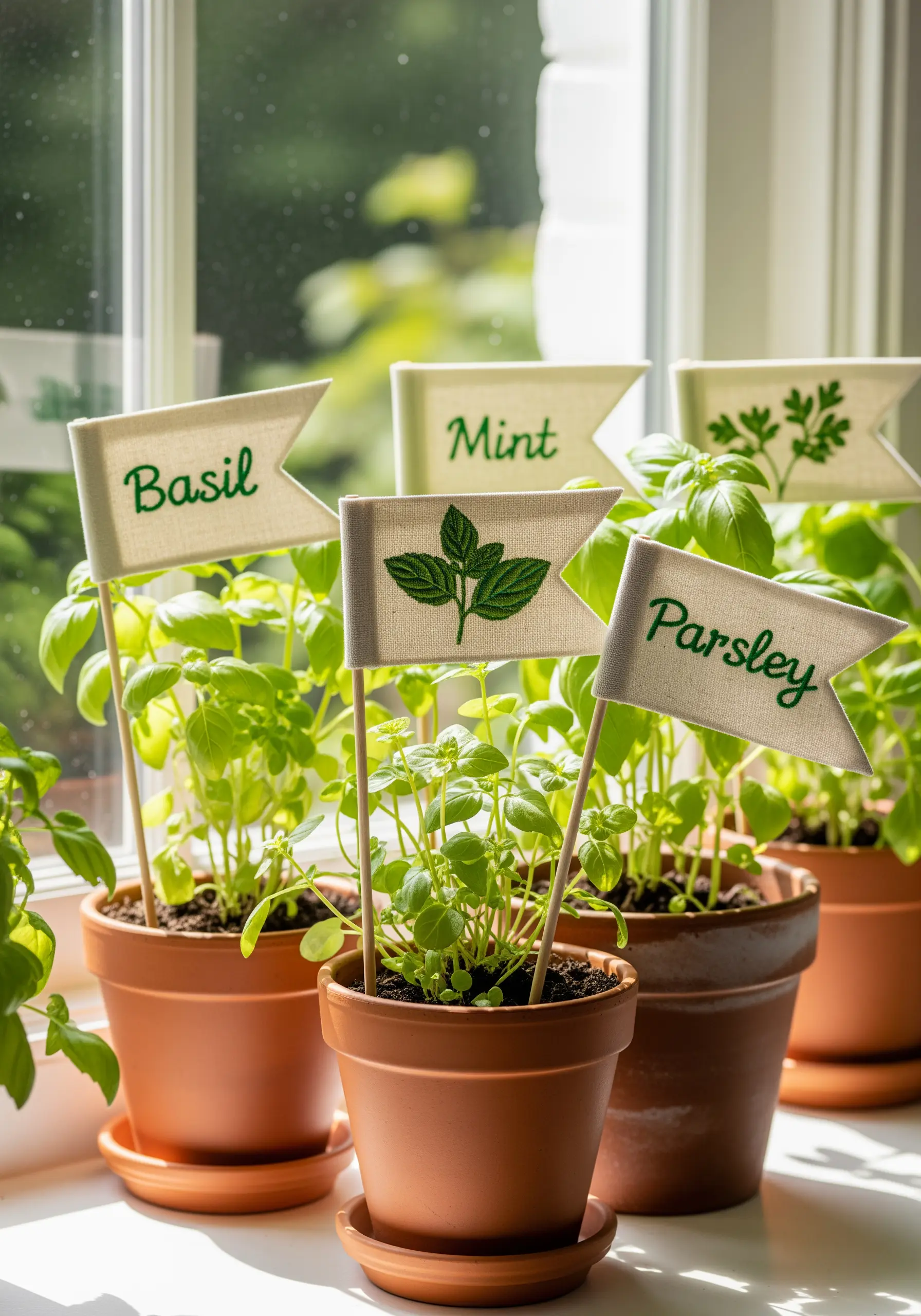
Bring a touch of handmade charm to your indoor herb garden with these beautiful and practical markers.
Embroider the names and simple leaf motifs onto small linen flags using a crisp backstitch for the text and a fishbone stitch for the leaves.
Attach the finished fabric flags to wooden dowels for a durable and stylish way to identify your plants.
You can find plenty of inspiration from other houseplant embroidery motifs for this project.
25. Modern Pantry Clip-On Labels
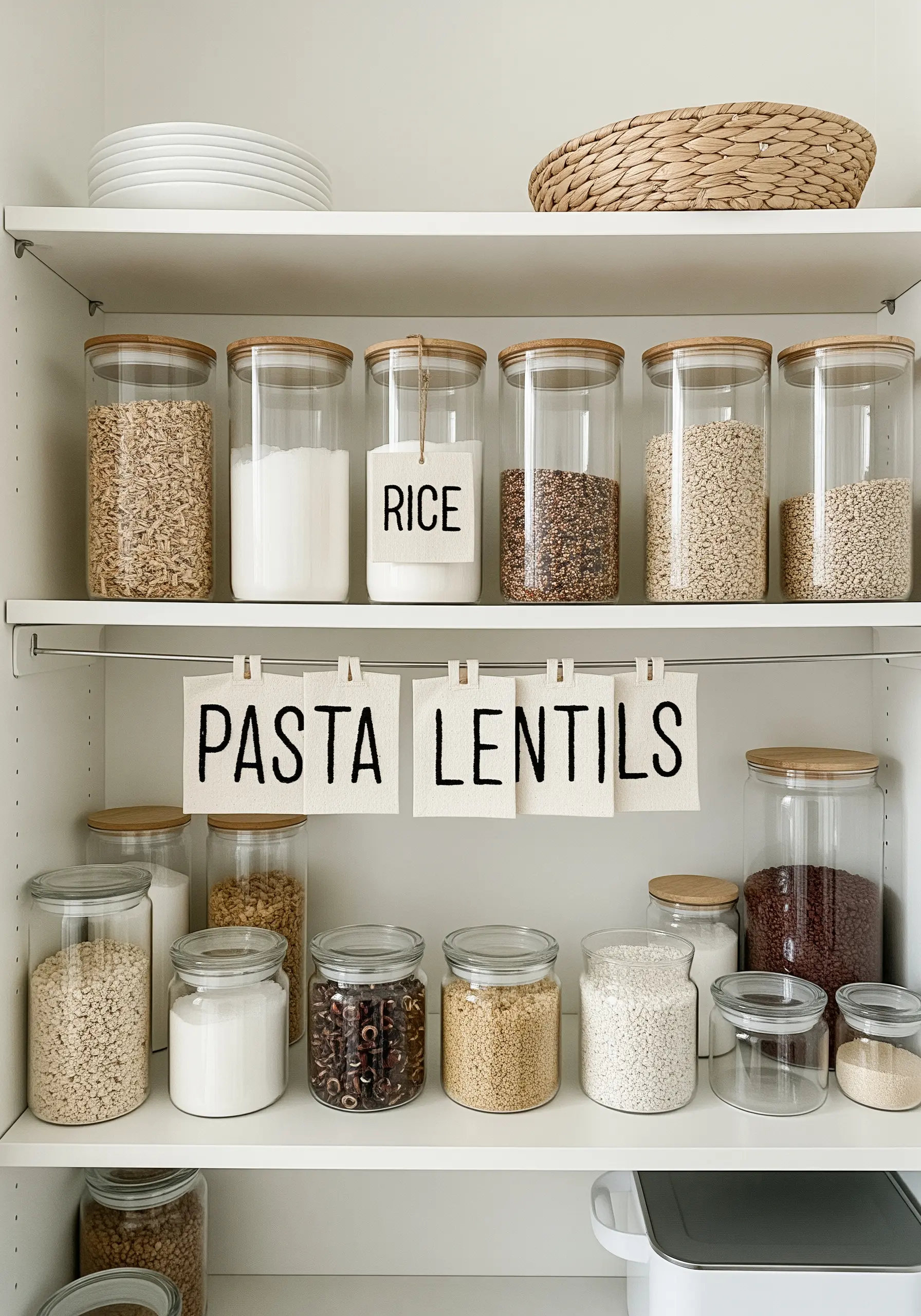
For a flexible and modern pantry organization system, embroider your labels onto small fabric rectangles that can be clipped onto shelves or bins.
Use a bold, sans-serif font and a dark thread on light fabric for maximum readability at a glance.
This modular approach allows you to easily change and move labels as you restock your pantry, combining practicality with handmade style.
These minimalist embroidery diys are both beautiful and incredibly useful.
26. Quilted Potholders with Sashiko Stitching
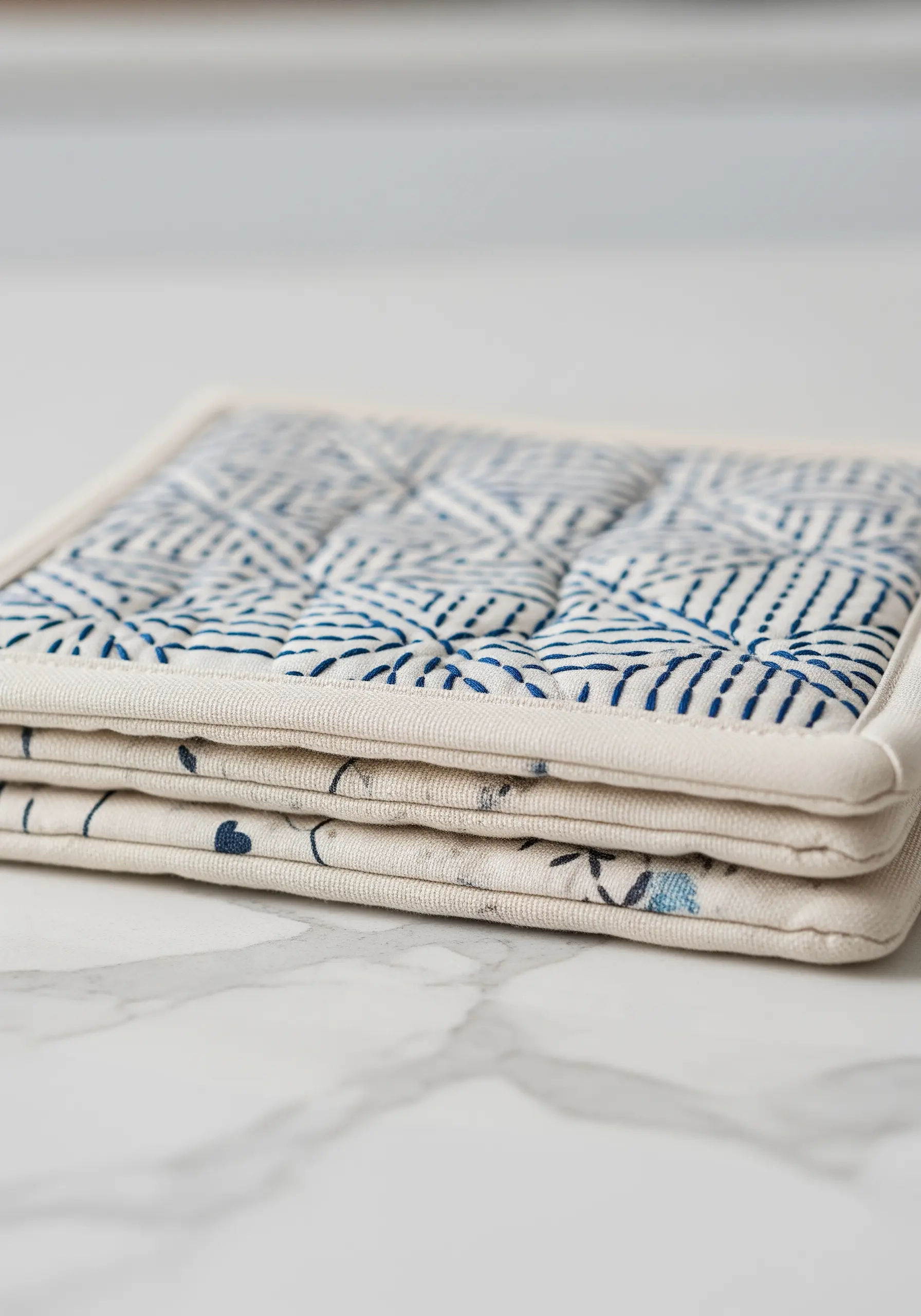
Enhance simple quilted potholders with the beauty and utility of Japanese Sashiko stitching.
This traditional technique uses a simple running stitch to create stunning geometric patterns.
The stitching is not just decorative; it also reinforces the layers of fabric, making your potholders more durable.
Use a thick, contrasting thread and a long Sashiko needle for an authentic and meditative stitching experience, inspired by cultural table linen embroidery styles.
27. Scattered Floral Napkin Corner
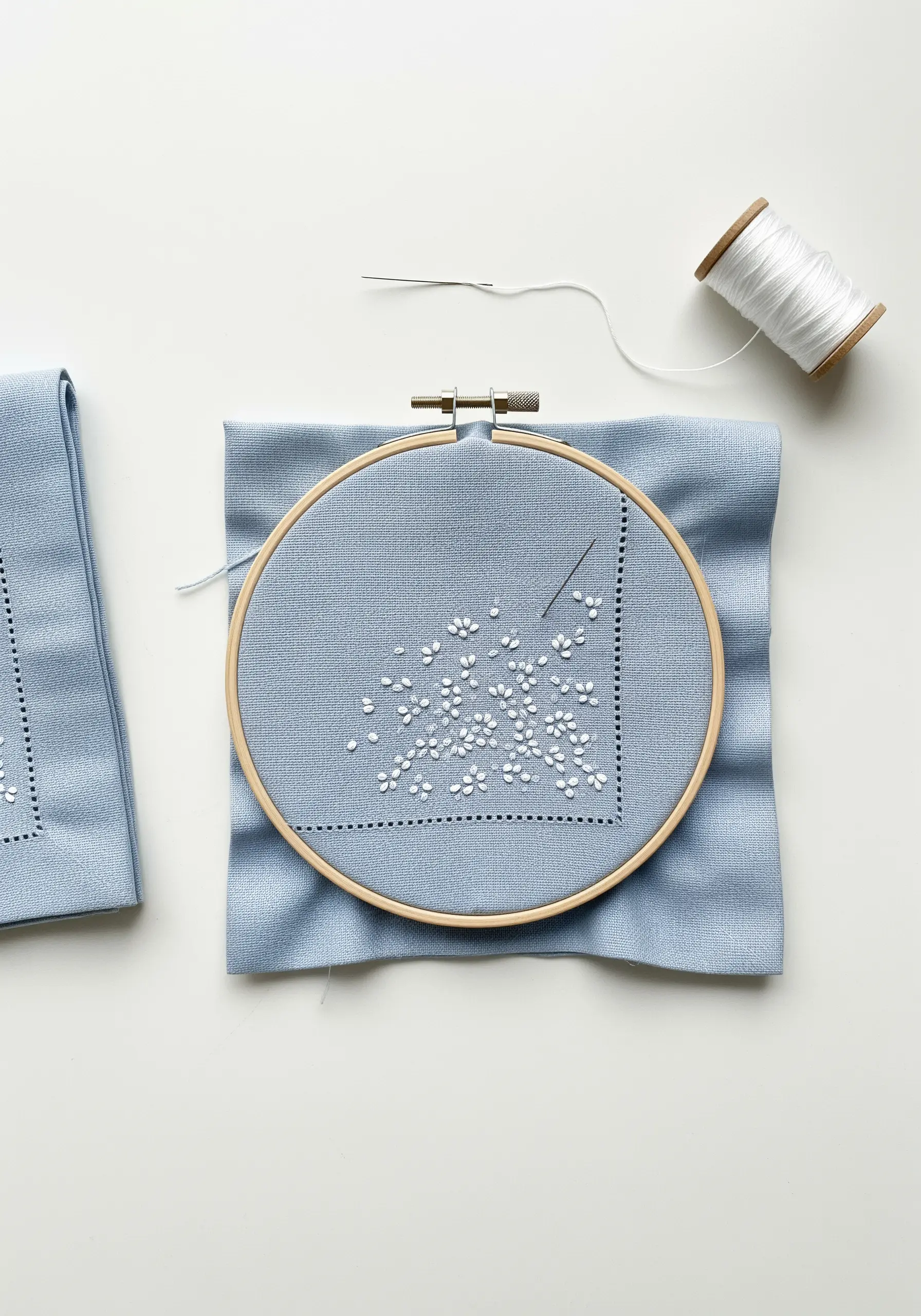
Create a delicate, wildflower-inspired effect by stitching a small cluster of tiny flowers in the corner of a napkin.
Use single detached chain stitches for the petals and tiny French knots for the centers. By concentrating the stitches in one area and letting them disperse outwards, you achieve a natural, organic feel.
This is a perfect project for trying out tiny floral embroidery ideas on your table linens.
28. The Minimalist Sponge Holder
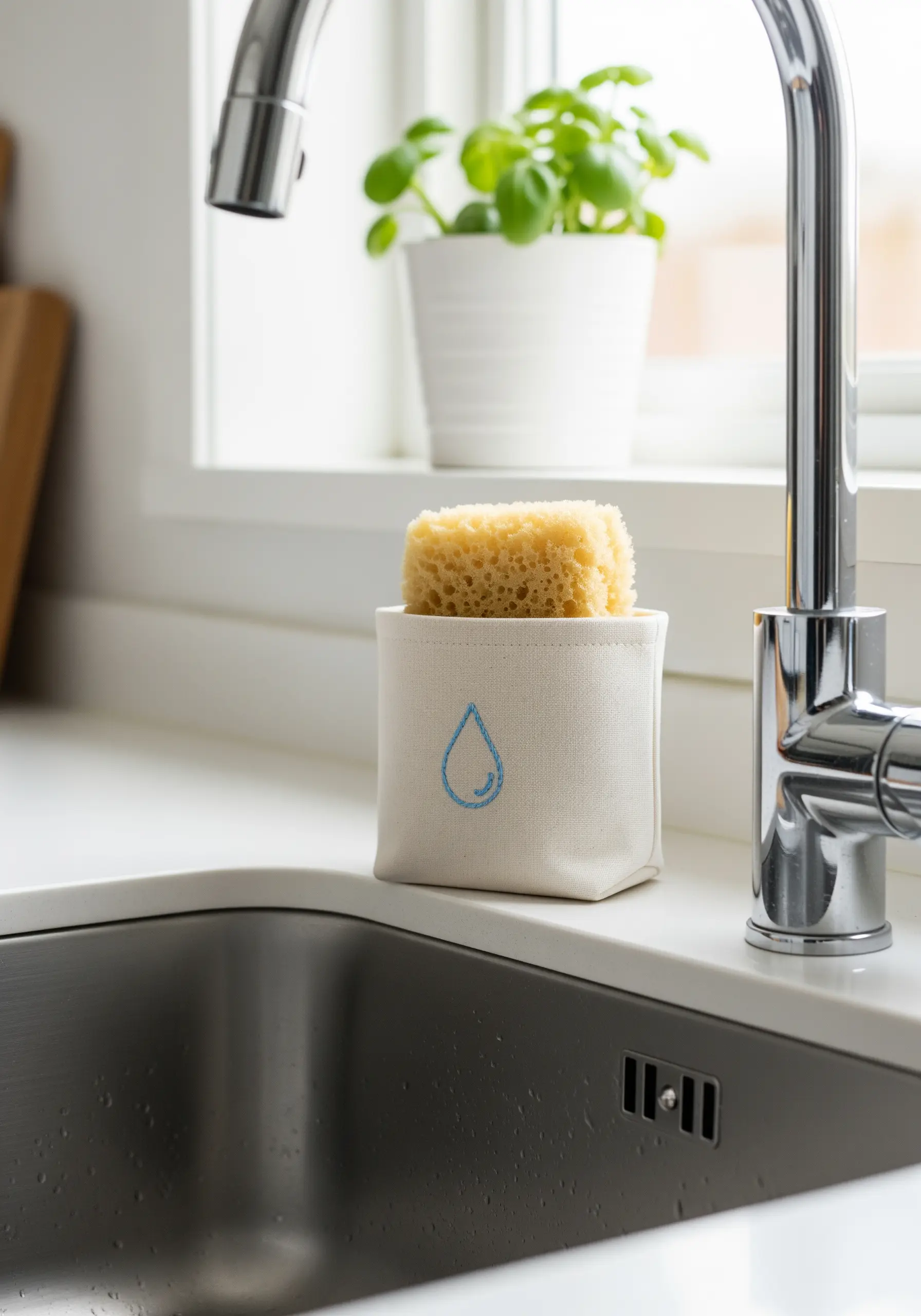
This project is a testament to the idea that even the most humble kitchen items can be elevated with a single, thoughtful detail.
A simple water droplet, outlined with a clean split stitch, adds a touch of purpose and quiet design to a plain canvas sponge holder.
It’s a five-minute project that serves as a beautiful reminder that minimalism is about intention, not emptiness.
Like many minimalist small hoop designs, its power is in its simplicity.
29. Flowing Script Word Art
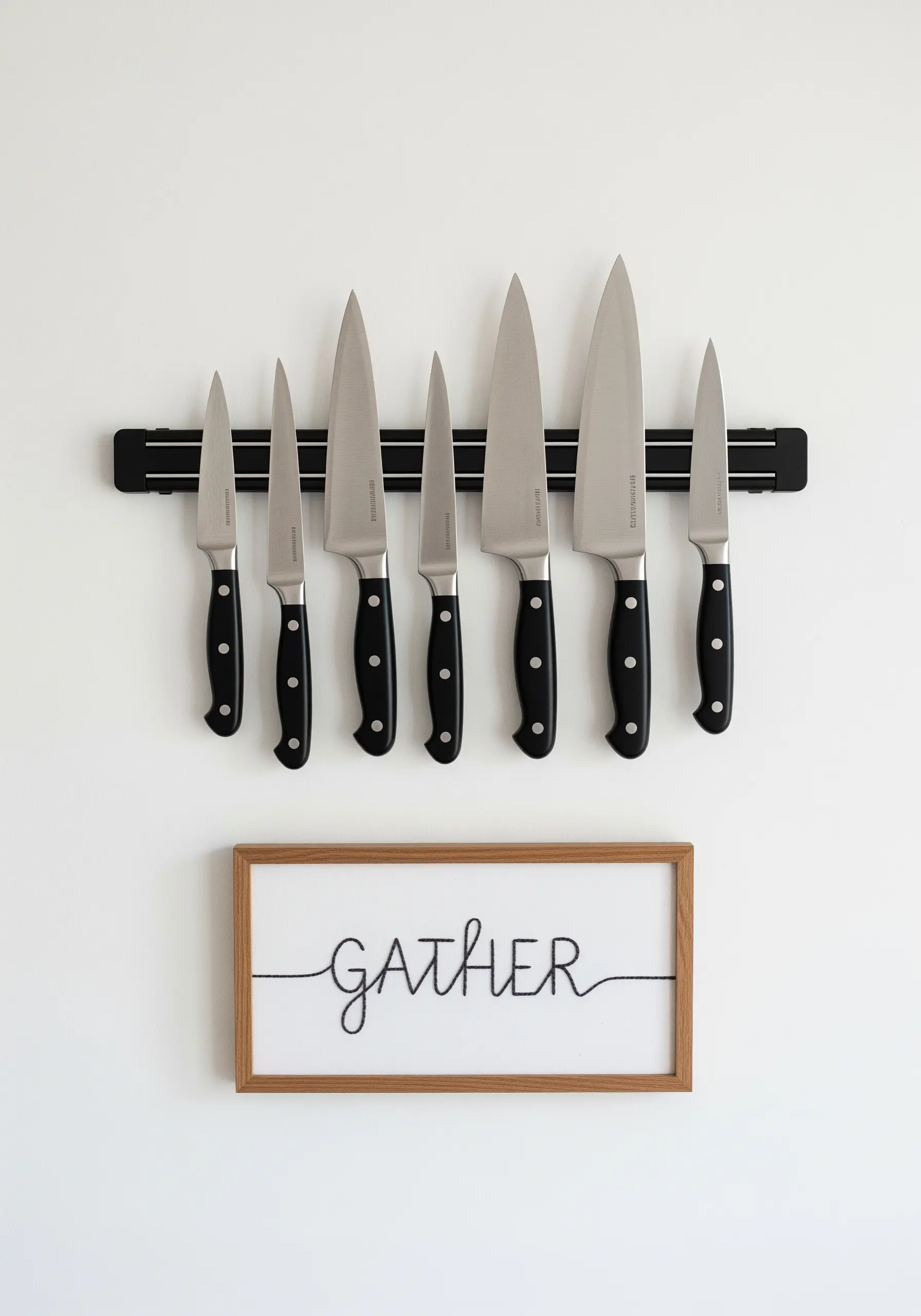
To create this smooth, handwritten effect for a meaningful word like ‘gather’, use a whipped backstitch.
First, lay down a foundation of standard backstitch along your traced letters.
Then, using the same thread, whip your needle under each stitch without piercing the fabric. This covers the gaps and creates a single, rope-like line perfect for cursive.
It is one of the best techniques for framed embroidery ideas featuring text.
30. Outline Fruit Produce Pouches
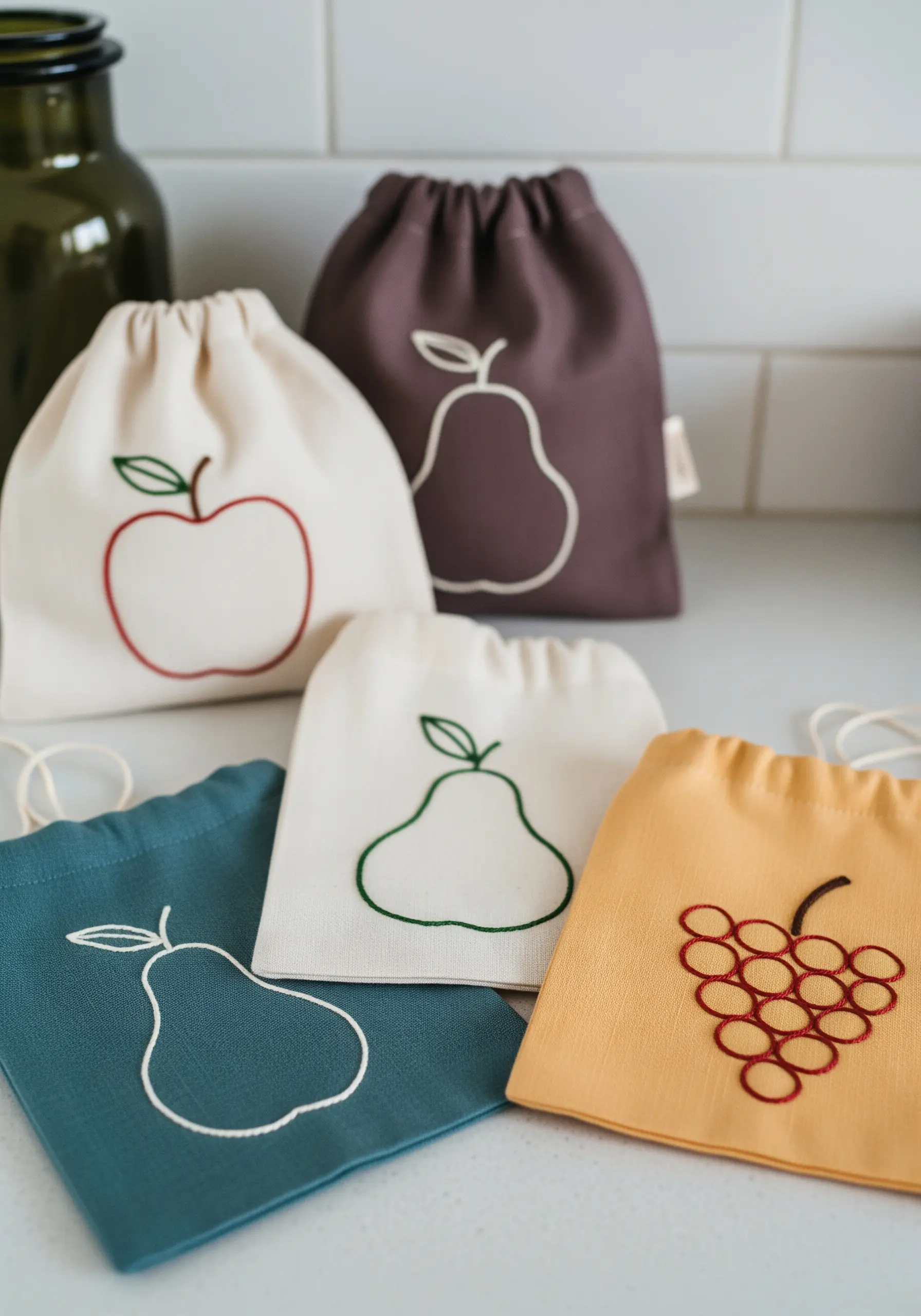
To decorate your reusable drawstring bags, opt for simple, graphic fruit outlines.
A clean backstitch or a slightly thicker stem stitch is perfect for this technique.
By leaving the inside of the fruit empty (using negative space), you create a modern, minimalist look that is quick to stitch and instantly recognizable.
This is a perfect beginner-friendly project that adds a playful touch to your eco-friendly kitchen essentials.