When you live in a small space, every object you choose to display matters. It’s easy to feel limited to a few small embroidery hoops on a wall, but I want you to start thinking about fiber and thread in a more architectural way—as a tool to shape, define, and soften your environment.
These ideas move beyond the hoop and into the realm of installation. This isn’t about creating something complex or difficult; it’s about seeing the potential in yarn, felt, and rope to interact with your space. You can create a soft screen for a window, build a vertical garden on a narrow wall, or turn an empty corner into a sculptural focal point.
Let these projects inspire you to use fiber art not just as decoration, but as a thoughtful, functional, and beautiful solution for modern living. Your apartment has more potential than you think, and your craft is the key to unlocking it.
1. Elevate Macrame with Dip-Dyed Gradients
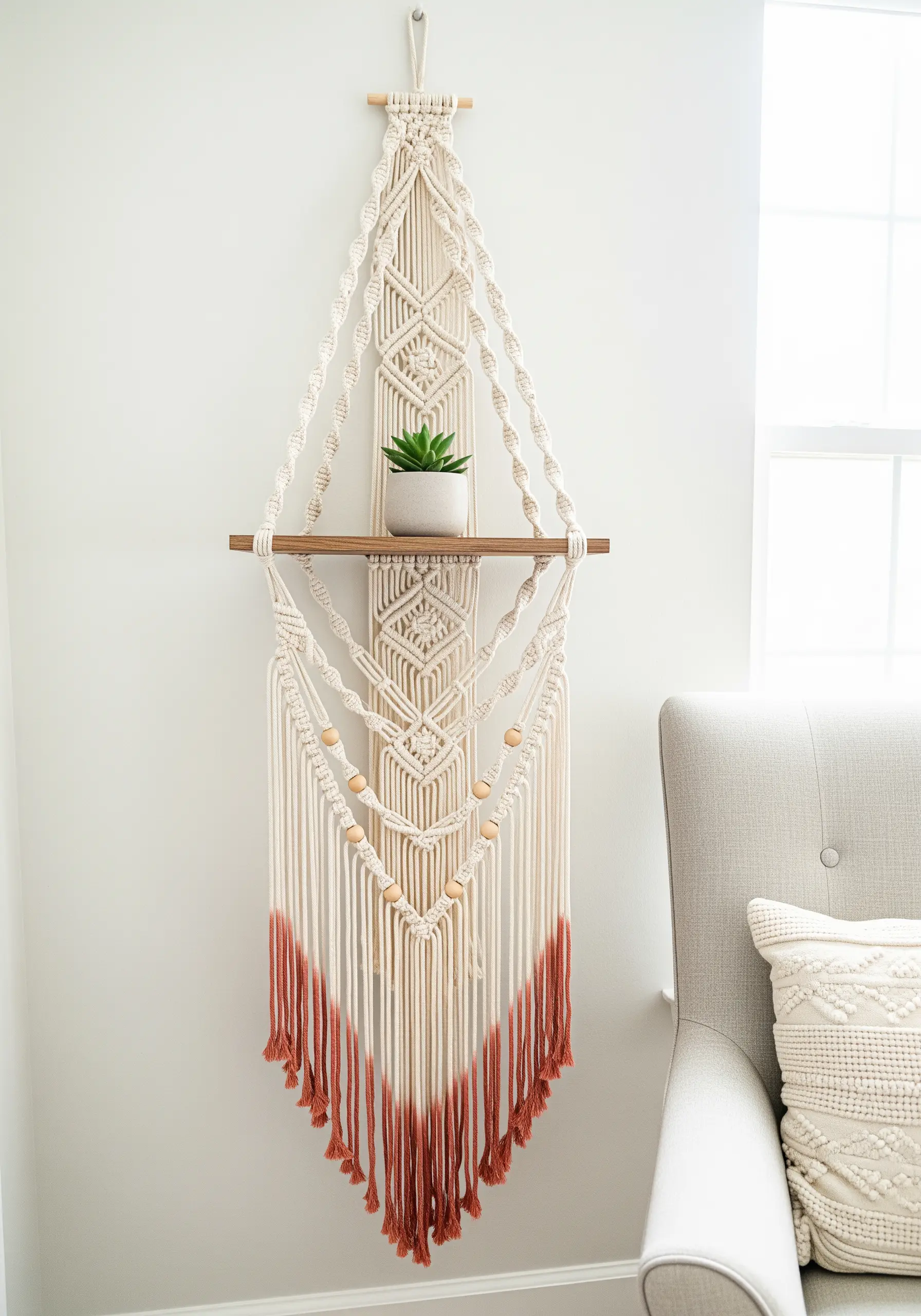
Move beyond neutral macrame by introducing a subtle, intentional block of color.
You can achieve this soft gradient effect by dip-dyeing the finished fringe in a fabric dye bath, which adds visual weight and grounds the entire piece.
Choose a single accent color that complements your existing decor—it’s a simple adjustment that makes your work look cohesive and professionally finished.
Think of it as adding a final, painterly touch that connects the natural fiber to the room’s palette.
2. Weave a Landscape with Textural Gradients
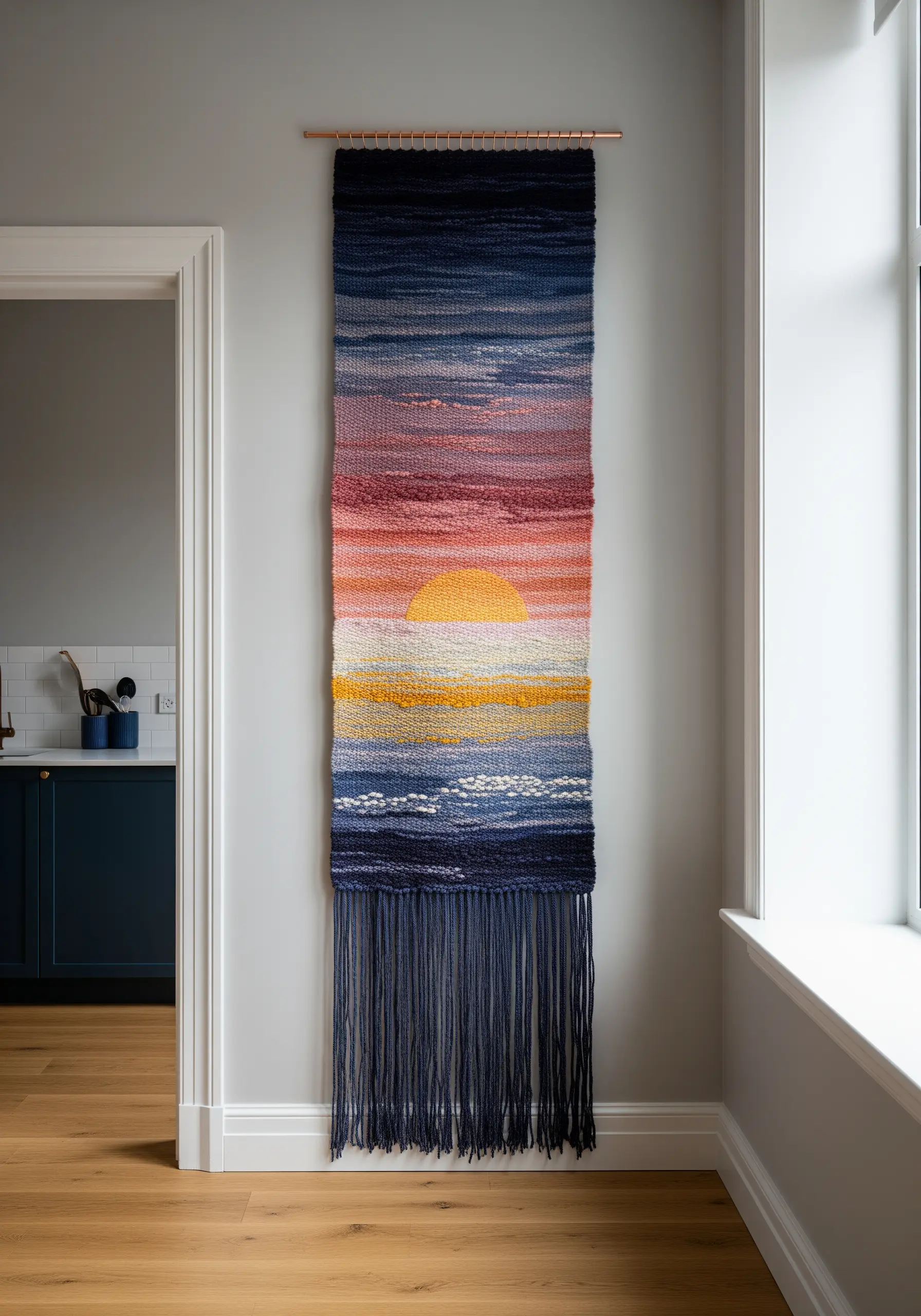
To translate a landscape into a woven tapestry, think in terms of texture, not just color.
Use a mix of yarns to create physical depth: fine cotton for the smooth surface of water, slub yarn for distant clouds, and plush merino roving for the foreground.
This variety transforms a flat image into a tactile scene.
Use a soumak stitch to create a raised, crisp line for details like the sun, which will make it pop against the softer, blended areas of a plain weave.
3. Construct a Sculptural Felt Mobile
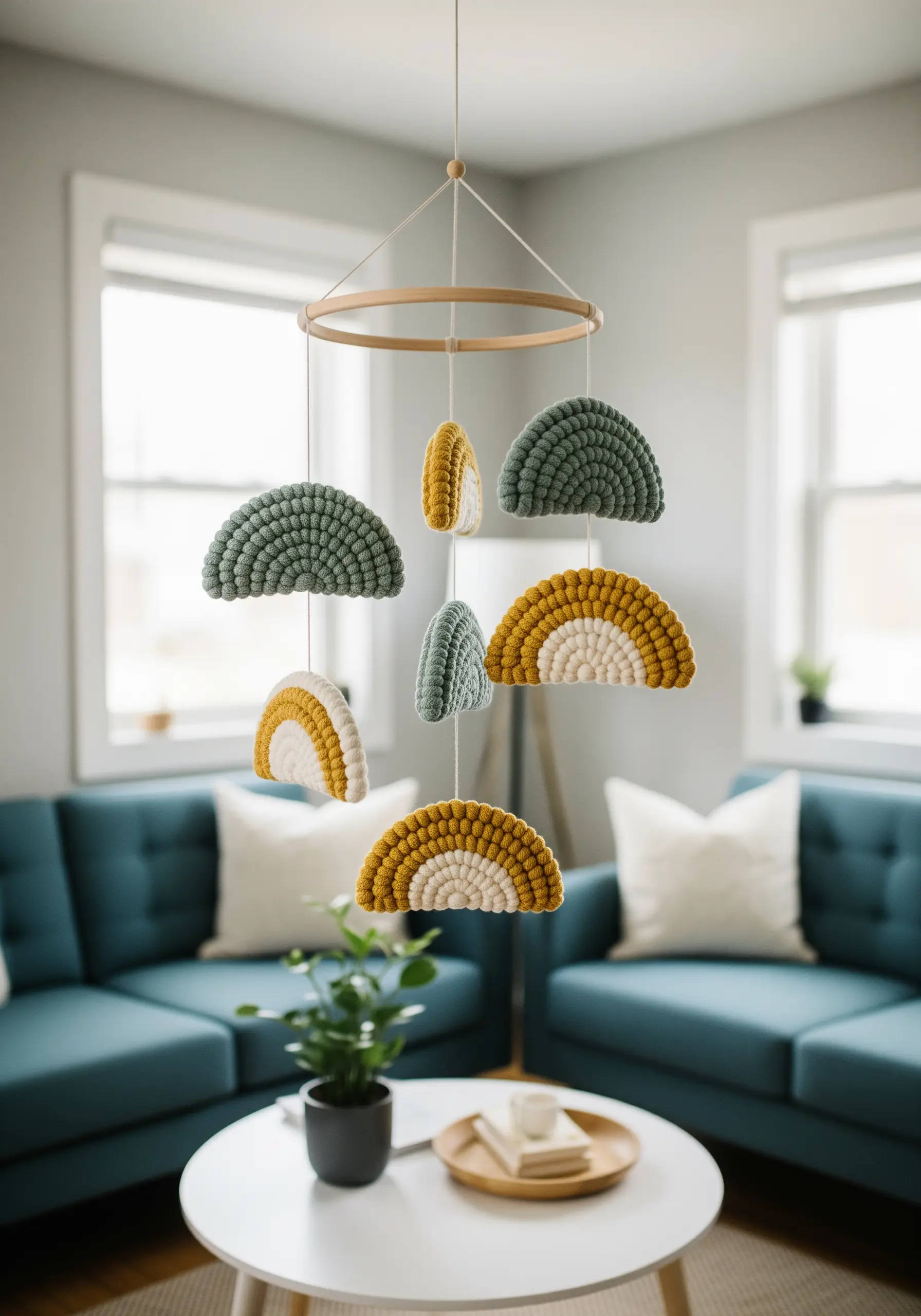
Instead of using flat felt cutouts, give your mobile forms a soft, sculptural quality.
Stitch two identical felt shapes together along the edges using a decorative blanket stitch, leaving a small opening to stuff them with poly-fil before sealing.
This technique creates puffy, three-dimensional elements that catch the light differently and have a more substantial presence.
Arrange them on a simple wooden hoop at varying heights to encourage gentle movement and create an engaging display from every angle.
4. Cultivate an Organic Crochet Wall Sculpture
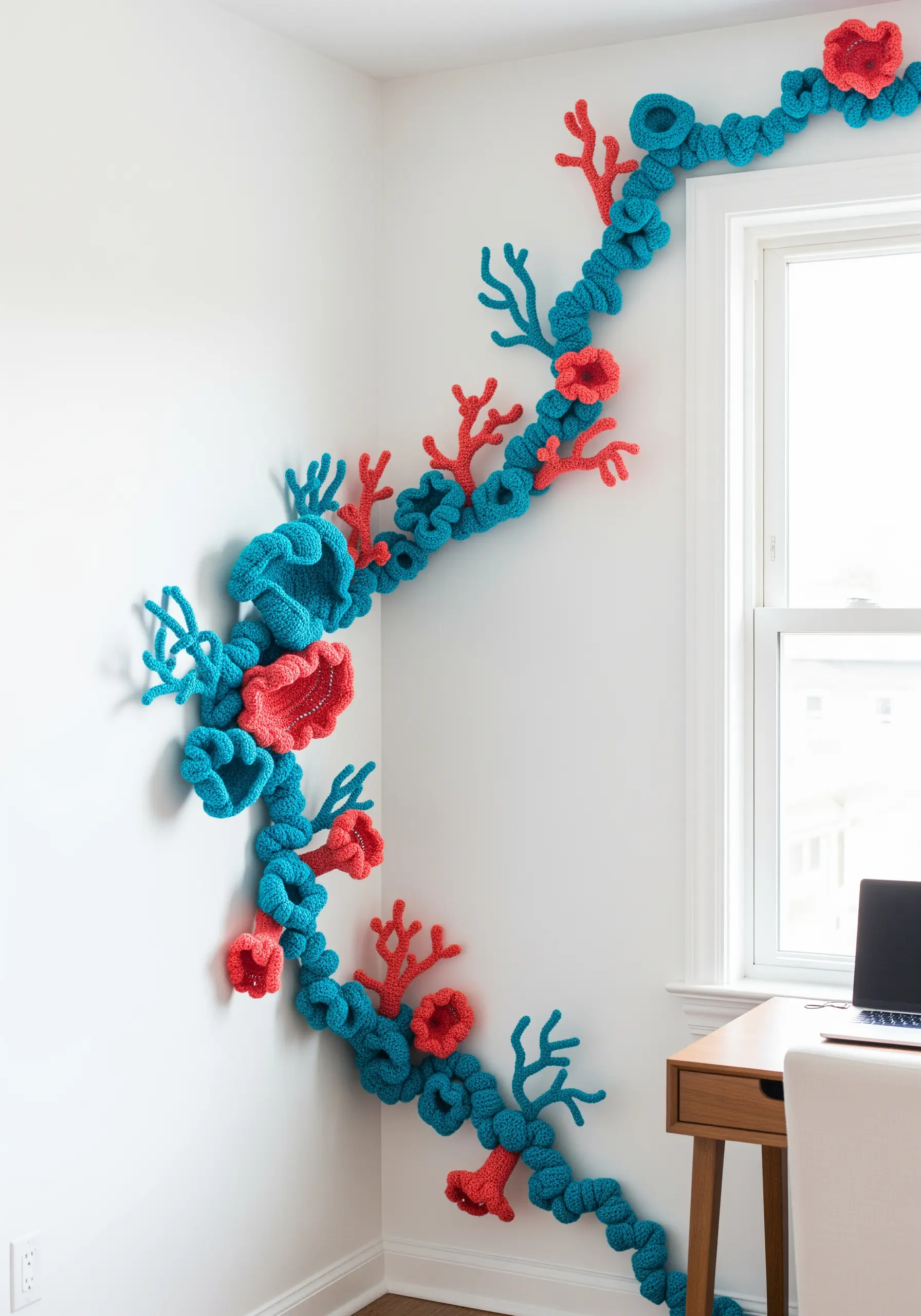
Turn an awkward corner into a stunning feature with a freeform crochet installation.
Embrace hyperbolic crochet—continuously adding increases in each row—to create the naturally ruffled, organic shapes of a coral reef.
There’s no need for a strict pattern; let the forms guide you.
By arranging these bold wall sculptures to crawl up the wall, you create a dynamic piece that feels alive and transforms the architecture of the room.
5. Upholster Geometric Panels for a Modern Look
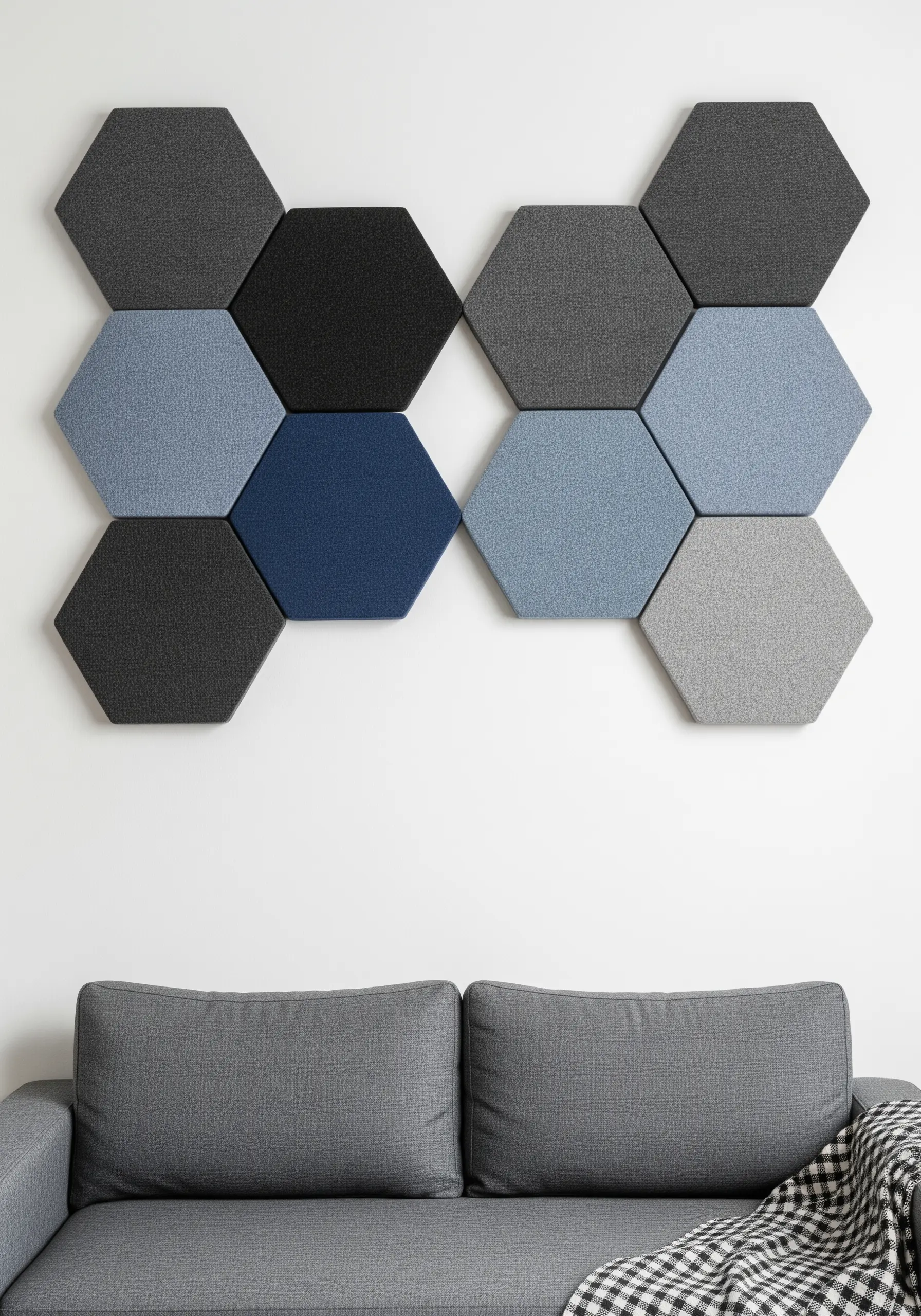
For a piece that is both art and function, create your own sound-dampening wall panels.
Source pre-cut wooden or foam hexagons and wrap them tightly in a thick, textured fabric like felt or a linen blend.
The key to a professional finish is precision: use a staple gun to secure the fabric on the back, making clean, sharp folds at each corner.
Arrange the panels in a tight honeycomb pattern using a monochromatic color scheme for a sophisticated, minimalist statement.
6. Define Space with a Tufted Tapestry Divider
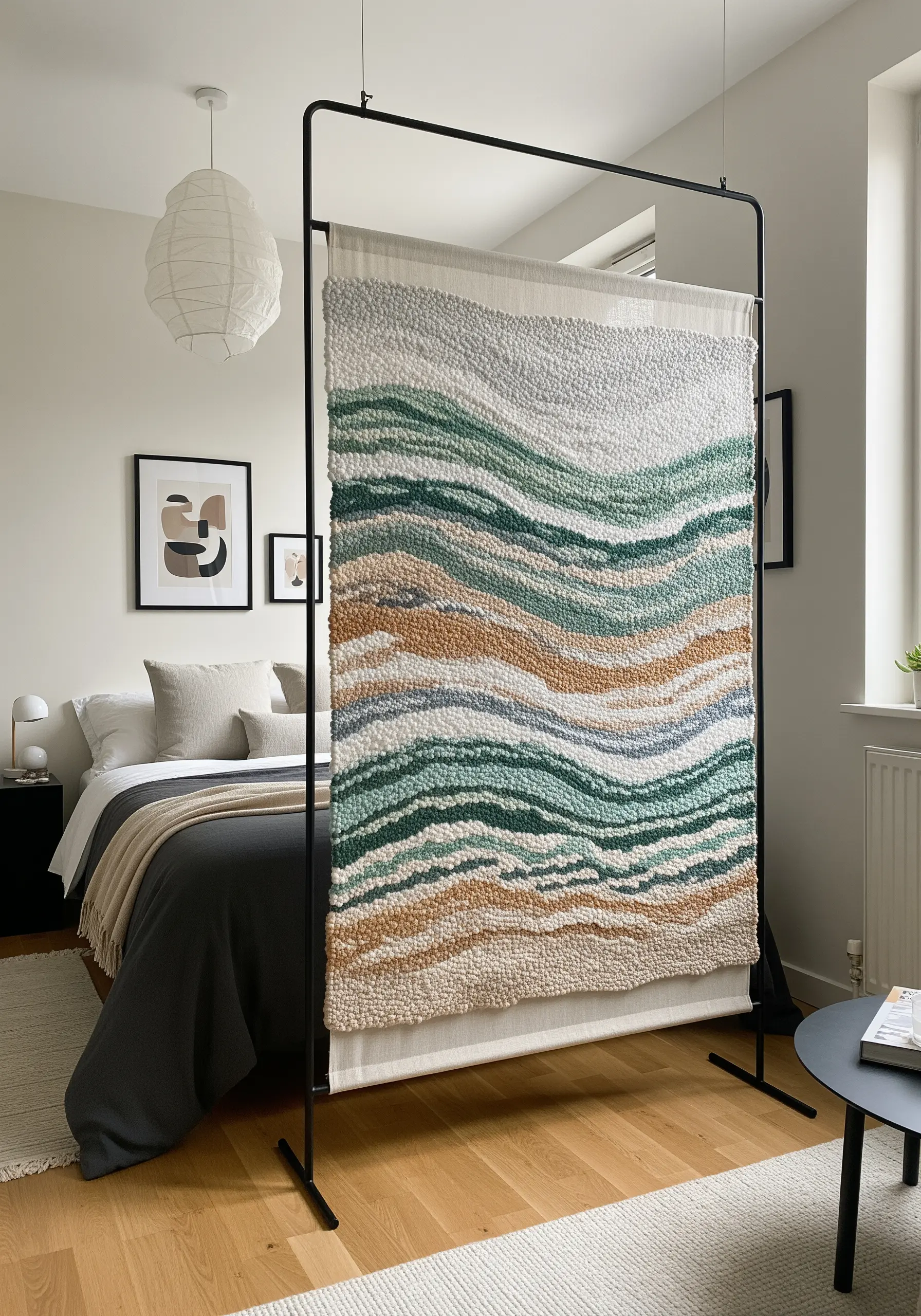
A large tufted piece doesn’t have to live on a wall.
By mounting it on a simple, freestanding frame, you can create a movable screen that divides a room or adds privacy to a studio apartment.
Create a sculpted, high-low texture by varying your punch needle loop heights—use taller loops to outline key shapes and shorter loops to fill them in.
This simple technique adds incredible dimension and turns your tapestry into one of those stunning fiber art installations that transform any room instantly.
7. Design a Vertical Botanical Hoop Gallery
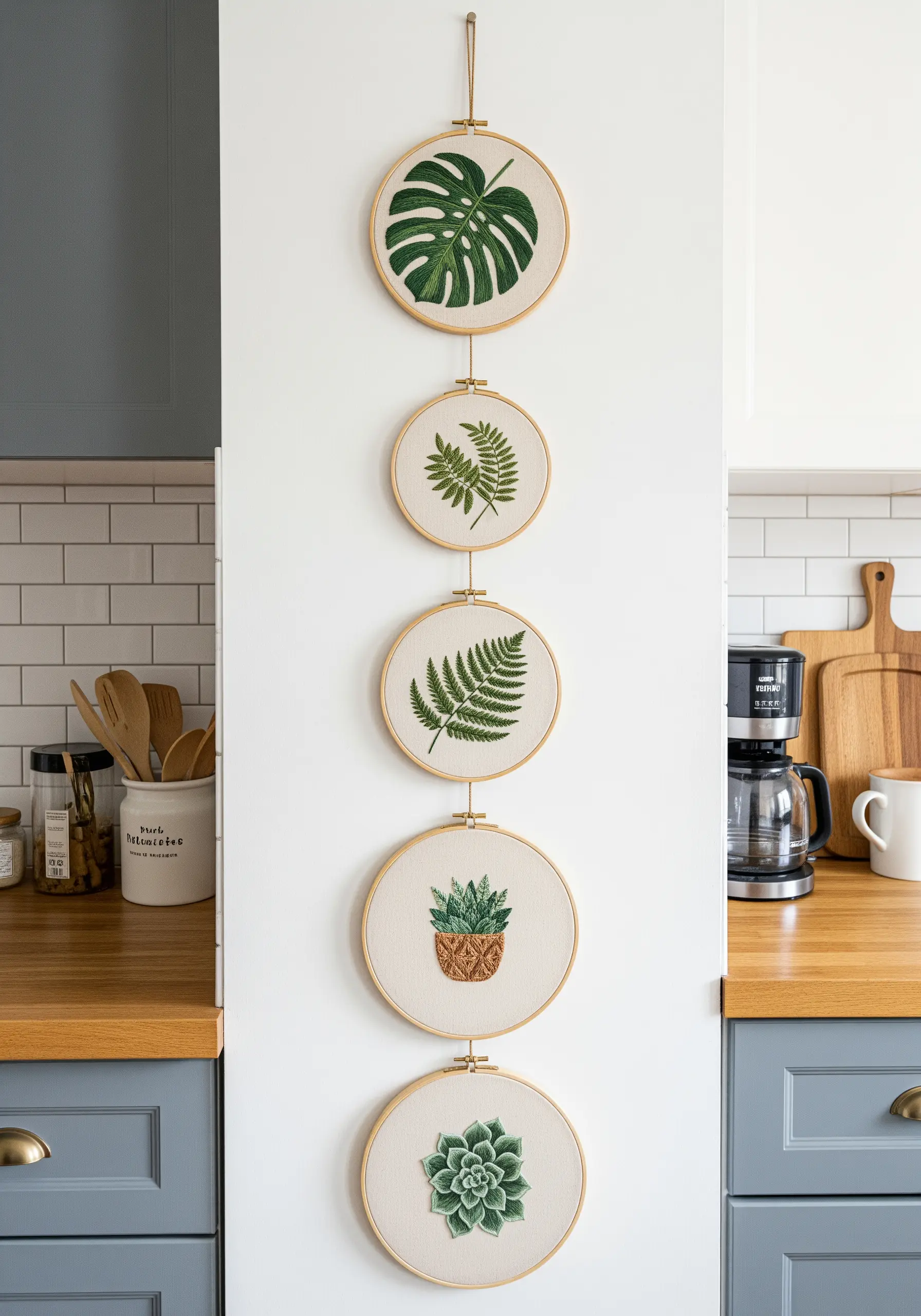
For a narrow strip of wall, such as in a kitchen or hallway, think vertically.
A column of embroidery hoops creates a powerful focal point without taking up horizontal space.
Create cohesion by using the same size hoop and a consistent neutral fabric for each piece, allowing the individual botanical designs to stand out.
This arrangement draws the eye upward, making the ceiling feel higher and turning blank spaces into stunning focal points.
8. Combine Knotting and Weaving for a Statement Headboard
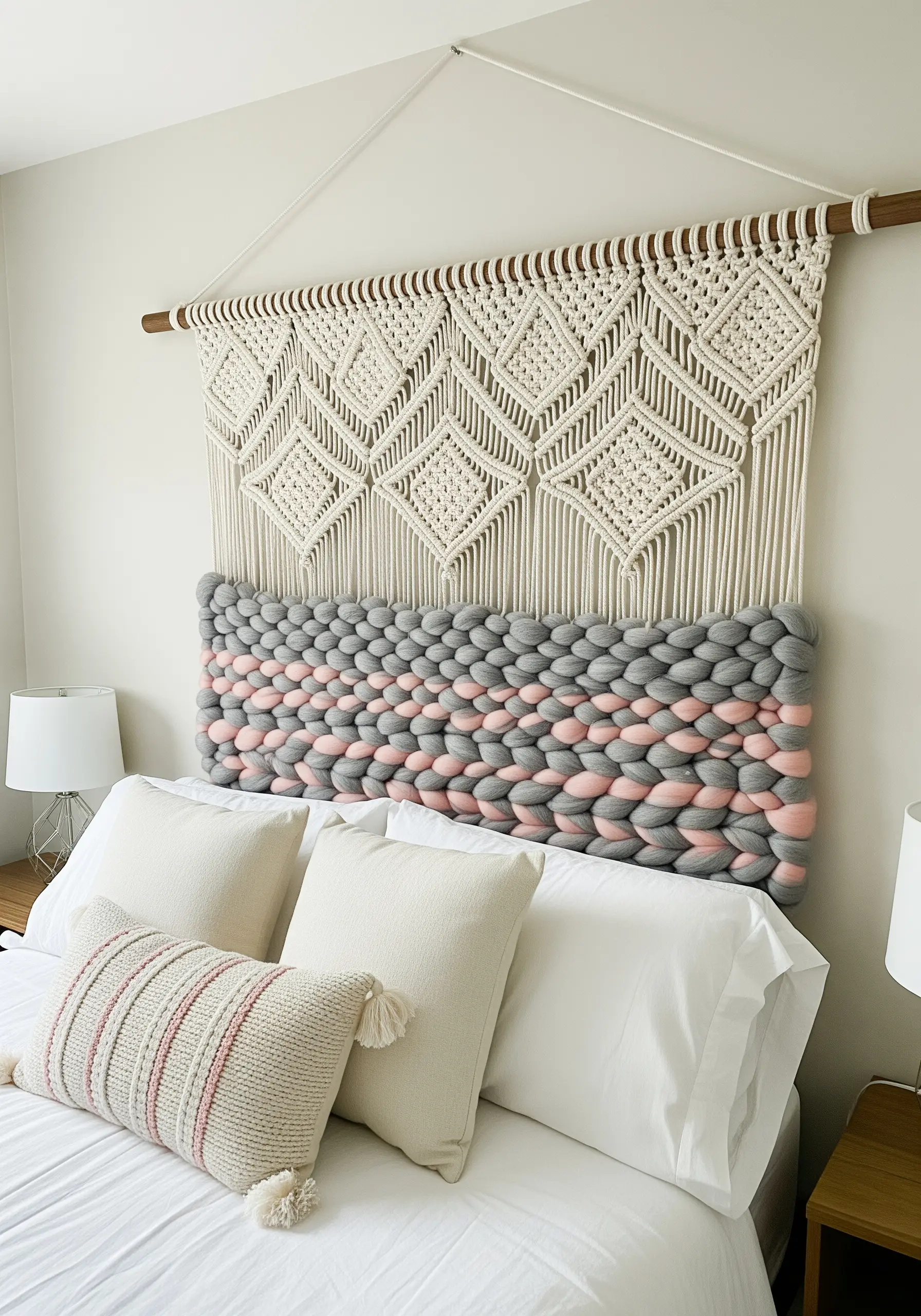
Give a traditional macrame headboard a modern, textural update by integrating a second fiber technique.
After knotting the top portion of the design, leave the central warp cords hanging straight and weave chunky merino wool roving directly through them.
This contrast between the defined structure of the knots and the pillowy softness of the unspun wool creates a visually rich and inviting focal point for a bedroom.
9. Sculpt a Serene Corner with Felted Wool Stones
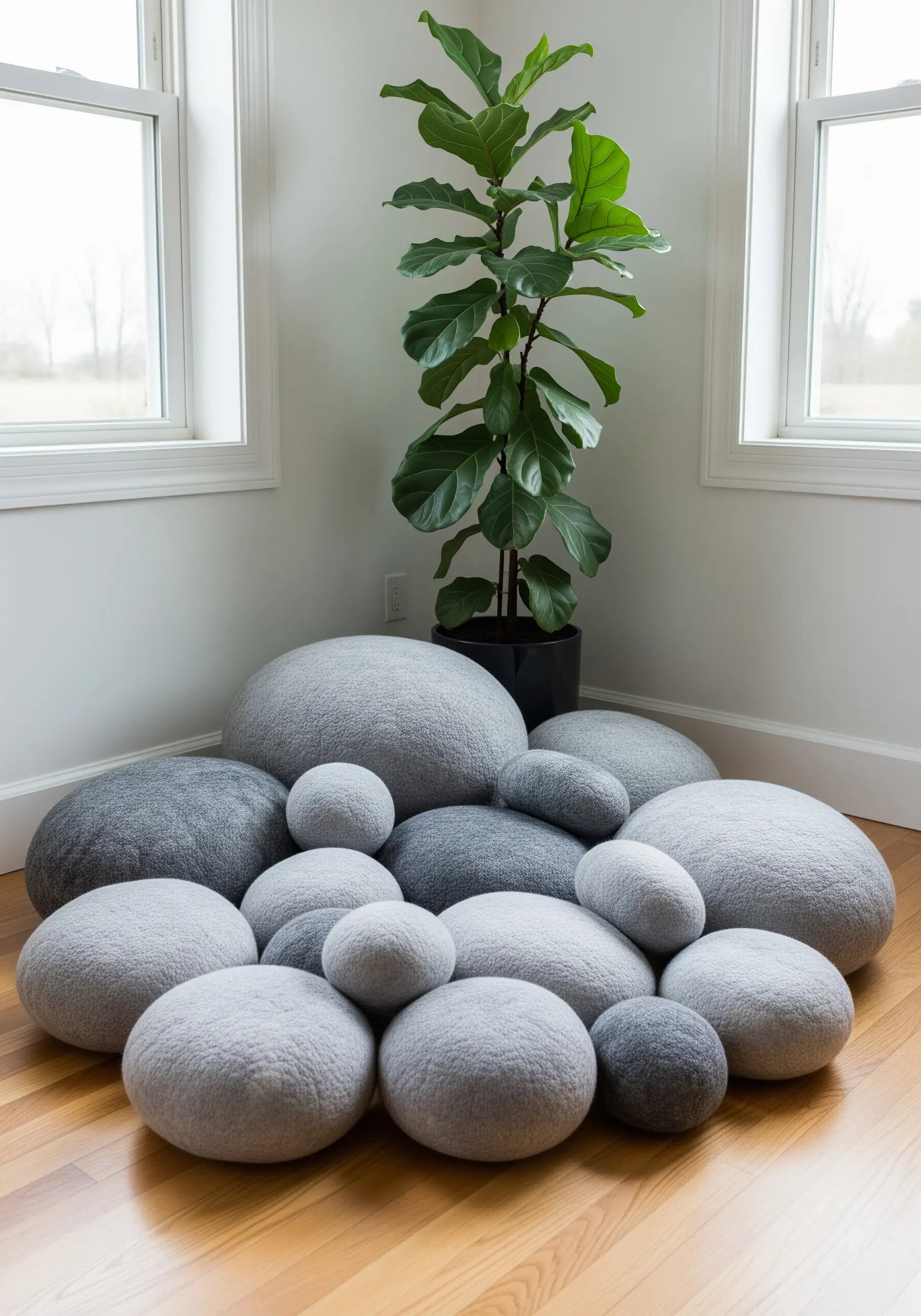
Bring a sense of calm and nature indoors with sculptural, stone-like floor cushions.
You can create these forms by wet-felting layers of wool roving around a dense foam core.
The magic is in the layering: use different shades of grey, charcoal, and ecru roving to mimic the natural variegation found in river rocks.
Arranging a cluster of different sizes creates a functional and artful installation—handmade pieces that bring natural beauty into every corner.
10. Frame an Entryway with an Architectural Knit
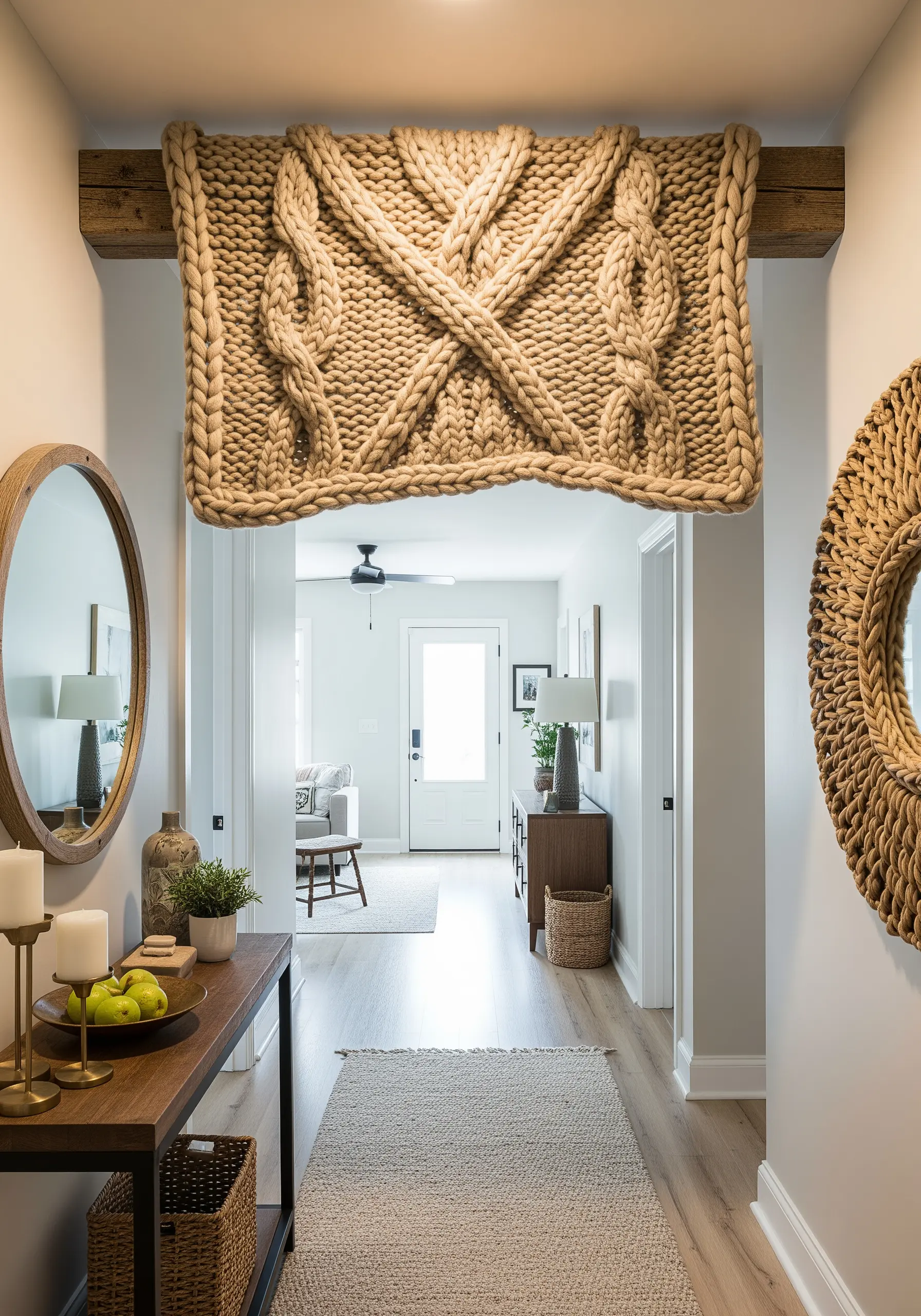
When you knit with jumbo yarn, simple stitches become bold, sculptural statements.
Using arm knitting or oversized needles, create a cabled panel that feels architectural.
Instead of hanging it flat, drape it over a prominent feature like a rustic beam or a metal rod in an archway.
This technique turns a simple knit into a soft lintel that defines the transition between two spaces with warmth and drama.
11. Weave Functional Pockets for a Living Wall
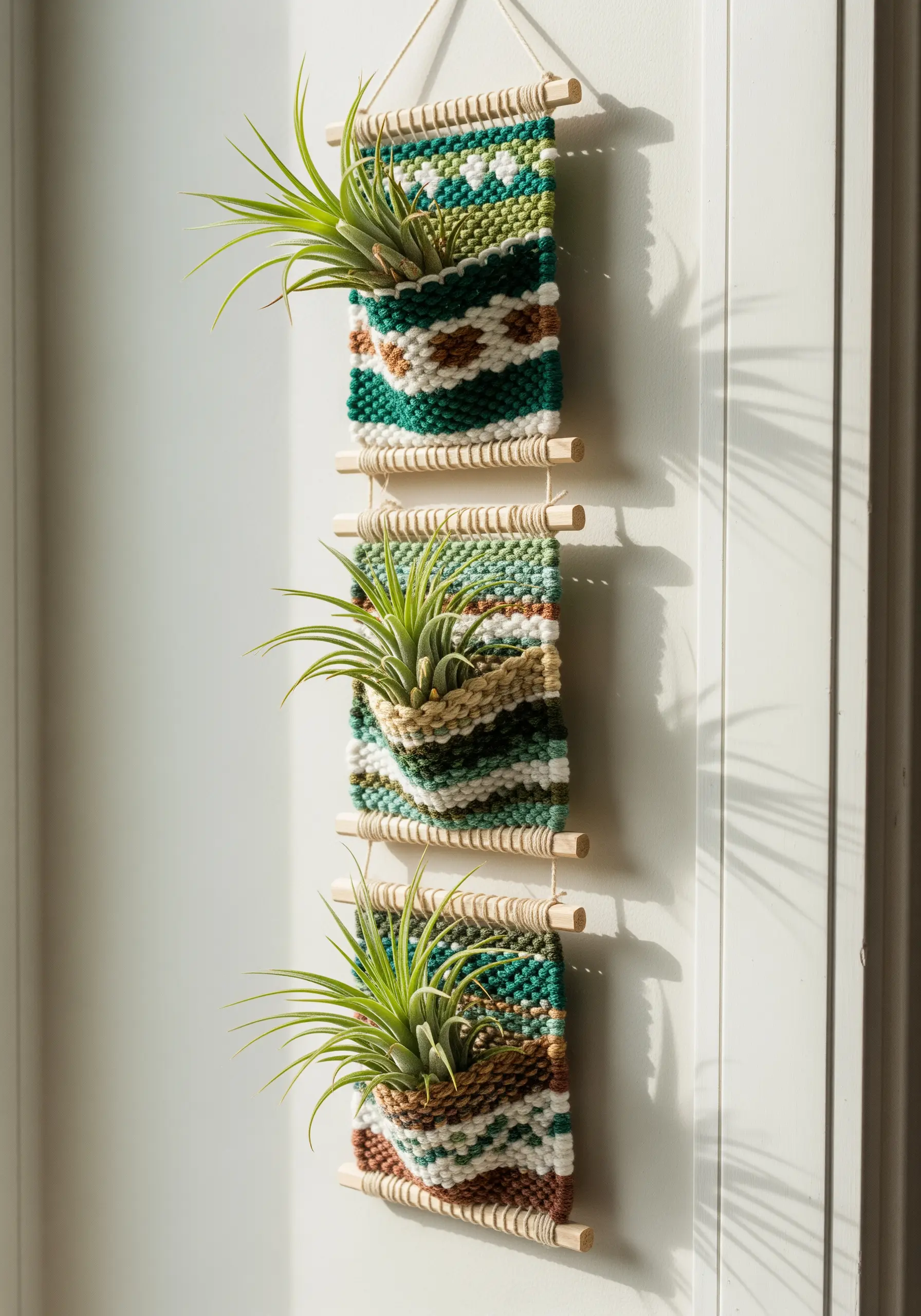
Turn a woven wall hanging into a vertical garden for air plants.
On a small loom, create a pocket by weaving only the central warp threads for a few inches, then folding that section up and rejoining the full width of the weave.
This creates a seamless pouch that adds dimension and function.
Use variegated earth-toned yarns to visually connect the woven vessel to the plant it holds, creating a beautiful and cohesive piece of living art.
12. Design a Graphic Wall Hanging with Latch Hooking
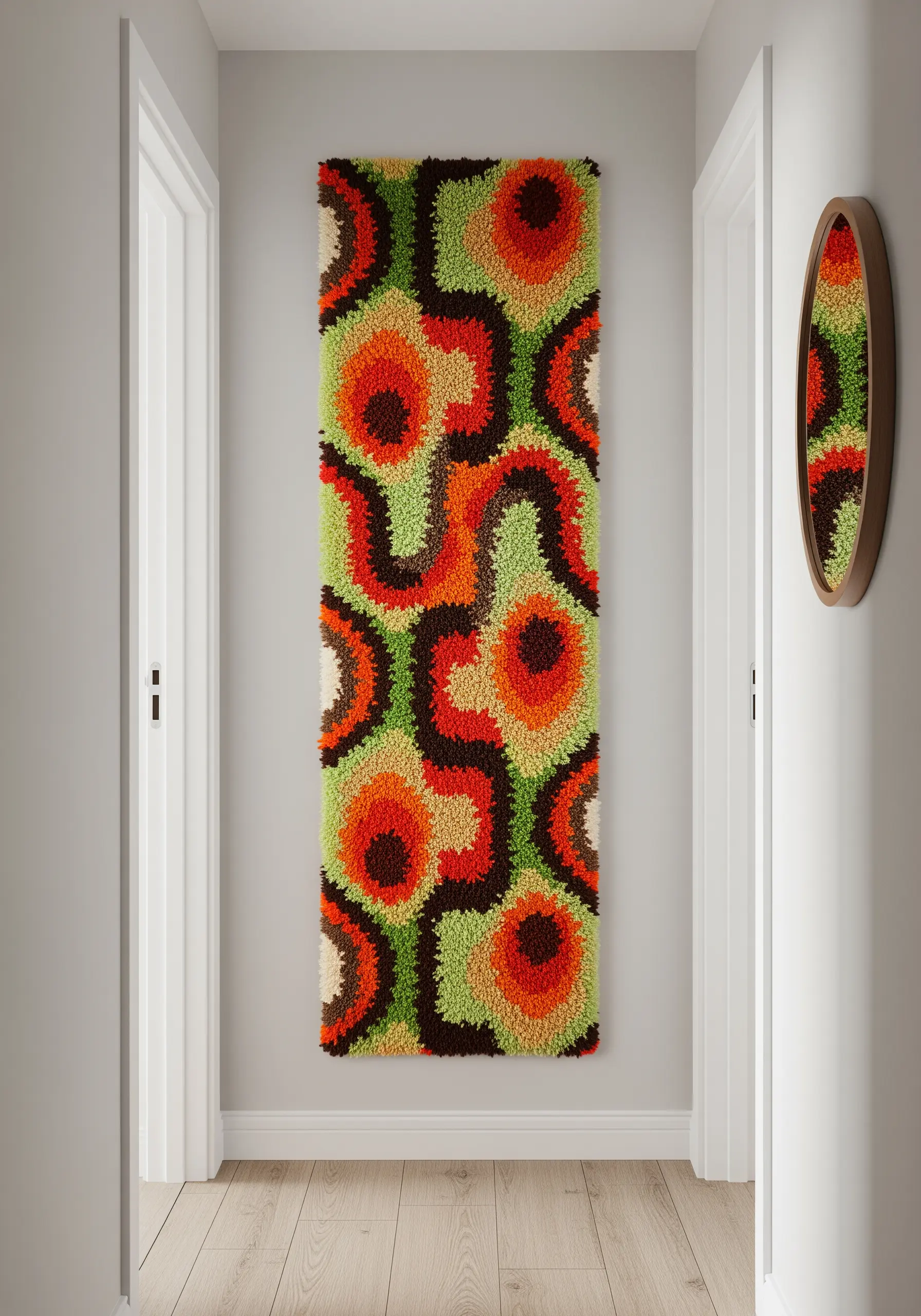
Use the plush, pixelated texture of latch hooking to create bold, graphic wall art.
This technique is perfect for rendering abstract shapes with a retro feel, especially when you use a high-contrast palette of just three or four colors.
To ensure your lines are crisp and defined, complete one entire color section before moving on to the next one beside it.
The result is a deeply satisfying, velvety tapestry that makes a statement in a hallway or entryway.
13. Explore Form with Sculptural Quilting
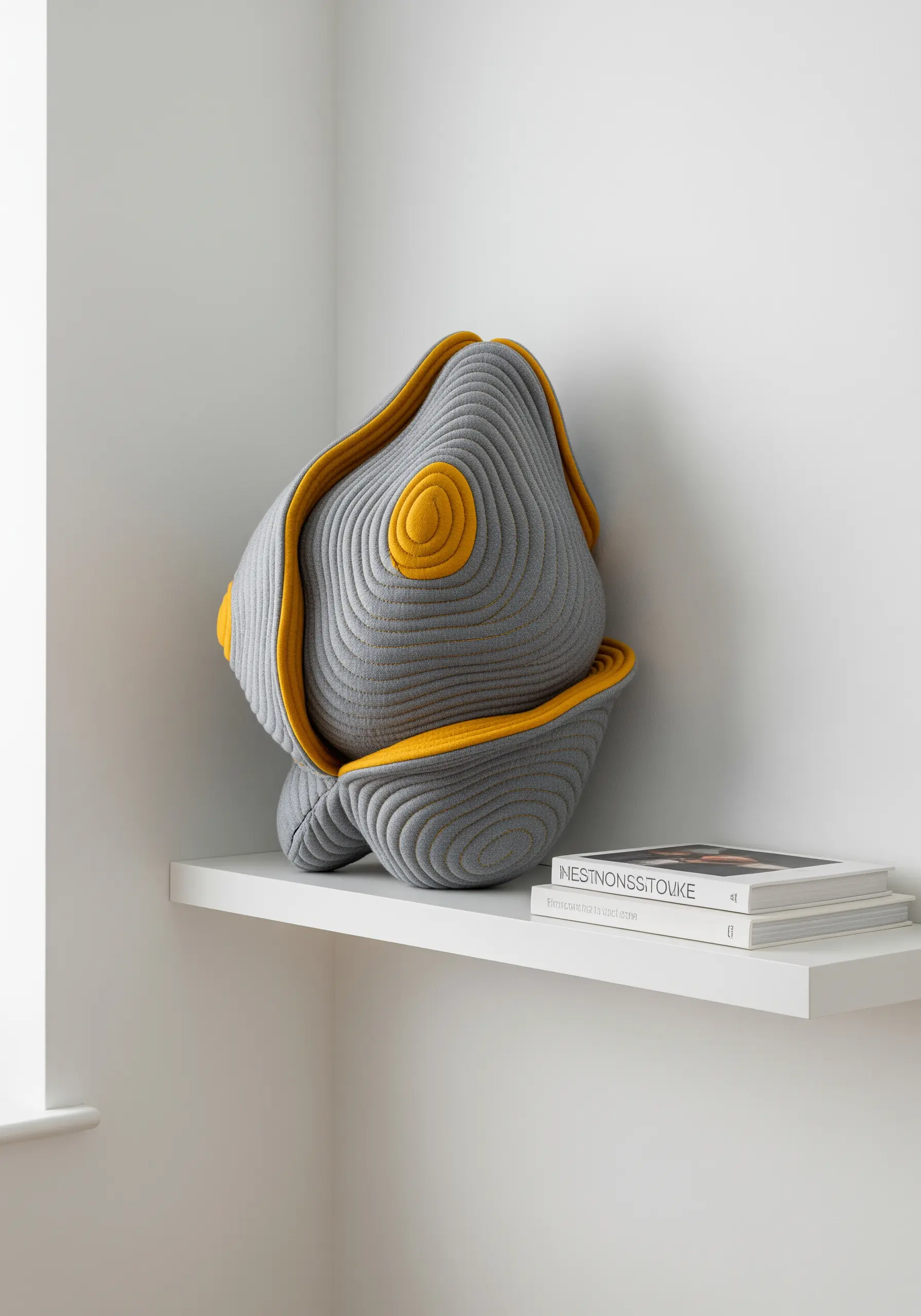
Push beyond flat textiles by using dense stitching to create self-supporting shapes.
This technique involves quilting layers of fabric and batting with tight, concentric lines, which makes the material stiff enough to hold a curve.
By stitching and then trimming your pieces, you can construct complex, three-dimensional forms.
It’s one of the most unexpected fiber art installations that mix embroidery and sculpture, turning soft materials into solid objects.
14. Create Geometric Art with Yarn-Wrapped Dowels
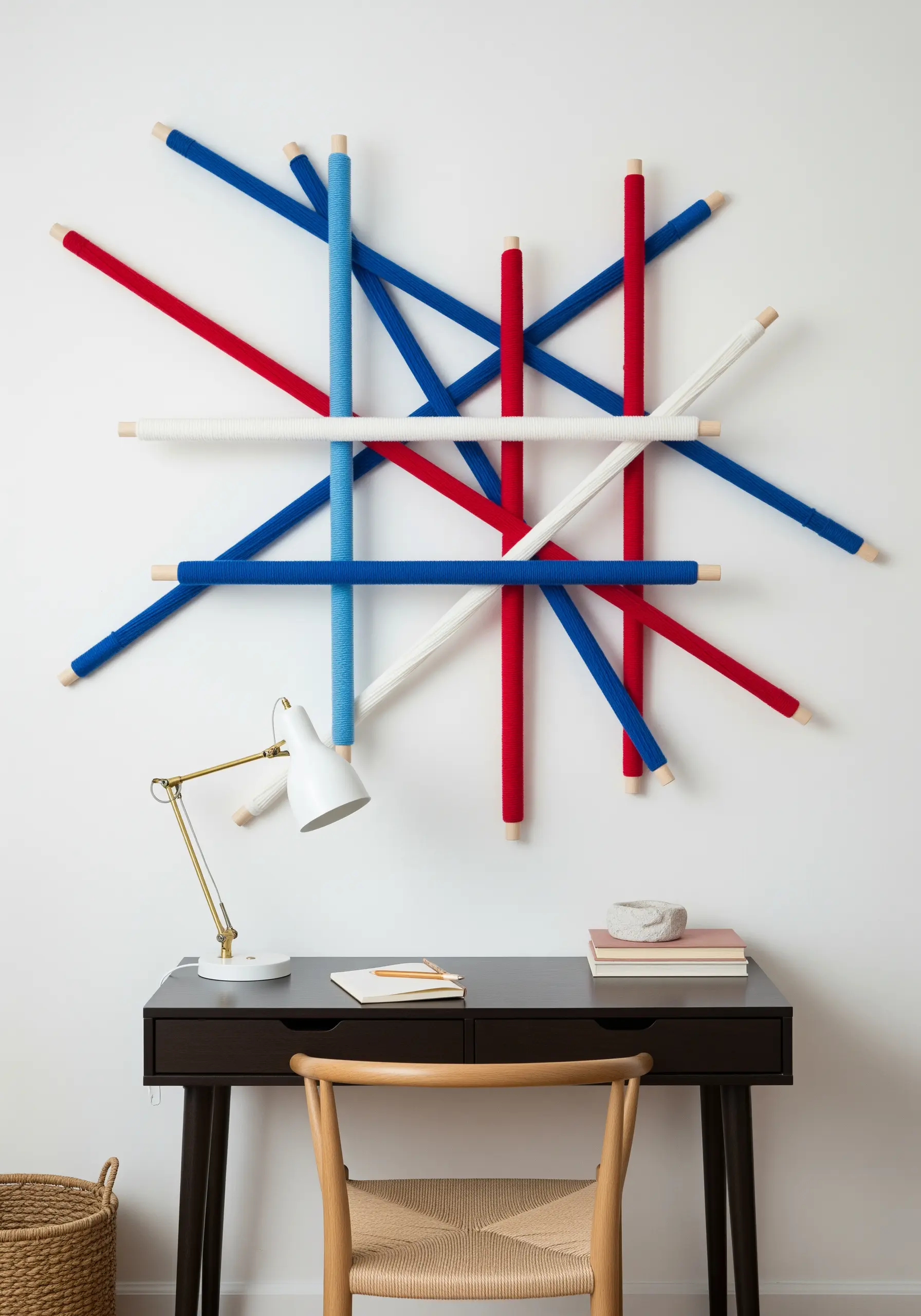
This is a minimalist approach to fiber art that delivers maximum impact with minimal effort.
The process is meditative: simply wrap wooden dowels tightly and evenly with yarn, securing the ends with a dab of fabric glue.
The true artistry lies in the composition.
Arrange your finished dowels in an overlapping, abstract configuration on the wall, letting the simple lines and blocks of color create a dynamic, modern installation.
15. Weave Meditative Mandalas with Ojos de Dios
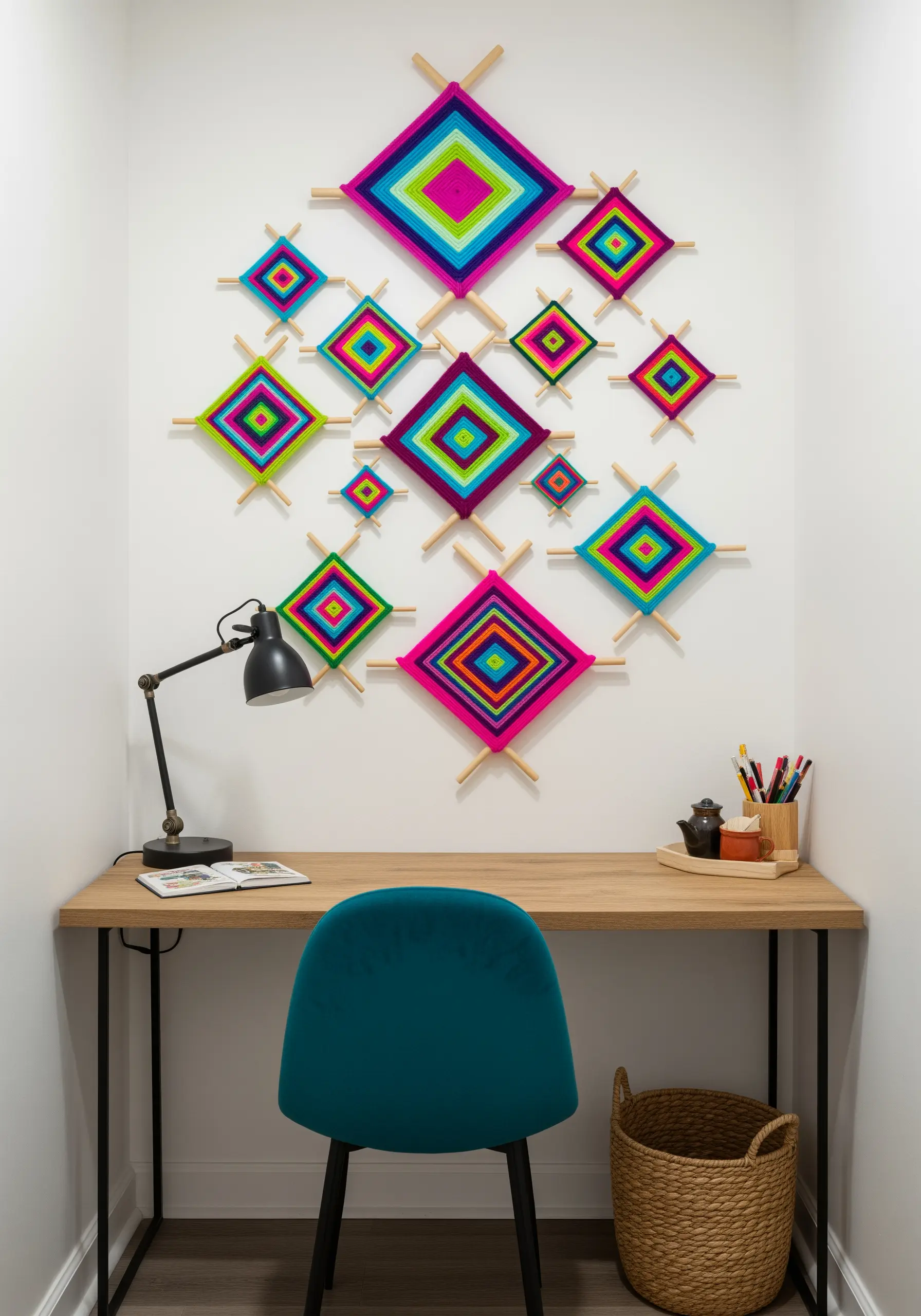
The traditional craft of Ojo de Dios (God’s Eye) is a beautiful way to create intricate patterns through simple yarn wrapping.
Built on a cross of wooden dowels, the design emerges as you switch colors and maintain an even tension.
Don’t just make one; create a whole collection in varying sizes and complementary color palettes.
Grouping them together on a blank wall transforms a simple craft into a joyful and energetic art installation.
16. Construct a Soft Doorway with a Tassel Curtain
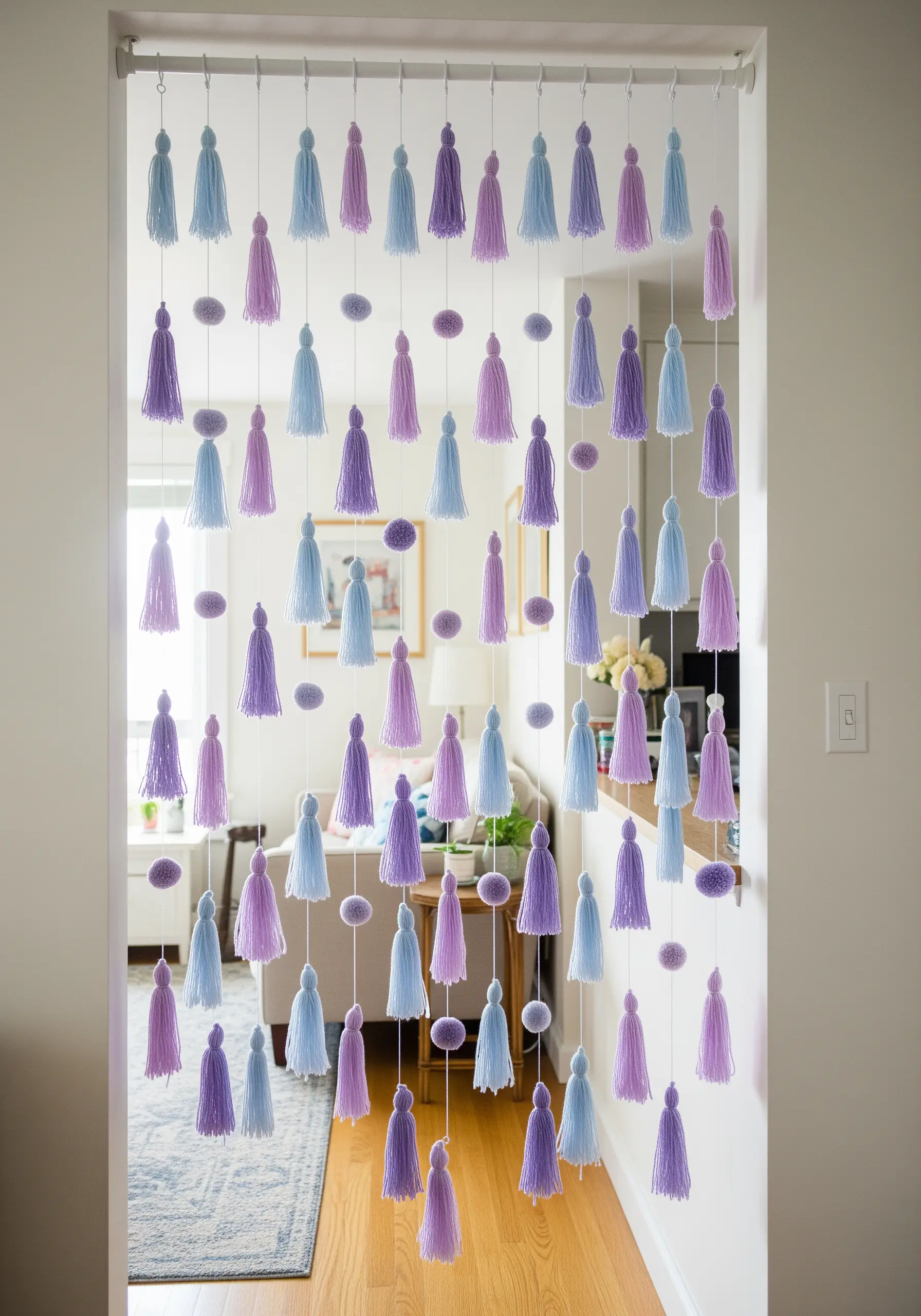
Soften a doorway or divide a room without installing a door.
A hanging tassel curtain creates a sense of separation while allowing light and air to pass through, which is ideal for small apartments.
For a refined look, use a limited color palette and add felted wool balls between tassels to create visual rhythm.
Hang each strand from a simple tension rod—it’s a damage-free solution that you can install or remove in minutes.
17. Build a Freestanding Textured Fiber Totem
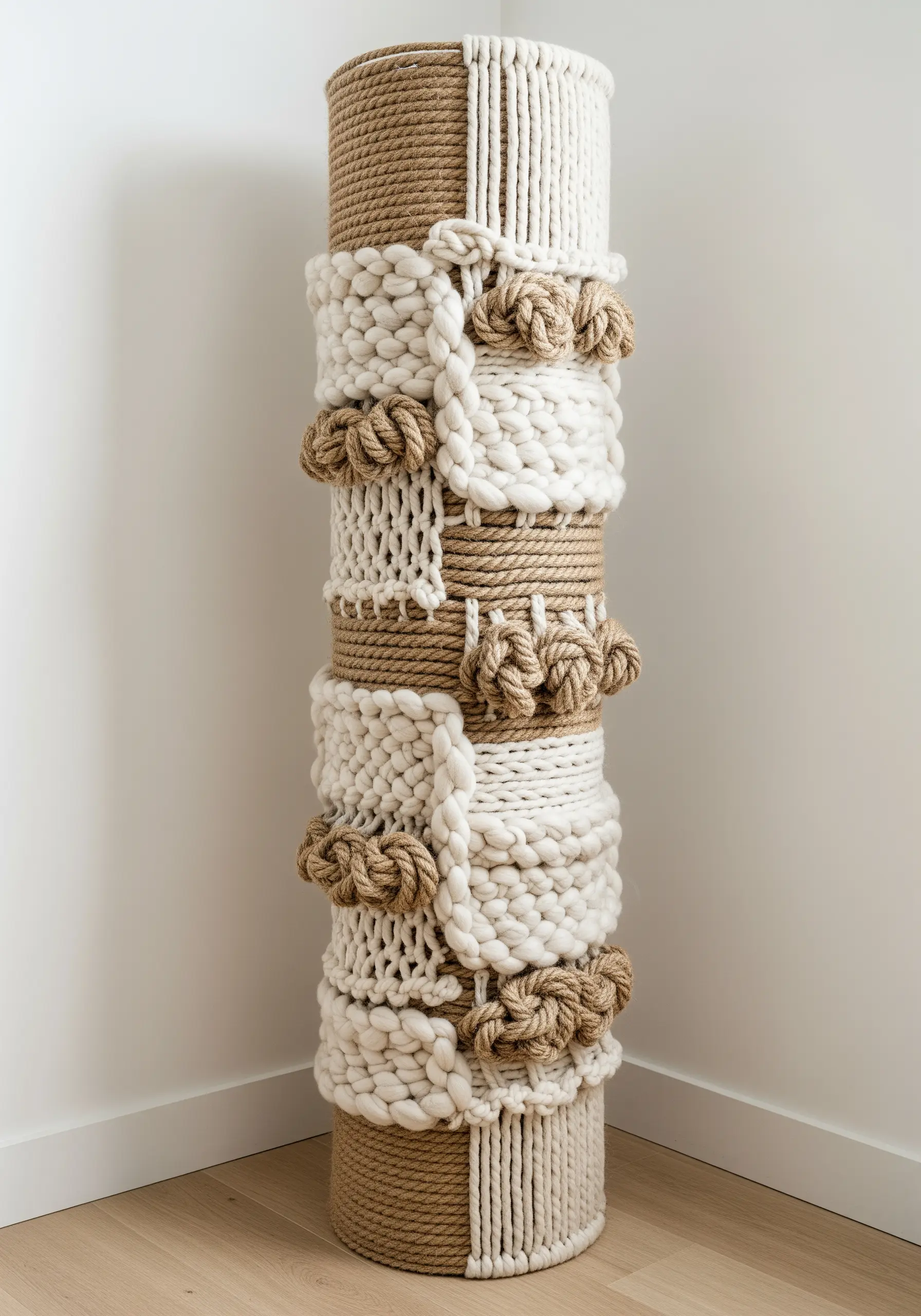
Take your fiber art off the wall with a freestanding sculptural column.
Start with a sturdy cardboard tube (found at hardware stores) as your base.
Create a visually compelling piece by wrapping it in distinct sections of contrasting textures: bands of smooth jute rope, followed by sections of chunky woven wool, and detailed with complex macrame knots.
This turns it into one of those stunning mixed-fiber projects that turn ordinary threads into art you can walk around.
18. Frame a View with a Large-Scale Lace Mandala
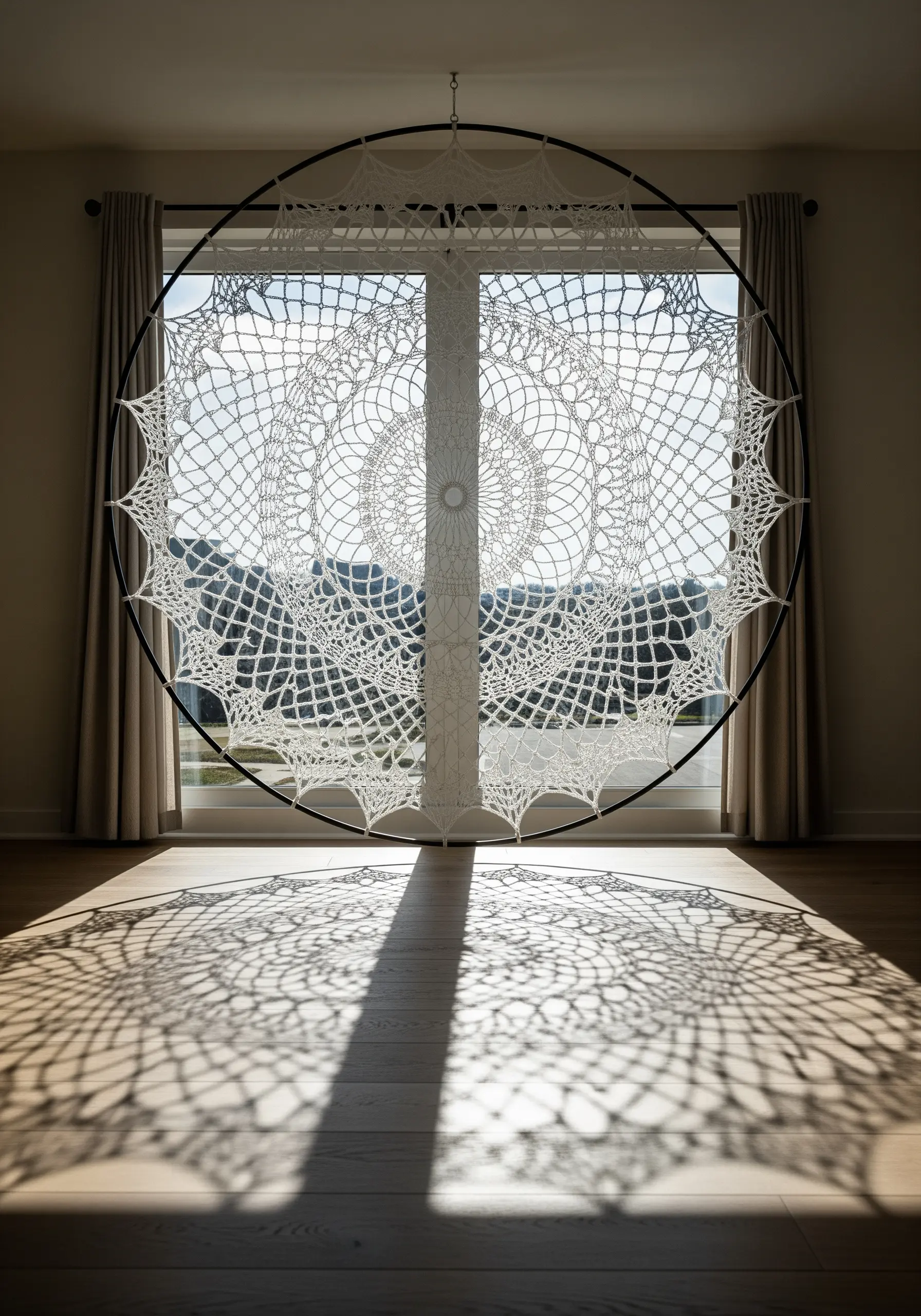
Amplify the delicate beauty of crochet by working on an architectural scale.
Use a large metal hoop as your frame and a thick cotton rope as your ‘thread’ to create a giant doily or mandala.
When you place this piece in front of a window, it becomes a dynamic light filter, casting intricate, shifting shadows into the room throughout the day.
This technique transforms a window into an active part of your home’s decor.