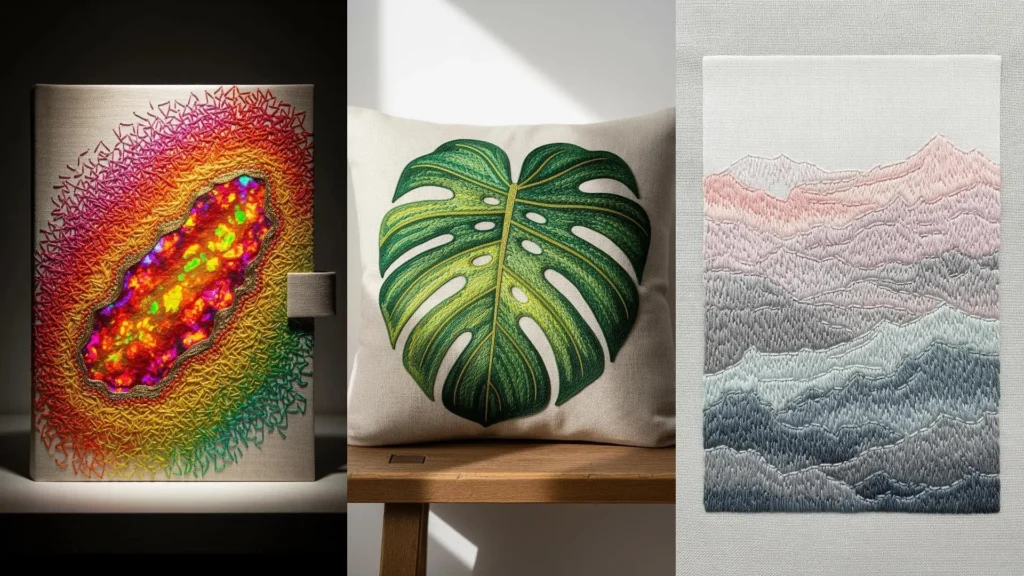
Your travel memories deserve more than a pin on a board. They hold textures, colors, and emotions that can be translated into something truly personal—a map stitched by you, for you.
Think of thread not just as a tool, but as a way to trace a journey, to fill a landscape with color, or to mark a beloved city with a tangible, shining point. This isn’t about creating a perfect replica; it’s about capturing the feeling of a place.
Here, we’ll explore how simple string art techniques, thoughtful color choices, and unique textures can transform a map into a piece of meaningful wall art. You already have the stories. Now, let’s give them a form they deserve.
1. Achieve Scale with a Taut Canvas Base
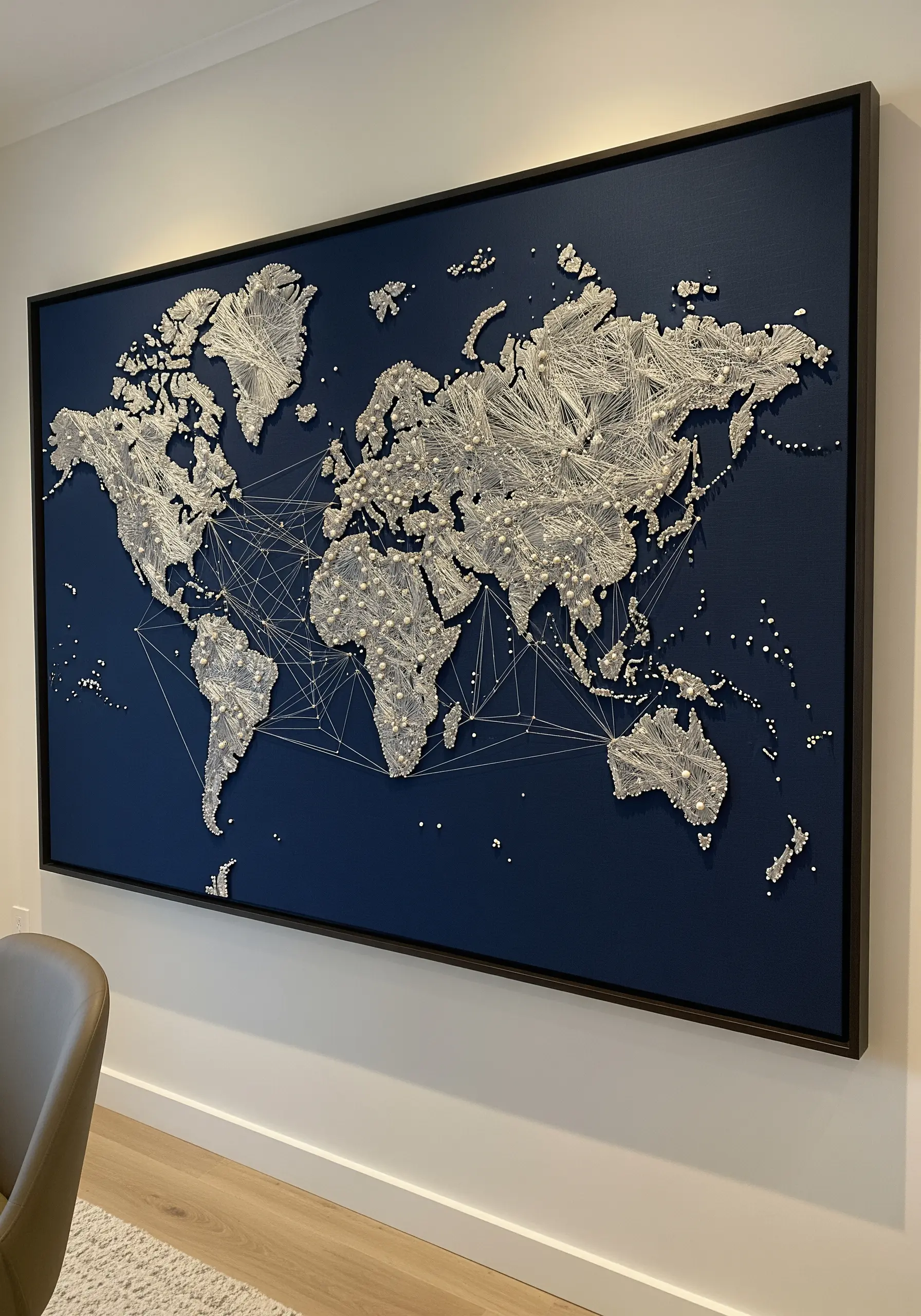
For a large-scale map, swap fabric for a pre-stretched canvas or sturdy board wrapped in linen.
This provides the necessary tension to support hundreds of pins and intricate thread paths without sagging.
Use metallic or high-sheen silver thread to catch the light, creating a dynamic texture that shifts as you move around the room.
The density of the thread wrapping, not the complexity of stitches, builds the visual weight of the continents, making this perfect for creating statement walls.
2. Use Variegated Thread for Effortless Color Blending
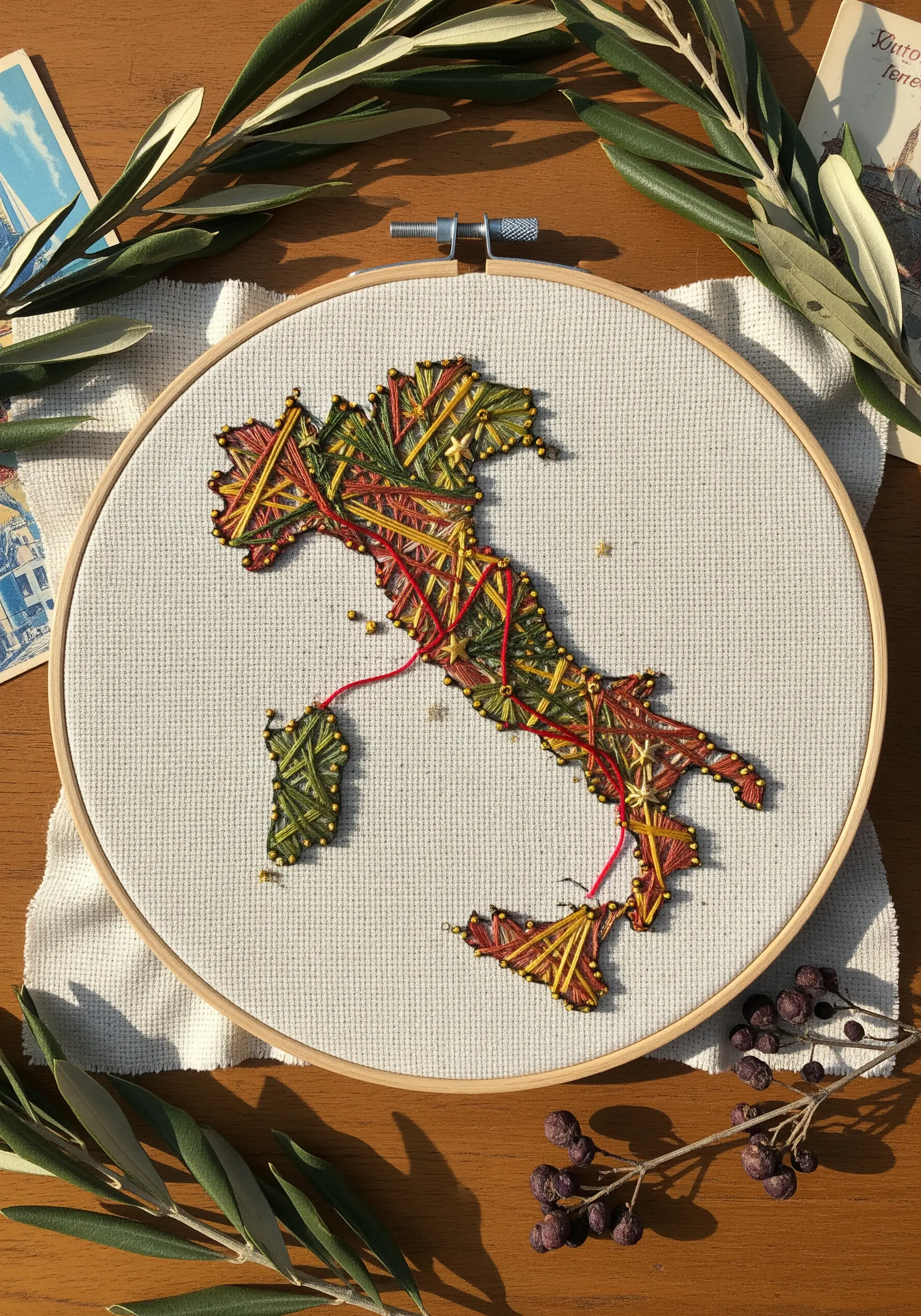
Create rich, painterly color shifts within a country’s borders by using a single spool of variegated thread.
Allow the thread’s natural color changes to dictate the flow, wrapping it around pins to build up layers of green, gold, and red.
This technique mimics the varied landscapes of a region without requiring constant thread changes.
Anchor your travel path with a bold, contrasting color, like the red line here, to ensure it stands out as the primary story.
3. Combine Appliqué and Couching for Textural Contrast
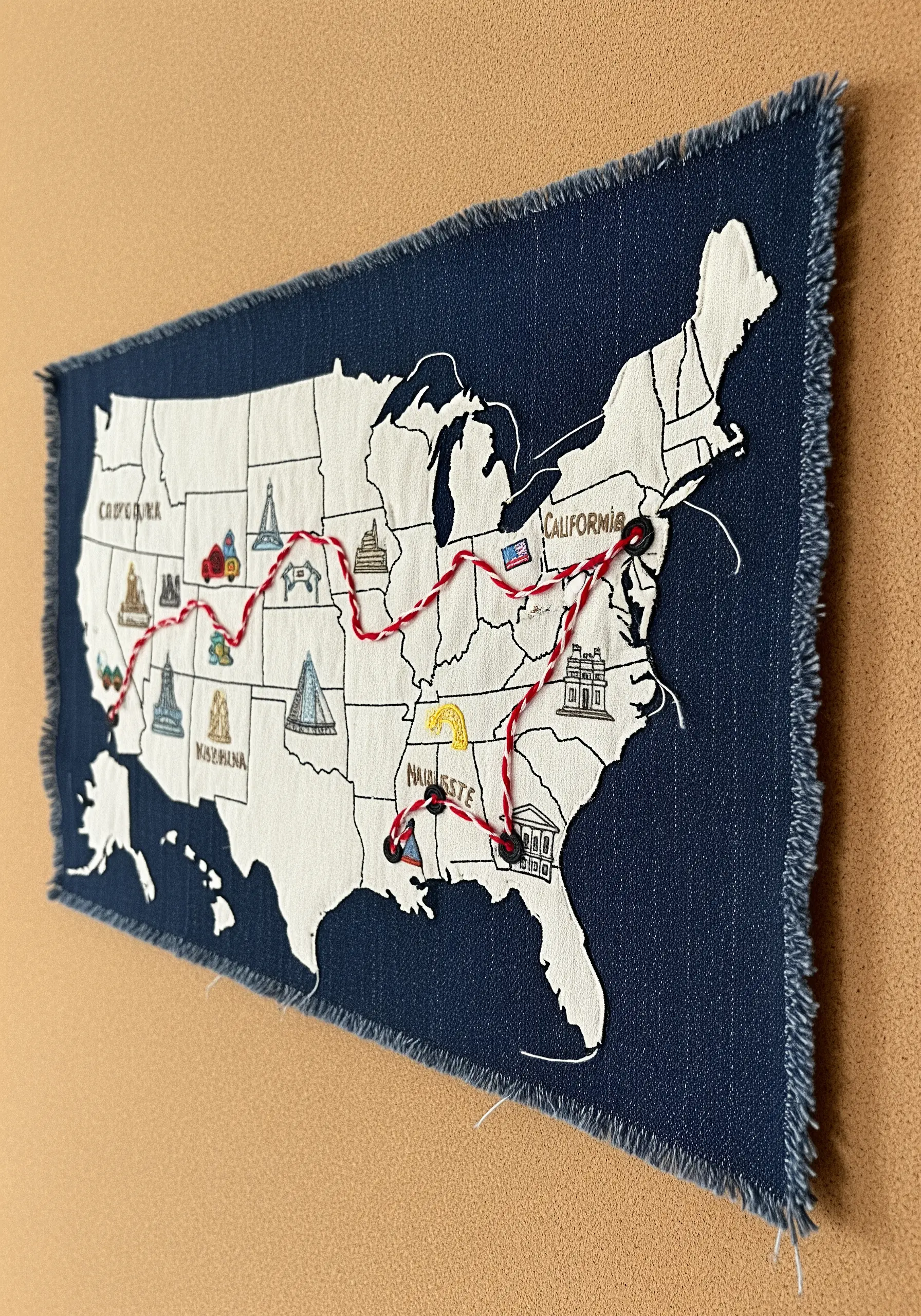
Instead of stitching the entire map, start with a fabric appliqué of the country outline.
Machine-stitch or hand-apply the map shape onto a contrasting base, like this white map on frayed denim, for a bold foundation.
Then, couch a thick, twisted cord or yarn to mark your journey—this technique involves laying the yarn on the surface and securing it with small, perpendicular stitches, creating a raised, tactile line that commands attention.
4. Illuminate Your Design with Metallic Thread on Black Fabric
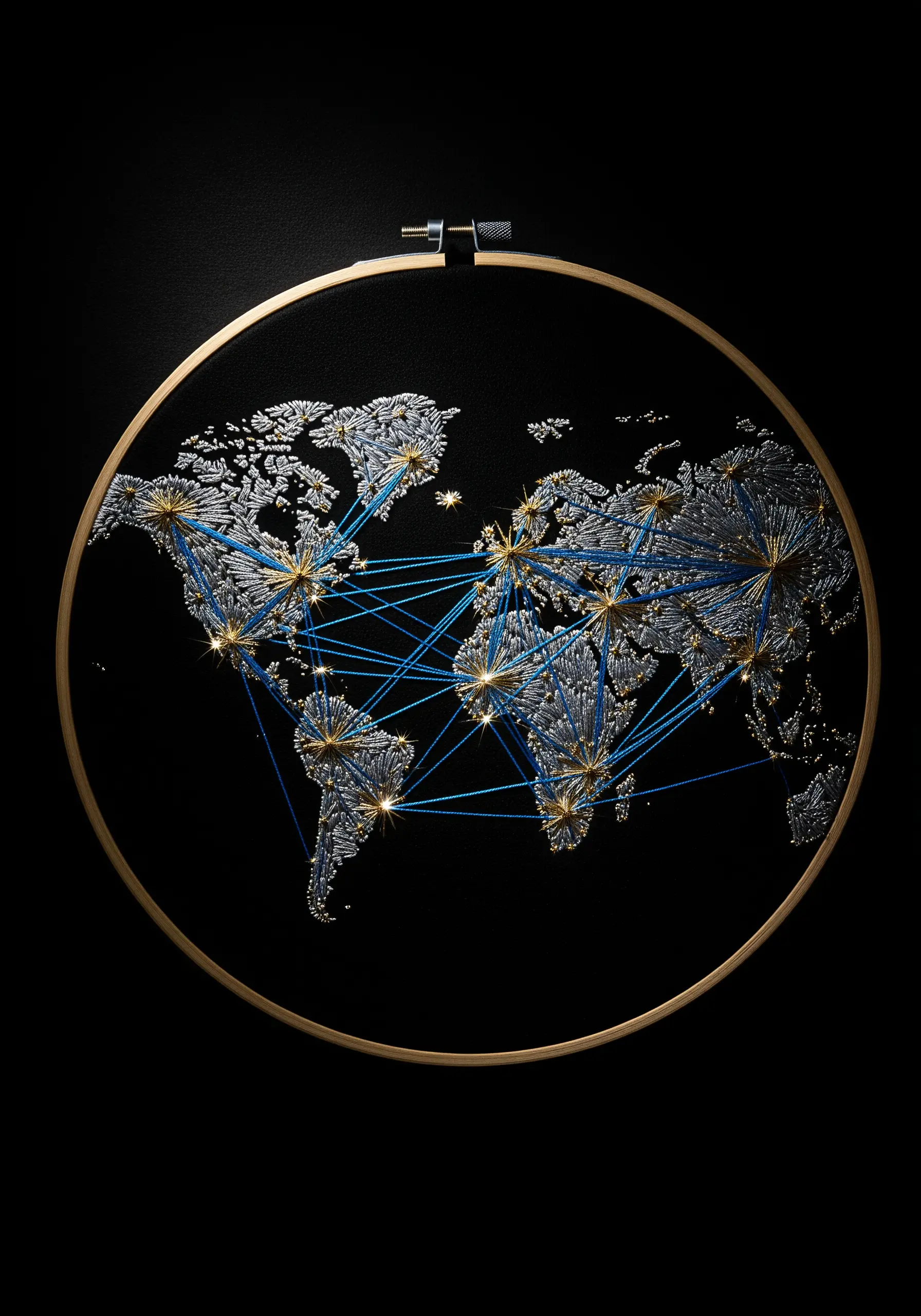
Create a sense of celestial navigation by stitching your map on a stark black fabric.
Use a high-quality metallic thread that won’t shred—brands like Kreinik or DMC Light Effects are excellent choices.
Amplify the ‘glow’ at key locations by adding tiny, faceted beads or sequins that catch the light, turning your travel points into sparkling stars.
This high-contrast approach turns a simple map into dramatic, stunning framed embroidery.
5. Embrace Negative Space for Minimalist Elegance

Suggest a location’s identity rather than rendering it in full detail.
Use a simple backstitch for the country’s outline and a geometric fill that lets the background fabric show through.
This technique relies on the power of negative space to create a clean, modern aesthetic.
Add a single, iconic landmark stitched in a contrasting color—like the white thread for Mount Fuji—to anchor the entire piece, turning it into gallery-style hoop art.
6. Define Borders with Precise Beadwork
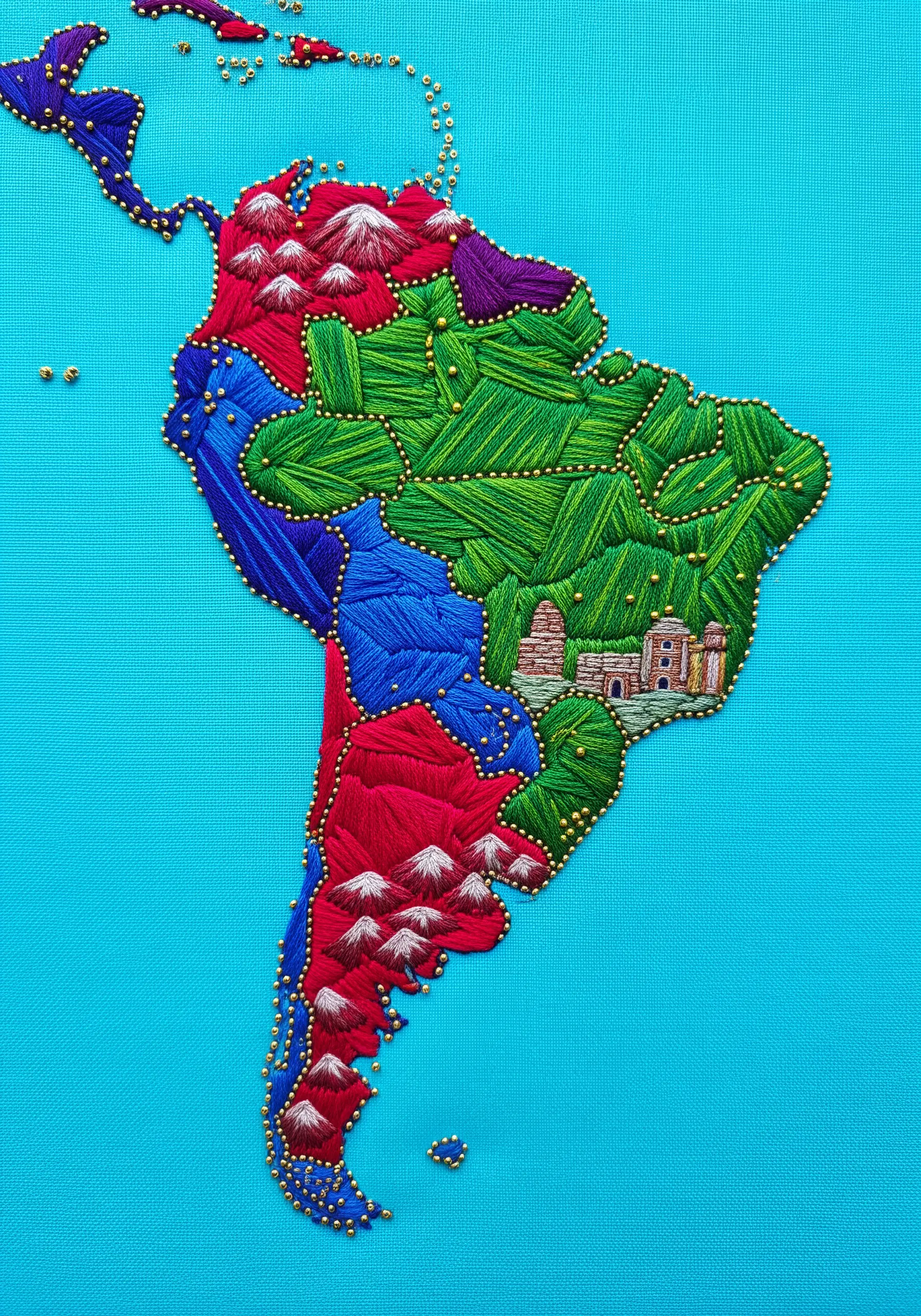
Elevate your embroidered map by outlining the continents or countries with a crisp line of seed beads.
Stitch the beads on *after* you’ve completed your fill stitches to create a clean, defined border.
Inside each region, use directional satin stitch to create texture and the illusion of topography—notice how the stitch direction changes between countries, adding subtle movement.
A piece like this becomes one of the most thoughtful birthday gifts for a travel lover.
7. Develop a Cohesive Color Story for a Diptych
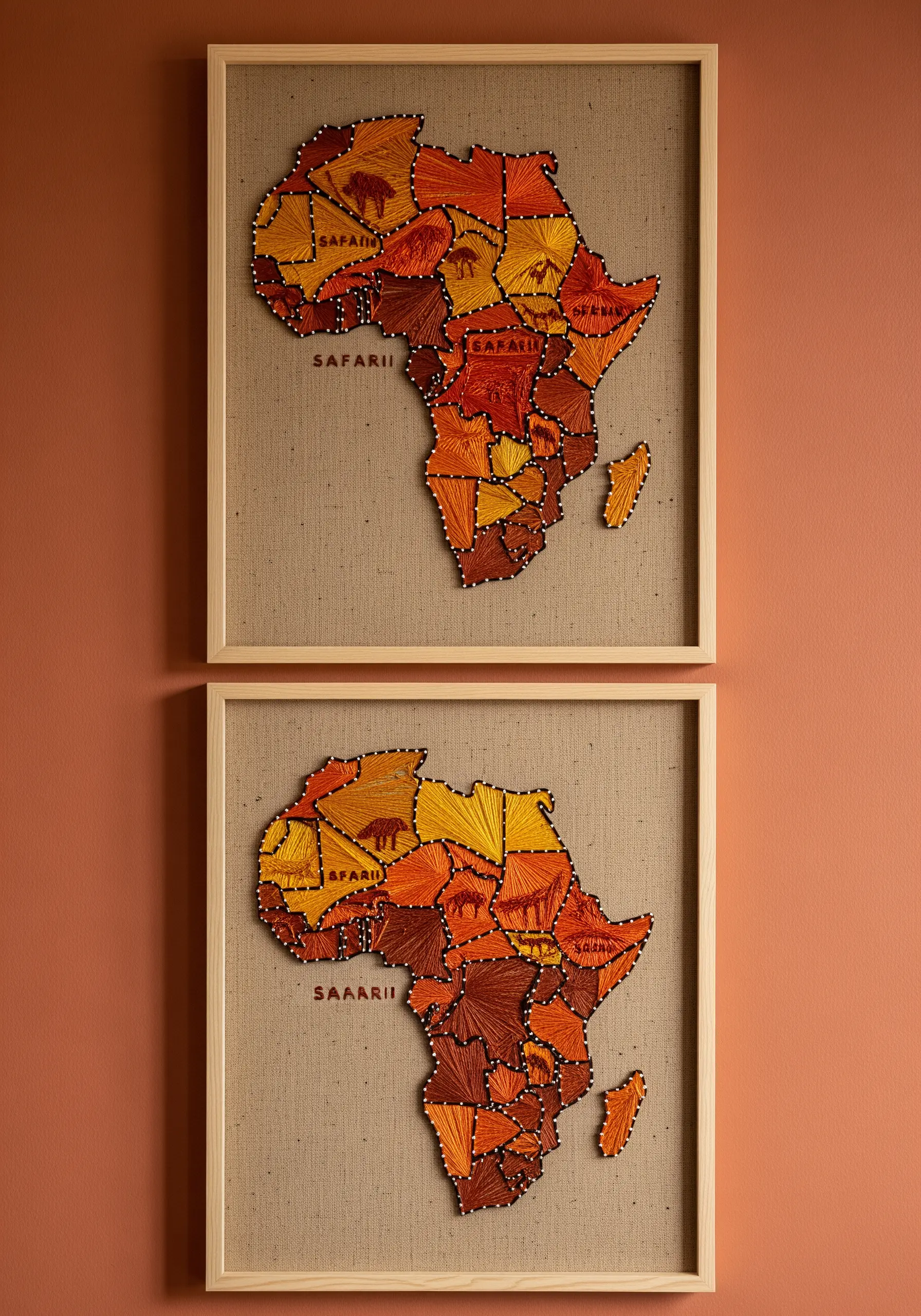
When creating a set of maps, unify them with a consistent color palette inspired by the location.
Here, a warm, earthy spectrum of rust, ochre, and brown evokes the African savanna.
First, outline each section with a dark backstitch to create clear boundaries. Then, fill with string art techniques, ensuring the dark outlines remain visible for definition.
This method turns simple maps into sophisticated, DIY framed embroidery art projects.
8. Use Thread Weight to Create Visual Hierarchy
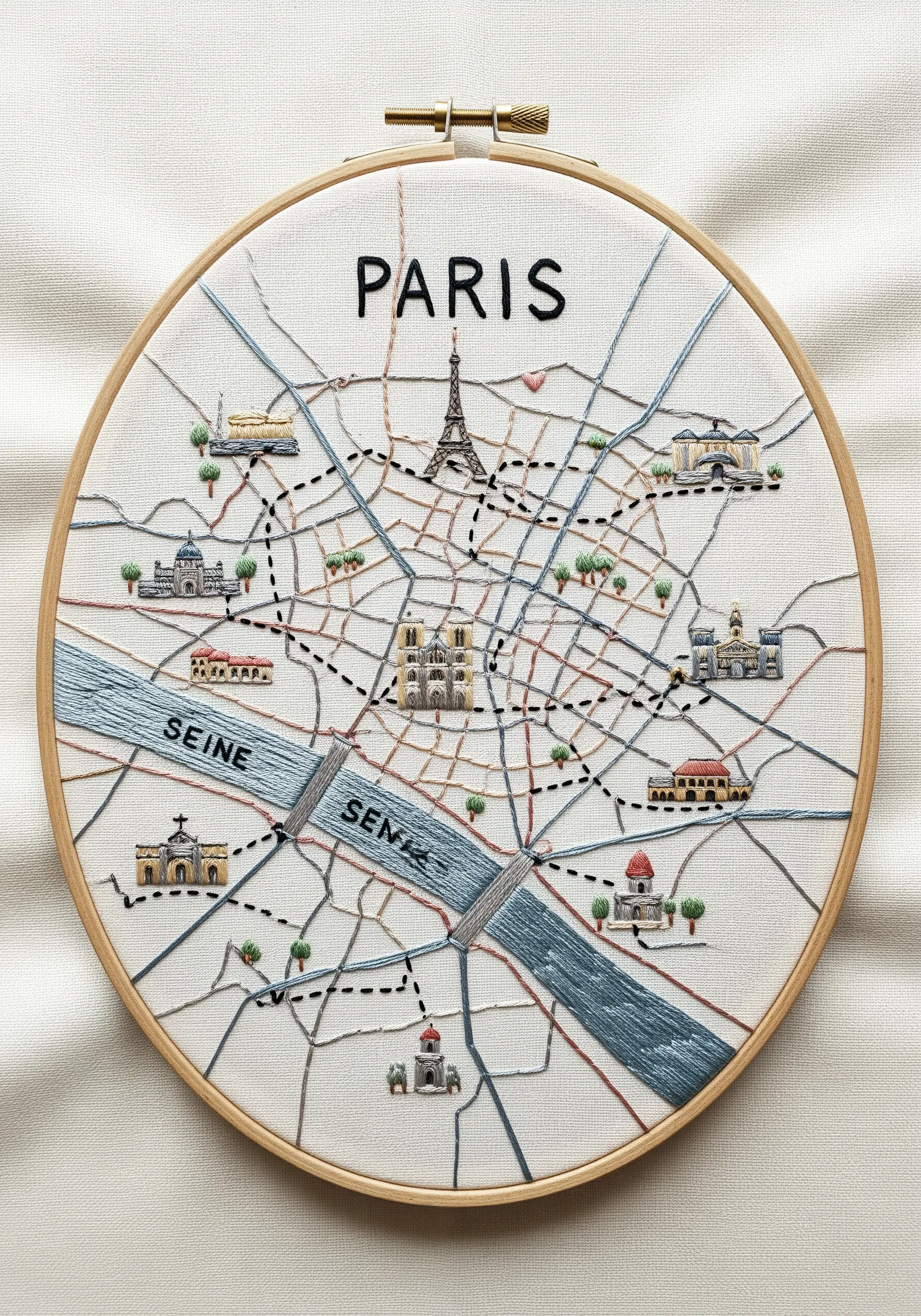
When stitching a detailed city map, vary your thread weight to distinguish different elements.
Use a thicker floss (like all six strands of DMC) or pearl cotton for major features like the River Seine to make them stand out.
For smaller streets and pathways, switch to a finer thread (two or three strands). This subtle shift creates depth and makes the map easier to read.
This technique is essential for creating embroidered city skyline wall decor with clarity and precision.
9. Mimic Circuitry with Metallic Thread and Precision
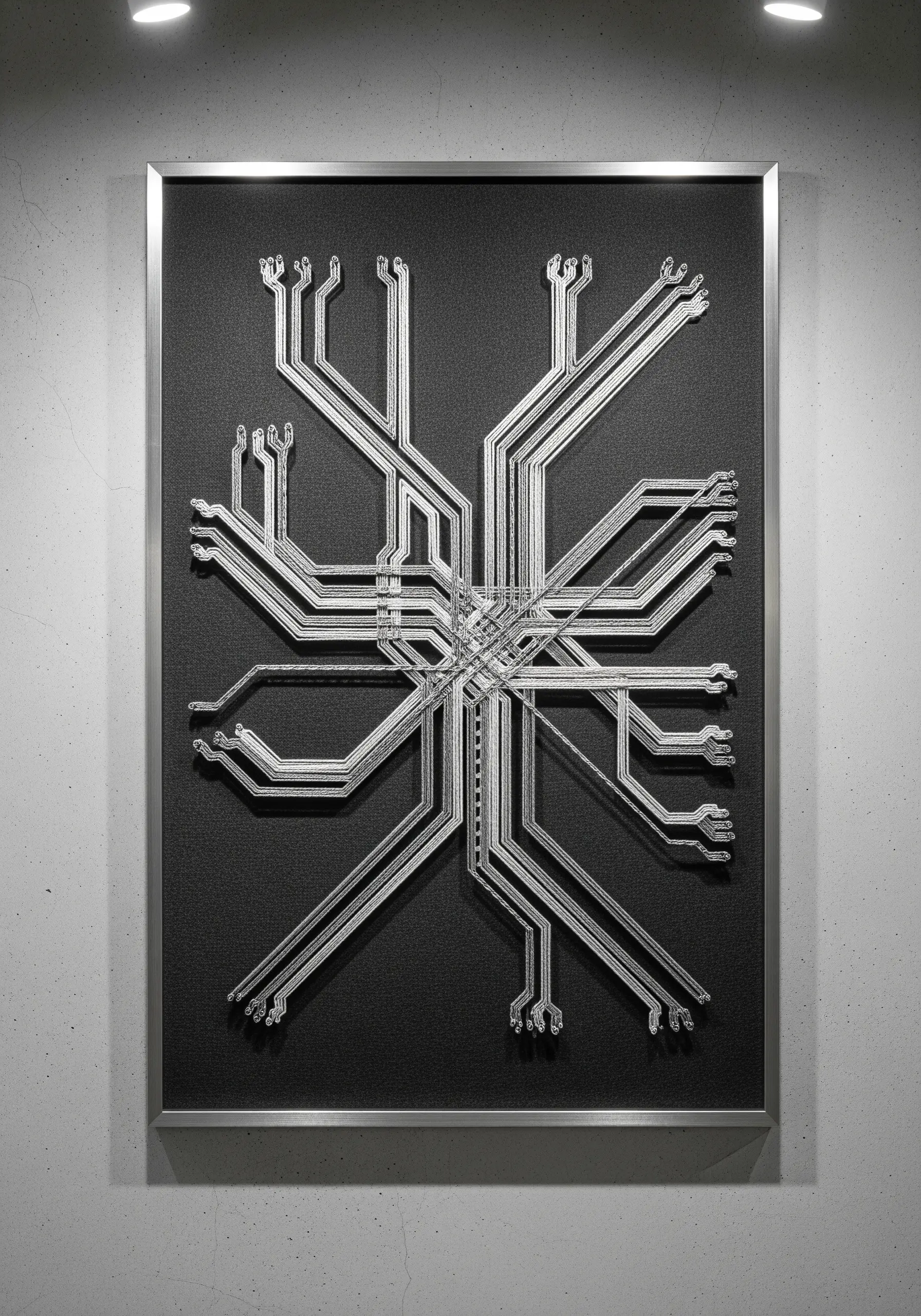
For a modern, abstract take on a map, create a design inspired by subway systems or circuit boards.
Work on a rigid, dark-colored board to ensure your lines are perfectly straight and taut.
Use a bright silver metallic thread and wrap it methodically to create clean, geometric pathways. The key is perfect tension and evenly spaced anchor points to achieve that sharp, architectural look.
These architectural string art designs feel both technical and artistic.
10. Create a Radiant Focal Point with Sunburst Stitching
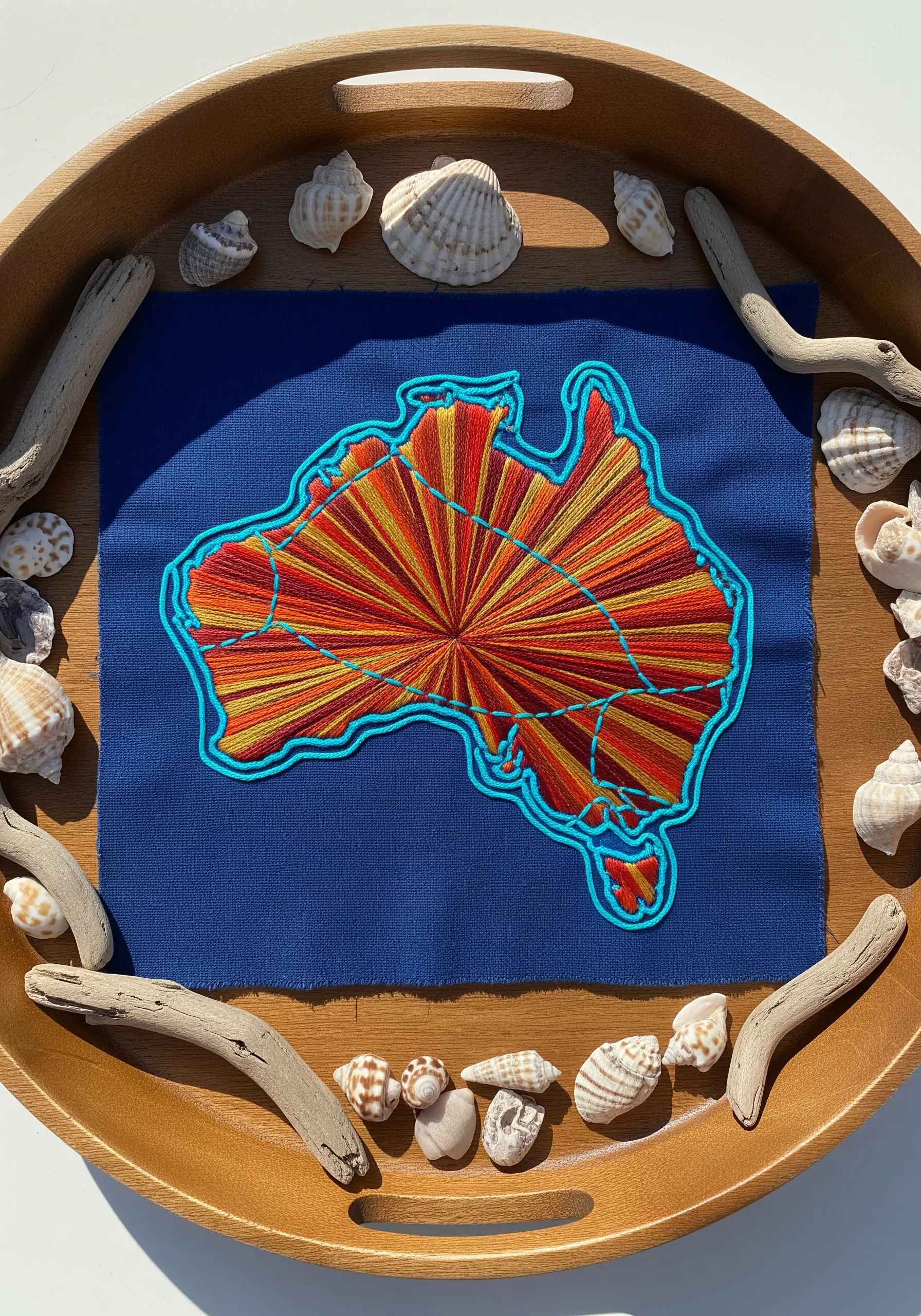
Instead of a random fill, create a dynamic sunburst effect by choosing a central point on your map and radiating all your stitches from it.
This technique draws the eye inward and creates a powerful sense of energy.
Use a variegated thread in warm tones to enhance the sun-like feel. Finish with a bold, couched outline in a contrasting color, like this bright turquoise, to contain the energy and define the shape.
11. Design an Interactive Map with Pins and Thread
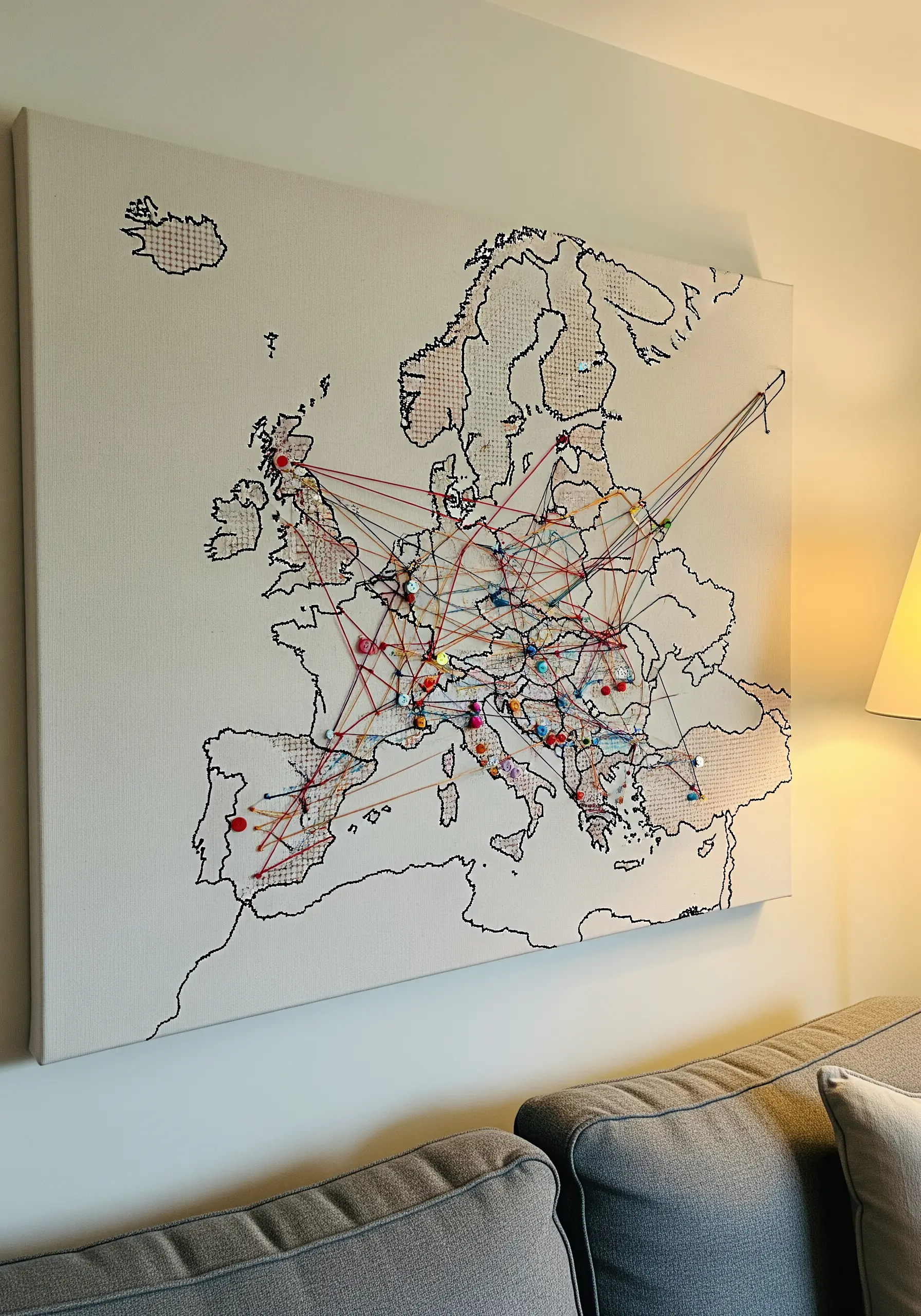
Transform a printed map on canvas into a living document of your travels.
Use decorative push pins or map tacks to mark cities you’ve visited.
Instead of stitching directly into the canvas, simply wrap your thread around the pins to connect locations, chart routes, and visualize your journeys.
This allows you to easily add new trips over time, creating a constantly evolving piece of personal art.
12. Frame Your World Map Within a Symbolic Shape
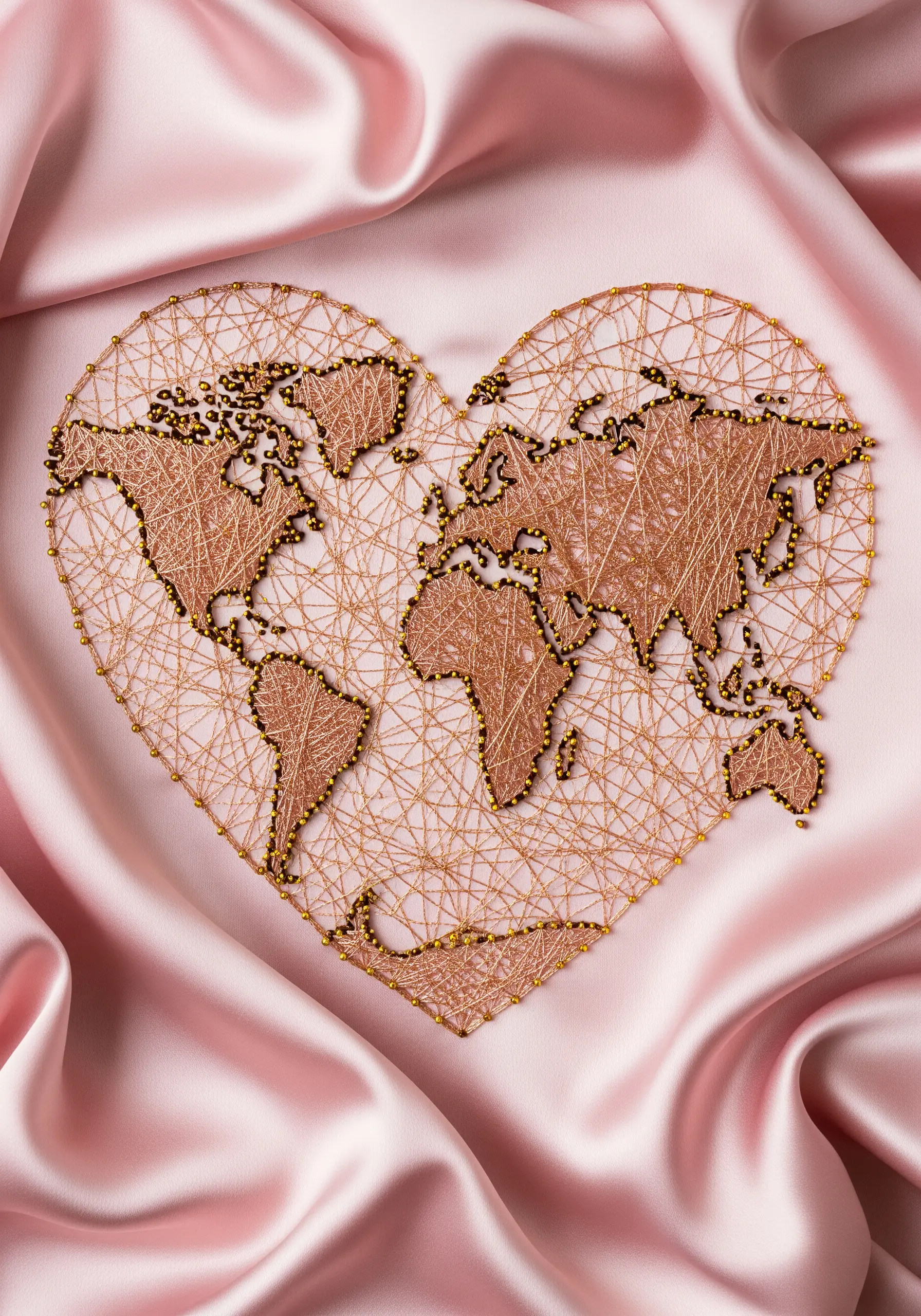
Add another layer of meaning to your travel map by containing it within a larger, symbolic shape like a heart.
Use pins with elegant heads, such as these gold or pearl-topped ones, to serve as both anchors and decorative elements.
Stitching on a luxurious fabric like satin adds a soft, romantic feel that contrasts beautifully with the sharp lines of the thread, making it a perfect piece for personalized embroidery ideas.
13. Recreate a Vintage Look with a Limited Palette
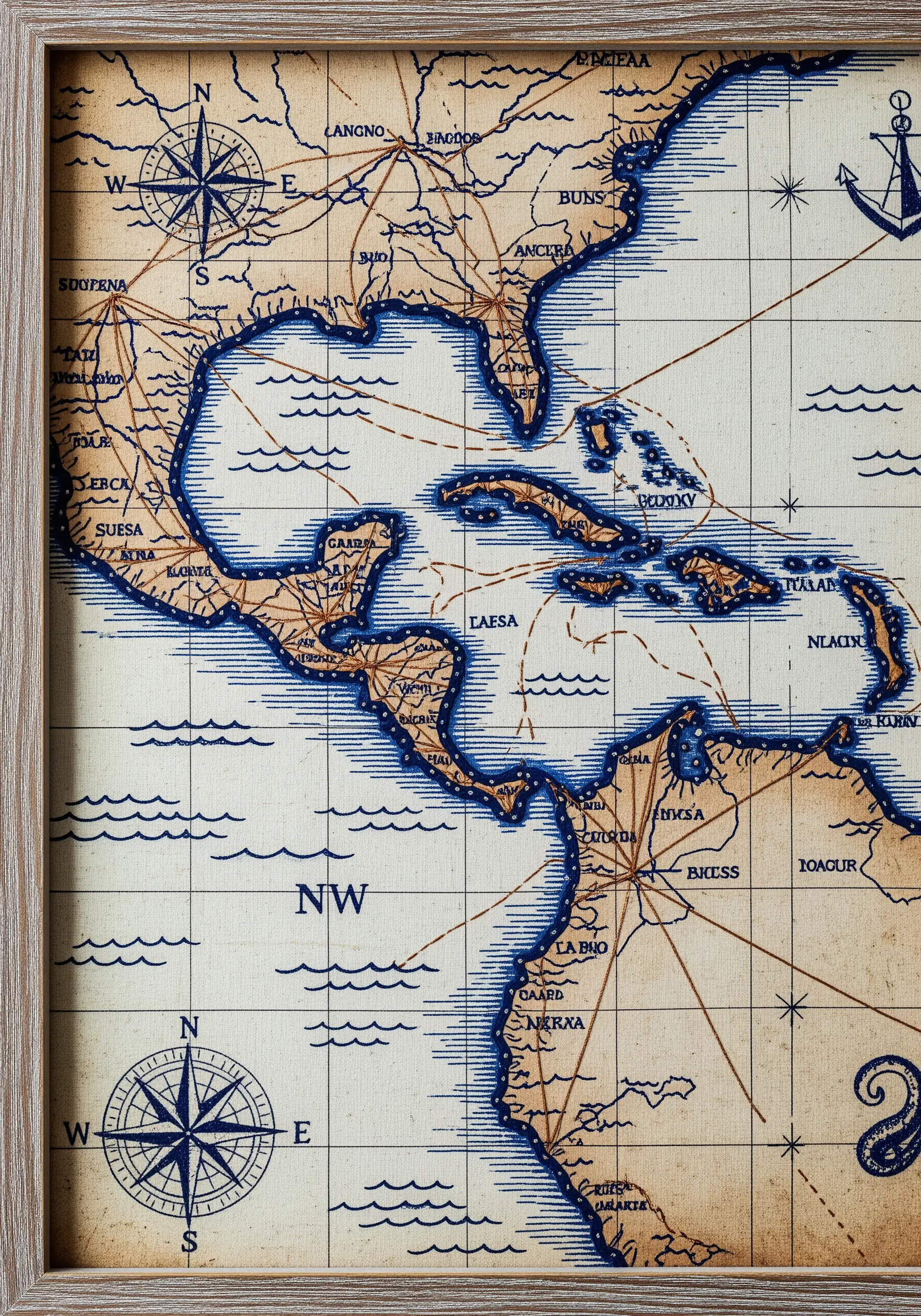
To achieve an antique map aesthetic, start with a tea-stained or ecru-colored linen fabric.
Limit your palette to just two or three colors: a dark navy or indigo for water, a sepia brown for land routes, and a black for fine details and outlines.
Use a fine, single-strand backstitch to mimic the delicate lines of old cartography engravings. The disciplined color choice is what sells the vintage illusion.
14. Build Topographical Texture with French Knots
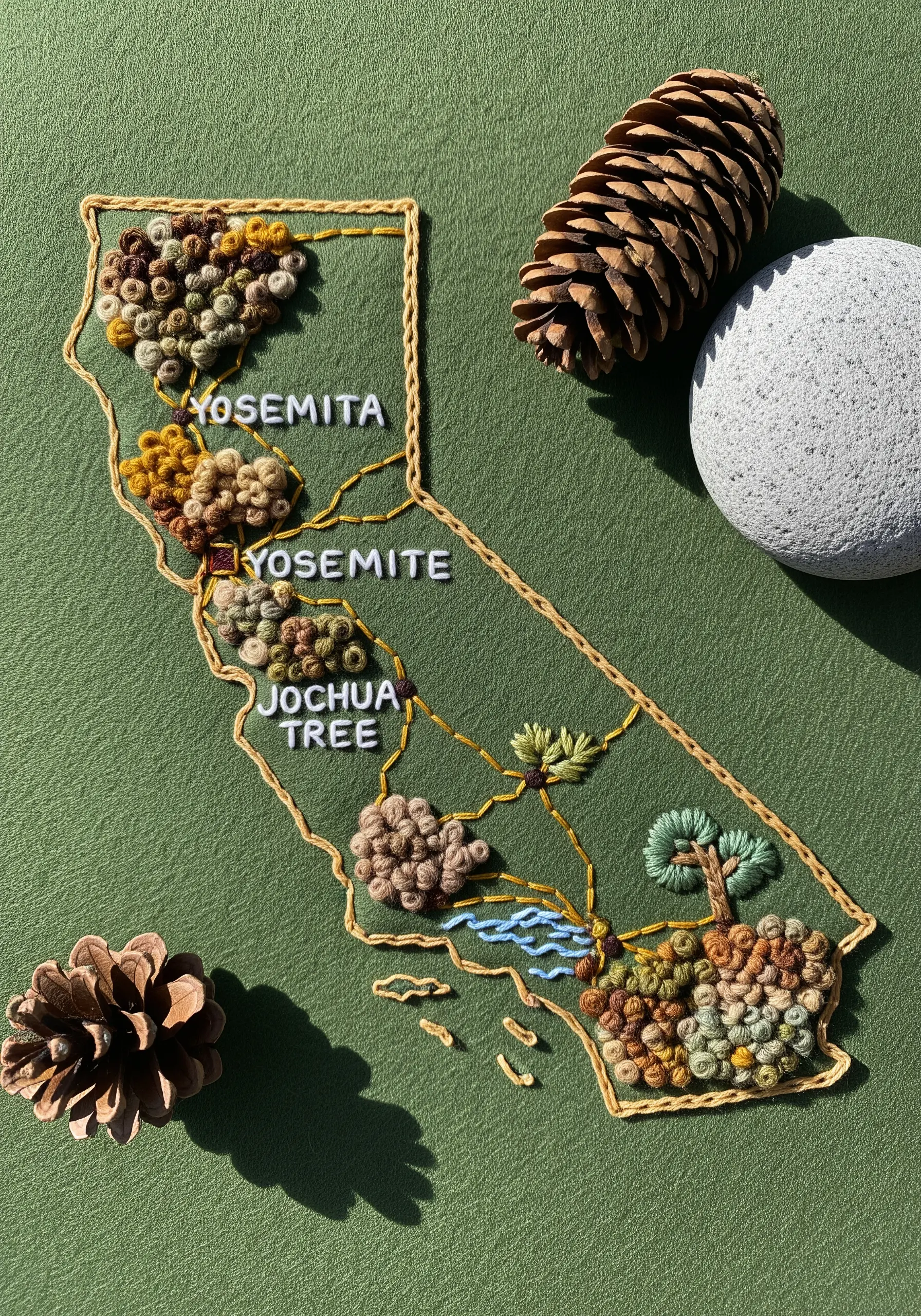
Represent different landscapes by filling areas with dense clusters of French knots.
Use variegated floss or blend several shades of green and brown to create the rich, varied texture of forests and mountains. For water, switch to smooth, flat satin stitches to create a calm contrast.
This is one of the best natural texture embroidery patterns because it’s so deeply tactile and visually rich.
15. Finish Your Map as a Tasseled Wall Banner
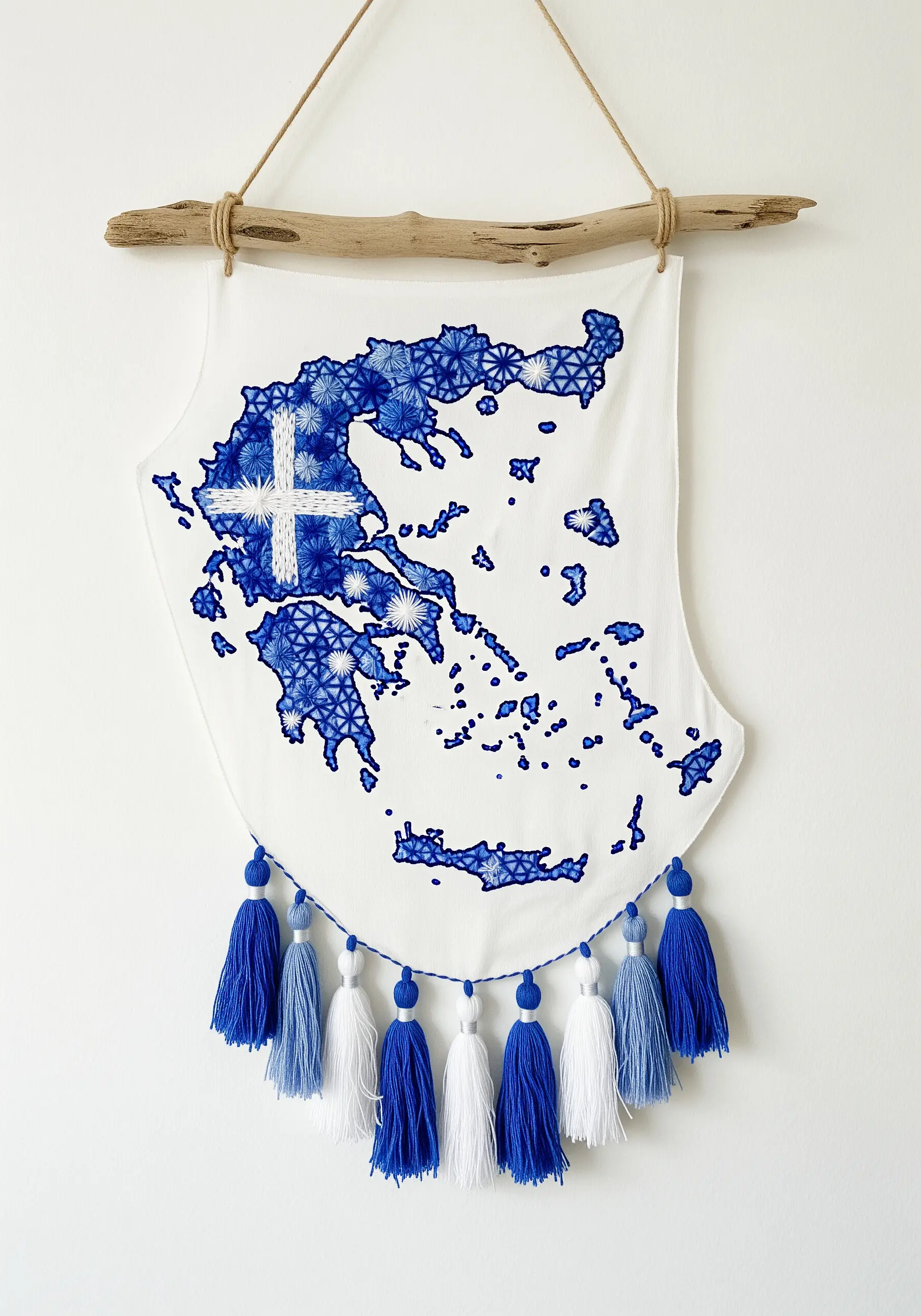
Think beyond the hoop and transform your embroidered map into a unique wall banner.
Fill the map’s interior with repeating geometric patterns, like the star motifs here, instead of a solid fill. This adds intricate detail without overwhelming the design.
Mount the finished fabric on a piece of driftwood and add handmade tassels in coordinating colors for a bohemian, handcrafted finish. This turns your work into one of those fiber art installations that feels both personal and polished.
16. Tell a Story with a Single, Contrasting Path
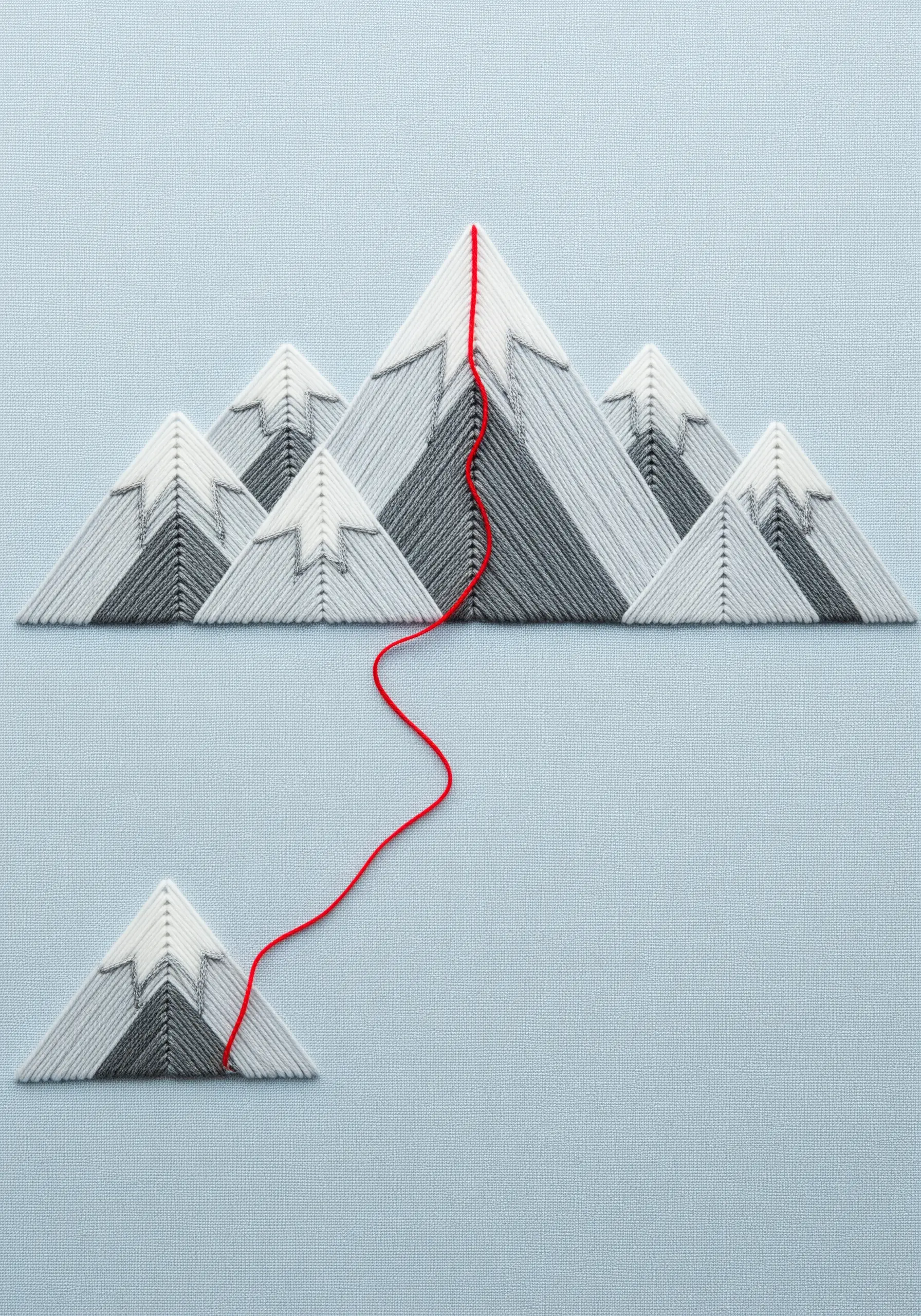
Simplify your composition to focus on a single narrative: the journey.
Render the landscape in a monochromatic palette, using gradients of gray and white satin stitch to create dimension and shadow on the mountains.
Then, introduce a single, vibrant red thread using a couching stitch to trace the path. This powerful contrast immediately draws the eye and tells the story of an epic climb or adventure.
17. Create a Backlit Effect for a High-Tech Feel
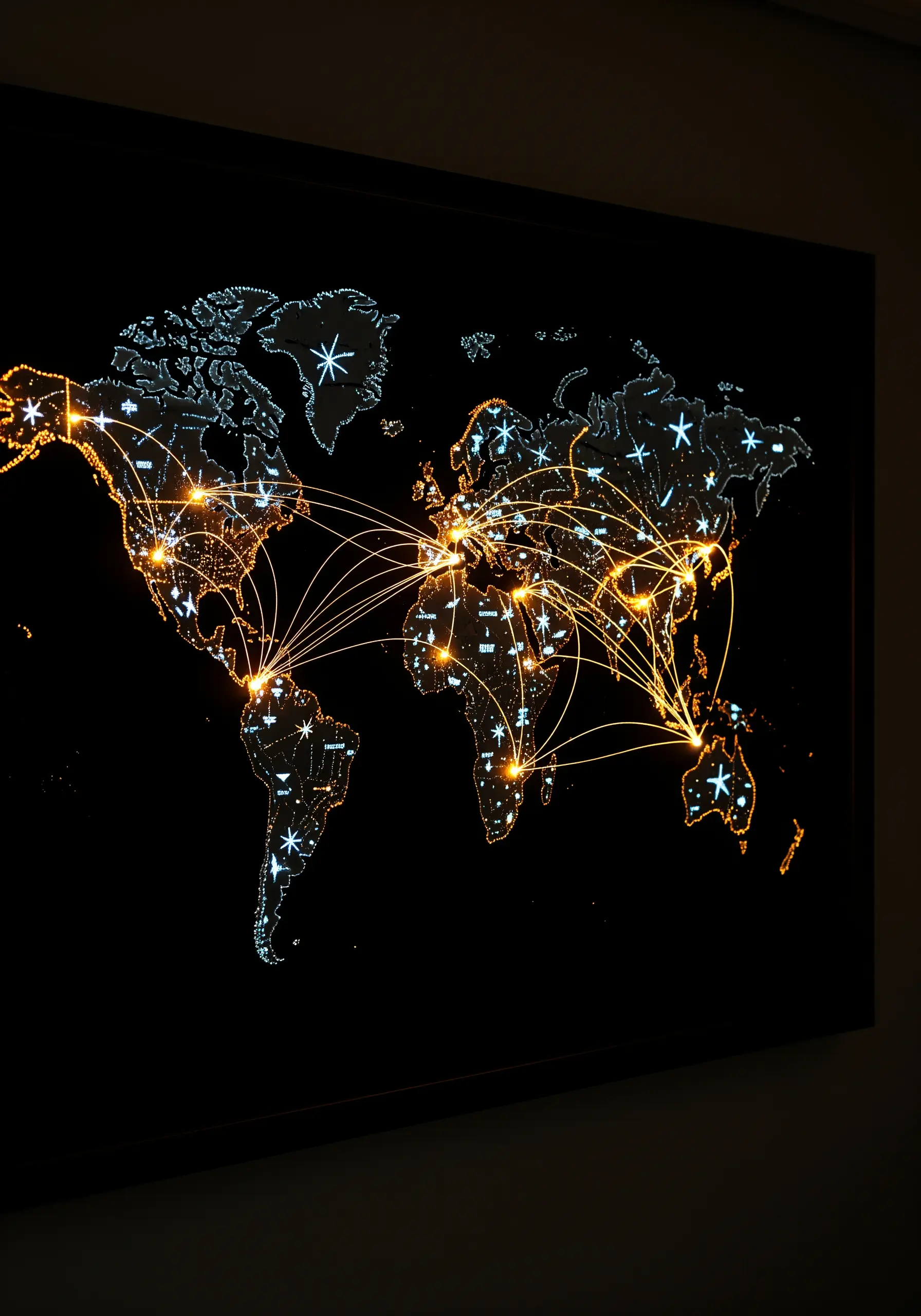
For a truly show-stopping piece, integrate lighting into your embroidery.
Stitch your map outline on a dark, semi-translucent fabric and backlight the entire frame with LED strips. The light will diffuse through the fabric and catch on the threads.
To simplify, use glow-in-the-dark thread for the outlines and travel routes—it will absorb light during the day and emit a soft glow at night for a similar, but easier, effect.
18. Incorporate 3D Stitches and Mixed Media Elements
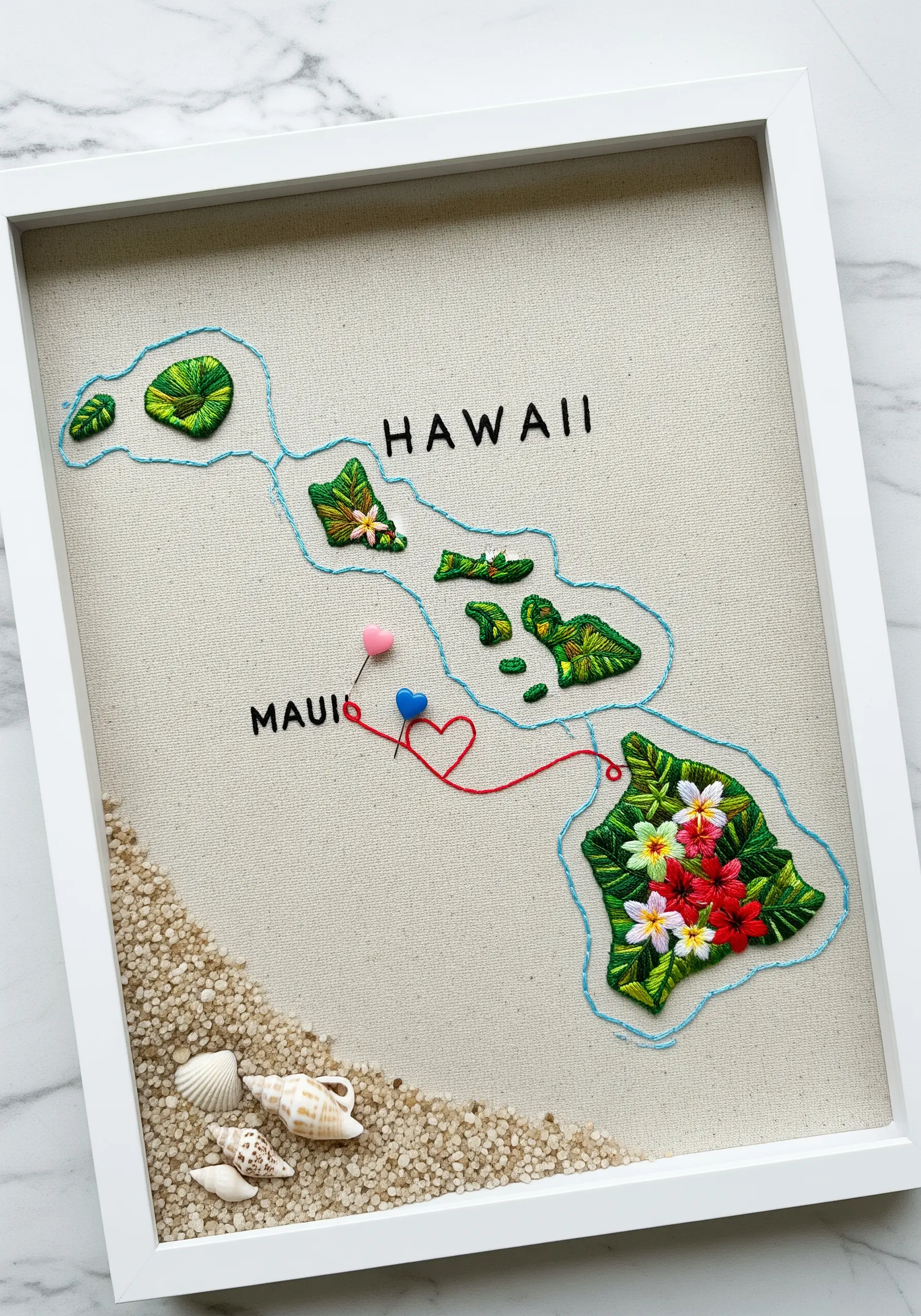
Bring your map to life with dimensional stitches that rise off the fabric.
Use padded satin stitch or stumpwork techniques to create raised flowers and leaves, giving the islands a lush, tropical feel.
For a final touch, frame the piece in a shadow box and add real sand and tiny seashells at the bottom. This type of abstract mixed media embroidery creates an immersive, multi-sensory experience.
19. Stitch Directly onto a Printed Paper Map
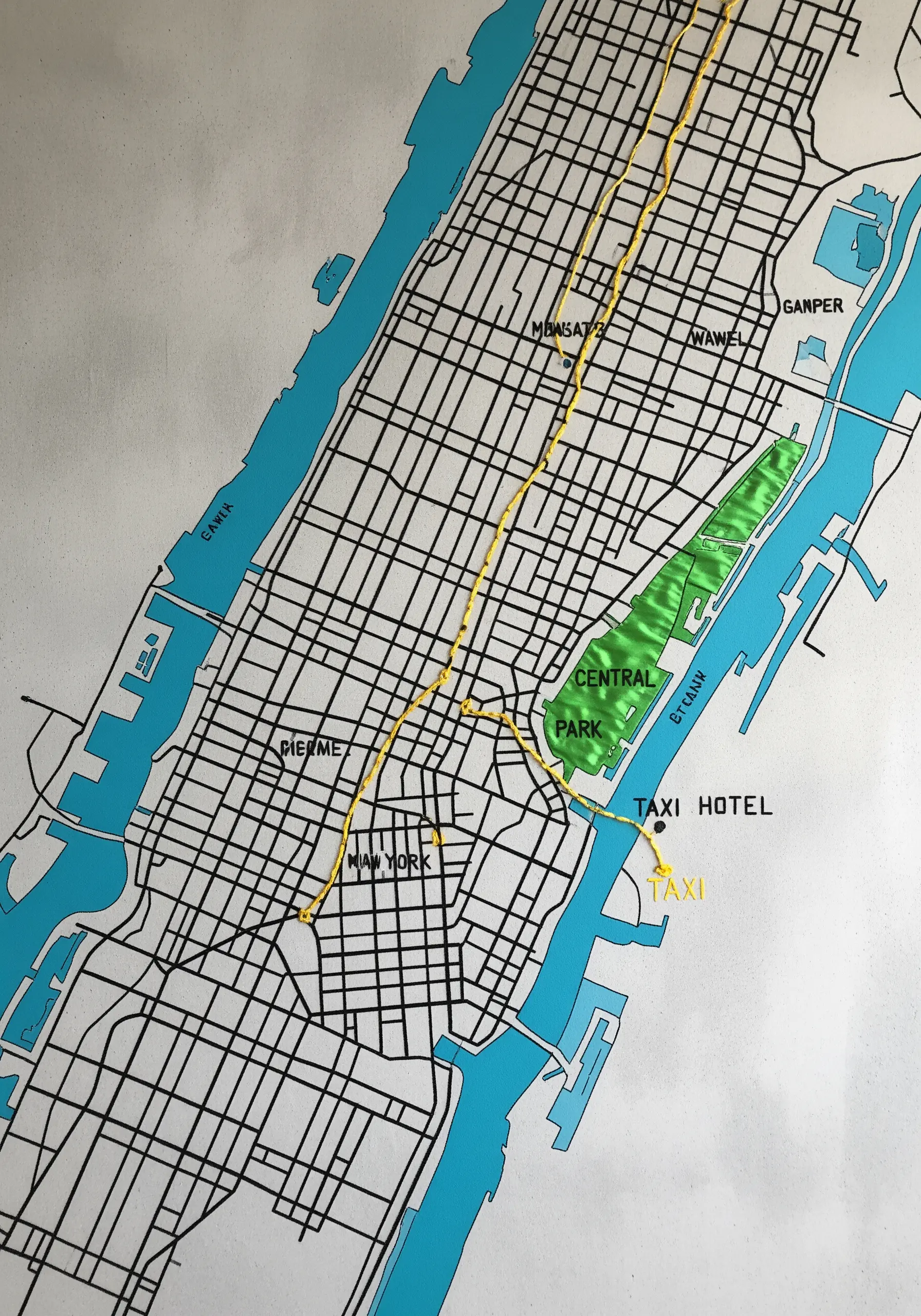
Personalize a store-bought map by stitching your travel route directly onto the paper.
To avoid tearing, use a sharp, thin needle and pre-pierce the holes along your path with an awl or the needle itself before you begin stitching.
A simple running stitch in a bright, contrasting color is all you need to create a clean, graphic line that instantly customizes the map with your personal story.
20. Embrace Chaotic Layers for an Energetic Look
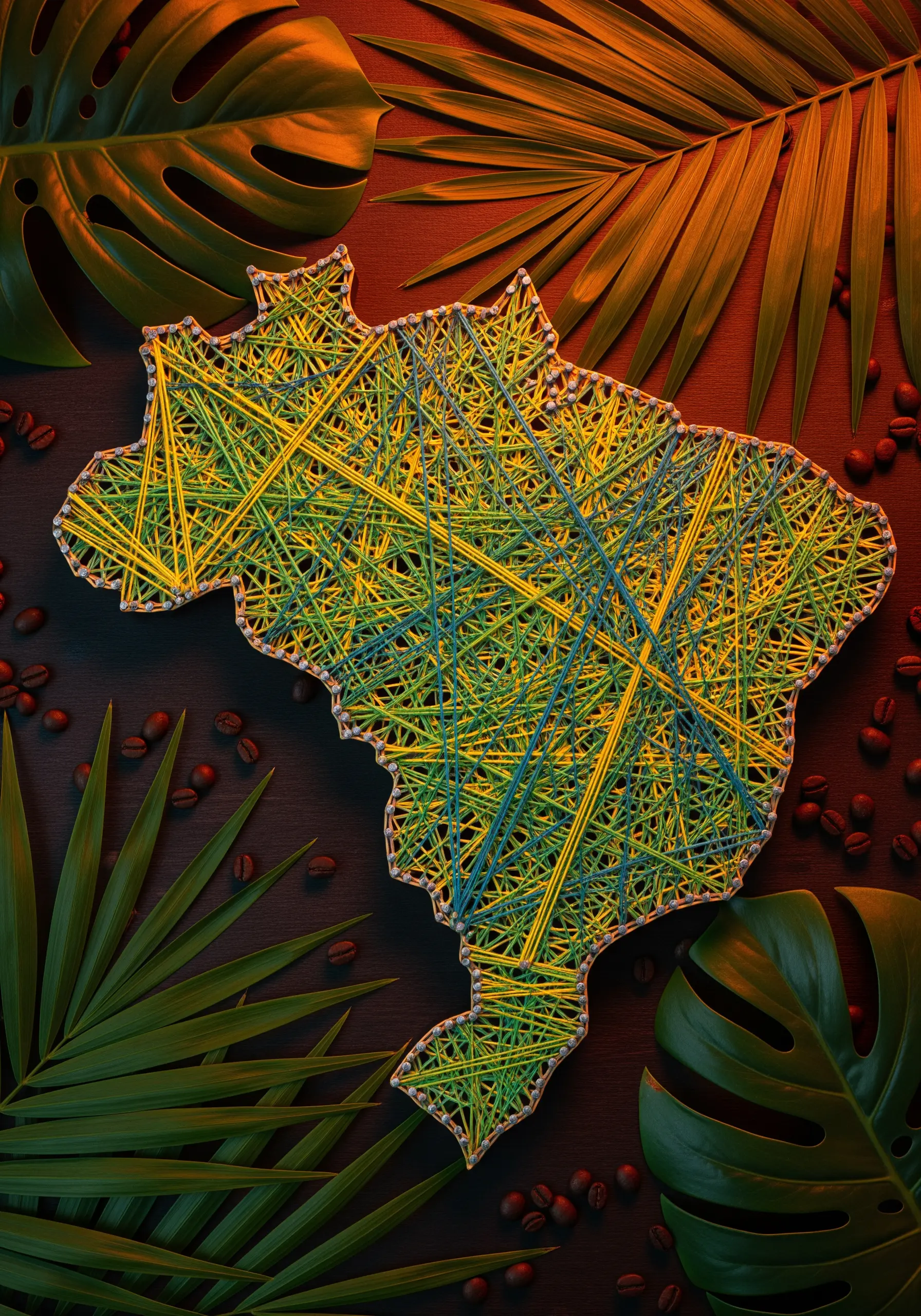
Create a sense of vibrant, bustling energy by filling your map with dense, chaotic layers of straight stitches.
Use multiple bright colors and crisscross them in every direction, allowing the layers to build up organically. There’s no need for perfect patterns; the beauty is in the spontaneous texture.
This technique is liberating and results in a dynamic piece that feels alive with movement.
21. Take Your Stitching into the Third Dimension
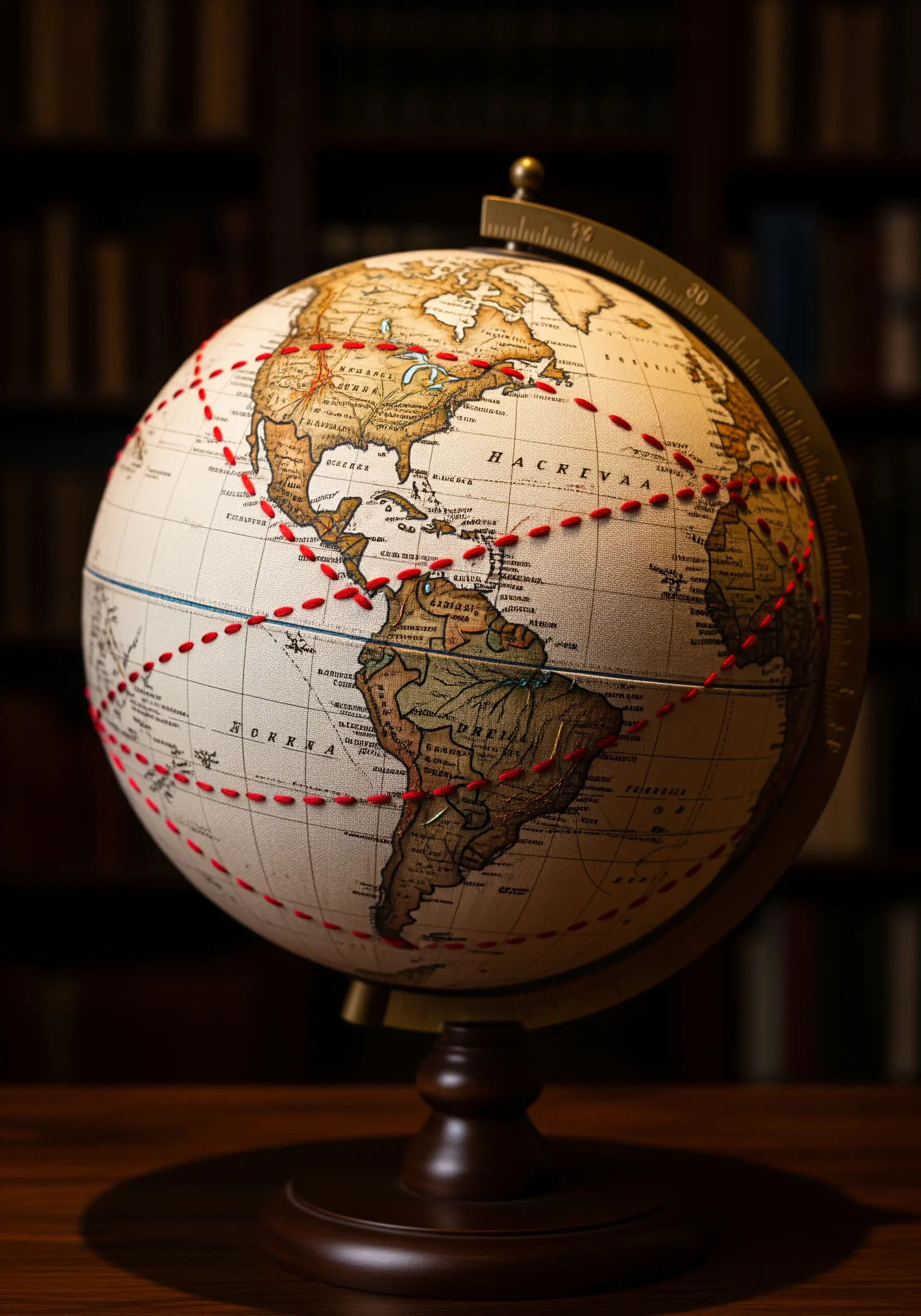
Move beyond flat surfaces by using a globe as your canvas.
Choose a vintage or minimalist globe and use a simple running stitch to trace your travels across continents and oceans.
Use a sturdy, curved upholstery needle to make stitching easier. A bold red thread provides a classic, high-contrast look that stands out against the map’s muted tones, turning a standard decor item into a cherished keepsake.
22. Fill Countries with Geometric String Art Patterns
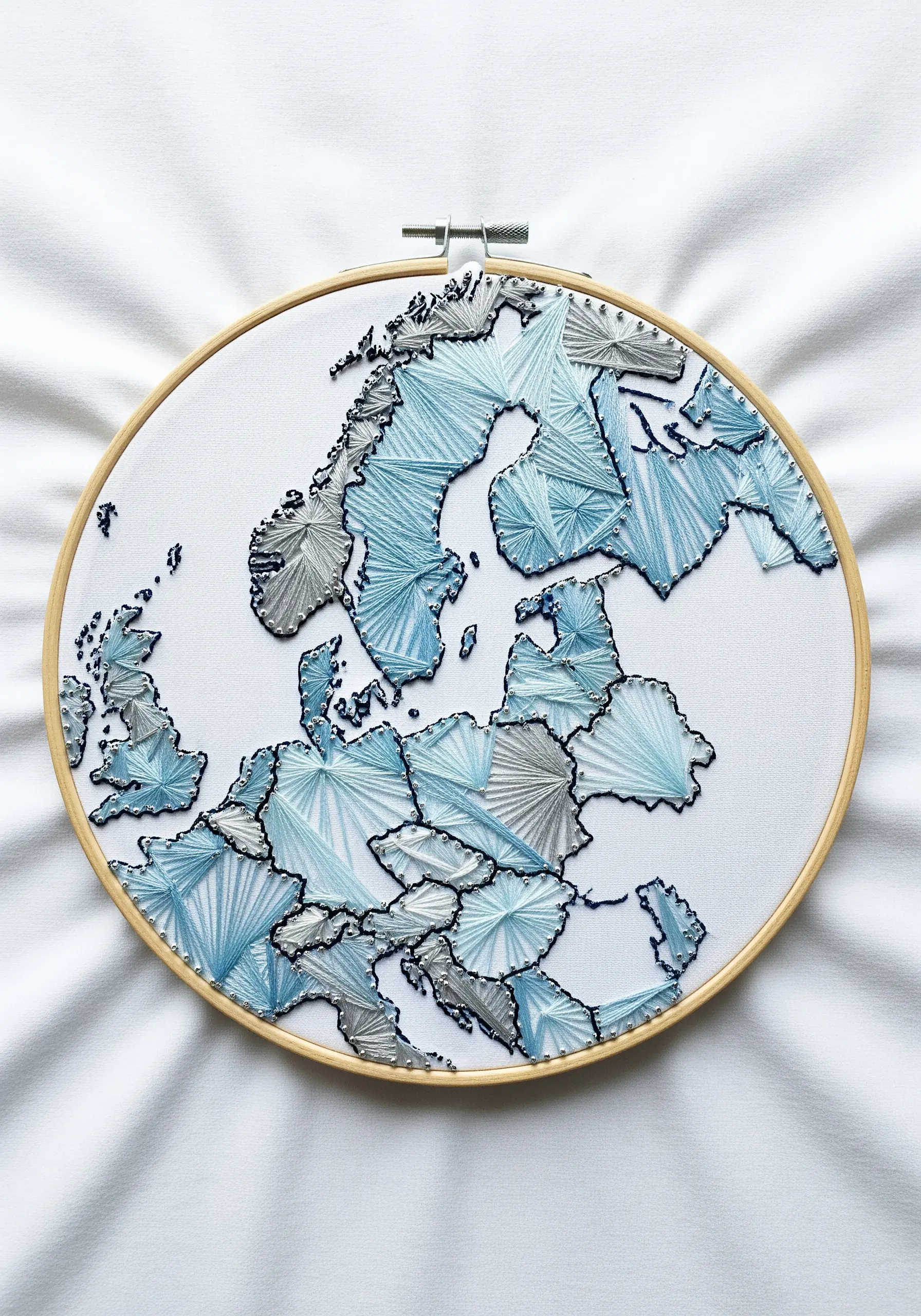
Instead of using traditional fill stitches, outline each country with a dark backstitch and then fill the interiors with geometric string art patterns.
Create fans, triangles, and radiating lines by wrapping thread between anchor points along the border.
This method is faster than satin stitching and creates a beautiful, crystalline texture that varies from one region to the next, adding visual complexity to your minimal embroidery designs.
23. Achieve a Neon Glow with Fluorescent Thread
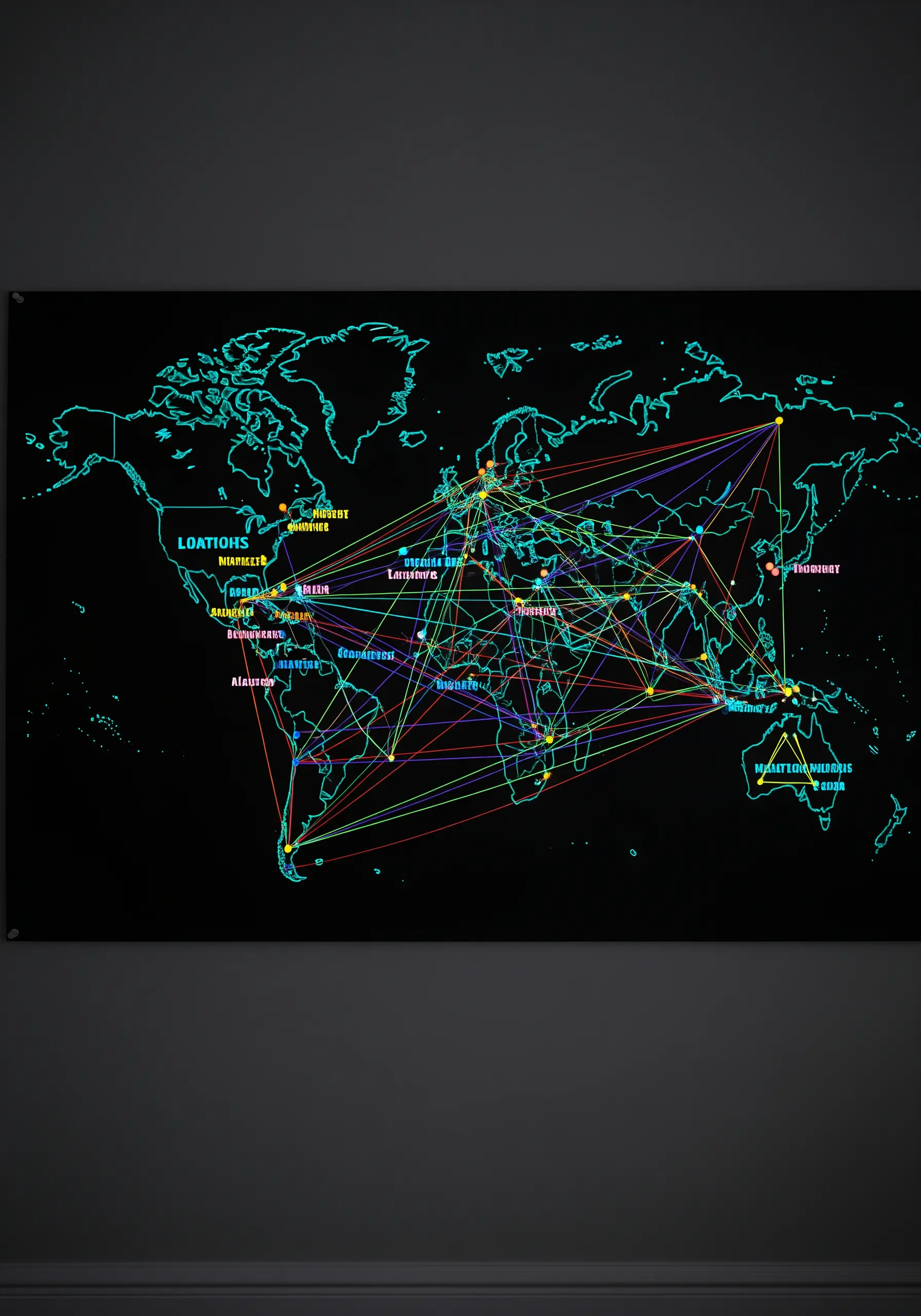
Capture the electric energy of global connections with fluorescent embroidery floss on a black background.
Under a blacklight, these threads will glow intensely, creating a stunning visual effect.
Even in regular light, their vibrant, saturated color provides a sharp contrast that mimics the look of a digital display. Keep your stitches taut and your lines straight to enhance the clean, graphic quality of the design.
24. Use Thick Couching for a Bold, Tactile Path
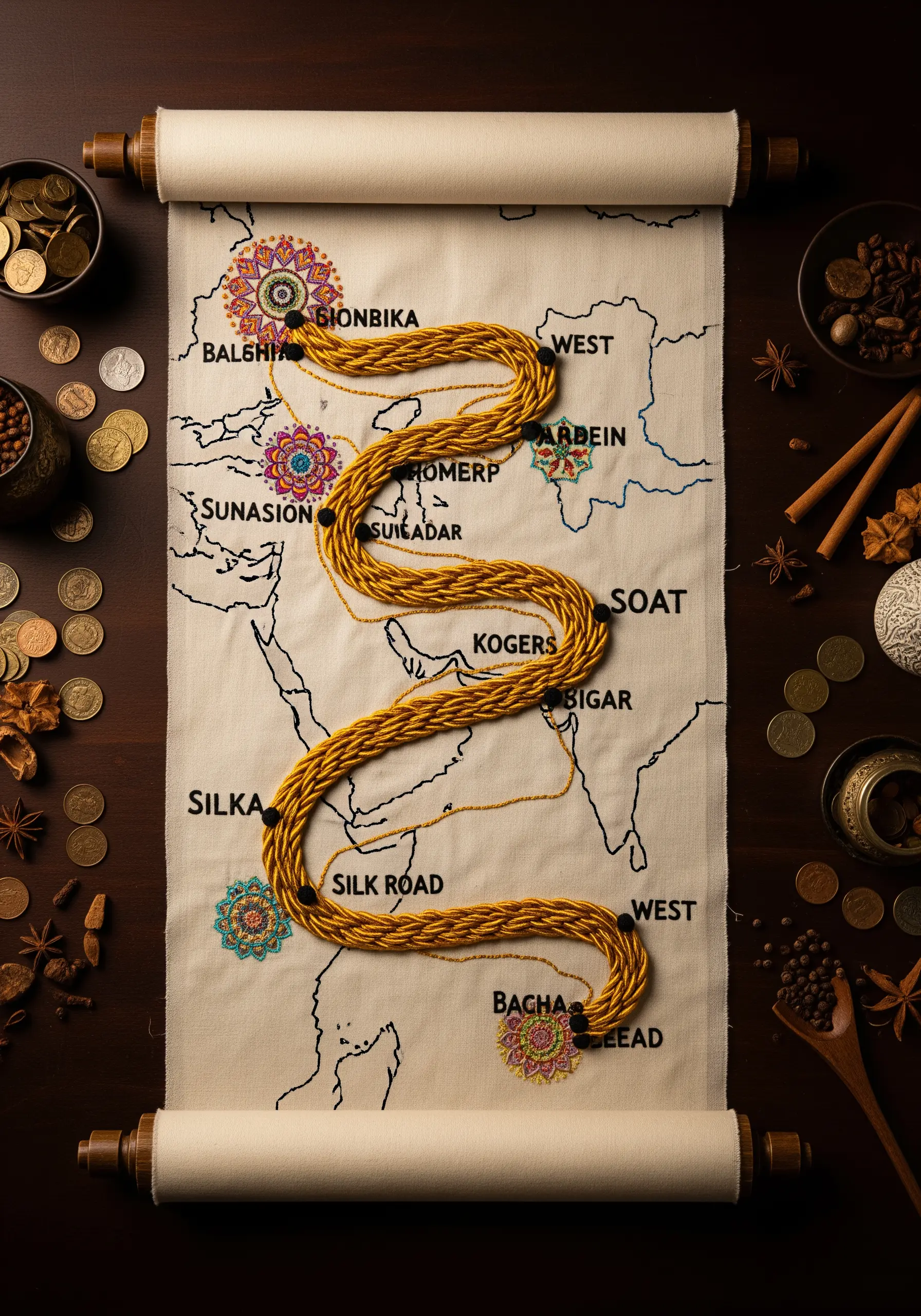
Make your journey the undeniable hero of the piece by using a thick, braided cord or yarn for the route.
Secure this cord to the fabric surface using the couching technique with a matching or contrasting thread.
Add small, detailed embroidered mandala motifs at key destinations to represent significant cultural stops along your ancient or modern trade route.
The scroll presentation adds a final touch of historical authenticity.
25. Evoke an Icy Landscape with French Knots and Radiating Lines
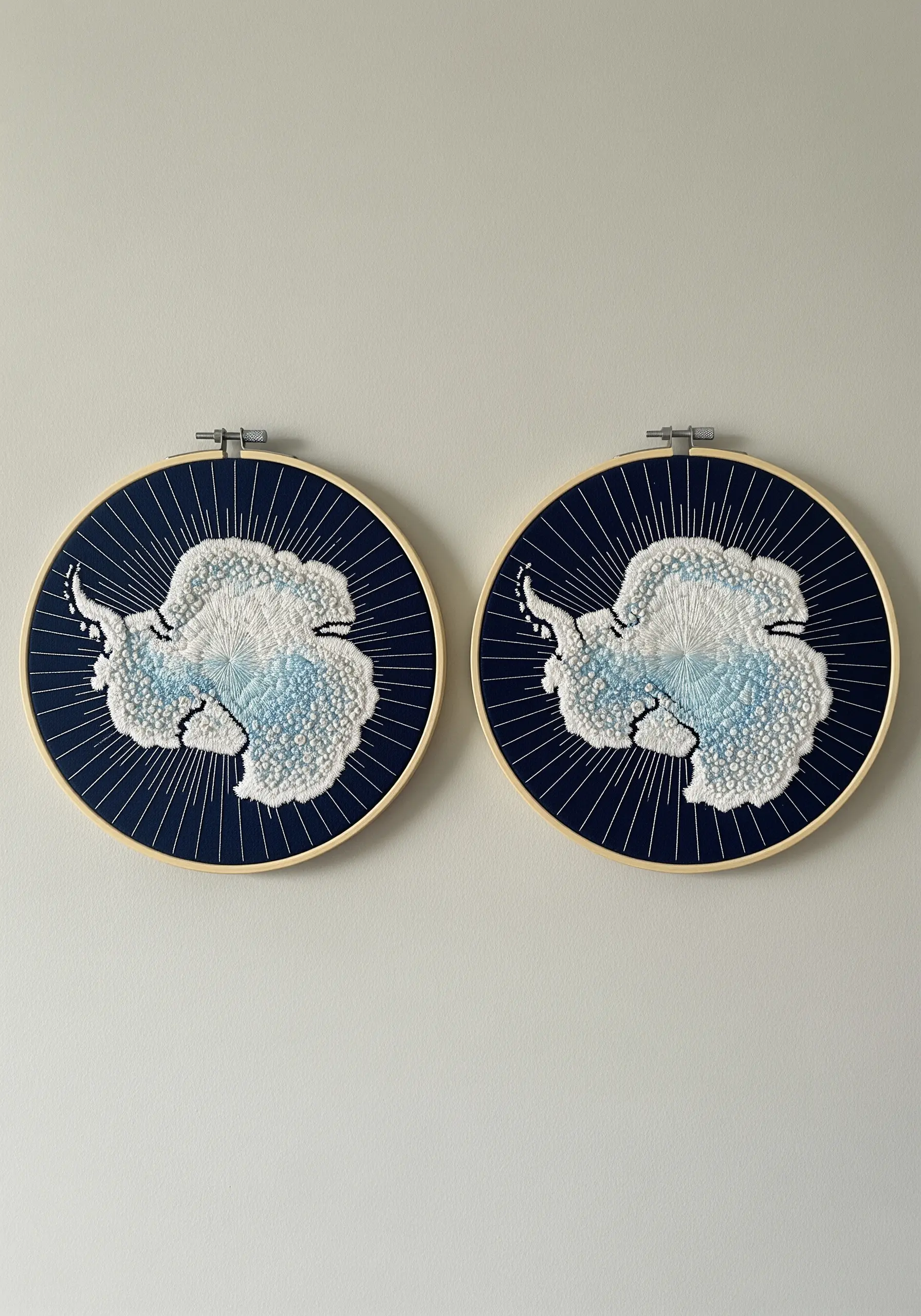
Capture the stark beauty of Antarctica by filling the continent’s shape with a dense texture of French knots.
Use shades of white, cream, and icy blue, clustering them to suggest glaciers and ice shelves. This tactile surface contrasts beautifully with the smooth background fabric.
Add long, straight stitches radiating outwards to represent polar light or fierce winds, adding a sense of dynamic energy to the frozen landscape.
26. Let Fabric Texture Enhance Your Topography
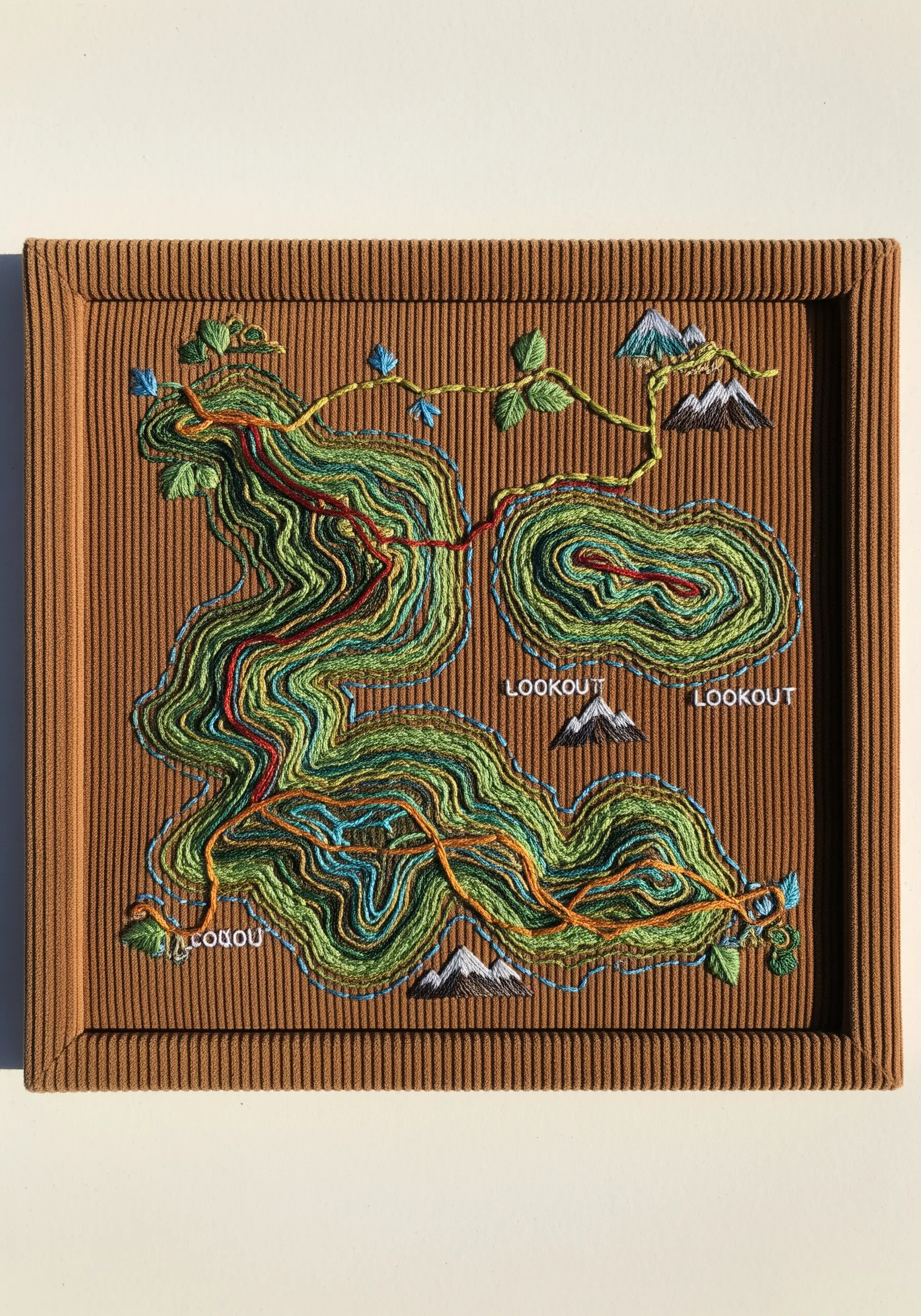
Choose a fabric with a built-in texture, like corduroy, to complement your map’s theme.
The linear ridges of the corduroy naturally mimic the contour lines of a topographical map, adding instant depth before you even make a stitch.
Use variegated green and brown threads to stitch the landforms, allowing the thread colors and fabric texture to work together to create a rich, layered landscape. This is a brilliant way to incorporate textures you’d find on a nature walk.
27. Embrace Maximalism with a Tapestry of Color and Texture
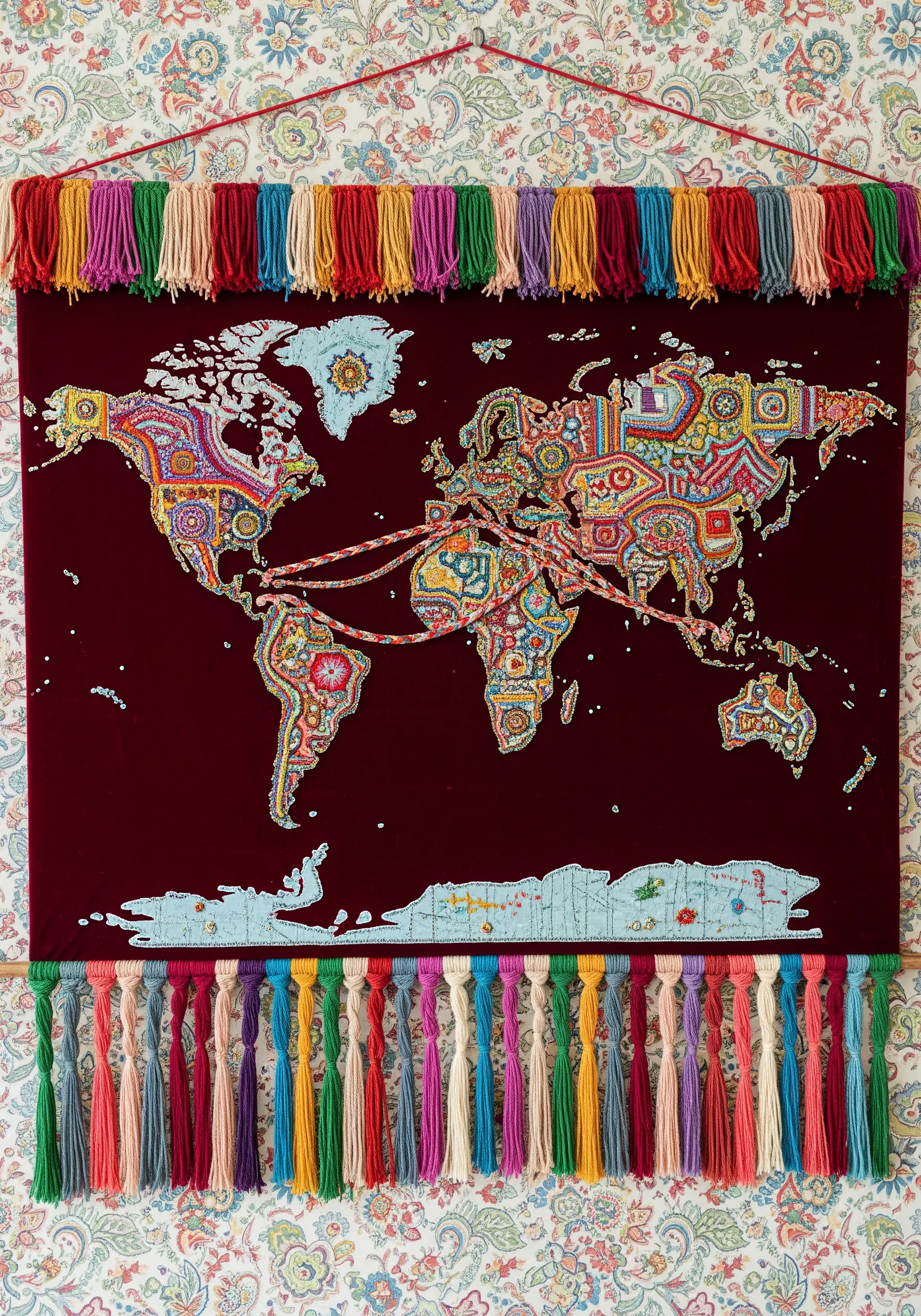
Create a joyful, maximalist world map by filling every inch with vibrant colors, beads, and varied stitches.
Assign a different pattern or color combination to each country, using seed stitch, chain stitch, and French knots to build a rich tapestry of textures.
Don’t be afraid to mix bold patterns and bright hues—the goal is a celebratory explosion of detail. A high-texture fabric collage like this becomes a true heirloom.
28. Chart a Celestial Map with Metallic Details
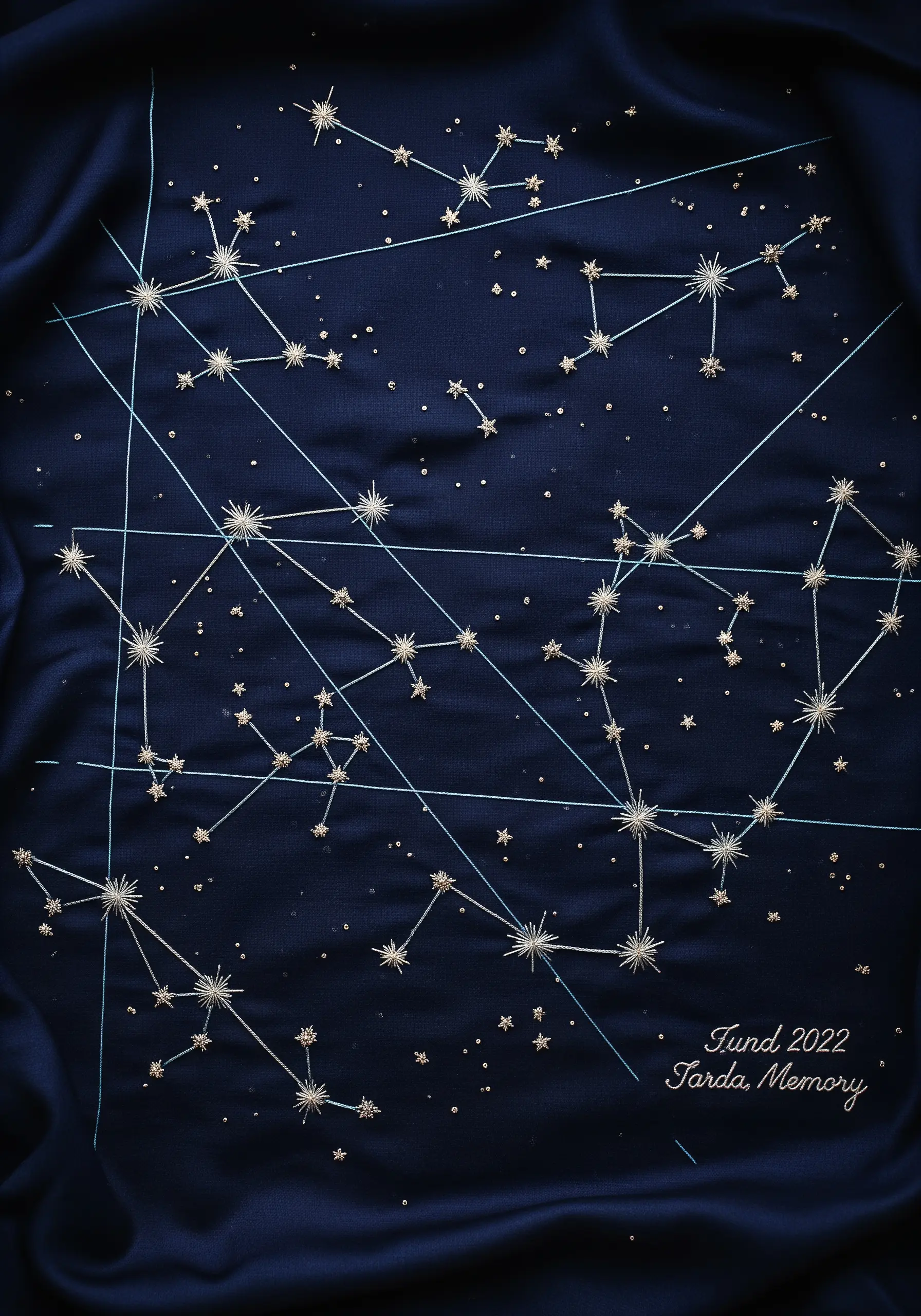
Shift your focus from earthly travels to the night sky by embroidering a constellation map.
Use a deep navy silk or satin fabric to represent the cosmos. Stitch the stars using metallic gold or silver thread—a star stitch or a small French knot with radiating straight stitches works perfectly.
Connect them with a fine, single strand of the same metallic floss. Adding tiny seed beads or sequins as extra stars will enhance the magical, twinkling effect, perfect for capturing subtle heart and star motifs.