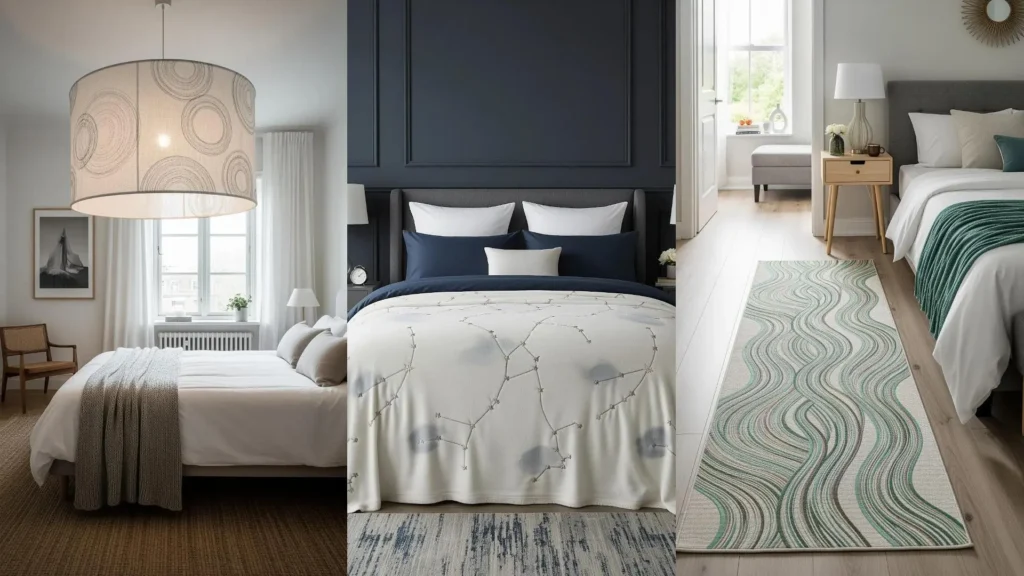
Your bedroom should be more than just a place to sleep; it should be a retreat where your mind can quiet down. Embroidery, with its gentle rhythm and focus on detail, is the perfect medium to craft that sense of peace, thread by thread.
But this isn’t about simply filling a hoop. It’s about thinking like a designer—using thread to add texture, guide the eye, and soften surfaces. It’s about understanding how a single embroidered line on a curtain can make a ceiling feel higher, or how a tone-on-tone monogram can turn simple bedding into something truly luxurious.
Here, you’ll find seventeen ways to use your stitching not just as decoration, but as a deliberate tool for transformation. These are refined, achievable ideas designed to bring a quiet, handmade elegance to your personal space, proving that the smallest stitches can make the most profound impact.
1. Create a Landscape Headboard with Thread Painting
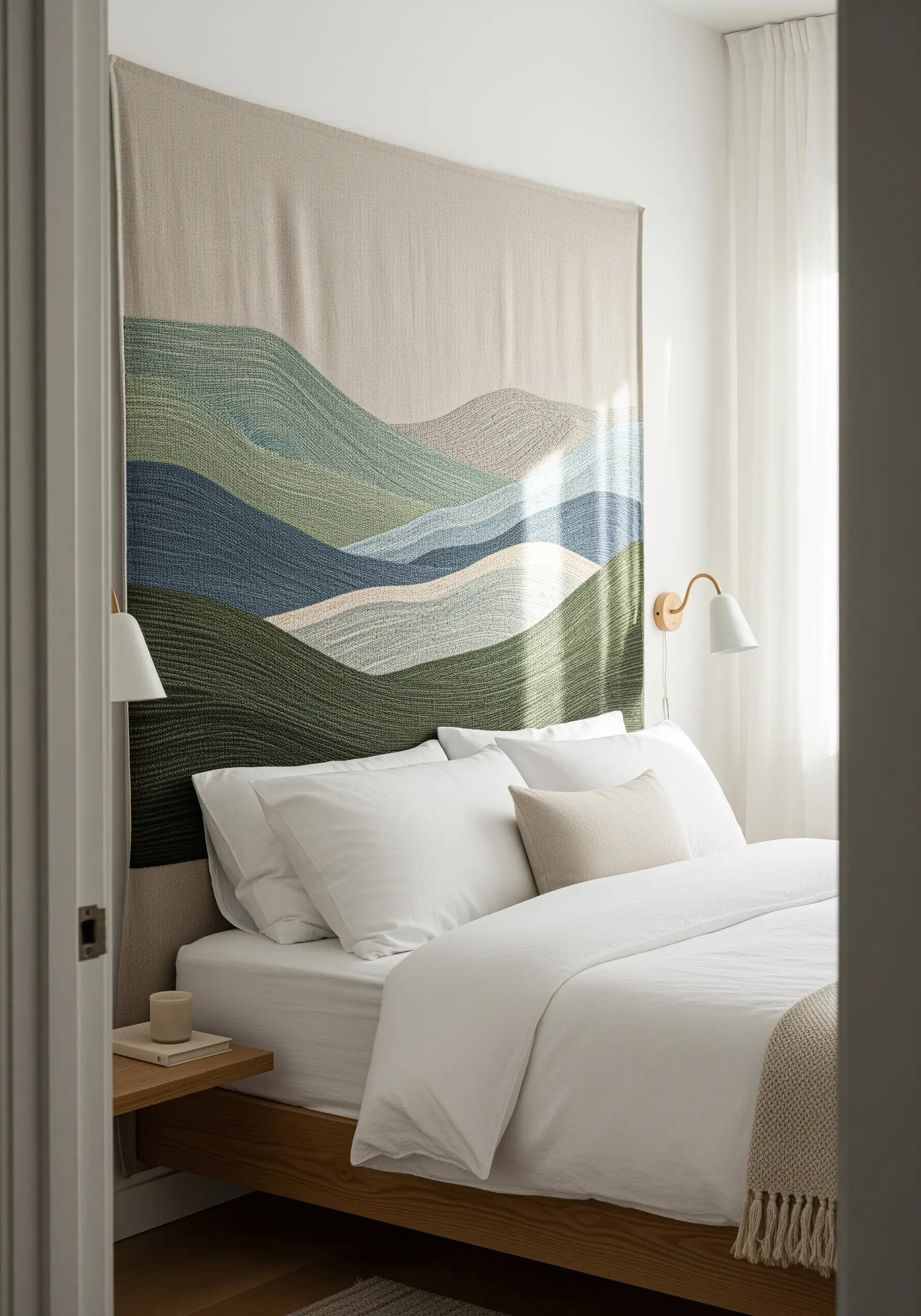
Transform the wall behind your bed into a serene focal point by creating a large-scale textile hanging.
Use a sturdy base fabric like heavyweight linen or cotton canvas stretched over a wooden frame.
Fill in a simple, rolling hill design using dense long-and-short stitch, which allows you to blend colors softly, much like paint.
By choosing a calming, tonal palette of greens, blues, and earth tones, you create a piece that softens the room’s acoustics and replaces traditional art with soothing texture.
2. Diffuse Light with Embroidered Sheer Panels
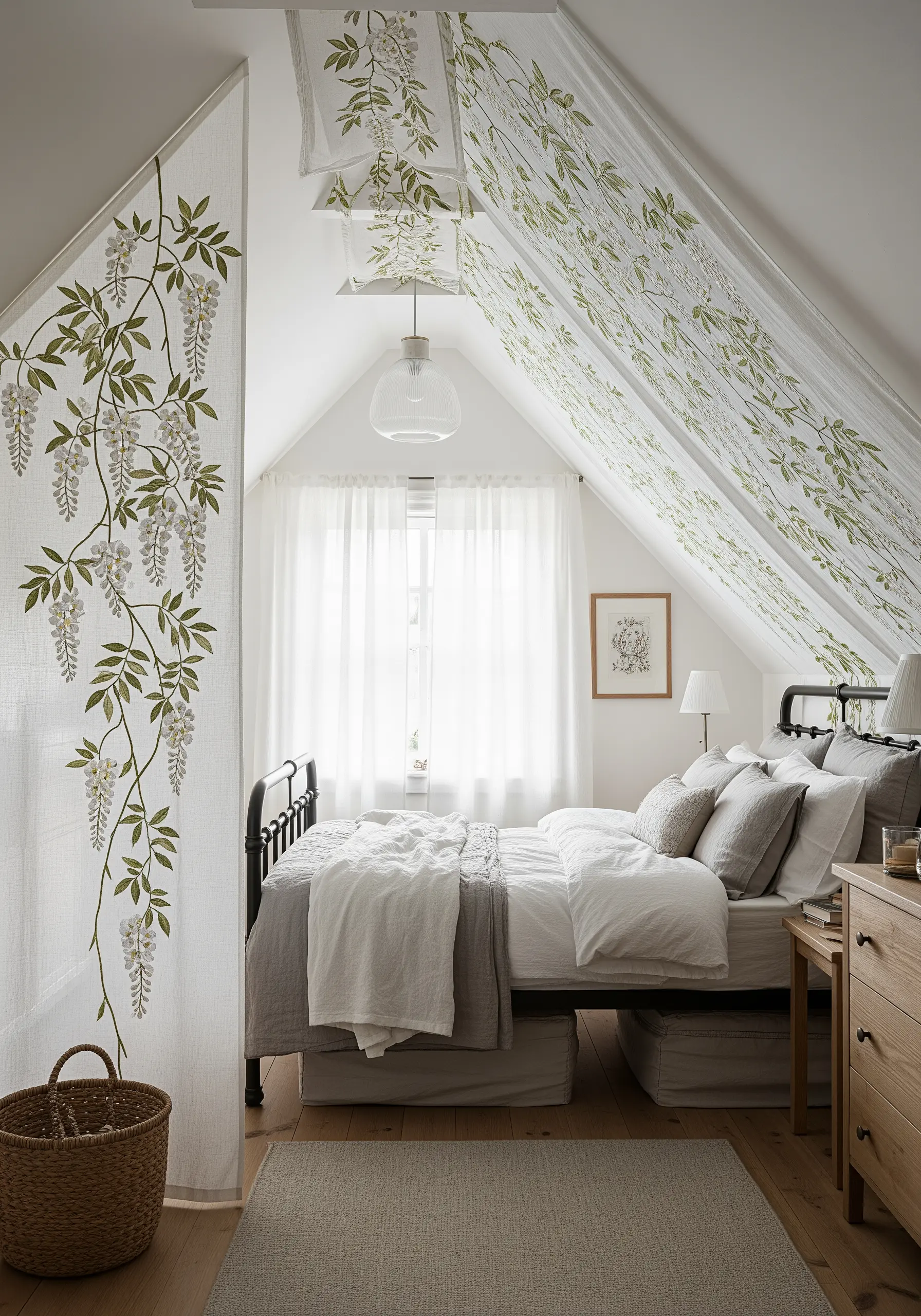
In a small or awkwardly shaped room, sheer embroidered panels can add height and soften harsh light.
Choose lightweight fabrics like cotton voile or organza and stitch a climbing botanical motif, such as wisteria or ivy, along the edges.
This vertical design draws the eye upward, creating an illusion of more space.
Use a simple stem stitch for vines and detached chain stitches for leaves to keep the work delicate, creating a dreamy, light-filled botanical retreat.
Remember to use a wash-away or heat-away stabilizer to prevent puckering on the delicate fabric.
3. Master Texture with Monochrome Mountainscapes
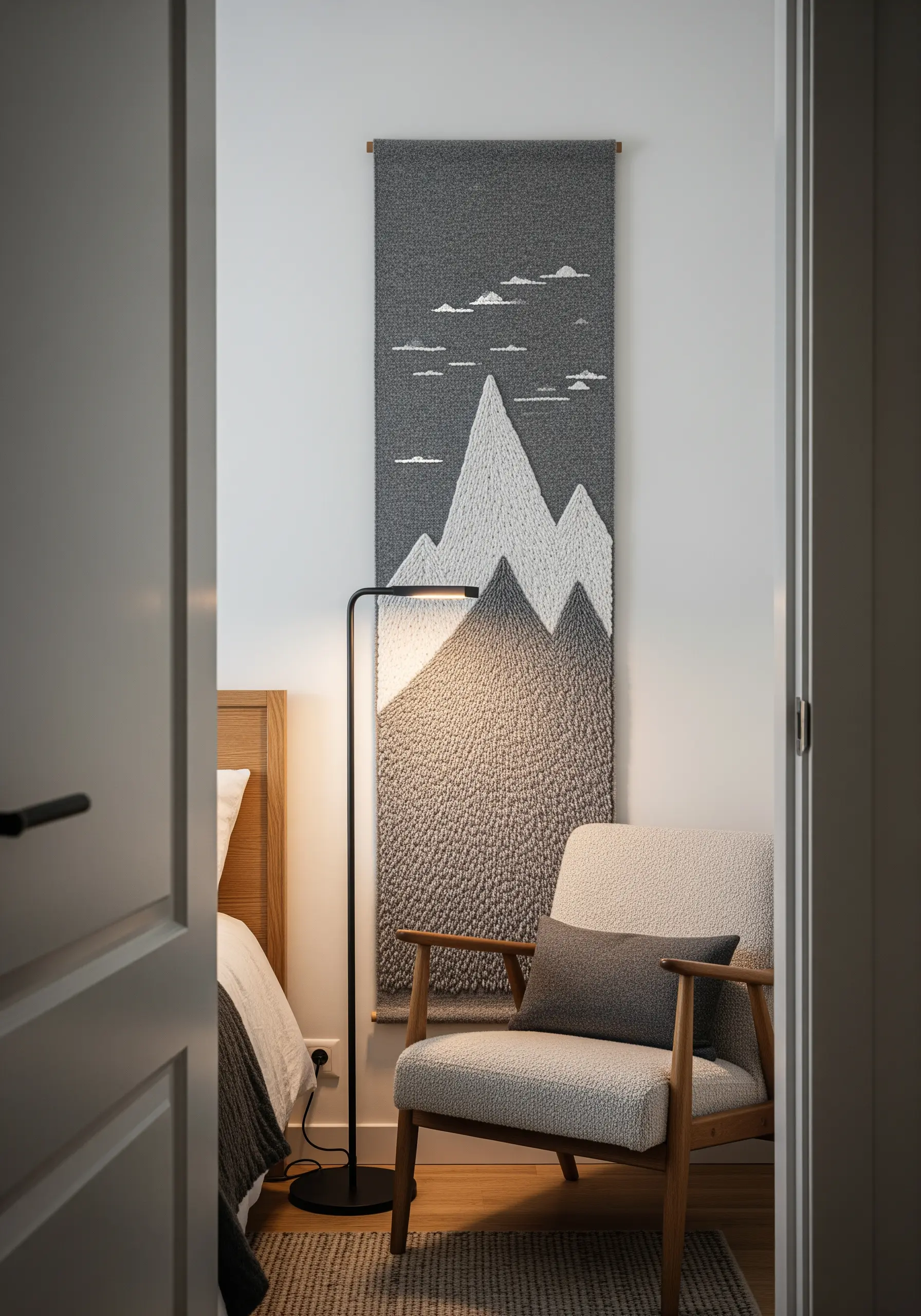
You don’t need a full spectrum of color to create a dramatic, calming effect; texture is often more powerful.
Select several shades of a single neutral color, like grey or beige, in a thicker thread such as tapestry wool.
Fill in a mountain design by varying the direction of your satin stitches—vertical for sharp peaks, horizontal for snowy fields—to create visual movement and depth.
This focus on texture over color results in sophisticated neutral color embroidery patterns that feel both modern and serene.
4. Curate a Gallery Wall with Abstract Stitches
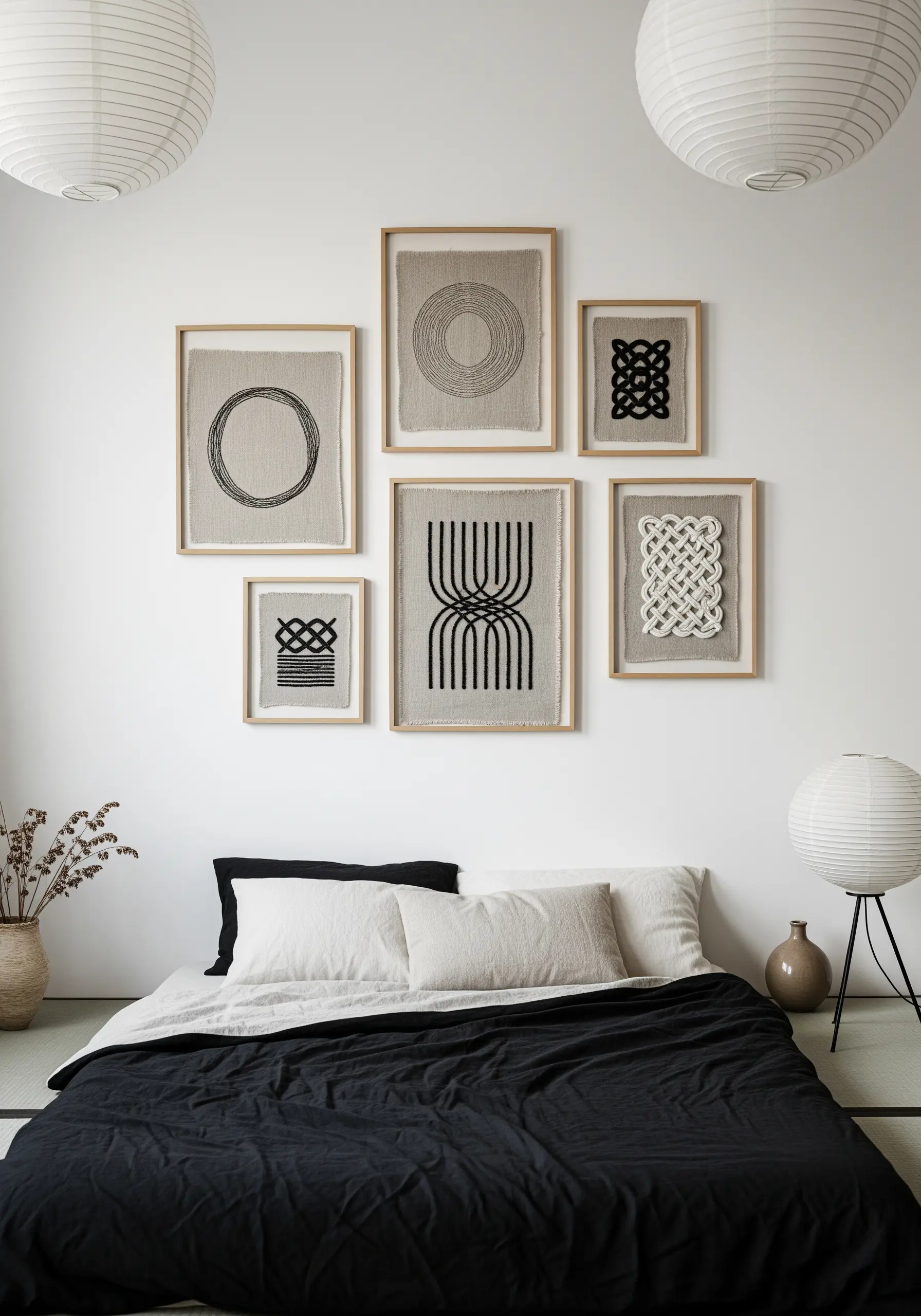
Instead of one large piece, create a gallery wall with a collection of smaller pieces that feel connected.
To achieve a cohesive look, use the same base fabric—raw linen is an excellent choice for texture—and a strict color palette across all hoops.
Experiment with abstract geometric shapes, organic lines, and dimensional knots.
Incorporate couching with thick yarn or rope to add a sculptural element that elevates simple designs into fine art.
5. Stitch a Lampshade for a Soft, Ambient Glow
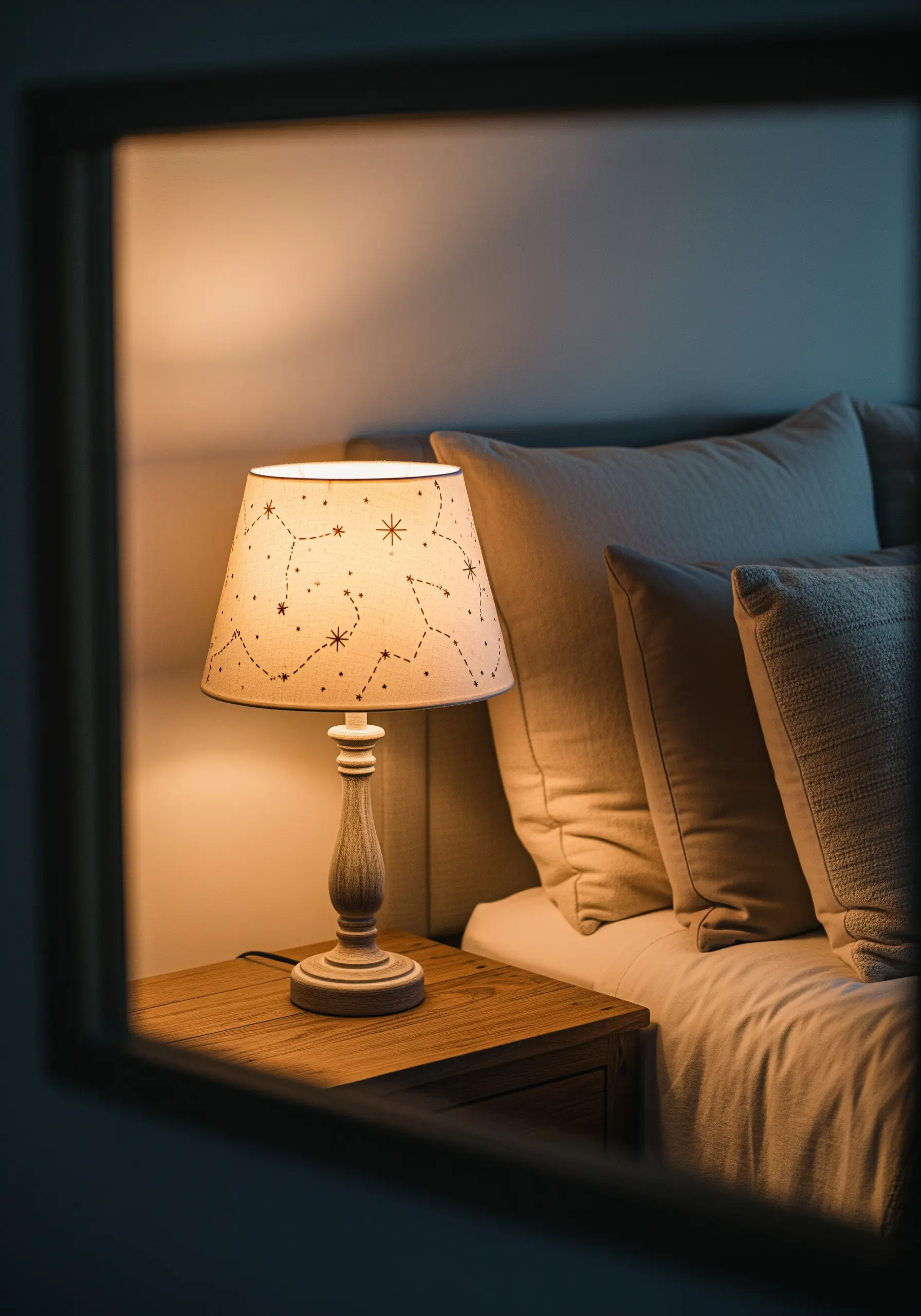
Turn a simple light source into a piece of subtle art by embroidering directly onto a fabric lampshade.
A simple constellation pattern, stitched with a backstitch or scattered seed stitches, adds a subtle, magical detail that is most visible when the lamp is on.
For an extra touch, use a single strand of light metallic or glow-in-the-dark thread, which will catch the light and create a gentle, shimmering effect in the evening.
6. Elevate Bed Linens with Tone-on-Tone Embroidery
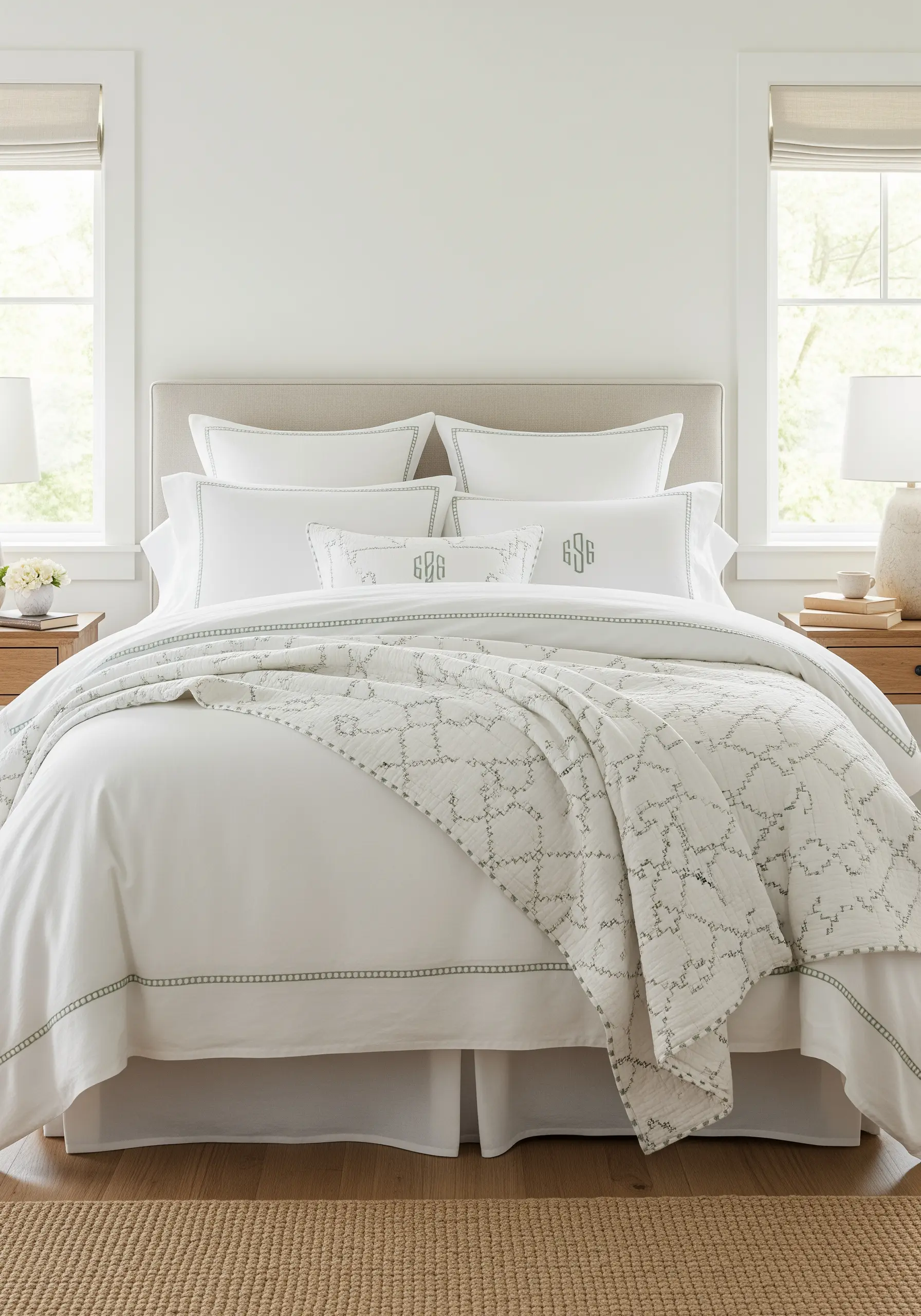
For a look of quiet luxury, embroider pillowcases or duvet covers using thread that is only one or two shades different from the fabric.
This tone-on-tone technique adds texture and a bespoke feel without introducing visual clutter, which is key in a small, calm space.
A padded satin stitch monogram or a simple border of running stitches looks incredibly refined and turns everyday linens into heirloom pieces.
This approach is central to creating minimal embroidery patterns that transform plain linen into luxury decor.
7. Organize with Bold, Stitched Basket Labels
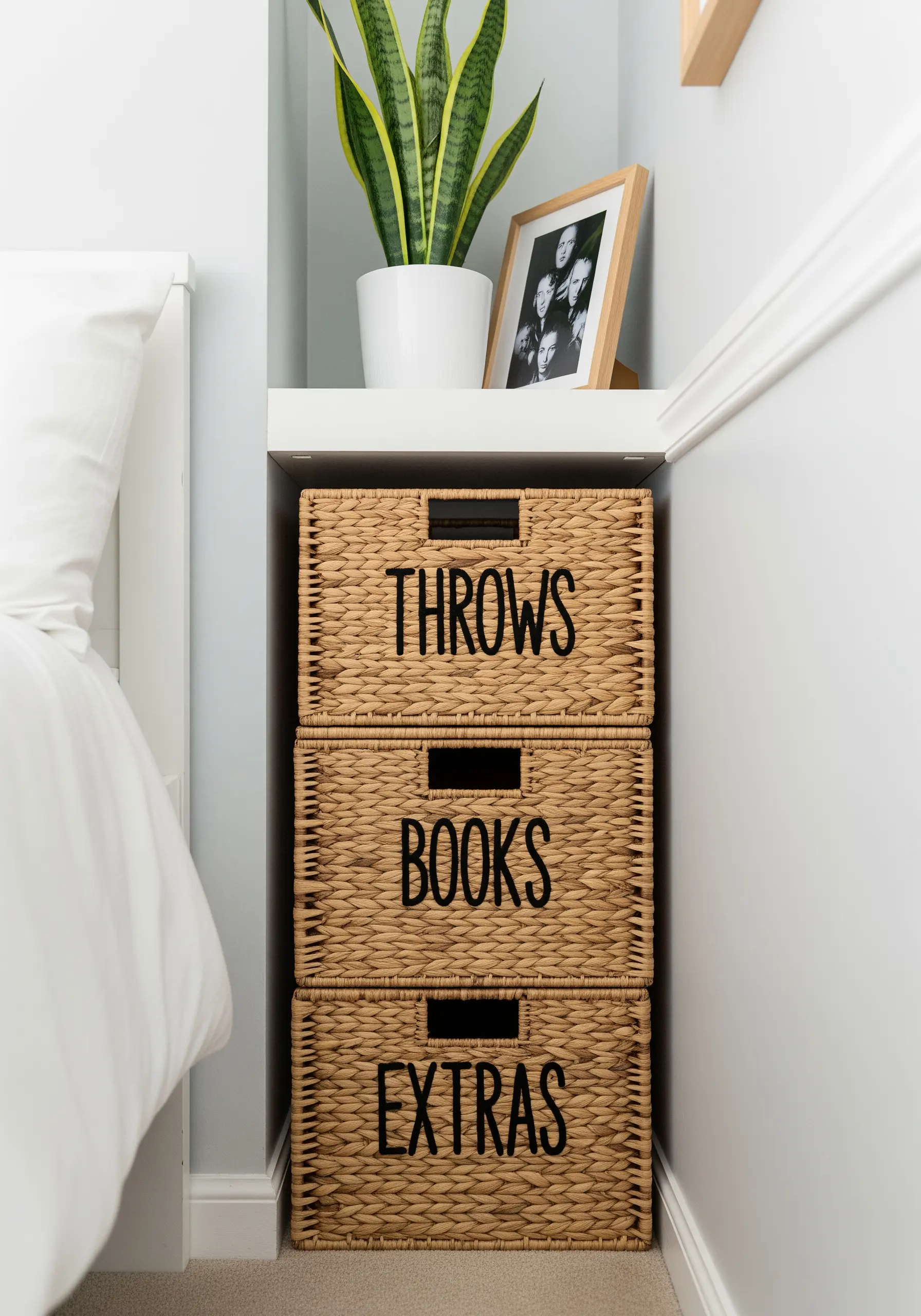
Combine function and handmade charm by embroidering directly onto woven storage baskets.
Use a thick, contrasting yarn and a large-eyed tapestry needle to stitch simple, clear labels like “Throws” or “Books.”
A clean, sans-serif font worked in a chain stitch or couched onto the surface is both legible and stylish.
This trick not only organizes your essentials but also declutters visually and physically by turning storage into a cohesive decorative element.
8. Add Sculptural Dimension to a Knit Throw
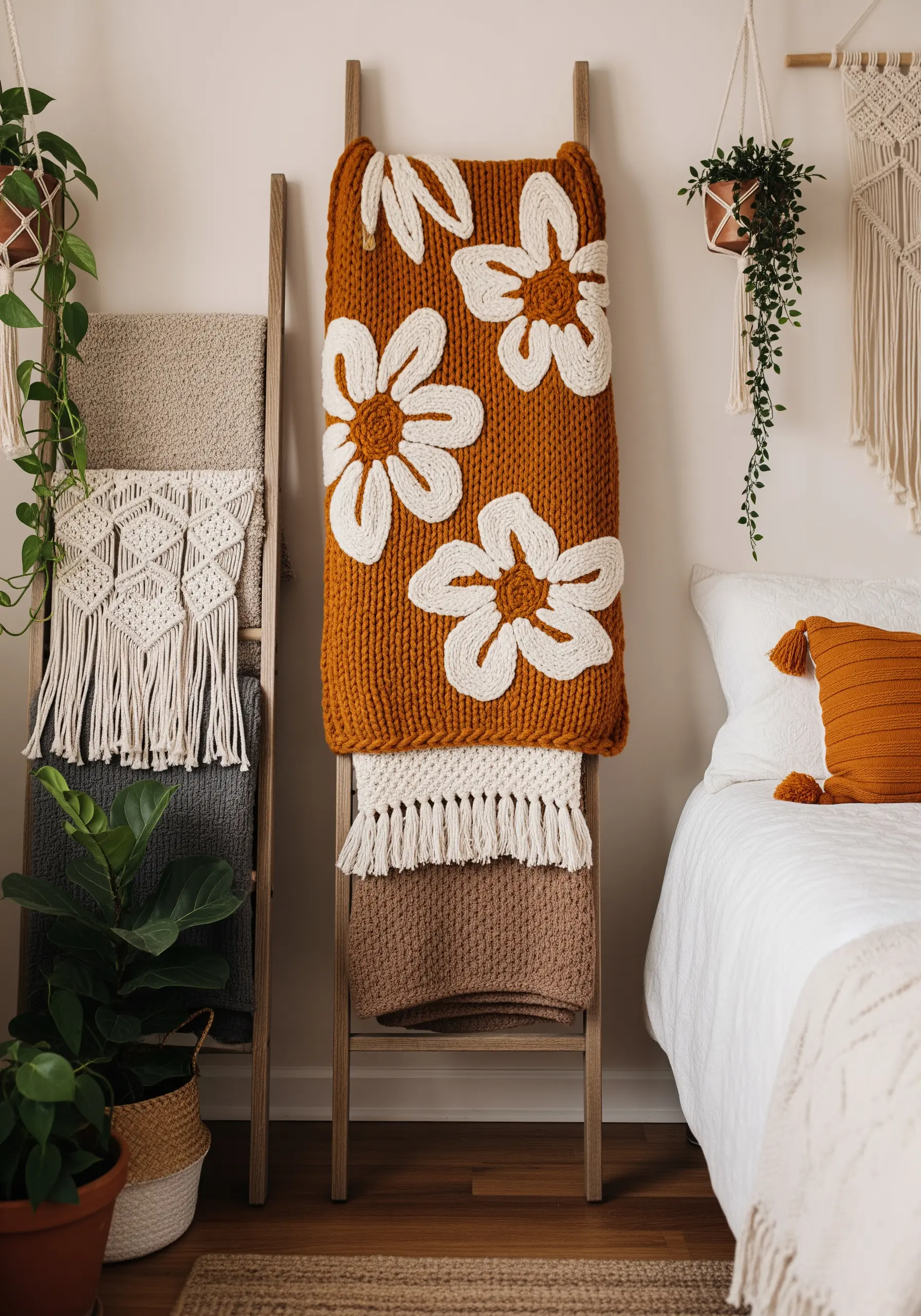
Move beyond flat stitches and add bold, tactile elements to a simple throw blanket.
Create large-scale floral motifs using chunky yarn and a chain stitch, or try appliqué with thick felt fabric, securing the edges with a decorative blanket stitch.
This high-contrast texture is visually inviting and adds a layer of cozy, dimensional art to your bed or armchair.
These are the kinds of statement textured embroidery techniques that make a room feel unique and personal.
9. Frame a Mirror with Ornate Stitches
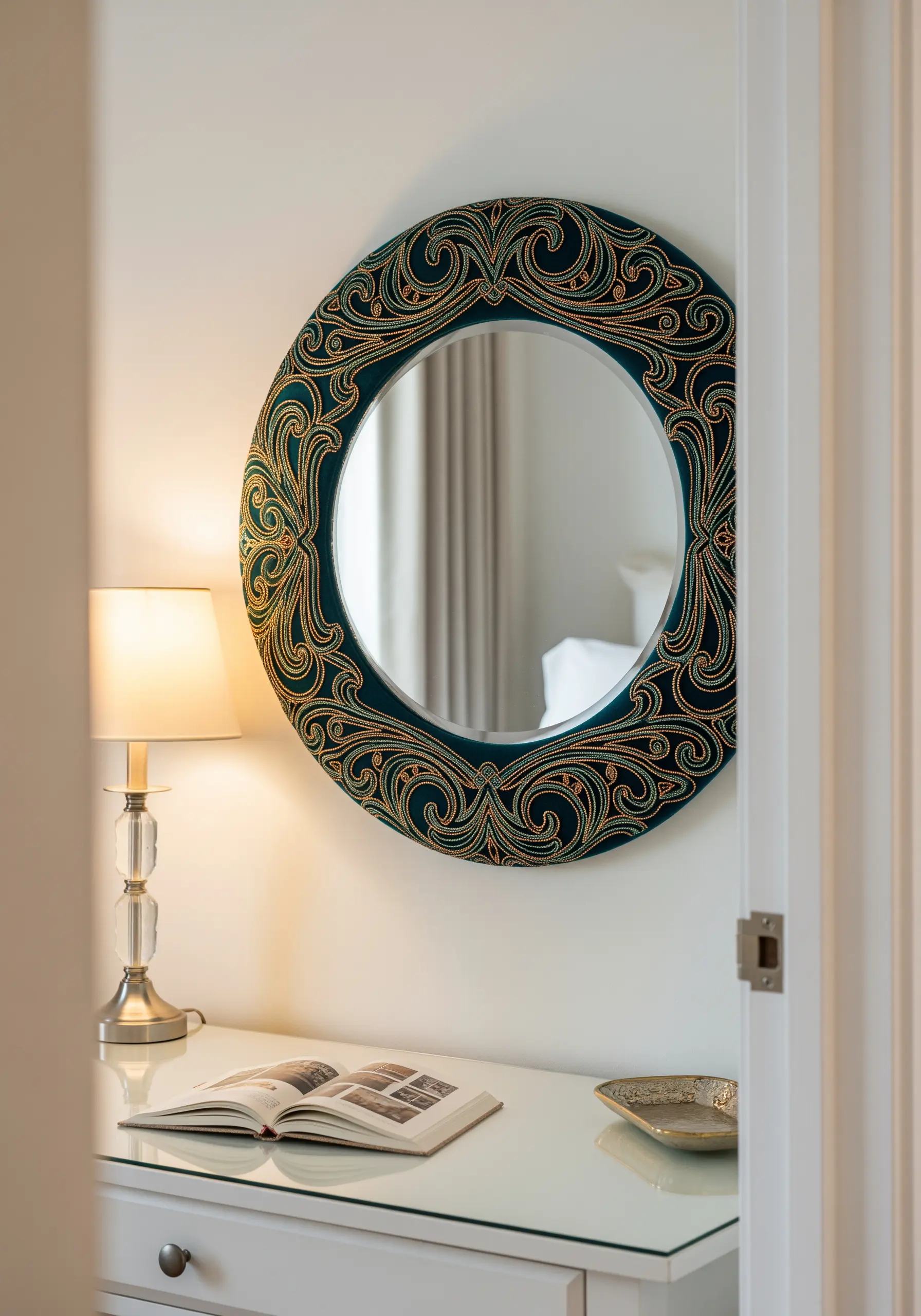
Elevate a plain mirror by creating a custom embroidered frame, turning a functional object into a piece of art.
Cover a simple wooden or MDF mirror frame with a rich fabric like velvet or raw silk.
Embellish the fabric with intricate patterns using couched metallic cords, seed beads, and French knots to add texture and catch the light.
This technique makes the mirror a piece of art and adds a touch of glamour that reflects light around the room.
10. Define Your Space with a Stitched Screen
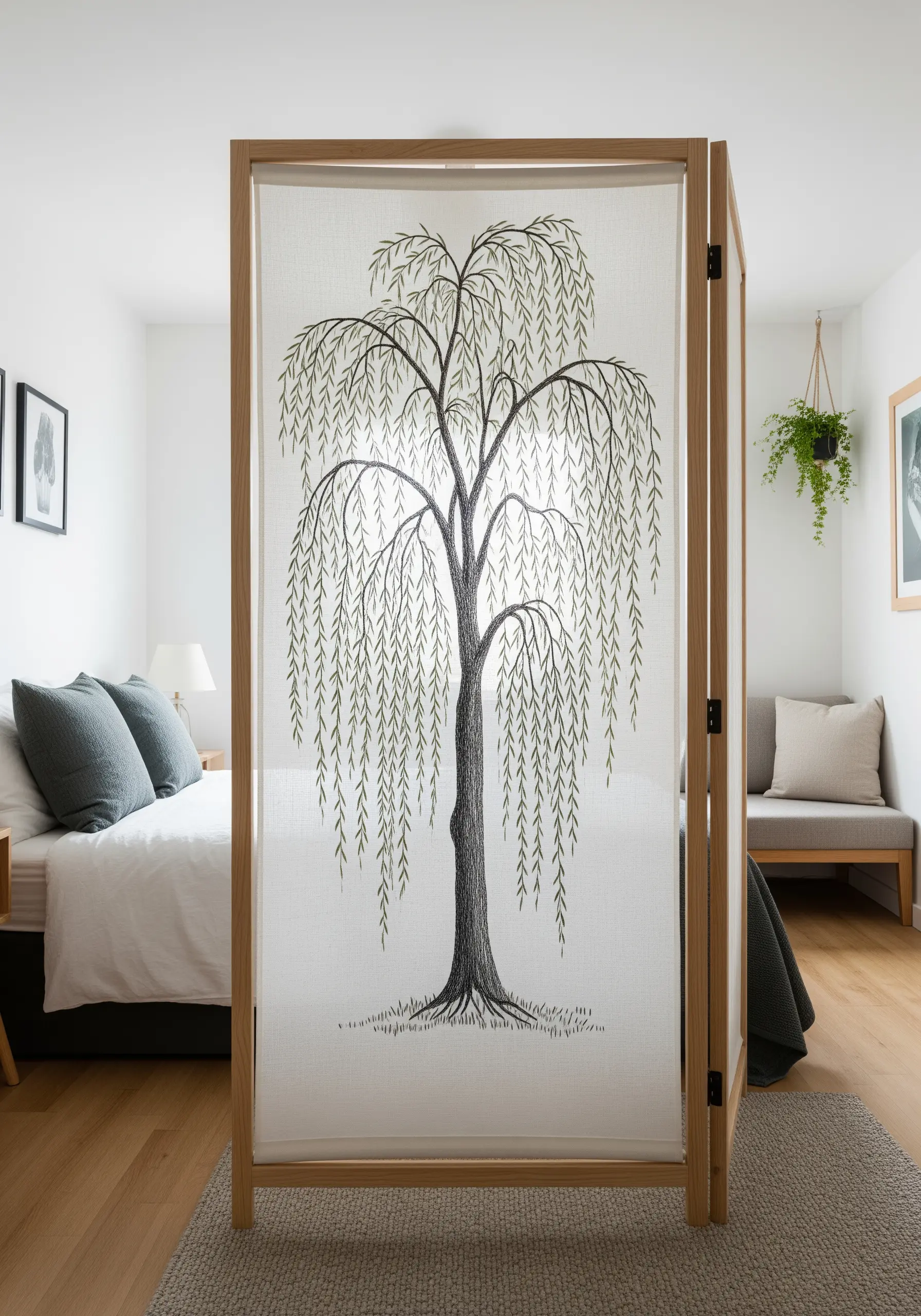
In a small bedroom that doubles as a workspace or dressing area, a lightweight screen can create crucial separation.
Instead of a solid divider, which can make a room feel smaller, use one with fabric panels.
Stretch linen or semi-sheer cotton onto a simple wooden frame and embroider a single, large-scale motif, like a graceful tree.
Using simple line work like backstitch keeps the design airy, defining the space without blocking light, much like this embroidery hoop room divider idea scaled up.
11. Revitalize Furniture with Geometric Running Stitch
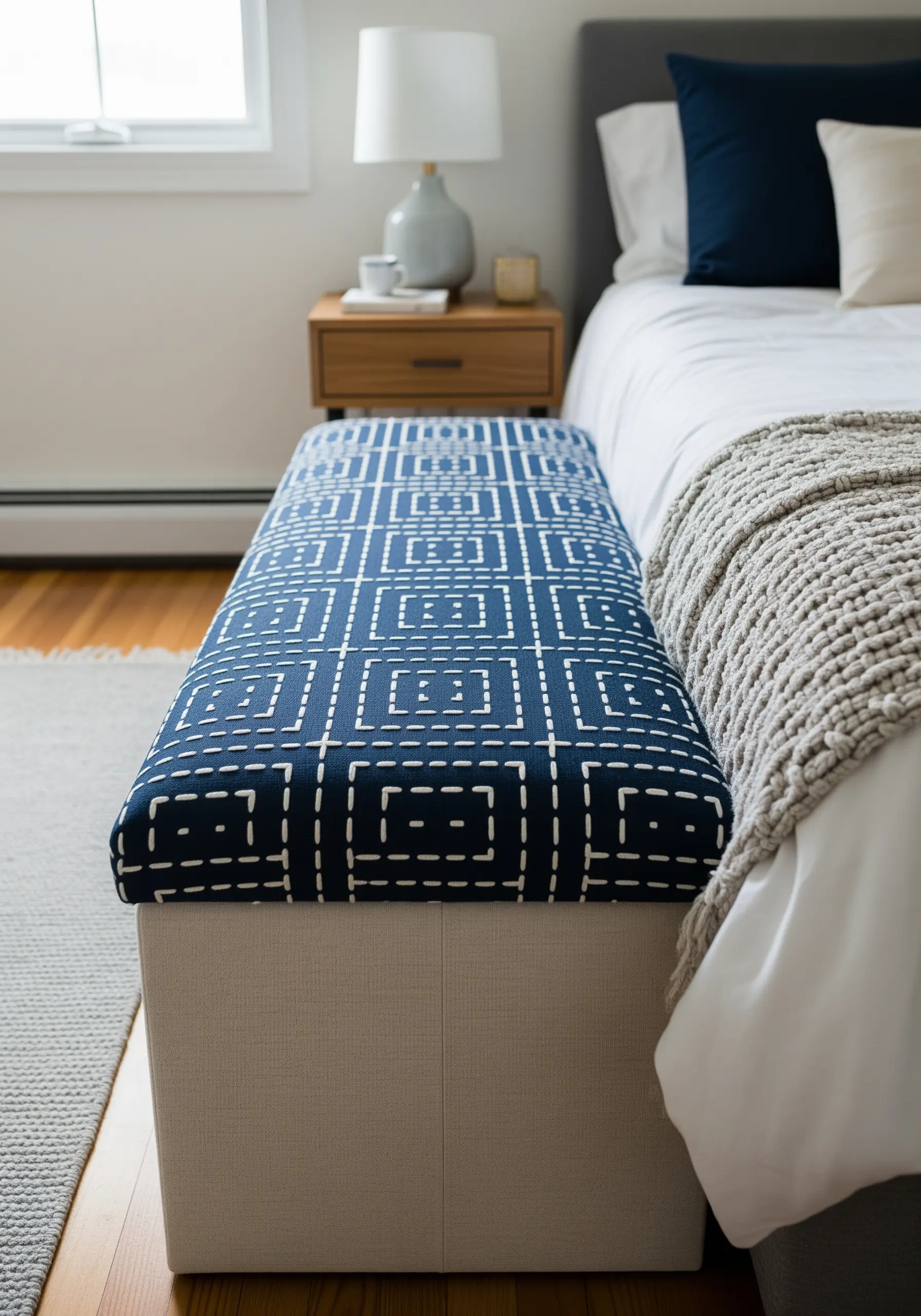
Give a plain upholstered bench or ottoman a modern, graphic update without complex reupholstery.
Using a durable, contrasting thread like pearl cotton or Japanese sashiko thread, work a simple running stitch in a repeating geometric pattern.
The rhythm of the stitches is meditative to create and visually calming to look at.
This simple technique adds bespoke character and transforms a generic piece of furniture into a personalized accent.
12. Unify Decor with a Repeated Delicate Motif
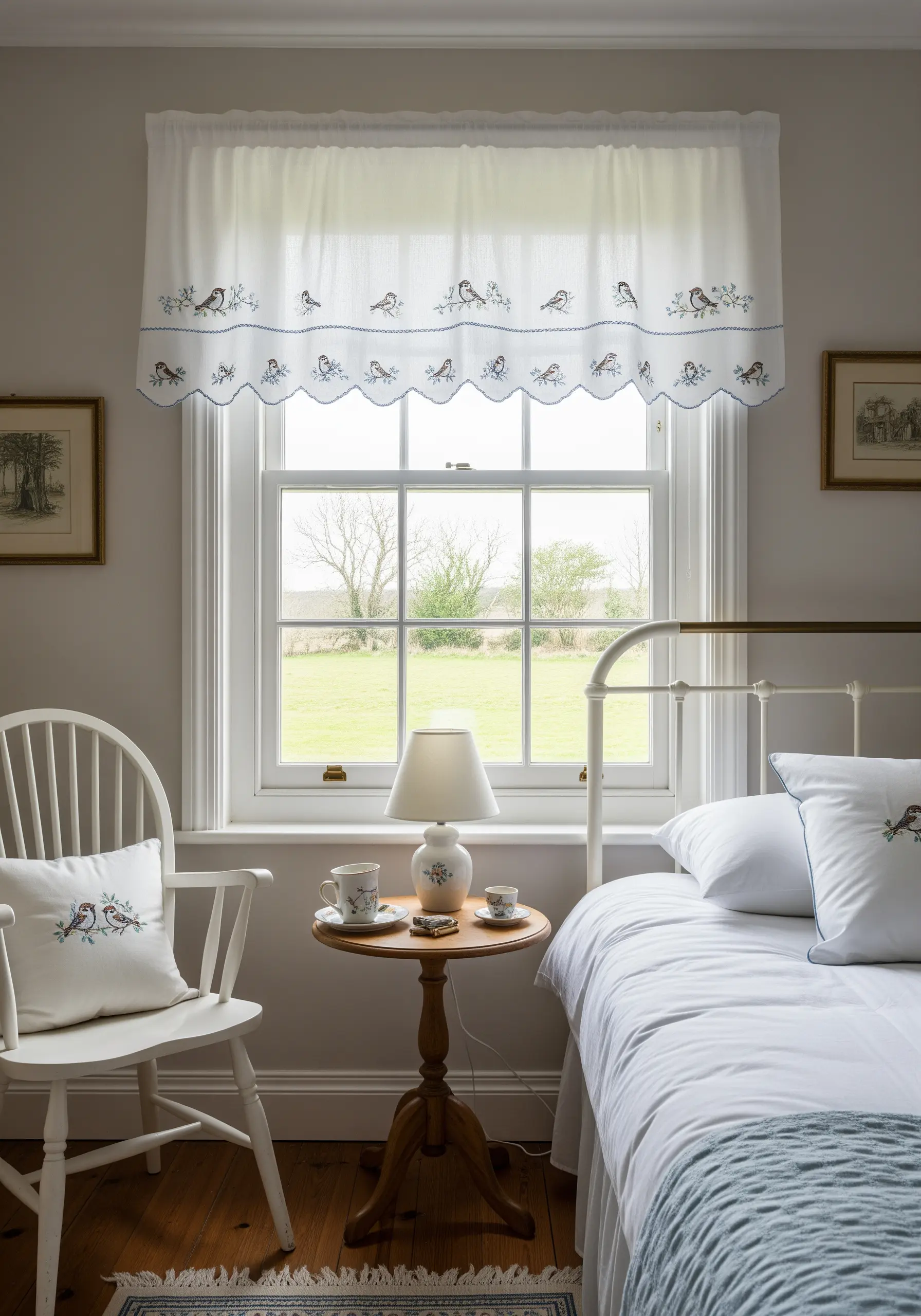
To make a small bedroom feel cohesive and intentionally designed, use the power of repetition.
Choose a single, simple motif—like a small bird, a sprig of lavender, or a geometric shape—and embroider it across different textiles in the room.
Apply it to a pillowcase, the corner of a curtain, or a valance.
By using the same color palette and stitch style, you create a calm, cohesive narrative that ties the entire space together effortlessly.
13. Soften a Workspace with a Stitched Desk Mat
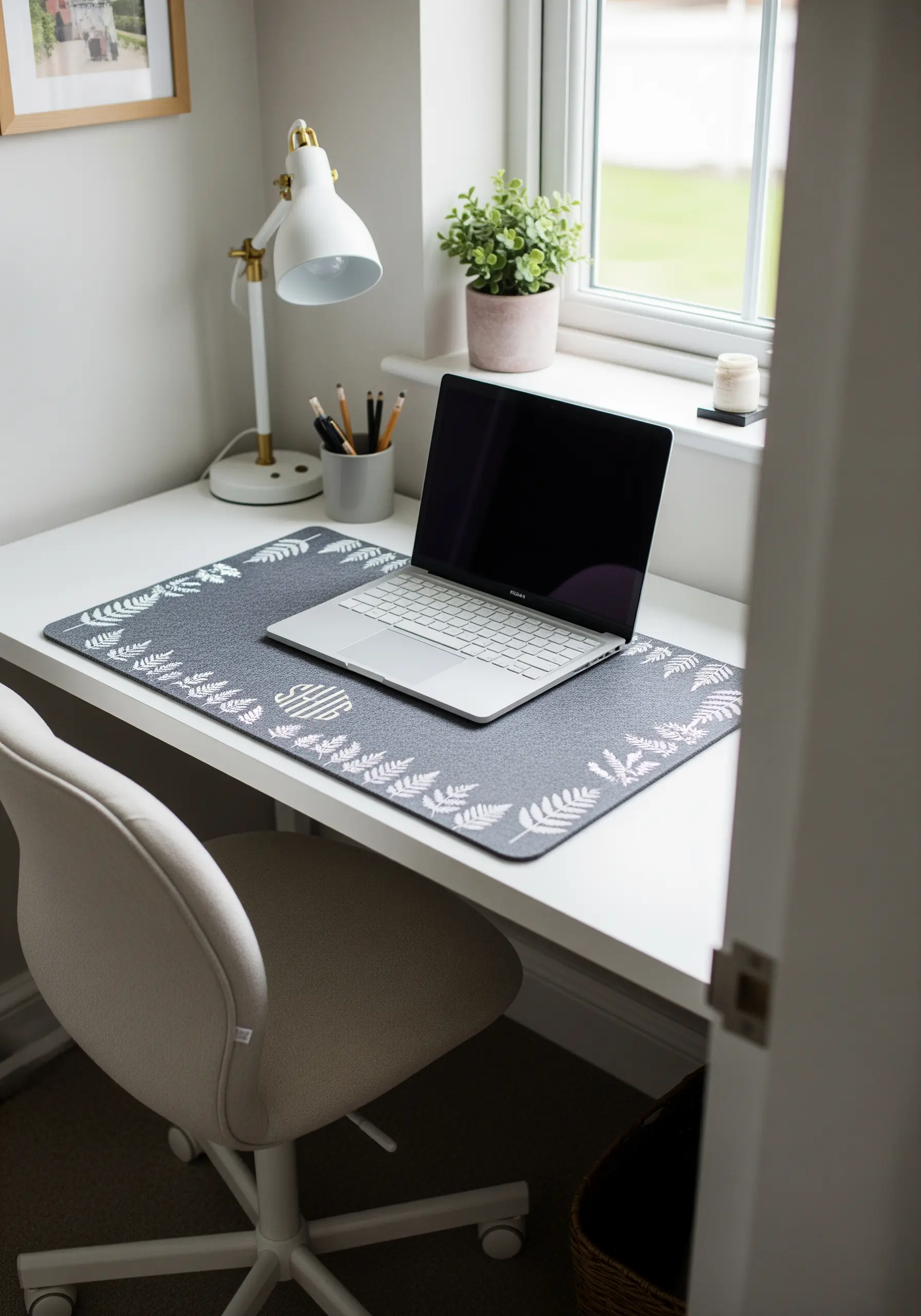
If your bedroom includes a desk, it’s important to keep that zone from feeling cold and corporate.
Create a custom desk mat from a piece of thick felt or wool-blend fabric, which deadens sound and feels warm to the touch.
Embroider a simple border of fern leaves or another botanical design using a single color of thread.
This is one of the easiest embroidery decor ideas that make your workspace look stylish while promoting a sense of calm focus.
14. Craft a Dreamy Canopy with Celestial Stitches
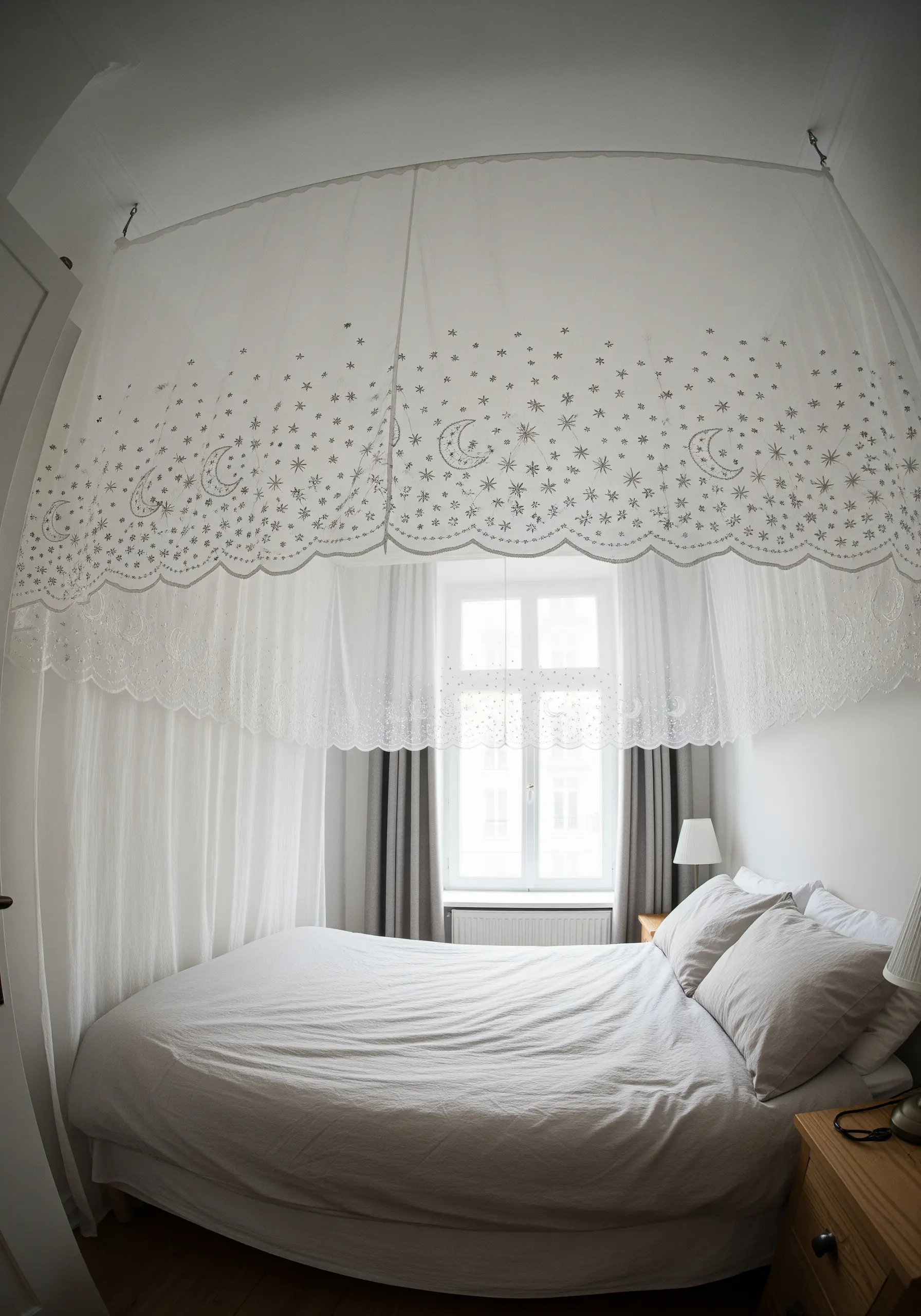
Create a sanctuary within a room by hanging a lightweight, embroidered canopy over your bed.
Use sheer cotton voile and stitch a scattering of simple stars and crescent moons using white or metallic silver thread.
The key is to keep the motifs sparse and delicate, using tiny backstitches and seed stitches.
This creates an ethereal, protective feeling without visually shrinking your space, enclosing your bed in a subtle, magical retreat.
15. Anchor Your Space with a Stitched Rug
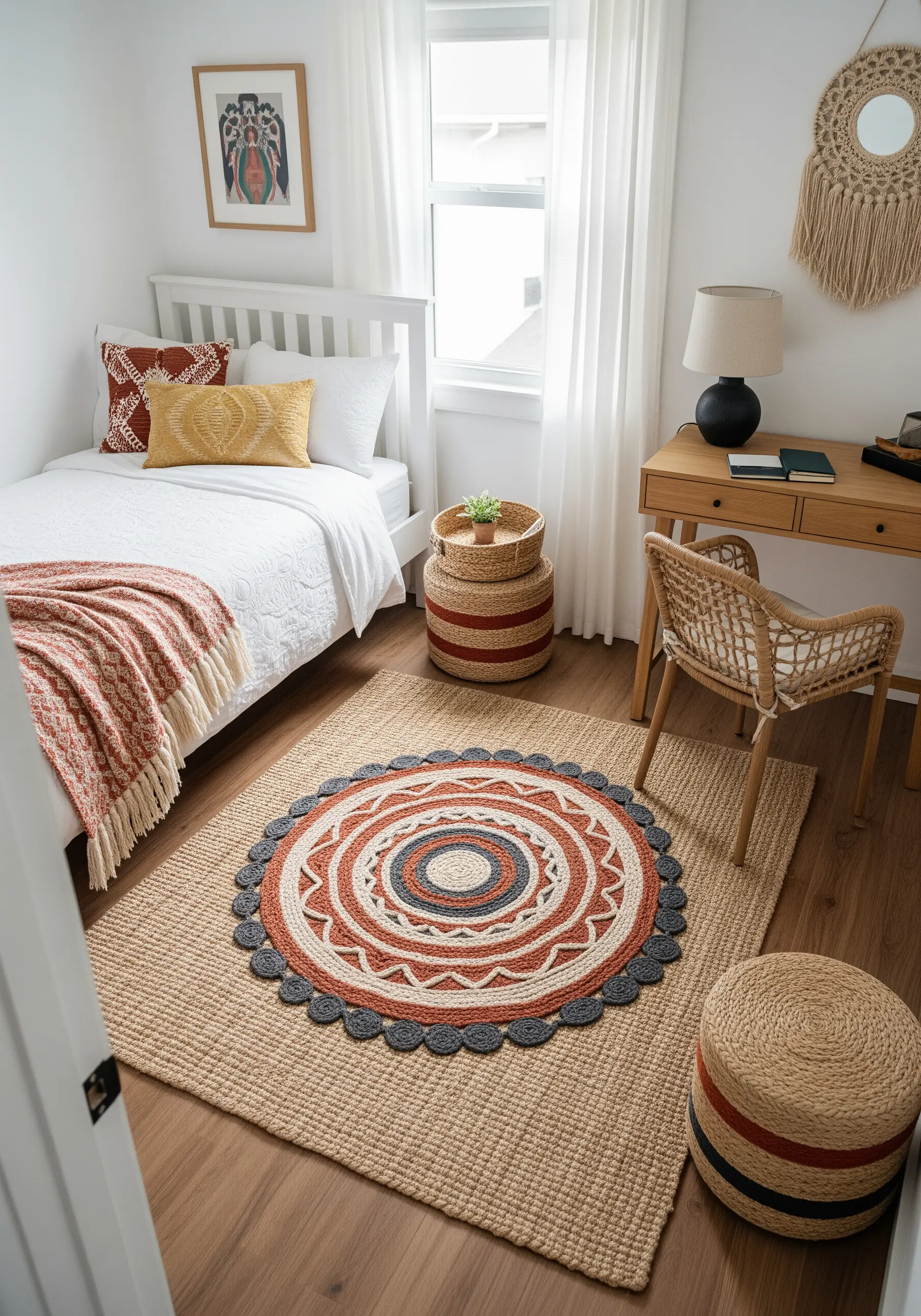
Add a layer of unexpected, handmade texture to your floor by embellishing a simple, flat-weave rug.
Choose a durable jute or cotton rug and use a curved upholstery needle with thick wool yarn to add a bold design.
A central mandala stitched with a heavy chain stitch, or a simple border of couched rope, can ground your room’s design scheme.
This technique adds a layer of handmade texture underfoot and makes the entire room feel more curated.
16. Turn Closet Doors into Graphic Art Panels
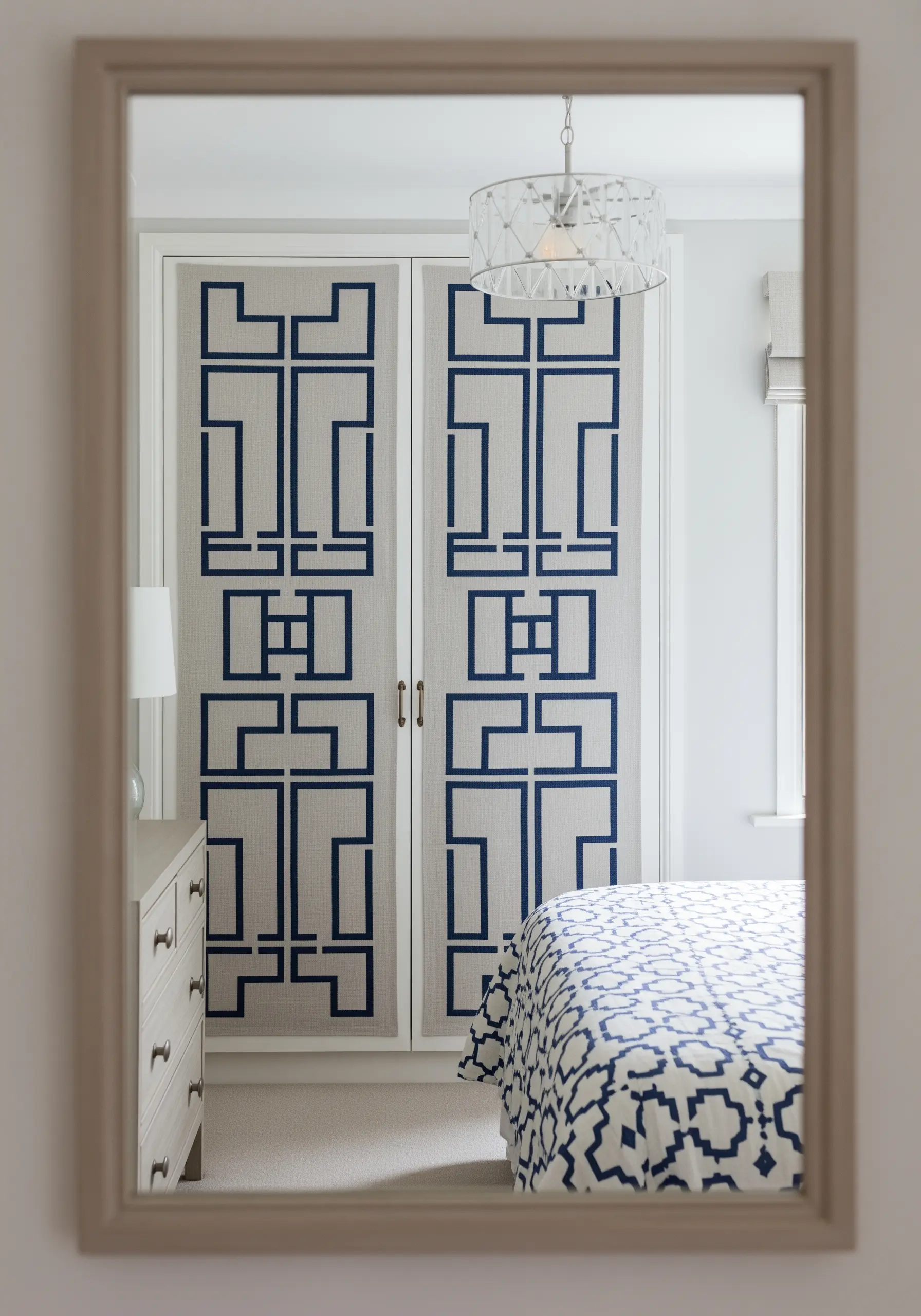
In a small room, every surface counts—including your closet doors.
Transform flat, plain doors by upholstering them with a neutral fabric like linen.
Then, create a bold, geometric pattern using wide cotton twill tape or ribbon, securing it with a simple running stitch along the edges.
This technique adds major architectural interest without taking up a single inch of floor space, turning a functional element into a stunning feature wall.
17. Layer Pillows with Complementary Botanicals
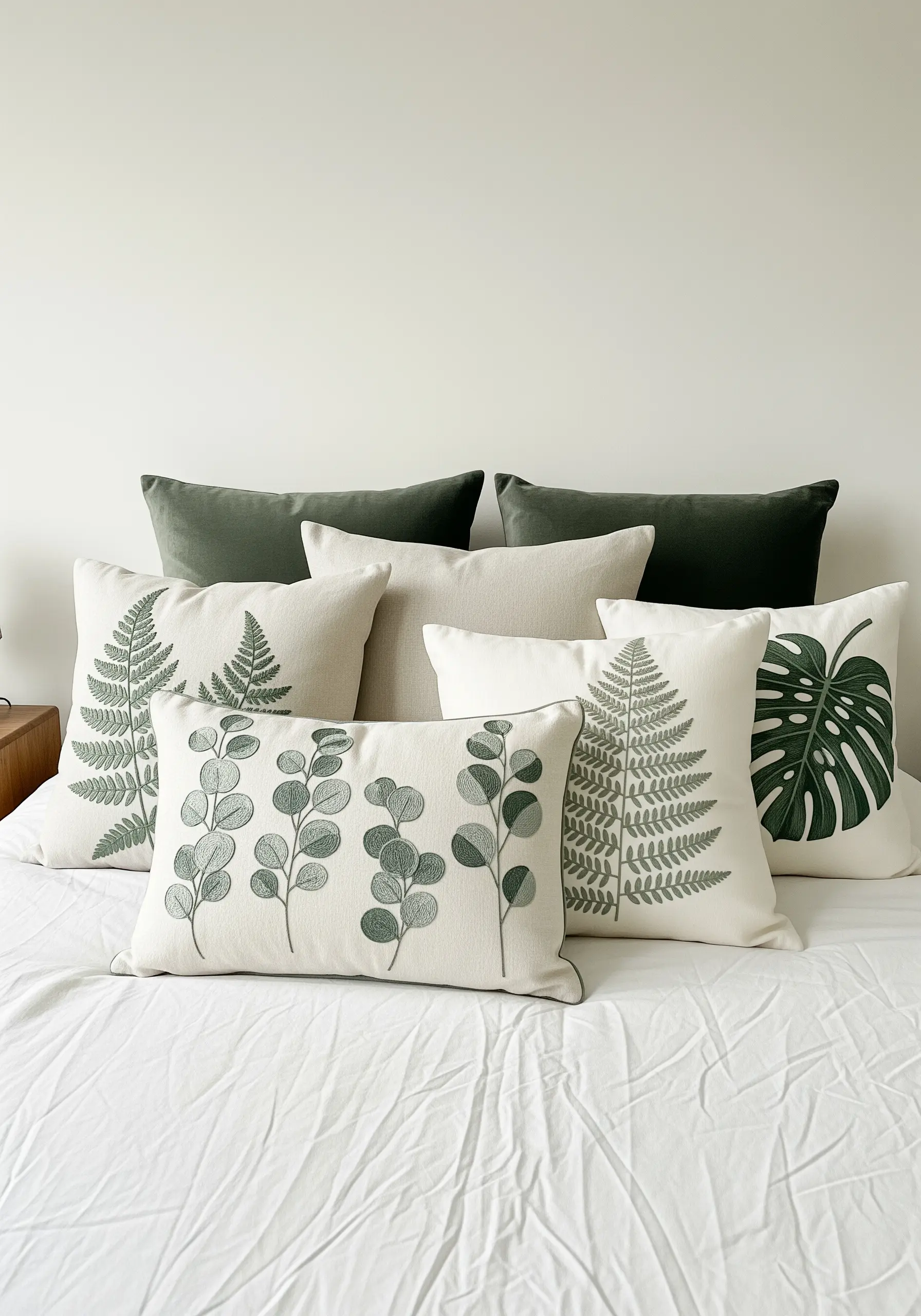
Create a lush, garden-inspired sanctuary on your bed by layering a collection of embroidered pillows.
The key to making this look cohesive rather than chaotic is to use a restrained color palette—like shades of green on a cream linen base.
Stitch each pillow with a different leaf from your favorite plant-inspired embroidery patterns, such as fern, eucalyptus, or monstera.
This variety in form, unified by color, results in a display that is both visually interesting and deeply calming.