Your embroidery hoop can be more than just a tool for craft—it can be a frame for meditation. A mandala, with its balanced, repetitive patterns, is the perfect design to help quiet your mind and focus your intention, transforming the simple act of stitching into a calming ritual.
But a meditative piece doesn’t have to be visually quiet. The ideas that follow are designed to help you create tiny, potent works of art that are as aesthetically pleasing as they are spiritually soothing. We’ll move beyond basic patterns and explore how intentional choices in color, texture, and composition can deepen the meaning of your work.
Think of each stitch as a breath. With every pull of the thread, you are not just making a mark—you are building a small sanctuary. Let these concepts guide you in creating a piece that brings a sense of peace and centeredness to your personal meditation corner.
1. The Quiet Power of a Single Metallic Thread
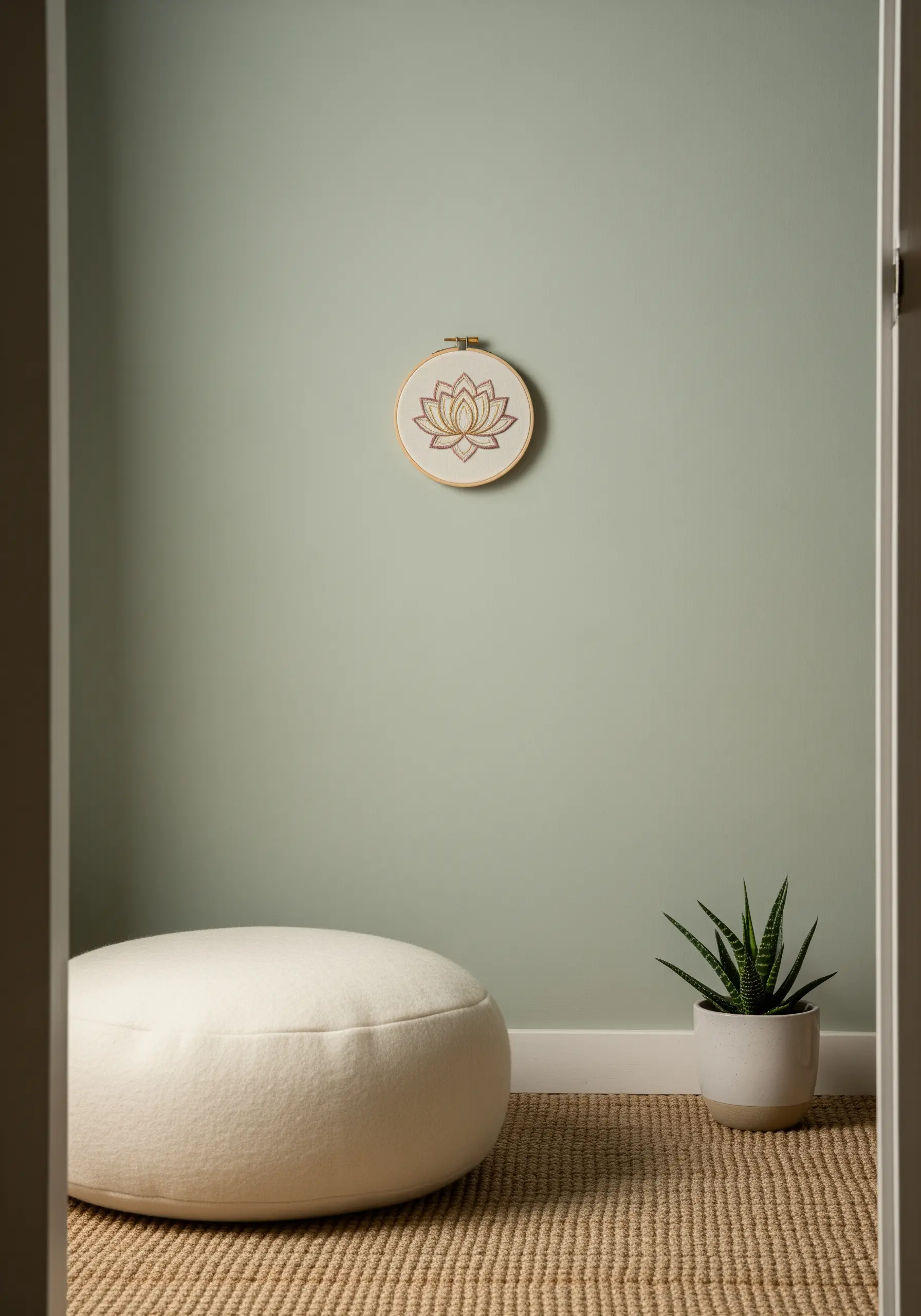
For a design that feels both minimal and sacred, use a single strand of metallic thread for your primary outline.
It adds a subtle shimmer that catches the light without overpowering the simplicity of the lotus motif.
Pair this with two strands of matte cotton floss for any filled sections to create a gentle contrast in texture and finish.
This technique elevates a simple pattern into a focal point that encourages quiet reflection, making the act of stitching as meditative as the finished piece.
2. Watercolor Mandalas on Sheer Organza
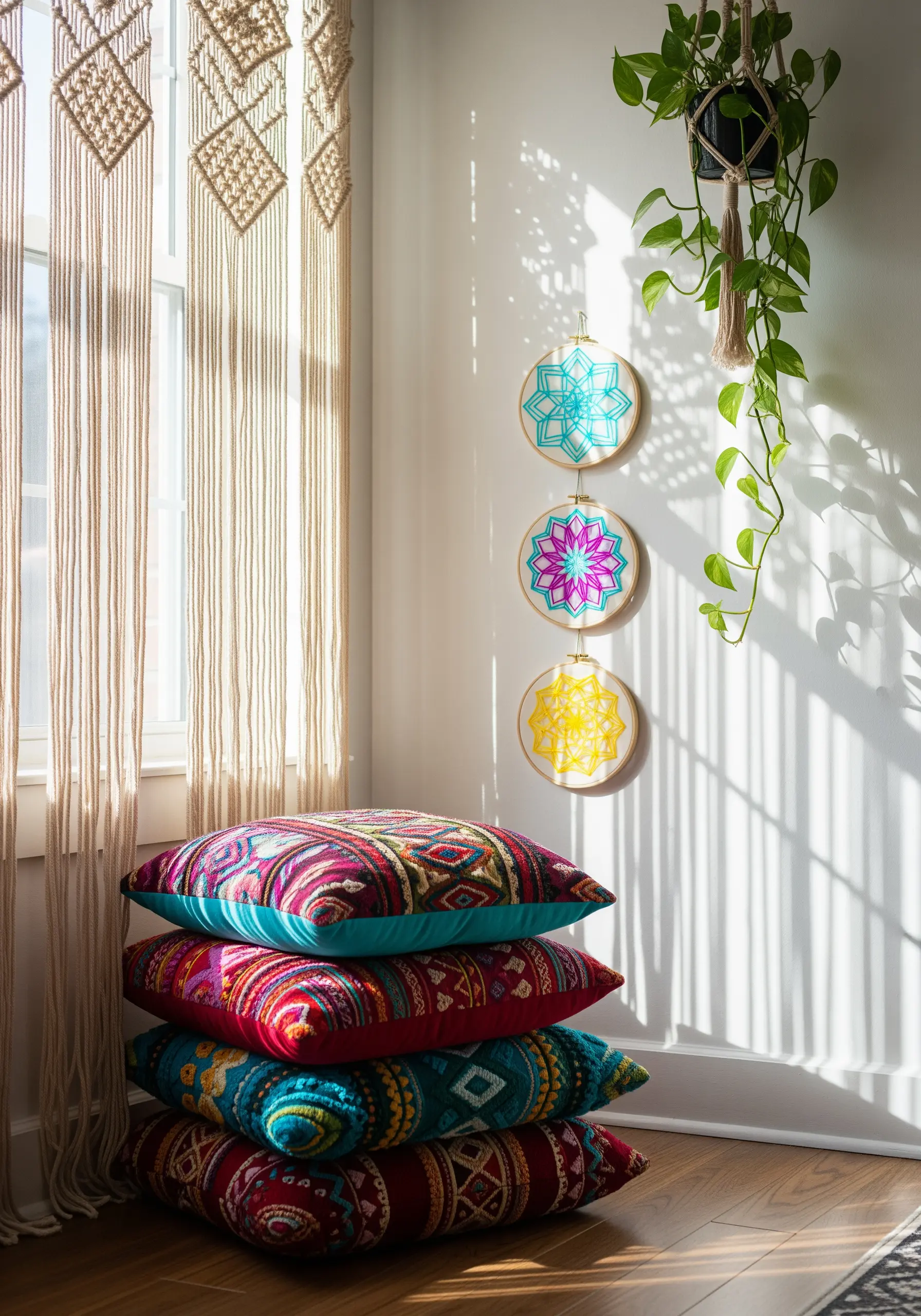
Stitch your mandalas on a sheer fabric like organza or tulle to create a floating, ethereal effect.
The transparency allows light to pass through, making your thread colors appear luminous and giving them a beautiful watercolor-like effect.
Use a simple backstitch and maintain consistent, gentle tension to avoid puckering the delicate material.
When you group three hoops in a vertical line, you create a stunning cascade of color that interacts beautifully with natural light from a window.
3. High-Contrast Stitching for Dramatic Impact
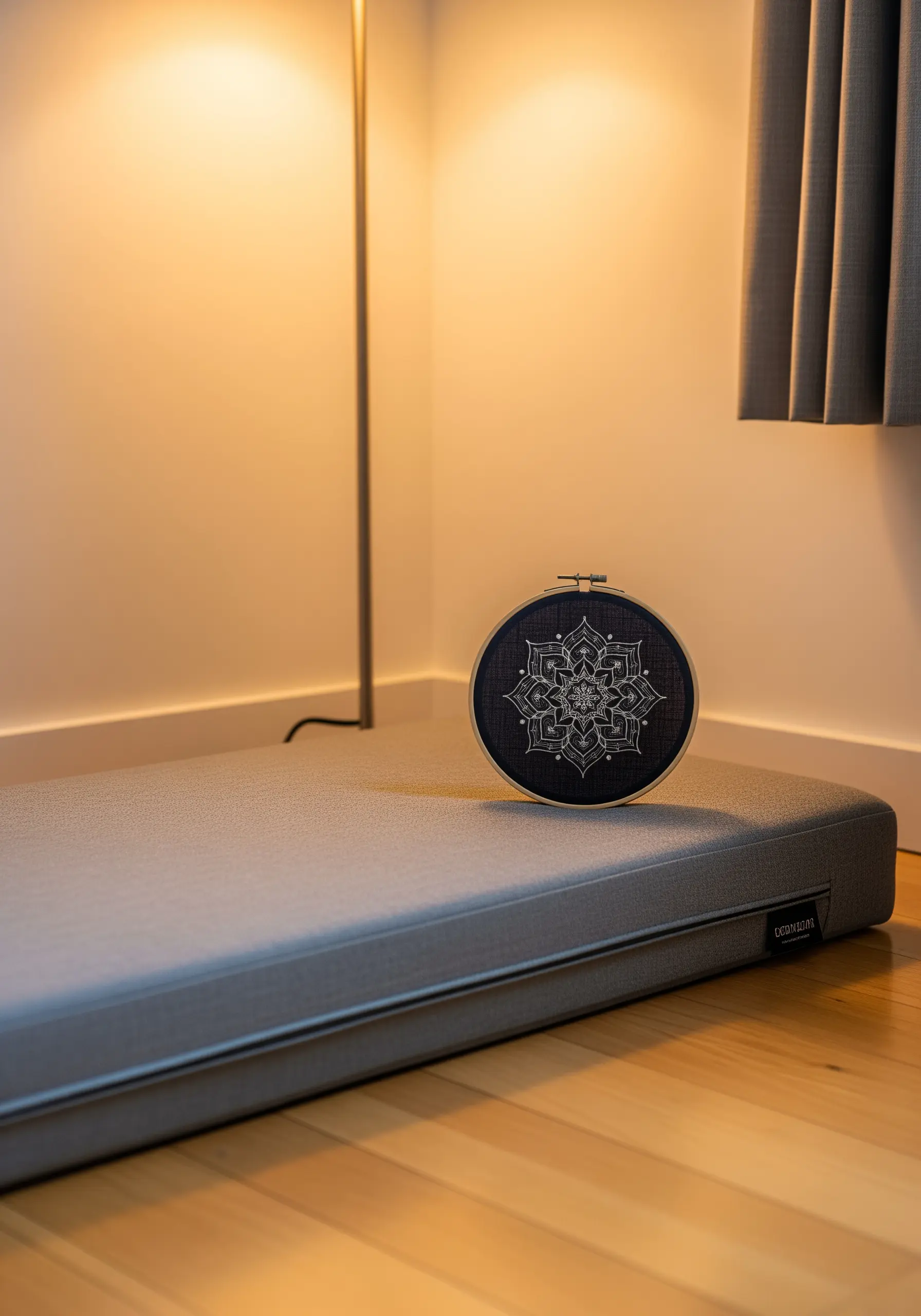
Create a powerful visual statement by stitching an intricate white mandala on black or dark navy linen.
This high-contrast makes every stitch pop, emphasizing the geometric precision of your design.
Use a bright white thread, like DMC Blanc, with a whipped backstitch to give your outlines a smoother, more solid appearance than a standard backstitch alone.
This technique is perfect for creating a piece that draws the eye and quiets the mind through its clarity and focus.
4. Botanical Mandalas: Merging Nature and Geometry
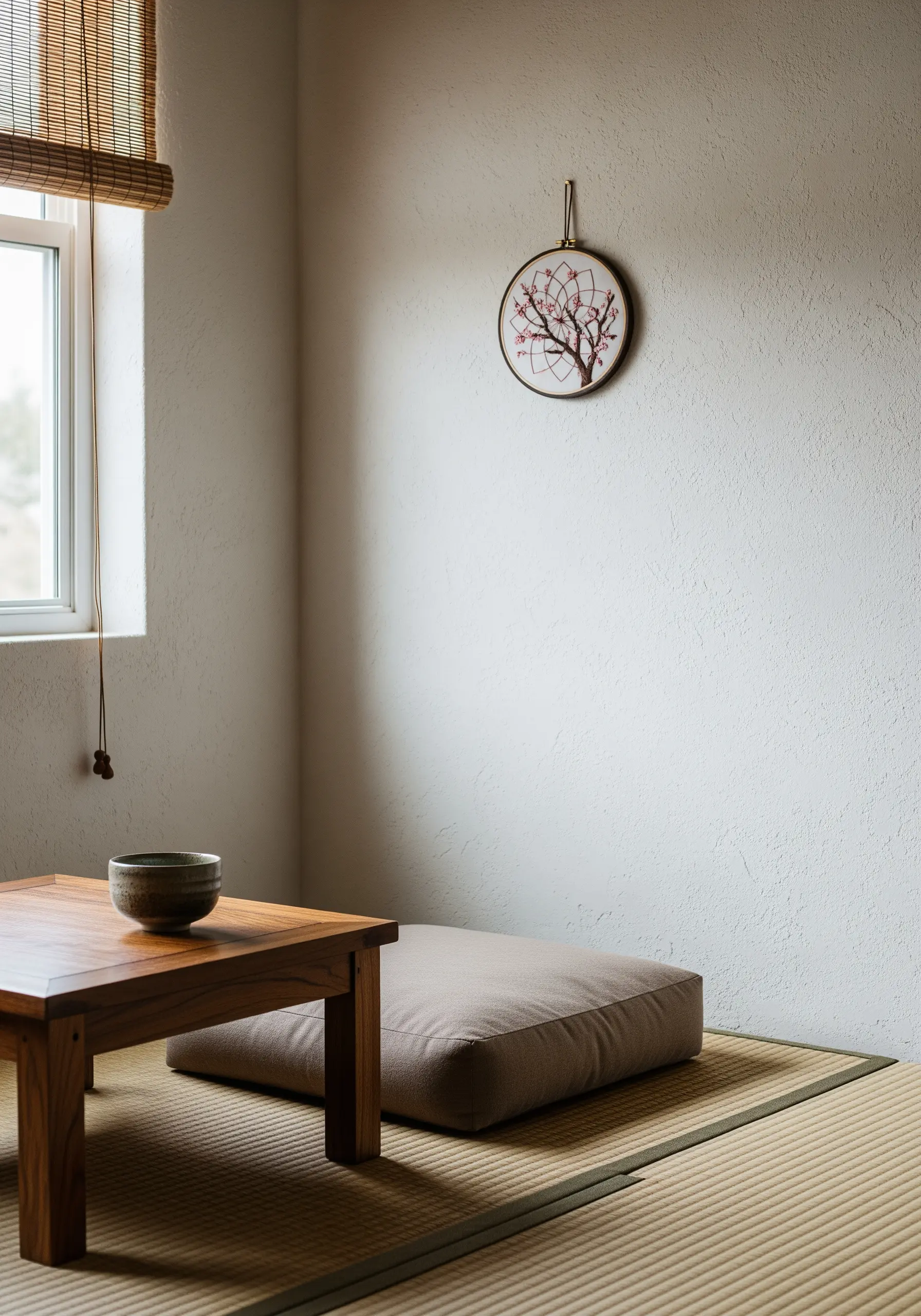
Instead of relying on purely geometric shapes, integrate organic elements like flowering branches into your mandala’s structure.
Use French knots for the blossoms to add points of texture and dimension that stand out against the flatter stitches of the branches.
You can vary the size of the knots by wrapping the thread once for tiny buds and twice or three times for full blooms.
This approach transforms a traditional mandala into a personal piece of botanical textile art that feels grounded and alive.
5. Celestial Mandalas for Meditative Nights
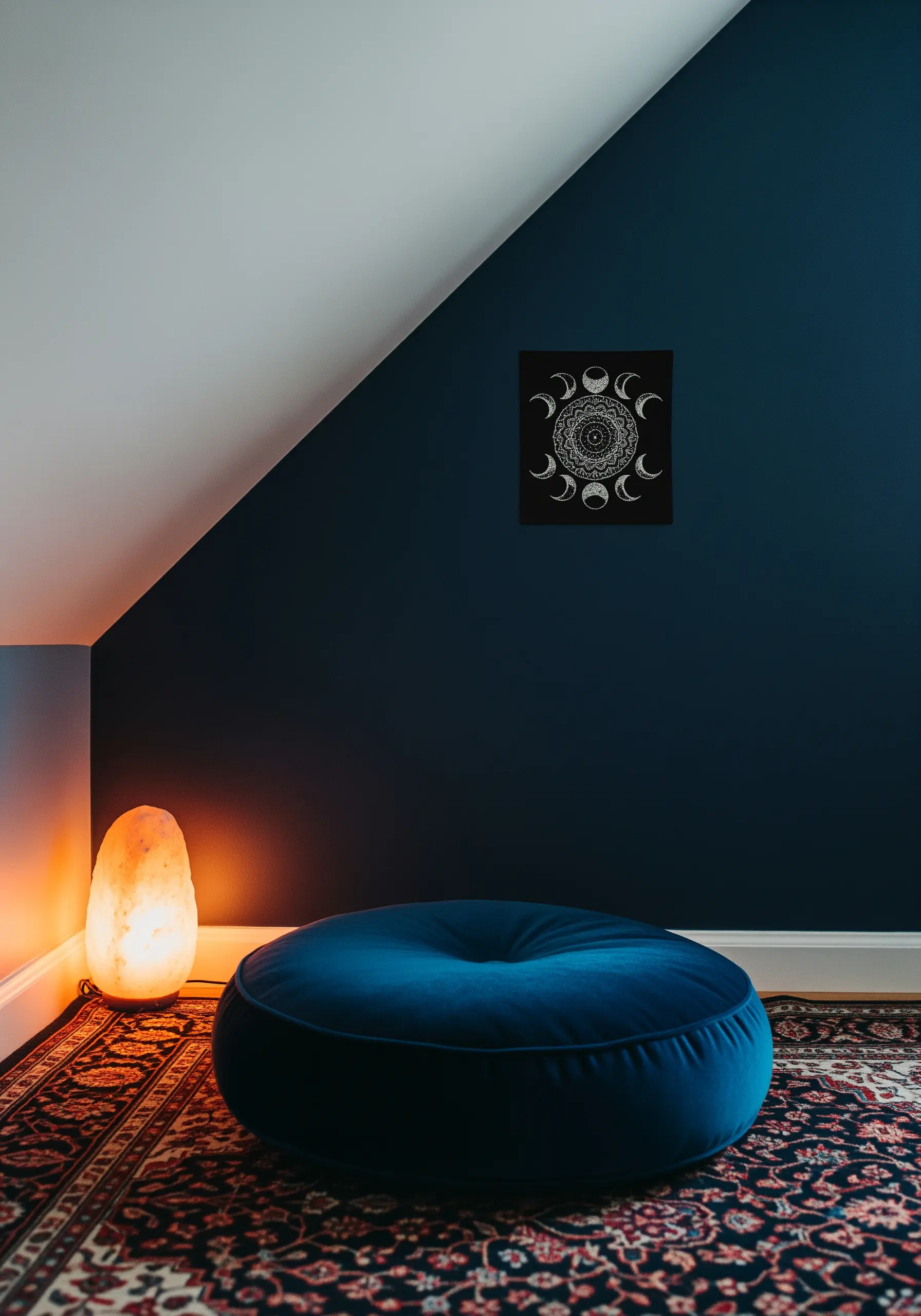
Frame your central mandala with the phases of the moon to evoke a sense of cosmic rhythm and tranquility.
Use a metallic silver thread for the moons against a dark fabric to mimic the night sky.
Fill each moon phase with a dense satin stitch, ensuring your stitches lie perfectly parallel for a smooth, light-reflecting surface.
This design is particularly potent in a quiet, low-lit corner where its subtle shimmer can create a magical atmosphere.
6. Creating a Cohesive Mandala Gallery Wall
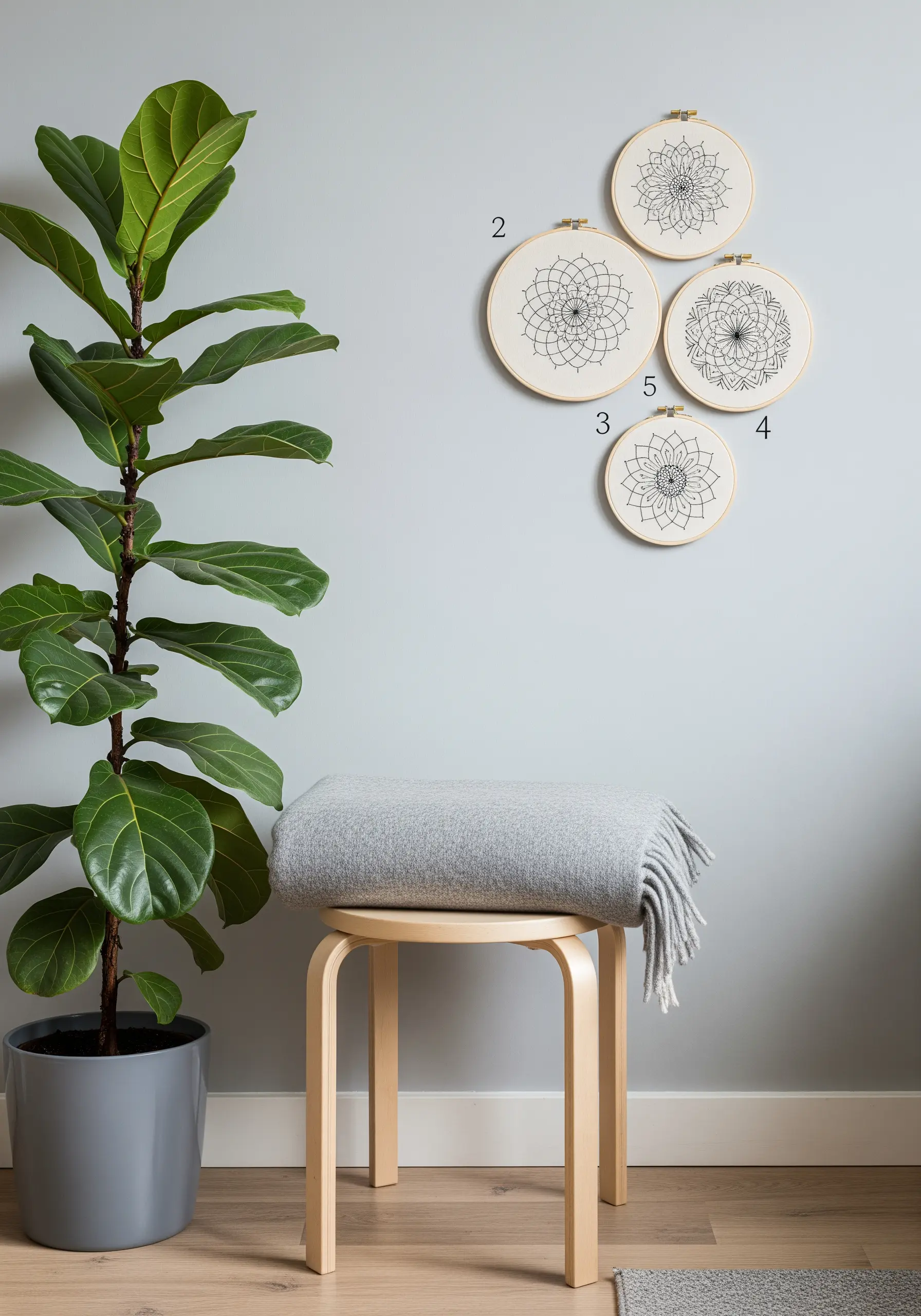
Grouping several mandalas creates a much stronger visual impact than a single, isolated piece.
To ensure your collection feels cohesive, use the same black thread and natural-colored fabric for all the designs.
Vary the hoop sizes and the complexity of the patterns, but keep the core materials consistent to create a unified look.
Arrange them in an organic cluster to form a dynamic yet harmonious gallery wall that feels intentionally curated.
7. Radiating Energy with Gradient Stitching
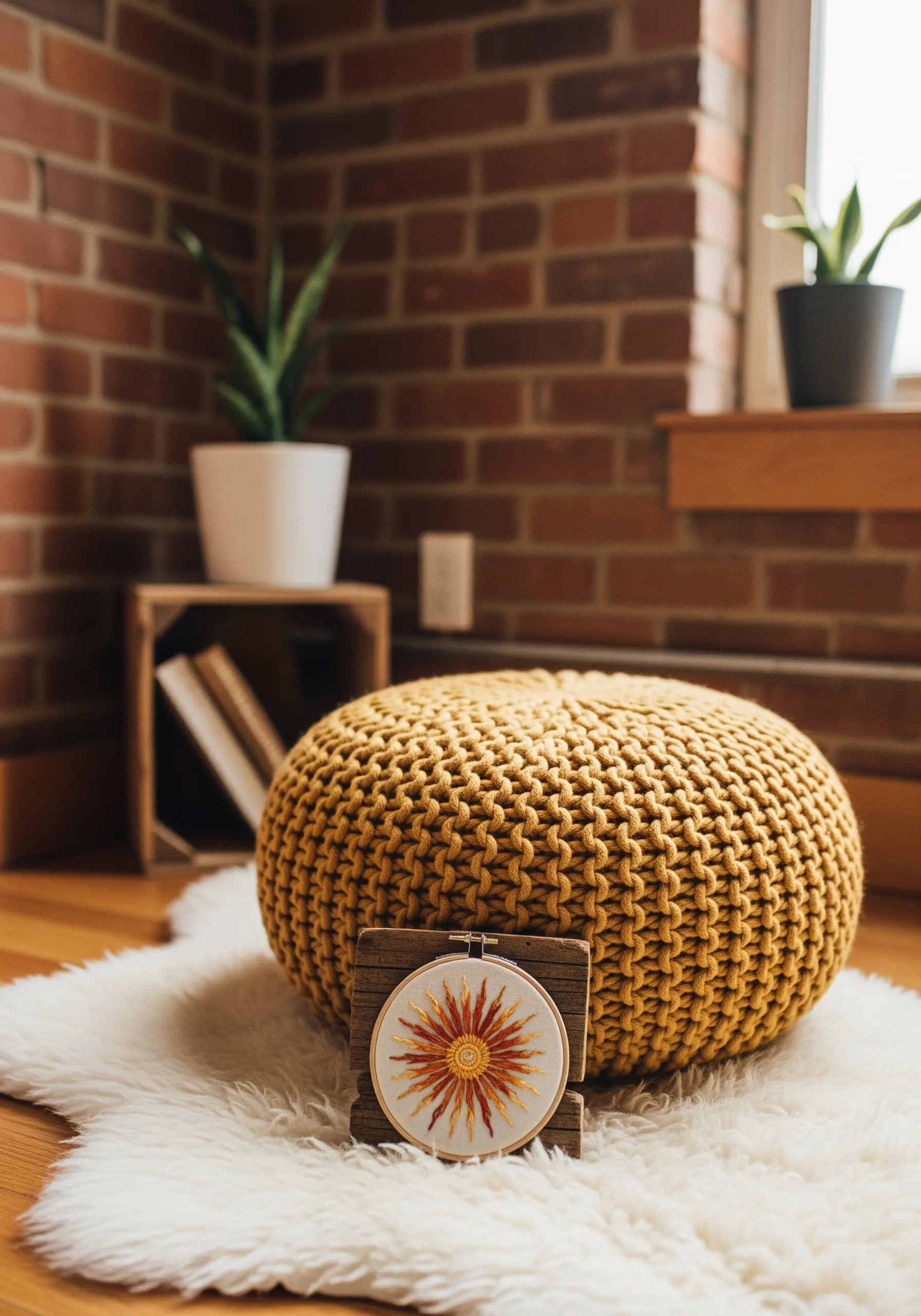
Capture the warmth and energy of the sun by using a gradient of color, moving from a deep red at the center to a bright yellow at the tips.
Employ a long-and-short stitch to blend the colors seamlessly, which creates a smooth transition that mimics radiating light.
Placing the darkest, most intense shade at the center and working your way outwards enhances the feeling of an expanding glow.
This technique transforms a static design into a dynamic representation of warmth and vitality.
8. Stitching on Paper for Crisp, Graphic Lines
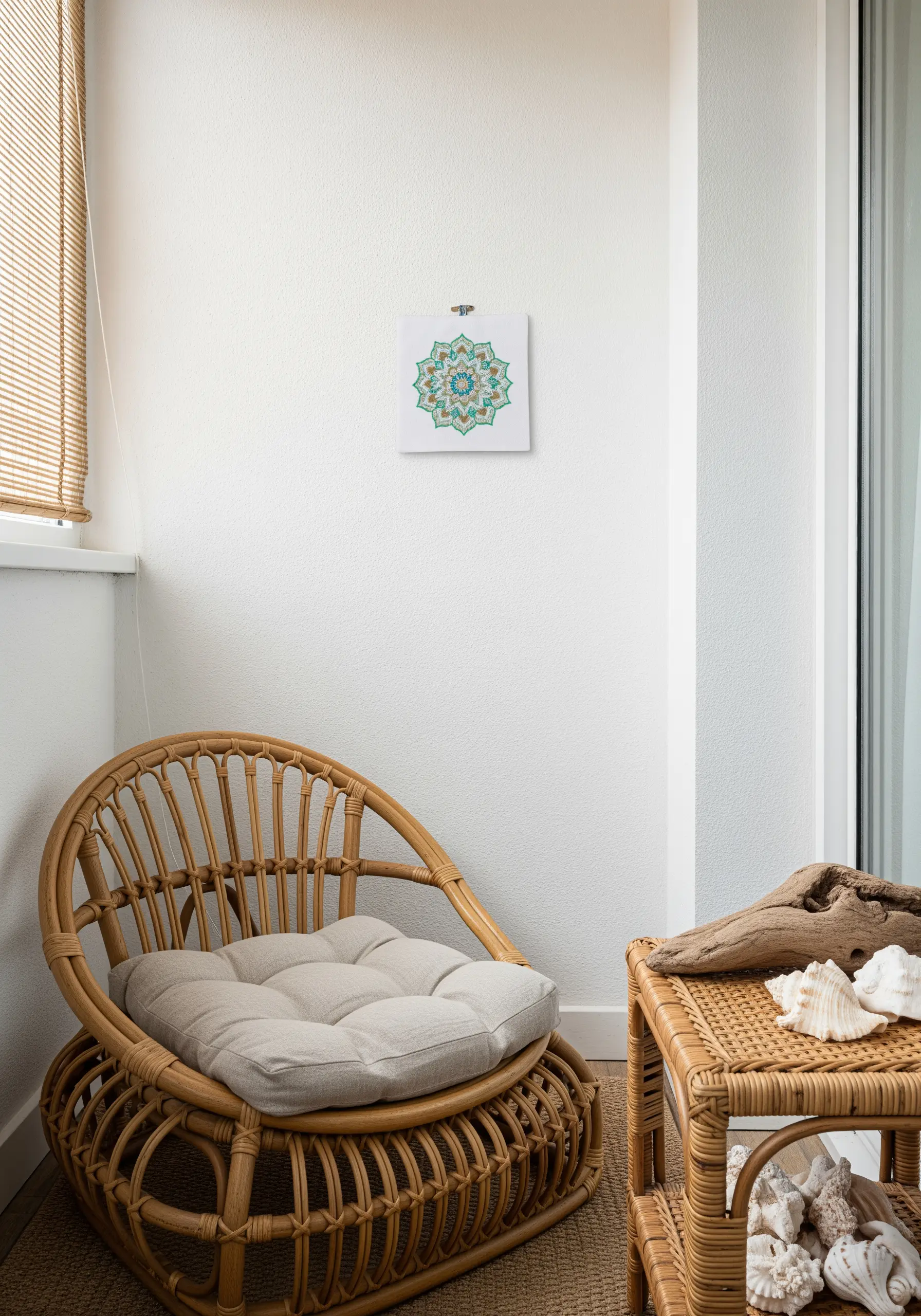
For a modern, mixed-media approach, try stitching your mandala directly onto heavyweight watercolor paper instead of fabric.
This unconventional surface provides a rigid base, resulting in exceptionally crisp and precise lines that are difficult to achieve on cloth.
Be sure to pre-pierce your holes with a pin or needle to prevent the paper from tearing as you stitch.
The combination of textured paper and smooth thread creates a unique piece with a sharp, graphic quality.
9. Playing with Tone and Texture in Monochrome
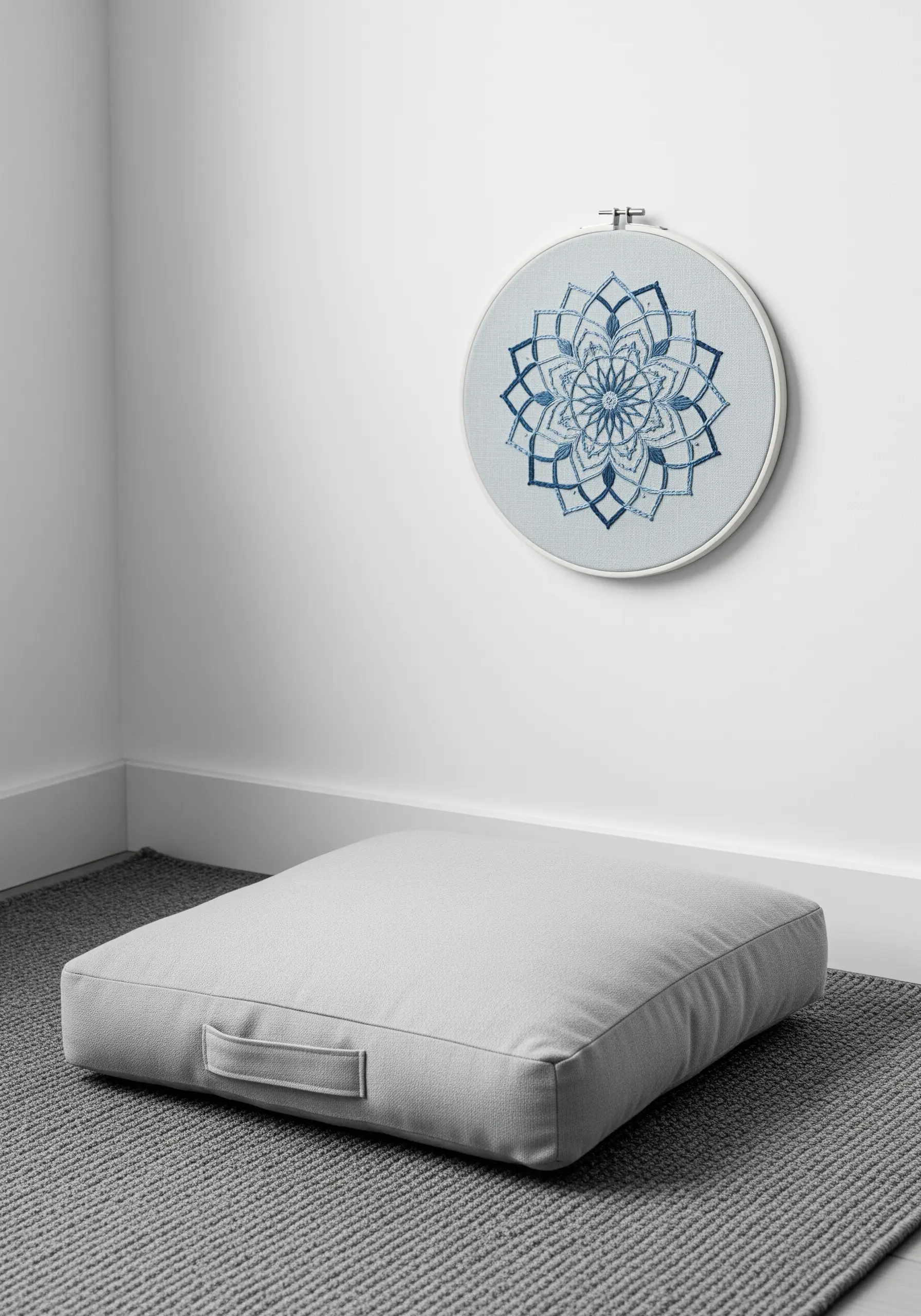
You can create incredible depth in a single-color design by simply varying your stitch types.
Use a thick chain stitch for bold outlines, a dense satin stitch for solid-filled areas, and scattered seed stitches for lighter, textured sections.
This technique adds visual interest and dimension without introducing new colors.
Using a few different shades of the same color—like navy, royal, and sky blue—will further enhance this tonal effect, resulting in a piece that feels both unified and complex.
10. The Mandala as a Gallery Wall Anchor
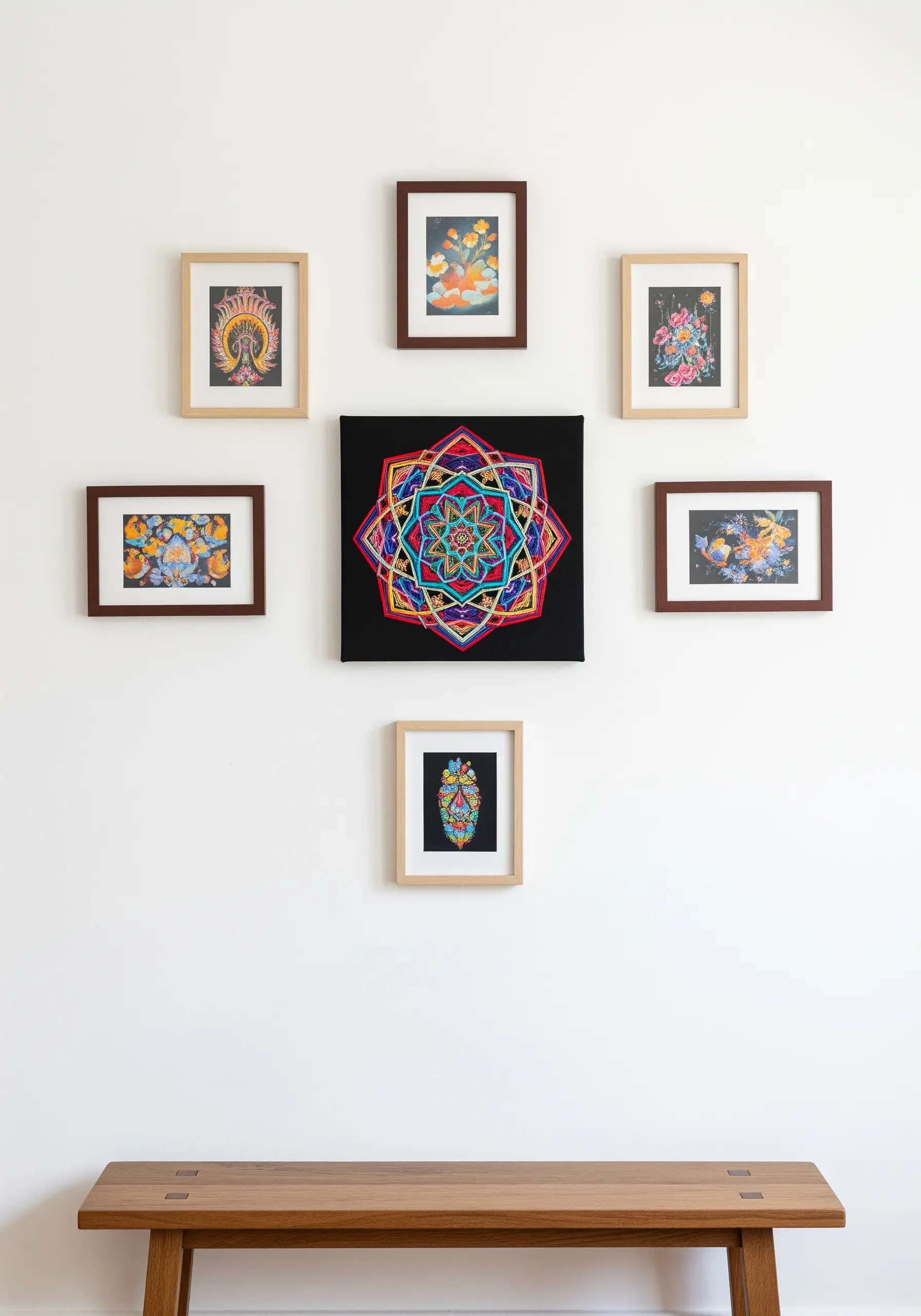
Position your mandala as the centerpiece of a larger art collection to give the entire wall a clear focal point.
Choose a bold, multi-colored design stitched on a dark background to give it the necessary visual weight.
Surround it with smaller, complementary pieces that pick up on the colors or themes within the mandala’s design.
This composition technique elevates your embroidery from a simple craft item to a central piece of fine art that unifies the display.
11. The Botanical Wreath as a Meditative Mandala
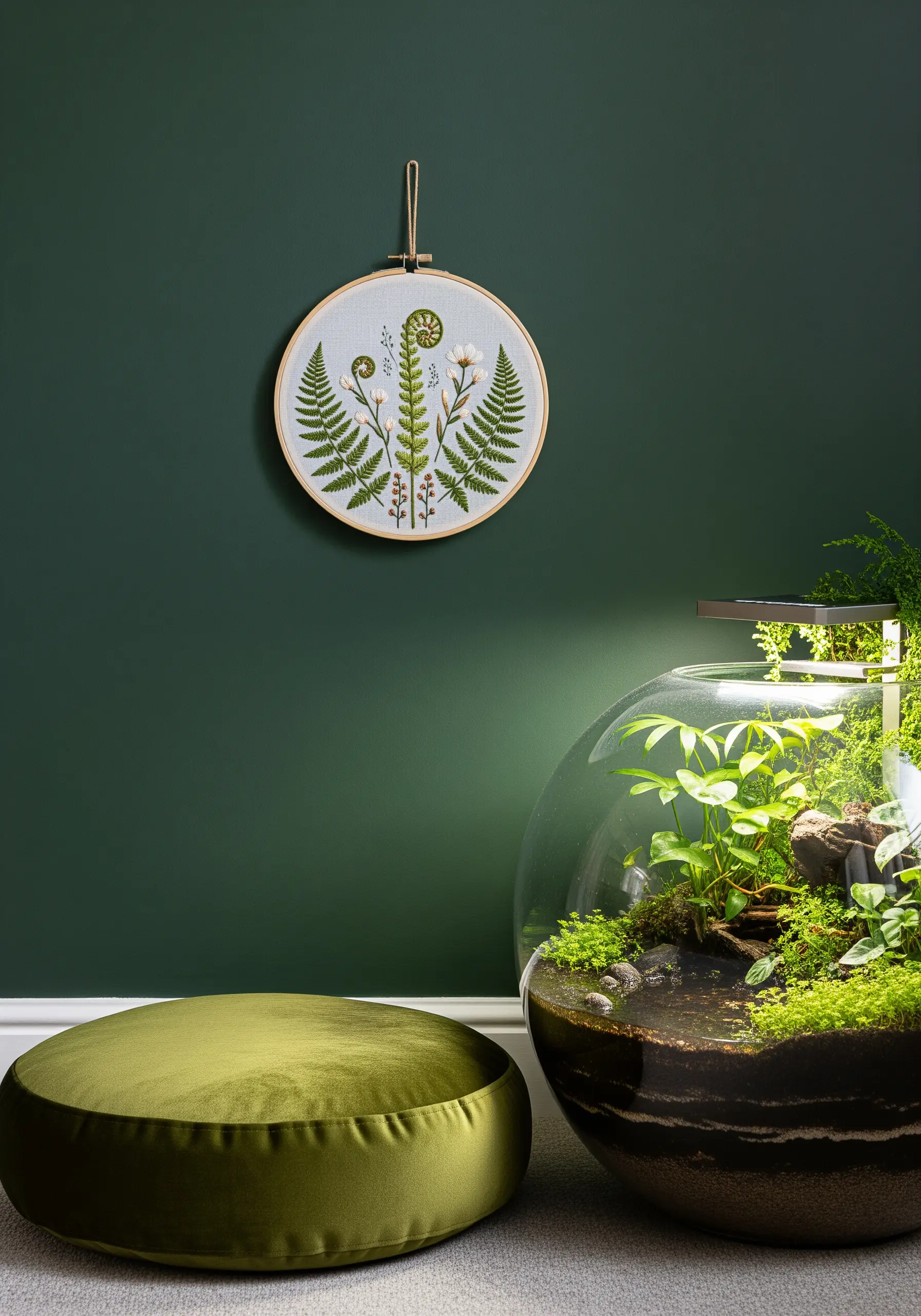
Reimagine the traditional mandala by creating a circular arrangement of botanical elements like ferns, leaves, and wildflowers.
Use a fishbone stitch for the fern fronds to create a natural, layered texture that mimics a real leaf.
Add delicate French knots for small white flower accents, which provide pops of texture and brightness.
This approach softens the rigid geometry of a classic mandala, turning it into a calming piece of nature-inspired embroidery wall decor.
12. The Half-Mandala for Minimalist Spaces

You don’t always need a full circle to capture the serene, balancing essence of a mandala.
A semi-circle design beautifully evokes a sunrise or sunset, making it a perfect accent for minimalist spaces or smaller walls.
Use a bright, energetic color palette and fill the sections with a smooth satin stitch for a clean finish.
The flat edge allows the piece to sit cleanly above a headboard or shelf, creating a sense of calm without overwhelming the room.
13. Sculptural Mandalas with Chunky Yarn
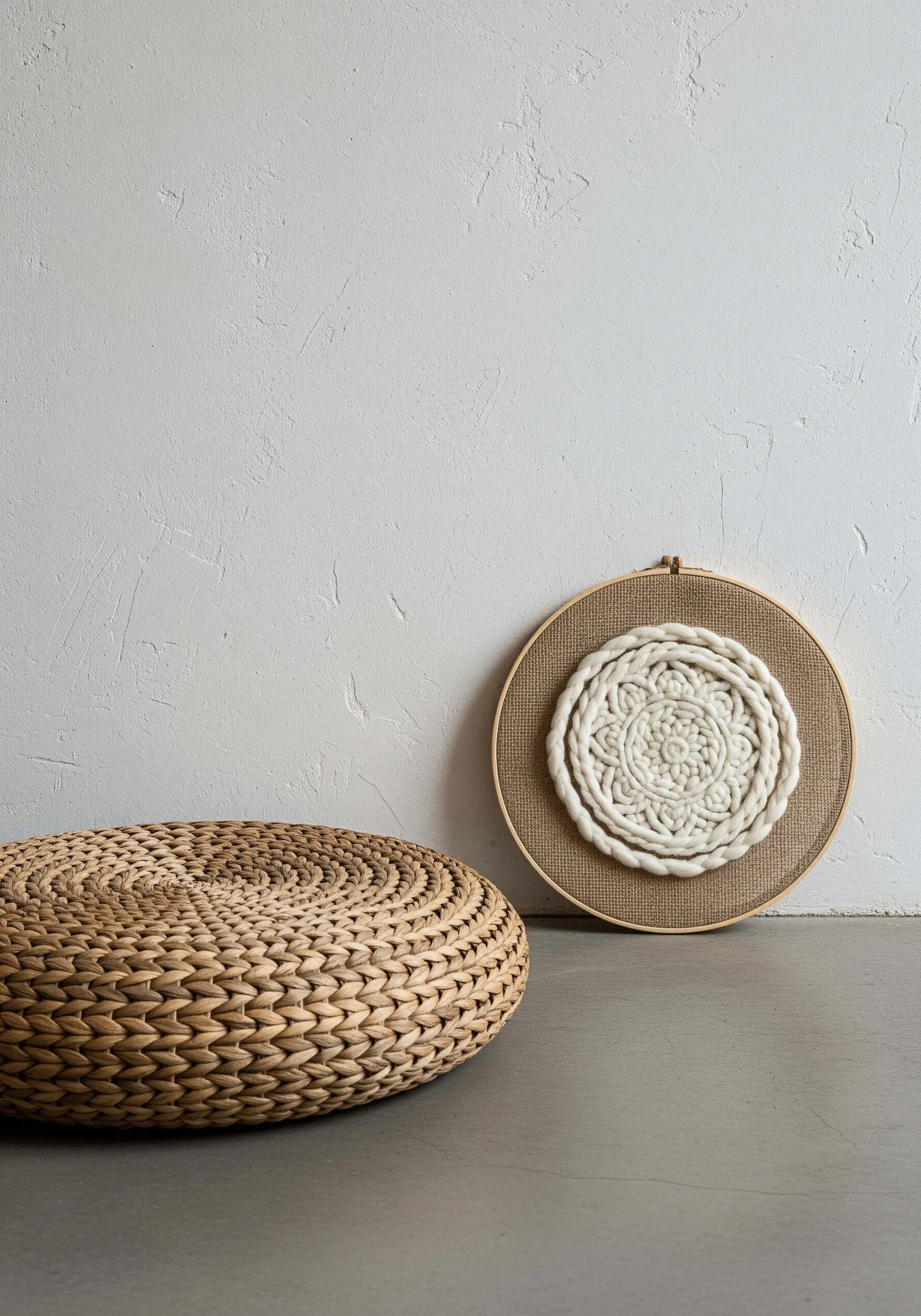
Move beyond traditional floss and use chunky yarn or wool roving to create a highly textural, three-dimensional mandala.
Couching is the perfect technique for this: lay the thick yarn on your fabric and use a thinner, matching thread to tack it down at intervals.
This allows you to create bold, sculptural lines that would be impossible with standard embroidery methods.
A burlap or coarse linen background complements the rustic, wonderfully tactile nature of the yarn.
14. Jewel Tones on a Moody Background
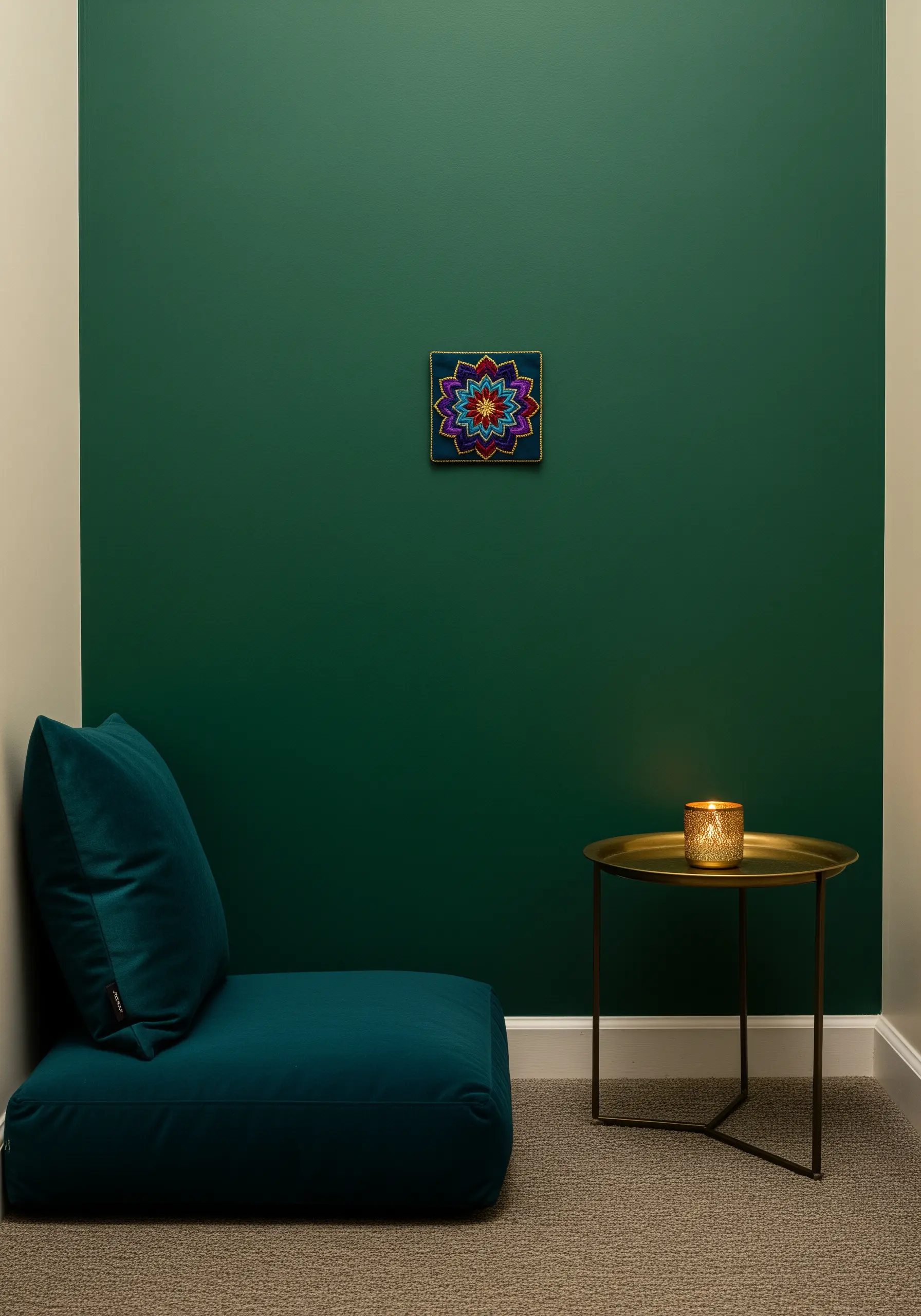
Make your mandala appear to glow from within by stitching it with rich jewel tones—sapphire blue, ruby red, emerald green—and hanging it on a deep, moody wall color.
The dramatic contrast will make your thread colors look intensely saturated and luminous, especially in soft lighting.
For an even more luxurious effect, outline key shapes with a single strand of gold metallic thread to define the edges and catch the light.
15. Deconstructed Mandalas with Color Blocking
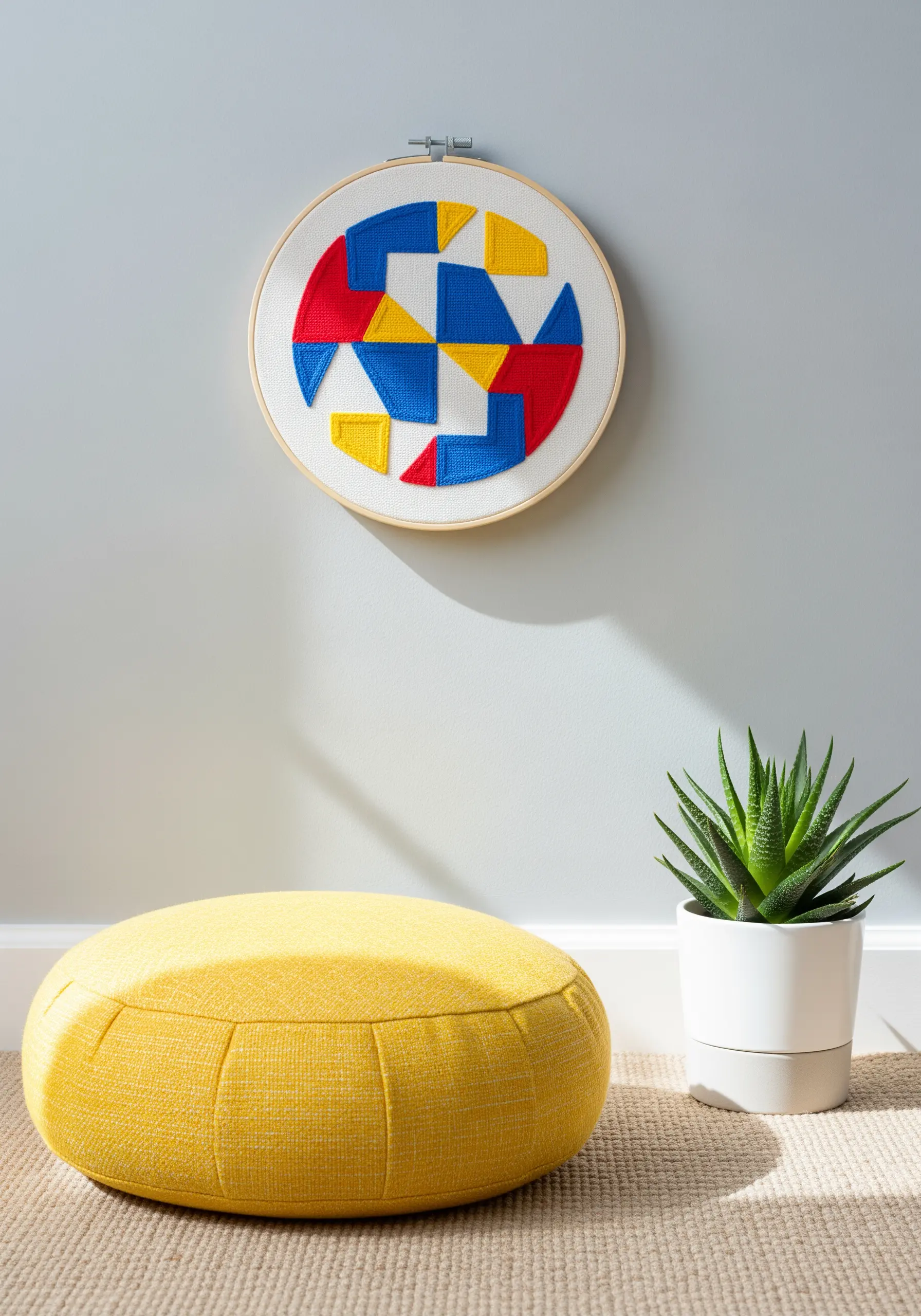
Break away from traditional floral or petal shapes and embrace pure geometric forms for a modern, abstract interpretation of a mandala.
Use solid blocks of primary colors—red, yellow, and blue—to create a playful yet structured design.
A dense, perfectly executed satin stitch is essential for achieving the flat, even blocks of color that define this style.
This Mondrian-inspired approach turns the meditative practice of stitching into a bold, contemporary art piece.
16. The Mandala as a Stylized Landscape

Expand your definition of a mandala by arranging landscape elements into a balanced, symmetrical composition.
Use simple line work and a limited, earthy color palette to represent cacti, rolling hills, and a central sun.
The repetition and radial symmetry provide the same meditative quality as a traditional geometric mandala, but with a unique, narrative twist.
This concept is perfect for framing as a square piece rather than finishing in a hoop.
17. Framing for a Formal, Finished Look
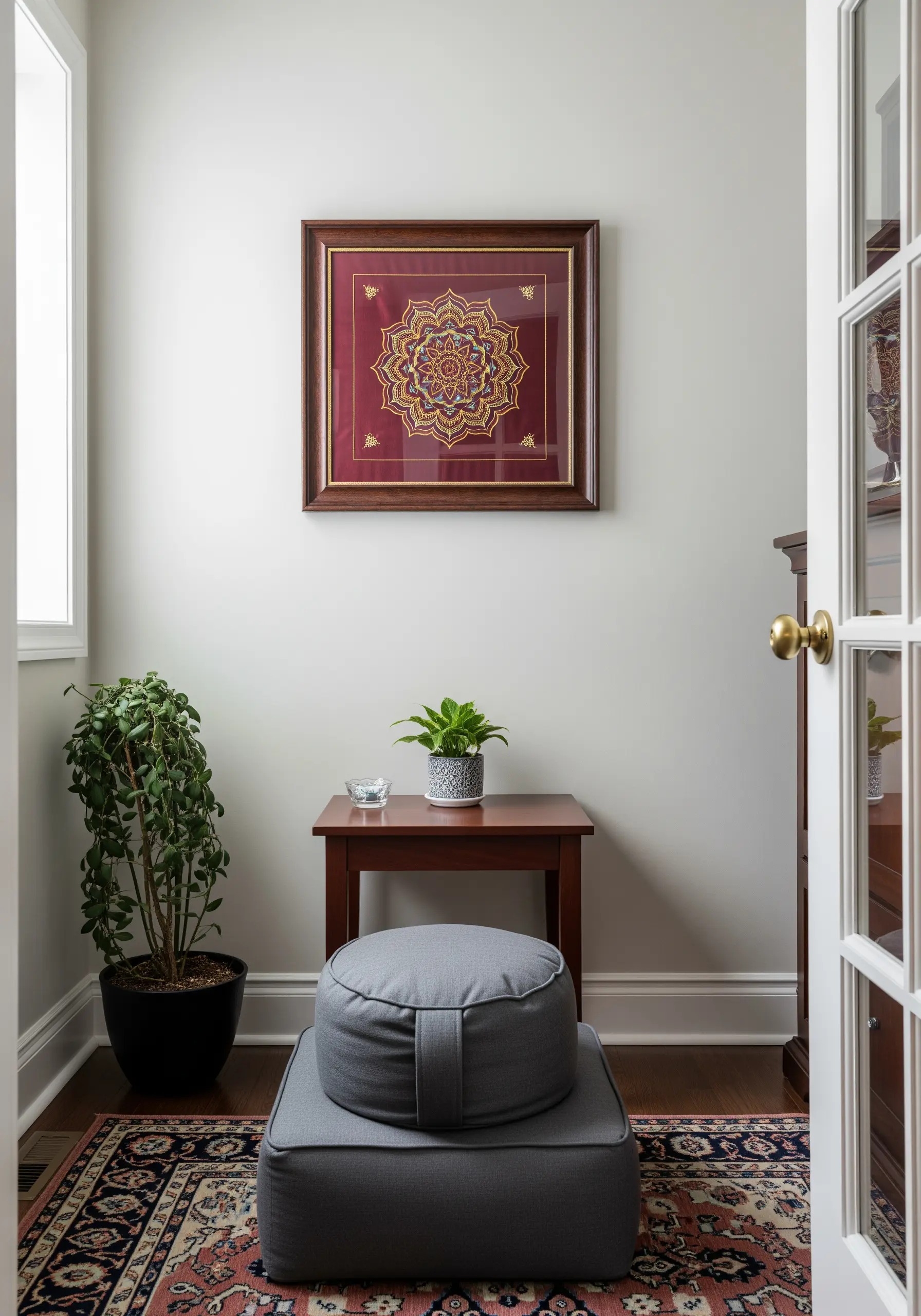
Instantly elevate your mandala from a hoop-art project to a gallery-worthy piece by having it professionally framed.
Choose a background fabric with a slight sheen, like a silk-cotton blend, and use metallic threads to add richness and depth to the design.
A dark wood frame with a crisp white mat creates a formal, polished presentation that protects your work and integrates it seamlessly with traditional home decor.
This finishing touch transforms your stitching into a treasured heirloom.
18. Soft Focus Mandalas with Pastel Tones
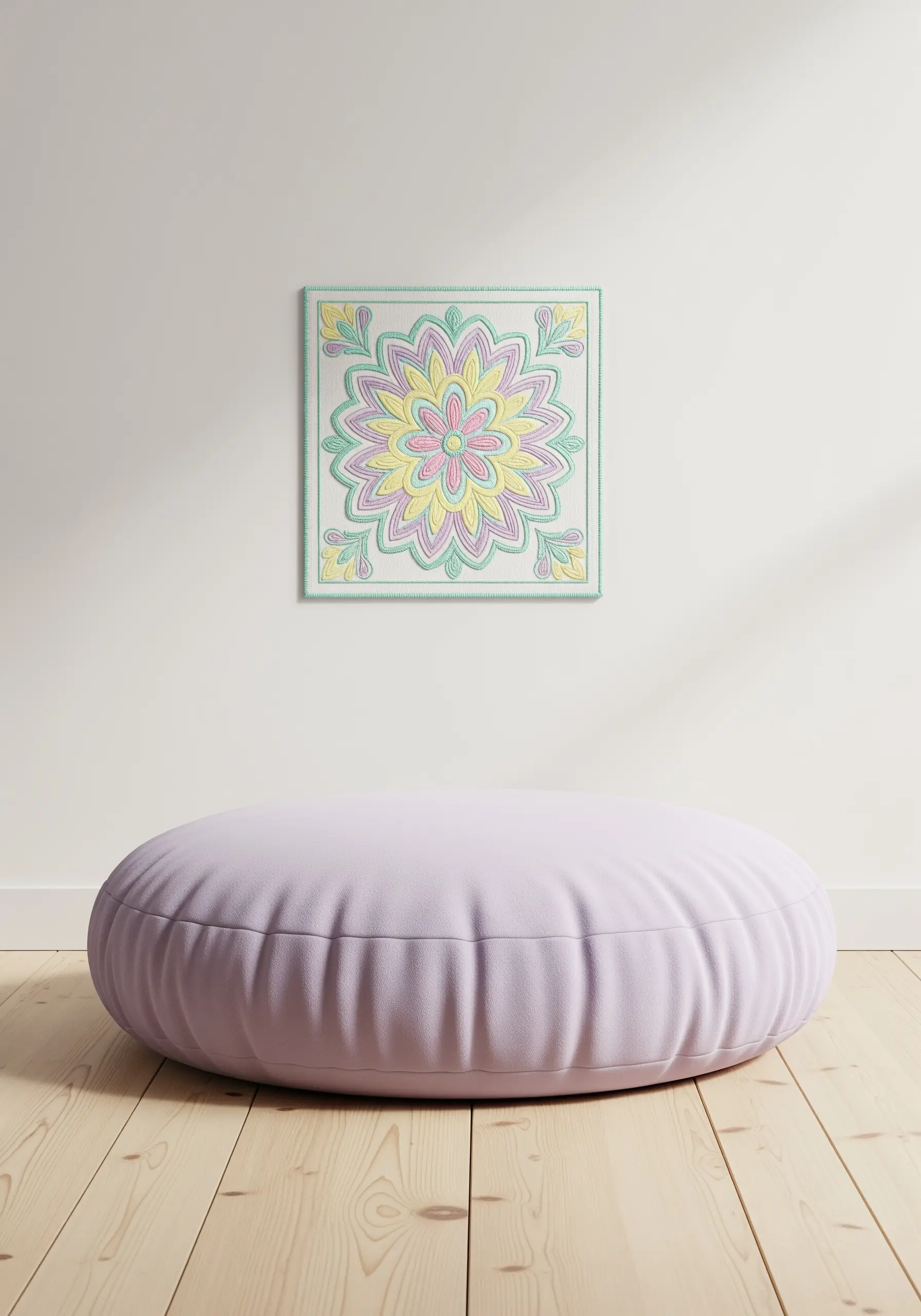
Create a dreamy, gentle aesthetic by working exclusively with a soft pastel palette.
Colors like mint, lavender, buttercup yellow, and pale rose blend together beautifully without competing for attention.
Use a whipped backstitch for your outlines to create smooth, defined lines that contain the soft colors and give them structure.
This approach is ideal for creating a calming, serene atmosphere in a brightly lit room or nursery.
19. String Art Mandalas for Geometric Purity
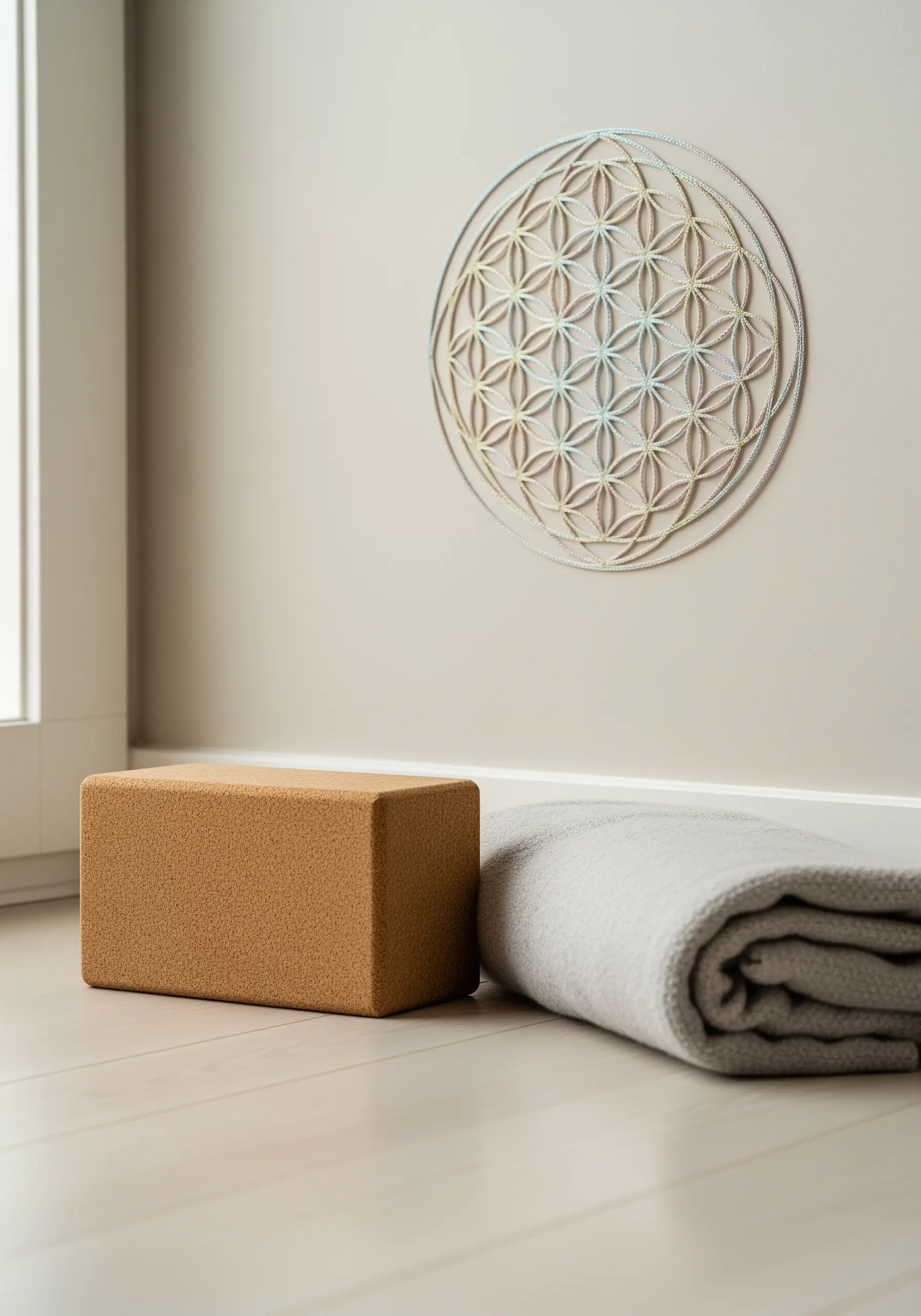
Translate the principles of embroidery into a string art mandala for a strikingly modern and minimal effect.
Use a sturdy board as your base and map out a geometric pattern, like the Flower of Life, with small, evenly spaced nails.
Then, wrap metallic or iridescent thread tautly between the nails to form the design.
The overlapping threads create intricate secondary patterns and subtle color shifts as the light changes, offering a unique take on thread-based meditative art.
20. Earth-Toned Mandalas on Natural Linen
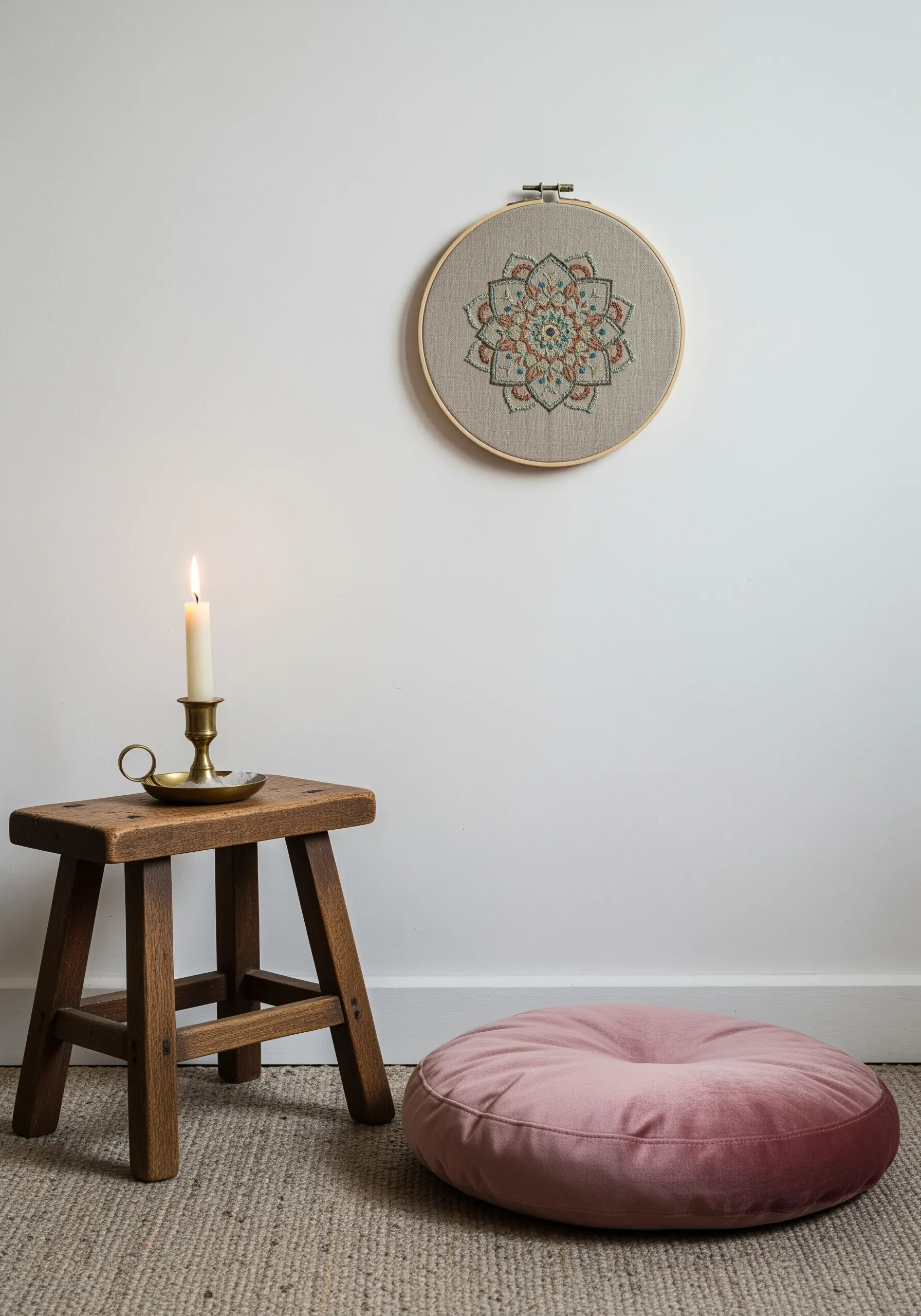
Ground your meditation space by stitching a mandala with an earthy color palette of terracotta, olive green, ochre, and muted teal.
These natural colors pair beautifully with an unbleached linen or raw cotton fabric.
The subtle texture of the linen adds depth and warmth, enhancing the organic, calming feel of the design.
This combination creates a piece that feels both serene and deeply connected to the natural world.
21. The Graphic Impact of Monochrome Geometry
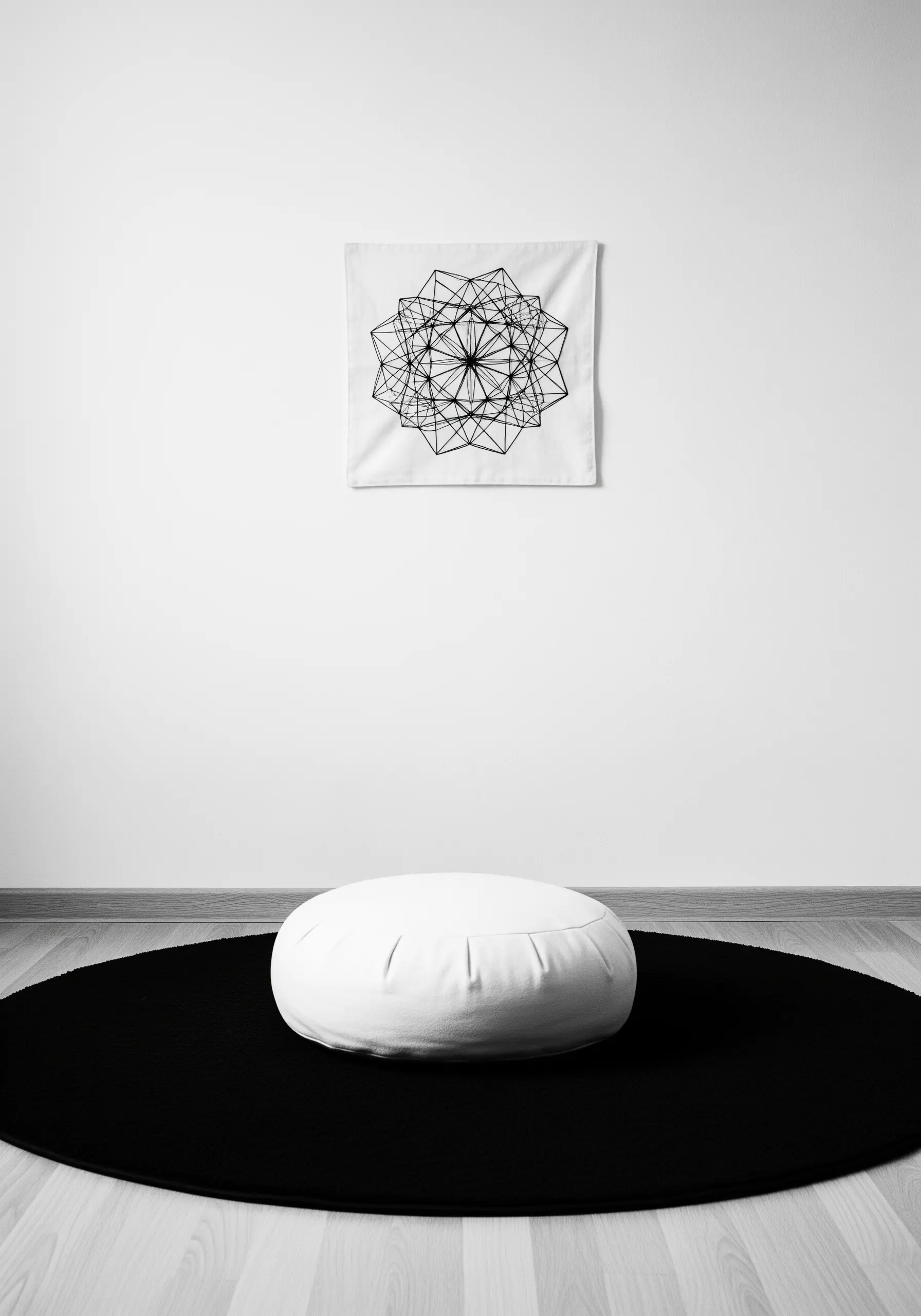
For a truly minimalist and modern statement, stitch a purely geometric mandala using only black thread on a crisp white fabric.
The stark contrast highlights the mathematical beauty and precision of the overlapping lines and shapes.
Use a single strand of thread and a simple, neat backstitch to maintain a delicate, graphic feel.
This disciplined approach focuses the mind on pure form and pattern, making it a powerful meditative tool.
22. Seasonal Mandalas with Autumnal Palettes
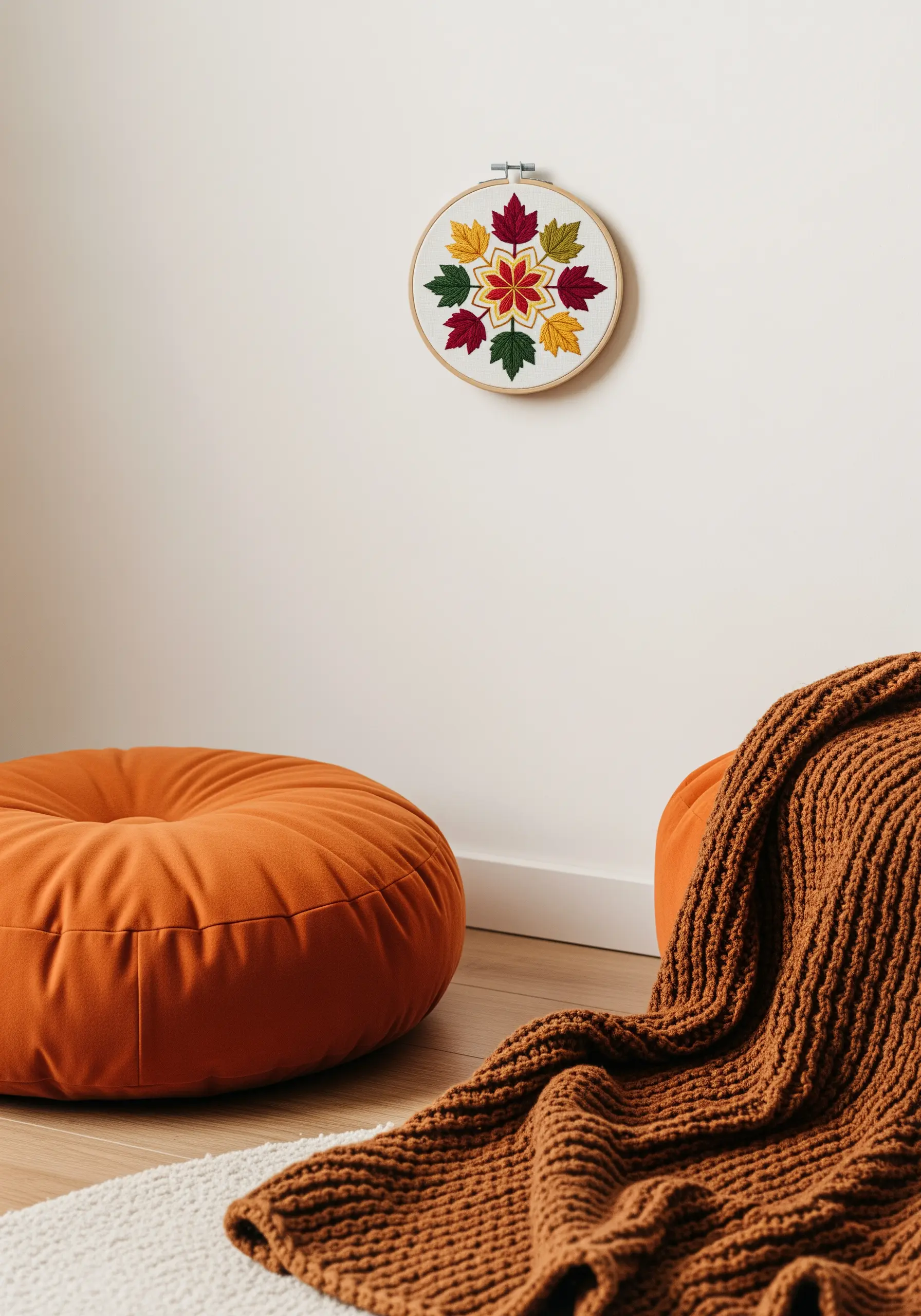
Capture the feeling of a specific season by incorporating its unique motifs and color palette into your design.
For an autumn mandala, arrange stylized leaf shapes in a radial pattern and use a palette of gold, crimson, rust, and deep forest green.
Fill each leaf with a fishbone stitch to mimic the central vein, adding a touch of elegant realism.
This allows you to create a meditative piece that evolves with the seasons and connects your indoor space to the natural world outside.
23. Integrating a Mantra into Your Mandala
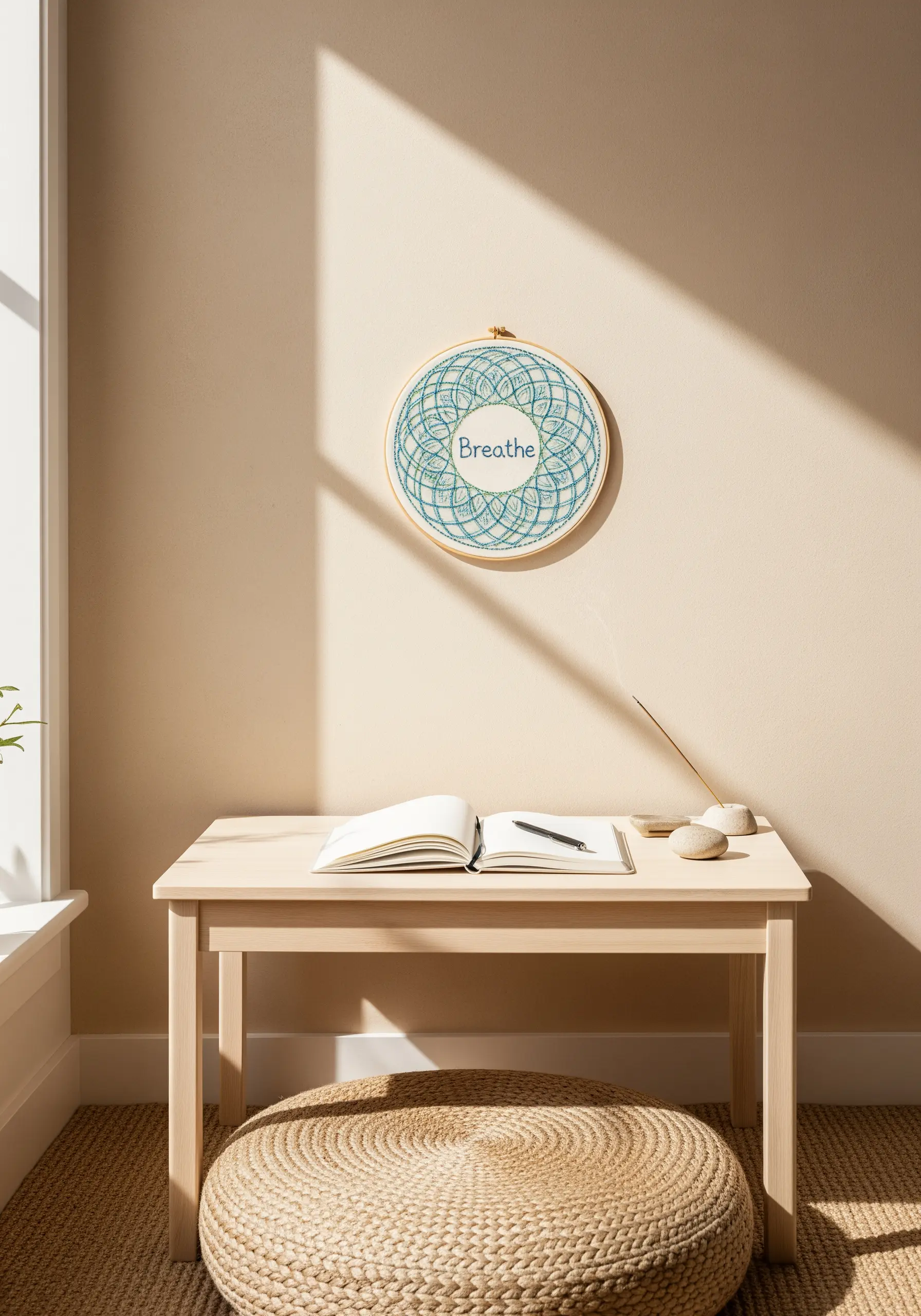
Add a powerful layer of intention to your meditative stitching by placing a single, meaningful word at the center of your mandala design.
Choose a simple, grounding word like “Breathe,” “Calm,” or “Begin,” and stitch it in a contrasting color using a clean, simple font.
A whipped backstitch will give the letters a smooth, raised quality, making them stand out as the focal point.
The surrounding mandala then acts as a beautiful, reinforcing frame for your intention.
24. Hypnotic Spirals with Overlapping Stitches
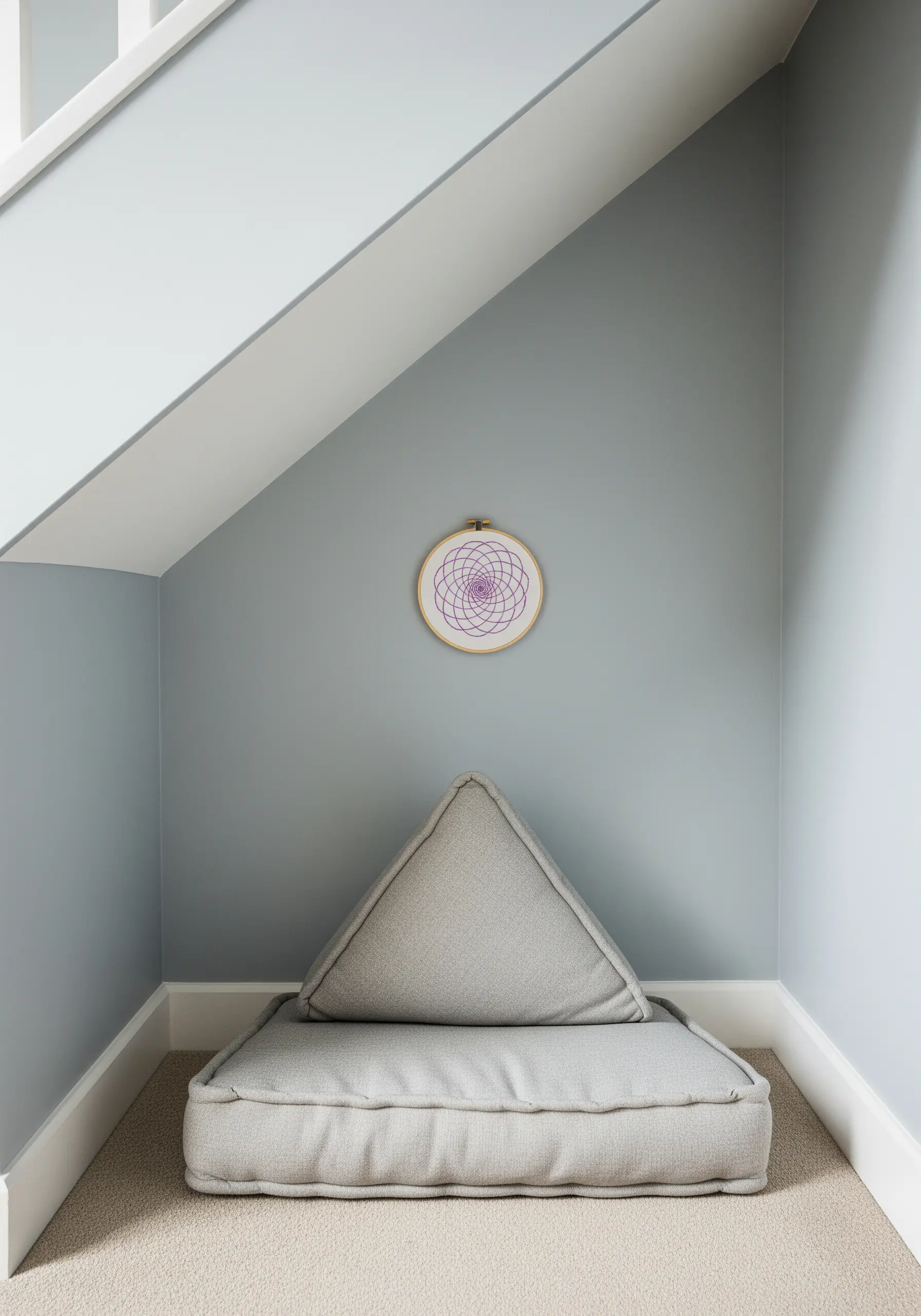
Create a mesmerizing, spirograph-like effect using only layered straight stitches arranged in a circular pattern.
By slightly rotating the angle of each new layer of stitches and alternating between two complementary colors, you can build incredible visual depth and the illusion of curves.
This technique is surprisingly simple and repetitive, making the process itself meditative.
The result is a complex, hypnotic design that draws the eye inward toward the center.
25. A Vertical Chakra Mandala Installation
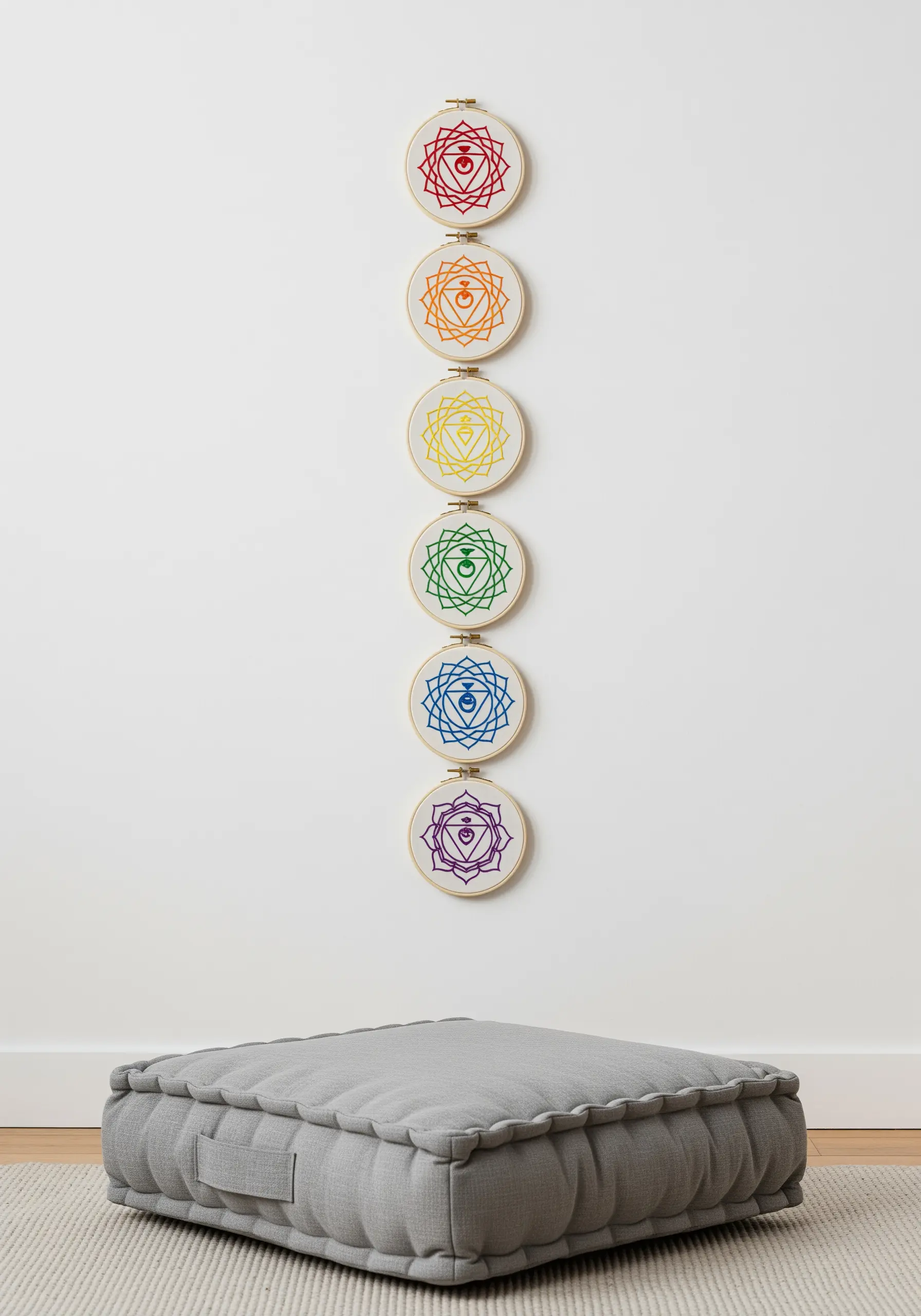
Instead of one large mandala, create a series of small hoop embroideries, with each one representing one of the seven chakras.
Use the corresponding color for each symbol—red for the root, orange for the sacral, yellow for the solar plexus, and so on.
Hanging them in a single vertical line creates a powerful visual representation of energetic alignment and flow.
This installation can transform a narrow, empty wall into a beautiful and intentional focal point for balancing meditation.
26. Adding Dimension with Beaded Textures
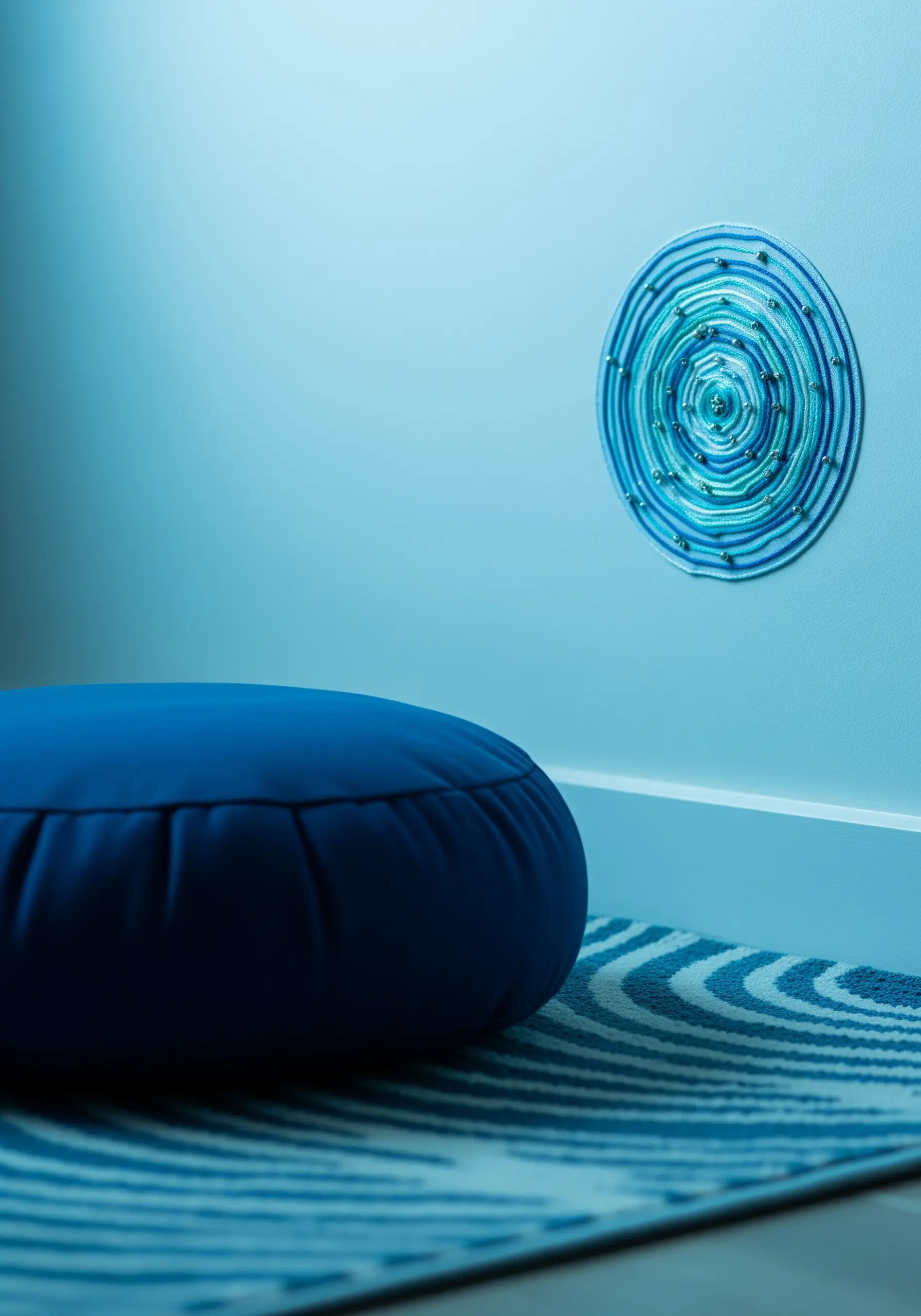
Introduce a new textural and reflective element by incorporating tiny beads into your mandala design.
Stitch concentric circles using a simple backstitch, then accent them by sewing on seed beads in a complementary color.
You can alternate entire rings of thread and beads to create patterns of different textures and sheens.
The beads will catch the light differently than the matte floss, adding a subtle sparkle and a wonderfully tactile quality to your finished work.
27. The Symbolic Centerpiece Mandala
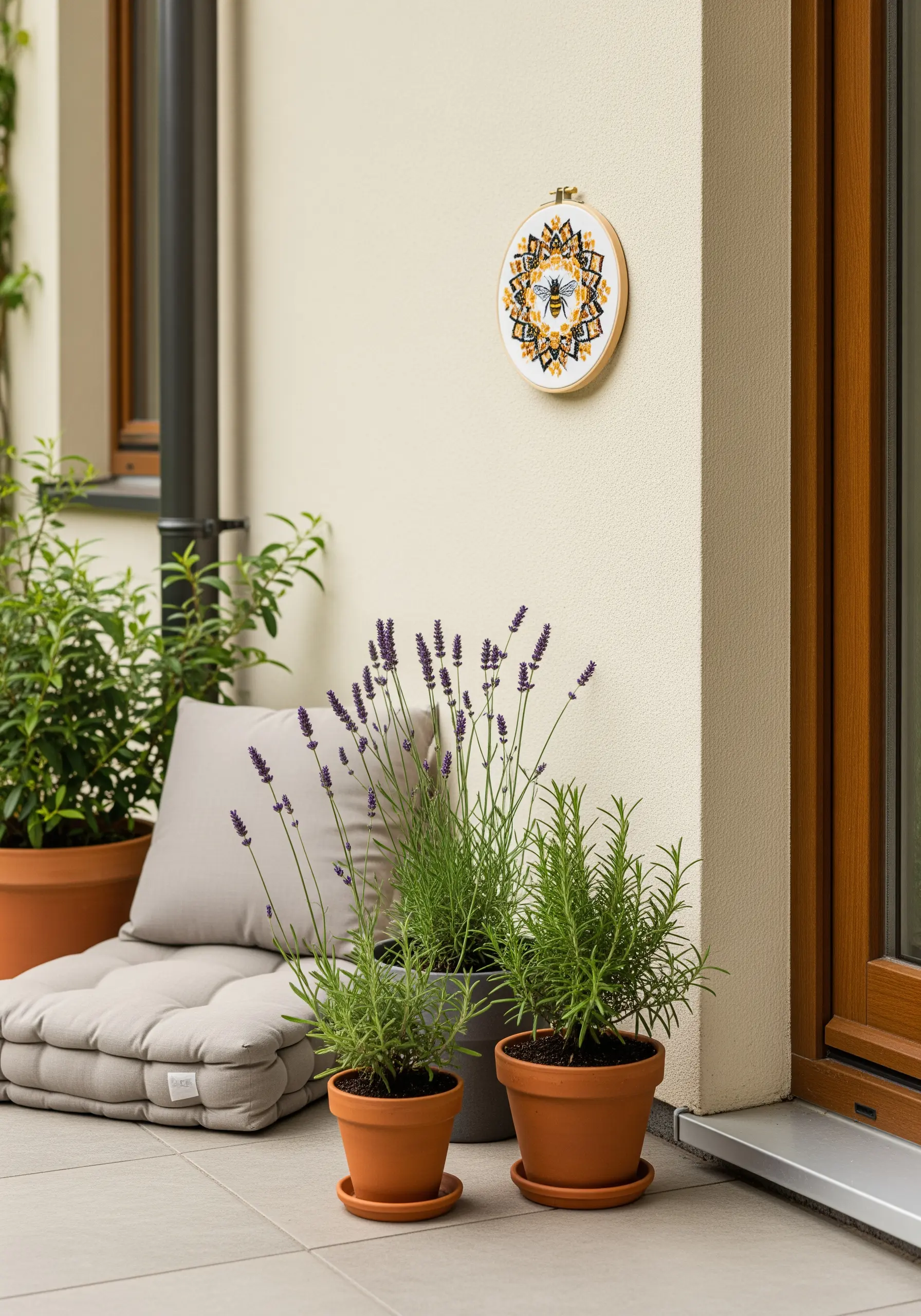
Place a meaningful symbol, like a bee representing community and diligence, at the very heart of your mandala.
Build the geometric patterns outward from this central motif, allowing it to serve as a symbolic anchor for the entire piece.
Use thread painting (long and short stitches) for the bee to give it detail and realism, then switch to simpler line work for the surrounding pattern.
This contrast creates a clear focal point and gives your mandala a deeper narrative layer.
28. Unconventional Frames for Modern Mandalas
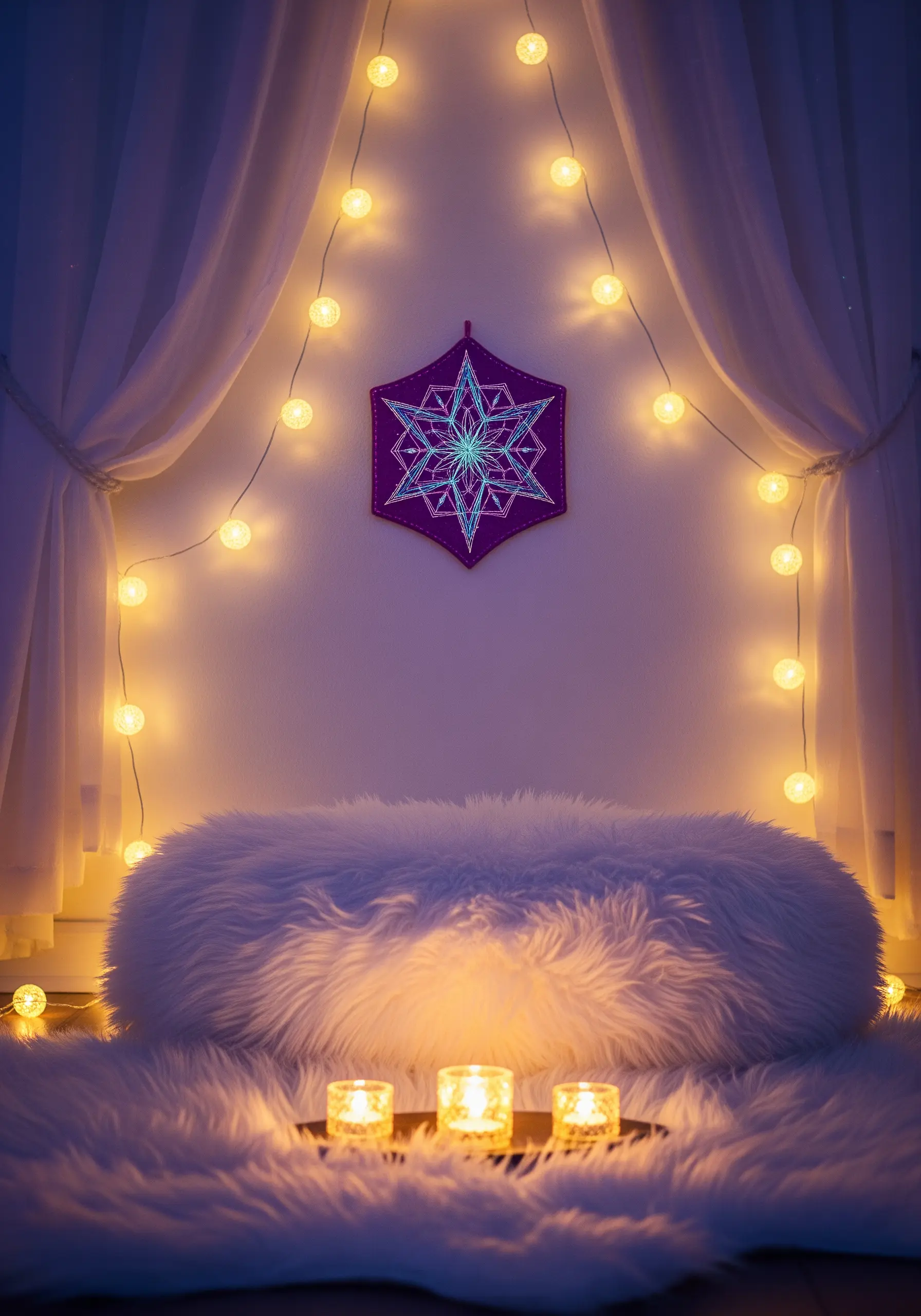
Break free from the traditional circular hoop by stitching your mandala on a shaped piece of fabric, such as a hexagon.
This simple change gives the ancient design a sharp, contemporary edge.
Finish the fabric edges with a neat blanket stitch in a contrasting color to cleanly define the unique shape.
This piece is perfect for a space where you want something that feels both meditative and distinctly modern.
29. The Warmth of Copper on Neutral Linen
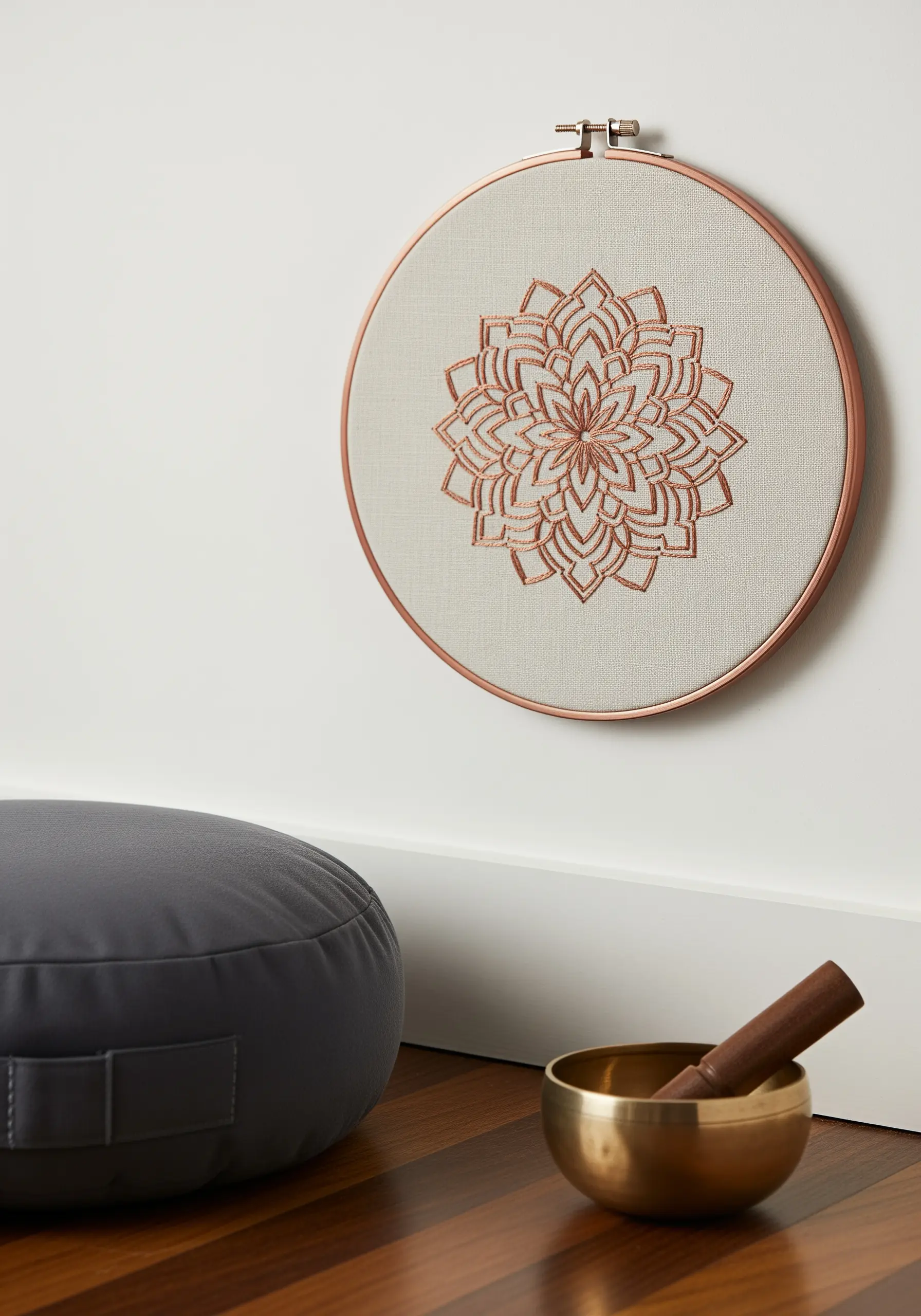
For a look that is simultaneously modern, warm, and sophisticated, stitch your mandala using only copper metallic thread.
This warm, glowing metallic tone stands out beautifully against a cool, textured neutral grey or oatmeal linen.
A larger hoop and a bolder, less intricate design work especially well here, as the simplicity of the single-color palette allows the elegant form to take center stage.
This refined pairing feels both luxurious and incredibly serene.
30. Capturing Elemental Energy with Thread Painting
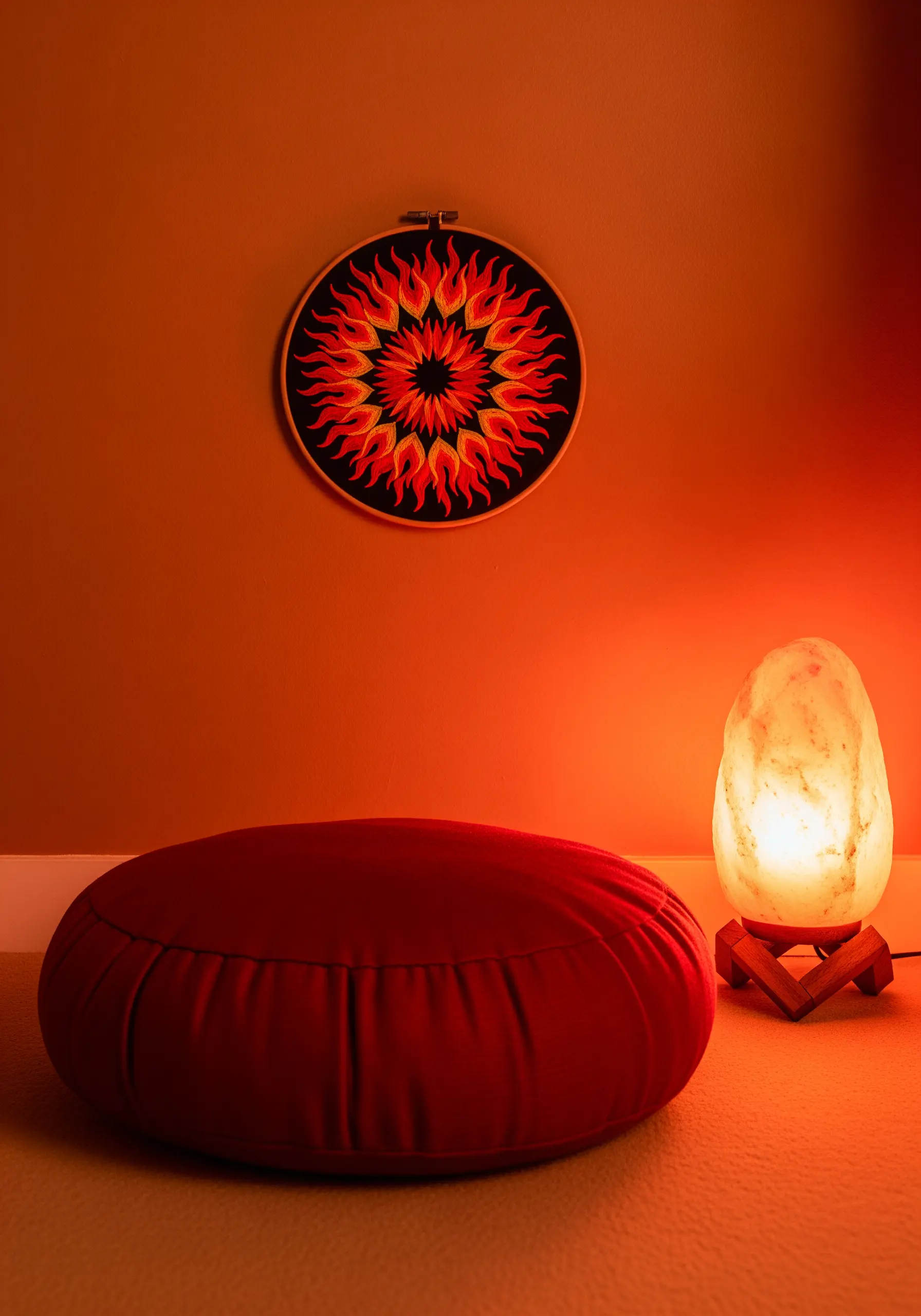
Evoke the dynamic, energetic essence of fire by using thread painting to create licking flames arranged in a circular pattern.
Blend shades of deep red, vibrant orange, and bright yellow with carefully placed long and short stitches to give the flames a sense of movement and depth.
Stitching this design on a black or charcoal background will make the fiery colors appear exceptionally vibrant and intense.
This is a perfect piece for a space dedicated to creativity, passion, and energetic focus.
31. Complementary Colors for Maximum Vibrancy
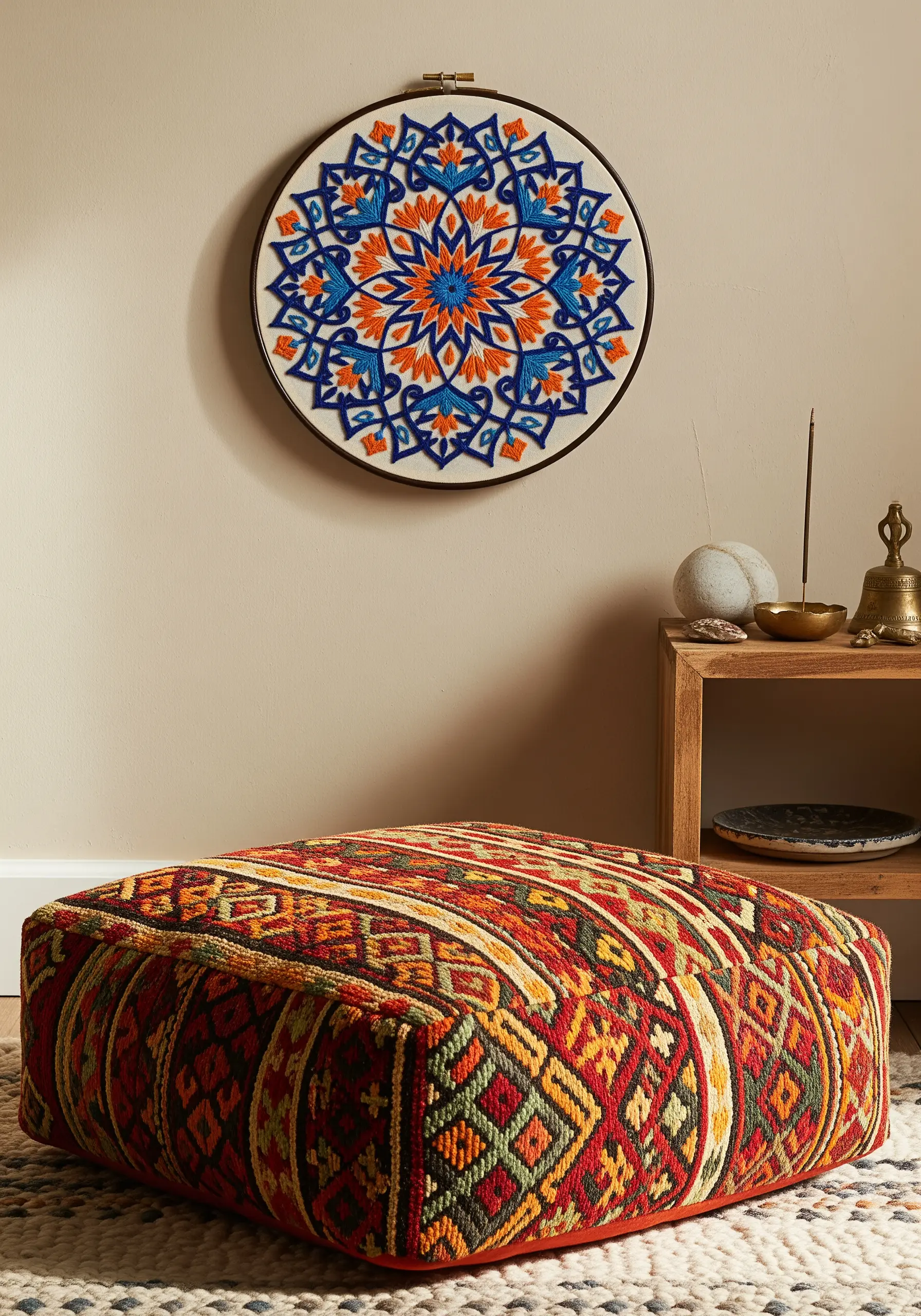
Create a mandala that feels alive with energy by building it around a palette of complementary colors, such as blue and orange.
The high contrast between these shades, which sit opposite each other on the color wheel, makes each one appear brighter and more intense.
Use a thin line of white or another neutral color to separate the two main colors where they meet.
This simple trick prevents the design from feeling visually overwhelming and adds crisp, clean definition to the intricate patterns.