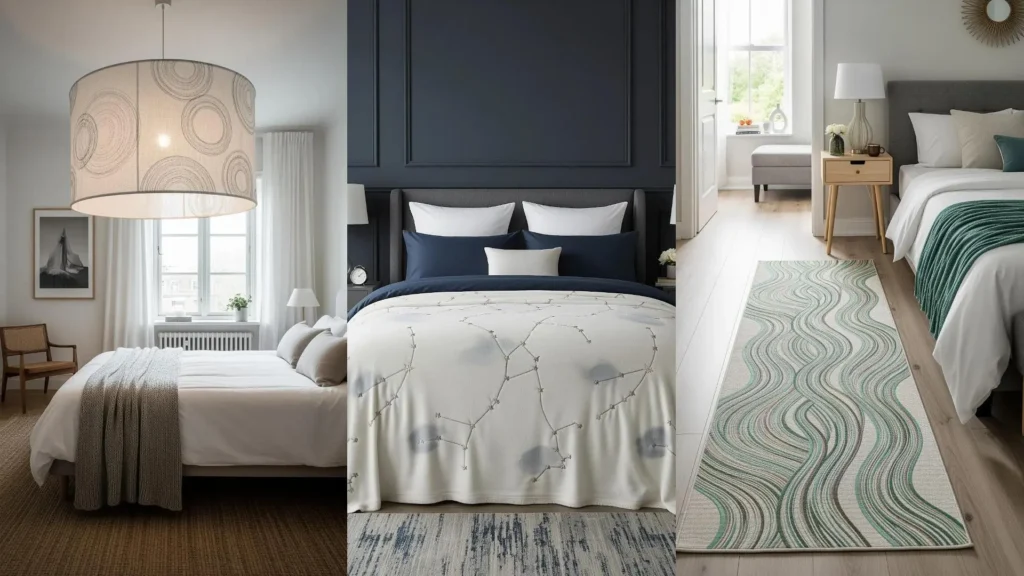
Sometimes, the desire isn’t for more color or complexity, but for more quiet. More texture. More intention. If you’ve ever felt your embroidery was lovely but lacked that final polish, the answer may not be in adding more, but in refining what’s already there.
Using a palette of creams, ivories, and soft whites on neutral linen or cotton allows the true artistry of your stitching to come forward. It’s a practice in subtlety, where the direction of a stitch, the thickness of a thread, and the play of light and shadow become the main story.
Here, we’ll explore how these understated floral designs can transform a guest room into a serene retreat. You’ll see how simple stitches, when applied with thought, create a sense of calm, handcrafted luxury that feels both personal and deeply comforting.
1. Create a Cascading Floral Border
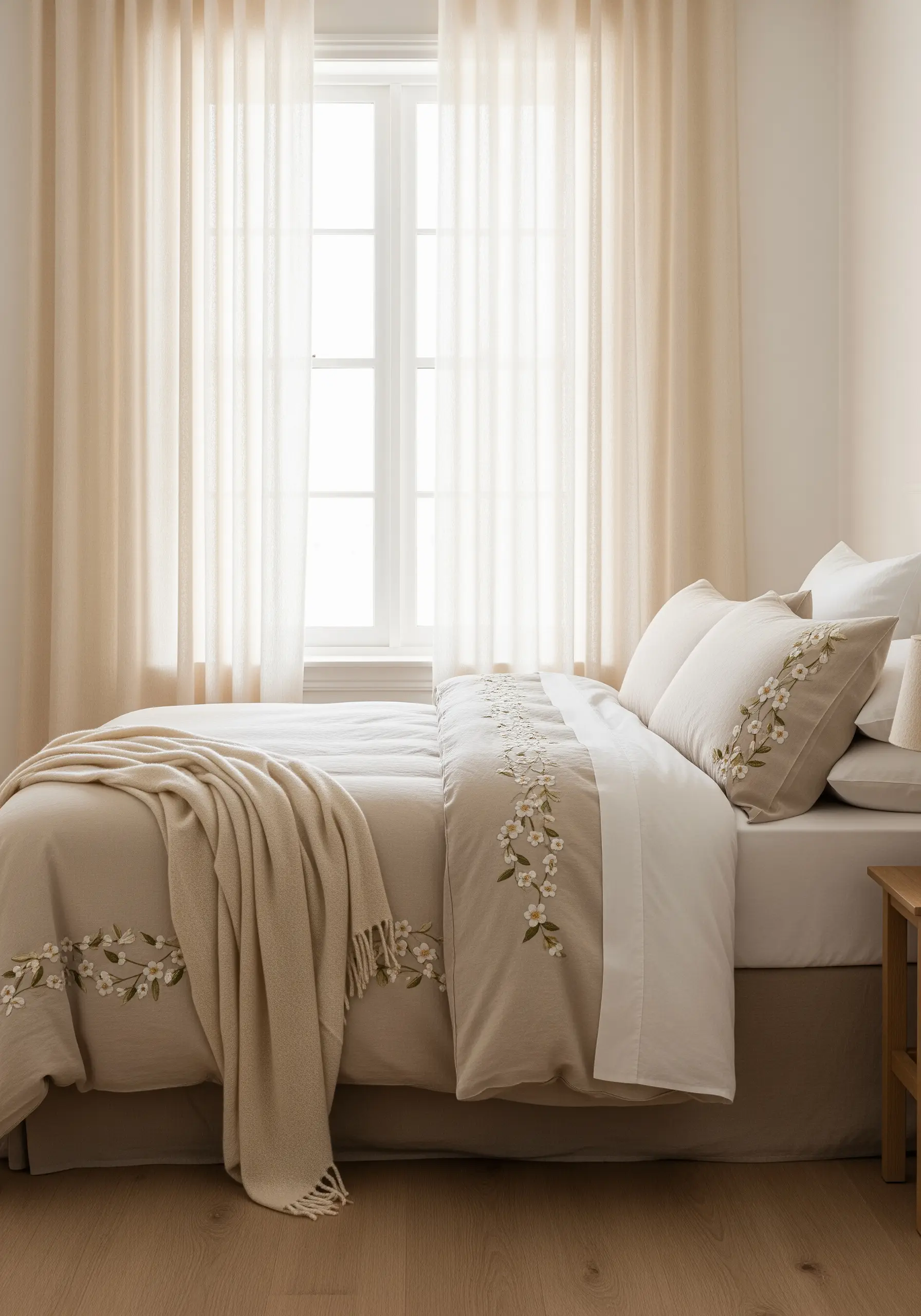
To achieve this soft, flowing effect on bedding, use a long-and-short stitch for the daisy petals instead of a traditional satin stitch.
This technique allows the stitches to blend seamlessly into the fabric, creating a painterly feel rather than a solid block of thread.
For the delicate green stems, opt for a whipped backstitch, which provides a smooth, raised line that catches the light beautifully and withstands washing.
Anchor the design with tiny, tight French knots in the flower centers, using a slightly darker cream or ecru thread to add subtle depth.
2. Master the Modern Botanical Outline
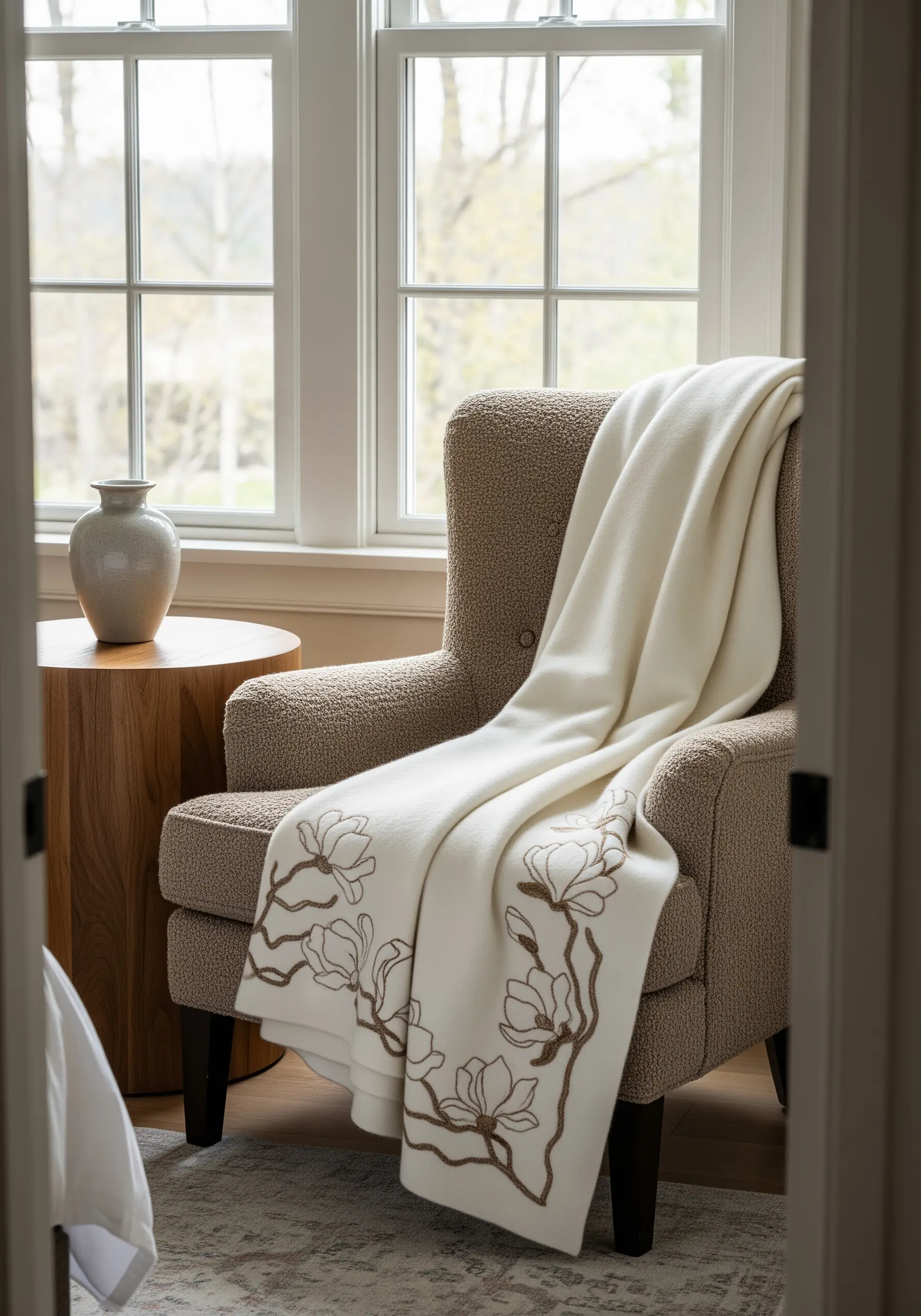
Transform a simple throw with a bold, graphic floral outline that emphasizes form over fill.
Use a single, continuous line created with a stem stitch or a heavy chain stitch to define the magnolia petals and branches.
Choose a thread that is slightly thicker than your standard floss, like a Perle cotton No. 8, to give the lines weight and presence against the texture of the blanket.
This minimalist approach celebrates the elegance of the botanical shape itself, making it a sophisticated accent for any reading chair.
3. Build a Meadow with Textural Knots
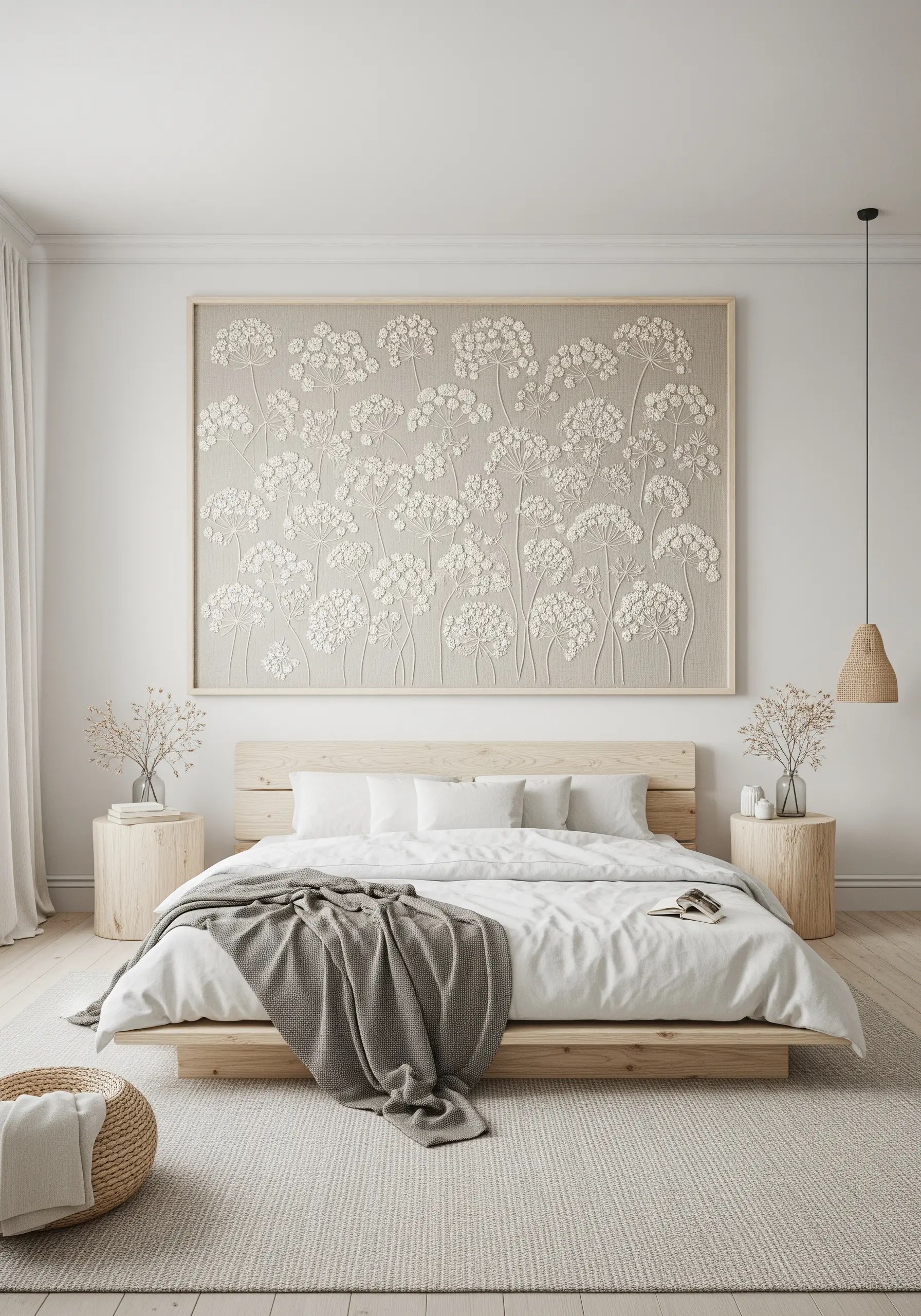
For large-scale art, shift the focus from color to pure texture by composing a field of flowers entirely from French knots and colonial knots.
Vary the number of thread wraps and strands for each knot to create subtle differences in size and density, mimicking the natural variation of a wildflower meadow.
Arrange the knots in gentle, sweeping clusters rather than uniform rows to create a sense of organic movement across the canvas.
This technique turns a simple stitch into one of the most effective statement-size embroidered textile hangings to fill large walls without paint.
4. Stitch the Illusion of Movement
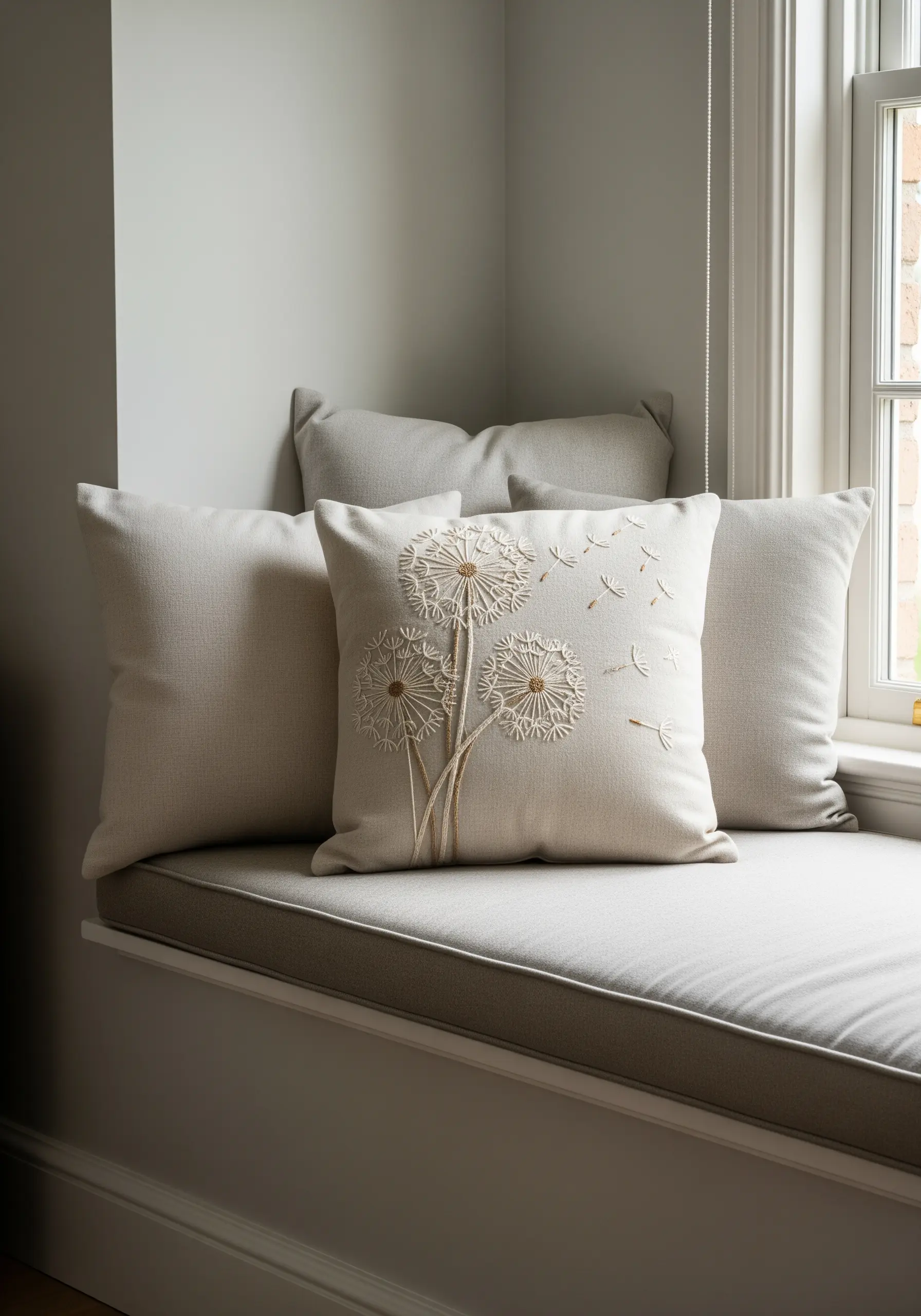
Capture the weightless quality of dandelion seeds by using single, detached straight stitches that radiate outward from the main flower.
Stitch the seed heads with dense, overlapping straight stitches or a padded satin stitch to create a textural contrast with the airy, floating seeds.
Use a finer, single strand of floss for the floating seeds to enhance their delicate, ethereal appearance against the linen cushion cover.
This composition tells a story, turning a simple cushion into a dynamic piece of art.
5. Design a Refined and Repeating Border
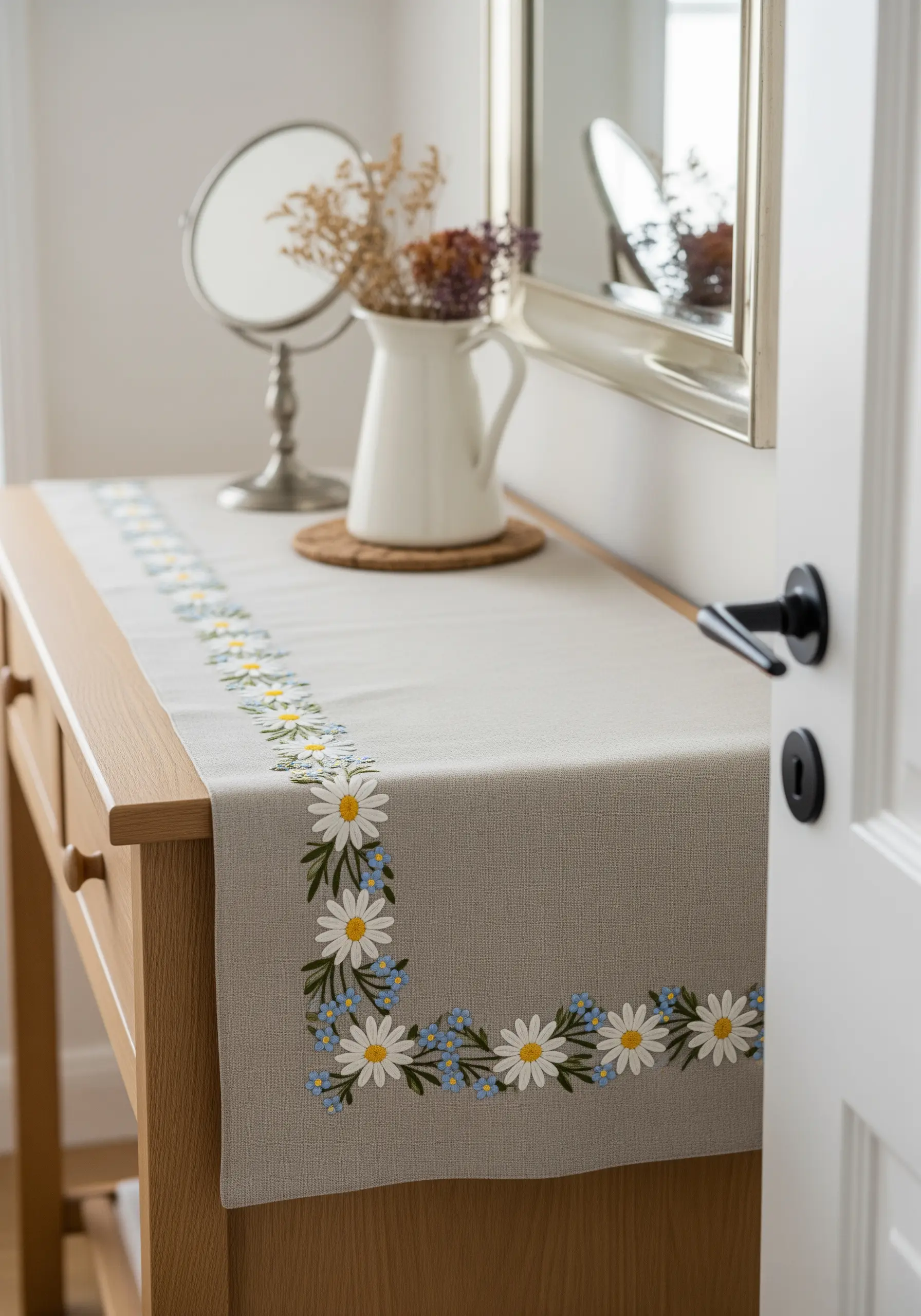
Elevate a simple table runner by creating a perfectly balanced floral border that feels both classic and fresh.
Use a crisp satin stitch for the daisy petals, ensuring each stitch lies flat and parallel for a clean, polished finish.
Incorporate tiny pops of color—like pale blue forget-me-nots made from lazy daisy stitches—to complement the cream and add visual interest without overwhelming the neutral palette.
Perfectly executed table linen embroidery motifs demonstrate how small details create a luxurious experience.
6. Couch Thick Fibers for Graphic Impact
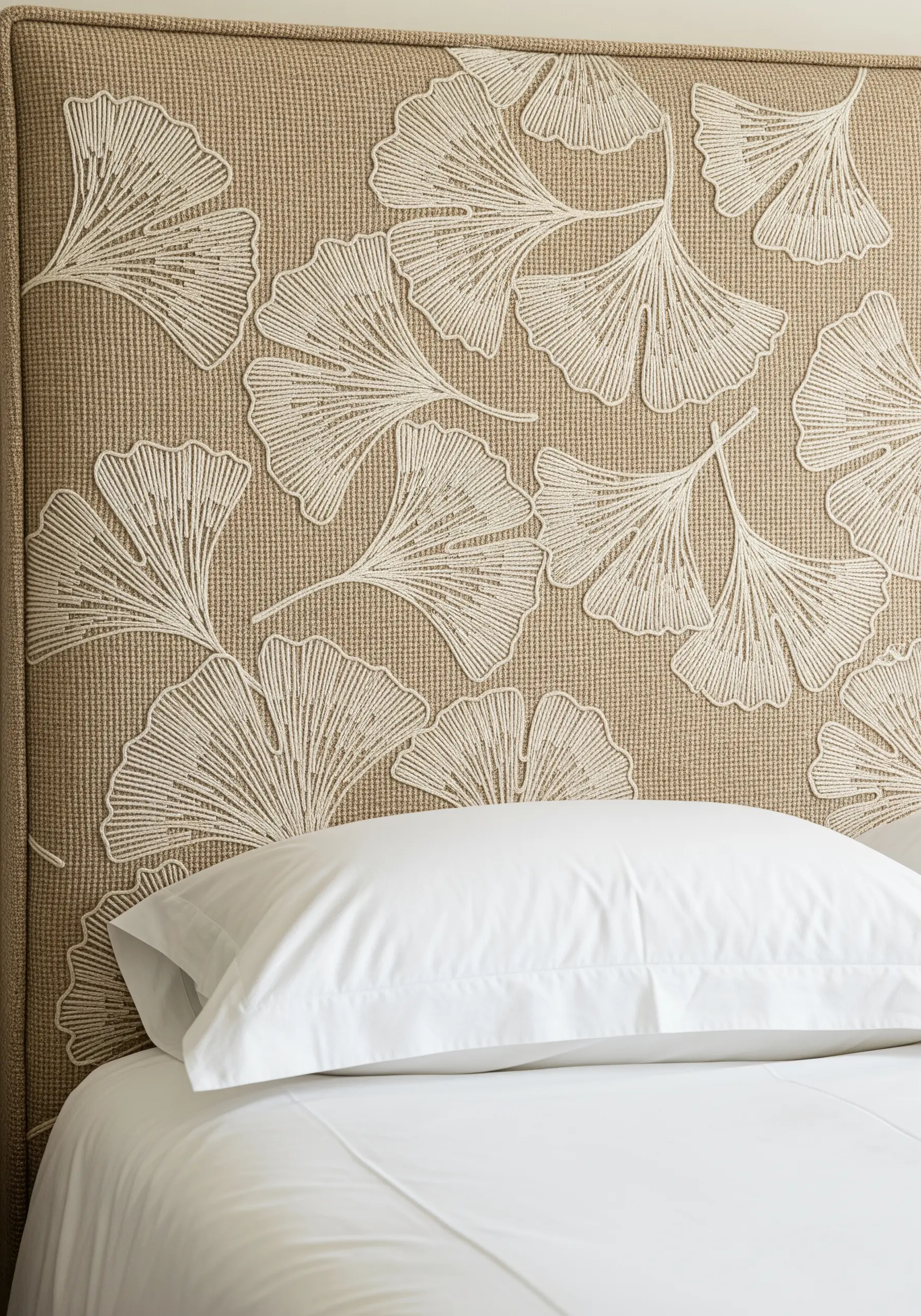
To achieve this bold, raised effect on an unconventional surface like a headboard, embrace the couching technique.
Lay down a thick yarn or cotton cord in the shape of your ginkgo leaf design and secure it to the base fabric with small, perpendicular stitches using a matching, finer thread.
This method allows you to create dramatic, sculptural lines that would be impossible with standard embroidery floss, adding incredible dimension and tactile appeal.
Focus on keeping your couching stitches evenly spaced for a clean, professional finish that highlights the texture.
7. Create Plush, 3D Florals with Woven Wheels
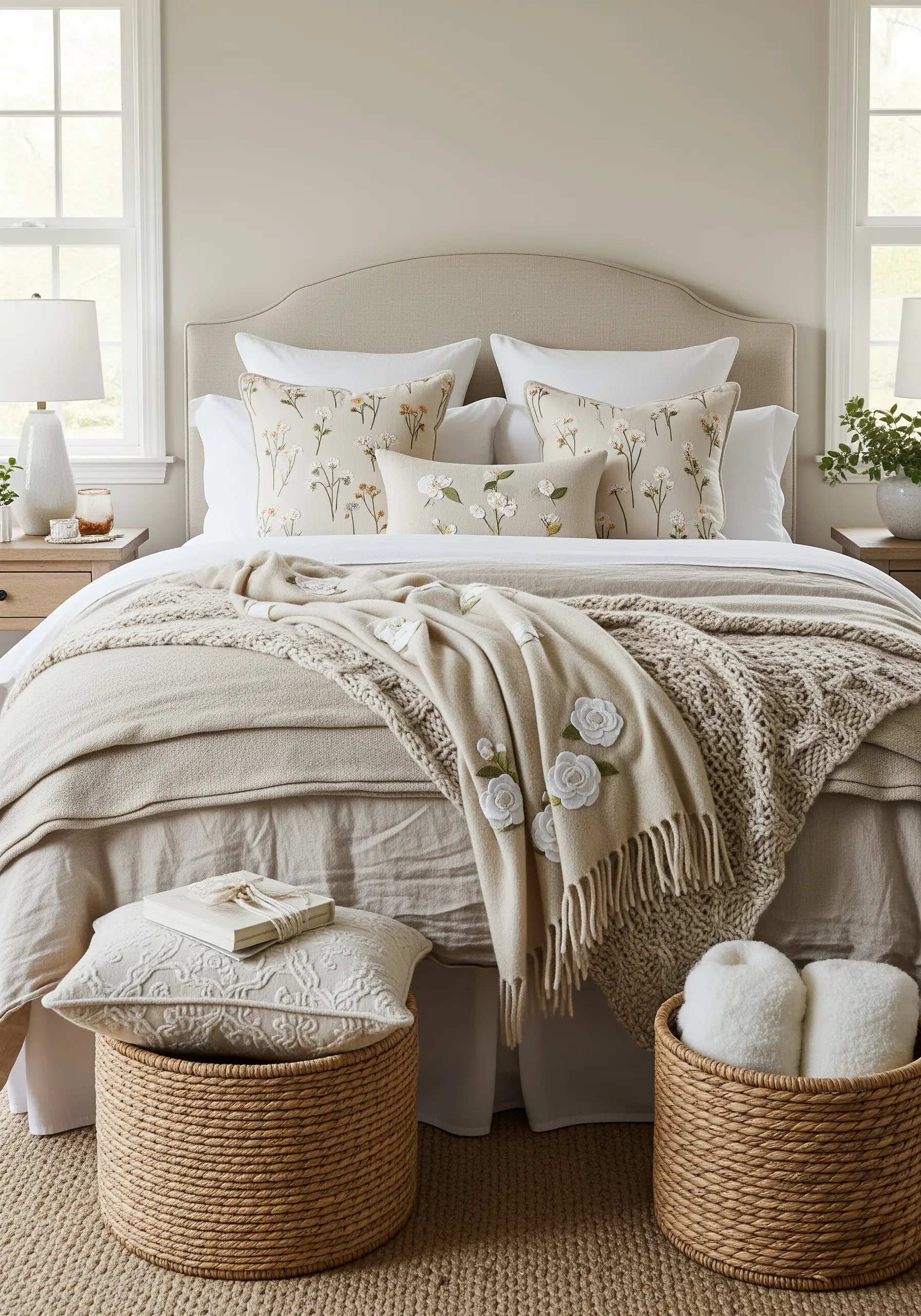
Add dimension to a cozy throw by stitching raised roses using the woven wheel stitch, also known as the wagon wheel stitch.
Create a base of five or seven straight stitches radiating from a central point, then weave your thread over and under these spokes until the entire shape is filled.
Use six strands of embroidery floss or even a soft wool thread to make the roses exceptionally plush and tactile.
These dimensional flowers elevate simple warm and cozy pillow embroidery designs and throws into treasured heirlooms.
8. Fill Space with Rhythmic, Elegant Foliage
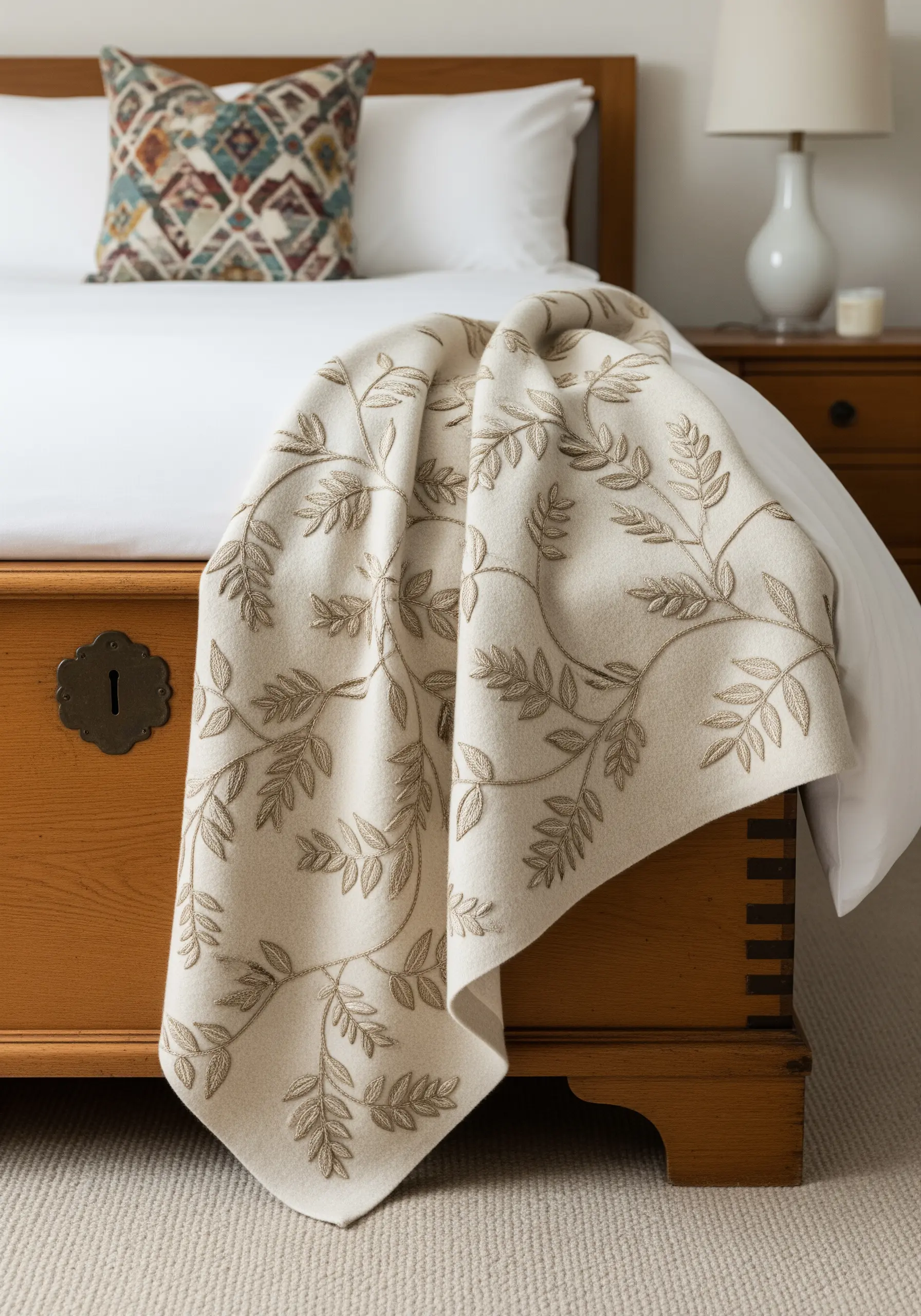
Create a sophisticated all-over pattern on a blanket or throw using only repeating leaf motifs.
Use a fishbone stitch for each leaf, as it creates a beautiful central vein and gives the foliage a natural, dimensional look.
For a subtle, luxurious touch, choose a thread that is just one or two shades darker than your base fabric, like a warm taupe on cream.
The repetition of these delicate leaf embroidery stitches produces a calming, rhythmic effect that feels both organic and orderly.
9. Ground Your Design on Sheer Curtains
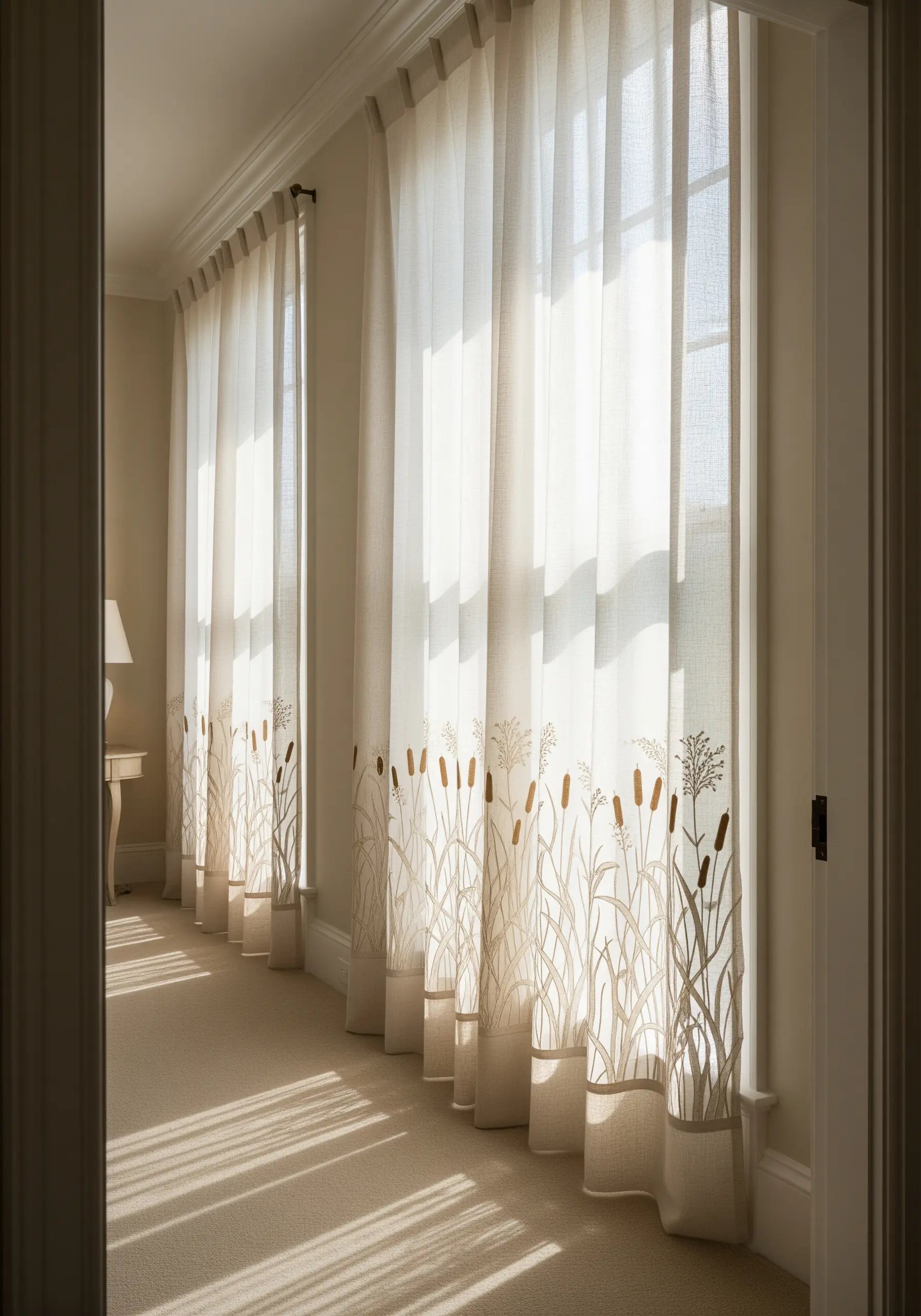
When embroidering on sheer or semi-sheer fabric, create a design that feels intentional by having it grow from the bottom hem.
This composition of cattails and reeds anchors the design, preventing it from looking like it’s floating randomly on the translucent panel.
Keep the back of your work exceptionally neat by trimming tails closely or weaving them into existing stitches, as they will be visible in the light.
This approach works beautifully with climbing plant stitch designs for a touch of botanical grace.
10. Refine a Simple Motif Through Repetition
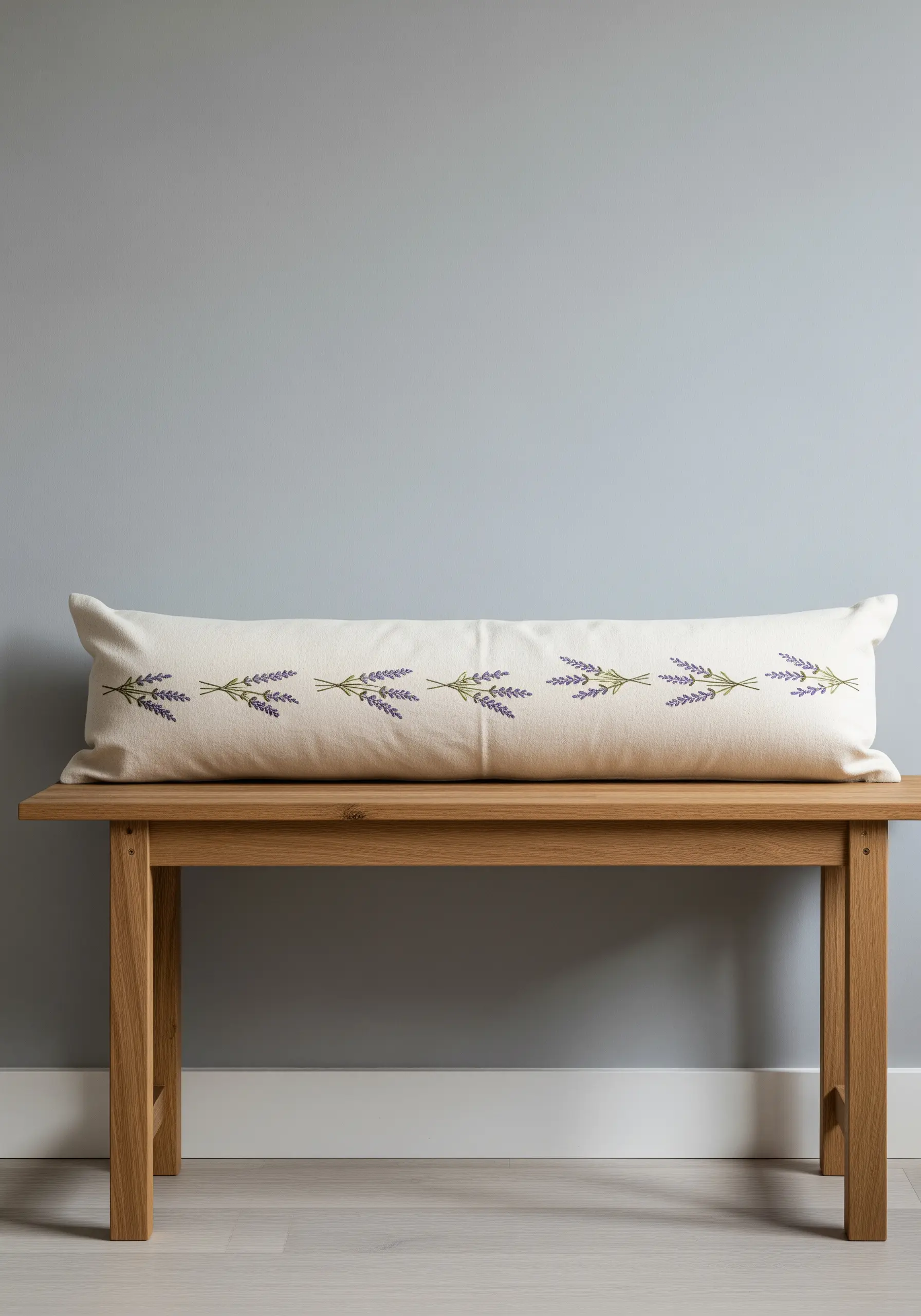
Turn a very simple motif, like a sprig of lavender, into a sophisticated design element through mindful repetition on a lumbar pillow.
Use a combination of tiny French knots for the blossoms and a single straight stitch for the stem to keep the design minimal and clean.
The key to a high-end look is precise spacing; measure the distance between each sprig to ensure the pattern feels balanced and intentional, not random.
These subtle, repeating lavender-inspired embroidery designs bring a sense of calm and order.
11. Add a Subtle, Hand-Stitched Lampshade Pattern
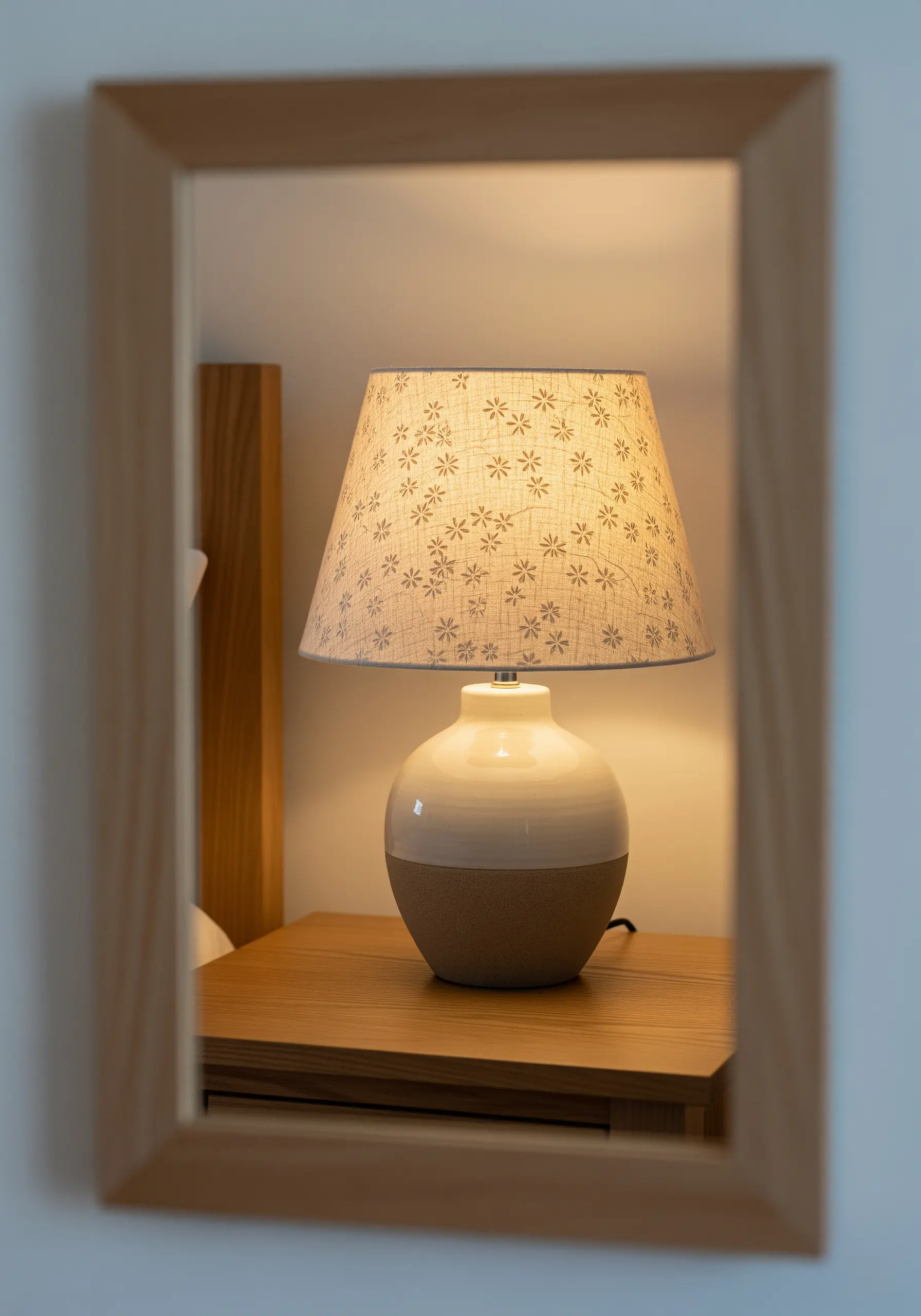
Elevate a plain lampshade by adding a delicate, repeating pattern that only reveals its detail up close.
Choose a simple, open stitch like a lazy daisy or a star stitch to avoid creating dense areas that might block the light unevenly.
Use a sharp, fine needle to pierce the lampshade material—whether it’s fabric or stiff paper—to ensure clean entry points without tearing.
This small detail adds a layer of custom, handcrafted luxury that diffuses light with a gentle, patterned glow.
12. Sculpt Petals with Directional Straight Stitches
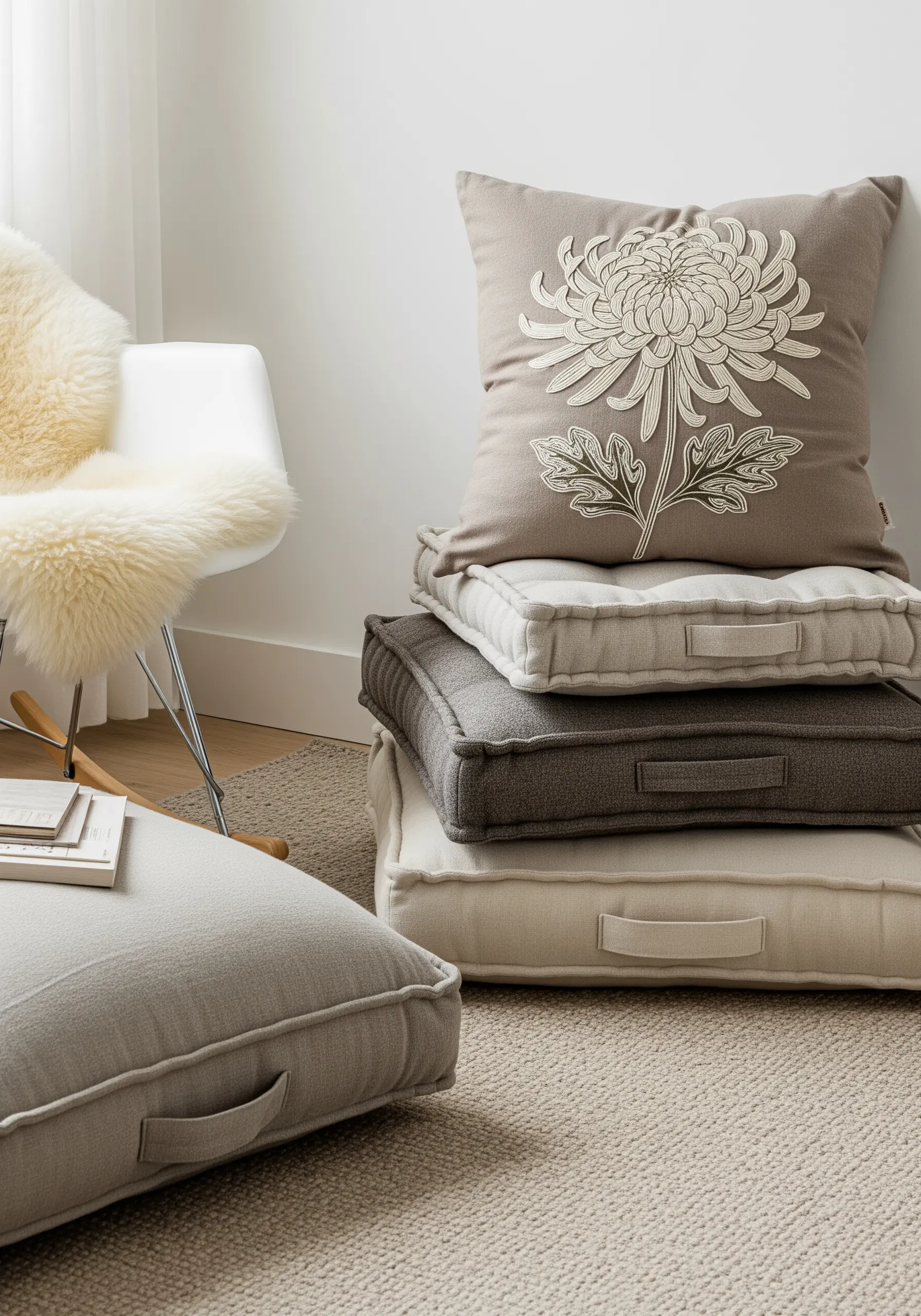
Recreate the complex beauty of a chrysanthemum by using nothing more than strategically placed straight stitches.
Work in layers, starting with the petals furthest back and building forward, slightly overlapping your stitches to create depth.
Pay close attention to the direction of each stitch, ensuring they radiate from the flower’s center and curve gently, just as real petals do.
This technique is a form of thread painting that relies on direction and density, not color, to create a stunningly realistic result.
13. Embrace Bold, Contemporary Line Art
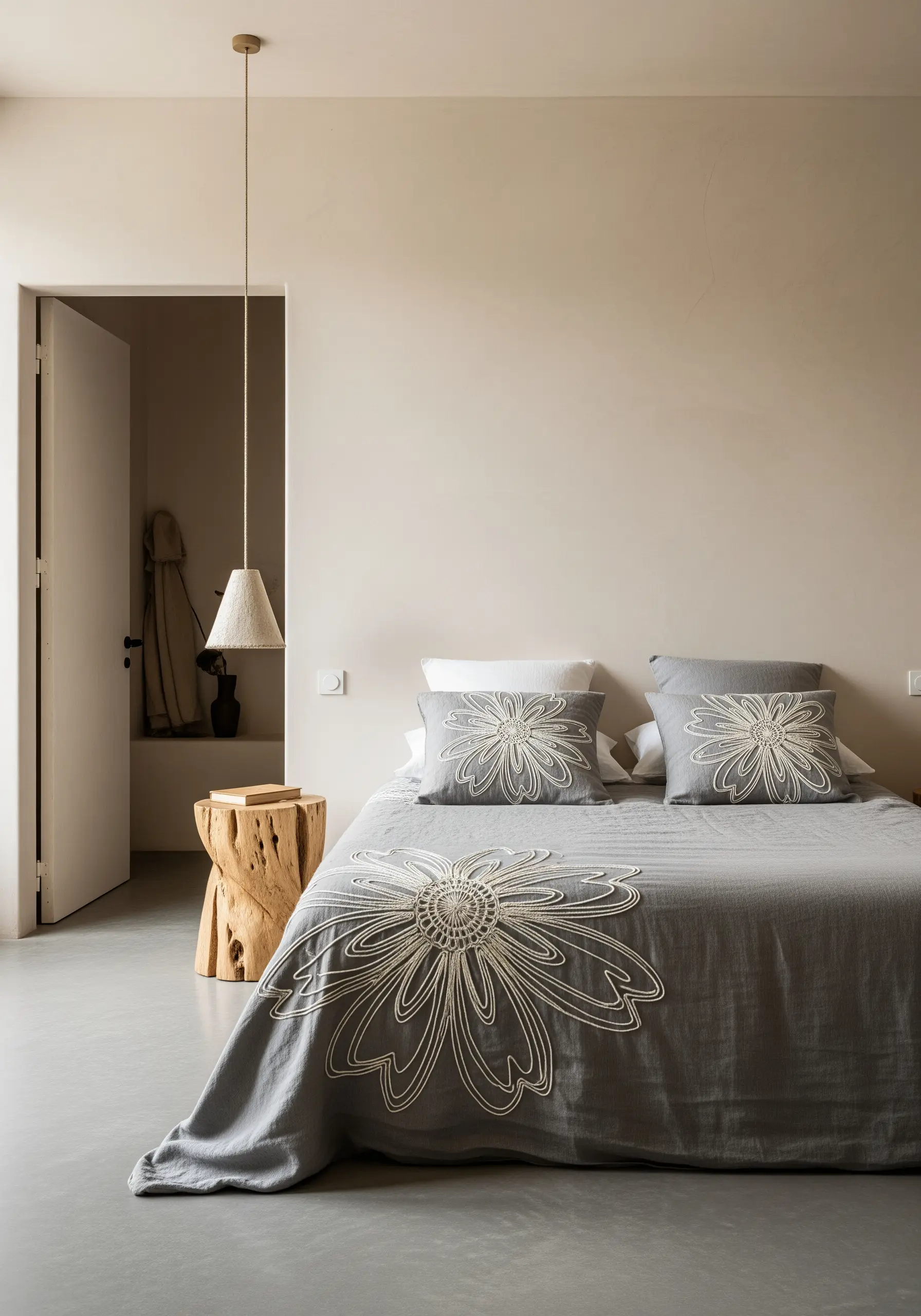
Make a modern statement on bedding or pillows with a large-scale floral design rendered in a single, expressive line.
Use a thick thread, like a cotton Perle No. 5, and a consistent stem stitch or whipped backstitch to create a line that is smooth and bold.
The contrast between the clean, graphic lines and the soft texture of the linen fabric is what gives this style its contemporary edge.
These types of modern line art cushion embroidery designs feel fresh, artistic, and effortlessly chic.
14. Introduce Sculptural Dimension with Raised Leaves
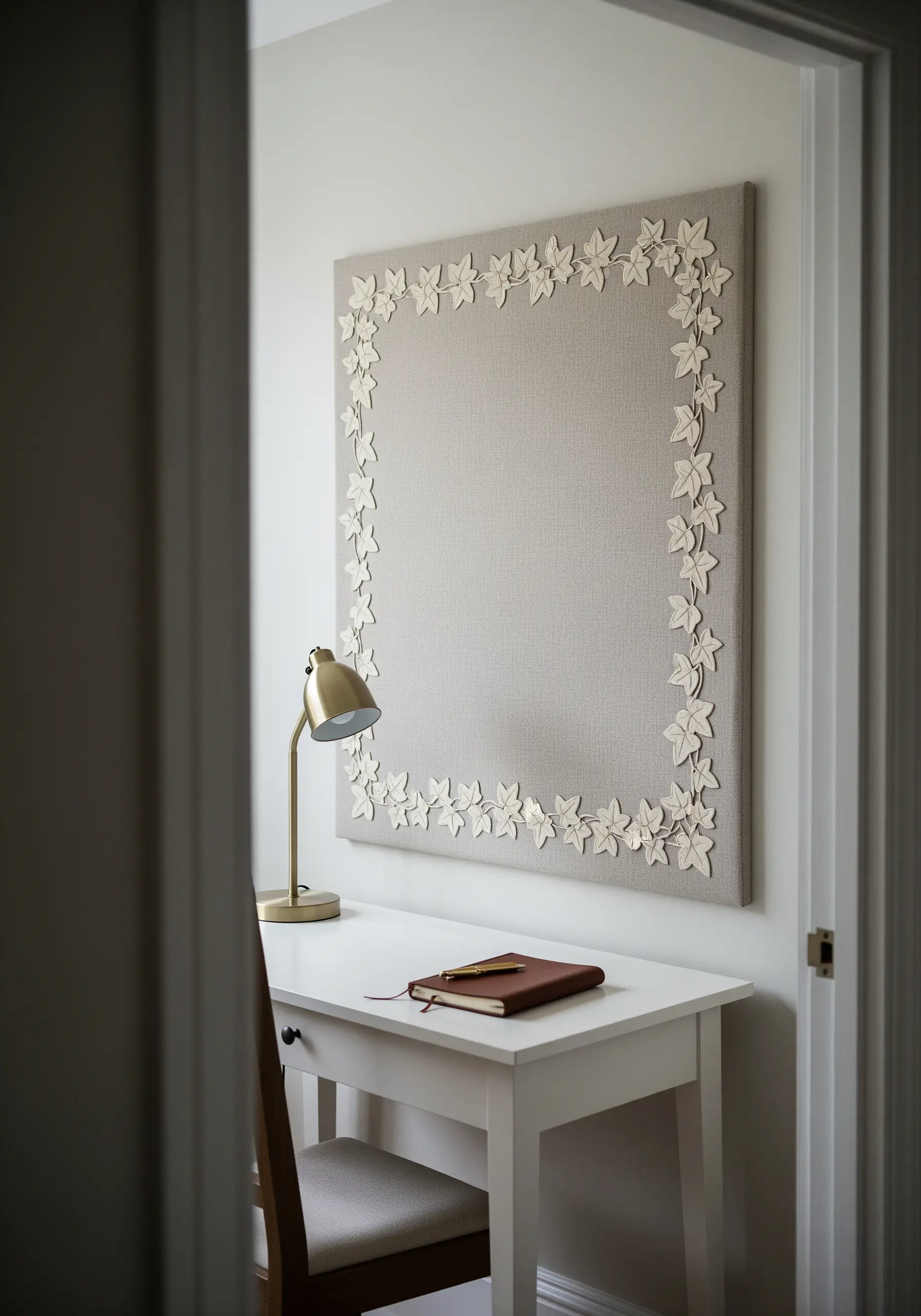
Create a stunning three-dimensional effect by crafting leaves that lift away from the base fabric.
To do this, work detached buttonhole stitches over a foundation of guide threads, or embroider the leaves on a separate piece of fabric with a wire outline.
Once complete, you can cut out the leaves and attach them to your main project, securing them only at the base or along the central vein.
This stumpwork-inspired technique adds an unexpected layer of shadow and depth, turning a simple border into a sculptural piece.
15. Embellish Unexpected Items with a Tiny Motif
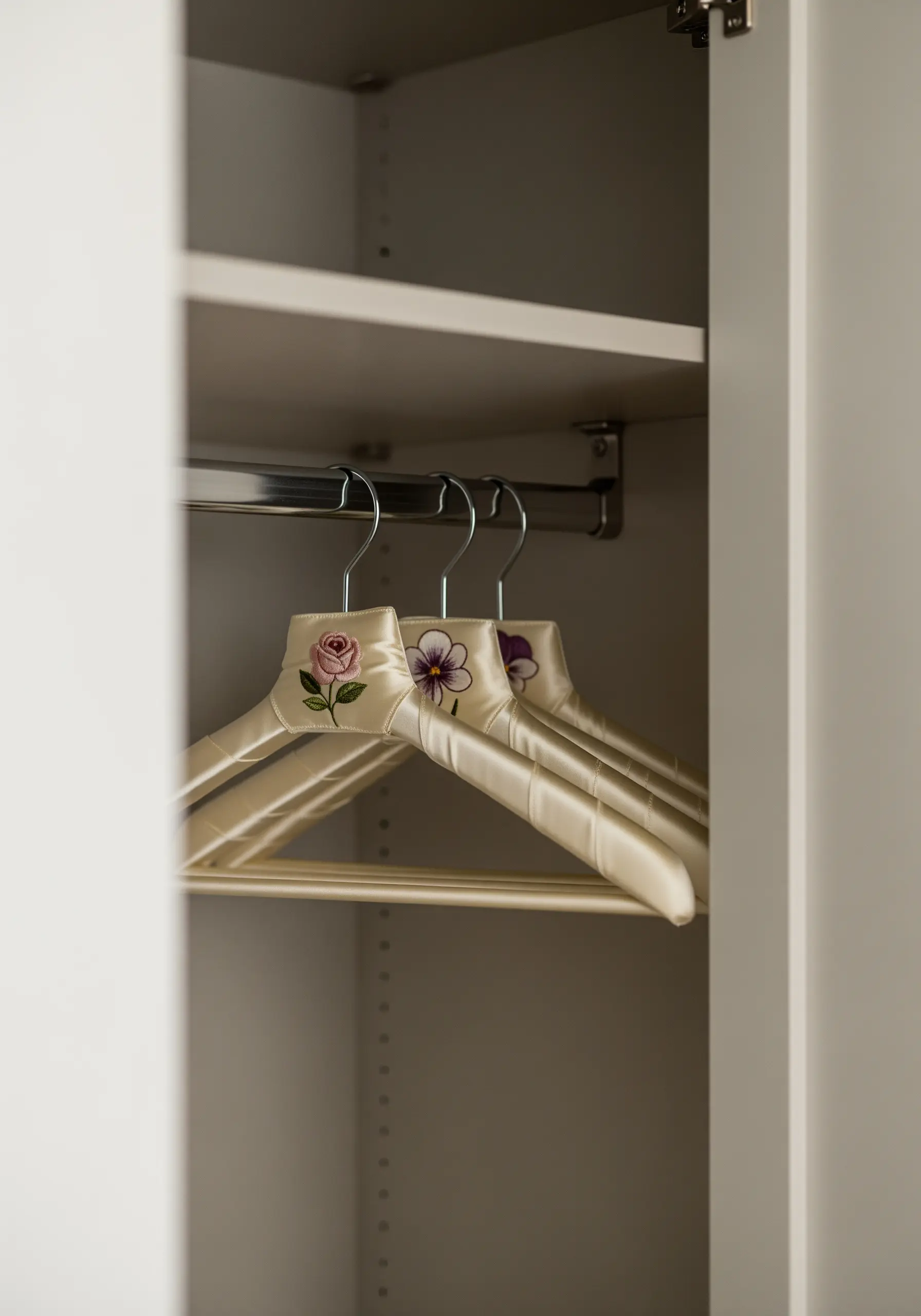
Extend the feeling of luxury to the smallest details, like adding a single, perfect floral motif to a set of padded hangers.
Use a simple satin stitch for the petals and a few French knots for the center to create a miniature rose or pansy.
This tiny touch of hand-embroidery transforms a functional item into a personal, thoughtful treasure that elevates the experience of a guest closet.
These thoughtful details make the best small embroidery projects that make perfect handmade gifts.
16. Unify a Room with a Cohesive Motif
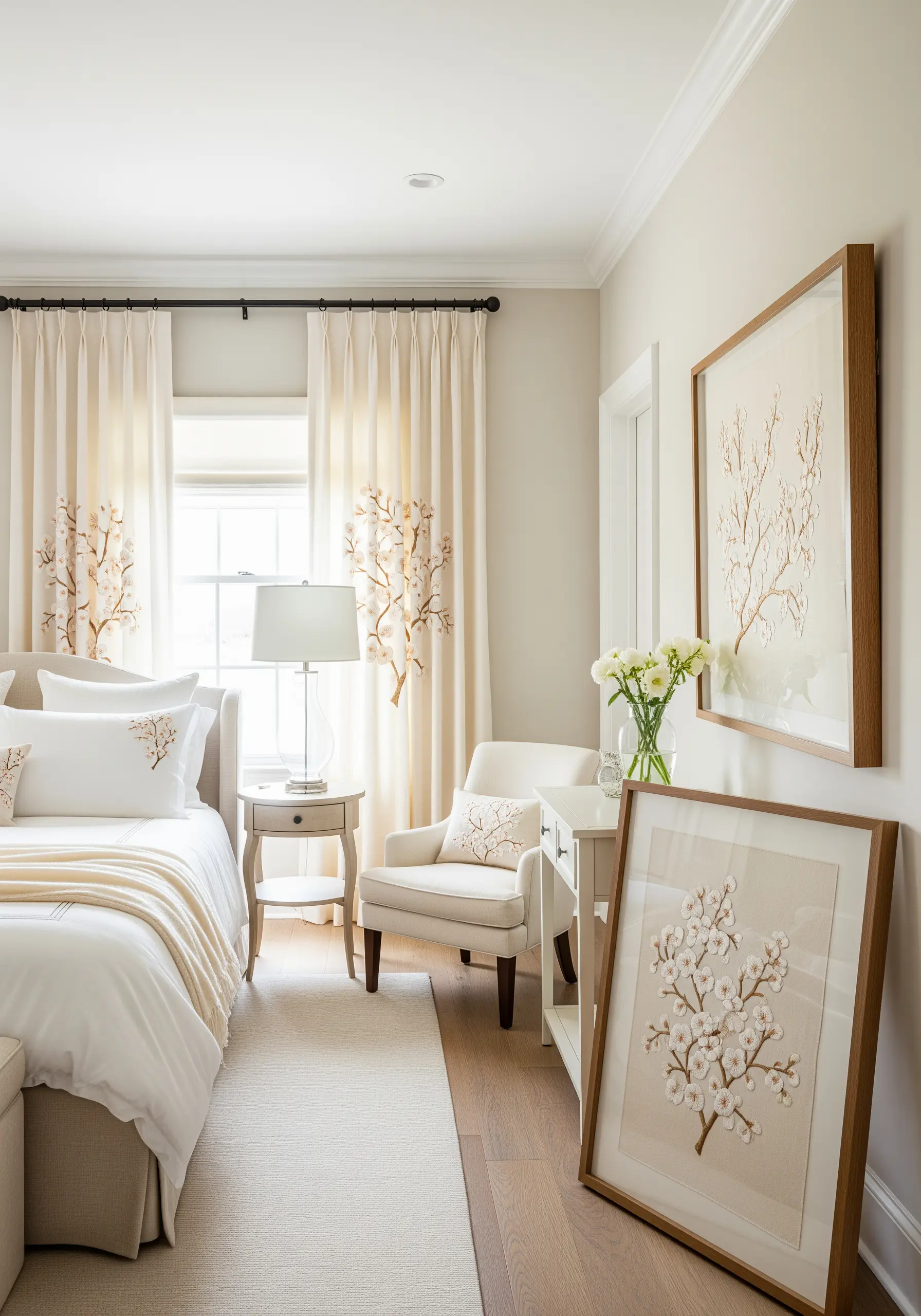
Create a harmonious and professionally designed look by repeating a single botanical motif across different elements in the room.
Stitch the same cherry blossom branch on curtains, pillows, and as standalone framed embroidery art pieces.
Maintain consistency in the thread colors and primary stitches you use across all items to ensure the collection feels cohesive.
This approach ties the entire space together, creating a serene and thoughtfully curated environment for your guests.
17. Suggest Texture with Sparse Seed Stitches
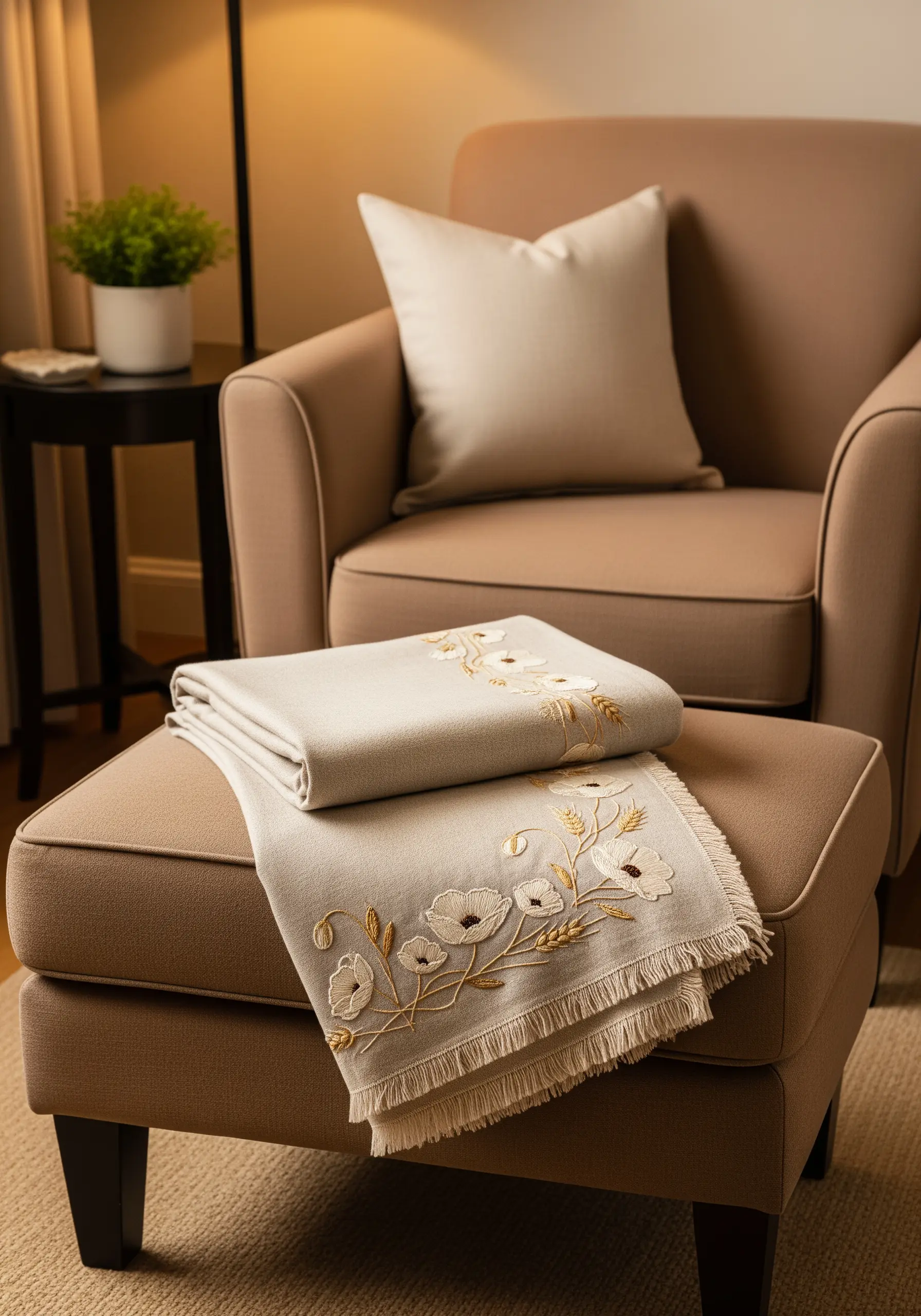
Instead of filling an entire poppy petal with heavy satin stitch, use a lighter touch for a more delicate, modern feel.
Outline the petal shape with a clean split stitch, then scatter a few seed stitches (tiny, isolated straight stitches) within the outline.
This technique suggests the texture and form of the petal using negative space, which keeps the design from feeling heavy on a soft textile like a wool throw.
Add contrast with dense French knots in a warm gold tone for the flower’s center, drawing the eye and completing the composition.