Have you ever finished a project and felt that, while technically correct, it was missing a certain spark? That it didn’t quite feel like ‘art’?
The secret to creating fiber work that feels truly special often lies beyond the stitch itself. It’s in the deliberate choice of materials, the surprising play of textures, and the confidence to treat your thread, yarn, and fabric not just as supplies, but as a sculptural medium.
Here, you won’t find overly complex patterns. Instead, you’ll discover a shift in perspective. You’ll learn to see the artistic potential in combining chunky roving with delicate thread, in framing a simple knot like a precious artifact, and in letting negative space speak as loudly as your stitches. This is your invitation to create not just craft, but gallery-worthy art that is entirely, beautifully your own.
1. Weave with Sculptural Contrast
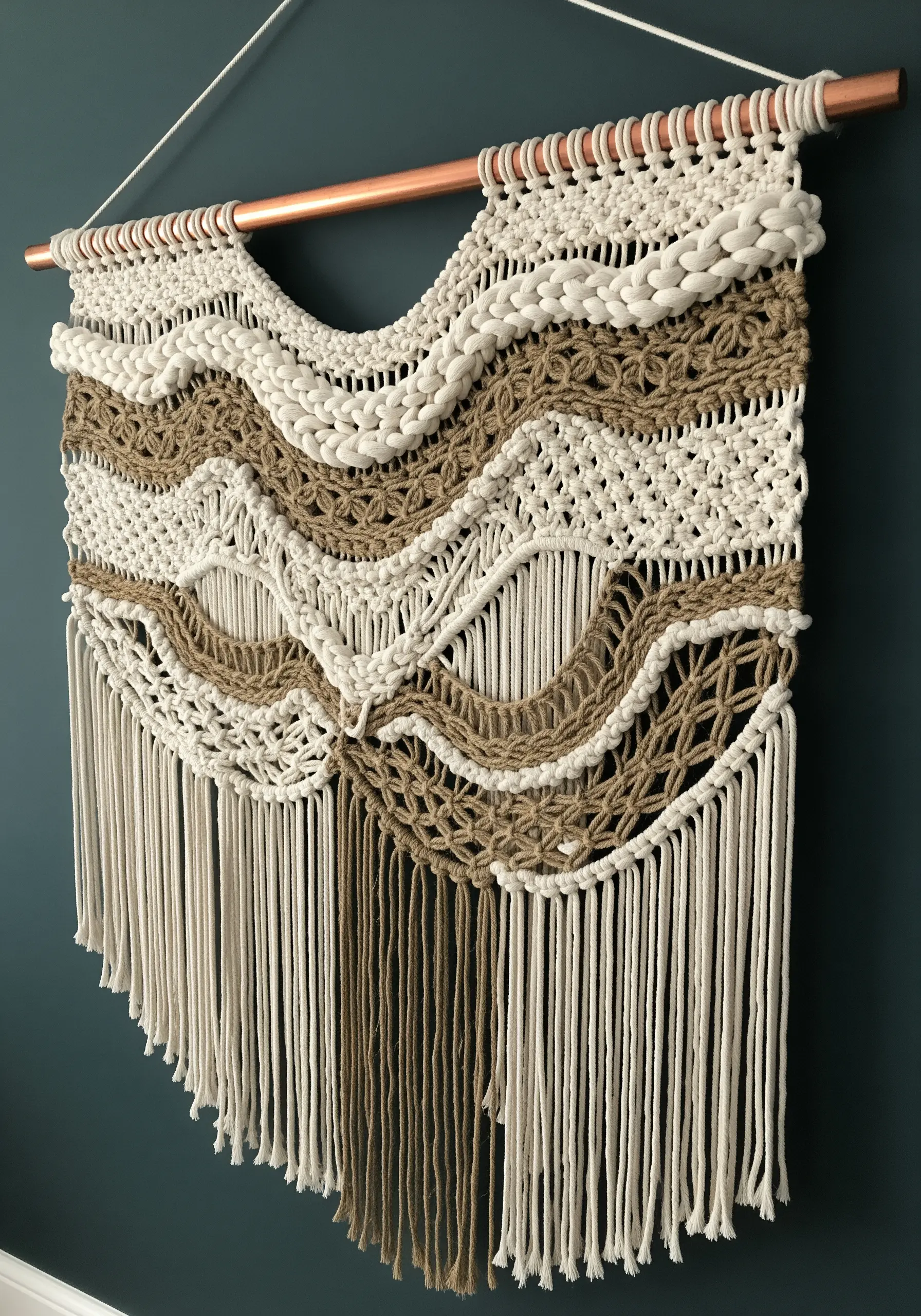
Create a sophisticated rhythm in your wall hangings by combining different macrame knot densities within a single piece.
Contrast sections of tight, uniform square knots with areas of soft, unspun roving that are loosely woven or draped.
Introduce a third texture, like natural jute, for middle bands to create a rustic focal point and add visual weight.
This deliberate interplay of smooth, rough, and plush textures is what gives the finished work its professional depth and tactile appeal.
2. Layer Landscapes with Punch Needle
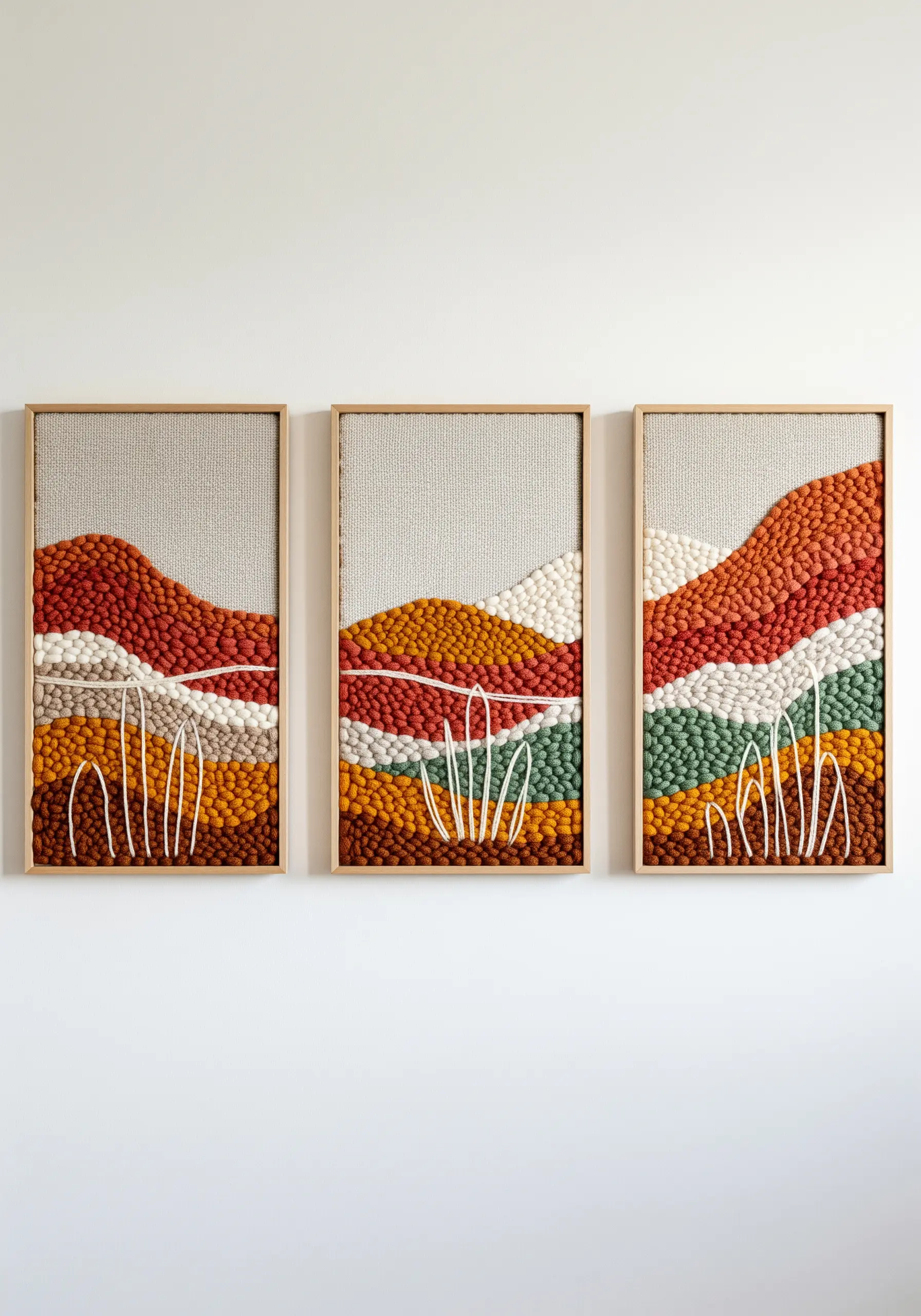
Use a punch needle to build rolling, abstract hills, but vary your loop heights to create a sense of perspective—taller loops in the foreground give the piece tangible dimension.
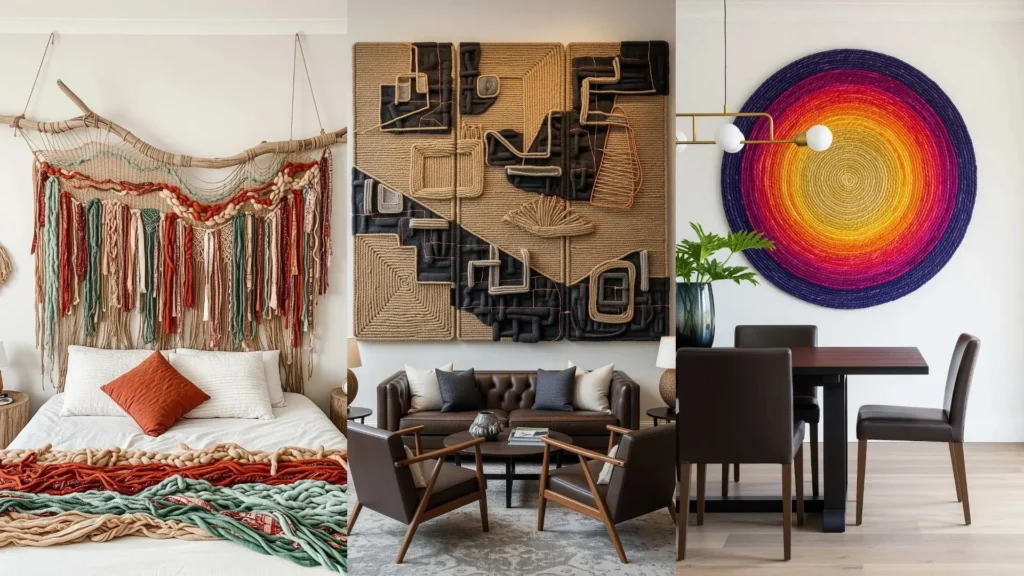
Work across multiple panels with a cohesive, earthy color palette to create a continuous triptych that feels expansive.
Once your looped texture is complete, add delicate, single-strand embroidery lines on top to suggest reeds or grasses.
This final detail provides a crucial contrast between the bold, plush texture and fine, graphic lines, elevating the entire composition.
3. Craft Coiled Vessels with Thread
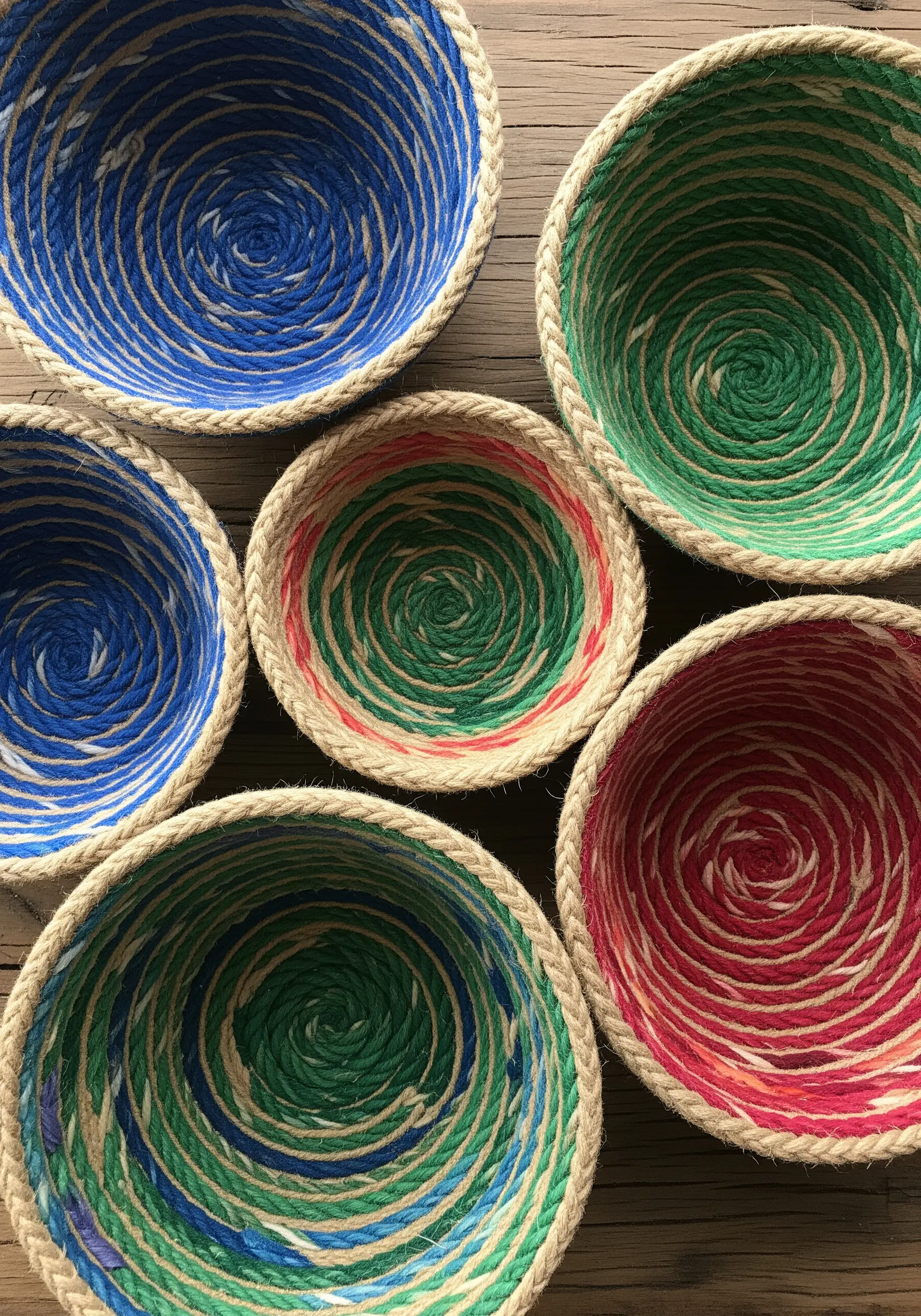
Transform simple cotton rope into vibrant, functional bowls by coiling it tightly and securing the layers with colorful embroidery floss or thin yarn.
Use a blanket stitch to join the coils, allowing the colored thread to become a primary design element.
By methodically changing your thread color, you can create hypnotic spiral patterns that draw the eye inward.
For a polished finish, focus on keeping your stitches evenly spaced and your tension consistent throughout the entire piece.
4. Integrate Natural and Luxe Textures
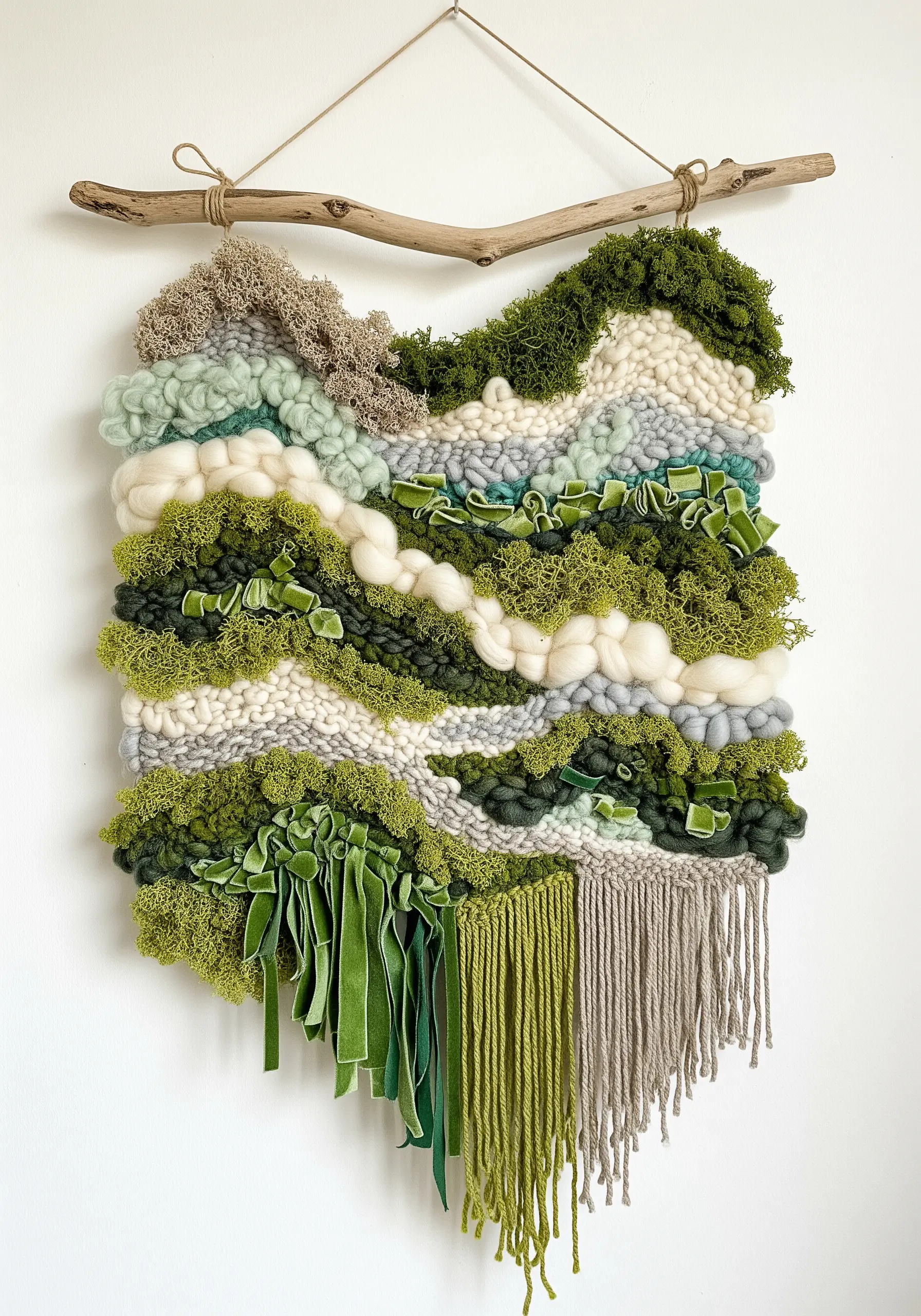
Elevate a standard woven tapestry by incorporating unexpected, non-traditional materials like preserved moss and velvet ribbon.
Weave these elements directly into your wool roving sections just as you would any other yarn, allowing them to disrupt the surface.
The moss introduces an organic, sculptural quality, while the velvet adds a subtle sheen that contrasts beautifully with the matte wool.
This is a masterclass in creating embroidery ideas inspired by the subtle textures of nature, turning a simple weaving into a lush landscape.
5. Design with Asymmetrical Balance
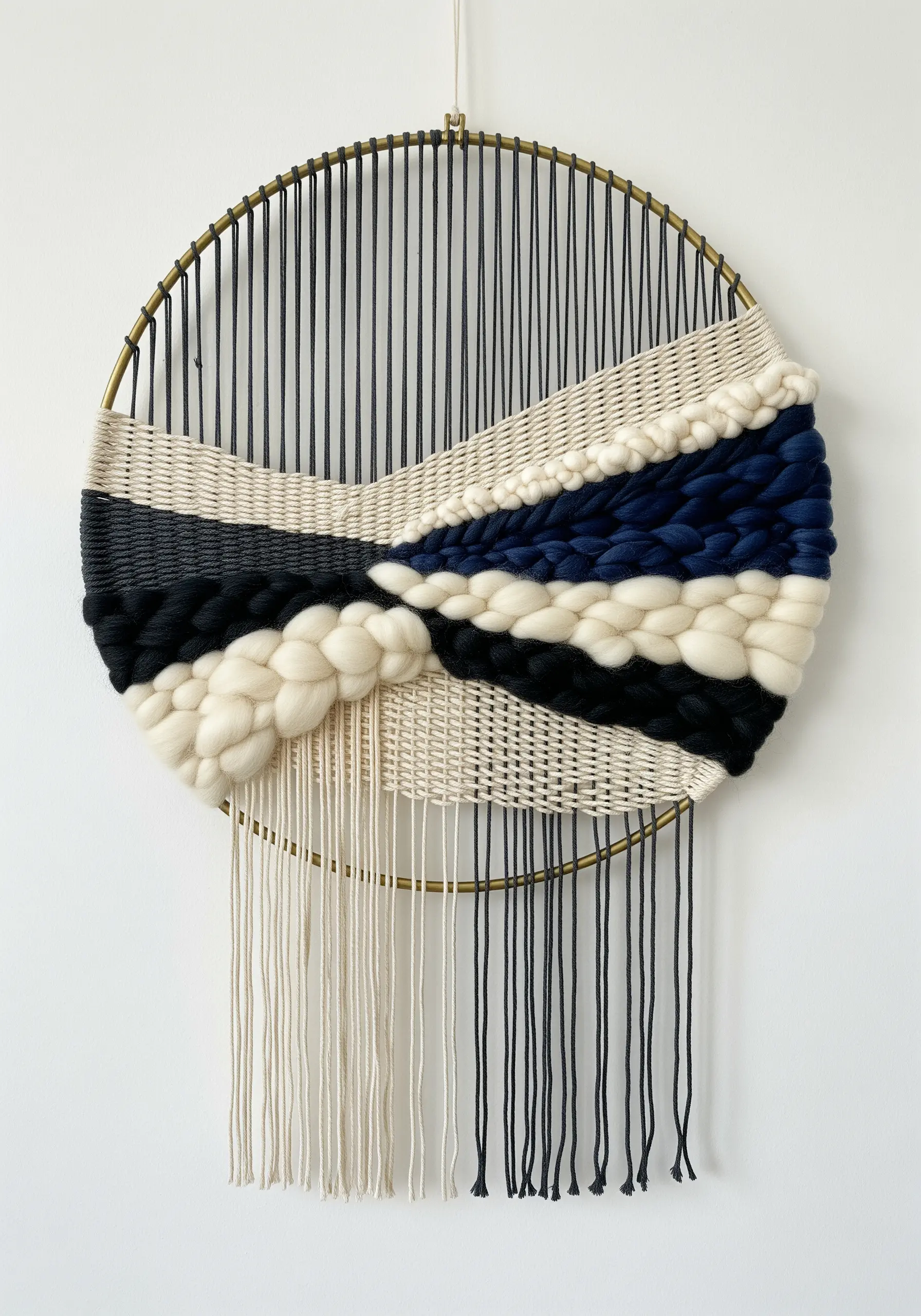
Use a metal hoop as your loom to create a modern, sculptural weaving where the frame itself is part of the design.
Instead of filling the entire circle, focus your weaving on one section, allowing the vertical warp threads to remain exposed elsewhere.
This intentional use of negative space creates a dynamic, asymmetrical composition that feels light and airy.
Alternate between chunky roving and fine, flat-woven sections to enhance the visual tension and guide the eye through the piece.
6. Explore a Monochromatic Palette
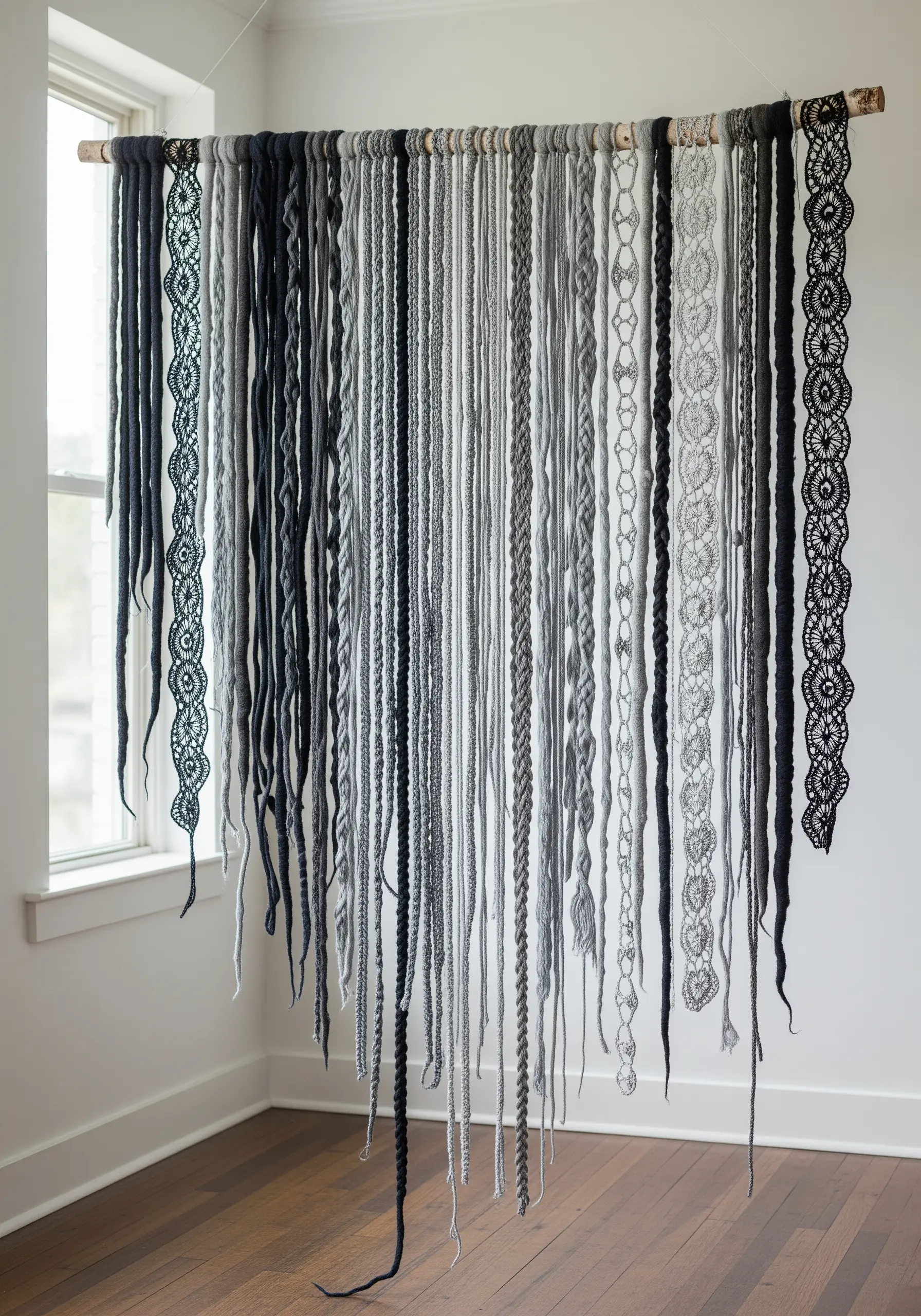
Create a powerful installation by focusing entirely on texture within a single color family, removing color as a variable.
Gather various fibers—yarn, lace trim, braided cords, felted strips—in shades of grey, black, and white and suspend them from a natural branch.
The impact comes from the subtle yet compelling variations in material, sheen, and structure.
This approach proves that you don’t need a wide color palette for dramatic effect, resulting in one of those stunning fiber art installations that transform any room instantly.
7. Define Shapes with Textured Fills
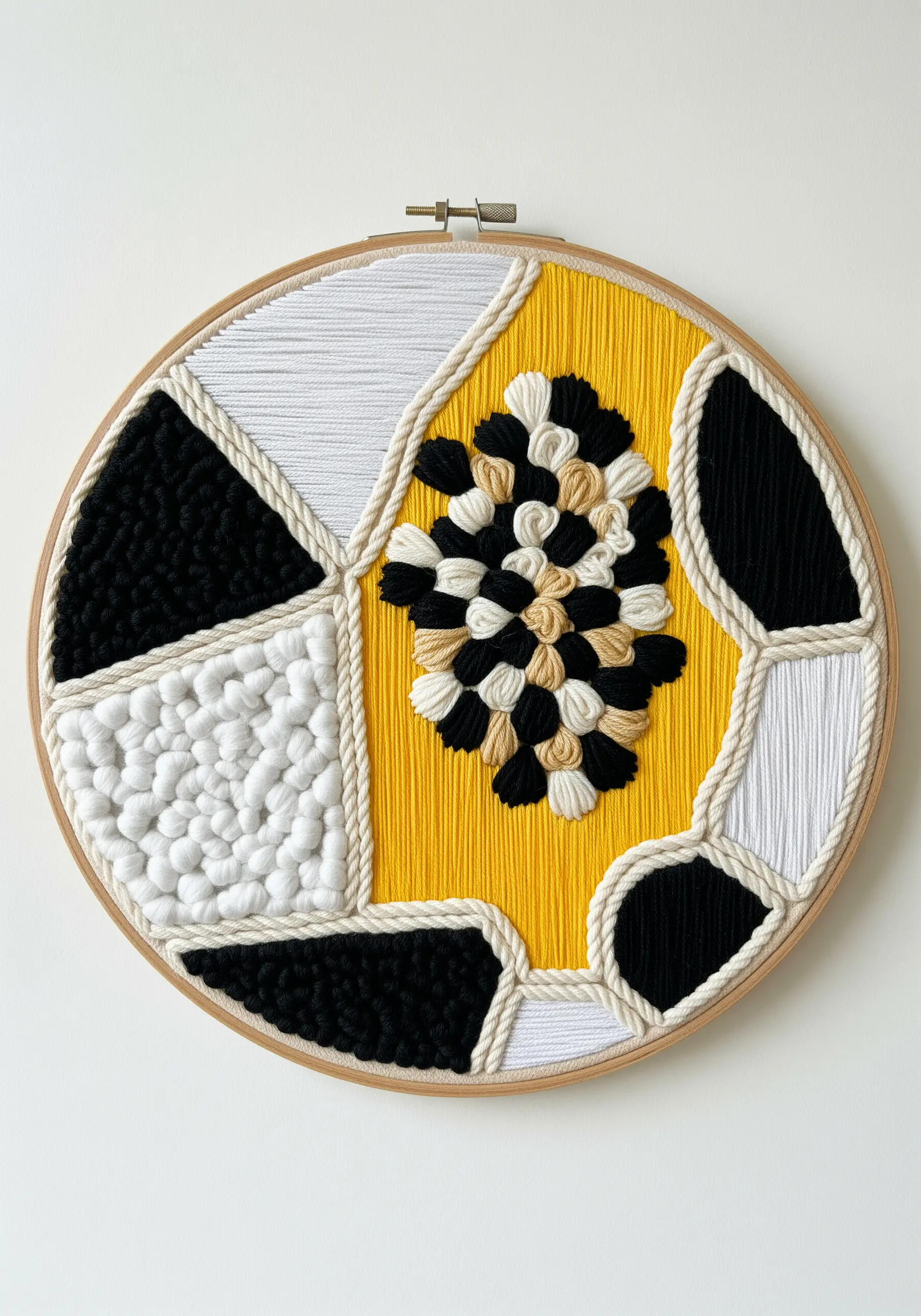
Use thick cord or rope to divide an embroidery hoop into bold, geometric sections, creating a ‘frame within a frame’.
Fill each segment with a distinct and contrasting texture to build a tactile sampler.
Try dense satin stitches with floss, plush turkey work with chunky yarn, or a simple woven pattern with wool roving.
The strong, clean outlines give the varied textures a cohesive, graphic look that feels intentional and modern.
8. Weave with Architectural Precision
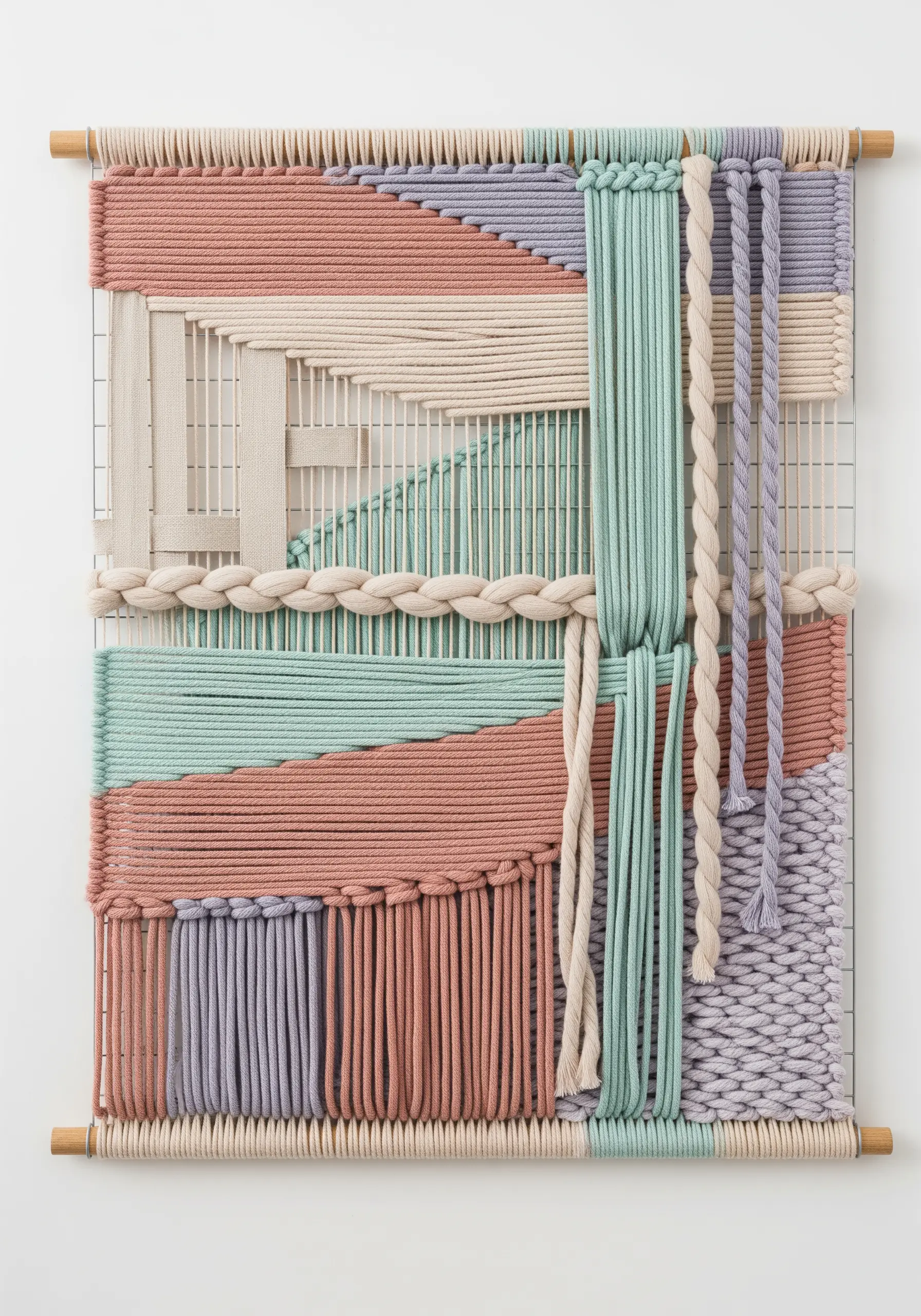
For a highly structured, architectural weaving, use a wire grid from a hardware store as your loom.
This unconventional base allows you to create clean blocks of color and precise intersecting lines that are difficult to achieve on a traditional loom.
Wrap sections tightly, leave others open to expose the grid, and introduce braided elements for controlled texture.
The rigid, industrial frame provides a striking contrast to the softness of the pastel-colored cotton cords.
9. Compose with Fabric and Felt Collage
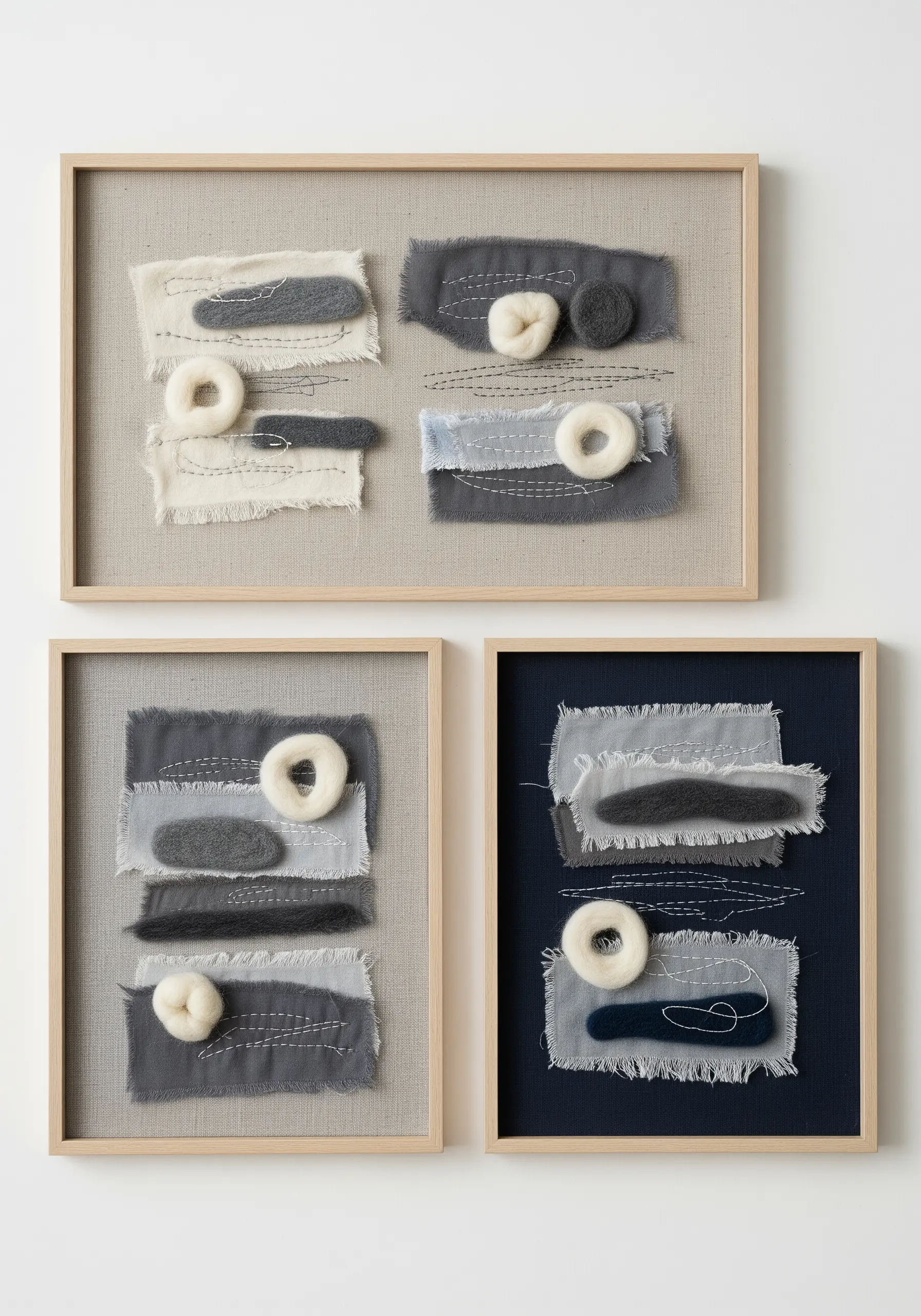
Create minimalist compositions by layering frayed-edge fabric scraps with soft, needle-felted shapes on a neutral linen background.
Use a simple, visible running stitch in a contrasting thread to add linear detail and secure the pieces in place.
The raw, textured edges of the woven fabric provide a beautiful counterpoint to the soft, blended forms of the felt.
Grouping several of these creative collage art ideas that use thread, paper, and tiny hand-stitched details in simple frames creates a cohesive, gallery-style display.
10. Master Maximalist Texture
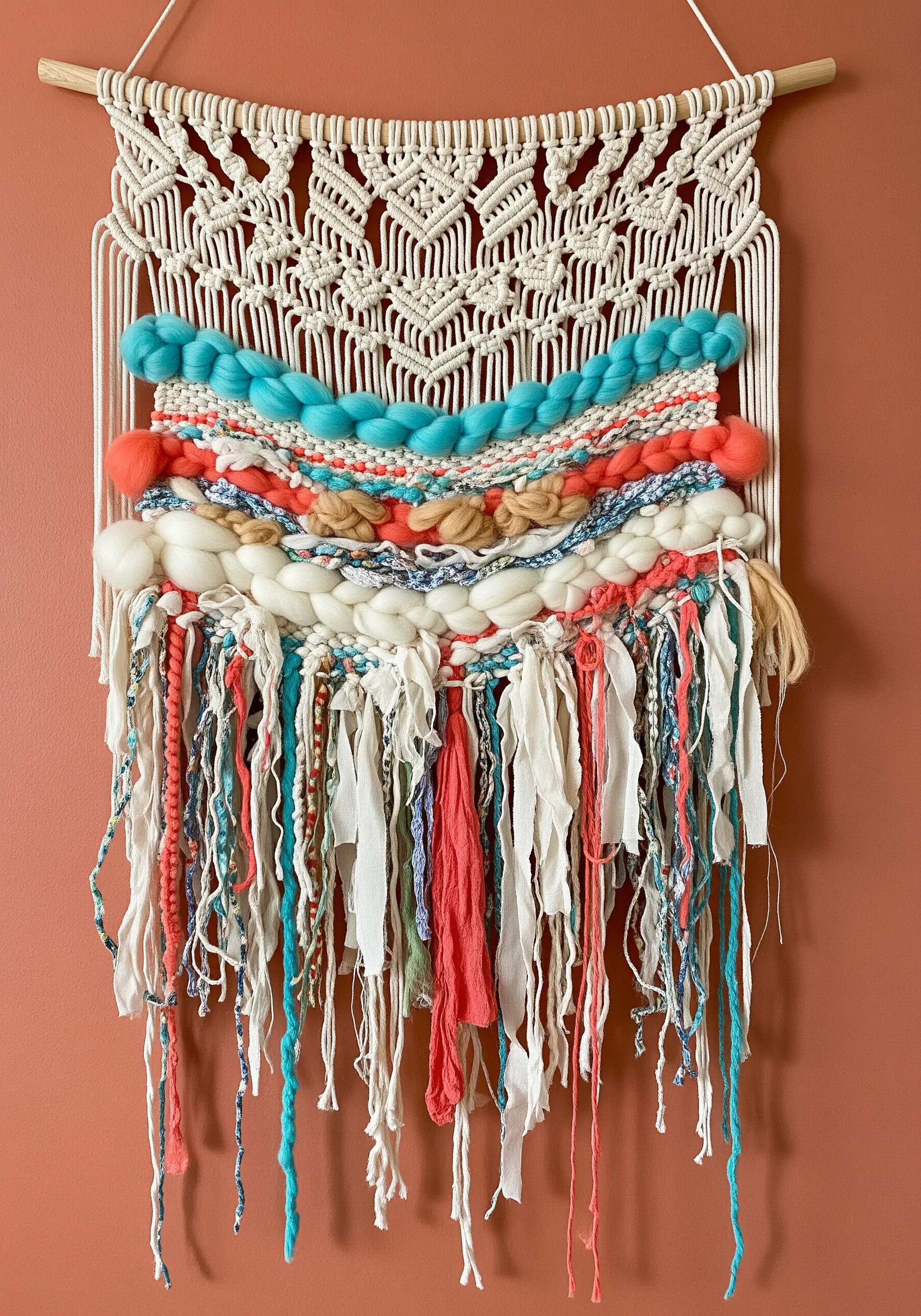
Create a vibrant, bohemian-style wall hanging by confidently combining a wide array of materials and textures.
Integrate chunky wool roving, hand-spun art yarn, torn fabric strips, and thin cotton cord within one piece.
The key to making this ‘controlled chaos’ work is to vary not just the texture but also the thickness and drape of each fiber.
Allowing the different elements to hang at varied lengths adds to the energetic, free-flowing feel of the finished work.
11. Sculpt with Felt and Thread
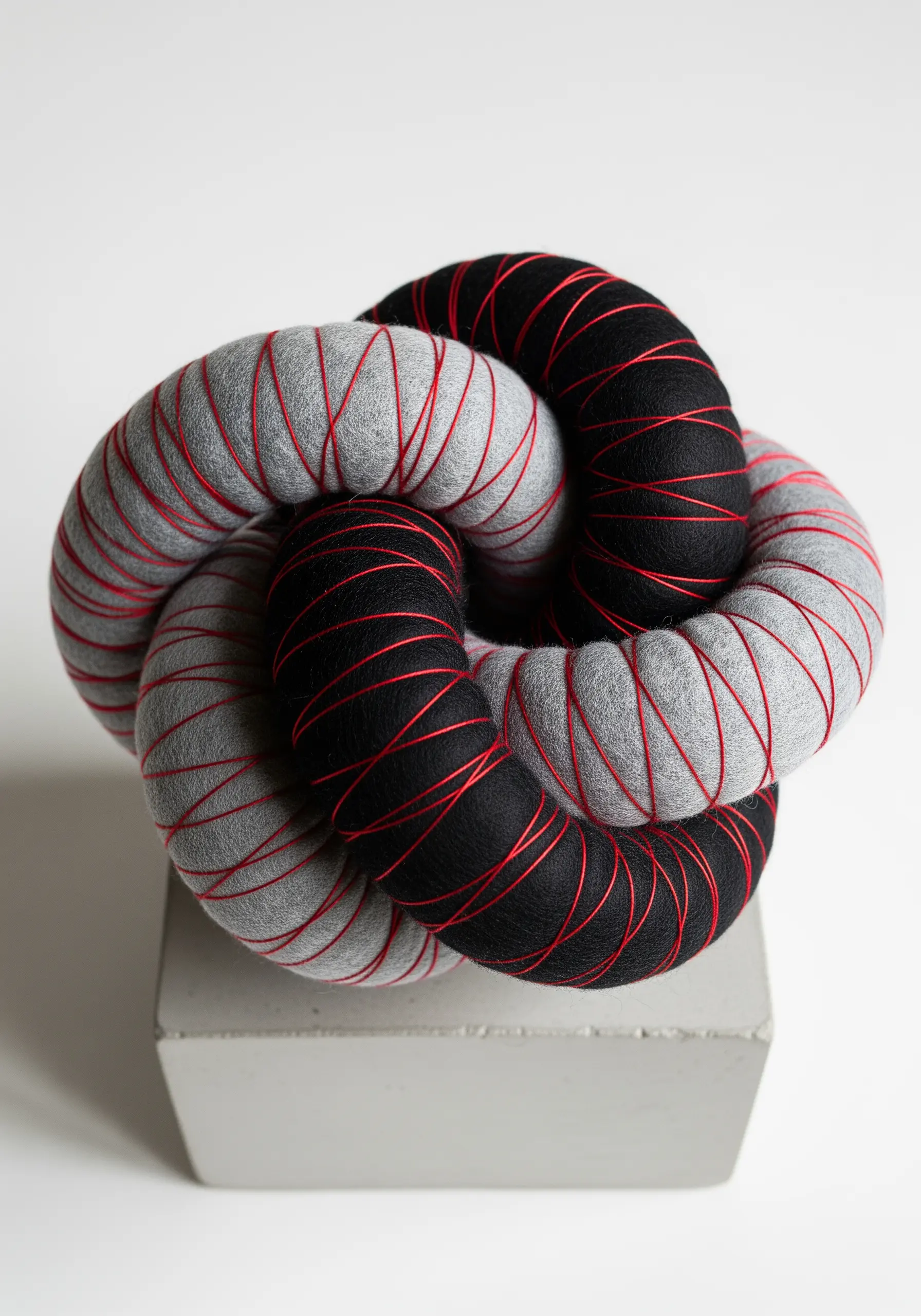
Construct a three-dimensional form by sewing felt tubes and arranging them into an intricate, continuous knot.
The sculpture’s impact is then amplified by the surface detail you add.
Wrap the felt tightly and evenly with a contrasting, fine thread—like a single strand of red embroidery floss—to create a pattern of precise lines.
This thread-wrapping technique highlights the piece’s form and adds a layer of graphic tension that catches the eye.
12. Draw with Thread on Sheer Fabric

Use a sheer fabric like organza or tulle as your canvas and ‘draw’ with thread using either free-motion machine stitching or a simple hand backstitch.
Layer your stitches to create darker, more opaque areas, and use loose, looped textures for pockets of volume.
When hung in a window or against a light source, the light filters through the sheer ground fabric, transforming your thread drawing into a luminous, ethereal artwork.
13. Frame Knots as Minimalist Art
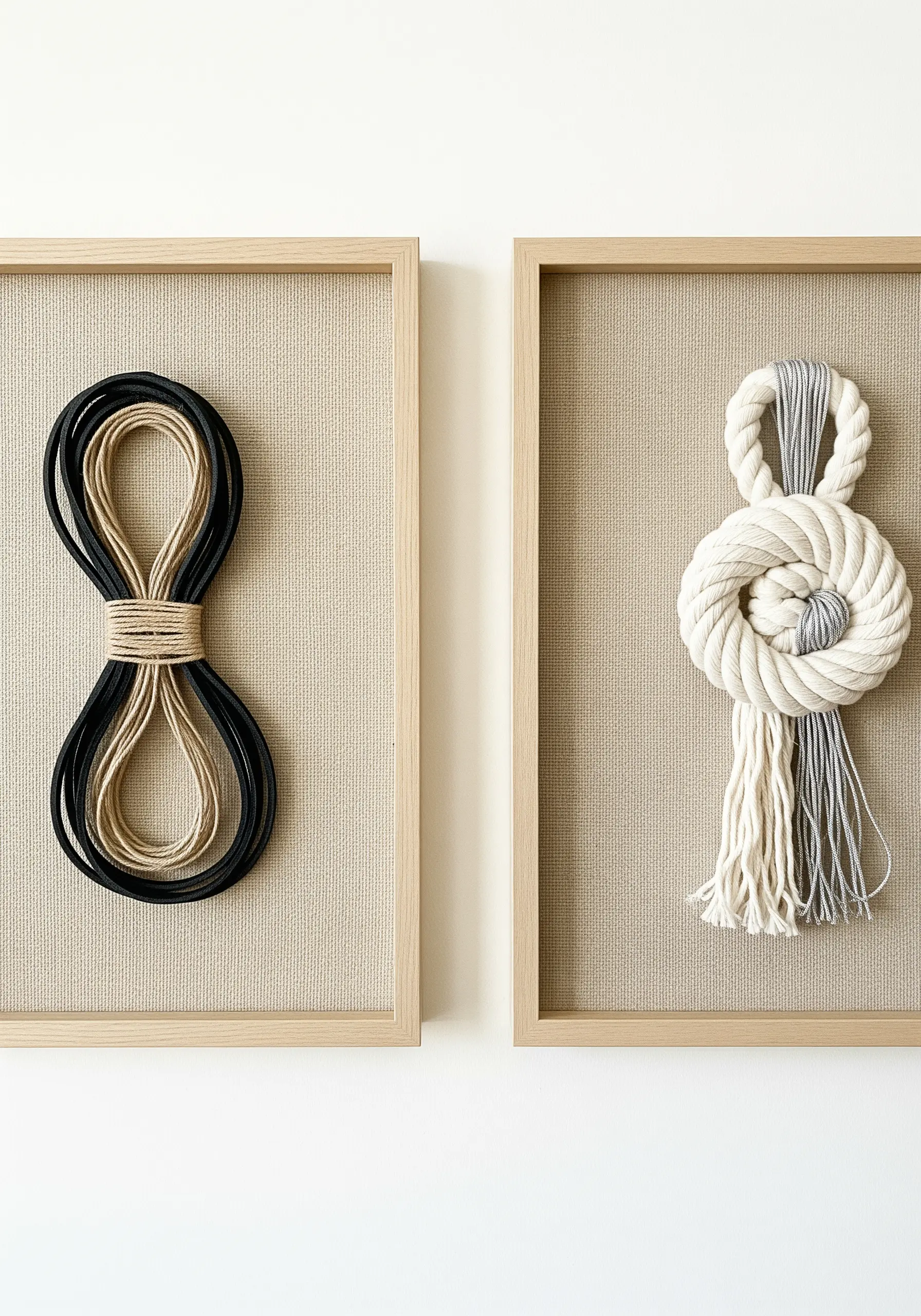
Elevate simple knots and coiled cords into sophisticated art by mounting them on a textured background like linen inside a deep shadow box frame.
Choose high-quality ropes and cords, focusing on their inherent texture, sheen, and form.
This approach treats the fiber itself as a sculptural object, celebrating its material quality in a clean, uncluttered presentation.
It’s one of the most effective minimalist embroidery wall art ideas that turn plain white walls into calming luxury spaces.
14. Paint a Landscape with Wool Roving
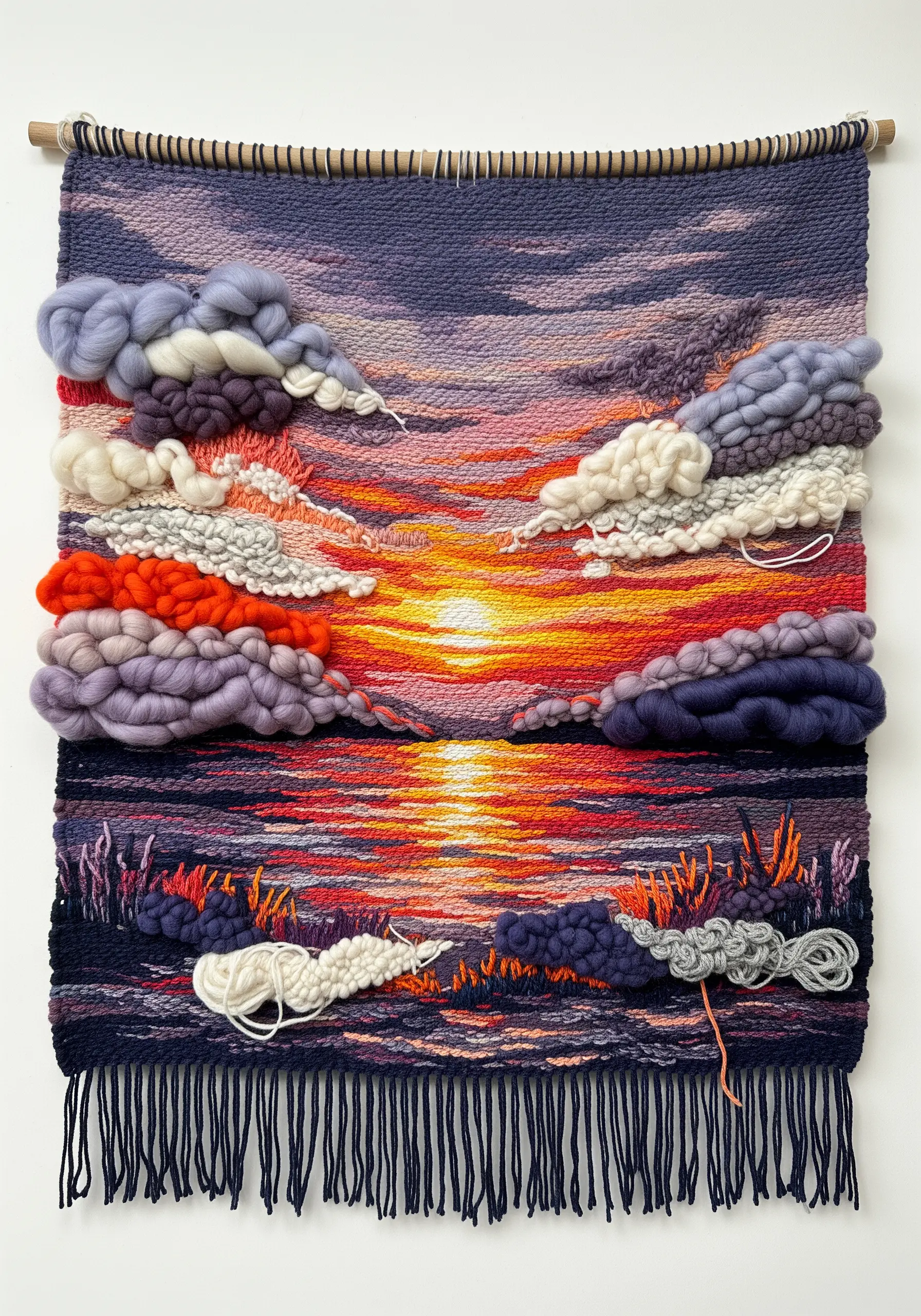
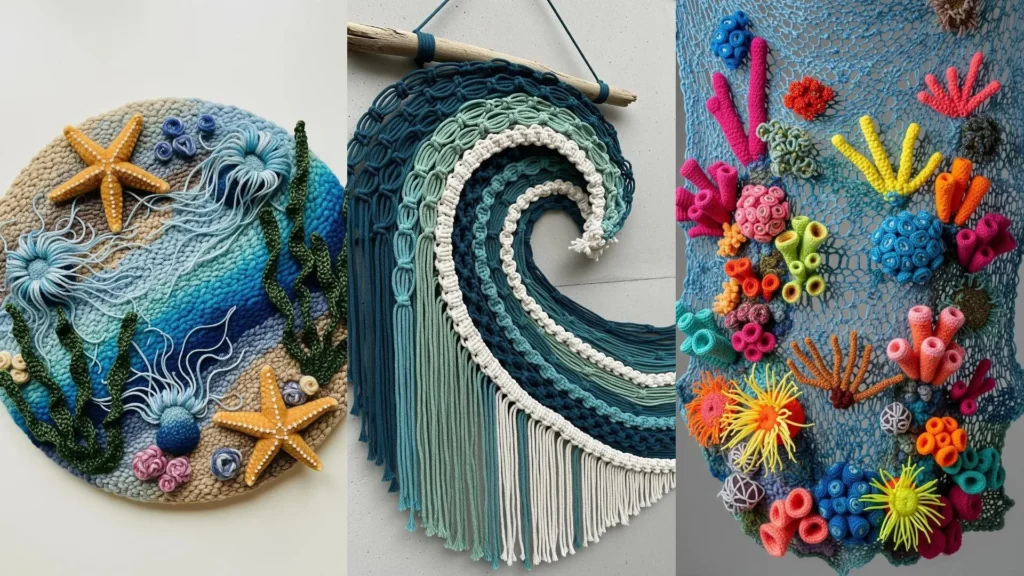
Instead of relying on flat weaving, use fluffy wool roving to ‘paint’ an atmospheric landscape with incredible depth and softness.
Blend your colors by carding different shades of wool together before weaving to create subtle, painterly gradients in the sky and water.
Create dimensional, sculptural clouds by packing the roving loosely and using soumak stitches around the edges for definition.
The result is a tapestry that has the soft, blended quality of a pastel drawing rather than a traditional weaving.
15. Deconstruct and Embellish a Textile
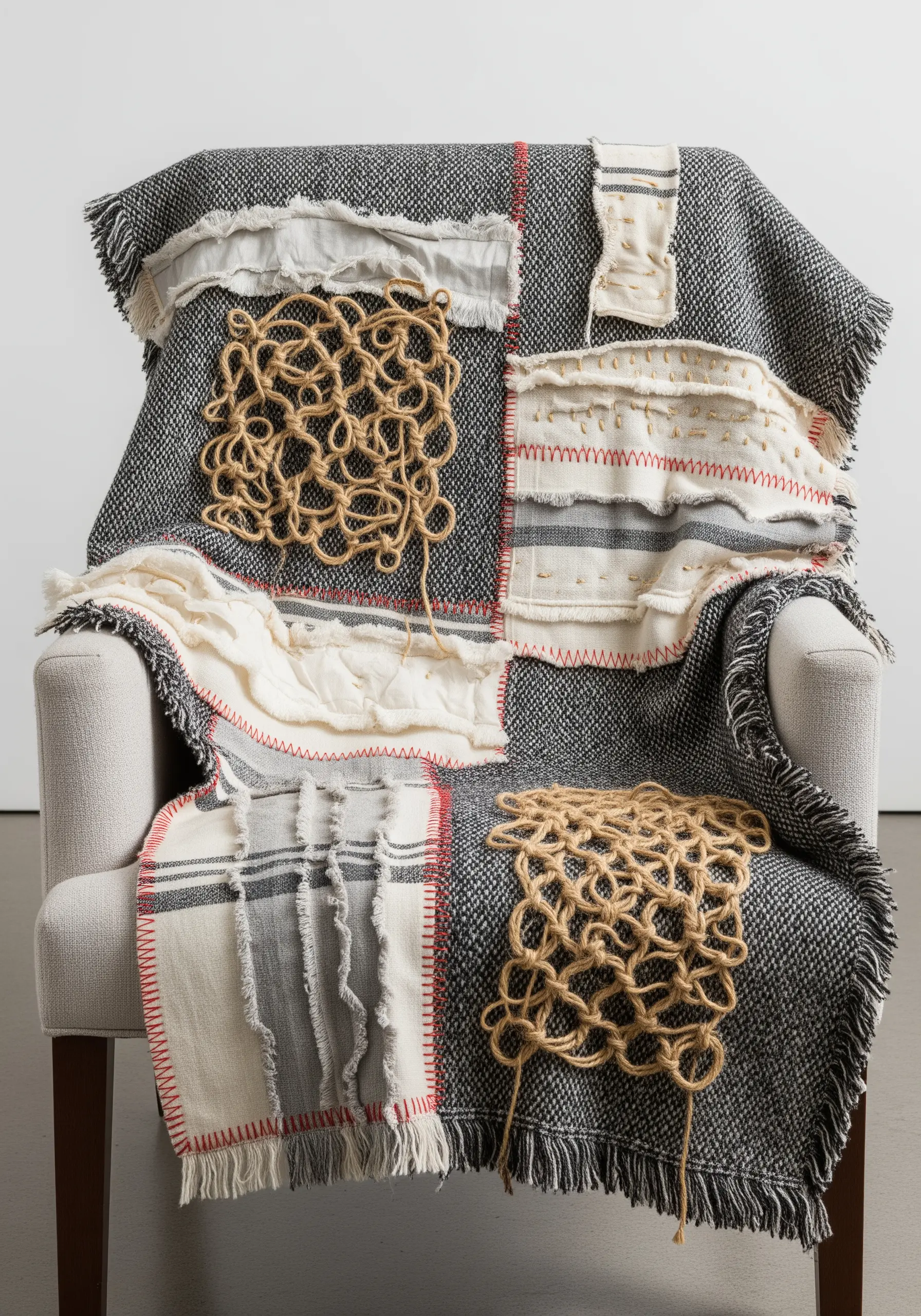
Transform a simple throw blanket into a piece of functional art by using it as a canvas for textile collage.
Appliqué large patches of contrasting fabrics—like raw linen or cotton—using a large, visible whipstitch in a bold color.
Add sections of open-weave jute or knotted rope for a rugged, sculptural element.
This deconstructed approach celebrates imperfection and adds a deeply personal, tactile layer to embroidered throws and blankets to make winter even cozier.
16. Build Dimension with Layered Stitches
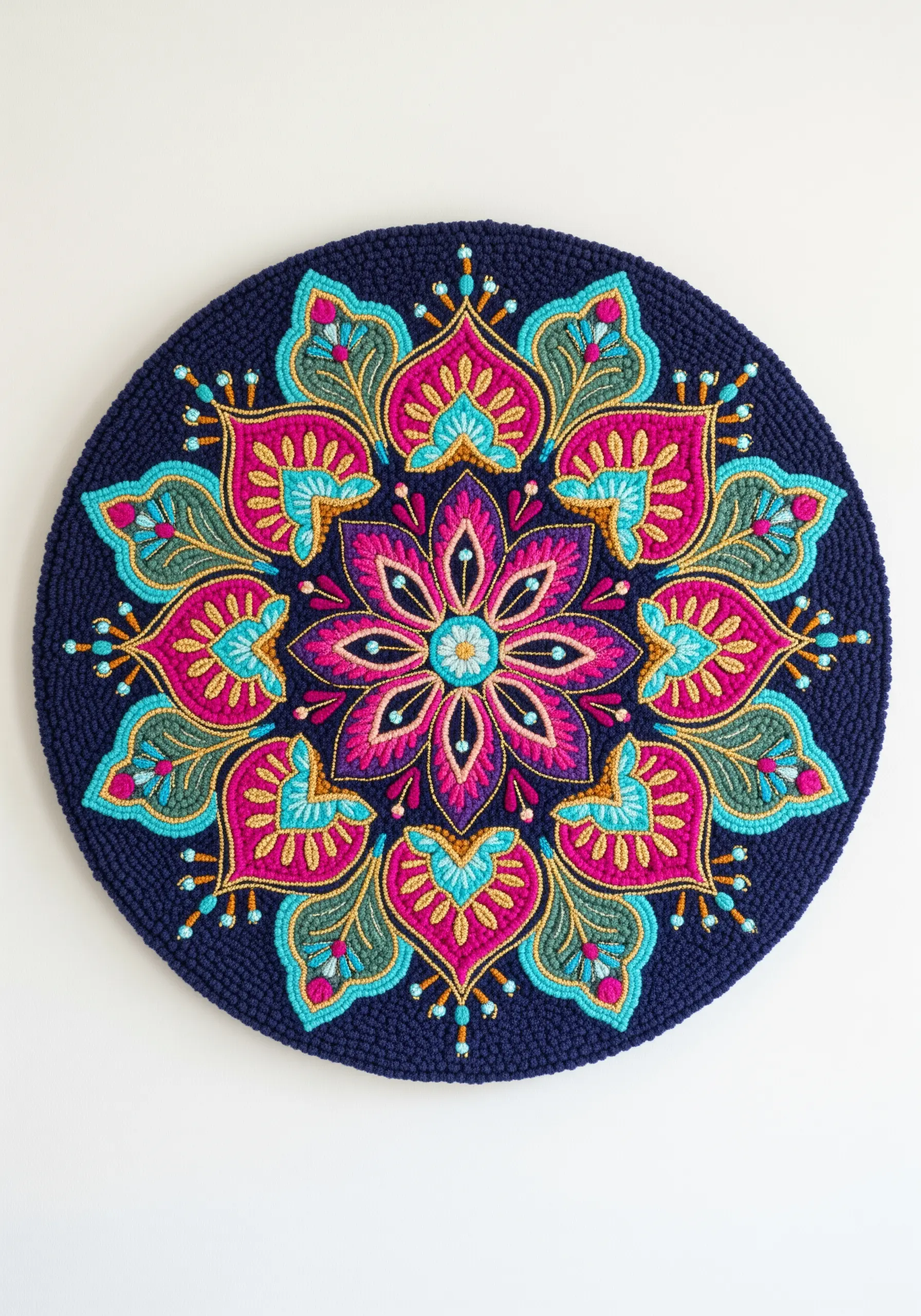
Create a stunning embroidered mandala wall art piece by building up layers of texture to achieve a 3D effect.
Use thick yarn couched down for the primary outlines, creating a raised foundation for the rest of your stitches.
Fill the inner sections with dense satin stitch and clusters of French knots for varied texture.
For the outermost border, use a highly dimensional stitch like the cast-on stitch or bullion knots to give the entire piece a sculptural, bas-relief quality.
17. Compose an Abstract Fiber Cloudscape
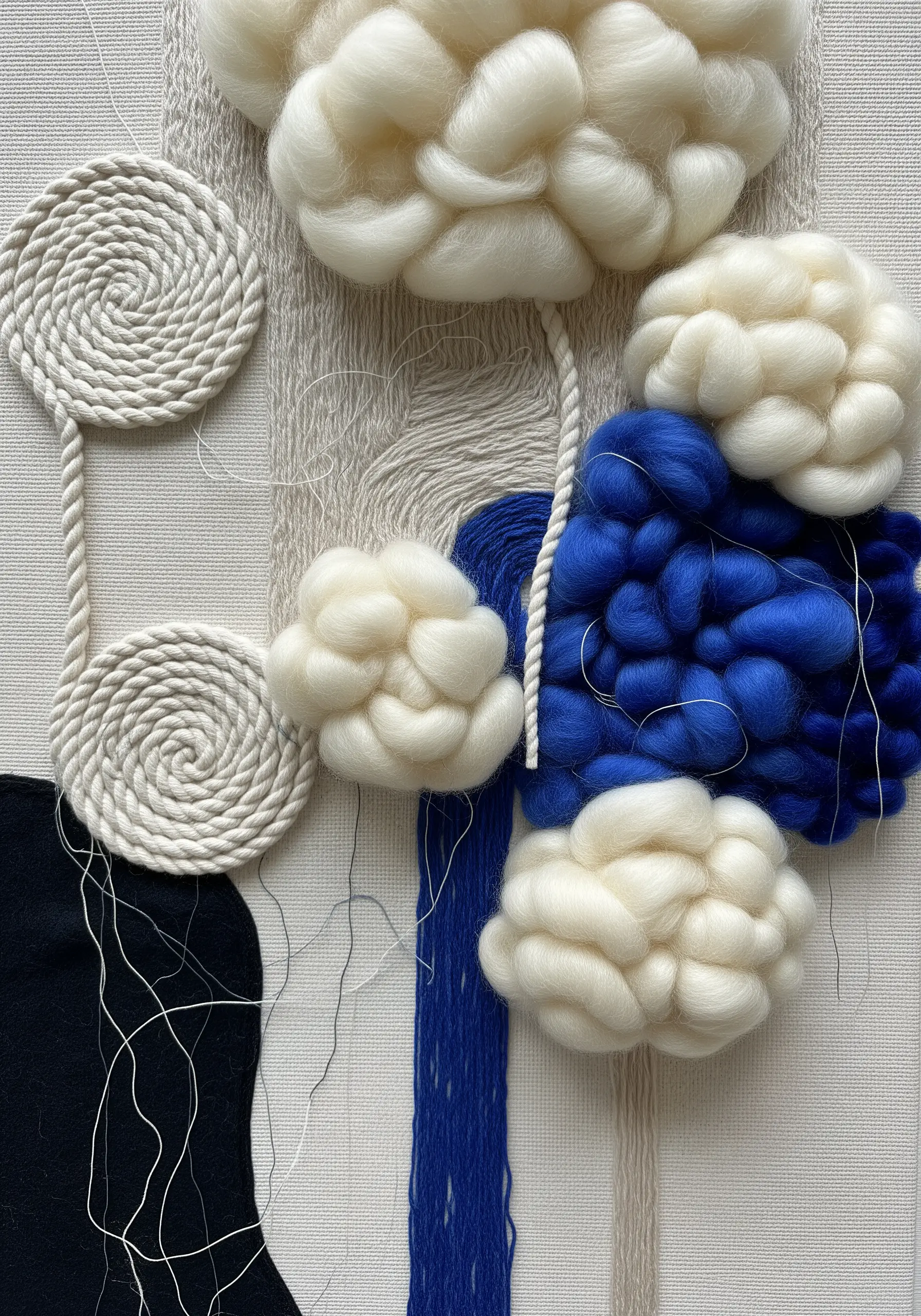
Create a dynamic abstract composition by combining multiple fiber techniques on a single canvas, focusing on a balance of shape and texture.
Contrast the hard, flat edge of a black felt shape with the soft, round form of tightly coiled rope circles.
Build fluffy ‘clouds’ using needle felting or by creating dense tufts with a punch needle.
Allow a few loose threads to trail across the surface, connecting the different elements and adding a final touch of organic energy.
18. Transform Simple Shapes with Yarn
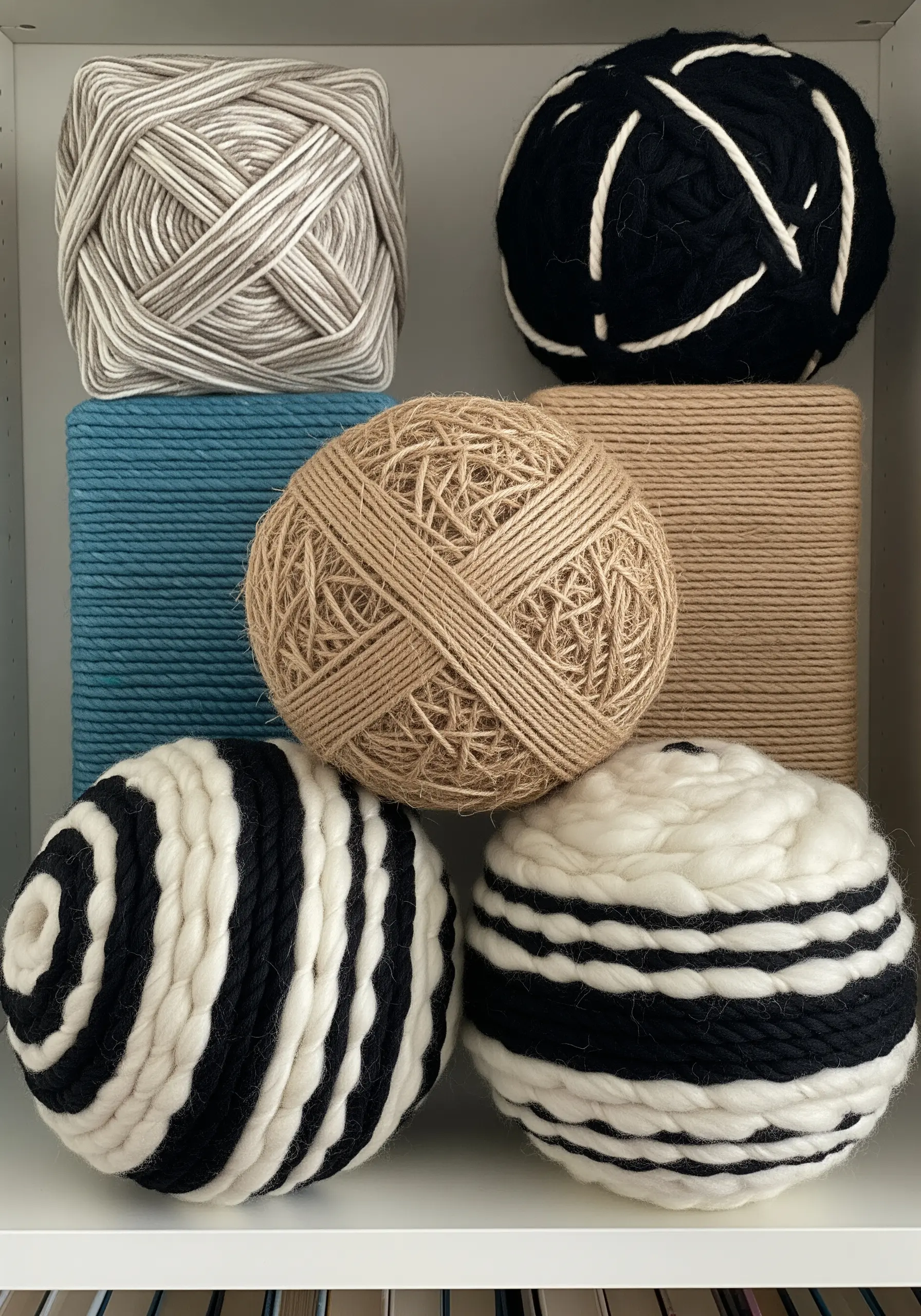
This is a simple yet incredibly effective way to create sculptural decor without any complex skills.
Find styrofoam blocks, spheres, or other geometric shapes from a craft store and wrap them tightly and neatly with different yarns.
Experiment with patterns: wrap in a single direction for a clean, linear look, or crisscross the yarn for a more complex, woven texture.
Grouping several of these mini handmade objects creates a stunning, tactile display for a shelf or coffee table.
19. Weave a Symphony in Neutrals
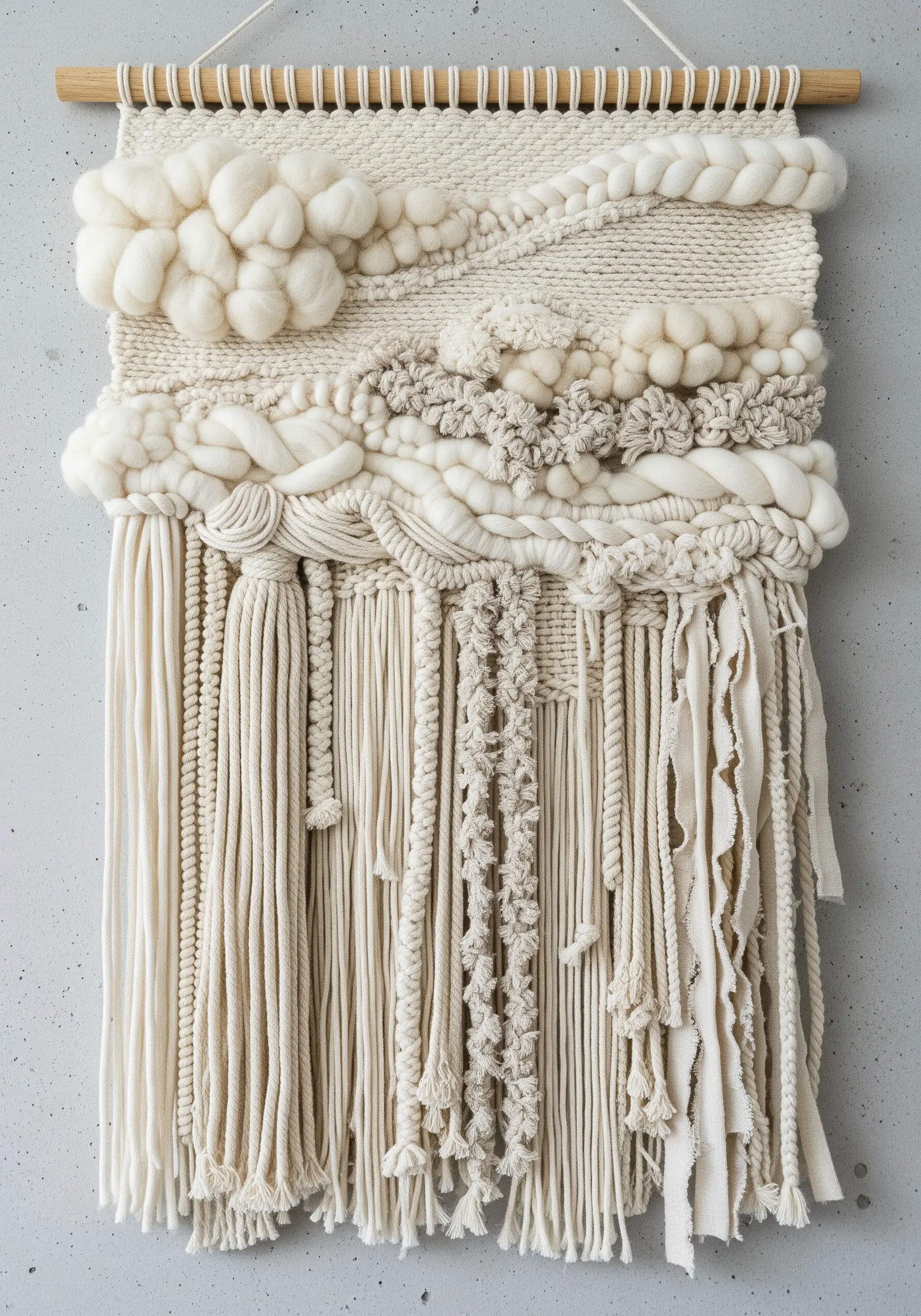
When working with a limited, neutral palette, your success hinges on mastering a variety of textures.
This piece masterfully combines different weaving techniques to create interest: fluffy soumak stitch for cloud-like puffs, thick braids for structure, and knotted rya loops for a fringe effect.
The result is a greige ivory embroidery art piece that feels both calming and incredibly intricate.
It’s definitive proof that a rich vocabulary of textures can be far more expressive than a wide range of colors.
20. Marry Macrame Grids with Woven Inlays
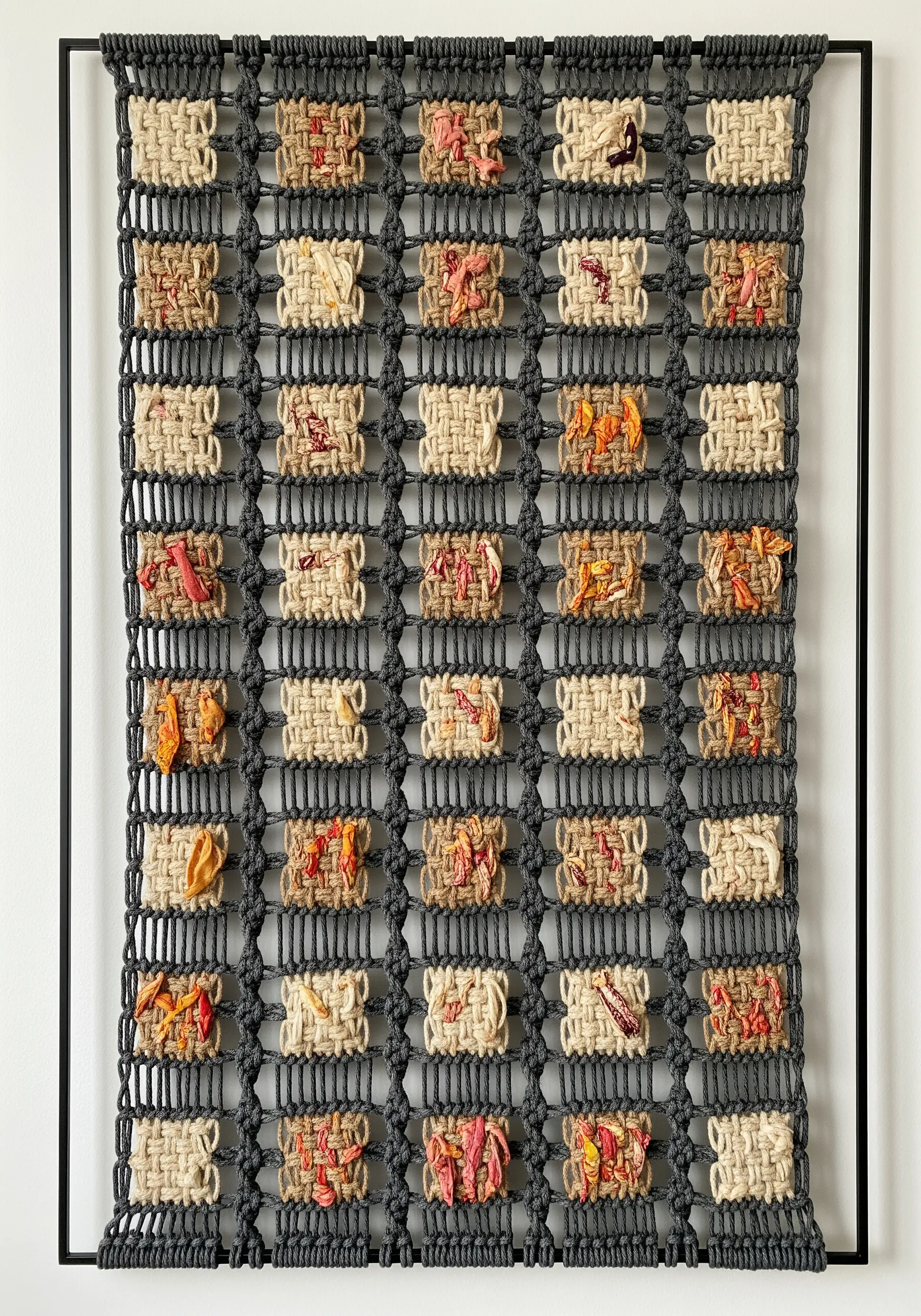
Create an open, windowpane-like structure using a grid of repeating macrame square knots.
In the negative spaces that the grid creates, add small, self-contained weavings on a separate tiny loom or piece of card.
Use contrasting colors or highly textured art yarns for these inlays to make them stand out as miniature artworks.
The rigid, geometric frame of the macrame provides a beautiful counterpoint to the softer, more painterly quality of the woven squares.
21. Sculpt Botanicals with Stumpwork
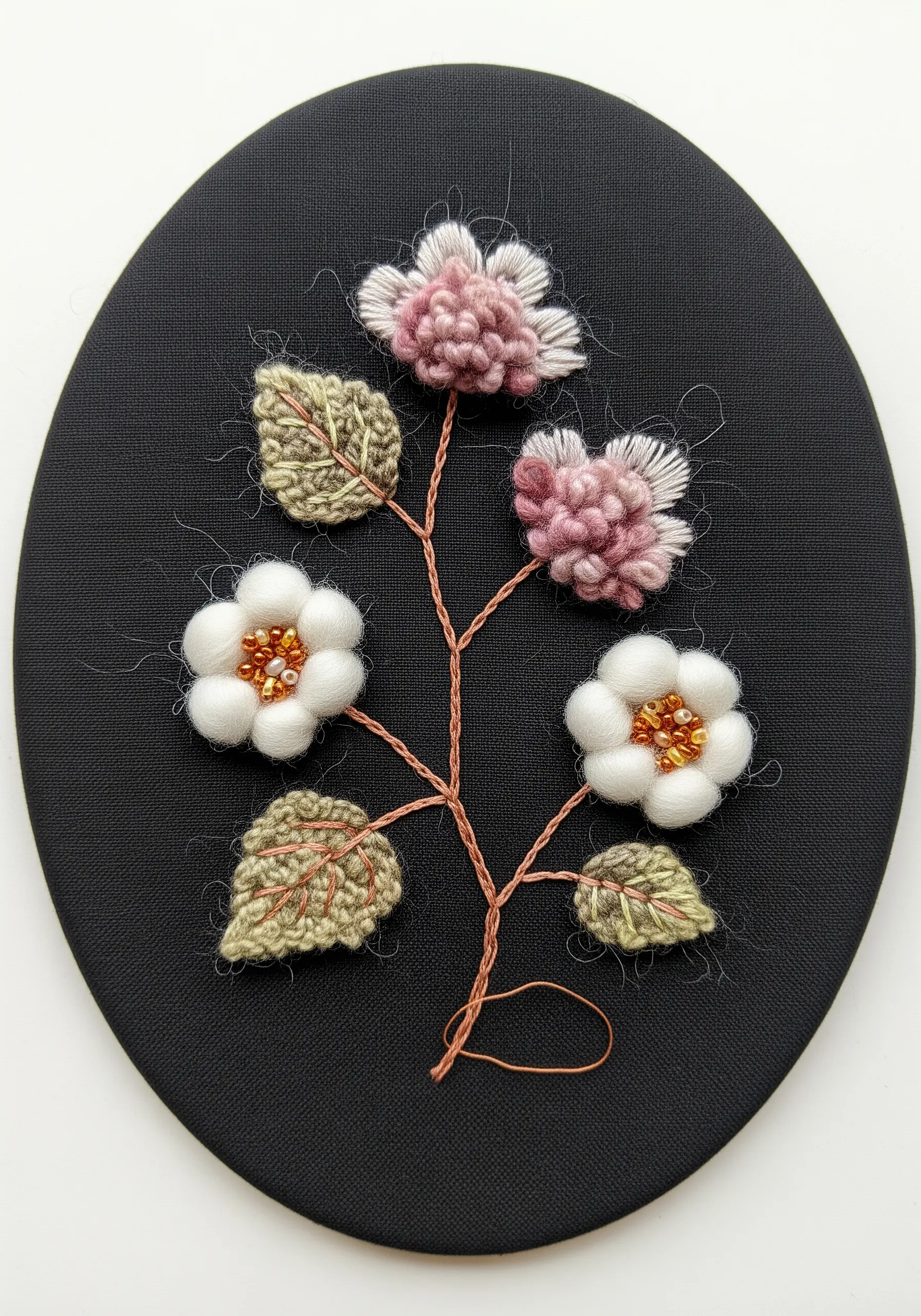
Move beyond flat floral embroidery and into the third dimension by using stumpwork techniques.
Create petals with detached buttonhole stitches worked over a thin wire frame, which allows you to bend and shape them into realistic, curved forms.
Incorporate other fiber crafts, like tiny crocheted leaves, and use seed beads for flower centers to add sparkle and fine detail.
Mounting your finished botanicals on a dark, plain fabric makes these sculptural elements truly stand out.
22. Engineer a Fiber and Tassel Mobile
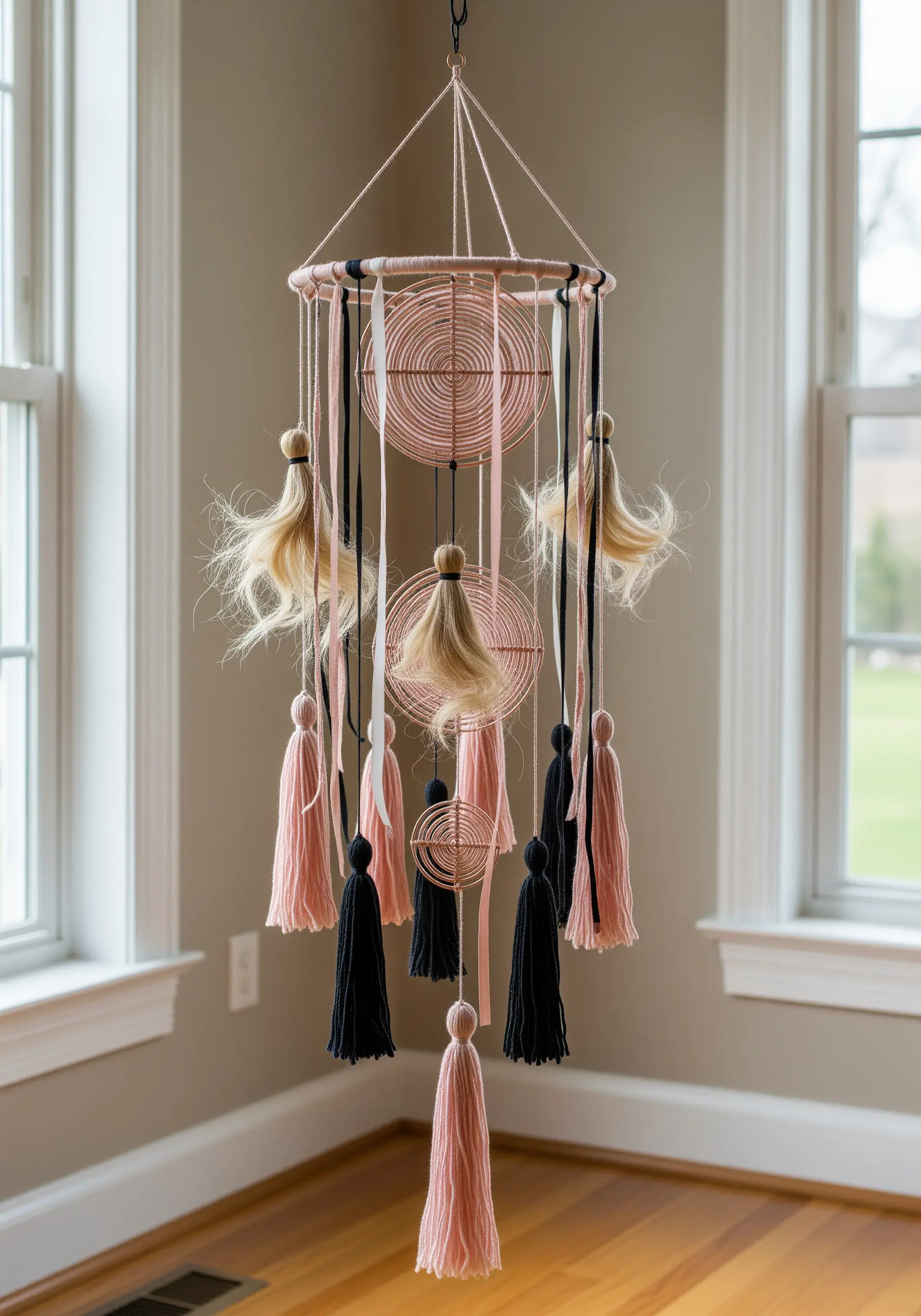
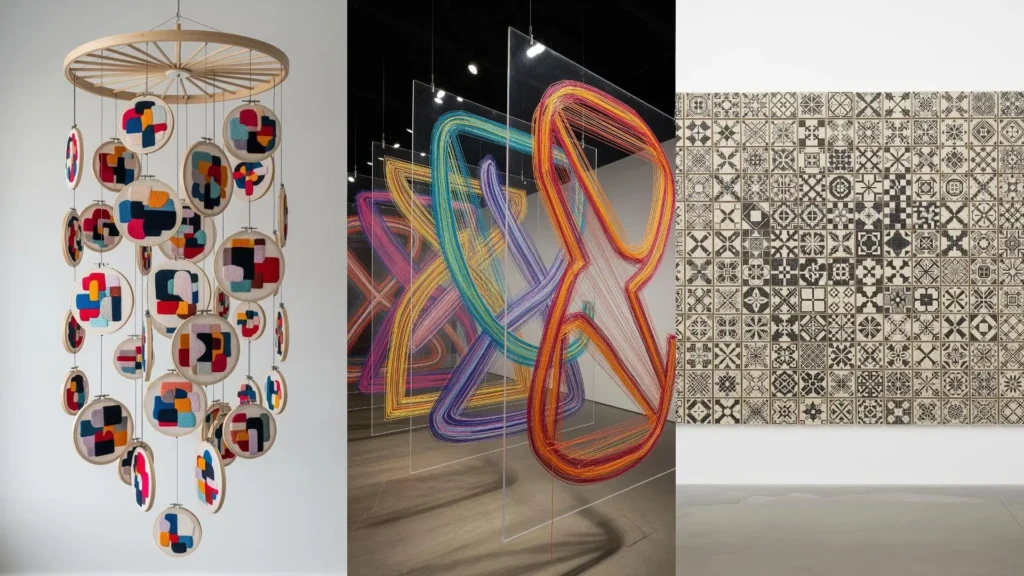
Construct a balanced, elegant mobile using embroidery hoops or wrapped wire as your structural frame.
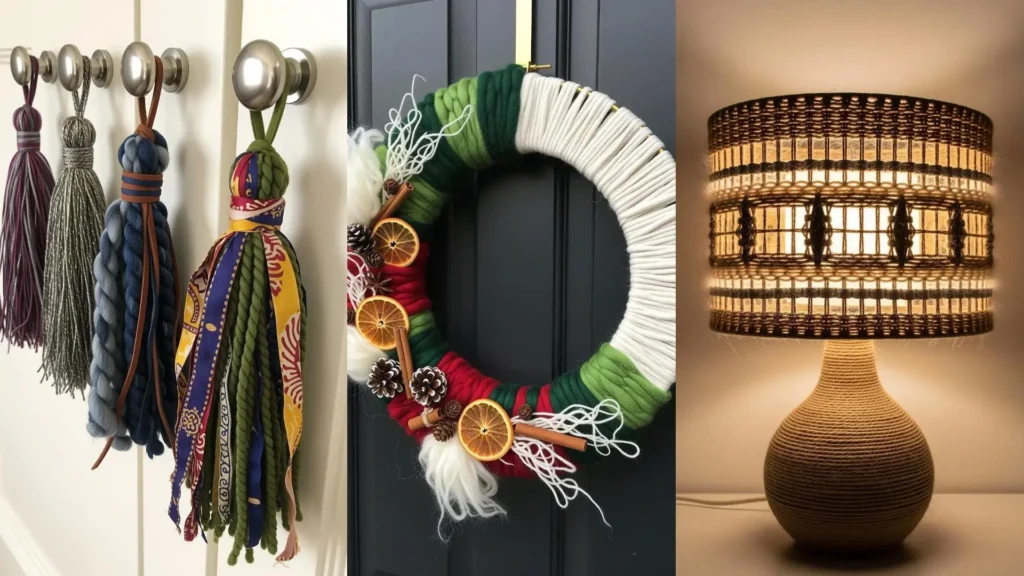
Create visual interest by varying the elements you hang: sleek, smooth tassels provide a lovely contrast to fluffy, unbrushed fiber bundles or coiled yarn discs.
The interplay of a refined color palette—like soft pink, black, and natural blonde—creates a sophisticated look, while the varied textures add depth and gentle movement.
23. Frame Beaded Inlays as Abstract Art
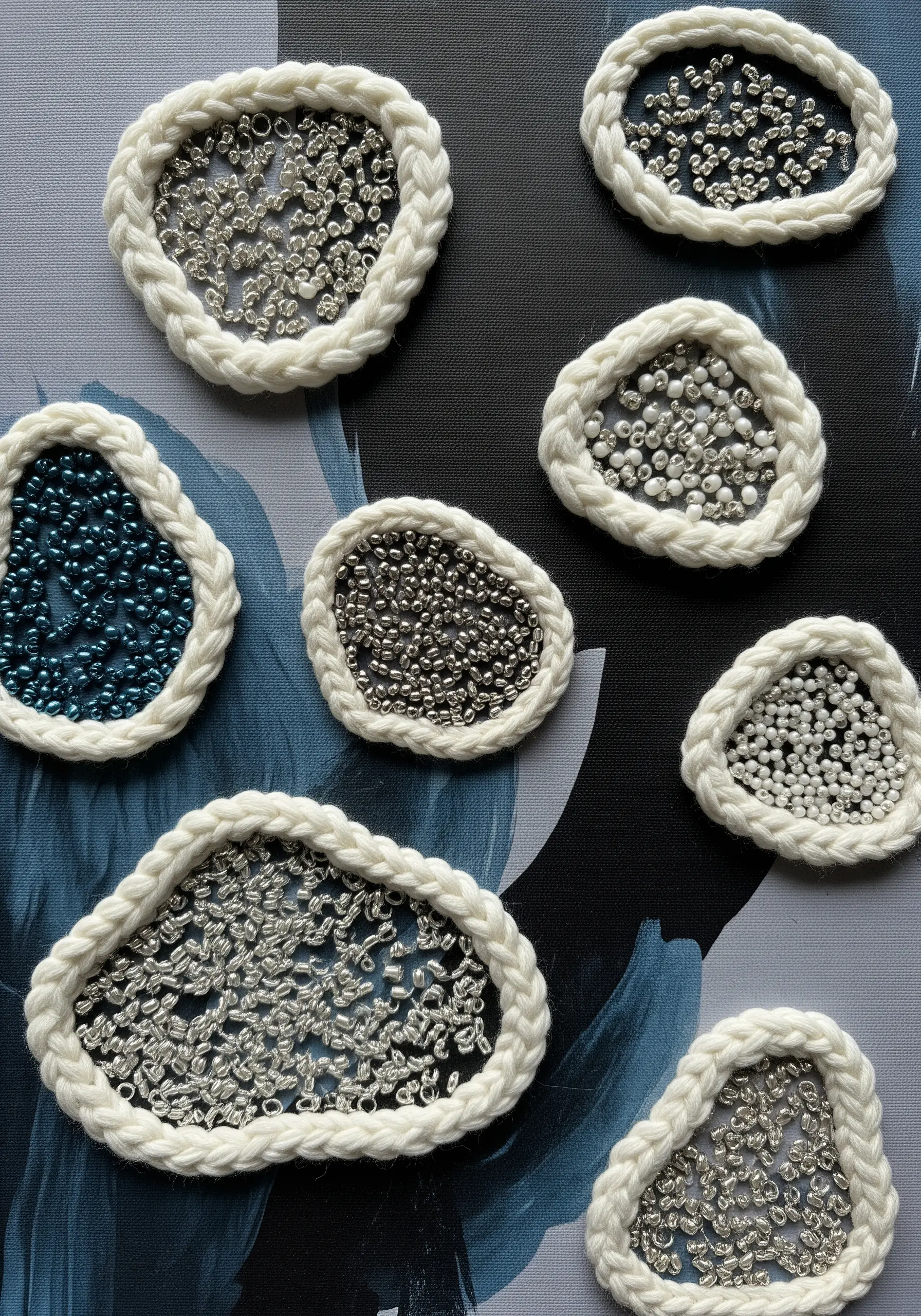
Create abstract organic shapes by first stitching braided cord outlines directly onto a painted canvas background.
Instead of filling these shapes with thread, fill them with shimmering seed beads.
To create a delicate, floating effect, stitch the beads onto a sheer, transparent fabric (like tulle) that is stretched taught and trimmed within the cord frame.
This technique allows the painted background to show through, turning them into unique abstract mixed-media embroidery ideas.
24. Create Soft Sculptures with Thread
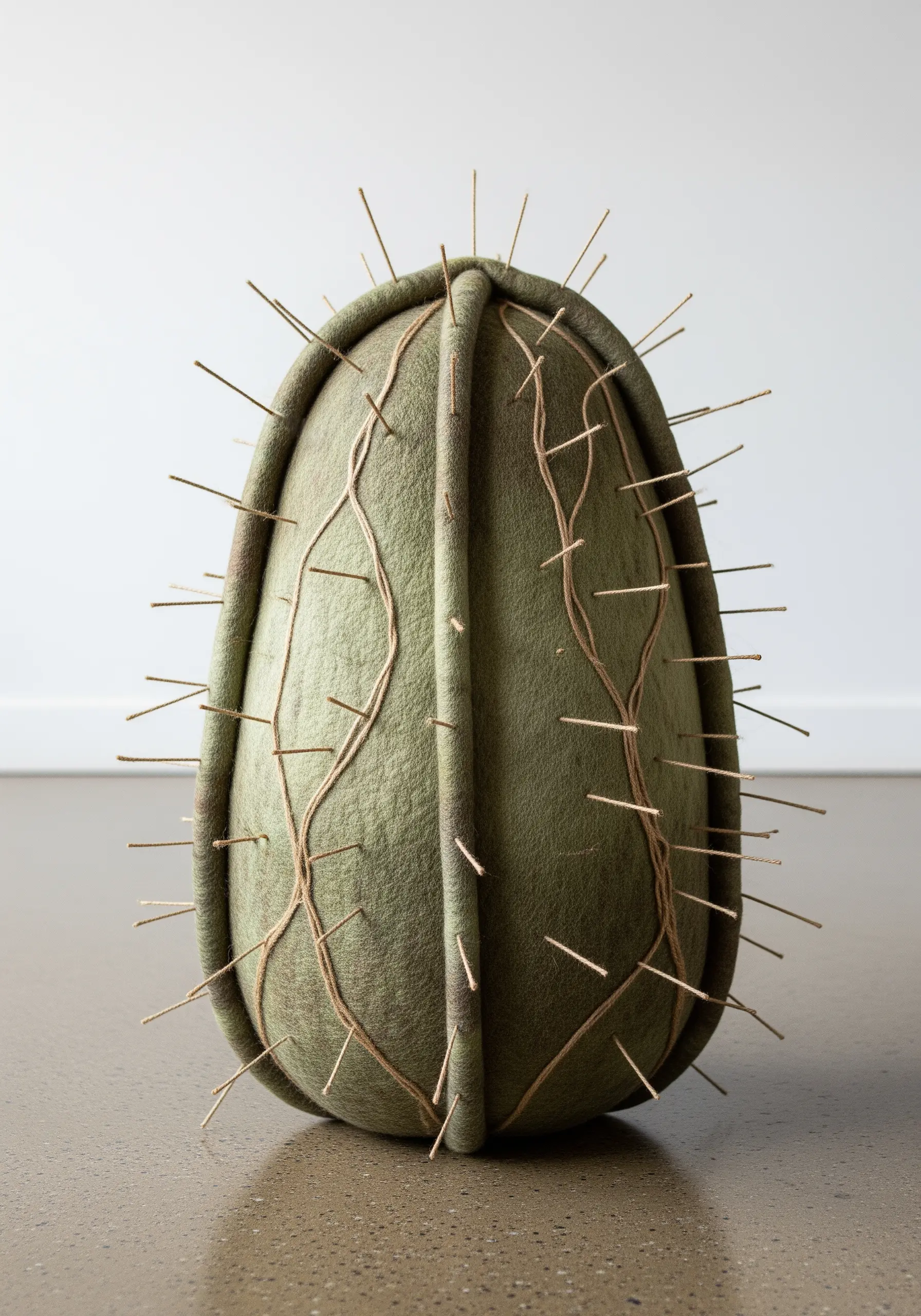
Construct a three-dimensional object using felt, a forgiving material that is easy to cut, sew, and stuff into organic forms.
To elevate the simple shape, use thread as a drawing tool on its surface.
Couch down a contrasting fiber like natural twine to create vein-like lines that add definition and character.
Finally, introduce a contrasting material for detail—the ‘spines,’ made from sharp wooden skewers, add a textural counterpoint to the soft felt body.
25. Weave with Asymmetry and Negative Space
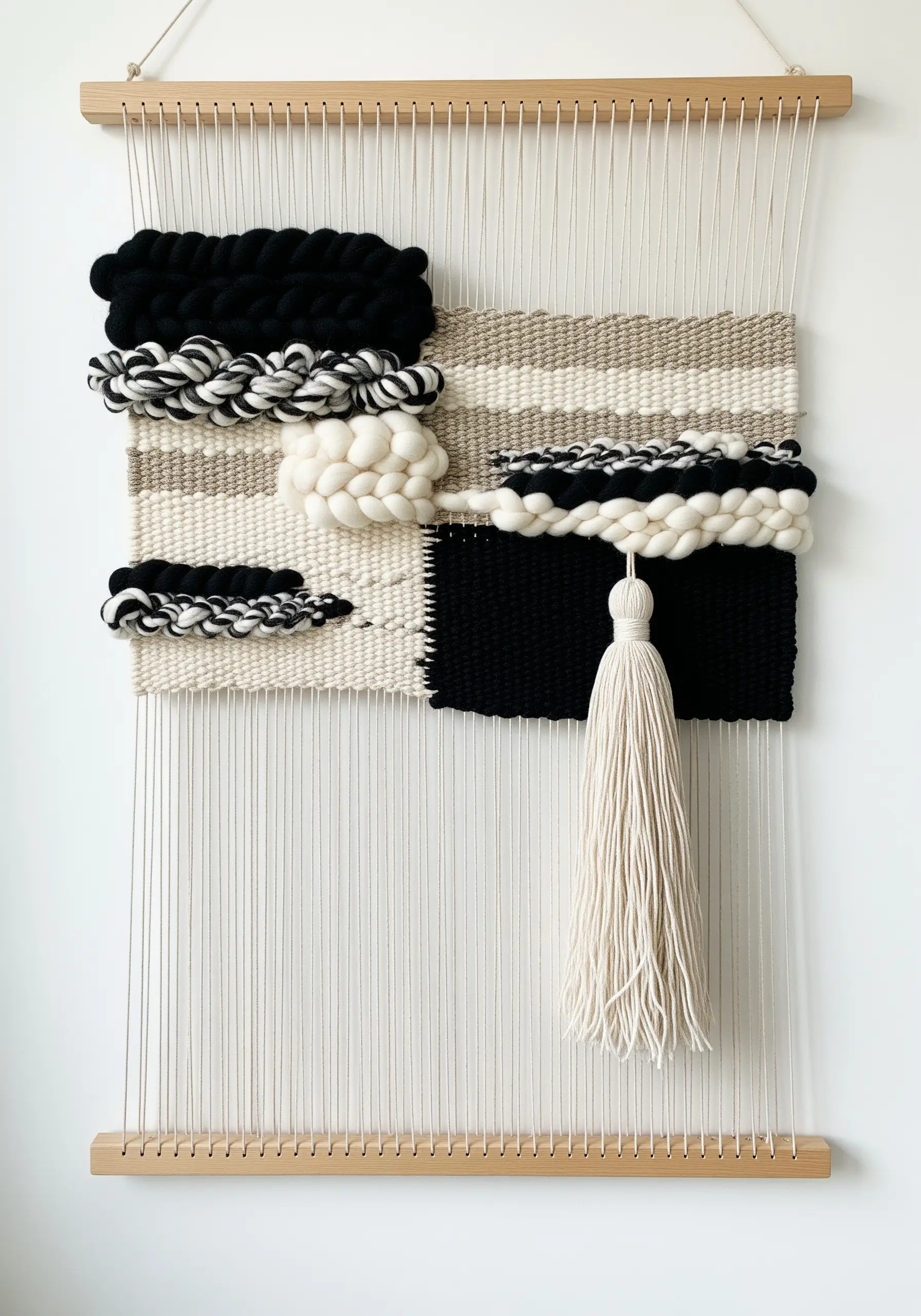
Challenge the idea that a weaving must fill the entire loom from edge to edge.
Create small, concentrated blocks of texture and color, intentionally leaving much of the vertical warp thread exposed.
This strategic use of negative space forces the eye to focus on the intricate details you’ve so carefully created.
A single, perfectly crafted tassel acts as a visual anchor, balancing the entire asymmetrical composition with confidence and elegance.
26. Transform Found Objects with Fiber
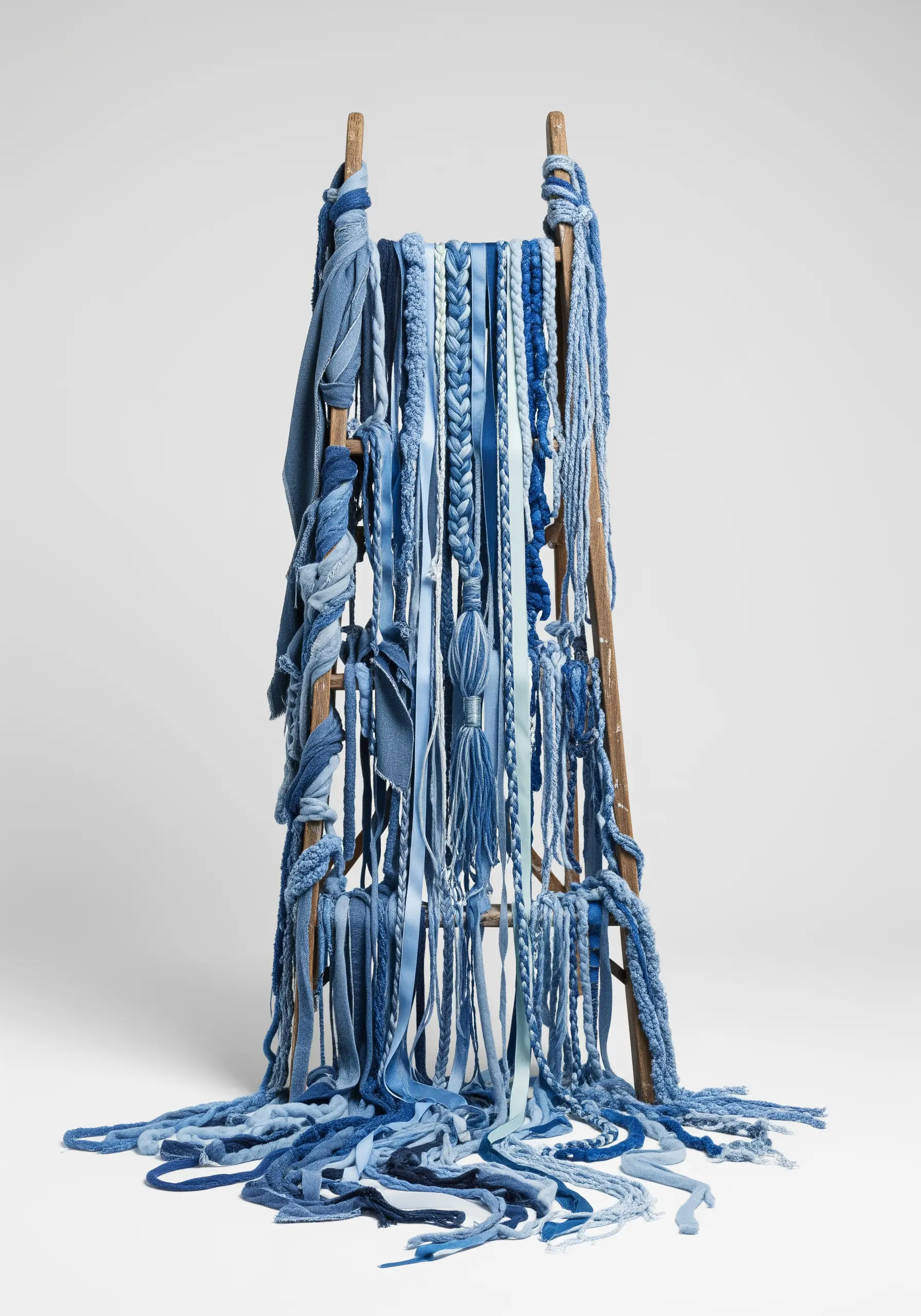
Reimagine an everyday object, like a rustic wooden ladder, as a dynamic, three-dimensional loom or display structure.
Drape, wrap, and hang it with a collection of fibers within a single color family—here, varying shades and textures of denim blue.
Mix materials freely: braided fabric strips, chunky yarn, delicate ribbons, and frayed edges all work together.
The strictly monochromatic approach is what unifies the disparate materials, turning a simple object into a stunning sculptural installation.