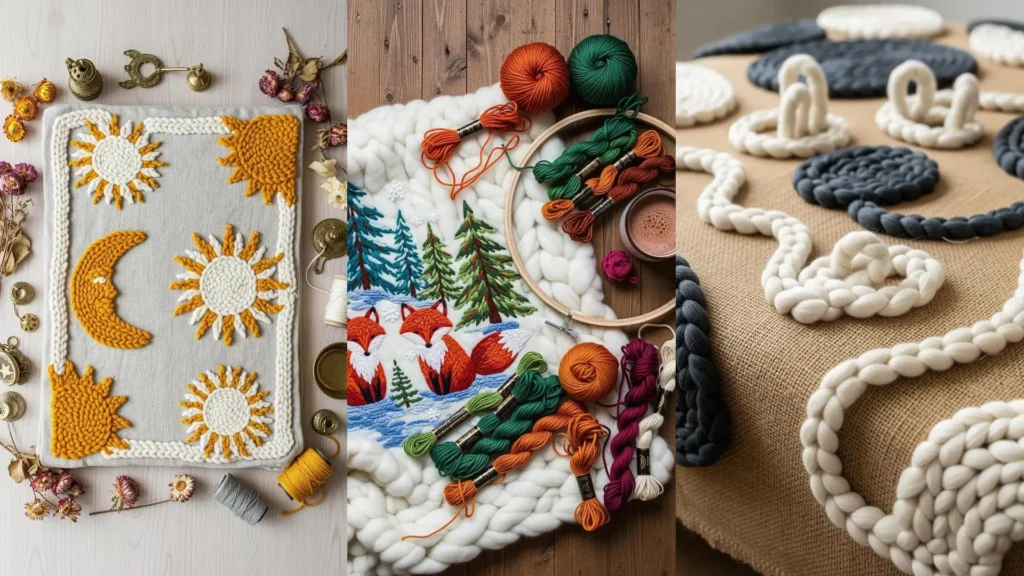
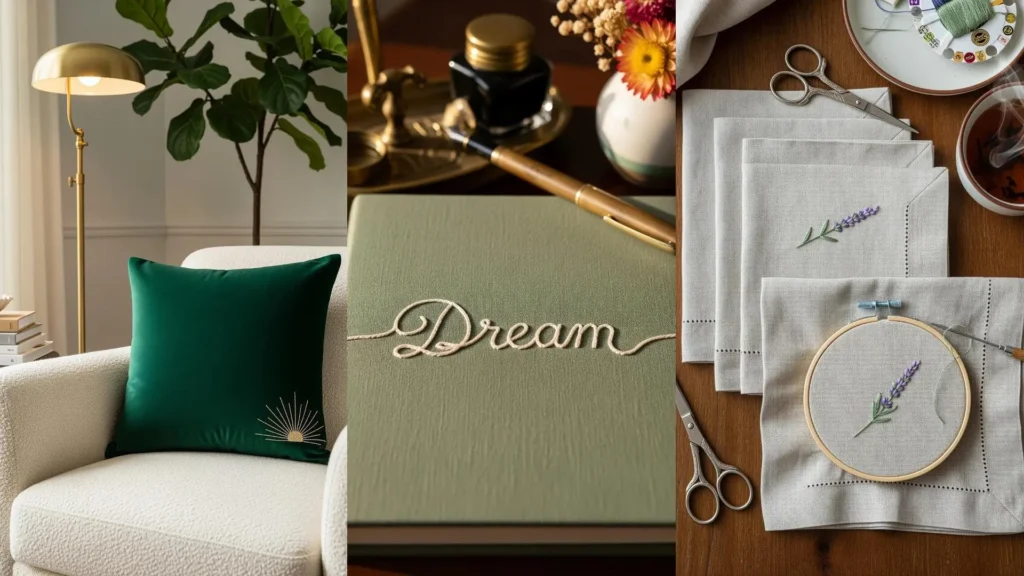
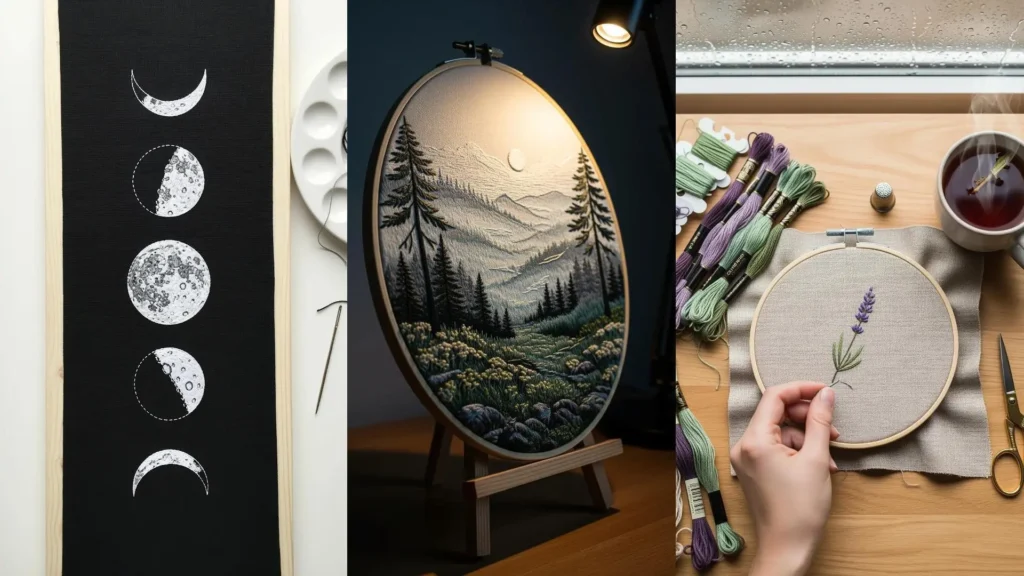
Before you reach for more expensive threads or complex patterns, I want you to consider a quieter, more intentional approach to your embroidery. The most luxurious and compelling pieces aren’t born from costly materials, but from thoughtful technique and a mastery of the simple things: stitch tension, color harmony, and texture.
Think of your needle less as a tool for filling space and more as a pen for drawing with thread. How can a single, clean line create more impact than a dozen messy ones? Where can a subtle shift in stitch direction mimic the way light falls on a petal? This is where the true artistry lies—not in complexity, but in control and refinement.
In the projects that follow, I’ll guide you through the small adjustments that make the biggest difference. You already have the skills. Now, let’s pair them with the techniques that will make your work feel less like a hobby and more like the art it is meant to be.
1. Master the Monogrammed Linen
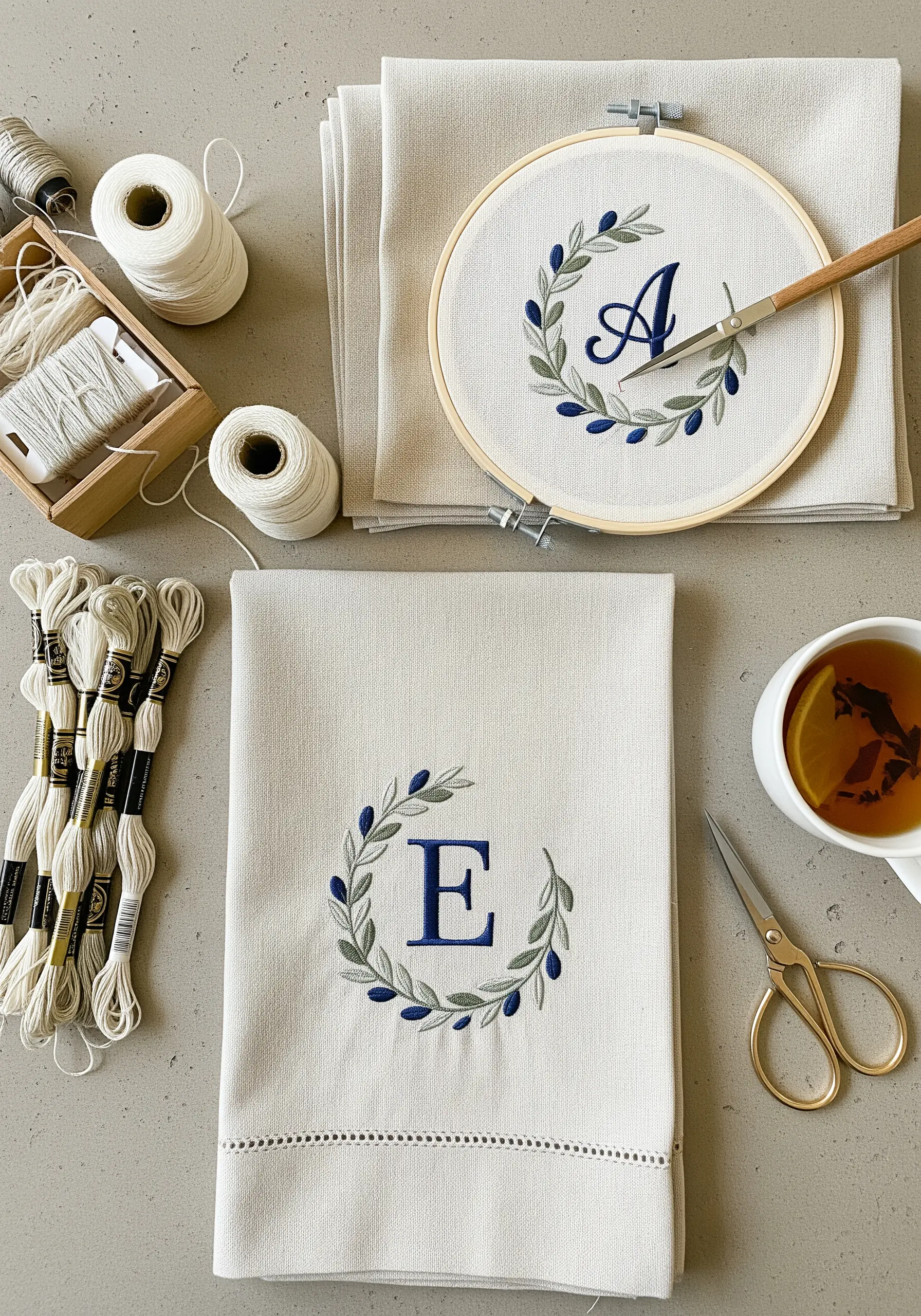
Transform simple tea towels or napkins into bespoke heirlooms with a perfectly executed monogram.
Use a dense satin stitch for the letterform, ensuring each stitch lies flat and parallel for a smooth, light-catching surface.
For the surrounding wreath, choose a fishbone stitch for the leaves to create a defined central vein, giving them a natural, dimensional quality.
Work with three strands of six-strand floss for a plush, substantial finish that feels luxurious on high-quality cotton or linen fabric.
This combination of textures—the smooth letter against the detailed botanicals—is what creates a truly expensive feel.
2. Stitch Bold Abstract Geometrics
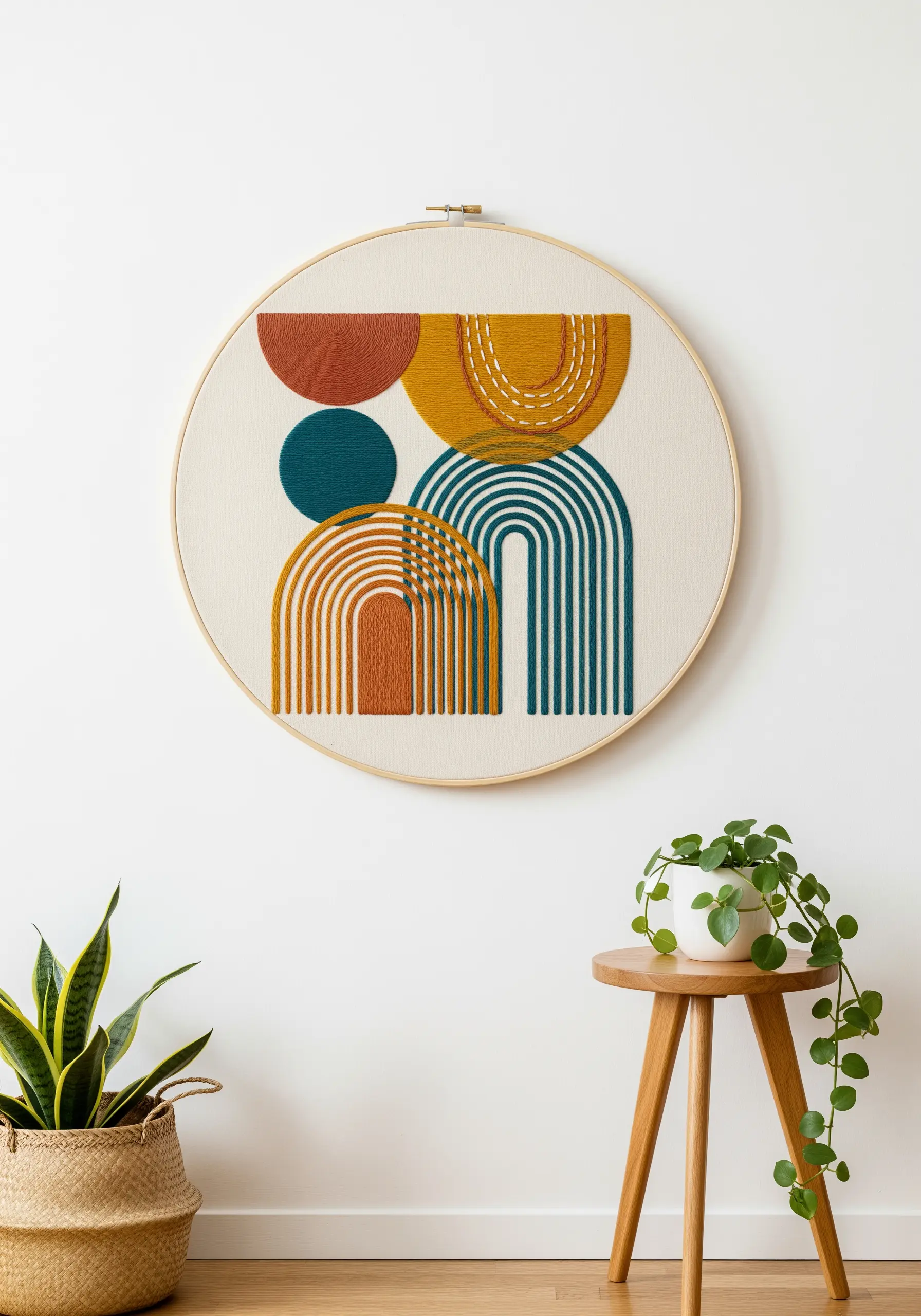
Achieve the look of a boutique art piece by focusing on color blocking and clean composition.
Use a limited, mid-century modern color palette—think ochre, teal, and terracotta—to create harmony and impact.
Fill the solid shapes with a dense long-and-short stitch instead of satin stitch; this minimizes pulling on the fabric and creates a soft, matte texture.
For the linear rainbow motifs, a simple backstitch or stem stitch works perfectly. The key is maintaining consistent spacing between the lines to achieve that clean, graphic quality.
Abstract geometric hoops rely on the interplay of shape and negative space, making them feel intentional and balanced.
3. Add Celestial Glamour with Beads and Metallics
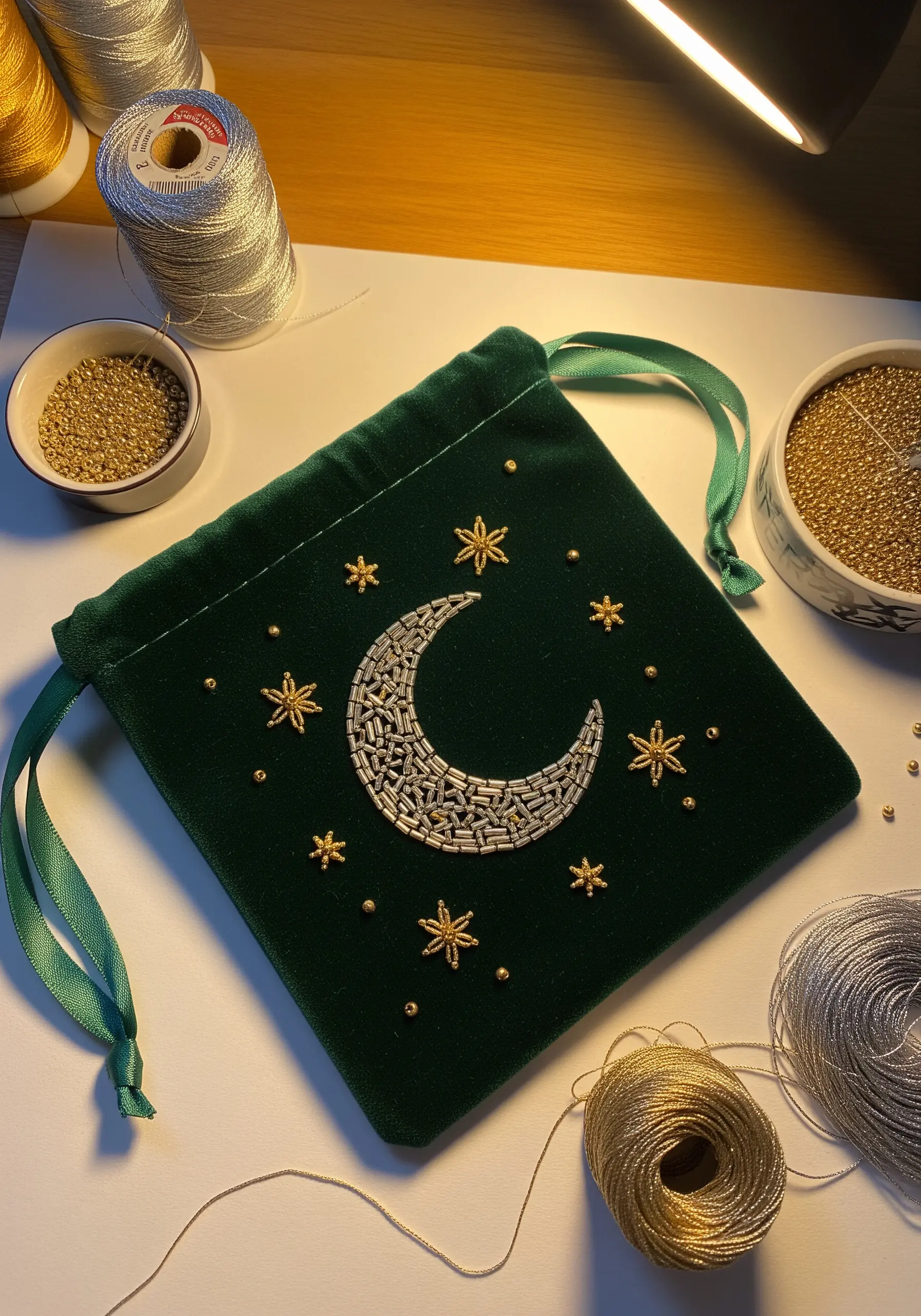
Elevate a simple velvet pouch with the rich texture of beadwork and the shimmer of metallic thread.
Outline your crescent moon shape first, then fill it with tiny seed beads, stitching them down in neat rows for a pavé-like effect.
For the stars, use a high-shine gold metallic thread and a simple star stitch or straight stitches.
The contrast between the plush velvet, the glassy beads, and the shimmering thread creates a multi-layered richness that looks incredibly luxe.
This technique is surprisingly quick but offers maximum visual impact, making it perfect for gifts.
4. Paint with Thread on Denim
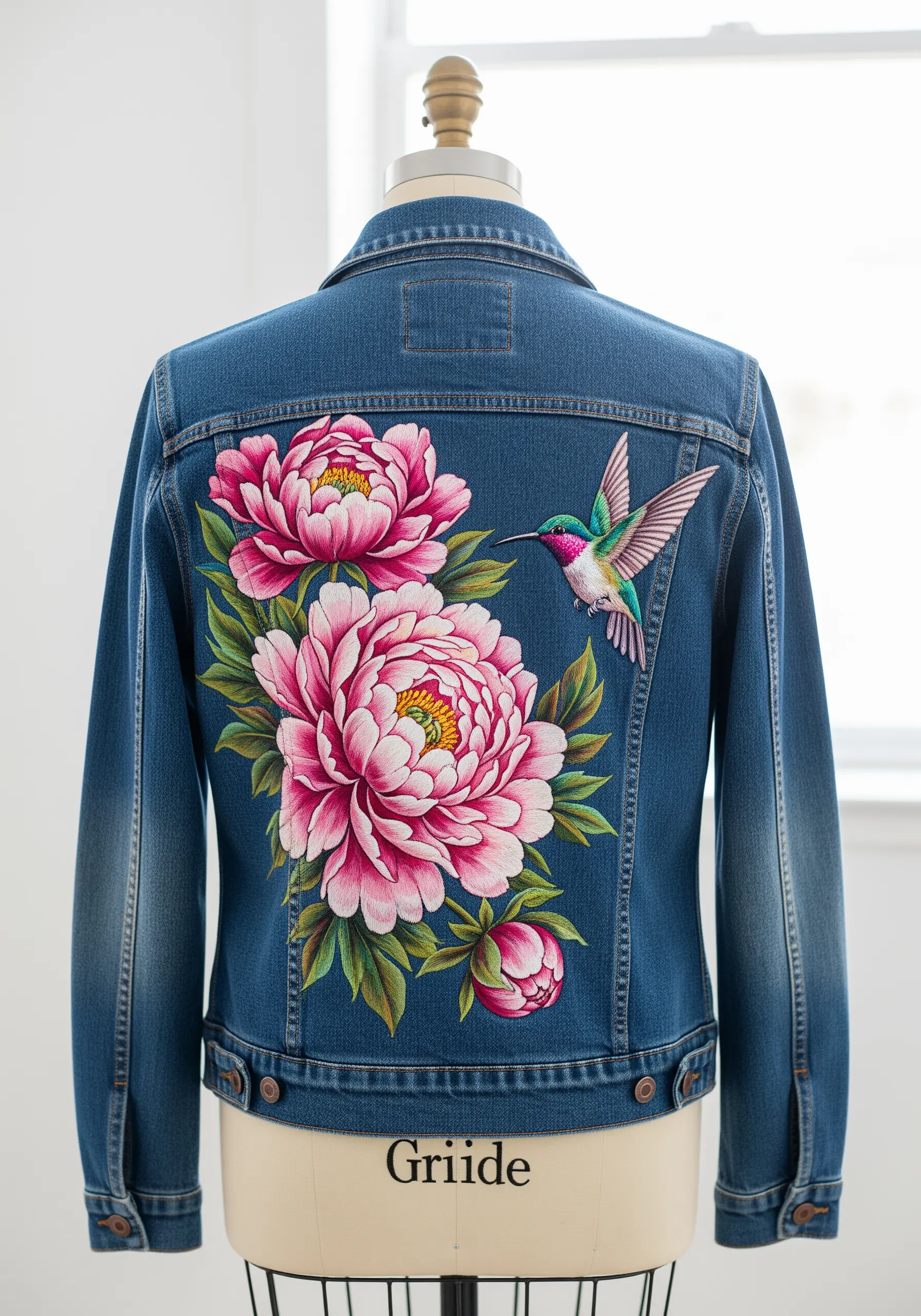
Turn a plain denim jacket into a wearable masterpiece using thread painting techniques.
To create the soft, blended gradients in the petals, use the long-and-short stitch with a single strand of embroidery floss.
Work with several shades of a color (e.g., five shades of pink) and blend them seamlessly by slightly overlapping the stitches of each new color into the previous one.
Directional stitching is crucial: follow the natural curve of the petals to create realistic shape and movement.
This level of detail, especially with a single strand, is what separates a simple patch from a piece of custom art. Peony embroidery ideas are perfect for practicing this technique.
5. Craft Elegant Botanical Bookmarks
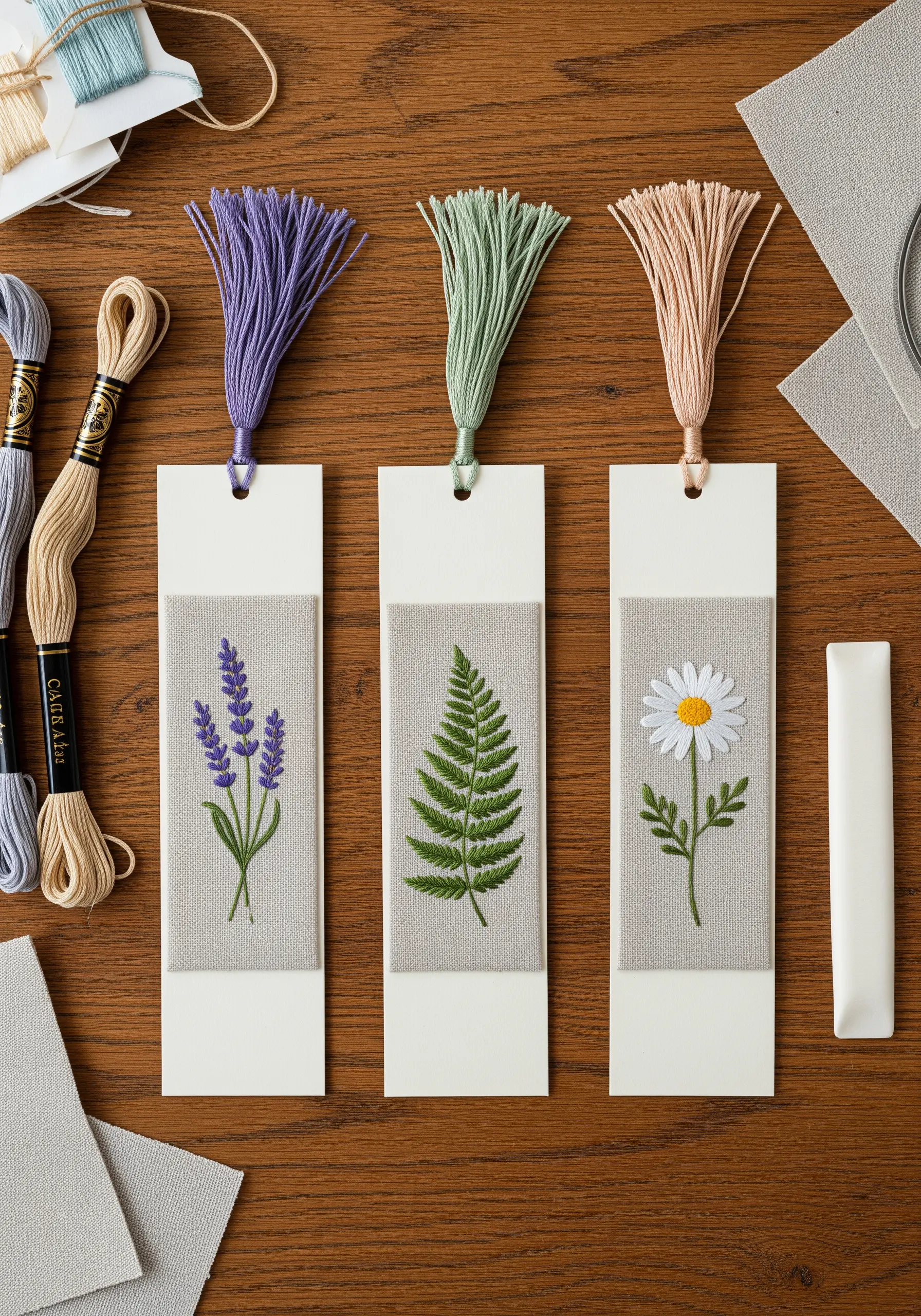
Create delicate, thoughtful gifts by scaling down your embroidery for a refined finish.
Stitch your chosen botanical—a fern, lavender, or daisy—on a small piece of even-weave linen using only one or two strands of floss for crisp detail.
Use a stem stitch for stems, fishbone stitch for leaves, and satin stitch or lazy daisies for petals. The miniature scale demands precision.
To finish, carefully mount the stitched linen onto sturdy cardstock using archival-quality adhesive, creating a clean, professional edge.
These DIY cozy embroidery bookmarks feel personal and high-end due to their careful construction and delicate stitching.
6. Design a Graphic Art Deco Cushion
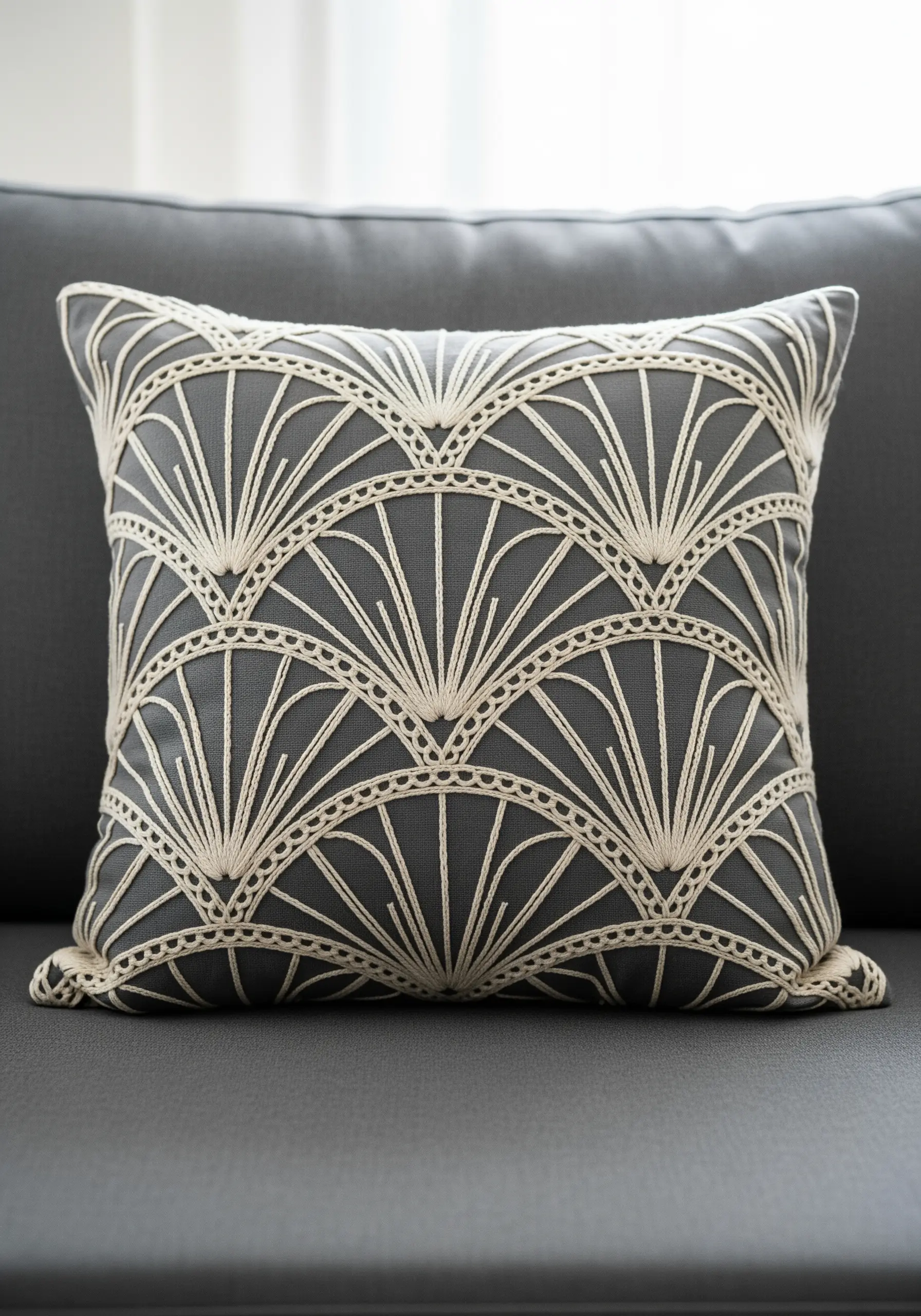
Emulate the elegance of Art Deco design by focusing on bold, repeating lines and high contrast.
Use a thicker thread, like pearl cotton No. 8, to give your lines definition and a subtle, raised texture.
A whipped backstitch or chain stitch will create a solid, rope-like line that stands out beautifully against the base fabric.
Sticking to a two-color palette, like cream on charcoal gray, enhances the graphic nature of the design and ensures a sophisticated, timeless look.
The key to making these embroidered cushion covers look expensive is the uniformity and consistency of your stitches across the entire pattern.
7. Sculpt a 3D Stumpwork Brooch

Create a stunning, three-dimensional accessory that looks like a piece of jewelry.
Stumpwork involves embroidering elements separately on a piece of fabric, often with a wire outline, and then cutting them out and applying them to a base design.
For the wings of this beetle, you would stitch a wire onto your fabric, fill the shape with thread painting, and then carefully cut it out.
Attach the sculpted wings to a felt base that has been embroidered with the beetle’s body. This layering creates incredible depth and realism.
Combining silk and metallic threads adds an iridescent quality that catches the light beautifully.
8. Add Minimalist Line Art to Apparel
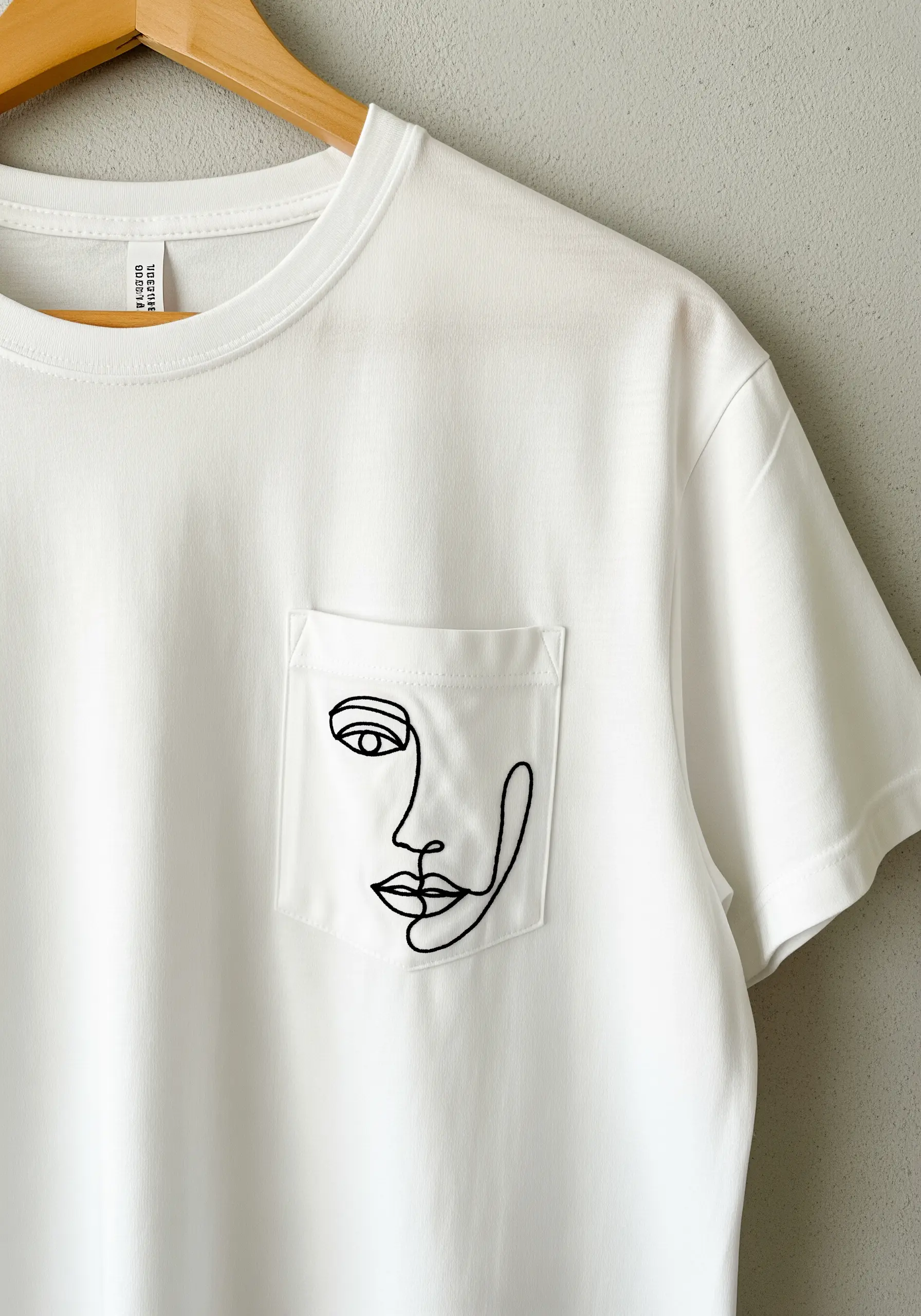
Upgrade a basic t-shirt with a clean, continuous line drawing for an effortlessly chic look.
The key to success is simplicity: choose a design that can be stitched in a single, unbroken line.
Use a backstitch or stem stitch with two or three strands of black floss for a line that is visible but still delicate.
Placing the design thoughtfully—on a pocket, near the collar, or on a sleeve—is what makes it feel like an intentional, designer detail rather than a random addition.
These modern line art faces transform everyday basics into unique, wearable art.
9. Embellish a Tote with a Textured Wreath
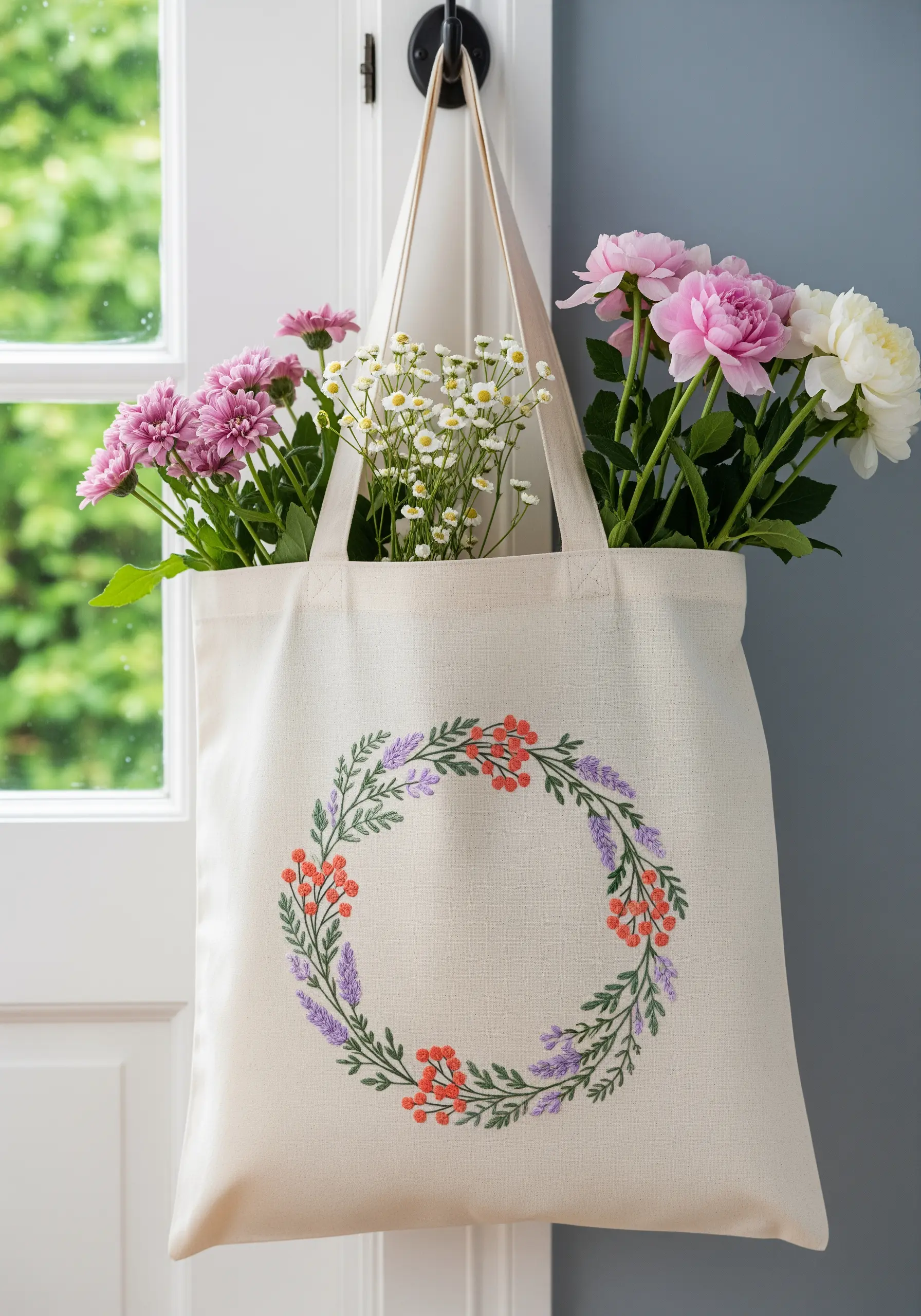
Make a simple canvas tote look bespoke by adding a wreath rich with varied textures.
Instead of using one stitch, assign a different one to each botanical element to create depth and interest.
Use French knots for the berries, fishbone stitch for the leaves, and lazy daisy stitch for the small lavender blossoms.
This variety mimics the complexity of a real wreath and makes the design feel more dynamic and handcrafted.
Floral tote bag embroidery motifs like this are perfect for carrying fresh flowers or groceries in style.
10. Capture a Pet Portrait with Thread Painting
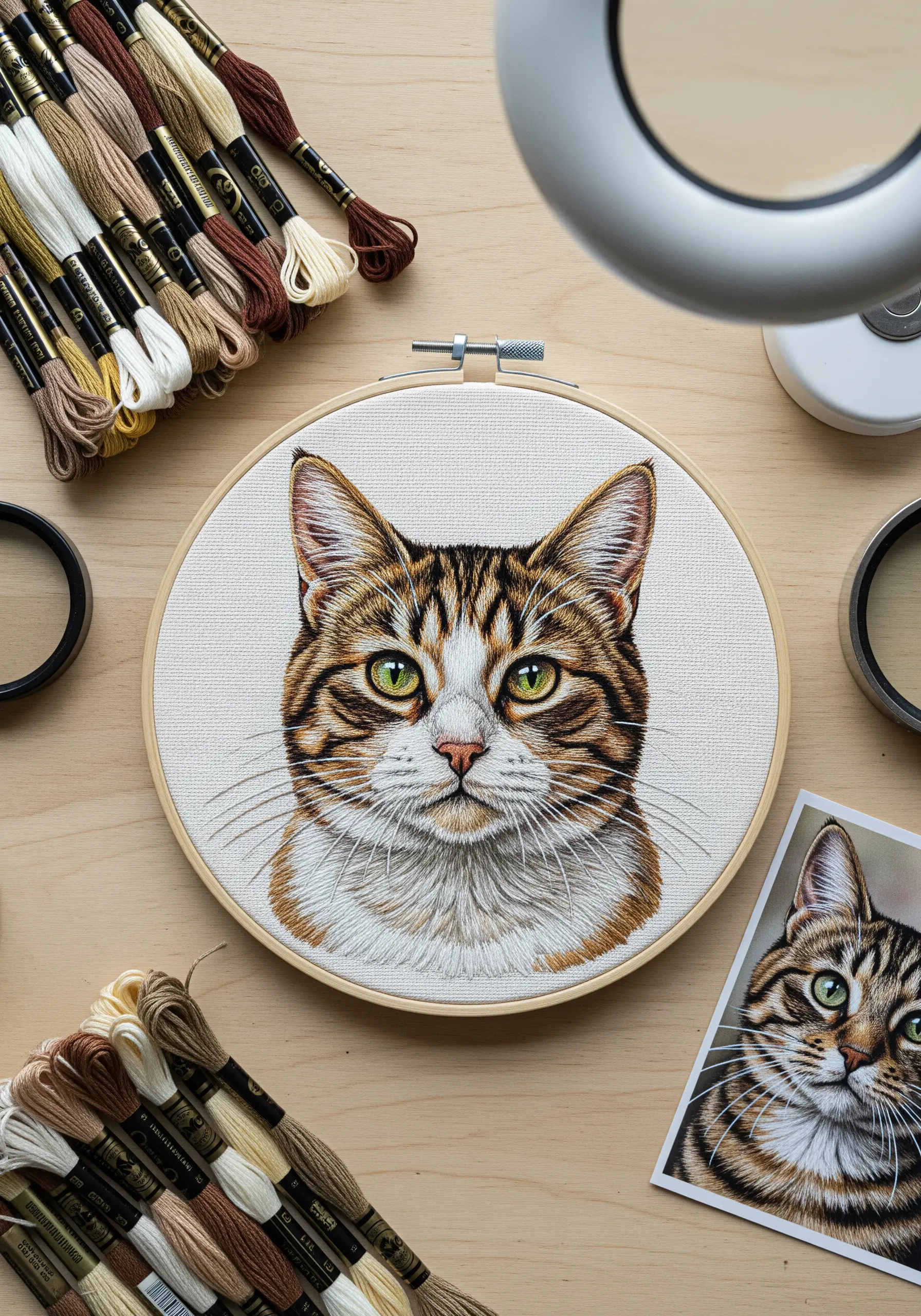
Create a deeply personal piece of art by stitching a realistic portrait of a beloved pet.
The technique is thread painting, using a single strand of floss and directional long-and-short stitches to replicate the texture and flow of fur.
Before you begin, study a photo of the pet and map out the different color zones. Use at least 5-10 shades of brown, gray, or black to capture subtle shifts in color.
Pay close attention to the direction of your stitches—they should always follow the way the fur naturally grows. This is what creates realism and brings the portrait to life.
These cat & kitten embroidery designs become treasured keepsakes.
11. Chart the Stars on a Grand Scale
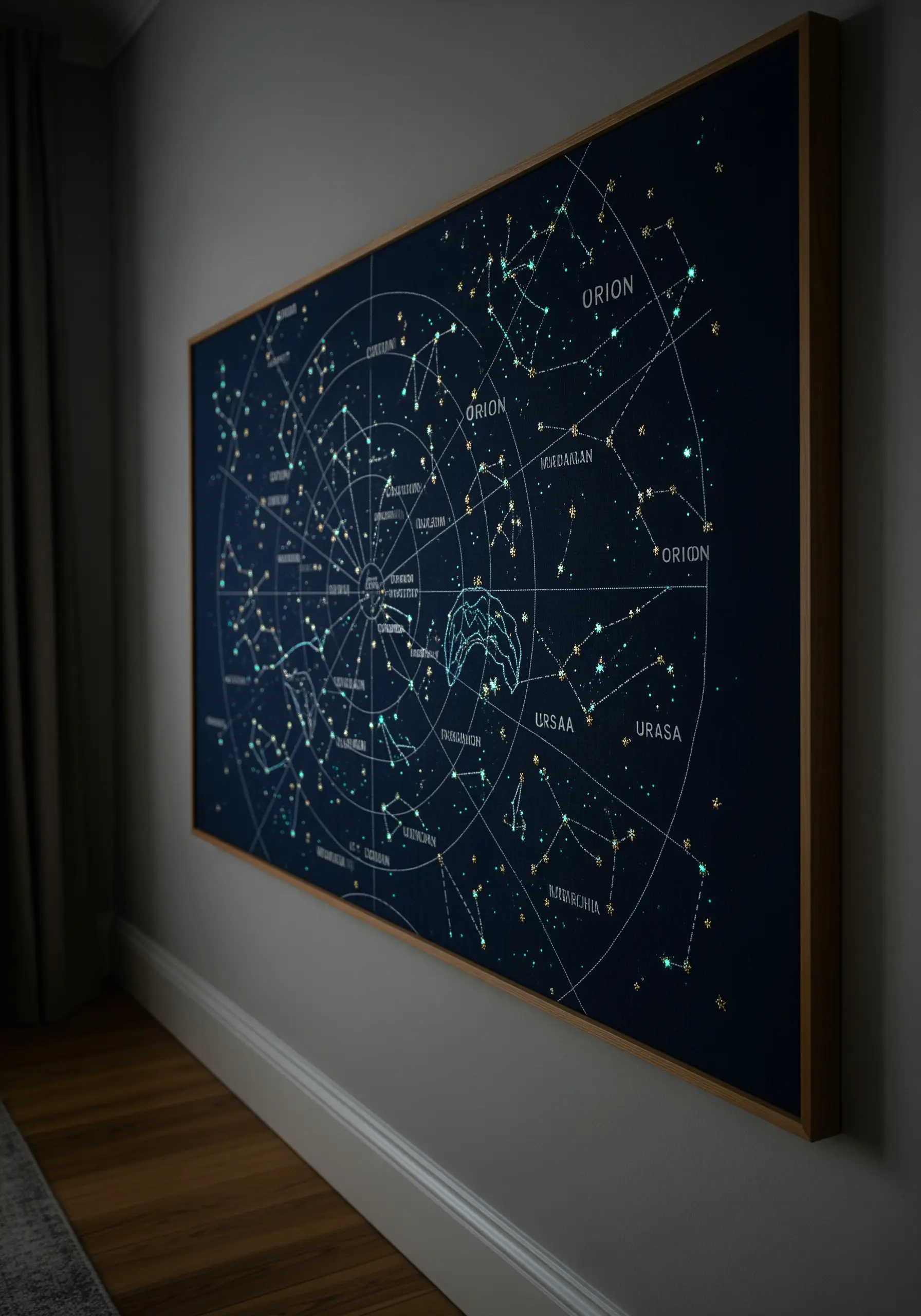
Move beyond the hoop and create a large-scale textile art piece that becomes the focal point of a room.
Stretch a piece of high-quality navy or black linen over a large artist’s canvas or frame.
Use a fine, bright white or silver metallic thread to stitch the constellations with simple straight stitches and backstitches.
For the stars themselves, vary the size with single seed stitches for faint stars and small French knots or star stitches for brighter ones.
The sheer scale and minimalist precision are what give this project its expensive, gallery-like presence.
12. Stitch Fragrant Lavender Sachets

Combine simple embroidery with a functional purpose to create beautiful, handmade gifts.
On small linen-blend bags, stitch a sprig of lavender using a green stem stitch and purple French knots or short satin stitches for the buds.
Using just two simple stitches keeps the project quick and easy to replicate, ensuring a consistent and polished look across a whole set.
Fill the bags with dried lavender for a calming aroma. The combination of tactile embroidery and scent makes these little objects feel special.
Projects based on lavender field embroidery ideas are perfect for adding a touch of calm to drawers and closets.
13. Define a Collar with Crisp Botanicals
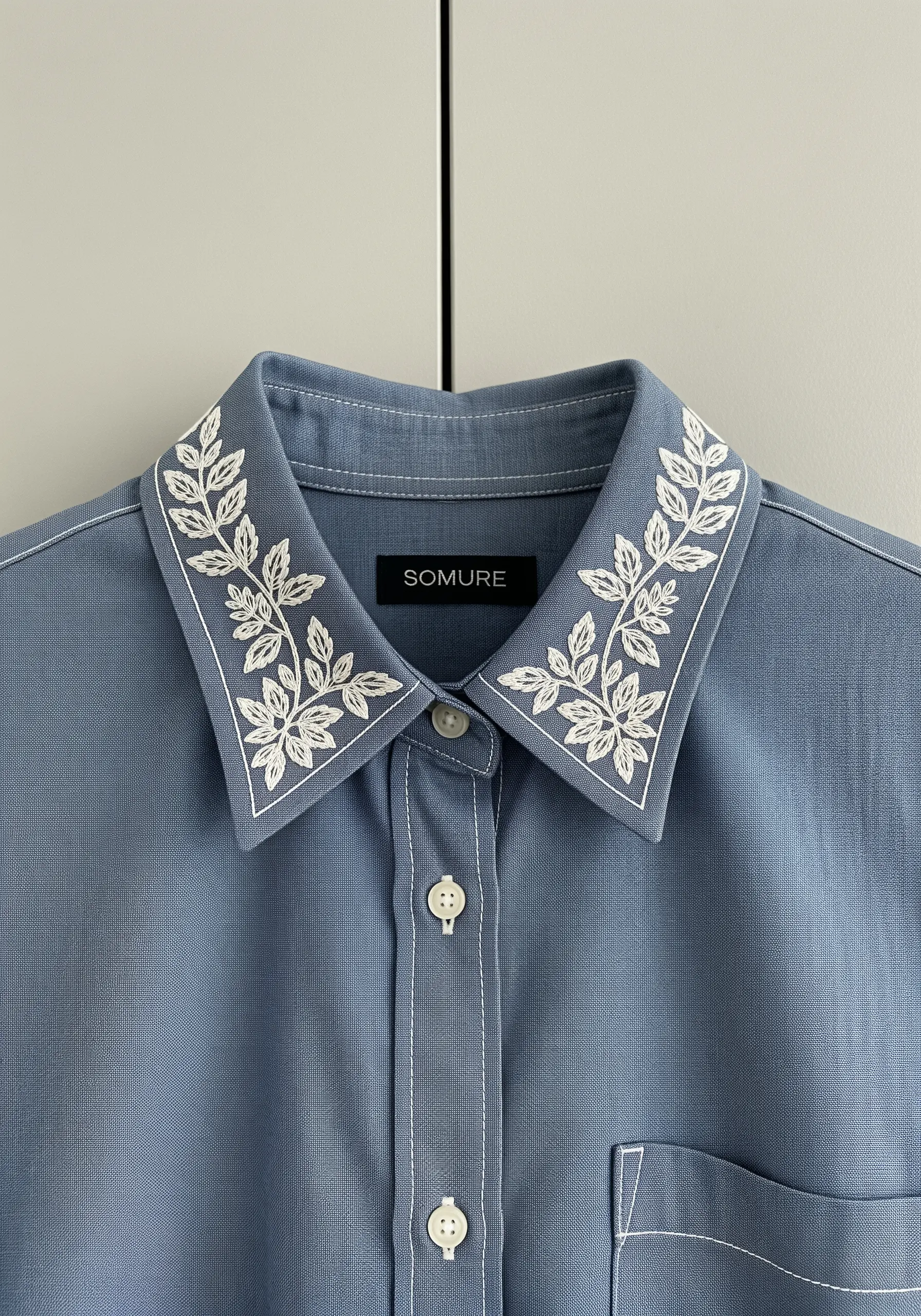
Instantly upgrade a button-down shirt by adding embroidery to the collar—a detail that signals custom tailoring.
A tone-on-tone color scheme, like white thread on a light blue shirt, creates a subtle, sophisticated effect that is visible without being loud.
Use a split stitch to outline the leaves and stems first. This creates a sharp edge and a slightly raised foundation.
Fill in the leaves with a satin stitch, keeping your stitches neat and angled for a clean, light-reflecting finish.
This focused placement transforms a standard garment into a unique piece of apparel.
14. Create Radiating Lines on Accessories
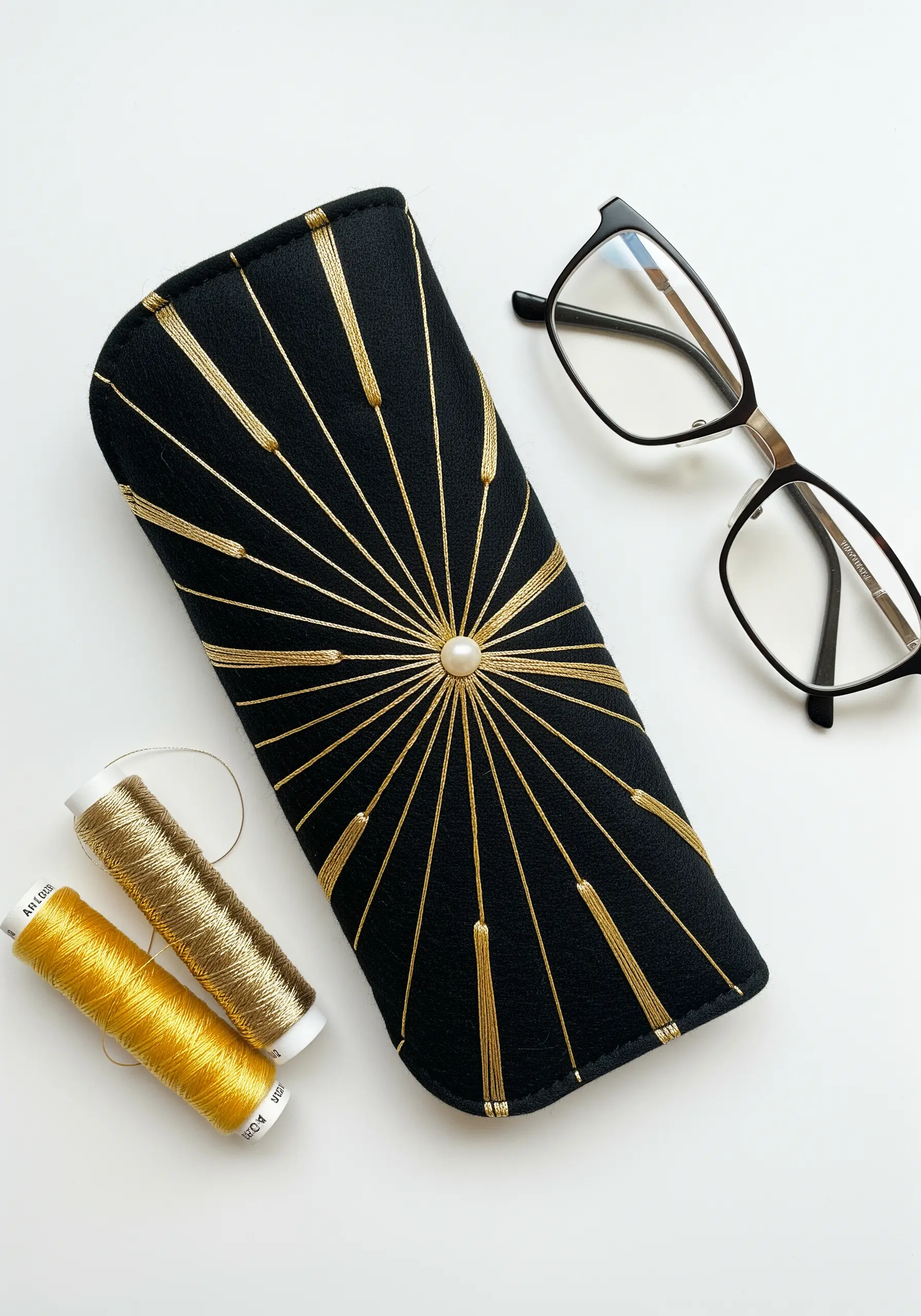
Turn a simple glasses case or pouch into a glamorous accessory with a burst of metallic thread.
Start by securing a single pearl or bead in the center as your anchor point.
Using a strong gold metallic thread, stitch long, straight stitches that radiate from the center to the outer edges of your design.
To add more detail, make a small perpendicular stitch at the end of each radiating line, creating a finished, tassel-like effect.
The precision of the lines and the high contrast against the black fabric give this simple technique a powerful, luxurious impact.
15. Add a Subtle Accent to a Lampshade
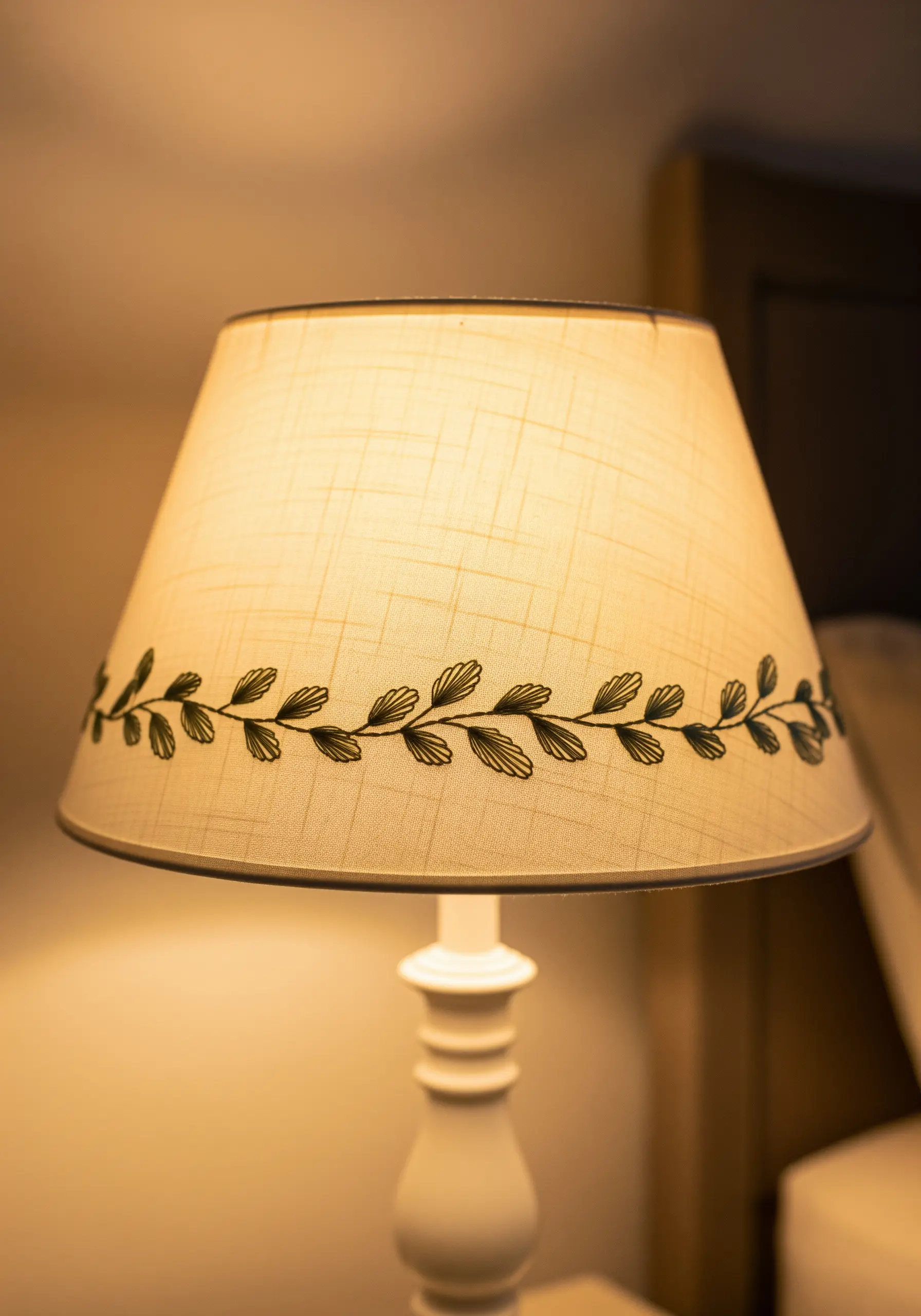
Explore an unconventional surface to create a truly unique piece of home decor.
Choose a simple, linear design like a vine or geometric border that can be stitched with a basic backstitch or running stitch.
Gently pierce the lampshade material with your needle, being careful not to tear it. It’s best to use a thimble to push the needle through.
The magic of this project is revealed when you turn on the light, as the design becomes backlit, creating a soft, glowing silhouette.
This subtle detail adds a layer of handcrafted warmth to a room’s ambient lighting.
16. Master the Plush Monogrammed Towel
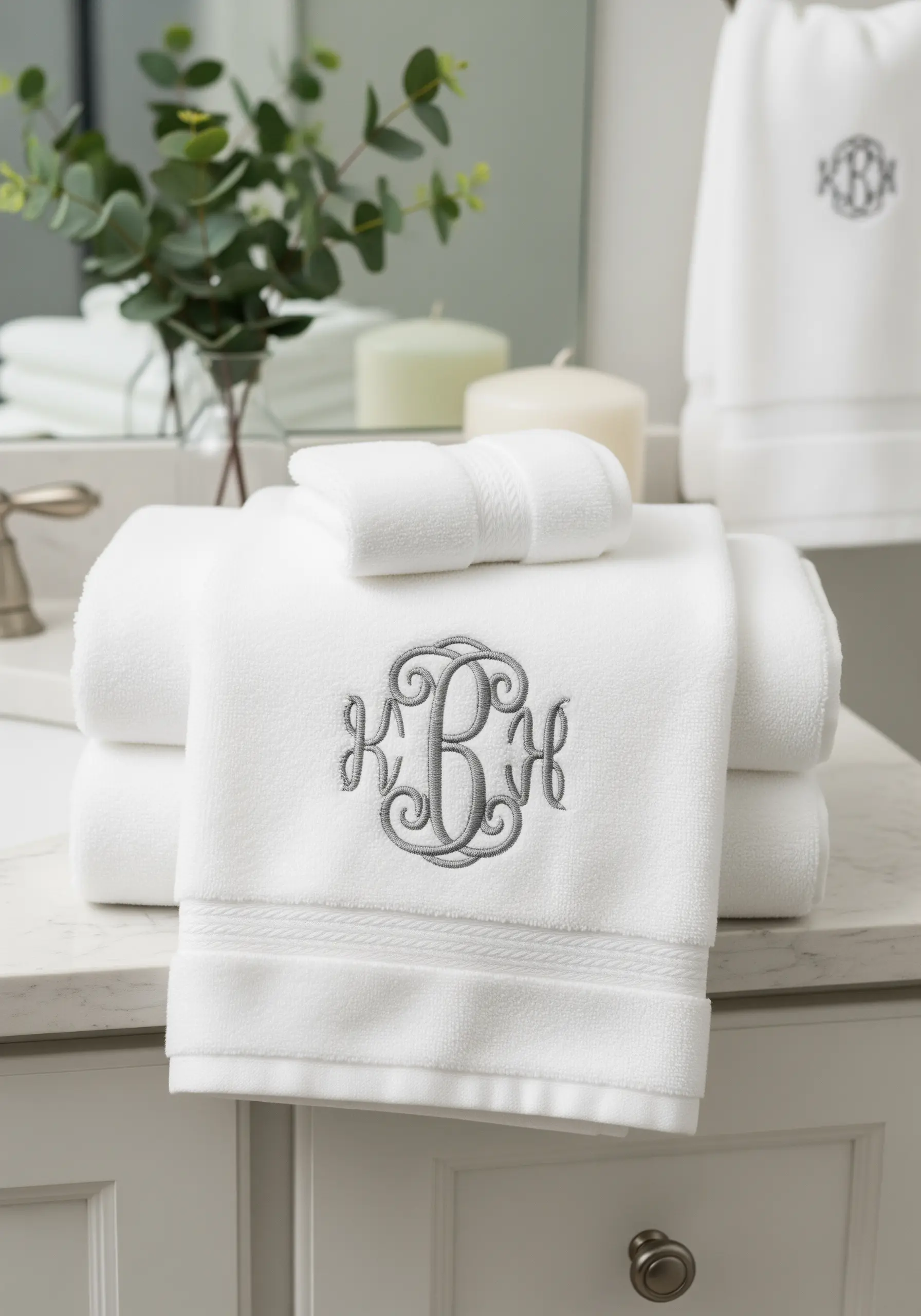
Stitching on a high-pile fabric like a towel requires a specific technique to achieve a crisp, professional look.
Always use a stabilizer. A water-soluble or tear-away stabilizer on top of the towel will prevent your stitches from sinking into the terry cloth loops.
A dense, wide satin stitch is essential for creating a bold monogram that stands out.
Consider using a thread with more body, like pearl cotton, which will provide better coverage and a more raised, defined finish than standard floss.
The result is a monogram that looks professionally machine-embroidered but retains a handmade quality.
17. Paint a Landscape with Textured Stitches
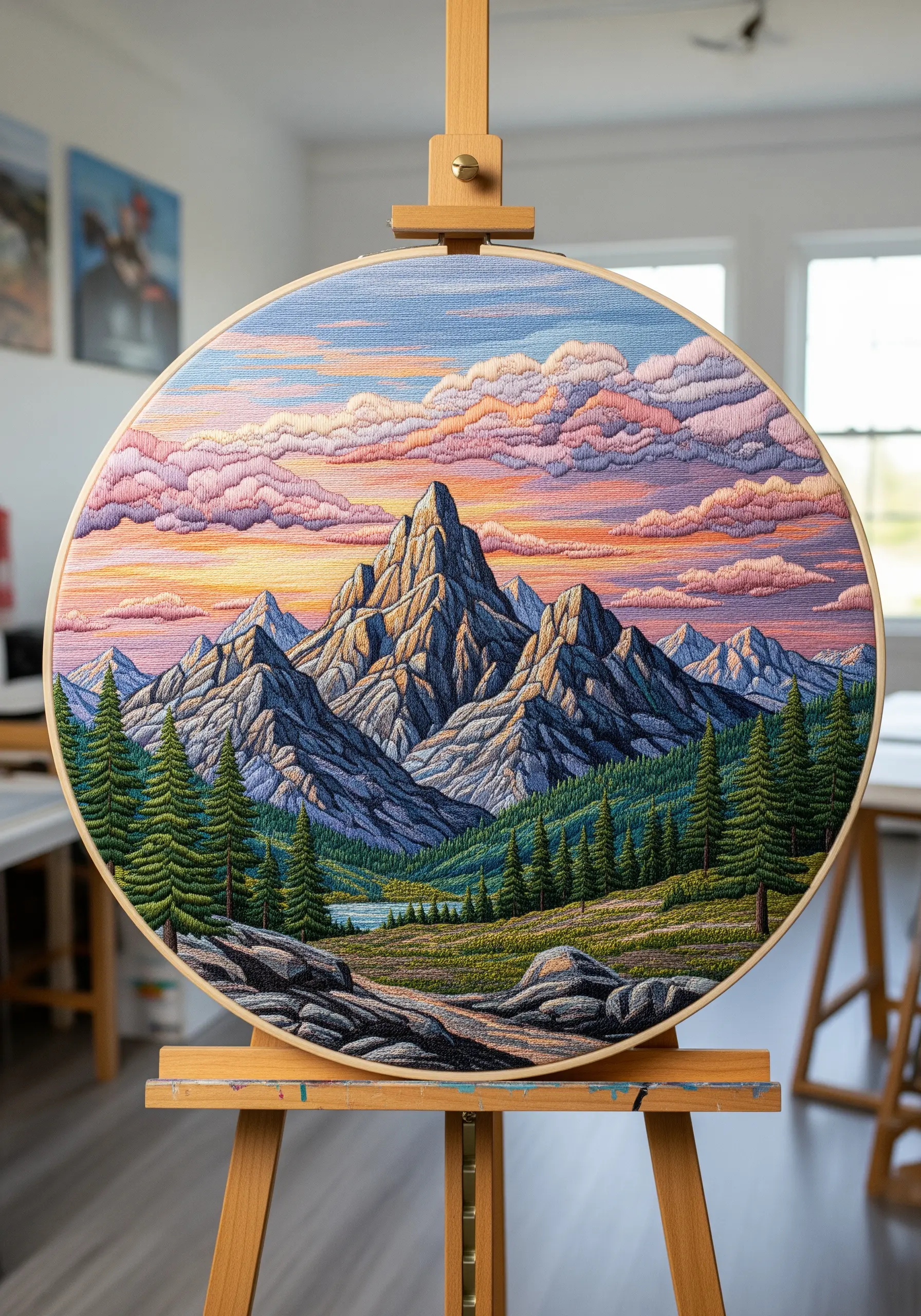
Build a complex, painterly landscape not just with color, but with varied stitch textures and directions.
Use vertical satin stitches or long-and-short stitches for the trees to suggest height and bark texture.
For the clouds and sky, use a cloud filling stitch or clusters of French knots in different shades to create a sense of softness and volume.
The mountains can be filled with directional long-and-short stitches that follow the angles and planes of the rock faces, creating shadows and highlights.
These mountain landscape thread painting techniques create a scene with incredible depth and dynamism, all within a single hoop.
18. Personalize a Journal with Stitched Typography
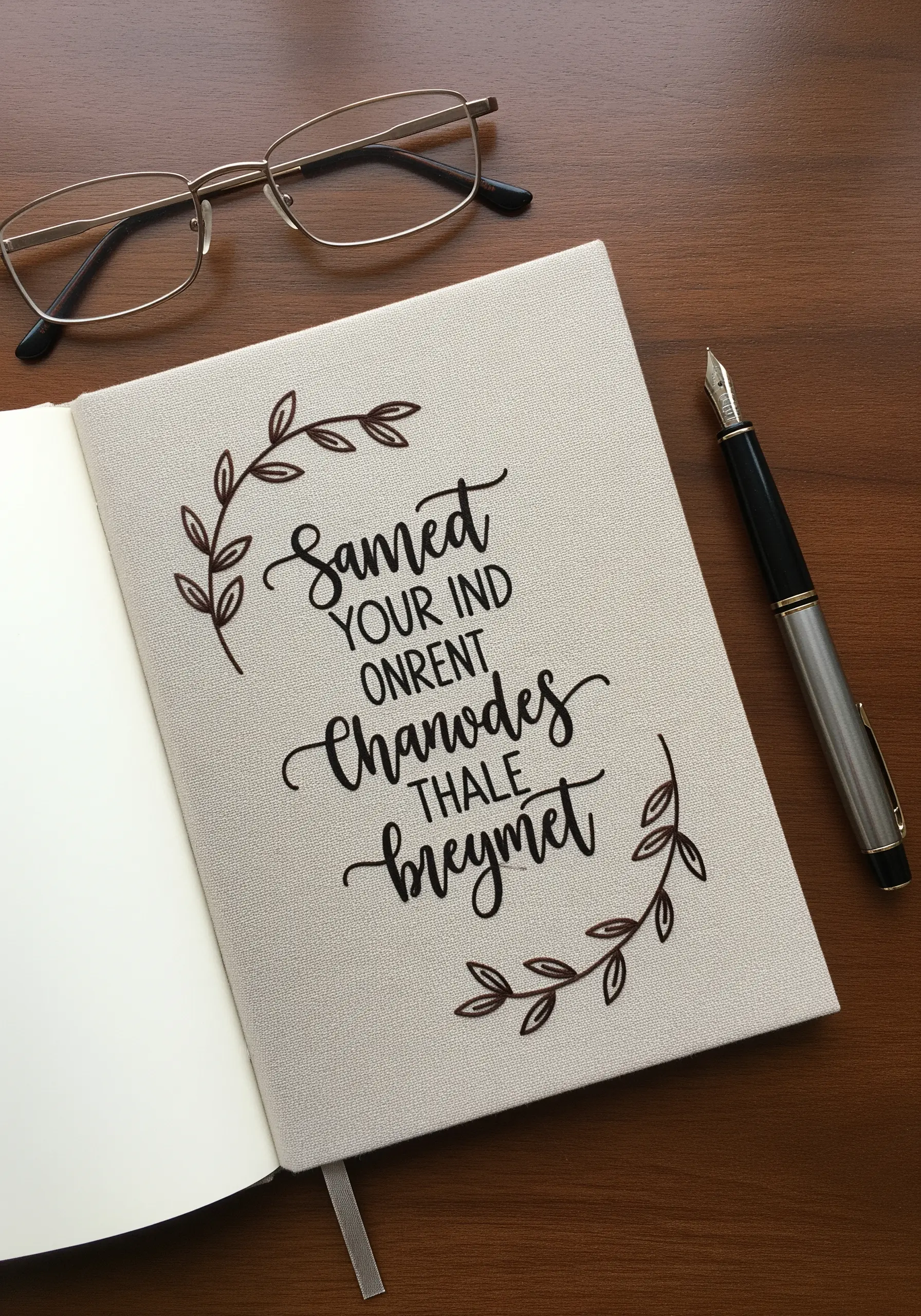
Elevate a simple fabric-covered notebook into a personal statement piece with hand-stitched lettering.
Choose a font that is clear and not overly ornate, as complex serifs can be difficult to replicate with thread.
A whipped backstitch is an excellent choice for typography, as it creates a smooth, solid, and slightly raised line that looks very polished.
Trace your chosen quote onto the cover using a water-soluble pen, then stitch directly over the lines for a precise result.
This simple act of personalization turns a common stationery item into a meaningful keepsake.
19. Explore Simplified Goldwork Appliqué
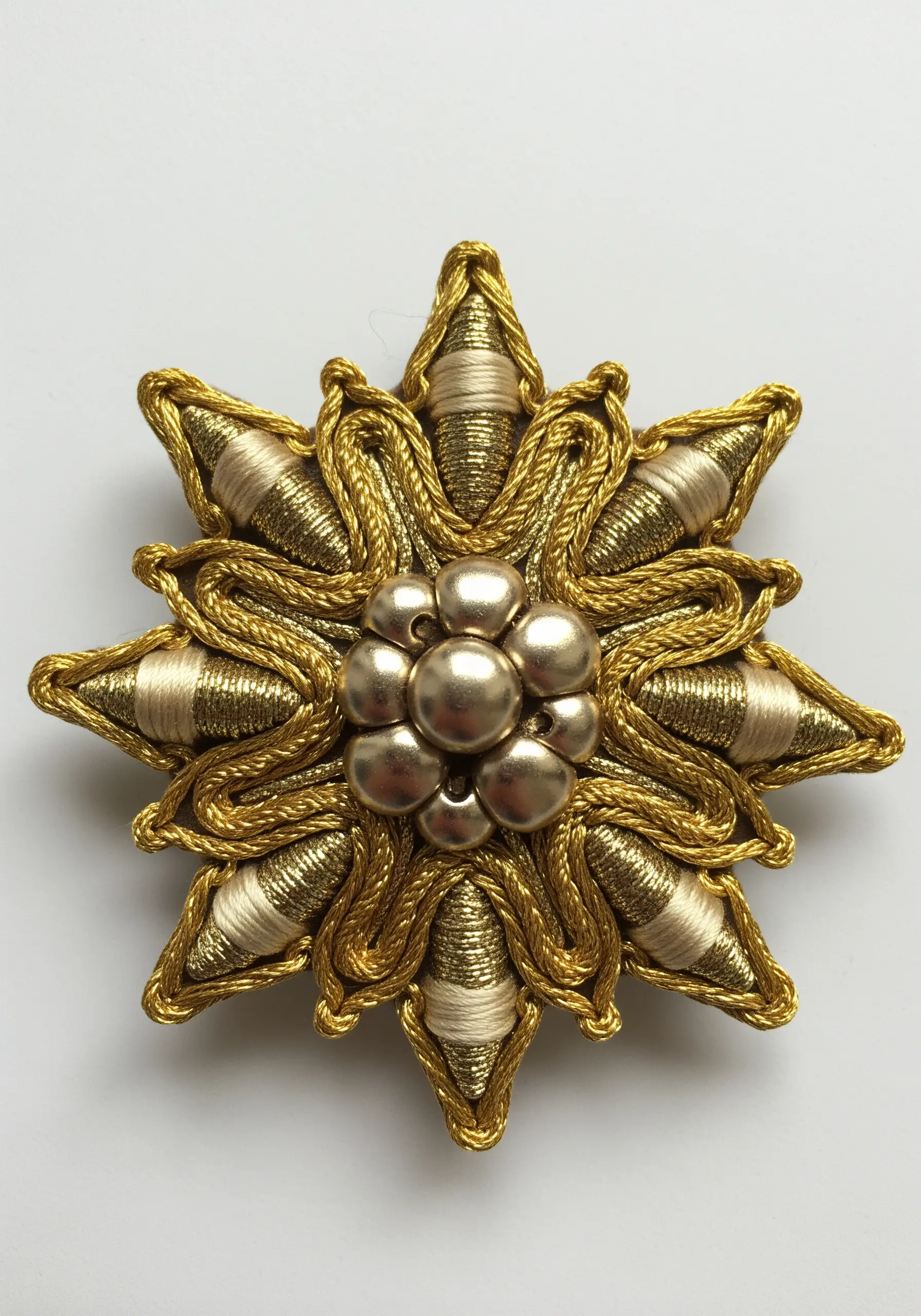
Achieve the opulent look of historical goldwork embroidery with accessible materials and techniques.
Create a padded base by cutting your desired shape from a piece of felt and gluing it to your fabric.
Then, use a technique called couching: lay a thick metallic cord or goldwork thread (like Japan thread) over the padding and stitch it down with a second, finer thread.
By arranging the cords in dense patterns over the padding, you create a raised, metallic, and highly textural design that looks incredibly intricate and expensive.
This technique can be used to create stunning appliqués, brooches, or decorative patches.
20. Frame a Modern Stitch Sampler
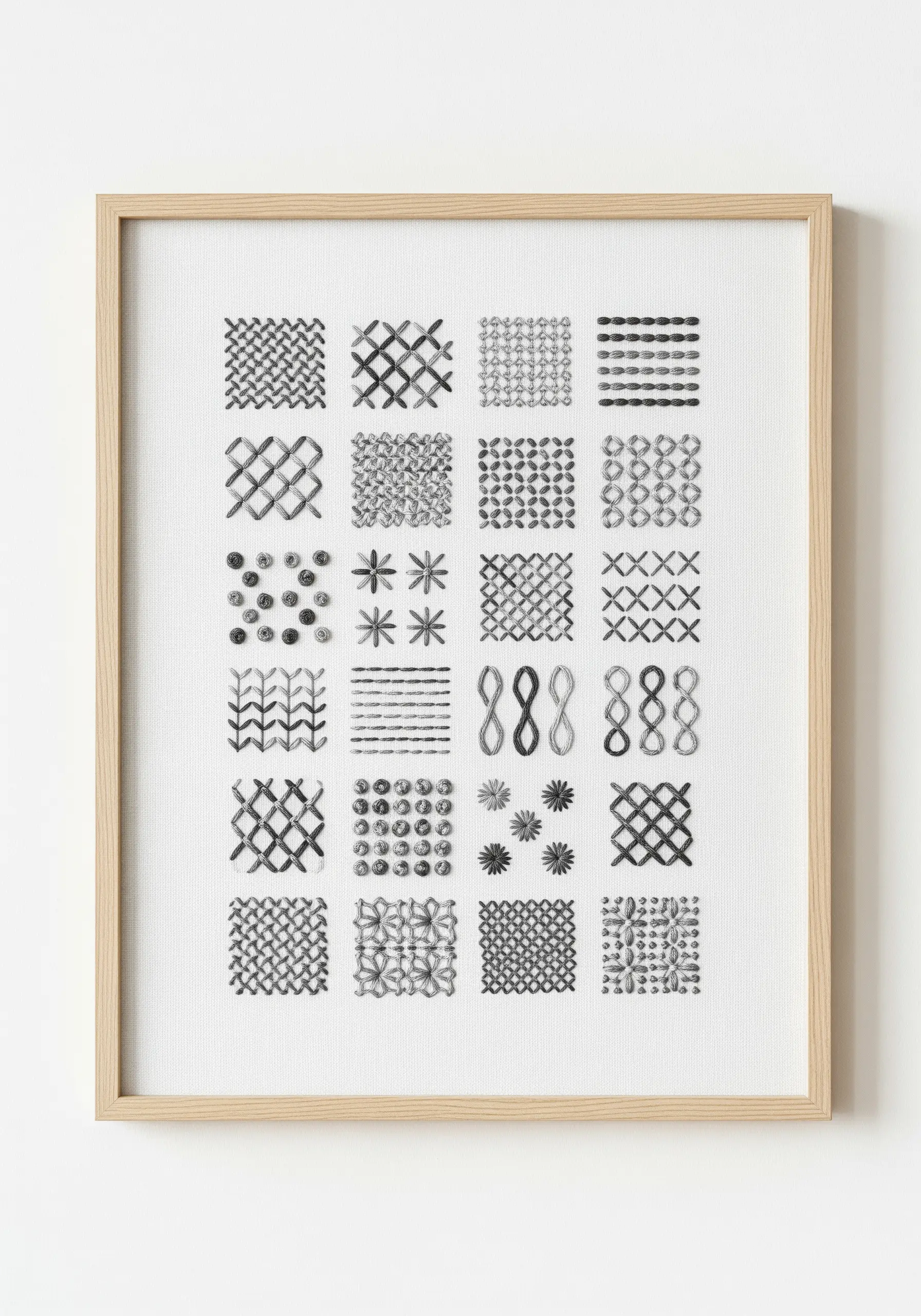
Showcase your stitching skills as a piece of graphic art by creating a monochromatic sampler.
Working in a single color, like black or navy, removes the distraction of a palette and places the focus entirely on the texture and form of each stitch.
Divide your fabric into a grid and fill each square with a different stitch: cross stitch, French knots, chain stitch, fly stitch, and more.
When framed, these textured neutral embroidery samplers become a sophisticated, modern piece of wall decor that celebrates the fundamental beauty of the craft.
This is not just practice; it’s a finished work of art.
21. Detail a Tea Towel with Realistic Herbs
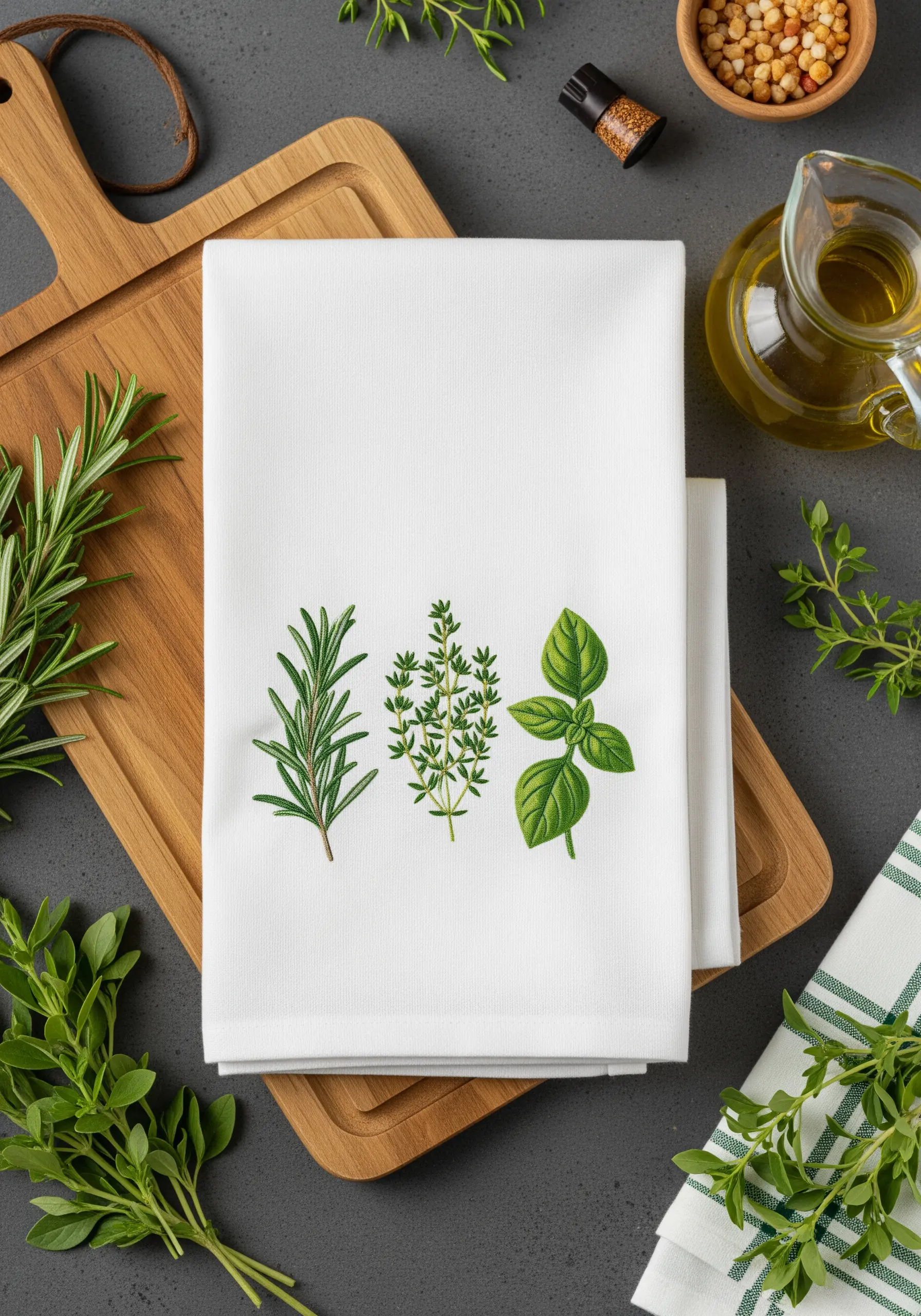
Bring a touch of the garden to your kitchen with precisely stitched, lifelike herbs.
The key to realism is using stitches that mimic the plant’s natural structure. For rosemary needles and basil leaves, use a fishbone stitch to create a defined central vein.
For delicate herbs like thyme, use tiny detached chain stitches (lazy daisies) or French knots clustered along a stem-stitched branch.
Work with only one or two strands of floss to keep the details sharp and avoid a bulky appearance.
These herbal plant embroidery motifs on a crisp white cotton towel look clean, fresh, and high-end.
22. Embellish a Headband with Scattered Pearls
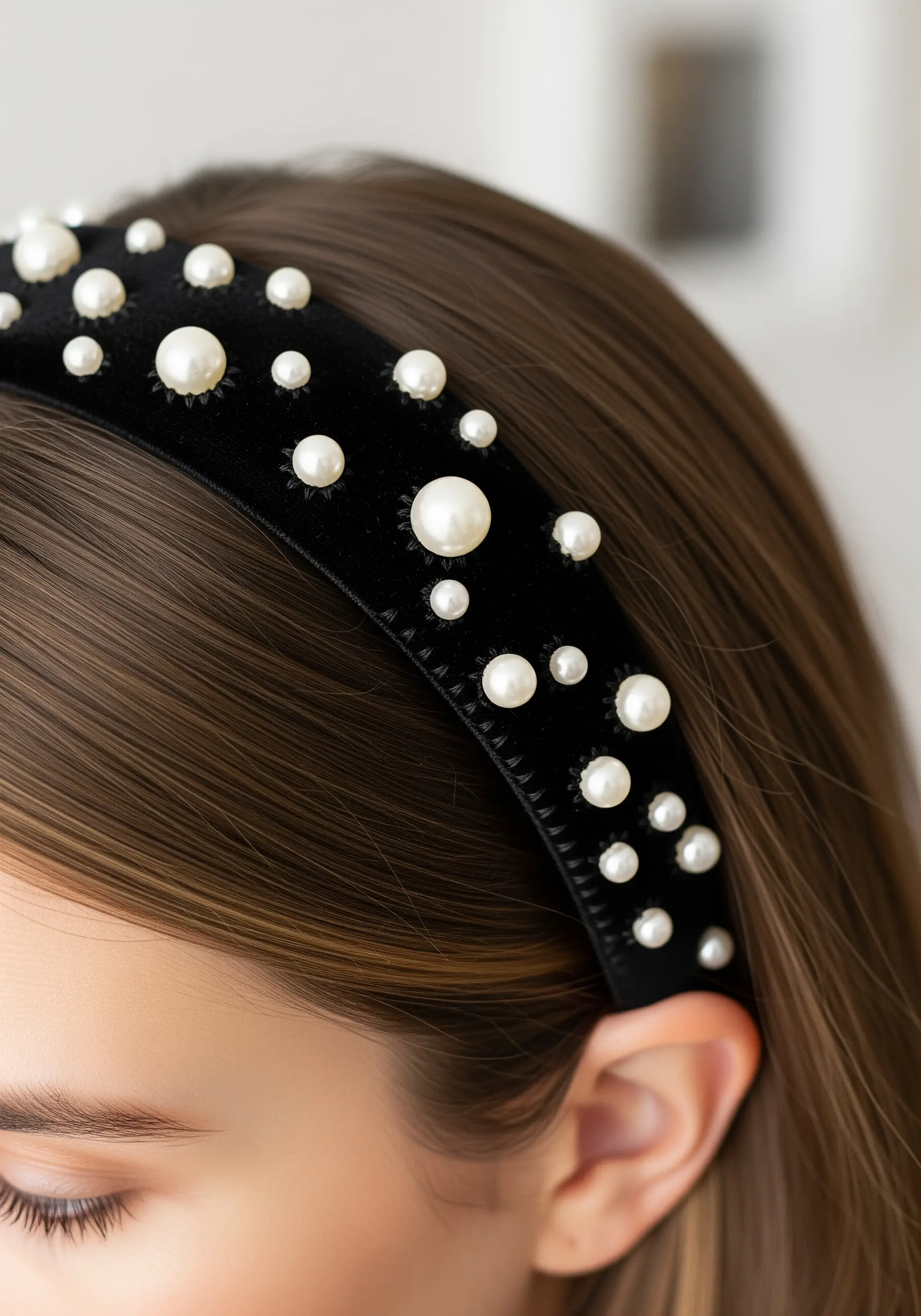
Turn a simple velvet headband into a couture accessory in under an hour.
Choose faux pearls in three or four different sizes to create a more dynamic and visually interesting pattern.
Instead of arranging them in a rigid line, scatter them organically across the headband for a modern, ‘starry night’ effect.
Secure each pearl individually by passing your needle and thread through it two or three times, knotting securely on the underside of the band.
This easy project requires no complex stitching but yields a high-fashion result that instantly elevates any outfit.
23. Create Graphic Texture with Punch Needle
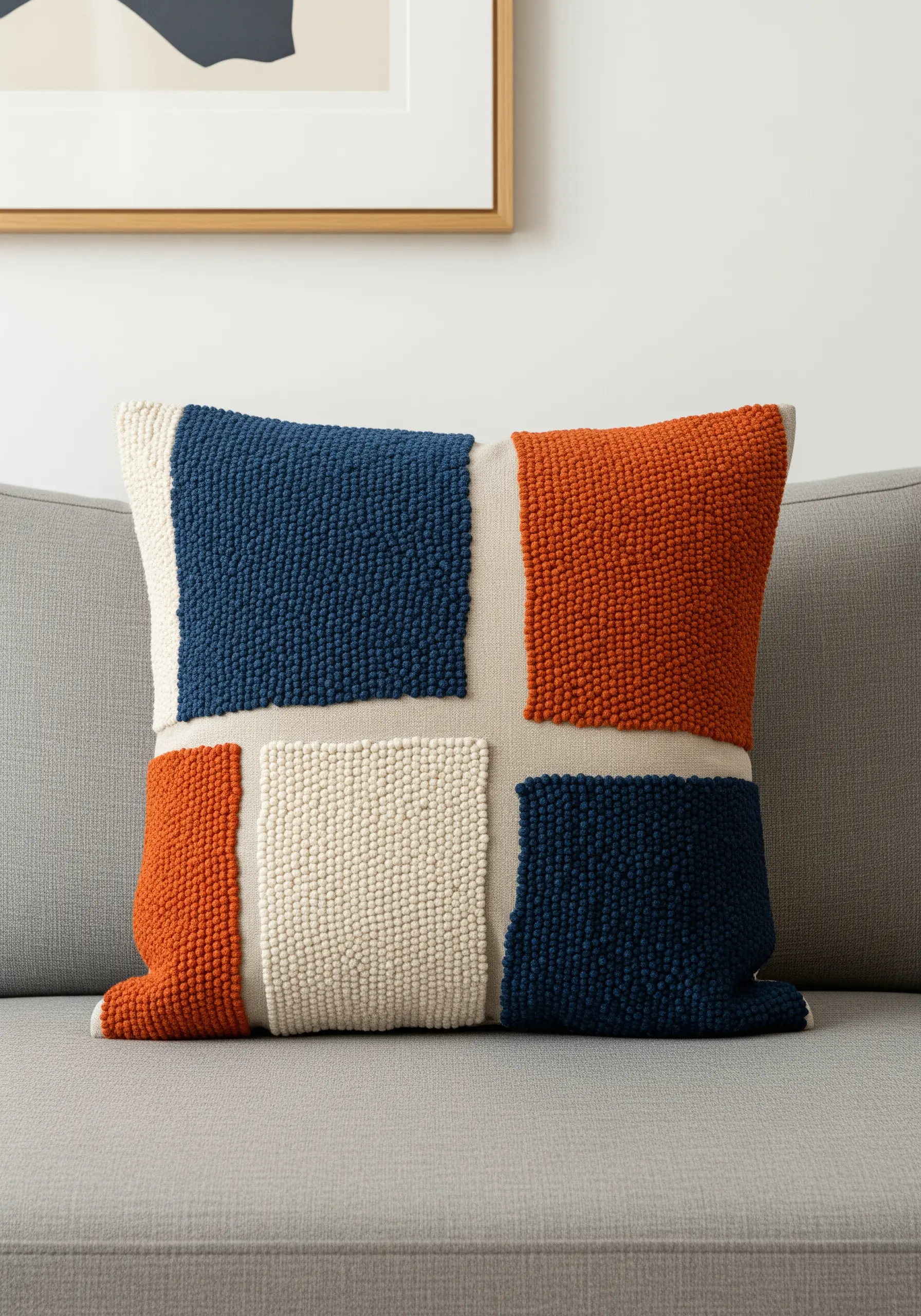
Explore punch needle to create plush, textural home decor with a bold, modern aesthetic.
This technique uses a special tool to create loops of yarn on fabric, resulting in a surface that resembles a high-end hooked rug.
A geometric color-block design is perfect for beginners, as it relies on clean shapes rather than intricate details.
Working with a limited palette of three or four colors on a neutral background creates a powerful visual statement that feels both contemporary and cozy.
The rich, uniform texture is what makes a simple punch needle pillow look so luxurious and inviting.
24. Add a Whisper of Detail to a Picture Frame
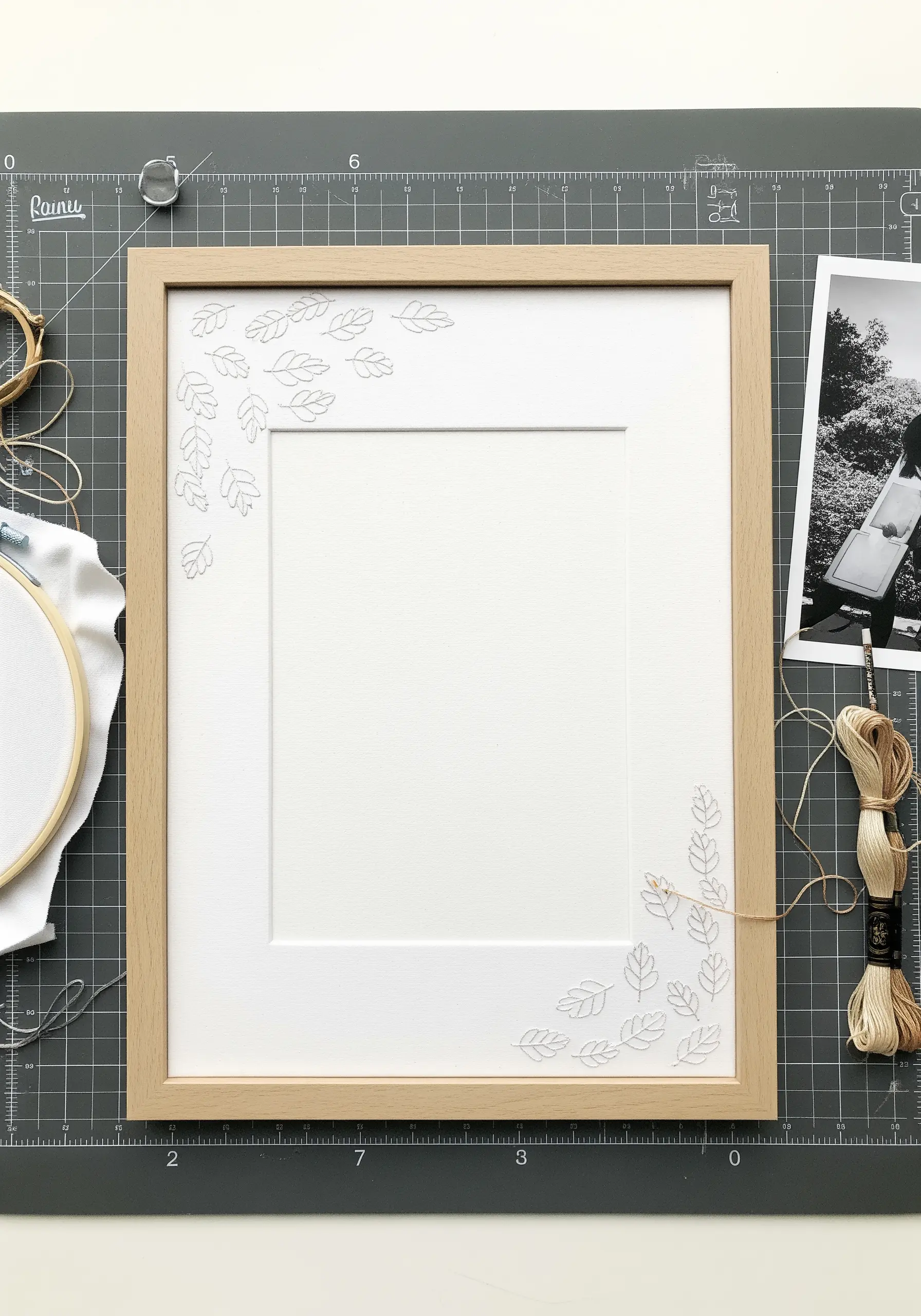
Elevate the art of framing by adding a subtle, hand-stitched detail directly onto the mat board.
Choose a simple, repeating motif, like these small leaves, and sketch them lightly onto the corners of the mat with a pencil.
Use a single strand of embroidery floss in a neutral, coordinating color for a delicate, almost-hidden effect.
A simple backstitch is all that is needed. The unexpected placement of embroidery on paper is what makes this project so unique and thoughtful.
It’s a custom touch that makes the entire framed piece feel more personal and valuable.
25. Stitch a Floating Wildflower Meadow
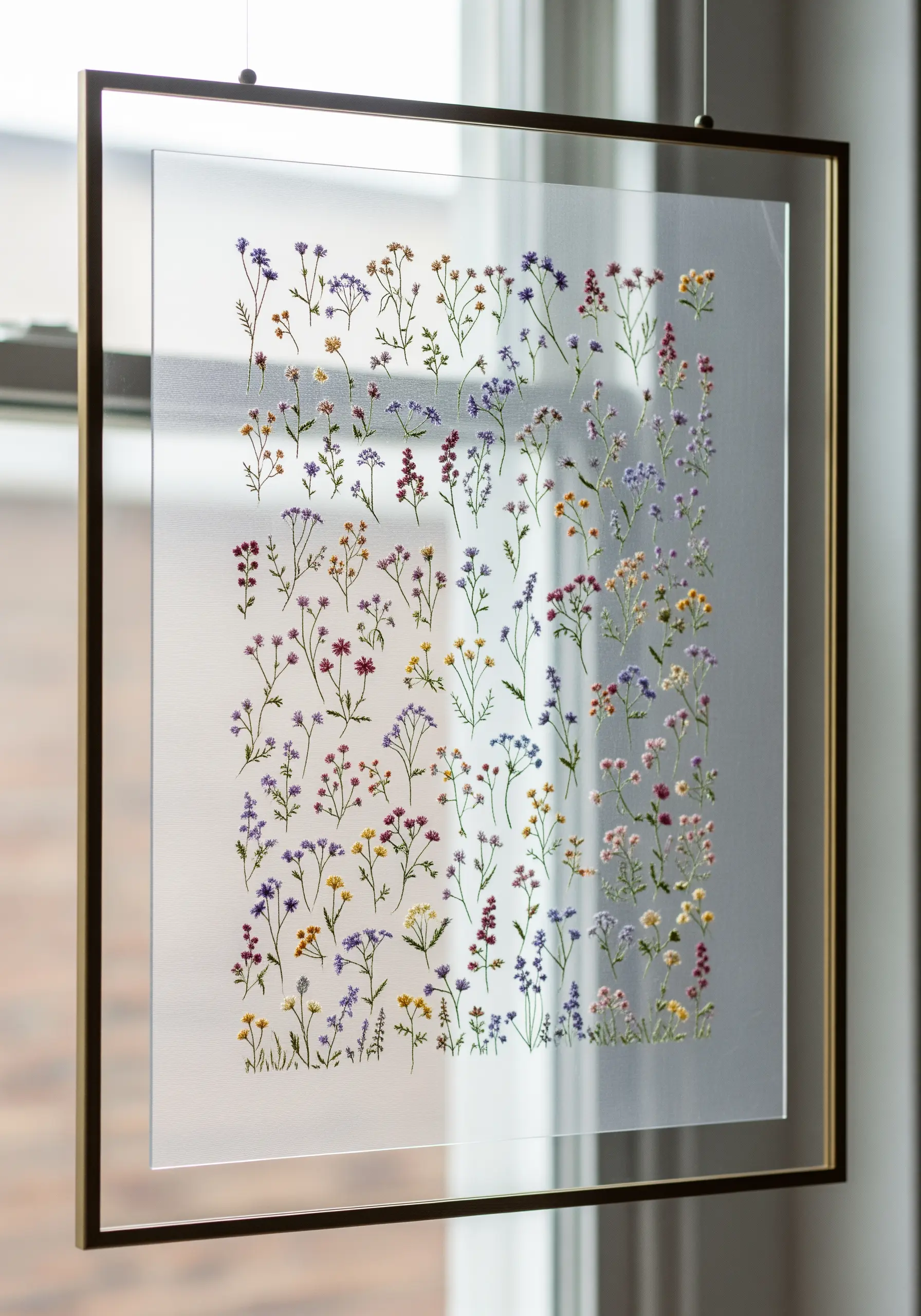
Create an ethereal piece of art by embroidering on a sheer, transparent fabric.
Stretch a piece of organza or tulle tightly in your hoop. To transfer your pattern and stabilize the delicate fabric, use a stick-and-stitch or water-soluble stabilizer.
Stitch your tiny wildflowers as you normally would, using small, neat stitches like lazy daisies and French knots.
Once you are finished, gently wash away the stabilizer. The stitches will remain, appearing to float in mid-air within the frame.
This technique turns simple floral stitches into a magical, museum-quality display.
26. Craft a Bold Varsity Letter Patch
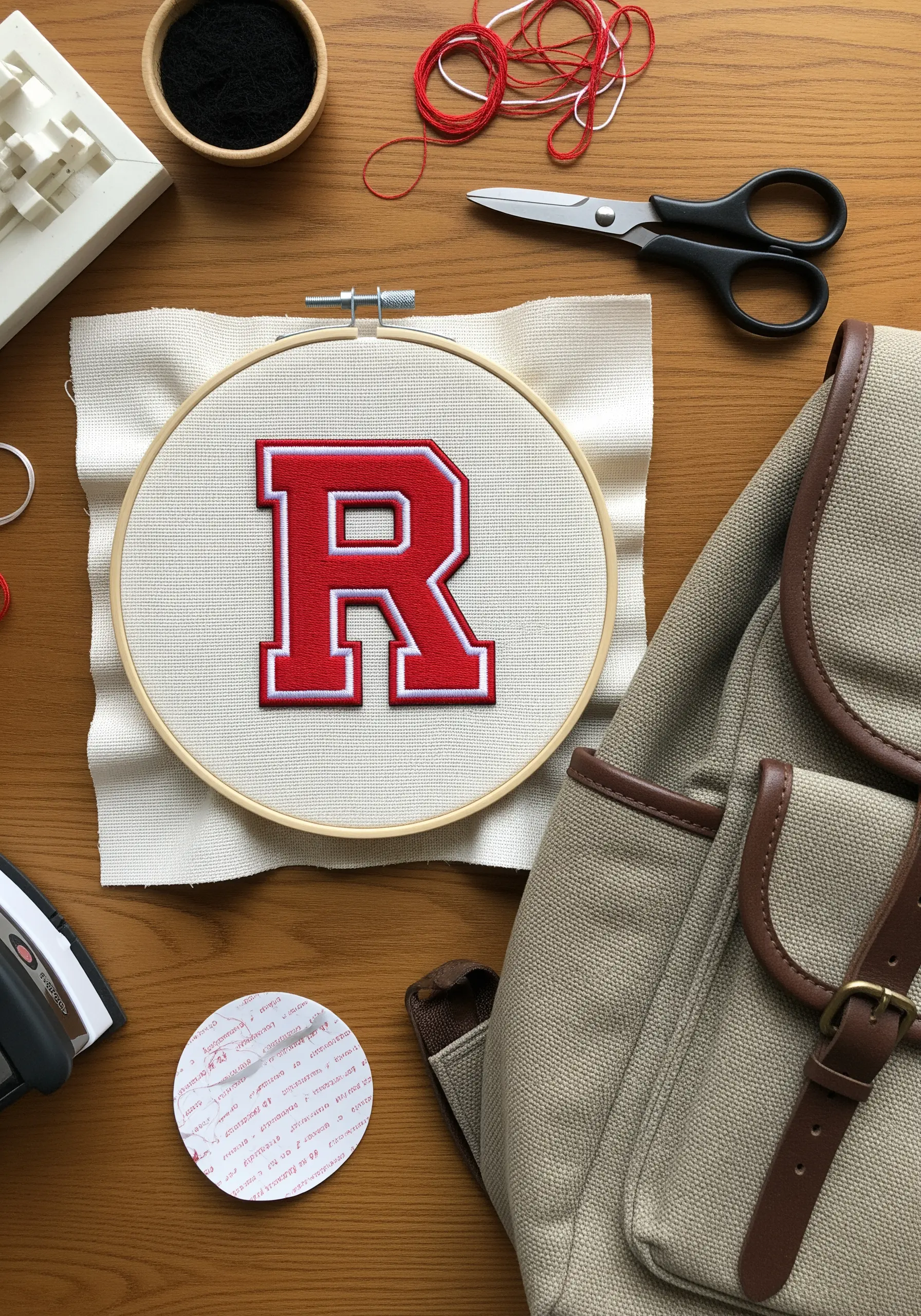
Make a statement on backpacks, jackets, or banners with a classic, textural varsity letter patch.
Create your patch on a separate piece of sturdy fabric, like canvas or felt.
Outline the letter and its border with a split stitch. Fill the main body of the letter with a dense, perfectly smooth satin stitch.
For the raised border, use a whipped backstitch or a tight chain stitch to create a corded, dimensional edge that defines the shape.
Once finished, carefully cut out the patch, leaving a small fabric border, and appliqué it onto your chosen item for a polished, collegiate look.