That growing collection of fabric scraps in your studio isn’t waste—it’s a library of potential. Every offcut, selvedge edge, and leftover thread holds the memory of a past project and the promise of a new one. But it’s easy to feel overwhelmed by the pile, unsure how to transform those small pieces into something beautiful and complete.
Let’s shift your perspective. Instead of seeing scraps as something you must simply *use up*, think of them as a creative constraint that can unlock your most inventive work. The limited size, the unusual shape, the unexpected pattern—these are not problems to be solved, but invitations to design with intention, precision, and artistry.
Here, you won’t find ways to merely get rid of your leftovers. You will discover how to elevate them. These techniques focus on turning remnants into refined, polished, and deeply personal embroidered pieces, ensuring that every last inch of fabric you love finds its perfect purpose.
1. Visible Mending as a Design Statement
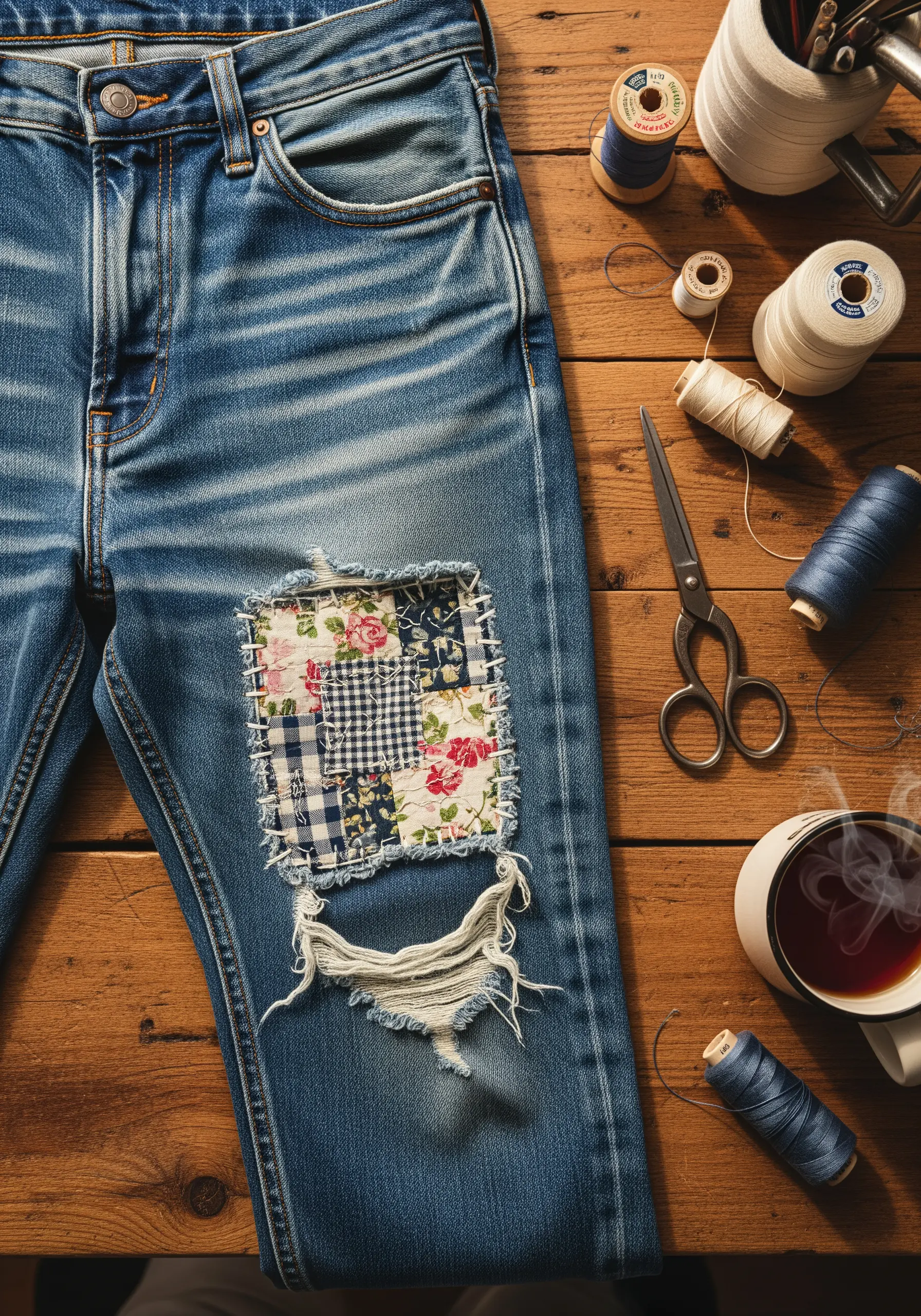
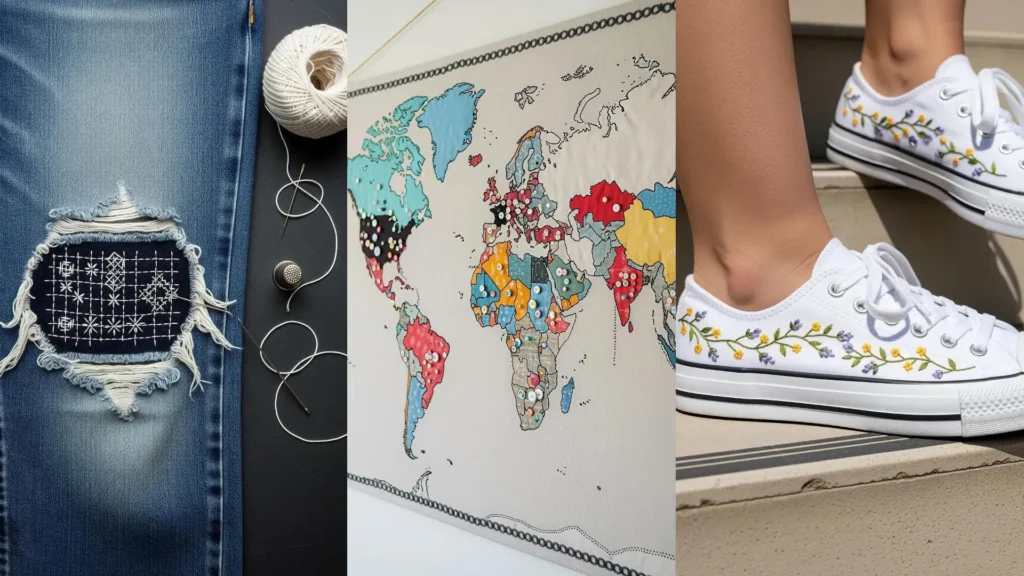
Transform a tear from a flaw into a feature by using patchwork scraps as a canvas.
Instead of trying to hide the repair, frame it with a neat grid of running stitches, using a contrasting thread color to draw the eye.
This technique works best when you combine varied patterns—like a floral, a solid, and a gingham—within a single patch, turning a simple mend into a thoughtful composition.
Secure the patch with a basting stitch first to prevent the denim from puckering as you add your decorative grid.
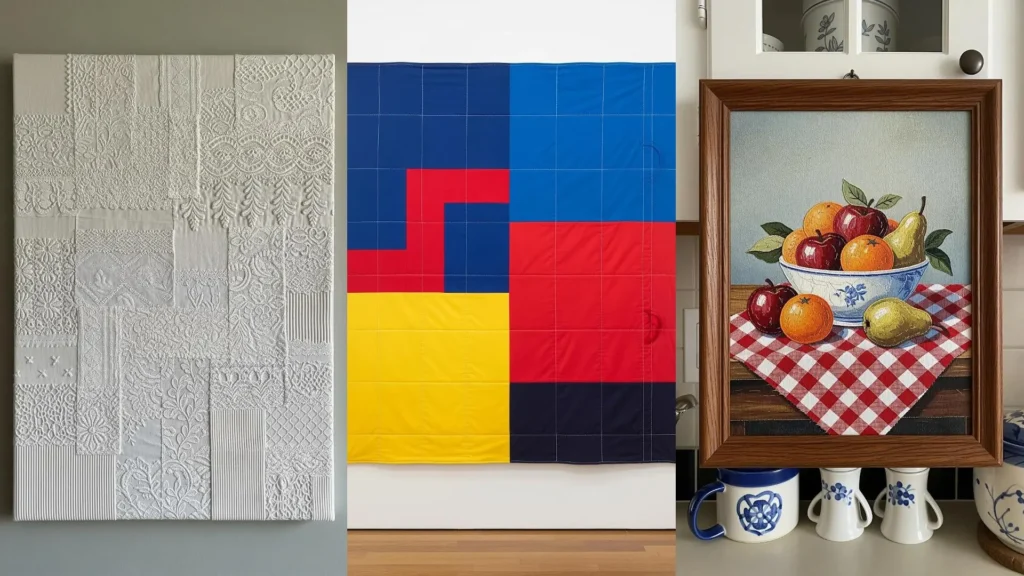
2. Create a High-Texture Fabric Collage
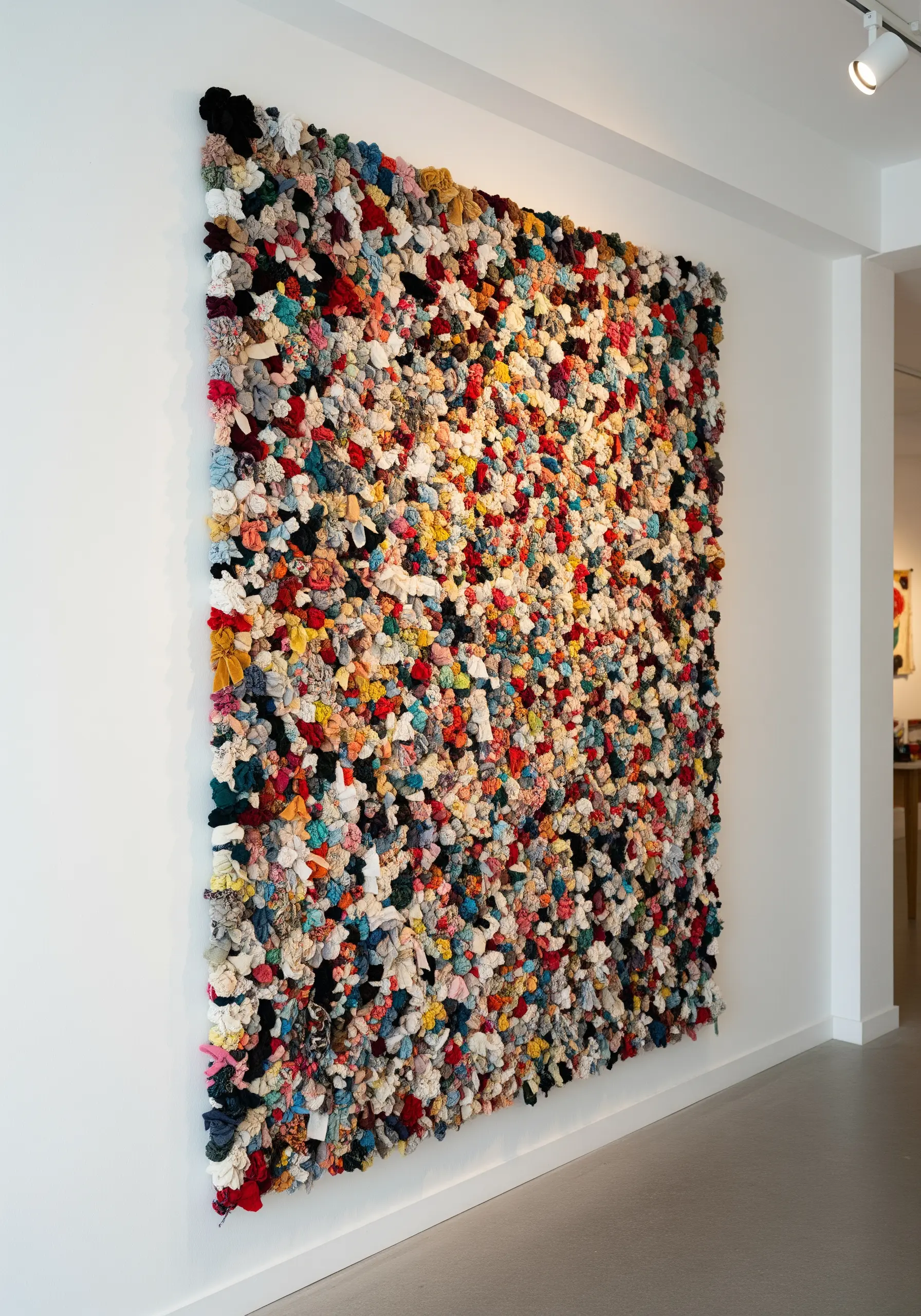
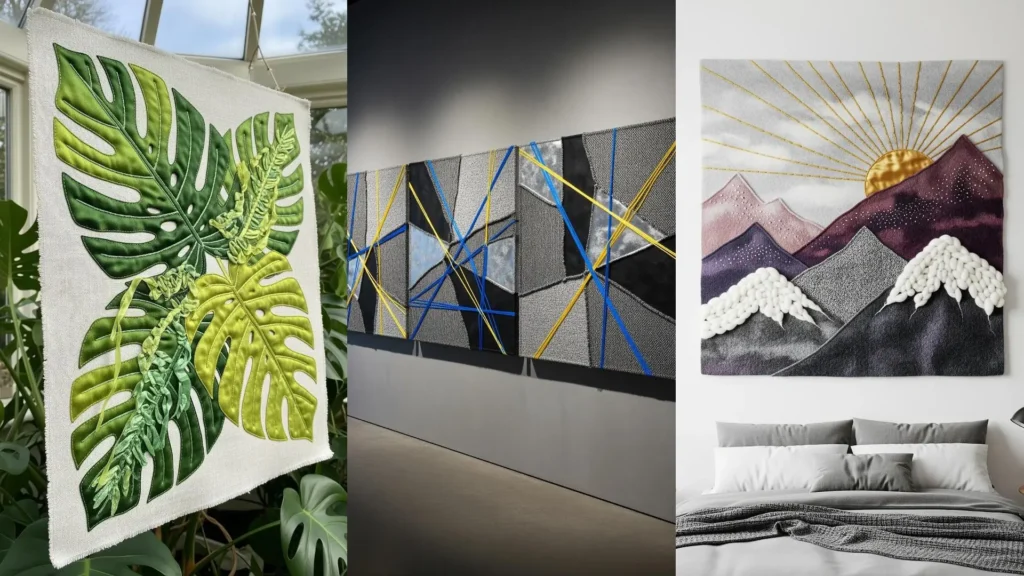
Give even the tiniest, most irregularly shaped scraps a purpose by composing a large-scale textile collage.
Work on a sturdy canvas or felt backing, attaching each scrap with a single, anchoring stitch through its center or a dab of fabric glue.
Build up layers to create a dense, reef-like texture where color and pattern interact organically.
This is one of the most liberating abstract mixed-media embroidery ideas because it requires no precise cutting or planning—only intuition.
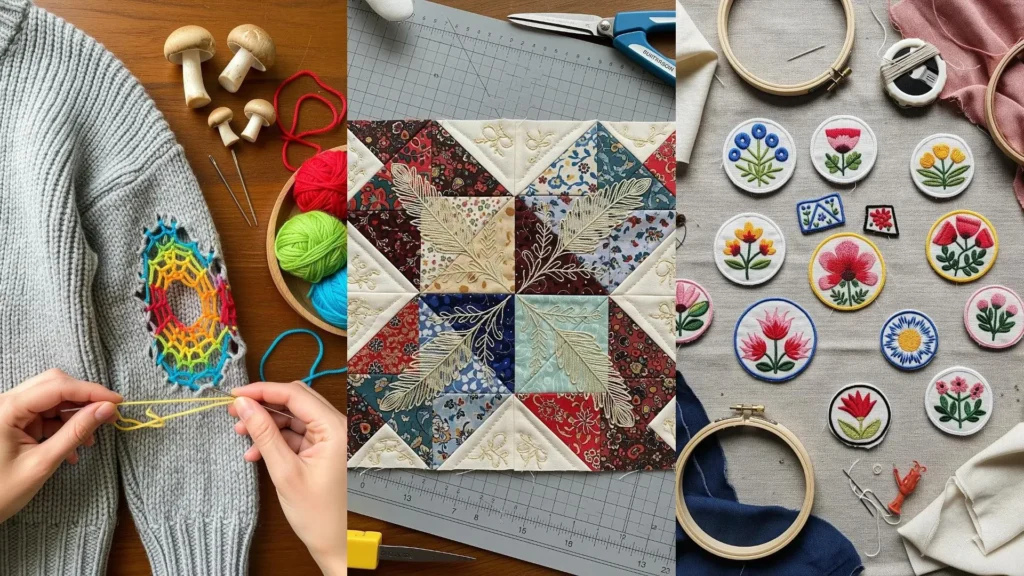
3. Stitch a Collection of Mix-and-Match Patches
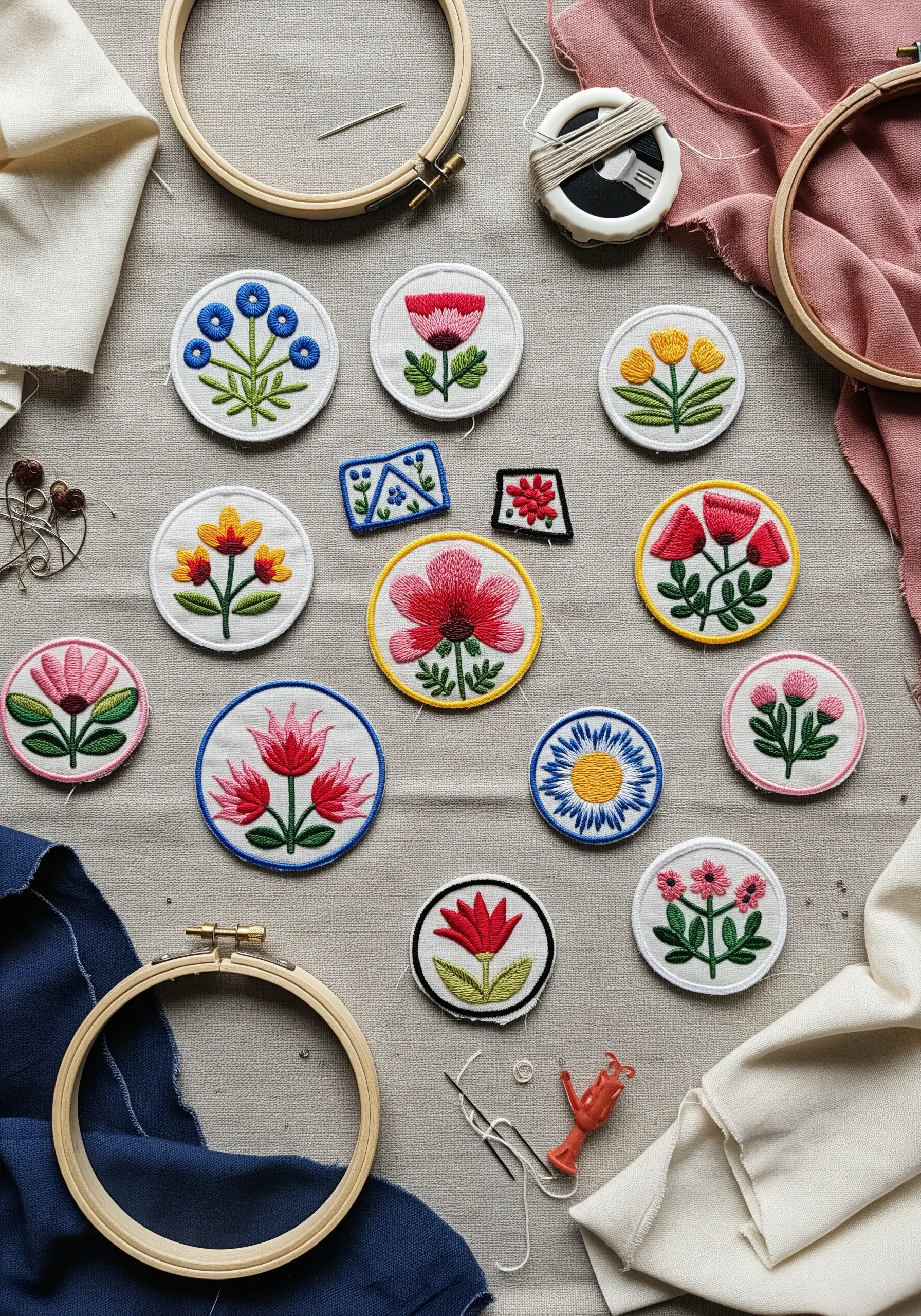
Use small squares of felt or heavy canvas as a stable base for creating a series of embroidered patches.
Working in a batch—stitching all the stems, then all the petals—makes the process efficient and helps you build a cohesive color story across multiple designs.
To create a clean, durable edge, outline your finished motif with a dense satin stitch border before cutting it out.
These become adorable mini stitch ideas that make perfect gifts, ready to be ironed or sewn onto jackets, bags, and hats.
4. Elevate Appliqué with Layered Fabric Scraps
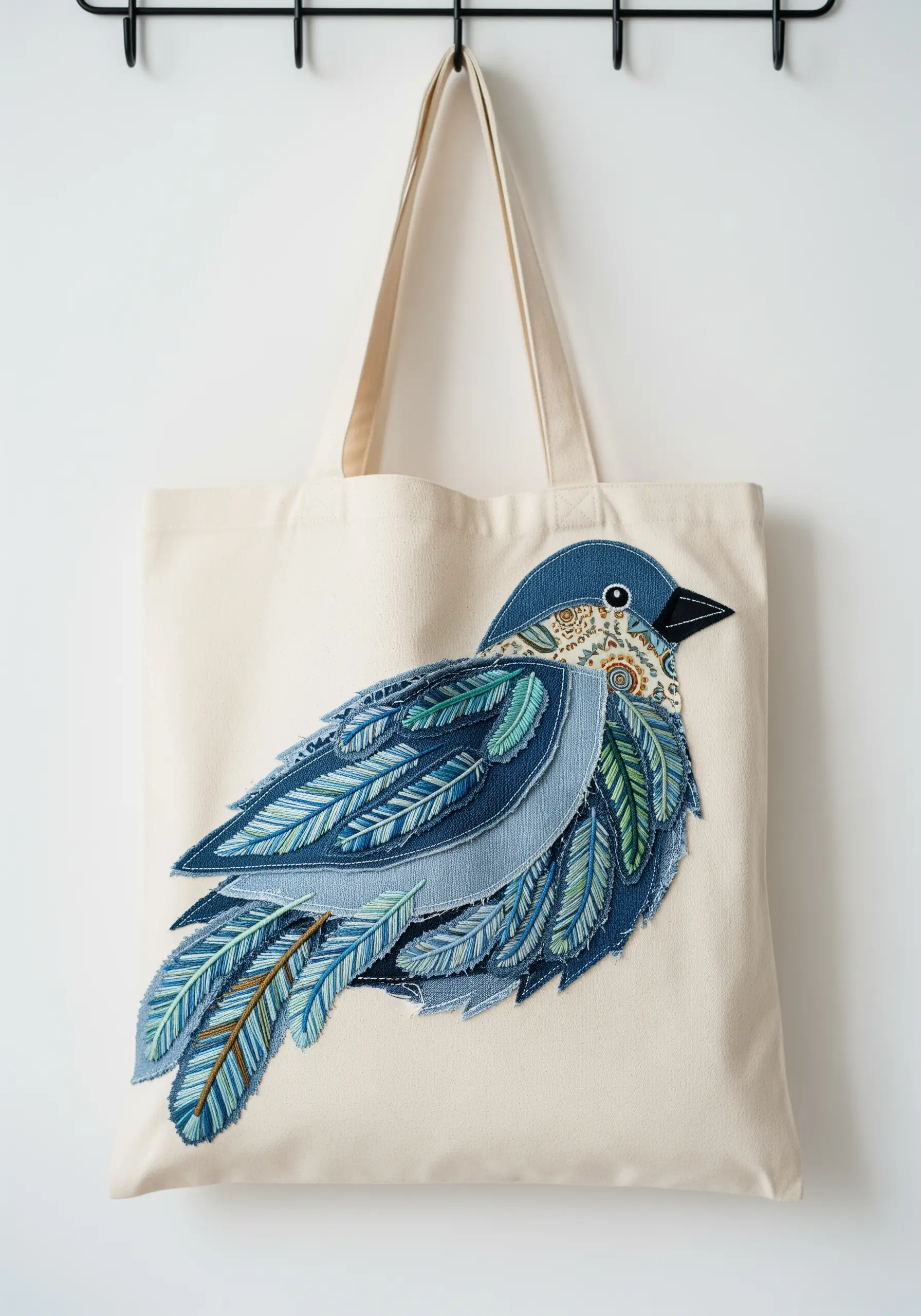
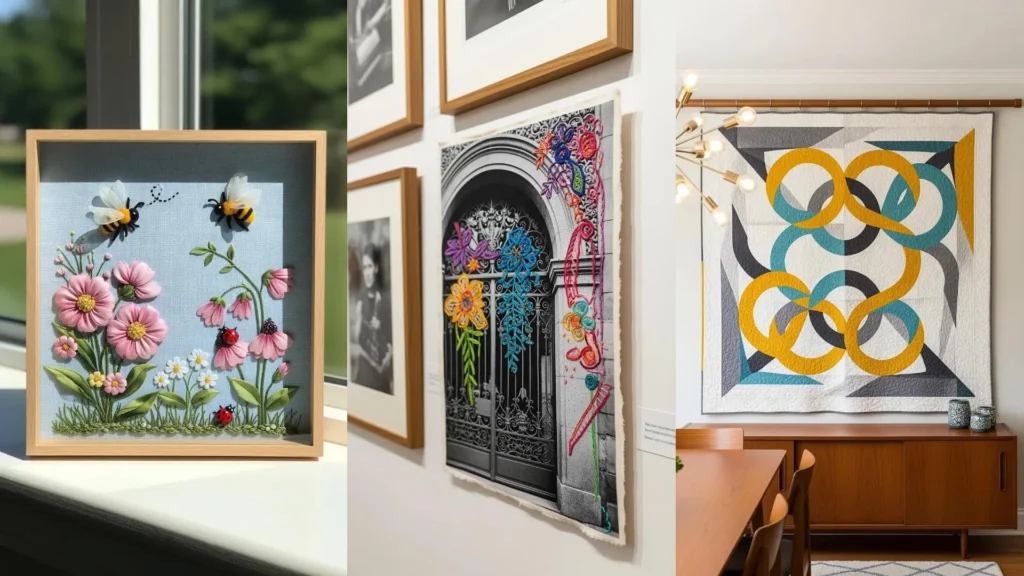
Instead of using a single piece of fabric for an appliqué motif, build your design by layering smaller, cut scraps.
Allow the edges to fray slightly before stitching them down with a simple running stitch to create soft, feather-like textures.
Use fine embroidery stitches—like a single straight stitch or backstitch—to add definition, contour, and detail over the fabric layers.
This approach gives your work a painterly quality, transforming simple shapes into dynamic, textured modern tote bag embroidery designs.
5. Weave Thread Scraps into Abstract Landscapes
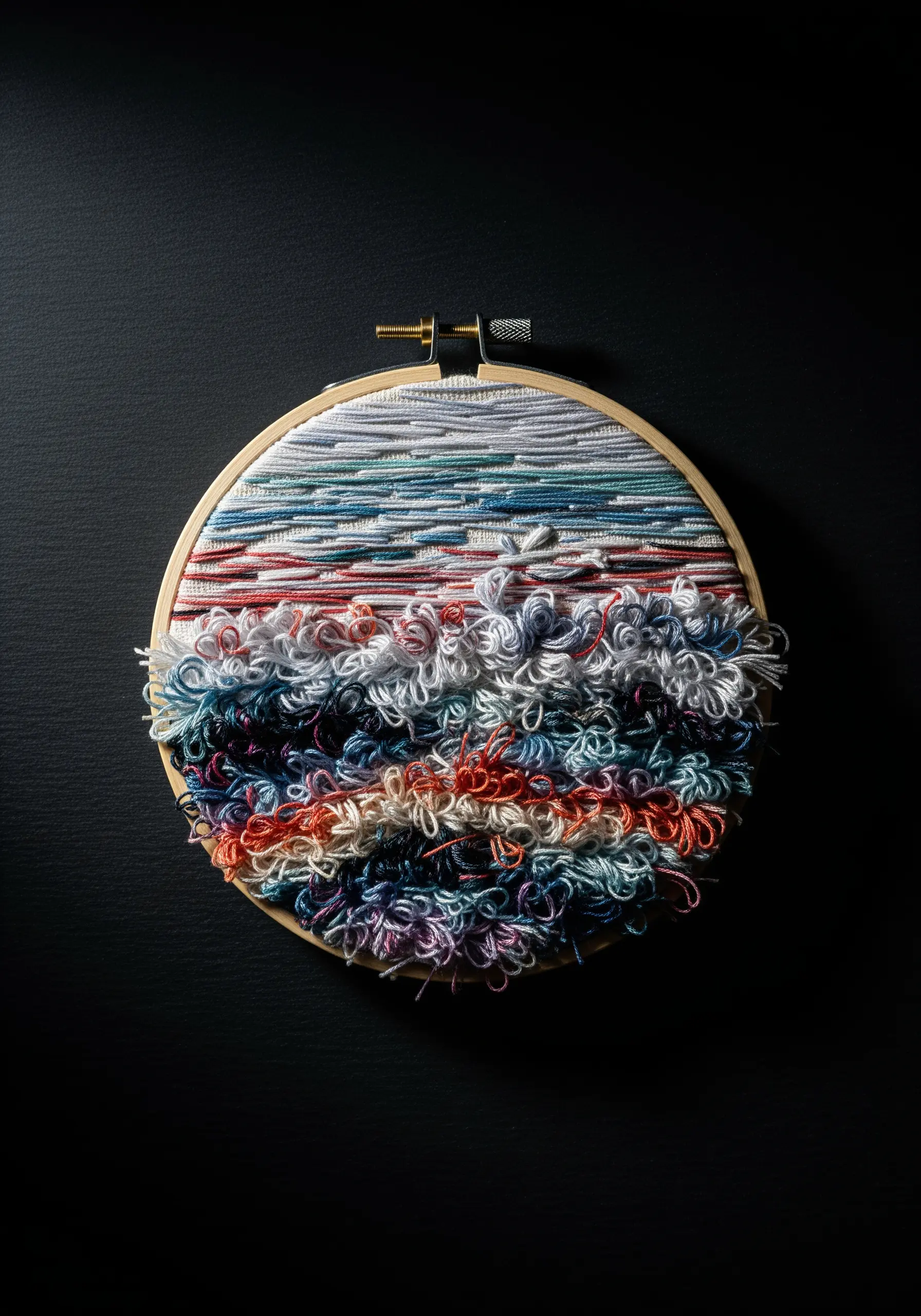
Rescue those leftover lengths of thread and give them a new life as textural art.
In a hoop, use long, loose satin stitches as a base, then couch, loop, and knot your thread scraps on top to build dimension.
Arrange the colors to suggest a landscape or seascape, letting the tangled threads mimic the chaos of crashing waves or wild grasses.
This technique is perfect for exploring abstract thread waves and swirls without worrying about perfection.
6. Craft Reusable Fabric Jar Toppers
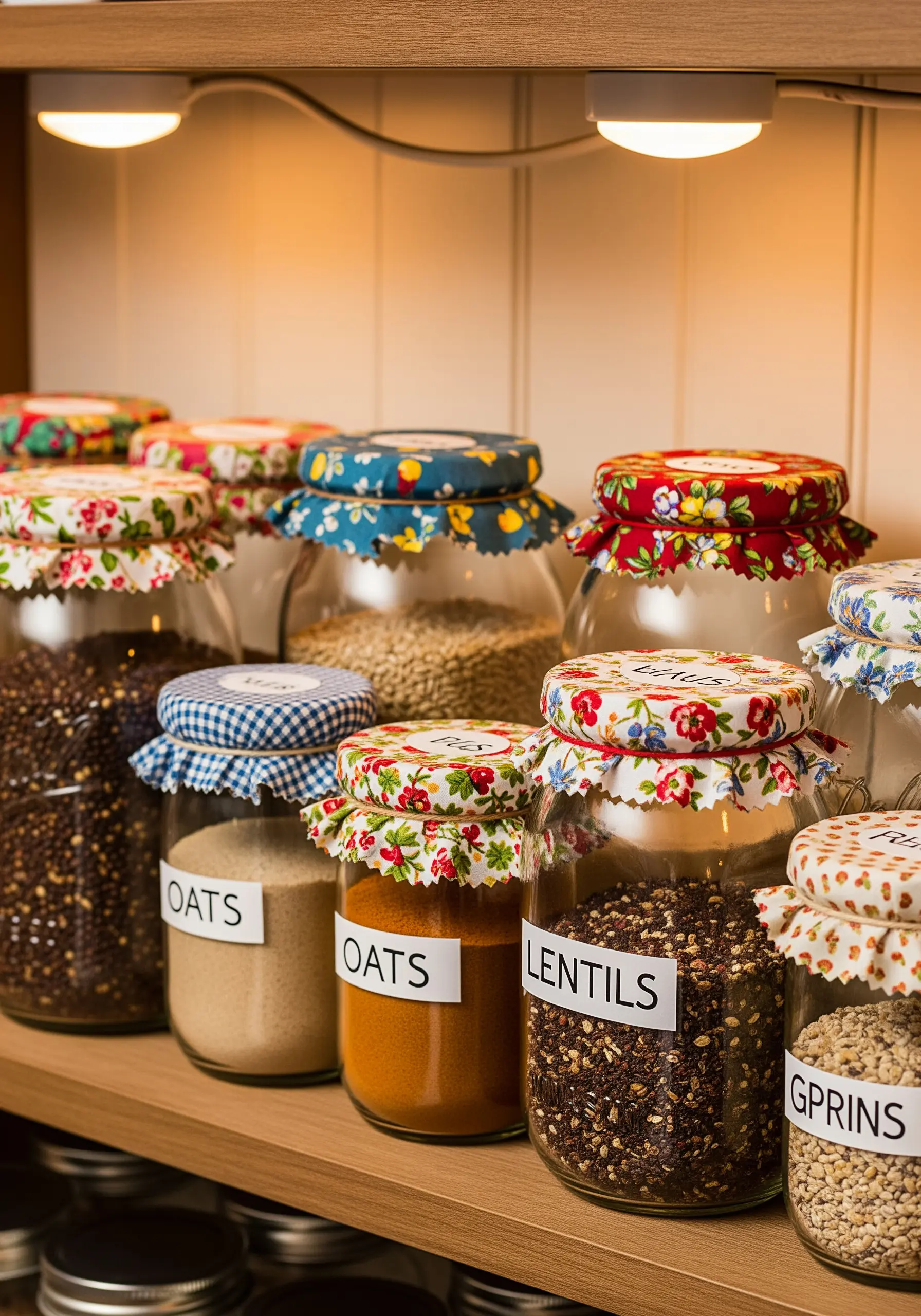
This is one of the simplest and most satisfying ways to use small, decorative cotton scraps.
Cut a circle of fabric about two inches wider than your jar lid, using pinking shears for a decorative, no-fray edge.
Simply center the fabric over the lid and secure it with twine, ribbon, or a rubber band for a charming and sustainable way to store pantry goods or present homemade gifts.
7. Replace Worn Cuffs with Statement Fabric
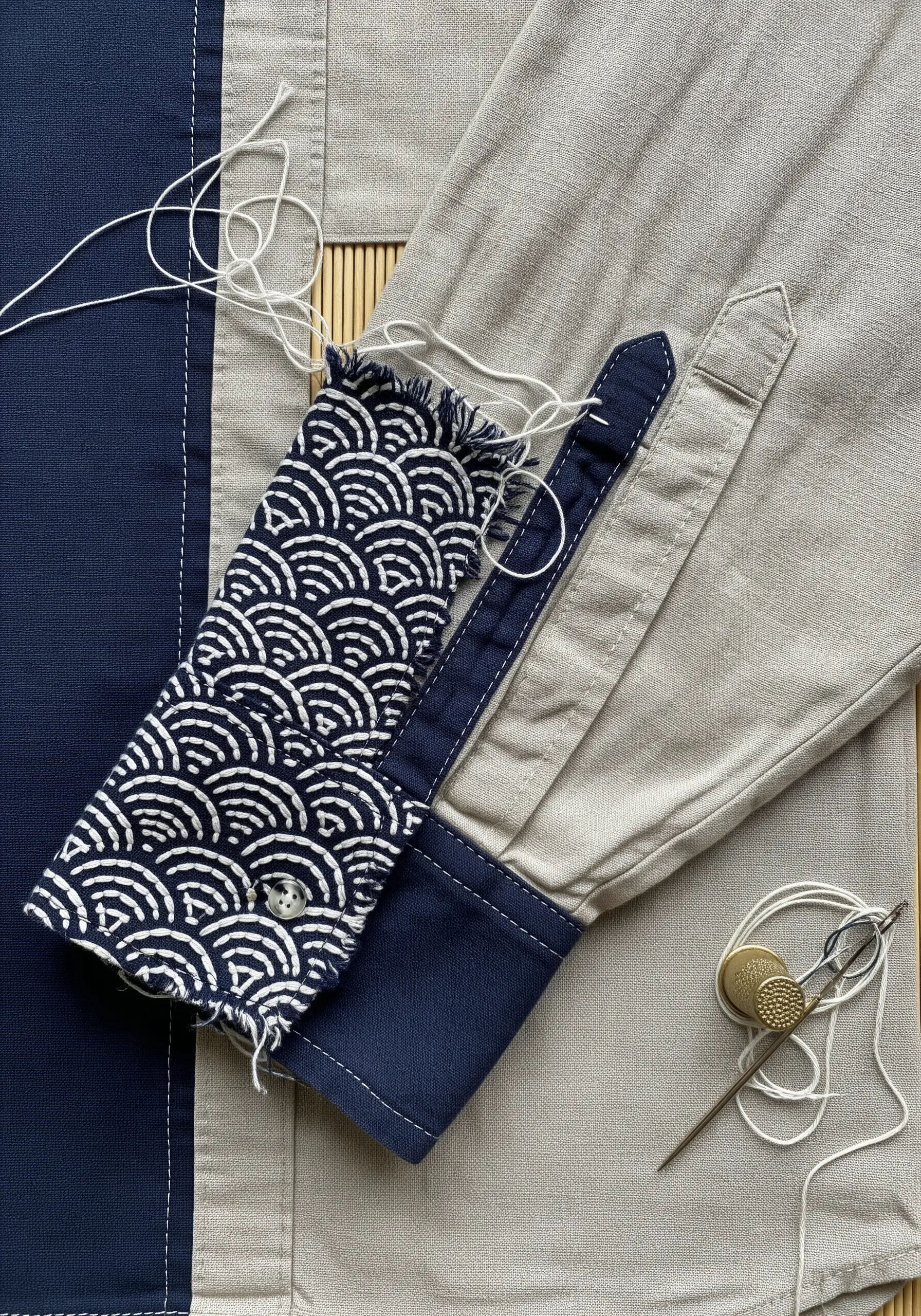
When the cuffs or collar of a favorite shirt wear out, don’t discard it—reinvent it.
Carefully unpick the seams of the original cuff to create a perfect pattern piece.
Use it to cut a new cuff from a contrasting, high-quality fabric scrap, such as a crisp Japanese cotton or soft linen.
This thoughtful repair adds a bespoke detail that makes the garment feel more valuable than when it was new.
8. Embroider on Unconventional, Delicate Surfaces
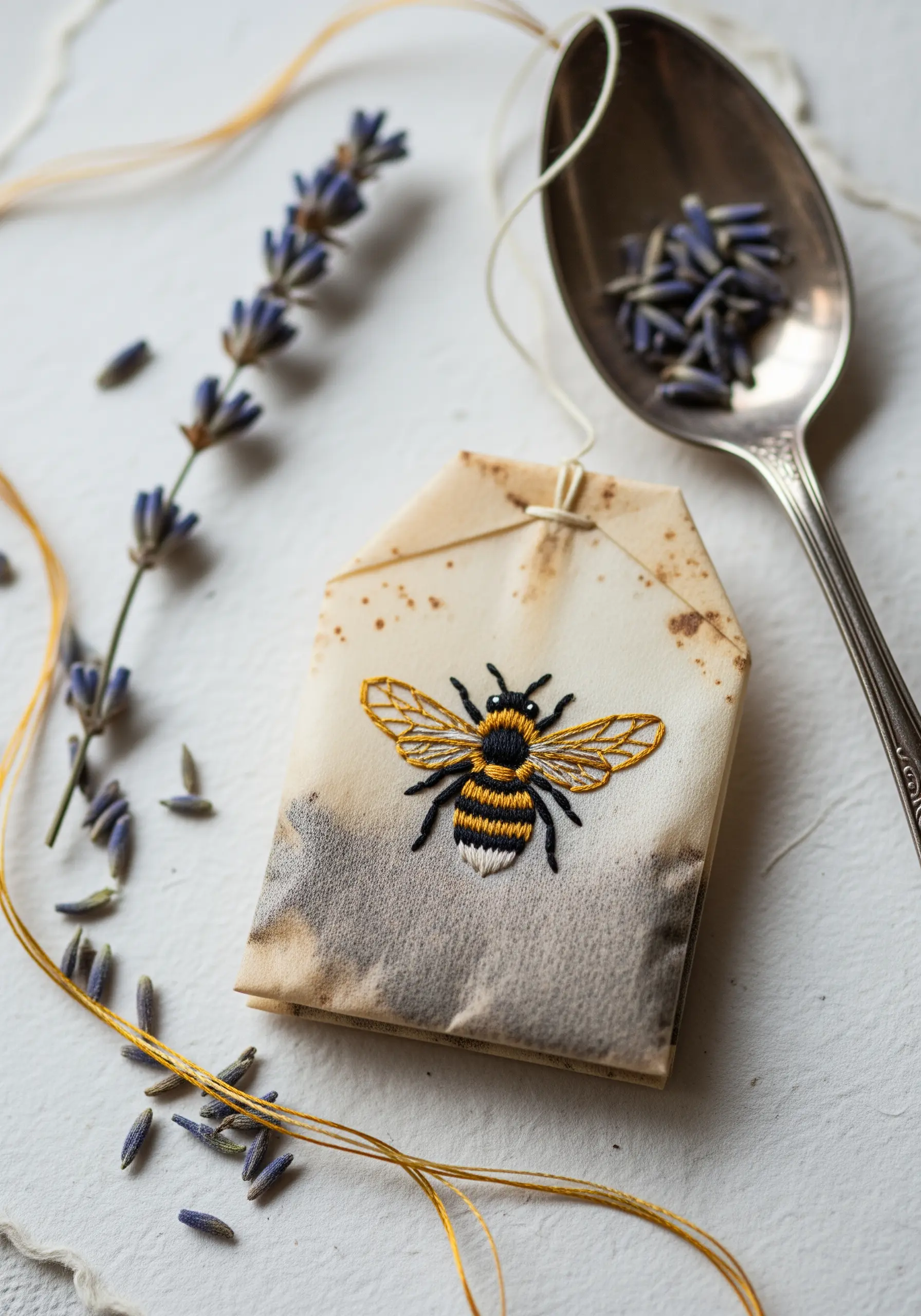
Challenge your needlework skills by using found objects as your canvas.
A dried and pressed teabag, a skeleton leaf, or handmade paper can hold delicate stitches if you work with care.
Use a very fine needle and a single strand of floss to minimize stress on the surface.
This is a beautiful way to practice precision and explore one of the most unique paper art embroidery ideas you’ve never tried before, turning ephemeral items into lasting art.
9. Create a Quilted Story Panel for Apparel
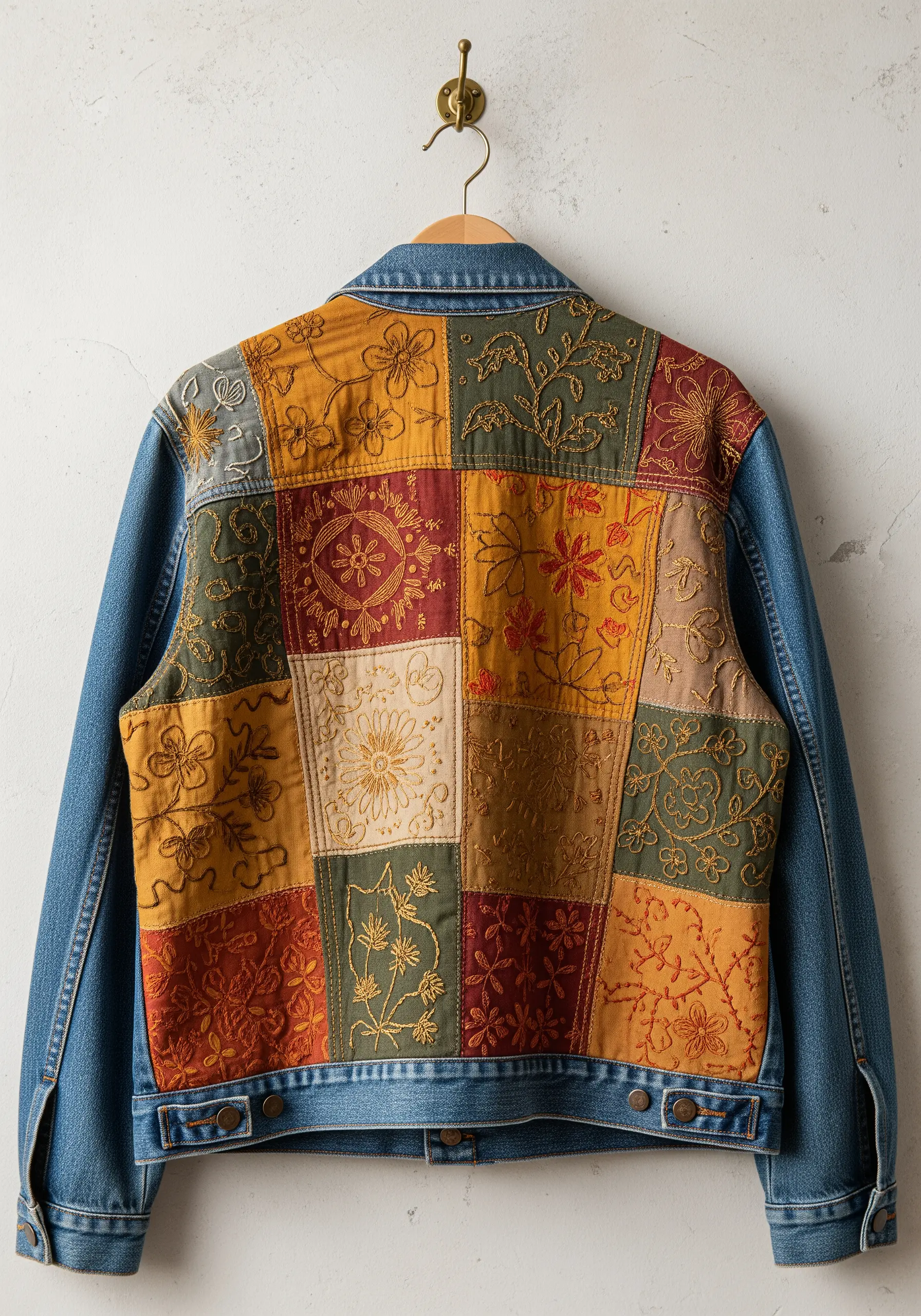
Elevate a simple denim jacket by replacing its back panel with a piece of personal history.
Stitch together meaningful fabric scraps—pieces of an old dress, a baby blanket, or a favorite shirt—into a patchwork panel.
Add a layer of embroidery over the top, using simple running stitches or floral motifs to unify the different patterns and colors.
These are the kinds of fabric collage embroidery ideas that reuse old clothes and memories beautifully.
10. Embellish Custom Fabric-Covered Buttons
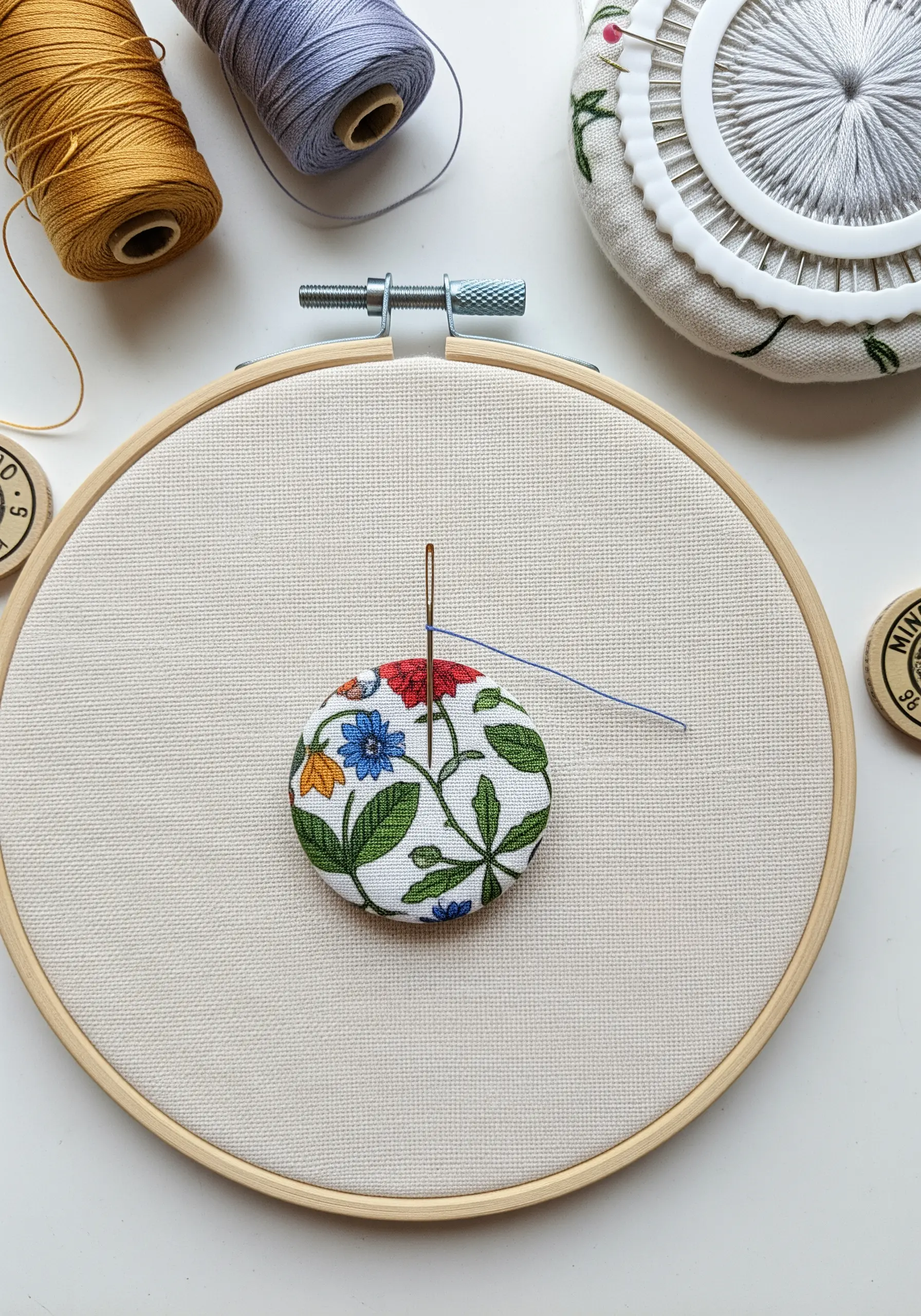
Even the tiniest, most precious fabric scraps can be showcased in a custom-covered button.
Use a button-covering kit to create a smooth, taut surface, carefully centering a key part of the fabric’s pattern.
Before assembling the button, add a tiny embroidered accent—a few French knots, a star stitch, or a single lazy daisy—to make it truly unique.
These small details provide a professional, cohesive finish to handmade garments or bags.
11. Stitch a Bookmark from Fabric Slivers
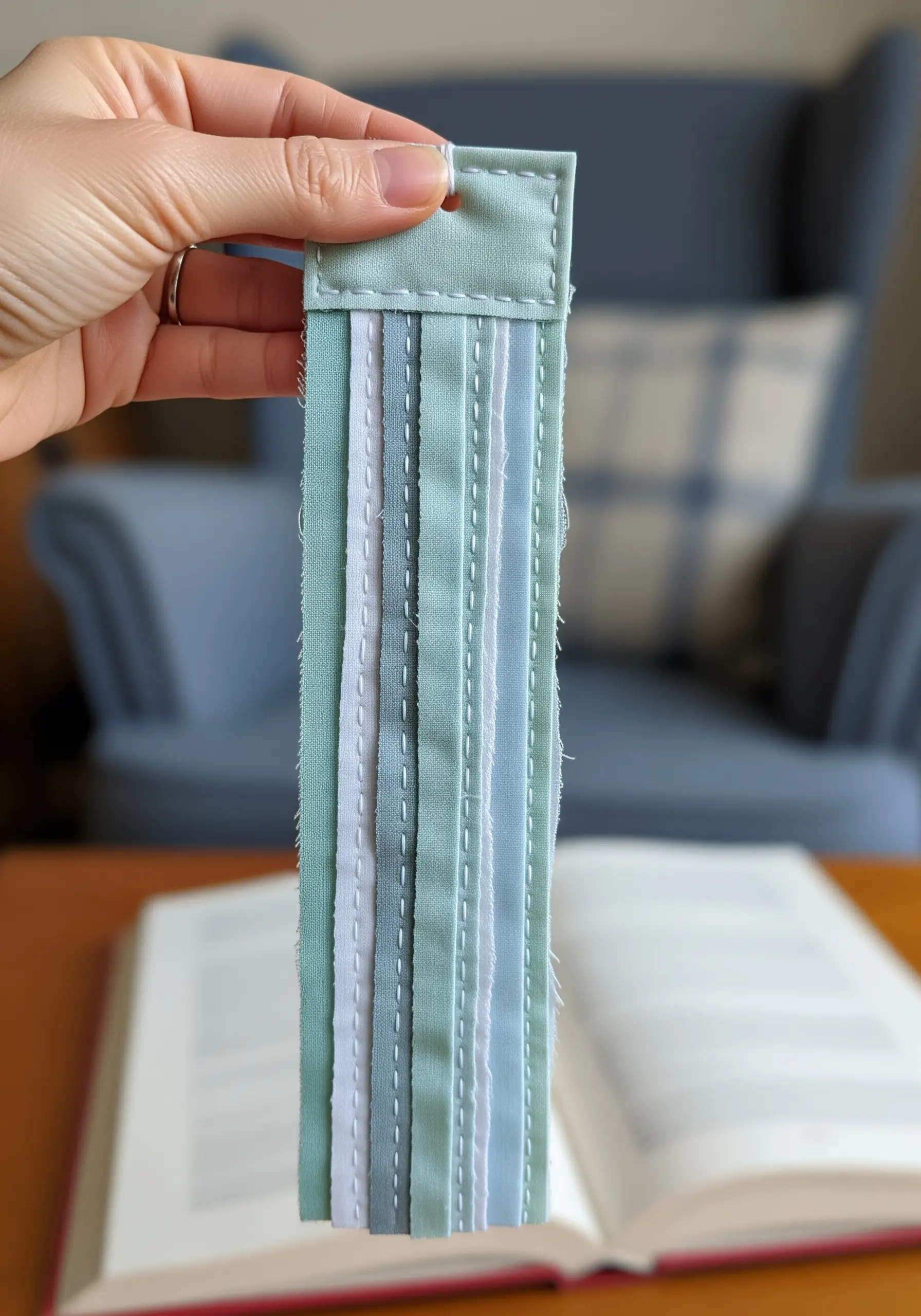
Don’t throw away those long, thin strips left over from cutting larger pieces.
Arrange them vertically on a sturdy backing fabric like felt or canvas, overlapping them slightly.
Secure all the layers with a single line of running stitch down the center of each strip, using a contrasting thread for a decorative touch.
Finish by folding over the top edge to create a clean loop, and you have a beautiful, functional object made from would-be waste.
12. Weave a Playful Darn to Mend Knitwear
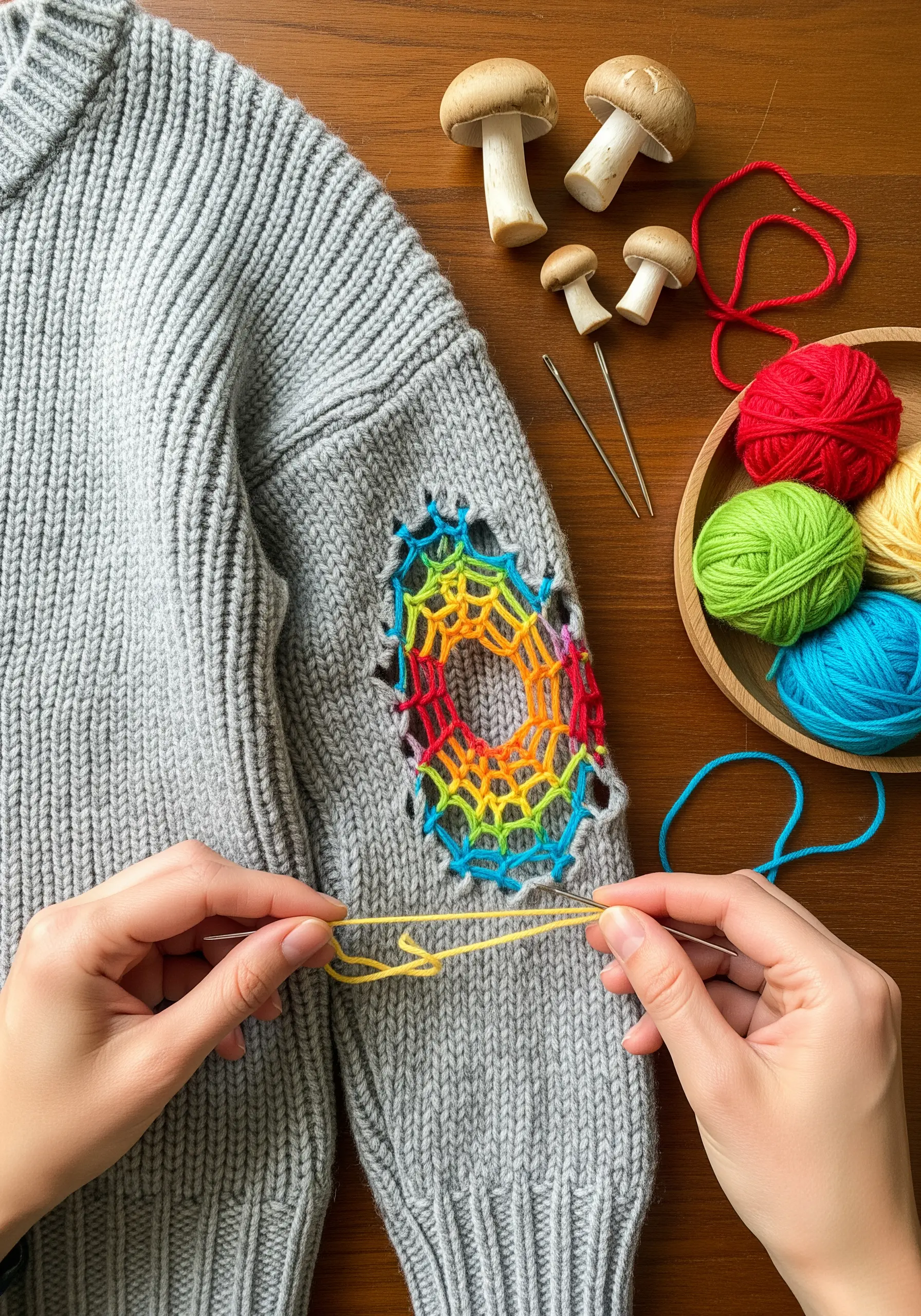
Embrace the Japanese art of visible mending by turning a hole into a vibrant, woven patch.
First, create a grid of threads across the hole to act as a warp. Then, use a blunt darning needle to weave your contrasting yarn over and under the warp threads.
This not only repairs the garment but adds a joyful, handcrafted element that celebrates its history of wear and care.
13. Curate a Fabric Swatch and Stitch Library
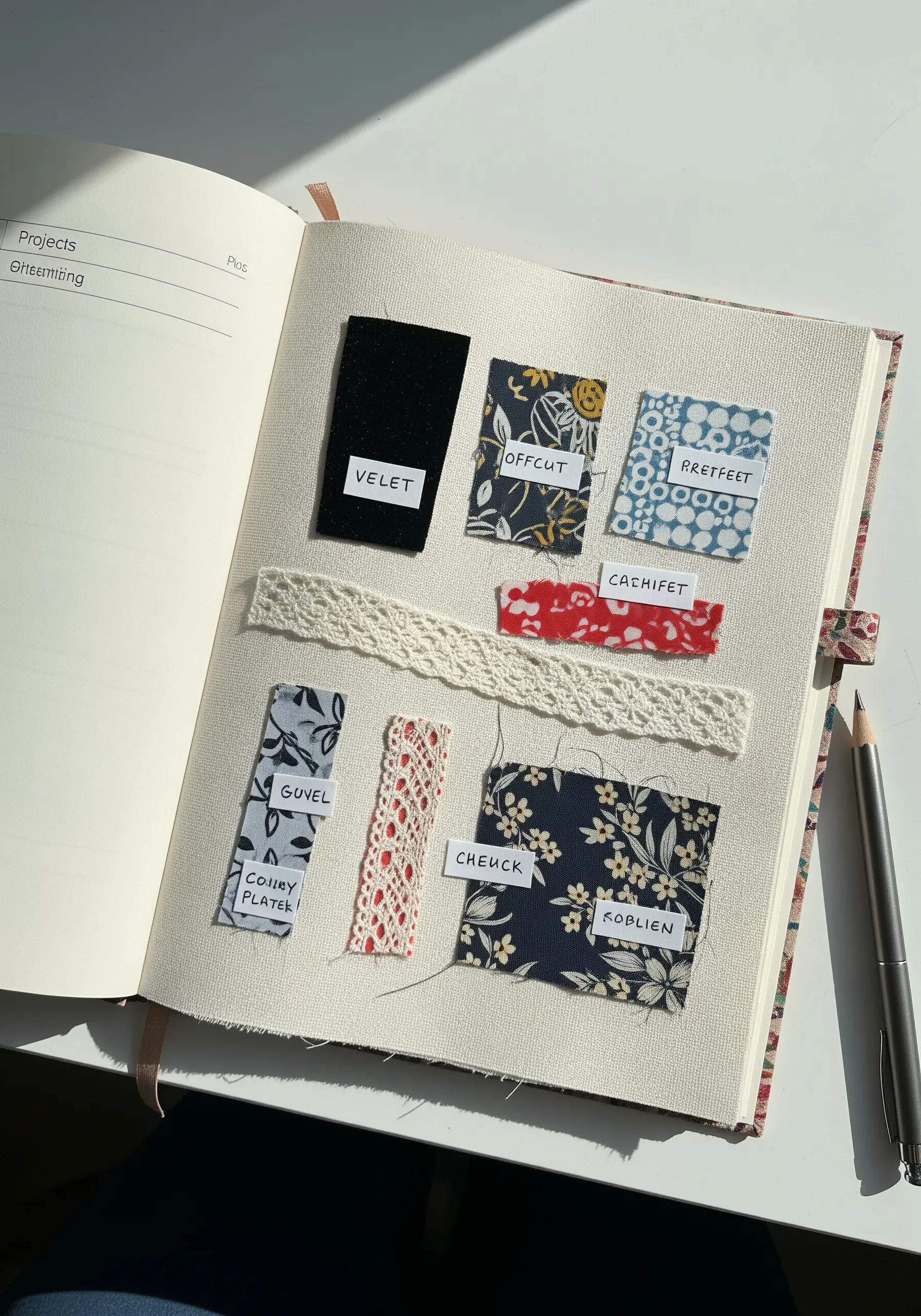
Give your most beloved scraps a permanent home in a dedicated journal or swatch book.
Affix each piece to a page and add notes about its fiber content, where you got it, and what projects it might suit.
This practice transforms a messy scrap bin into an organized, tactile library of inspiration that you can reference for color palettes and texture combinations in future work.
14. Compose a Hoop with Layered Fabric Strips
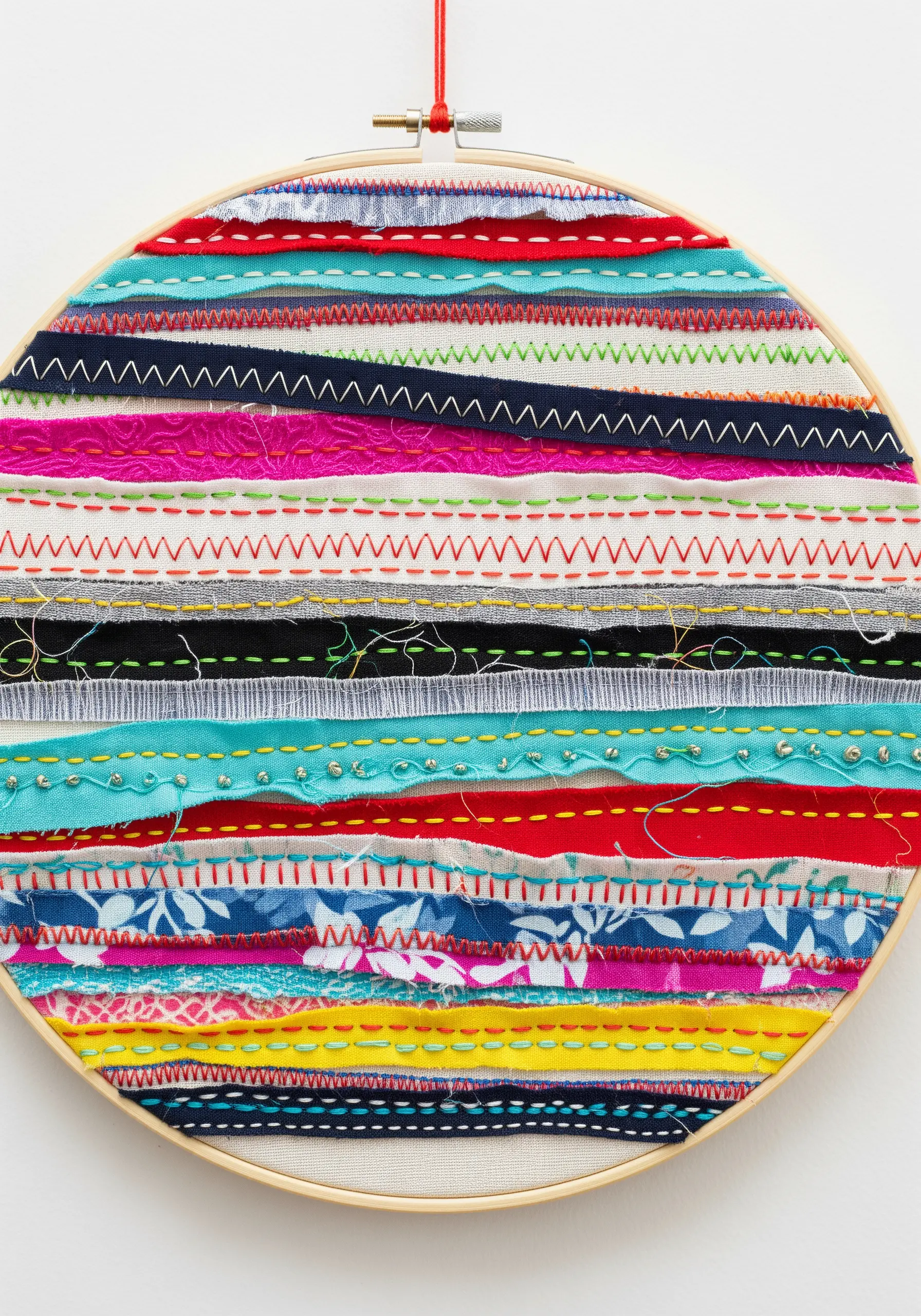
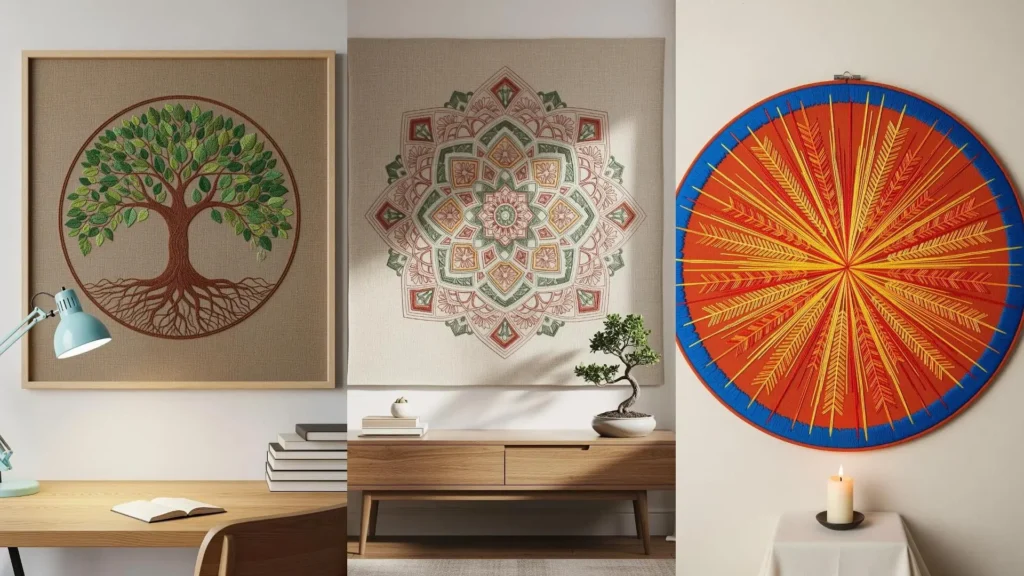
Create a dynamic abstract piece by layering strips of fabric, ribbon, and selvedge edges directly in the hoop.
Lay down a base of horizontal strips on a backing fabric, then add decorative hand or machine stitches over the top to secure them and add another layer of texture.
Play with color, transparency, and stitch style to turn simple lines into compelling abstract hoop art concepts.
15. Disguise Stains with Strategic Embroidery
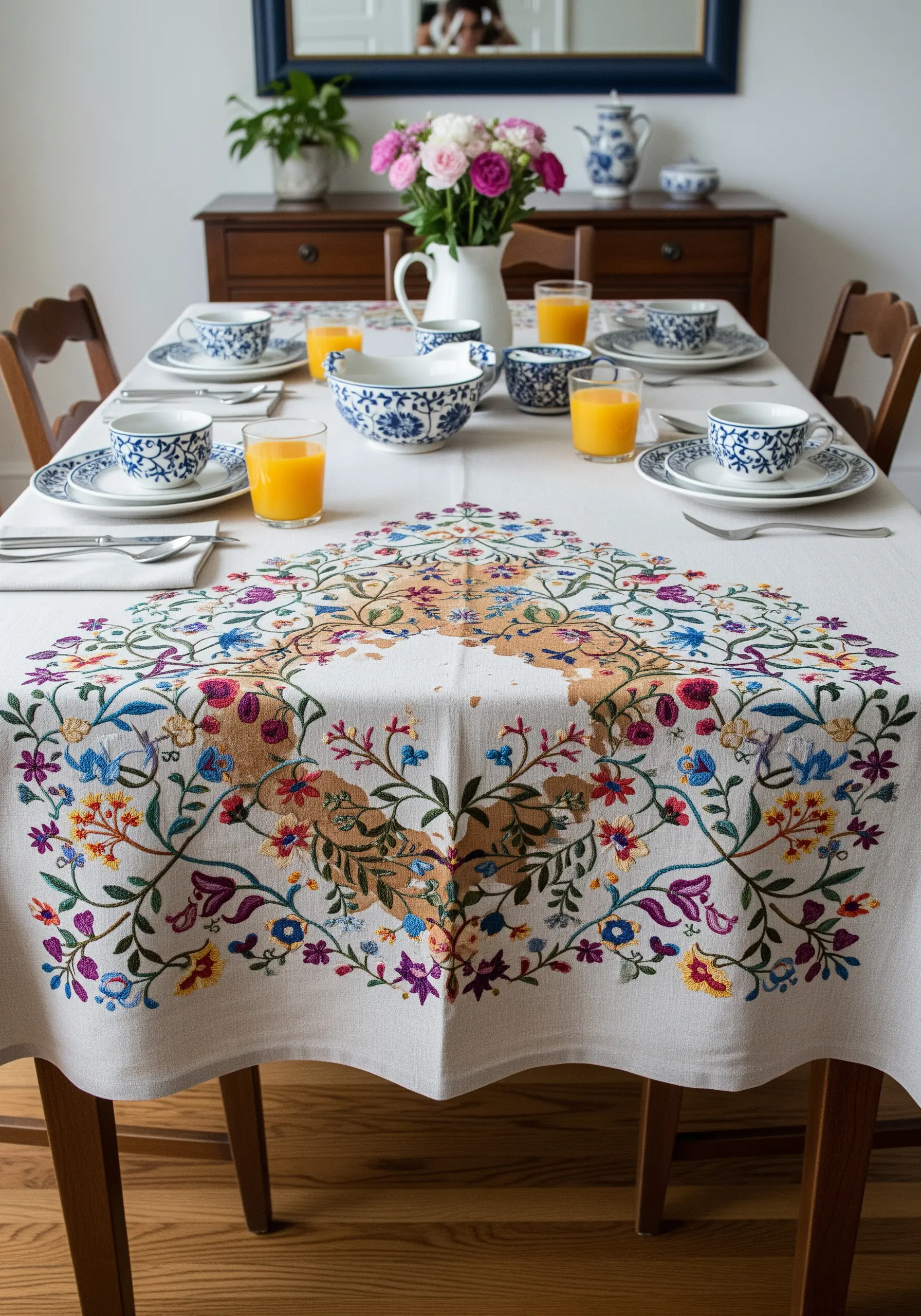
Before you give up on a stained piece of table linen, see it as an opportunity for reinvention.
Sketch a sprawling botanical or abstract design that incorporates the shape of the stain, effectively camouflaging it within a new, intentional work of art.
A coffee ring can become the center of a sunflower; a wine spill can bloom into a cluster of berries.
This thoughtful approach not only saves the textile but imbues it with a unique story.
16. Master Reverse Appliqué with Shimmering Scraps
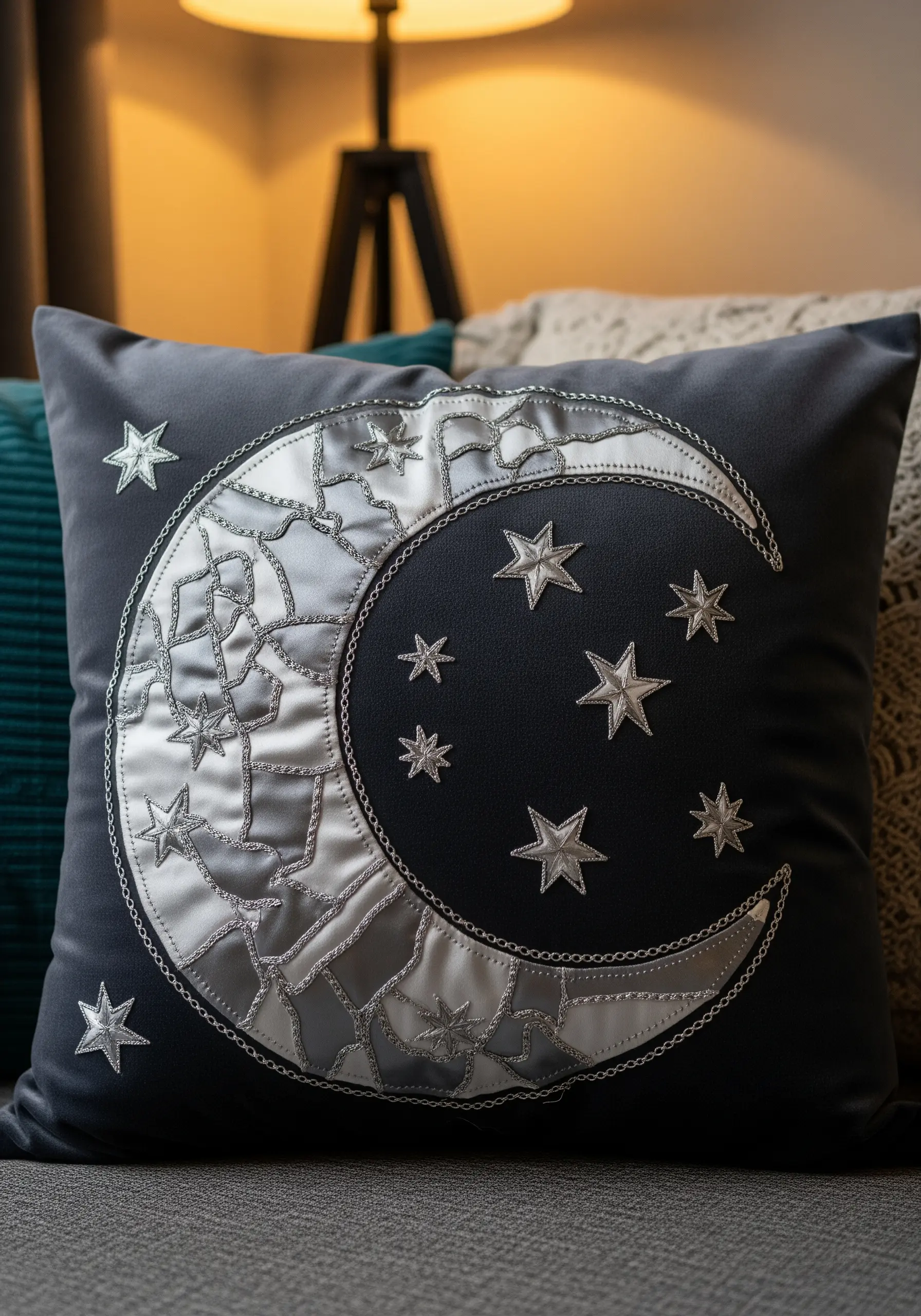
This technique creates a sharp, clean finish that is perfect for showcasing luxurious fabric scraps like satin, silk, or metallics.
Instead of sewing a patch on top, cut your desired shape out of the main fabric (the pillow cover).
Place your shimmering scrap behind the cutout and stitch neatly around the edge of the shape from the front, encasing the raw edges and revealing the fabric below.
It’s a sophisticated way to add detail to pillow stitching ideas.
17. Unify Garments with Coordinated Fabric Buttons
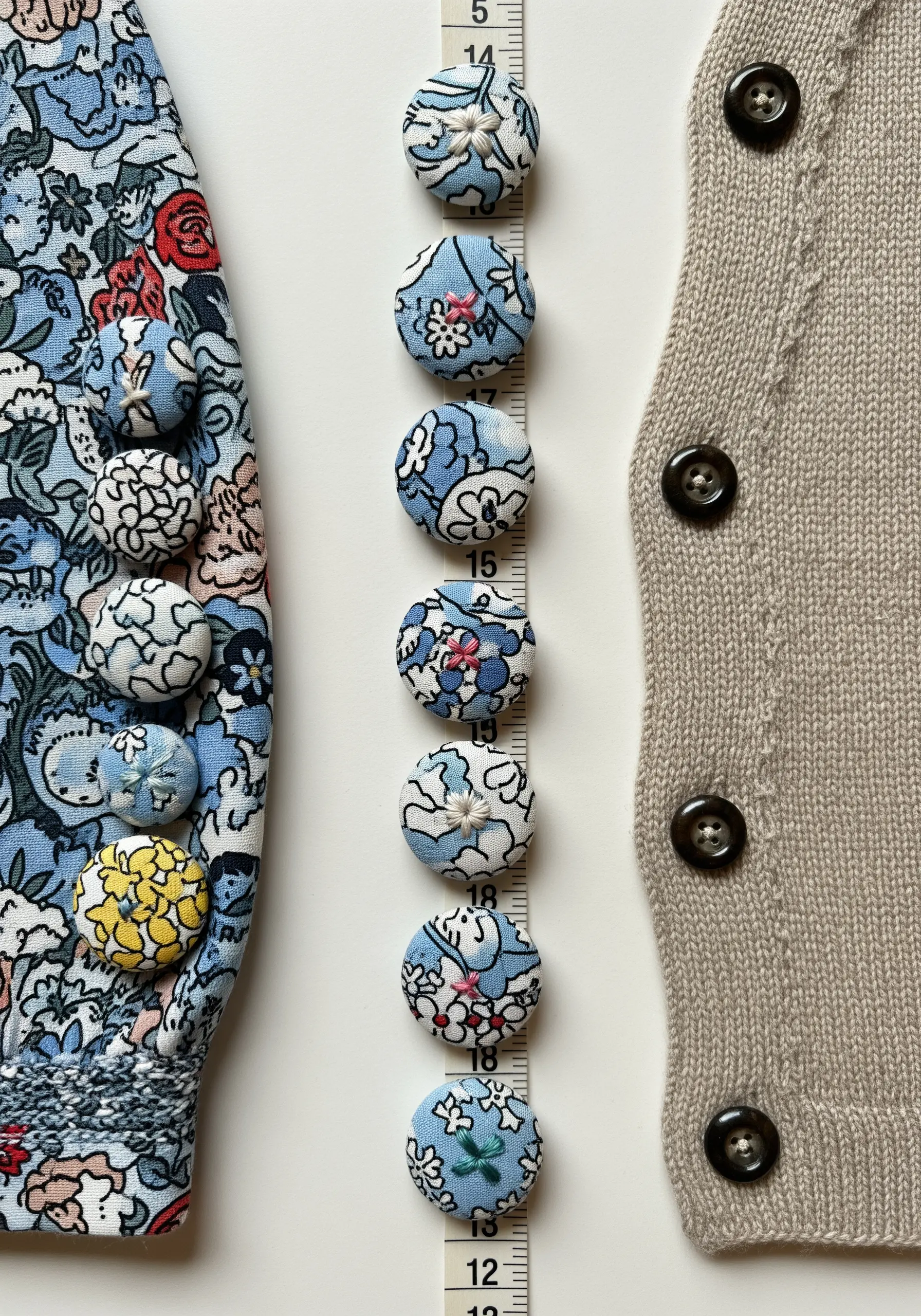
Create a high-end, cohesive look by making your own buttons to match or coordinate with other handmade items.
If you’ve made a floral dress, use the leftover scraps to cover buttons for a plain cardigan.
This simple act ties different pieces of your wardrobe together, creating a thoughtful, curated style that feels entirely your own and shows an expert attention to detail.
18. Mount Tiny Stitcheries onto Greeting Cards
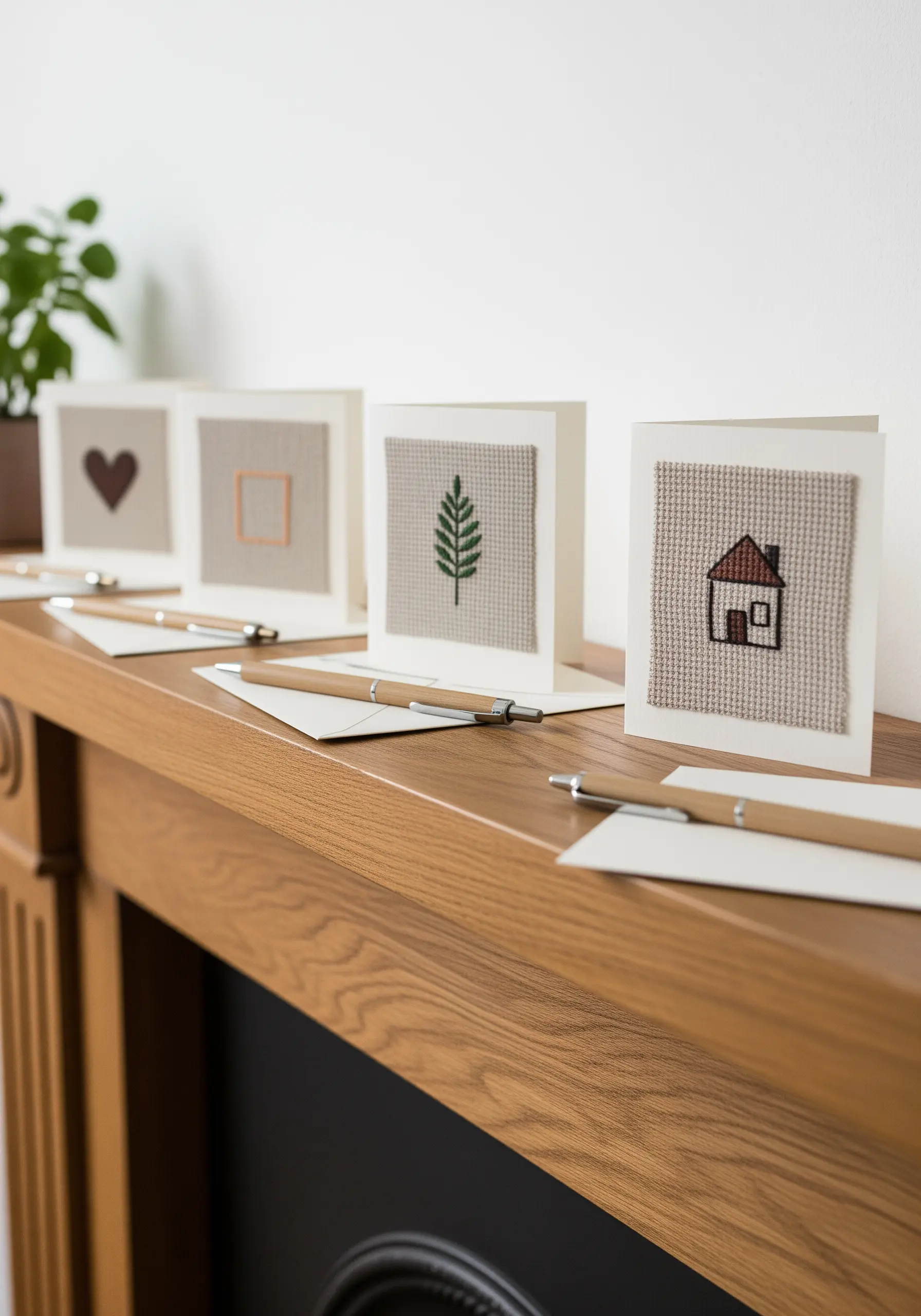
Small scraps of Aida cloth or even-weave linen are perfect for creating miniature embroidered motifs.
Keep the designs simple—a single leaf, a geometric shape, or a tiny heart—to maximize impact.
Once finished, trim the fabric and mount it onto blank cardstock using archival double-sided tape for a beautiful, handmade card that feels like a gift in itself.
These are perfect tiny and simple embroidery patterns for stress relief.
19. Disguise Flaws with Playful Character Patches
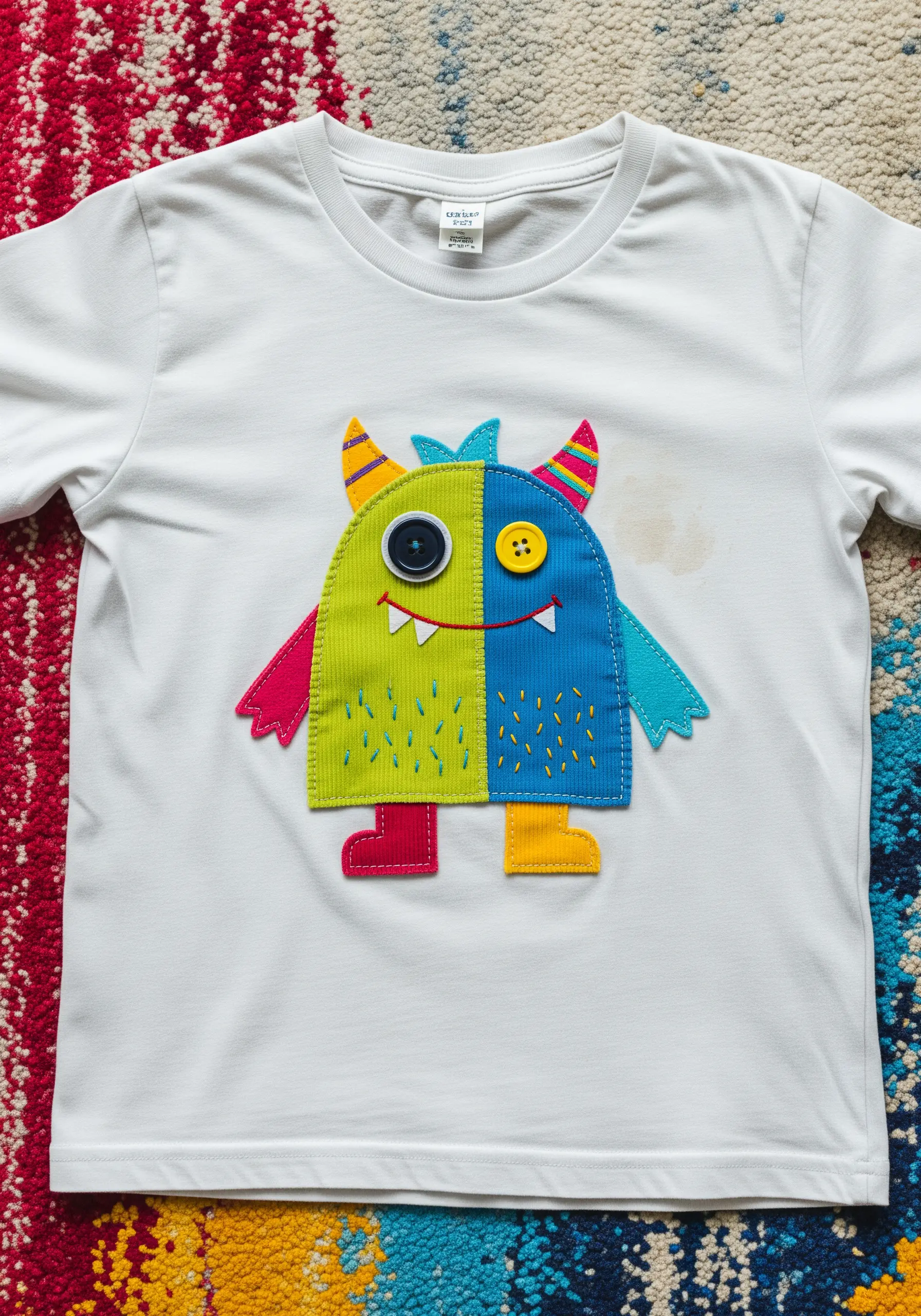
Cover up inevitable stains and small tears on children’s clothing with a fun appliqué friend.
Use scraps of textured fabrics like corduroy, felt, and flannel to build a simple monster or animal shape.
Secure the pieces with a running stitch or blanket stitch, and add personality with button eyes, seed stitch freckles, or a backstitched smile.
20. Craft Micro-Embroidery for Wearable Art
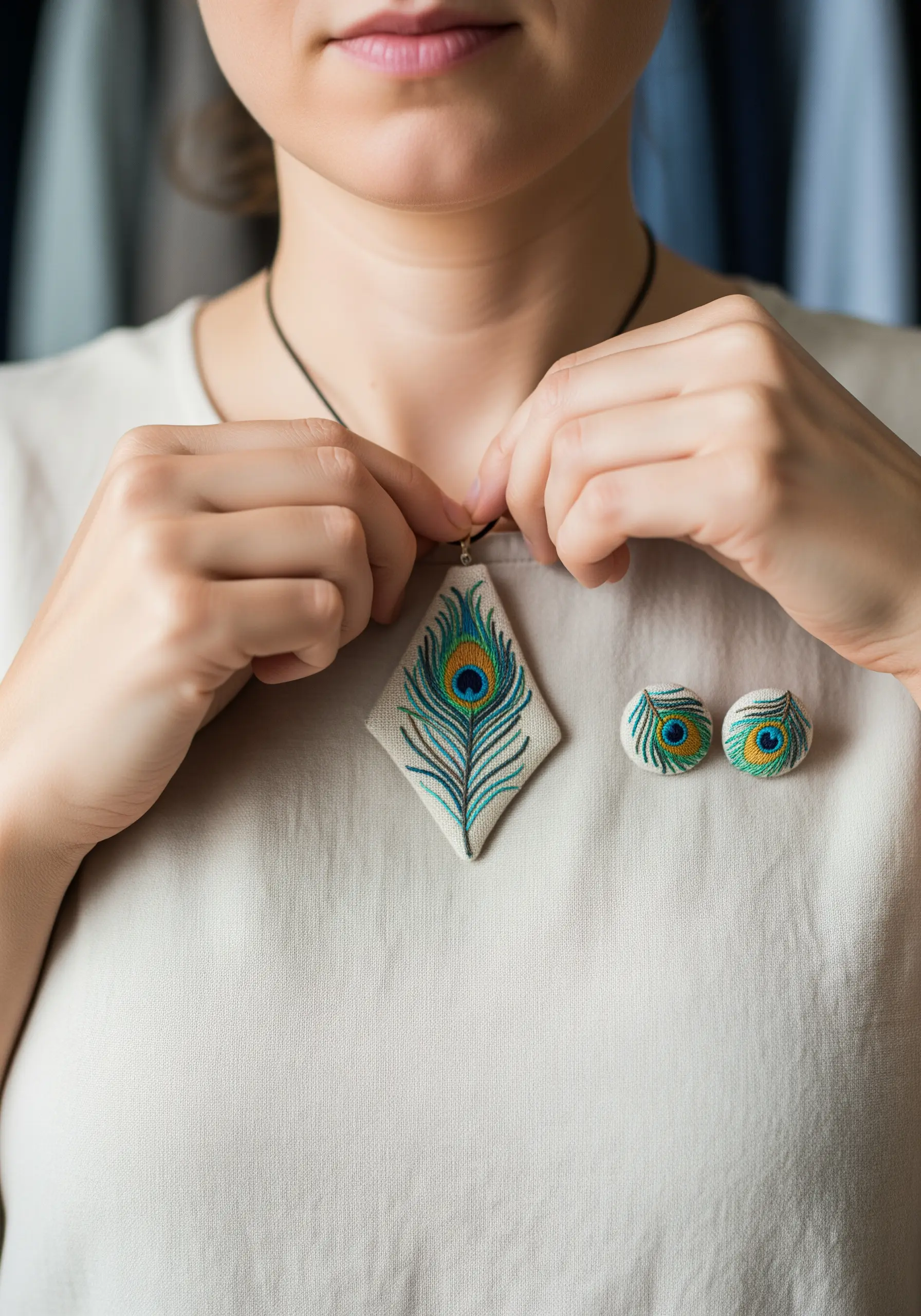
Use your smallest, most detailed stitches to create jewelry from fabric scraps.
Work on a piece of fabric fused with a very stiff stabilizer to give it body and prevent fraying.
After stitching your design, carefully cut it out and attach earring hooks or a pendant bail to the back with strong craft glue.
These handmade mini decor pieces become unique, lightweight accessories.
21. Embellish Reusable Fabric Gift Pouches
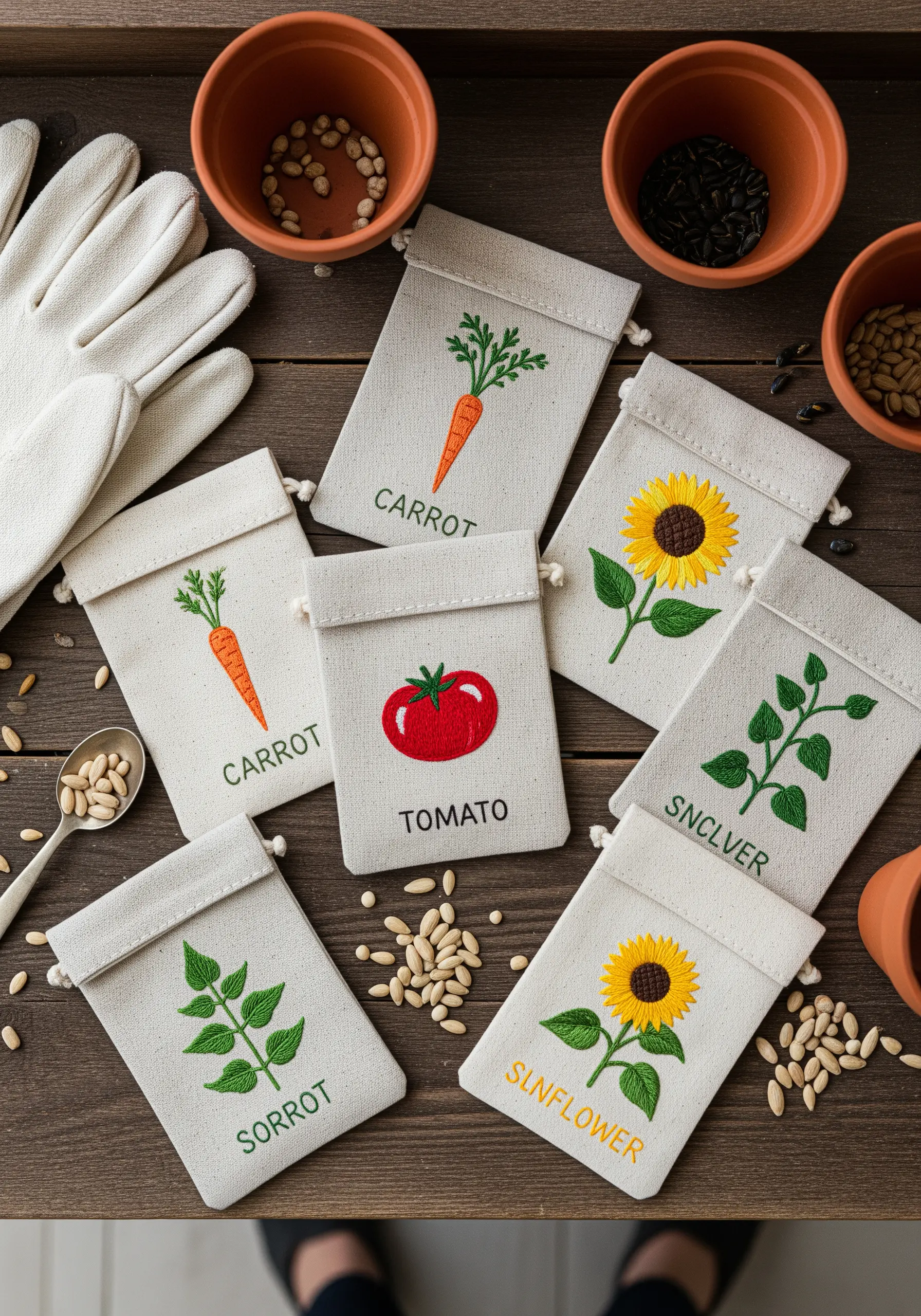
Stitch simple drawstring bags from scraps of linen, canvas, or muslin for an eco-friendly gift packaging solution.
Elevate them by adding a small, simple embroidered motif that hints at the contents—a tomato for tomato seeds, a sunflower for sunflower seeds, or a lavender sprig for a sachet.
This thoughtful detail turns the packaging into part of the gift itself.
22. Unify Patchwork with Overlay Embroidery
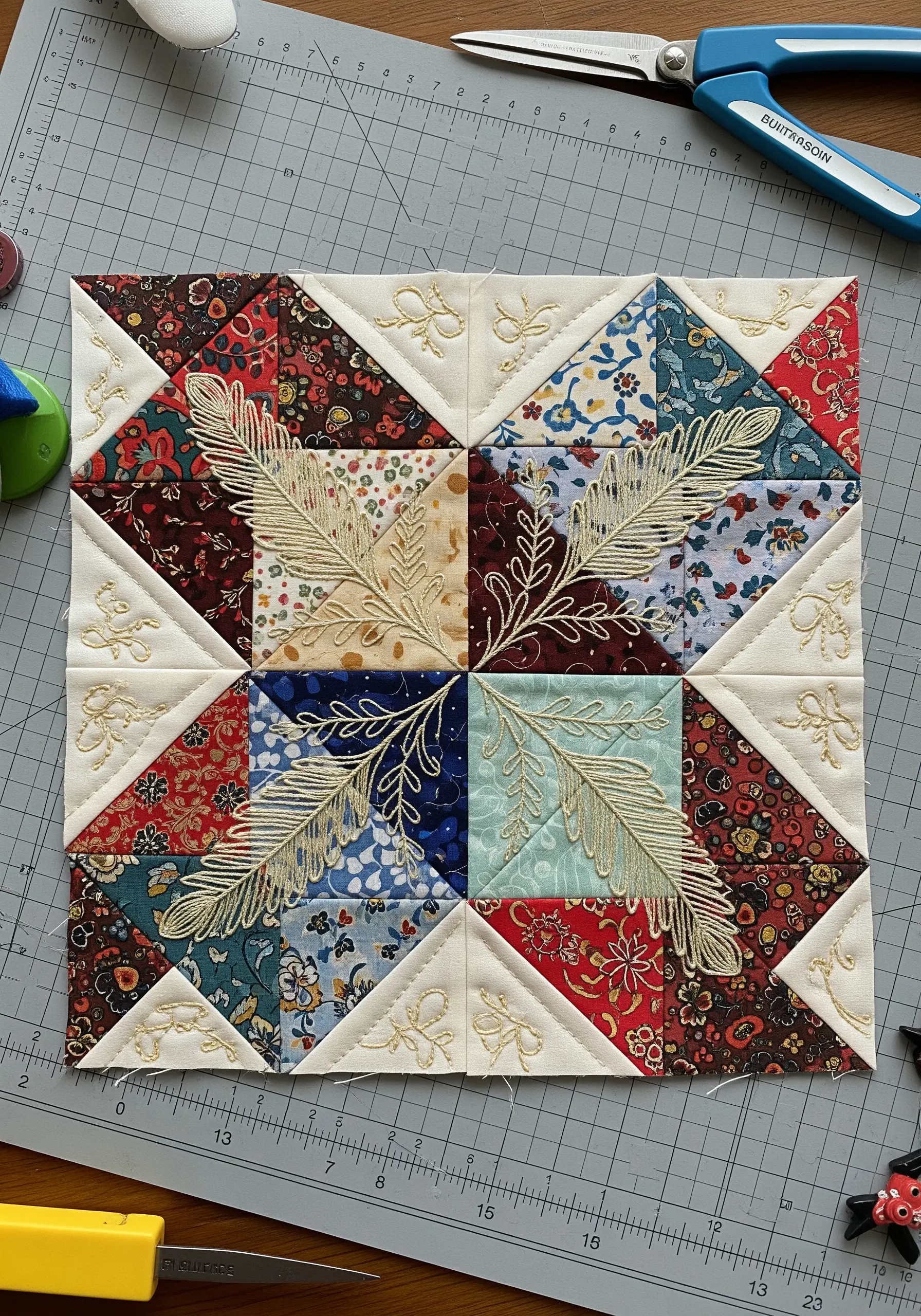
After piecing together a quilt block from various scraps, you can create visual harmony by adding a single, large-scale embroidered design over the top.
Choose a thread color that complements the entire palette, like a neutral cream or a soft metallic gold.
Stitch a delicate, sprawling motif—like trailing vines or feathers—that flows across the different fabric patterns, tying them all together into one cohesive piece of art.