

In a small apartment, every object matters. Your embroidery doesn’t need to be loud to make an impact; it simply needs to be intentional. Think of your thread not just as a tool for decoration, but as a way to add quiet beauty, texture, and a personal signature to the items you live with every day.
Forget complex, time-consuming patterns. The most effective minimalist embroidery is about thoughtful restraint. It’s about choosing the perfect stitch to create a clean line, selecting a thread color that enhances its fabric, or placing a single, small motif exactly where it will have the most power. It’s about making your space feel more like you, one stitch at a time.
These ideas are designed to be integrated into your home, not just displayed in a hoop. They are small acts of artistry for your linens, your furniture, and your daily routines—proof that even the smallest details can bring a sense of calm, character, and handmade warmth to your space.
1. Architectural Line Art as Statement Decor
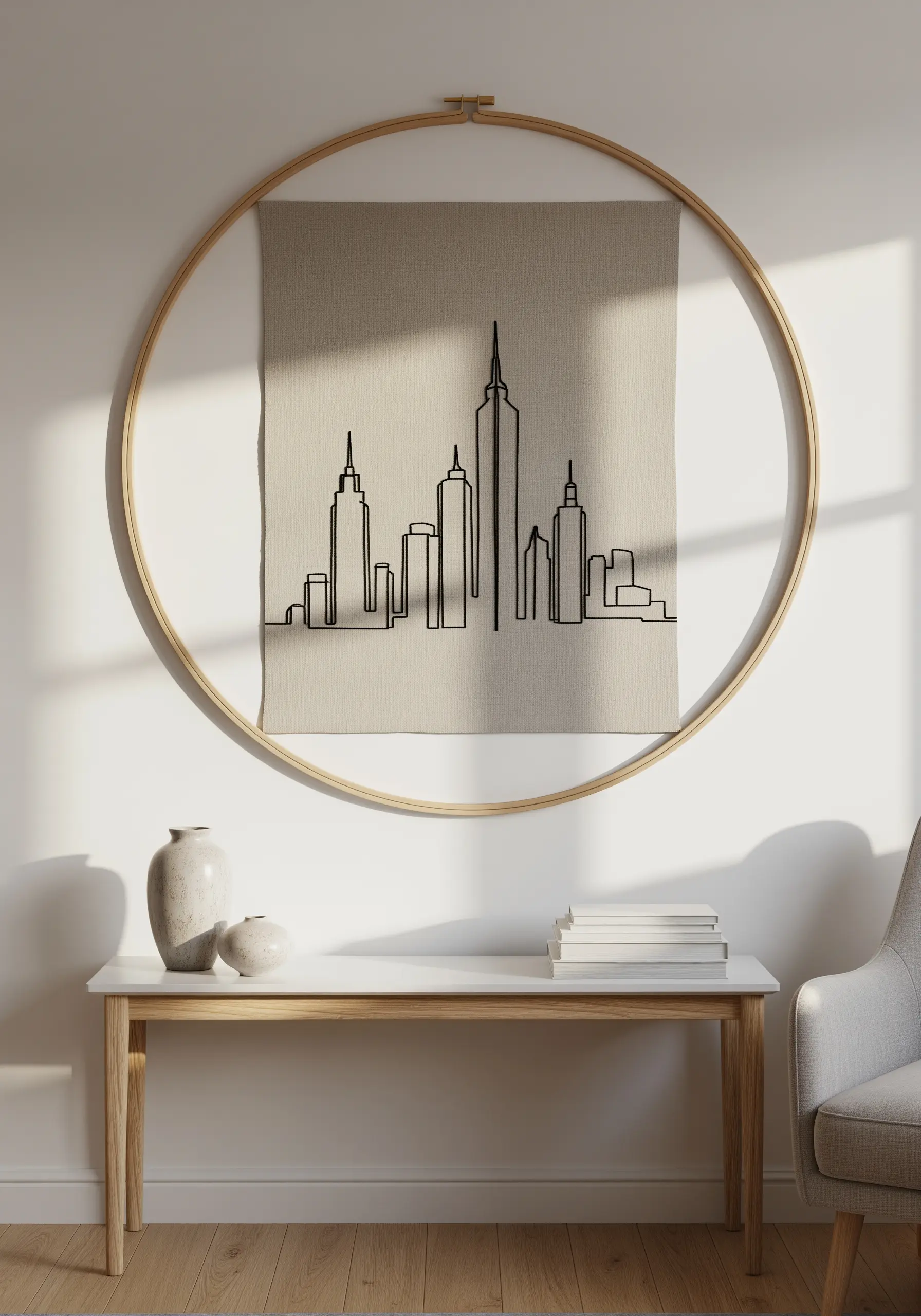
Instead of confining your work to a small hoop, use an oversized one to frame a larger piece of fabric, turning it into a significant piece of minimalist textile wall art.
Use a single, high-contrast thread color—like black on natural linen—to create a bold, graphic statement that doesn’t overwhelm the room.
For perfectly crisp lines, trace your design with a water-soluble pen and use a disciplined backstitch or stem stitch, ensuring each stitch is of a uniform length.
Choose a heavier fabric like canvas or dense linen; its weight will help it hang beautifully and provide a solid foundation for your stitching.
2. Sculptural Couching for Graphic Impact
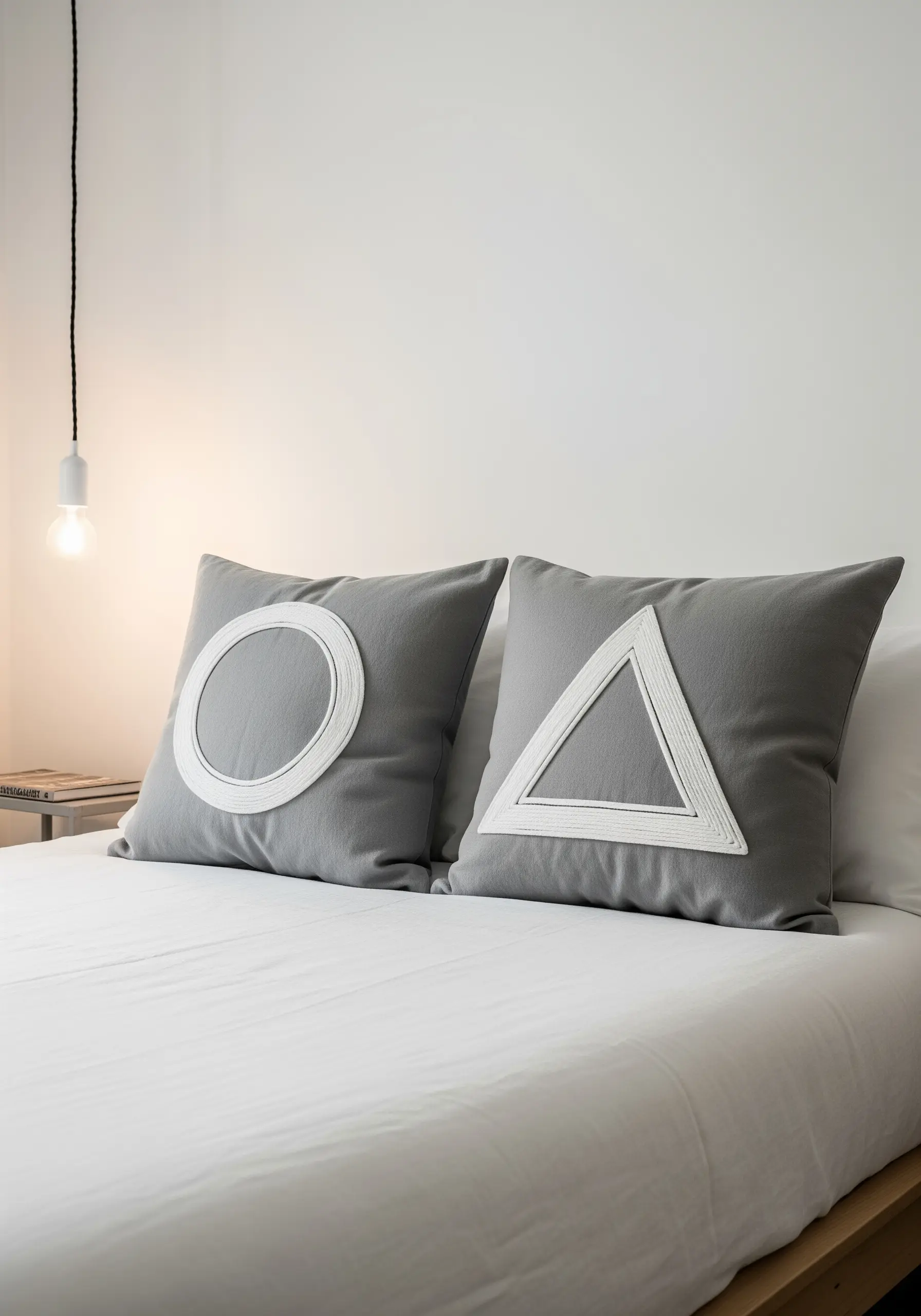
Create bold, dimensional shapes by using a couching technique instead of traditional fill stitches.
To do this, lay a thick material like yarn, cord, or even rope onto your fabric and tack it down with a finer, matching thread using small, evenly spaced stitches.
This method is significantly faster than satin stitch for covering large areas and adds a compelling, tactile quality to your cushion embroidery designs.
The contrast between the raised cord and the flat pillow surface creates a clean, modern, and sculptural effect.
3. Delicate Botanicals for Everyday Linens

Elevate simple placemats or napkins by adding a single, well-placed botanical motif in an empty corner.
For a realistic lavender sprig, use a simple stem stitch for the stalk and French knots for the blossoms, varying the number of thread wraps to create buds of different sizes.
Introduce subtle depth by using two or three closely related shades of purple for the flowers and two shades of green for the foliage.
This thoughtful placement makes your table linen embroidery motifs feel intentional and refined, not overwhelming.
4. The Modern Cross-Stitch Border
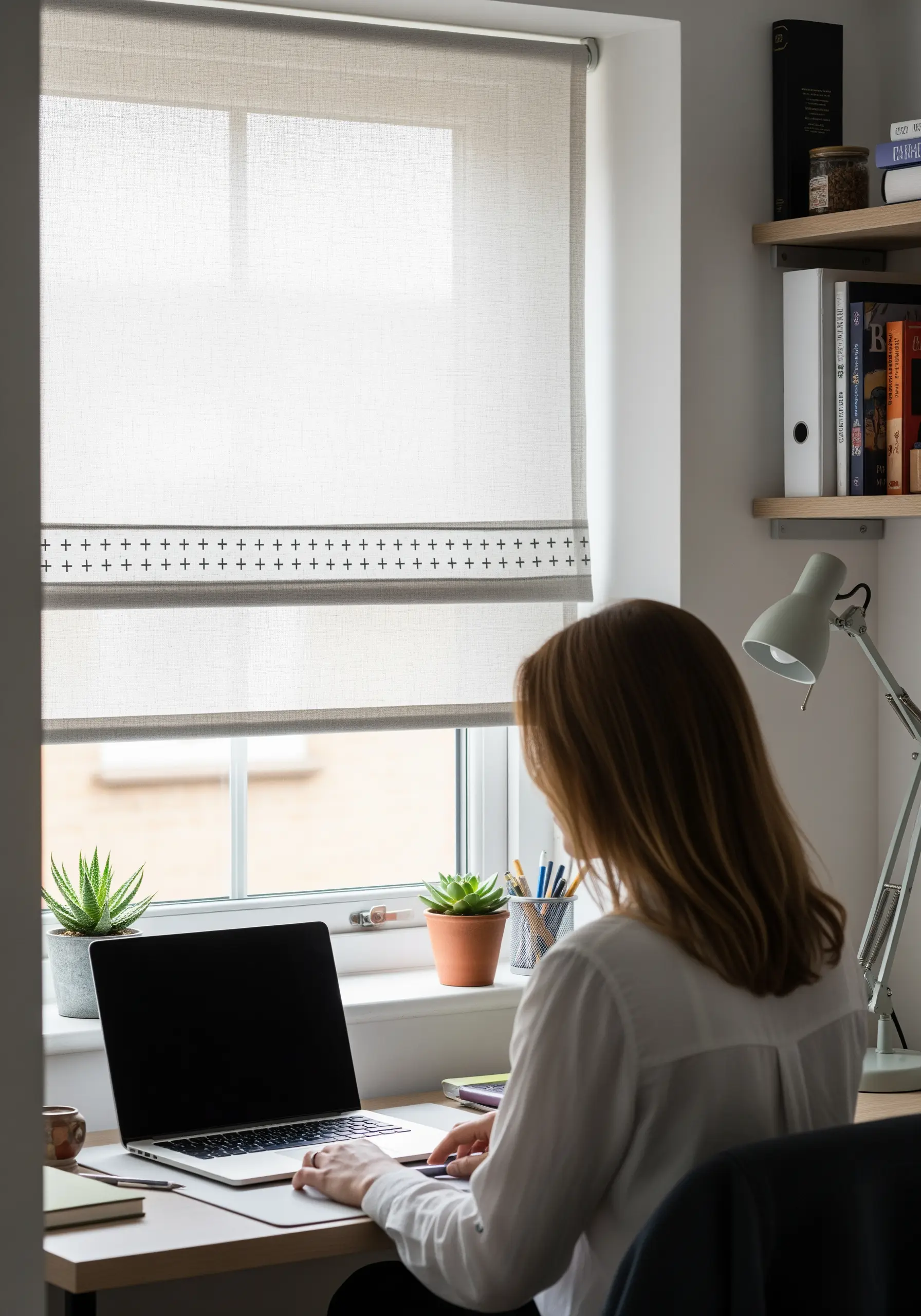
Reimagine cross-stitch not as a tool for dense, pictorial scenes, but as a clean, graphic element for creating modern borders.
The key to this look is negative space; a single row of repeating ‘X’s in a high-contrast thread creates a powerful rhythm.
Apply this to unexpected items like the hem of a roller blind or a pillowcase edge to add a bespoke, architectural detail.
It’s a simple technique that relies on precision and repetition for a sophisticated, geometric finish.
5. Textural Stitches on Utilitarian Felt
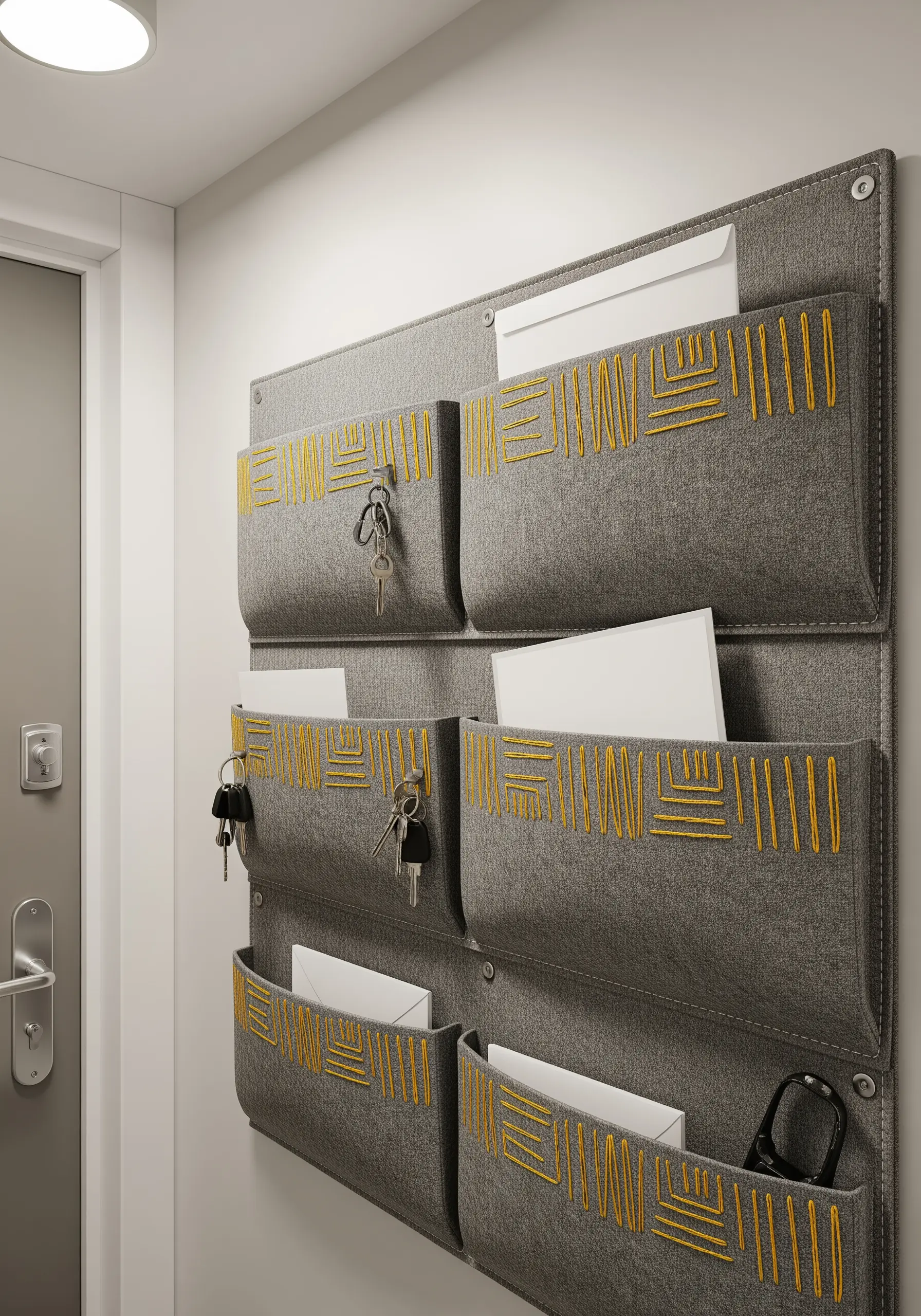
Add an artistic touch to functional items like felt organizers by using bold, expressive stitches.
Work with a heavy-weight thread, like yarn or all six strands of cotton floss, to create lines that stand out against the thick texture of the felt.
You can often skip the hoop with stiff felt, allowing you to work more freely.
Use long, declarative straight stitches or a chunky running stitch to form abstract patterns that transform a simple storage solution into a piece of decor.
6. Radiating Lines for Dynamic Symmetry
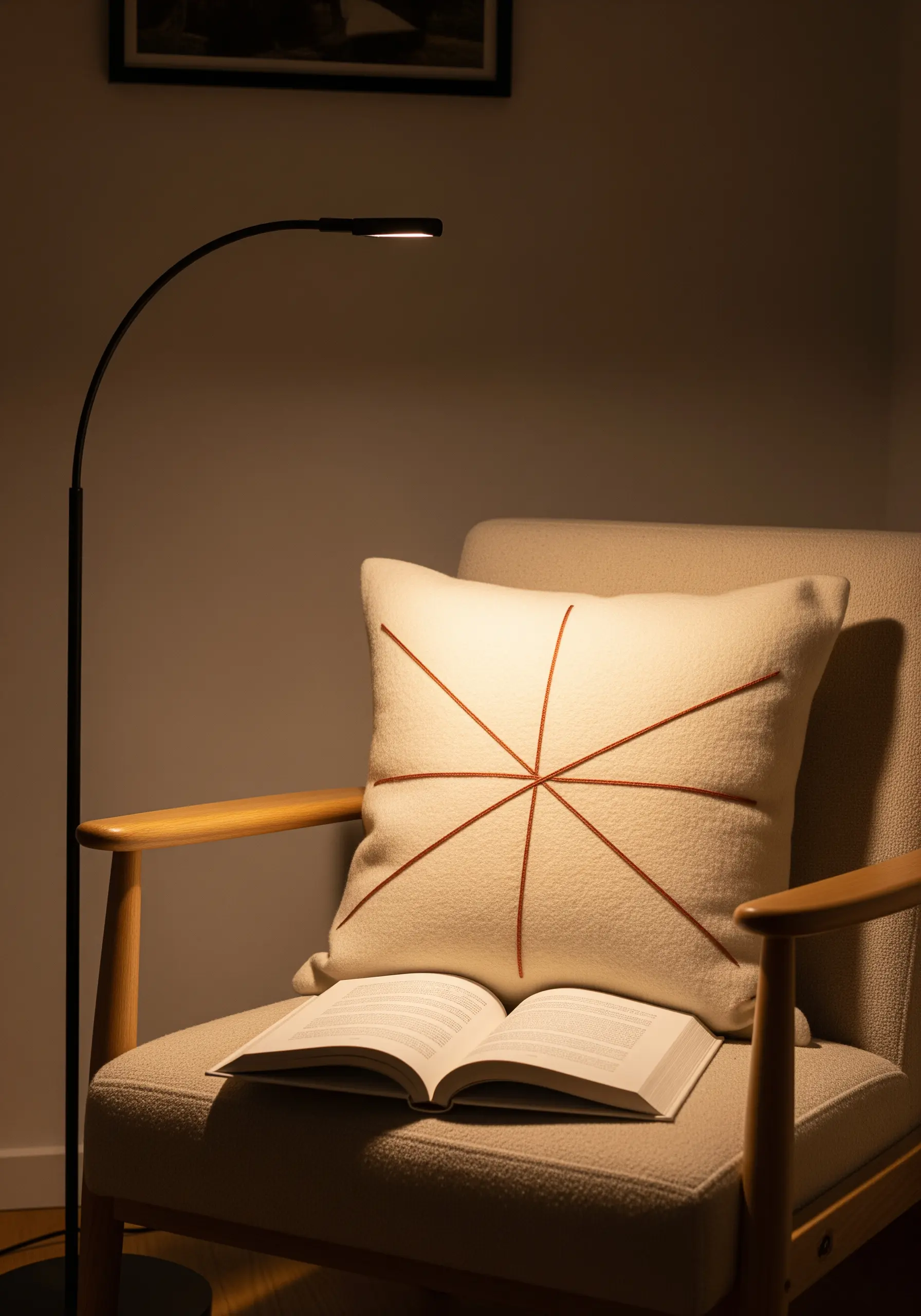
Harness the power of simple straight lines to create a dynamic, starburst-like focal point on a plain cushion.
Use a chalk pencil or water-soluble pen to mark a central point and the outer endpoints to ensure your lines are perfectly symmetrical and evenly spaced.
For a more defined and substantial line, choose a chain stitch or stem stitch over a simple backstitch.
This design creates compelling abstract shapes for pillow covers, turning a basic textile into a piece of intentional art.
7. The Tone-on-Tone Monogram
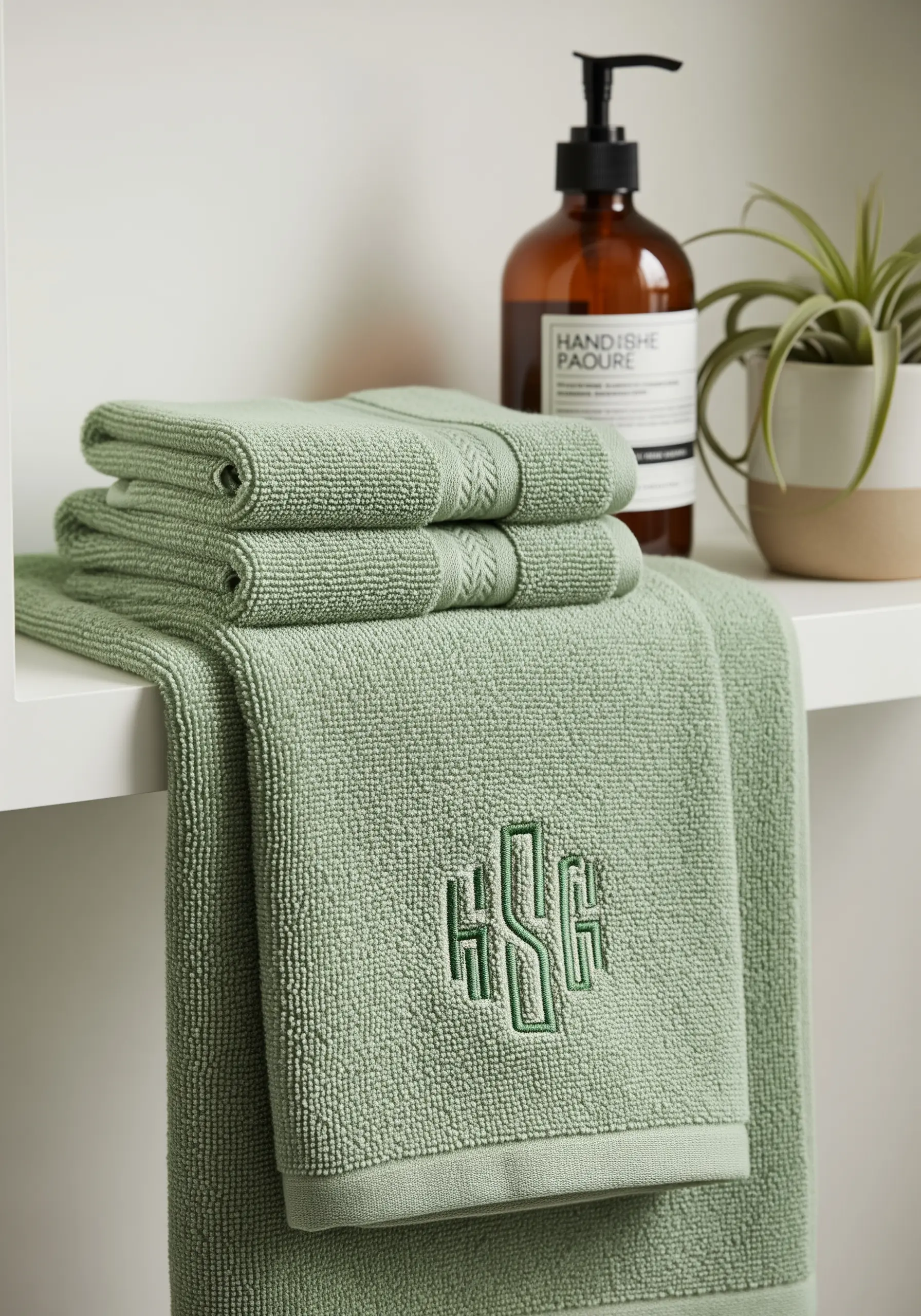
For a look of quiet luxury, choose an embroidery thread that is only one or two shades different from your base fabric.
This technique shifts the focus from color to texture, creating a design that is discovered rather than announced.
Use a dense, lustrous satin stitch for the monogram; the way light catches the sheen of the floss is what provides the definition.
It’s a subtle, sophisticated approach that makes towels, robes, or bedding feel incredibly high-end.
8. Whimsical Outlines for Kitchen Textiles

Breathe life into plain kitchen towels with simple, single-line illustrations of food or utensils.
A clean backstitch or split stitch using three strands of floss provides a solid, consistent line that is perfect for this style.
The key to keeping this look modern is to resist the urge to fill in the shapes; the beauty lies in the elegant simplicity of the outline.
This is a fast and charming way to customize embroidered kitchen towel designs that remain fully functional.
9. Stitched Textures for Upholstered Surfaces
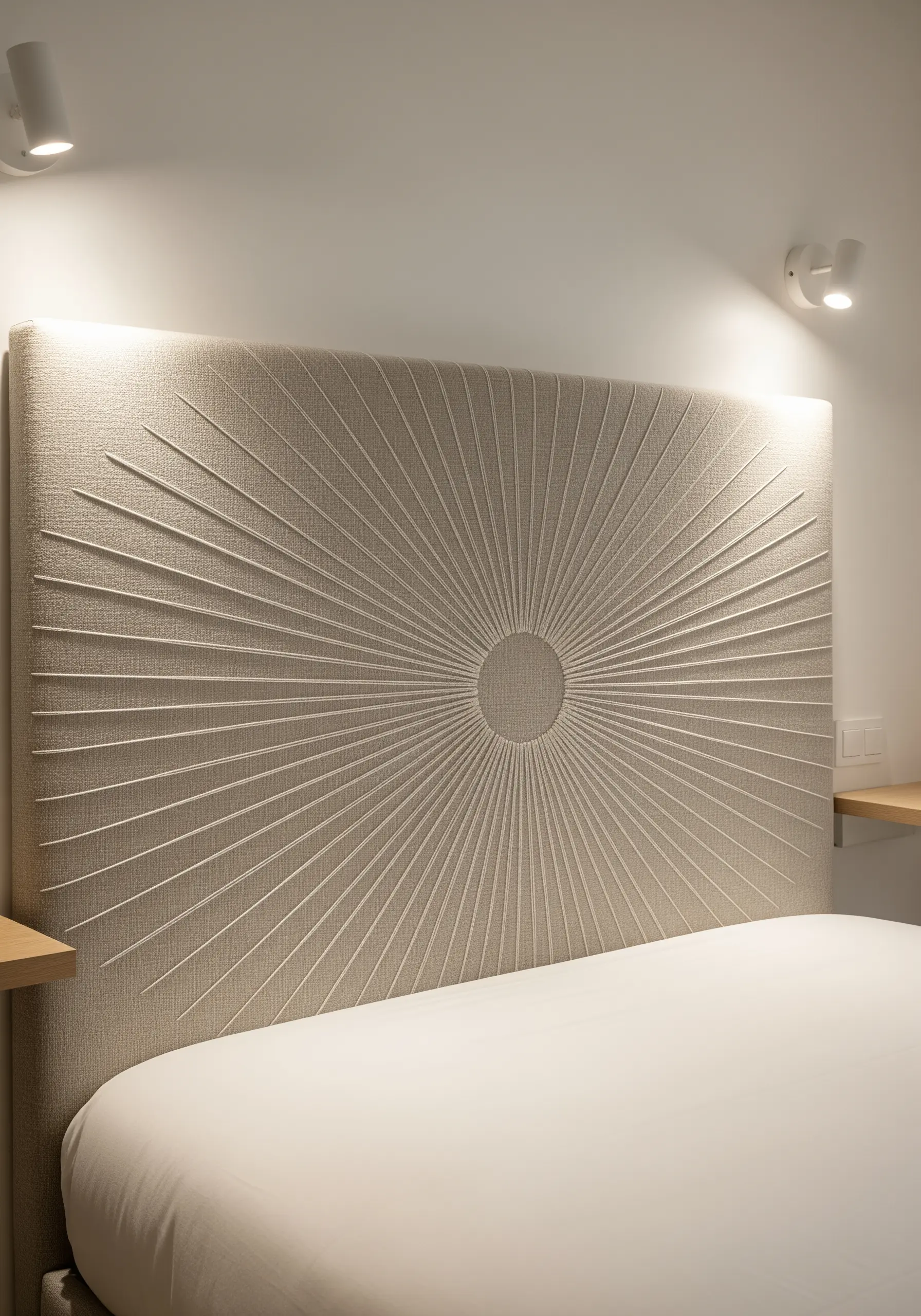
Create dramatic texture on upholstered items by using thick threads to form dimensional, graphic lines.
While this headboard features fabric manipulation, you can replicate the effect by couching a thick yarn or cotton cord onto the surface.
This technique adds a stunning architectural element and works beautifully for chic embroidery headboard hacks, turning a functional piece into a work of art.
A tone-on-tone color scheme keeps the focus on the sculptural quality of the lines.
10. Line Art Botanicals on Sheer Fabric
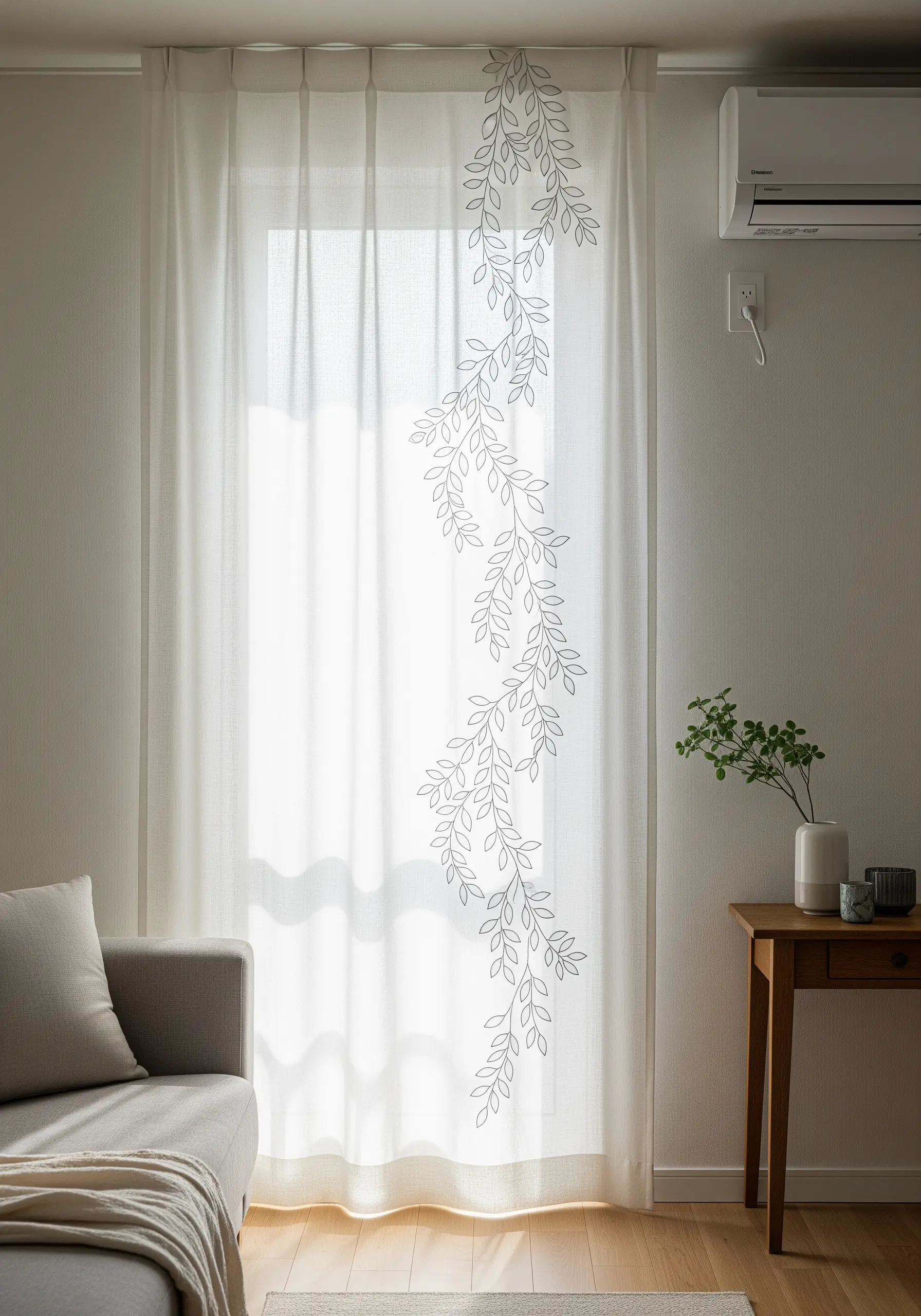
Embroidering on sheer or semi-sheer fabric like voile or organza creates a magical, ethereal effect as light filters through your stitches.
To prevent the delicate fabric from puckering, always use a stabilizer—either a tear-away or wash-away variety will work.
A simple backstitch or stem stitch is ideal for tracing delicate climbing plant stitch designs, making them appear to float in mid-air.
This technique can transform a simple curtain into a subtle, light-filled art piece.
11. Dimensional Stitches on Fabric Bands
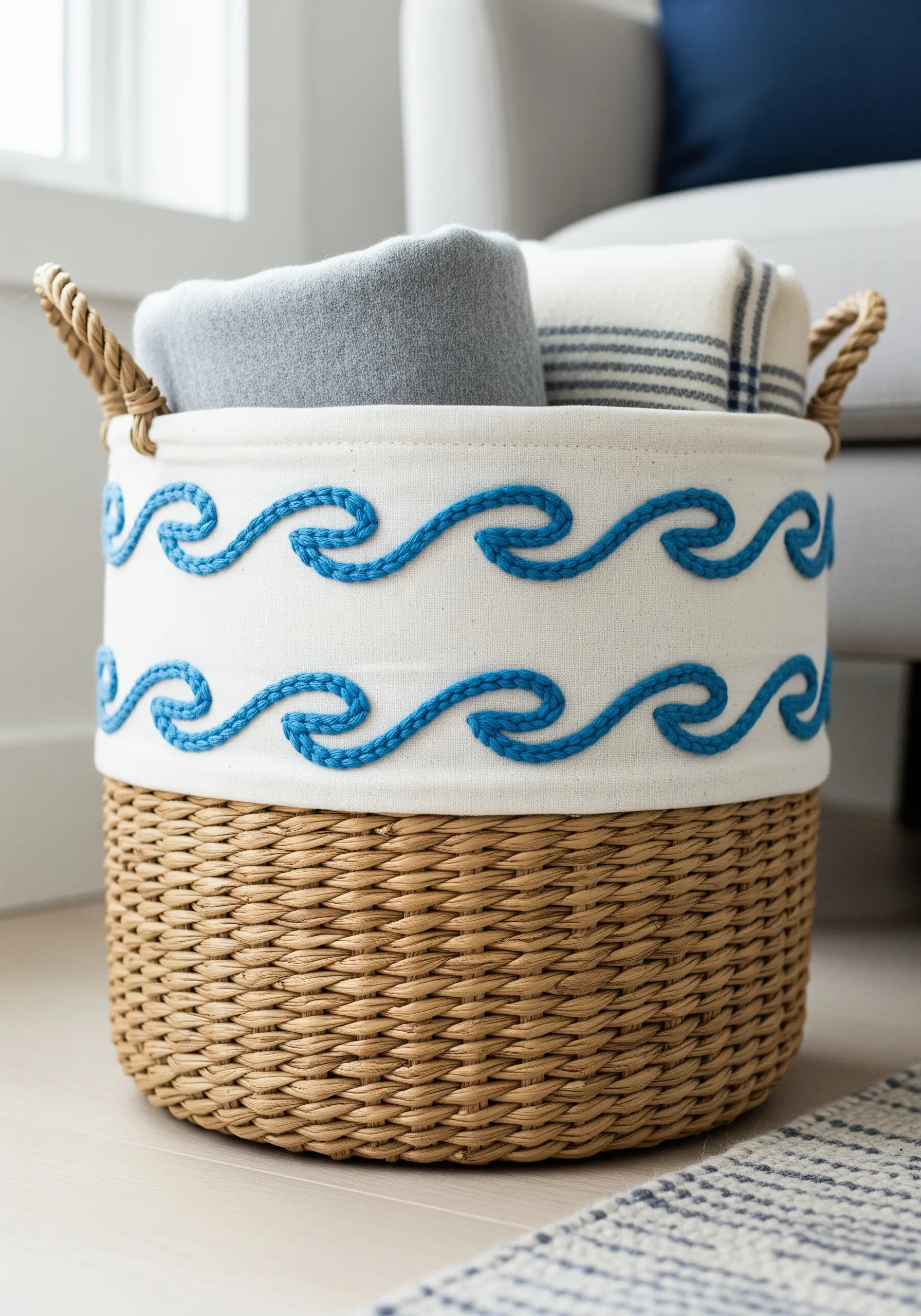
Instantly upgrade a plain canvas or wicker storage basket by adding a custom embroidered fabric band.
Use a thick, rope-like stitch to create a raised, tactile design. A heavy chain stitch, a stem stitch worked in thick yarn, or couching down a cotton cord will all produce this effect.
The goal is to create a pattern that has physical dimension, adding a layer of texture that contrasts beautifully with the basket’s weave.
12. The Continuous Line Portrait
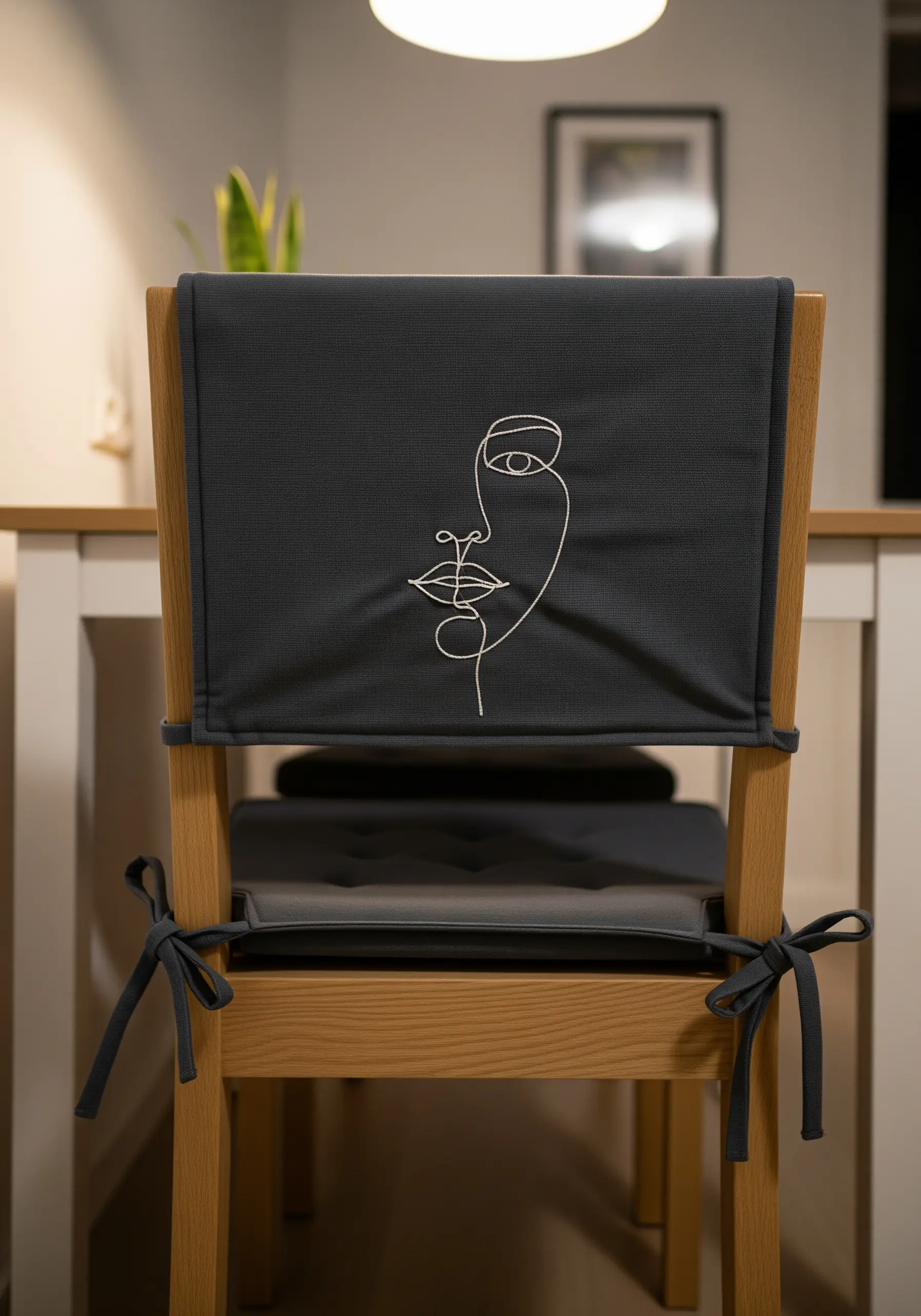
Challenge yourself with a single-line portrait, a technique that creates fluid, artistic results with minimal stitching.
Find a one-line drawing you love, trace it onto your fabric, and use a smooth stitch like a whipped backstitch to execute the design without lifting your needle.
This method forces an elegant simplicity and works beautifully for modern line art faces, transforming a simple chair cover into a piece of expressive art.
13. Celestial Maps with Metallic Thread
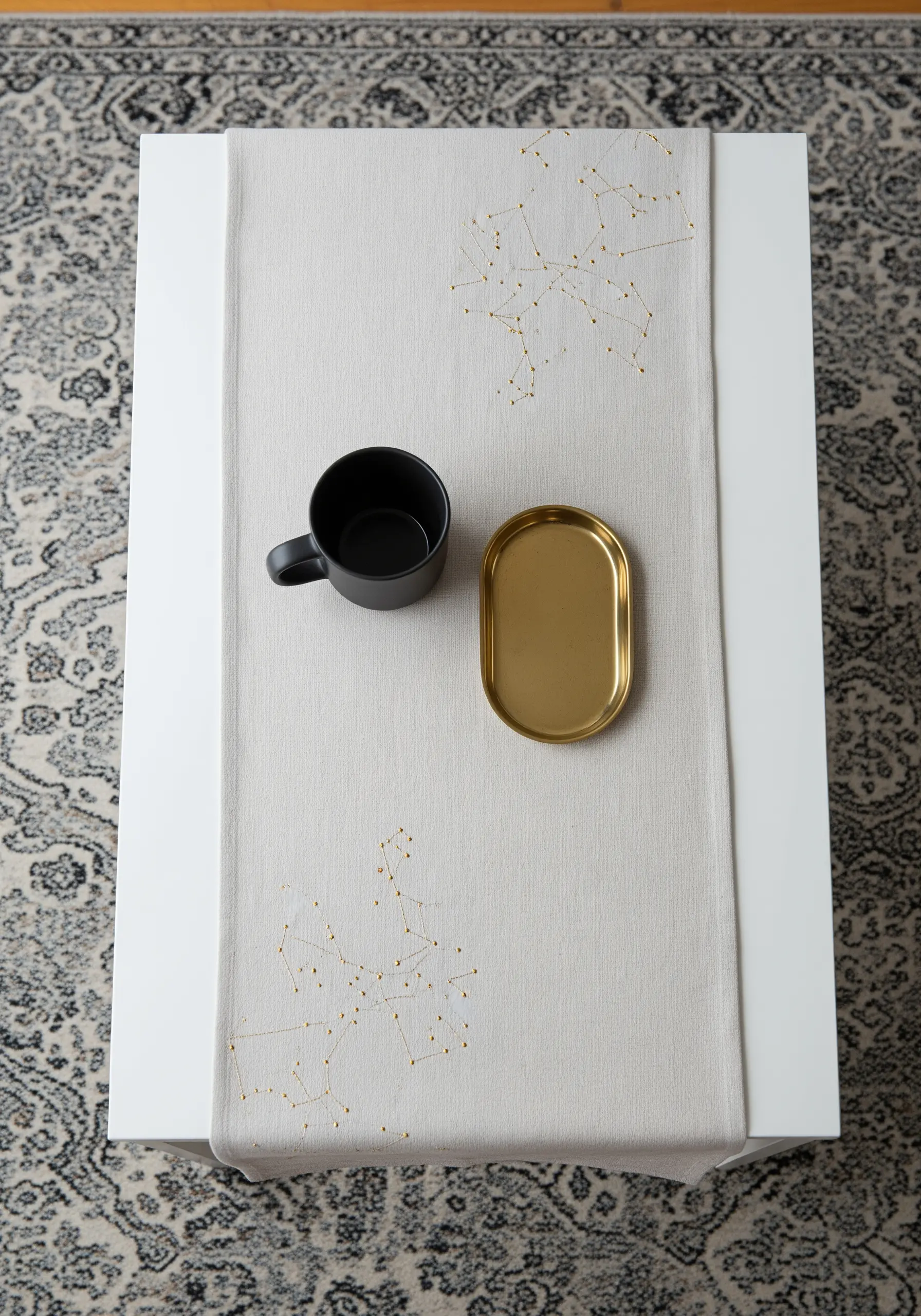
Map out your favorite constellations on a table runner or wall hanging for a touch of subtle magic.
Use straight stitches to connect the ‘stars’ and tiny French knots or seed stitches to represent the stars themselves.
When working with finicky metallic thread, use short lengths (no more than 12 inches) and a needle with a larger eye to prevent fraying and tangling.
The delicate shimmer on a matte linen fabric creates a sophisticated, otherworldly effect.
14. Cursive Lettering as Framed Art
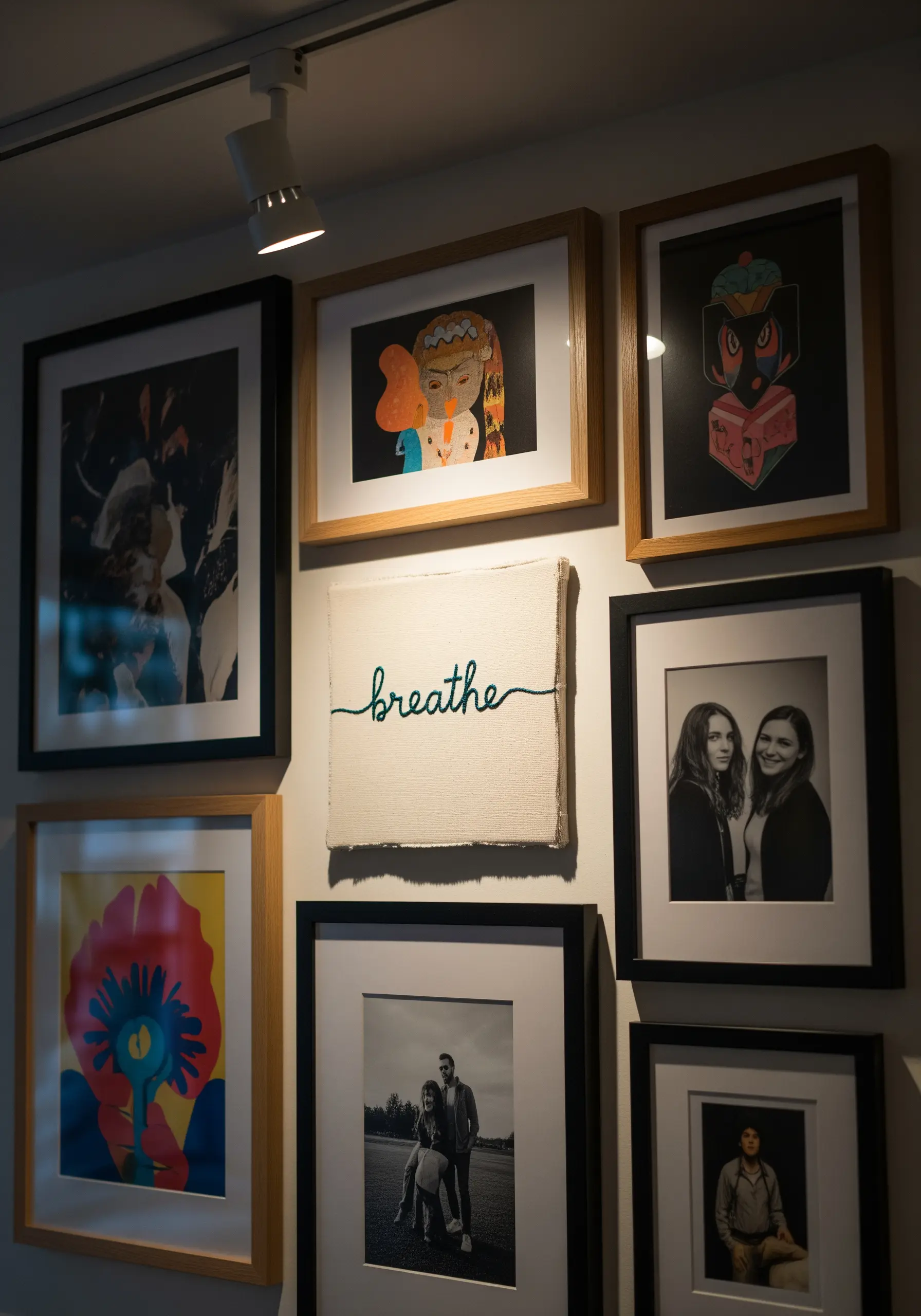
Transform a single, meaningful word into a piece of gallery-worthy art through careful stitching and presentation.
To achieve a perfectly smooth, ink-like line for cursive lettering, first create a foundation with split stitch, then wrap the line with a second thread (whipped stitch).
Instead of leaving it in the hoop, stretch your finished embroidery over a small artist’s canvas for a clean, frameless presentation that integrates seamlessly into a gallery wall.
15. The Abstract Geometric Wall Hanging
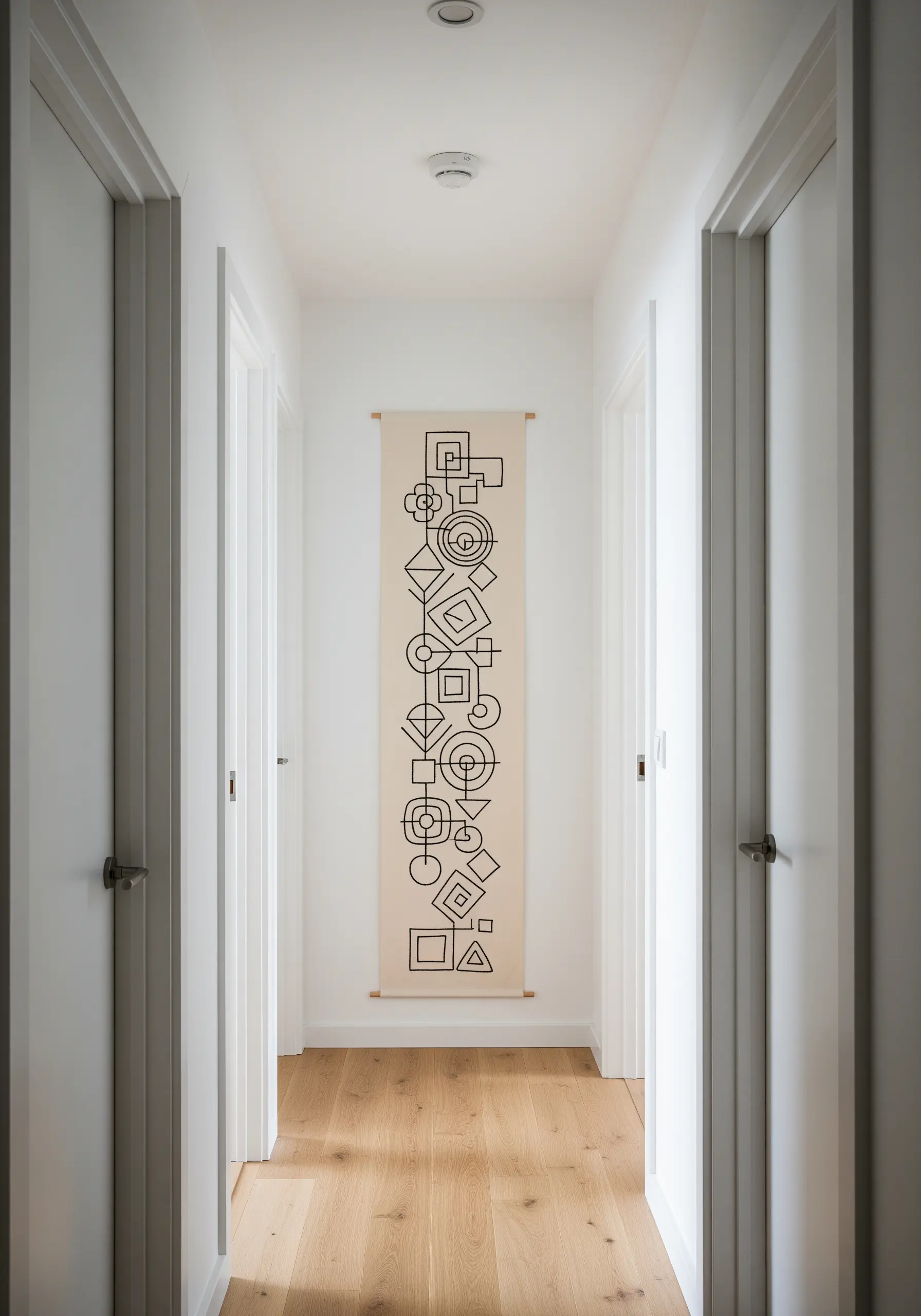
Make a significant visual impact in a narrow space like a hallway by creating a long, banner-style wall hanging.
Design a composition of overlapping and interlocking geometric shapes, focusing on balance and the use of negative space.
Outline the shapes with a simple, clean backstitch. The sophistication of this project comes from the composition, not the complexity of the stitches.
This is a perfect way to create large-scale minimalist embroidery art pieces without a huge time investment.
16. A Simple Patterned Plant Pot Cover
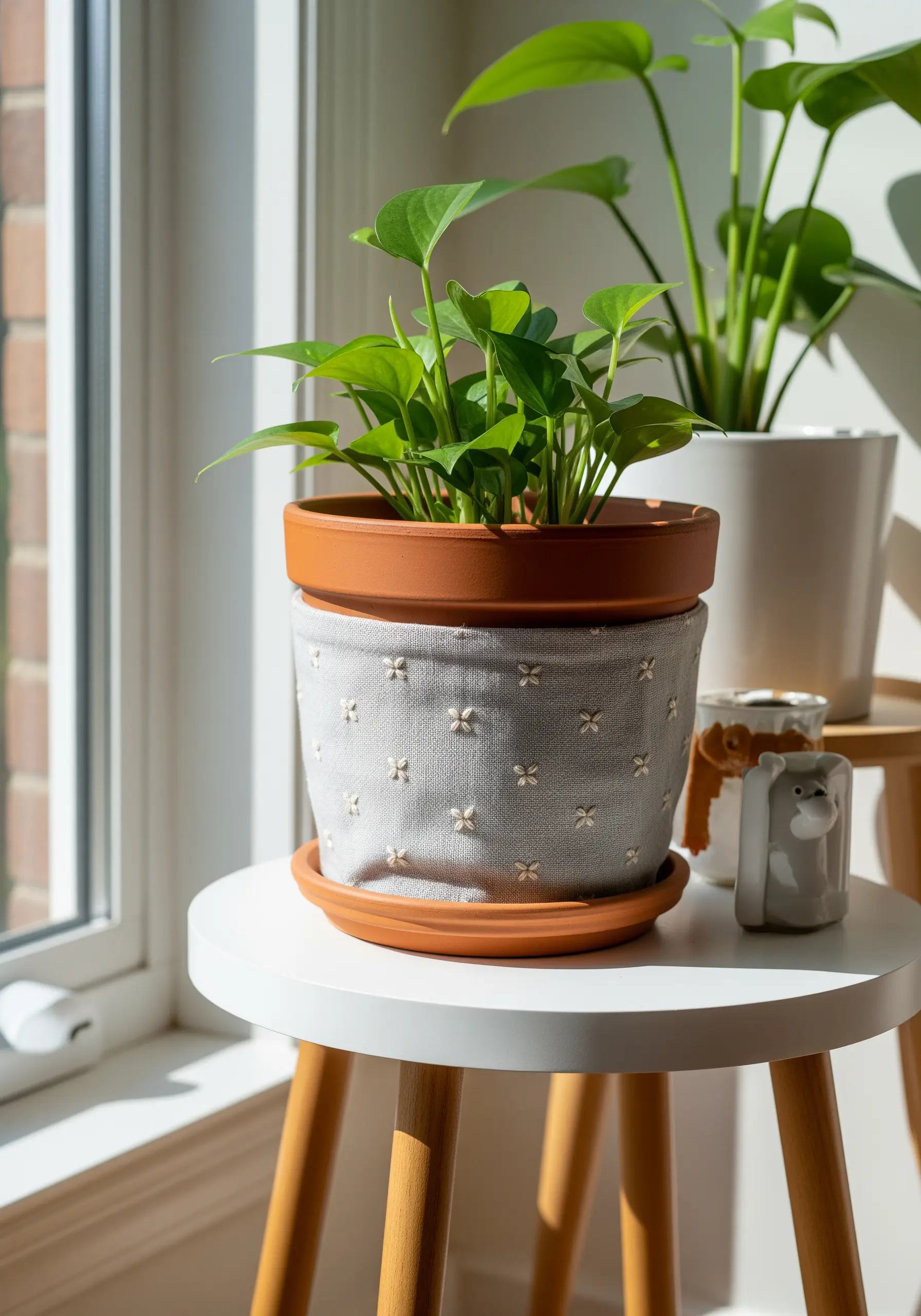
Customize a simple fabric planter by creating an all-over pattern from one simple, repeating stitch.
Instead of a single large motif, scatter small, individual stitches—like star stitches, detached chain stitches, or even simple cross-stitches—across the fabric.
This technique, known as a ‘ditsy’ pattern, adds texture and visual interest without being overly busy.
It’s a quick and meditative way to add a handmade touch that complements your houseplants.
17. Illustrative Outlines for Appliance Covers

Add a touch of modern whimsy to your kitchen by embellishing plain appliance covers with simple line drawings.
Choose an icon that relates to the appliance—like a whisk for a stand mixer—and render it in a clean, continuous backstitch.
This is a playful take on traditional kitchen embroidery, transforming a purely functional item into a conversation starter.
It proves that even the most utilitarian objects can be canvases for your creativity.
18. Illuminating Stitches on a Lampshade

Embroidering directly onto a fabric lampshade creates a design that comes to life when the light is turned on.
Choose a simple, scattered motif like dandelion seeds. The stitches will appear as dark silhouettes, adding a magical, dynamic quality to the light.
You will need a sharp needle and a sturdy thimble to push through the stiff material.
Use a dark, high-contrast thread to maximize the silhouette effect.
19. Tiny Botanical Motifs for Closet Details
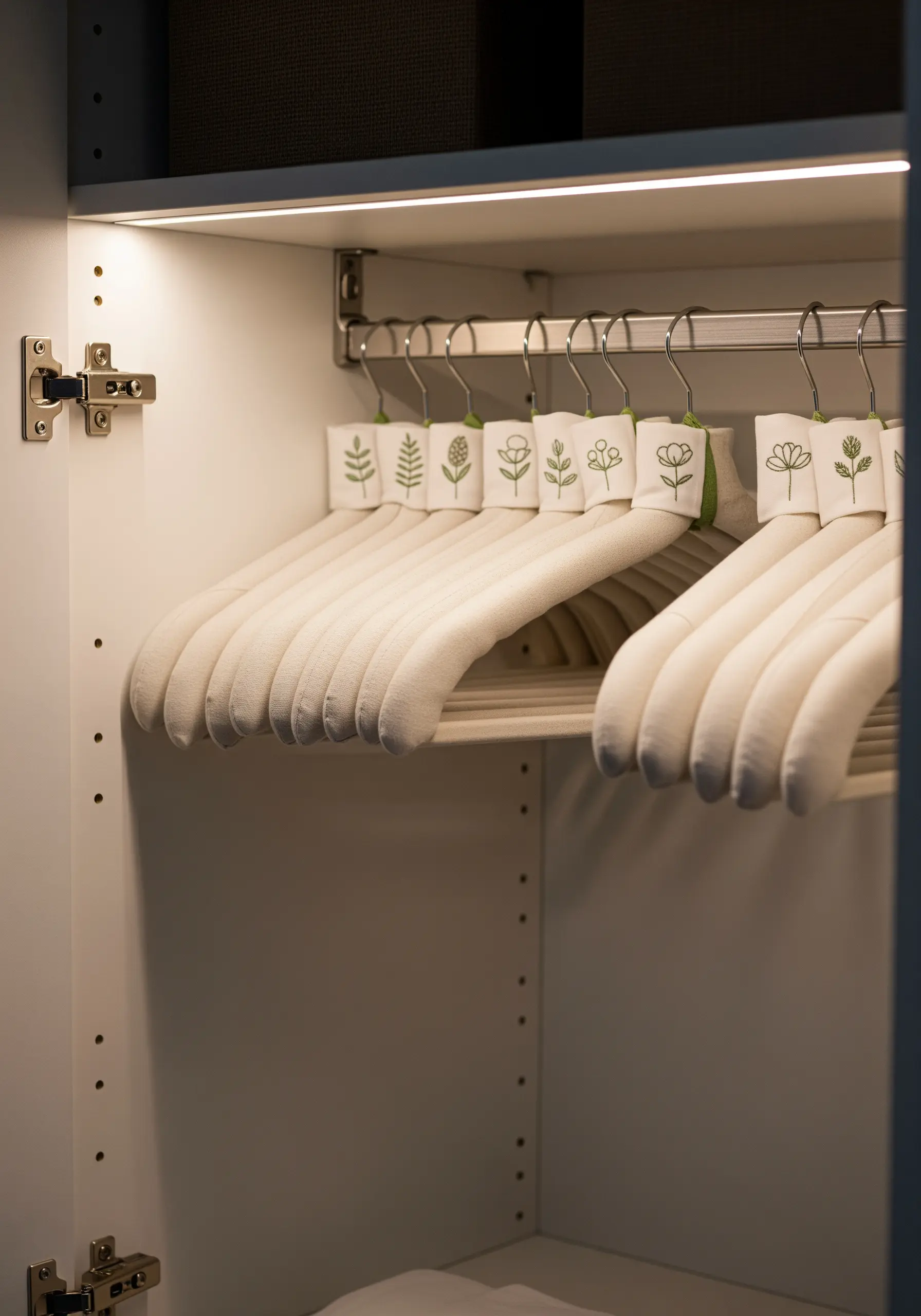
Elevate the hidden corners of your home, like the inside of your closet, with tiny, thoughtful details.
Embellish padded clothes hangers with individual botanical motifs—a single lazy daisy stitch can form a leaf, while a few small straight stitches create a sprig.
This is an excellent project for using up small scraps of leftover thread and adds a layer of personal, quiet luxury to your daily routine.
20. The Drawn Thread Geometric Border
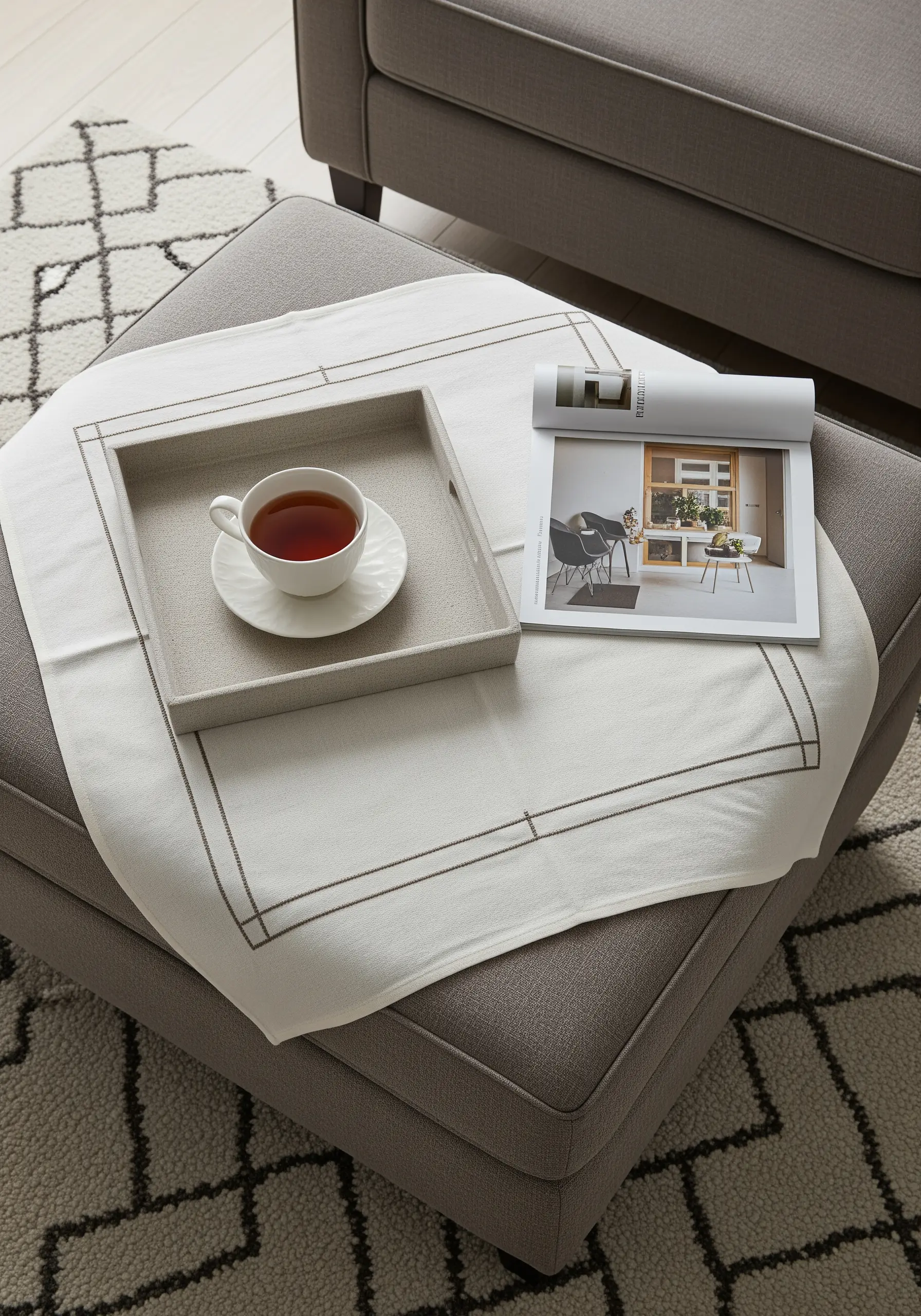
Create a delicate, lace-like effect using a drawn thread work technique like hemstitching.
This is achieved by carefully removing several parallel threads from the fabric’s weave, and then using embroidery floss to wrap the remaining threads into small, neat bundles.
It forms a structured yet airy border that adds a touch of heirloom quality and sophistication to table linens or ottomans.
The result is a subtle, textural detail that looks far more complex than it is to execute.
21. Stitched Memos for a Tactile Pinboard
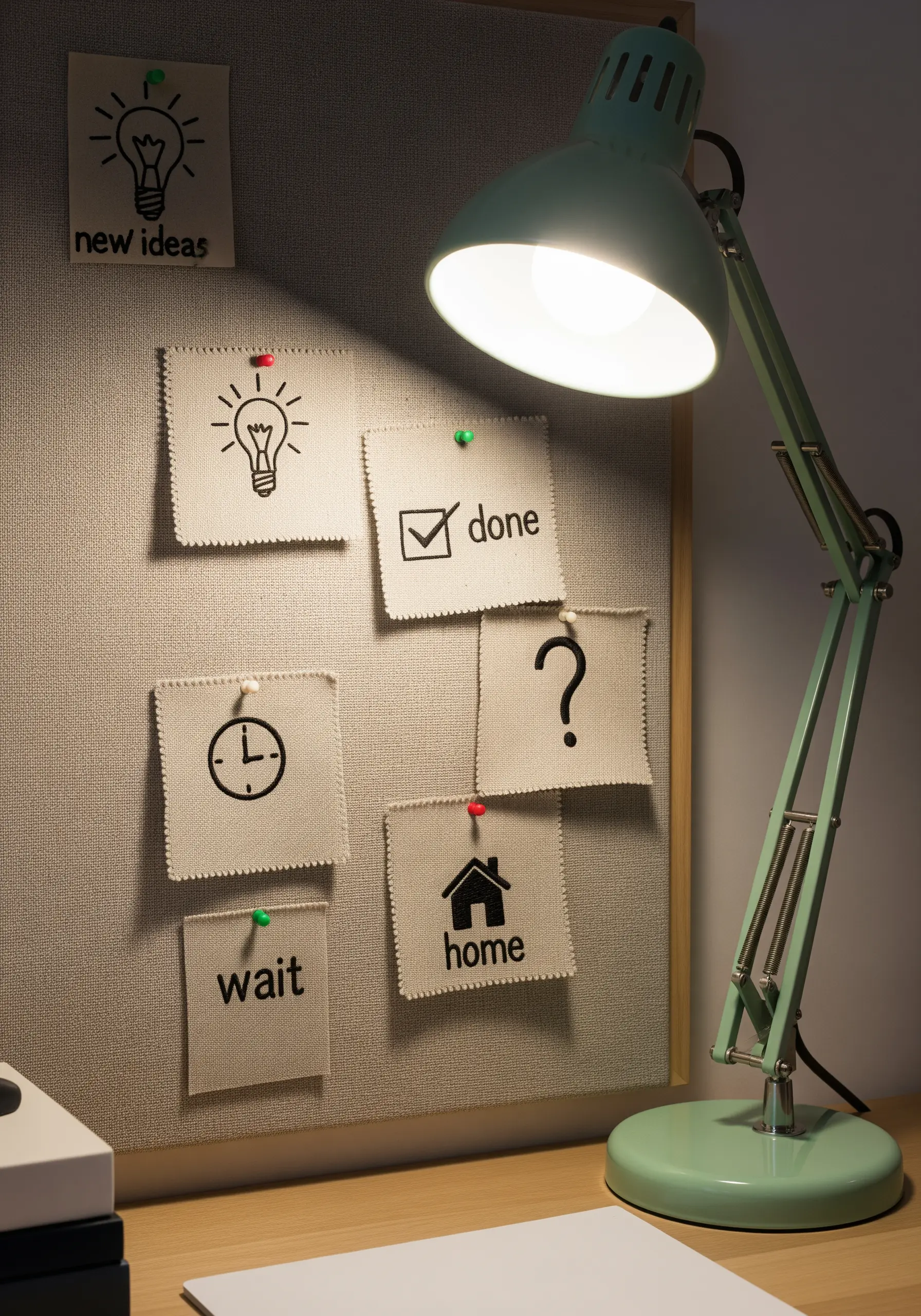
Transform your to-do list into a dynamic piece of wall decor by embroidering icons and reminders onto small squares of canvas or linen.
Use a simple backstitch for clean, legible lines and icons. The slight fraying at the edges adds to the charm.
This project turns mundane notes into a tactile, artful display and is a perfect way to use up fabric scraps.
It’s a functional system that doubles as a rotating piece of personal art.
22. Bold Lettering for Pet Accessories
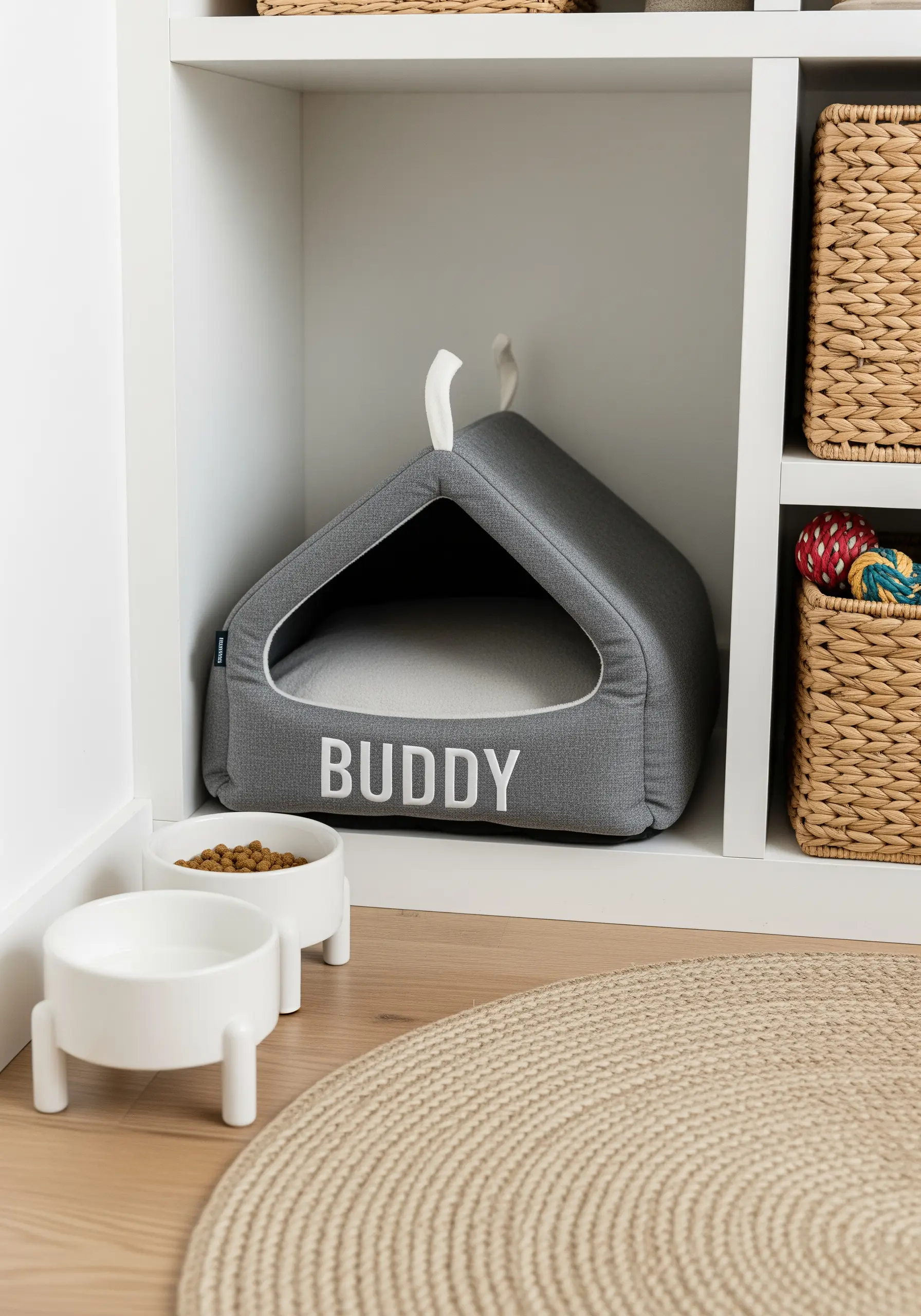
Personalize your pet’s bed or accessories with their name stitched in a bold, clean font.
To achieve this thick, solid look, outline each letter using a split stitch, which creates a sharp edge. Then, fill the shape with satin stitch, keeping your stitches parallel and close together for a smooth finish.
Using a high-contrast thread makes the name stand out, giving a standard pet bed a bespoke, custom feel.
23. A Cohesive Coaster Set with Minimalist Icons

Design a sophisticated set of coasters by choosing a unifying theme and sticking to a minimal color palette.
Select simple, graphic icons inspired by nature—a wave, a mountain, the sun—and execute them with a clean backstitch or stem stitch in a single color.
Using different colored fabrics for each coaster while keeping the thread color consistent ties the whole set together.
These are the tiny artistic home touches that make a big statement and serve as great conversation starters.
24. A High-Contrast Border for Definition
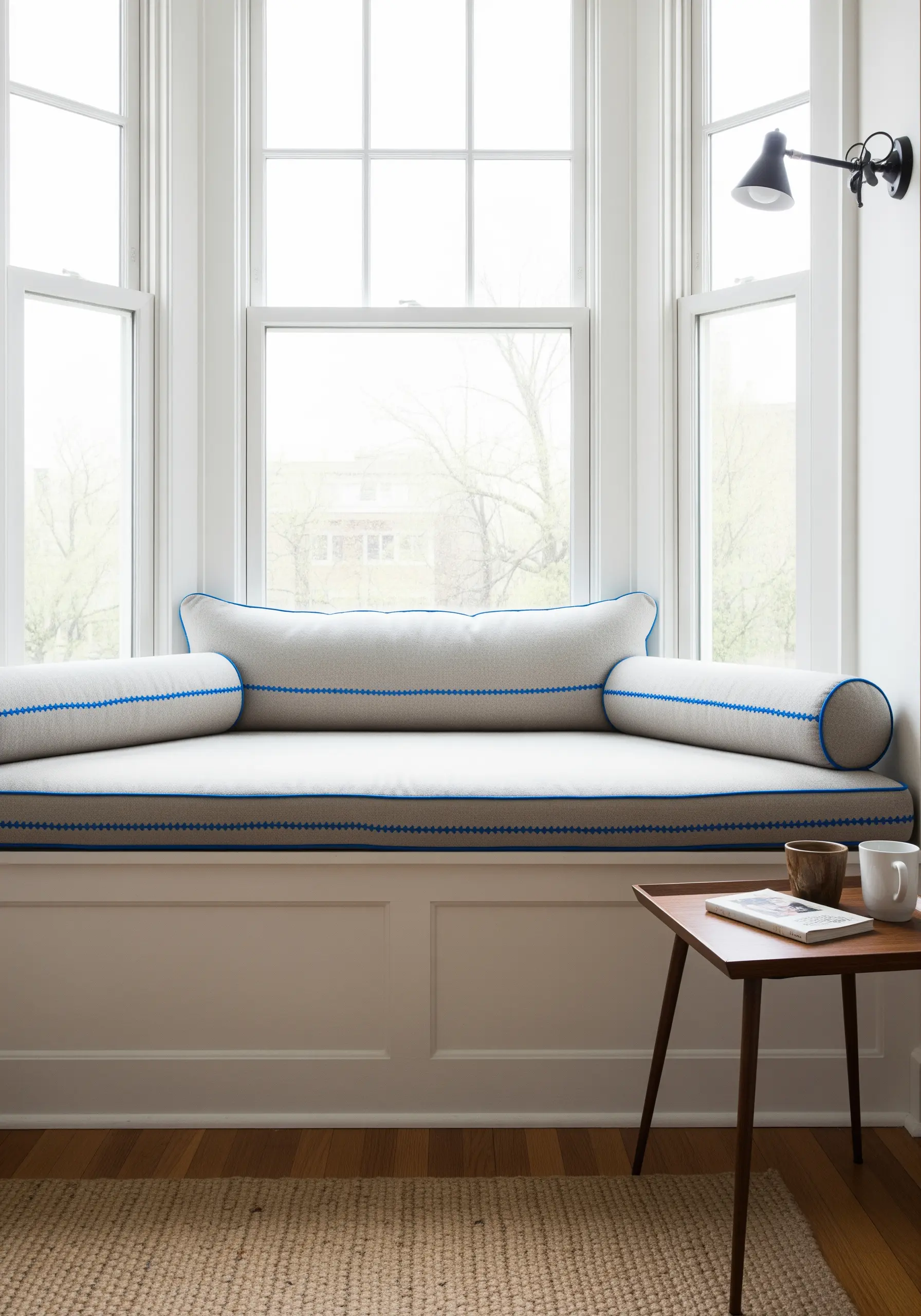
Use embroidery as a tool to define and accentuate the shape of upholstered furniture, like this window seat cushion.
A simple, geometric pattern—like a repeating cross-stitch or a double running stitch—worked in a bold, contrasting color acts as a graphic outline.
This technique draws the eye, highlights the clean lines of the furniture, and adds a completely custom look to an otherwise plain piece.
It’s an architectural approach to embroidery that integrates it directly into your interior design.
25. Sculptural Typography with Cord Appliqué

For typography with dramatic, three-dimensional impact, couch a thick cord directly onto your fabric surface.
Simply lay the cord in the shape of your desired letter or symbol and use a matching, finer thread to tack it down with tiny, nearly invisible stitches.
This technique is much faster than filling a large letter with satin stitch and creates a bold, sculptural effect that adds both texture and shadow.
26. Graphic Lines on a Waffle-Weave Fabric
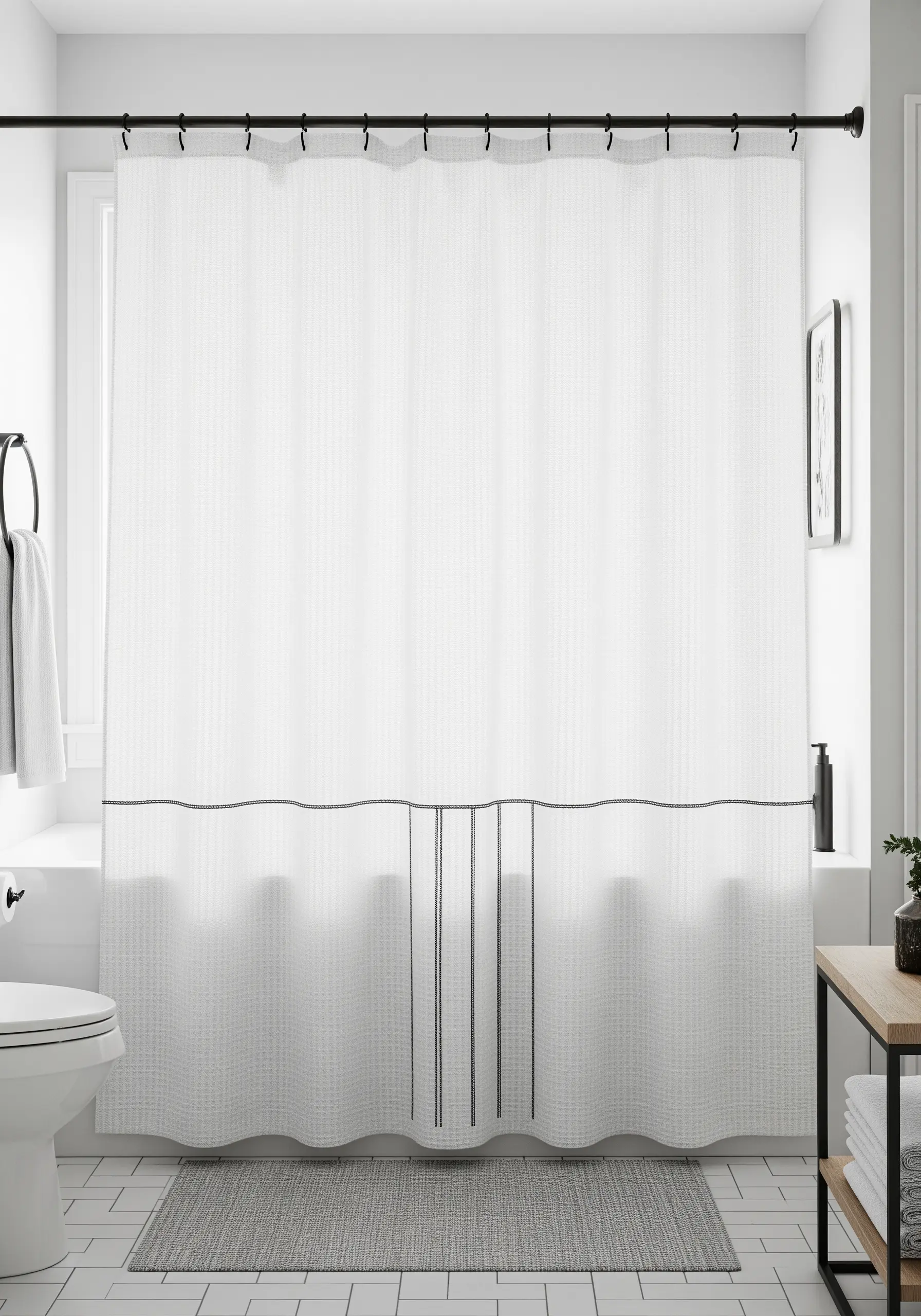
Use the inherent grid of a waffle-weave shower curtain or towel as a built-in guide for perfect geometric embroidery.
A simple running stitch or backstitch is all you need to create clean, architectural lines that follow the fabric’s texture.
For a humid environment like a bathroom, consider using a synthetic or colorfast cotton perle thread for enhanced durability.
This is a simple way to add a subtle, custom detail that feels both modern and integrated.
27. The Satin Stitch Border for a Hotel Finish
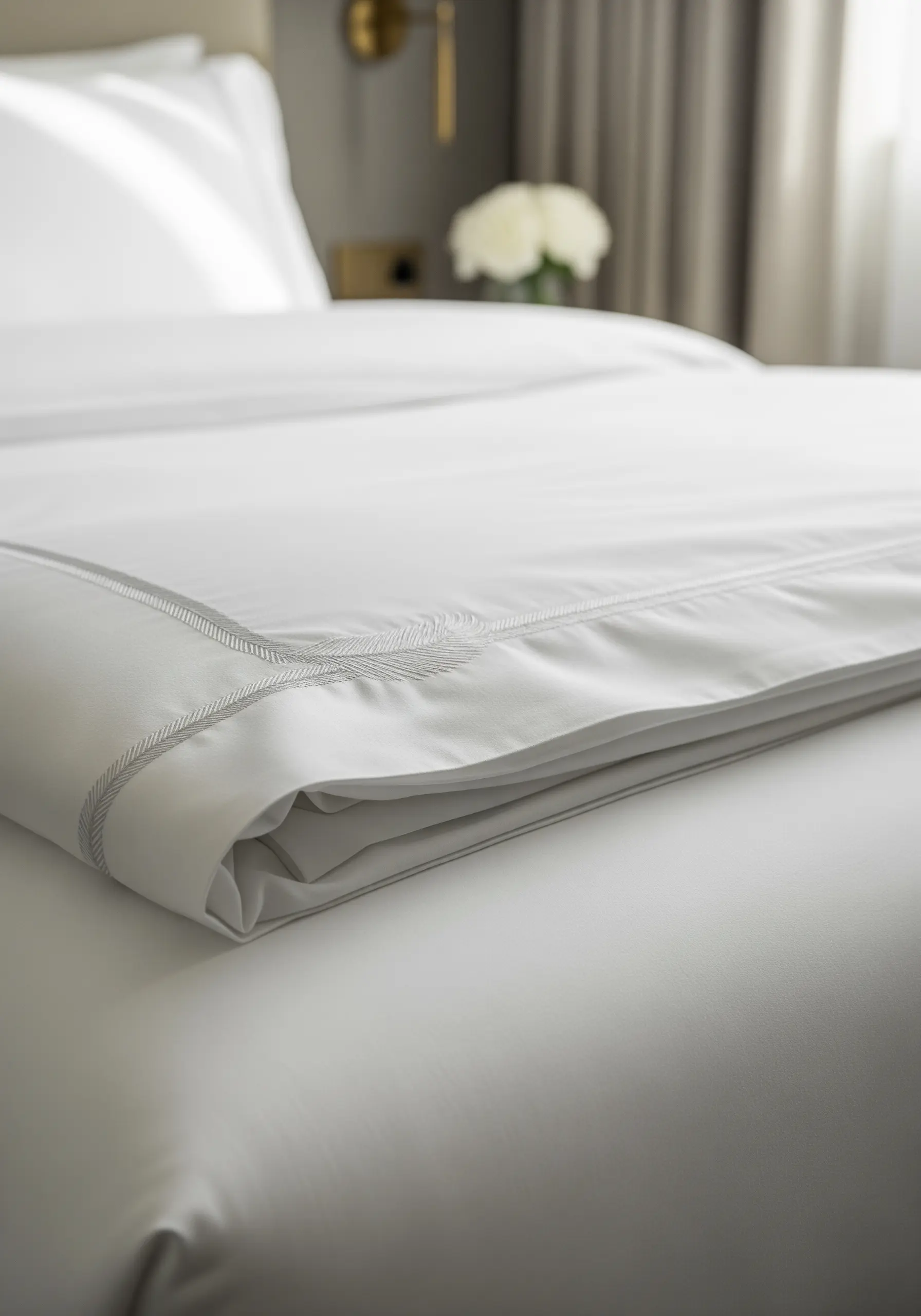
Emulate the five-star feel of luxury hotel linens with a perfectly executed satin stitch border.
The secret to a flawlessly smooth finish is impeccable stitch tension and direction. Keep your stitches completely parallel, uniformly taut, and packed closely together.
Using a high-quality cotton floss with a natural sheen will enhance the light-reflecting properties of the stitch, giving it that signature polished look.
This is a meditative stitch that rewards patience with an incredibly elegant result.
28. Simple Lettering for Home Organization
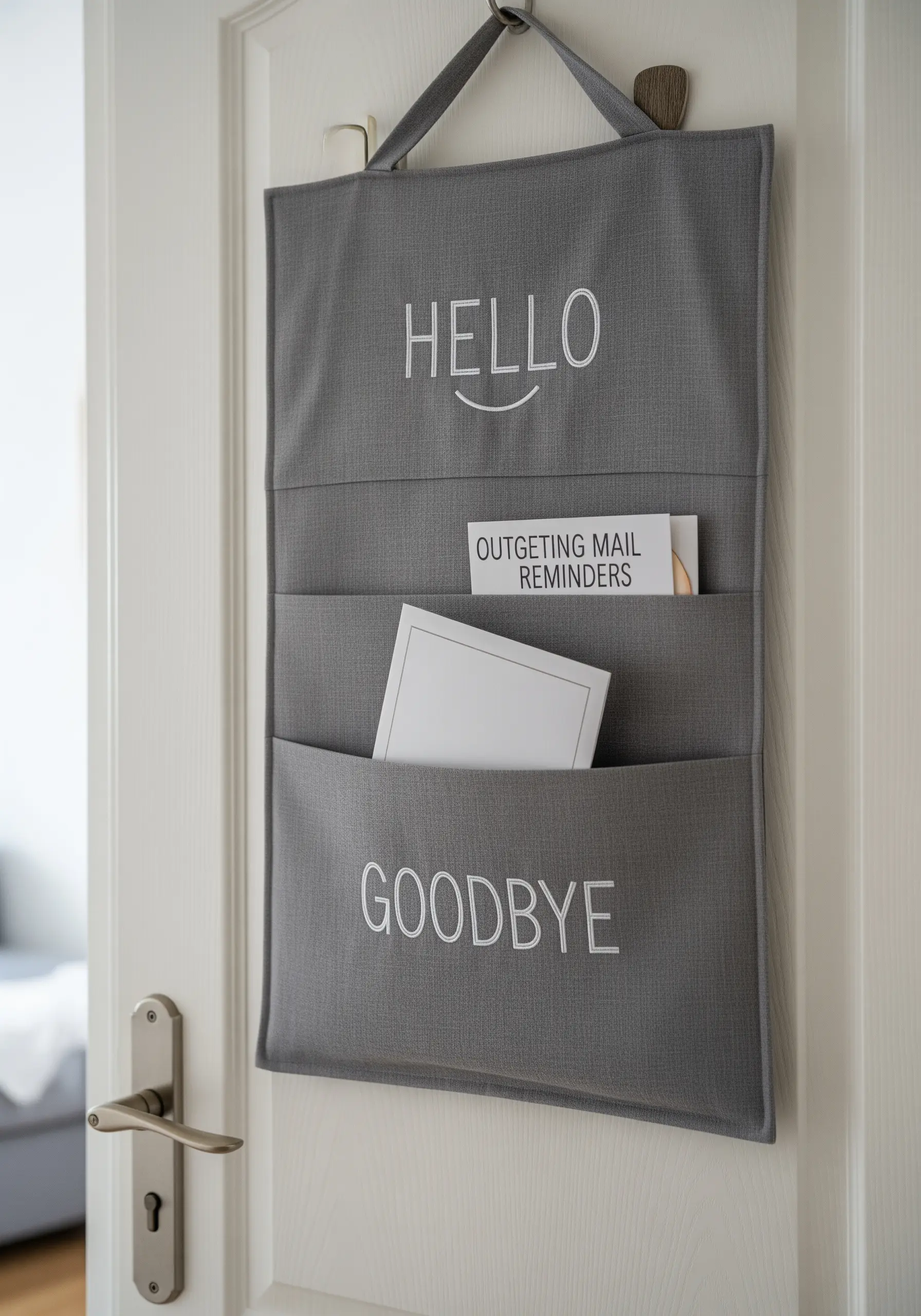
Integrate embroidery into your organizational systems by adding clear, simple labels to storage solutions.
A clean, sans-serif font stitched with a basic backstitch is modern, legible, and easy to execute.
This marries form and function, turning a practical item like a mail sorter into a piece of personalized home decor.
It’s one of the easiest tiny embroidery DIY projects for a clean, modern home look you can complete in an afternoon.


