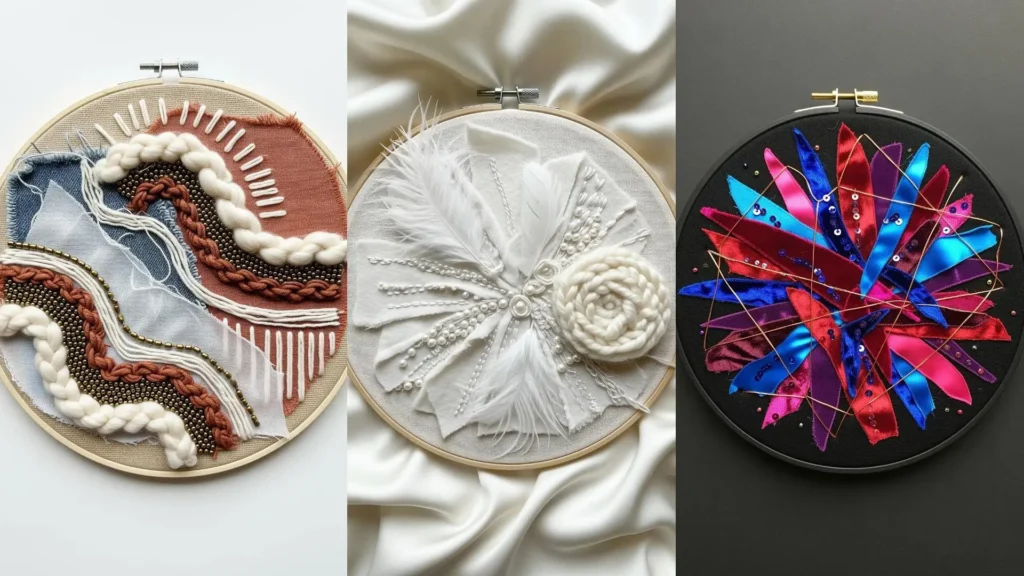
Metallic thread is often seen as difficult or reserved only for festive occasions. But I want you to see it differently—not as a fussy accent, but as a core element of modern, sophisticated design. It’s a tool for sculpting with light, for adding sharp, architectural lines, or for giving your work an unexpected, liquid-like shimmer.
Forget the frustration of tangled, shredding threads. The secret to working with metallics is choosing the right needle (a topstitch or metallic needle with a larger eye), using shorter lengths of thread, and embracing techniques like couching that allow the thread to sit beautifully on the surface of your fabric.
In these designs, you’ll discover how metallic thread can be minimalist, bold, delicate, or structural. It’s your key to transforming a simple stitch into a statement, and a plain piece of fabric into a work of art that feels both timeless and undeniably contemporary. Let’s begin.
1. Frame Architectural Geometry in Gold
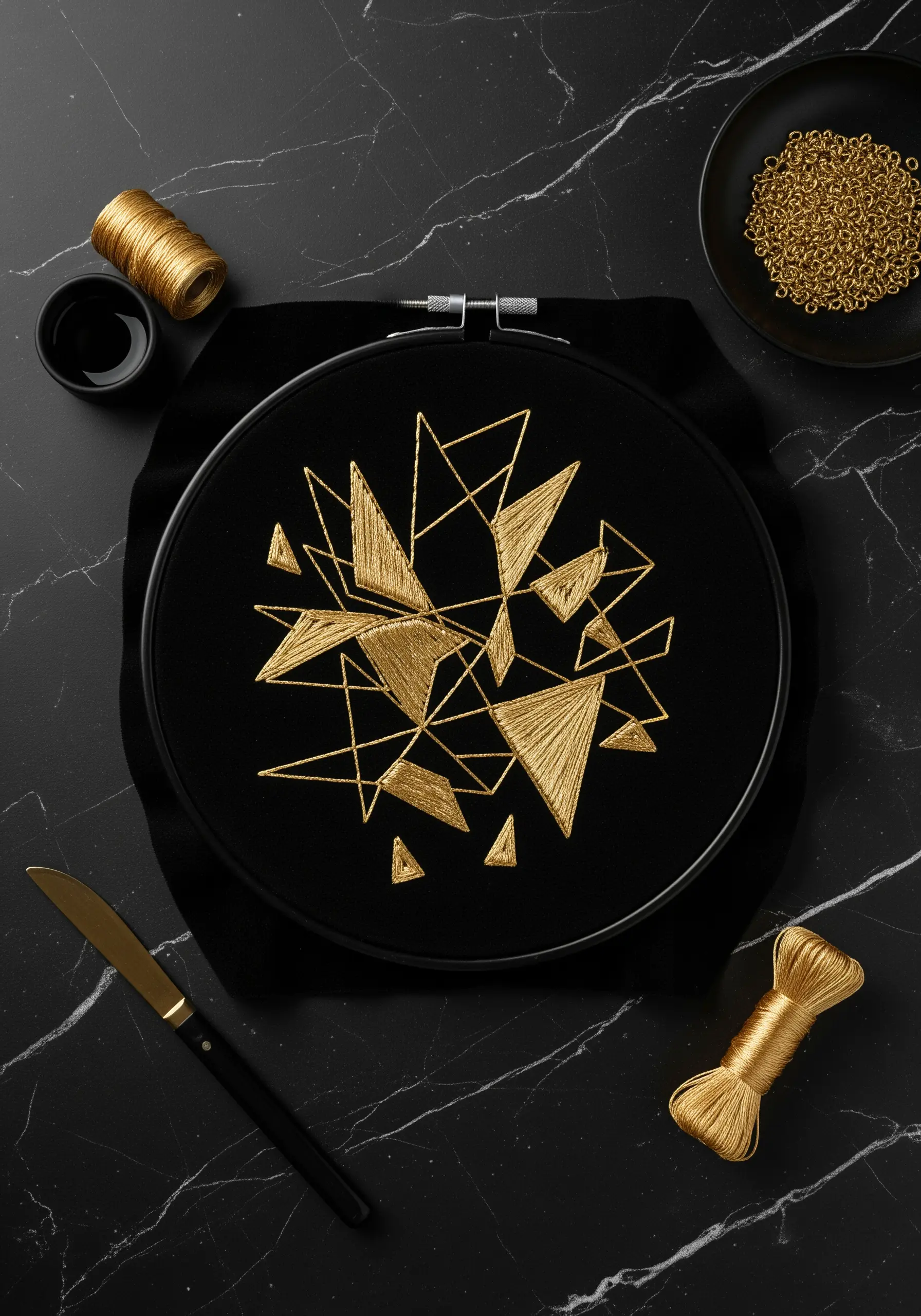
Create a striking contrast by pairing high-sheen gold metallic thread with a deep black, non-reflective fabric like cotton velvet or plush felt.
Use a combination of sharp, linear backstitches for the outlines and a dense satin stitch for the filled triangular shapes.
To ensure your satin stitches lie perfectly flat and reflect maximum light, run a single strand of the same thread underneath your shape as padding before stitching over it.
This technique adds subtle dimension, transforming a flat design into a piece of sharp, modern textural art.
2. Stitch a Celestial Map with Mixed Media
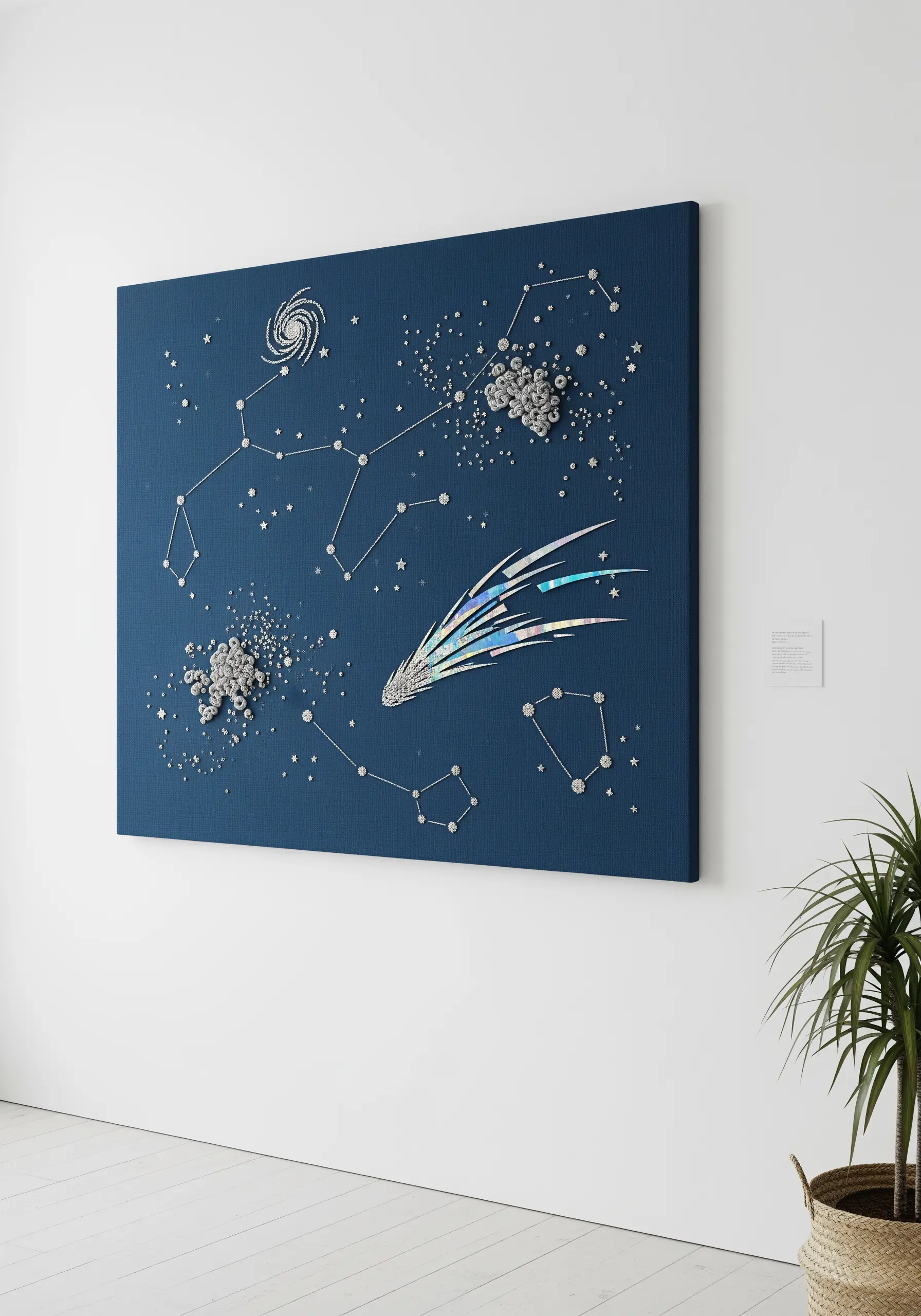
Elevate a simple constellation map by combining fine silver metallic thread with beadwork and crystals.
Use a delicate backstitch for the constellation lines, keeping the stitches small and uniform to maintain a clean, graphic look.
For the star clusters and galaxies, create small mounds of seed beads, French knots, or even attach flat-back crystals with a strong adhesive before stitching a metallic border around them.
This mixed-media approach adds dimension and captures light in a way thread alone cannot, turning your piece into a true celestial artwork.
3. Embellish Apparel with Couched Metallics
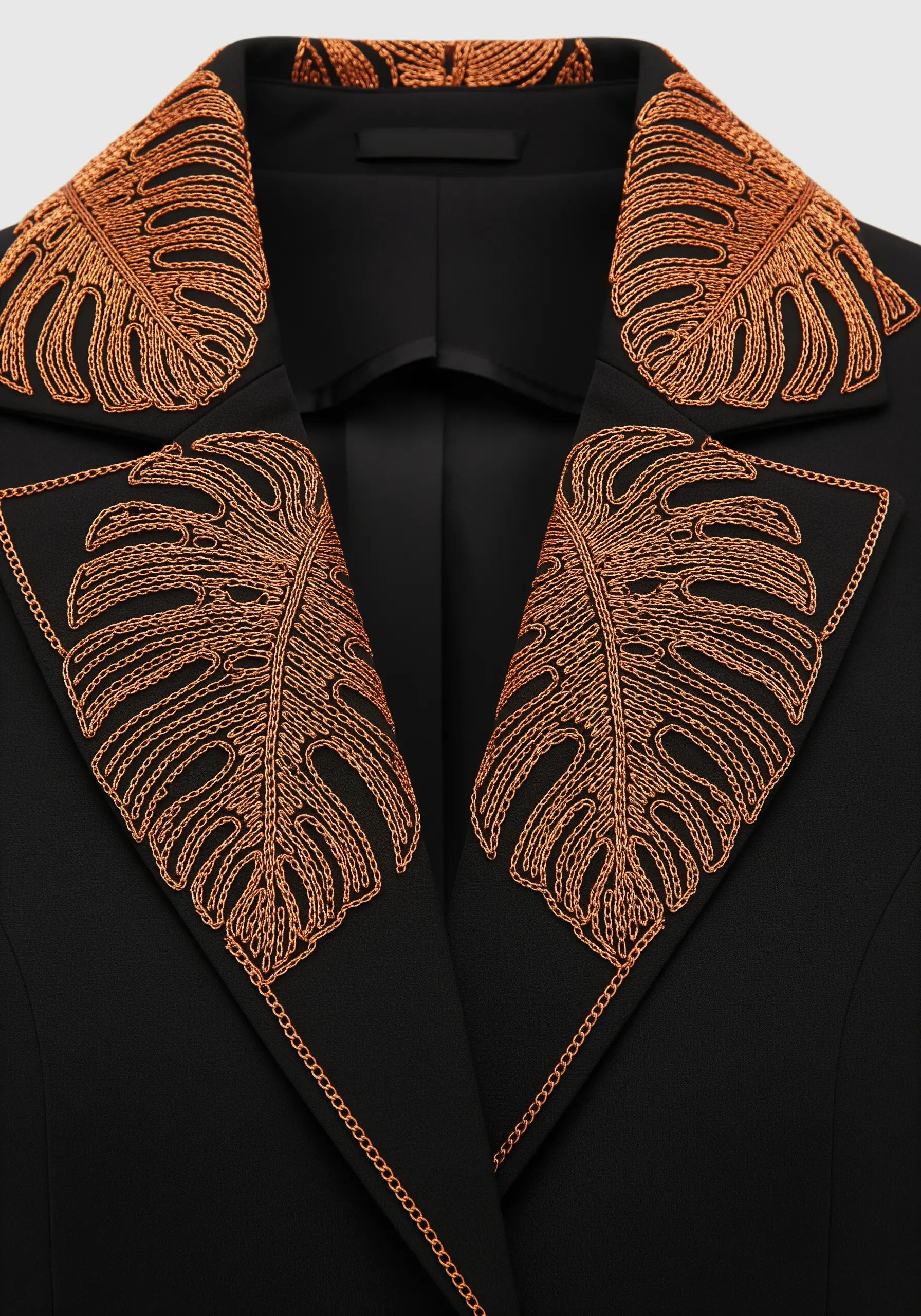
Transform a simple blazer by adding bold botanical motifs to the lapels using a couching technique.
Instead of stitching with a fine metallic thread, lay down a thicker metallic cord or fine chain and tack it into place with a thinner, matching thread.
This method allows you to create incredibly smooth, bold lines that sit on top of the fabric, giving the design a luxurious, almost-3D quality.
Always use a medium-weight iron-on interfacing on the back of the lapel fabric to prevent puckering and support the weight of the stitches.
4. Create Minimalist Statements with Corded Lines
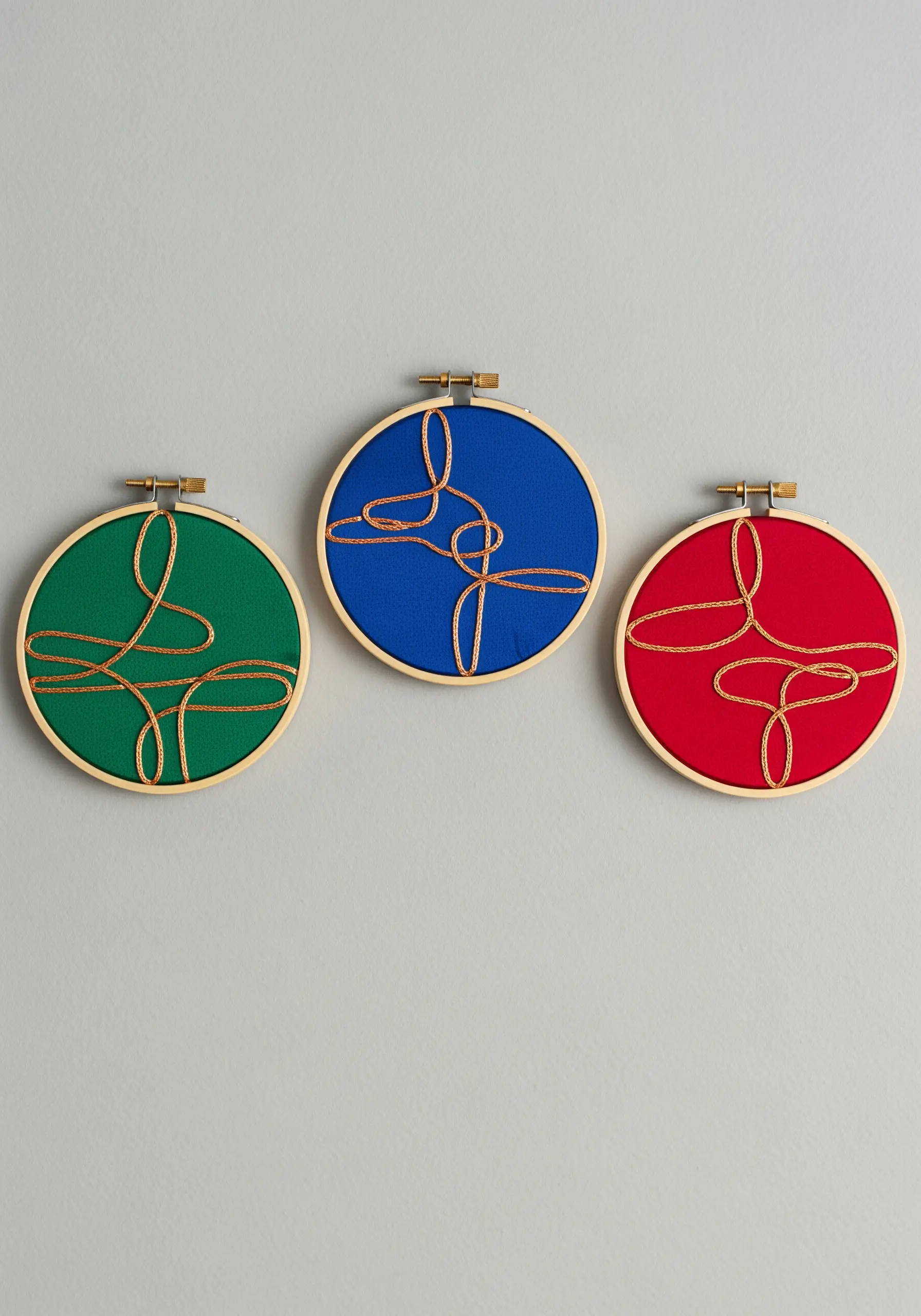
For a clean, calligraphic look, use a single, continuous line of thick metallic cord against a bold, solid-colored background.
Couch the cord onto the fabric with small, discreet stitches in a matching sewing thread, which will become nearly invisible from a distance.
The power of this design lies in its simplicity and the graceful movement of the line.
Grouping hoops with complementary colors—like this jewel-toned trio—turns a simple project into a sophisticated hooped wall collage.
5. Translate Architectural Sketches into Thread
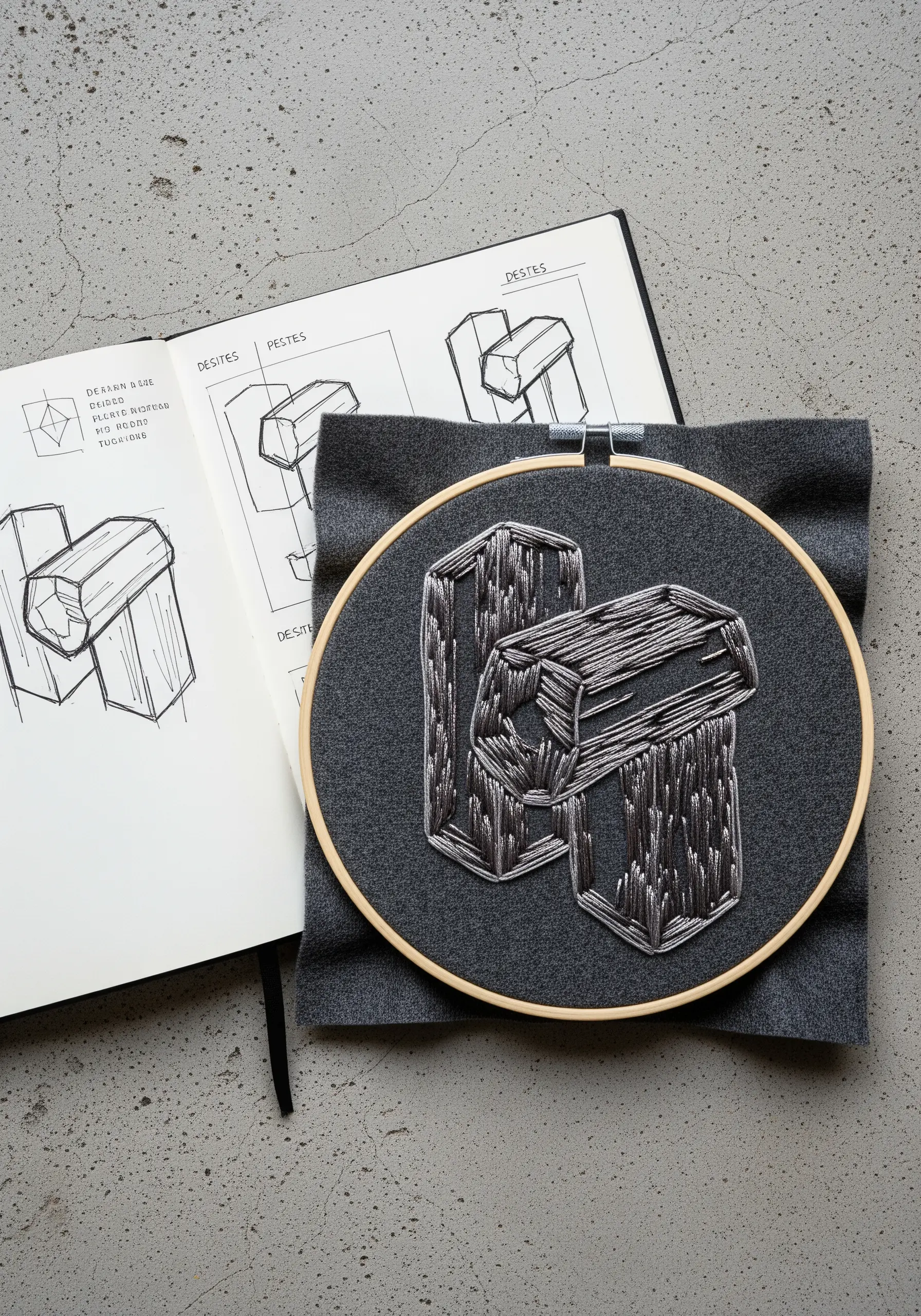
Capture the feeling of a pen-and-ink drawing by using metallic thread to create texture and shadow.
Use straight stitches in varying lengths and directions to mimic the effect of cross-hatching, creating the illusion of light hitting different facets of the object.
For this technique, use a single strand of a fine metallic thread, like a silver or pewter, to maintain the precision of a drawn line.
Stitching on a dark, textured fabric like charcoal wool felt adds depth and makes the metallic highlights stand out even more.
6. Master Iridescence with Thread Painting
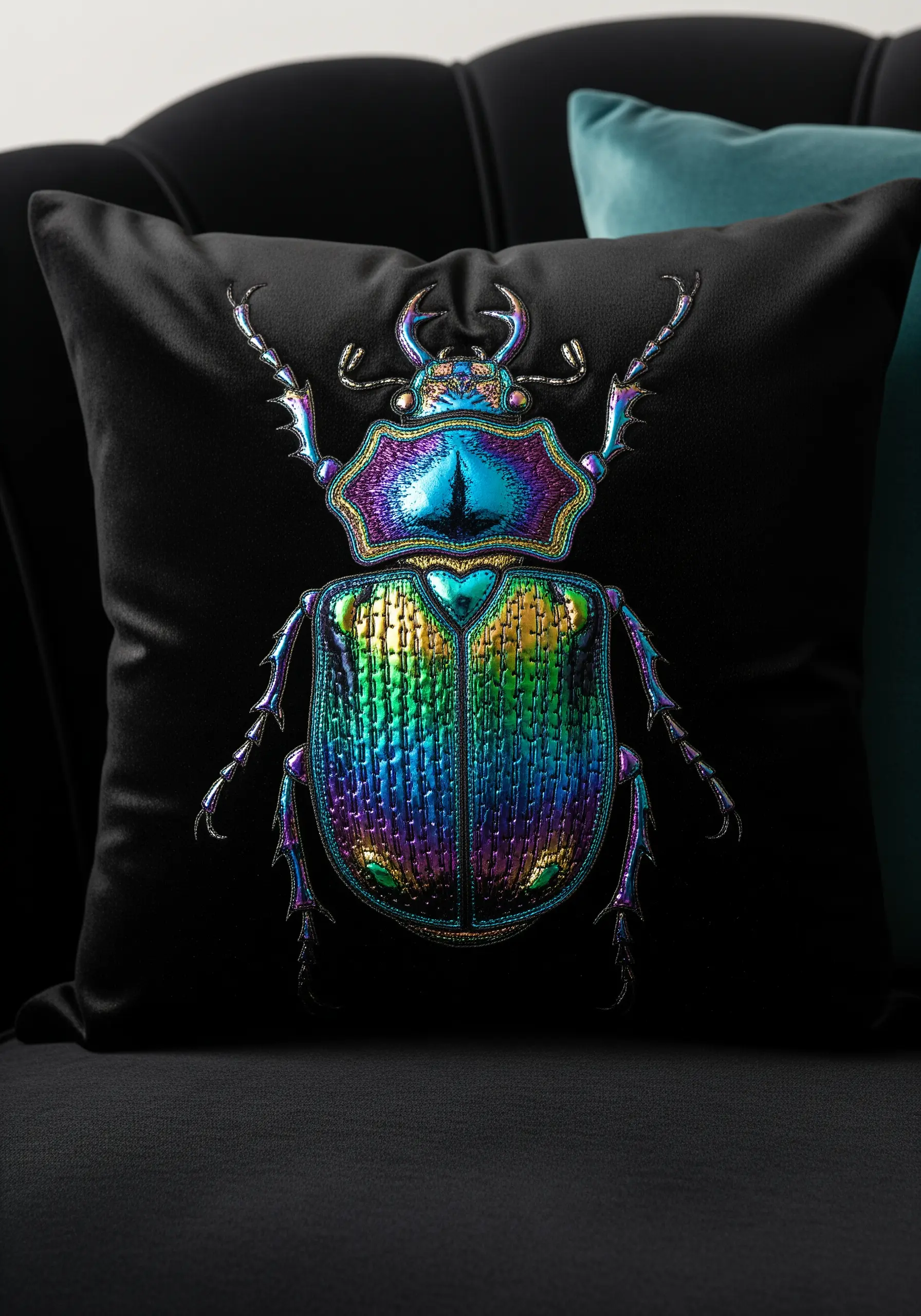
Recreate the shimmering, multi-tonal effect of a beetle’s shell using iridescent or color-shifting metallic threads.
Employ the long-and-short stitch technique to seamlessly blend different metallic hues—like blues, purples, and greens—creating a smooth, painterly gradient.
To keep your stitches flat and lustrous, use a thread conditioner and a needle with a larger eye to reduce friction and shredding.
Outline the finished shape with a row of tiny metallic beads to give it a crisp, defined edge and an extra layer of texture.
7. Capture Delicate Movement in Silver
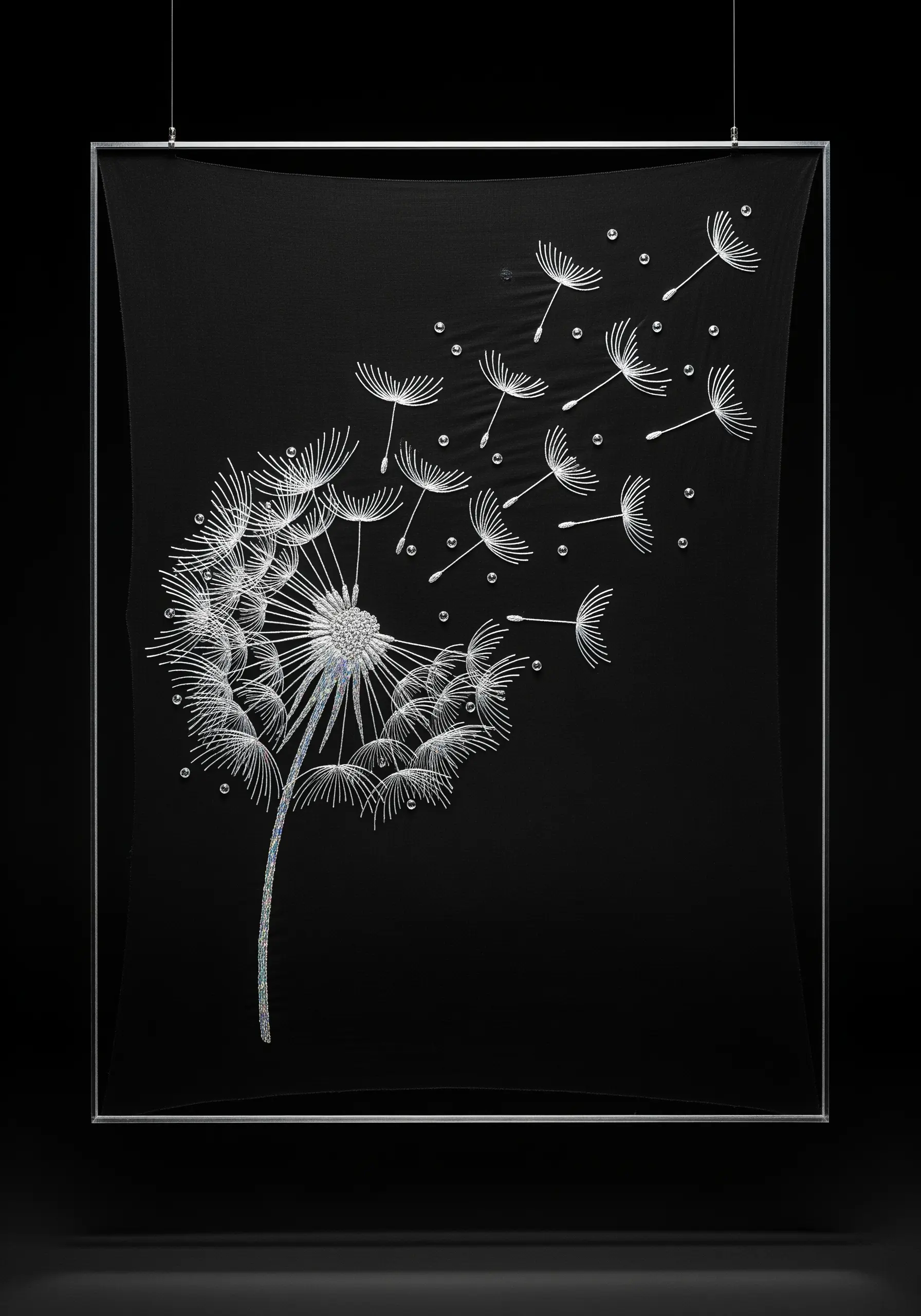
To embroider something as light and airy as a dandelion, choose a very fine silver metallic thread that catches the light without adding bulk.
Use simple straight stitches for the seed parachutes, varying their length and angle to create a sense of natural movement.
Incorporate tiny, clear seed beads or crystals at the base of each seed to represent the seed itself, adding a touch of weight and a dew-like sparkle.
Displaying the final piece on a taut, sheer black fabric enhances the illusion of the seeds floating in space.
8. Stitch Art Deco Elegance
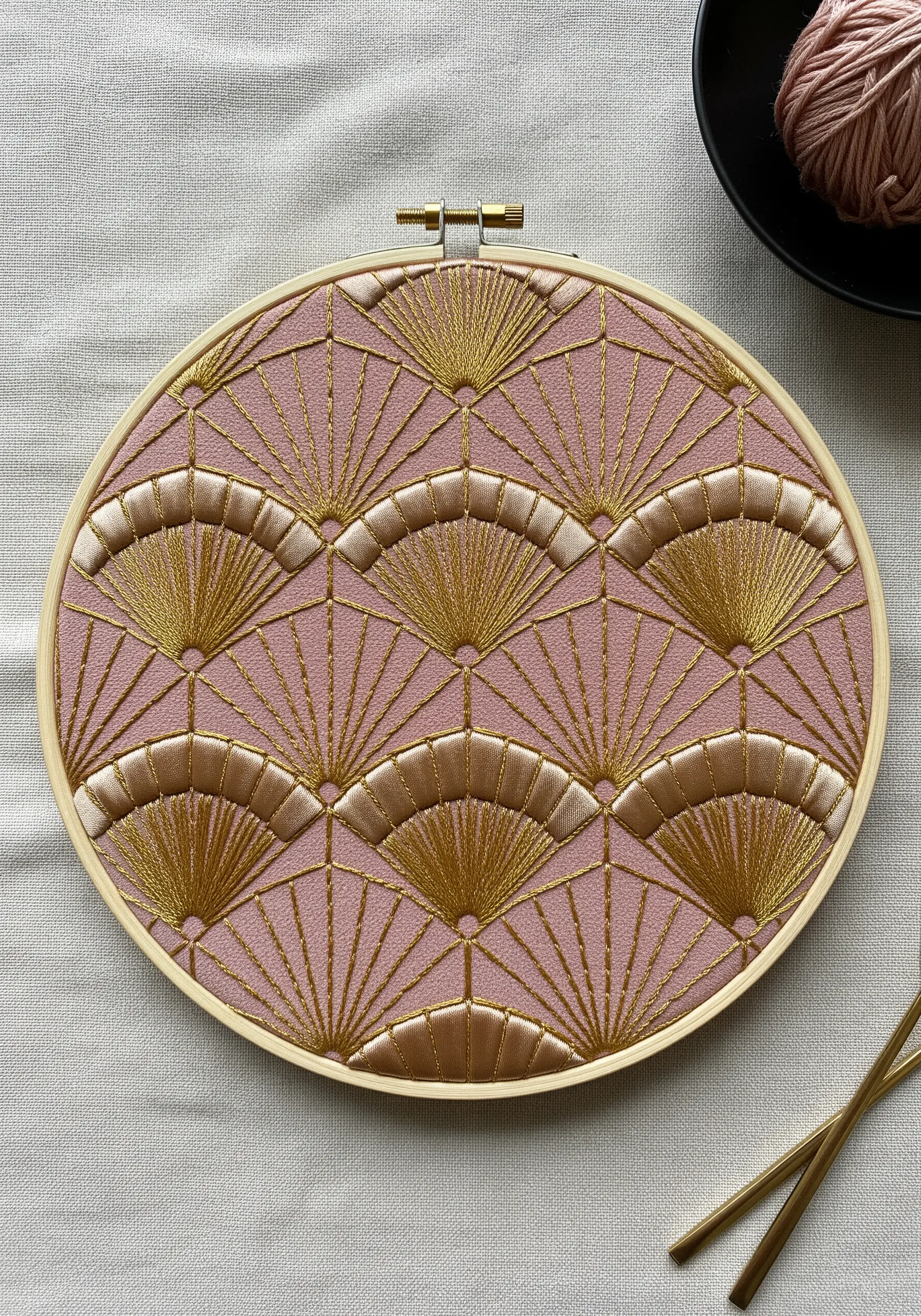
Channel the glamour of the Art Deco era by combining metallic gold satin stitch with crisp, linear details.
Use a padded satin stitch for the fan shapes to give them a raised, luxurious feel. Create the padding with a few underlying layers of regular floss before covering it completely with the metallic thread.
The radiating lines are simple straight stitches, but their power comes from perfect tension and spacing.
Pairing the warm gold with a soft, dusty rose fabric creates a look that is both classic and completely contemporary.
9. Sculpt with Coiled Metallic Cords
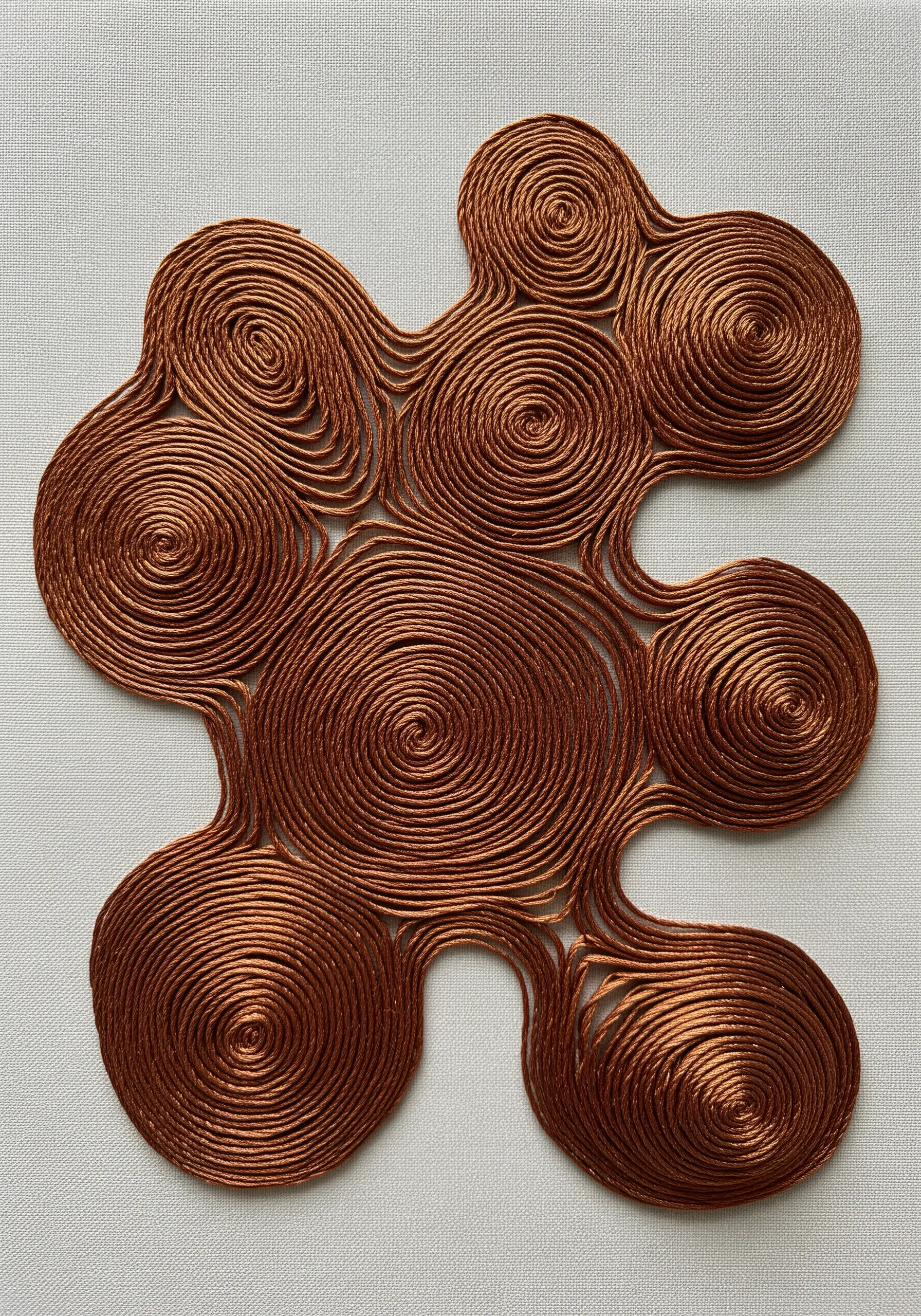
Move beyond flat embroidery and create a piece of pure textural art by coiling a thick metallic cord.
This is a form of couching where you guide a thick copper or bronze cord into tight spirals and secure it to the fabric with a fine, strong, matching thread.
The key is to stitch from the center of the spiral outward, keeping the coils tight against each other to build a solid, raised surface.
This technique turns thread into a sculptural element, perfect for abstract compositions where texture is the main focus.
10. Design with Luxe Kintsugi-Inspired Stitching
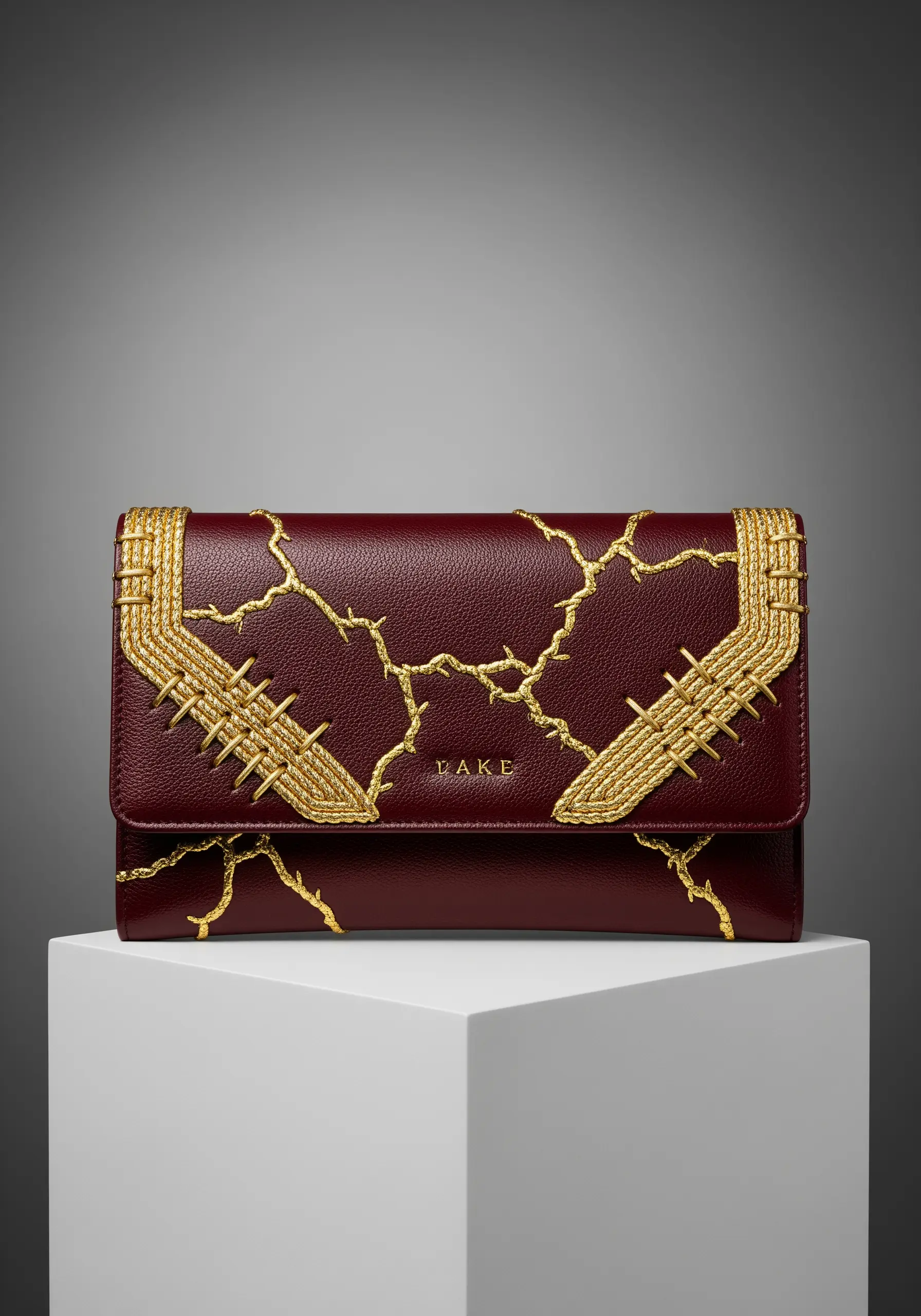
Emulate the Japanese art of Kintsugi—repairing broken pottery with gold—on a leather or faux leather accessory.
Use a chaotic network of straight stitches in a brilliant gold metallic thread to create the ‘cracks’.
Contrast this organic pattern with structured, symmetrical blocks of padded satin stitch, which adds a sense of control and architectural detail.
This design beautifully juxtaposes chaos and order, creating a story of something made more beautiful for having been ‘broken’.
11. Interrupt Minimalist Lines with Bold Texture
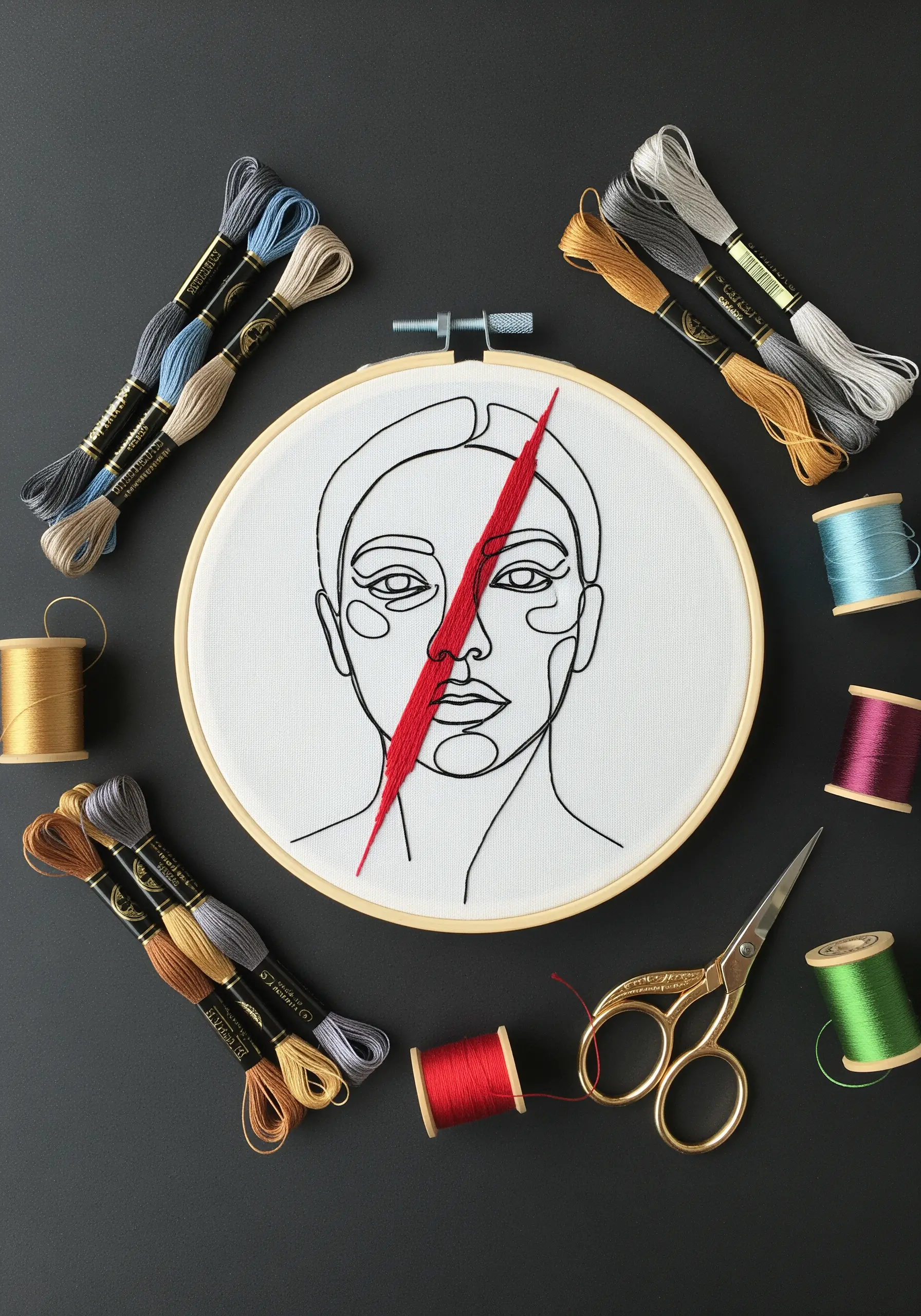
Make a powerful statement by combining delicate line art with an unapologetic slash of color and texture.
Stitch the portrait using a simple backstitch with just one or two strands of black cotton floss for a clean, graphic feel.
Then, introduce a dramatic contrast by filling a section with a thick, textured metallic or rayon thread, using a dense satin stitch that stands out from the fabric.
This interruption breaks the piece’s quiet minimalism and injects it with an intense, focused energy.
12. Weave a Labyrinth with Chain Stitch
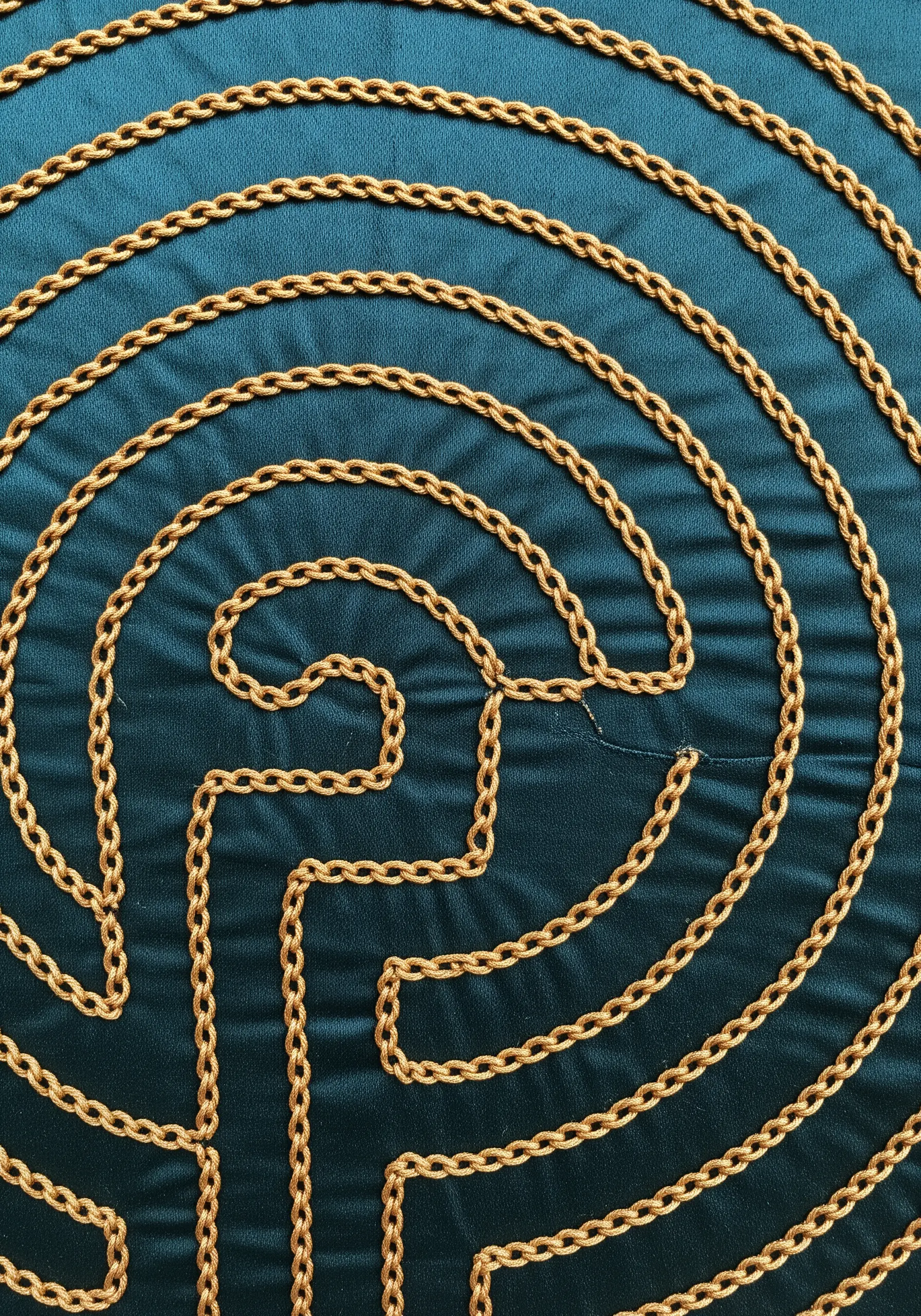
Use a single, continuous chain stitch to create an intricate labyrinth or maze pattern.
The chain stitch is perfect for this as it creates a textured, rope-like line that has more presence than a simple backstitch.
Choose a high-quality metallic thread that is tightly wound to prevent snagging as you pull it through the fabric multiple times.
Stitching on a jewel-toned satin or silk fabric enhances the luxurious feel, as the fabric’s sheen complements the metallic thread’s sparkle.
13. Visualize Sound with Metallic Threads
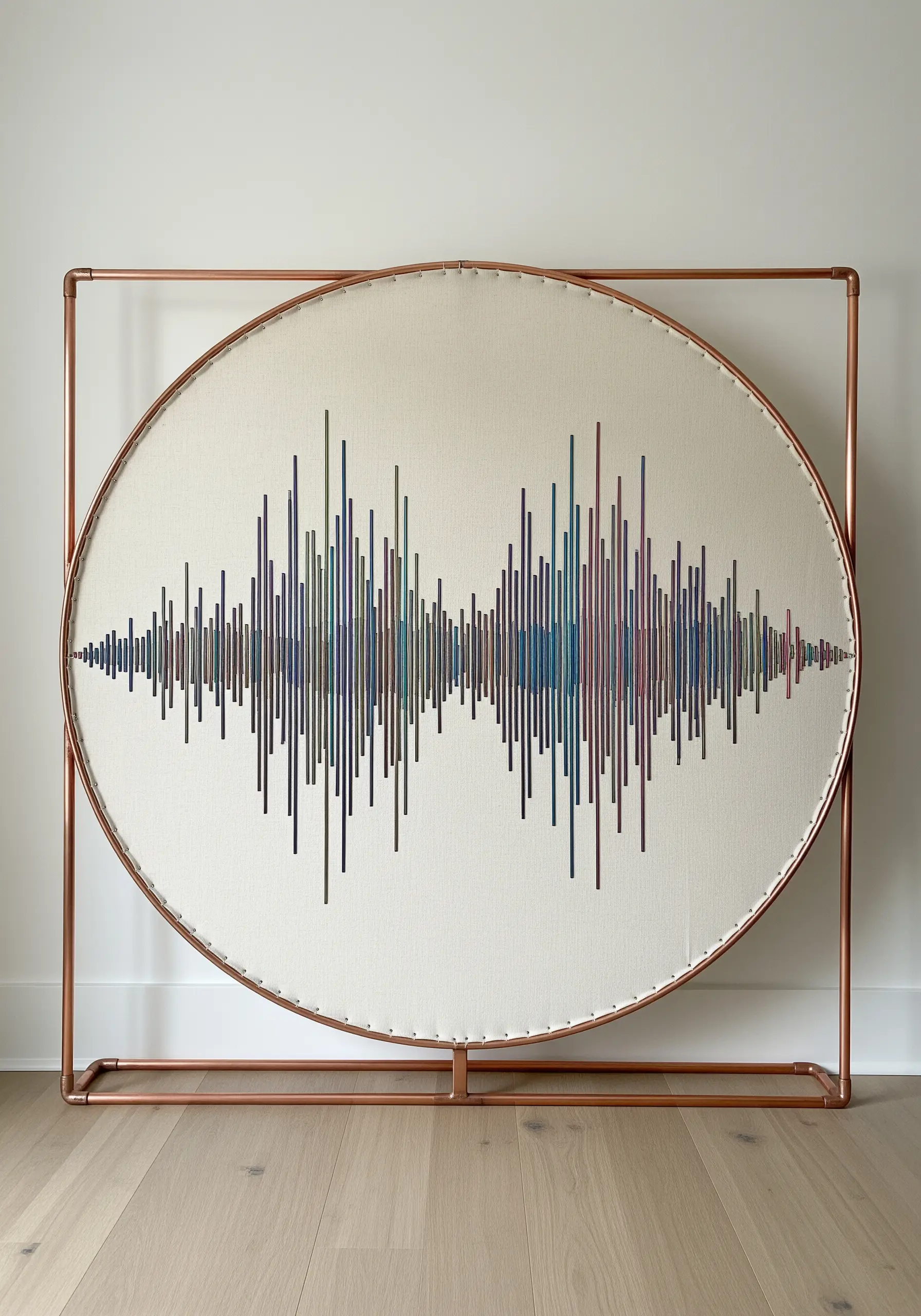
Turn a soundwave from a favorite song or spoken words into a stunning piece of abstract thread art.
Map out the soundwave pattern onto your fabric, then use vertical straight stitches to represent the frequencies.
Use a variegated or iridescent metallic thread to add depth and a sense of shifting tones, or assign different colors to different parts of the soundwave.
Mounting the finished piece in a large, modern frame—like this custom copper one—elevates it from a craft project to a gallery-worthy installation.
14. Craft Padded Geometric Textures
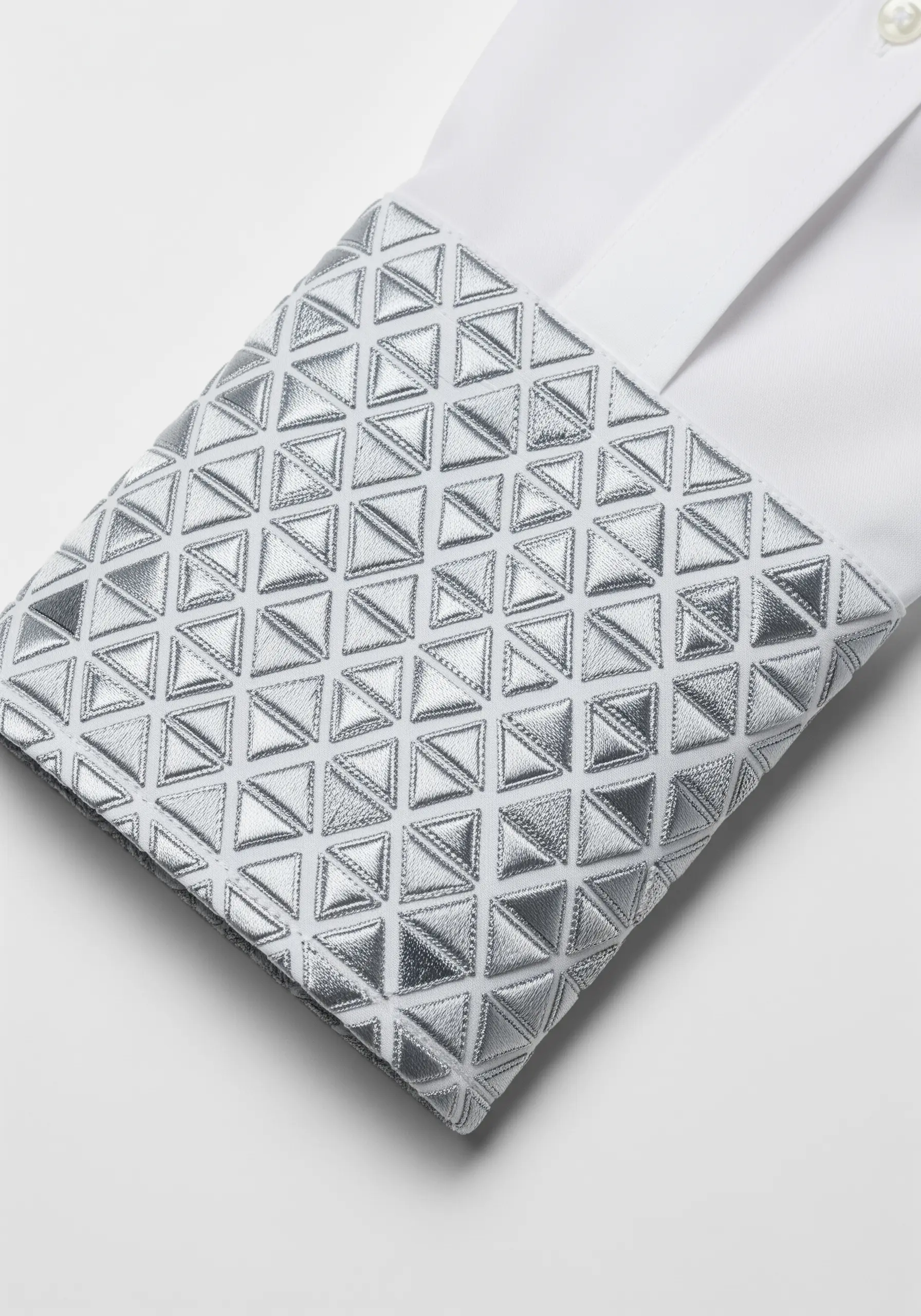
Create a three-dimensional, almost architectural surface on a garment cuff using padded satin stitch.
First, stitch the outline of each triangle. Then, fill the inside with a base of horizontal stitches or a tiny piece of felt before covering it with vertical satin stitches in a high-sheen silver thread.
This technique, known as stumpwork, makes the metallic shapes pop and gives the fabric a tactile, quilted quality.
The precision required for this geometric pattern results in a finish that looks incredibly high-end and futuristic.
15. Trace Nature’s Veins with a Single Thread
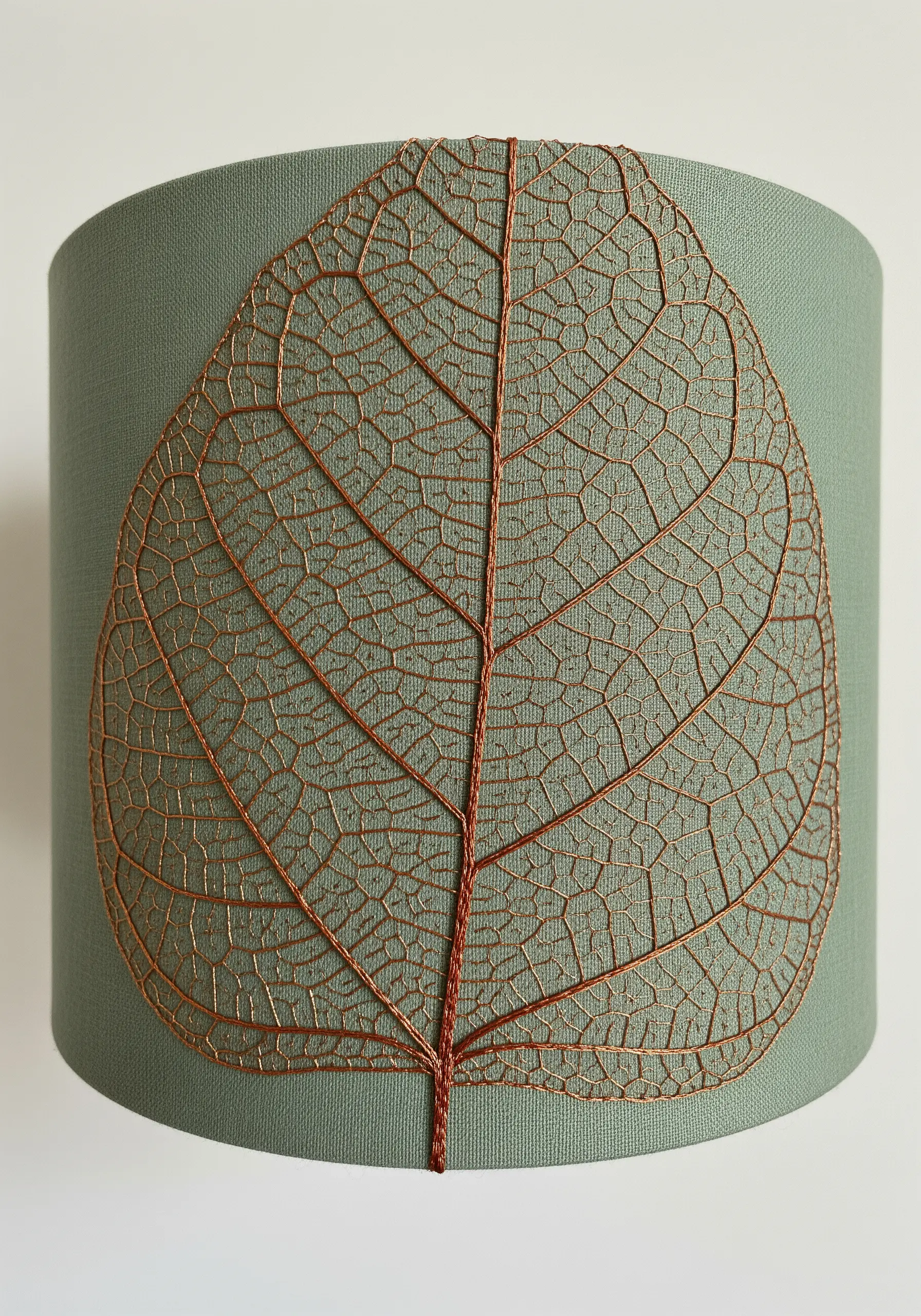
Capture the impossibly fine detail of a skeleton leaf by using a single strand of a very fine metallic thread, such as copper or bronze.
Use a simple backstitch or stem stitch to trace the delicate network of veins, focusing on precision and consistent stitch length.
This is an exercise in minimalism; the beauty comes from the accuracy of the lines and the subtle shimmer of the thread against the matte fabric.
This delicate leaf stitching is perfect for embellishing home decor items like lampshades or cushion covers for a touch of organic elegance.
16. Build a Futuristic Threadscape
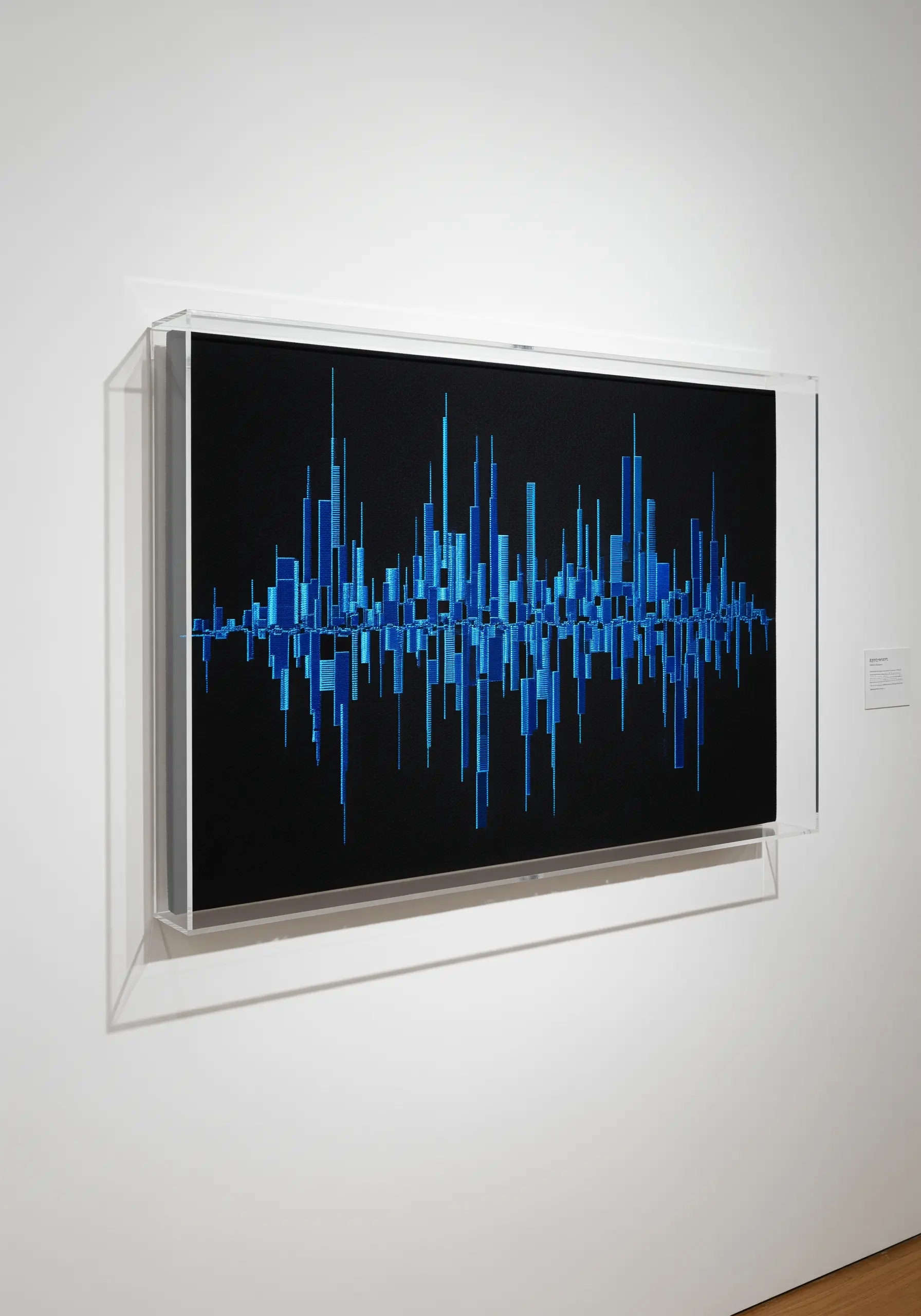
Create the illusion of a glowing city skyline using vertical straight stitches in varying heights and shades of blue metallic thread.
Stitch on a deep black fabric to create a high-contrast background that makes the threads appear to glow, like a city at night.
By layering different shades of blue and turquoise, you can create a sense of depth and perspective within the composition.
Presenting the final work in a clear acrylic box frame enhances the modern, almost digital aesthetic of the piece.
17. Electrify Appliqué with Metallic Highlights
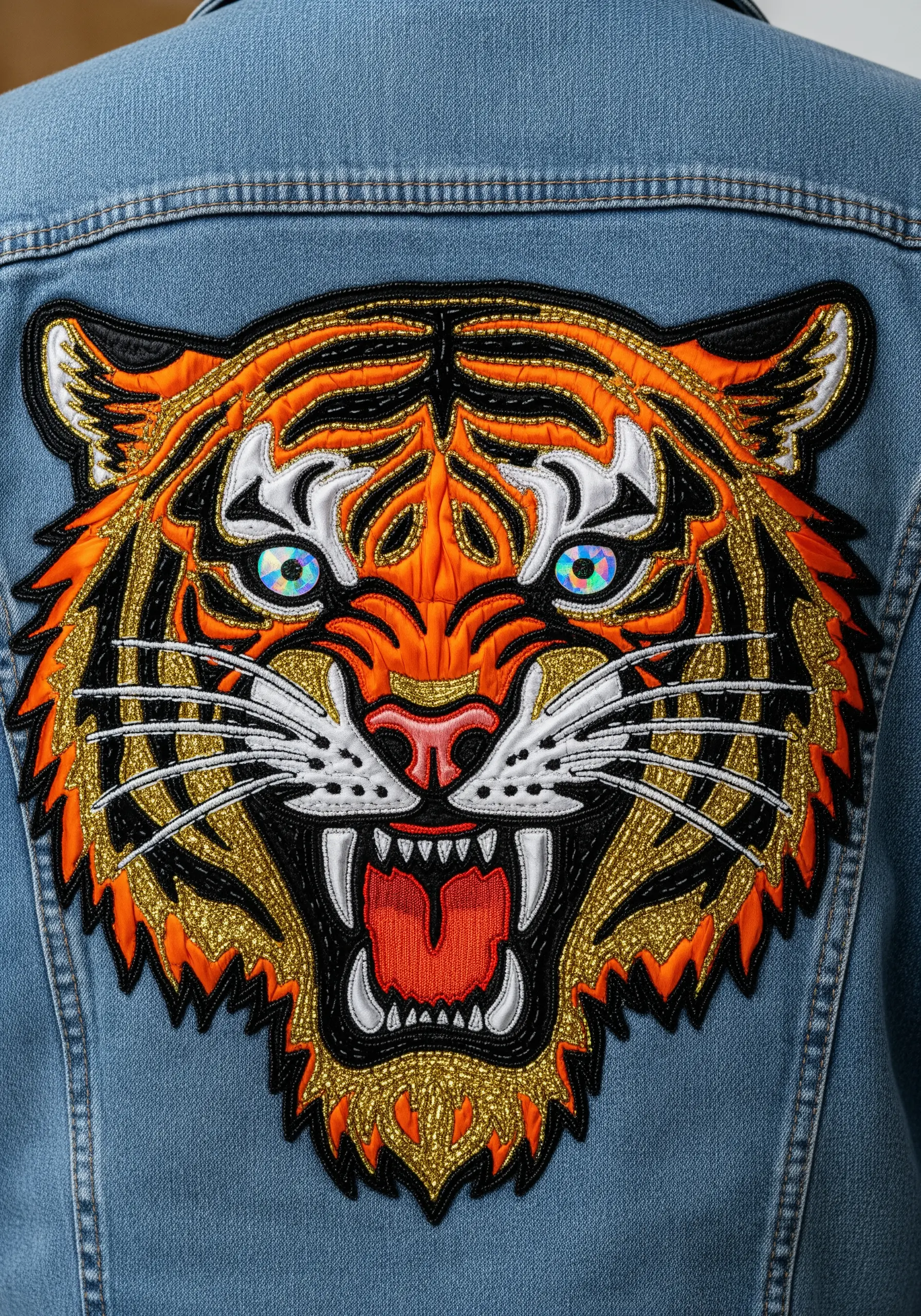
Give a traditional embroidered patch a dose of avant-garde energy by incorporating unexpected metallic and iridescent threads.
Use a glittery gold thread for large fill areas to create a dazzling texture that catches the light from every angle.
For a surprising detail, use a holographic or iridescent thread for the eyes, which will shift color as the viewer moves.
Strong, thick black satin stitch outlines are essential to contain the vibrant colors and give the design a sharp, graphic finish.
18. Contrast Sharp Metallics with Soft Textures
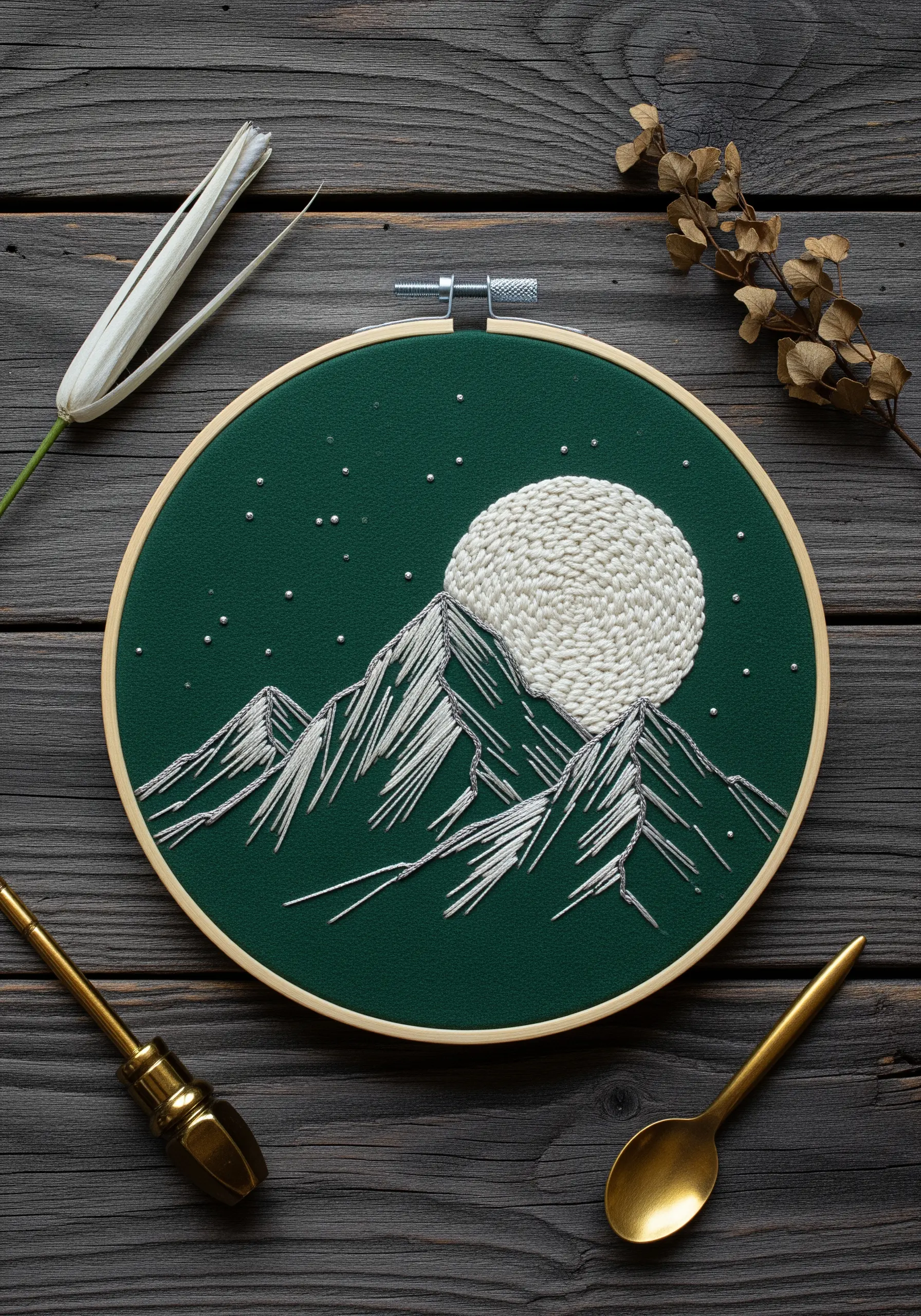
Create a dynamic landscape by juxtaposing the sharp glint of metallic thread with the soft, matte finish of a natural fiber.
Use long, dramatic straight stitches in silver metallic thread to capture the harsh, light-catching highlights on the mountain peaks.
For the moon, switch to a thick, soft cotton or wool thread and fill the shape with a dense spiral of French knots or a woven wheel stitch.
This contrast in texture—sharp versus soft, shiny versus matte—is what gives the piece its visual interest and tactile appeal.
19. Paint Expressive Brushstrokes with Thread
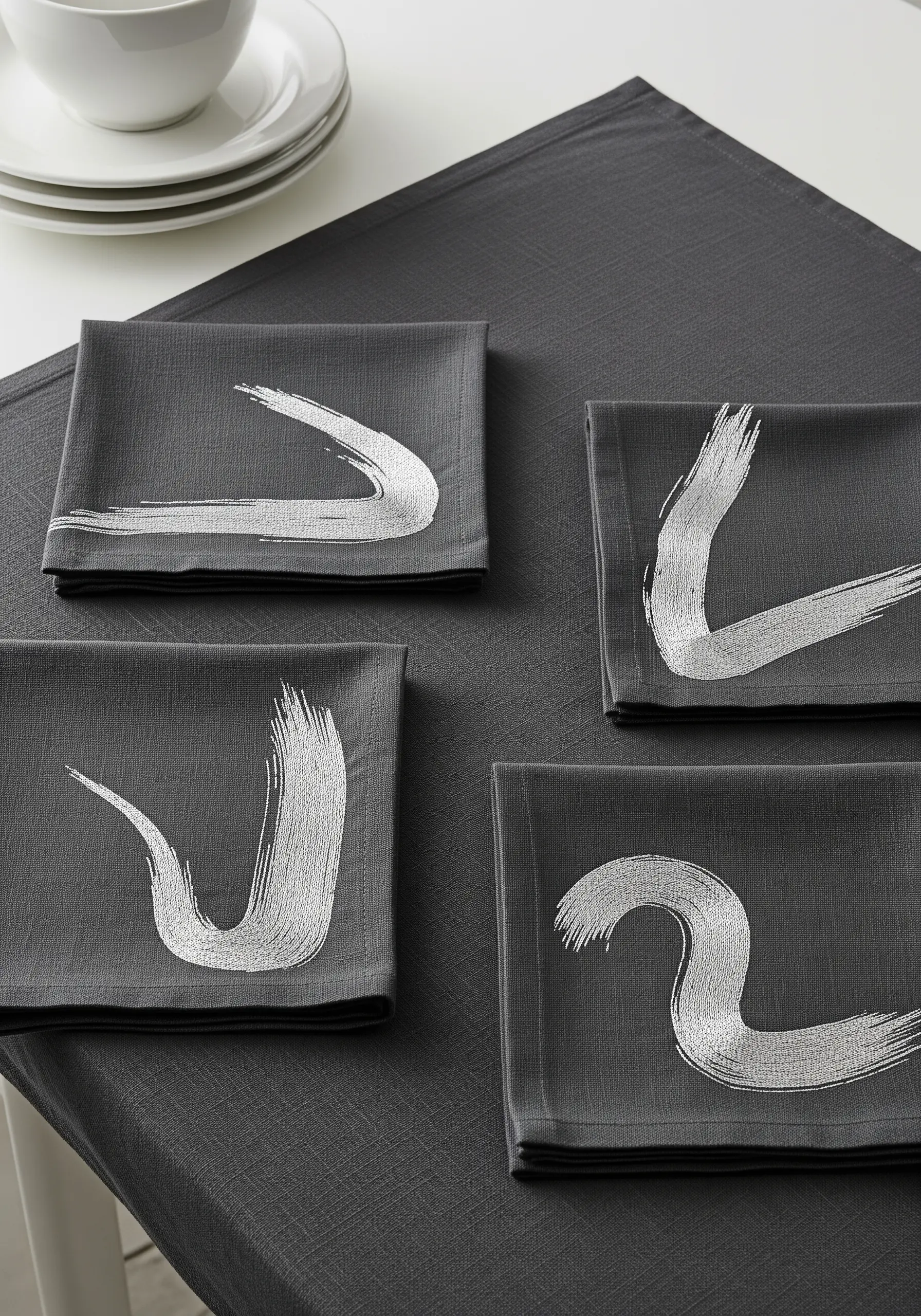
Mimic the spontaneous energy of calligraphy by using a free-form satin stitch to create abstract brushstroke motifs.
Don’t worry about perfect, even stitches. Instead, vary the length and angle of your silver metallic stitches to create a sense of movement and direction.
Leave some threads longer at the end of the ‘stroke’ to imitate the dry-brush effect of running out of paint.
This technique transforms simple linen table napkins into functional pieces of modern art.
20. Create Underwater Worlds with Sheer Layers
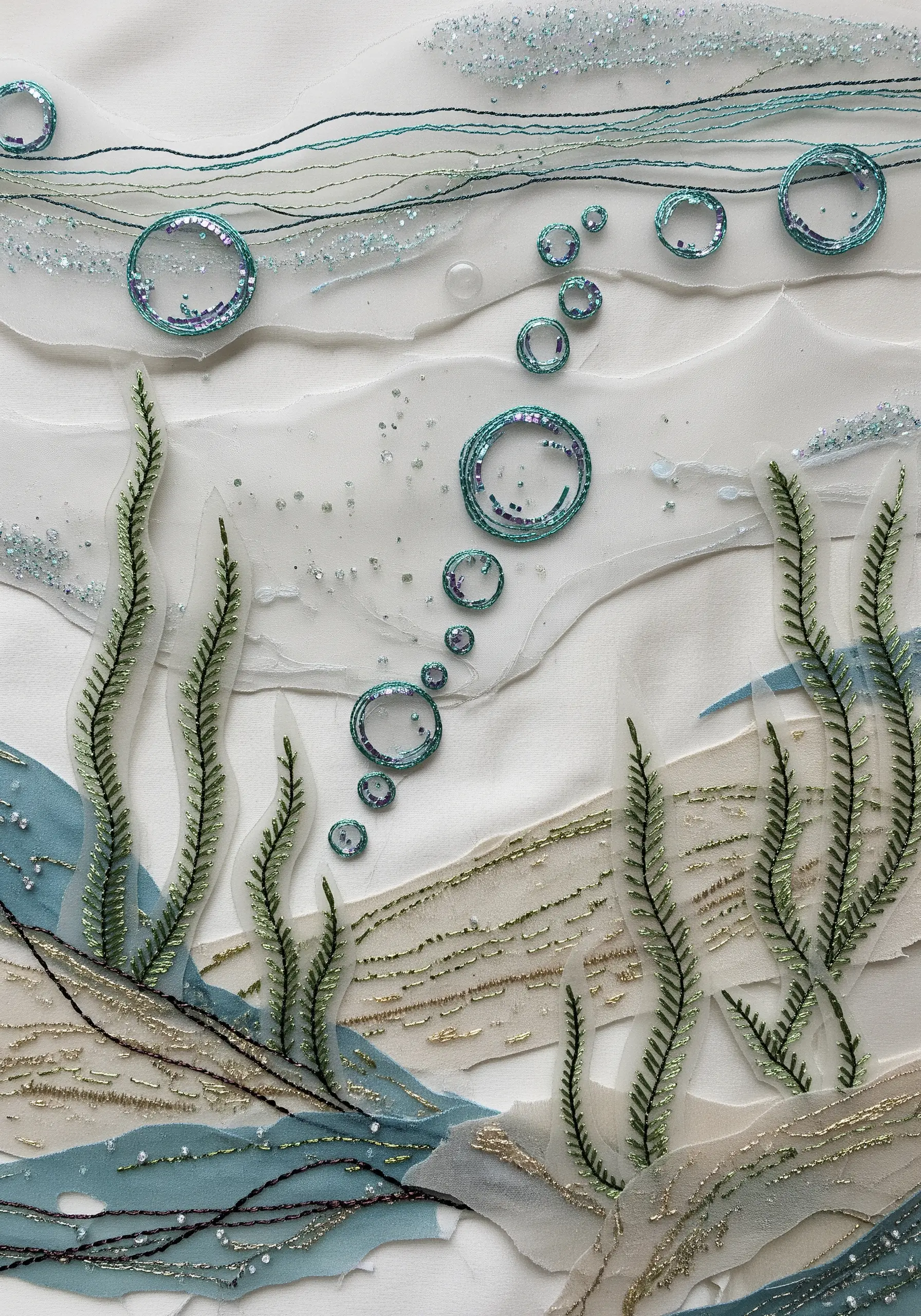
Build a dreamy, ethereal underwater scene by layering sheer fabrics like organza and tulle.
Create shimmering bubbles by trapping sequins and glitter inside small circles of organza, then couch around the edges with an iridescent metallic thread.
Use delicate stitches like fern stitch or feather stitch for the seaweed, employing a variegated metallic thread to add subtle color shifts.
This fabric collage technique allows you to create a sense of depth and translucency that evokes a magical, watery world.
21. Juxtapose Science with Gilded Nature
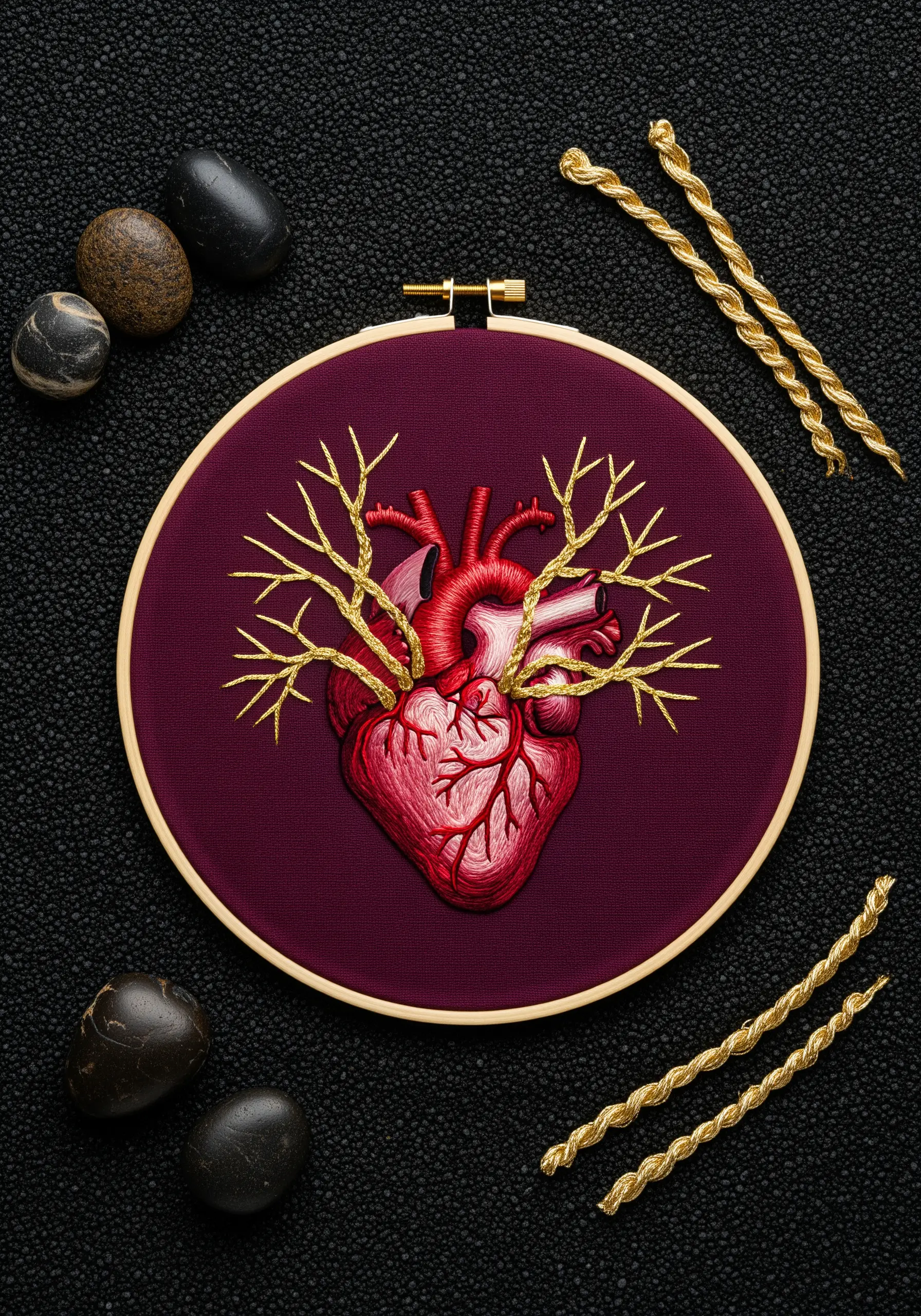
Create a stunning surrealist piece by combining a scientifically accurate anatomical heart with abstract, branching metallic forms.
Use a traditional thread painting technique with red and burgundy cotton floss to render the heart with realistic depth and shading.
Then, introduce a stark contrast by stitching tree-like branches growing from the arteries, using a bright gold metallic thread and simple straight stitches.
This powerful juxtaposition of clinical reality and gilded nature transforms a scientific diagram into a piece of profound, symbolic art.
22. Weave Thread Over Painted Canvas
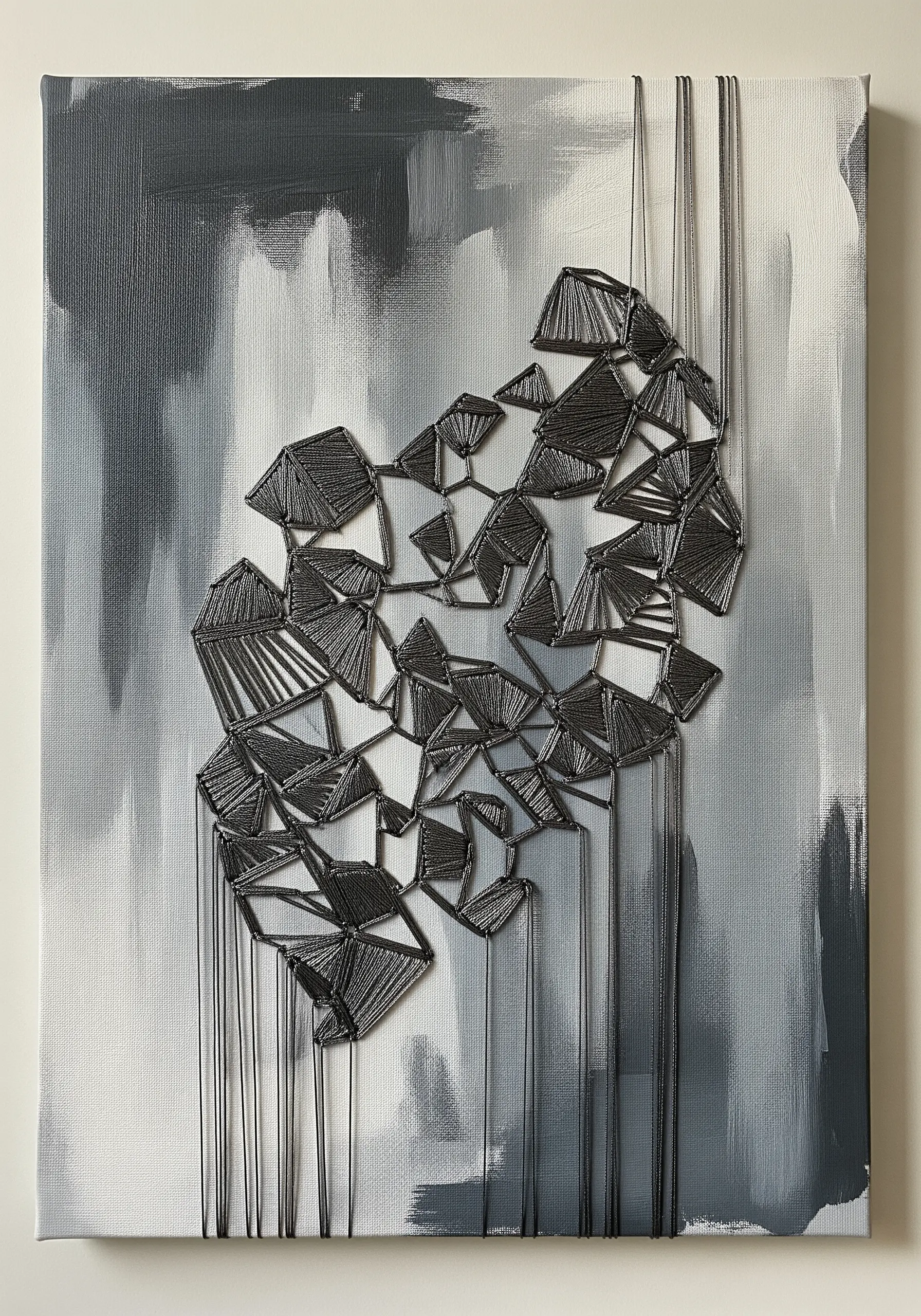
Combine painting and fiber art by stitching directly onto a painted canvas.
Start by creating an abstract, painterly background on a stretched canvas with acrylic paints. Once dry, you can use an awl to pre-punch holes for your needle.
Weave a dark metallic thread between the holes to create geometric, crystalline shapes that float above the painted surface.
This technique adds a sharp, structural layer to the soft, blended background, creating a dynamic mixed-media piece with incredible depth.
23. Paint with Fire Using Metallic Gradients
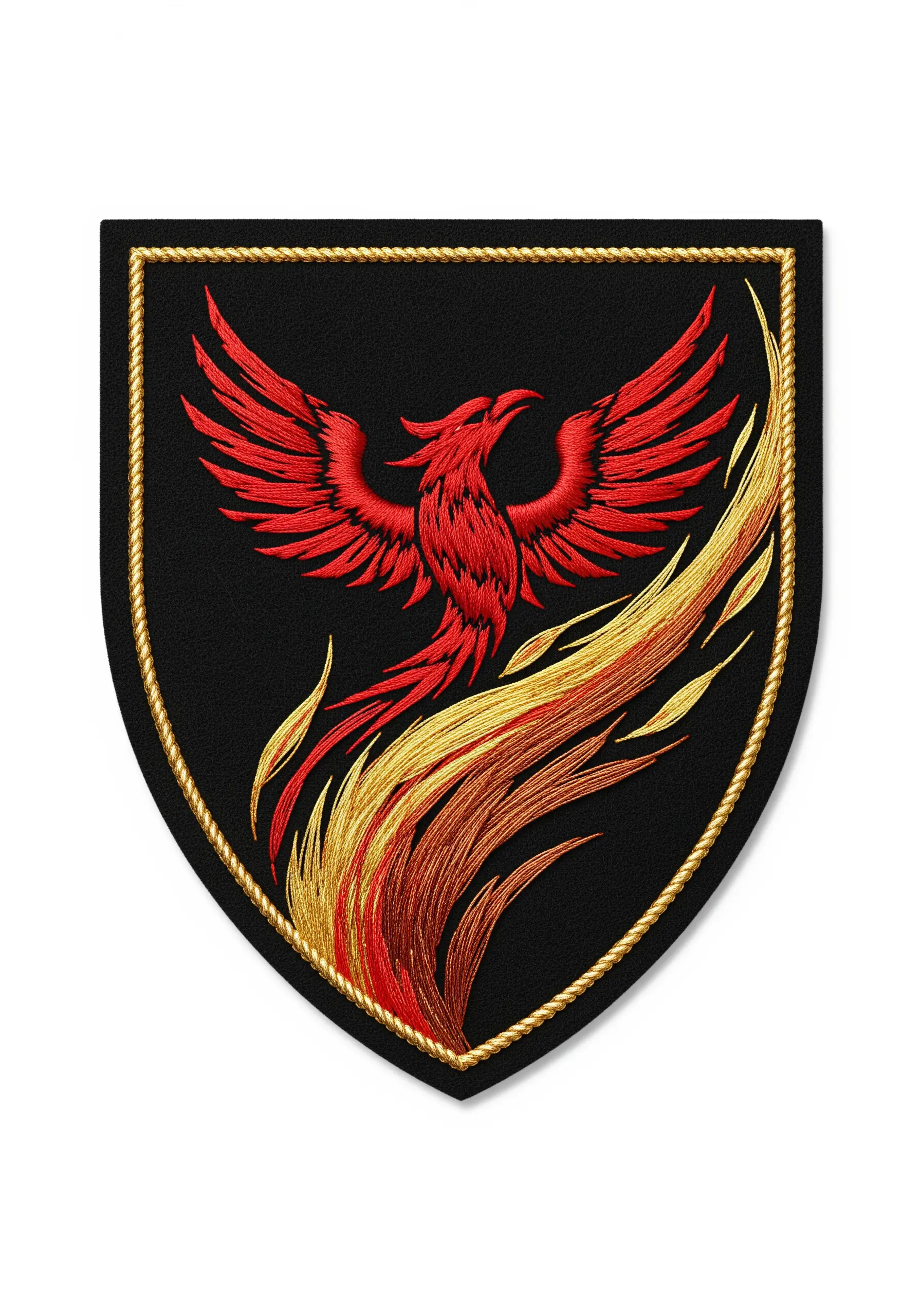
Capture the intense energy of a phoenix by using a smooth gradient of metallic threads to represent flames.
Use the long-and-short stitch to blend shades of gold, amber, and fiery red, creating a seamless transition that glows with energy.
Keep the stitches flowing in the direction of the flames to enhance the sense of movement.
Finish the patch with a clean, sharp border of couched gold cord. This frames the design and gives it a polished, heraldic quality.
24. Design a Minimalist Metallic Threadfall
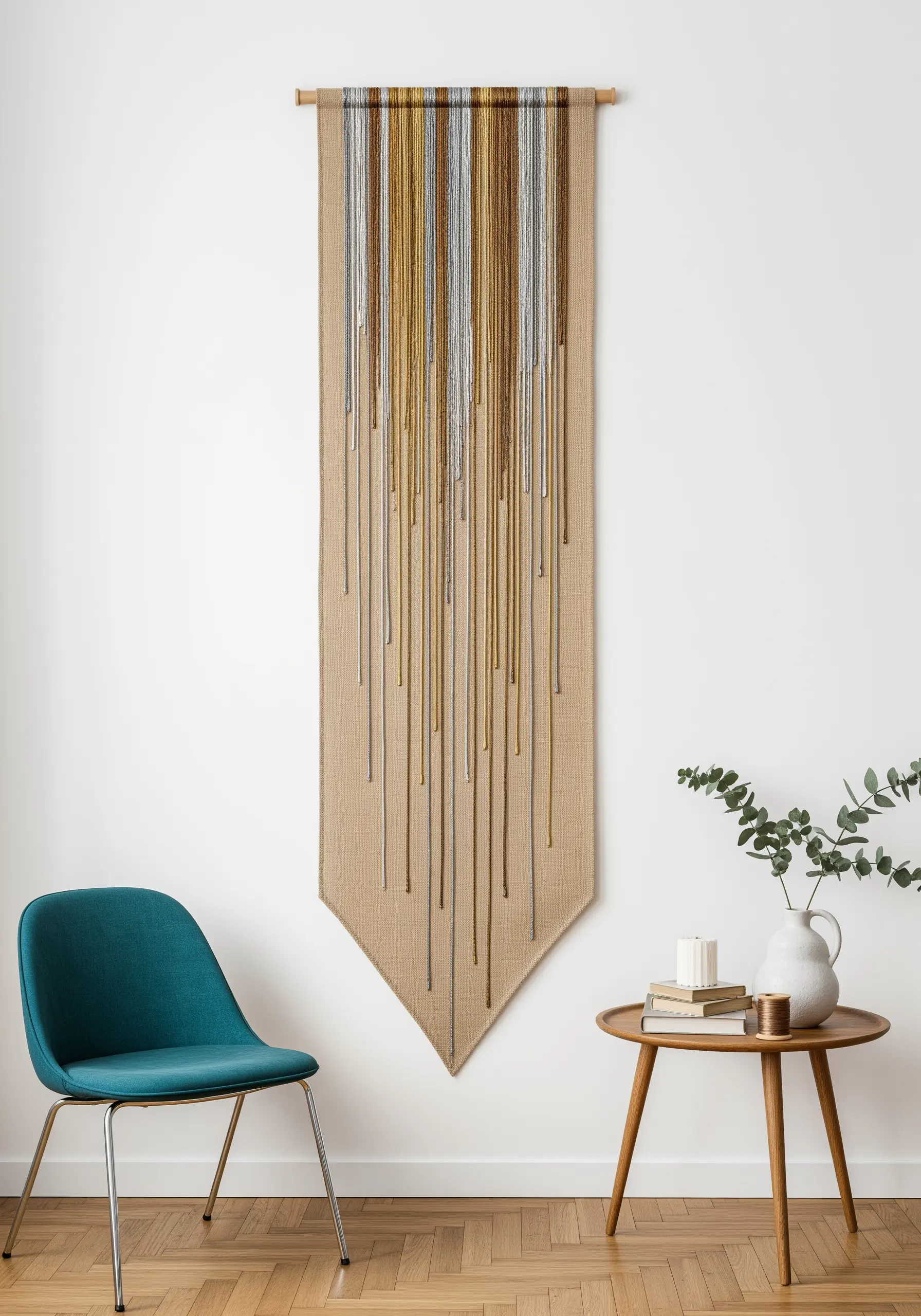
Create a high-impact, minimalist wall hanging that celebrates the simple beauty of metallic thread.
This is less about stitching and more about composition. Simply secure dozens of lengths of metallic thread—in gold, silver, and bronze—to a dowel or flat piece of wood, letting them hang freely.
Attach small weights (like tiny metal beads) to the end of each thread to ensure they hang straight and taut.
The result is a piece of modern fiber art that interacts with the light and air in your room, creating subtle shimmer and movement.
25. Construct Icy Forms with Bugle Beads
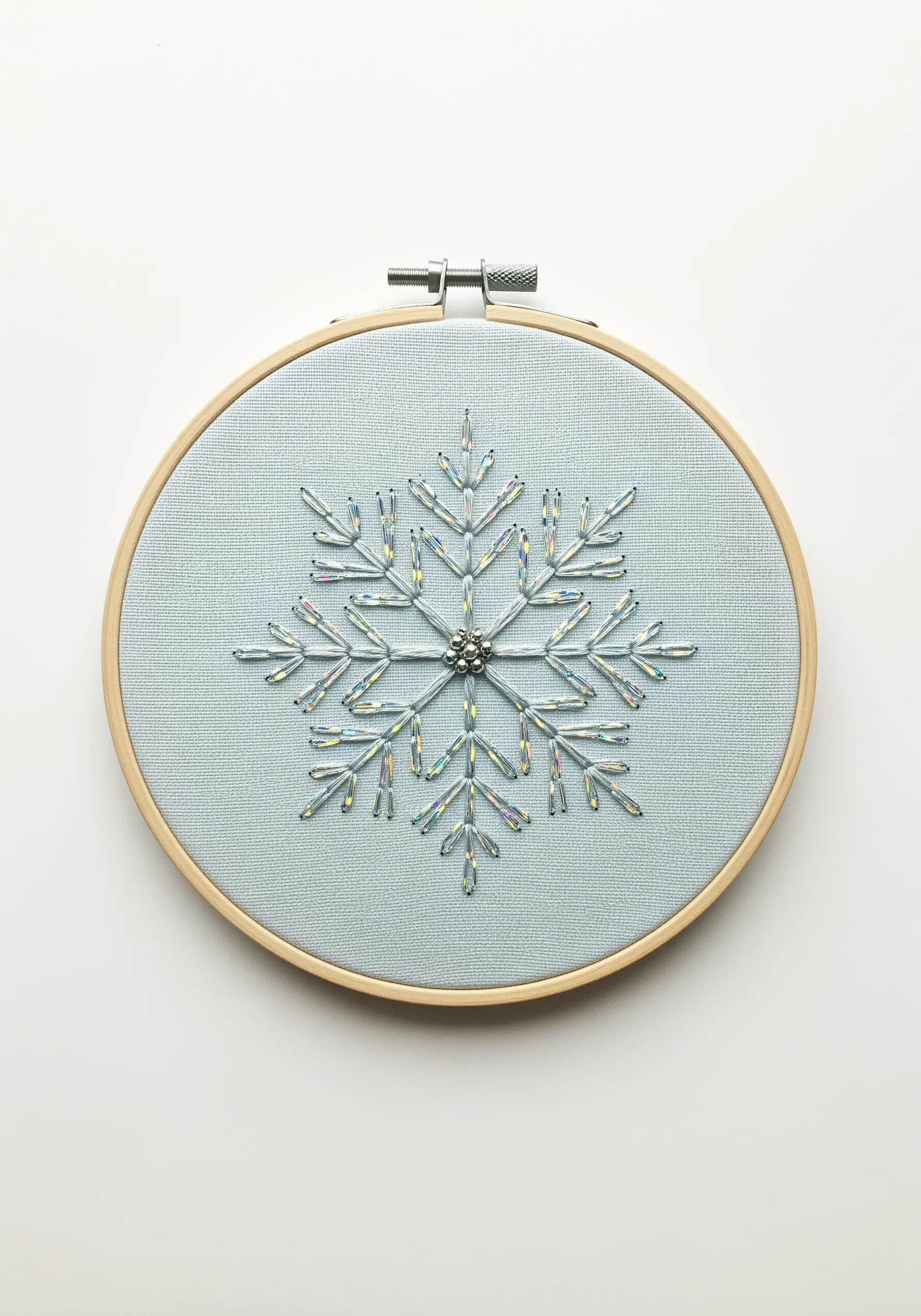
Build a delicate, shimmering snowflake using iridescent bugle beads instead of traditional stitches.
The long, thin shape of bugle beads is perfect for creating the crystalline arms of a snowflake.
Arrange the beads in a symmetrical pattern and stitch them down with a single strand of clear or silver metallic thread. The thread should be almost invisible, allowing the beads to be the star of the show.
This technique creates a design with a glassy, icy texture that captures and refracts light beautifully.
26. Embroider on Tulle for an Illusion Effect
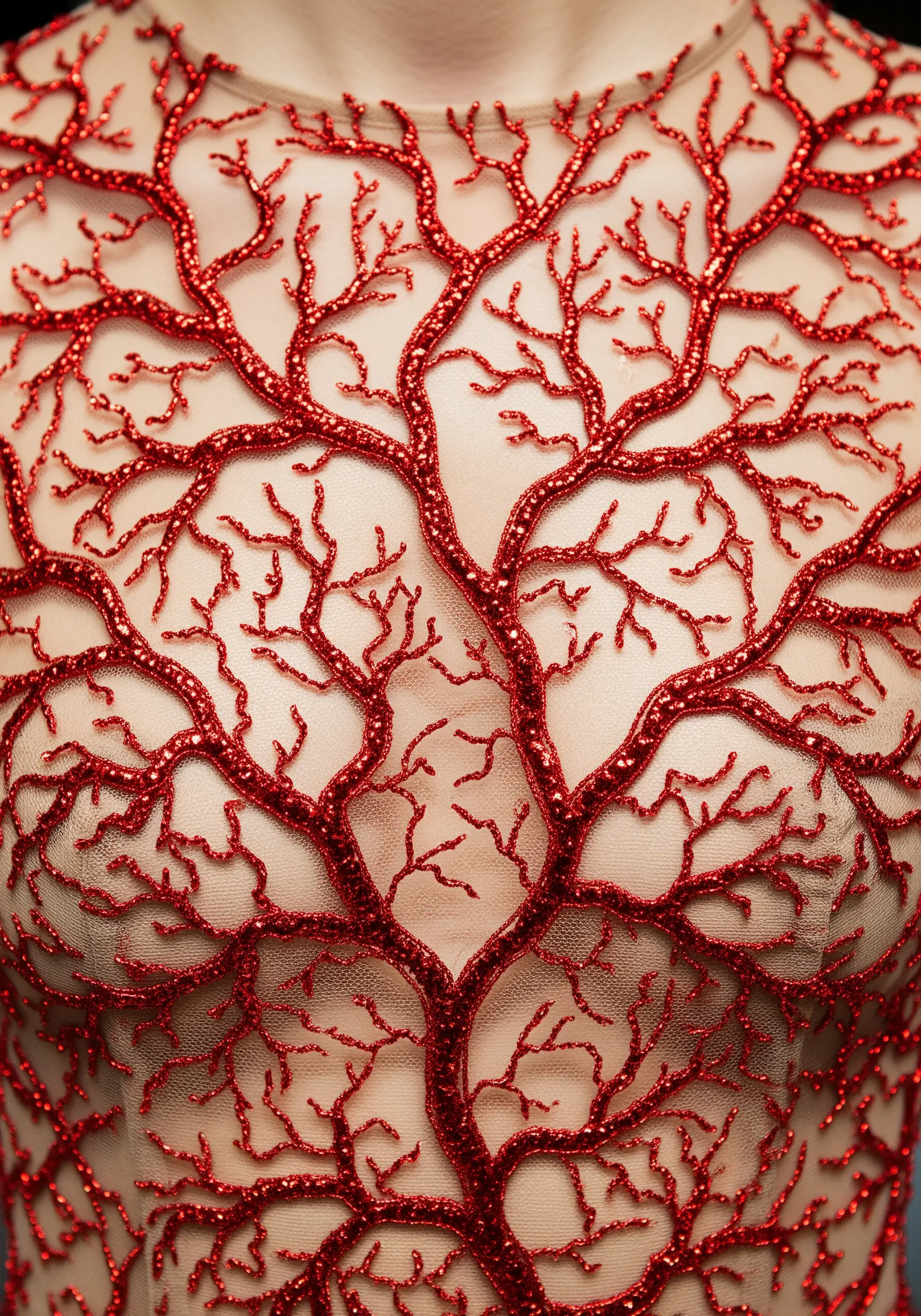
Create designs that appear to float on the skin by embroidering onto a sheer, skin-toned tulle.
Use a water-soluble or tear-away stabilizer behind the tulle to provide support while you stitch. Once you are finished, the stabilizer is removed, leaving only the threadwork.
Couching a glittery or metallic cord is an excellent technique for this, as it creates a bold, continuous line that stands out against the transparent background.
This method is perfect for creating avant-garde apparel pieces that blend embroidery directly with the body.
27. Define Typography with Circuit-Board Detail
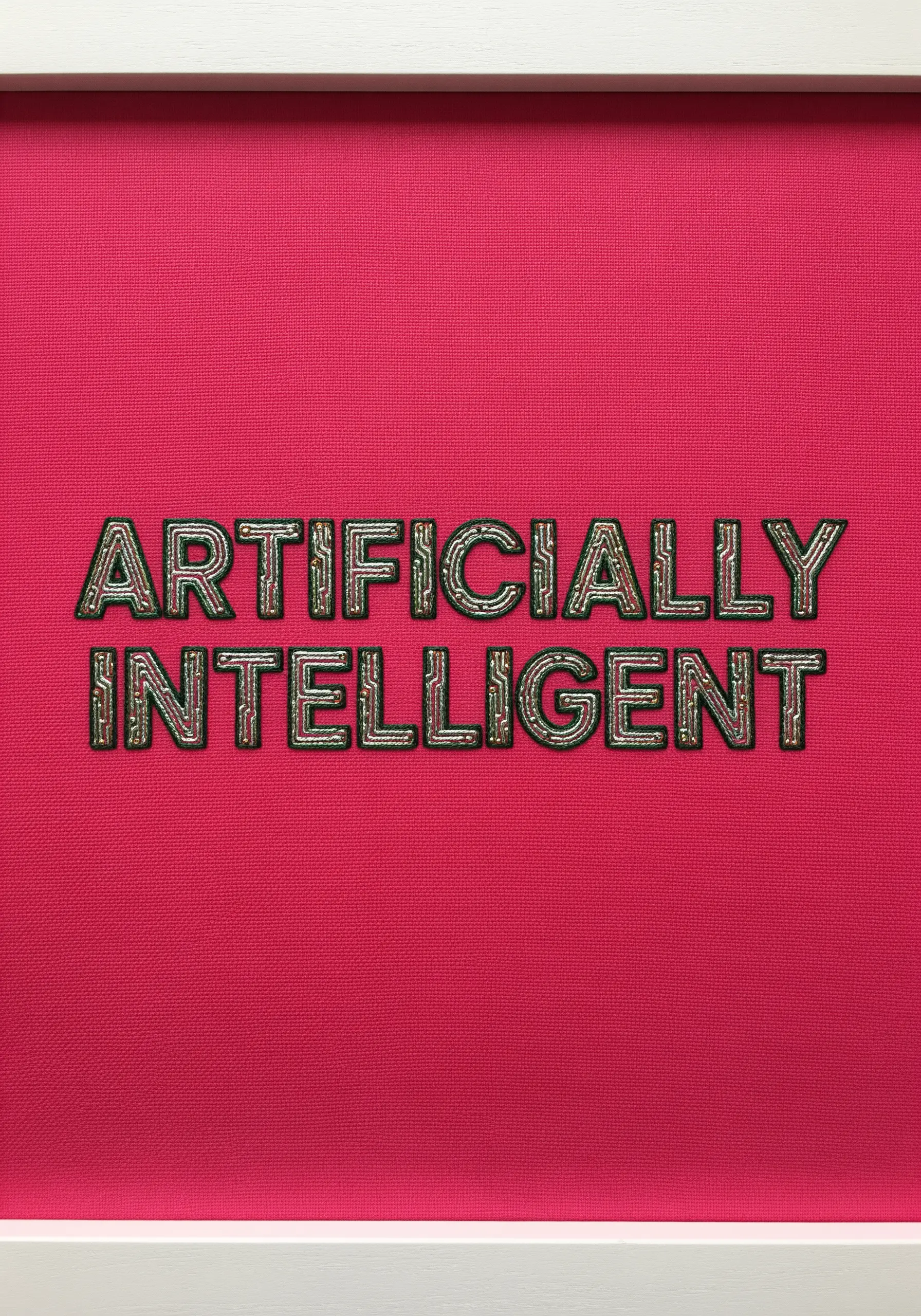
Give your embroidered lettering a futuristic, tech-inspired twist by adding intricate details.
First, create the main letterforms using a padded satin stitch in a dark, matte thread. This gives the letters dimension and makes them stand out.
Then, use a very fine, bright metallic thread to stitch a pattern resembling a circuit board over the top.
This layering of texture and sheen creates a sophisticated design that feels both handmade and digitally inspired.
28. Embrace Abstract Chaos with Free-Motion Stitching
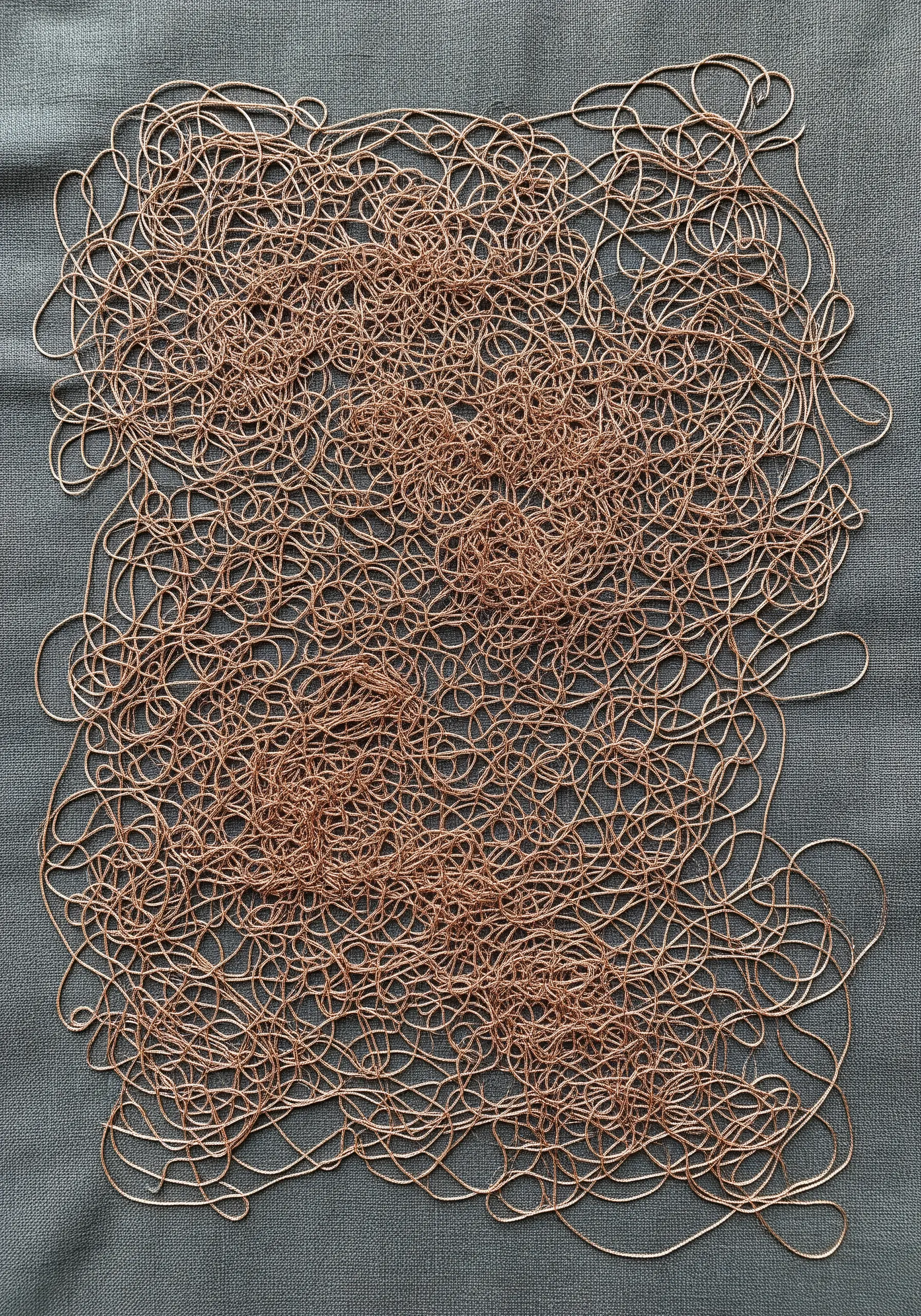
Create a complex, web-like texture by embracing a free-form, chaotic stitching method.
You can achieve this look with a sewing machine by using a darning foot and dropping the feed dogs, allowing you to move the fabric freely in any direction while the machine stitches.
By hand, you can achieve a similar effect by using one very long piece of metallic cord and tacking it down in random loops and scribbles with a finer thread.
This abstract technique is about building layers of texture without a predefined plan, resulting in a unique piece every time.