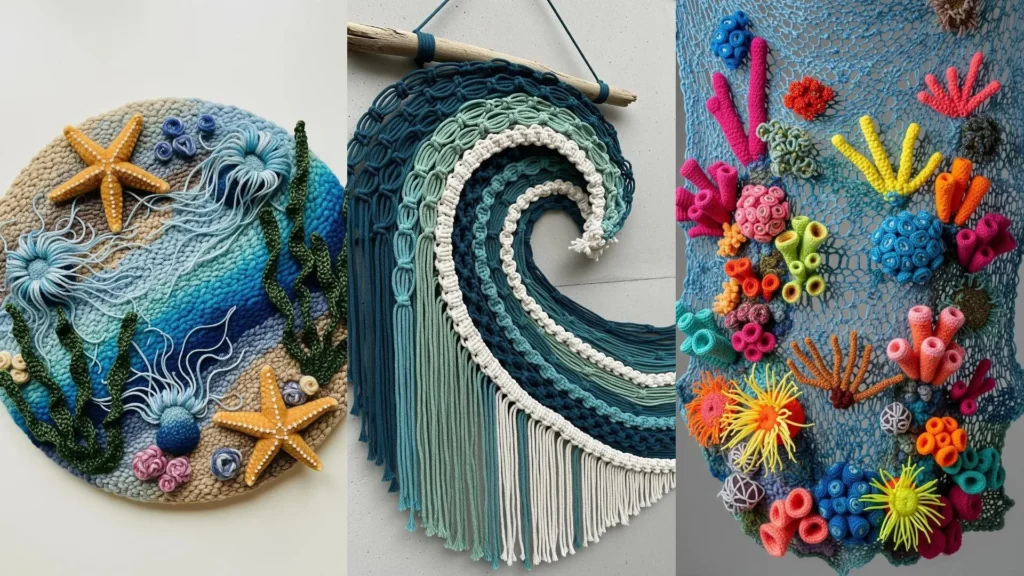
Have you ever felt that your love for stitching is bigger than the space inside your embroidery hoop? You are not alone. So many of us master the stitches, yet feel a quiet longing to push our craft beyond the familiar, to create something with more presence, texture, and meaning.
This is your invitation to think like a sculptor, an architect, and an artist—using the materials and skills you already possess. The ideas that follow are not about abandoning your needle and thread. They are about expanding your definition of what fiber can be and what a stitch can do.
You will see how artists transform everyday rope, recycled paper, and even light itself into breathtaking installations. Each one holds a secret you can borrow for your own work—whether it’s exploring monumental scale in a small wall hanging, weaving with unexpected materials, or using thread to create three-dimensional forms.
Let this be the moment you give yourself permission to experiment. To see the artistic potential in a bundle of yarn, a pile of fabric scraps, or a discarded object. Your next masterpiece might not fit in a hoop, and that is a truly wonderful thing.
1. Master Monumental Texture with Oversized Braids
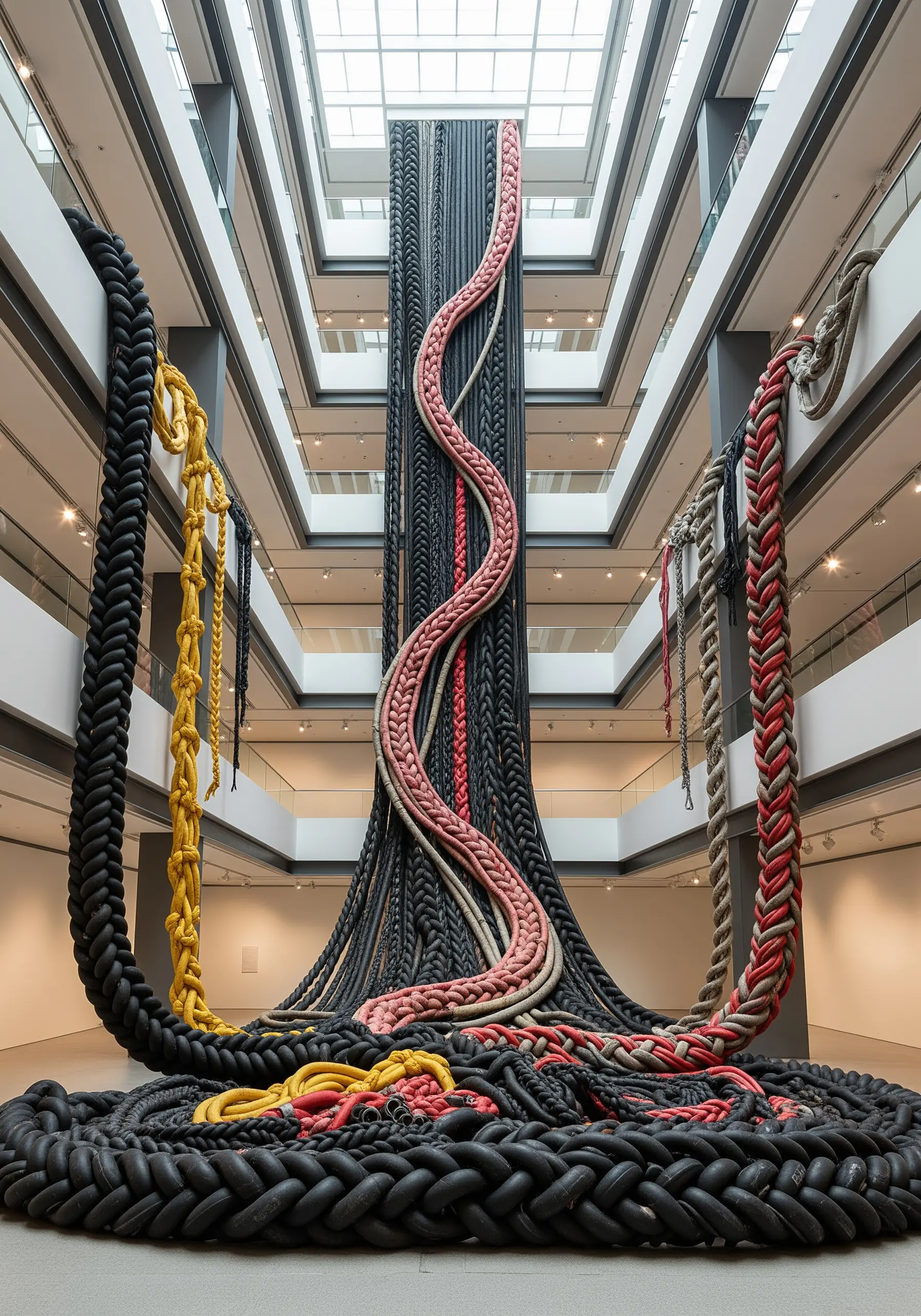
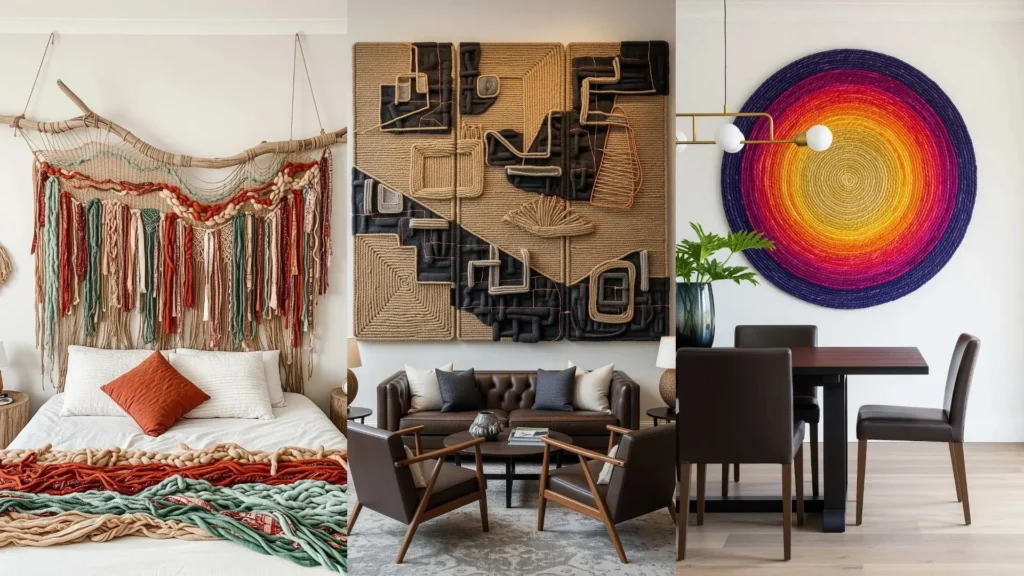
Move beyond the delicacy of thread and explore the impact of scale by working with chunky yarns, fabric strips, or soft cotton rope.
Instead of stitching, focus on braiding, knotting, and coiling these thicker materials onto a sturdy canvas or burlap base.
This technique allows you to build sculptural, high-relief surfaces quickly, creating a piece that commands attention through its sheer physicality and textural depth.
The contrast between a tightly woven braid and a looser coil creates a dynamic visual rhythm, turning a simple wall hanging into a statement art piece.
2. Weave with Light Using Iridescent Materials
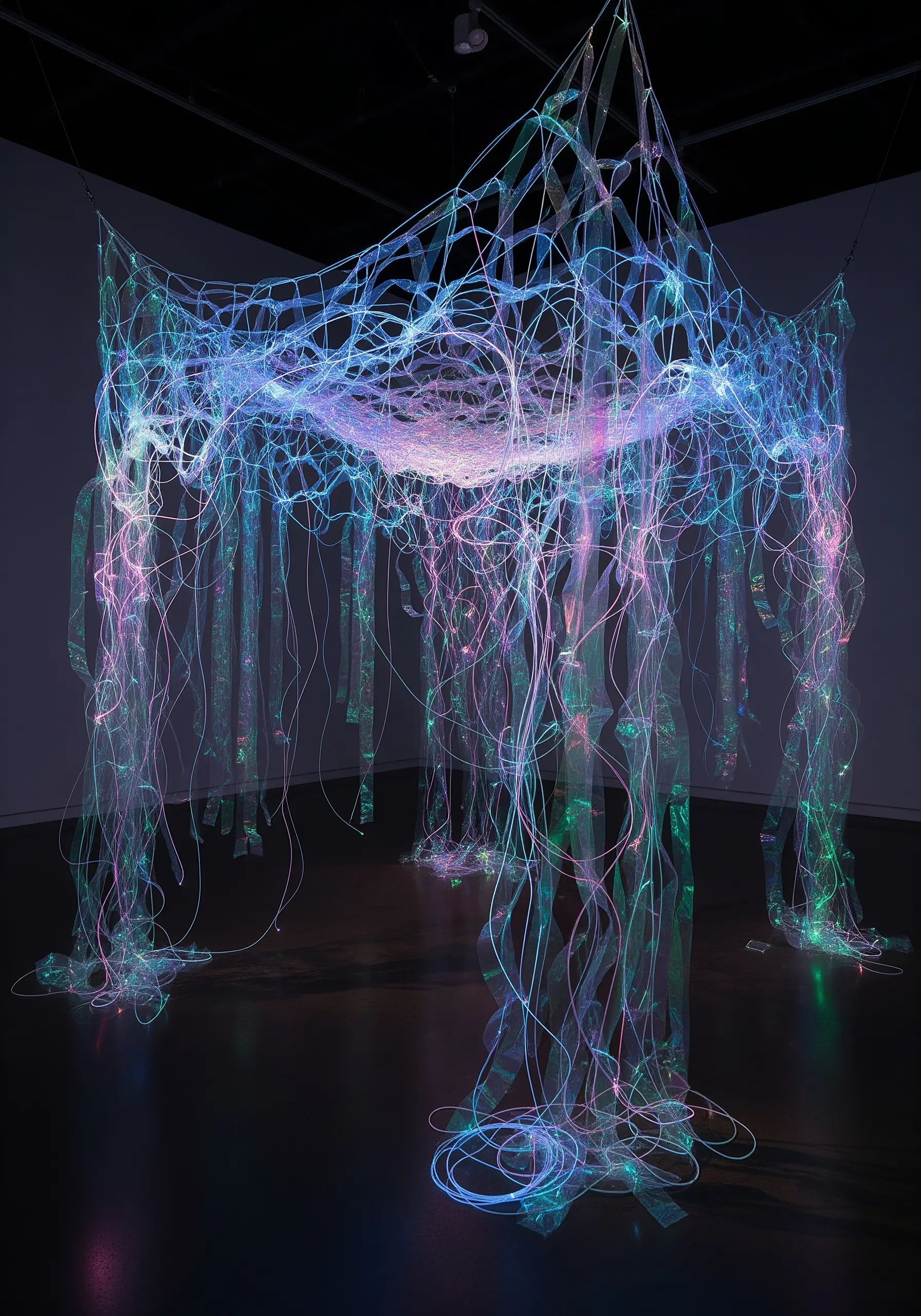
Introduce an ethereal, otherworldly quality to your work by incorporating materials that interact with light.
Experiment with weaving thin fiber optic strands, iridescent cellophane strips, or translucent vinyl into an open-weave structure.
This method isn’t about creating a dense pattern but about building a semi-transparent web that catches and refracts light, creating shifting colors and a sense of magical weightlessness.
On a smaller scale, try couching fine, flexible wire or metallic thread onto dark fabric to create a design that shimmers as the viewer moves.
3. Transform Everyday Objects with Yarn Wrapping

Take your fiber art off the hoop and into the third dimension by using wrapping techniques on found objects.
Select a simple form—a branch, a stone, or even a piece of furniture—and wrap it tightly with brightly colored yarn or rope.
The power of this technique comes from the contrast between the familiar object and its new, vibrant textile skin.
Play with color blocking by switching yarns to create clean, graphic stripes, turning a mundane item into a piece of intentional, sculptural art.
4. Create Architectural Lace with Negative Space
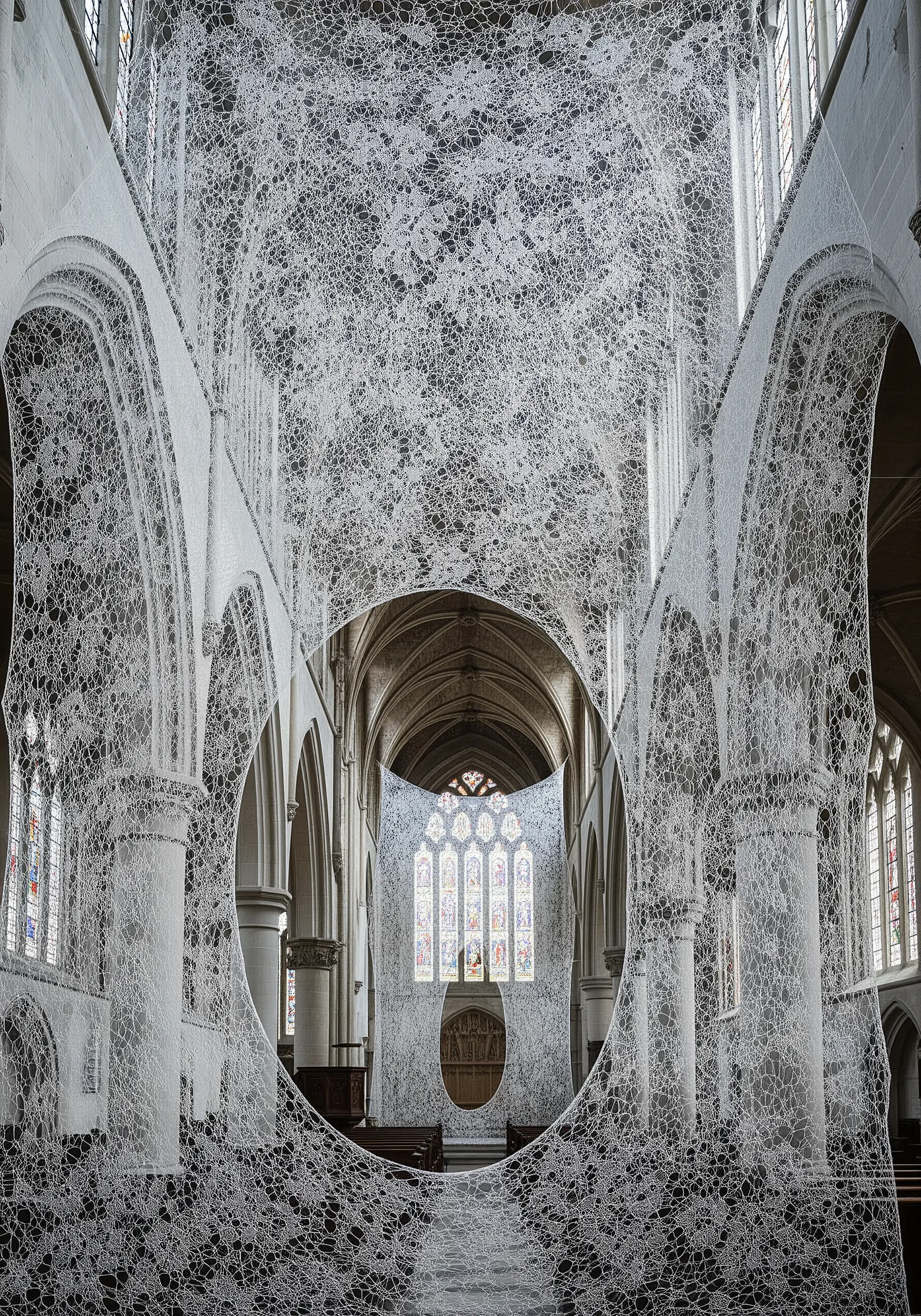
Build delicate, web-like structures by focusing on what you leave out, not just what you stitch in.
To achieve this effect, stitch a dense, intersecting line pattern onto a water-soluble stabilizer.
Once your stitching is complete, dissolve the stabilizer away, leaving behind a fragile, self-supporting lace structure made entirely of thread.
This technique challenges the idea of a solid background fabric, allowing you to create fiber art installations that interact with the architecture of the space they inhabit.
5. Cultivate a Fiber Garden with Sculptural Stitches
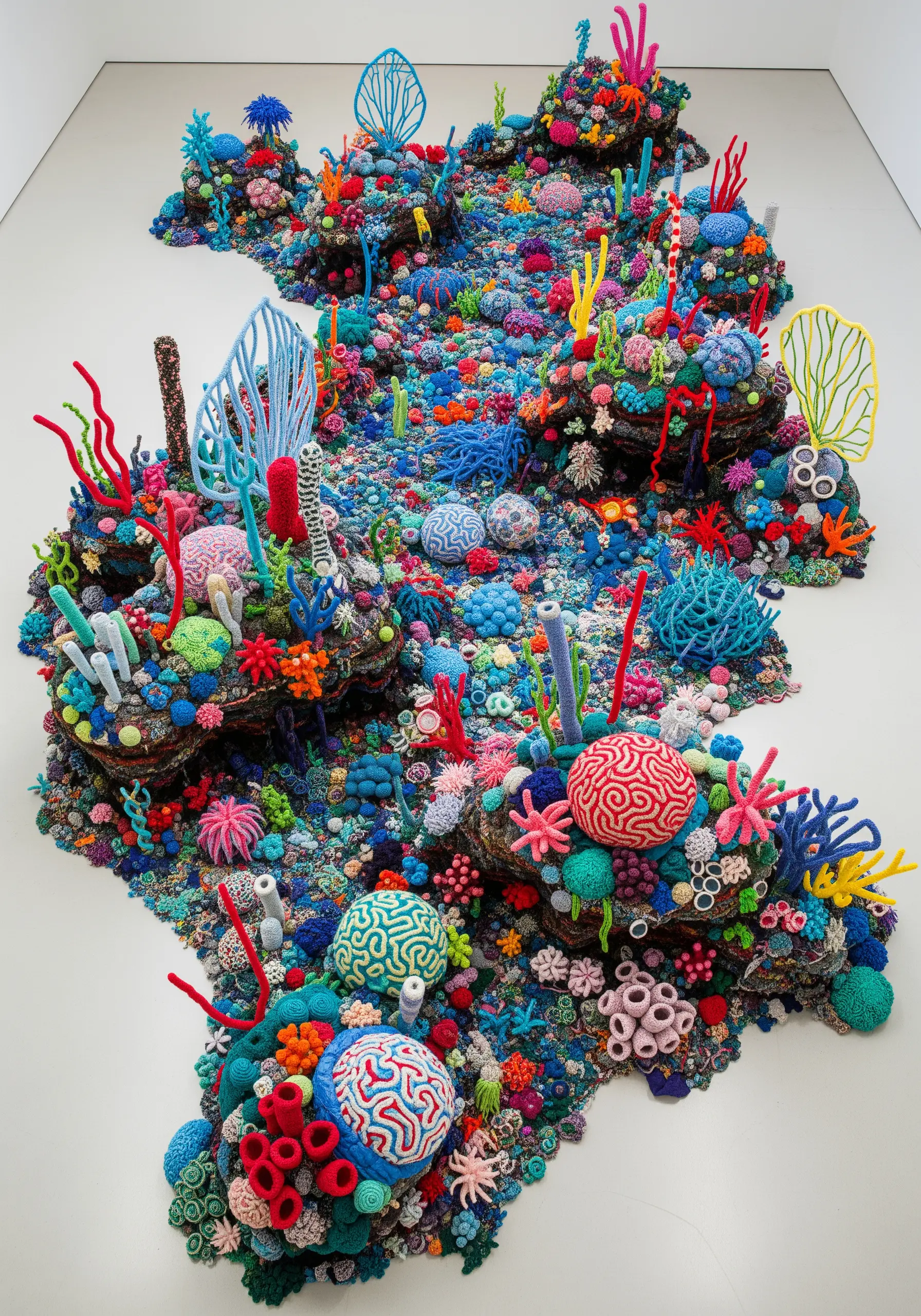
Move beyond flat surfaces by building dense, three-dimensional textures that mimic organic growth.
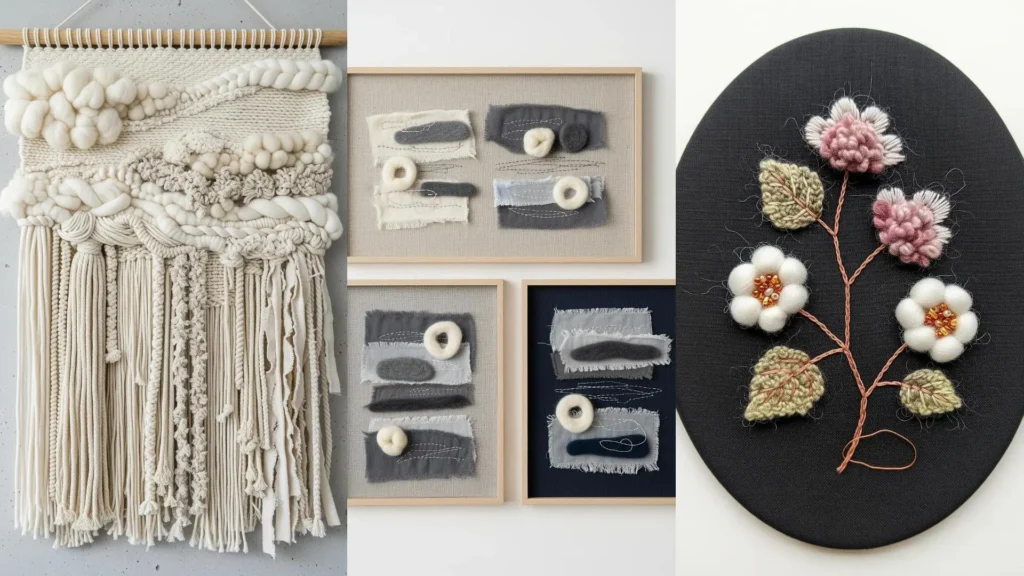
Combine a variety of highly textural stitches like French knots, bullion knots, cast-on stitches, and woven picots in a tightly packed composition.
Vary the thickness of your yarn and the height of your stitches to create a rich, tactile landscape reminiscent of a coral reef or a mossy forest floor.
This approach transforms your hoop into a miniature world, inviting the viewer to look closer and explore its intricate details.
6. Weave Narratives with Symbolic Materials
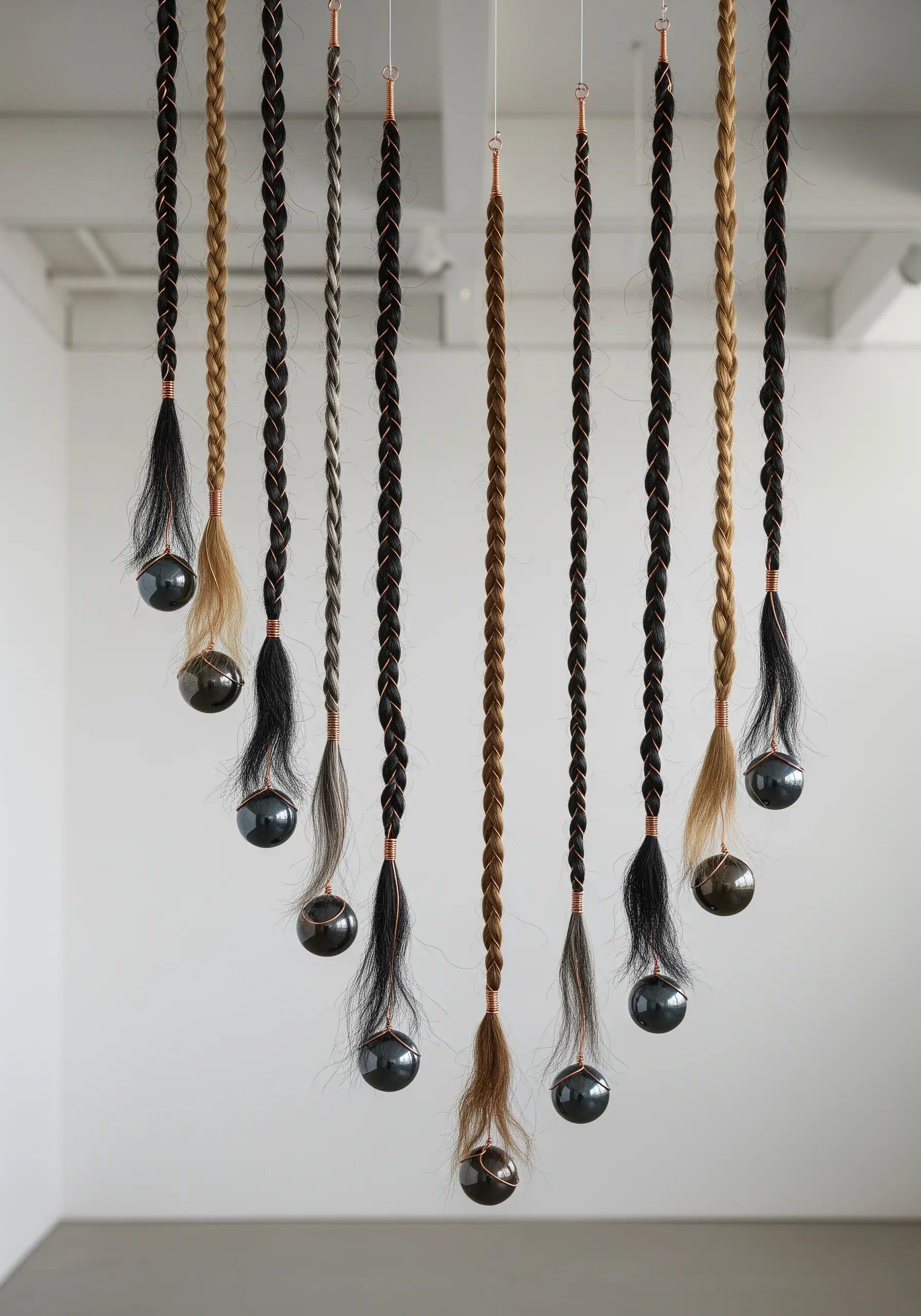
Infuse your work with deeper personal meaning by incorporating unconventional, symbolic materials alongside traditional threads.
Consider what materials hold a story for you—strands of hair, strips of a significant garment, or even dried grasses from a memorable place.
You can braid these elements, couch them onto your fabric, or weave them into a tapestry.
This practice transforms your art from a purely aesthetic object into a meaningful personalized keepsake, embedding memories and histories directly into the textile.
7. Explore Bold Graphics with Utilitarian Weaving
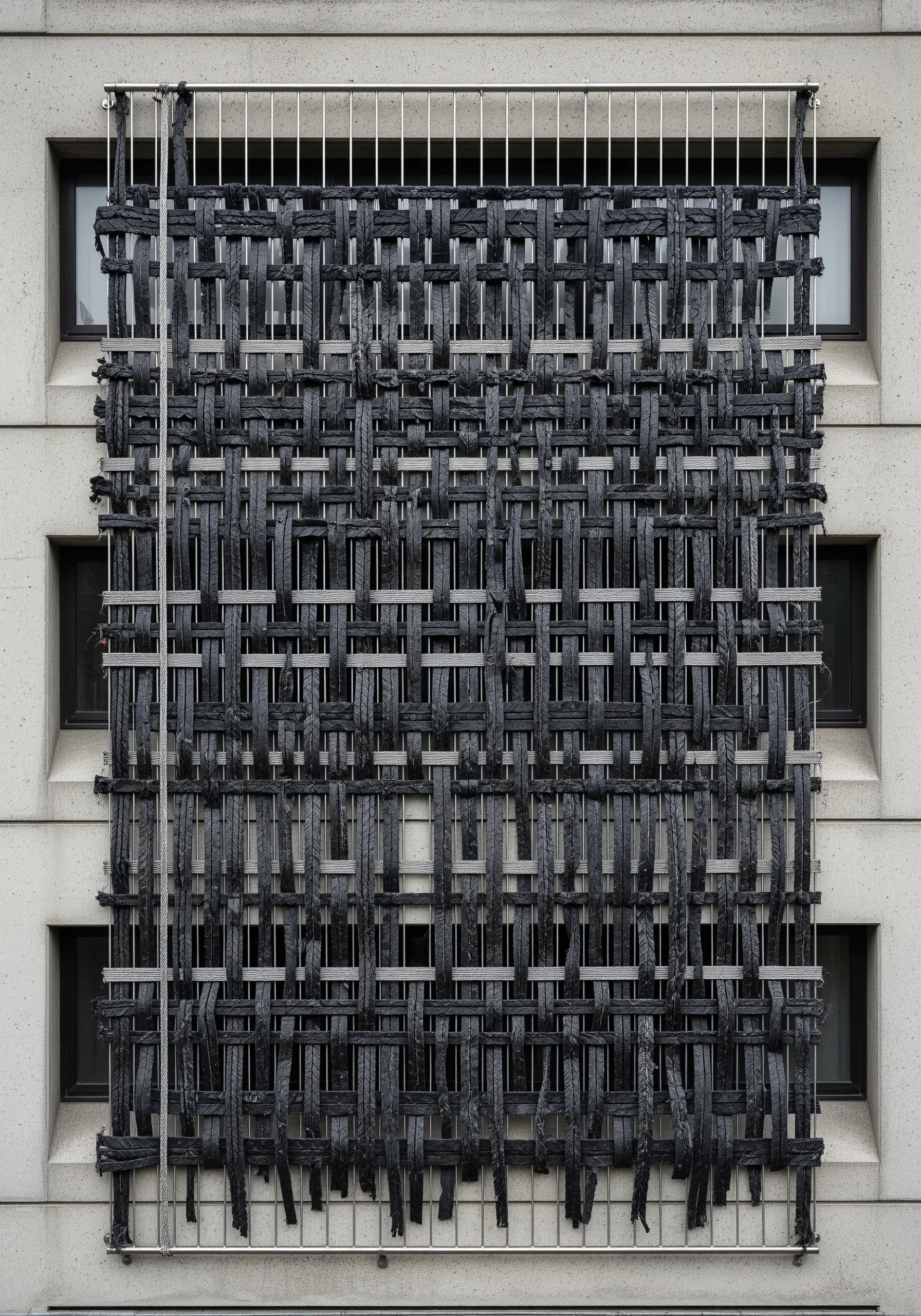
Challenge traditional notions of fiber art by using heavy-duty, utilitarian materials to create powerful graphic patterns.
Source materials like industrial felt, nylon webbing, or strips of recycled rubber inner tubes.
Use a simple over-under weaving technique on a large-scale frame or directly onto a wall grid.
The inherent stiffness and weight of these materials create a bold, architectural presence that traditional yarns cannot achieve, emphasizing raw texture and form over delicate detail.
8. Juxtapose Softness and Solidity with Felting
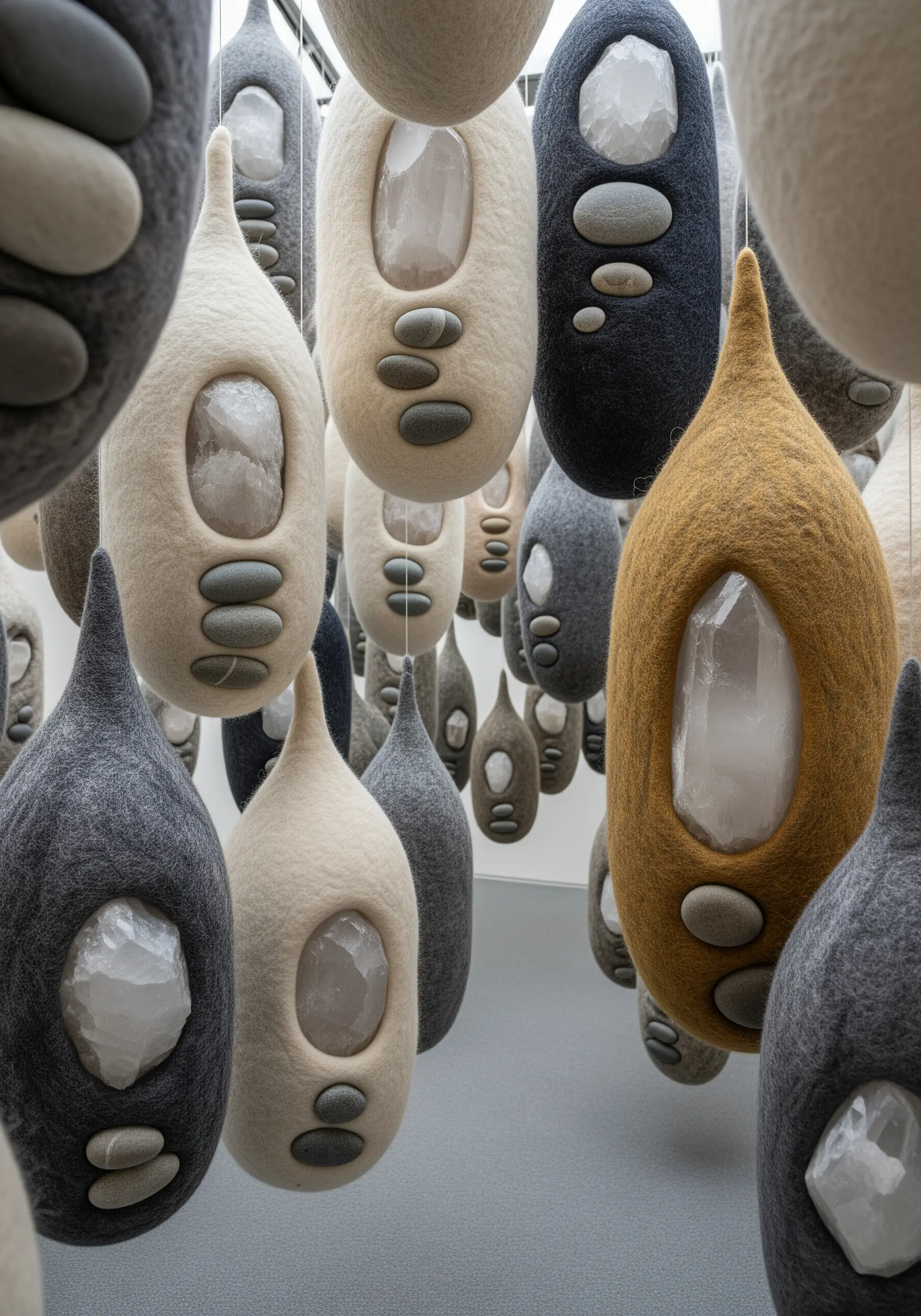
Create compelling tactile contrast by embedding hard, smooth objects within soft, felted forms.
Use needle felting techniques to create soft, organic pods or vessels from wool roving.
Before you fully felt the shape, embed a contrasting object—like a smooth river stone, a piece of sea glass, or a quartz crystal—within the fibers.
As you continue to felt, the wool will tighten around the object, securing it in place and creating a beautiful tension between the yielding textile and the unyielding stone.
9. Create Abstract Art from Technological Detritus

Find inspiration in the unexpected by using discarded electronic components as your primary medium.
Gather old computer cables, wires, and connectors to create a densely layered, textured tapestry.
Arrange the components on a board or canvas, securing them with wire or heavy-duty thread, and let the bright colors and varied shapes form an abstract composition.
This approach reimagines technological waste as a vibrant artistic material, creating a commentary on our digital lives through a tactile, handmade process.
10. Stitch Through Light with Translucent Surfaces
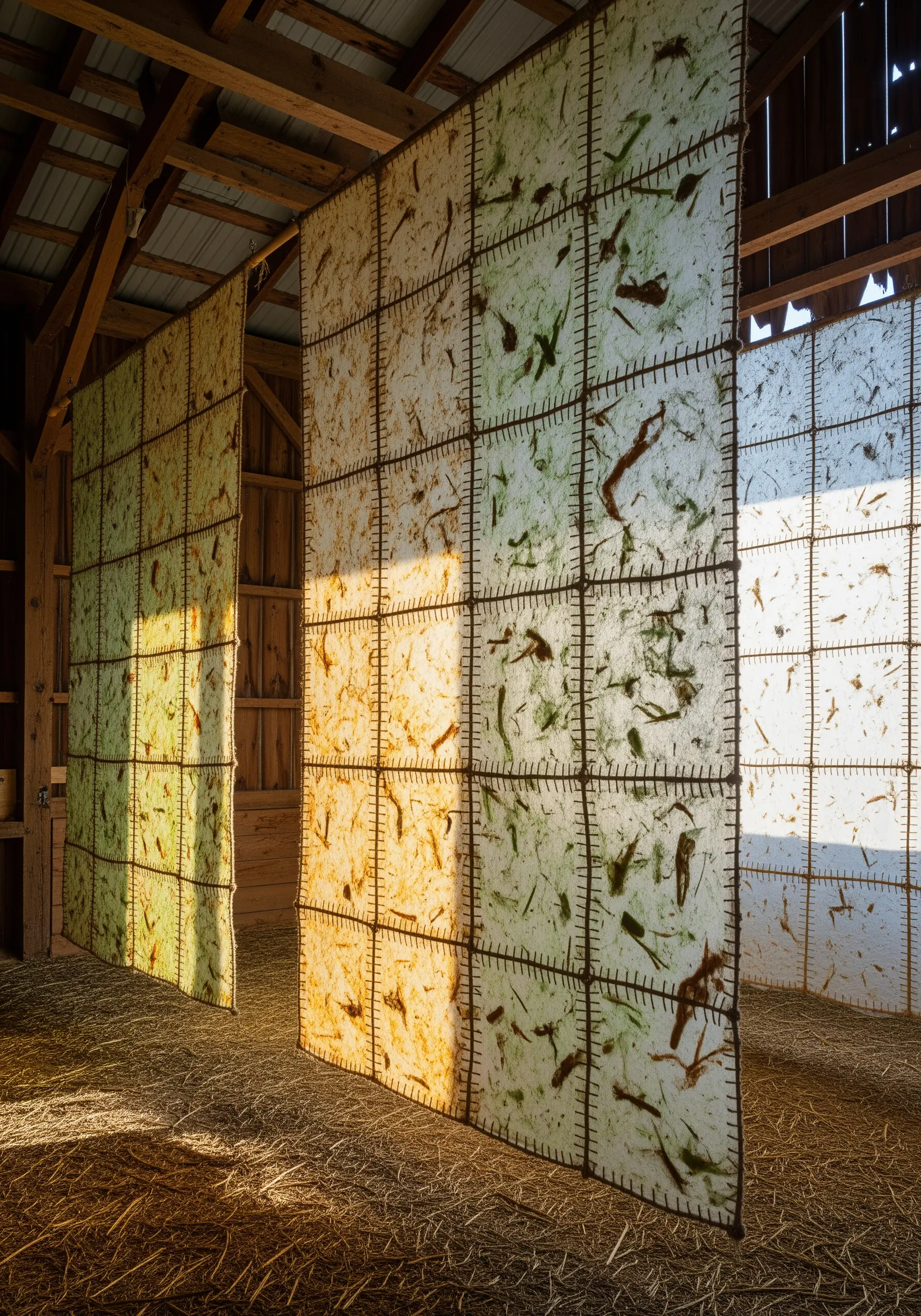
Explore the interplay of light, shadow, and stitch by using handmade paper or sheer fabric as your canvas.
Create panels from translucent materials, embedding botanicals or other fine elements if making your own paper.
Instead of intricate embroidery, use simple, strong stitches like a running stitch or whipstitch to join the panels, making the construction itself part of the design.
When hung in front of a window or light source, these pieces come alive, revealing their inner textures and casting beautiful, colored shadows.
11. Harness the Power of Repetitive Knotting
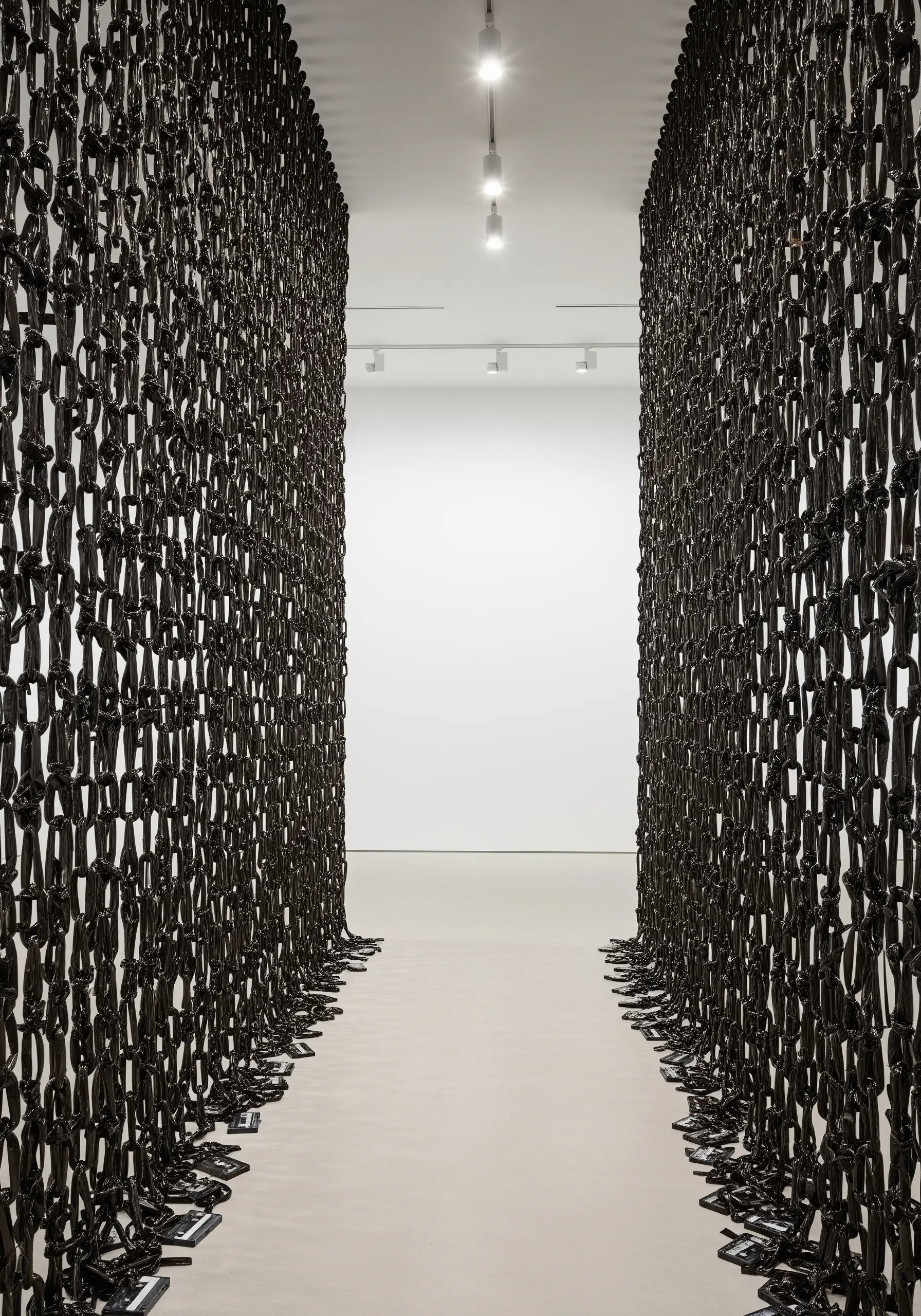
Create a powerful sculptural statement not through complex techniques, but through the mindful repetition of a single, simple action.
Choose one type of knot—a simple overhand knot or a lark’s head knot will work perfectly.
Using a thick, uniform material like black rope or cord, create hundreds of these knots and link them together to form long chains or dense curtains.
The visual impact comes from the immense scale and consistency, turning a basic craft element into a profound and meditative art form.
12. Integrate Found Natural Elements into Your Weaving
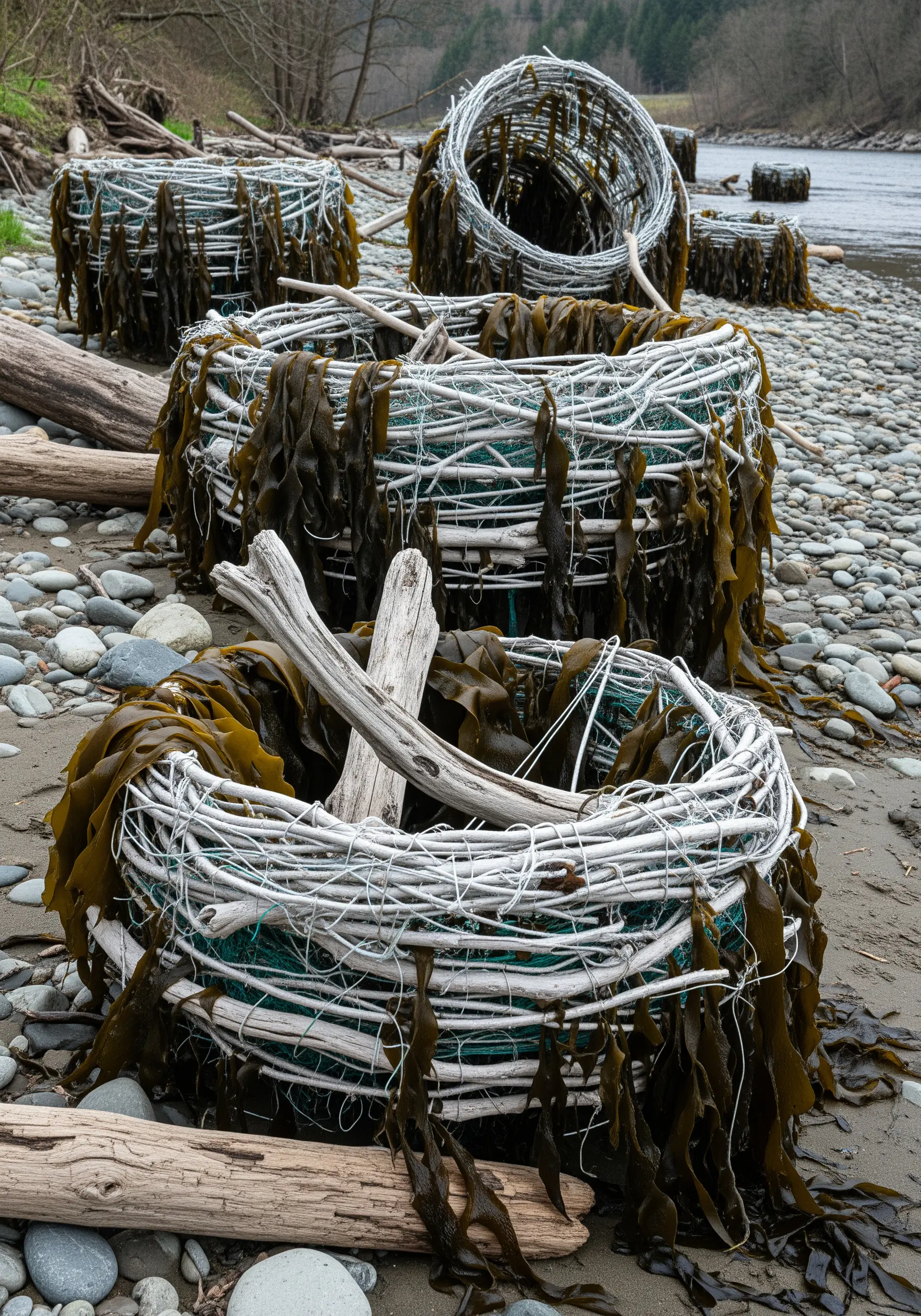
Add authentic, organic texture to your work by weaving with materials gathered directly from nature.
Instead of relying solely on store-bought yarn, incorporate flexible twigs, long grasses, strips of bark, or even seaweed into your weaving projects.
These elements bring an untamed, earthy quality to the piece, creating a direct connection to a specific landscape or environment.
The textures and colors are unpredictable and raw, offering a beautiful contrast to the uniformity of manufactured fibers.
13. Draw with Light Using Neon Cords

Translate the dynamic energy of light into a physical form by using brightly colored, light-reactive cords as your drawing tool.
Stretch fluorescent strings or elastics between fixed points on a frame or directly onto walls to create complex, geometric compositions.
This technique is essentially three-dimensional line drawing, where the tension and intersection of the lines create vibrant, energetic patterns.
For a smaller project, use neon embroidery floss on black fabric to achieve a similar high-contrast, glowing effect that feels both graphic and electric.
14. Design Kinetic Sculptures with Hanging Elements
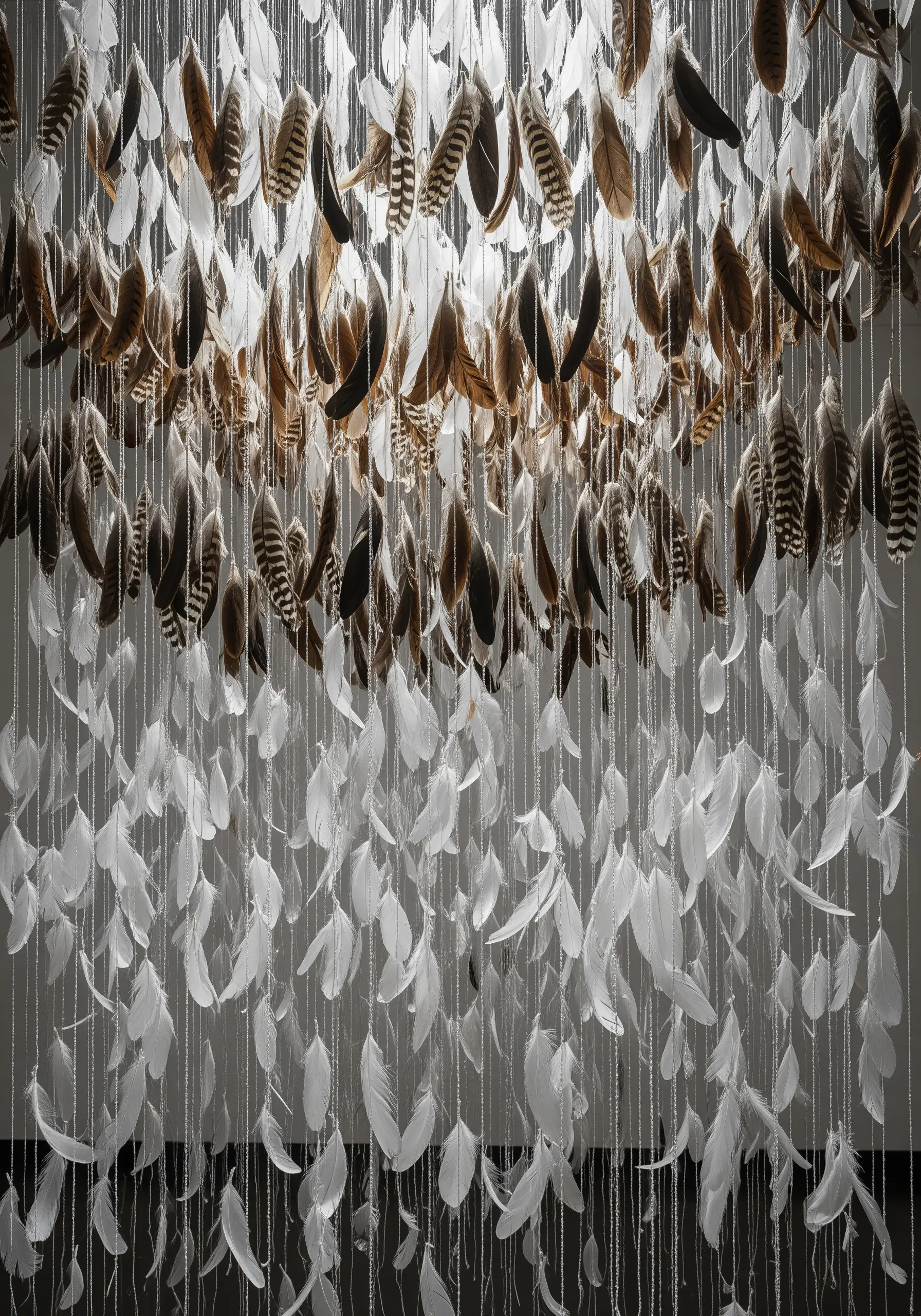
Create a fiber art piece that gently moves and responds to its environment by suspending lightweight elements from a grid.
String hundreds of delicate items—like feathers, paper cutouts, or fabric petals—onto fine, strong threads like monofilament.
Hang these threads closely together from a ceiling grid or a wooden frame to form a cascading curtain of texture.
The slightest breeze will cause the elements to flutter and turn, creating a mesmerizing, ever-changing display of light and shadow.
15. Create Tension by Combining Harsh and Soft Materials
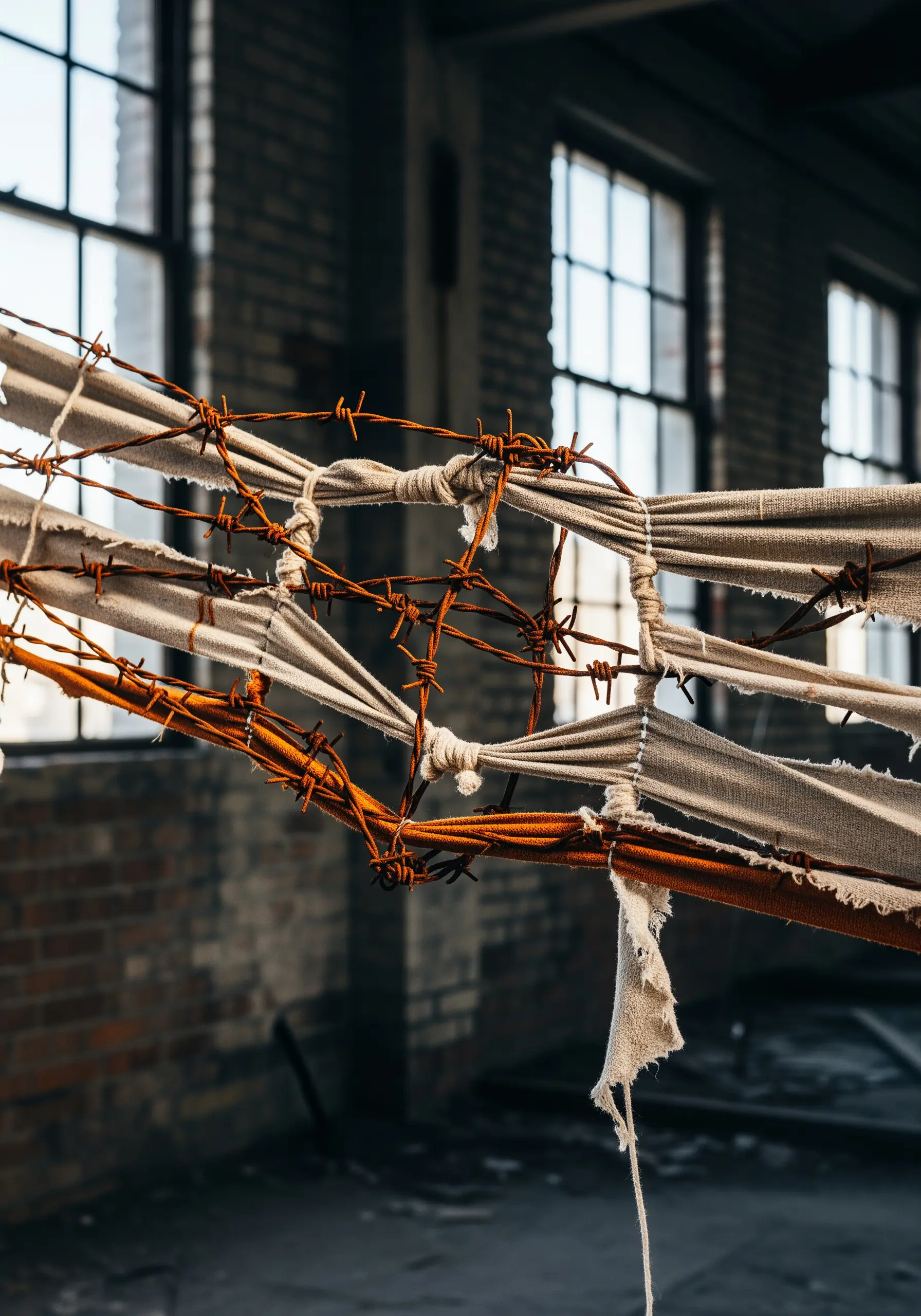
Explore conceptual depth in your work by deliberately pairing materials with opposing qualities.
Juxtapose a harsh, aggressive material like barbed wire or rusted metal with a soft, yielding textile like raw linen or silk.
Instead of traditional stitching, use wrapping, tying, or weaving to bind the two materials together.
This forceful contrast creates an immediate emotional response, telling a story of struggle, protection, or resilience through the language of texture alone.
16. Build Sculptural Forms with Fabric Coiling
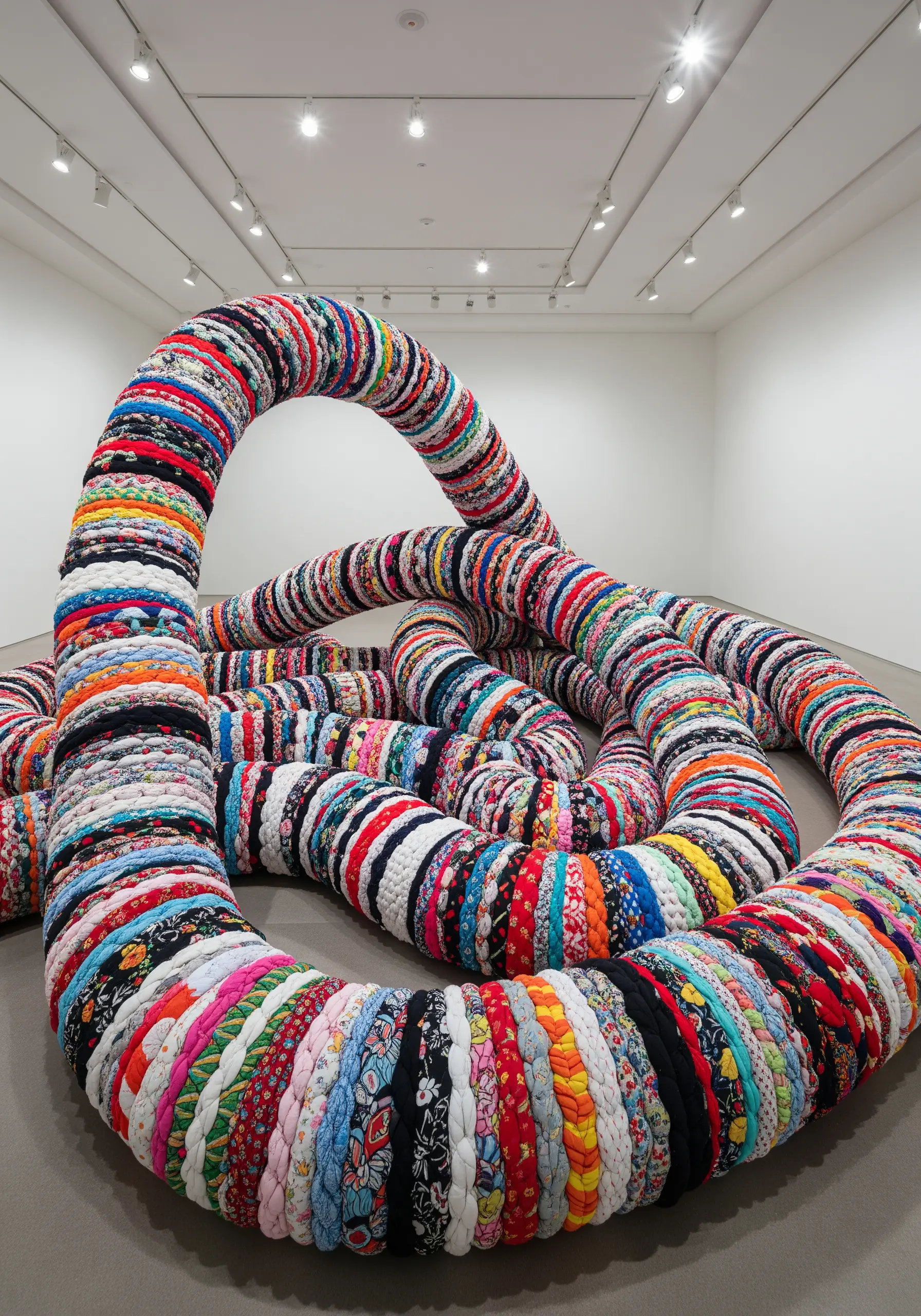
Use up your fabric scraps to create large, three-dimensional sculptures with a simple coiling technique.
Cut your scrap fabric into long, uniform strips. Then, take a thick rope or cord to act as the core.
Tightly wrap the fabric strips around the core, stitching them in place as you go. You can then coil this fabric-wrapped rope into any shape you desire, from a simple bowl to a complex, serpentine form.
This method is a meditative way to turn textile waste into a substantial and colorful art piece.
17. Craft Ethereal Shapes with Thread and Stiffener
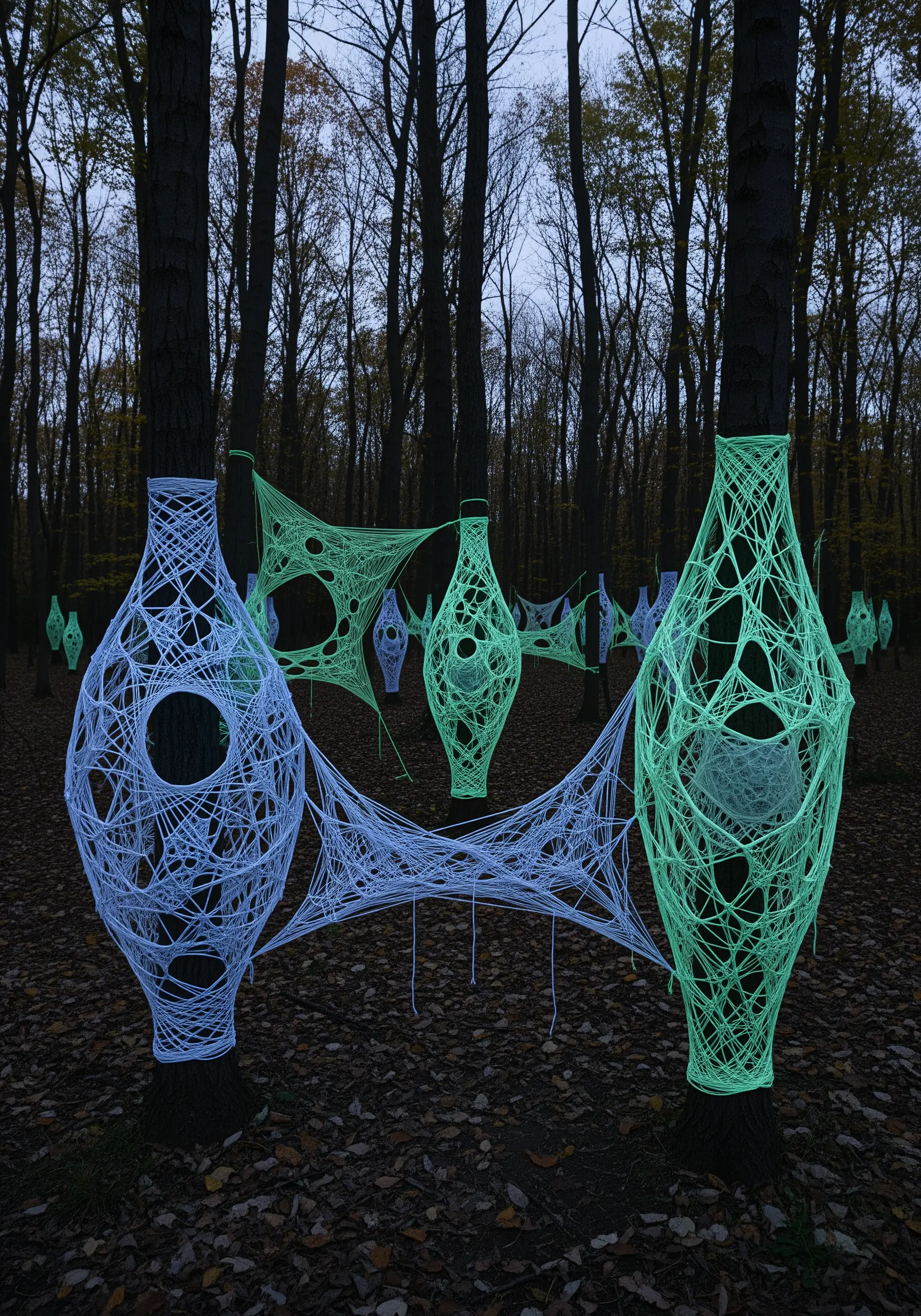
Create hollow, three-dimensional forms that seem to defy gravity using only thread and a fabric hardener.
Wrap yarn or thick thread—especially glow-in-the-dark varieties for a magical effect—around an inflatable form, like a balloon or playground ball.
Thoroughly saturate the thread with a liquid fabric stiffener and allow it to dry completely. Once rigid, deflate and remove the inner form.
You are left with a delicate, self-supporting thread sculpture that is both strong and visually weightless.
18. Construct Mosaics from Recycled Objects
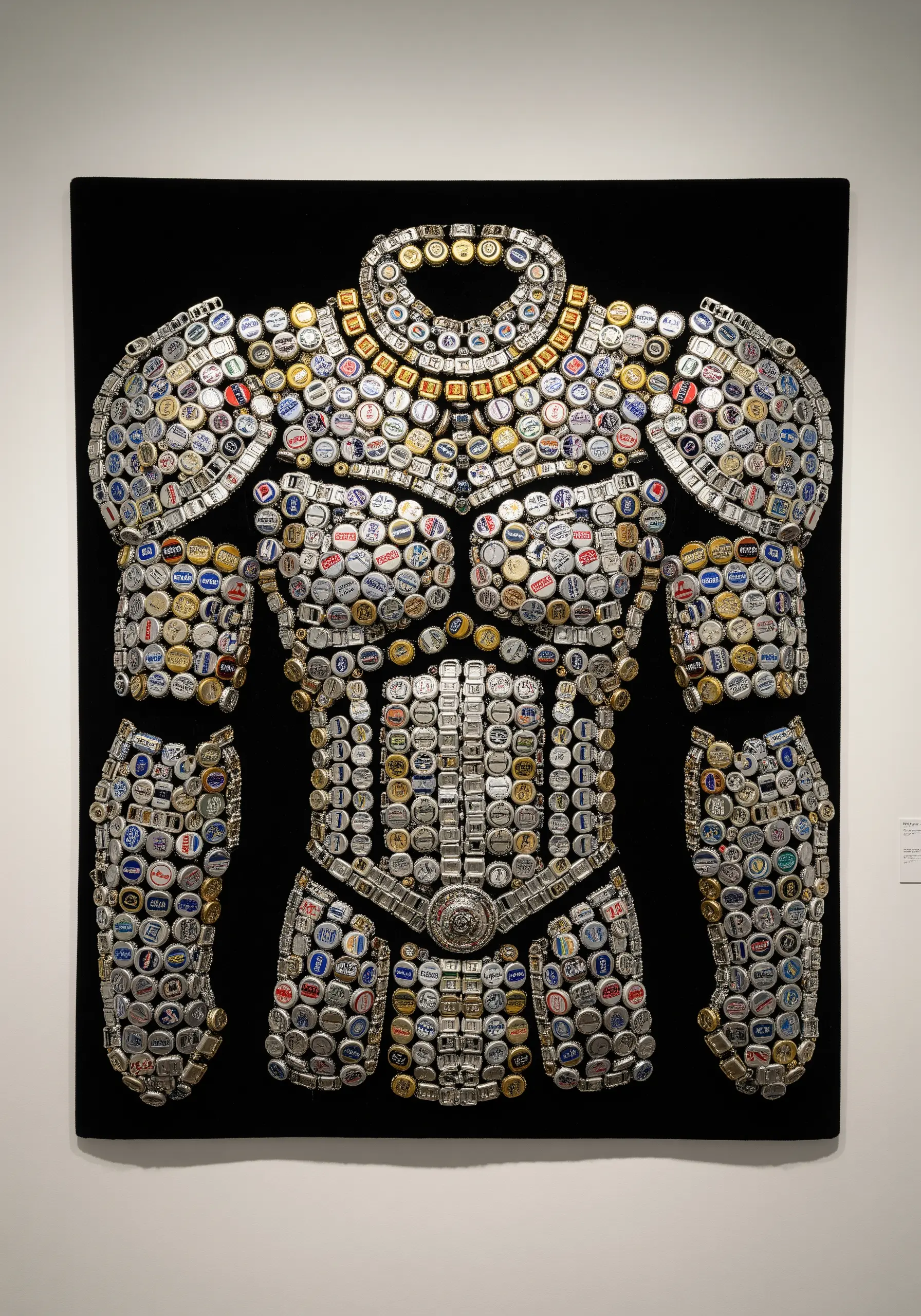
Treat found objects like bottle caps, buttons, or broken pieces of plastic as tesserae for a unique mosaic-style textile piece.
Arrange your collection of objects on a sturdy fabric backing, like felt or canvas, to form a specific image or an abstract pattern.
Secure each piece by stitching it down with heavy-duty thread or fine wire, treating them like oversized, industrial beads.
This technique transforms everyday detritus into a shimmering, armored surface that is rich with texture and history.
19. Spin Your Own Yarn from Recycled Paper
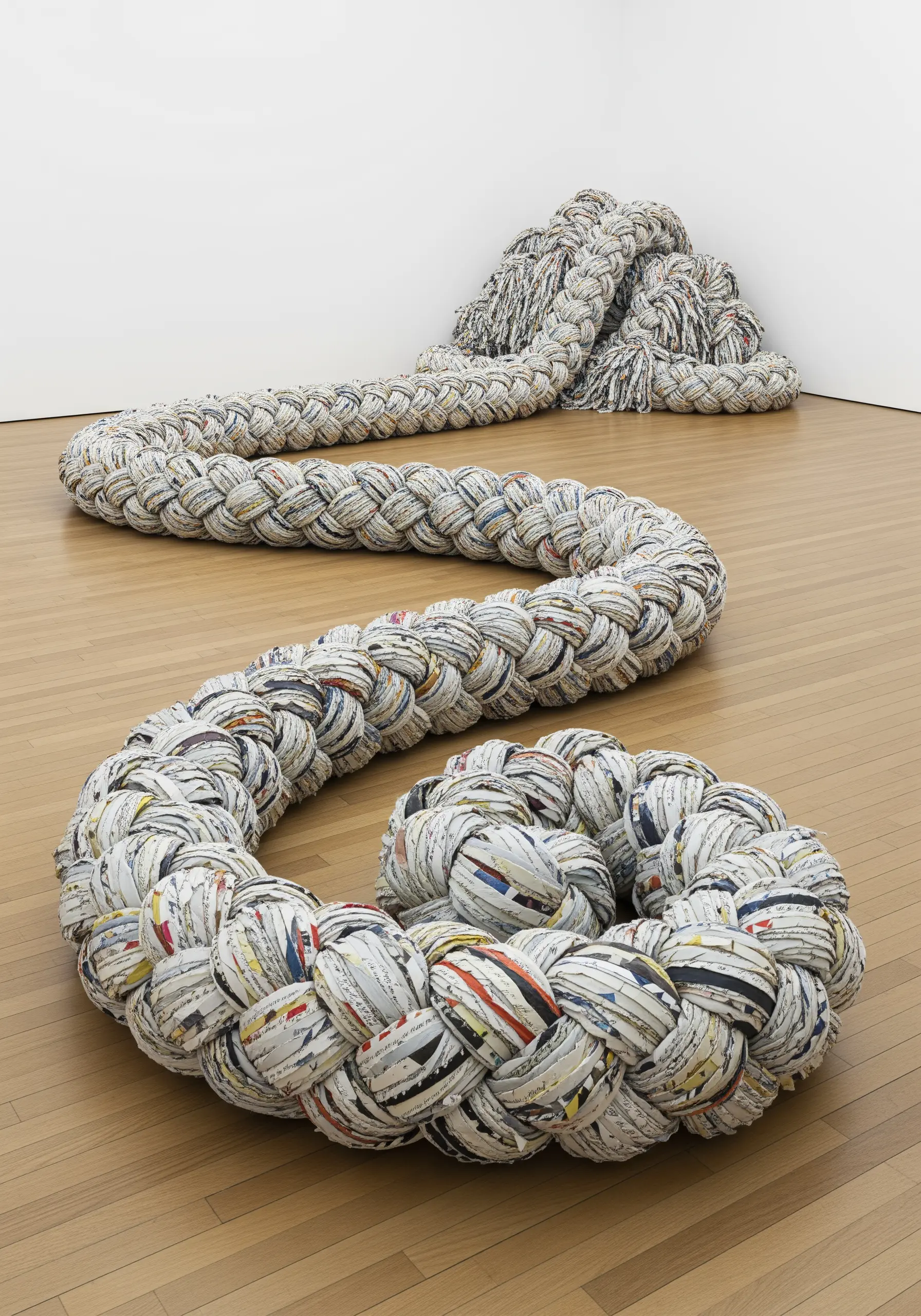
Transform ephemeral materials like newspapers and magazines into a substantial fiber for weaving or coiling.
Cut paper into long, thin strips, then tightly twist them to create a surprisingly strong paper ‘yarn’.
You can braid several of these strands together to create a thick, textured rope.
The printed text and images on the paper add a layer of fragmented narrative and subtle color to the final piece, turning yesterday’s news into a lasting work of art.
20. Construct Immersive Environments with Dyed Fabrics
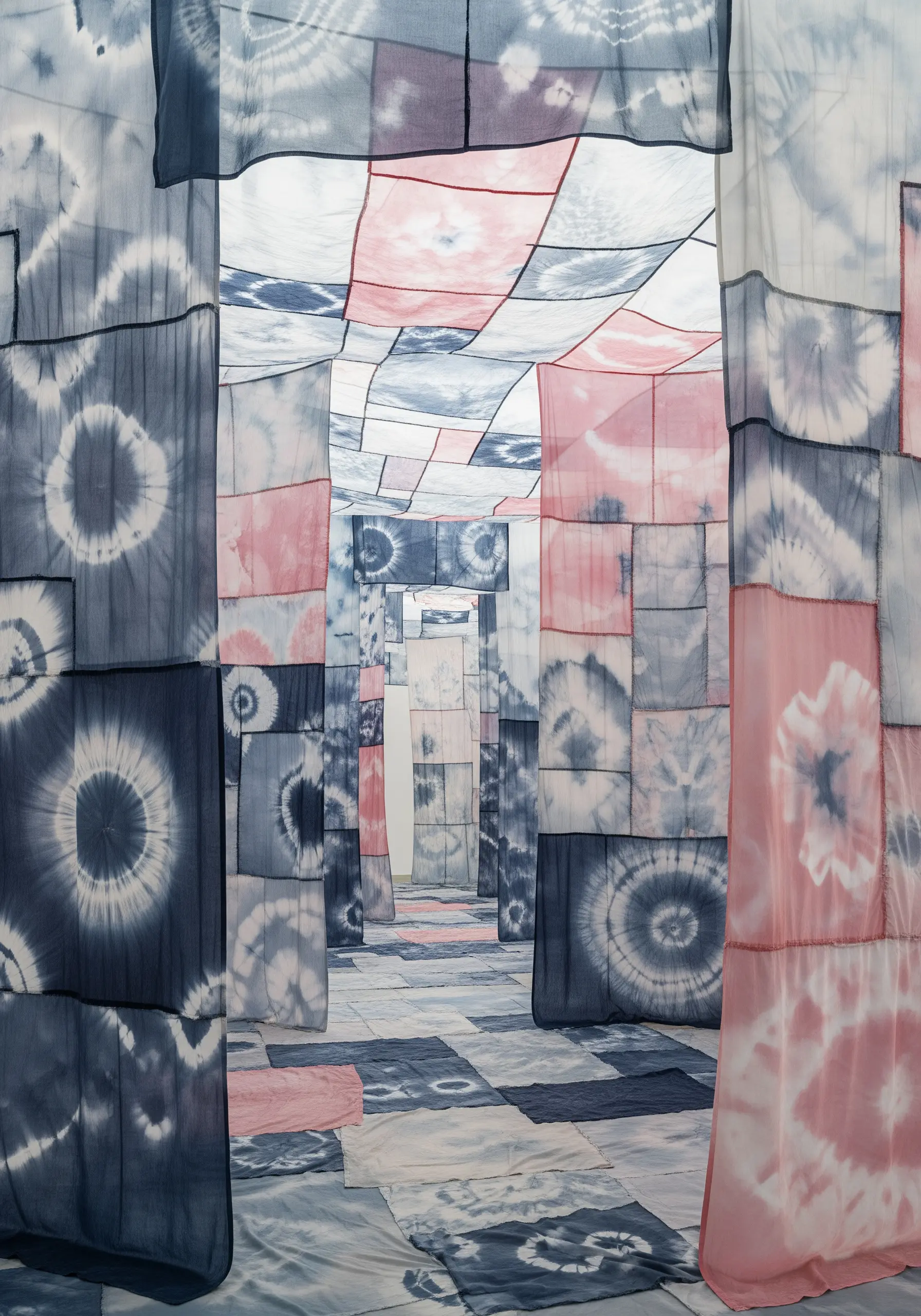
Move beyond a single frame and think about how your textile work can define and alter an entire space.
Using simple dyeing techniques like shibori or tie-dye, create a large collection of coordinating fabric panels.
Stitch these panels together into large quilts or curtains, and hang them to create walls, ceilings, and corridors of soft, patterned color.
This approach invites the viewer to be physically enveloped by the textile, turning art from something you look at into something you experience.
21. Weave with Industrial and Repurposed Hardware
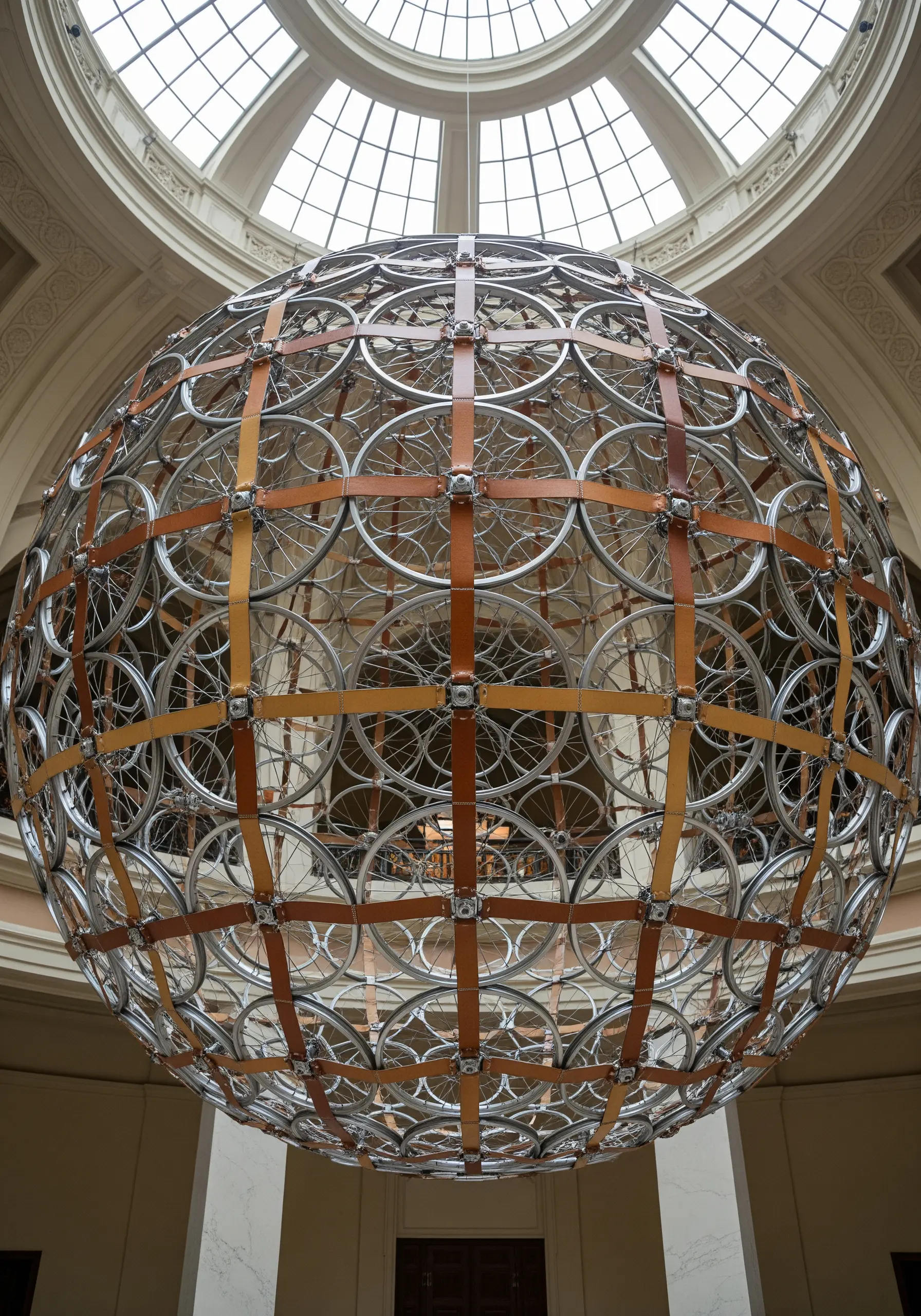
Create intricate, mandala-like patterns by using rigid, industrial materials as your loom.
Source a collection of identical circular objects, like bicycle wheel rims, metal rings, or even canning jar lids.
Arrange them in a geometric grid and use the structures themselves as anchor points for weaving with leather straps, cord, or wire.
The result is a stunning fusion of delicate craft and industrial strength, where the cold, hard hardware is transformed by the soft, connecting fibers.
22. Sculpt with Line Using Flexible Tubing
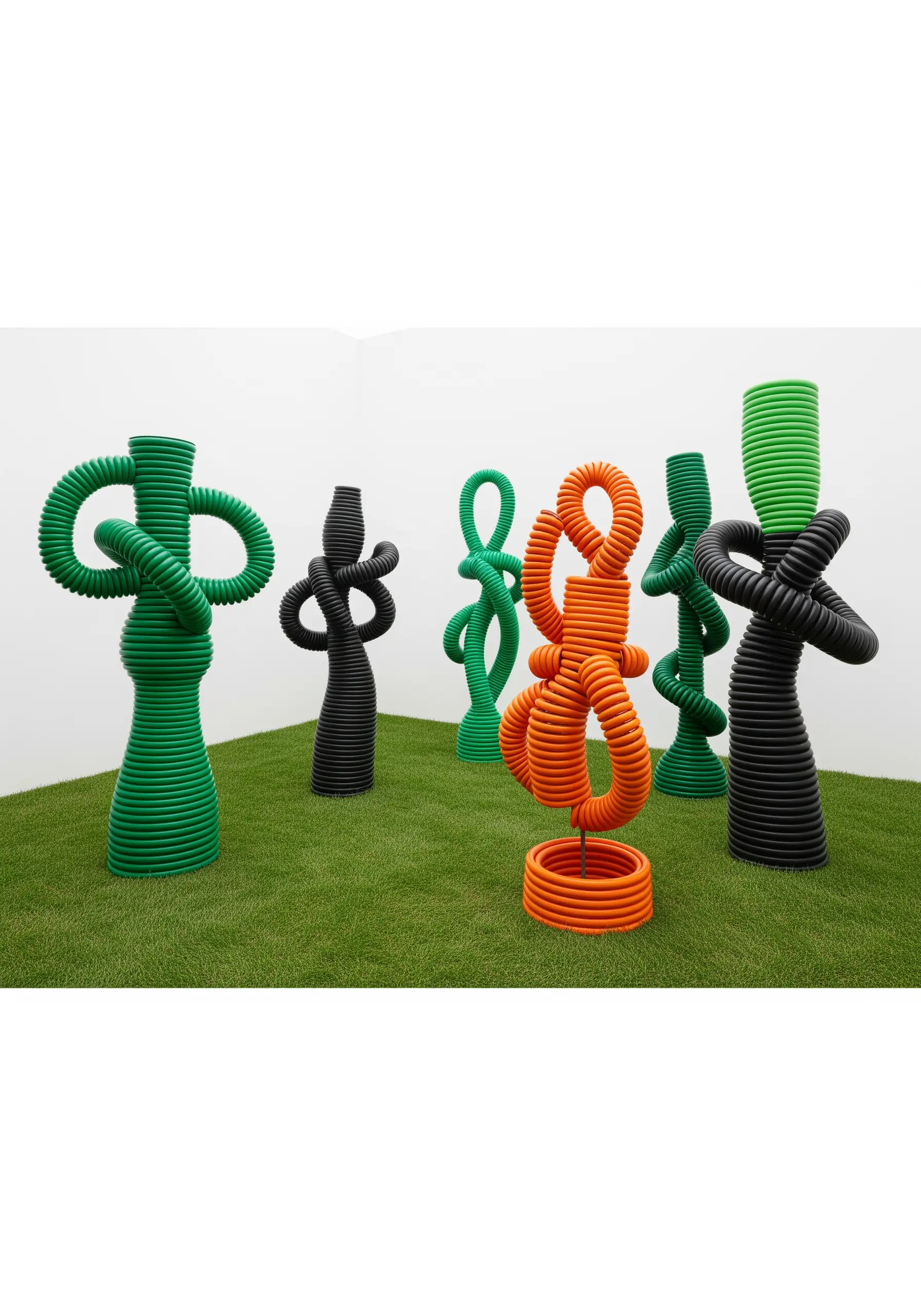
Explore form and movement by using unconventional linear materials as the basis for your sculptures.
Work with materials that hold their shape, such as corrugated plastic tubing, thick electrical wire, or even pool noodles.
Bend, coil, and knot these materials to create playful, abstract figures that have a strong graphic quality.
The focus here is entirely on the purity of line and form, as the inherent structure of the material does the work of creating a dynamic, three-dimensional drawing in space.
23. Create Organic Gradients with Edible Materials
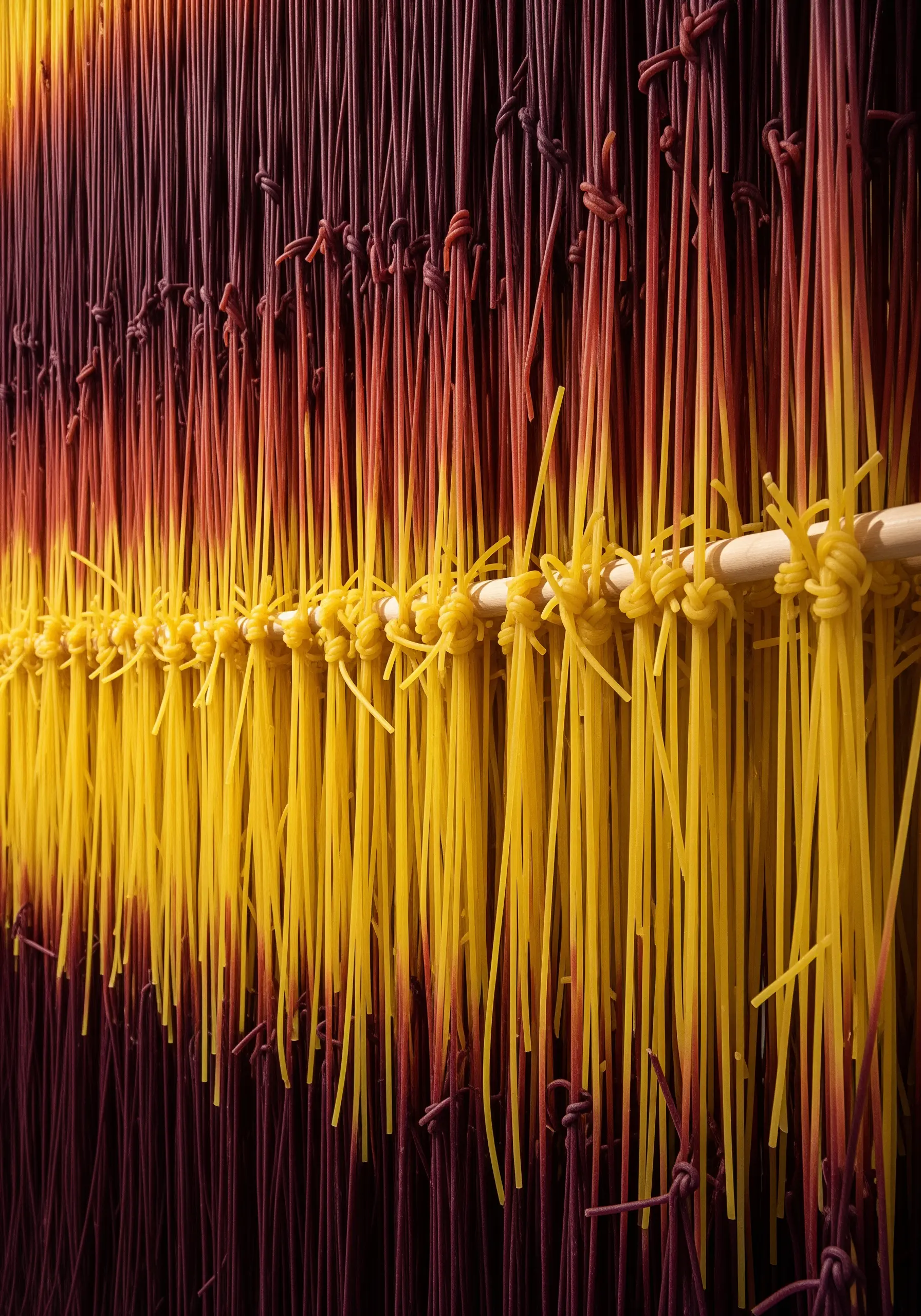
Challenge the definition of fiber by using unexpected organic materials, like dried pasta, as your thread.
Use different types of pasta—especially those naturally colored with spinach or beet—to create stunning color gradients.
Tie or glue the individual strands to a dowel or frame to create a wall hanging that plays with color, density, and light.
This conceptual approach pushes boundaries, asking the viewer to reconsider the artistic potential of the most commonplace materials in their home.
24. Mimic Natural Decay with Mixed-Media Sculpting
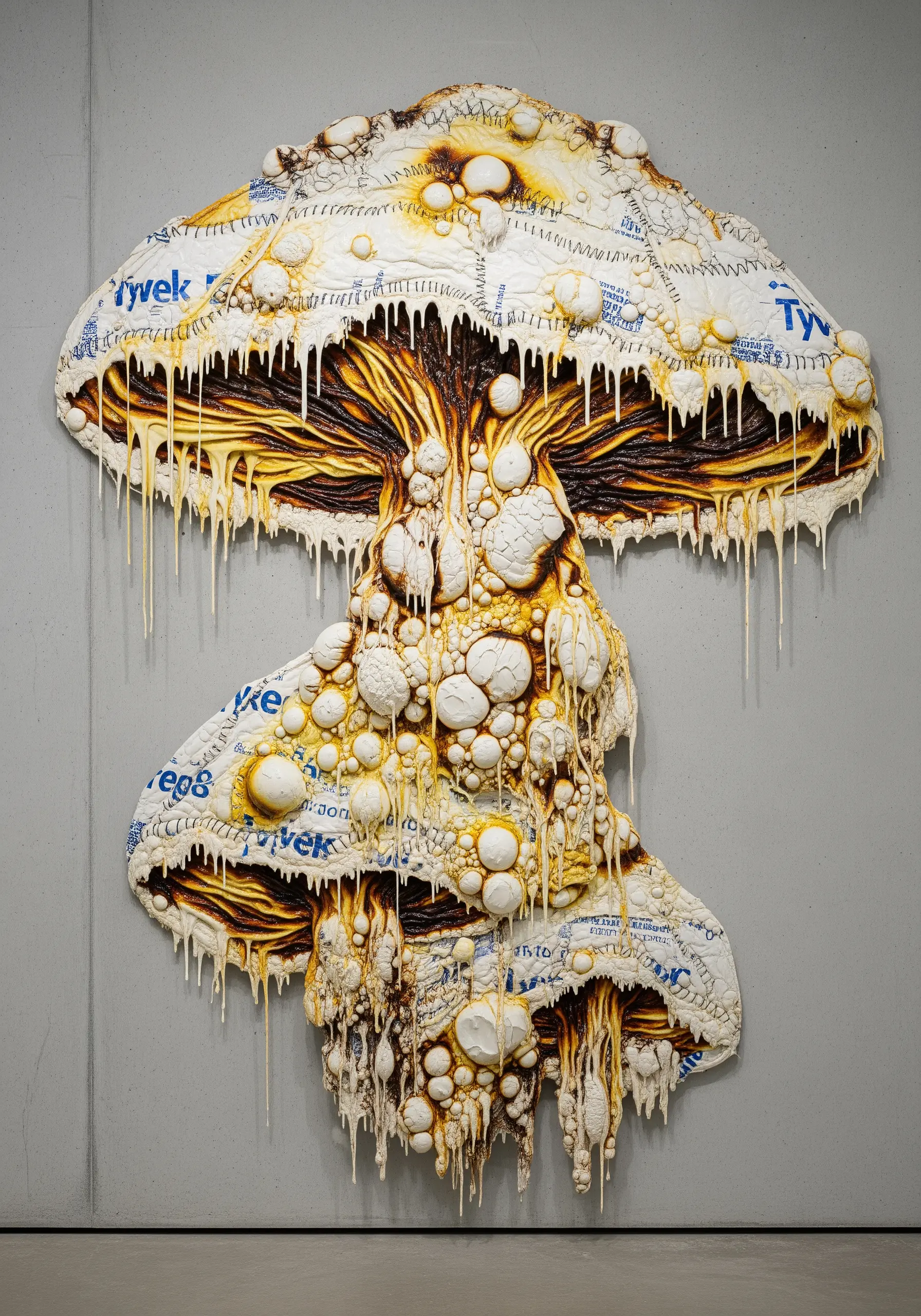
Build complex, organic textures that evoke the process of growth and decay using a combination of materials.
Start with a fabric base, like Tyvek or canvas, and build upon it with puff paint, silicone, or expanding foam to create bulbous, fungal forms.
Incorporate stitching and dripping paint to add layers of detail and texture.
This method of additive sculpting allows you to create hyper-realistic natural textures that are both beautiful and unsettling, blurring the line between craft and biology.
25. Define Space with Stretched Thread and Fabric
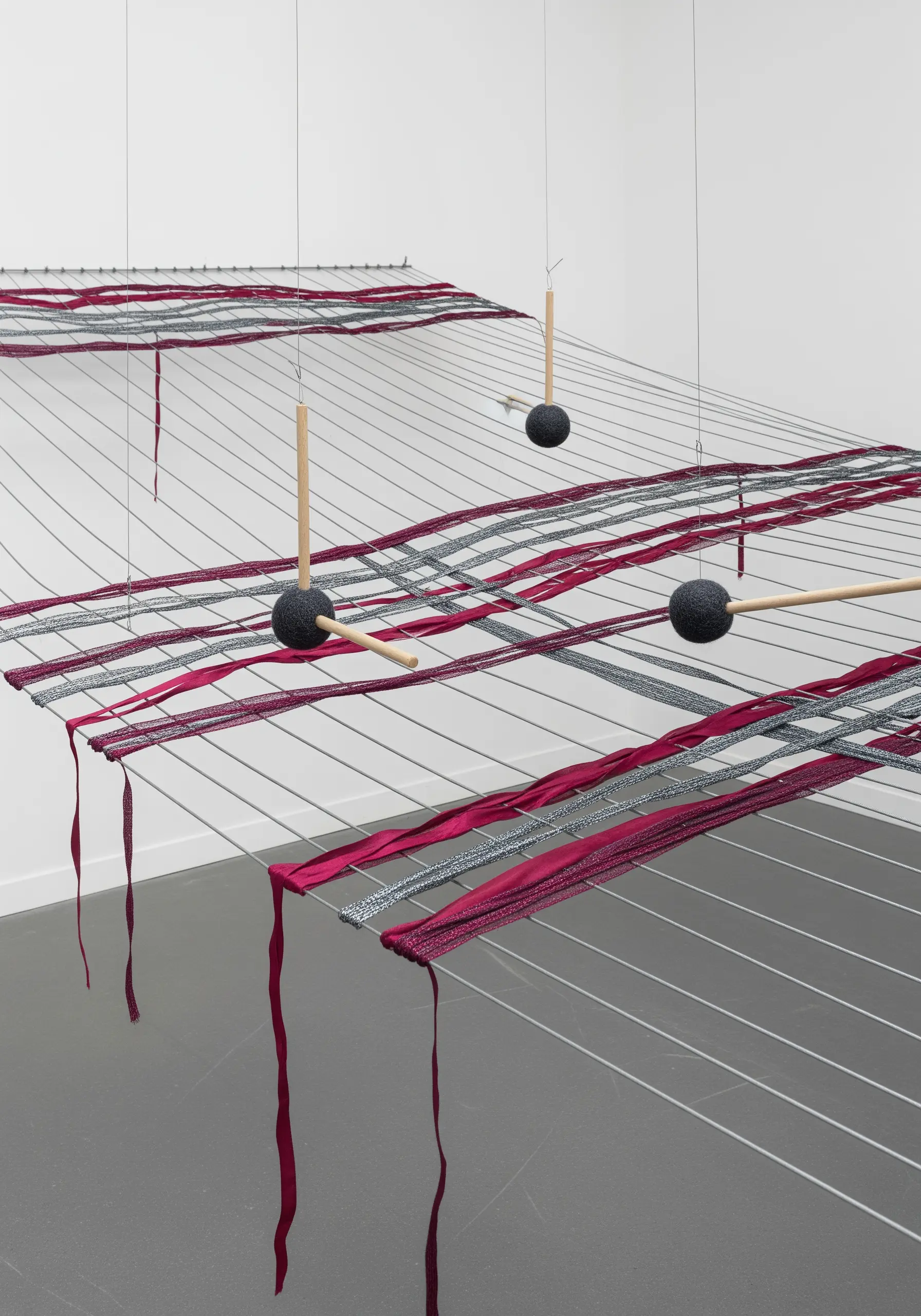
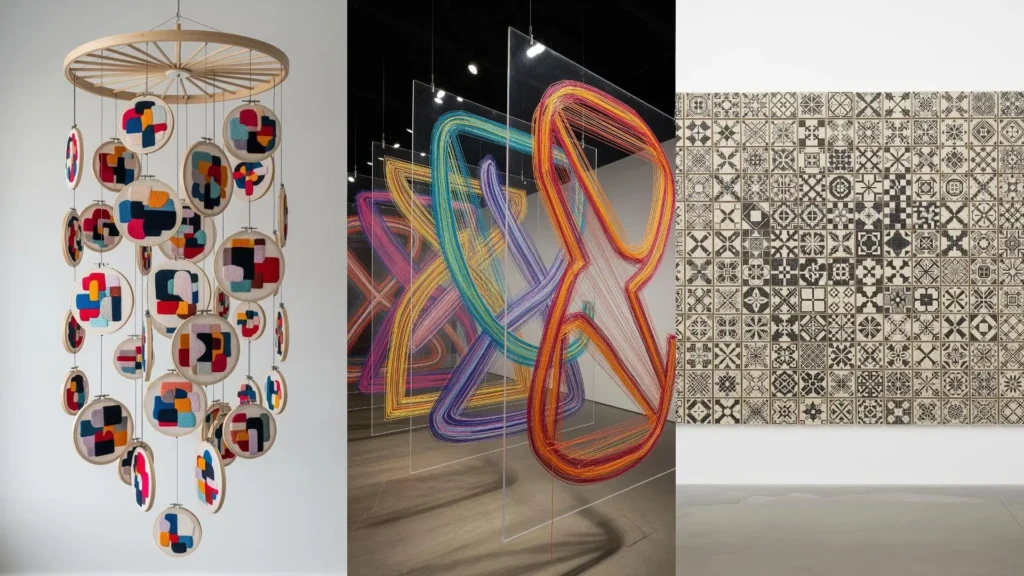
Create architectural installations by using tension to form planes of color and texture in open space.
Stretch hundreds of parallel threads or long strips of fabric across a room or a large frame.
By varying the density and color of the threads and weaving contrasting strips through the warp, you can create the illusion of solid, floating surfaces.
This technique turns simple fiber into an architectural element, using lines of tension to sculpt and divide the space itself.
26. Reimagine Traditional Crafts on a Grand Scale
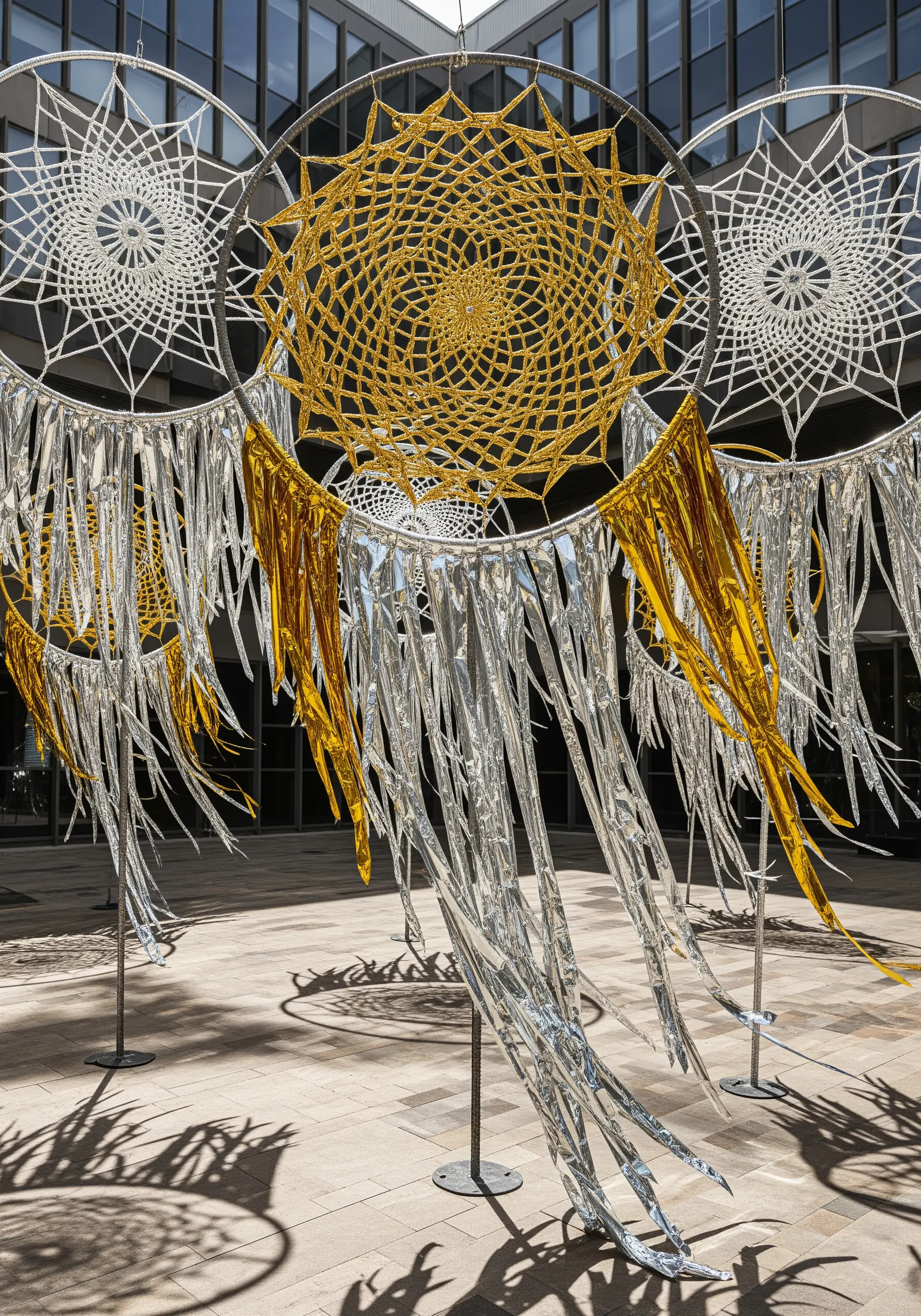
Breathe new life into a familiar craft, like making dreamcatchers, by dramatically increasing its scale and using non-traditional materials.
Instead of a small willow hoop, use a large metal frame, and swap delicate thread for thick rope, metallic ribbon, or strips of mylar.
The core technique remains the same, but the change in scale and material transforms the object from a personal charm into a show-stopping piece of public art.
This challenges you to see how context and materials can redefine the meaning of a traditional form.
27. Create an Immersive World with Stitched Surfaces
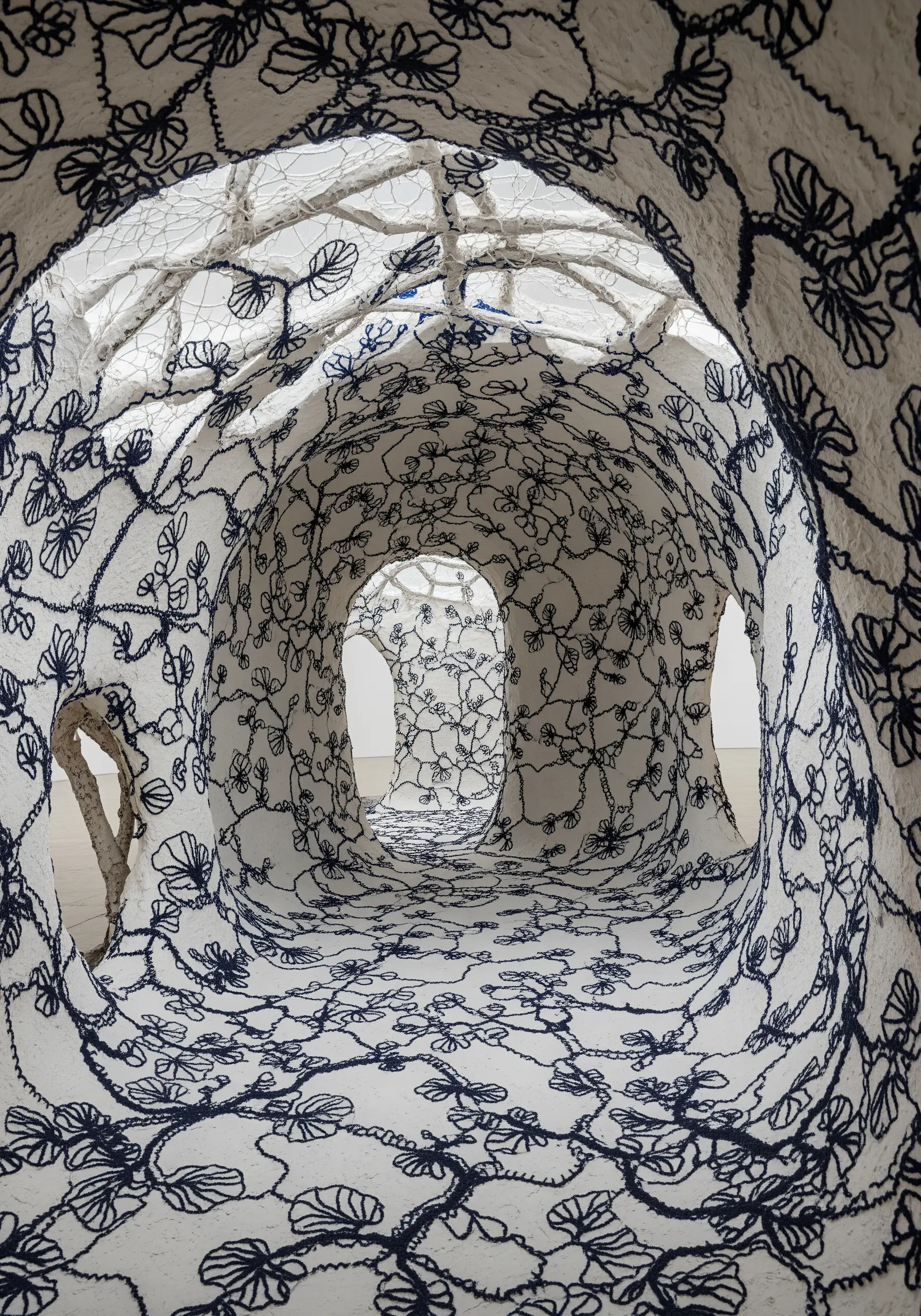
Go beyond the two-dimensional plane by using embroidery to create a fully immersive, inhabitable space.
Construct a self-supporting structure from a material like wire mesh or papier-mâché, then cover its entire surface—inside and out—with fabric.
Use a simple, bold stitch like a stem stitch or chain stitch in a contrasting color to cover the fabric with a sprawling, continuous pattern.
The result is a textile cave that envelops the viewer, turning the delicate act of stitching into an act of architectural creation.
28. Paint with Fiber Using Tapestry Techniques
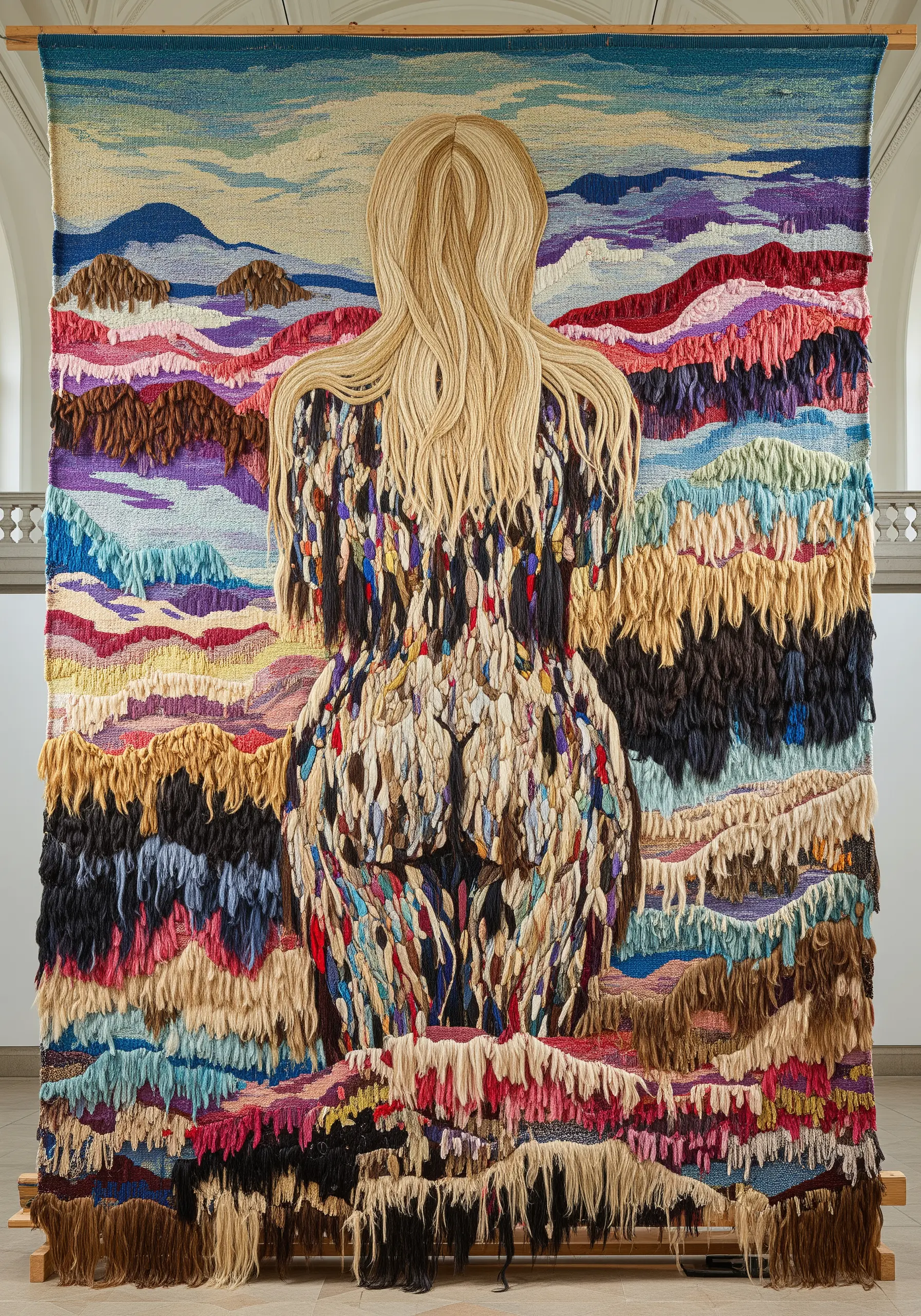
Use latch hooking or rya knotting to create a highly textured, painterly tapestry that emphasizes color and form.
Instead of following a rigid pattern, work intuitively, blending different colors and lengths of yarn to create soft, impressionistic fields of color.
Incorporate unconventional fibers, like unspun wool roving or even human hair, to add unique textures and conceptual layers.
This ‘painting with fiber’ approach allows for a fluid, expressive process where the final piece is a rich landscape of touchable color.
29. Combine Order and Chaos with Strategic Wrapping
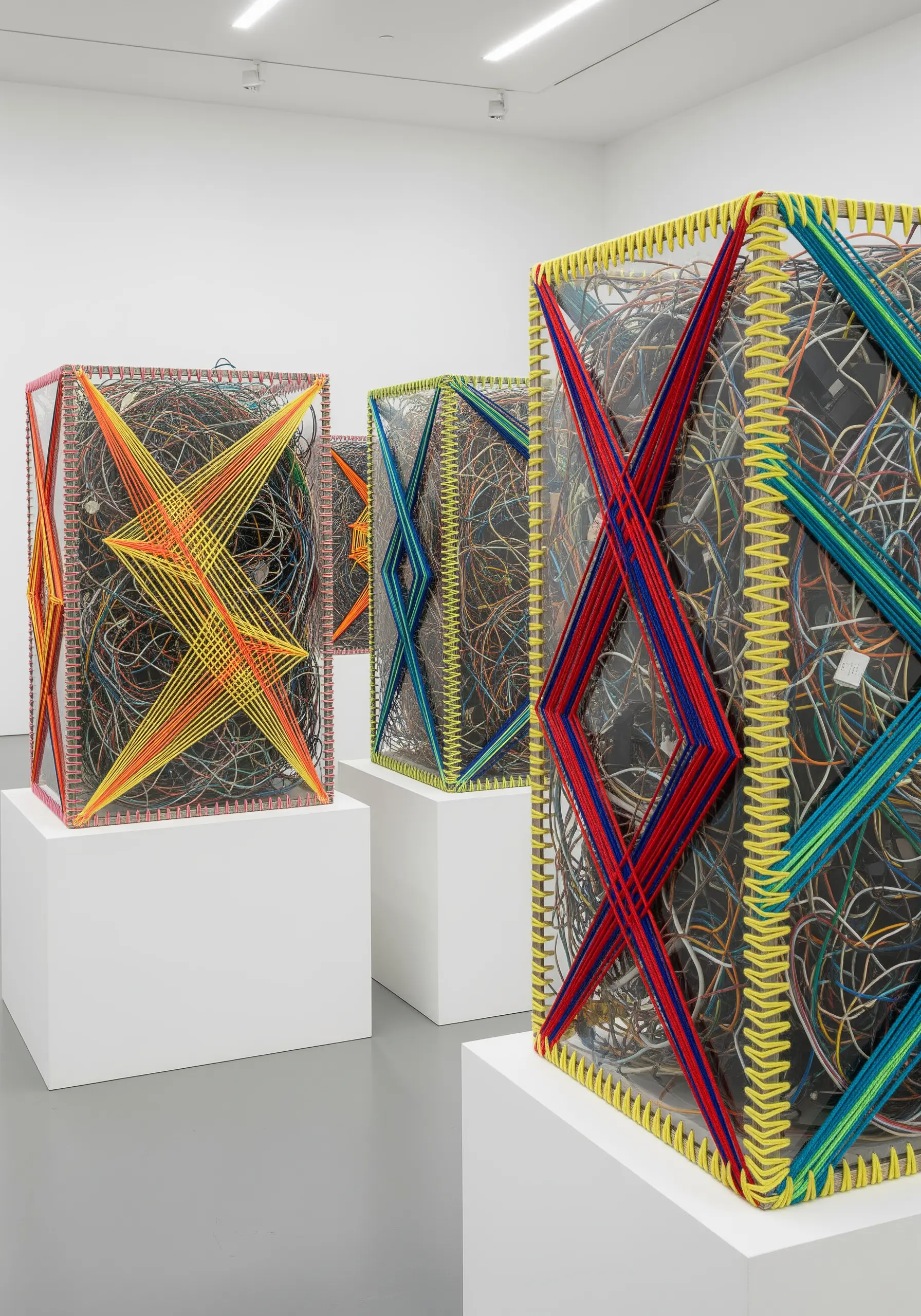
Create a compelling visual dialogue by containing a chaotic element within a highly ordered structure.
Fill a transparent container, like an acrylic box or a glass vessel, with a tangled mass of a material like discarded electrical wires or colorful yarn.
Then, methodically wrap the exterior of the container with thread in a precise, geometric pattern.
The tension between the messy, uncontrolled interior and the meticulous, controlled exterior creates a dynamic and thought-provoking art object.