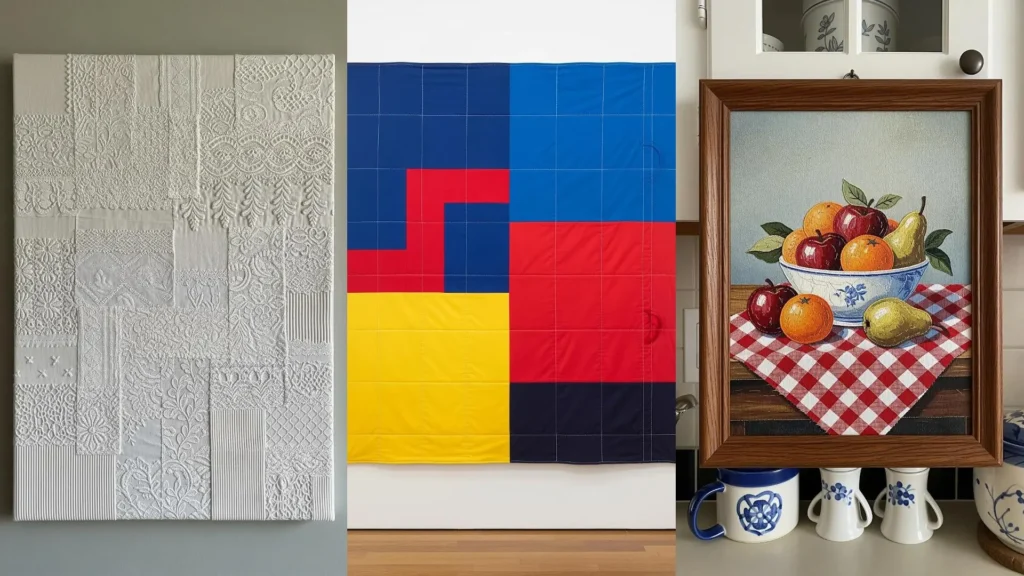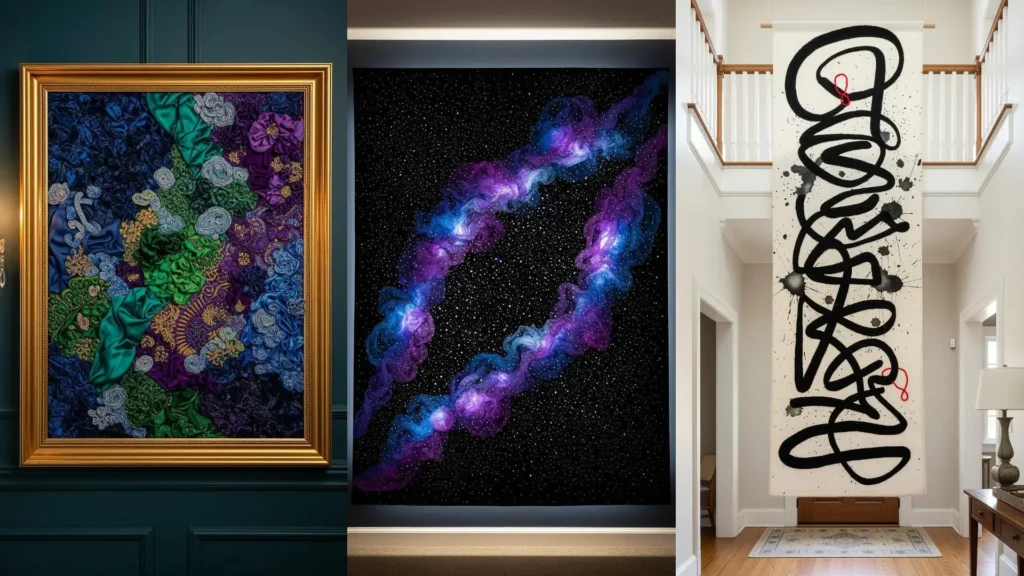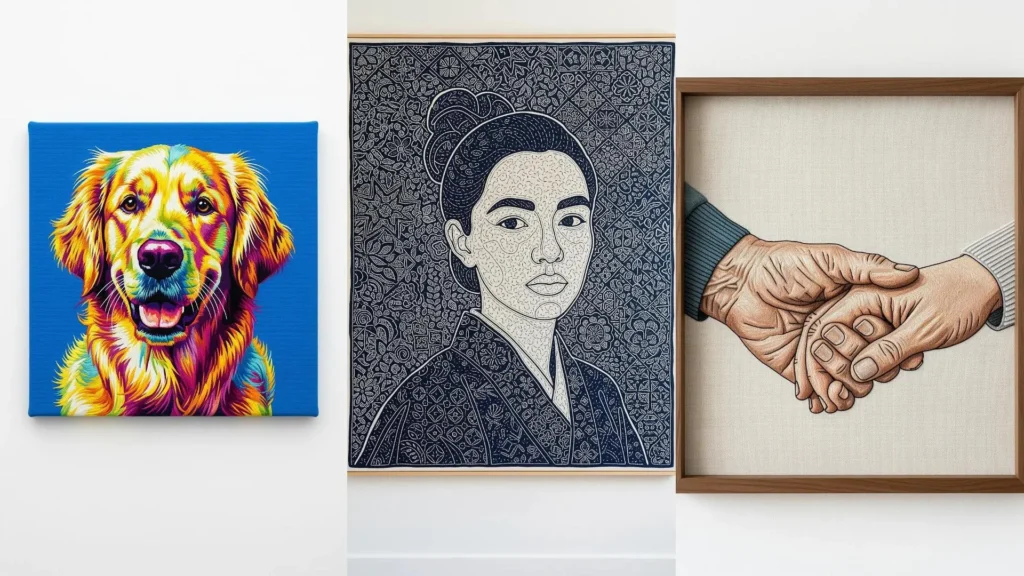
Before you thread your next needle, I want you to set aside the idea of simply “copying” a photograph. Think of your needle as a pencil and your floss as paint. The true art of the embroidered portrait isn’t in achieving a perfect likeness, but in translating light, shadow, and emotion into texture and line.
It’s about deciding which details to honor with dense, careful stitches and which to suggest with a single, elegant line. It’s in the way you direct your stitches to follow the curve of a cheekbone, or the choice to use a chaotic French knot to capture the energy of a curl. This is where your unique voice as an artist emerges.
These ideas are not just patterns to follow. They are invitations to look closer, to experiment with technique, and to transform a flat image into a tactile masterpiece that holds not just a face, but a story. Let’s begin.
1. Master Realistic Depth with Thread Painting
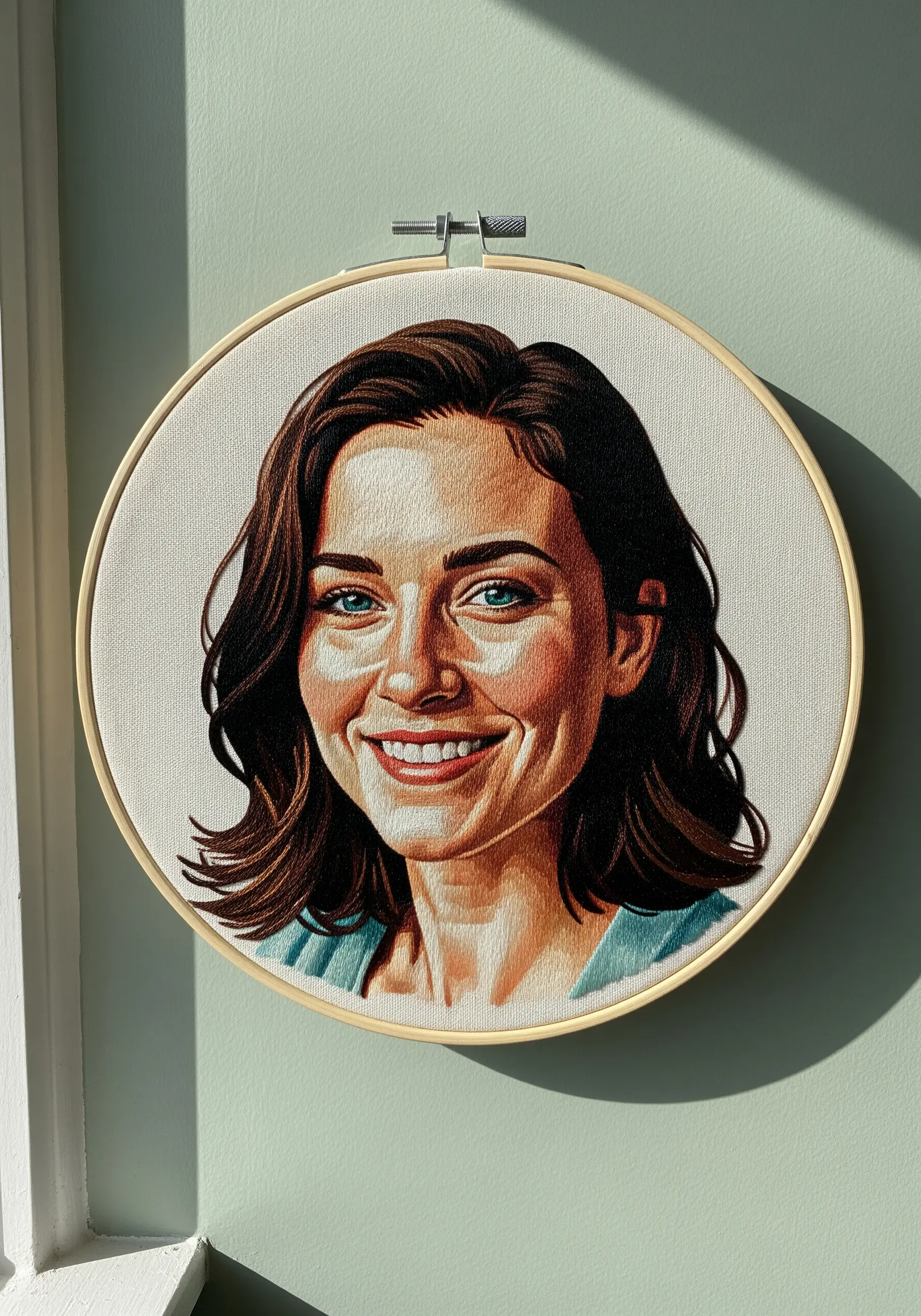
To achieve lifelike skin tones, think like a painter and work in layers.
Start with a base of the mid-tone color, filling the area with long and short stitches that follow the natural contours of the face—across the forehead, down the bridge of the nose, and curving around the cheeks.
Next, use a single strand of a darker floss to add shadows under the cheekbones, along the jawline, and in the eye sockets.
Finally, introduce highlights with a lighter shade on the points where light would naturally hit, like the brow bone and the tip of the nose.
This gradual blending technique, known as contemporary thread painting, is what creates realism and prevents jarring color blocks.
2. Define Intimacy with Minimalist Line Art
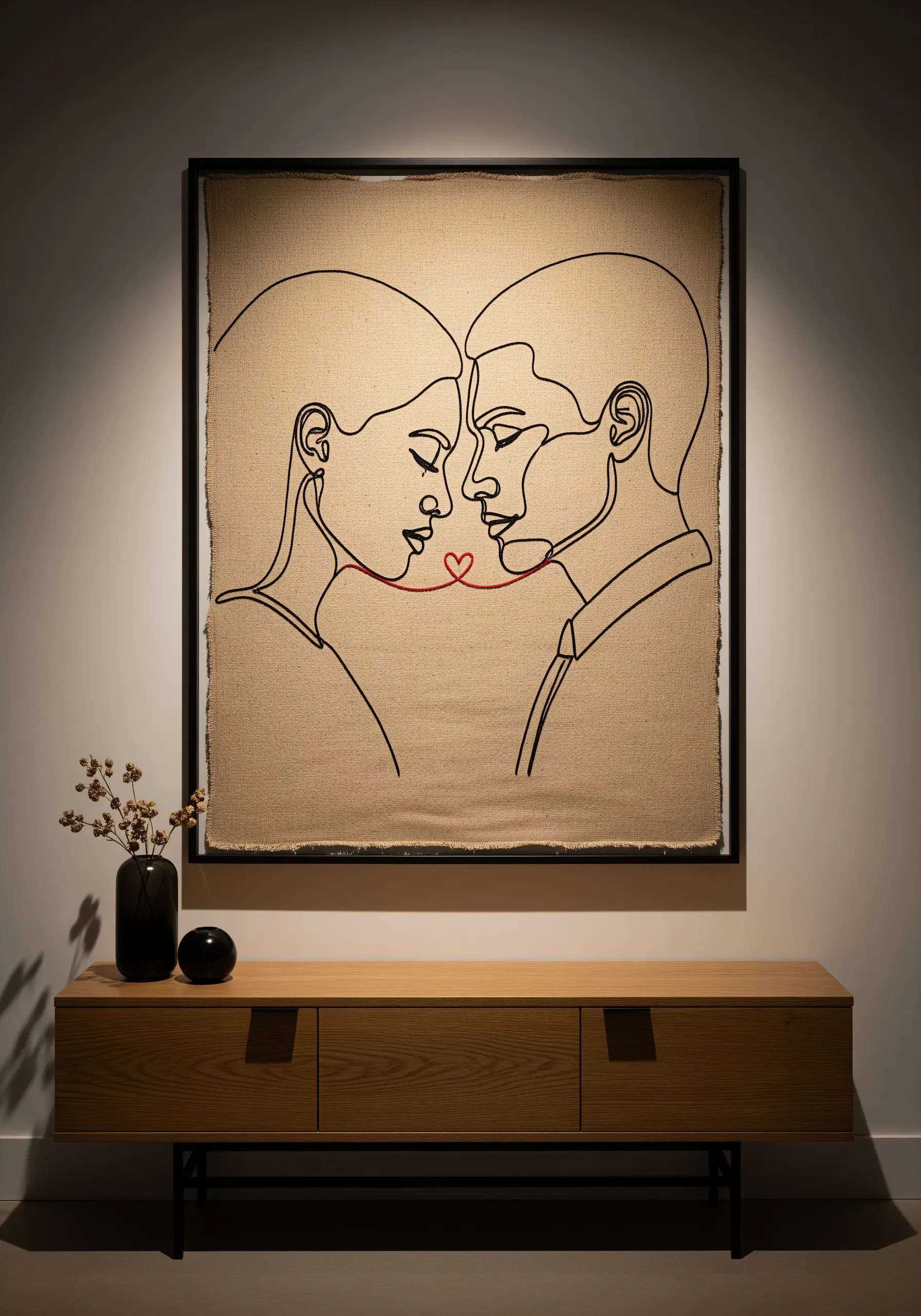
Transform a simple line drawing into a powerful statement piece by focusing on the quality of your outline.
Use a consistent, clean backstitch or stem stitch with a 3-ply thread for a line that has presence without being bulky.
Choose a rustic, textured fabric like burlap or a heavy linen; the contrast between its raw surface and your precise stitching creates a sophisticated visual tension.
Introduce a single, symbolic pop of color—like the red thread connecting the figures—to draw the eye and add a layer of narrative meaning.
This less-is-more approach allows negative space to become an active part of the composition.
3. Create Pop Art Energy with a Bold Palette
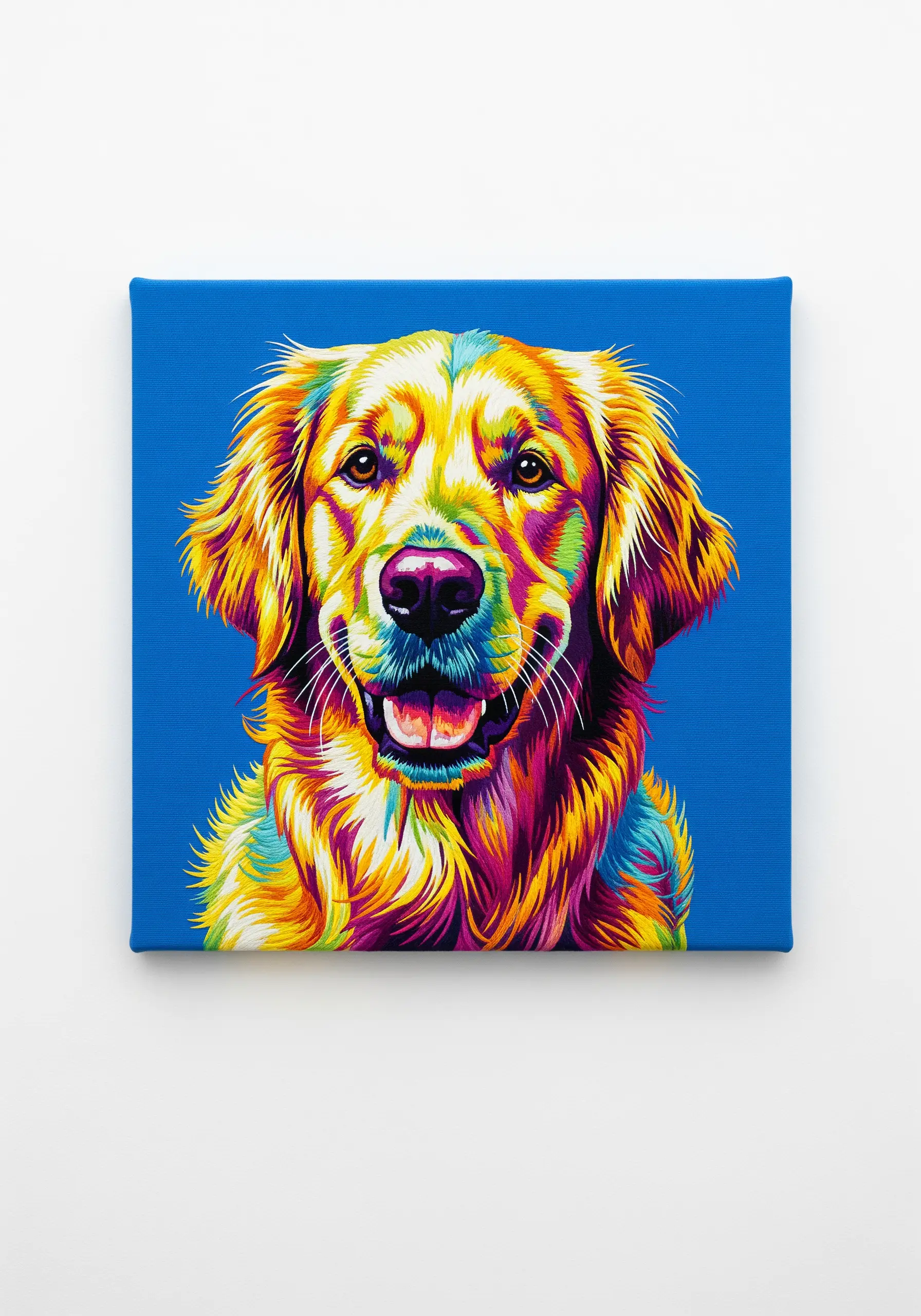
Capture the joyful spirit of a pet by abandoning realistic colors for a vibrant, pop art-inspired palette.
Map out the highlights and shadows of your reference photo, but assign them unexpected, high-contrast colors like turquoise, magenta, and yellow.
Fill these color blocks with dense, directional satin stitches to create a smooth, graphic finish that mimics a screen print.
Set your colorful subject against a solid, saturated background. The stark contrast makes the portrait feel dynamic and modern, turning a beloved pet into an icon.
4. Recreate Vintage Engravings with Monochrome Detail
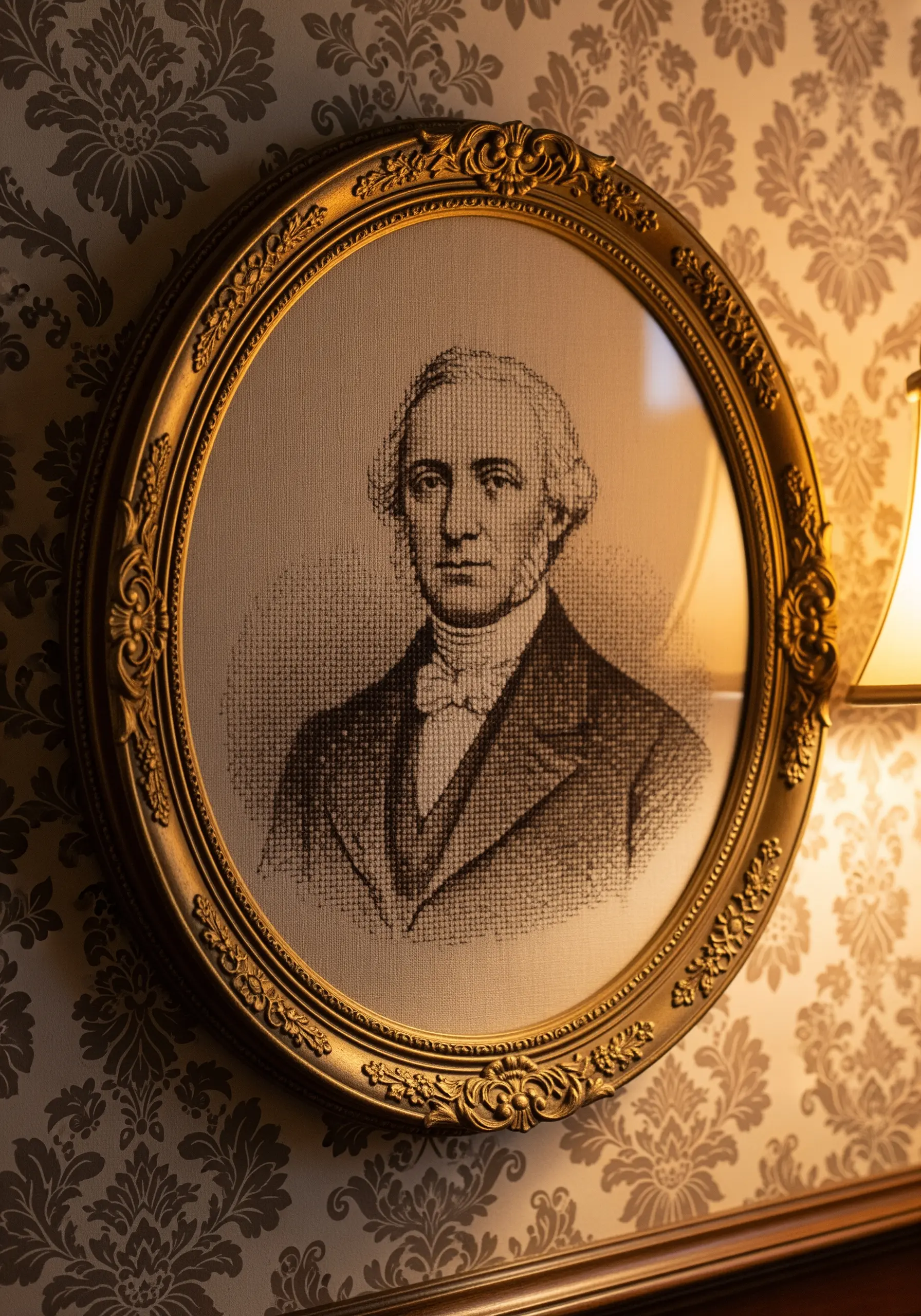
Emulate the look of a 19th-century engraving by using a single color of thread on a light fabric.
Instead of filling shapes, build tone and form using techniques like cross-hatching and stippling with tiny straight stitches or seed stitches.
Vary the density of your stitches to create shading: tightly packed stitches for dark areas like a suit jacket, and sparse stitches for lighter planes on the face.
Presenting the finished piece in an ornate, antique-style frame completes the illusion, turning your embroidery into a convincing historical artifact.
5. Go Bold with Large-Scale Yarn Couching
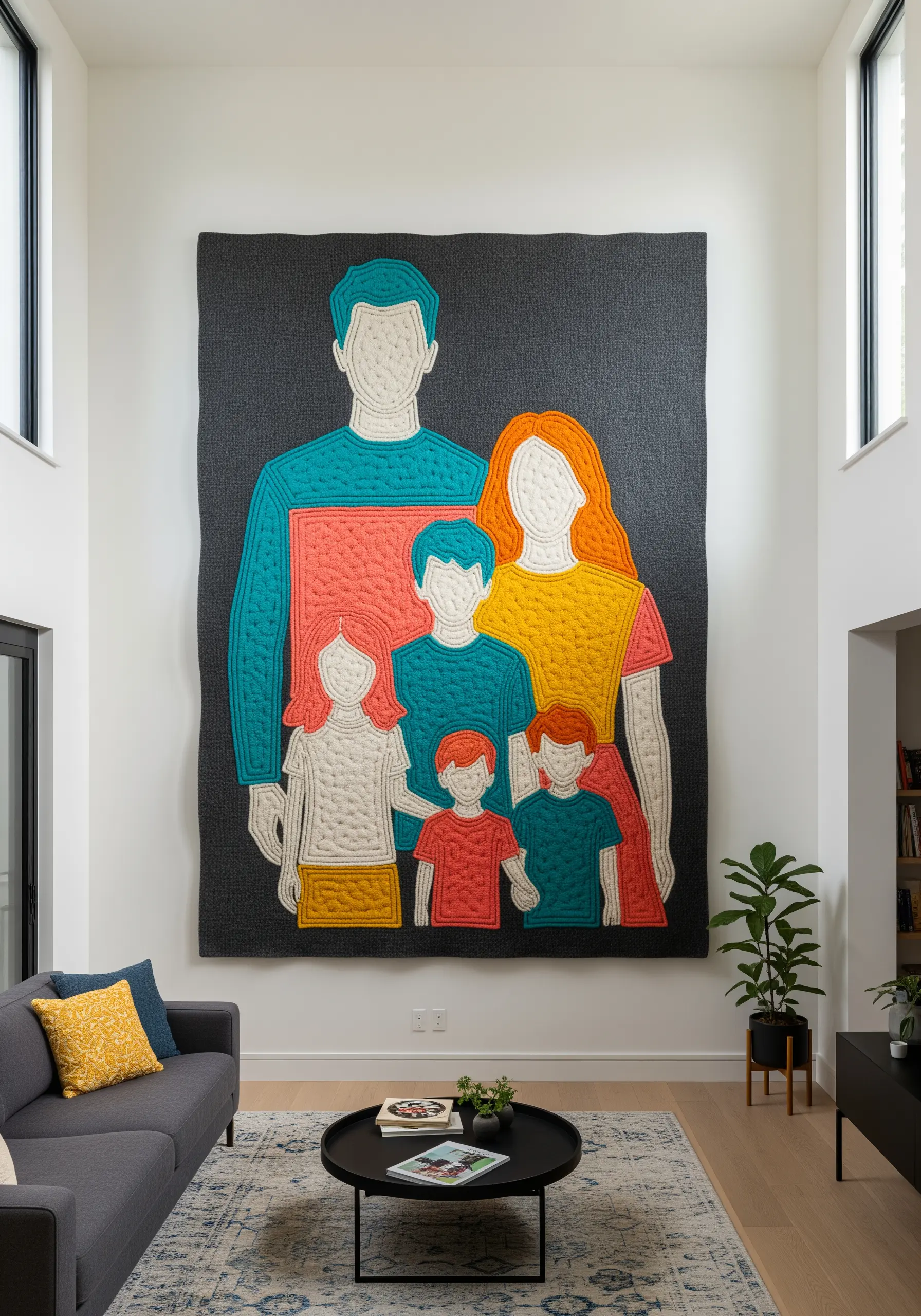
For a statement piece that commands a room, scale up your design and switch from floss to yarn.
Outline your simplified portrait shapes by laying down thick yarn on the fabric’s surface and securing it with small, perpendicular stitches of a matching, thinner thread—a technique called couching.
Fill the shapes with rows of couched yarn, creating a bold, graphic texture.
By abstracting faces into faceless silhouettes, you keep the focus on the modern composition and the tactile quality of the DIY yarn wall art.
6. Blend Stitch and Sculpture with 3D Embellishments
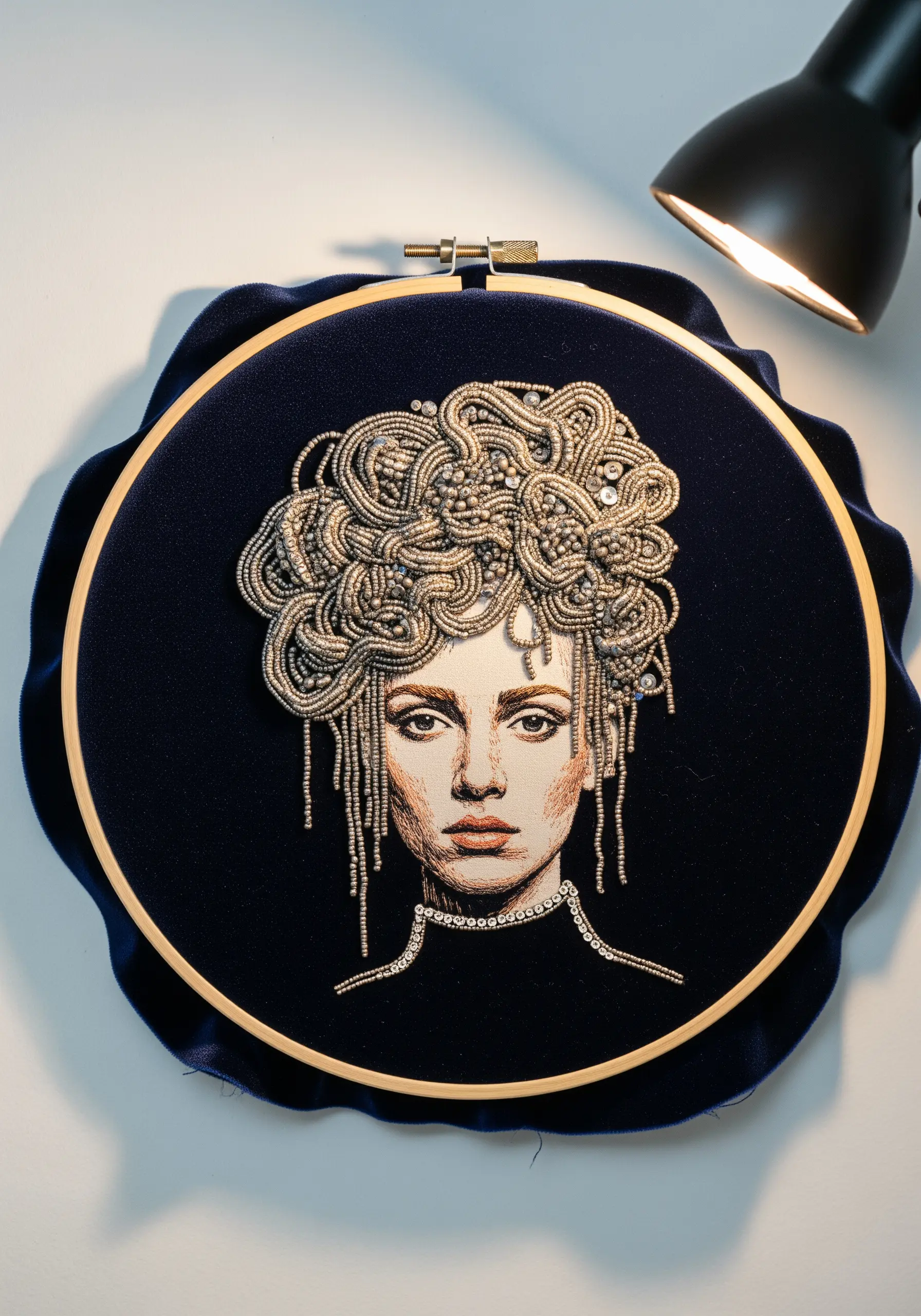
Elevate a portrait by combining flat thread painting with three-dimensional elements that add sculptural depth.
First, stitch the face with realistic detail using single-strand floss.
For the hair or headdress, couch thick metallic cording, bullion knots, or even fine wire onto the surface to create intricate, raised textures.
Stitching on a dark, plush fabric like velvet makes these metallic and beaded elements pop, creating a dramatic interplay between light-absorbing and light-reflecting surfaces.
7. Build Photorealistic Tone with Pointillism
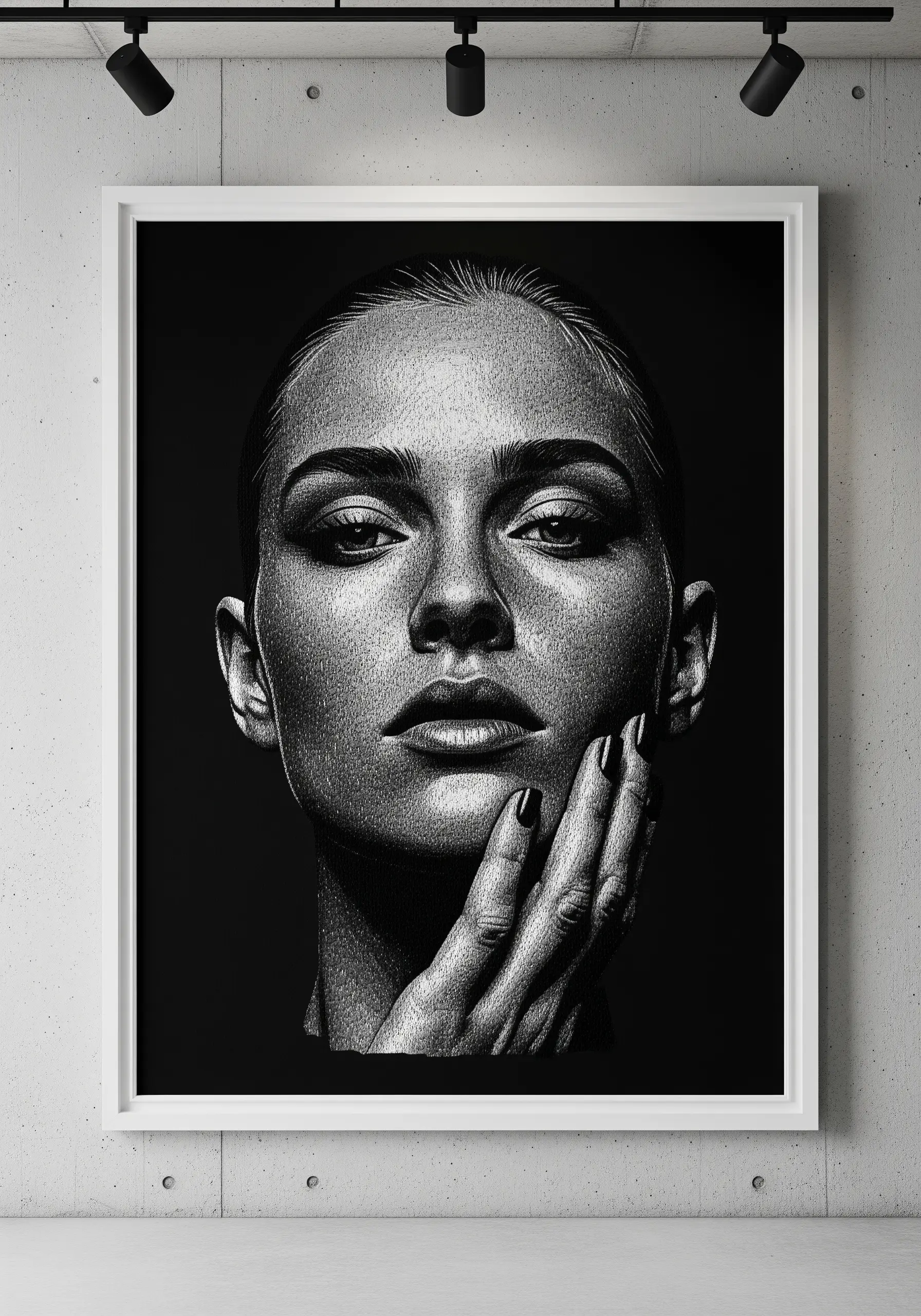
Achieve incredible tonal depth by building your portrait from thousands of tiny stitches, similar to the painting technique of pointillism.
Use a single strand of black or grey thread to make dense clusters of French knots or seed stitches.
In the highlight areas, leave more space between your stitches so the light fabric shows through.
In the shadow areas, pack the knots tightly together to create solid, dark masses.
This meticulous technique produces a granular, almost photographic texture that is visually stunning up close and from a distance.
8. Capture an Impressionistic Mood with Painterly Stitches
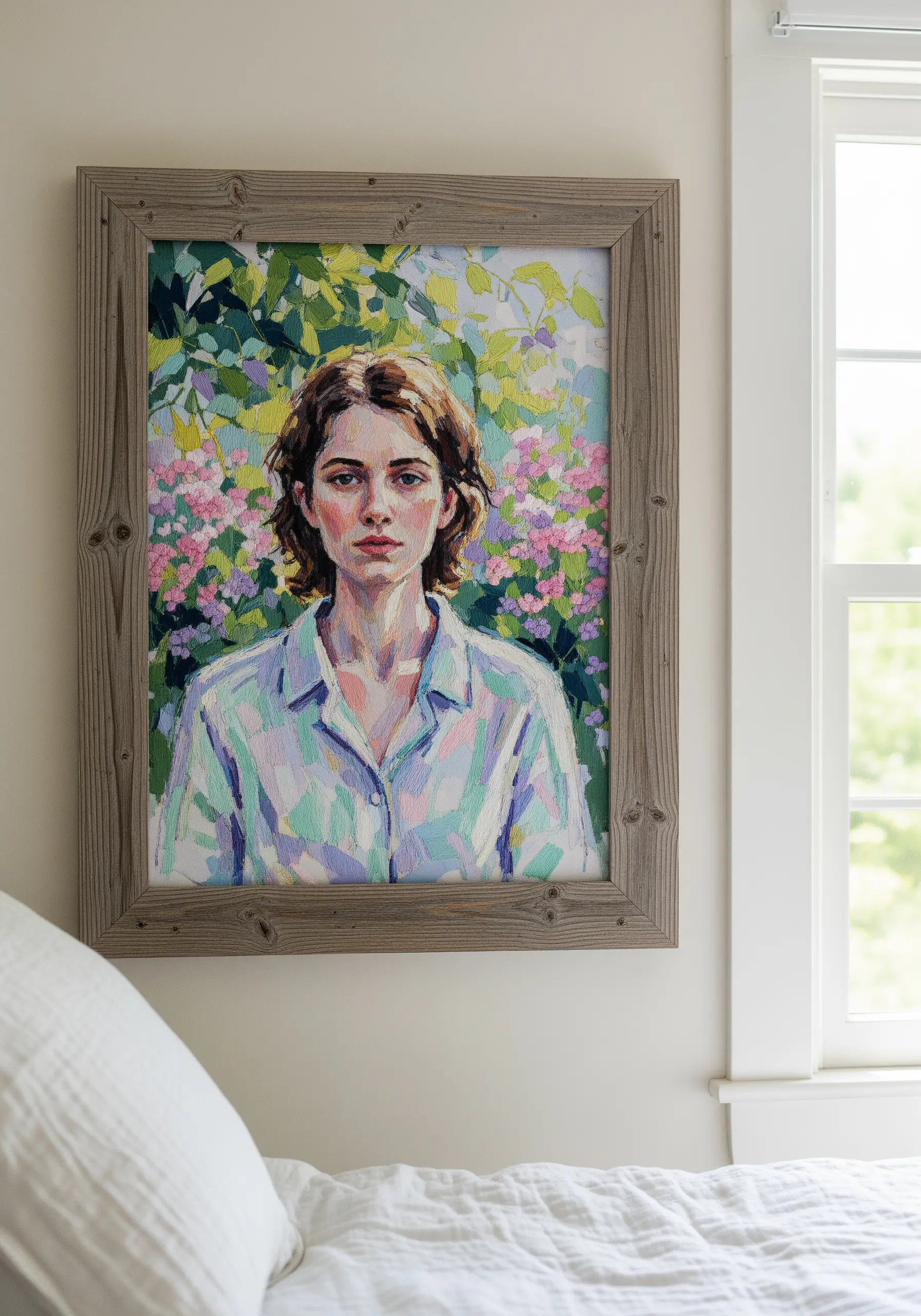
Create a soft, painterly portrait by letting go of precise blending and embracing visible “brushstrokes.”
Use blocks of satin stitch or long and short stitch to lay down color, allowing the edges to remain slightly undefined.
Place unexpected colors side-by-side—like lavender and mint in a shirt—to create the shimmering light effect characteristic of Impressionist paintings.
Focus on the overall harmony of the color palette and the expressive direction of your stitches rather than on photorealistic accuracy. This approach infuses your work with emotion and light.
9. Frame a Portrait with Botanical Stitchery
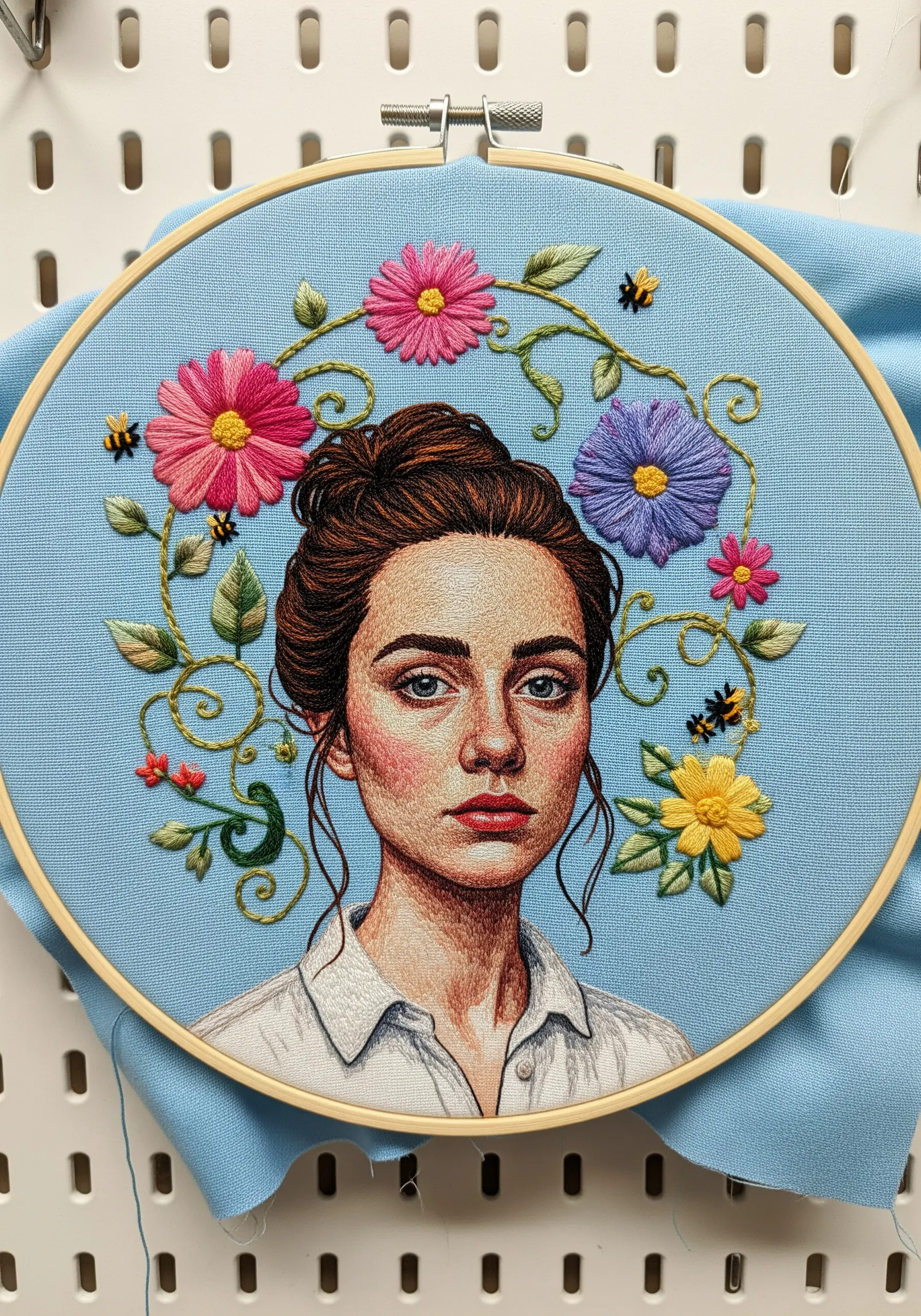
Create a beautiful narrative contrast by pairing a realistically stitched face with a stylized floral wreath.
Render the portrait with subtle, blended thread painting to make it the calm focal point.
For the surrounding botanicals, switch to classic embroidery stitches: bold satin stitch for petals, French knots for flower centers, and whipped backstitch for textured vines.
This combination of techniques—one realistic, one decorative—balances the composition and draws the viewer into the world of your subject. The wild botanical wreath patterns become an extension of the portrait’s personality.
10. Construct a Modern Portrait with Geometric Facets
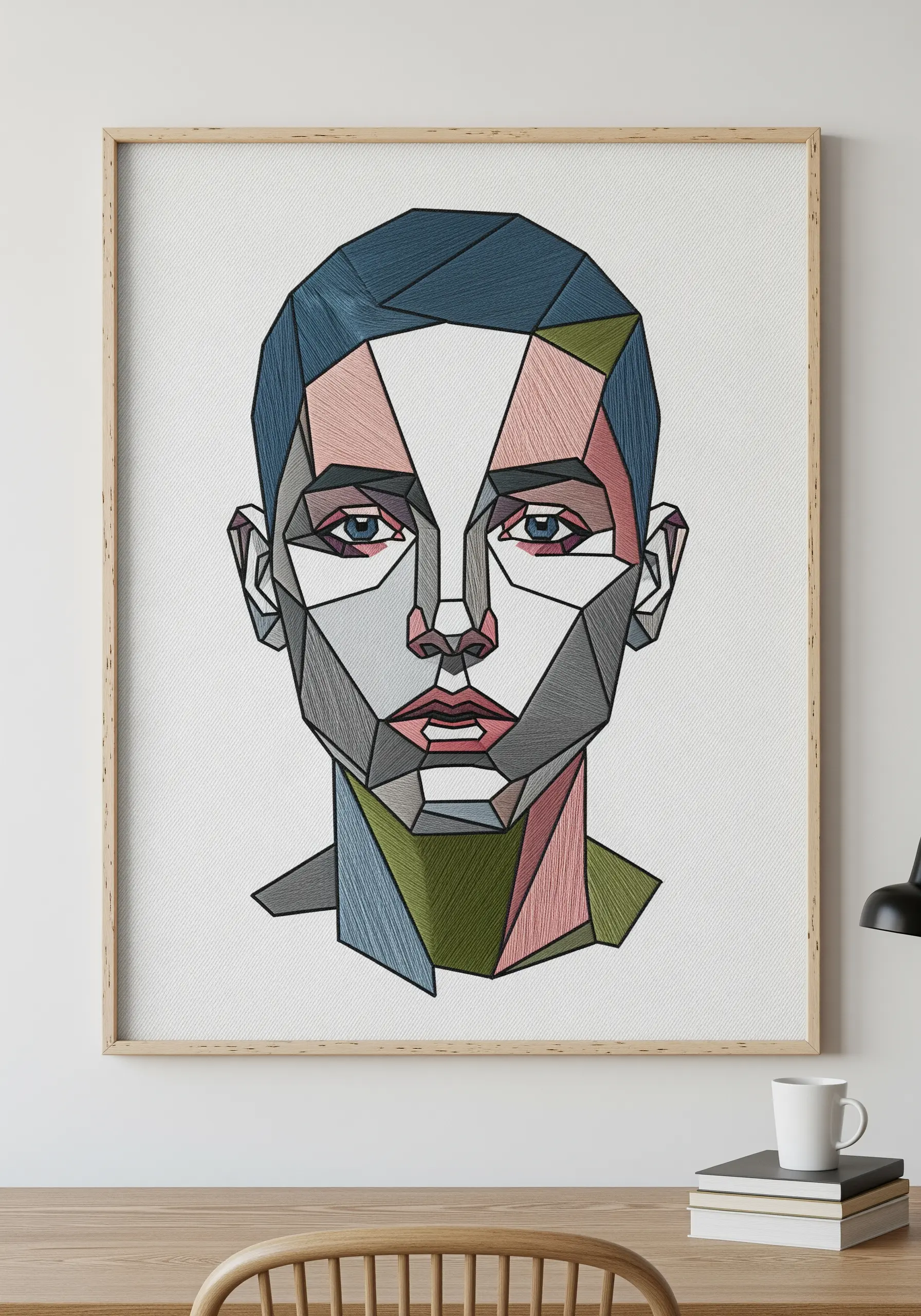
Deconstruct a photograph into a series of geometric planes to create a modern, cubist-inspired portrait.
Map out the face as a collection of angular shapes—triangles, trapezoids, and polygons—that represent the shifts in light and shadow.
Fill each shape with perfectly smooth satin stitch, making sure the stitch direction is uniform within each facet but changes for adjacent ones.
This sharp change in stitch direction is what defines the planes and creates a dynamic, faceted surface, turning a traditional portrait into a piece of abstract art.
11. Define a Subject with Negative Space
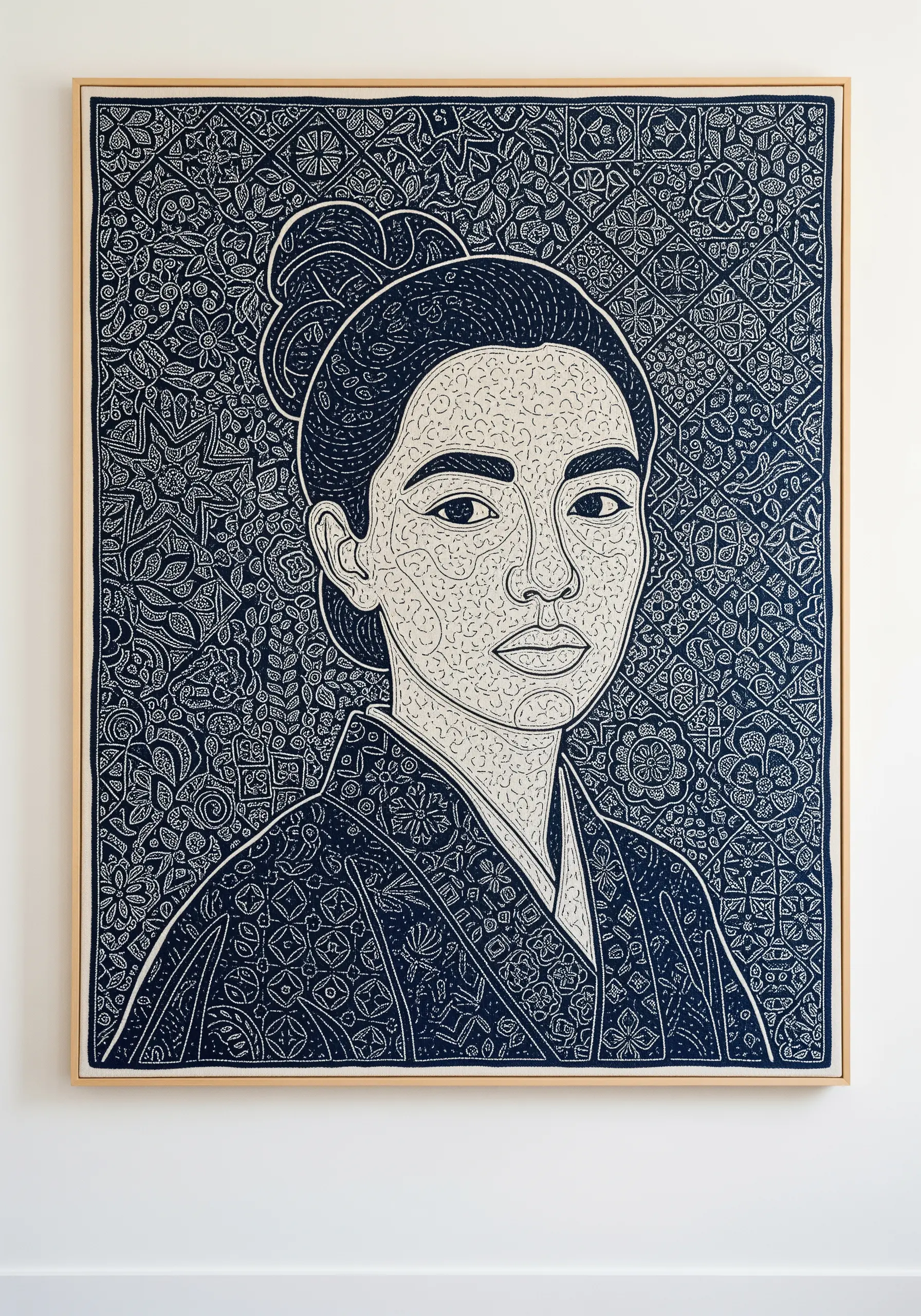
Create a striking portrait not by stitching the person, but by stitching the space around them.
Lightly trace your subject’s outline onto the fabric.
Then, fill the entire background with a dense, intricate pattern of stitches, like tiny seed stitches or a complex running stitch maze.
By leaving the portrait area as un-stitched fabric, the subject emerges from the texture. A high-contrast, monochrome color scheme makes this technique especially powerful and graphic.
12. Capture Lifelike Fur with Directional Stitching
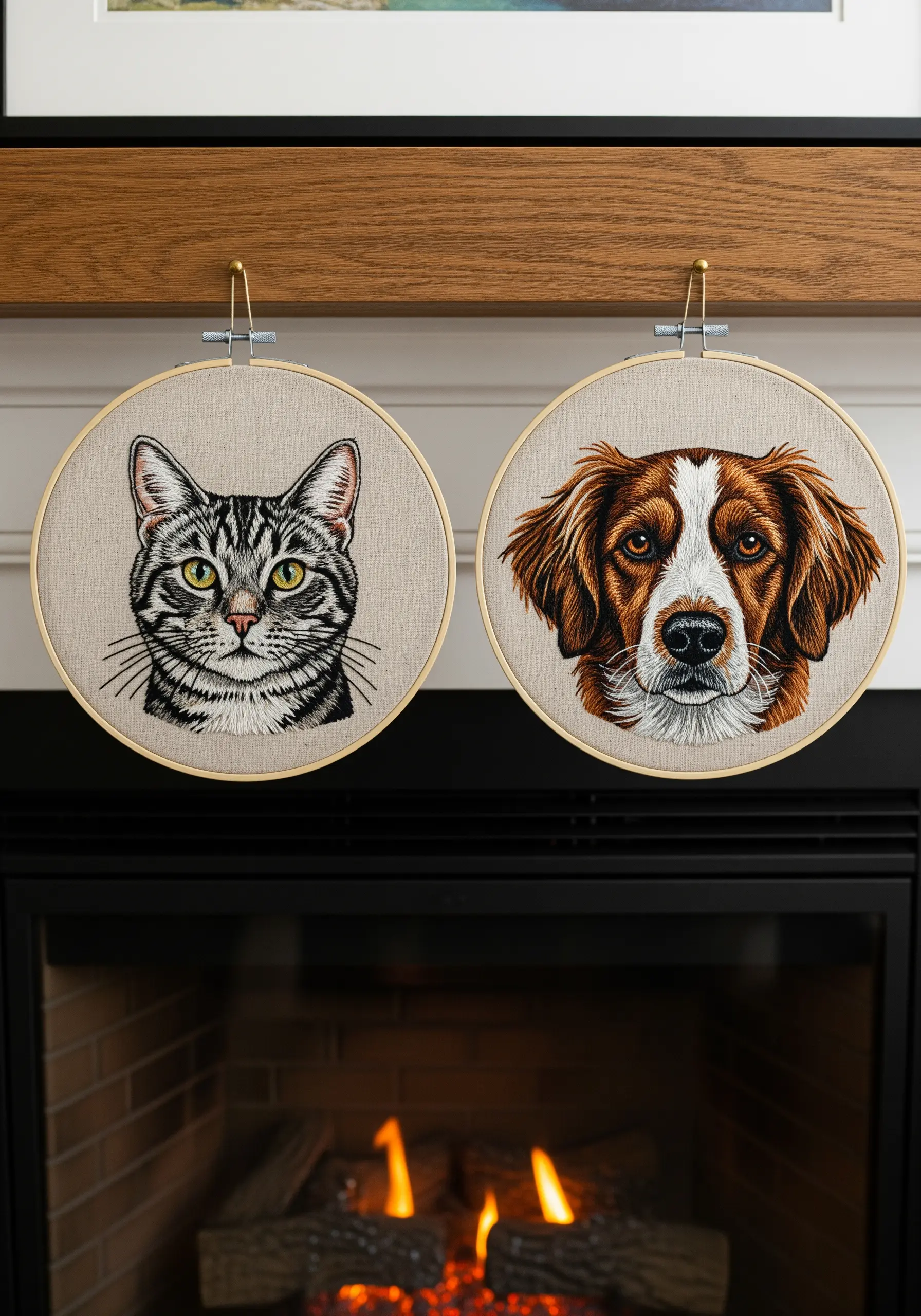
To embroider realistic pet fur, the direction of your stitches is everything.
Use the long and short stitch technique, always placing your stitches in the same direction that the animal’s fur grows.
Layer multiple shades of floss within the same area—a light, medium, and dark tone—to create depth and replicate the natural variation in a coat.
For fine details like whiskers or the glint in an eye, use a single strand of thread to add a final touch of sharpness and life.
13. Convey Emotion Through the Detail of Hands
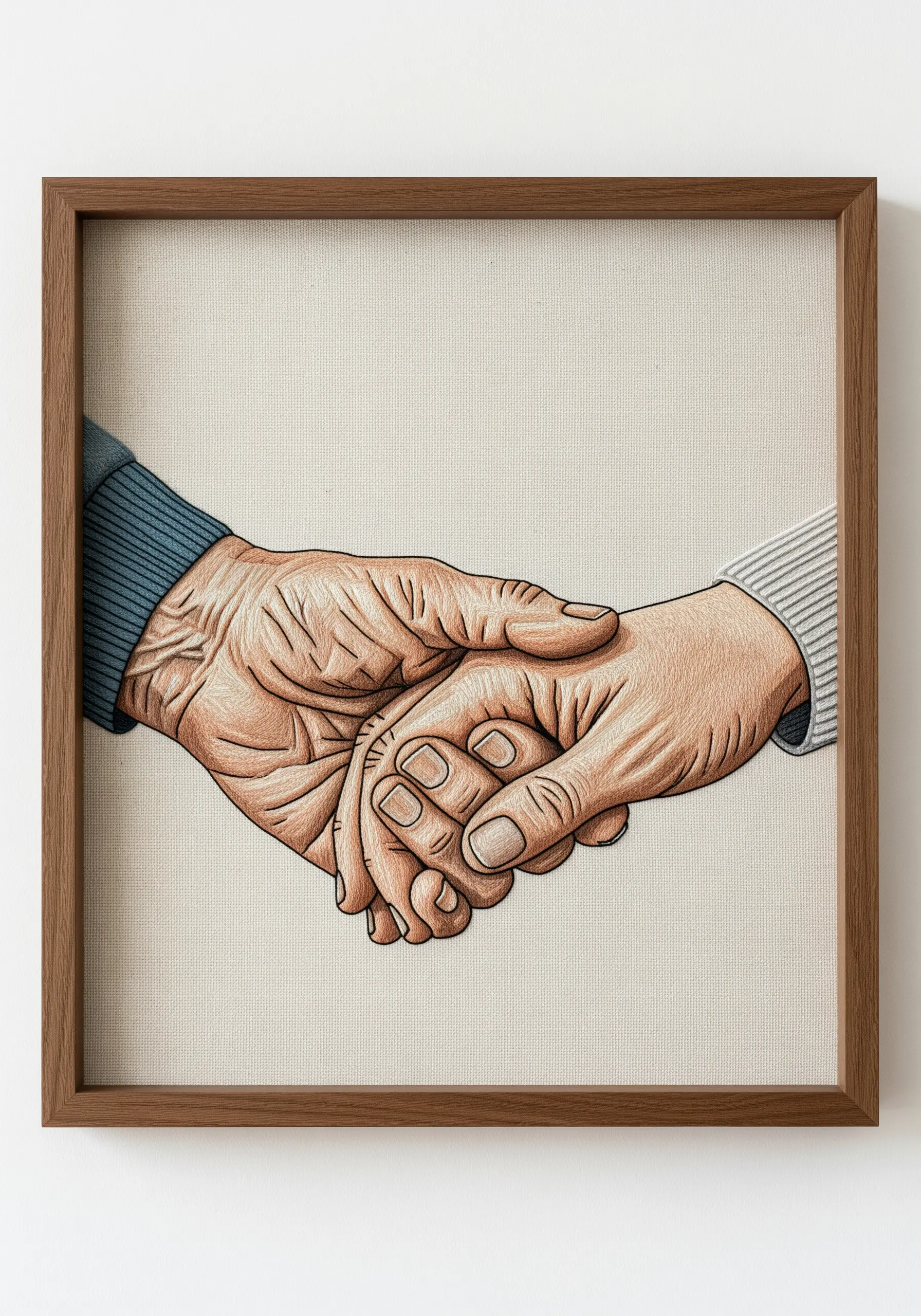
Hands can tell a story as powerfully as a face, and the key is in the details of the stitching.
Use a fine, single-strand thread to trace the wrinkles and lines of the skin with tiny backstitches.
Employ directional split stitch or long and short stitch to suggest the subtle contours of knuckles and tendons.
By carefully observing and replicating the way light falls across the hands, you can convey age, connection, and emotion with profound subtlety.
14. Sculpt Curls and Texture with French Knots
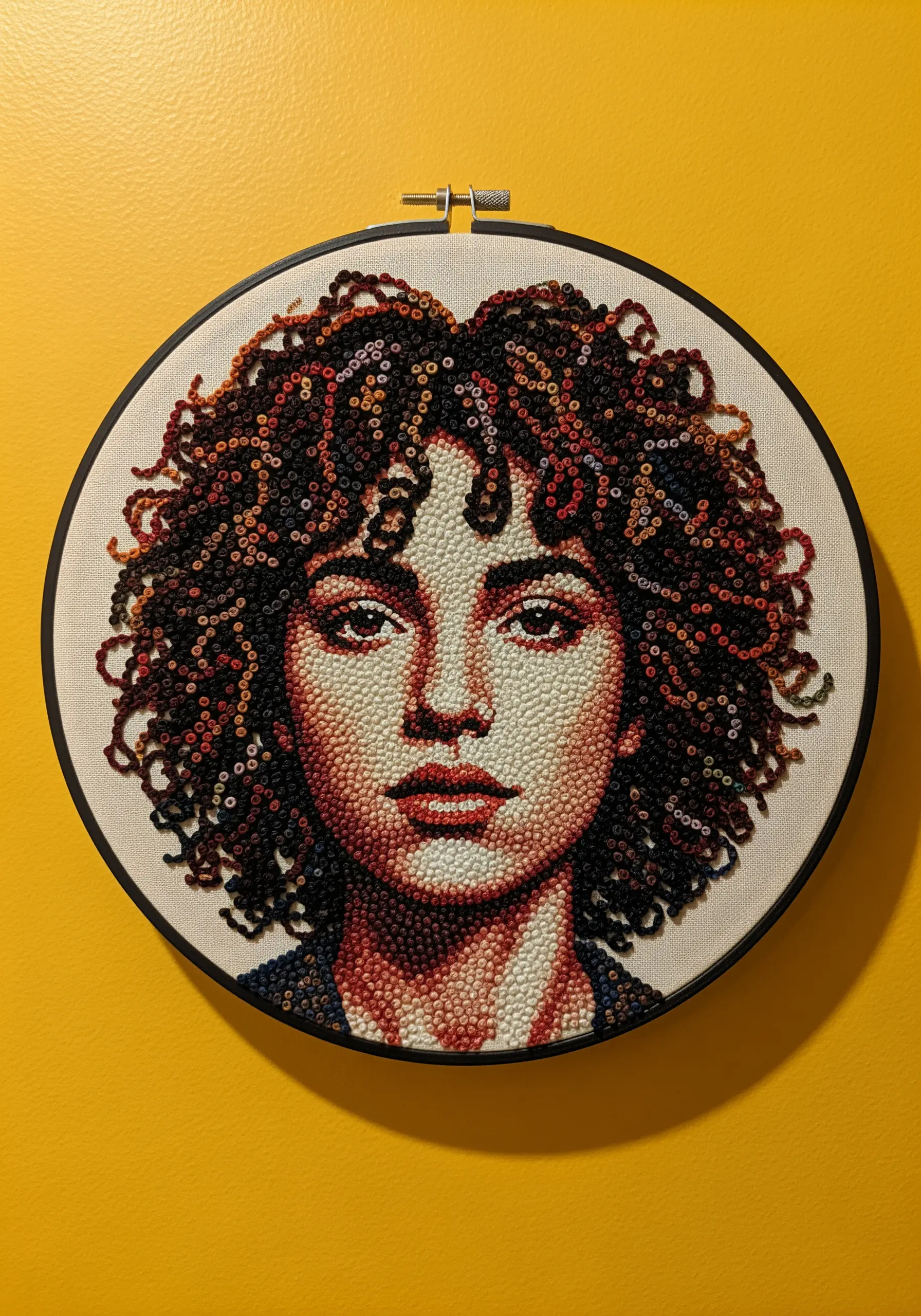
Instead of trying to stitch individual strands, use French knots to build the voluminous texture of curly hair.
Vary the number of times you wrap the thread around the needle to create knots of different sizes, mimicking the way curls cluster together.
Use a blend of 3-4 related thread colors—like deep browns, auburns, and caramels—to give the hair dimension and catch the light.
This highly textural approach creates a wonderfully tactile and realistic effect that satin stitch alone cannot achieve.
15. Add Regal Opulence with Metallics on Velvet

Create a portrait with an air of timeless luxury by pairing rich materials.
Stitch onto a deep-colored velvet; its plush, light-absorbing pile provides a dramatic background that makes other textures pop.
Use metallic threads for jewelry, hair accessories, and garment details. Couching thicker metallic cords or using a fine metallic blending filament alongside regular floss will add a sophisticated shimmer.
This combination of tactile velvet and reflective metallics gives the piece an heirloom quality.
16. Tell a Deeper Story with a Portrait Diptych
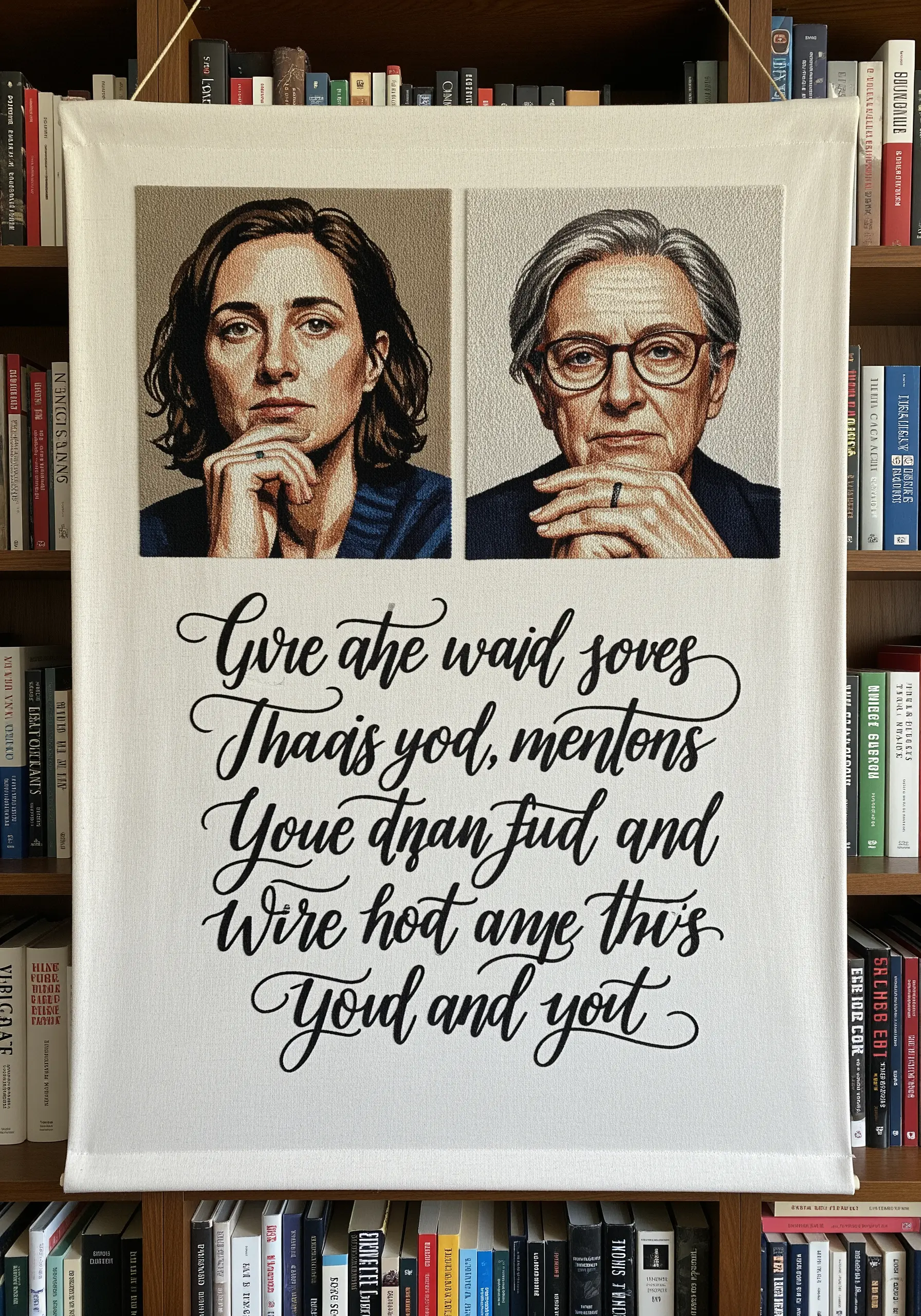
Expand your portraiture into a narrative by creating a diptych—two separate pieces designed to be displayed together.
Stitch two related portraits side-by-side, maintaining a consistent style and color palette to ensure they feel like a single, cohesive work.
Consider adding embroidered text or a meaningful quote below the portraits. This transforms the artwork from a simple depiction into a piece of visual storytelling, perfect for commemorating a relationship or a shared history.
17. Explore Identity Through Clothing and Posture
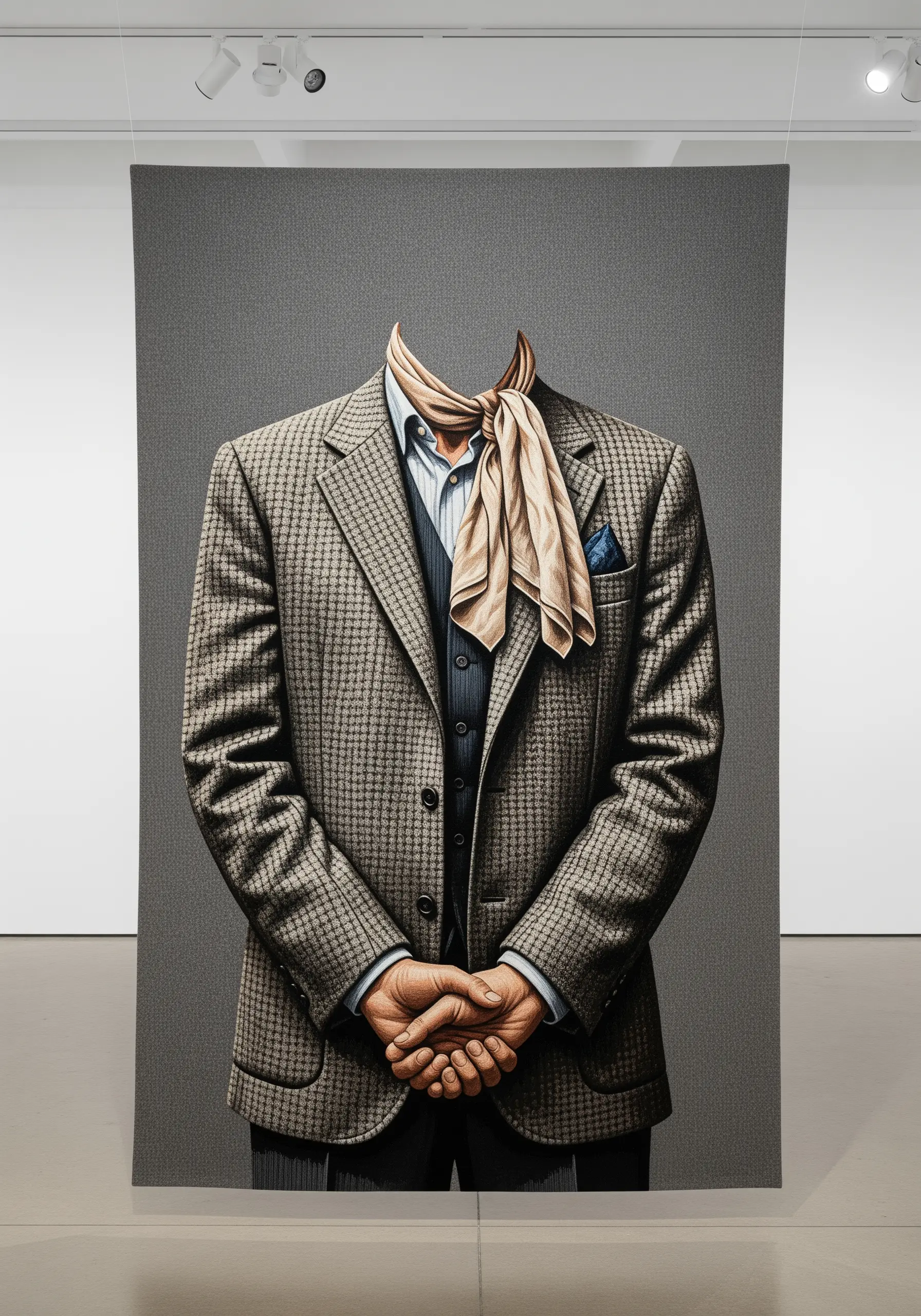
Create a compelling portrait without showing a face by focusing entirely on the subject’s attire and posture.
This allows you to explore identity through style, choice, and body language.
Use different stitches to render different fabric textures—small, repeating seed stitches for a tweed jacket, smooth satin stitch for a silk scarf, and fine lines for a crisp collared shirt.
The anonymity of the subject invites the viewer to project their own interpretation onto the piece.
18. Weave a Narrative with a Double Exposure Silhouette
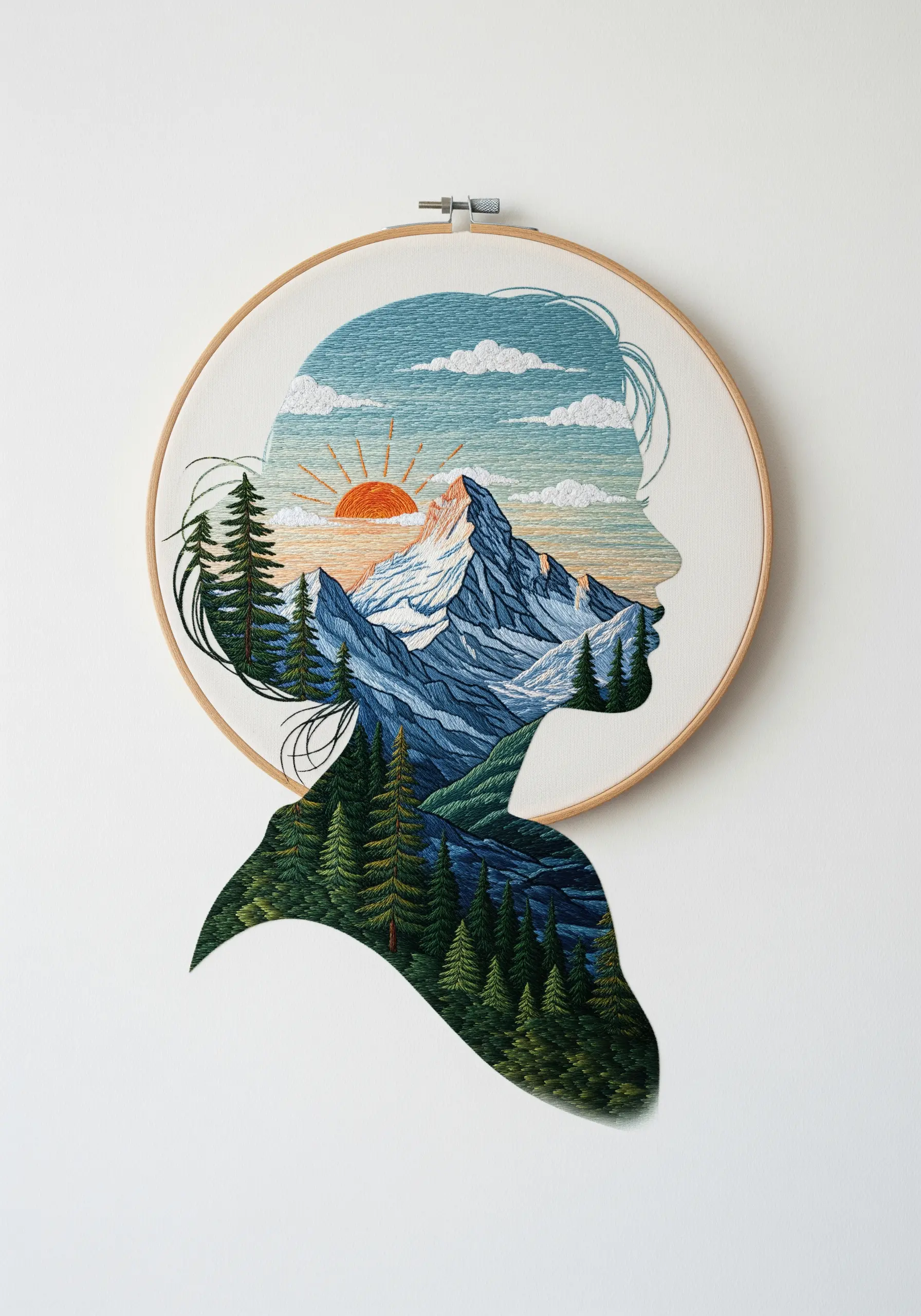
Merge a portrait with a landscape to create a deeply personal and symbolic piece.
Start with a clean, simple outline of a profile, stitched in a dark backstitch.
Instead of filling the silhouette with skin tones, fill it with a scene that is meaningful to the subject—a mountain range, a forest, or a seascape.
Use abstract thread landscapes techniques like thread painting to create the inner scene, turning the portrait into a window to a memory or a dream.
19. Create Luminous Skin with Metallic Textures
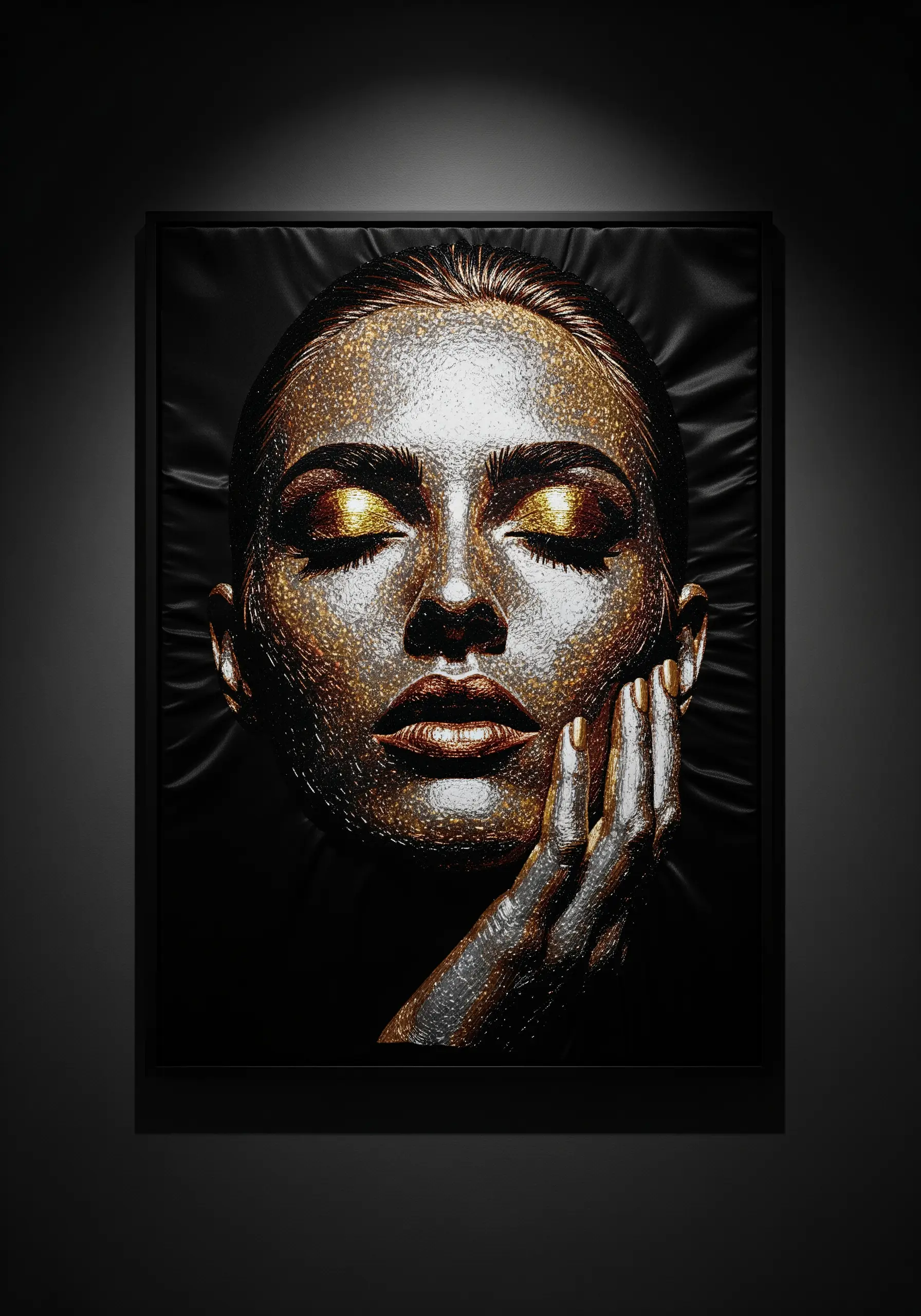
Push the boundaries of portraiture by trading floss for more sculptural, light-catching materials.
Build up the facial structure using a dense application of metallic threads, seed beads, or even metallic foils tacked down with thread.
Contrast these shimmering, textured areas with smooth, dark elements, such as satin-stitched eyelids or a matte black fabric background.
This dramatic interplay of light and texture creates a futuristic, otherworldly effect that is both glamorous and arresting.
20. Achieve a Graphic Look with Color Blocking
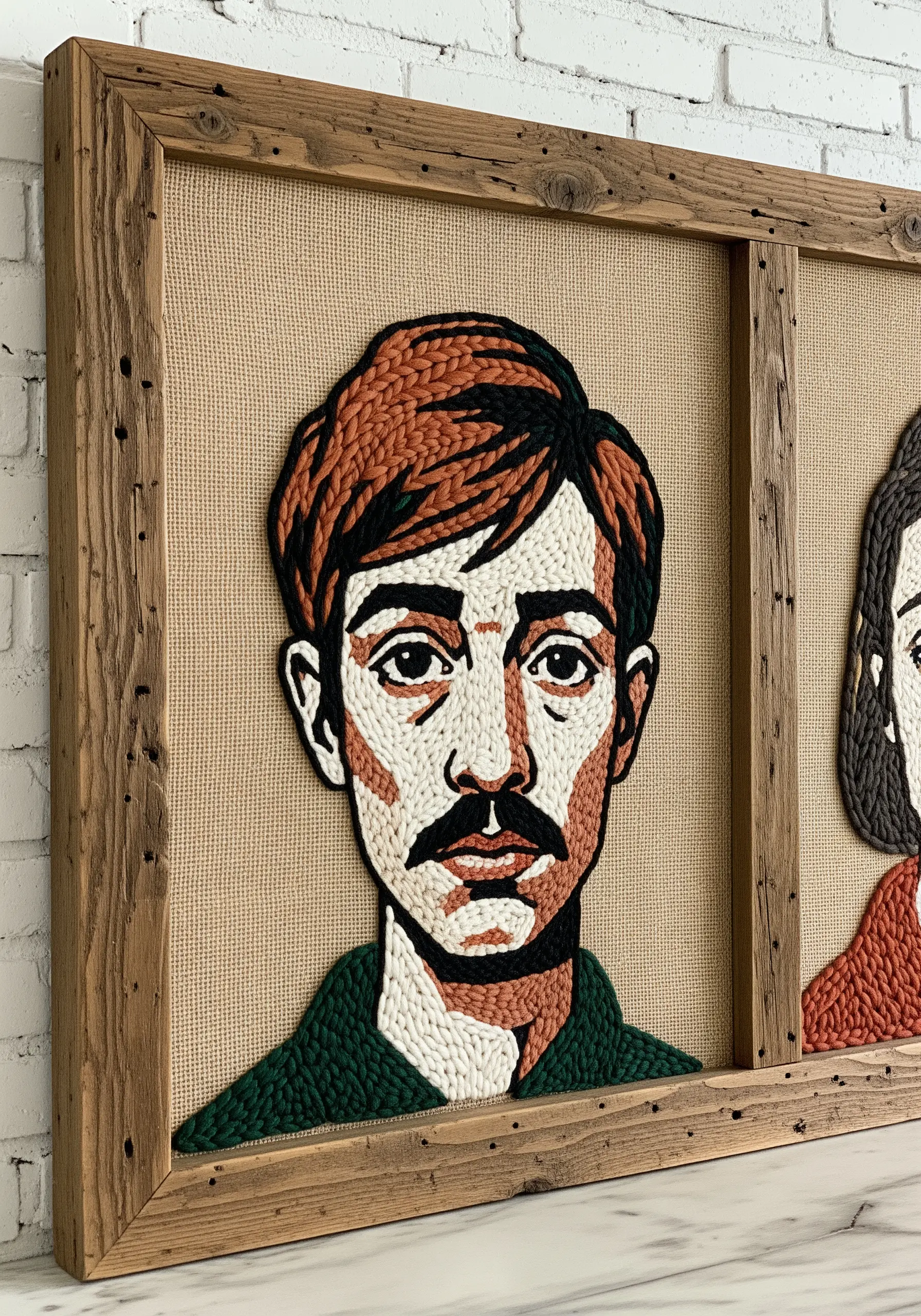
Embrace a bold, illustrative style by reducing a photo to its essential shapes of color and shadow.
Instead of blending, use solid fields of color, much like a screen print or woodblock portrait.
Use a thick thread or yarn and a chunky chain stitch or stem stitch fill. This creates a distinct textural quality and reinforces the graphic nature of the piece.
Mounting the finished work on a rustic fabric like burlap and displaying it in a reclaimed wood frame enhances its tactile, handcrafted appeal.
21. Merge Watercolor and Stitches for Ethereal Portraits
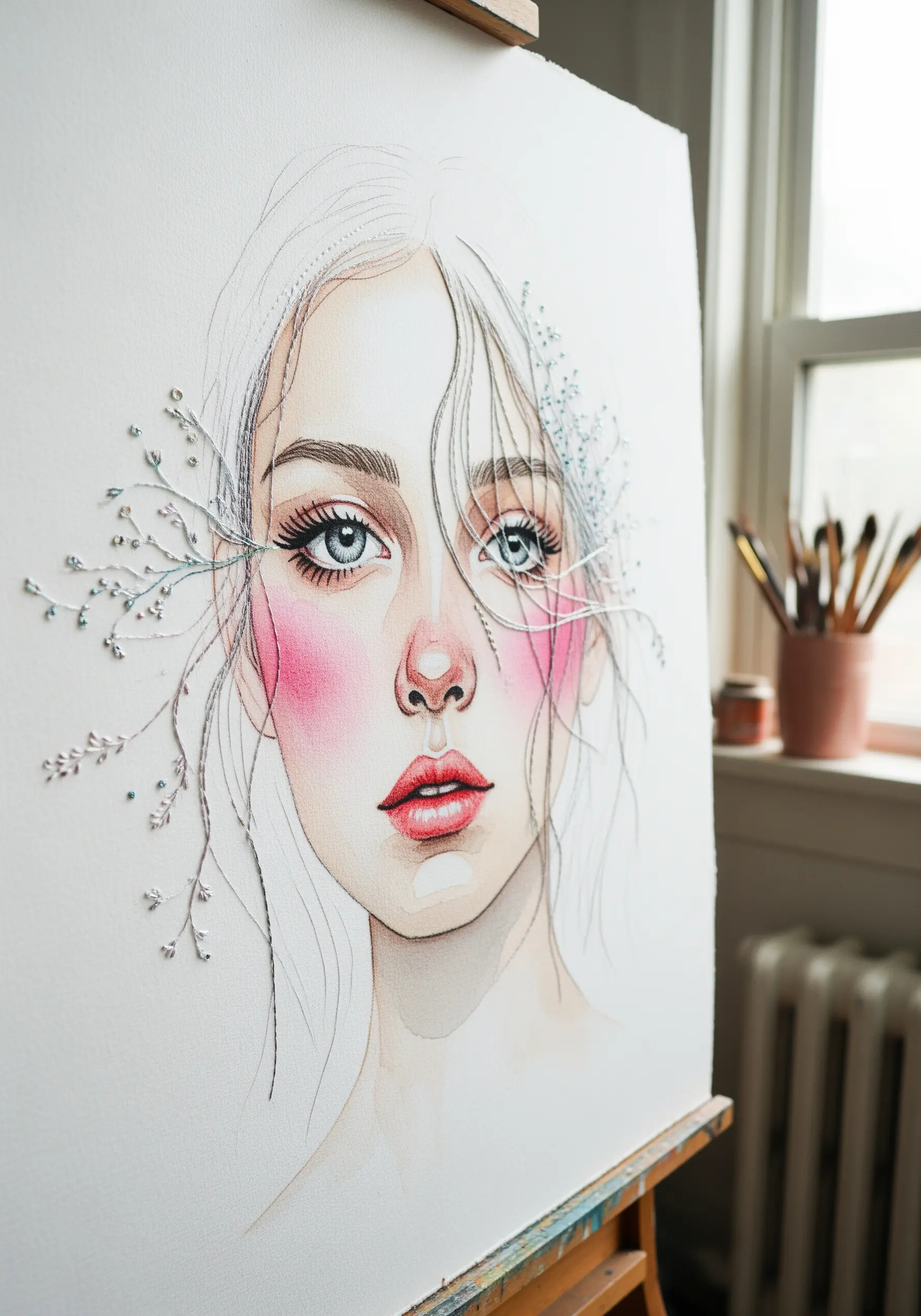
Combine the softness of watercolor with the delicate precision of embroidery for a dreamy, ethereal effect.
Begin by painting soft washes of color onto your fabric for elements like flushed cheeks or gentle shadows.
Once the paint is completely dry, use a very fine thread (one or two strands) to add defining details—backstitching the outline of the eyes, adding single stitches for eyelashes, or creating delicate, beaded sprigs in the hair.
This embroidered mixed-media approach allows you to achieve a softness that is difficult to create with thread alone.
22. Capture the Soul with an Intense Eye Study
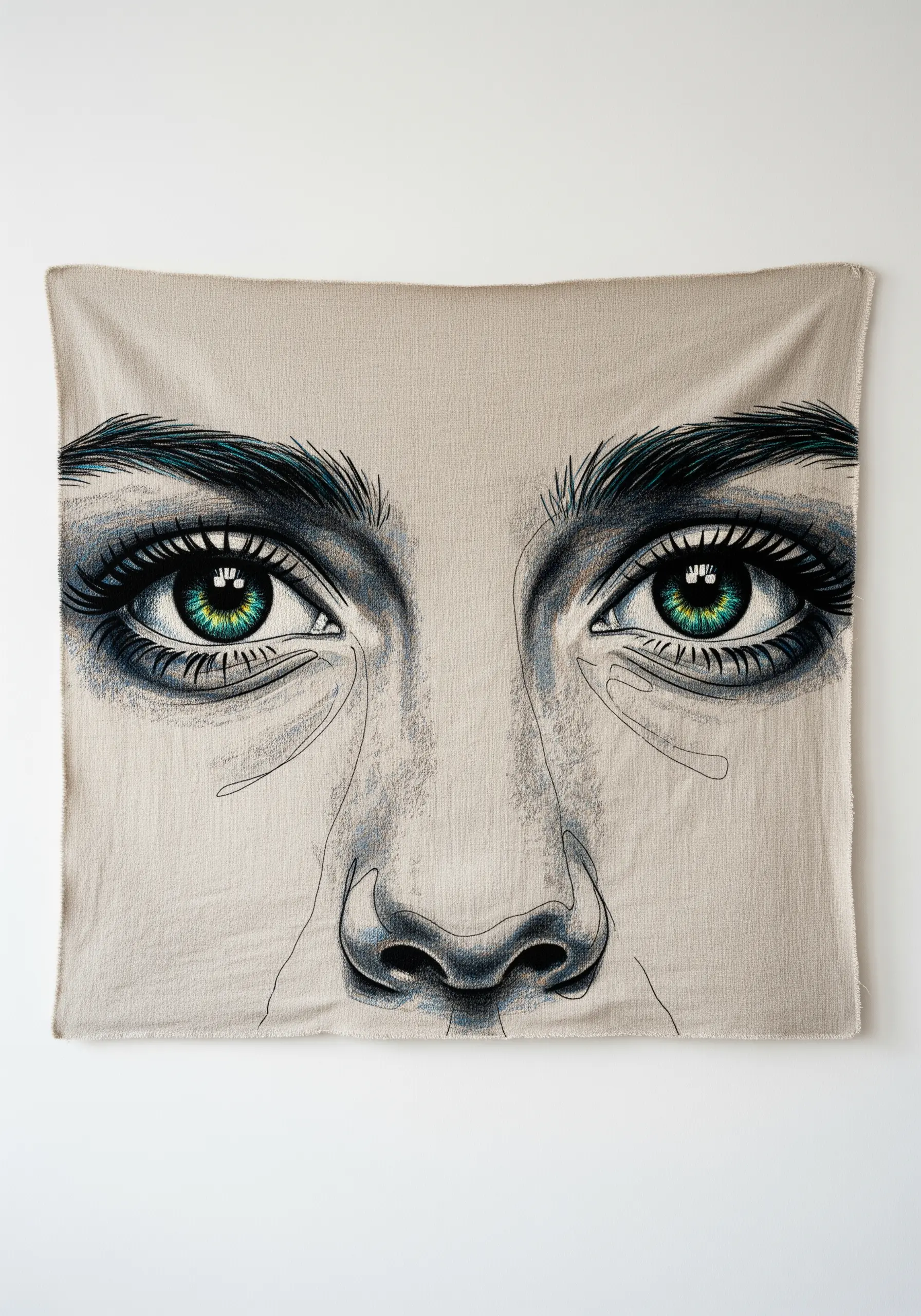
Create a portrait with magnetic intensity by focusing solely on the eyes.
Enlarge your reference photo so you can study the intricate details of the iris. Use at least five or six different shades to thread-paint the colors, radiating your stitches out from the pupil.
Use a single strand of black for a sharp pupil and long, delicate stitches for individual eyelashes.
Keep the rest of the face minimal—just a few suggestion lines—to ensure the viewer’s entire focus is drawn to the expressive power of the eyes.
23. Document Time with a Generational Triptych
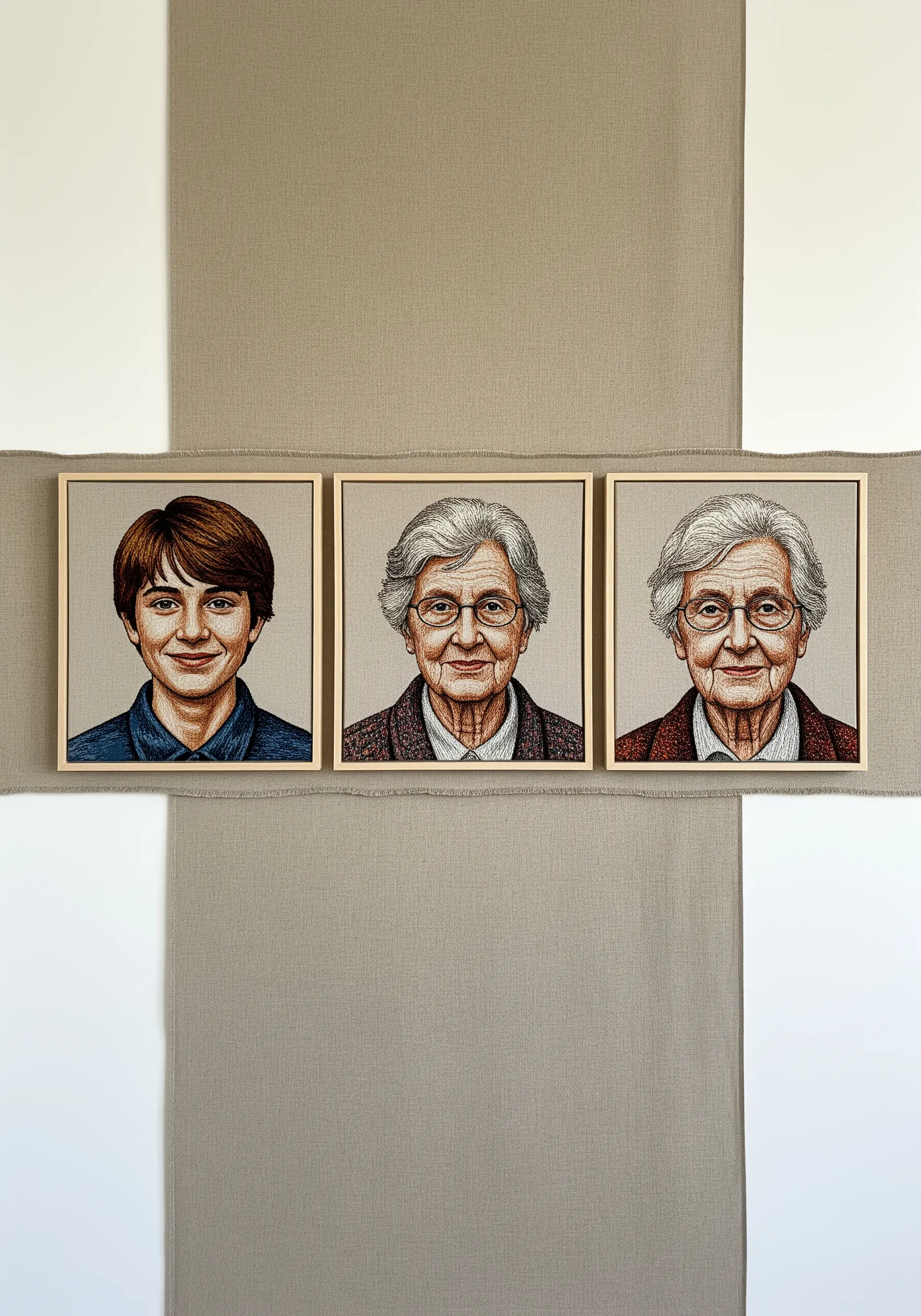
Tell a powerful family story by creating a triptych of portraits that span generations.
Select photos from different life stages—childhood, adulthood, and senior years.
To ensure the three pieces work as a cohesive whole, stitch them in the same style, using a consistent color palette and the same background fabric.
Framing them identically and displaying them side-by-side creates a visual timeline that speaks to legacy, change, and the enduring threads of family.
24. Express Raw Emotion with Deconstructed Stitching

Move beyond realism to capture the inner world of your subject with an expressive, deconstructed style.
Use frenetic, overlapping straight stitches in multiple colors to build up the features, allowing the lines to feel chaotic and energetic.
Incorporate loose, dangling threads that drip down from the portrait, suggesting an unraveling or a sense of raw vulnerability.
This abstract technique turns the portrait into a map of emotion rather than a simple likeness.
25. Radiate Joy with an Abstract Confetti Background

Infuse a portrait with a sense of pure joy and energy by placing a realistically stitched subject against a completely abstract background.
After completing your thread-painted portrait, fill the surrounding space with a vibrant shower of tiny, colorful straight stitches that resemble confetti.
This contrast between the controlled realism of the face and the spontaneous chaos of the background creates a dynamic composition that feels celebratory and full of life.
26. Cultivate Serenity with a Monochromatic Palette

Create a portrait that exudes calm and tranquility by working with a limited, monochromatic color scheme.
Choose a single color family, such as serene teals and blues, and use its various shades to build form and shadow with gentle long and short stitches.
Frame the subject with delicate, light-toned line drawings of botanicals in the background. This subtle detail adds a touch of nature and peace without overwhelming the central figure.
The result is a meditative piece perfect for a quiet, restful space, showcasing how monochrome embroidery ideas can create deep mood.