We often think of embroidery as a flat art form, confined to the circle of a hoop or the surface of a garment. But when you lift those stitches off the fabric and wrap them around wire, rope, or felt, you enter the fascinating world of soft sculpture.
Creating these 3D objects doesn’t require a studio full of equipment. By applying your existing knowledge of tension, color blending, and stitch texture to three-dimensional forms, you can create modern artifacts that feel substantial and unique. It is about seeing thread not just as a line, but as a building material.
Whether you want to use up leftover skeins on a wrapped wire piece or practice your precision with geometric Temari balls, these projects offer a quick, satisfying way to bring your embroidery into the physical space of your home.
1. Wire-wrapped gradient sculpture
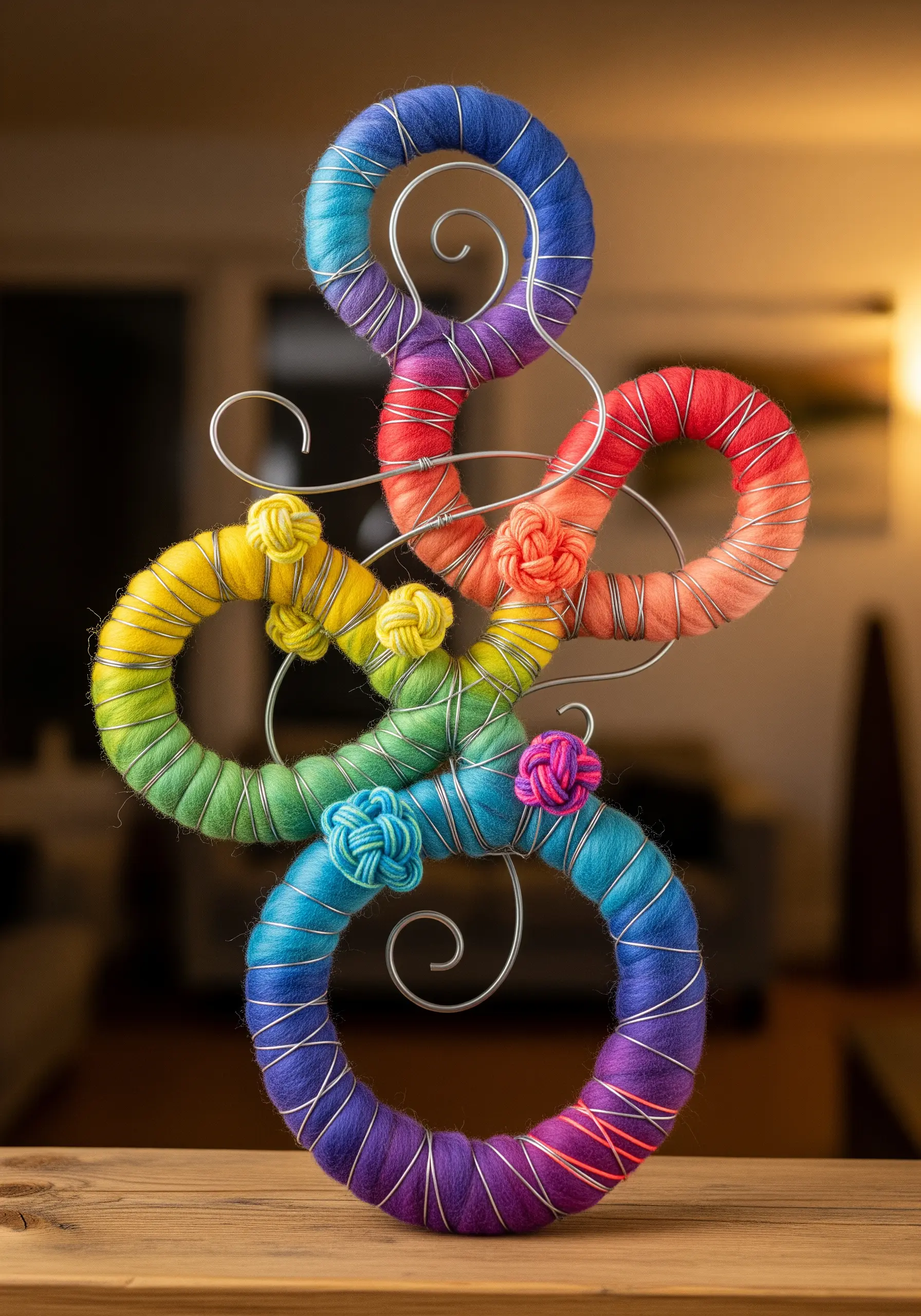
Transform a simple aluminum wire armature into a vibrant statement piece by mastering the art of thread wrapping.
The key here is tension; keep your wool or cotton yarn taut to prevent gaps, and overlap colors gradually to achieve a seamless ombré effect.
This technique mirrors abstract thread-based gradient pieces that Pinterest users can’t stop saving, allowing you to play with color theory in three dimensions.
2. Sashiko-stitched linen soft blocks
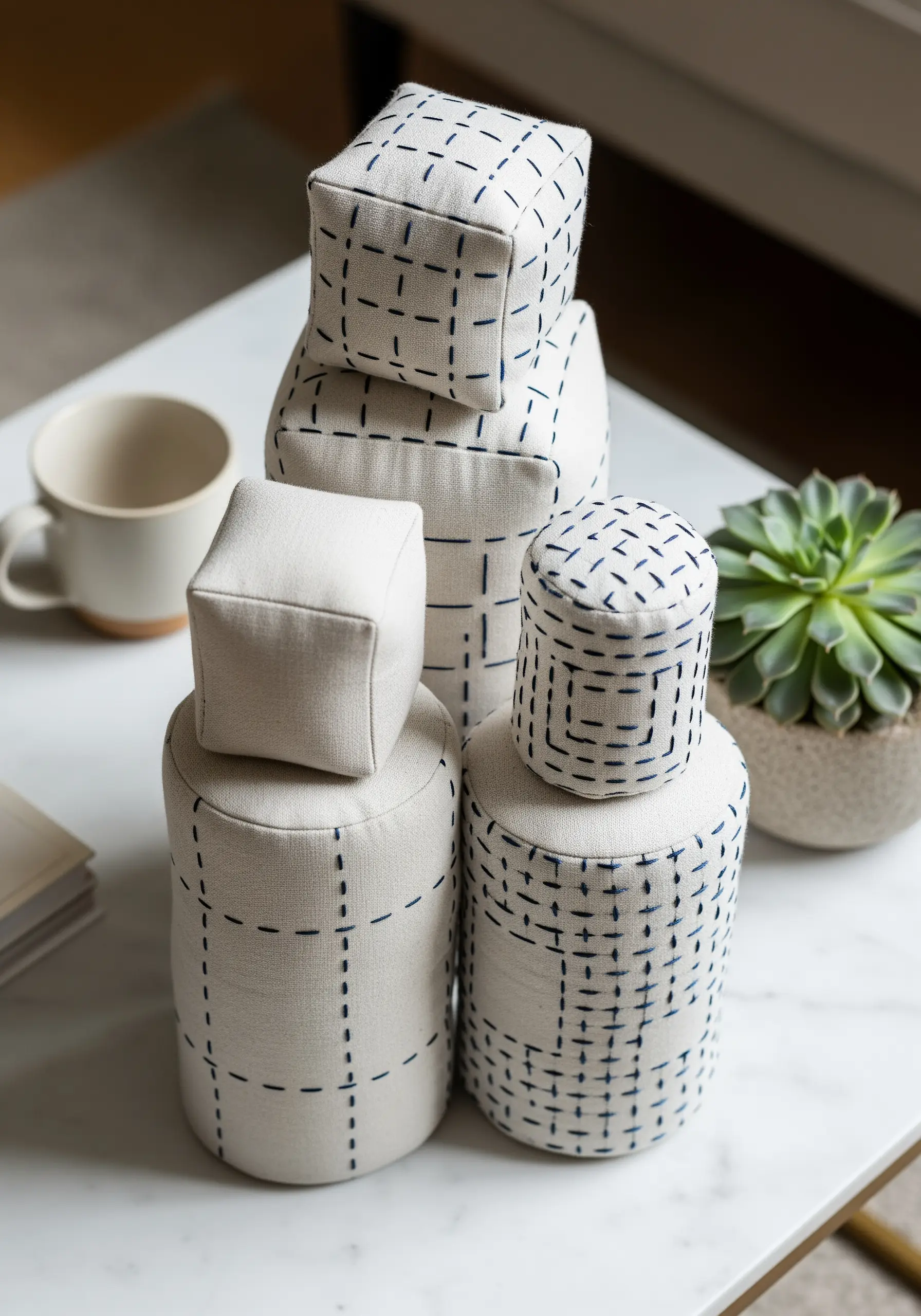
Elevate simple fabric shapes using the rhythmic precision of Sashiko, a Japanese running stitch technique.
Use a heavy-weight cotton thread on linen to create high-contrast, geometric lines that emphasize the form of the cube or cylinder.
These are chic and simple stitched patterns for your coffee table decor that rely on negative space rather than complex motifs.
3. Felt cactus garden with blanket stitches
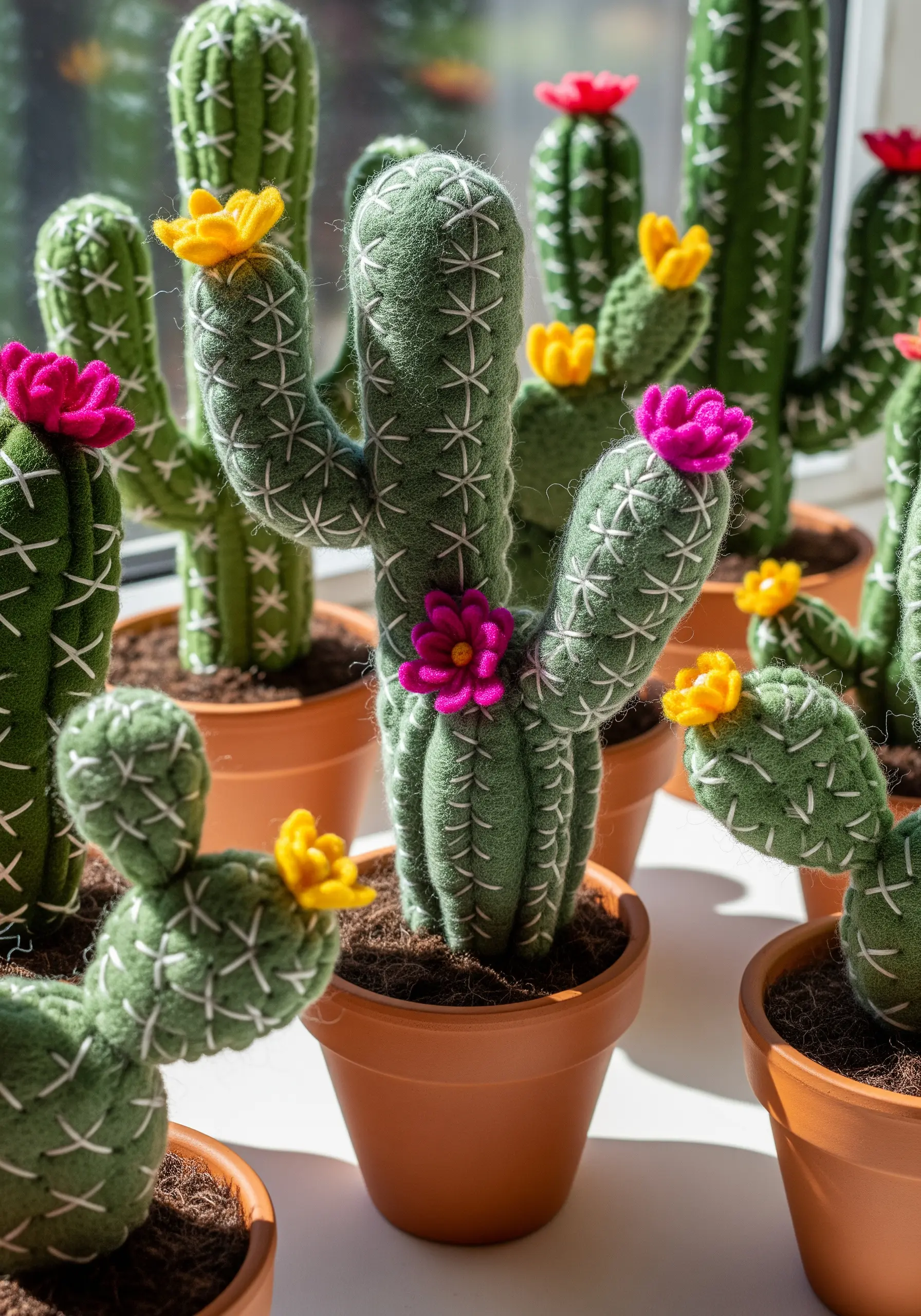
Wool felt offers a sturdy base for structural embroidery, requiring no hoop or backing stabilizer.
Define the ribs of the cactus with a consistent blanket stitch in white floss, which mimics the look of spines while holding the stuffing securely.
If you enjoy these forms, explore plant-inspired embroidery patterns to transform blank pillows into living room focal pieces for a cohesive botanical theme.
4. Coiled rope vessel with thread painting
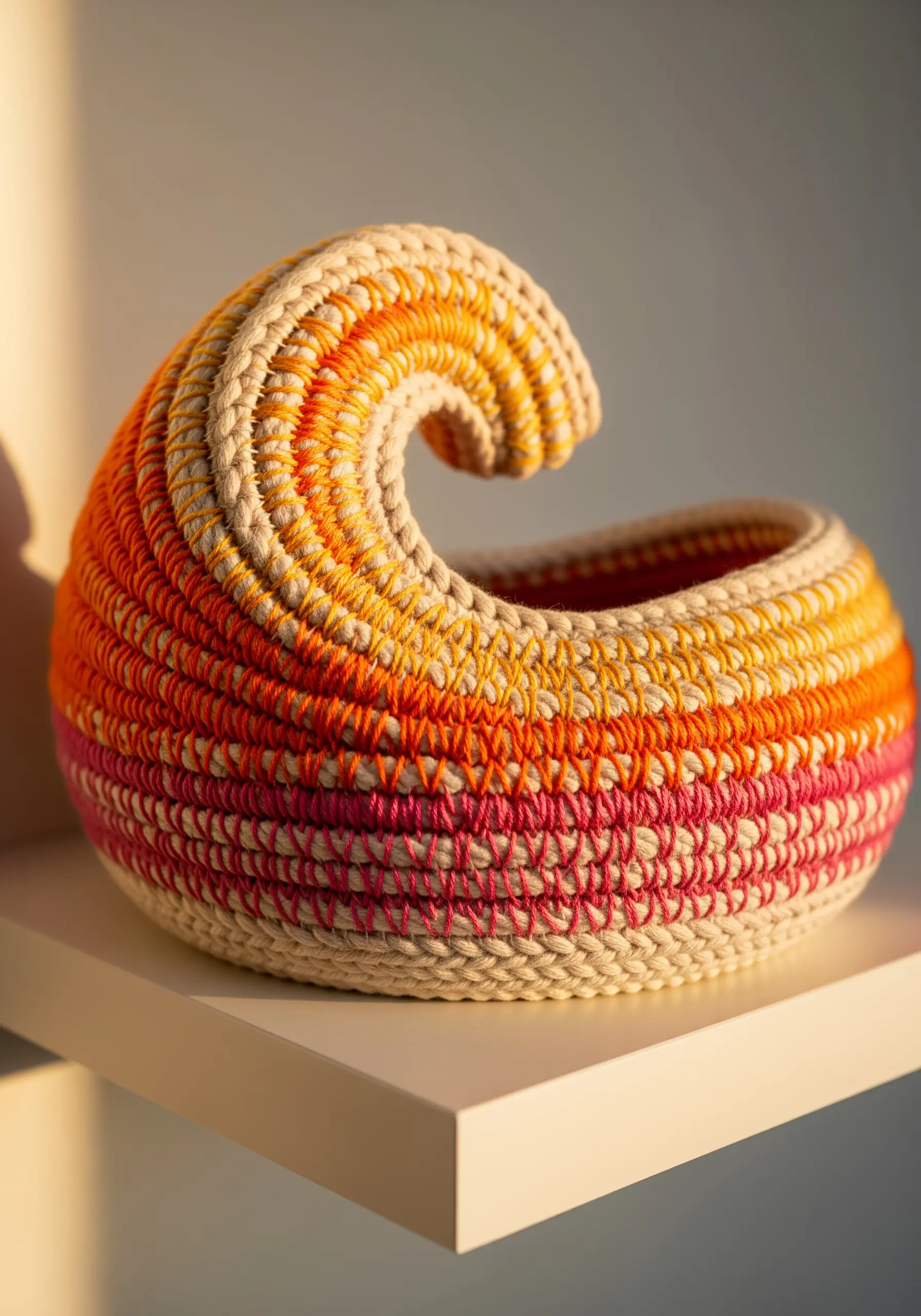
Turn cotton rope into a sculptural vessel by wrapping sections with embroidery floss as you coil and stitch them together.
Vary the density of your thread coverage—leaving some rope exposed adds organic texture, while tight wrapping creates bold blocks of color.
This method produces handmade art pieces that add instant personality to your space without requiring advanced sewing skills.
5. Velvet and bead mushroom arrangement
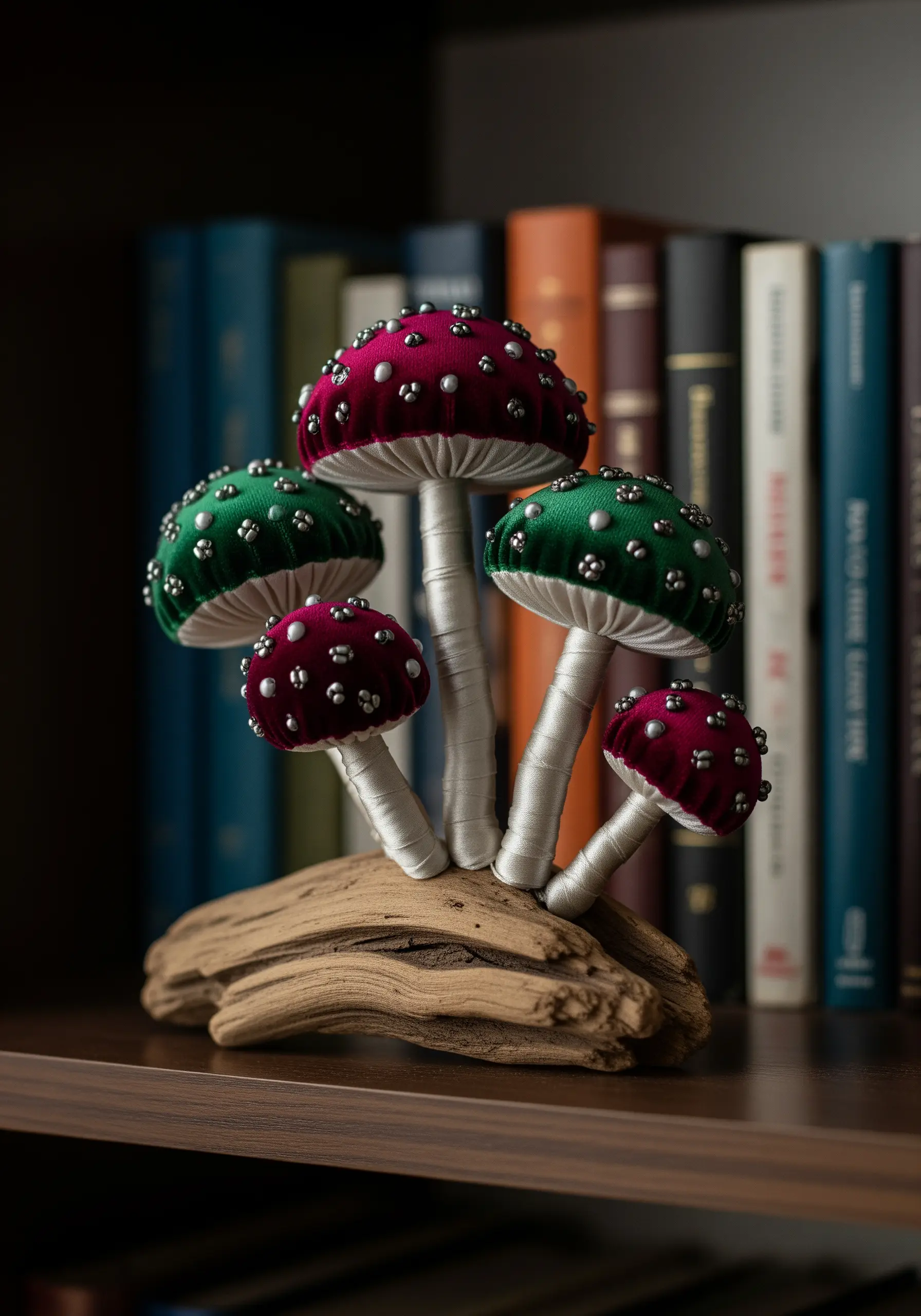
Velvet absorbs light beautifully, making it the perfect medium for creating luxurious, tactile mushroom caps.
Enhance the pile of the fabric by stitching seed beads and French knots to mimic natural spores and textures.
These are nature-inspired embroidery hoop art ideas to gift eco-lovers taken out of the frame and into the real world.
6. Herringbone stitch knot cushion

Apply decorative surface stitches like the herringbone stitch directly onto jersey tubing before tying it into a knot.
The stretch of the fabric requires a loose tension in your embroidery to prevent the thread from snapping when the cushion is shaped.
You can create stunning handmade sculptures you can make at home this weekend just by adding this layer of gold thread detail.
7. Sheer geometric floral terrarium
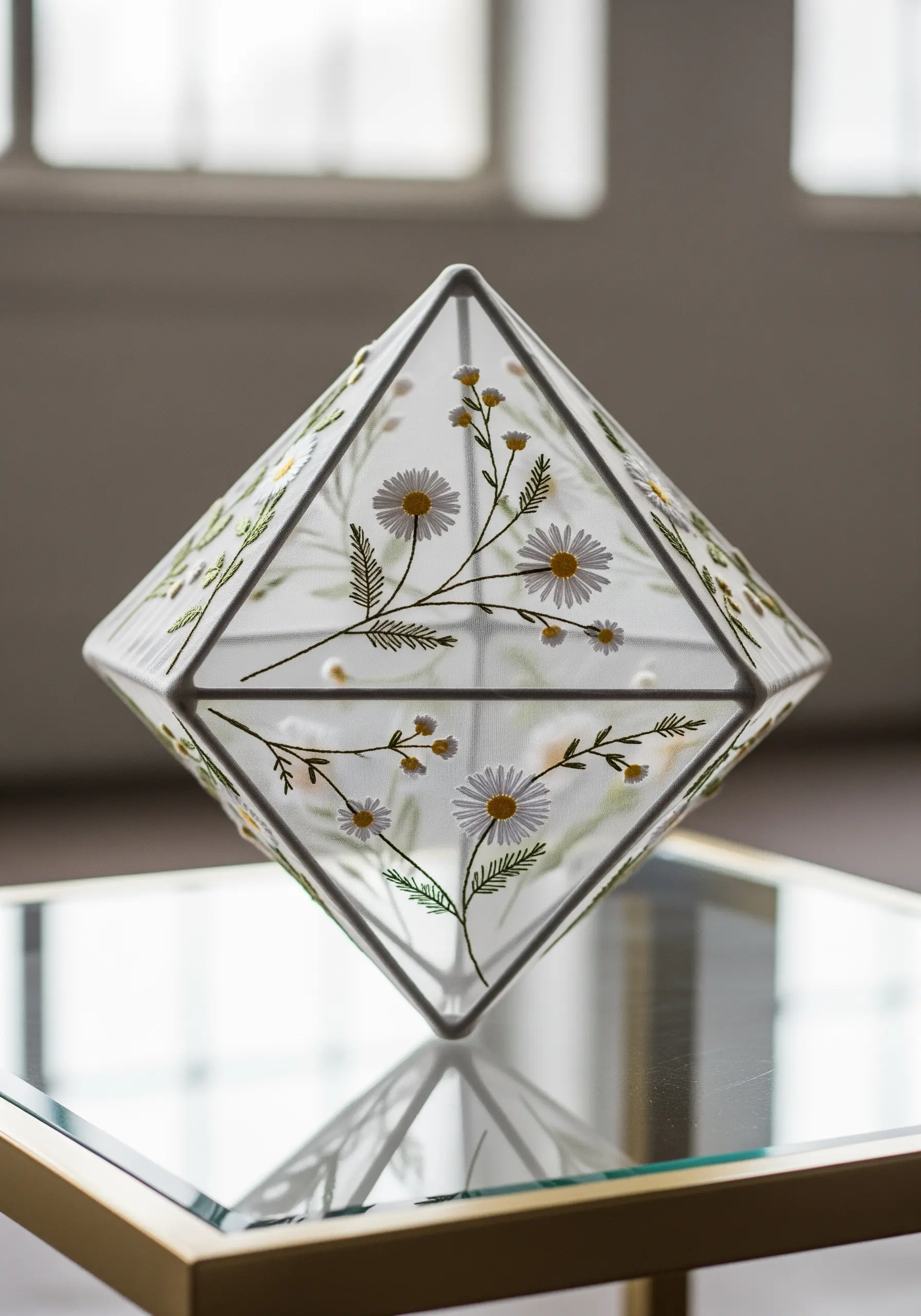
Combine transparency and structure by embroidering delicate botanicals onto organza or tulle before mounting them into a geometric frame.
Keep the back of your work impeccable, as the sheer fabric reveals every knot and trailing thread.
These are minimalist embroidery art pieces that look expensive but aren’t, utilizing light and shadow as part of the design.
8. Free-motion thread bowls
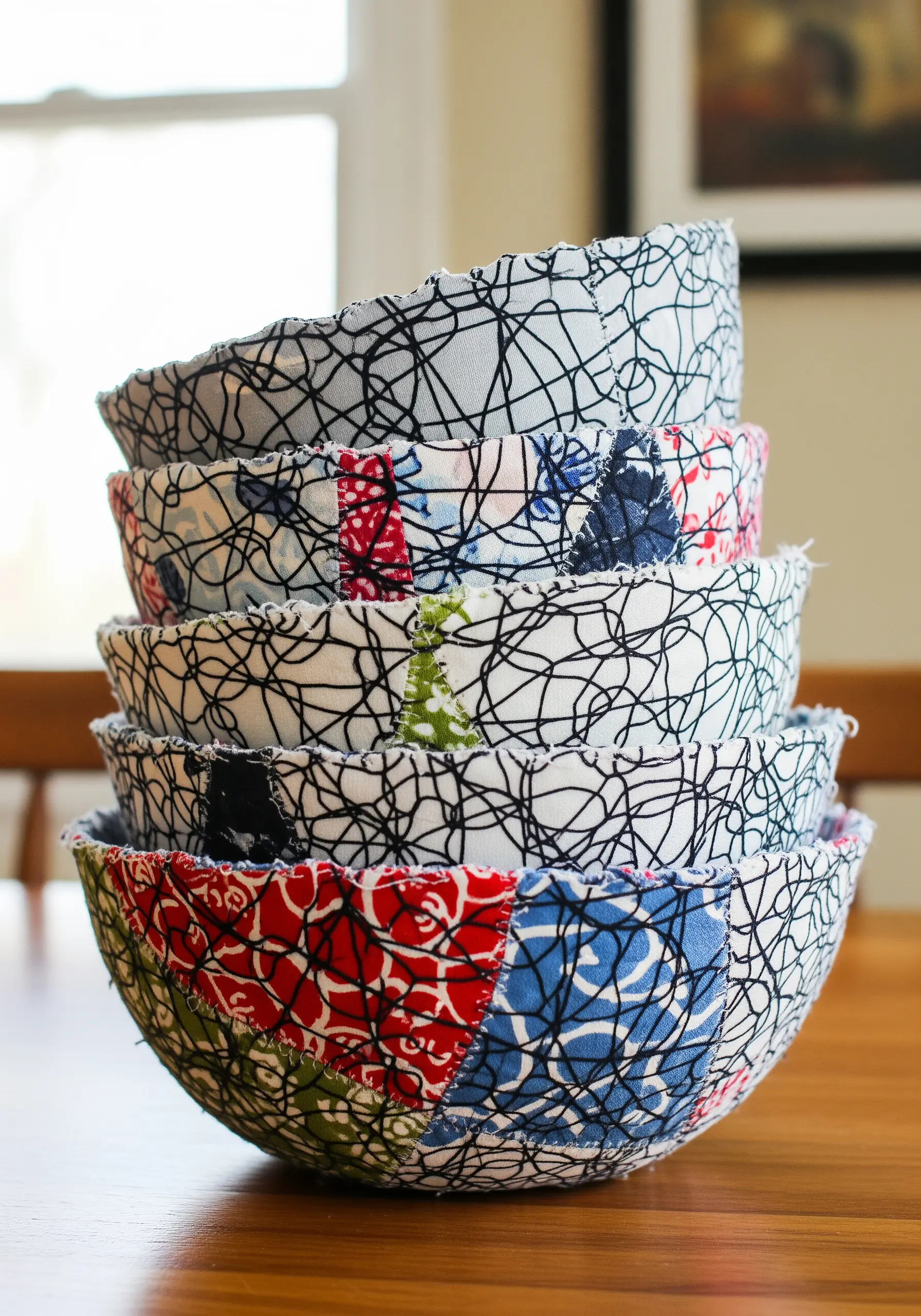
Create a vessel made entirely of thread by using water-soluble stabilizer and free-motion machine embroidery.
Layer scraps of fabric and dense stitching, then wash away the stabilizer to leave a skeletal, textured structure.
These are creative ways to turn old fabrics into fun embroidery projects that result in a surprisingly rigid and durable bowl.
9. Wrapped hoop and tassel mobile
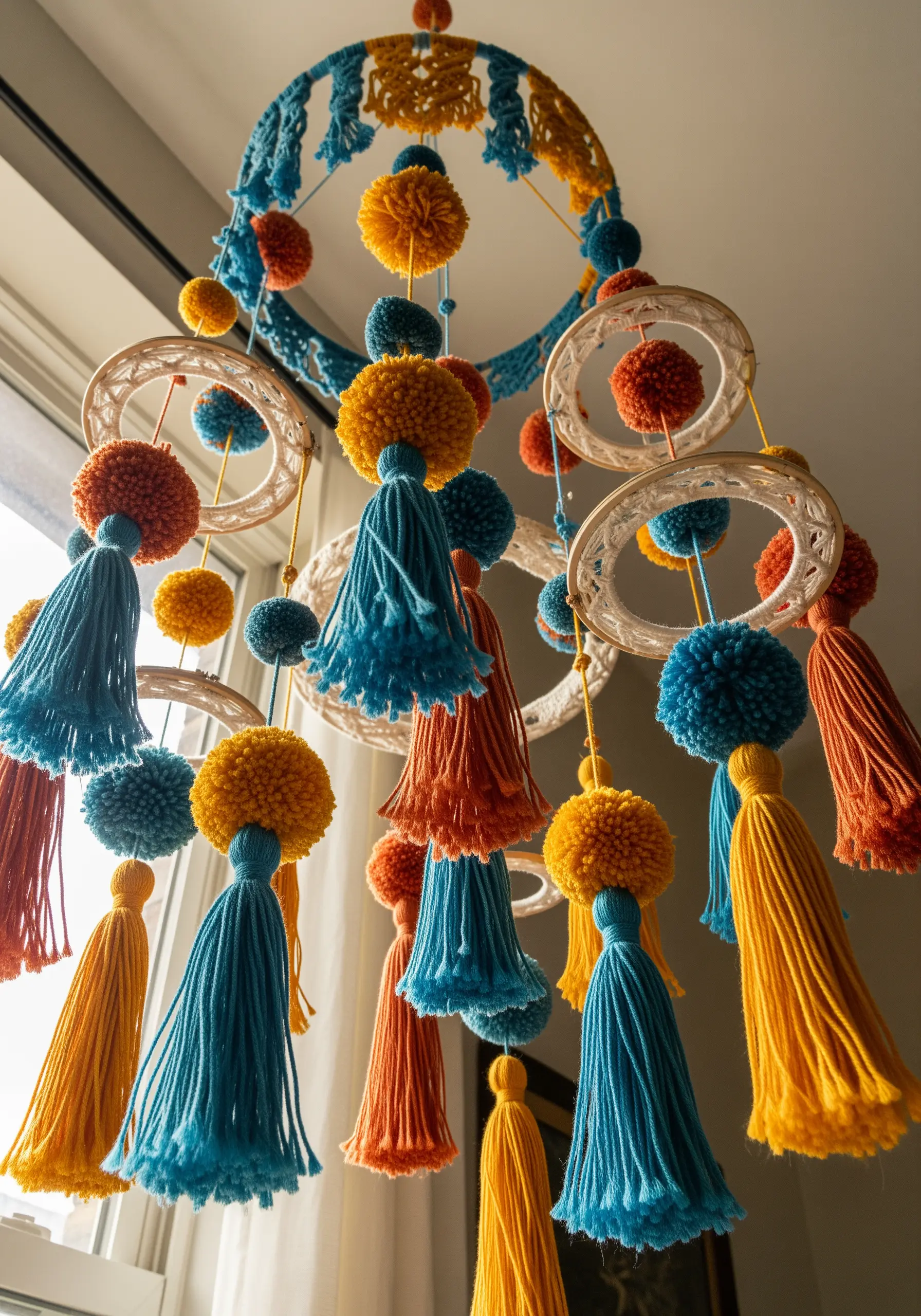
Reimagine the embroidery hoop as a structural element by wrapping it in yarn and suspending handmade tassels.
Focus on color balance and the length of your tassels to ensure the mobile hangs straight and moves fluidly.
This fits perfectly with nursery-friendly textile wall art patterns for soft dreamy baby rooms or bohemian living spaces.
10. Lace and metallic coral sculpture
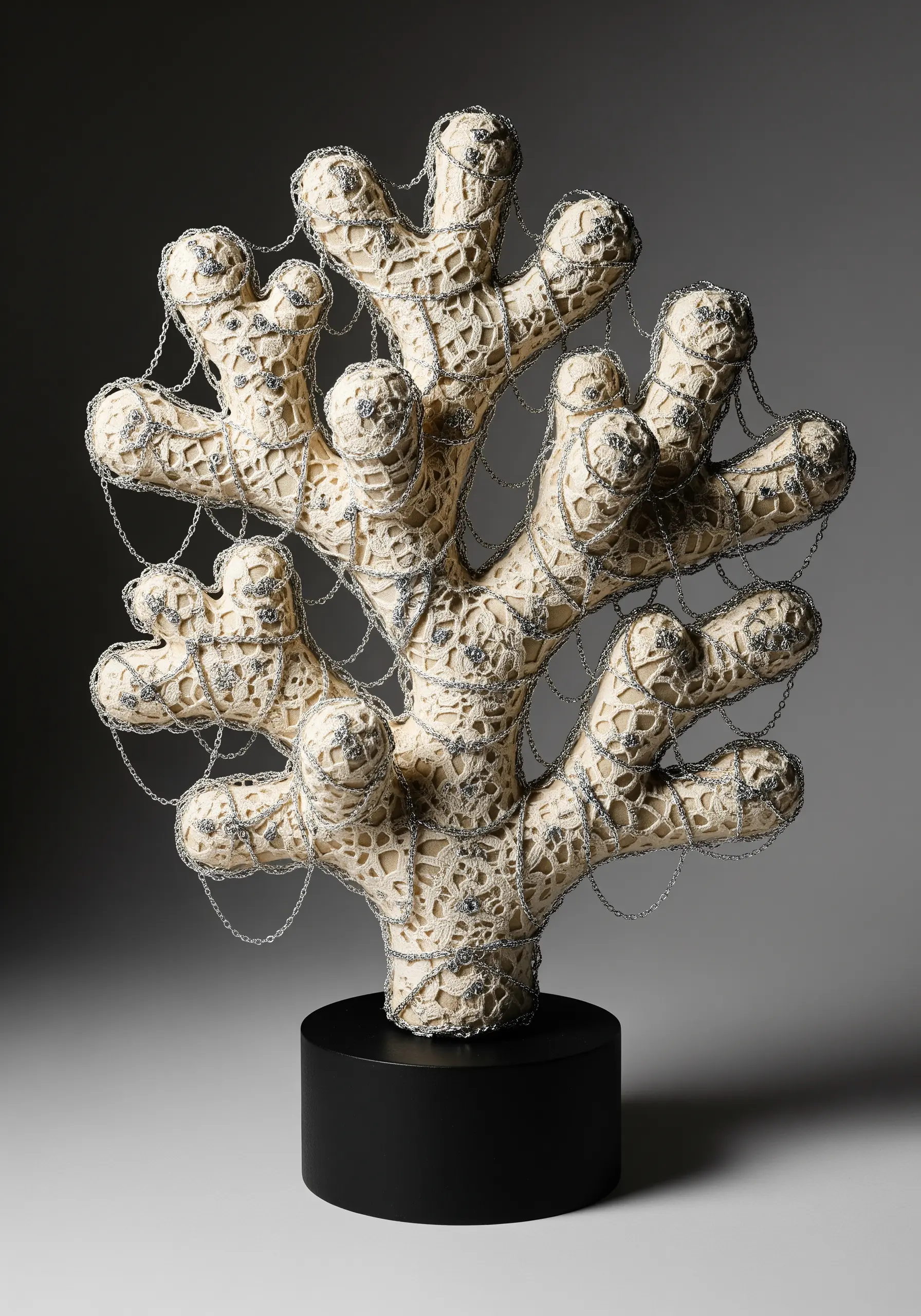
Stiffen crocheted lace or open-weave fabric with glue or starch to create organic, coral-like forms.
Weave fine silver chains or metallic threads through the gaps to catch the light and add a jeweler’s finish.
Use these techniques to create luxury metallic thread wall decor ideas that look straight out of high-end hotels.
11. Geometric Temari thread balls
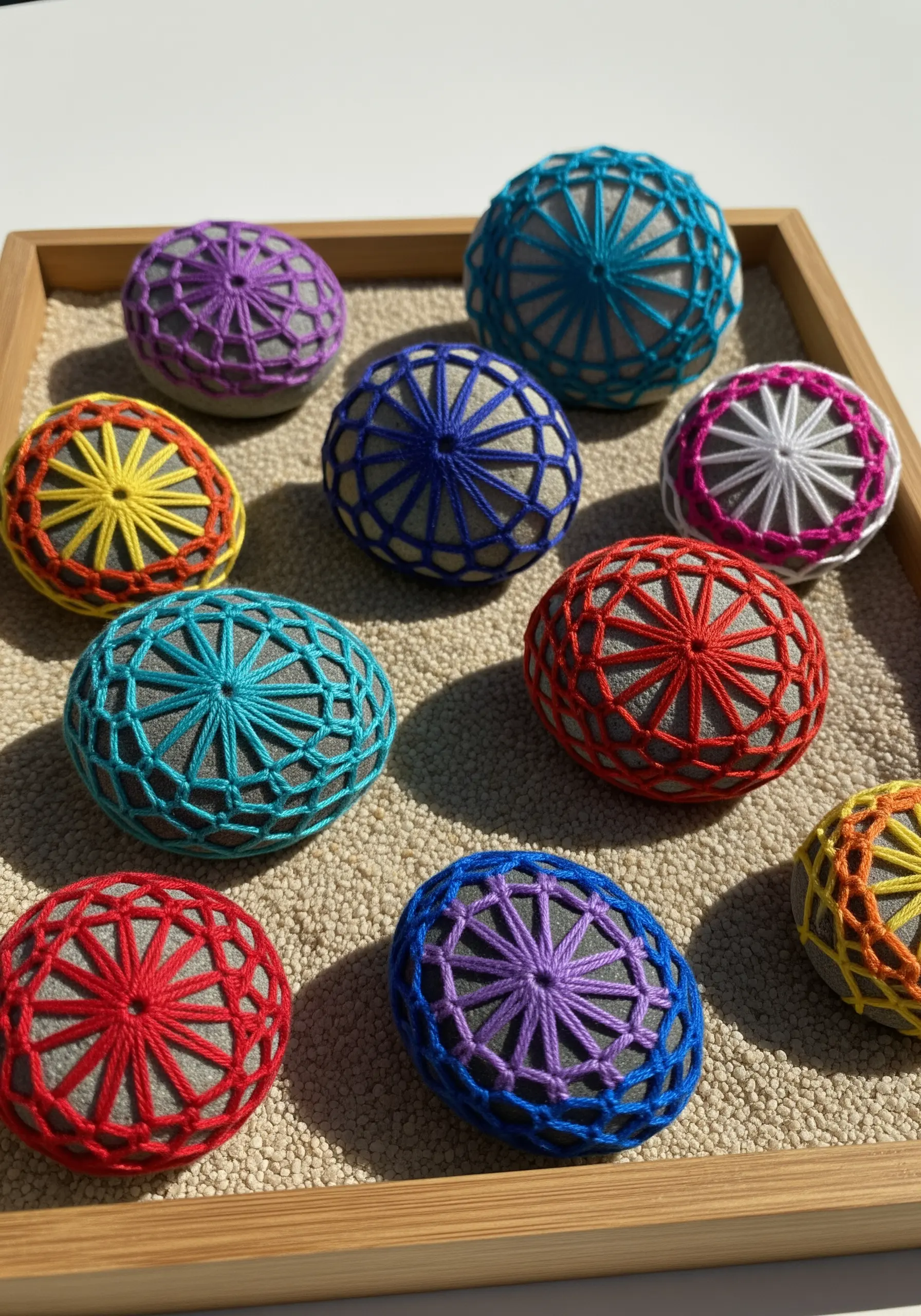
Master the Japanese art of Temari by wrapping a core tightly with thread and embroidering geometric divisions on the surface.
Accuracy in your initial division lines is crucial; use pins to mark your poles and equator before laying down the decorative pattern.
These geometric hoop art designs that make a bold statement on walls can be adapted into these mesmerizing spherical handheld objects.
12. Fiber art wrapped arch
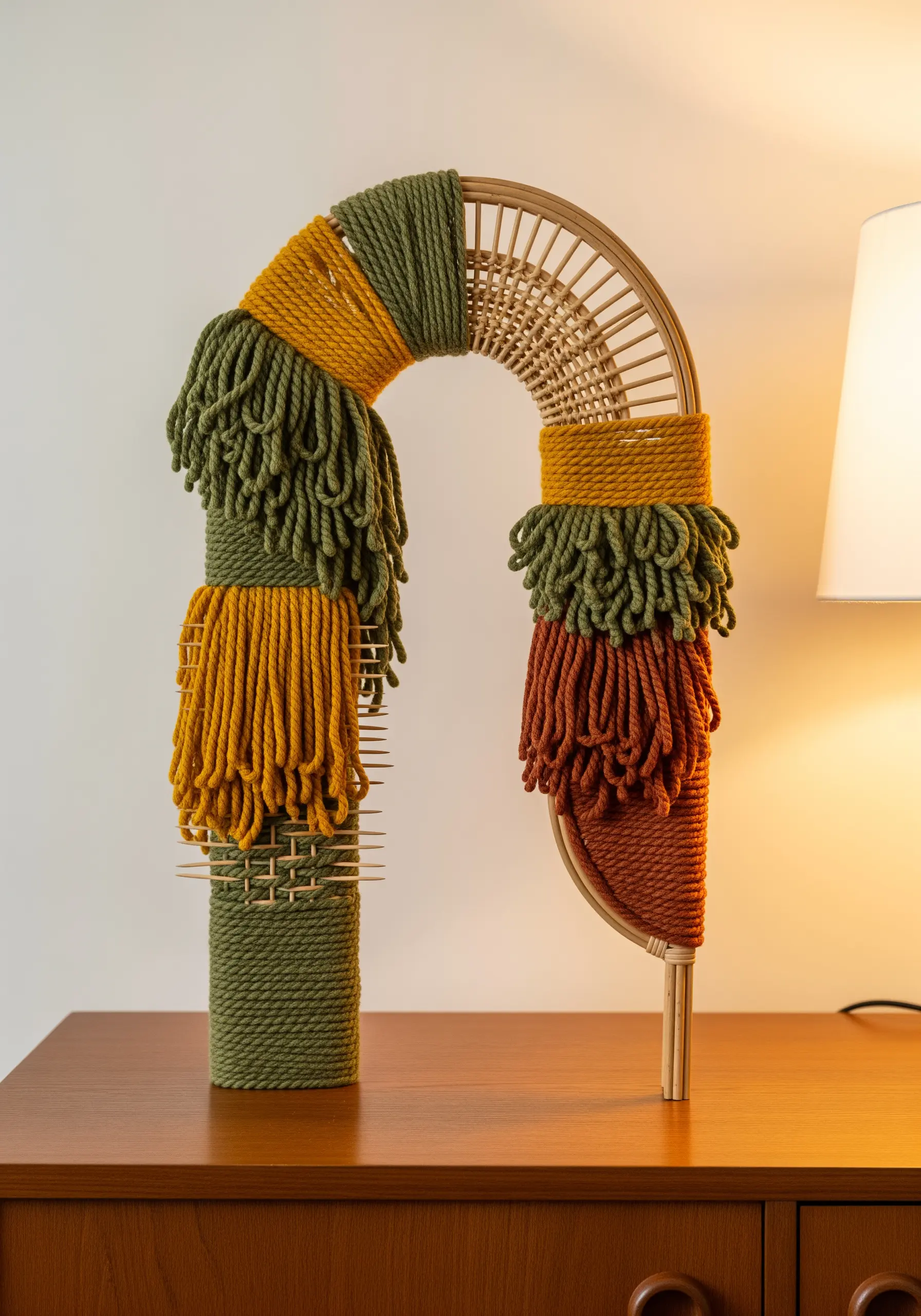
Combine wrapping, weaving, and fringe application on a rattan or wire frame for a modern fiber sculpture.
Varying the texture of your yarns—mixing smooth cotton with chunky wool—adds depth and visual interest to the arch.
Explore textured yarn wall art techniques that will elevate your space using this simple wrapping method.
13. Geometric pyramid bookends
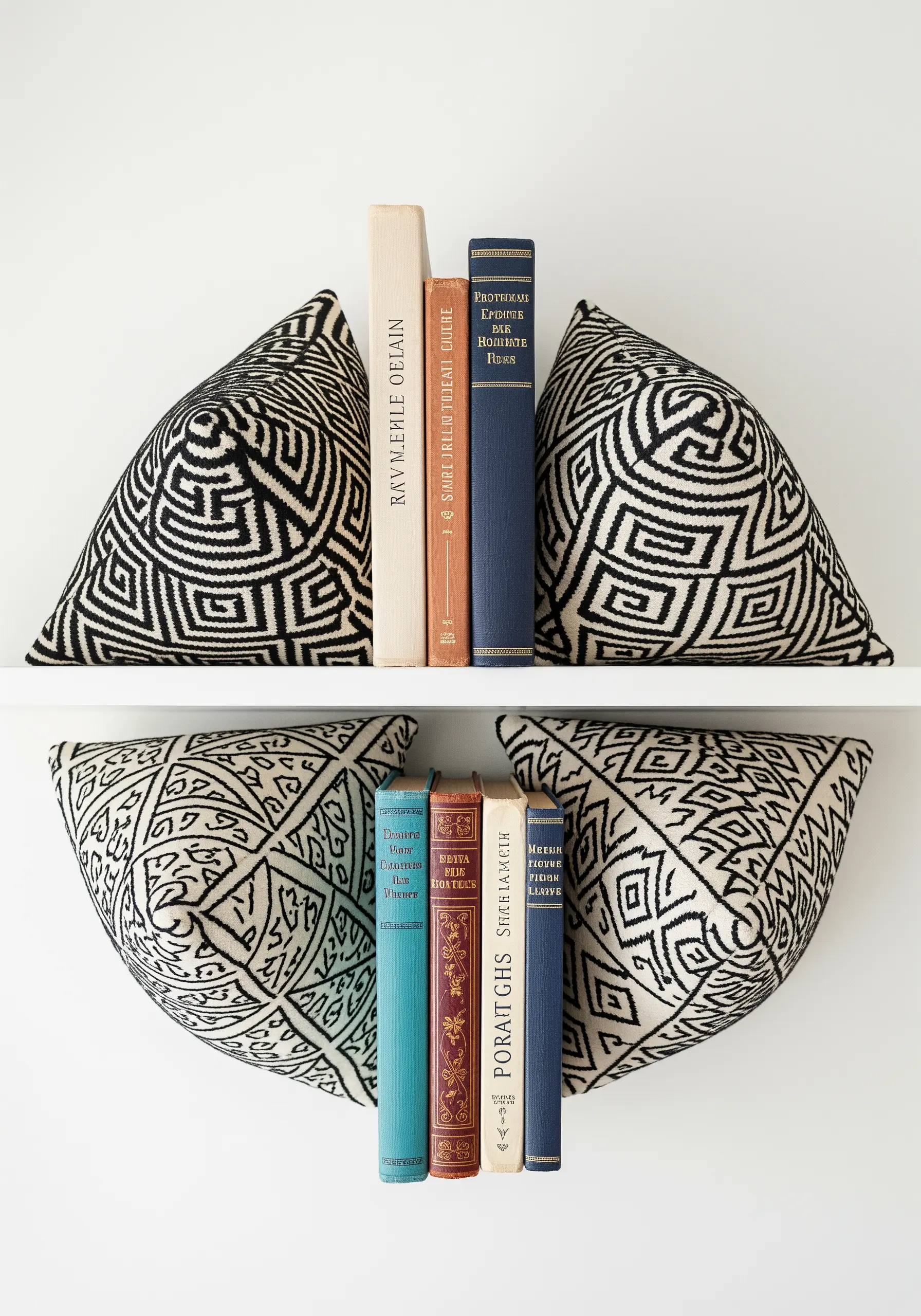
Create functional art by sewing weighted pyramid shapes and embroidering them with bold, black-on-white geometric patterns.
Satin stitch or heavy backstitch works best here to create lines that are visible from a distance.
Borrow concepts from geometric stitch patterns to transform tote bags into trendy street style fashion and apply them to these home accessories.
14. Wrapped thread textile bird
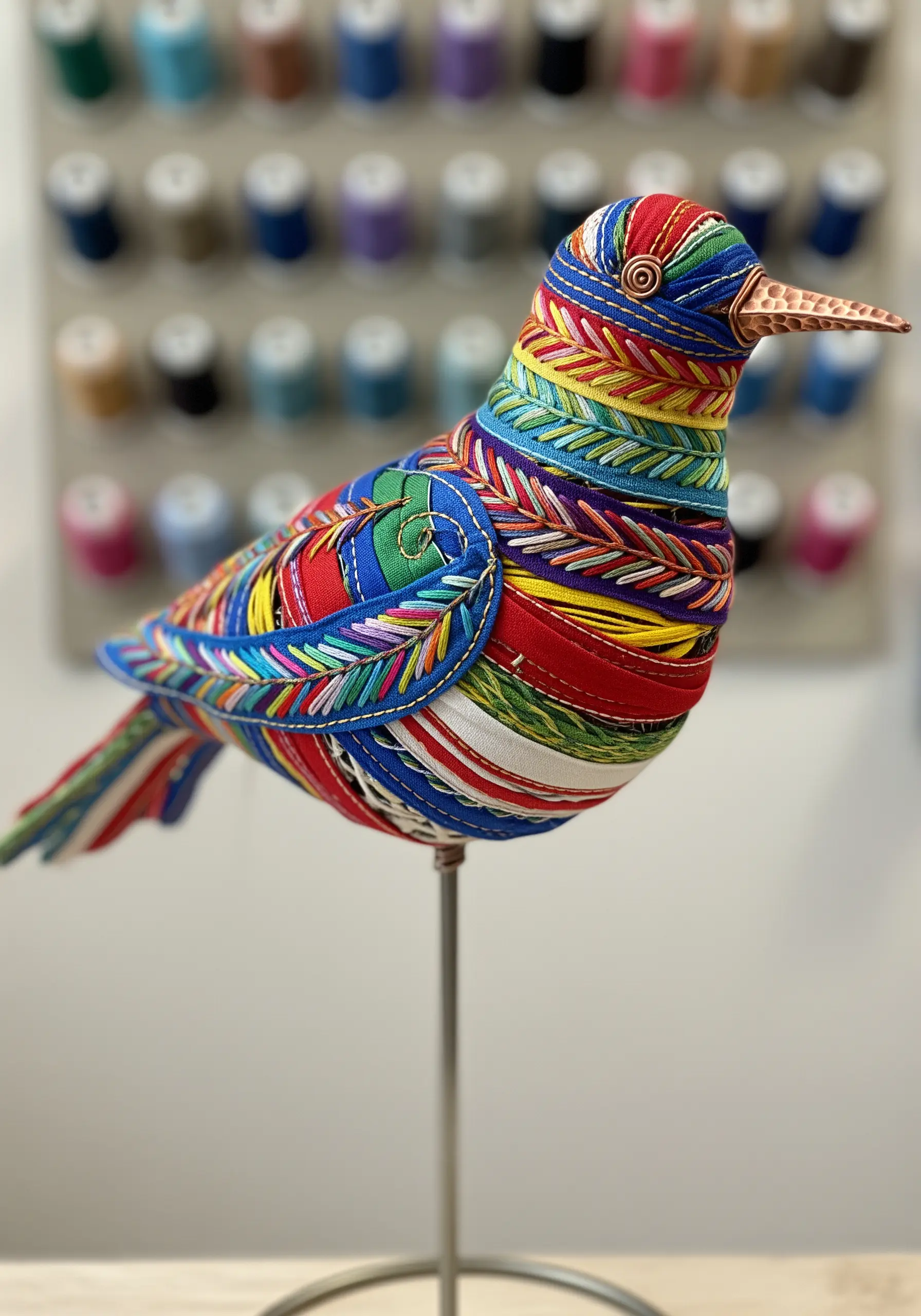
Sculpt a base form from foil or fabric scraps, then wrap it tightly with colorful embroidery floss to mimic plumage.
Directionality is everything; wrap the thread to follow the natural curves of a bird’s wing and chest for realism.
Experiment with parrot macaw embroidery color palettes that turn simple stitches into masterpieces on a 3D canvas.
15. Felt ball floral molecule
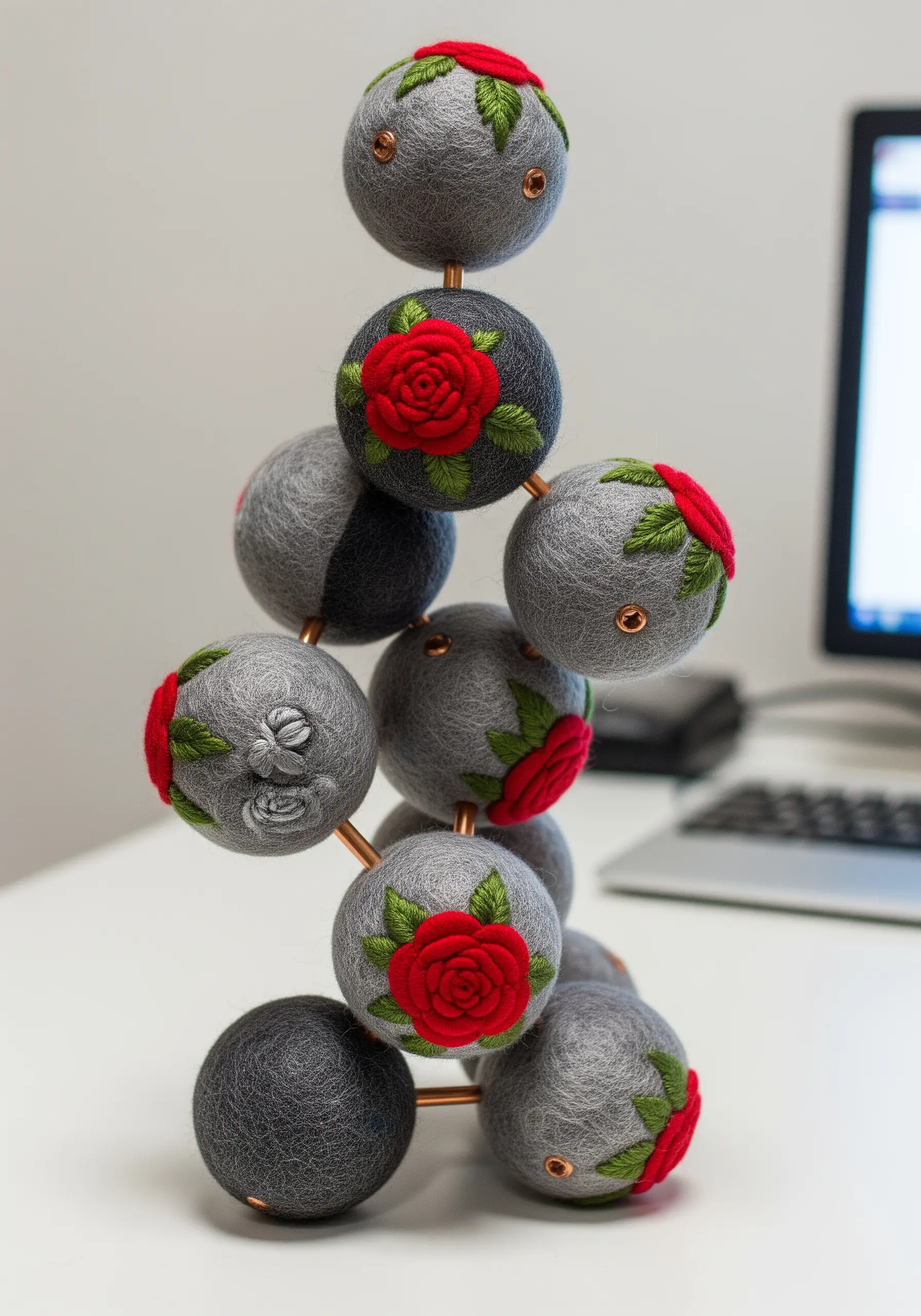
Connect wool felt balls with copper wire and embellish each sphere with raised floral embroidery.
Use the cast-on stitch or bullion knots to create dimensional roses that sit high off the curved surface.
This whimsical design draws from spring bouquet embroidery ideas perfect for handmade gifts, especially Mother’s Day.
16. Stumpwork beetle wreath
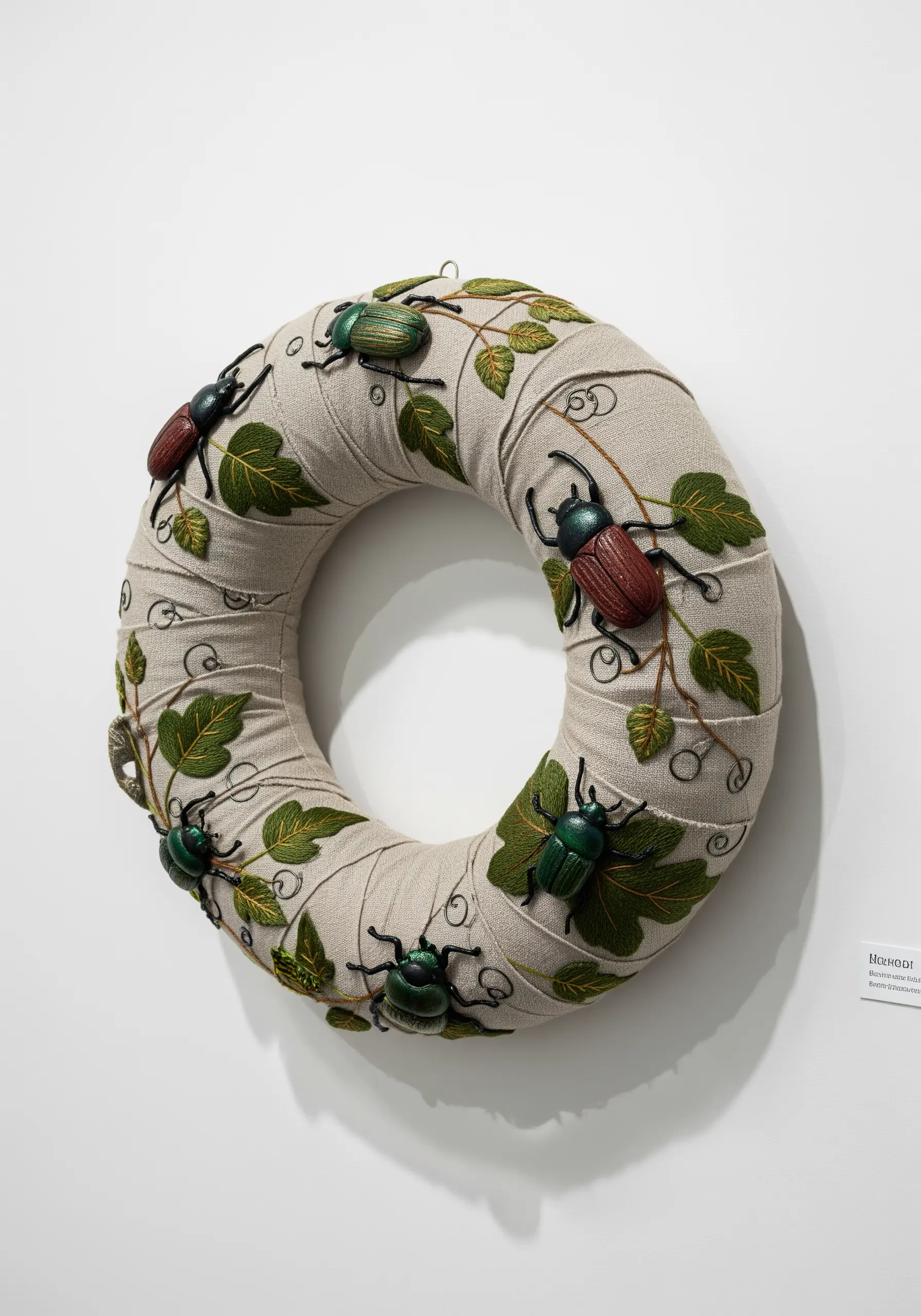
Combine fabric wrapping with stumpwork—a technique that uses wire to create raised, 3D embroidered elements like beetle wings.
Use iridescent threads to capture the metallic sheen of insect shells against the matte linen background.
These are 3D embroidery wall art pieces that look so real guests will want to touch them.
17. Upcycled glove monster
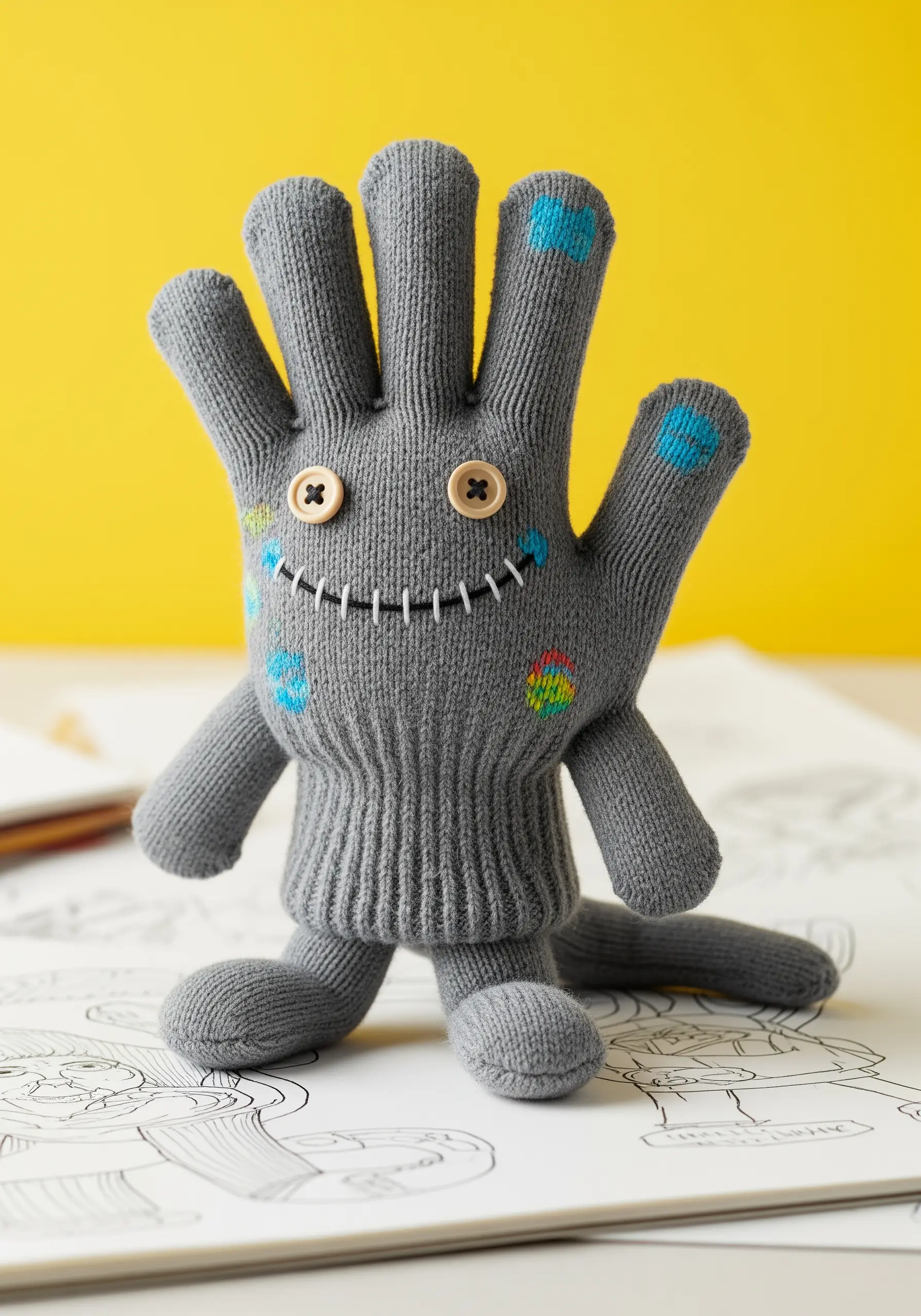
Give new life to a lone glove by stuffing it and adding simple, expressive embroidered features.
Use a split stitch or chain stitch for the mouth to ensure it stands out against the ribbed texture of the knit fabric.
This is a playful take on cute children’s room string art ideas perfect for embroidery themes like unicorns and dinosaurs.
18. Burlap and whitework gift boxes

Contrast the rough texture of burlap with the delicate precision of white cotton embroidery thread.
Simple snowflake or star motifs stitched in white create a striking rustic-modern aesthetic.
These fit perfectly with rustic stitch art projects to turn old fabric scraps into cottage core wall magic.
19. Ceramic arch with string tension
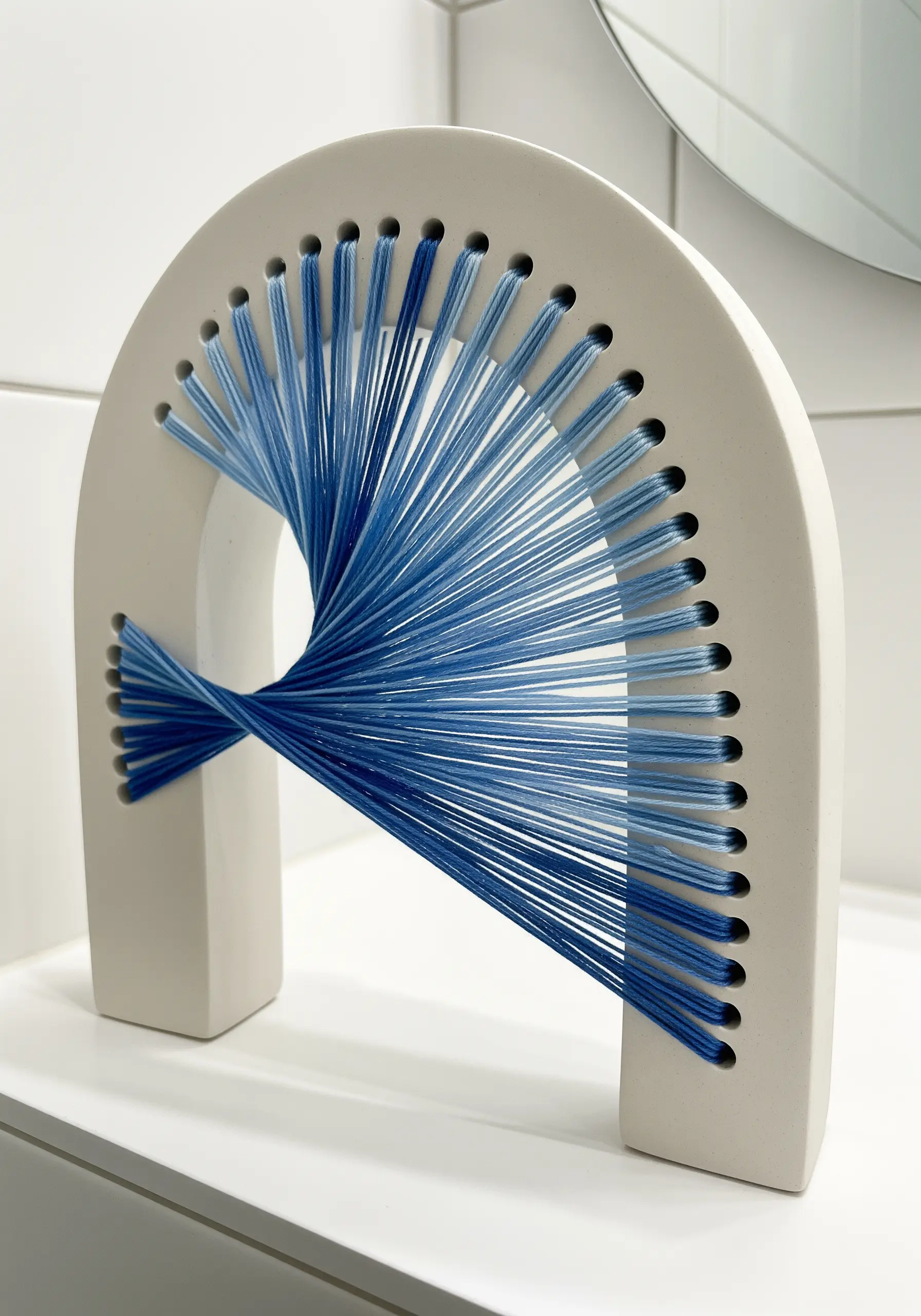
Drill holes into a ceramic or clay form and thread it to create a mesmerizing string art sculpture.
Maintain consistent tension to create clean, straight lines that intersect to form a moiré effect.
This technique is adjacent to modern yarn wall art tutorials to make your space pop, using tension rather than knots.