You’ve mastered the basic stitches and followed the patterns, but now you’re searching for that next step—the one that transforms your embroidery from a craft into a piece of art that feels truly yours. It’s not about adding more complexity, but about stitching with more intention.
The secret lies in subtraction. It’s in choosing a single, confident line over a dense fill. It’s in the power of a monochromatic palette, the elegance of negative space, and the impact of a texture that invites you to look closer. These are the details that create quiet luxury and a sense of calm.
This collection is designed to help you explore that restraint. Each idea is a starting point for creating minimalist art that doesn’t just decorate a small room, but expands it. You’ll learn how to use thread, fabric, and composition to create visual space, turning your bedroom into a serene, uncluttered retreat that reflects a more deliberate and refined creative voice.
1. The Single-Line Portrait
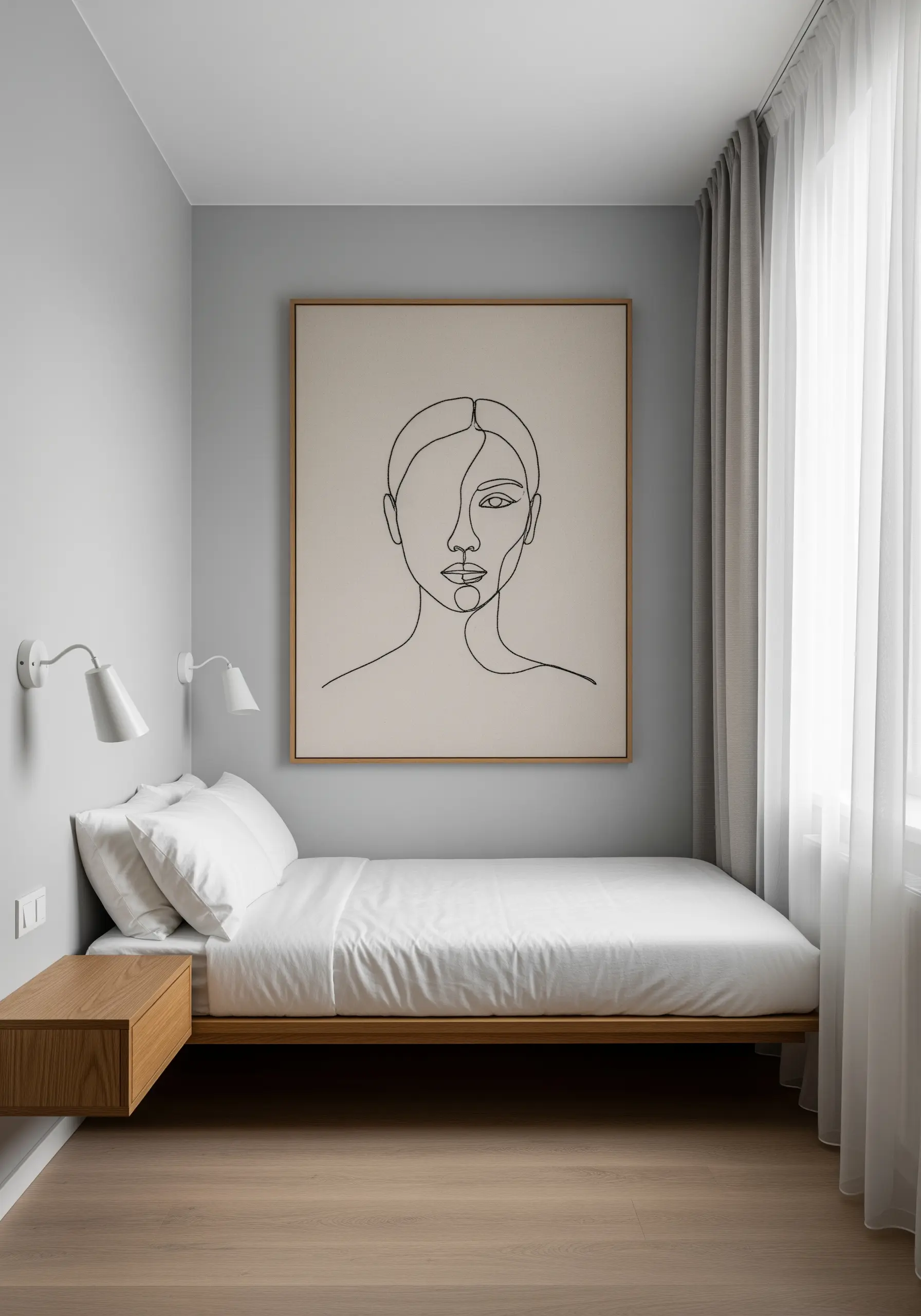
Embrace the elegance of a continuous line to create a portrait that feels both modern and intimate.
Use a whipped backstitch or stem stitch with three strands of floss to achieve a smooth, uninterrupted line that has presence.
This technique relies on the confidence of the stroke, so practice your design on paper first to understand its flow.
By scaling up the design onto a large canvas instead of a small hoop, you transform a simple sketch into a significant piece of art that draws the eye upward, creating an illusion of height in a compact room.
The negative space around the portrait is as important as the stitches themselves; it allows the work to breathe and feel uncluttered.
2. The Graphic Mountain Triptych
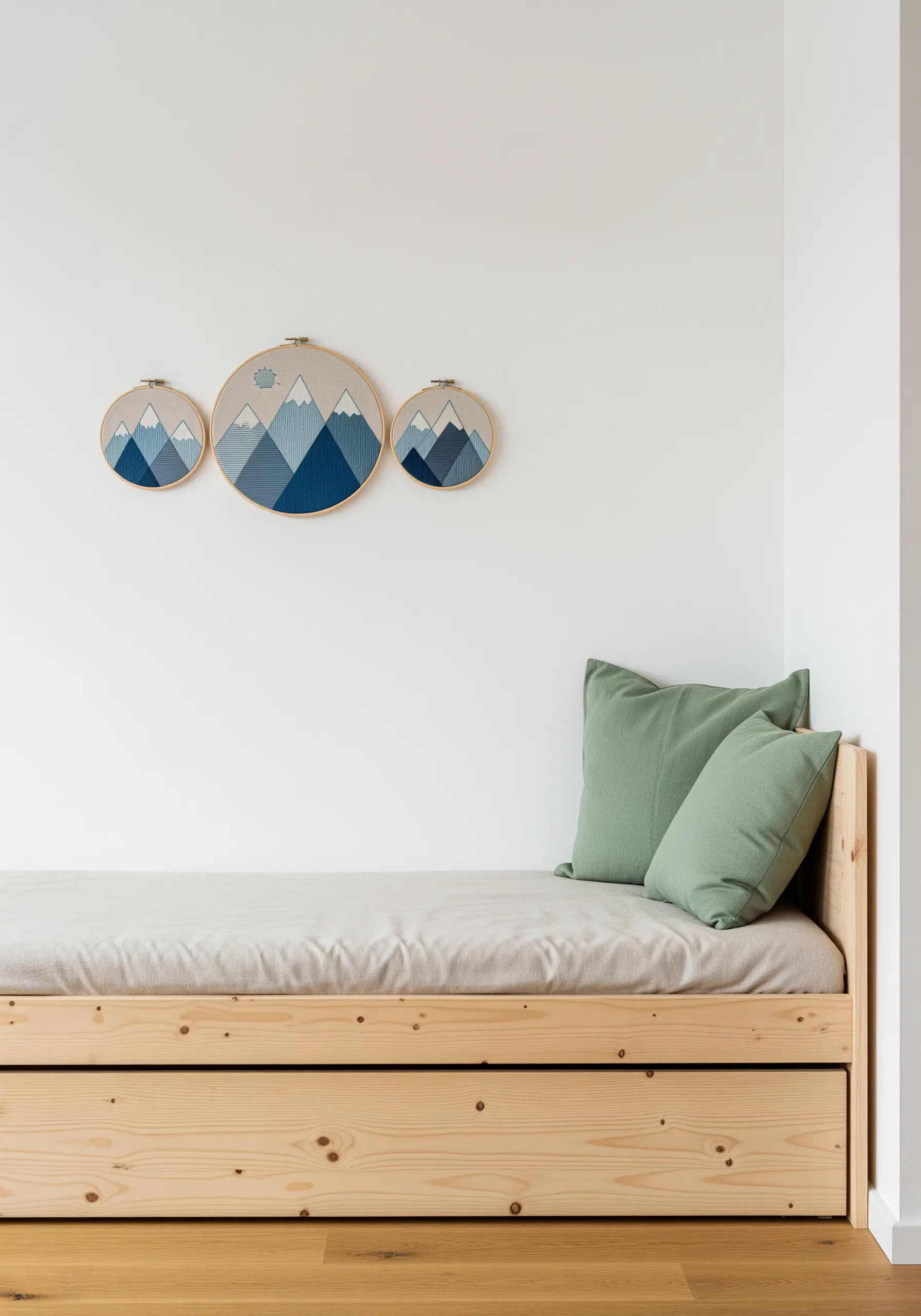
Group smaller hoops together to tell a larger visual story without overwhelming a wall.
Use clean blocks of satin stitch to create the geometric shapes of the mountains, ensuring your stitches all lie in the same direction for a uniform, light-catching sheen.
Select an analogous color palette—shades of blue, for instance—to build depth and dimension across the triptych.
This arrangement works because it leads the eye horizontally, making a narrow wall feel wider.
The variation in design across the hoops keeps the composition dynamic, while the consistent theme and colors create a cohesive, polished look.
3. Organic Shapes as a Modern Tapestry
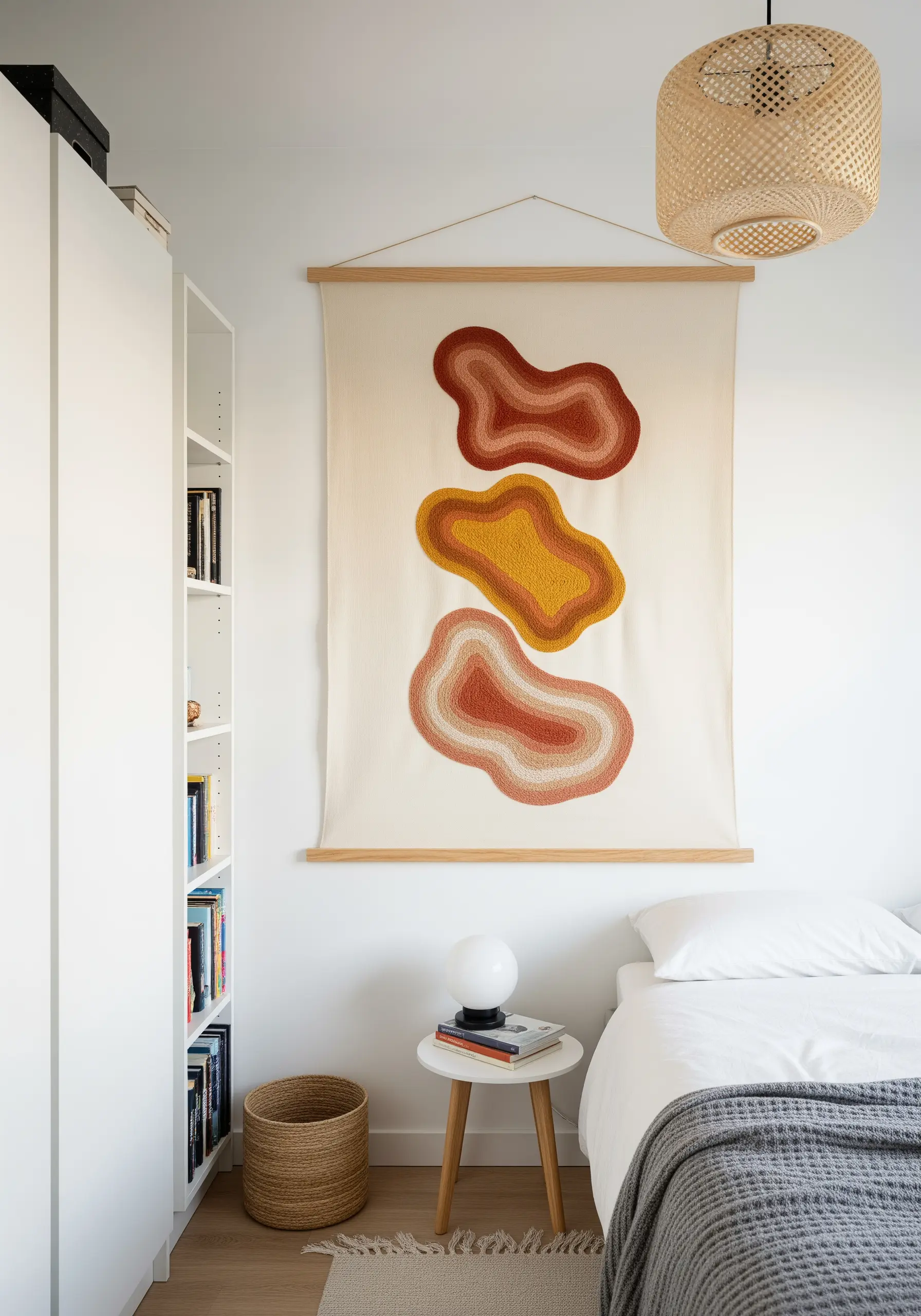
Move beyond the hoop and create a soft, modern wall hanging with punch needle or dense satin stitch.
Work with organic, amoeba-like shapes instead of rigid geometric forms for a design that feels fluid and calming.
Create subtle gradients within each shape by blending two or three similar shades of yarn or floss.
This style of embroidered wall hanging adds warmth and texture, absorbing sound and softening the hard edges of a small bedroom.
Stretching the final piece on wooden dowels provides a clean, gallery-style finish that feels intentional and high-end.
4. Iconic Art Reimagined in Thread
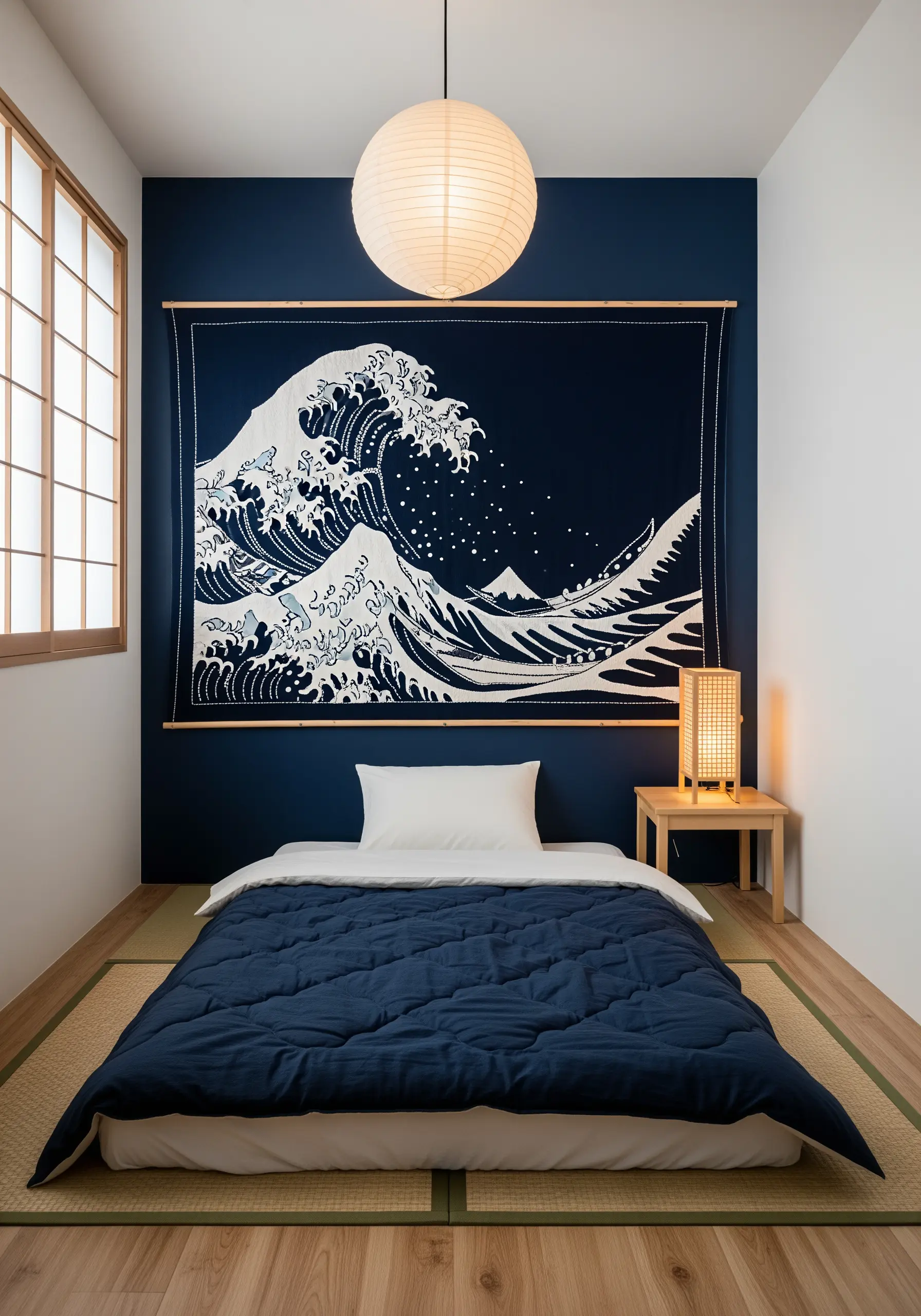
Translate a famous piece of art, like Hokusai’s ‘The Great Wave,’ into a high-impact textile piece.
The key is simplifying the design to its most essential lines and shapes, focusing on the powerful contrast between the thread and the fabric.
Use a simple running stitch or backstitch with a thick, bright white thread on dark navy fabric to mimic the crispness of the original woodblock print.
This creates a dramatic focal point that adds depth and sophistication, making the wall it hangs on recede and the room feel larger.
5. The Delicate Botanical Triptych
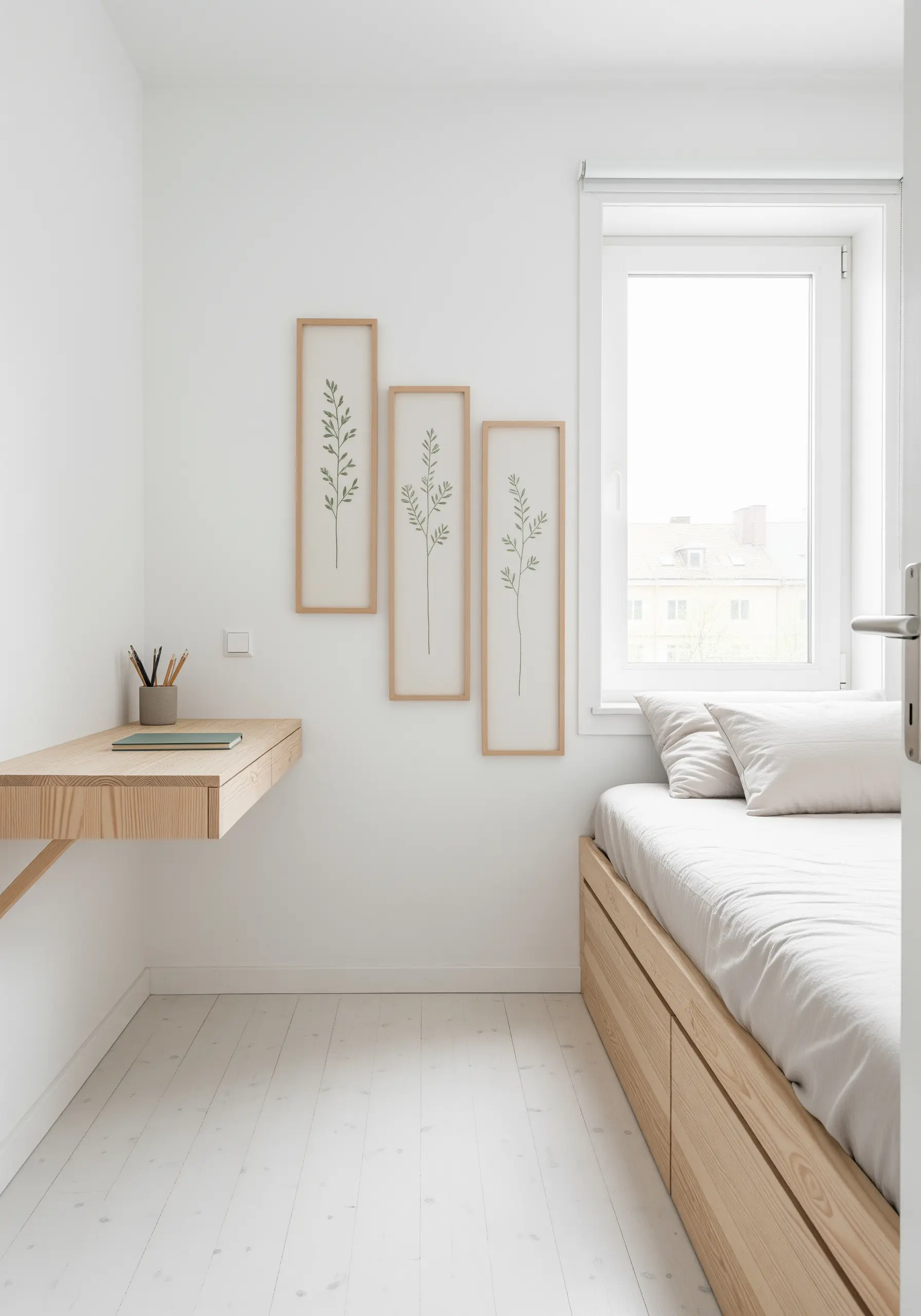
Use vertical frames to draw the eye upward and create an illusion of height—perfect for rooms with lower ceilings.
Stitch delicate botanicals using just a single strand of thread for an airy, barely-there feel.
A simple stem stitch for the stems and detached chain stitches (lazy daisies) for leaves are all you need for these minimal botanical patterns.
The visual power comes from the repetition and the generous use of negative space within each frame, preventing the artwork from feeling heavy or cluttered.
6. Architectural Line Embroidery
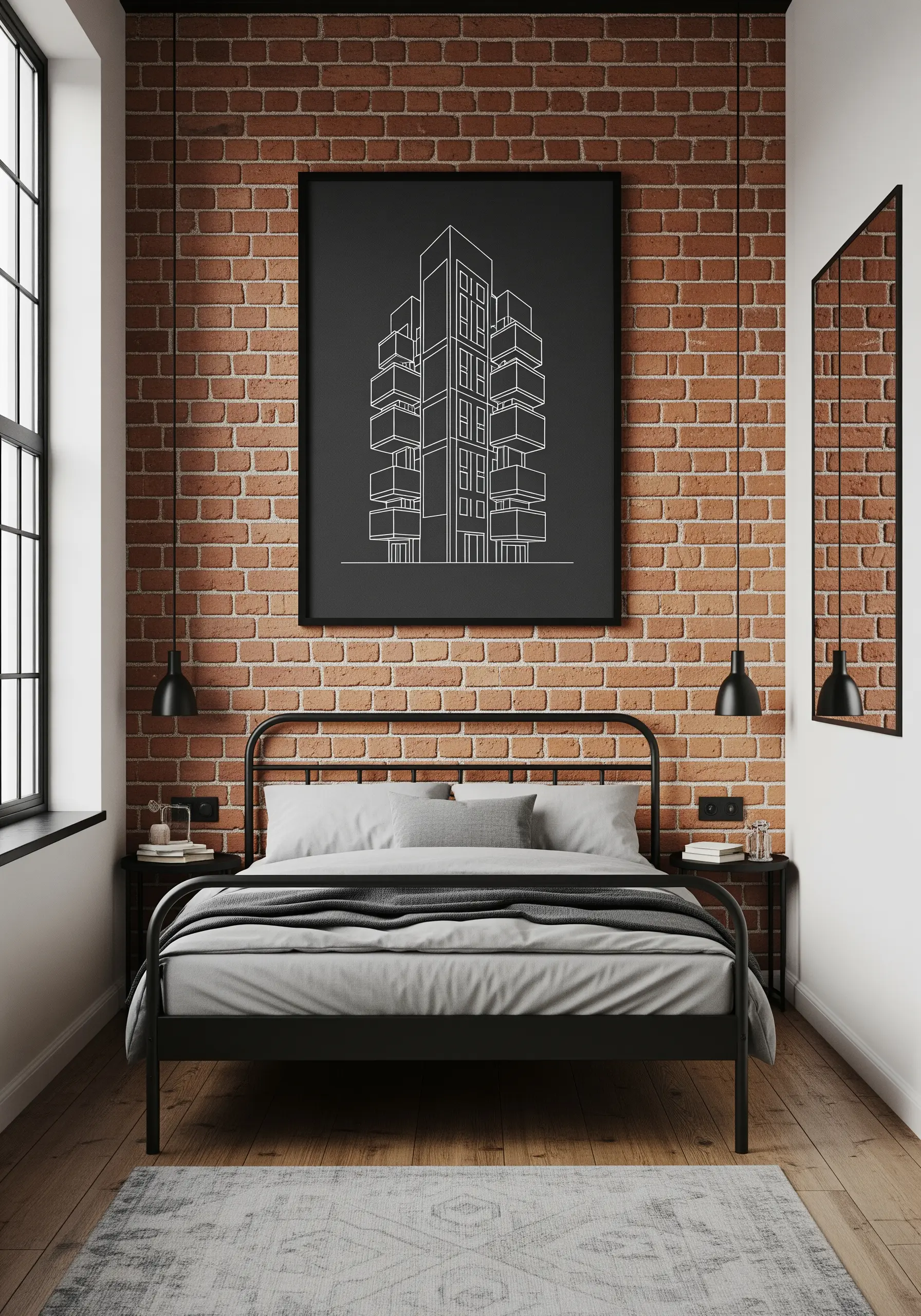
Transform an architectural drawing or a favorite building into a precise, graphic piece of thread art.
Use a fine-tipped, heat-erasable pen to transfer your design onto dark fabric for maximum accuracy.
Stitch with a single strand of white or silver thread using a meticulous backstitch to achieve clean, sharp lines.
The high contrast and structured geometry provide a strong visual anchor in an industrial or modern space, adding sophisticated detail without introducing pattern or color.
7. Negative Space, Positive Impact
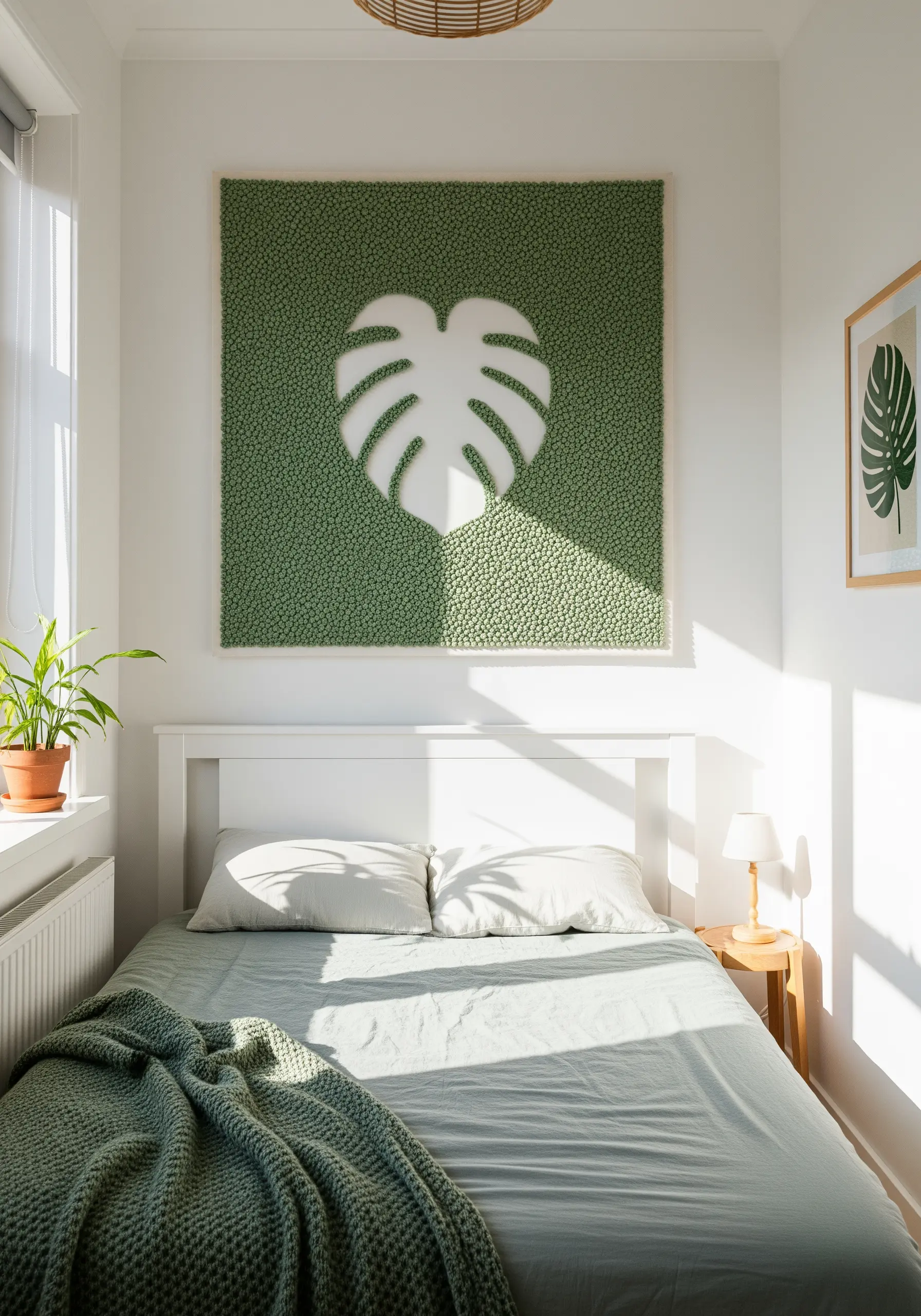
Create your design not with stitches, but with the empty space you leave behind.
Fill the entire background with a single stitch, like French knots or seed stitch, to build a rich, uniform texture.
Trace your motif—like this monstera leaf—and simply stitch around it, leaving the shape defined by the fabric itself.
This technique combining thread and negative space creates a powerful, dimensional effect that feels both subtle and dramatic, adding texture without overwhelming the room.
8. Celestial Chart on Canvas
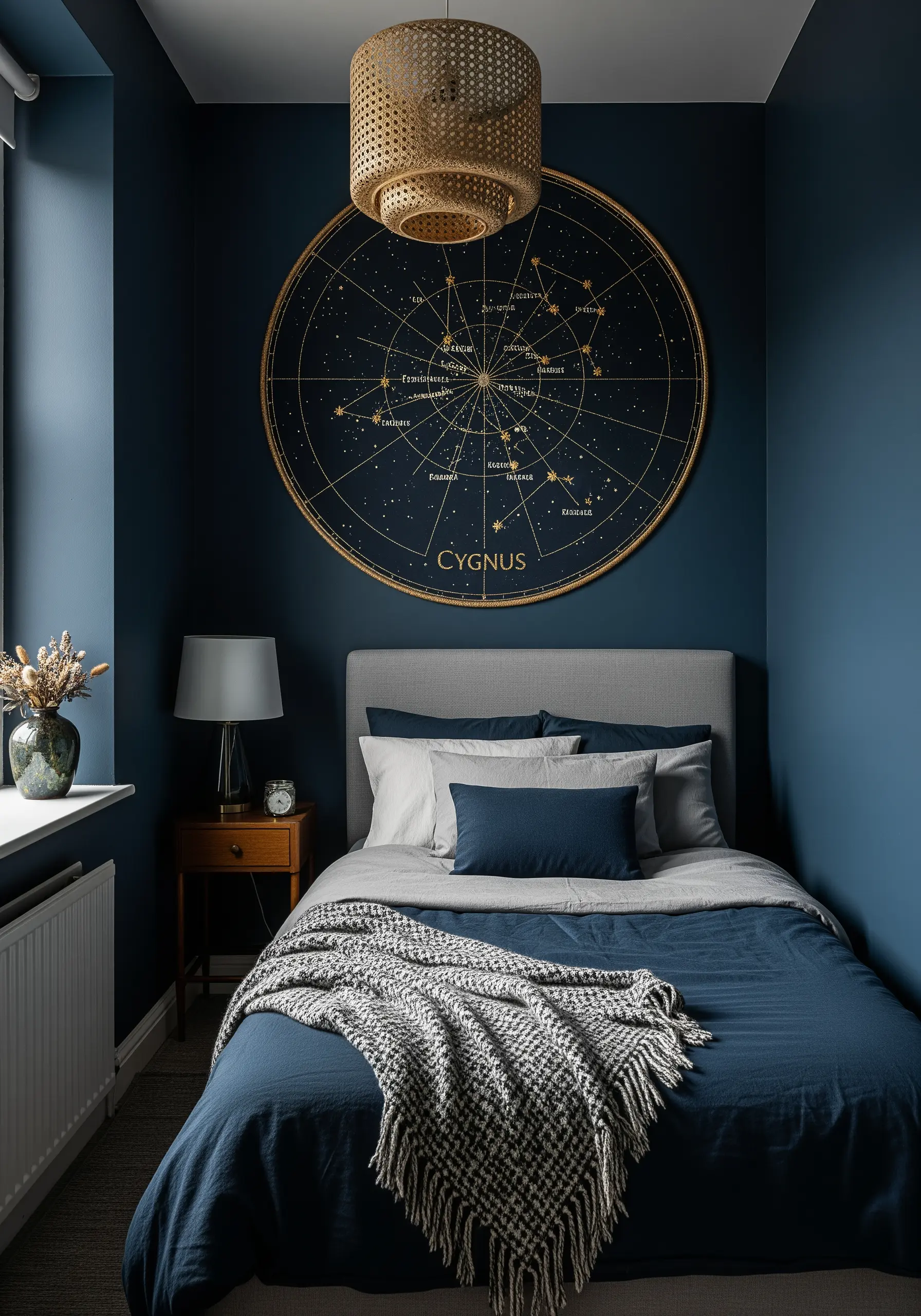
Stitch a celestial map for a design that is both personal and cosmic, perfect for a bedroom sanctuary.
Use a dark navy or black linen canvas and choose a fine, non-tarnishing metallic thread for the stars and constellation lines.
To make working with metallic thread easier, use shorter lengths (no more than 12 inches) and a thread conditioner like beeswax to prevent tangling and fraying.
The subtle shimmer of the metallic thread against the dark fabric catches the light beautifully, adding a touch of magic without dominating the space.
9. The Layered Arch Tapestry
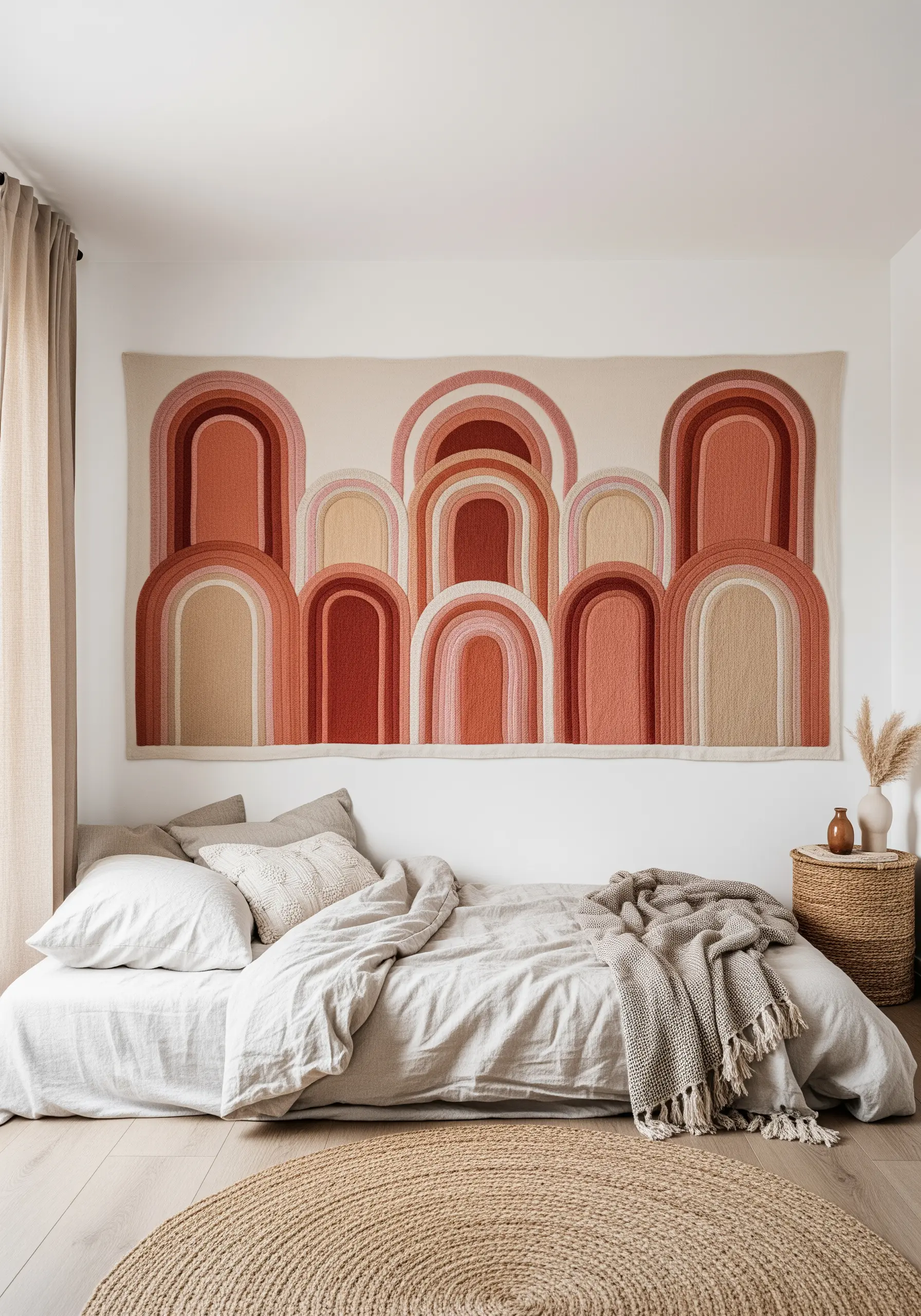
Create a warm, inviting focal point with large-scale color blocking and a simple, repeated motif.
This design uses layered arches in an earthy, desert-inspired palette to build visual rhythm and depth.
Use a punch needle or a plush satin stitch with thick wool yarn to achieve the dense, textural fill.
The soft texture and warm colors make a bedroom feel cozier and more intimate, while the large scale of the piece provides the impact of a painted mural with the softness of textile art.
10. Minimalist Word Art
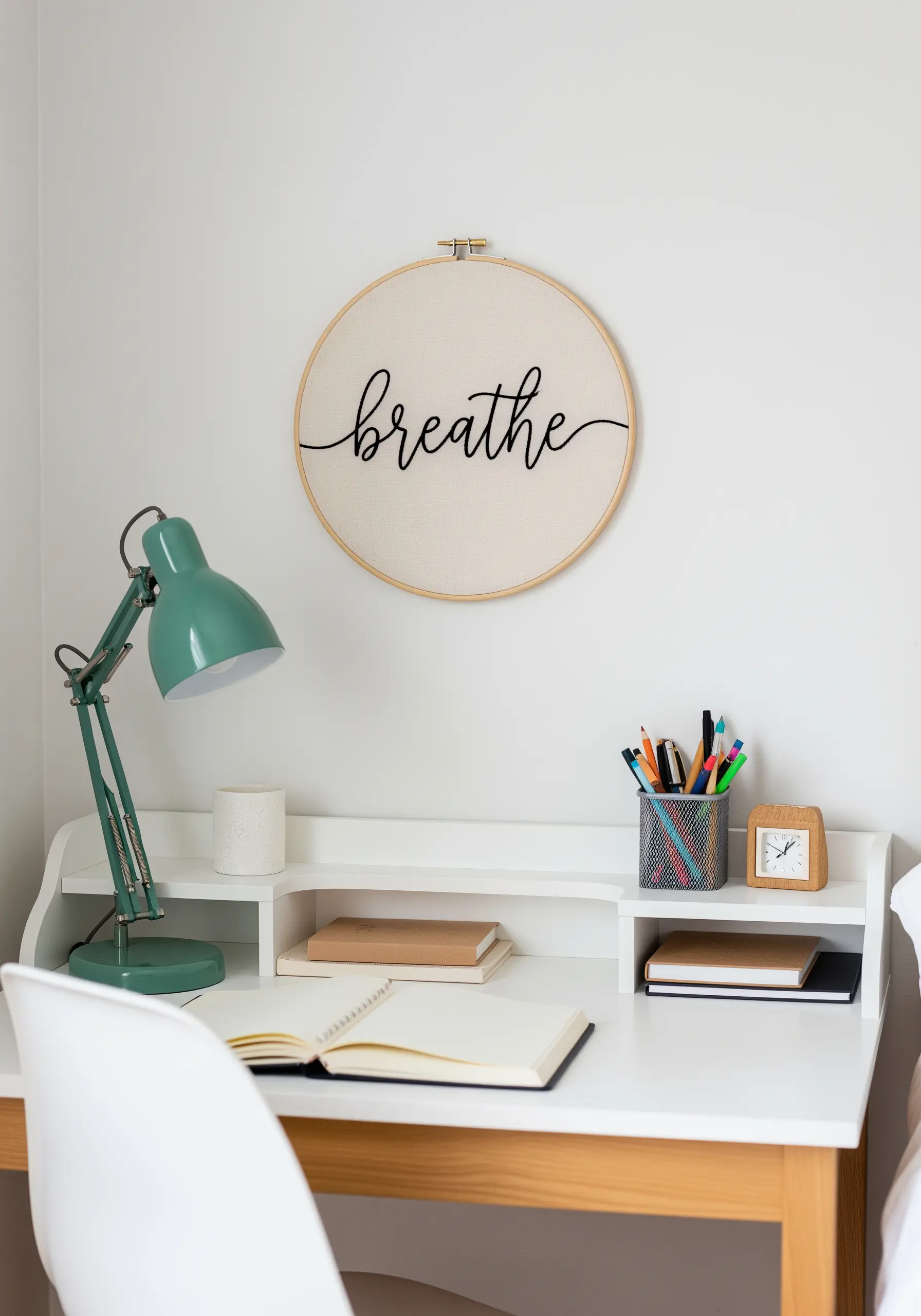
Embroider a single, meaningful word to serve as a quiet reminder or intention for your space.
Choose a clean, flowing script and use a whipped backstitch to ensure the curves of the letters are perfectly smooth and seamless.
Use a high-contrast thread color, like black on cream linen, to make the word stand out as a graphic element.
This is one of the simplest minimalist embroidery hoops you can create, yet its impact is significant, adding a personal touch that declutters the mind as much as the wall.
11. The Celestial Diptych
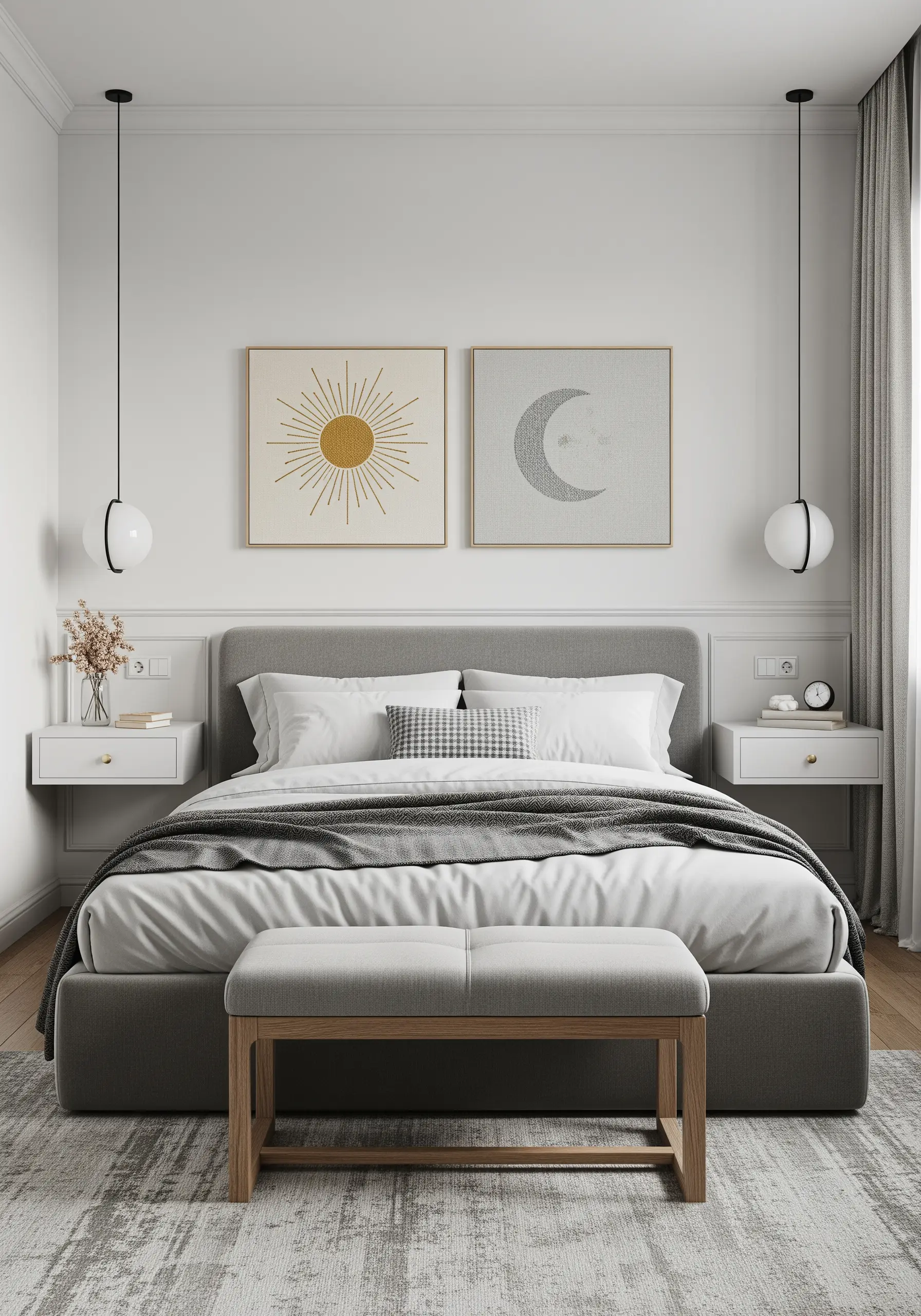
Create a balanced and serene atmosphere by pairing two complementary celestial designs.
Use simple straight stitches radiating from a central point for the sun’s rays and a combination of tiny seed stitches and French knots for the moon’s texture.
Stitching with a single color, like gold or silver, on a neutral background gives the pieces a sophisticated, almost metallic quality.
Hanging them symmetrically above a bed creates a sense of harmony and order, which is calming in a bedroom environment.
12. The No-Stitch Yarn Hanging
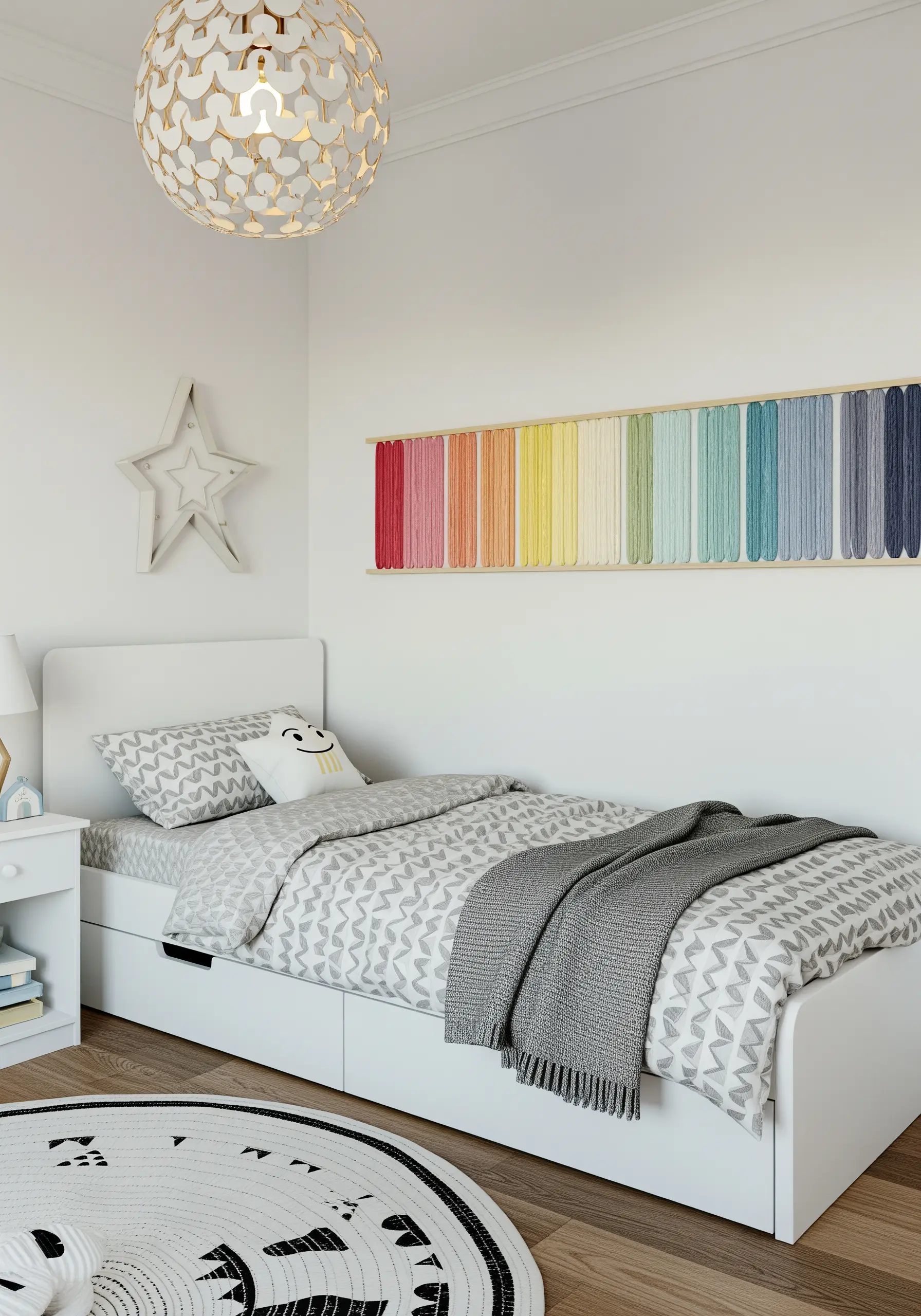
Explore fiber art beyond the needle with a simple and impactful yarn-wrapped wall hanging.
This technique requires no stitching at all—simply wrap different colored yarns tightly around a wooden dowel or rod.
Create a beautiful spectrum by arranging colors in a gradient, from warm to cool tones.
This DIY yarn wall art is a quick and satisfying project that adds a vibrant splash of color and soft texture, making it perfect for a child’s bedroom or a creative workspace.
13. The Skyline Silhouette
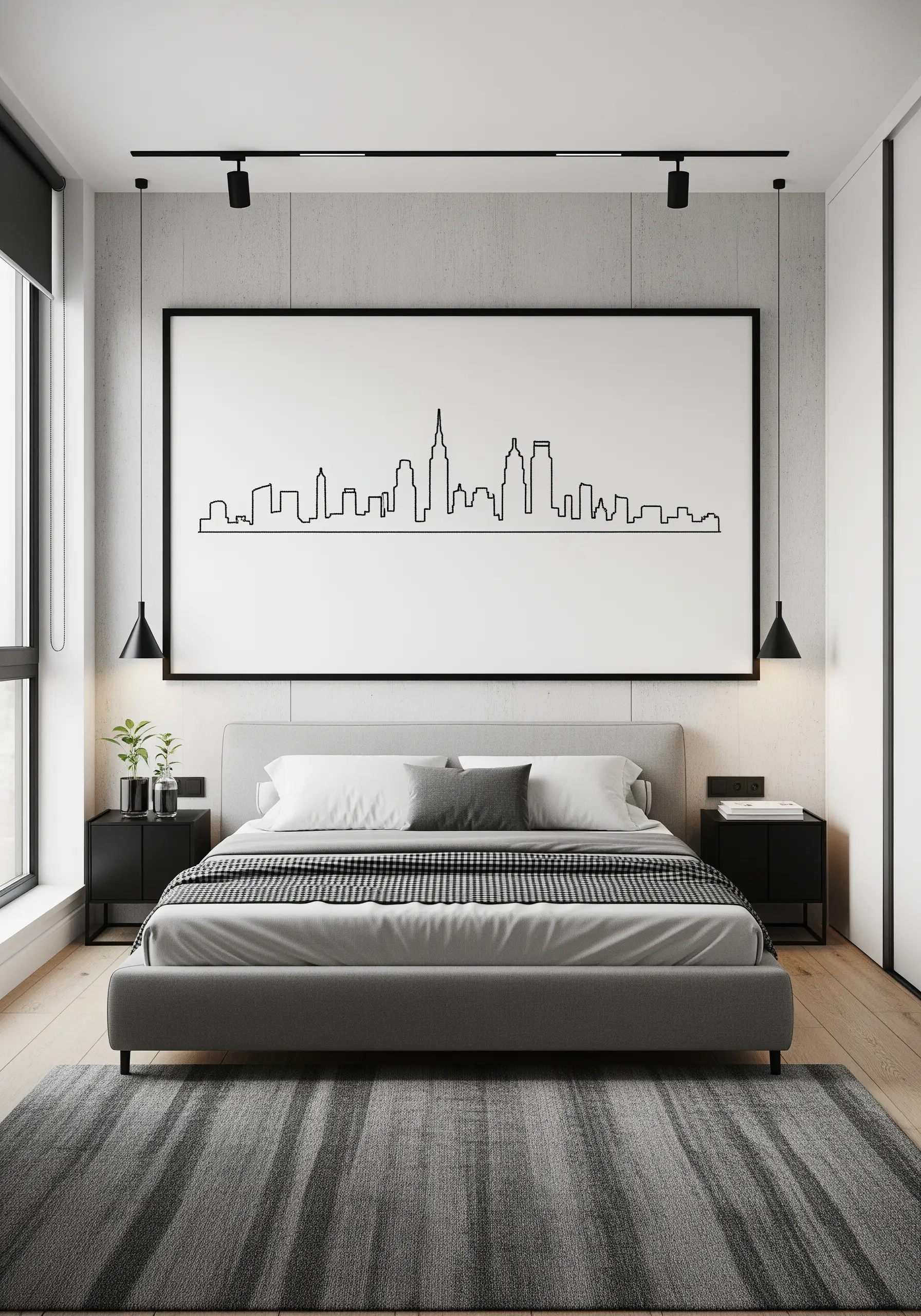
Capture the energy of a city with a clean, minimalist skyline stitched on a grand scale.
The entire design can be executed with a simple backstitch, focusing on maintaining straight, even lines.
Using a wide, panoramic canvas emphasizes the horizontal stretch of the city, making the wall behind it feel longer and more expansive.
This is a perfect example of how minimal embroidery wall designs can define a space with just a few deliberate lines, offering a sophisticated, modern alternative to a framed print.
14. Floating Textured Circles
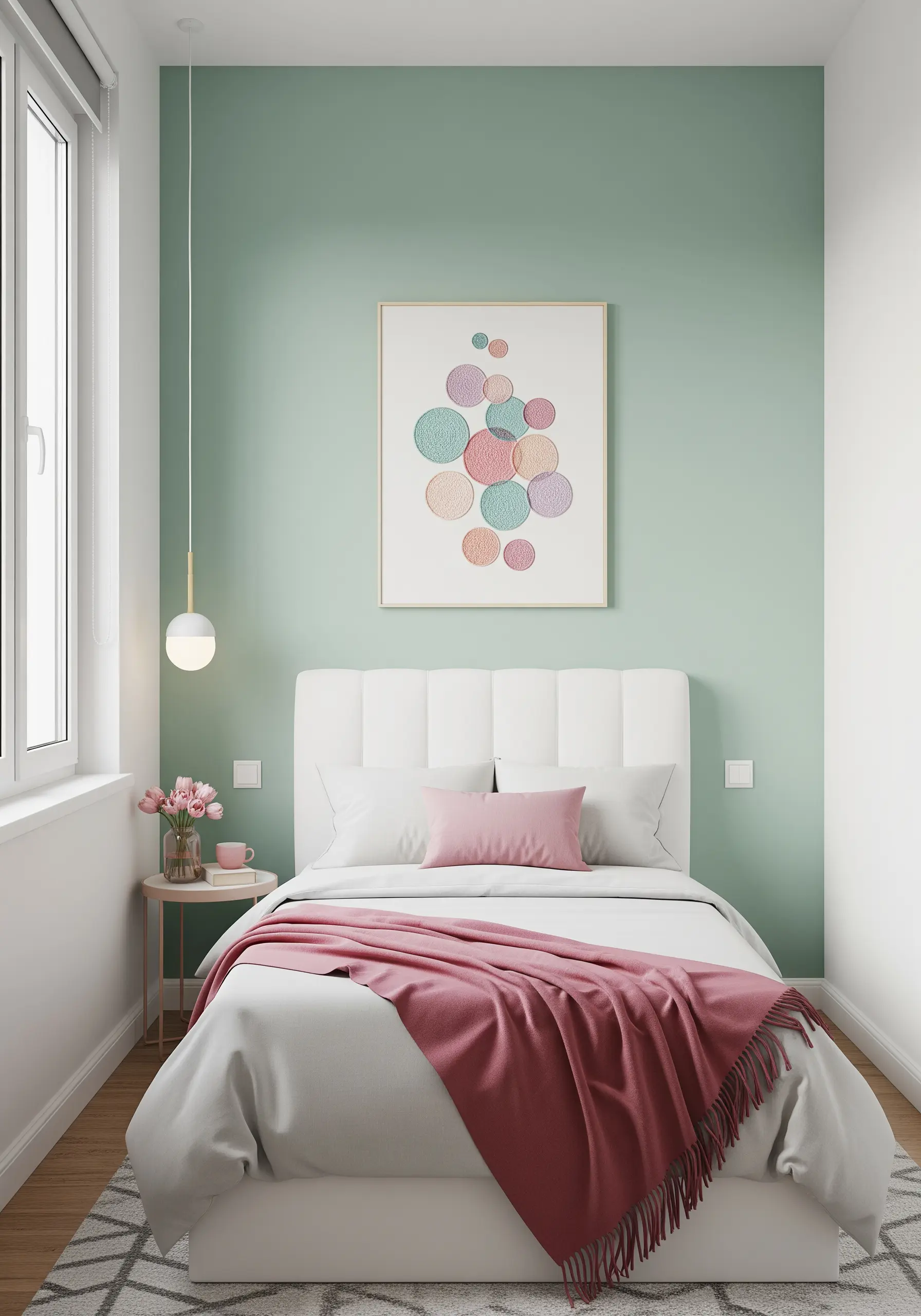
Play with texture and color by creating a composition of overlapping satin-stitched circles.
Give each circle a unique identity by varying the direction of your satin stitch or by filling some with dense French knots for a bubbly, tactile effect.
Choose a soft, harmonious pastel color palette to keep the overall feel light and airy, preventing the design from becoming too busy.
The floating, bubble-like quality of this design adds a sense of playful movement that can energize a small, plain wall.
15. The Sculptural Grid Tapestry
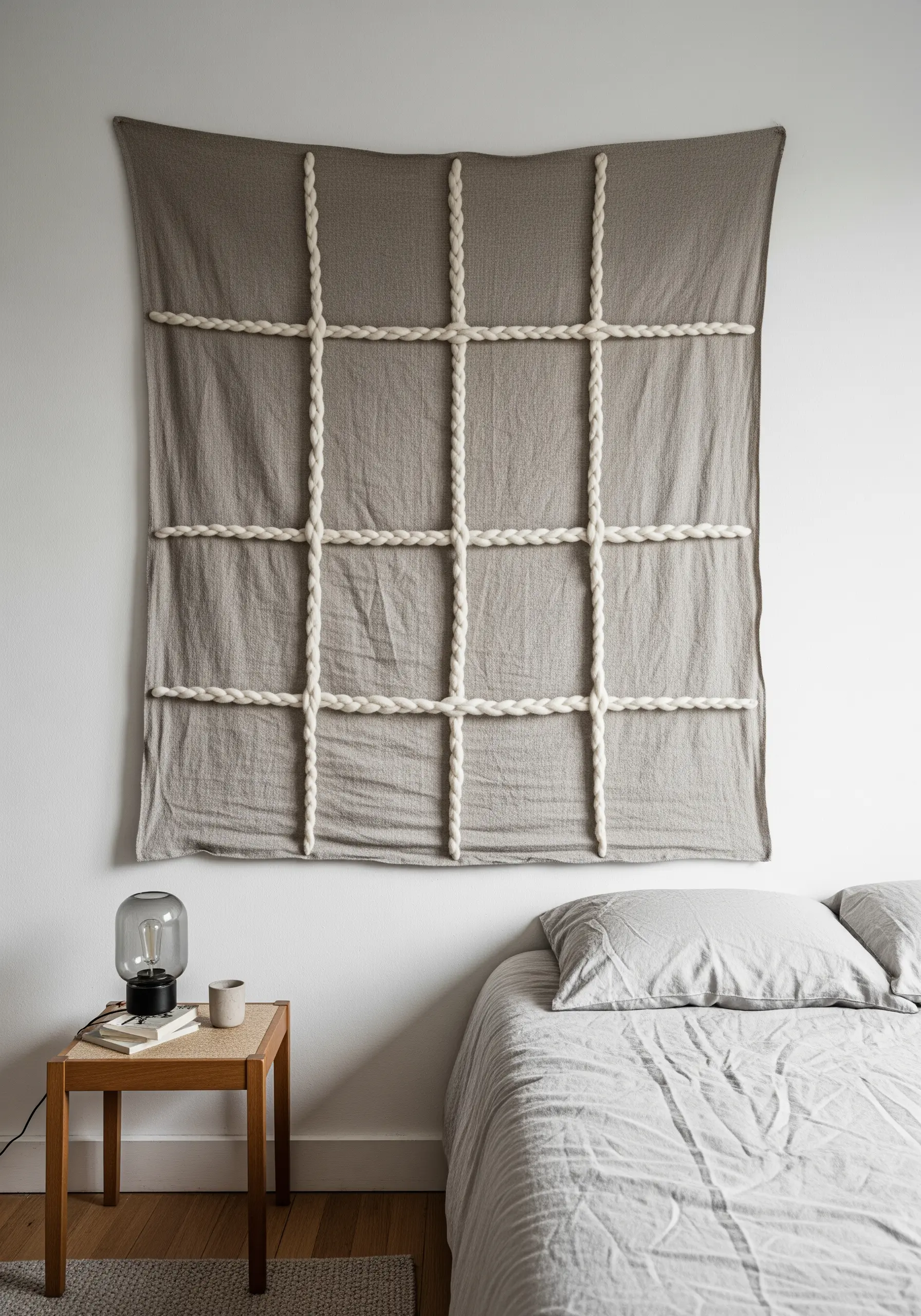
Introduce bold, sculptural texture to your walls by working with unconventional materials like chunky braided yarn or cotton piping cord.
Lay your design out on a neutral linen background and use a strong, matching thread to couch the thick cord onto the fabric, hiding your stitches on the underside.
The simple grid pattern feels both rustic and modern, creating a piece that has significant physical presence and tactility.
This approach adds architectural interest and impressive texture, making a statement without using any color at all.
16. The Modern Floral Sketch
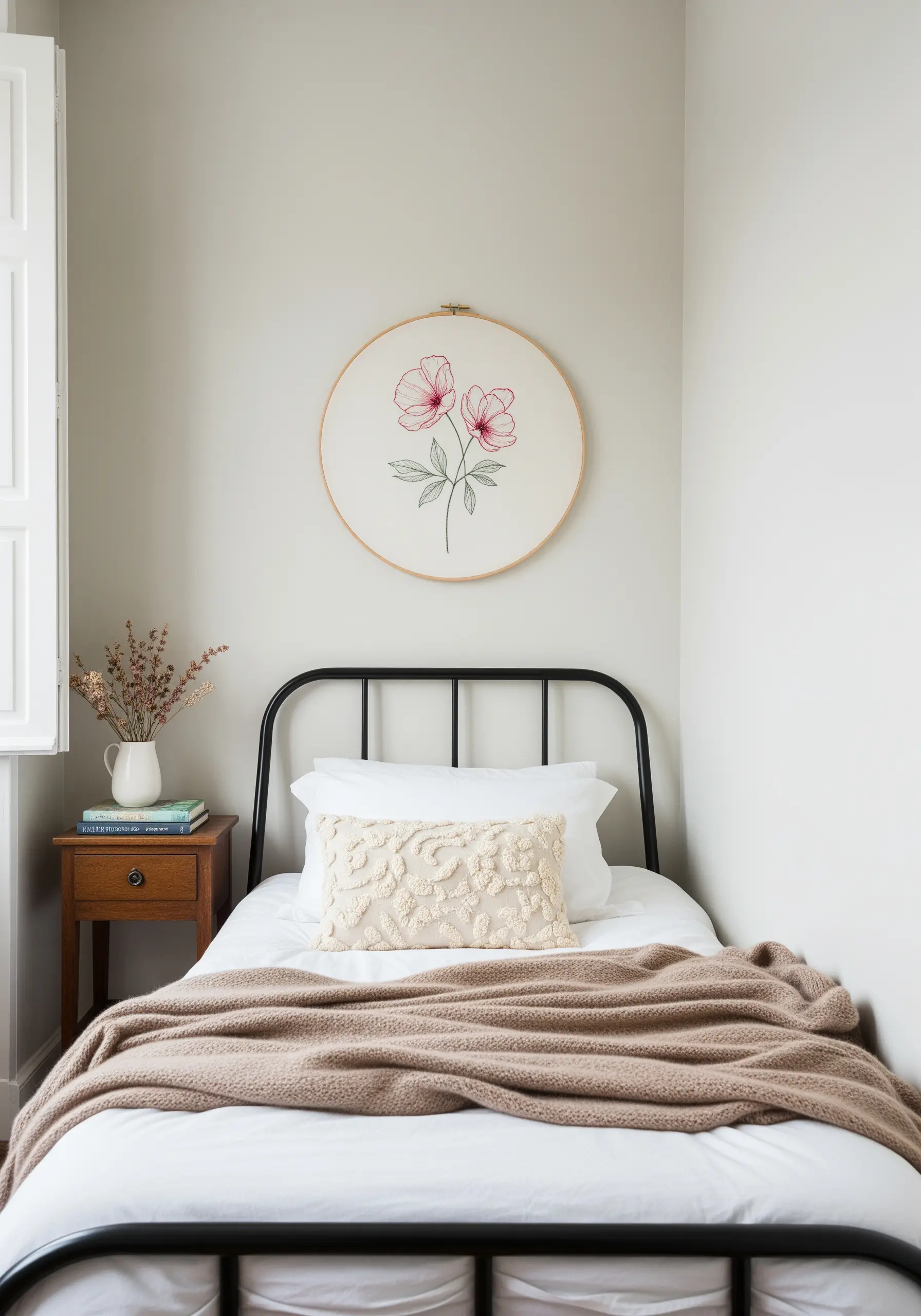
Capture the essence of a flower with a delicate combination of line work and subtle color fills.
Use a dark green stem stitch for the outlines to give them definition, and then fill the petals with a contrasting color using a light, open satin stitch.
Don’t pack the satin stitches too tightly; allowing a little of the fabric to show through keeps the design feeling light and sketched.
This balance of outline and fill is a hallmark of modern botanical stitches, offering a fresh take on a classic subject that feels both timeless and contemporary.
17. The Abstract Energy Burst
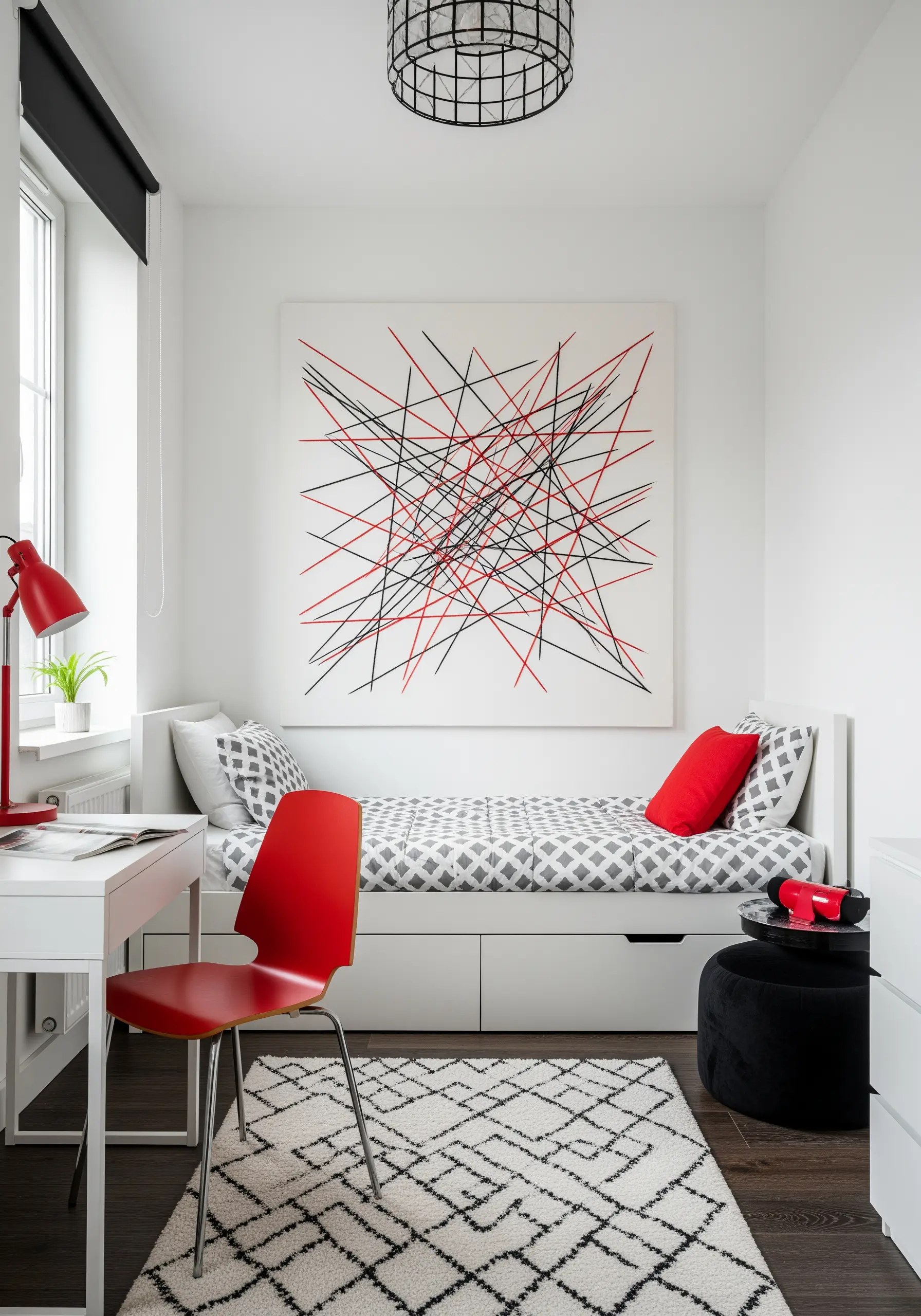
Create a dynamic, high-energy piece using nothing more than intersecting straight stitches.
Work on a large, stretched canvas and use a limited, high-contrast color palette—like red and black on white—for maximum graphic impact.
Vary the length and angle of your stitches, allowing them to overlap randomly to build a sense of controlled chaos.
This technique is incredibly freeing and acts like a form of abstract drawing with thread, injecting a burst of energy into a minimalist or contemporary room.
18. The Meditative Ocean Gradient
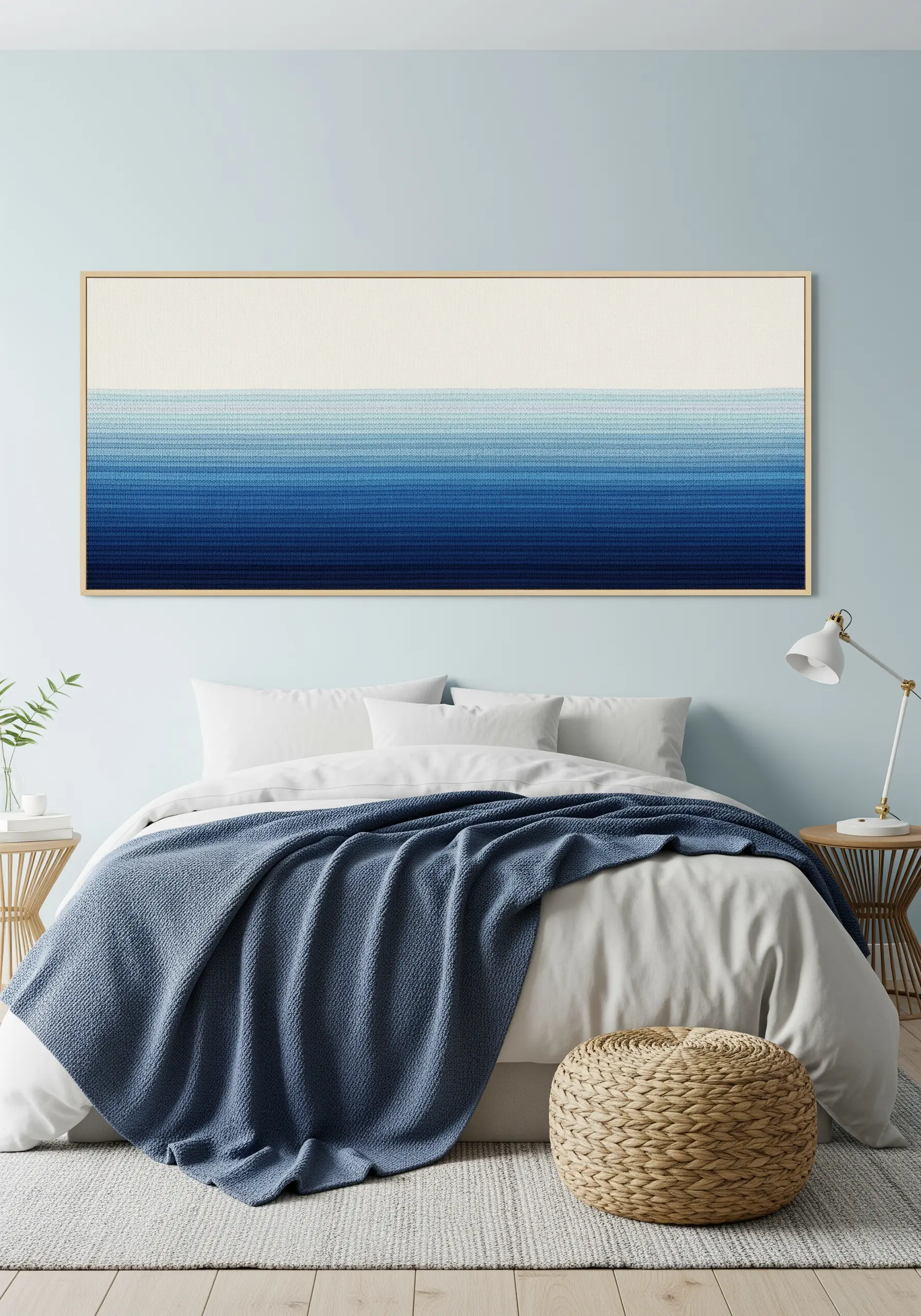
Create a serene, painterly effect by blending multiple shades of thread to form a smooth gradient.
Use a dense field of seed stitches, scattering them evenly across the fabric. As you move down the canvas, gradually introduce darker shades of blue, blending them seamlessly.
Alternatively, a long-and-short stitch will also produce a beautifully smooth transition.
This large-scale, gentle gradient design has a deeply calming effect, reminiscent of a peaceful horizon, making it ideal for creating a tranquil atmosphere in a bedroom.
19. Topographic Contour Lines
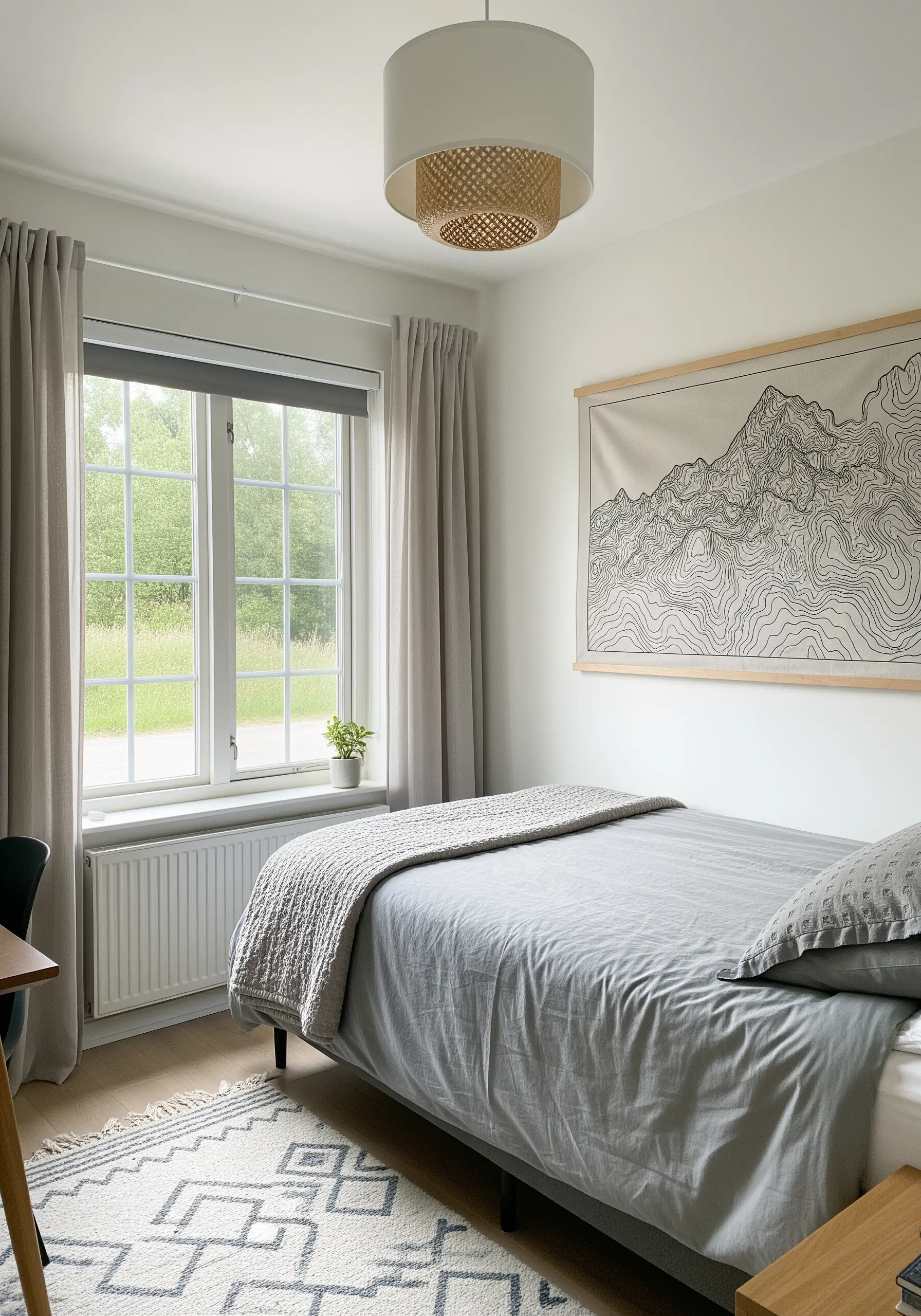
Embroider the contour lines of a meaningful landscape—a favorite mountain, a local hill, or an imagined terrain.
Use a single, continuous line of backstitch or stem stitch to create the flowing, organic shapes of the topography.
A simple black thread on a neutral, unbleached canvas keeps the focus entirely on the intricate beauty of the lines.
This is a sophisticated and personal way to incorporate nature-inspired embroidery into your decor, resulting in a piece that is both abstract and deeply meaningful.
20. The Intimate Hoop Portrait
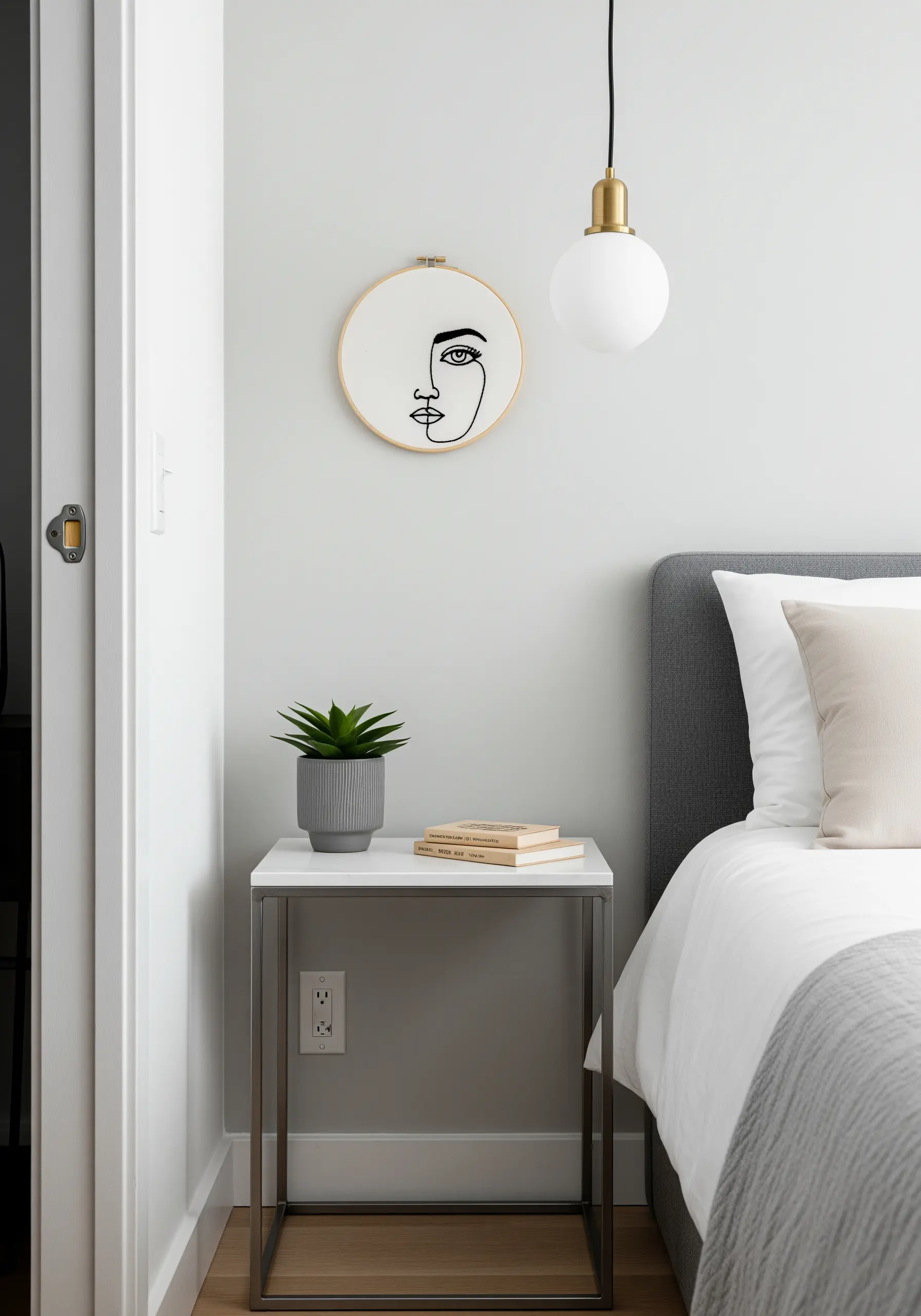
Scale down a single-line portrait and frame it in a simple wooden hoop for a more intimate piece of art.
This approach is perfect for smaller spaces, like the wall beside a bed or above a nightstand.
Use a slightly thicker thread (four strands) to ensure the line has enough weight and presence to stand on its own within the hoop.
The combination of the warm wood hoop and the clean, modern line art creates a piece that feels both personal and stylishly understated.
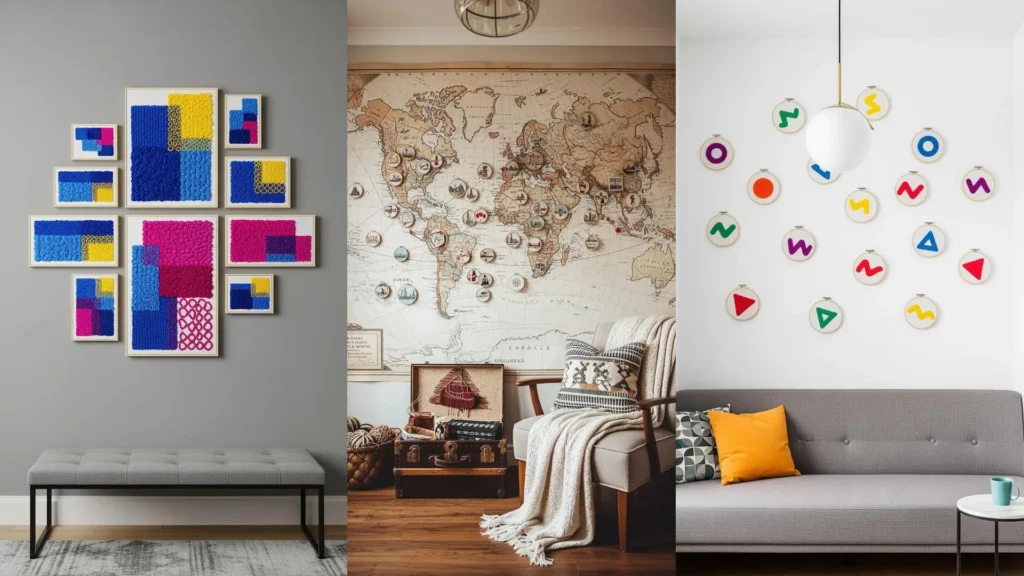
21. Playful Geometric Scatter
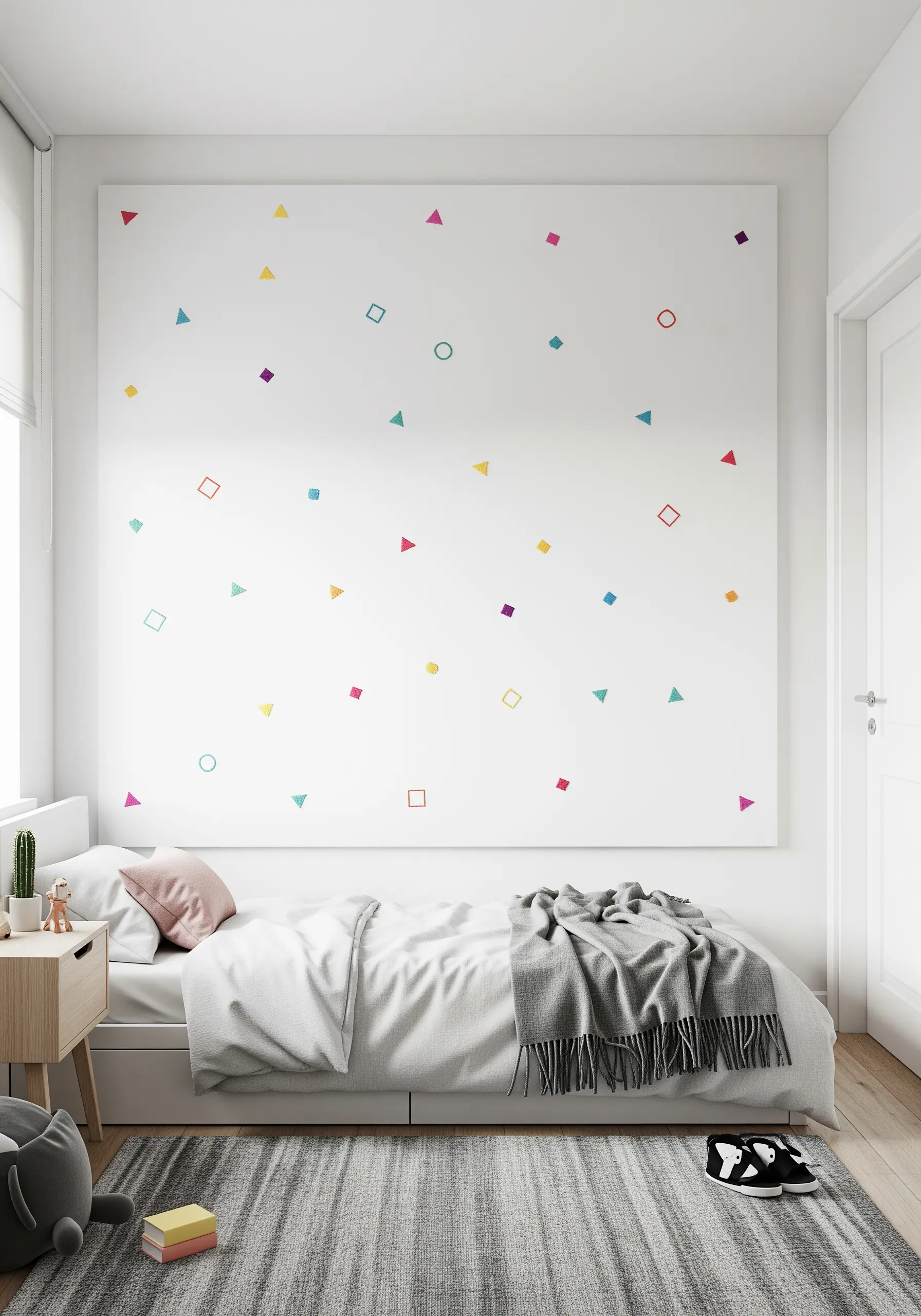
Add a playful and modern touch to a large wall with tiny, scattered geometric motifs.
Use simple satin stitches to fill in small shapes like triangles, squares, and circles, using a bright and varied color palette.
The key to this design is the random placement and generous use of white space, which keeps the overall effect light and prevents it from looking like a repeating pattern.
This is a fantastic way to fill a large blank wall without committing to a single, large image, creating a joyful, confetti-like effect.
22. The Essence of Flight
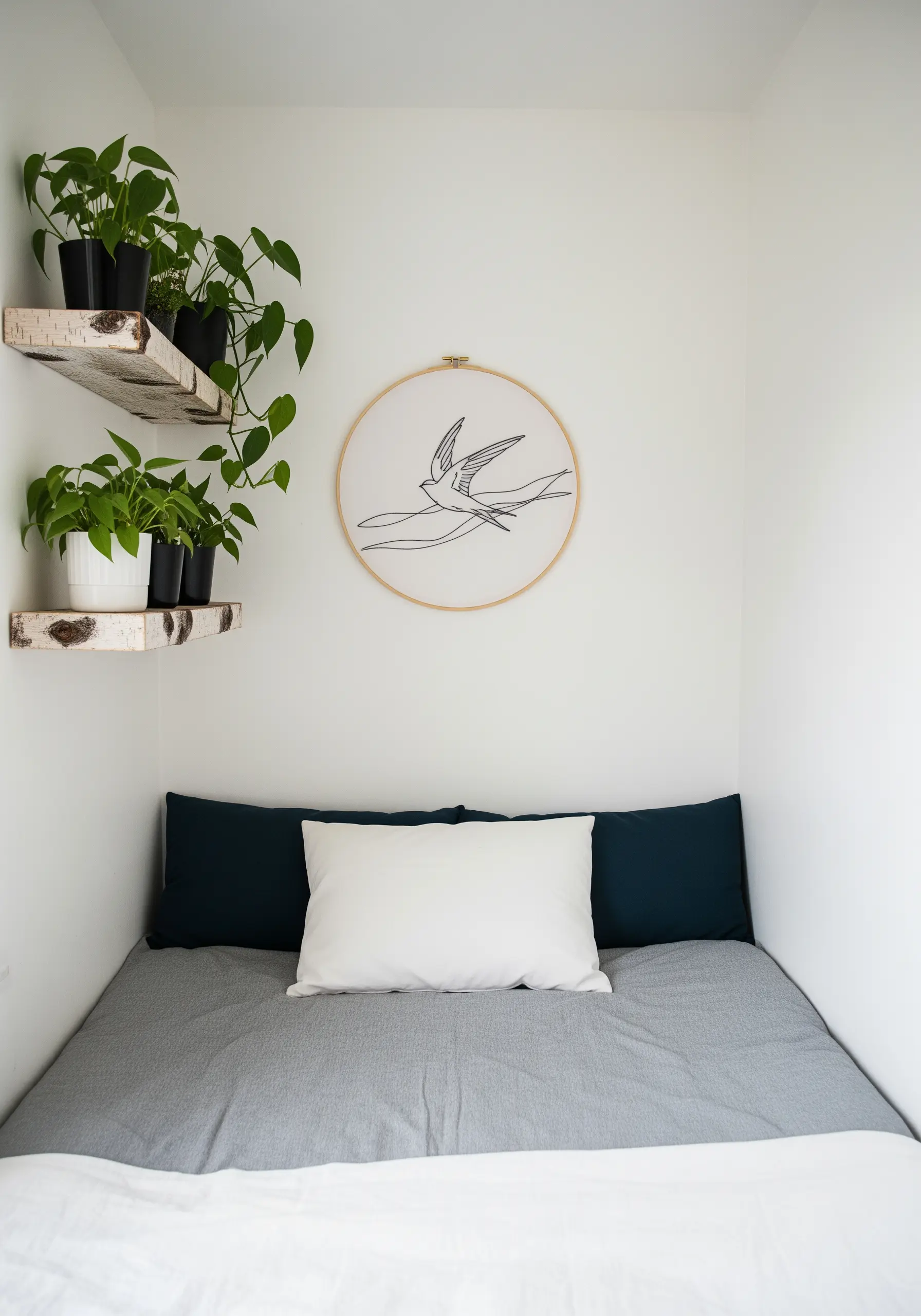
Capture the grace and movement of a bird in flight using just a few carefully placed lines.
Use a split stitch or stem stitch to create the outline, varying the thickness of your line by adding or subtracting strands of floss to emphasize curves and create dynamism.
Leave the interior of the shape completely empty, allowing the simple outline to convey the form and motion.
This minimalist approach is perfect for a small, quiet corner, adding a touch of natural elegance that feels light and free.
23. The Tactile Gradient Headboard
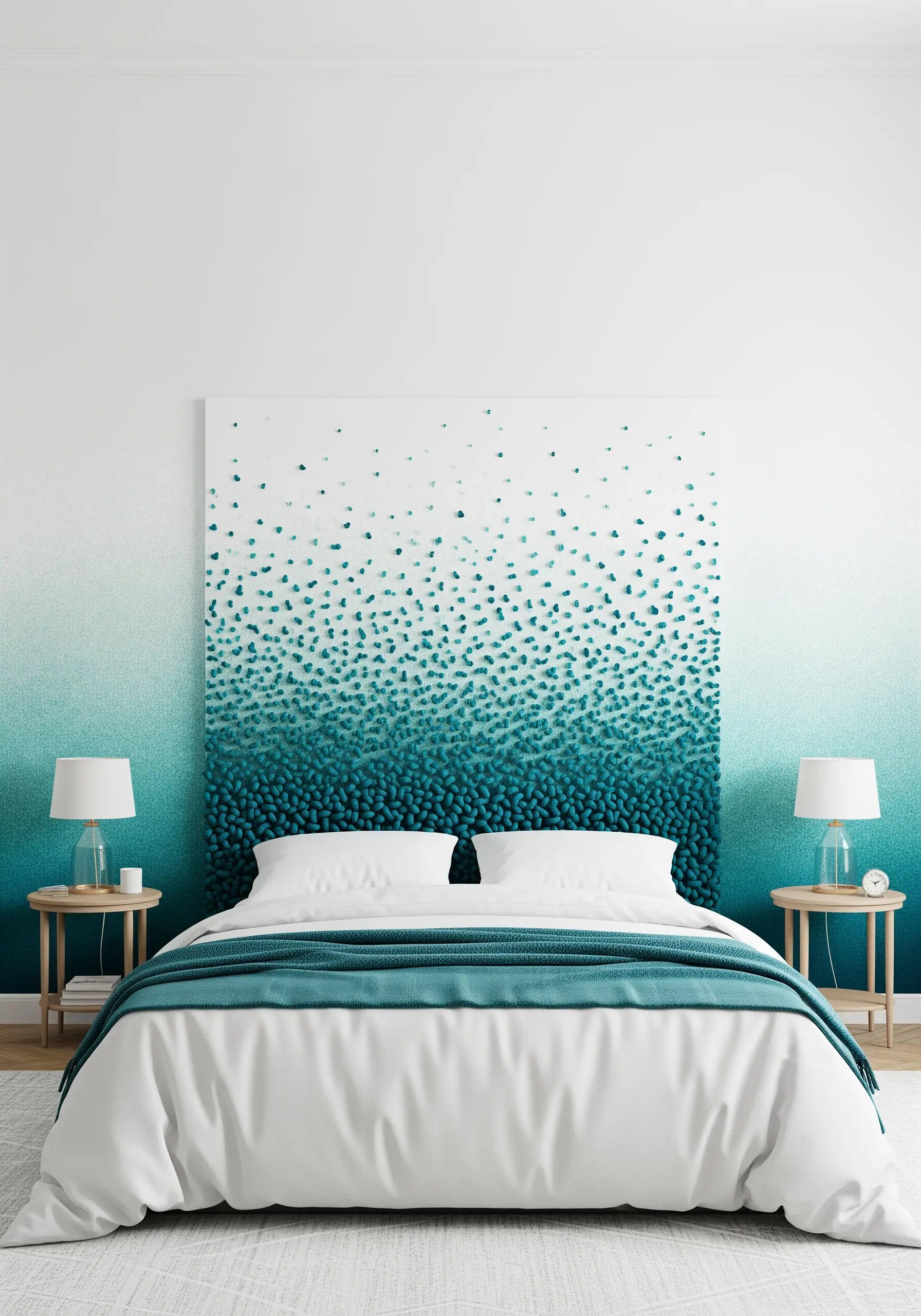
Create the illusion of an upholstered headboard with a large, highly textural embroidered canvas.
Use a gradient of chunky yarn in a single color family, applying it with dense turkey work or French knots.
Start with sparse stitches at the top, allowing the white canvas to show through, and gradually increase the density until the bottom is a solid field of plush texture.
This creates a stunning visual and tactile focal point that adds softness, depth, and a bespoke designer feel to the bedroom.
24. The Stitched Soundwave
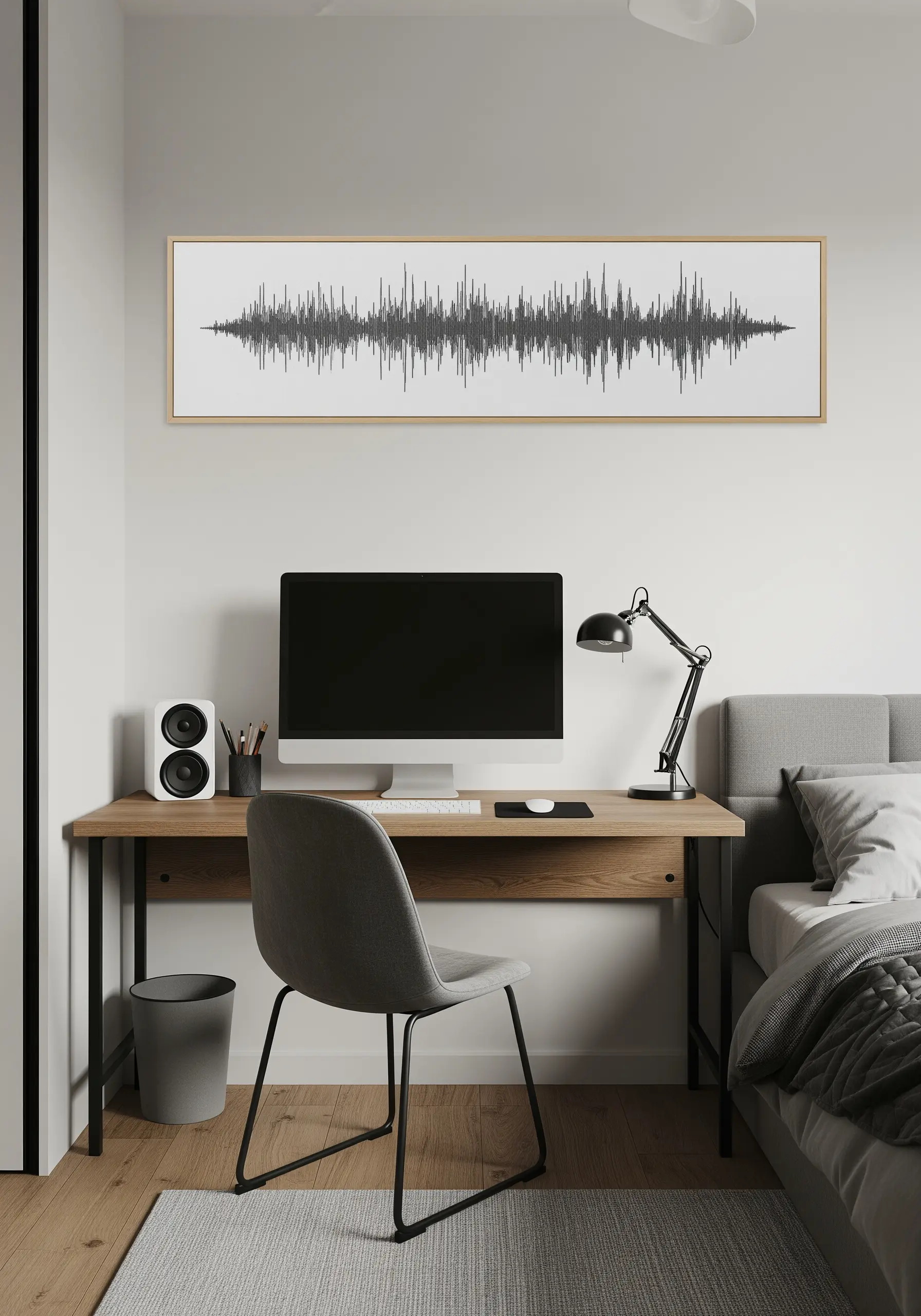
Translate a meaningful sound—a favorite song clip, a loved one’s voice—into a unique and personal piece of art.
Use a narrow, panoramic frame to mimic the format of a digital soundwave display.
Recreate the waveform with hundreds of vertical satin stitches, carefully varying their height to match your source image.
This abstract embroidery motif is the ultimate in personalized decor, turning an invisible memory into a tangible, minimalist statement piece for a workspace or bedroom.
25. The Tone-on-Tone Leaf Skeleton
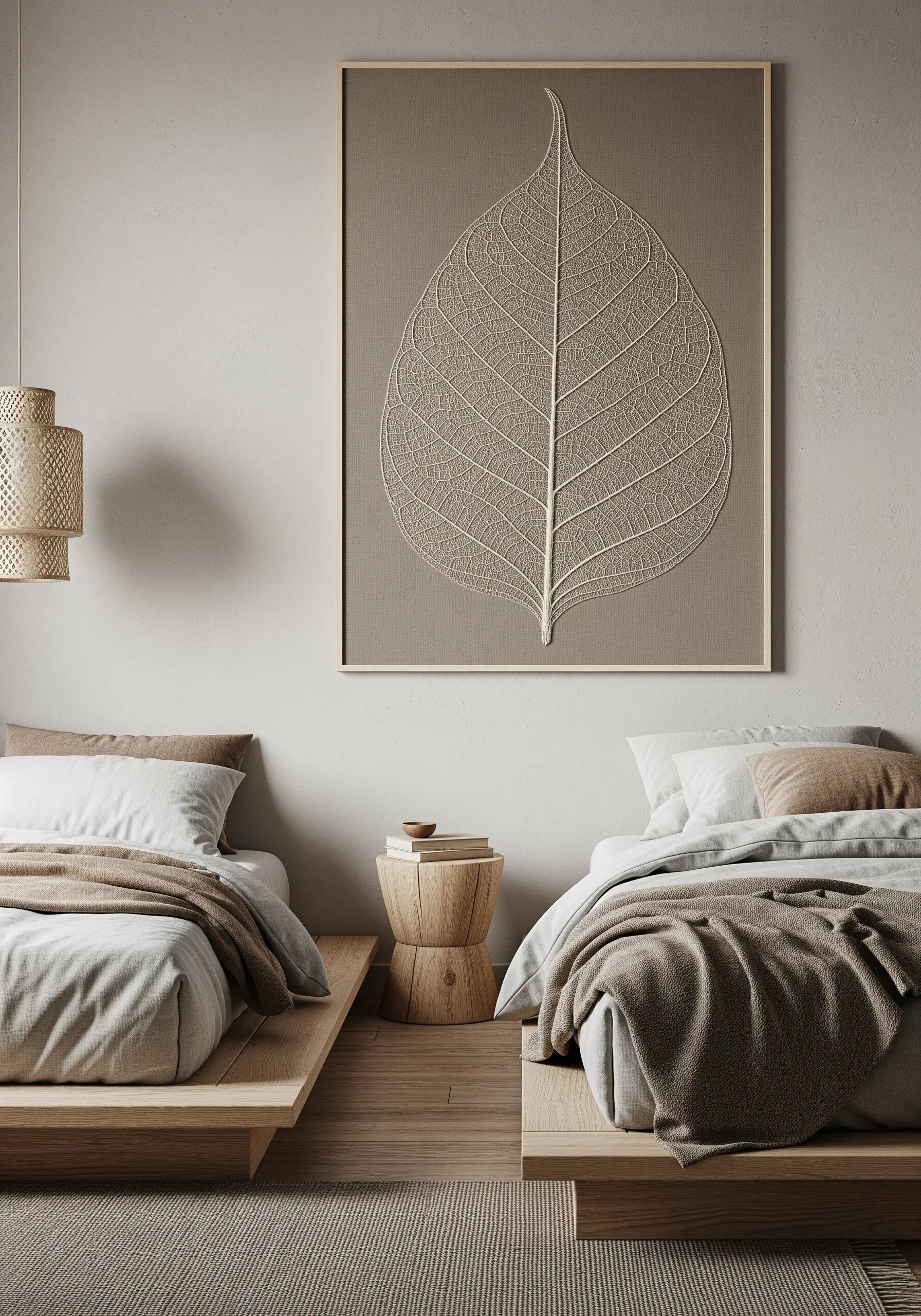
Explore the beauty of texture over color by stitching a design in a thread that closely matches your fabric.
Create the delicate structure of a leaf skeleton using a single strand of floss and precise, tiny backstitches for the intricate network of veins.
The subtle, low-contrast result encourages closer inspection, revealing its complexity slowly.
This tone-on-tone embroidery technique creates a sophisticated, high-end look that adds texture and detail to a neutral room without disrupting its calm, minimalist aesthetic.
26. The Hanging Hoop Garden
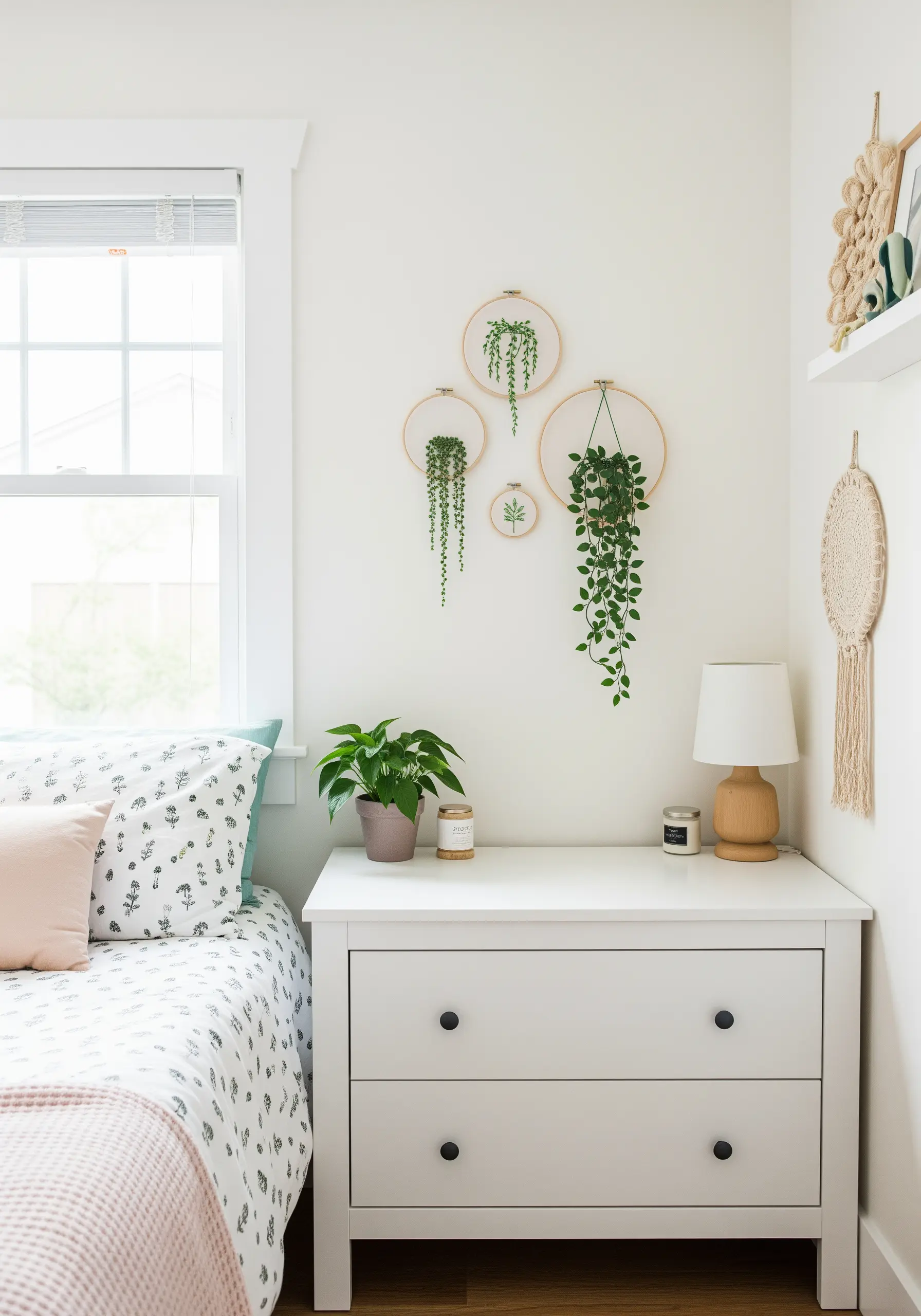
Bring the outdoors in by creating a vertical garden of embroidered houseplants.
Group several hoops of varying sizes together and stitch different trailing plants in each one, letting the stitched vines cascade down the wall.
Use couching stitch or long, dangling straight stitches for the hanging vines to give them a sense of movement and dimension.
This arrangement is a charming way to add a touch of green to your walls, perfect for small spaces where floor space for actual plants is limited.
27. The Abstract Landform
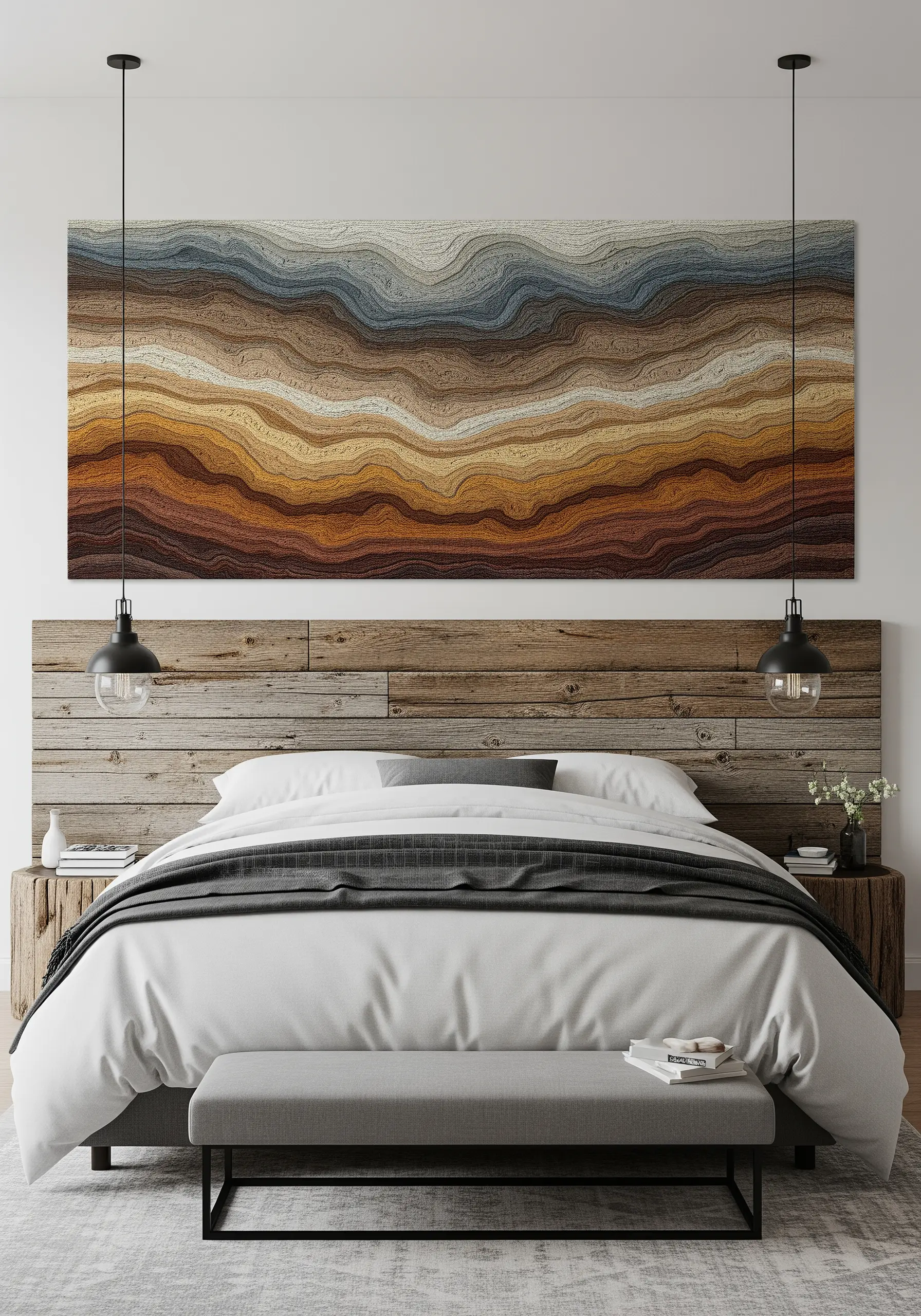
Evoke the feeling of a landscape without stitching a literal scene.
Use long-and-short stitch to create flowing, stratified layers of color that mimic geological formations or rolling hills.
Choose a rich, earthy color palette of browns, ochres, and deep blues to enhance the natural, organic feel of the piece.
This large-scale abstract work acts as a stunning headboard or focal point, bringing grounded, natural energy into the room while remaining entirely modern.
28. The Gestural Scribble
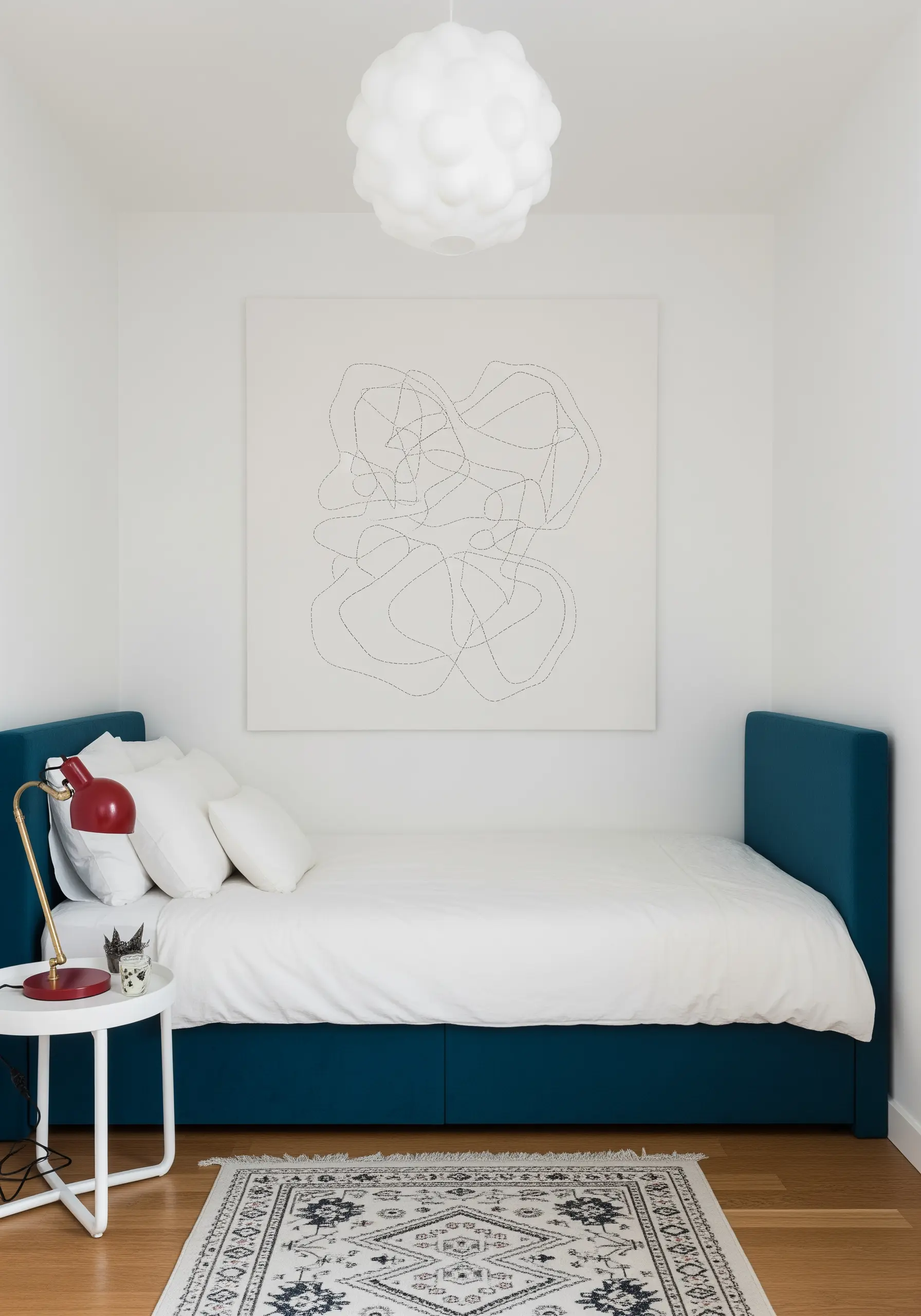
Embrace imperfection and spontaneity with a design that mimics a quick, gestural pencil sketch.
Use a single, continuous thread and a simple running stitch to create a meandering, looping line that overlaps itself freely.
Don’t worry about perfect stitch length or straight lines; the beauty of this technique lies in its free-form, organic quality.
This approach results in a piece of abstract thread art that feels energetic, expressive, and effortlessly chic, adding a touch of artistic flair to a minimal space.