

Sometimes, the most profound changes in your embroidery don’t come from learning a dozen new, complex stitches. They come from a subtle shift in perspective—seeing a lampshade, a curtain tie-back, or a simple hand towel not just as an object, but as a canvas waiting for a quiet, intentional touch.
The goal isn’t to cover every surface, but to add a single, thoughtful detail that makes a room feel more personal, more complete. It’s about the precise line of a geometric border that brings order to a shelf, or the soft glow of thread on a lampshade that warms a reading corner.
Here, you’ll find small, manageable ideas that create that very feeling. These are not grand projects, but subtle gestures—ways to bring life, texture, and a sense of quiet artistry into the corners of your home, one stitch at a time.
1. Illuminate Your Stitches on a Lampshade

Transform a plain linen lampshade into a source of gentle, artistic light.
Use a simple backstitch or stem stitch with a medium-weight (3-4 strands) cotton floss to trace a delicate botanical vine around the circumference.
The key is to work with a sharp needle to pierce the stiff material cleanly, ensuring your tension is firm but not so tight that it puckers the fabric when the light is off.
When illuminated, the light passes through the thread, creating a soft, glowing silhouette that highlights the texture and form of every single stitch.
This technique turns a functional object into an integral part of your room’s ambient decor, proving that embroidery can shape light itself.
2. Frame Your Window with an Embroidered Tie-Back

Elevate a simple curtain by treating its tie-back as a vertical canvas.
On a strip of heavy linen or cotton canvas, stitch a dense, repeating pattern of foliage and flowers that complements the view outside your window.
Use a rich palette and vary your stitches—satin stitch for bold petals, French knots for texture, and fishbone stitch for leaves—to create a lush, tapestry-like effect.
This functional detail becomes a focal point, framing your window like a piece of art and connecting your indoor space with the nature beyond.
3. Define Edges with a Geometric Border
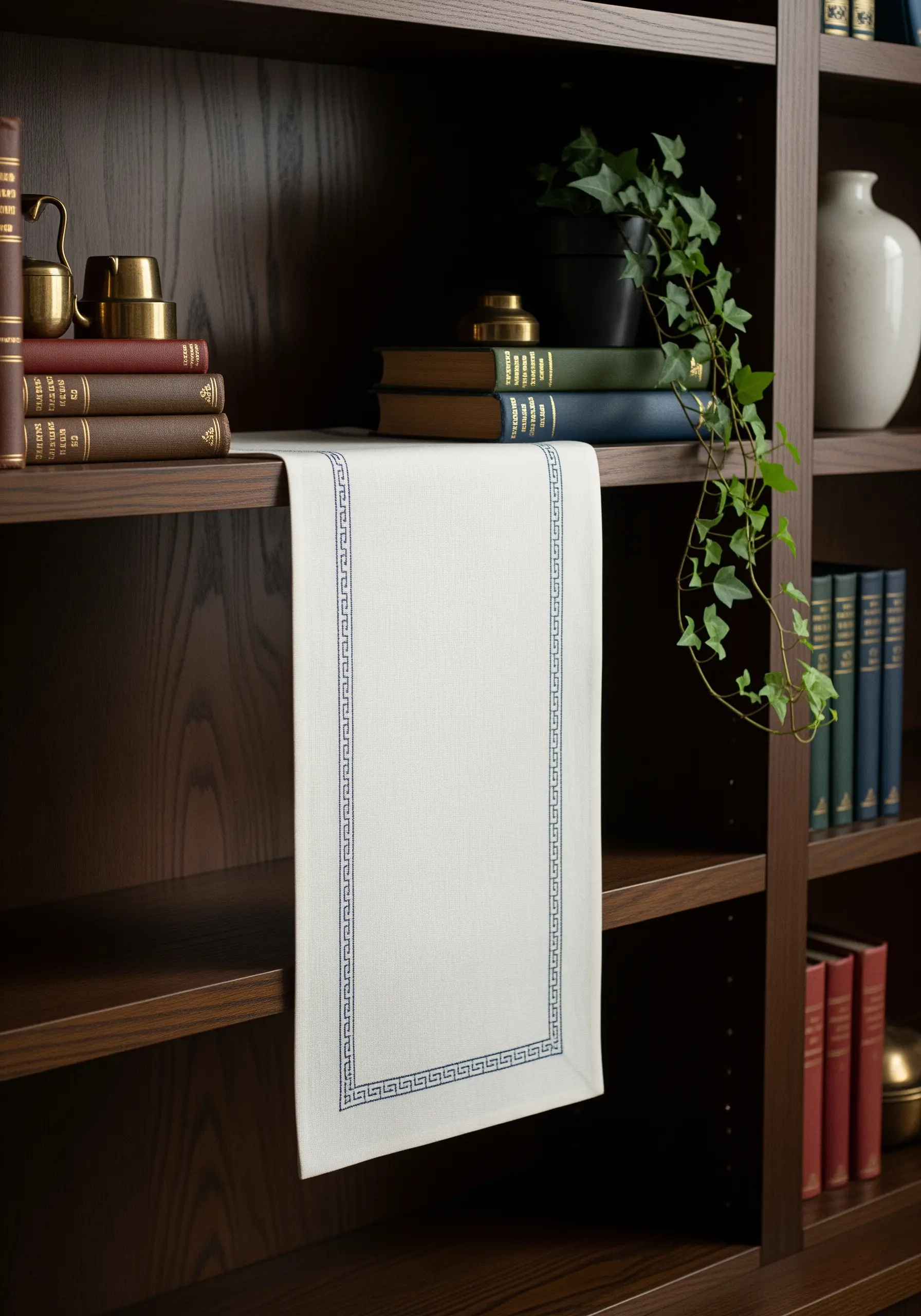
Add structure and sophistication to a table runner or placemat with a crisp, geometric border.
Choose a high-contrast thread color and use a disciplined stitch like a backstitch or chain stitch to create a sharp, repeating motif like a Greek key.
The success of this technique lies in precision: mark your pattern lightly with a water-soluble pen and maintain perfectly even stitch lengths.
This approach contains the design, giving the textile a finished, tailored look that feels both classic and modern.
4. Personalize a Plant Pot with a Modern Motif
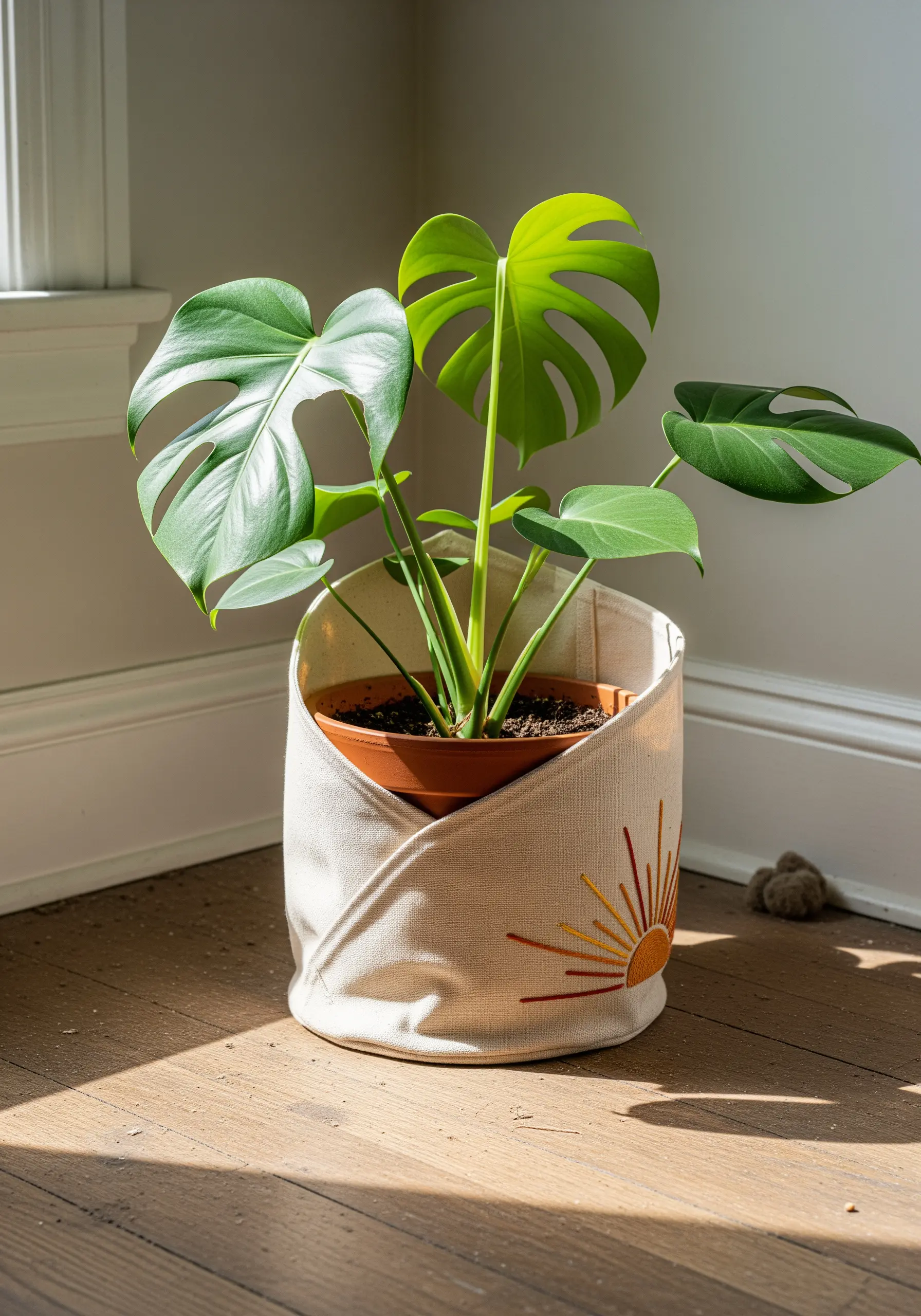
Give a simple fabric plant holder a touch of modern warmth with a stylized, graphic motif.
Use a radiating satin stitch to create a sunrise, using an ombré or gradient palette of three to four analogous colors to suggest morning light.
This works best on sturdy canvas, where your stitches can sit smoothly without puckering the fabric.
The minimal design adds a pop of color and personality, turning a simple home for your plant into a small, celebratory piece of decor.
5. Add a Signature Touch with an Embroidered Tag

Lend a bespoke, professional finish to a chunky knit blanket or handmade garment with a small, embroidered patch.
On a piece of felt or dense canvas, stitch a simple line-art logo, monogram, or a meaningful symbol using just two or three strands of floss.
Keep the design clean and uncluttered; its power comes from its subtlety.
Securely whipstitch the patch onto a corner of your textile. This small detail communicates care and intention, elevating a simple item into a cherished keepsake.
6. Weave Color and Texture into a Wicker Basket

Introduce vibrant color and soft texture to a hard, woven surface like a straw basket.
Using a blunt tapestry needle and thick wool yarn, weave your thread through the basket’s existing structure to create bands of color.
Add decorative elements like bold lazy daisy stitches for graphic flowers, securing them firmly around the wicker strands.
This combination of hard and soft materials creates a delightful tactile contrast, turning a storage item into a piece of organic texture embroidery.
7. Create a Delicate Field of Seed Stitches
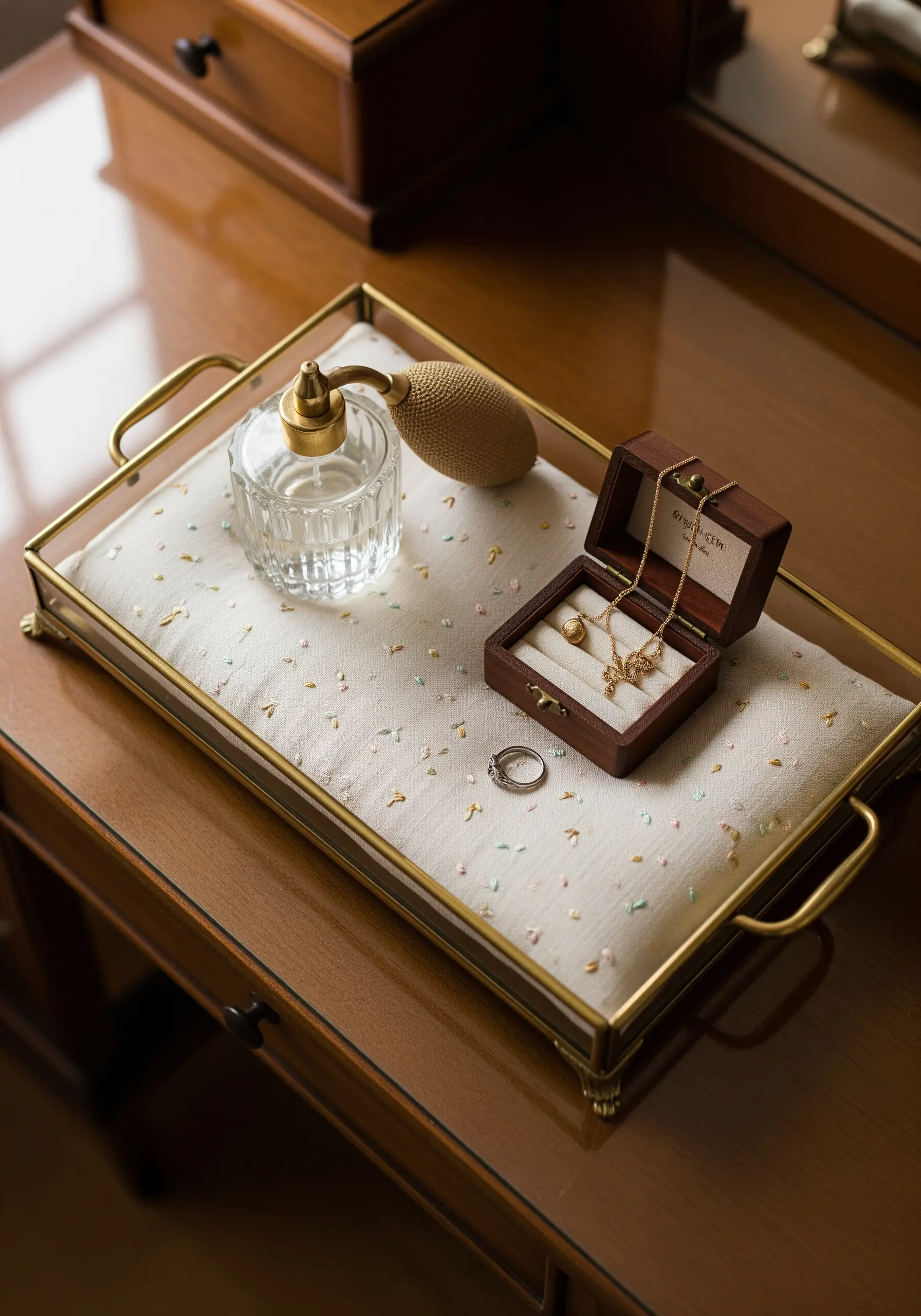
Line a vanity tray or the inside of a keepsake box with fabric adorned with a constellation of tiny stitches.
Use a single strand of metallic and pastel floss to scatter random seed stitches or minuscule French knots across a neutral linen ground.
The goal is not a pattern, but a delicate, atmospheric texture.
This subtle embellishment adds a whisper of luxury and softness, protecting precious items while creating a beautiful, shimmering surface. These are tiny embroidery projects that make thoughtful DIY gifts fast.
8. Elevate Linens with a Single, Perfect Motif

Instead of an all-over pattern, focus your effort on stitching one perfectly executed motif on a hand towel or napkin.
Choose a classic, recognizable subject like a bee or a botanical specimen, and render it with precision using satin stitch for solid areas and a fine backstitch for details.
Pay close attention to thread direction in your satin stitch to mimic the natural contours and sheen of the object.
This singular, well-crafted detail transforms a utilitarian item into a piece of boutique-quality home decor.
9. Compose a Cohesive Hoop Art Gallery
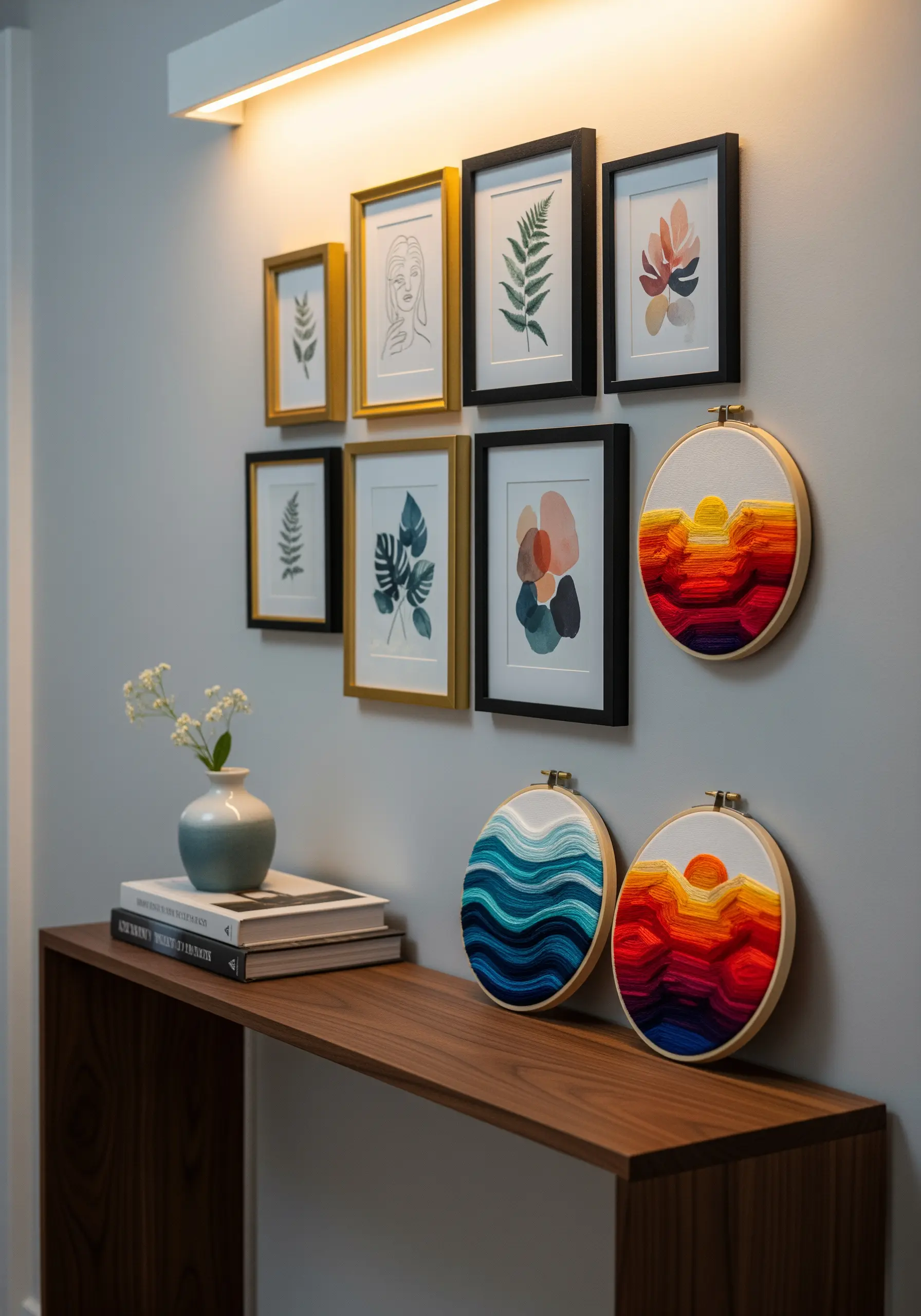
Move beyond a single hoop and create a gallery wall arrangement that tells a larger story.
Select a unifying theme—like abstract landscapes—and a consistent color palette that connects several hoops of varying sizes.
Use techniques like thread painting or long, straight stitches to fill the hoops with color and movement, treating each one as a small abstract painting.
Arranging these geometric hoop art designs together creates a dynamic, high-impact installation that feels cohesive and intentional.
10. Craft an Elegant, Monogrammed Bookmark

Create a small, personal piece of art that is also wonderfully functional.
On a sturdy piece of felt or double-layered linen, stitch a single, elegant initial in a contrasting thread color, perhaps using a padded satin stitch for a raised effect.
Frame the monogram with a delicate border of French knots for a refined, textural finish.
Attached to a satin ribbon, this project becomes one of those minimalist embroidery projects that double as gifts, both thoughtful and beautiful.
11. Add a Sprig of Calm to a Cushion

Bring a touch of serene, natural beauty to a reading nook or bedroom with a simple botanical design.
Embroider a sprig of lavender on a plain white or cream cushion cover, using a light touch and an open composition.
Use fishbone stitch for the leaves to create a central vein naturally, and small, straight stitches or French knots for the delicate blossoms.
These lavender-inspired embroidery designs for bedrooms create an atmosphere of calm and restfulness.
12. Design a Sculptural Edge for Placemats

Move beyond traditional embroidered borders by incorporating three-dimensional elements into your edging.
Create a scalloped edge on a placemat by stitching around small wooden rings or washers with a buttonhole stitch, securing them to the fabric as you go.
This technique adds not just visual interest but also a pleasing weight and tactile quality to your table linens.
It’s an unexpected detail that blends craft with a touch of modern, sculptural design.
13. Explore Graphic Contrast with Sashiko Coasters
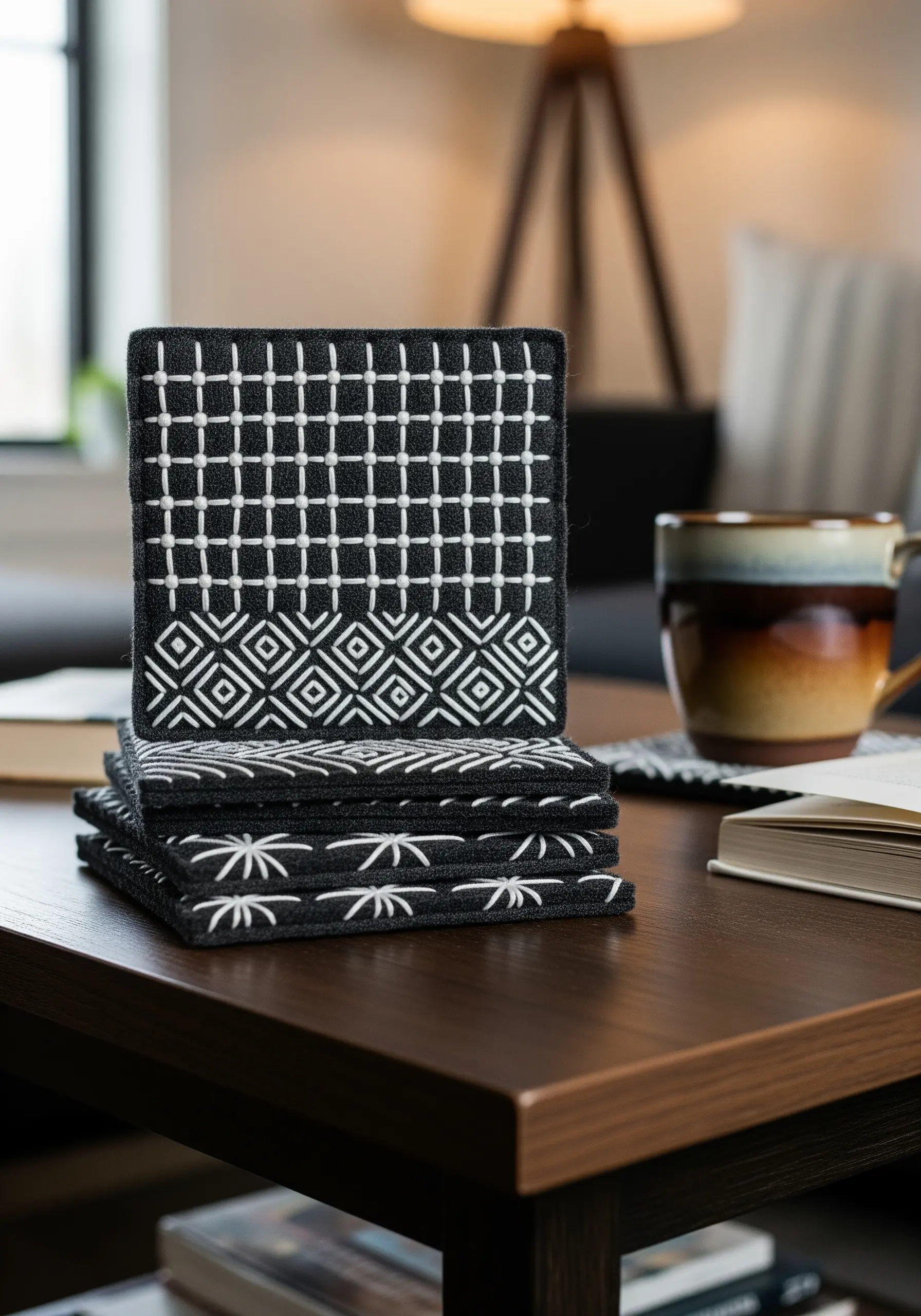
Create a set of striking, modern coasters using the principles of Japanese Sashiko stitching.
On a dark, heavy fabric like black linen or denim, use a bright white, thick cotton thread to stitch clean, geometric patterns with a simple running stitch.
The beauty of this technique is in the rhythm and precision of the evenly spaced stitches, creating patterns that are both intricate and boldly simple.
These high-contrast, minimal-geometry-stitch-projects are durable, functional, and visually captivating.
14. Frame a Functional Space with a Stitched Border
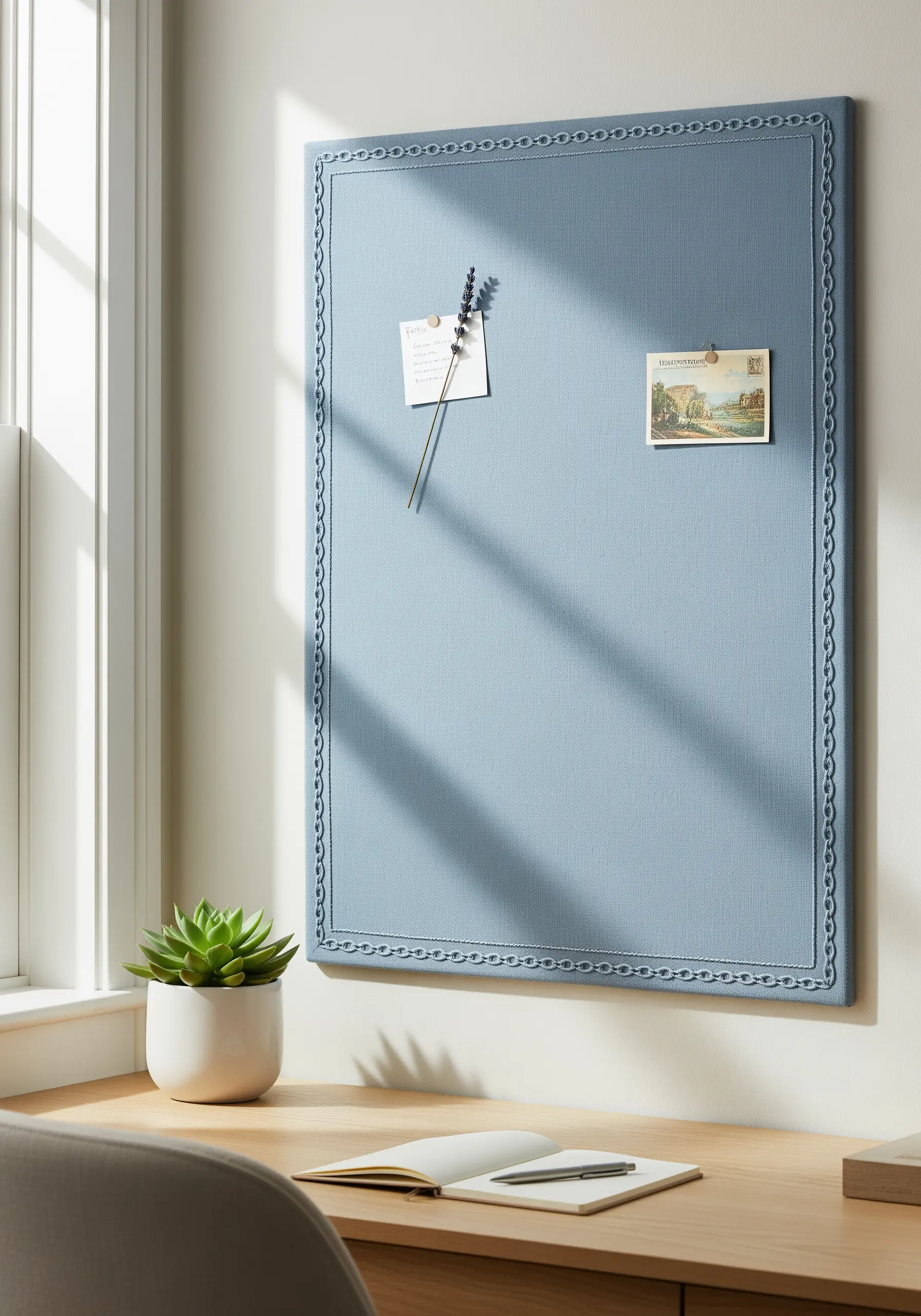
Turn a plain fabric bulletin board into a statement piece by adding a dimensional, embroidered frame.
Use a thick, tonal thread—a few shades darker or lighter than your fabric—to create a decorative border with a raised, textural stitch like a Palestrina knot or a whipped chain stitch.
This adds a subtle, handcrafted elegance and defines the board’s edges, making the entire object feel more intentional and integrated into your room’s decor.
15. Display Your Work as 3D Art in a Shadow Box
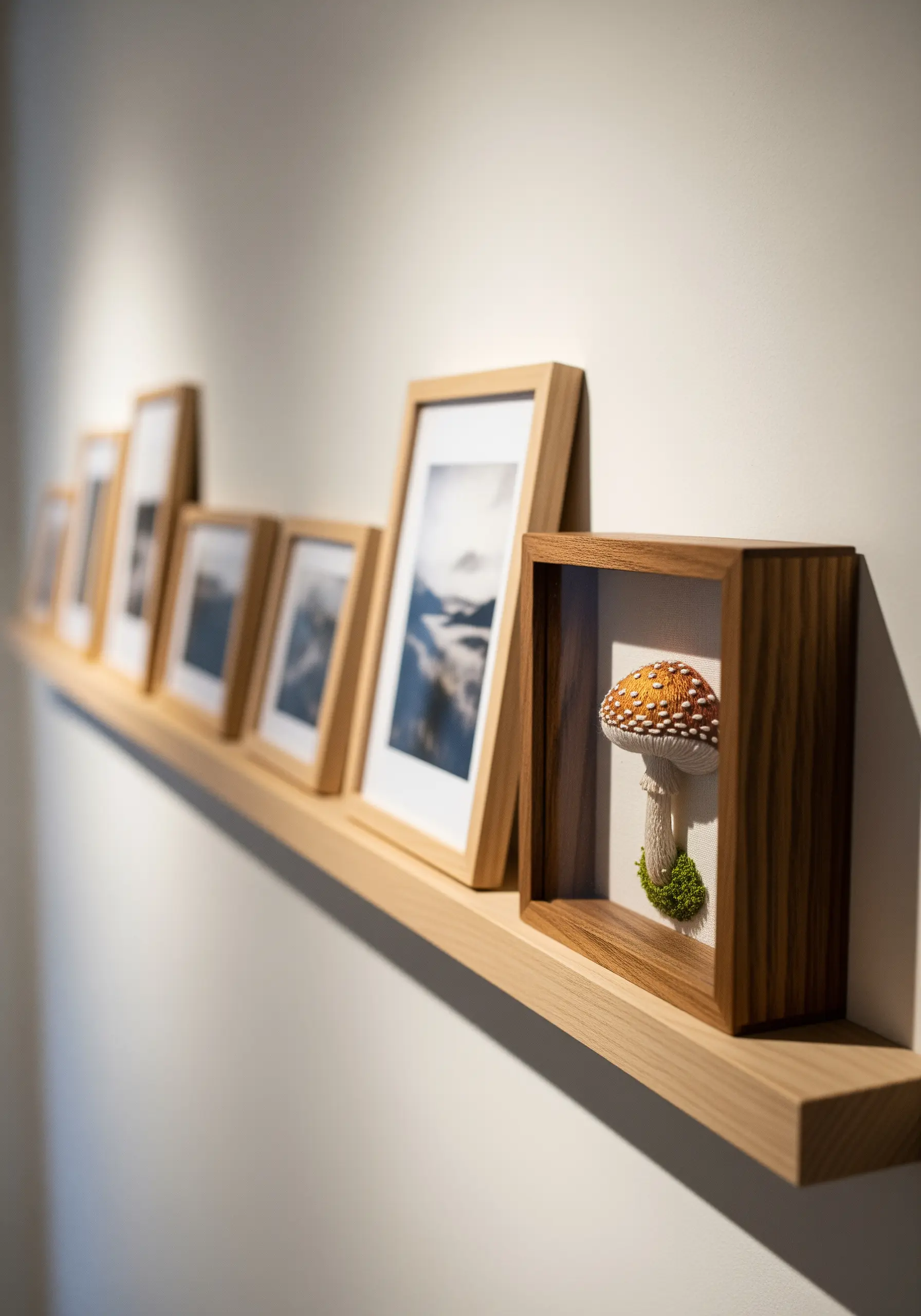
Give your embroidery the presence of a small sculpture by using dimensional stitches and displaying it in a deep shadow box frame.
Experiment with stumpwork techniques like padded satin stitch to create raised surfaces, or use turkey work to build up a lush, mossy texture.
Mounting your finished piece on a clean background within a box frame protects it and draws the viewer’s eye to its intricate, three-dimensional qualities, highlighting the artistry of your statement textured embroidery techniques.
16. Place a Motif for Elegant Draping
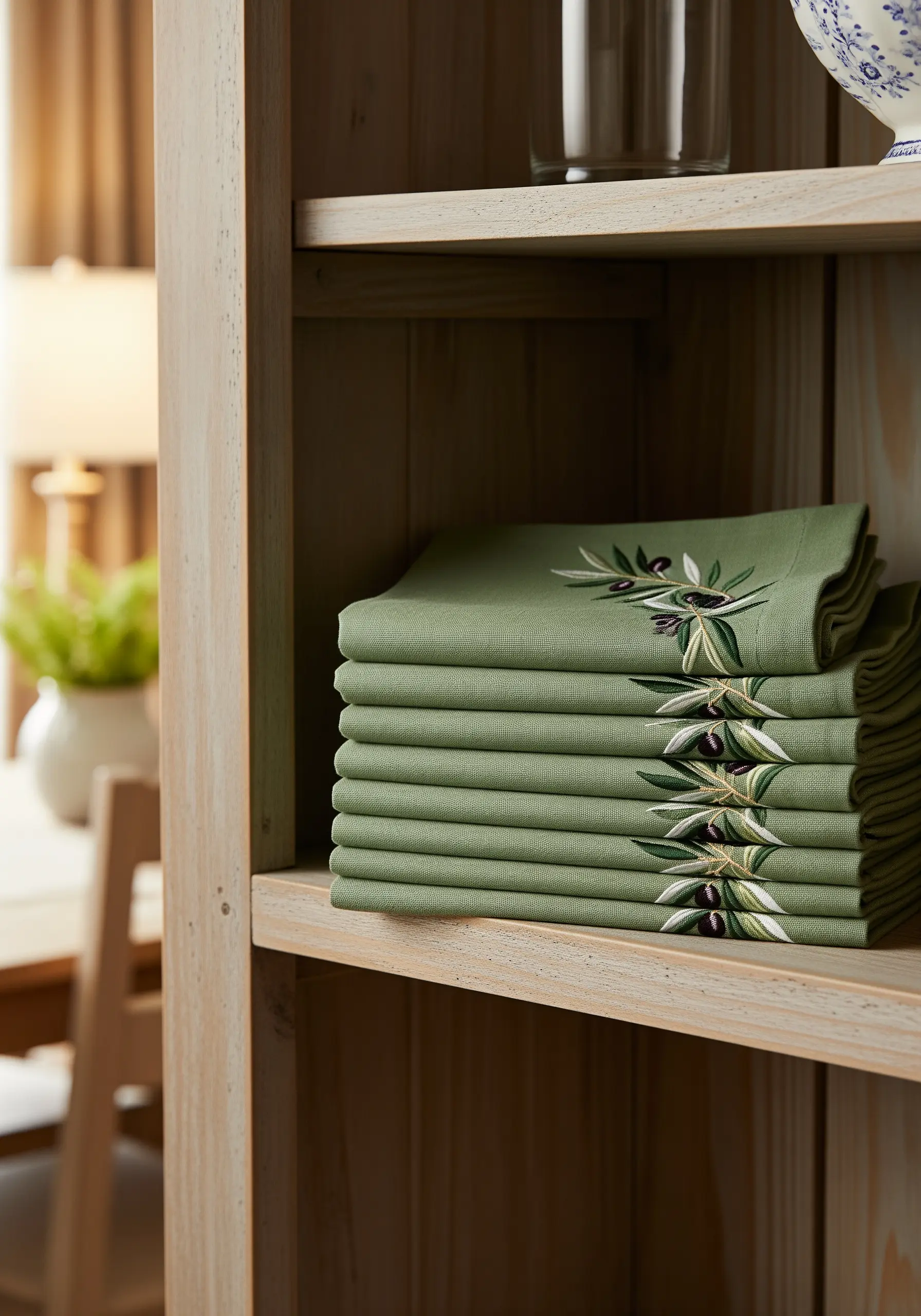
When embroidering napkins, consider how the design will look when the fabric is folded and in use.
Stitch a graceful, asymmetrical motif like an olive branch in one corner, allowing it to cascade naturally.
Use a combination of satin stitch for the leaves and dark French knots or beads for the olives to create depth and realism.
This strategic placement ensures your beautiful work is always visible, adding a touch of sophisticated, organic detail to your table setting.
17. Add a Touch of Whimsy with a Trompe-l’œil Tool

Bring a playful, unexpected element to a craft room organizer or canvas tote bag.
Embroider a hyper-realistic depiction of a tool you might store inside, like a vintage pair of scissors, directly onto a pocket.
Use metallic threads for the metal parts and dense satin stitch for the colored handles to create a convincing trompe-l’œil (‘trick of the eye’) effect.
This witty detail adds personality and charm, hinting at the creative purpose of the space or object.
18. Create a Subtle Wave on a Shower Curtain
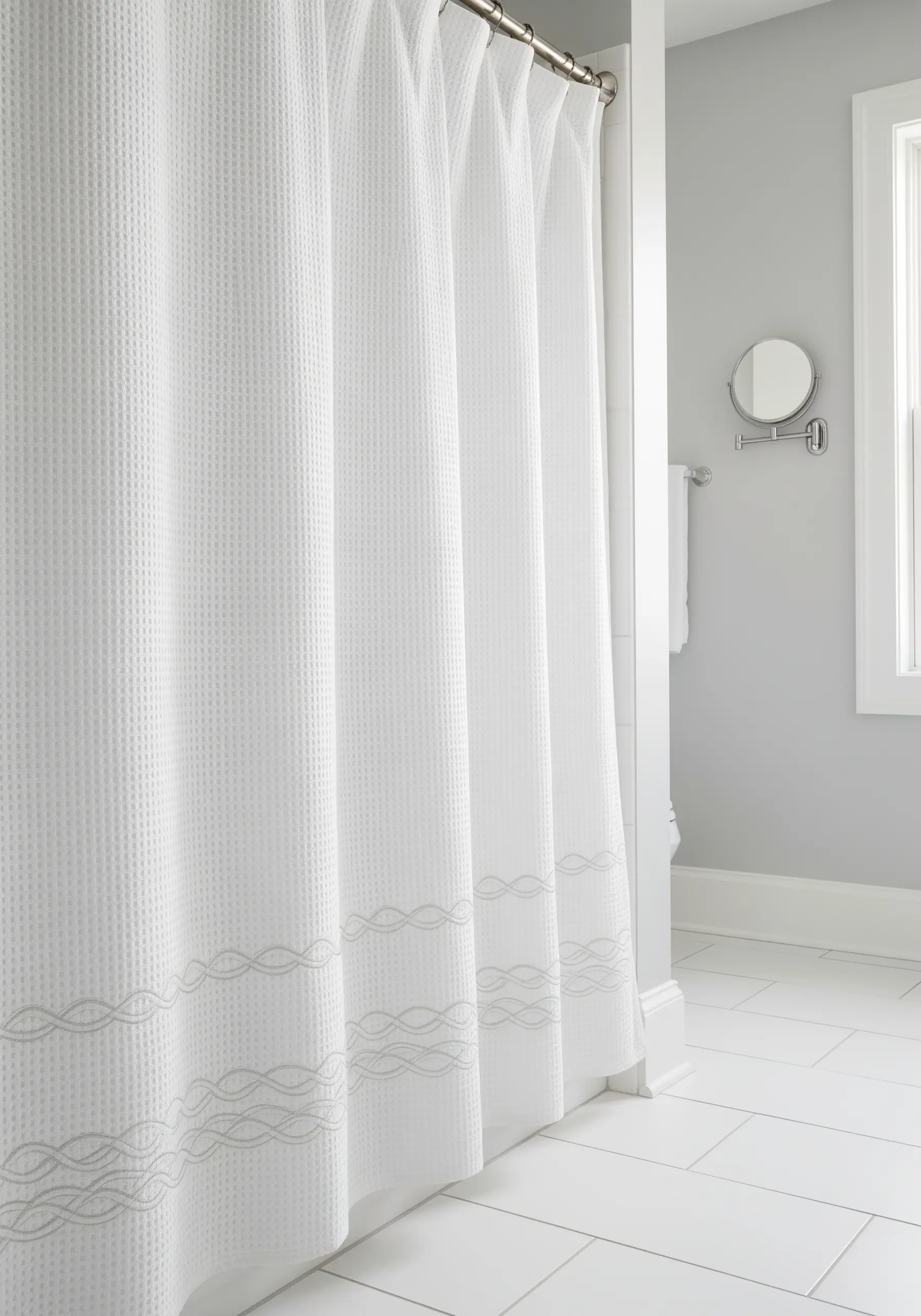
Enhance a plain shower curtain with a border that adds elegance without overwhelming the space.
On a textured fabric like waffle-weave cotton, use a thread that is only a few shades lighter or darker than the base fabric—a soft grey on white, for example.
Stitch a simple, repeating wave pattern using a smooth backstitch or stem stitch. This tonal, subtle earthy embroidery design catches the light beautifully and adds a sense of quiet, custom-made luxury to a bathroom.
19. Use Stitches to Create a Tufted Effect

Add visual and physical texture to a simple chair cushion using a grid of anchoring stitches.
Mark out a simple grid on your cushion with a fabric pen, and at each intersection, work a small, secure cluster of French knots or a cross-stitch using a thick, contrasting thread.
Pull the thread taut as you stitch to create a slight indentation, mimicking the look of traditional button tufting.
This technique adds dimension, comfort, and a charming, handcrafted finish to plain seating.


