
Have you ever finished an embroidery piece and felt it was missing something? A certain spark, a final touch that would make it feel complete, intentional, and truly yours. Often, the solution isn’t a grand gesture, but a tiny, perfectly placed detail.
These small floral motifs are more than just fillers for empty spaces. They are compositional tools that can balance a design, guide the viewer’s eye, and add a layer of personality to your work. Whether stitched onto a shirt cuff, the corner of a napkin, or nestled within a larger hoop art piece, they transform your embroidery from simply handmade to thoughtfully handcrafted.
Here, you will find seventeen ways to use these tiny botanicals to elevate your work. Each one is an invitation to look closer, to consider the small spaces, and to discover how a few deliberate stitches can make all the difference. You have the skill; now let’s refine the vision.
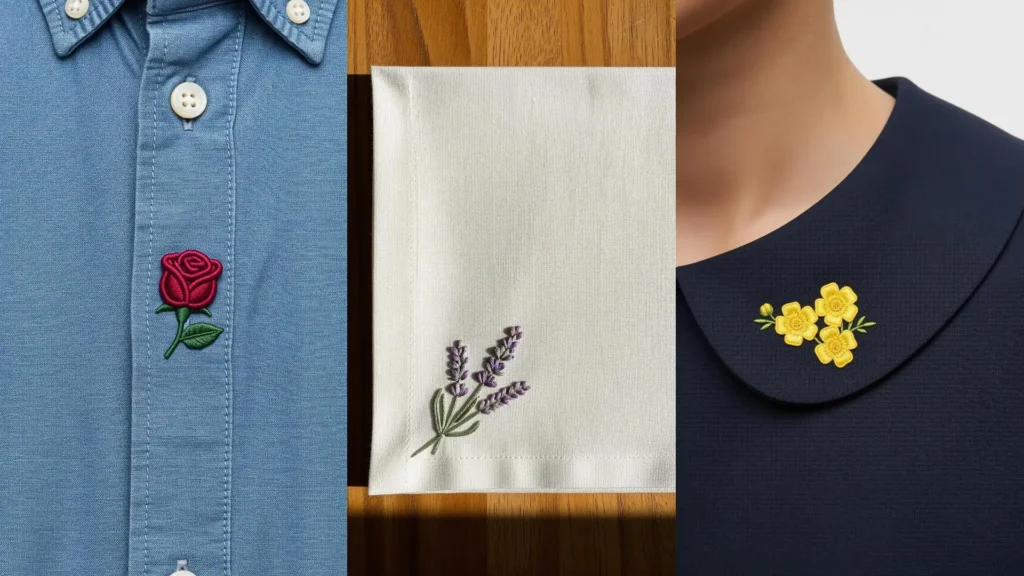
1. Lavender Sprigs for Subtle Napkin Corners

To give lavender buds realistic texture, use French knots, varying the tension for some tighter and some looser buds.
For the stem, switch to a single strand of thread and a delicate split stitch; this keeps the base from overpowering the florals.
Introduce two or three shades of purple and lilac within the sprigs to create depth and a more natural, less uniform appearance.
Placing a small motif in the corner of a napkin or tea towel adds a touch of quiet elegance without disturbing the object’s function.
2. Whispers of Dandelion on Denim

Capture the lightness of dandelion seeds by using single, detached straight stitches that appear to float away from the main flower head.
This contrast between the delicate white thread and the sturdy denim fabric is what makes the design so compelling.
When working on heavy fabric like denim, use a sharp, strong needle to pierce the fabric cleanly without snagging.
You can use this technique to make any garment feel more poetic, turning plain denim jackets to life with a sense of movement.
3. A Secret Garden on a Shirt Cuff
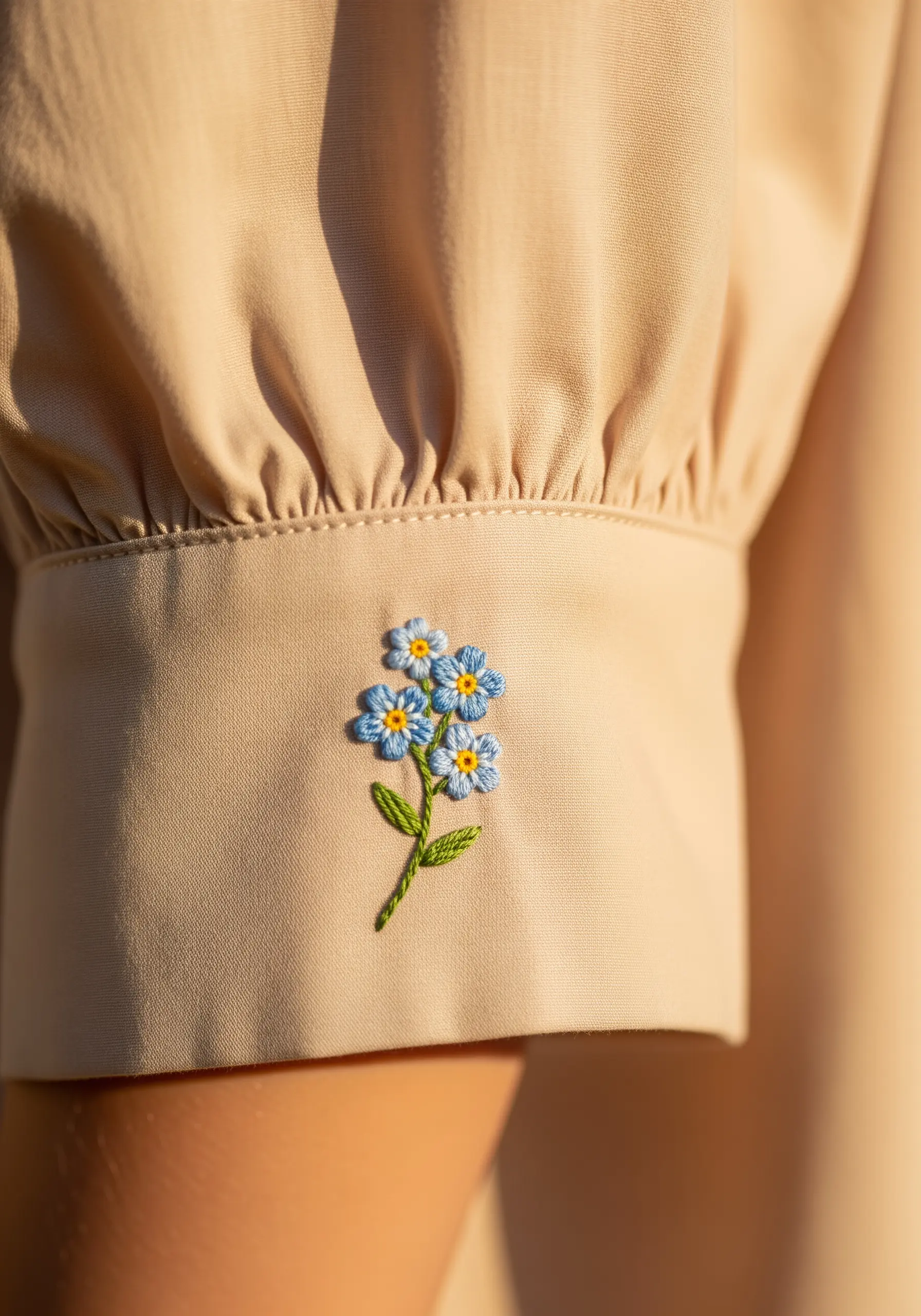
For tiny, perfect forget-me-nots, use the lazy daisy stitch for the five petals and place a single, bright yellow French knot in the center.
This combination is quick to execute but yields a beautifully detailed result that looks polished and intentional.
Tuck this small bouquet on a cuff, a collar point, or near a hem for a discreet accent that feels personal and refined.
These are the tiny secret embroidery ideas that transform a simple garment into a treasured one.
4. Scattered Daisies for a Playful Accent

Create a strong visual rhythm by repeating a simple motif, like these daisies, along a strap or border.
Use satin stitch for the petals and tightly packed French knots for the center to give each flower a clean, graphic look.
Vary the angle of each daisy just slightly to give the pattern a natural, hand-placed feel rather than a stiff, mechanical one.
This is one of the most effective tiny embroidery motifs that transform plain tote bags, straps, and hemlines.
5. The Modern Single Rose Emblem
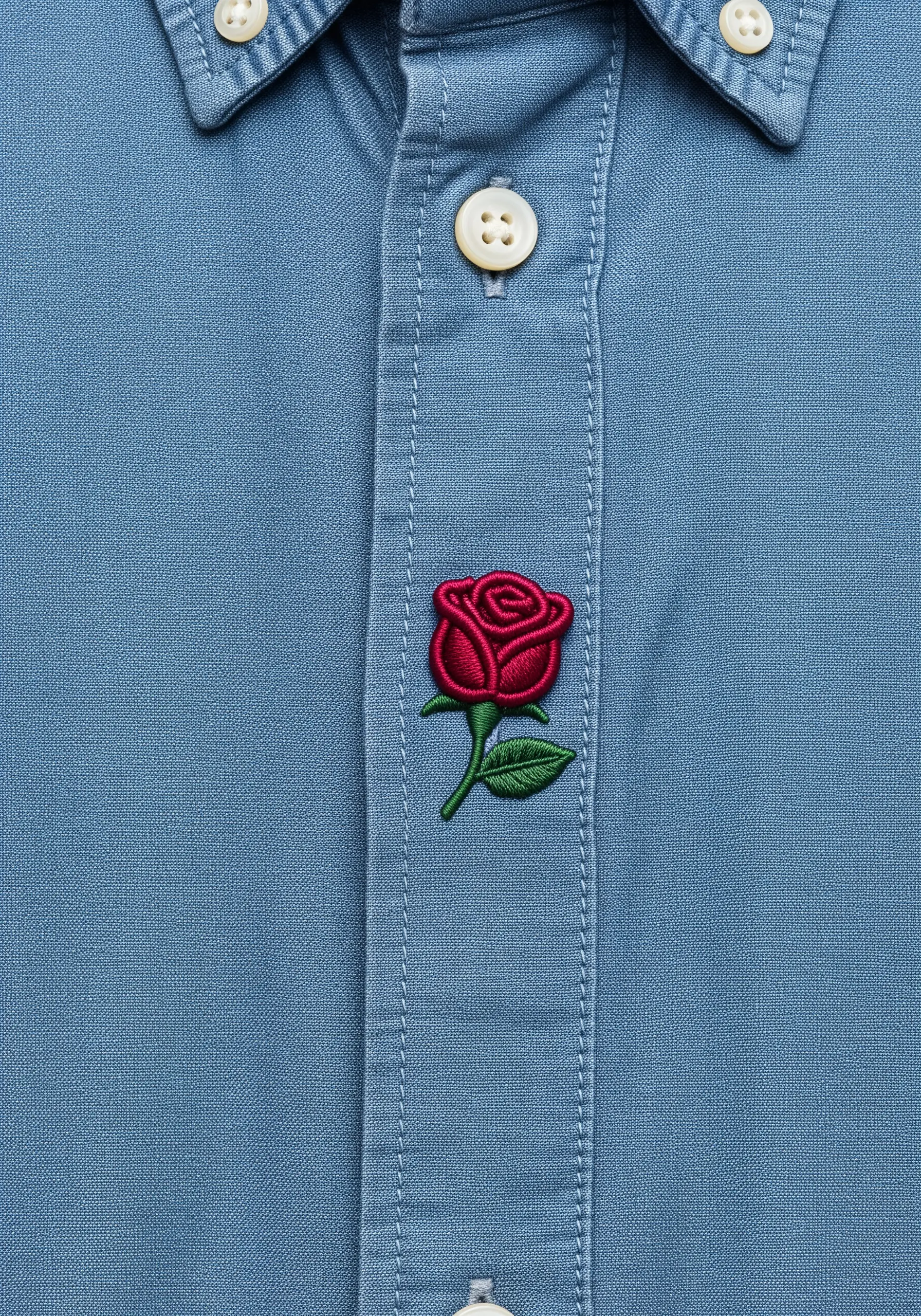
To achieve a sculpted, dimensional rose, use a spiral satin stitch or thread painting, working from the center outwards.
Incorporate a slightly darker shade of thread for the innermost lines to create the illusion of shadow and depth, making the flower look more realistic.
A single, beautifully executed motif like this serves as a sophisticated emblem, perfect for replacing a brand logo on a shirt placket.
It’s a powerful way to use romantic rose embroidery designs with modern restraint.
6. Woven Berries for a Tactile Bookmark

Use the woven wheel stitch to create these plump, raised berries. This stitch builds up thread quickly, resulting in a satisfying, three-dimensional texture.
The technique is especially effective on materials like felt or heavy cardstock, where the raised texture provides a beautiful contrast.
By adding a tactile element, you enhance not just the look but the feel of an object, making for diy cozy embroidery bookmarks that make reading magical.
7. Delicate Sprigs of Baby’s Breath
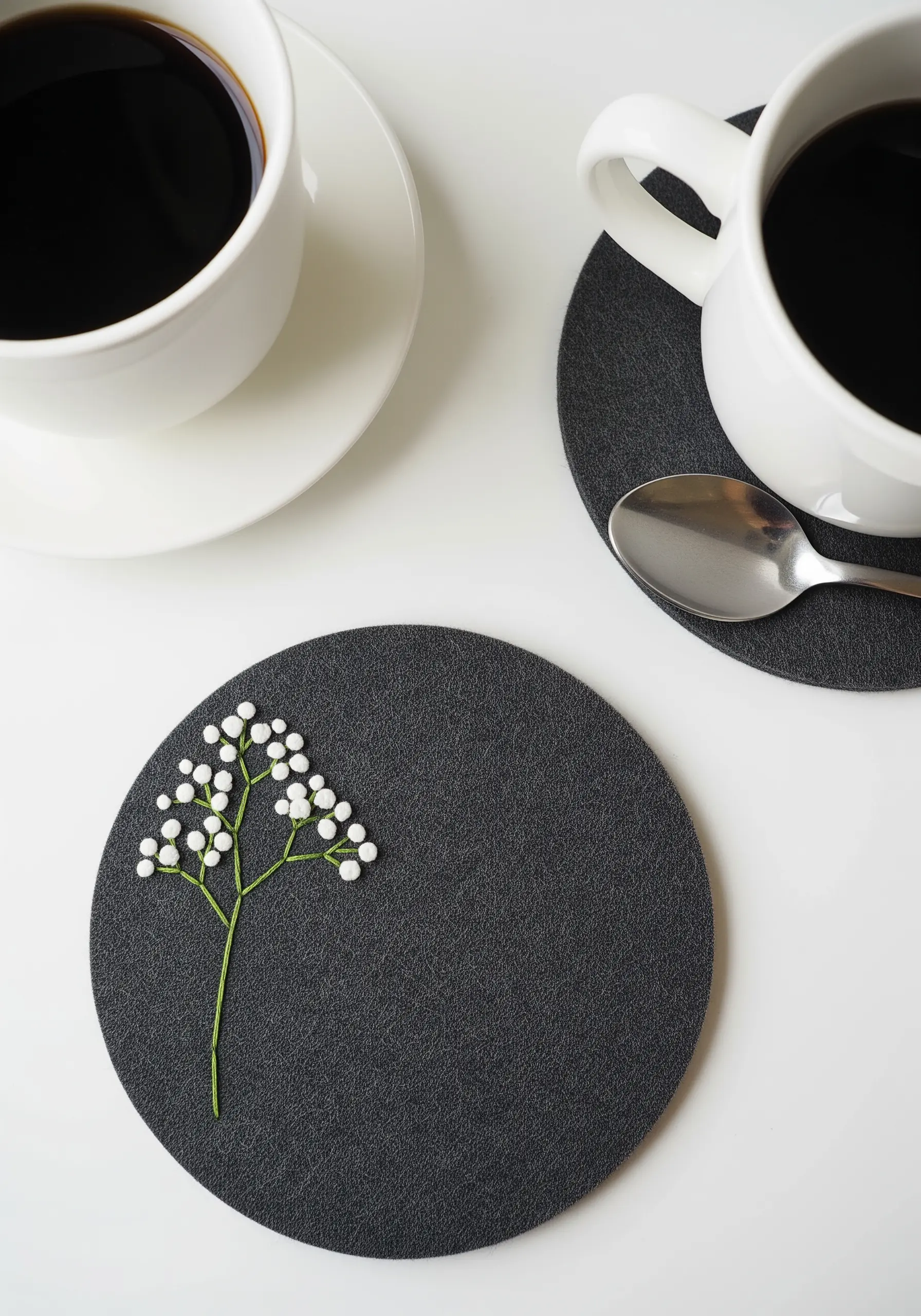
The key to recreating the airy quality of baby’s breath is using negative space effectively.
Place tiny, individual French knots at the ends of thin, straight-stitched stems, ensuring you leave plenty of space between them.
This minimalist approach is particularly striking on dark, solid-colored fabrics, where the bright white thread creates a crisp and elegant contrast.
It’s one of the best minimalist embroidery ideas for modern crafters who love quick wins.
8. A Sunflower Patch for Visible Mending
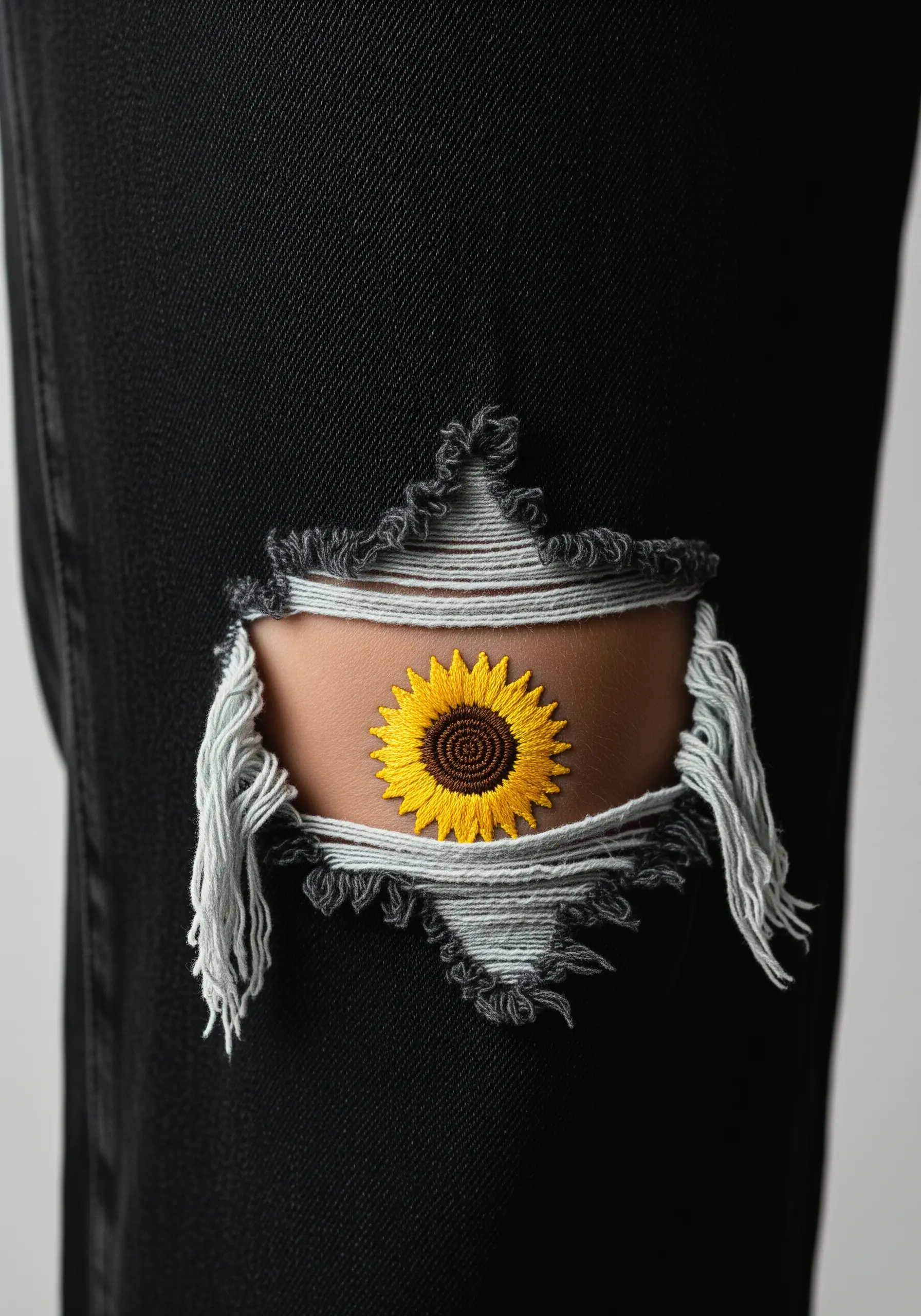
Turn a tear into a design feature by using it as a frame for your embroidery.
Place a scrap of fabric behind the hole for stability before stitching your motif. This prevents the delicate threads from catching or pulling.
Use long-and-short stitch to blend shades of yellow in the petals, and dense French knots for a highly textured center, celebrating the repair.
This approach elevates mending into art, much like other sunflower-inspired embroidery crafts.
9. Climbing Ivy for an Unexpected Detail
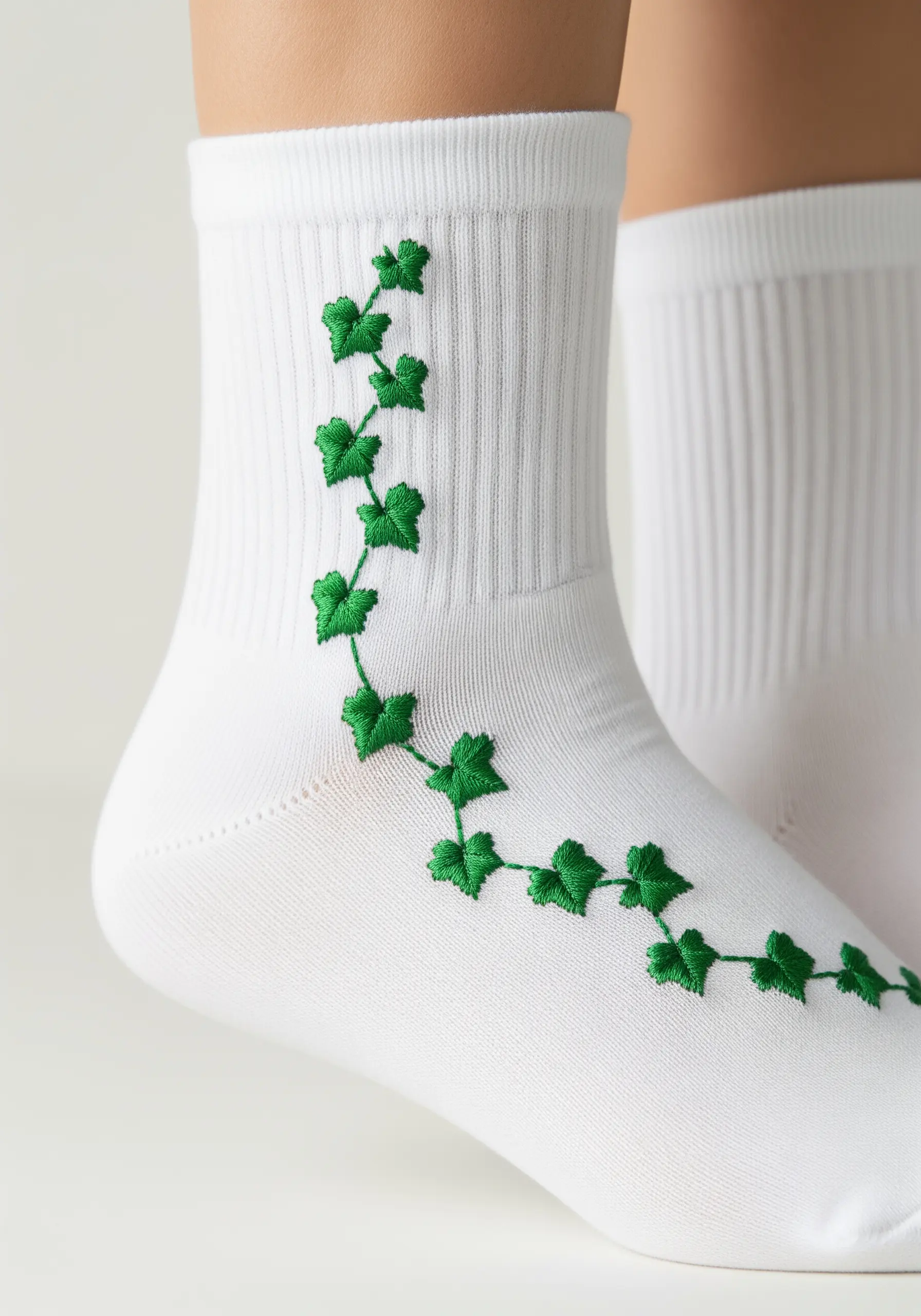
When embroidering on stretchy knits like socks, use a stitch that has some flexibility, such as a stem stitch or chain stitch for the vine.
A ballpoint needle is essential here, as it pushes the knit fibers apart rather than piercing and potentially breaking them.
Use a light, iron-on stabilizer on the inside of the sock to prevent the design from distorting as you stitch.
These simple adjustments allow you to add beautiful leaf vine embroidery ideas to almost any garment.
10. A Thread-Painted Pansy for Summer Hats

On a coarse, textured surface like a straw hat, thread painting with long-and-short stitch allows you to build solid, smooth color fields.
Choose a thick, sturdy needle that can navigate the woven straw without bending or breaking.
A single, beautifully rendered flower makes a much stronger statement on an accessory than several simpler ones. It transforms the object into a piece of wearable art.
11. A Central Daisy for Quilted Harmony
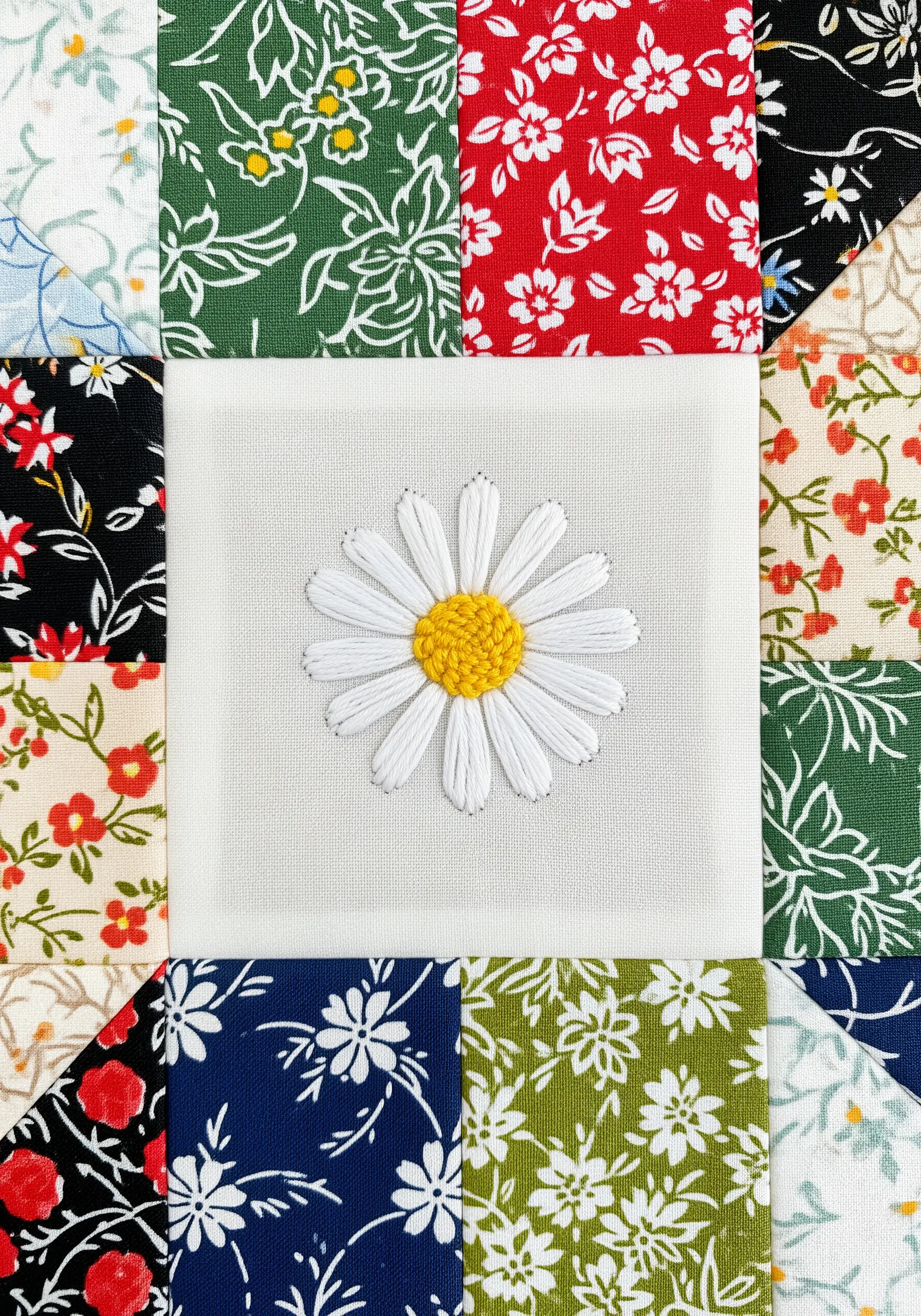
Use a solid fabric square as a quiet canvas to interrupt a series of busy prints in your patchwork or quilting projects.
An embroidered motif in this space adds a thoughtful focal point and introduces a new texture, which helps to unify the disparate patterns around it.
For the daisy, use a clean satin stitch for the petals and dense French knots for the center to ensure it stands out.
This technique is a beautiful way to personalize upcycled fabric wall art projects using embroidery.
12. A Cluster of Buttercups on a Collar
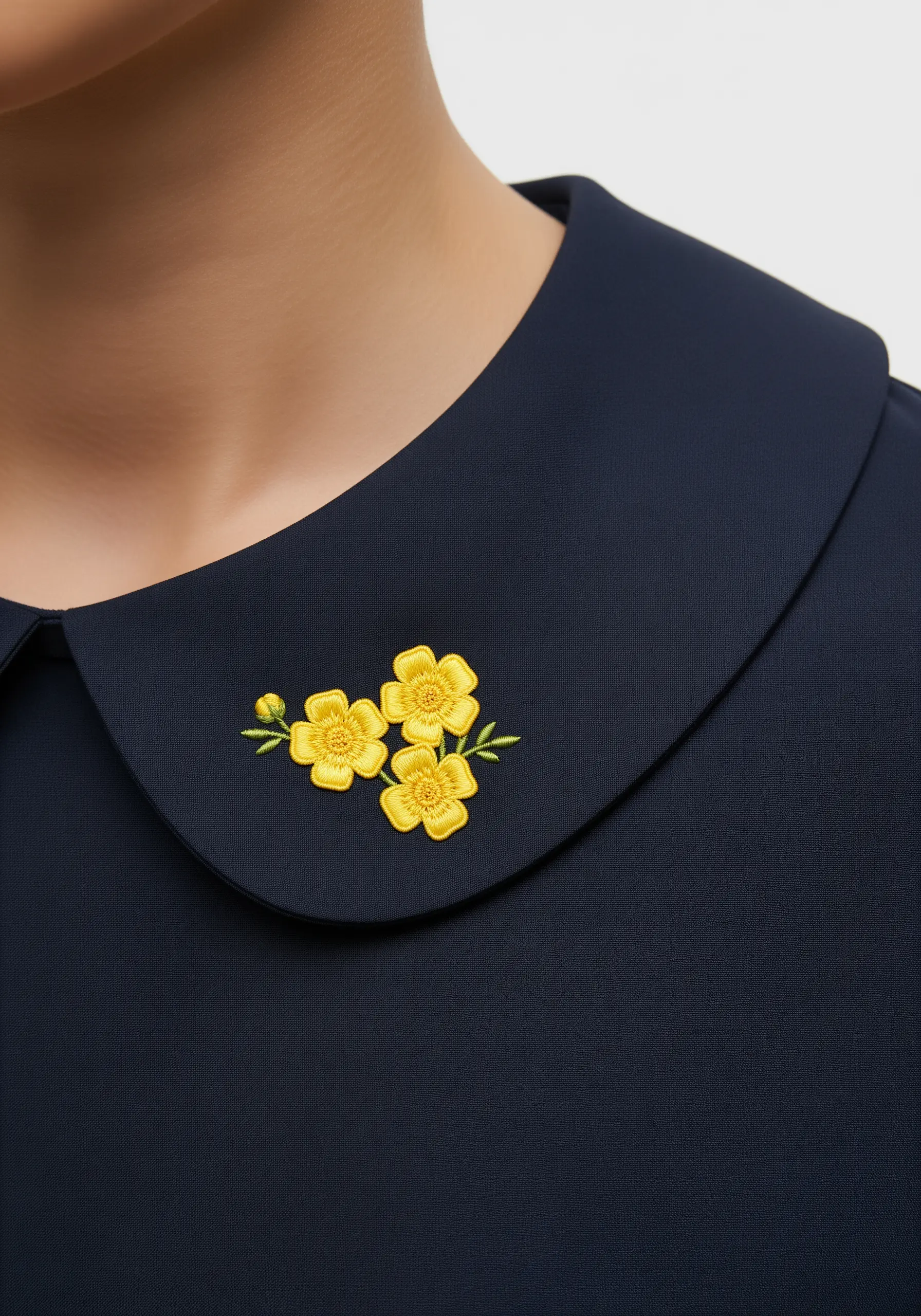
Placing a small, asymmetrical floral cluster on a single collar point creates a modern, sophisticated accent.
The high contrast between the bright yellow thread and the dark navy fabric makes the tiny motif pop, drawing the eye without overwhelming the garment.
This intentional placement proves that even the most subtle floral embroidery motifs can make a significant impact when positioned thoughtfully.
13. Muted Eucalyptus for Modern Linens
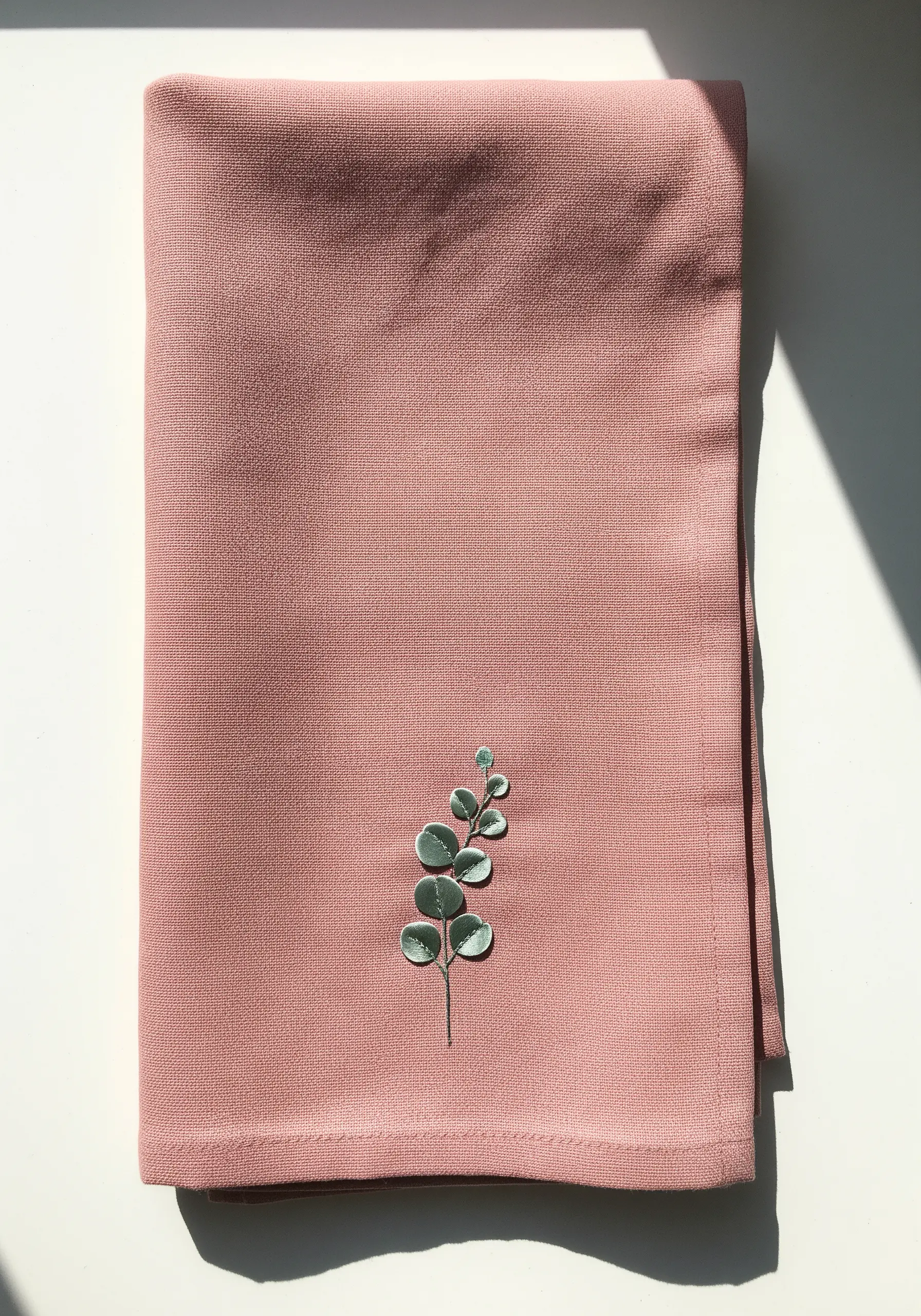
To capture the soft, dusty look of eucalyptus, avoid harsh outlines. Instead, define the shape of the leaves solely with the direction of your satin stitches.
Select two or three closely related shades of muted green and silver-blue thread and blend them gently within each leaf.
This painterly approach looks especially refined on colored linen, creating a design that feels both organic and high-end, perfect for earth-tone embroidery ideas.
14. Balancing a Bouquet with a Tiny Anchor
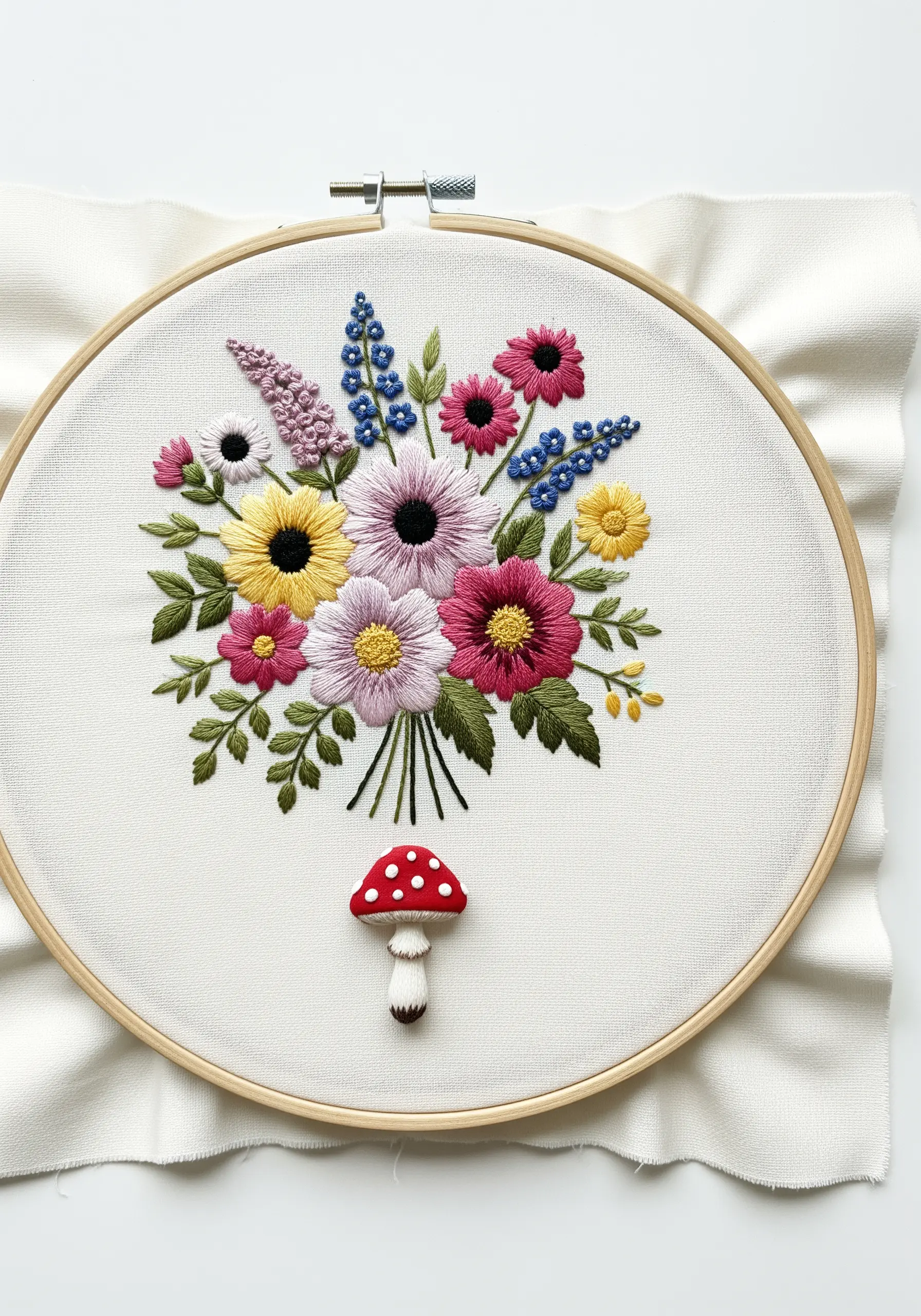
If a central bouquet feels like it’s floating in your hoop, ground the composition with a small, unexpected element placed just below it.
A tiny mushroom, a single fallen leaf, or a few scattered berries can add visual weight and a touch of narrative to the piece.
This small addition makes the entire design feel more complete and intentional, turning it into a charming vignette.
15. Airy Queen Anne’s Lace for Pillowcases

To mimic the delicate, intricate structure of Queen Anne’s Lace, use a light touch.
Combine thin, radiating straight stitches for the stems with tiny, sparsely placed seed stitches or French knots for the florets.
This creates a design that is visually detailed yet soft to the touch, making it one of the most perfect gentle botanical embroidery stitches perfect for tranquil bedroom decor like pillowcases.
16. An Accent Flower on a Towel Loop
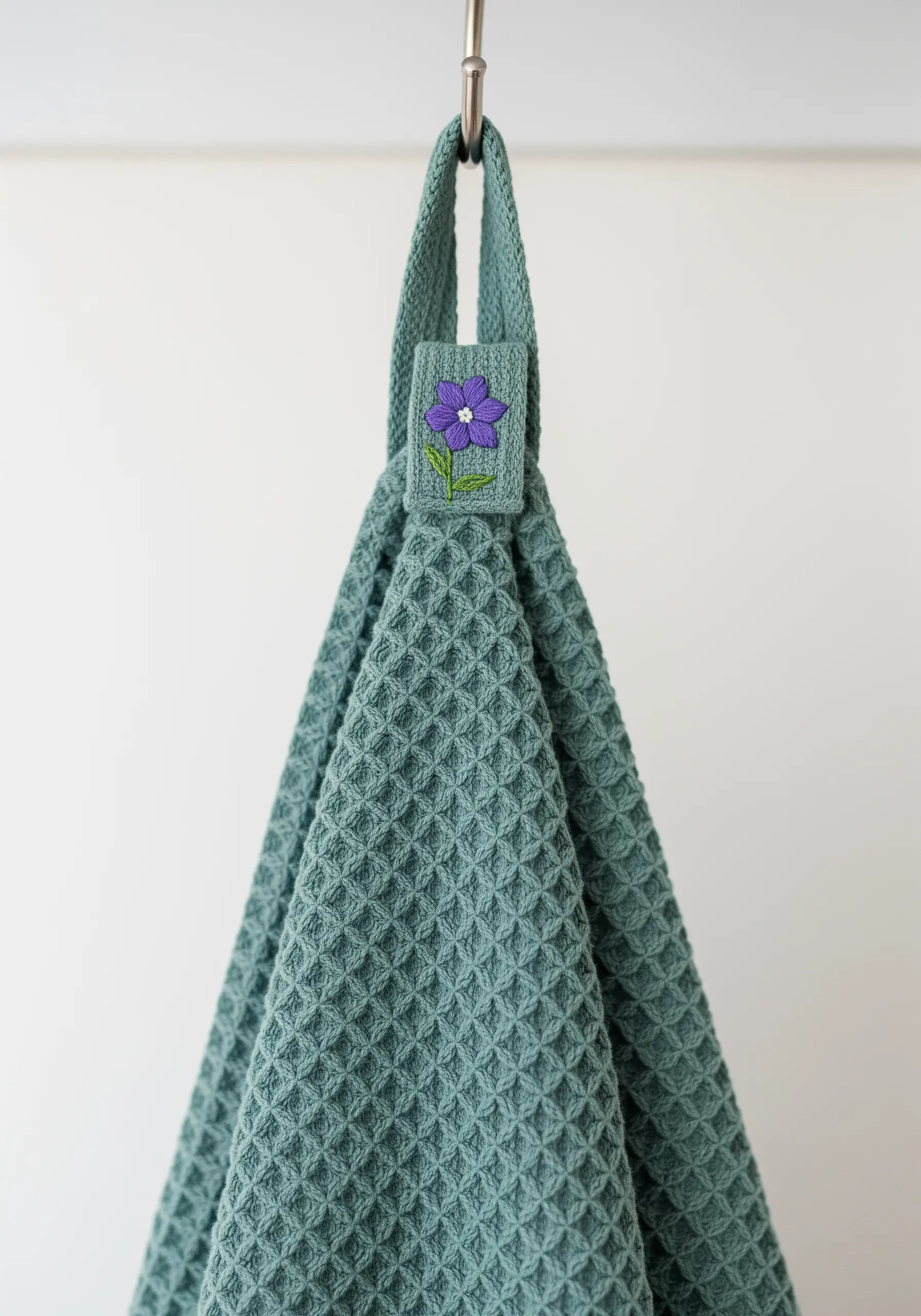
Elevate an everyday object by adding a single, thoughtful detail to a functional element, such as a hanging loop.
On a highly textured fabric like this waffle weave, use bold, dense satin stitches that sit on top of the fabric and won’t get lost in its texture.
This simple act transforms the utilitarian into the beautiful, making them perfect quick embroidery accents to make any shelf look chic and curated.
17. A Four-Leaf Clover for Good Fortune

For a perfectly crisp and defined clover, outline each heart-shaped leaf with a single strand of thread in a slightly darker shade.
Use a split stitch or backstitch for this outline to create a sharp edge, then fill the shape with smooth satin stitch.
This clean, graphic motif works beautifully as a standalone emblem on gift wrap, journal covers, or handkerchiefs, turning them into thoughtful embroidery gifts.


