You have the skill, the threads, and the desire to create something beautiful. But sometimes, the finished piece doesn’t quite match the vision in your head. It might feel a little disconnected from your home, or perhaps the stitches don’t have the professional polish you were hoping for. This is a challenge every artist faces: turning practice into purpose.
This collection is your guide to creating embroidery that doesn’t just sit on a hoop, but integrates seamlessly into your life. By embracing a focused palette of greige and ivory, you shift the creative challenge from ‘what color?’ to ‘what texture?’. This constraint is freeing—it allows you to explore the sculptural quality of a French knot, the smooth flow of a stem stitch, or the graphic power of a satin-stitched block.
Here, you’ll discover how these neutral, textured pieces harmonize with the natural warmth of rattan, wood, and linen. Your embroidery becomes more than decoration; it becomes part of a calm, cohesive environment you’ve intentionally built. Let these ideas give you the confidence to stitch not just for the joy of the craft, but for the art of creating a home.
1. The Monochromatic Sampler as Statement Art
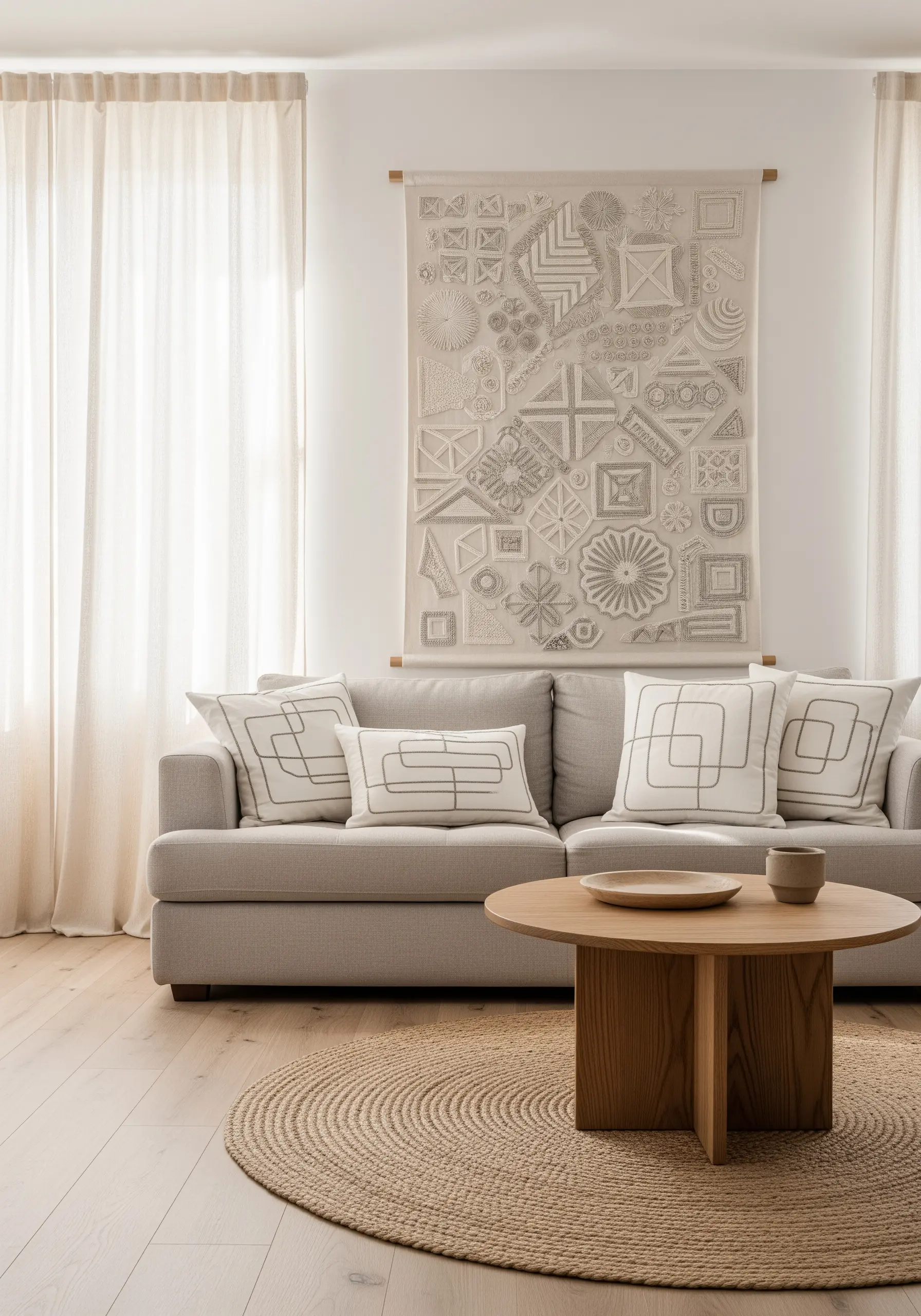
Create a large-scale piece by combining small, geometric studies into a single, cohesive wall hanging.
Use varying thread weights—like a #8 Perle cotton for bold lines and 3 strands of floss for delicate fills—to build visual hierarchy within the composition.
The key is maintaining consistent stitch tension across different motifs, which creates a unified, tapestry-like feel.
Frame it with simple wooden dowels to preserve the textile’s soft drape and honor its handcrafted nature.
This method turns practice swatches into one of those stitched details that make plain walls pop elegantly.
2. Sculptural Botanicals with Raised Stitches
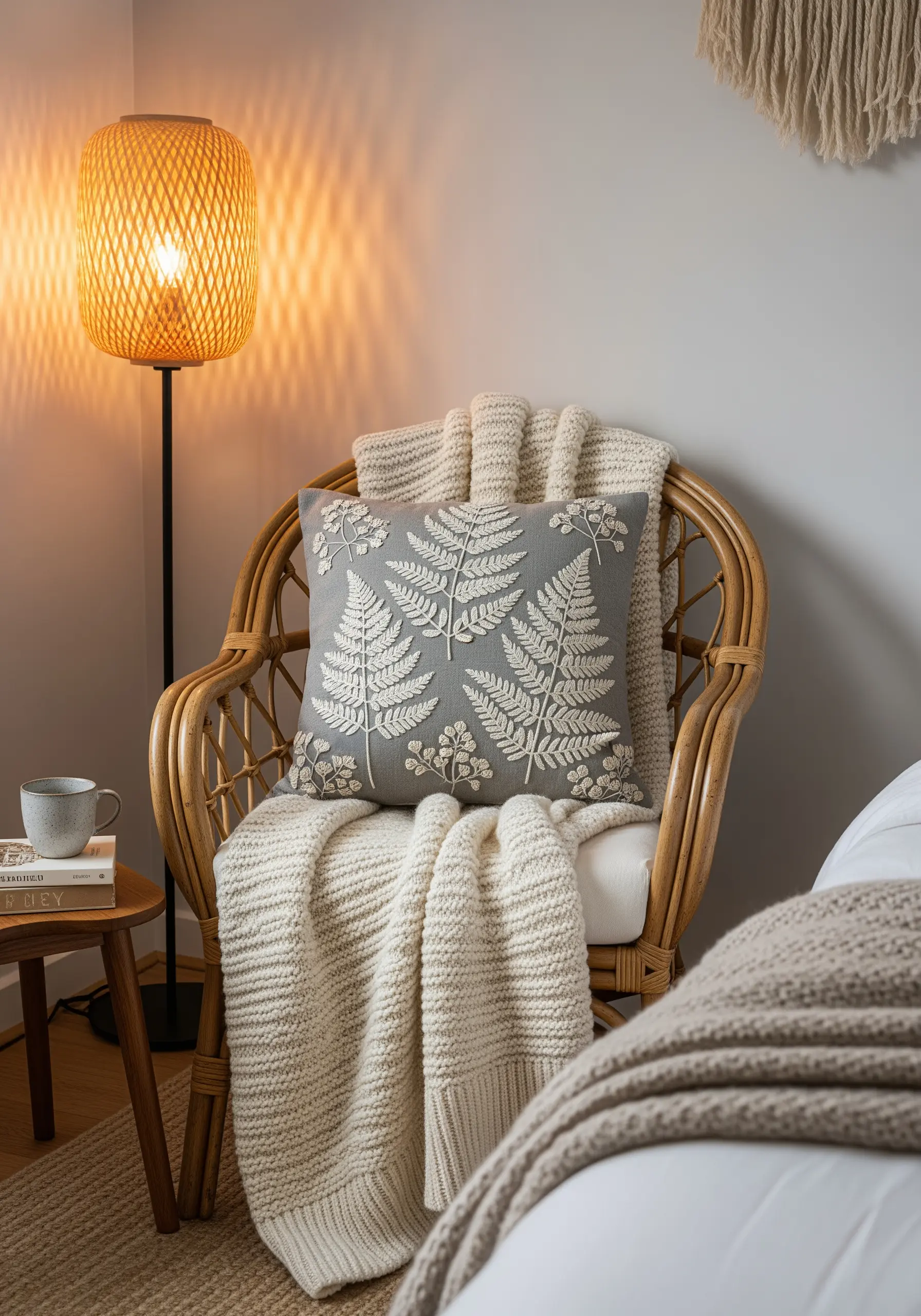
Achieve high-impact texture by using a single color in varying stitches for a tone-on-tone effect.
For the fern fronds, use a padded satin stitch by first laying down a foundation of straight stitches or running stitches.
Stitching over this foundation gives the final layer a raised, three-dimensional quality that catches the light beautifully.
Contrast this with delicate French knots for the smaller berry-like elements, which adds a subtle, dotted texture.
This technique makes simple hand-embroidery leaf patterns feel luxurious and tactile.
3. Minimalist Landscapes with Seed Stitch Fills
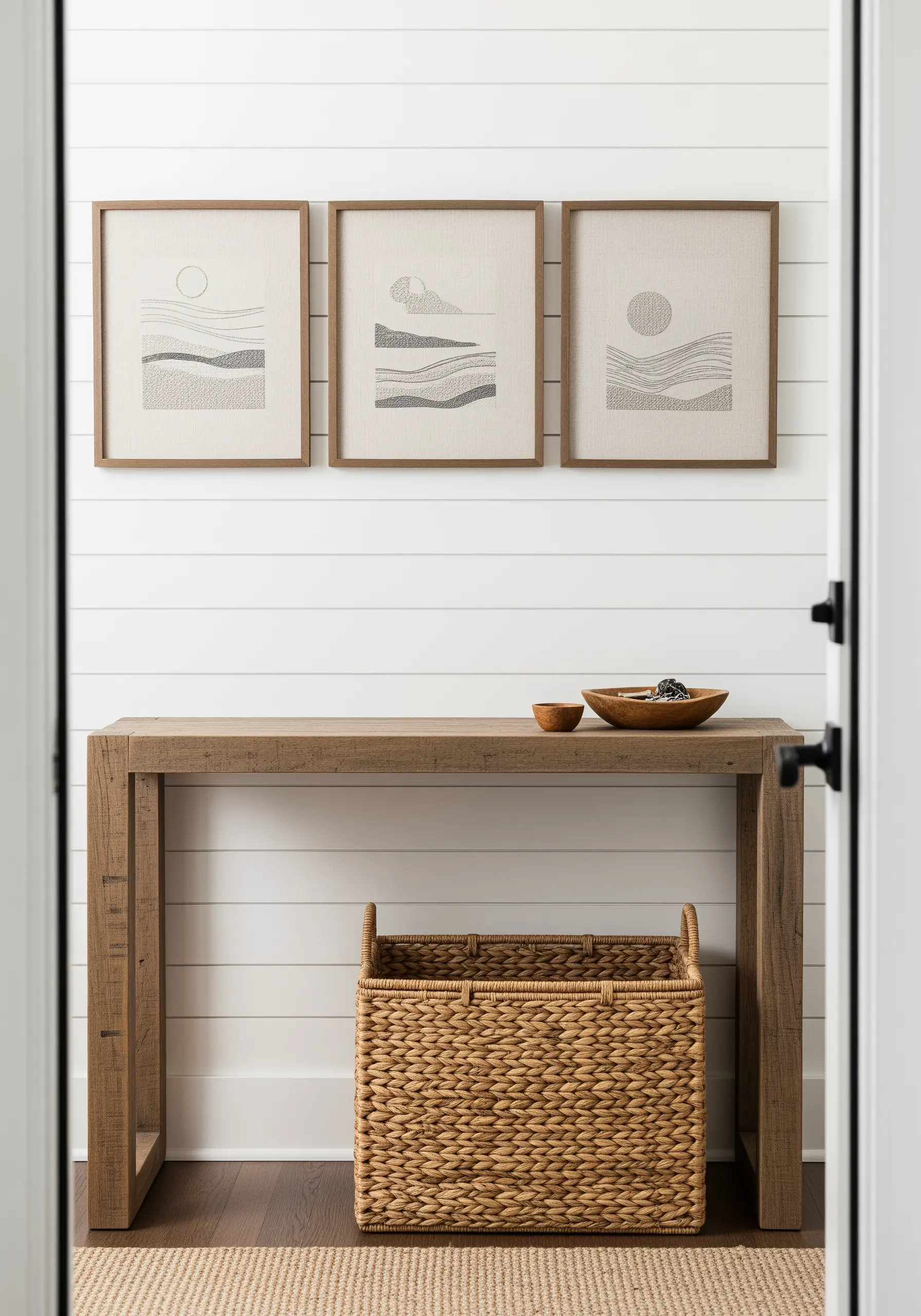
Create serene, abstract landscapes using only seed stitch and backstitch for a minimalist aesthetic.
Vary the density of your seed stitches to suggest light and shadow, packing them tightly for darker areas and spacing them out for lighter ones.
Use a single, crisp backstitch for the horizon line to ground the composition and provide a clean, graphic counterpoint to the organic texture.
This disciplined approach transforms simple stitches into sophisticated, organic embroidery designs perfect for a triptych display.
4. Architectural Elegance with Whipped Stitch Borders

Elevate a simple table runner with a formal, architectural border that looks incredibly refined.
First, lay down a foundation of backstitch or chain stitch in your desired pattern.
Then, use a blunt tapestry needle to whip the stitches with a matching thread, creating a smooth, corded line that appears seamless.
For the delicate inner scallops, use detached chain stitches (lazy daisies) worked in a continuous line, adding a touch of softness to the geometric frame.
This technique turns basic linens into handmade embroidery touches that make every room feel natural and elegant.
5. Tone-on-Tone Texture with Chain Stitch Filling
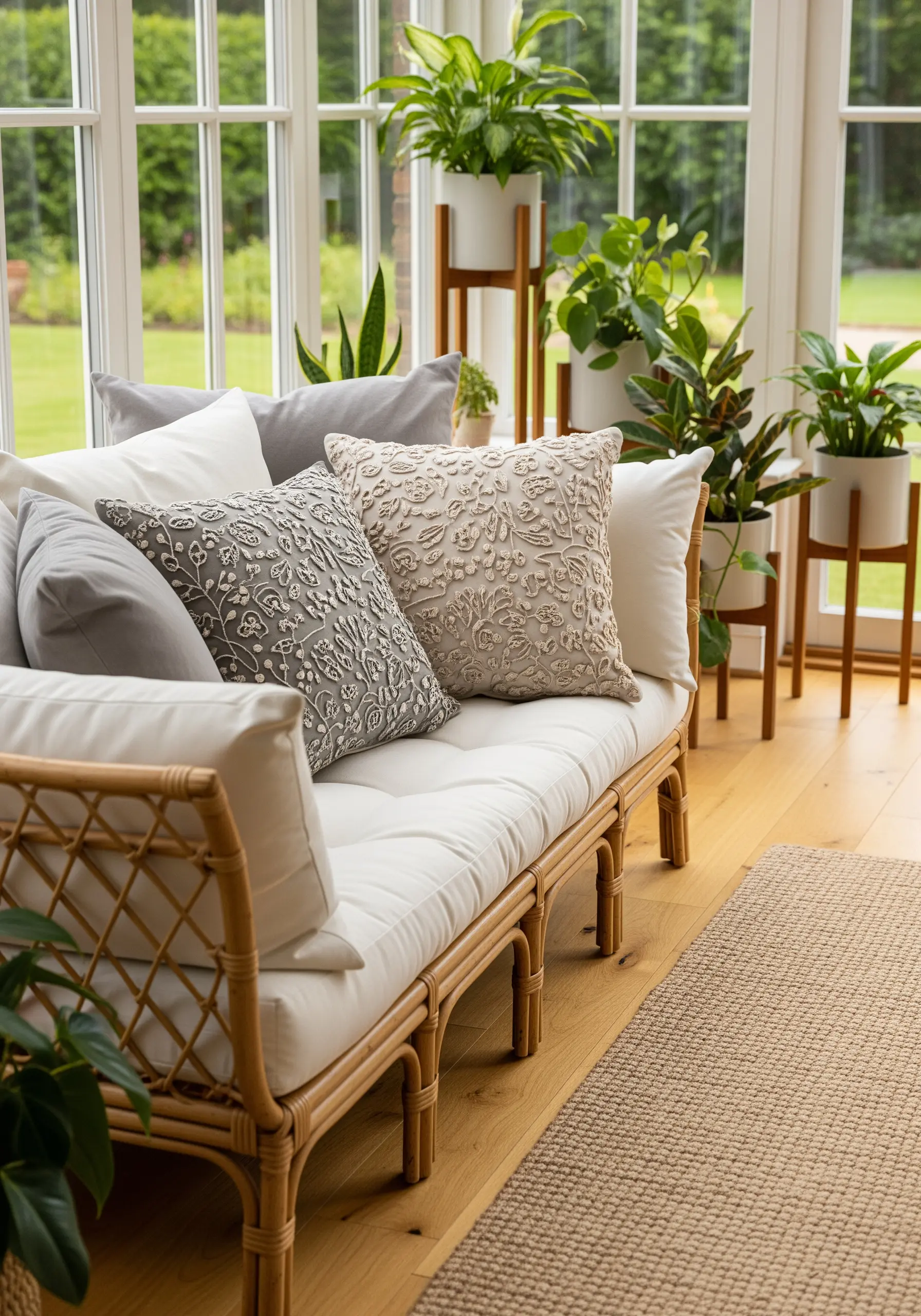
For a rich, textural effect without relying on color, fill your entire design with chain stitch.
Work the stitches in swirling, organic lines that follow the contours of your motif, which adds movement and dimension.
Using a slightly thicker thread, like a #5 Perle cotton, will amplify the texture and create deep shadows between the stitches.
This meditative technique results in a piece that feels both traditional and modern, making it one of those embroidery decor ideas to add a calm, elegant vibe to any room.
6. Refined Linen Coasters with Symmetrical Motifs
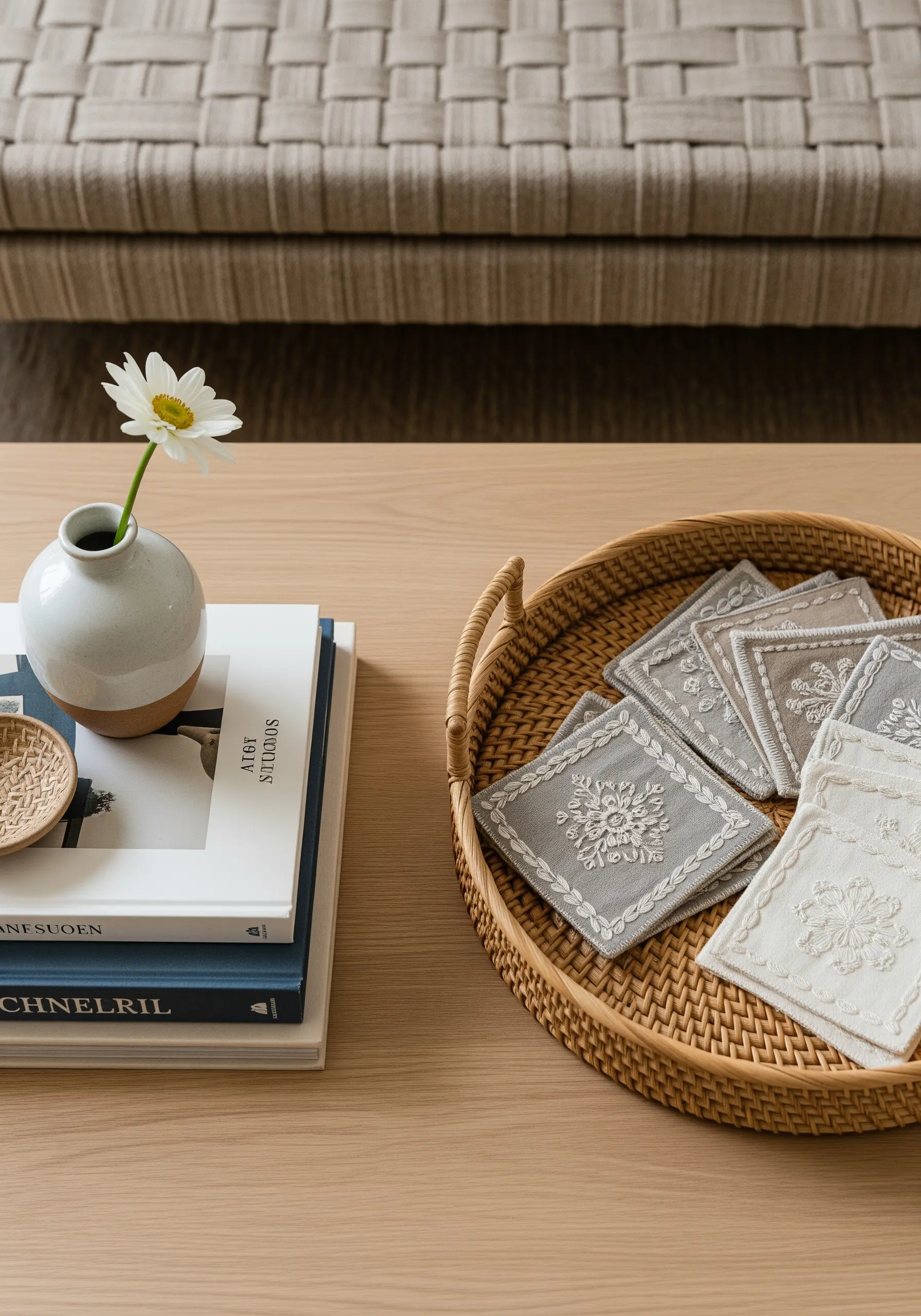
Transform fabric scraps into functional art by embroidering delicate coasters for your home.
Choose a high-quality, medium-weight linen that can absorb moisture and withstand use.
Use just 2-3 strands of floss for fine details, combining straight stitches for geometric elements and tiny French knots for texture.
A simple backstitched border provides a clean, finished edge, turning them into easy small embroidery patterns for your everyday essentials that feel incredibly luxurious.
7. The Geo-Tribal Bolster with Satin Stitch Blocks
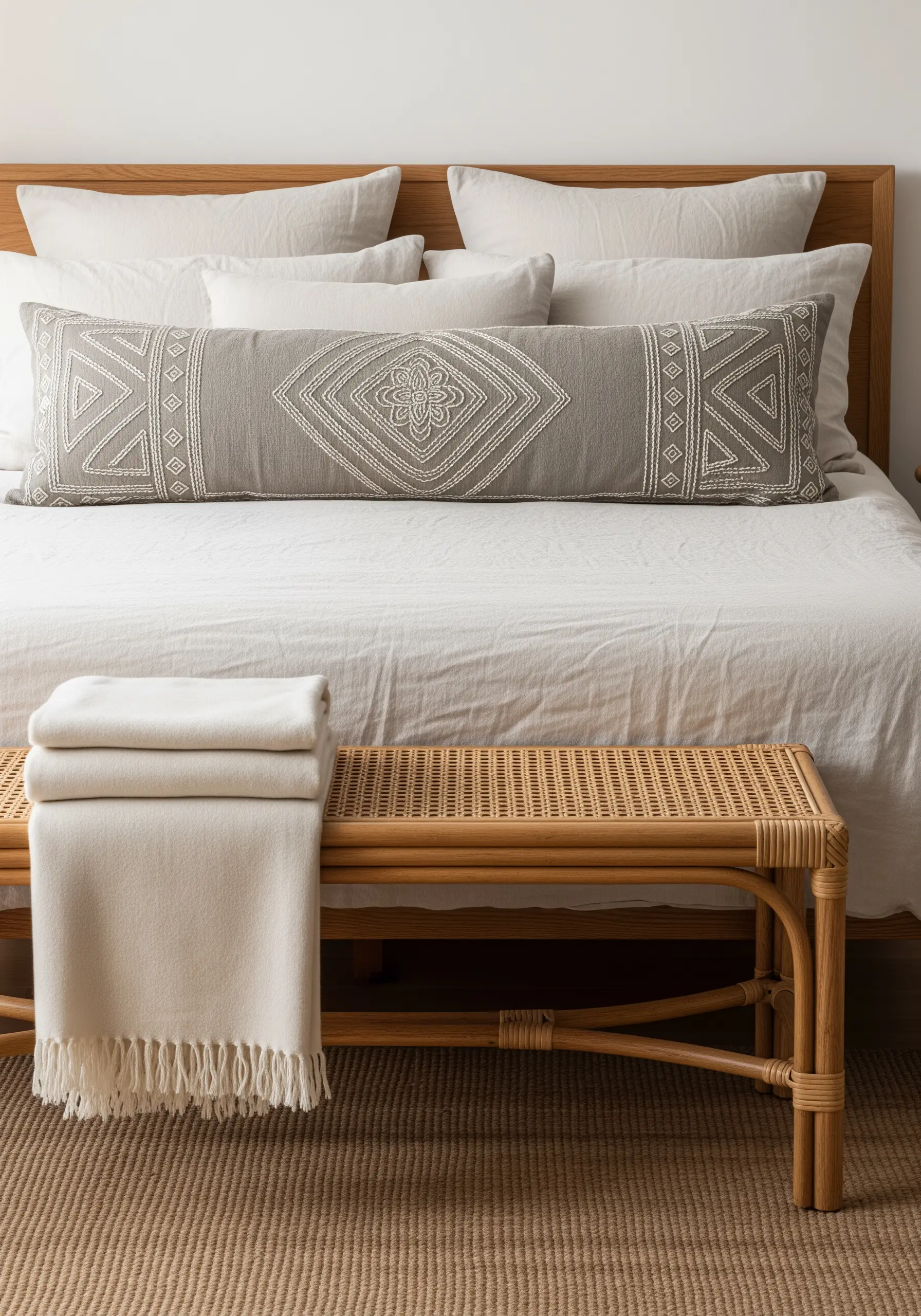
Create a bold, graphic statement on a long bolster pillow using clean, geometric patterns.
To achieve perfectly smooth shapes, always outline your satin stitch blocks with a split stitch first.
This simple preparation creates a sharp, raised edge that prevents the satin stitch from sinking into the fabric and keeps your edges crisp.
Pay close attention to the direction of your stitches—keeping them parallel and consistent is the key to a professional, light-reflective finish.
This technique is perfect for creating boho embroidery patterns with a modern, structured feel.
8. A Hoop Gallery Wall of Abstract Textures
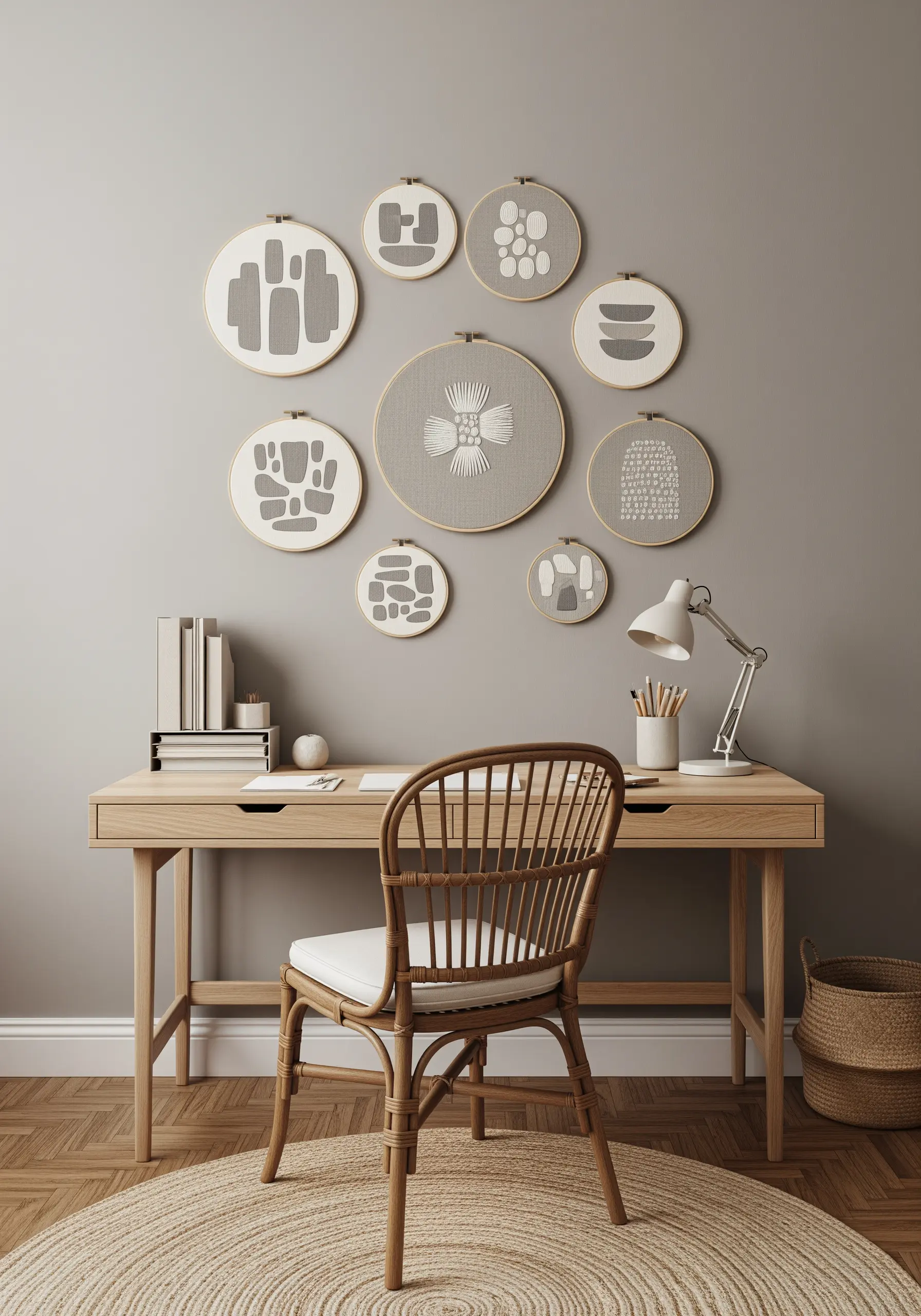
Create an impactful display by grouping several small hoops, each exploring a different abstract texture or stitch.
Instead of complex images, focus on filling simple shapes with varied stitches: dense French knots, scattered seed stitch, blocks of straight stitch, and woven wheels.
This approach allows you to experiment freely and turns each hoop into a miniature textile study.
Arranging them in an organic, asymmetrical cluster makes for stunning minimalist embroidery wall art ideas.
9. Dimensional Couching with Chunky Roving Wool

Add dramatic, sculptural texture to home décor by couching thick fibers onto your fabric surface.
Instead of embroidery floss, use chunky wool roving, macrame cord, or thick yarn.
Lay the cord along your design line and use a standard 6-strand floss in a matching color to tack it down with small, evenly spaced stitches (called couching stitches).
This technique is fast, impactful, and one of those cozy mixed-fiber projects perfect for winter decorating.
10. Upholstery Embellishment with Tufted Accents
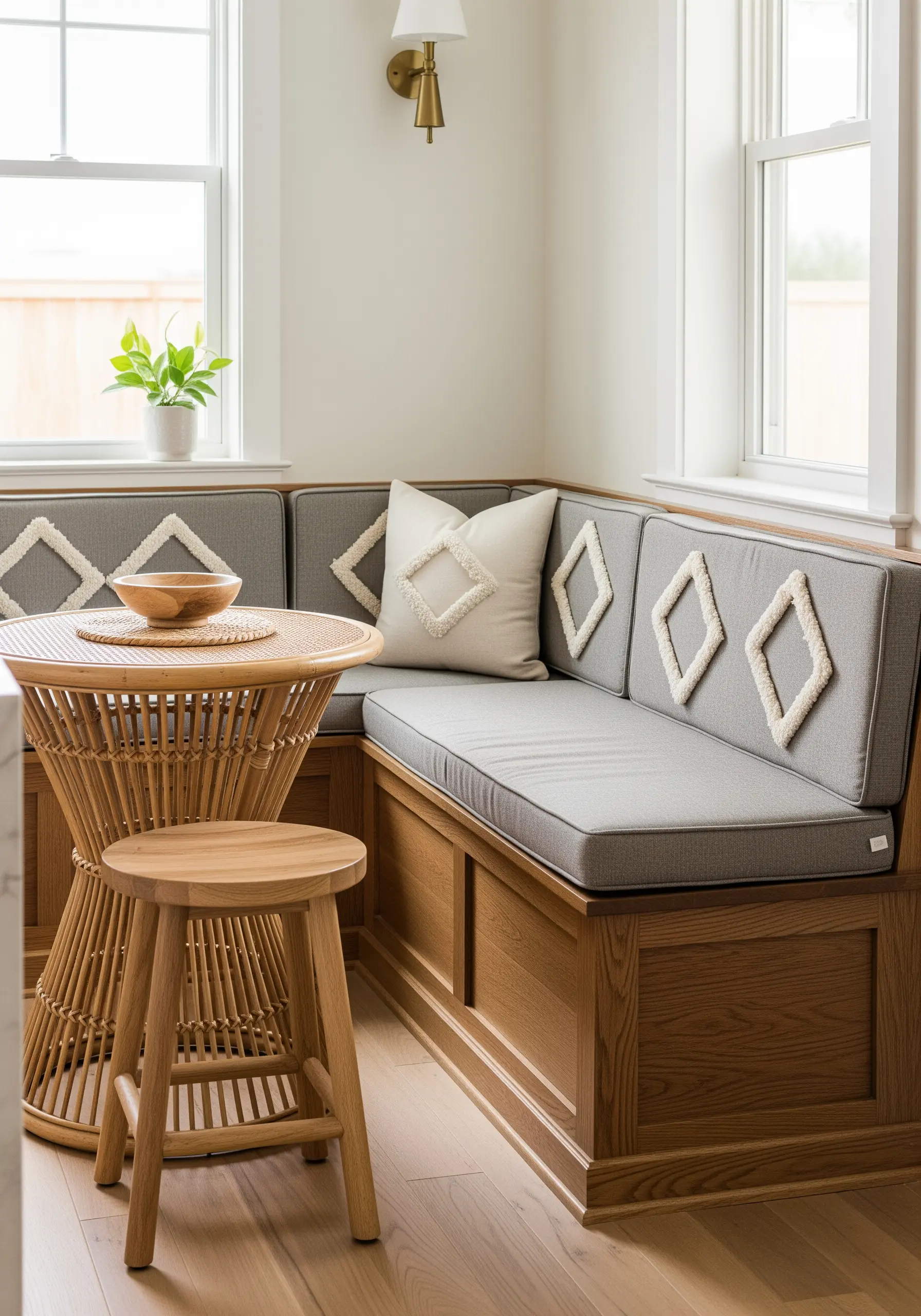
Recreate the look of high-end, tufted upholstery using simple embroidery techniques on sturdy fabric.
To get this raised, dimensional effect, use a chunky yarn and a punch needle, or create a series of turkey work loop stitches and trim them.
The key is to work on a heavy-duty fabric that can handle the tension and density of the stitches.
This method creates a soft, raised motif that mimics classic furniture detailing, offering a way to make tiny embroidered accents that make your home look designer-crafted.
11. Large-Scale Screen Art with Negative Space

When working on a large scale, such as a room divider, use negative space to your advantage for maximum impact.
Instead of embroidering the leaf itself, fill the background around it with a simple, textural stitch like seed stitch or closely packed running stitches.
This technique, known as voiding, makes the unstitched leaf shape the powerful focal point.
It’s an efficient way to cover a large area while creating one of those stunning fiber art installations that transform any room instantly.
12. Concentric Circles with Yarn Wrapping and Weaving
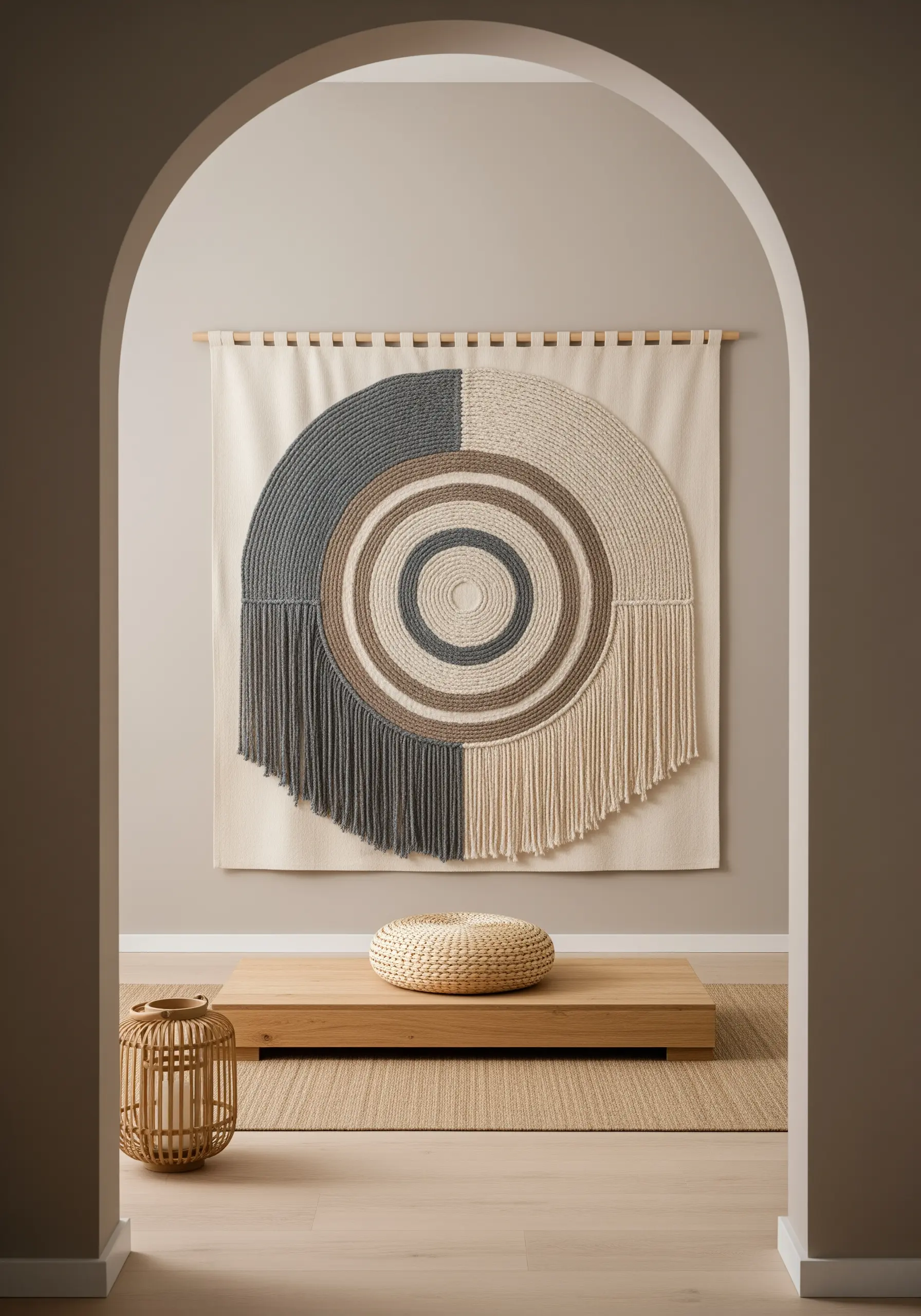
This isn’t traditional embroidery, but it uses fiber in a sculptural, graphic way that complements stitched art beautifully.
Create this effect by wrapping chunky and thin yarns around a circular frame or a custom-cut wooden base.
Introduce texture by adding sections of woven soumak stitch or Rya knots for a fringe effect.
The color blocking adds a modern, graphic quality, making this a standout piece of yarn wall art projects inspired by geometric patterns.
13. Vintage-Inspired Throws with Silk Ribbon Details
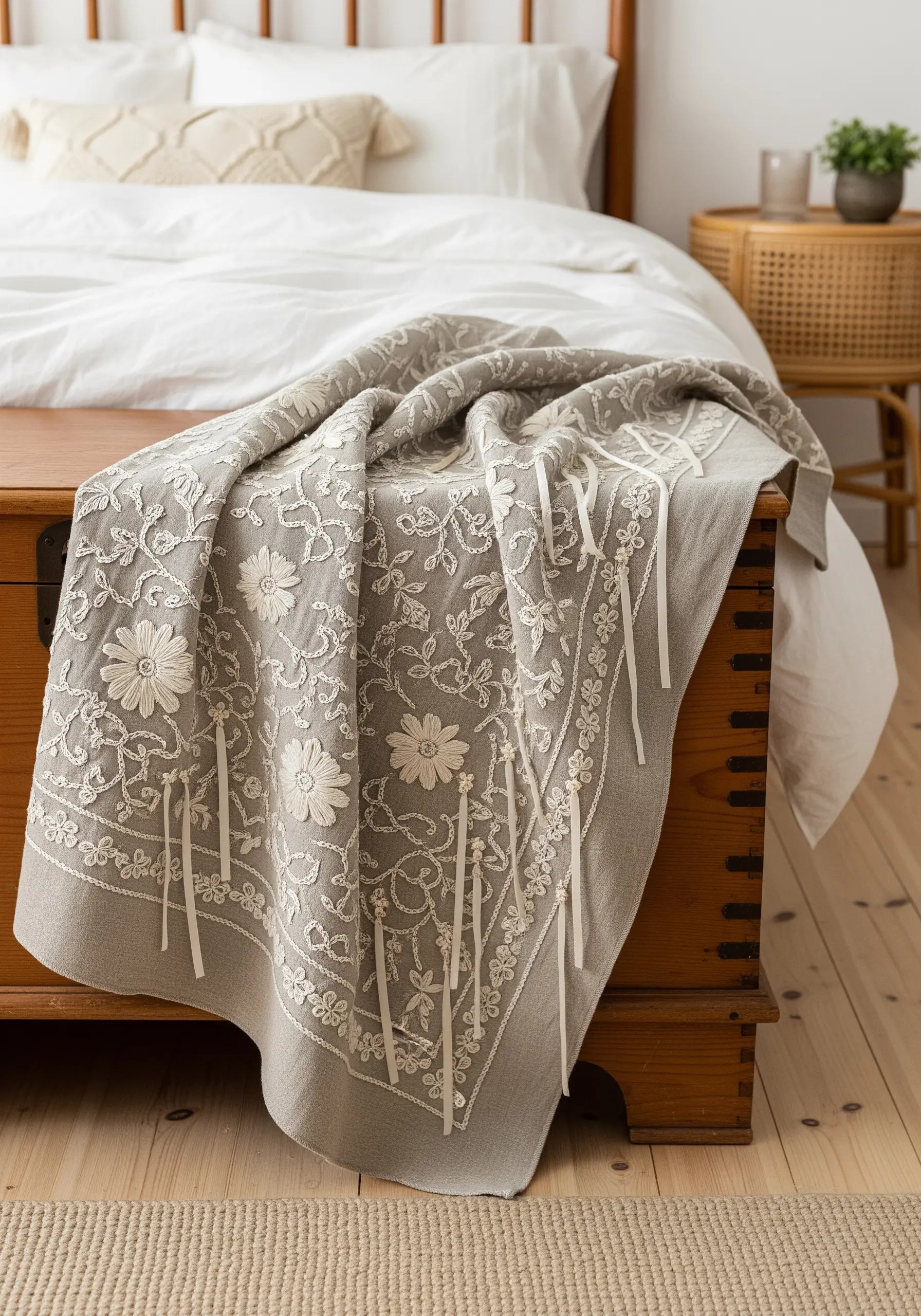
Introduce a different kind of texture and sheen into your work by incorporating silk ribbon embroidery.
Use a wide ribbon for flower petals, creating soft, folded forms with a simple loop stitch or a Japanese ribbon stitch.
Contrast the lustrous ribbon with matte cotton floss for the stems and leaves, using stem stitch and French knots.
This play between finishes adds a layer of vintage-inspired sophistication, perfect for creating embroidered throws and blankets.
14. Framed Geometrics with Thread on Fabric
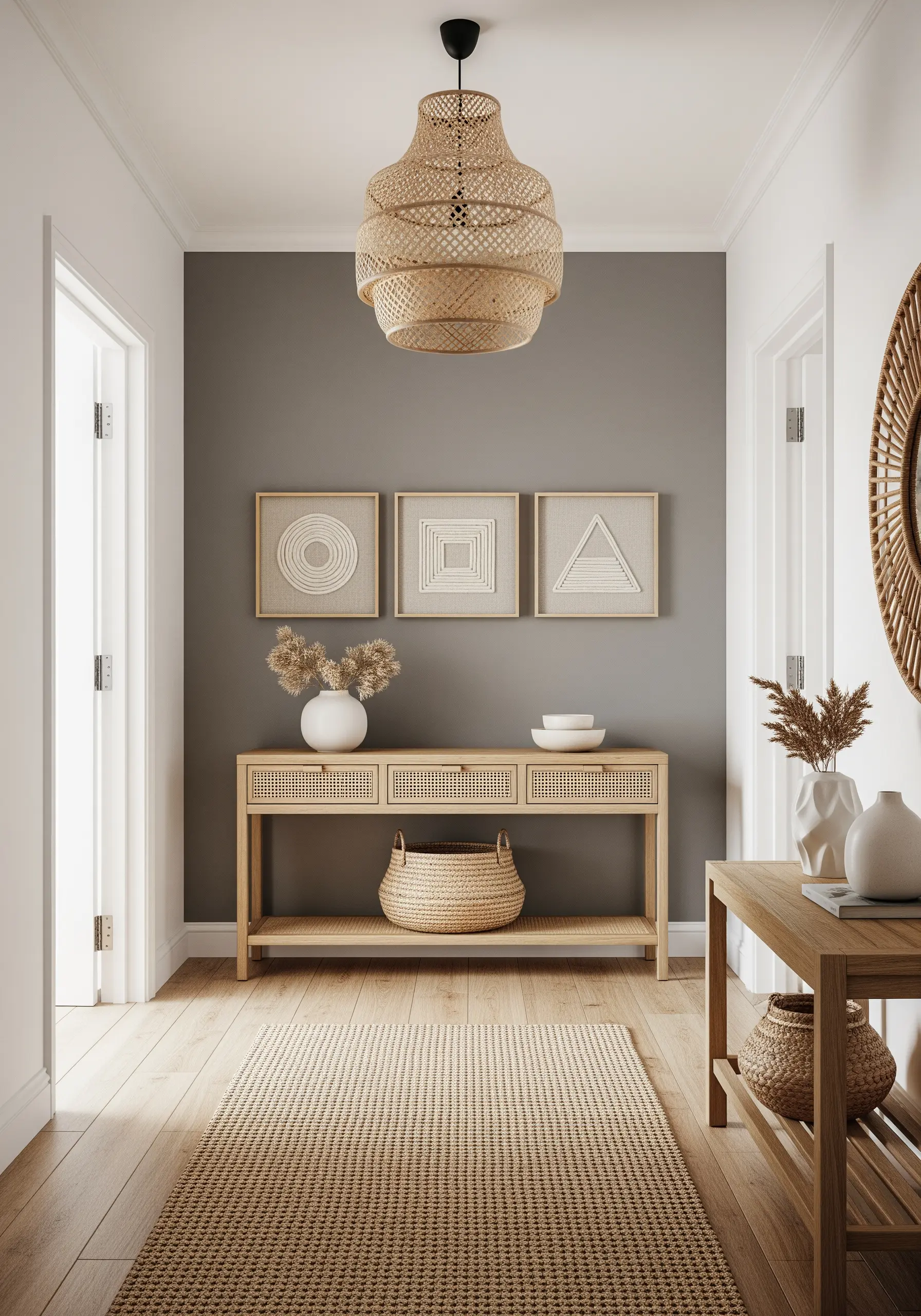
For a clean, graphic look that blends embroidery and geometry, try string art on fabric.
Use a sturdy, evenweave linen stretched taut in a frame. Mark your anchor points precisely with a pencil or erasable pen.
Use a fine, strong thread like a Cordonnet or Perle cotton, ensuring each strand is pulled tight to achieve those crisp lines.
This technique transforms simple shapes into complex, layered designs and is a modern interpretation of retro string art patterns.
15. Minimalist Home Portraits with Backstitch
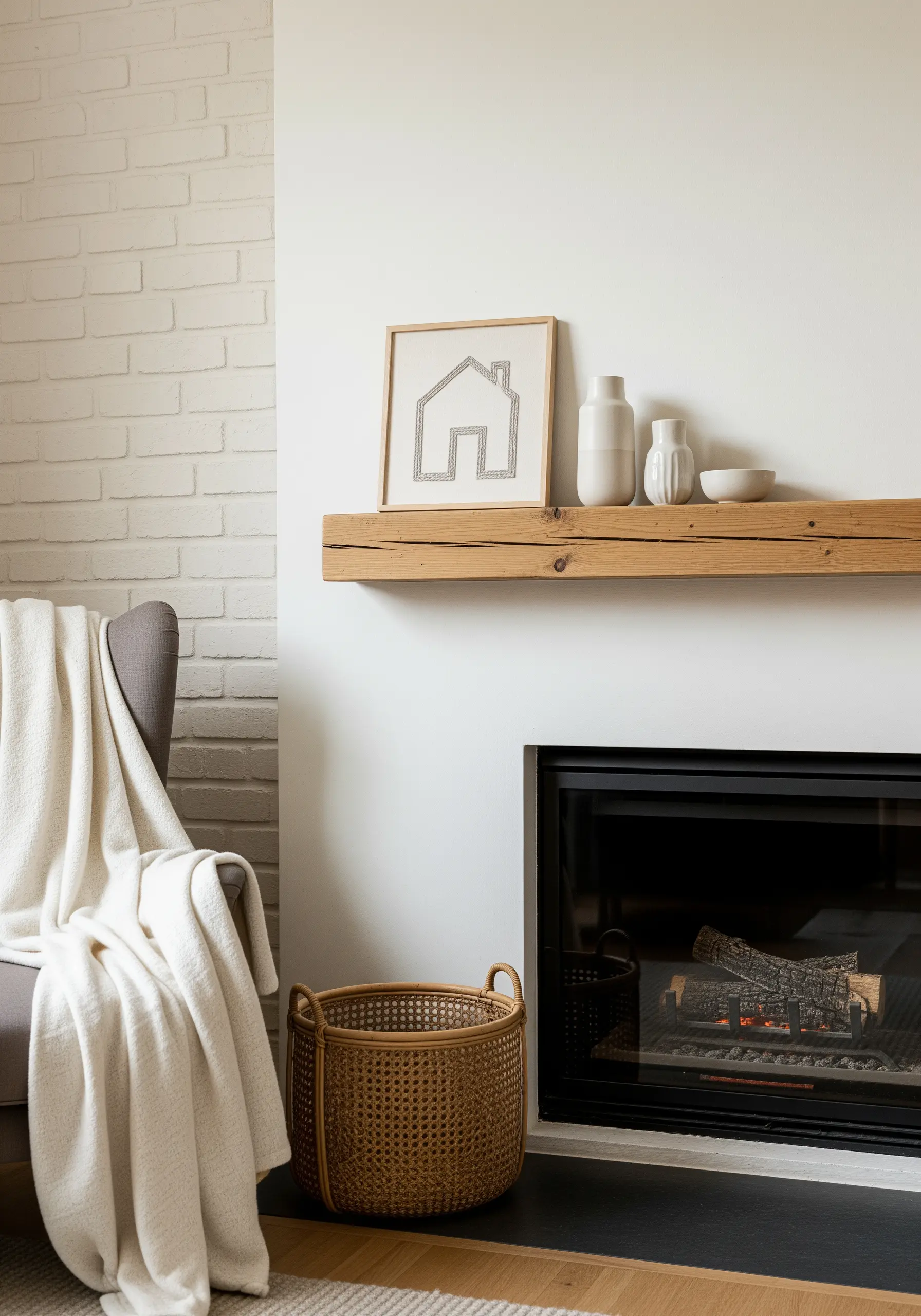
Capture the essence of a home or a special place with a simple, continuous line portrait.
A single backstitch or stem stitch is all you need to render the architectural form down to its most recognizable outline.
Use a thread that contrasts gently with the fabric—like charcoal grey on oatmeal linen—for a soft, understated elegance.
These minimal embroidery designs make for incredibly thoughtful and personal gifts.
16. Classic Monograms with Padded Satin Stitch
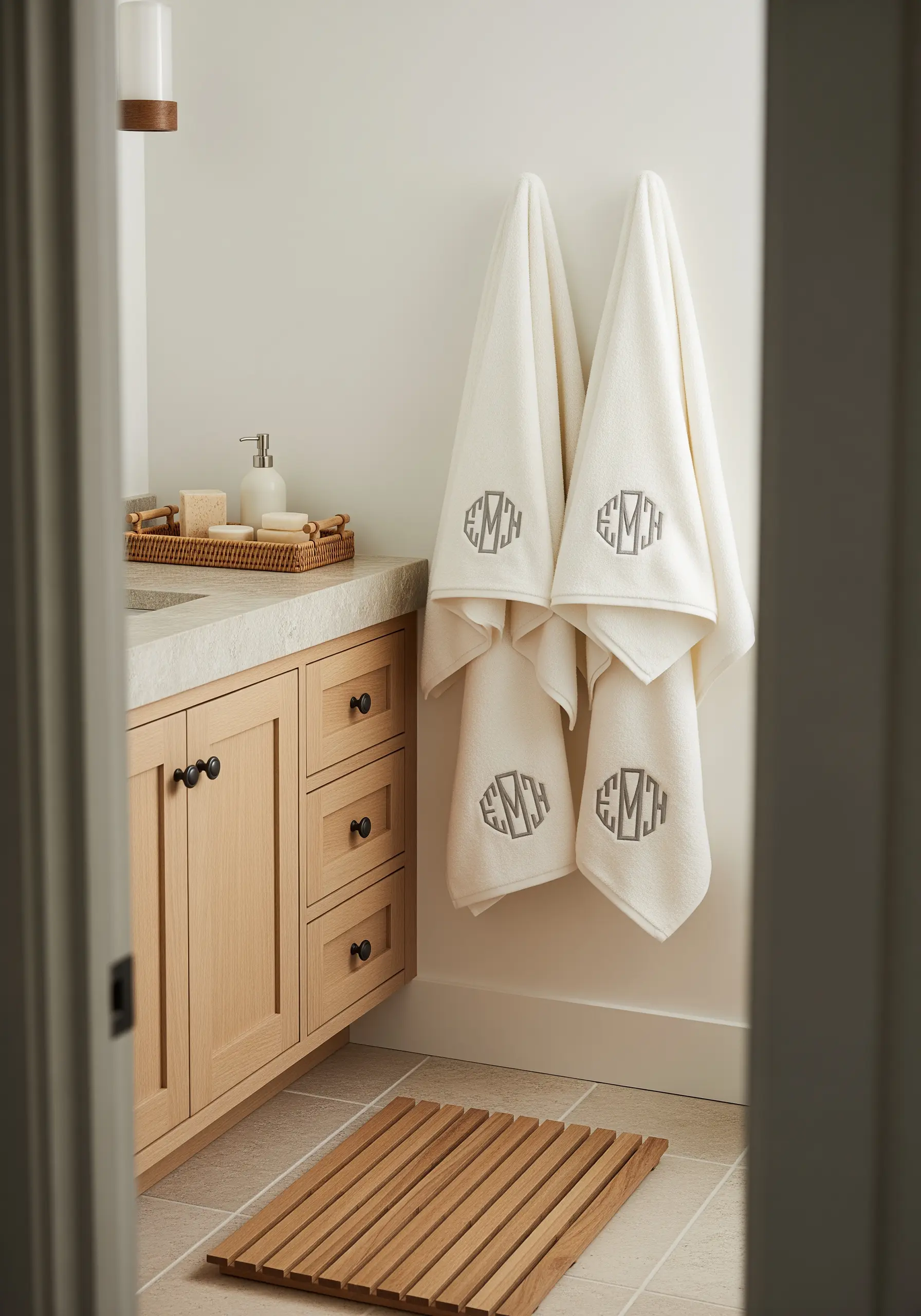
To achieve a plush, high-end monogram on thick fabric like terry cloth, always use a water-soluble stabilizer on top of the fabric.
This prevents your stitches from sinking into the pile and ensures a clean result.
First, outline your letters with split stitch, then fill the area with a layer of running stitches before covering it with your final satin stitch.
This padding gives the monogram a raised, professional finish—one of those DIY embroidery tricks to transform plain fabric instantly.
17. Retro Modern Motifs with Appliqué and Outline

Combine appliqué with embroidery for a bold, graphic look that comes together quickly.
Cut your abstract shapes from a non-fraying fabric like felt or a wool blend.
Secure the shapes to the pillow fabric with an iron-on bonding web, then outline them with a heavy chain stitch or stem stitch using a contrasting thread.
This final step defines the form and adds a handcrafted, textural border, perfect for creating aesthetic embroidery ideas with retro flair.
18. Delicate Leaf Sprigs with Fishbone Stitch
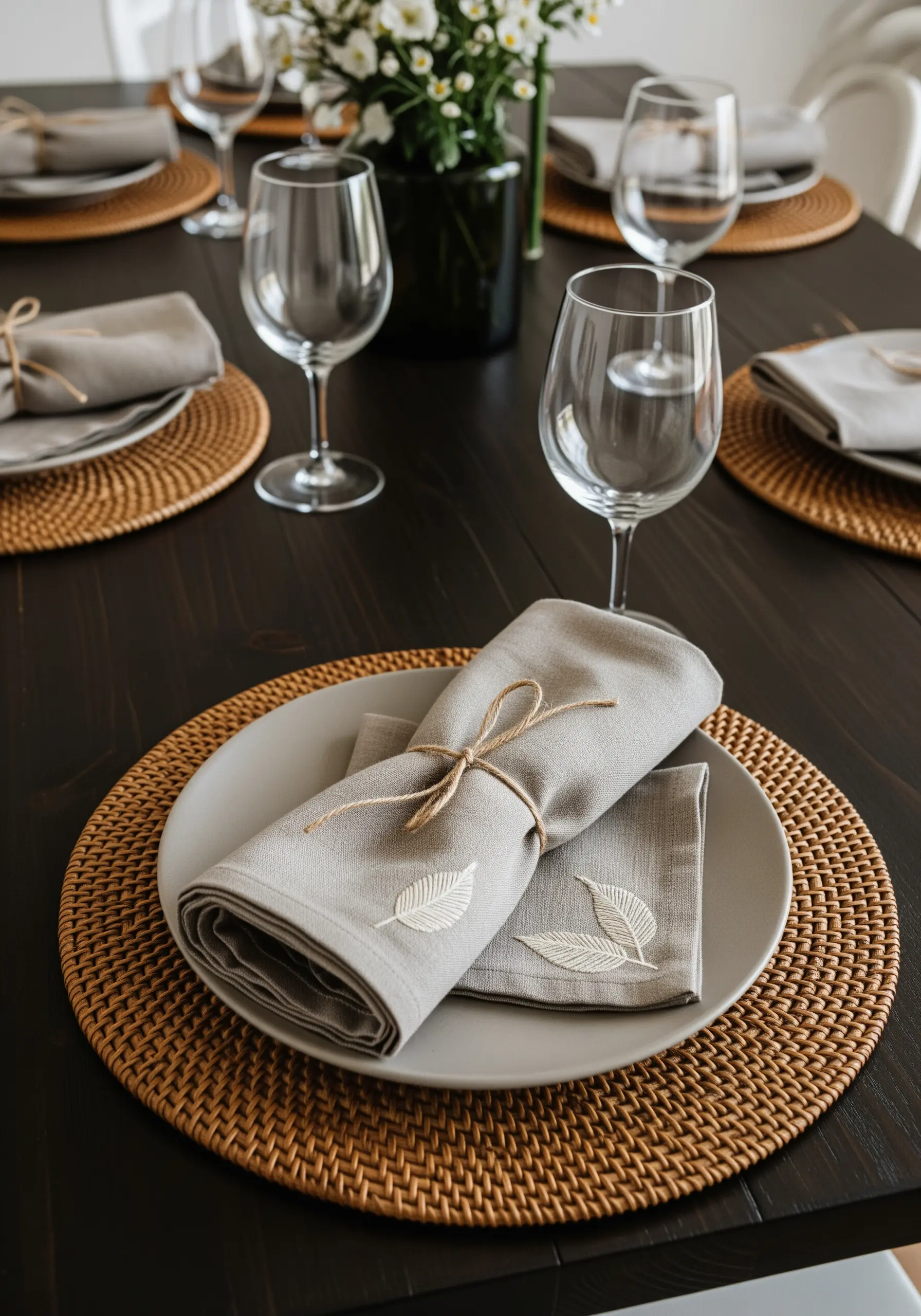
For realistic, elegant leaves on fine linen, the fishbone stitch is your most effective choice.
It masterfully creates a central vein and angled sides all in one fluid motion, giving the leaf a natural sense of dimension and movement.
Use just two or three strands of floss to keep the design delicate and refined, preventing it from overwhelming the fabric.
A tiny cluster of these leaves in a corner is one of those simple embroidery designs that make your old linen look brand new.
19. Sashiko-Inspired Patterns with Running Stitch
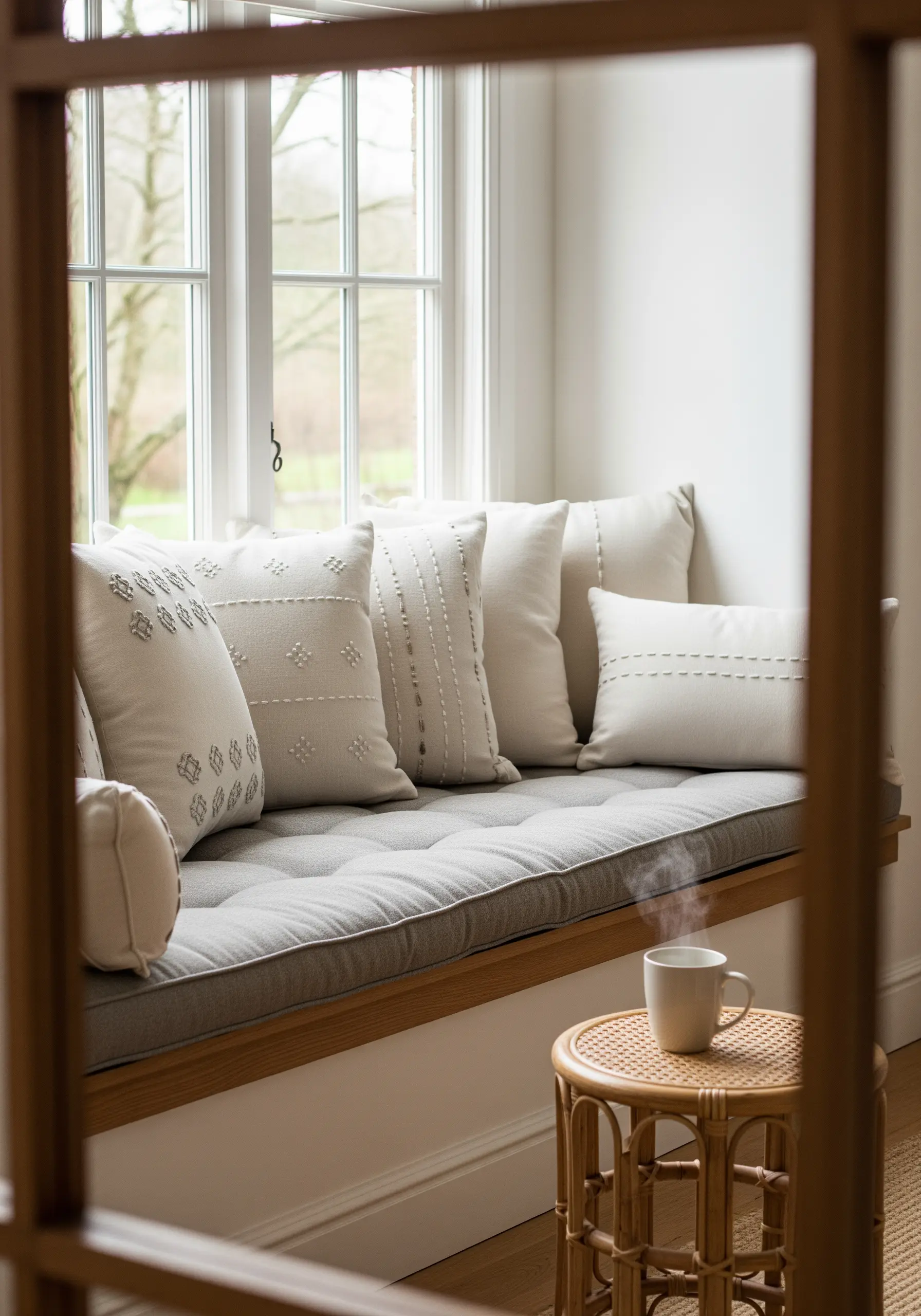
Create sophisticated, geometric patterns using only the humble running stitch.
This technique, inspired by Japanese Sashiko, relies on precision, rhythm, and uniformity.
Use a quilting ruler and an erasable pen to mark your grid, focusing on keeping your stitches—and the spaces between them—perfectly even.
A slightly thicker thread, like a #8 Perle cotton, will give your lines beautiful definition, perfect for personalized embroidery ideas with a calm, meditative quality.
20. The Illusion of Embroidery with Tufted Upholstery
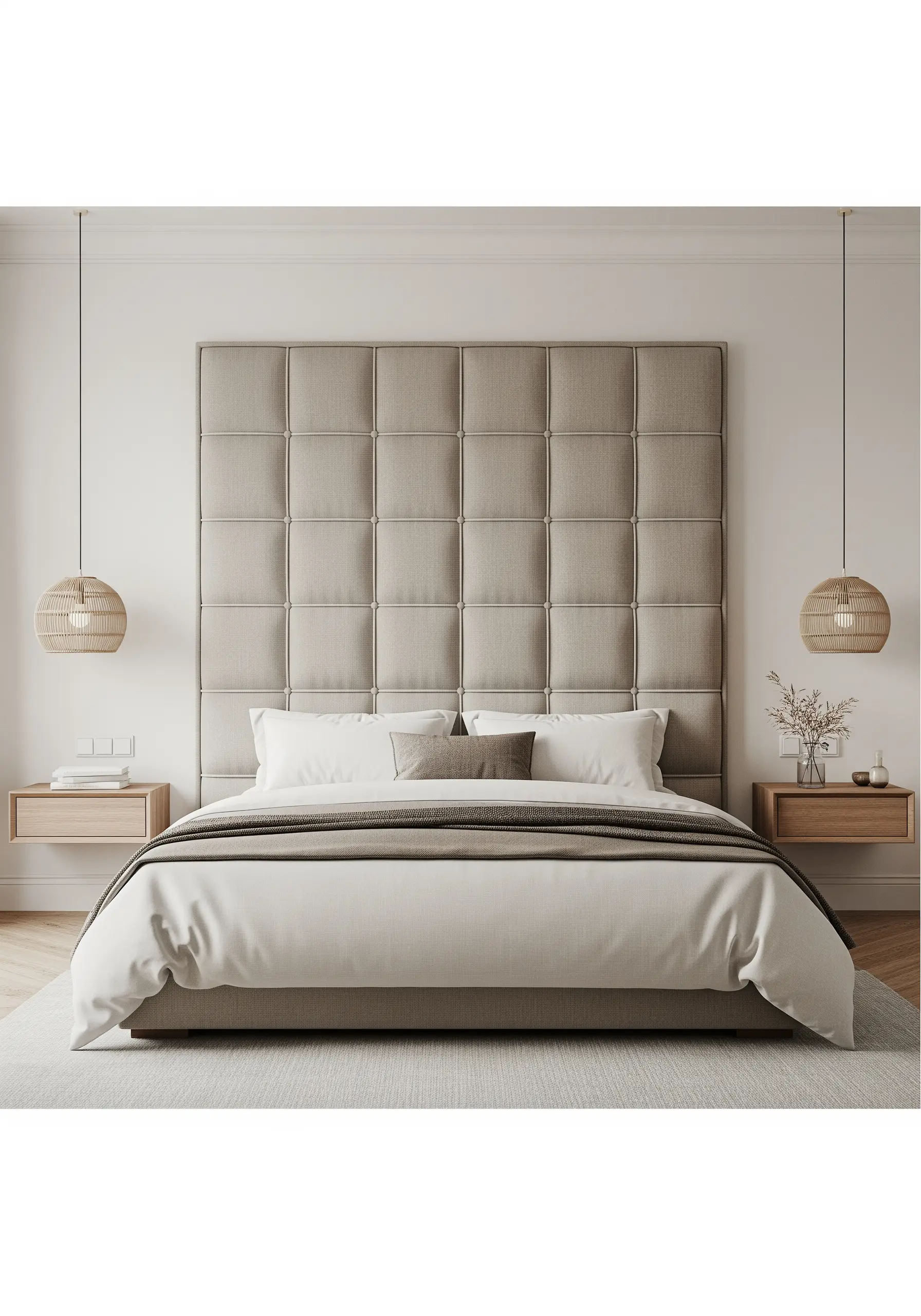
While this is an upholstery technique, you can achieve a similar graphic, textural effect with fiber art methods.
On a plain linen headboard cover, use a punch needle with chunky yarn to create raised, tufted squares or other geometric shapes.
This method is much faster than traditional embroidery for covering a large surface and adds a soft, tactile dimension to furniture.
It’s a clever way to create high-texture fabric collage embroidery projects on an architectural scale.
21. Elegant Script with Whipped Backstitch
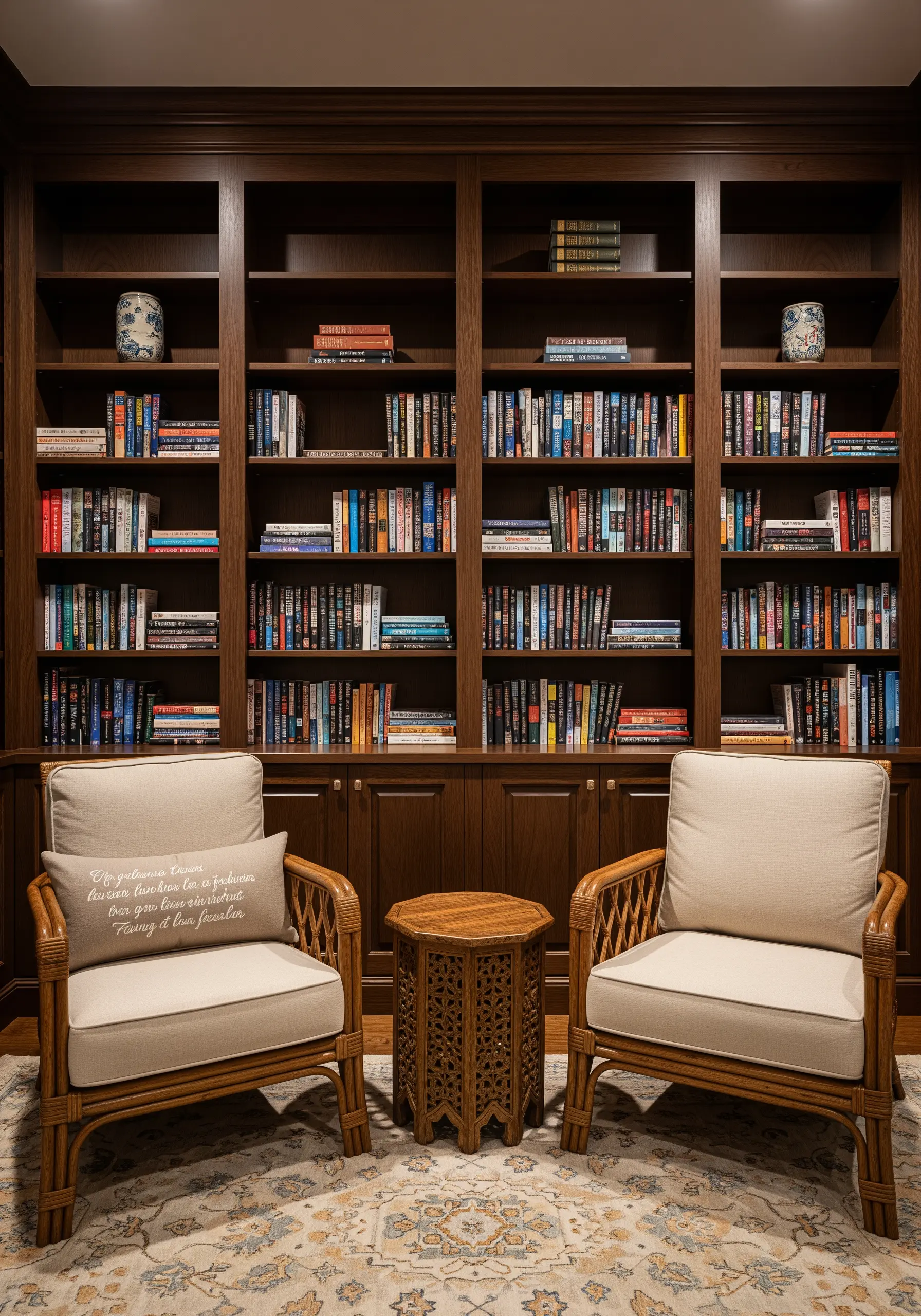
For smooth, unbroken script that looks like elegant calligraphy, the whipped backstitch is your best technique.
First, stitch your text using a standard backstitch, keeping your stitch length small and consistent, especially on curves.
Then, take a second, unknotted thread on a tapestry needle and whip it around each backstitch without piercing the fabric.
This covers the tell-tale “dashes” of the backstitch, creating a fluid, cord-like line perfect for inspirational quote string art designs.
22. The Modern Heirloom Wall Runner
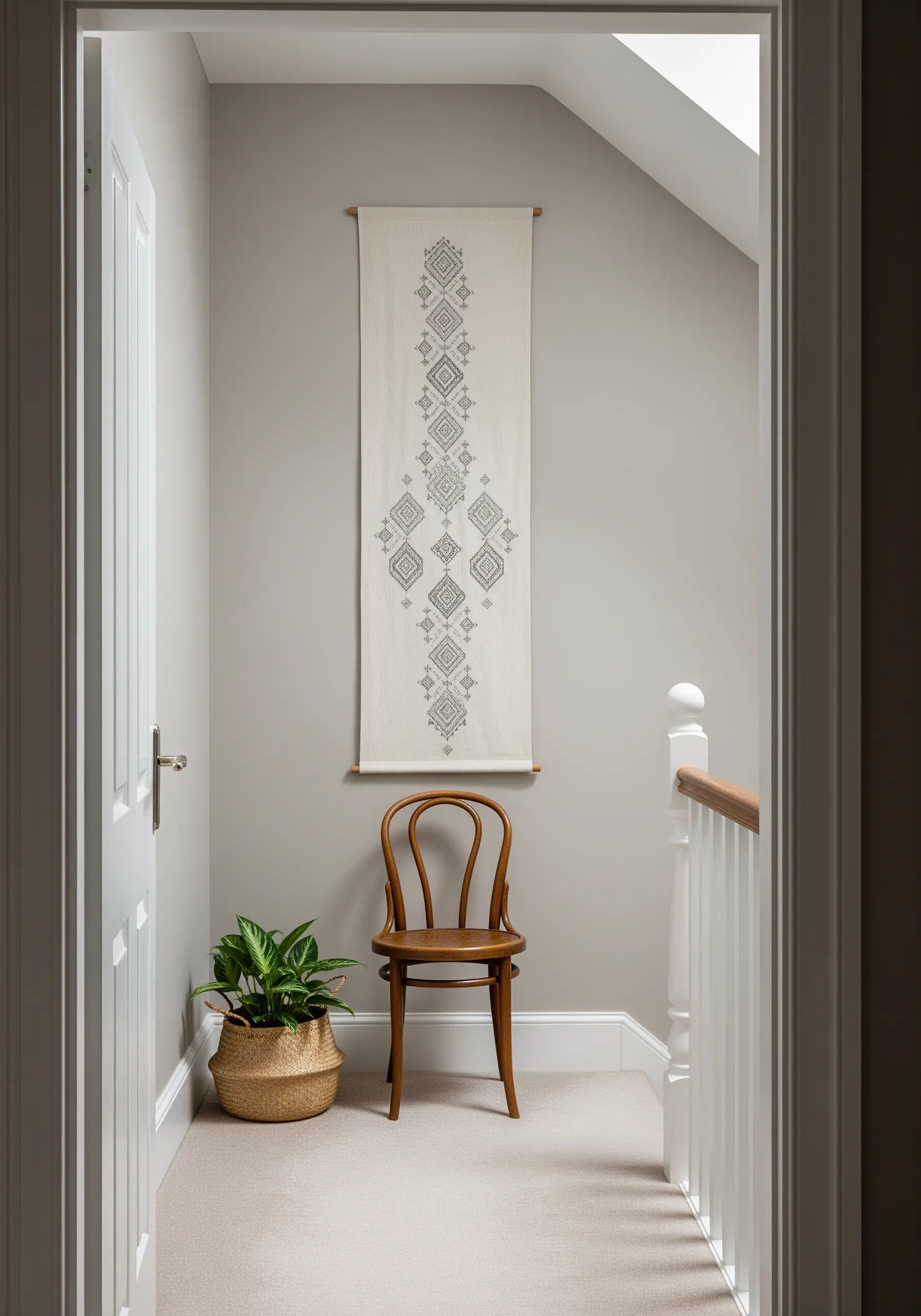
Create a long, narrow wall hanging that feels like a modern heirloom by focusing on pattern and texture.
Use symmetrical, repeating geometric motifs inspired by traditional weaving or folk art.
To keep the piece contemporary, stick to a strict two-color palette of greige and ivory.
Combine satin stitch for bold shapes, backstitch for crisp outlines, and French knots for dotted texture to add richness and variety.
This makes for a stunning and thoughtful birthday gift.
23. Custom Drapery with a Subtle Geometric Border
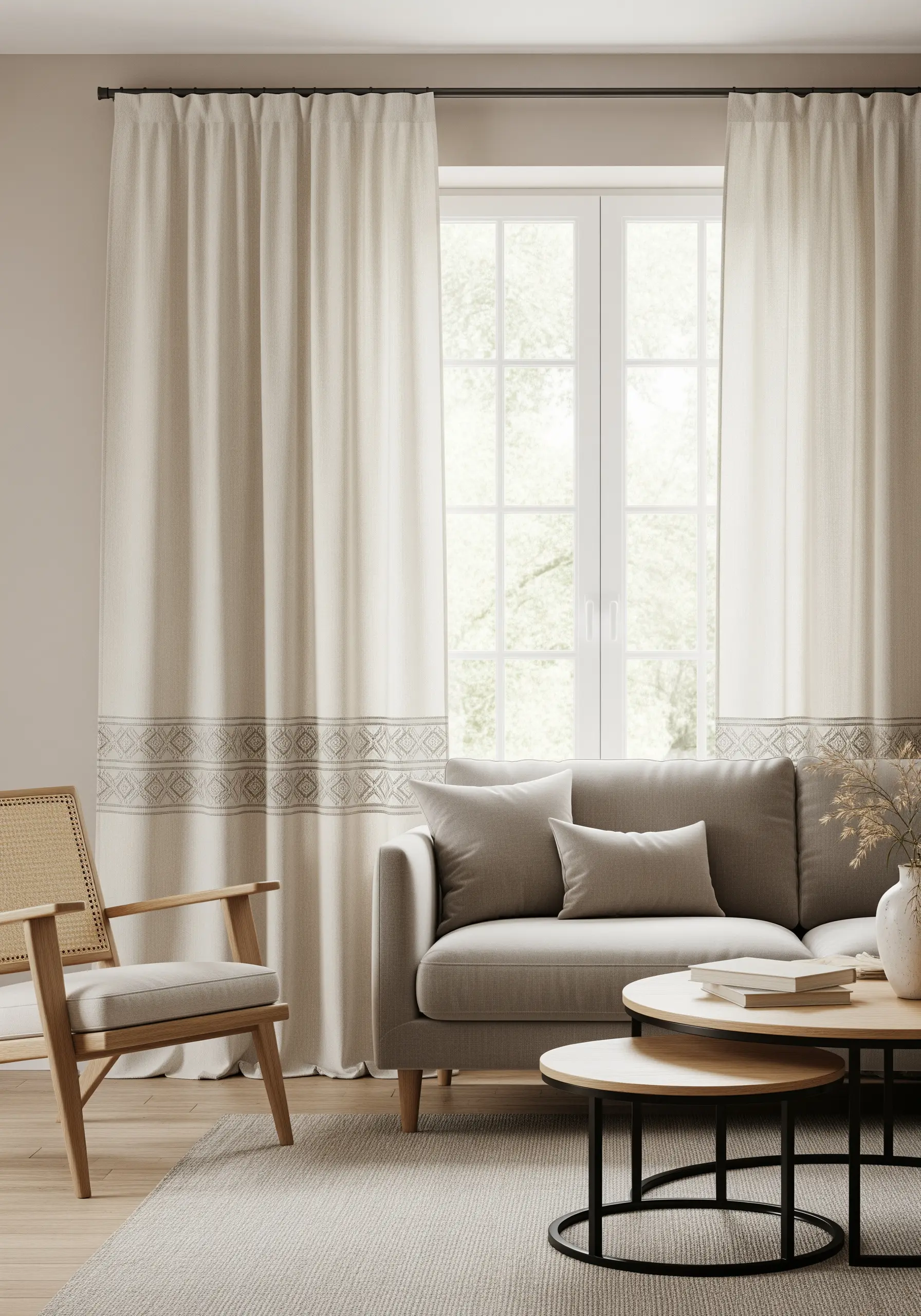
Add a custom, designer touch to plain curtains with an embroidered border placed strategically for visual weight.
A simple, repeating geometric pattern worked in a stem stitch or chain stitch is all you need for a clean, graphic look.
Use a thread color that is just a few shades darker than the curtain fabric for a subtle, tone-on-tone effect.
This adds sophistication without overwhelming the room and is a great way to approach embroidery projects inspired by textures you’d find on a nature walk, but with a geometric focus.
24. Layered Botanicals with Sheer Organza

Create ethereal, layered designs by stitching on sheer silk organza over a base fabric.
Embroider your main floral motifs on a solid linen or cotton, then stretch a layer of organza over the top in the same hoop.
Add delicate, leafy details or wispy elements to the sheer layer to create a beautiful sense of depth and shadow.
The translucent quality of the organza softens the stitches beneath, resulting in dreamy, abstract floral embroidery hoops that look like fine art.
25. Upholstery Transformation with a Mandala Motif
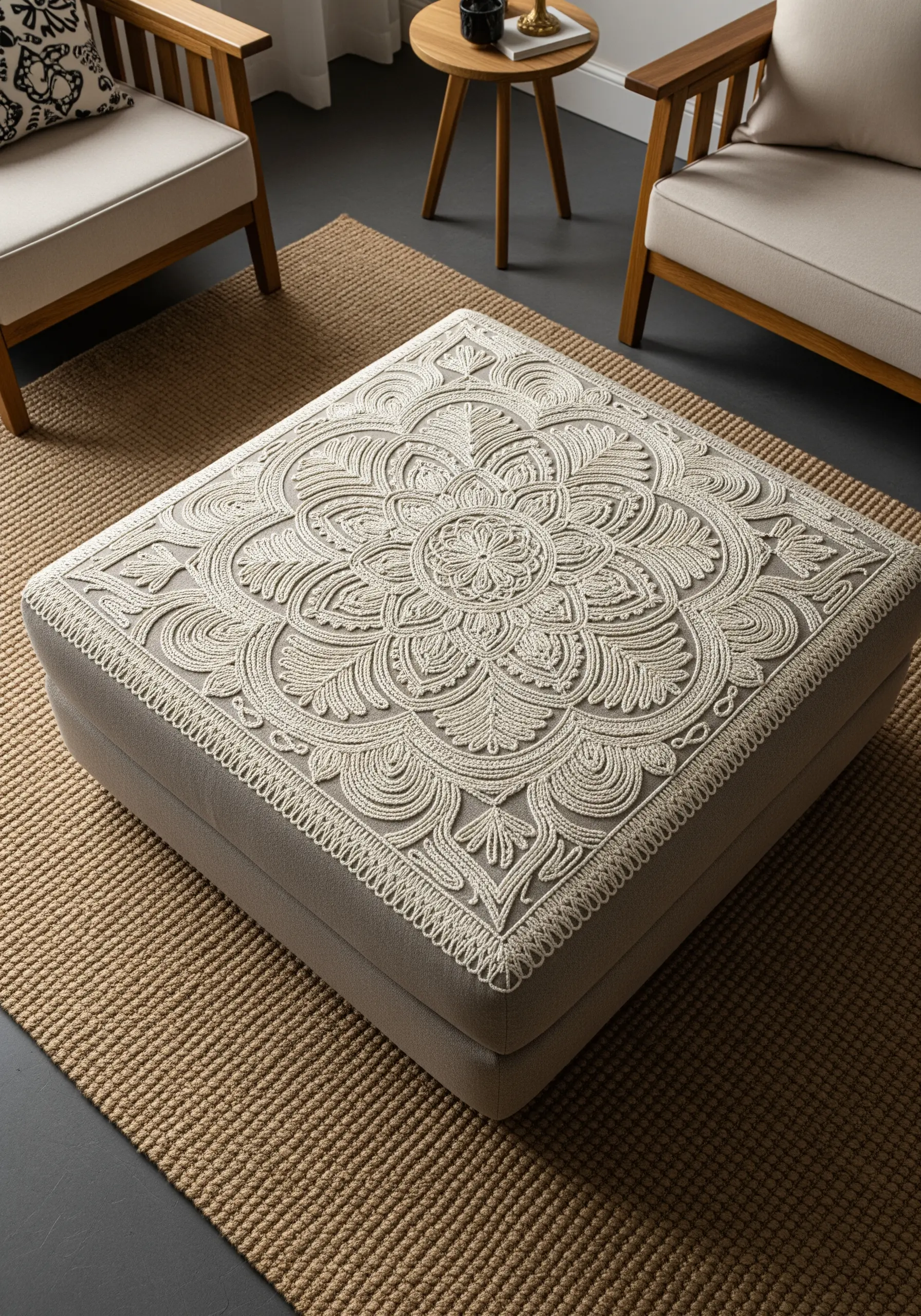
Transform a plain ottoman or footstool into a statement piece with a large-scale, symmetrical mandala.
To tackle a project of this size, use a heavy-duty fabric like canvas or a linen-cotton blend.
Use a thick thread, such as a #3 or #5 Perle cotton, and stick to simple, bold stitches like chain stitch, stem stitch, and French knots.
The repetition of the pattern is meditative to stitch and is a sophisticated application of embroidered mandala wall art designs.
26. Delicate Chaos with Abstract Thread Painting
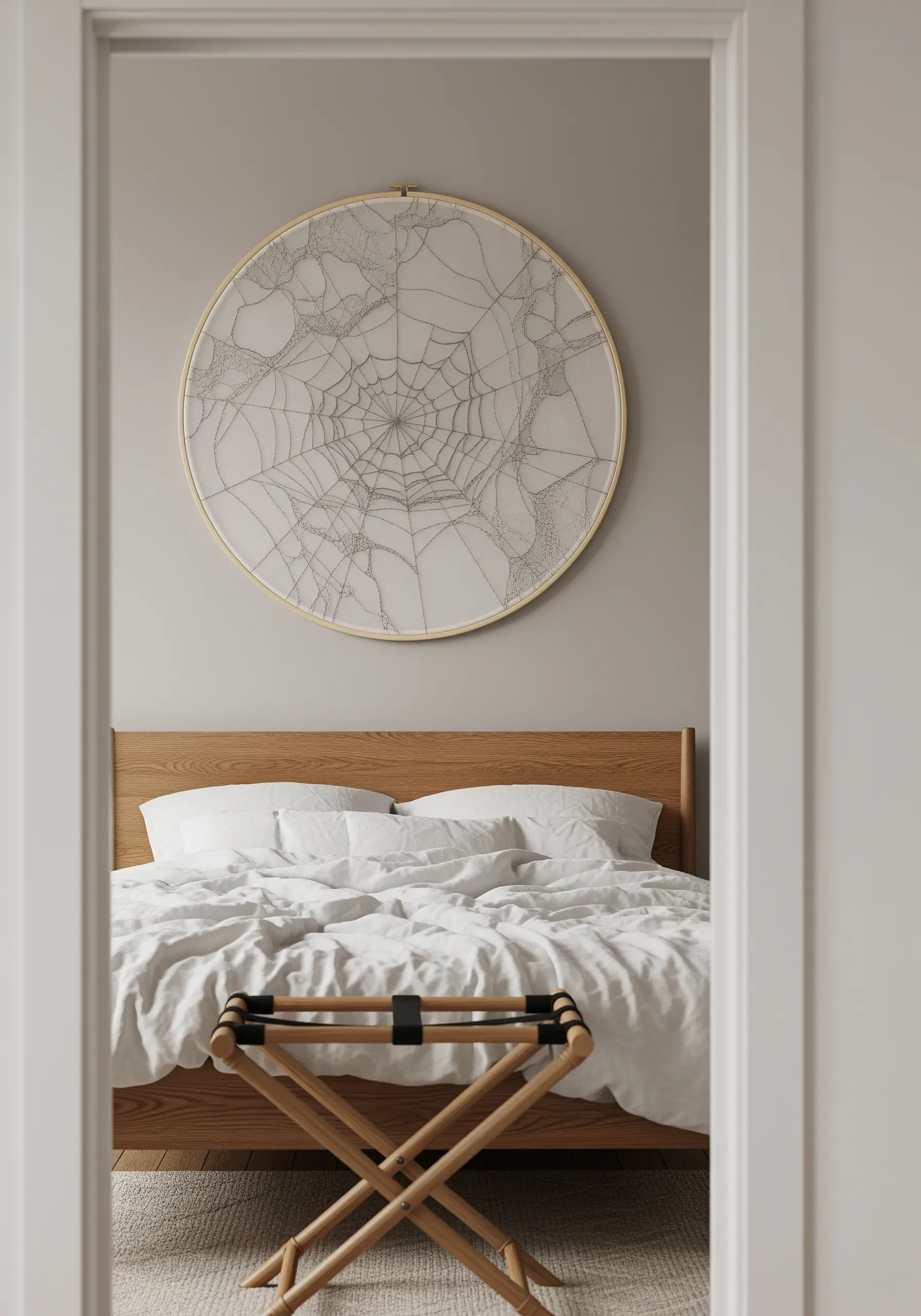
Create a dynamic, web-like texture using a freeform approach with only straight stitches.
Use a single strand of floss and layer long, intersecting stitches in multiple directions across the hoop.
Vary the length and angle of each stitch to avoid a uniform look and build organic complexity.
Introduce a second, slightly different color—like a pale grey with an ivory—to add subtle depth.
This technique turns an oversized hoop wall display into a delicate, abstract masterpiece.
27. Kitchen Vignettes with Simple Outlines
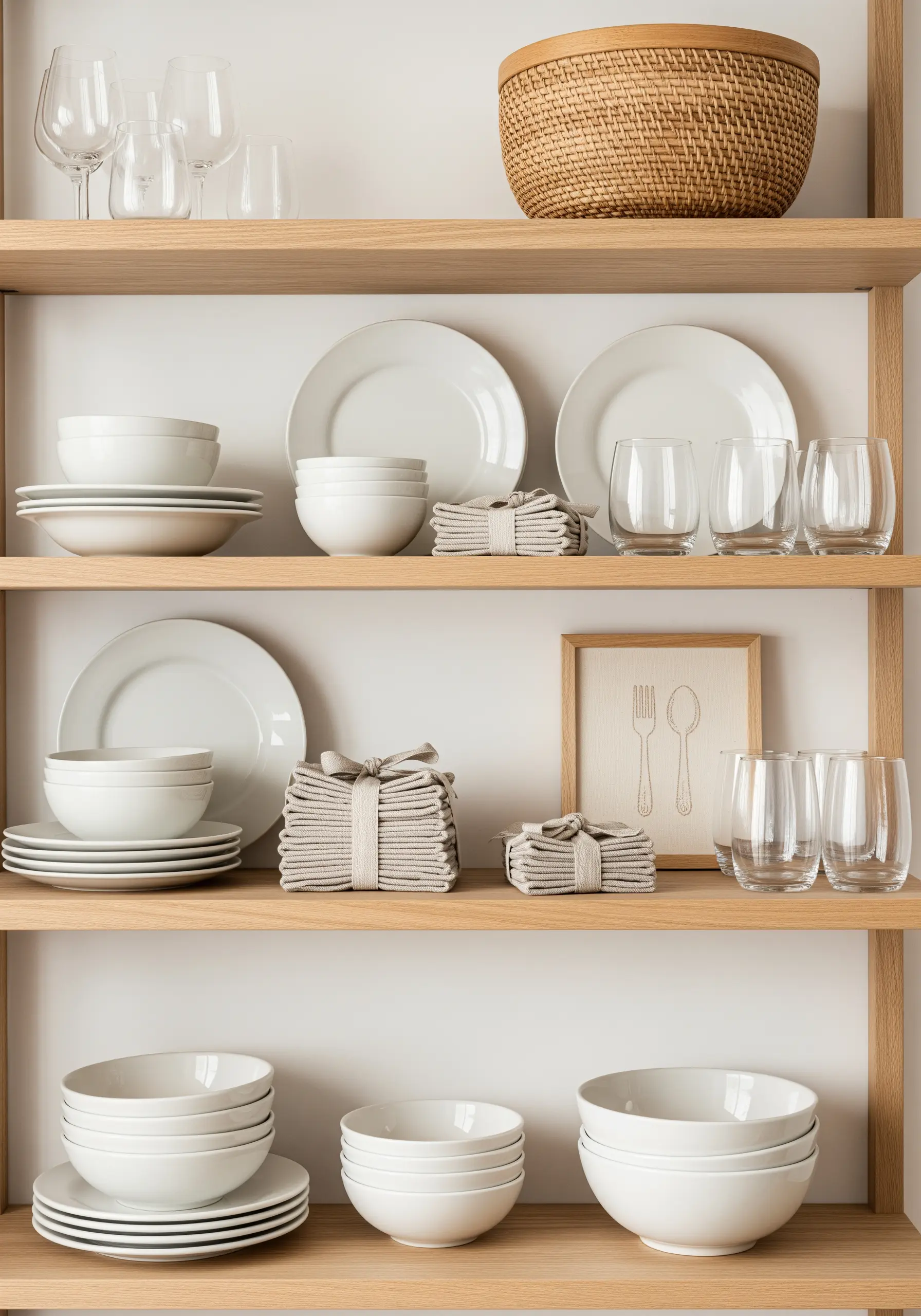
Celebrate the beauty of everyday objects with minimalist line art embroidery.
A simple fork and spoon become elegant motifs when stitched with a clean backstitch or stem stitch.
Use three strands of floss for a line that has good visibility but still feels delicate and refined.
These modern thread art ideas inspired by everyday objects are perfect for adding a personal, charming touch to your kitchen or dining space.
28. Coastal Textures with French Knots and Chain Stitch
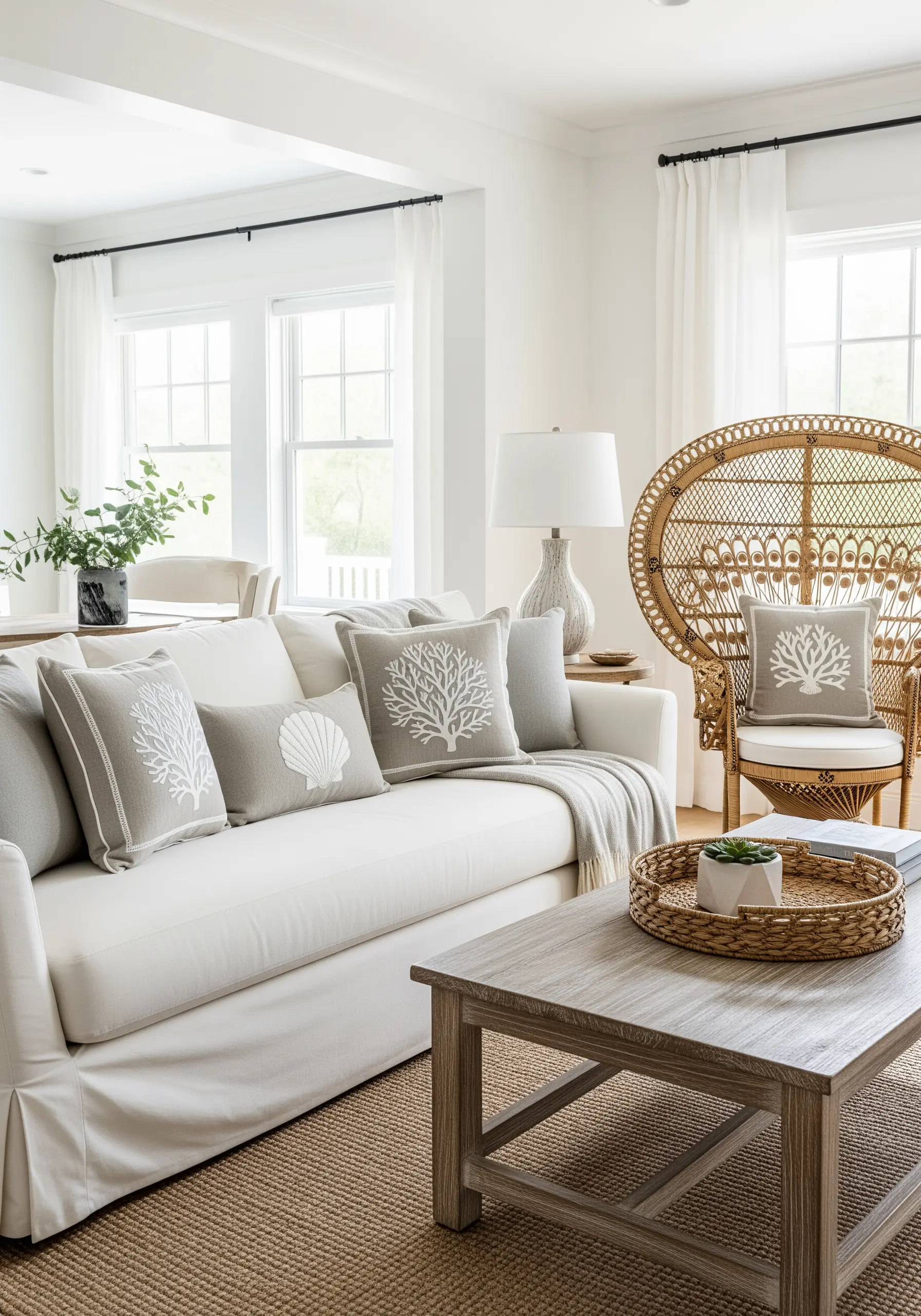
Evoke a sophisticated coastal feel through texture, not just overtly nautical colors or motifs.
Use dense clusters of French knots to mimic the bumpy texture of coral or the surface of a seashell.
For the branching shapes of coral, a chain stitch provides a lovely, rounded line that suggests organic growth.
Sticking to a greige and ivory palette keeps the theme subtle and serene, making for beautiful coastal-theme tiny embroidery art even on larger pieces.
29. Personalized Pet Accessories with Line Art
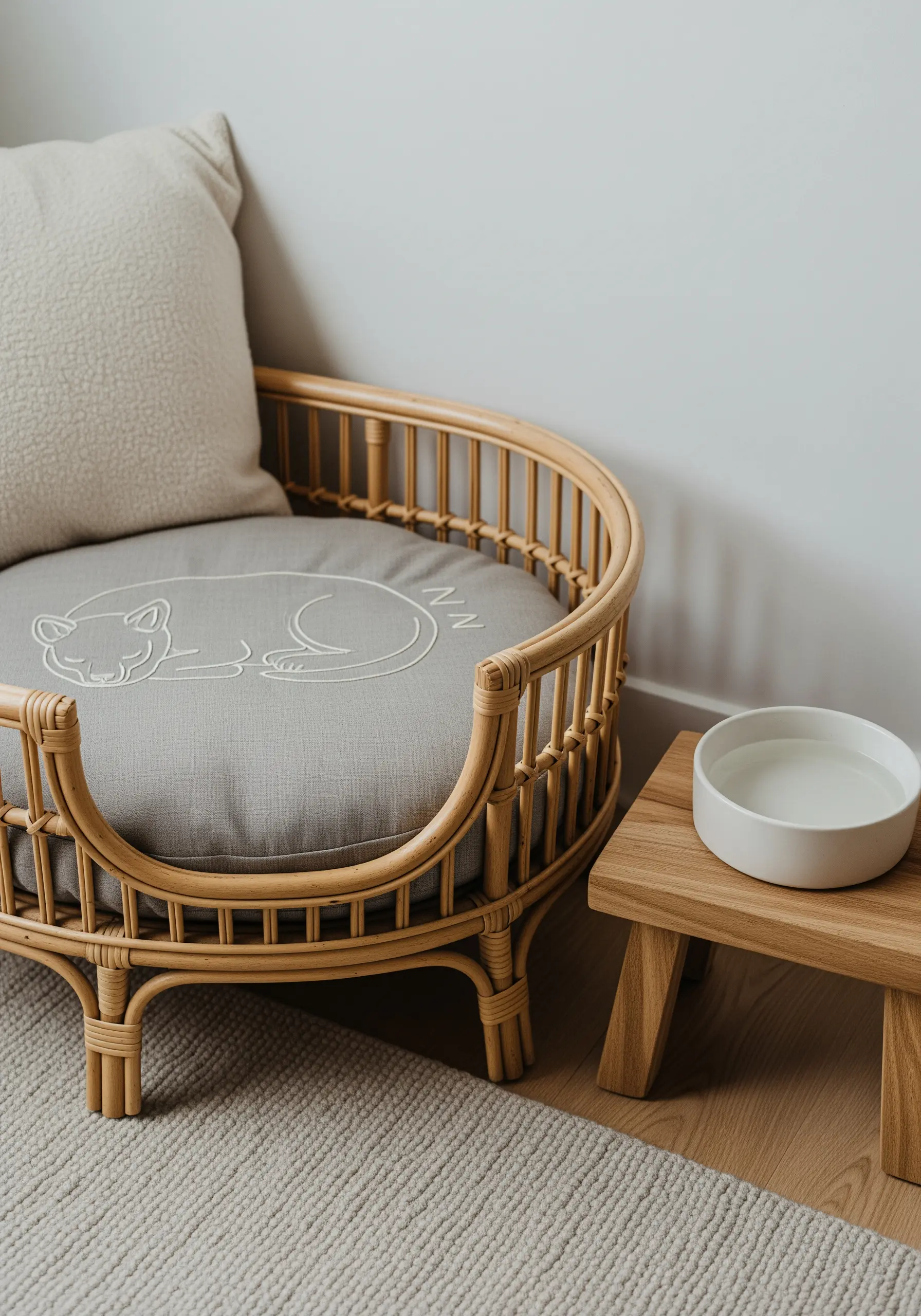
Add a touch of bespoke charm to a pet bed with a simple, elegant line drawing of a sleeping animal.
A stem stitch is ideal here, as it creates a smooth, slightly raised line that follows curves beautifully without breaking.
Add a name or monogram in a simple backstitch for a fully custom piece.
This is a lovely application of animal-themed pillow stitching ideas, adapted for our most cherished furry family members.
30. Lapel Embellishment with Delicate Botanical Sprays
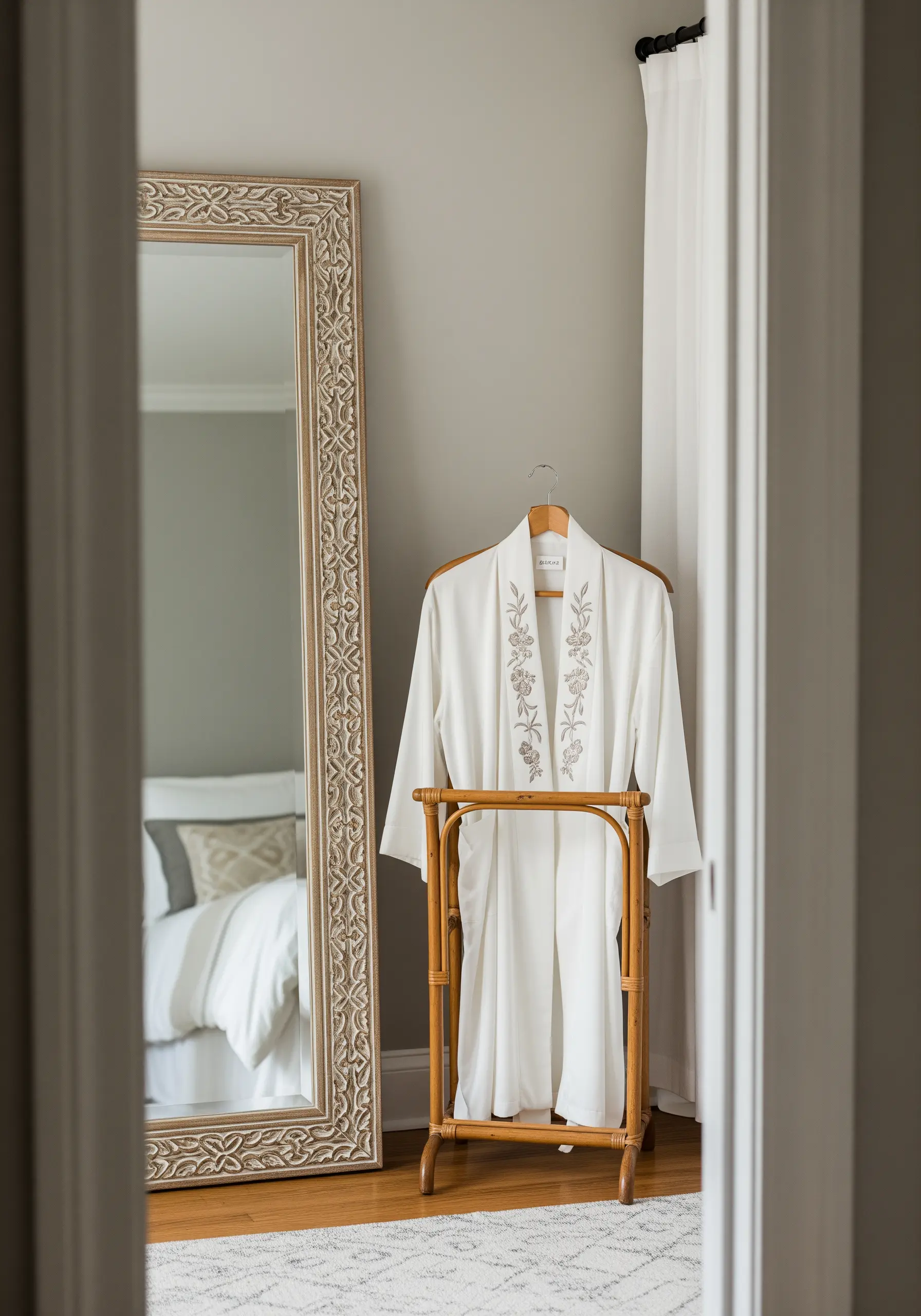
Elevate a simple robe, blazer, or denim jacket by adding a delicate spray of botanicals to the lapel or collar.
Keep the scale small and the stitching fine to maintain an elegant, understated look.
Use satin stitch for petals, stem stitch for stems, and single detached chain stitches for leaves.
By concentrating the design in one impactful area, you create a focal point that makes the entire garment feel custom-made.
It’s one of those tiny embroidery patterns that make your clothes look custom-made.
31. Thematic Embellishment for Functional Pieces

Add a personal, thematic touch to functional furniture, like embroidering musical notes on a piano bench.
For the crisp lines of musical staves and notes, a simple backstitch is perfect.
Use a tear-away stabilizer on the back of the upholstery fabric to prevent puckering, especially when stitching long, straight lines.
This ensures your design remains flat and professional-looking after you remove the hoop and is how embroidery crafts that make every fabric piece special.
32. Minimalist Motifs for Themed Cocktail Napkins
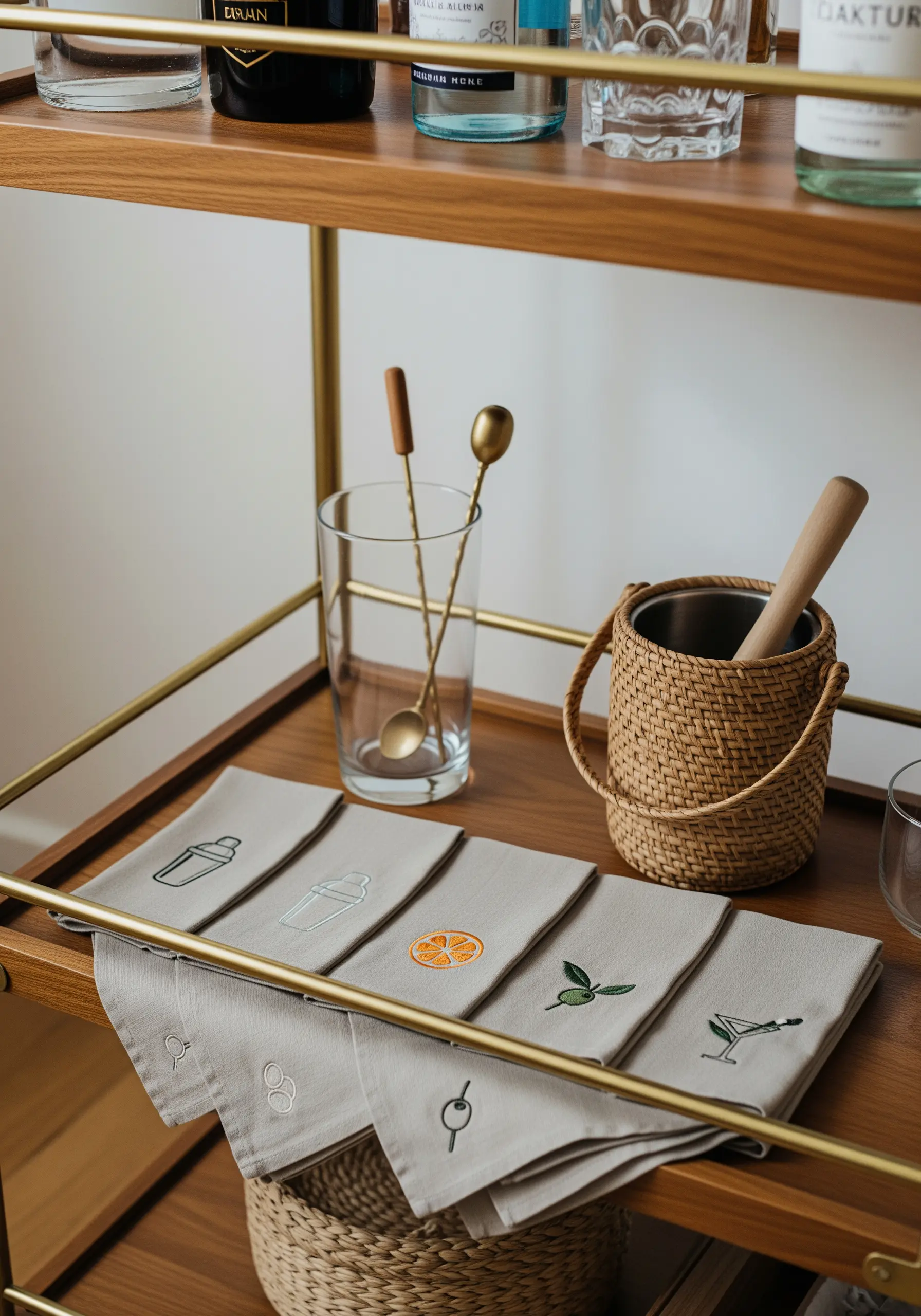
Create a sophisticated set of themed napkins with minimalist, single-line icons instead of complex designs.
A clean backstitch or stem stitch in a contrasting color is all you need for a modern, graphic look.
The key is the simplicity and immediate clarity of the design—choose recognizable shapes and render them without any fill or shading.
These small embroidery patterns are perfect for a thoughtful host or hostess gift.
33. Statement Door Curtain with a Tree of Life
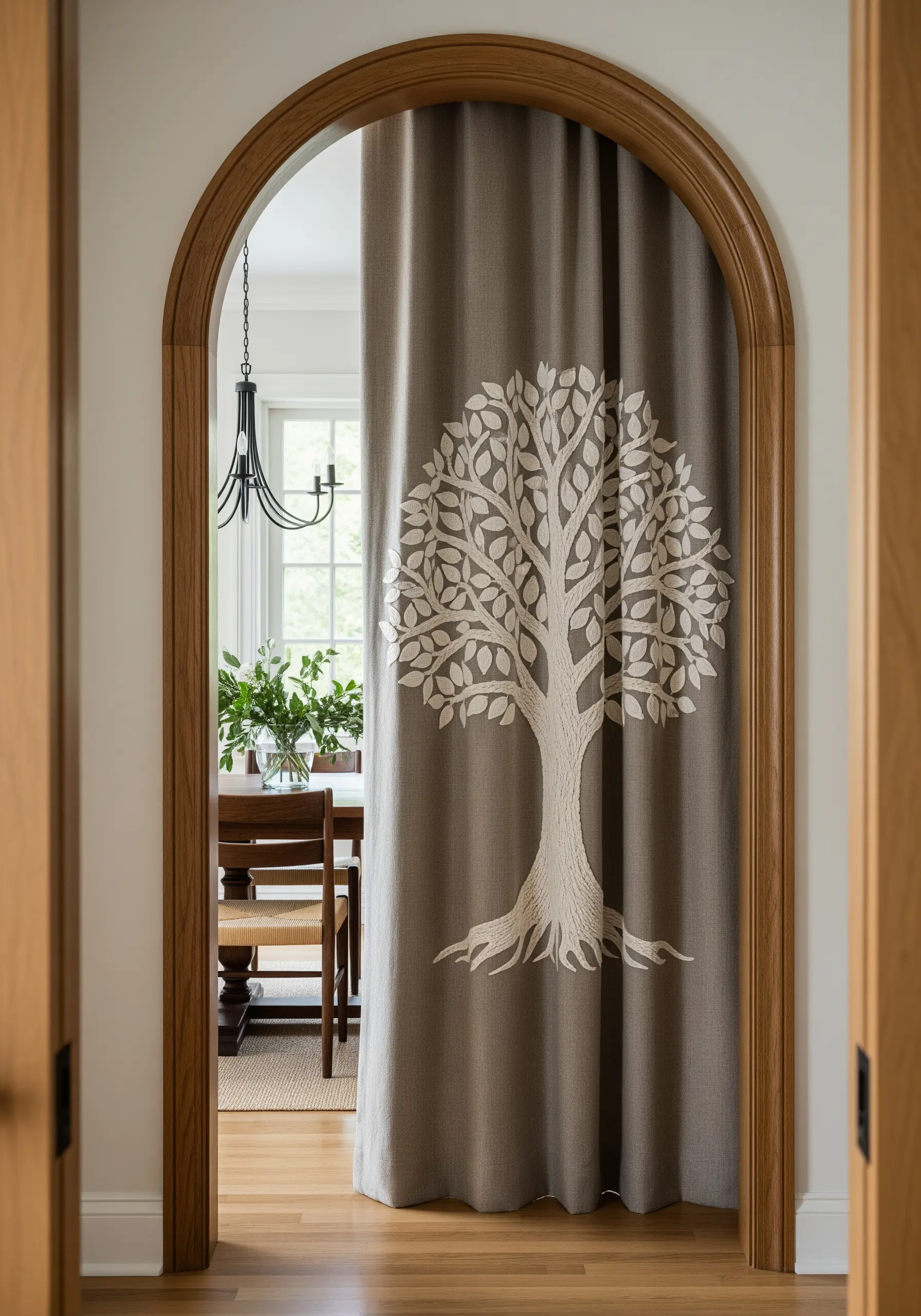
Make a dramatic entrance with a large-scale motif, like a Tree of Life, on a simple door curtain.
For a design this large, focus on filling the shape with a textural stitch that works up relatively quickly, like a wide chain stitch or long-and-short stitch.
Use a heavy-weight fabric like a linen-cotton blend that can support the weight of the dense embroidery without pulling or draping poorly.
This elevates nature-themed embroidery samplers to an architectural scale.
34. Graphic Botanicals with Negative Space Filling
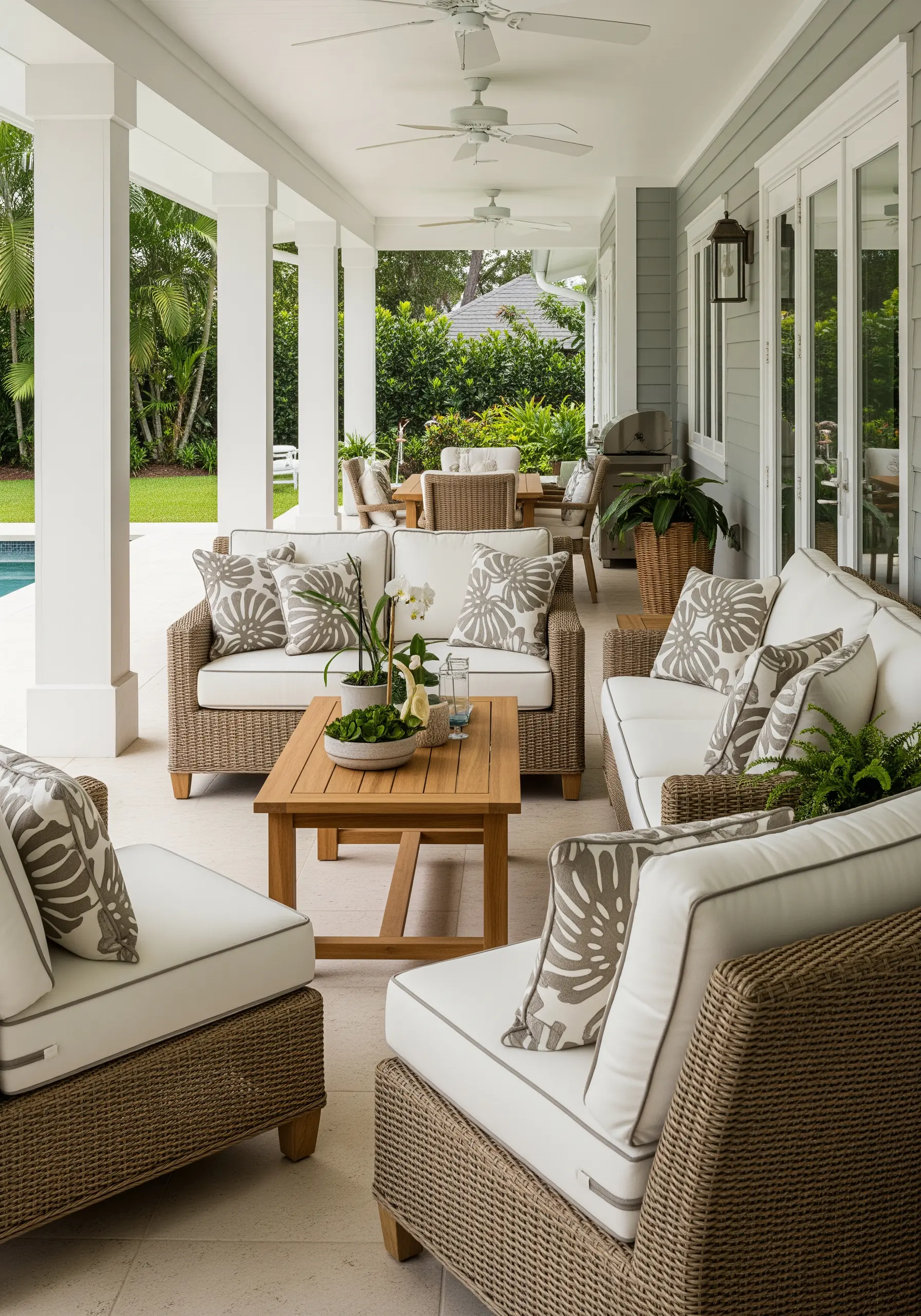
While this look is likely printed, you can achieve a similar bold, graphic effect with embroidery by using negative space.
Instead of stitching the leaf motif itself, stitch the background around it using a dense fill stitch like satin stitch or long-and-short stitch.
This technique makes the un-stitched leaf shape pop, creating a powerful silhouette.
It’s a modern approach that inverts traditional embroidery and is a graphic way to explore ways to embroider realistic shadows under leaves.
35. Botanical Sachets for Aromatic Drawers

Stitch delicate botanical illustrations onto small linen sachets for a touch of everyday luxury.
Use a fine thread (just 2 strands) and simple stitches to hint at the scent within: lazy daisy for chamomile, stem stitch for lavender stalks, and backstitch for rosemary sprigs.
Adding the name of the herb in a tiny, clean backstitch completes the design.
These small handmade projects that double as thoughtful gifts are both beautiful and functional.