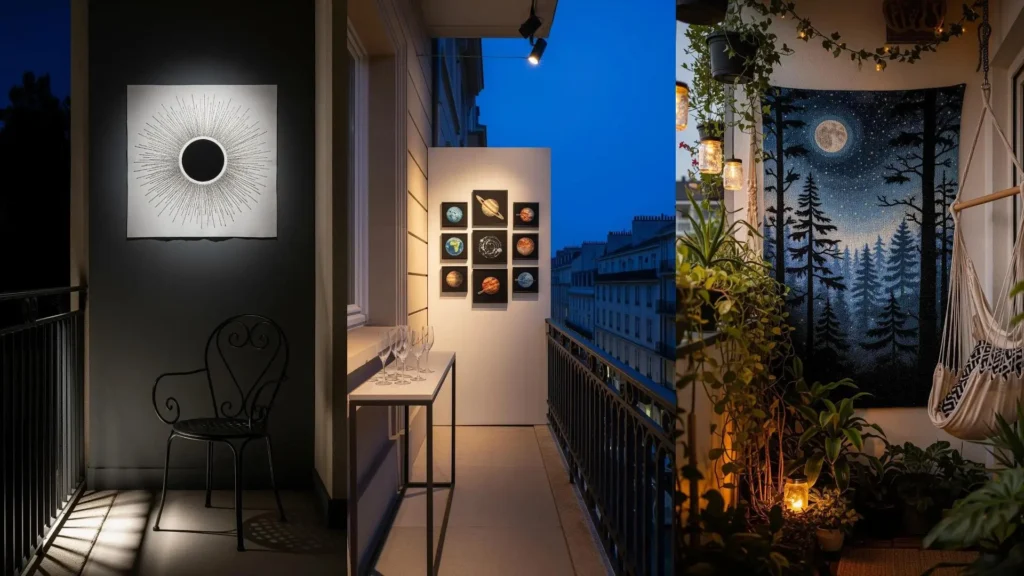
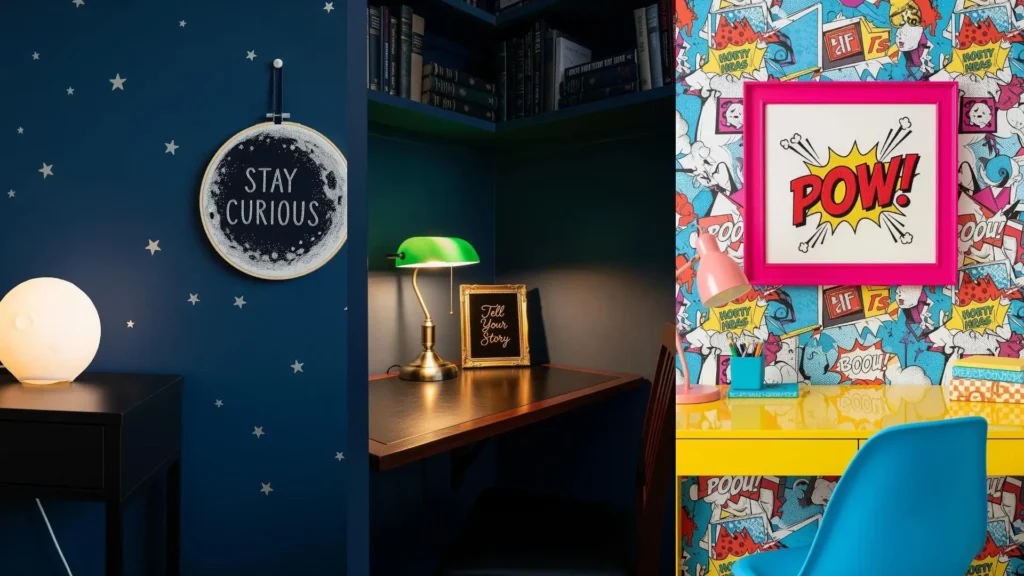
Your apartment walls don’t have to stay bare just because you’re renting. An embroidered wall tapestry offers a way to bring in color, texture, and personal artistry without leaving a single mark behind.
Think beyond the traditional hoop. We’re going to explore how to create statement pieces that are not only beautiful but are hung with clever, damage-free methods. From tension rods and adhesive hooks to magnetic hangers and simple dowels, you can transform your space with confidence.
Here, you’ll find techniques to elevate your stitching—like using specific thread types to catch the light, or choosing stitches that create painterly depth—so your finished work feels less like a craft project and more like a piece of intentional art. Let’s make your walls feel like home.
1. Achieve Luminous Texture with Dense Seed Stitch

Create a tactile, light-catching surface by filling large areas with dense seed stitch instead of satin stitch.
Use a single strand of pearl cotton in a warm white or ecru for the moon, which gives a subtle sheen and dimension that standard six-strand floss cannot replicate.
For the sun’s rays, blend one strand of matte yellow floss with one strand of fine metallic gold thread.
This combination catches the light without looking glittery, adding sophisticated warmth and texture.
Mount the finished canvas on a natural birch branch and hang it with removable hooks for a damage-free, organic display.
2. Master Bold Graphics with a Whipped Backstitch

For clean, uninterrupted abstract lines, use a whipped backstitch.
First, create a standard backstitch outline, then whip the line with a second thread without piercing the fabric.
This technique smooths out the segmented look of a regular backstitch, creating a fluid, cord-like line perfect for graphic and architectural designs.
Use all six strands of black cotton floss on a neutral, heavy-duty canvas to achieve that high-contrast, modern art aesthetic.
The key is maintaining even tension on both the base stitch and the whip for a perfectly uniform result.
This is one of the best minimal DIY embroidery projects you’ll actually want to hang.
3. Create Depth with Felt Appliqué and Minimal Stitching

To build bold, graphic shapes with incredible texture, turn to appliqué using thick wool-blend felt.
Cut your shapes precisely—felt won’t fray, so you can achieve crisp, clean edges without hemming.
Arrange the pieces on a neutral linen background and secure them with a simple running stitch just inside the edge, using a contrasting or matching thread.
This technique allows you to cover large areas with solid color and tactile dimension much faster than fill stitching, making these abstract fabric collage embroidery ideas feel like modern paintings.
4. Layer Foliage for a Lush, Three-Dimensional Effect

Give your botanical tapestry a sense of lush depth by layering your stitches and varying their density.
Use a fishbone stitch for the large monstera leaves to create a natural center vein and directional growth.
For the background foliage, use a looser satin stitch or simple seed stitch fills to make them recede visually.
Stitch the foreground elements, like the pink blossoms, last, using padded satin stitch or dense French knots to make them pop forward.
This layering technique transforms a flat design into a dynamic, living jungle scene, perfect for these kinds of tropical leaf & flower combination patterns.
5. Stitch Constellations with Precision on a Fabric Panel

Transform a simple fabric-covered pinboard into a celestial map by stitching directly onto it.
Use a lightweight, even-weave fabric like linen or cotton chambray stretched taut over a cork panel.
For the intricate star patterns, use a single strand of white or silver metallic thread and tiny backstitches for the lines, with single French knots for the stars.
Using a single strand ensures the lines are crisp and delicate, just like an astronomical chart.
This turns a functional desk accessory into a piece of highly personal, tech-inspired textile art.
6. Use Tension Rods for Damage-Free Room Dividers

Create a stunning, non-permanent room divider by hanging a large embroidered tapestry from a ceiling-mounted tension rod system.
For a vibrant, Otomi-inspired piece, focus on dense fill stitches like the herringbone stitch, which covers large areas with beautiful texture.
Use a bold, two-color-per-motif rule to keep the design energetic but cohesive.
This method allows you to define a space, like separating a sleeping area from a living room, with a dramatic piece of fiber art without drilling a single hole.
It’s a beautiful way to incorporate cultural embroidery motifs into functional decor.
7. Replicate Painterly Washes with Thread Blending

Capture the essence of a classic woodblock print, like ‘The Great Wave,’ by blending your thread colors strategically.
Use the long-and-short stitch to create soft, painterly transitions between shades of blue, cream, and indigo.
Instead of using one solid color, work with two or three similar shades in your needle at once to create a heathered, dynamic effect that mimics the movement of water.
For the sea foam, use a dense scattering of French knots in white and pale blue to create texture that contrasts with the smooth waves.
8. Group Small Panels for a Cohesive Triptych

Create a modern, playful art installation by stitching a series of small, related motifs on separate panels.
Stretch canvas over small square wooden boards, which are lightweight and easy to hang with removable adhesive strips.
Use a bold satin stitch with all six strands of floss to create the graphic fruit motifs, ensuring each stitch lies flat and smooth.
Maintaining the same fabric, panel size, and color palette across all three pieces is what makes the set feel intentional and curated, perfect for a bright kitchen or dining nook.
9. Integrate Embroidery into a Maximalist Gallery Wall

Make your embroidery the centerpiece of a gallery wall by choosing a design with high contrast and rich color.
A dark background, like black velvet or cotton twill, will make jewel-toned threads appear more saturated and vibrant.
To create the peacock’s iridescent feathers, use a mix of satin stitch with variegated and metallic threads, blending blues, greens, and golds.
Surrounding your textile art with metallic frames, mirrors, and monochrome prints creates a rich, eclectic look where the softness of the embroidery provides a welcome focal point.
This is a great approach for a gallery wall.
10. Capture Art Deco Elegance with Metallic Thread

Channel an Art Deco aesthetic by using a high-quality metallic thread for bold geometric patterns on a dark, luxurious fabric like navy velvet.
To prevent metallic thread from snagging or breaking, use a shorter length of thread (no more than 12 inches) and a needle with a larger eye.
A simple backstitch or stem stitch is all you need; the metallic thread provides all the drama.
This combination of sharp, clean lines and luxe materials creates a sophisticated statement piece that feels both vintage and modern, especially for metallic thread wall art projects.
11. Create Subtle Texture with Tone-on-Tone Stitching

For a serene, coastal-inspired look, use a tone-on-tone color palette.
Choose a thread color that is just one or two shades lighter than your background fabric—think ecru on natural linen or soft white on oatmeal cotton.
Use textural stitches like French knots, chain stitch, and padded satin stitch to create coral and seashell motifs.
The design becomes a subtle play of light and shadow rather than color, offering a sophisticated, high-end feel that enhances a calm, neutral space. It’s perfect for coastal-theme tiny embroidery art.
12. Anchor a Meditative Space with a Mandala Tapestry

Stitch a large-scale mandala to serve as the focal point for a meditation or yoga corner.
The key to a successful mandala is perfect symmetry, so take the time to transfer your pattern accurately onto the fabric using a water-soluble marker.
Use a simple backstitch or stem stitch for the intricate linework, ensuring your stitch length is consistent throughout.
Stitching a mandala is a meditative process in itself, and the finished piece brings a sense of calm, focus, and intentionality to your space. You can find many embroidered mandala wall art designs for inspiration.
13. Embrace Raw Edges for an Industrial-Loft Aesthetic

For an oversized tapestry in a space with industrial elements like brick or concrete, leave the edges of your canvas raw and slightly frayed.
This choice complements the unfinished, textural quality of the surroundings and adds an effortless, artistic feel.
To prevent excessive fraying, stitch a simple straight line about an inch from the edge.
The design itself should be minimal—a single continuous line or a bold, abstract shape stitched in a dark, contrasting thread—to balance the scale of the piece, an ideal technique for oversized wall displays.
14. Transform a Quote into a Minimalist Banner

Elevate an inspirational quote by stitching it onto a simple canvas banner.
Choose a clean, modern font and use a fine-tipped, heat-erasable pen to transfer the lettering perfectly.
For delicate script, a two-strand whipped backstitch creates a smooth, readable line that mimics ink.
The negative space around the text is just as important as the letters themselves, so keep the composition centered and uncluttered.
This approach turns simple words into a piece of intentional, minimalist art, creating one of those peaceful, poetic quote embroidery hoops.
15. Add a Pop of Color to the Kitchen with Magnetic Hangers

Create a small, vibrant tapestry that can be hung on a refrigerator or other magnetic surface using magnetic poster hangers.
This is a brilliant rental-friendly solution for adding personality to a kitchen without drilling.
For food motifs, use cross-stitch on Aida cloth, as the gridded structure is perfect for creating pixel-like, colorful designs.
The contrast of the handcrafted textile against the sleek, modern appliance adds an unexpected touch of warmth and charm.
16. Create Atmospheric Perspective with Color Layering

To give your landscape tapestry a convincing sense of depth, use the principles of atmospheric perspective.
Stitch the mountains in the foreground with darker, more saturated threads, and use progressively lighter, cooler, and less detailed shades for the layers behind them.
Use simple, long straight stitches to fill in the color blocks, letting the color choices do the work of creating distance.
This technique tricks the eye into seeing a vast, receding landscape, transforming a flat piece of fabric into a window with a view—ideal for nature-calm stitching projects.
17. Build Dimension with 3D Stitches for Delicate Blossoms

Bring cherry blossoms to life by using dimensional stitches that lift off the fabric surface.
Create the petals using the detached chain stitch (lazy daisy) and the woven wheel stitch (or spider web rose stitch) for the fuller blooms.
By varying the size and tightness of these stitches, you can create the illusion of flowers in different stages of bloom, from tight buds to open blossoms.
This tactile approach adds a layer of realism and delicate beauty that flat stitches cannot achieve, perfect for cottagecore floral embroidery ideas.
18. Integrate Lighting for a Functional Art Piece

Combine fiber art with ambient lighting by weaving or clipping battery-operated fairy lights into your wall hanging.
This technique works especially well with highly textural pieces, such as those made with chunky yarn, roving, or macrame techniques like punch needle embroidery.
The light catches in the thick fibers, creating a warm, inviting glow and highlighting the tactile qualities of your work.
It’s a functional solution that adds both art and ambiance to a cozy corner without needing an electrician.
19. Mount Hoop Art on a Linen Board for Added Function

Elevate a simple piece of hoop art by mounting it onto a larger, fabric-covered bulletin board.
Stretch a neutral linen over a standard cork board and secure your finished, backed embroidery hoop to the surface.
This method gives your small hoop a greater presence on the wall and turns the surrounding space into a functional area for notes, photos, and keys.
It frames your work beautifully while creating a cohesive and practical entryway organizer, turning it into one of those floral framed embroidery ideas with a purpose.
20. Use Removable Tabs for Unexpected Placements

Display your embroidery in unconventional places, like the back of a closet door, using removable canvas tabs and hooks.
Stretch your embroidered fabric over a lightweight foam core board or artist’s canvas.
Then, attach fabric or leather tabs to the back with a strong adhesive, which can then be hung from clear, removable hooks.
This damage-free method allows you to add a hidden pop of color and personality to utilitarian spaces, transforming them with aesthetic embroidery ideas.
21. Create a Radiating Pattern with Variegated Thread

Achieve a stunning, sunburst effect by using variegated thread for a radiating design.
Mark a central point and evenly spaced points around the perimeter of your fabric.
Using long, straight stitches that all originate from the center, work your way around the circle.
The variegated thread will do the work for you, creating a natural, effortless color gradient that shifts as you stitch.
This technique is surprisingly simple yet results in a dynamic, high-impact piece that celebrates color and movement, especially effective for texture-rich thread art ideas.
22. Hang a Large Panel with a Wooden Poster Hanger

For an oversized botanical piece, use a magnetic wooden poster hanger for a clean, modern, and damage-free display.
These hangers clamp onto the top and bottom of your fabric, providing weight and keeping the tapestry flat without the need for a full frame.
To create a soft, watercolor effect for the eucalyptus and lavender, use a single strand of floss and open, sparsely filled long-and-short stitches.
This allows the fabric color to show through, creating a light, airy feeling that complements the minimalist hanging method.
23. Use a Curtain Wire System for an Epic-Scale Display

To display an extra-large or two-panel tapestry without drilling dozens of holes, install a simple curtain wire system along the ceiling line.
This allows you to clip your tapestry at regular intervals, ensuring it hangs evenly and can be easily changed or removed.
It’s an ideal solution for renters who want to make a huge impact, turning an entire wall into a canvas.
For a child’s room map, use appliqué for the continents and simple backstitch for details to make the project manageable and visually clear. This is perfect for embroidered nursery decor.
24. Mimic Expressive Brushstrokes with Thread

Capture the energy of abstract expressionism by trading your paintbrush for a needle and thread.
Use a very thick thread, such as wool or cotton yarn, and a large-eyed chenille needle.
Lay down long, overlapping straight stitches in different directions to mimic bold, gestural brushstrokes.
Don’t worry about perfect uniformity; the slight variations in tension and thread placement will add to the piece’s dynamic, painterly quality.
This approach transforms thread into a powerful tool for creating abstract thread waves & swirls.
25. Explore Quiet Minimalism with Floating Lines

Create a piece of serene, minimalist art by stitching just a few delicate lines on a high-quality, textural fabric like raw linen.
Instead of a dense design, focus on the composition of negative space.
For an intriguing twist, allow a single thread to travel from the canvas to a pin on the wall, breaking the frame’s boundary and interacting with the space around it.
This conceptual approach is perfect for minimalist embroidery wall art ideas, turning simple stitches into a thoughtful installation.
26. Frame a View with a Built-In Niche

If you have a wall niche or alcove, use it as a natural frame for a lush, densely stitched tapestry.
A tension rod is the perfect tool for this, allowing you to suspend the piece without any drilling.
Fill the design with a variety of greens and textures to create a ‘jungle view.’ Use French knots for mossy textures, fishbone stitch for broad leaves, and stem stitch for vines.
This technique transforms an awkward architectural feature into a stunning, deliberate focal point, ideal for showcasing leaf & plant embroidery ideas.
27. Cluster Hoops for a Dynamic Botanical Display

Create a charming and easily adaptable wall display by hanging a cluster of small embroidery hoops with a single removable hook.
Stitch simple, coordinating botanical motifs—like different herbs—in each hoop, but vary their placement and scale to keep the composition interesting.
Using the same fabric and hoop finish for all pieces provides cohesion, while twine of varying lengths adds a rustic, layered feel.
This is one of the most effective small hoop embroidery ideas for filling a narrow vertical space, like in a kitchen or pantry.
28. Stitch a Soundwave for Personalized Abstract Art

Turn a meaningful sound—a favorite song, a loved one’s voice, a baby’s heartbeat—into a unique piece of abstract art.
Use a free online tool to generate a visual soundwave from an audio clip, then transfer the pattern to your fabric.
Stitch the design using a simple backstitch or satin stitch with a high-contrast thread, like white on charcoal gray felt.
Felt is an excellent choice for a tapestry as it has enough weight to hang beautifully without wrinkling. It’s a prime example of modern thread art ideas based on personal data.
29. Layer Textiles for a Multi-Dimensional Display

Create a rich, layered look by hanging a smaller embroidered piece over a larger, textural woven background.
This adds instant depth and sophistication, turning simple components into a curated collection.
Choose textiles with contrasting textures but complementary colors—for example, a smooth, finely stitched linen piece over a chunky, neutral-toned jute or wool weaving.
This technique allows you to showcase smaller, more intricate works by giving them a larger presence on the wall. It’s a wonderful way to use embroidery patterns to bring life to boring fabric scraps.
30. Use Satin Stitch to Capture Autumnal Sheen

Capture the subtle, silky sheen of autumn leaves by filling them with a classic satin stitch.
To ensure your satin stitches are smooth and even, you can outline the shape with a split stitch first. This creates a raised edge that helps guide your satin stitches and keeps them perfectly contained.
Angle your stitches slightly—about 10 to 15 degrees from horizontal—to mimic the natural direction of a leaf’s veins and to catch the light beautifully.
This meticulous technique elevates simple leaf shapes into elegant, light-reflecting motifs, a great way to showcase realistic insect & animal patterns‘ cousins in nature.
31. Create a Functional Organizer for an Entryway

Combine embroidery with practical design by creating a hanging wall organizer.
Use a sturdy base fabric like heavy canvas or duck cloth. Stitch on several pockets, then add embroidered labels using a neat, legible backstitch.
This project is not only a charming piece of decor but also a functional catch-all for keys, mail, and notes.
Hang it from an over-the-door hook for a completely damage-free solution that maximizes vertical space in a small entryway. It’s an elegant way to use tiny lettering embroidery ideas.
32. Explore Coiling and Wrapping for Ultimate Texture

Create a tapestry with incredible three-dimensional texture by coiling and wrapping thick rope with colorful embroidery floss.
Start by arranging a length of thick cotton rope into a swirl or abstract shape on a sturdy fabric backing, securing it with tacking stitches as you go.
Then, use embroidery floss to wrap sections of the rope, changing colors to create patterns and gradients.
This technique transforms simple materials into a sculptural, highly tactile piece of art that invites touch, and is one of the most gorgeous mixed-fiber textures you can create.
33. Use Fabric Strips for a Faux Wallpaper Effect

Achieve the look of a custom embroidered wallpaper border without any commitment by creating a long, embroidered fabric panel.
Stitch a repeating floral or geometric pattern on a strip of linen or cotton.
You can then temporarily affix the panel to the wall using liquid starch or removable double-sided fabric tape. This method is completely reversible and won’t damage paint.
It’s an ingenious way to add a bespoke, high-end design element to a room, especially when you want to make old linen look brand new.
34. Create a Flexible Display with Curtain Tracks

For curved walls or for a display that needs to be moved aside easily, use a flexible ceiling-mounted curtain track.
This allows a sheer, embroidered panel to glide smoothly, serving as a delicate screen or a piece of movable art.
For embroidery on sheer fabric like voile or organza, use a lightweight thread and secure your fabric in a hoop with a layer of water-soluble stabilizer.
The stabilizer prevents puckering and provides support while you stitch, then rinses away to leave a beautifully delicate, floating design, a perfect example of delicate line art embroidery ideas.
35. Mount on Cork Board for a Lightweight Solution

For a large-scale yet incredibly lightweight wall hanging, mount your embroidered fabric onto a large cork board.
Simply wrap the fabric around the board and secure it on the back with staples or pins.
This method keeps the fabric perfectly taut and flat, which is ideal for precise geometric designs.
The entire piece can then be hung using several large, removable adhesive strips, making it easy to display a massive piece of art without a single nail.
36. Use a Bulldog Clip for an Effortless Display

For narrow, vertical banners, a single, oversized bulldog clip or pants hanger clip offers a simple and stylish hanging solution.
This method adds a touch of industrial-chic charm and allows you to swap out your art in seconds.
It works best for smaller, cross-stitched pieces or designs on stiffer Aida cloth that won’t sag.
Hang the clip from a decorative wall knob or a strong, clear adhesive hook for a look that feels both casual and intentional, a smart way to create DIY embroidery frames without the frame.