You likely have a stash of scrap fabric and leftover threads that are too precious to throw away but too small for a hoop art project. This is where the magic of micro-embroidery comes in. By shifting your focus to hair accessories, you can turn those tiny resources into wearable art that feels personal and polished.
The difference between a homemade craft and a boutique-quality piece often lies in the stitch choice and fabric handling. When you work on small items like scrunchies and headbands, every knot and thread angle is visible. It requires you to be intentional—swapping a standard backstitch for a whipped backstitch for smoother curves, or choosing a single strand of floss to keep florals looking delicate rather than bulky.
In this guide, I will walk you through twenty-four specific styles, breaking down the technical approach for each. We will look at how to manage pile on velvet, how to weave ends on sheer tulle, and how to create 3D textures that won’t snag in your hair. Grab your smallest hoop; we are about to elevate your accessory game.
1. Sculpting roses on deep velvet pile

When embroidering on velvet, your biggest challenge is the pile swallowing your stitches.
To create these dimensional roses, use a bullion knot or a cast-on stitch, which sits proudly on top of the fabric rather than sinking in.
I recommend using a water-soluble stabilizer on top of the velvet to keep the pile smooth while you work.
Pair the deep emerald green with soft pastel pinks to create romantic rose embroidery patterns to personalize wedding gifts in the most elegant way or accessories like this.
Keep your tension slightly looser than usual to maintain the fabric’s plush drape.
2. The vertical meadow composition

A headband offers a unique, linear canvas that requires a different approach to composition.
Instead of a central focal point, treat the fabric like a garden border, varying the height of your stems to create rhythm.
Use stem stitch for the stalks and French knots for the texture of the wildflower centers.
This linear style is similar to wildflower embroidery patterns to turn blank denim jackets into boho fashion statements, where vertical growth adds visual length.
Choose a linen base to support the density of the floral cluster without puckering.
3. Precision satin stitch on slippery satin

Satin fabric is unforgiving; every needle puncture marks the surface permanently.
For these crisp daisies, you must use a sharp, fine needle—size 9 or 10 is ideal—to pierce the fibers cleanly.
The white petals are executed in satin stitch, which reflects light beautifully against the pink sheen.
These daisy chain embroidery ideas perfect for cute phone covers and canvas bags translate perfectly to hair accessories when scaled down.
Ensure your hoop tension is drum-tight to prevent the fabric from rippling around the motif.
4. Gilded botanical luxury
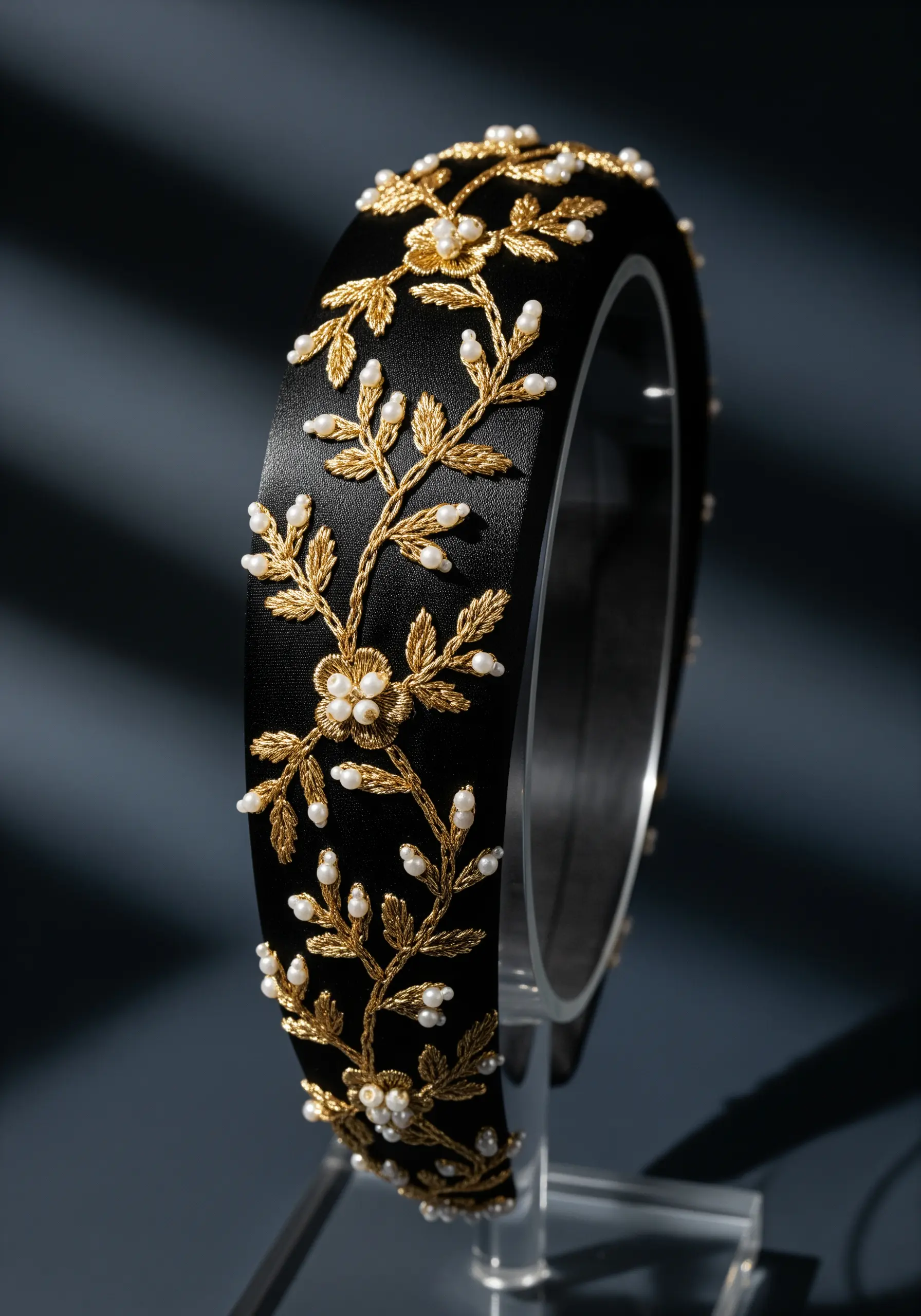
Metallic thread is notorious for fraying, but the result on black fabric is undeniable luxury.
Use short lengths of thread—no more than 12 inches—to prevent the metallic coating from stripping as you pull it through the fabric.
Incorporate tiny seed beads as flower centers to add dimension that catches the light.
This technique mirrors luxury metallic thread wall decor ideas that look straight out of high-end hotels, bringing opulence to a small scale.
A split stitch base beneath the gold satin stitch will help the metallic thread sit smoothly and reflect more light.
5. Floating flora on sheer tulle
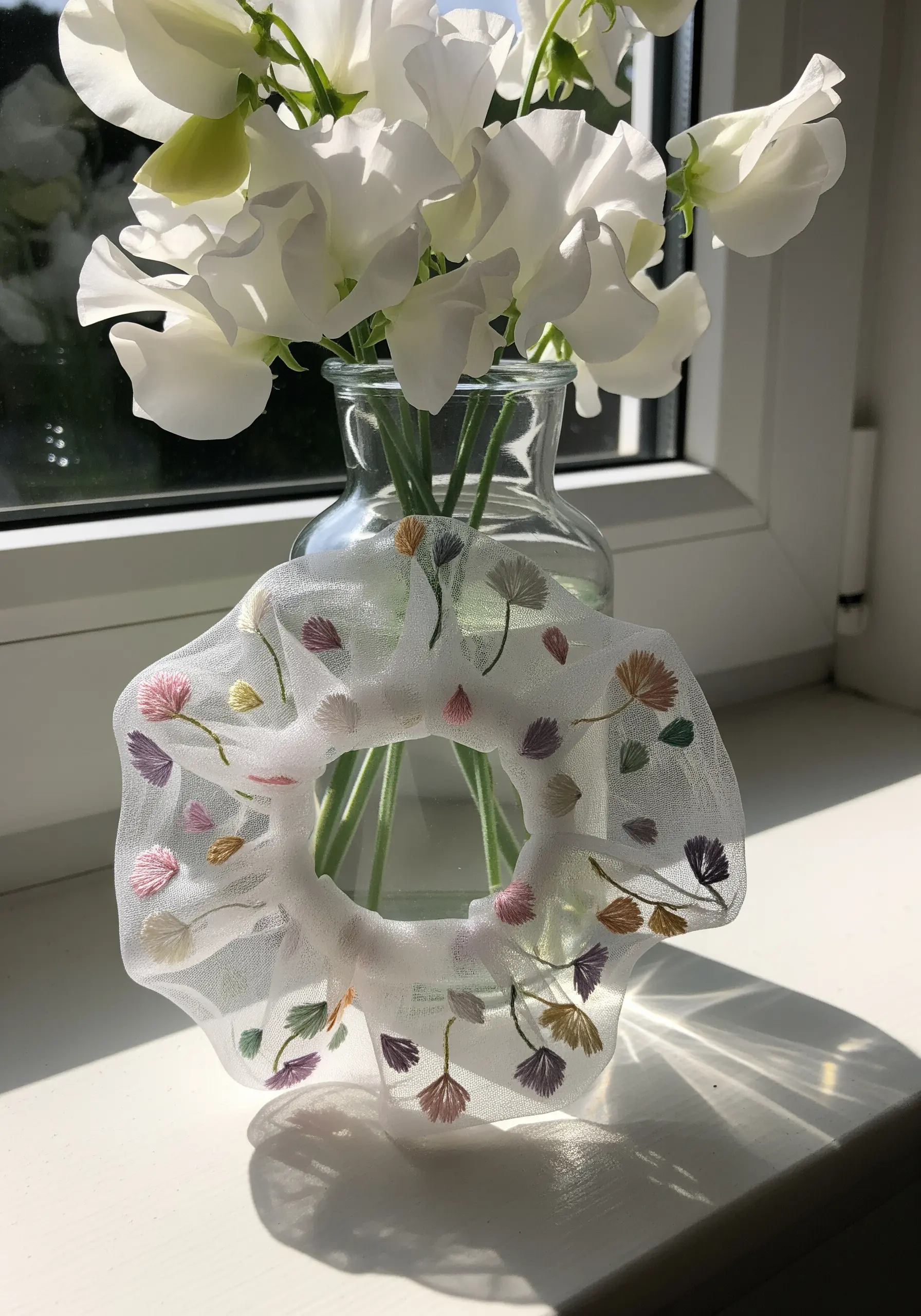
Embroidering on tulle creates a magical, floating effect, but it requires careful thread management.
You cannot carry threads across the back; you must weave your ends into the motif itself so they remain invisible.
Use a very lightweight stabilizers that dissolves in water to support your stitches during the process.
The delicate seed heads here resemble dandelion and wildgrass stitch projects that capture soft breezy meadow aesthetics.
Stick to lightweight threads, like a single strand of embroidery floss, to avoid weighing down the airy fabric.
6. Textured stitches on crepe fabric

When working with a textured base like crepe, your embroidery needs to be bold enough to stand out.
The sunflowers here utilize a woven wheel stitch for the center, creating a raised, tactile focus.
Surround them with satin stitch petals that follow the curve of the flower for movement.
This tactile approach draws from organic texture embroidery designs that look harder than they are, proving that simple stitches can create complex surfaces.
The mustard yellow tone-on-tone palette feels sophisticated rather than chaotic.
7. Following the ruffle’s edge

Instead of fighting the gathers of a scrunchie, design a vine that naturally follows the fabric’s movement.
A simple trailing vine stitch works beautifully along the edge of this eyelet lace denim.
Keep the leaves small and spaced out so the design remains visible even when the scrunchie is twisted in hair.
This is one of those minimalist leaf vine embroidery ideas for beginners who want aesthetic results fast.
Match your green thread to the undertone of the denim for a cohesive, vintage look.
8. The architectural lavender stalk
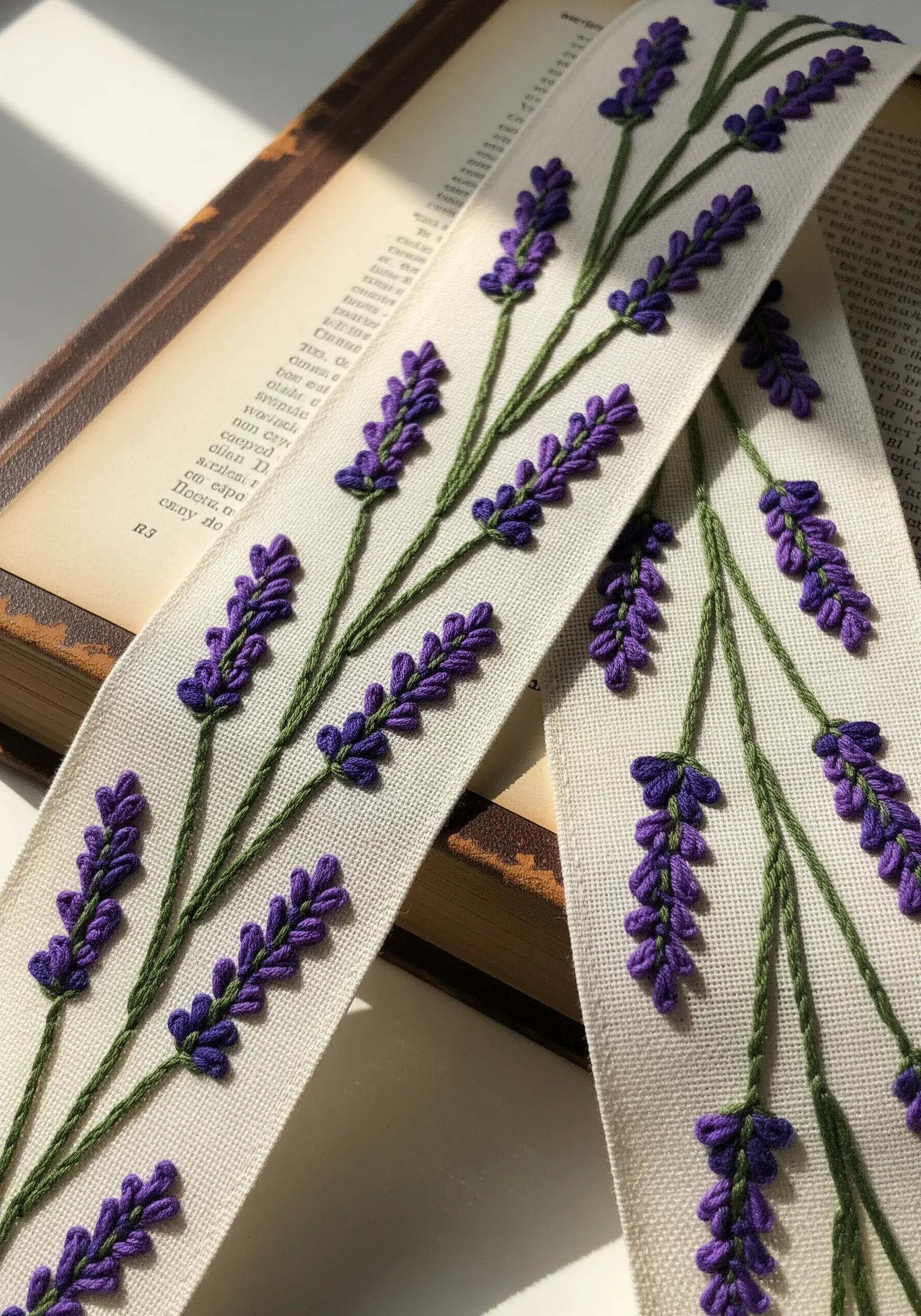
Lavender is the perfect motif for narrow ribbons because of its natural verticality.
Use bullion knots for the purple buds; their coiled structure perfectly mimics the texture of dried lavender.
Ensure your stem stitches are perfectly straight to anchor the heavy blooms.
These lavender inspired embroidery designs for bedrooms meant for relaxation work just as well for wearable accessories.
Leave negative space between the stalks to keep the design looking airy and delicate.
9. Gradient shading on petals

To make small florals look realistic, you need to step away from solid blocks of color.
Use long and short stitch to blend a darker pink center into a pale pink edge on these cherry blossoms.
This technique, often called thread painting, adds depth even on a miniature scale.
It captures the essence of cherry blossom embroidery projects to capture Japanese inspired elegance on fabric.
Use a single strand of floss for the smoothest gradients and most detailed finish.
10. Monochromatic earth tones

You don’t always need a rainbow of colors; high contrast creates a striking modern look.
Here, the creamy white thread pops against the rust-colored linen, relying on stitch direction to define the shapes.
Use fly stitch for the ferns and satin stitch for the solid leaves.
These earth tone embroidery projects that feel effortlessly chic are perfect for autumn wardrobes.
Ensure your transfer lines are very thin, as the white thread won’t hide thick marker lines easily.
11. Rich festive textures

For holiday accessories, combine the sheen of velvet with the sparkle of beads or metallic thread.
The holly leaves are stitched in satin stitch, with the direction of the thread mimicking the veins of the leaf.
Replace traditional French knots with small red beads for the berries to catch the candlelight.
Projects like this act as cozy embroidery projects to make your living room feel like a hug, but for your personal style.
Be careful not to crush the velvet pile with your hoop; consider wrapping the inner hoop ring.
12. Capturing the pansy’s face

Pansies are expressive flowers that require careful color blocking to capture their “faces.”
Work from the outside in: start with the purple petals, then layer the yellow centers, and finish with the dark detailing.
This layering technique gives the flower realistic dimension and depth.
If you enjoy this, look into modern floral stitch ideas that look like real petals when seen up close.
On a white background, ensure your thread tails are trimmed short so they don’t show through the fabric.
13. Tonal green layering

Tone-on-tone embroidery, like green ivy on a green headband, relies entirely on texture.
Outline your leaves with a slightly darker shade of green stem stitch to make them pop against the background.
Fill the leaves with a satin stitch that catches the light differently than the jersey fabric.
This subtle approach is similar to nature inspired leaf clusters to embroider on tote bags for farmer market vibes.
Jersey fabric stretches, so use a stabilizer to prevent your leaf shapes from distorting.
14. Poppies on grey linen

Red on grey is a classic combination that balances vibrancy with neutrality.
The key to a poppy is the messy, organic center; use black French knots clustered tightly.
Keep the stems thin and curved to mimic the wildflower’s natural movement.
These motifs are excellent small embroidery designs to transform your accessories without overcrowding the piece.
Linen is sturdy, allowing you to pull your knots tight for a neat, durable finish.
15. The 3D floral crown effect
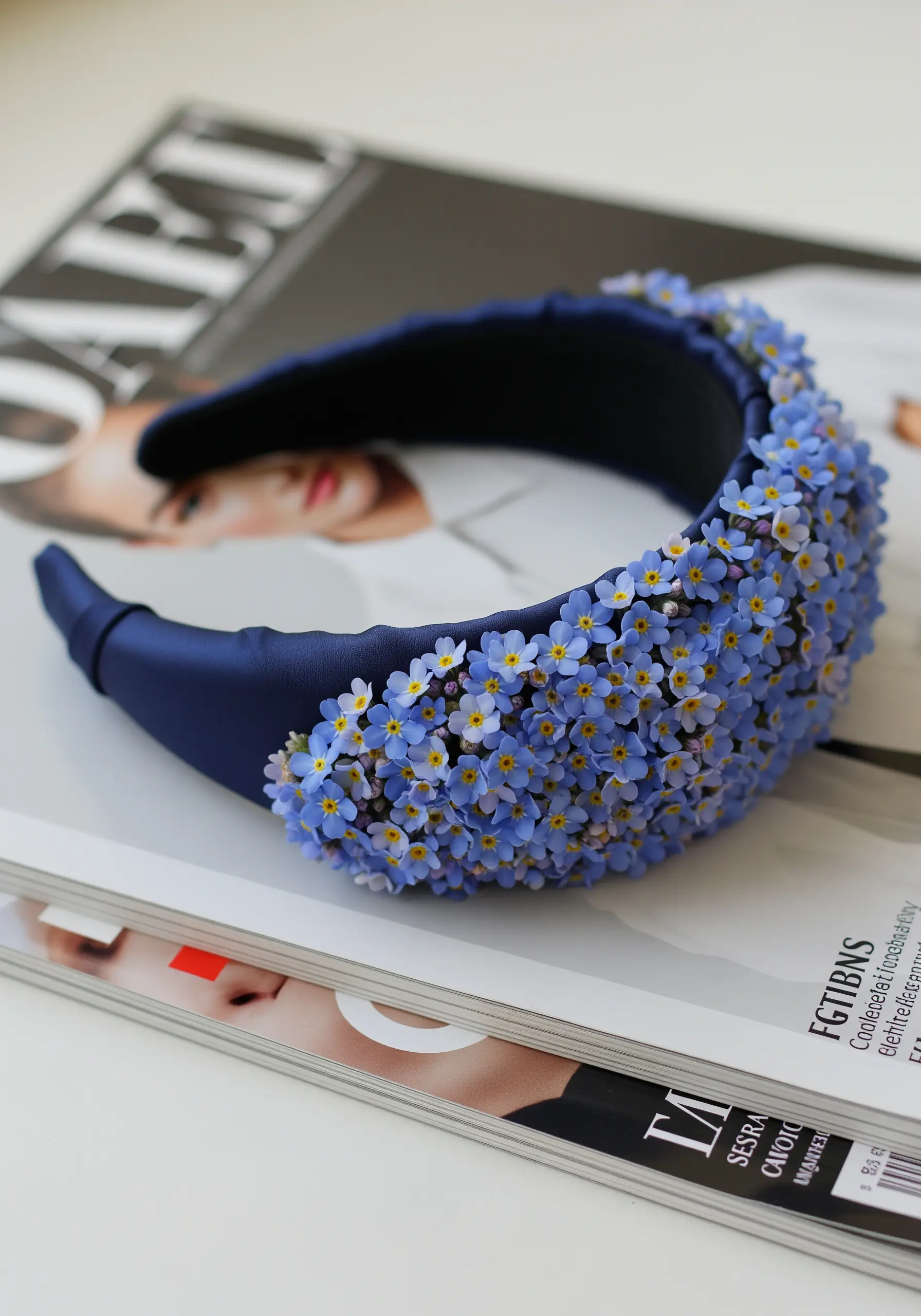
To create a headband that looks like a wreath of real flowers, density is your friend.
Pack your forget-me-nots closely together, overlapping petals slightly to hide the fabric underneath.
Use a bullion knot for the yellow centers to make them stand up above the petals.
This density creates tiny embroidery details that make big impact on room vibes or outfit aesthetics.
Vary the shades of blue slightly to create a natural, unstudied appearance.
16. Neon accents on mesh

Embroidery doesn’t always have to be vintage; neon threads bring a modern, pop-art energy.
The candy-wrapper shapes are simple satin stitches, but the sheer mesh makes them look suspended in air.
Use synthetic neon threads which often have a higher sheen than cotton.
These are perfect examples of modern neon thread designs for electrifying streetwear night glow embroidery.
Be extremely gentle with tension on mesh to avoid tearing the delicate grid structure.
17. Pattern on pattern play
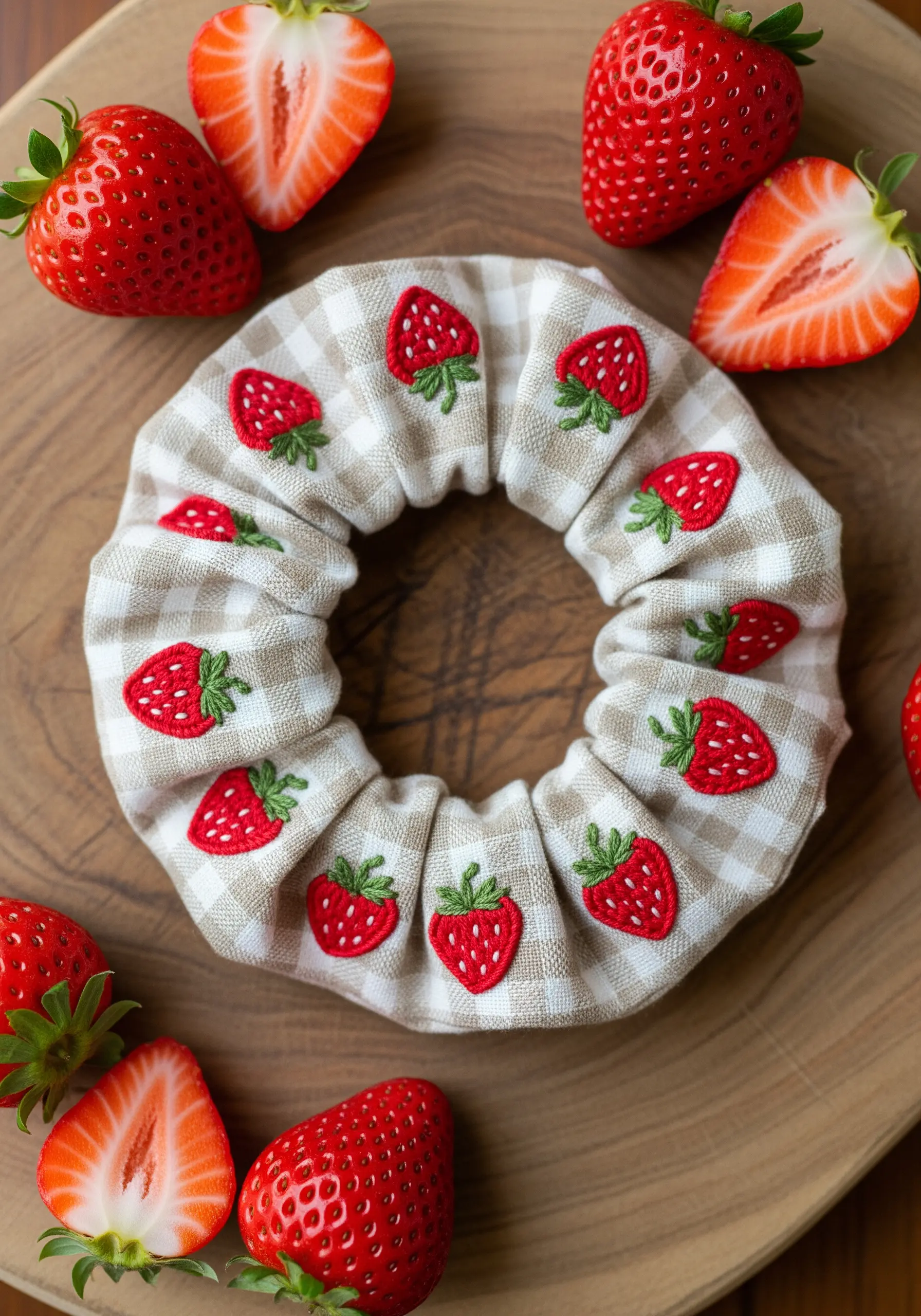
Embroidering on gingham offers a built-in grid that helps you space your motifs perfectly.
Place each strawberry in a white square to ensure the red color reads clearly.
Use tiny straight stitches in yellow or white for the seeds to add texture.
These small embroidery patterns that add instant charm to everything are beginner-friendly because the fabric guides you.
Keep the green leaves small to avoid covering the charming check pattern.
18. Sculptural succulents

Succulents are defined by their fleshy leaves, which you can mimic using the woven picot stitch.
This detached stitch stands off the fabric, creating genuine 3D volume.
Combine different shades of green and teal to separate the individual plant clusters.
This technique creates 3d embroidery wall art pieces that look so real guests will want to touch them.
Anchor the base of your picot stitches firmly, as these protruding elements can catch on things.
19. Mimosa texture on silk

The contrast between smooth silk and knobby French knots creates an incredible tactile experience.
For the mimosa flowers, wrap your French knots twice to make them plump and round.
Use a single strand of thread for the delicate fern-like leaves to keep them feathery.
These are small floral embroidery inspirations perfect for your next craft night.
Silk requires a very sharp needle to avoid snagging; change your needle before starting this project.
20. The forest floor texture

To recreate moss, use the Turkey work stitch (or Ghiordes knot) and trim it down to a fuzzy pile.
Pair this soft texture with smooth satin stitch mushrooms for a variety of surfaces.
The velvet base acts as the damp forest ground, enhancing the theme.
Use patterns like hedgehog squirrel embroidery patterns perfect for cottagecore linen decor as inspiration for these woodland motifs.
Trim your Turkey work in layers to create a rounded, organic moss shape.
21. Hydrangea clusters
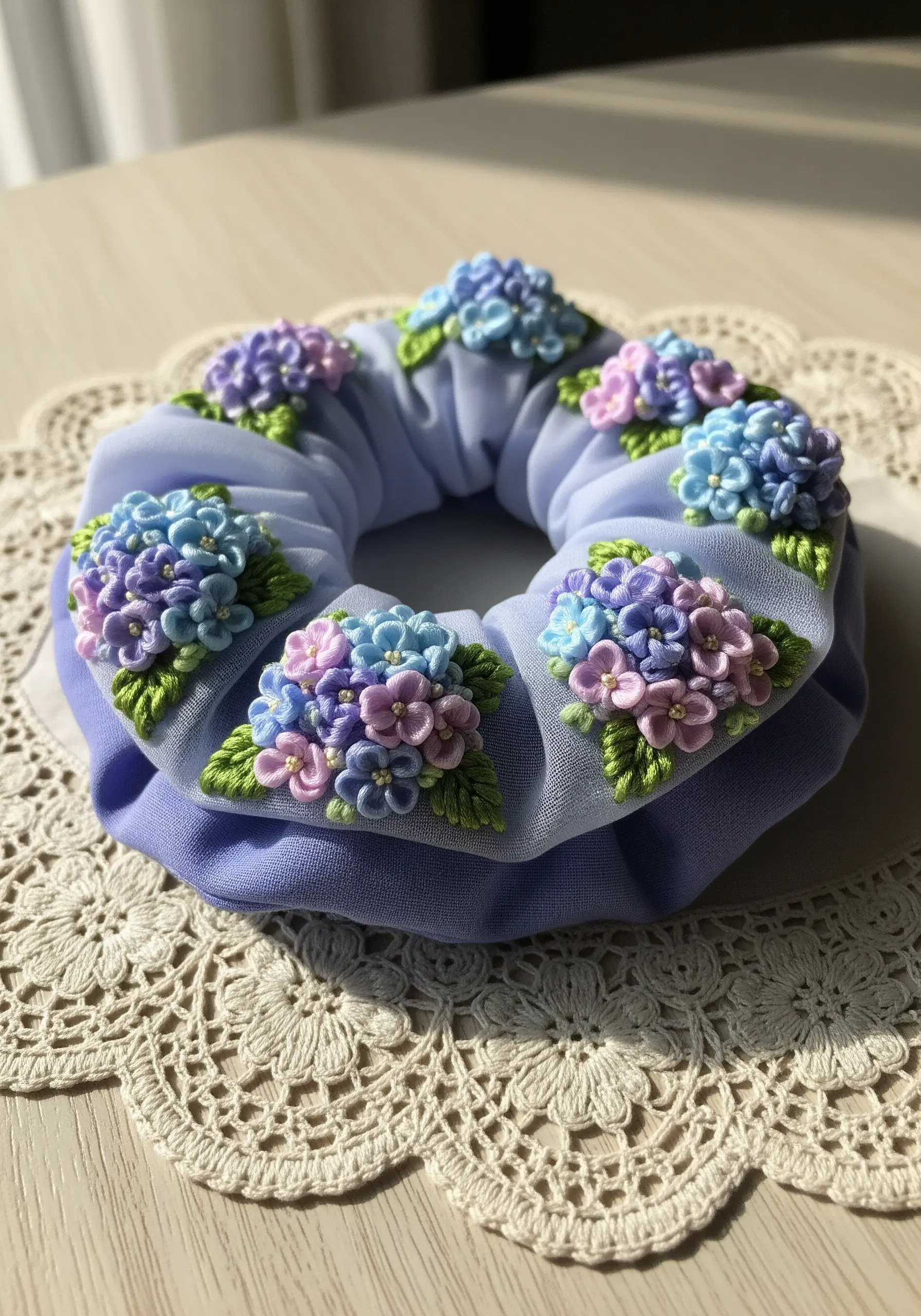
Hydrangeas are essentially clusters of tiny four-petaled flowers.
You can simulate this using loose French knots or tiny lazy daisy stitches grouped tightly.
Variegated thread works wonders here, naturally shifting between blues and purples without changing needles.
This method replicates hydrangea embroidery ideas for soft fluffy textures that look almost 3d.
Keep the leaves dark green to ground the pastel airy colors of the petals.
22. The fishbone leaf
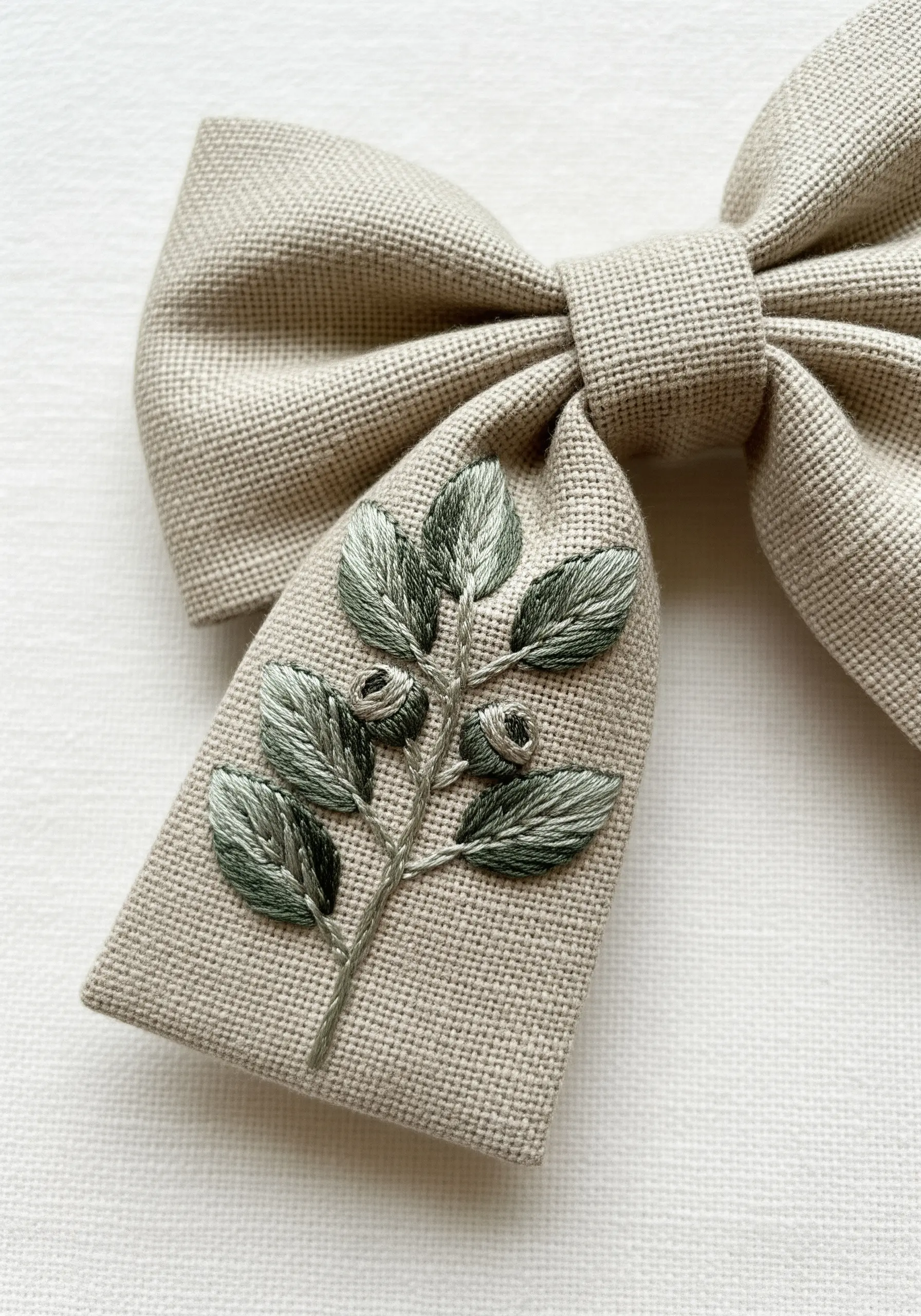
For a minimalist, nature-inspired look, the fishbone stitch is essential for leaves.
It creates a braided spine down the center of the leaf, adding texture and realism automatically.
Use a matte cotton thread on linen for an organic, understated finish.
These fit perfectly into minimalist leaf line embroidery patterns for chic scandinavian home decor.
Ensure your stitches are close together to avoid gaps where the linen shows through.
23. Cosmic velvet explosions

Embroidery can mimic fireworks by using long straight stitches radiating from a center point.
Mix metallic silver thread with vibrant silks to create the glowing effect against dark blue velvet.
Add scattered French knots in the background to represent distant stars.
This taps into dreamy galaxy string art concepts to transform basic threads into cosmic embroidery art.
Keep the center point neat; if it gets too crowded, the needle becomes hard to push through.
24. Tropical print replication
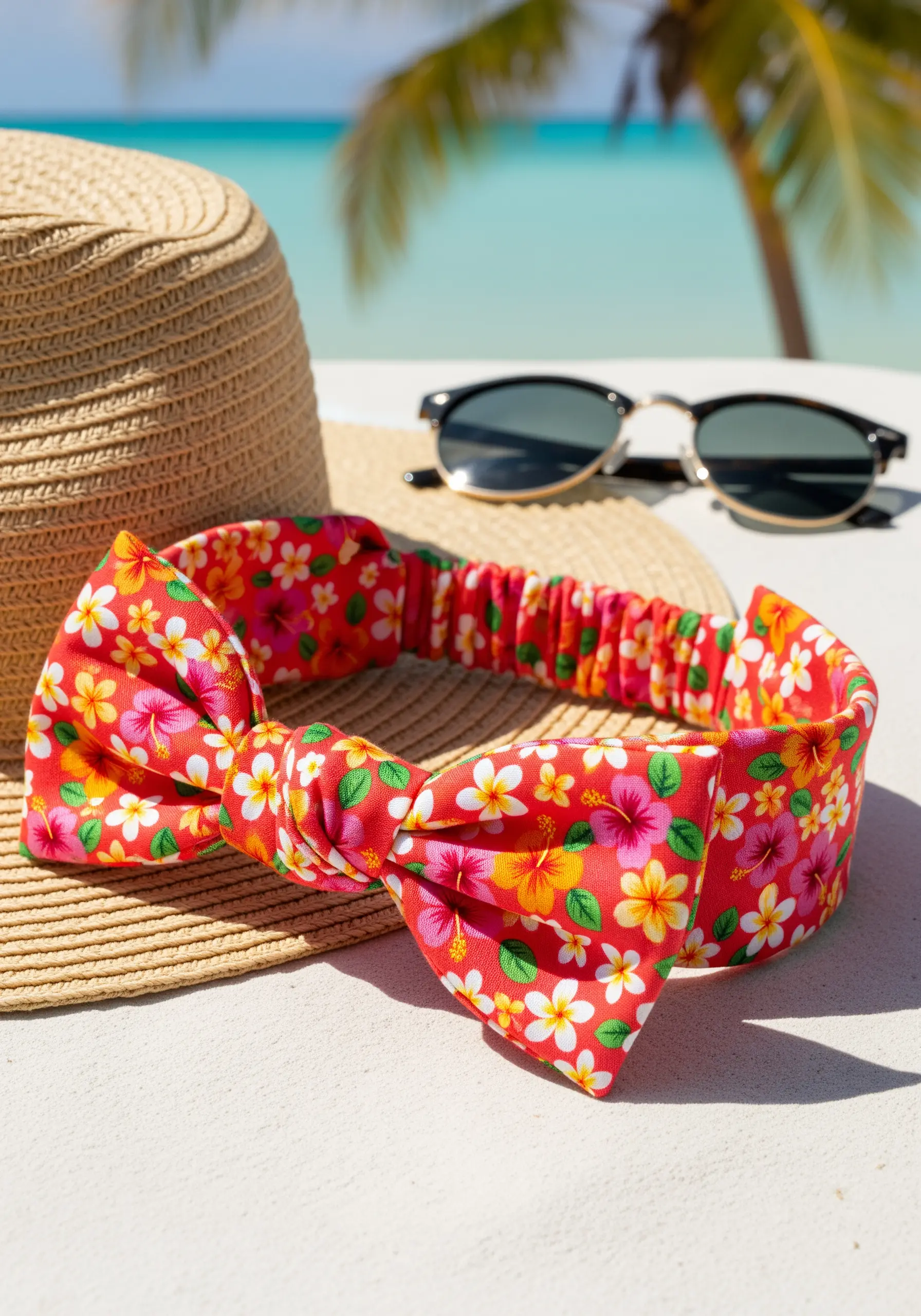
To achieve the look of a tropical print through embroidery, you need bold, saturated colors.
Use satin stitch to block in the large hibiscus petals, ensuring the edges are crisp.
Add shading by stitching a slightly darker color into the center of the flower.
This style evokes flamingo embroidery designs for summer dresses perfect vacation vibes.
On a printed fabric base, you can simply outline the existing pattern to make it pop.