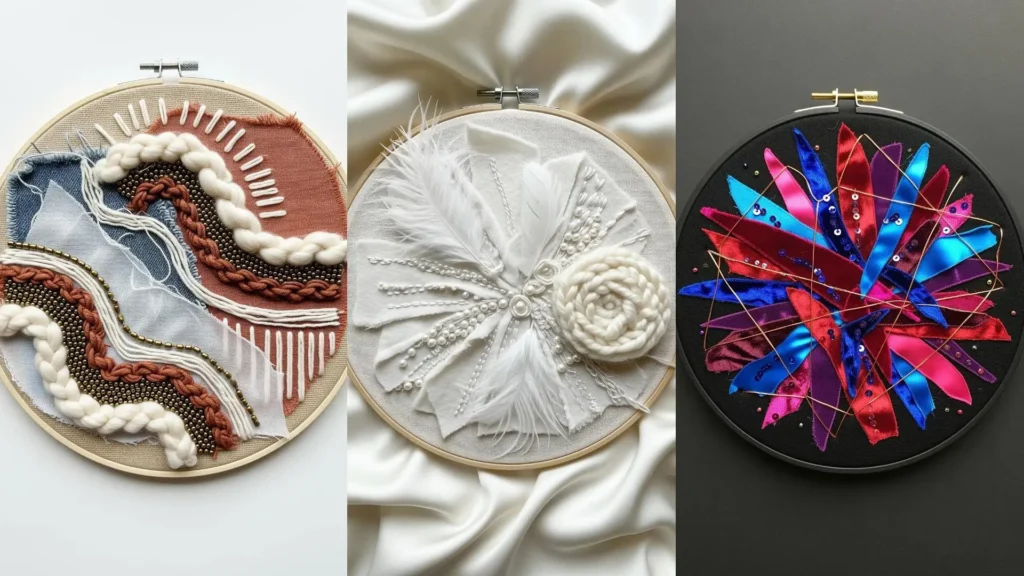
Have you ever finished a project and felt that something was missing? That despite your careful stitches, the piece lacked a certain emotion or depth? You’re not alone. The secret to elevating your embroidery often lies not in learning more complex stitches, but in using simple ones with greater intention.
Abstract stitching is your invitation to think like a painter, a sculptor, and a poet—all with a needle and thread. It’s about focusing on the language of texture, the rhythm of lines, and the emotional weight of color. It’s about understanding that the direction of a stitch can create movement, the density of a knot can convey strength, and the space you leave empty can speak volumes.
In these examples, we will move beyond simply filling in shapes. We’ll explore how to build forms, create tension, and tell stories through the deliberate manipulation of thread. You already have the skills. Now, it’s time to unlock the artistry within them.
1. Sculpting with Directional Fill Stitches

Give simple shapes dimension by controlling the direction of your fill stitches.
Instead of a uniform satin stitch, use a brick stitch or long-and-short stitch, but alter the angle of your stitches to follow or defy the shape’s contours.
Notice how the spiral in the top-left circle creates a focal point, while the vertical stitches in the adjacent oval create a sense of height.
This technique turns a flat shape into a topographical map of texture, guiding the viewer’s eye and creating subtle movement in your hoop art.
2. Creating Graphic Pop with Padded Satin Stitch

To make your abstract shapes physically lift off the fabric, use padding.
Before you begin your satin stitch, lay down a foundation of small seed stitches or cut a piece of felt just smaller than your shape and tack it down.
Stitch over this foundation with your satin stitch, using a single, bold color.
The raised surface catches the light differently, creating shadows that give the shape weight and presence.
On a high-contrast background like black Aida, this technique produces a clean, graphic, and undeniably modern finish.
3. The Power of Tension and Repetitive Lines

Think of your frame not just as a holder, but as a loom for creating large-scale architectural art.
Use a sturdy canvas and stretch long, unbroken strands of thread from one side to the other, securing them on the back.
The key here is perfectly even tension to avoid warping the fabric.
By arranging these lines in repeating blocks of color, you create a minimalist and powerful graphic statement where rhythm, color, and negative space do all the talking.
4. Deconstructed Weaving for Emotional Texture

Tell a story of process and imperfection by intentionally deconstructing your stitches.
Create a simple needle-woven shape by laying down vertical warp threads and weaving your weft threads through them.
Instead of finishing the shape neatly, stop midway and let the remaining warp threads hang loose.
This technique introduces an element of fragility and rawness, turning a simple arch into a poignant and emotional story about coming together or falling apart.
5. Balancing Linear and Clustered Textures
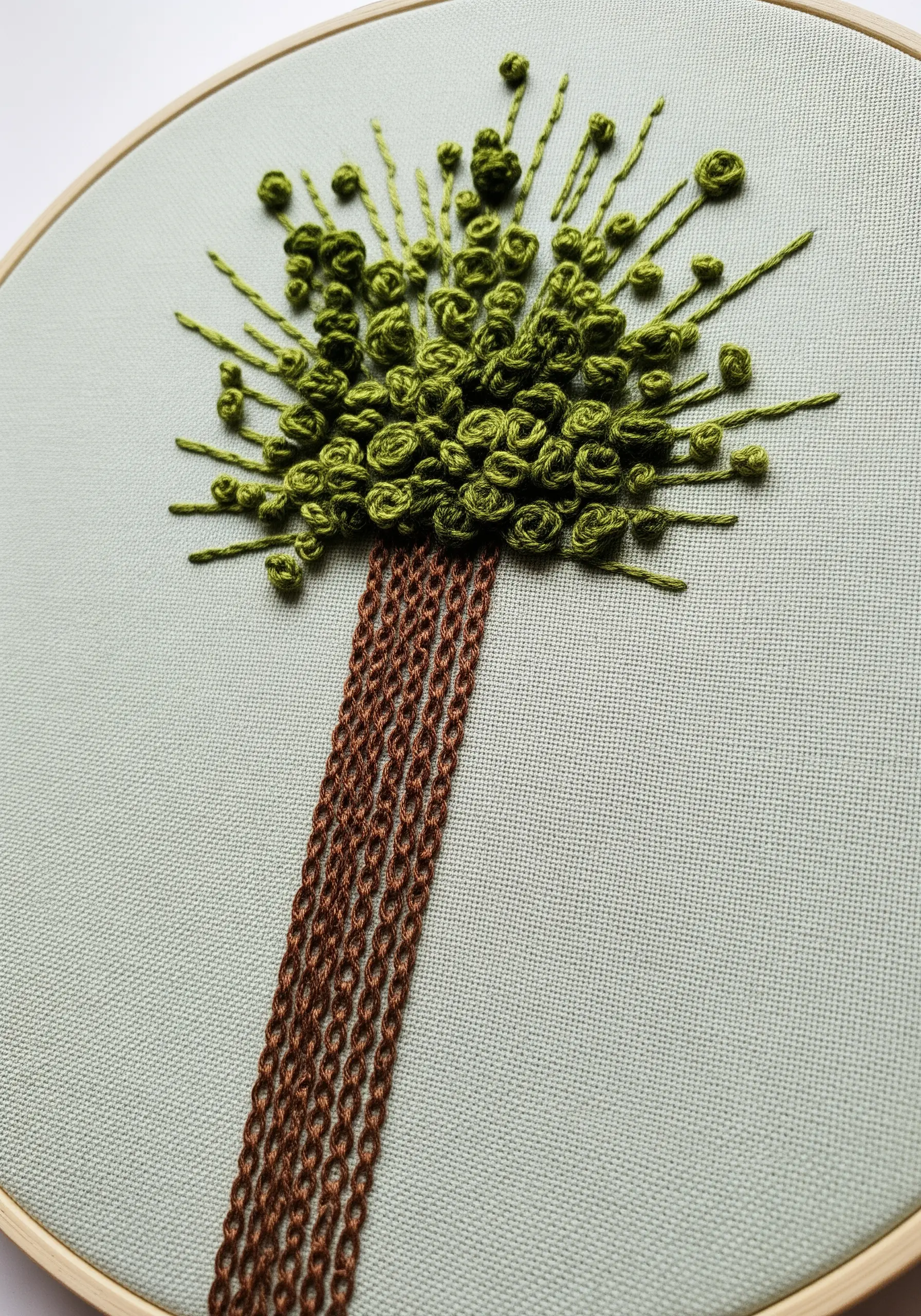
Create visual excitement by pairing smooth, linear stitches with dense, chaotic ones.
Use a clean, directional stitch like the chain stitch to build a structured form—like the trunk of this abstract tree.
Then, contrast that order by filling an adjacent area with a dense cluster of highly textural stitches, such as French knots, bullion knots, or woven wheel stitches.
This dynamic interplay between order and randomness makes the entire piece feel more alive and engaging.
6. The Minimalist Statement of a Satin Stitch Block

The simplest shapes often demand the most discipline—and offer the greatest reward.
Creating a perfect, solid block of color with satin stitch is a meditation on precision.
To achieve flawless edges, first outline your shape with a split stitch.
Then, using a high-sheen thread on a matte fabric, fill the shape with perfectly parallel stitches, using a laying tool to ensure every strand is flat.
This minimalist statement finds its emotional weight in its starkness and impeccable execution.
7. Introducing High-Volume Yarn for Sculptural Impact
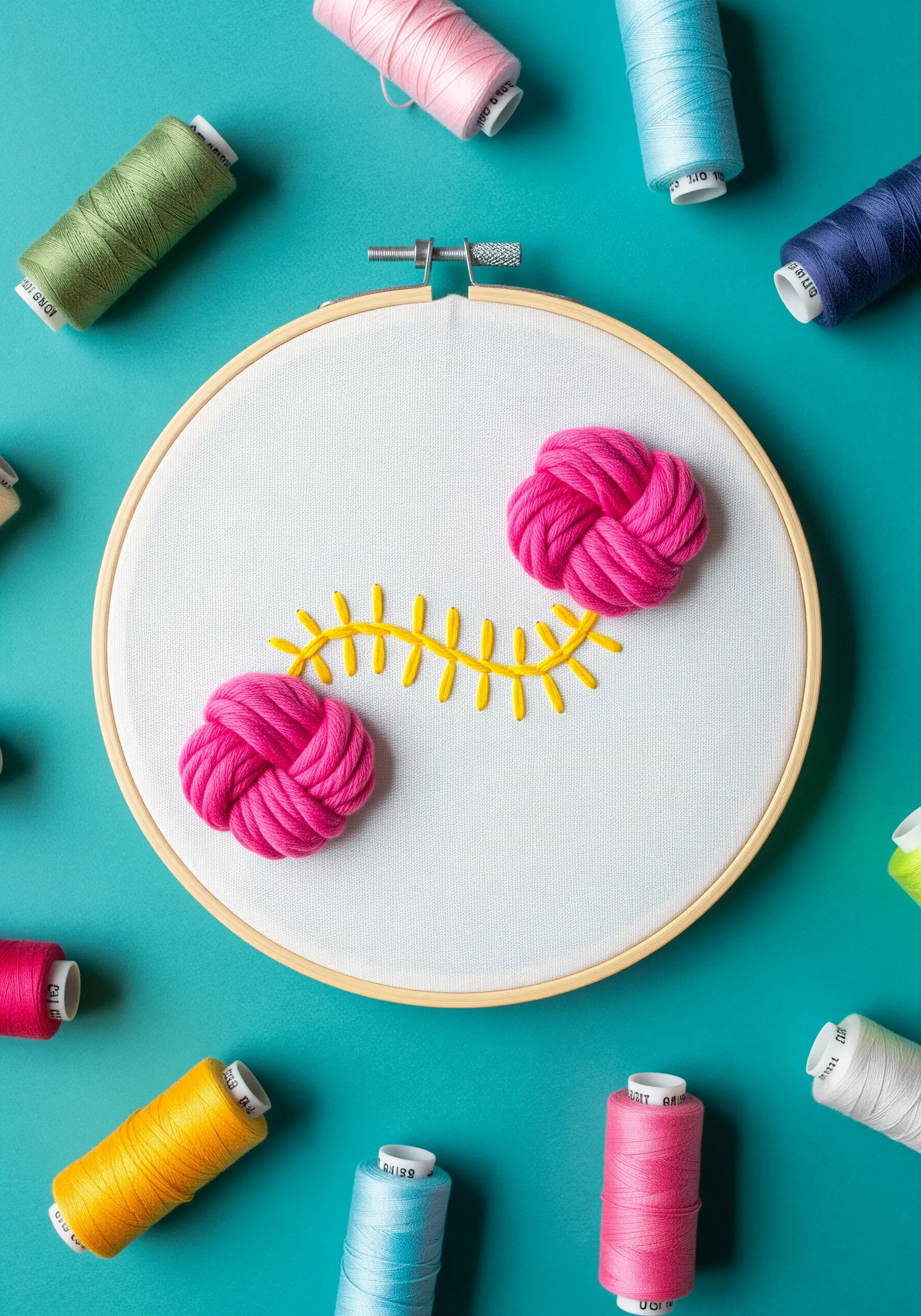
Move beyond embroidery floss to make a quick and dramatic statement.
By couching or tacking down thick fibers like chunky yarn, you can create bold, knotted shapes with an immediate tactile presence.
This technique is less about the intricacy of the stitch and more about the volume and texture of the material itself.
It’s a perfect way to add playful, sculptural impact to your work without spending hours on dense fill stitches.
8. The Quiet Intensity of a Single Stitched Line

In abstract art, what you leave out is as important as what you put in.
A single, perfectly centered line can hold more power than a fully covered hoop.
To give your line definition, use a whipped backstitch or a thin stem stitch to create a raised, cord-like effect.
The tension comes from the precision of the line and the vast negative space that surrounds it.
This is a powerful exercise in restraint that communicates confidence and quiet intensity.
9. Controlled Chaos with Braids and Couching
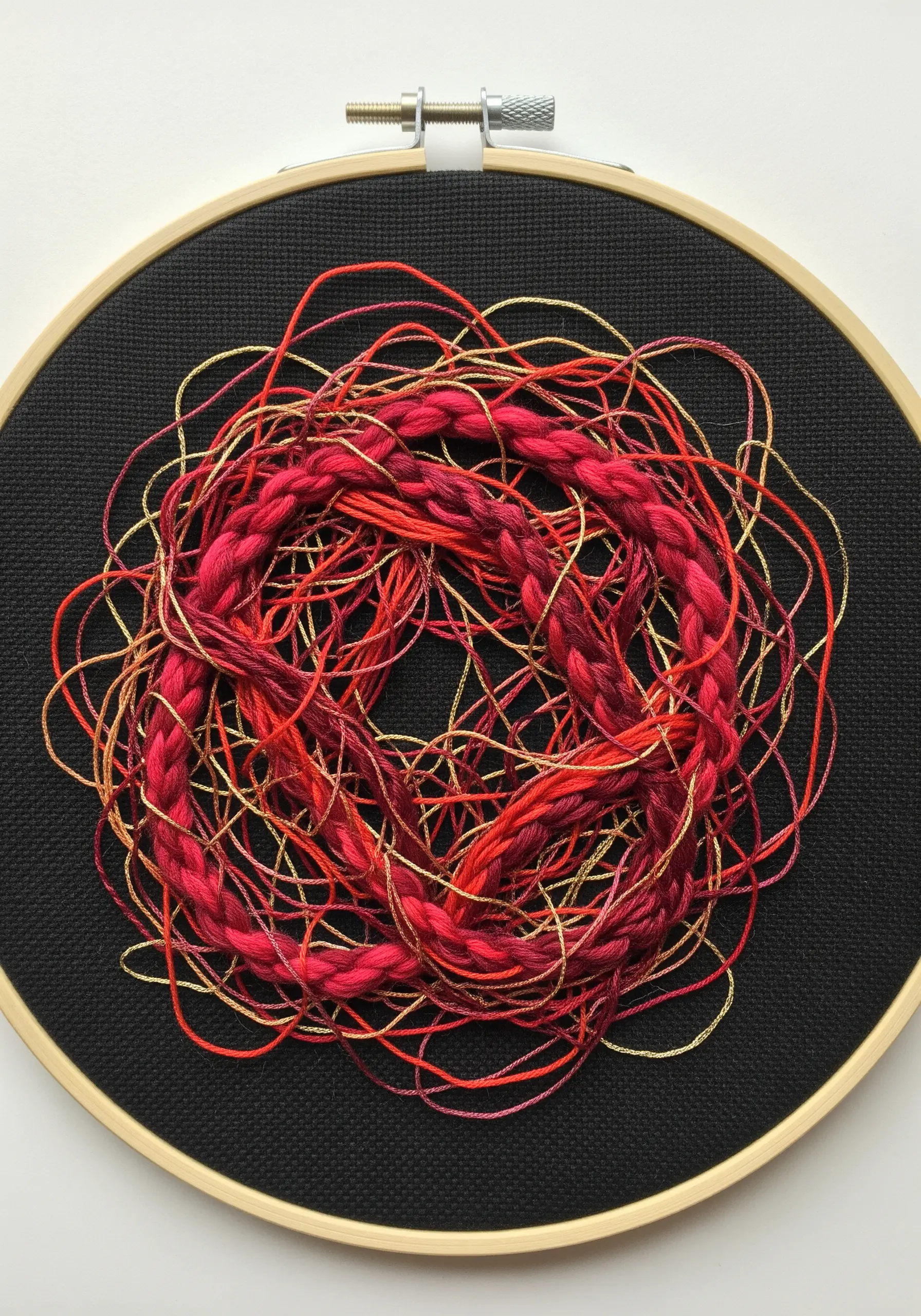
Create a composition that feels both wild and intentional.
First, braid multiple strands of thread together in a harmonious color palette, perhaps adding a metallic strand for light-catching detail.
Couch this thick, textured braid onto your fabric in a circular or organic form.
Then, fill the surrounding space by couching down loose, unbraided threads from the same color family.
The result is a layered, tangled piece with a beautiful, energetic feel.
10. Architectural Forms with Woven Filling
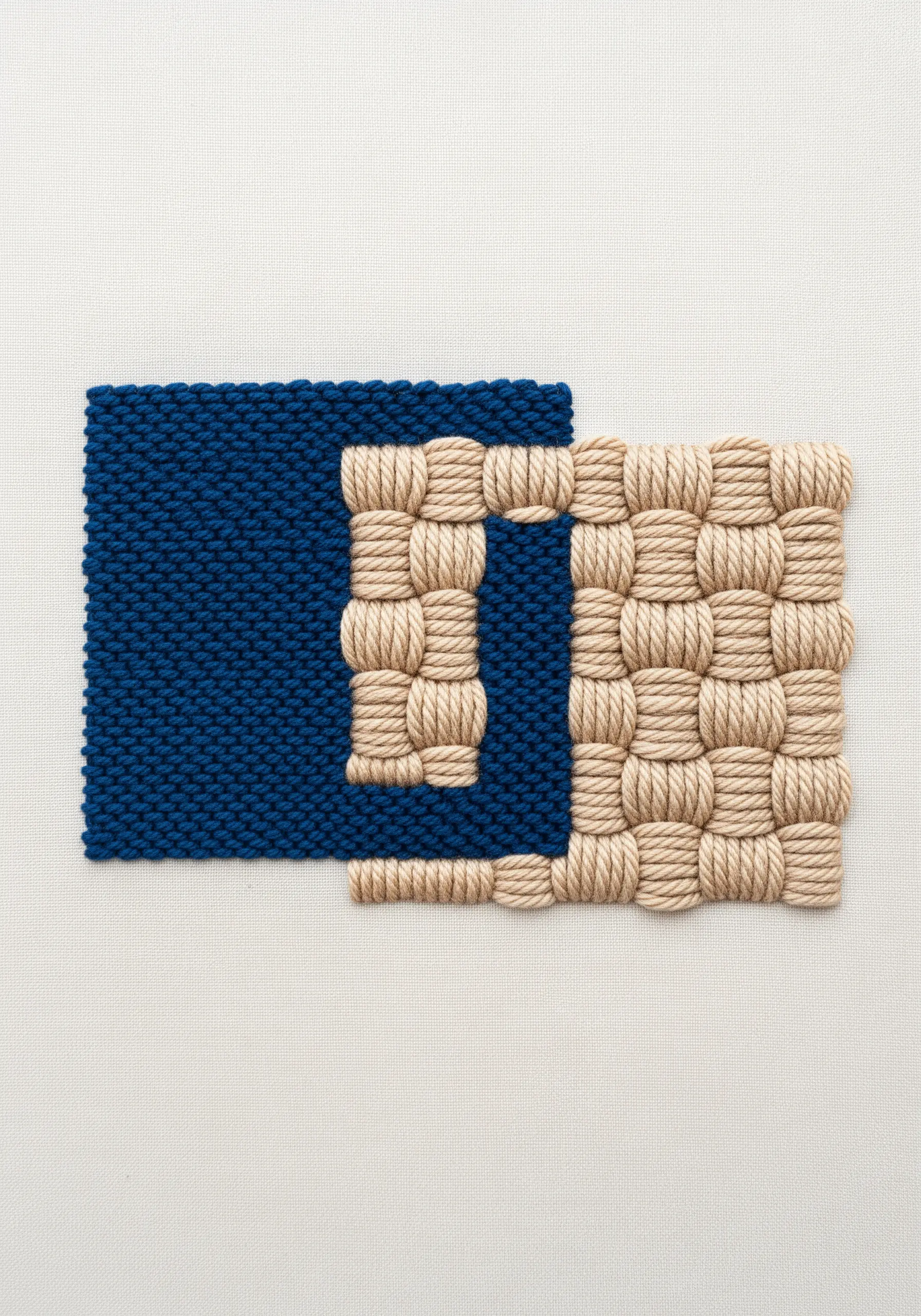
Build solid, fabric-like blocks of texture using needle weaving.
Lay down a foundation of parallel straight stitches to act as your warp.
Then, use a blunt tapestry needle to weave your weft thread over and under these warp threads until the shape is filled.
This technique gives your work a sturdy, substantial quality that feels both handmade and highly structured.
Pairing a woven section with a flat-stitched one creates a sophisticated abstract composition.
11. Extreme Texture with Unspun Roving
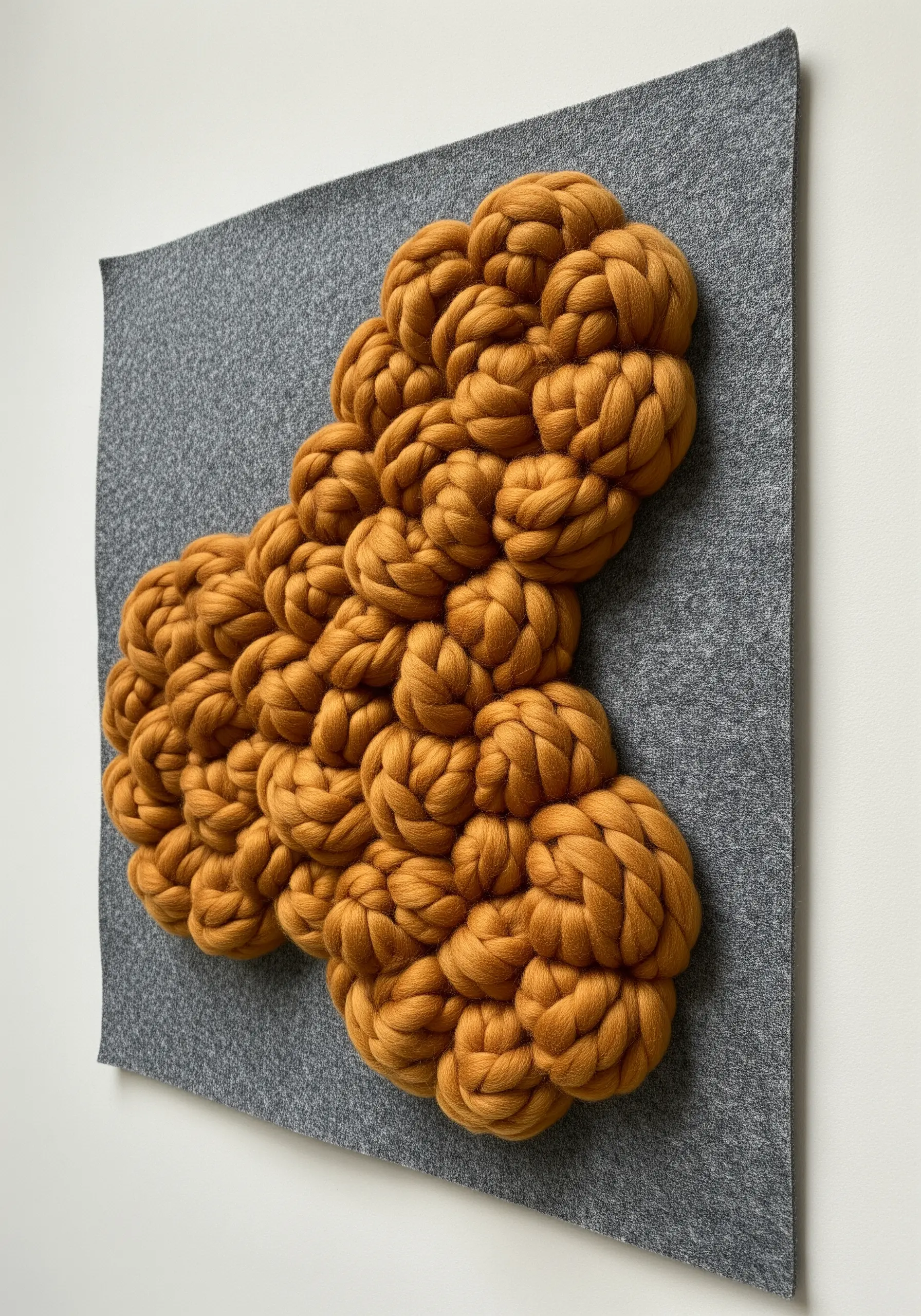
For the ultimate sculptural effect, work with unspun wool roving.
This material offers unparalleled volume and softness, creating cloud-like forms that demand to be touched.
Instead of stitching, you can shape the roving and attach it to a sturdy fabric base like thick felt using either felting needles or a few well-placed tacking stitches.
This approach is more about sculpting fiber than traditional stitching, perfect for creating bold yarn wall art patterns.
12. Creating Tension with A Ruptured Form

Use contrasting line work to tell a story of connection and division.
First, create a cohesive, solid shape using smooth, concentric lines of split stitch or stem stitch.
Then, slice through it with a jagged, aggressive line made of sharp straight stitches in a high-contrast color.
The opposition between the smooth, flowing curves and the harsh, angular break creates a visual tension that makes the simple composition feel dynamic and emotionally charged.
13. Pointillism and Texture with Seed Beads
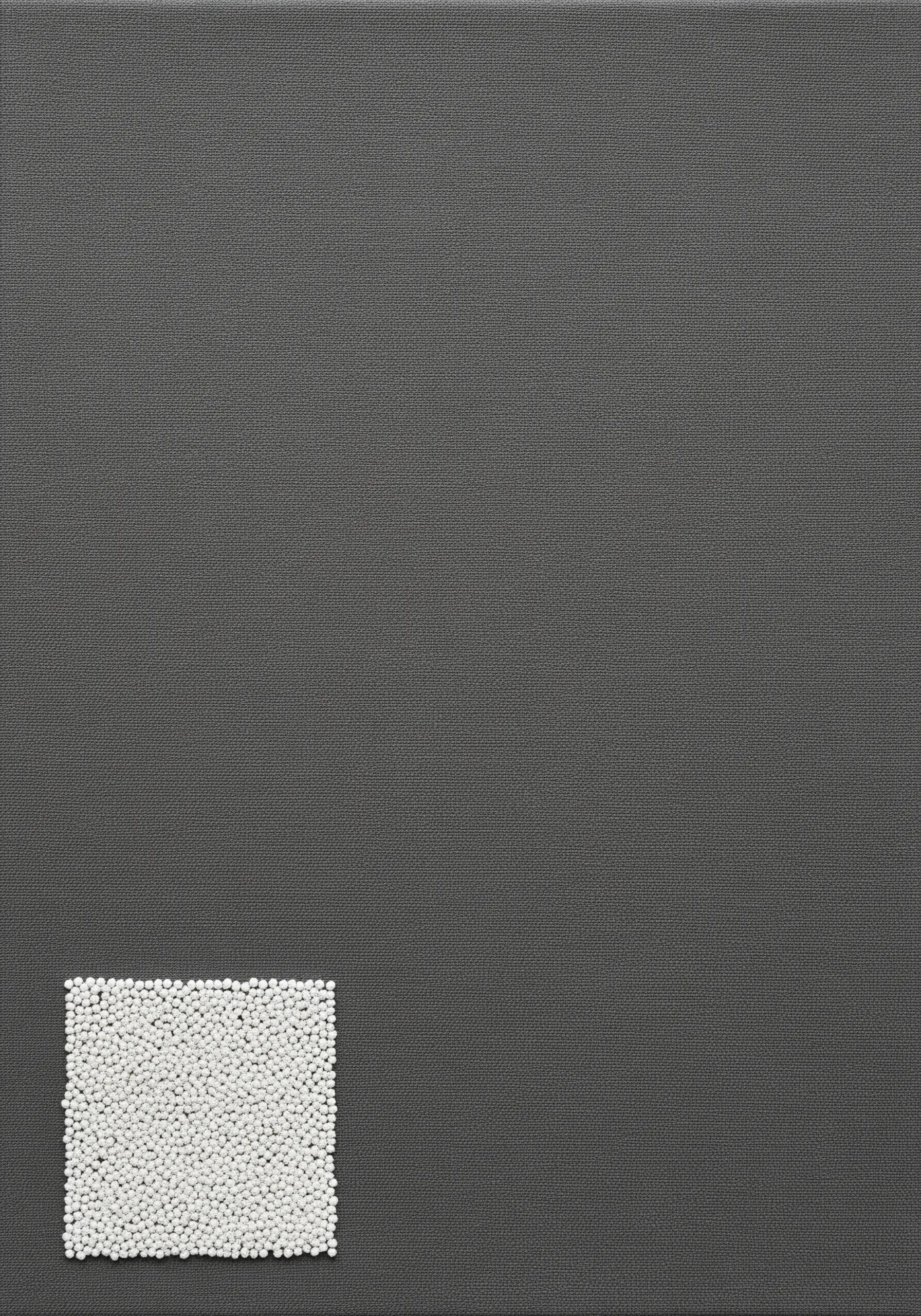
Swap thread for beads to introduce a completely different texture and light quality to your work.
Fill a simple geometric shape with tiny seed beads, attaching each one with a small stitch.
The result is a granular, light-reflecting surface that feels almost digital in its precision, especially against a matte fabric.
The power of this technique lies in the patient repetition and the use of an unexpected material to create a solid field of texture.
14. Expressive Energy with Radiating Stitches

Combine circular and linear stitches to create a design that bursts with life.
For the core of your shape, use a woven wheel stitch with variegated thread to create a swirling blend of color.
Then, surround this center with bold, radiating straight stitches or satin stitch bars.
By varying the length and color of these outer rays, you create a sense of explosive, vibrant energy that feels joyful and uncontained.
15. Layering Tonal Color Blocks for Depth

Create an illusion of depth and dimension using carefully gradated colors.
Divide your abstract shape into horizontal or vertical sections.
Fill each section with satin stitch, using shades of the same color that move from light to dark.
To ensure a crisp, clean line between each color block, outline it with a single strand of backstitch in the darker of the two shades.
This gives your shape a clean, graphic, and layered look.
16. Building Solid Shapes with Clustered Knots
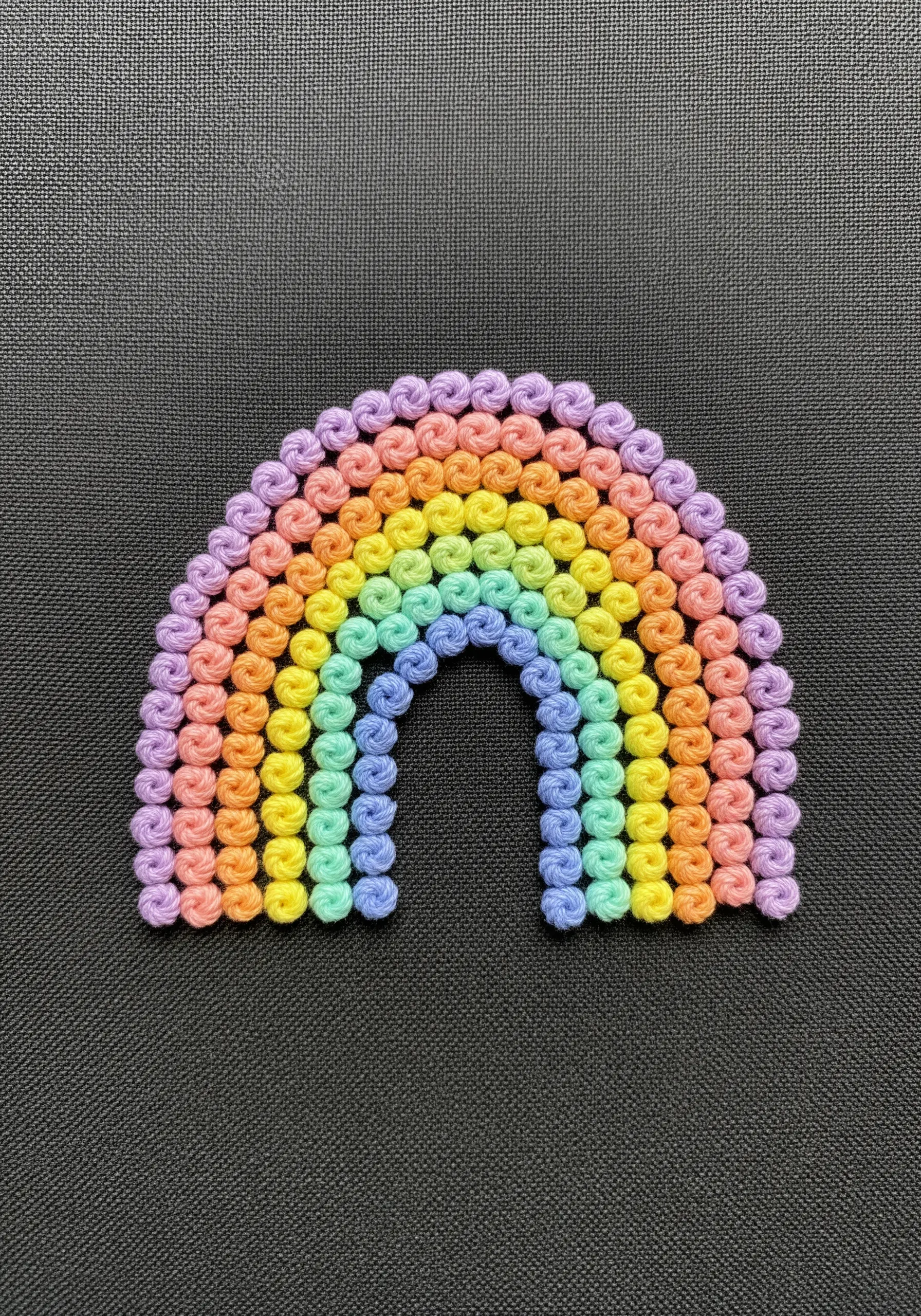
Think of knots not just as dots of texture, but as building blocks for solid forms.
By placing bullion knots or French knots tightly together in neat rows, you can use them as a fill stitch.
This method creates a wonderfully plush, raised surface that is both soft and visually dense.
The coiled texture of the knots gives the shape a unique, almost sculptural quality, perfect for creating forms that feel substantial and three-dimensional.
17. The Dimensionality of the Raised Chain Stitch Band

For a bold, 3D braided texture that sits high on the fabric, master the raised chain stitch band.
This stitch is worked over a ladder of foundation bars (simple straight stitches), not directly into the fabric.
The resulting chain creates a thick, pillowy braid that is perfect for filling geometric shapes or creating strong, textural lines.
It provides a robust, woven texture with significant visual weight.
18. The Rhythm of Negative Space and Minimal Marks

The most profound statements in abstract embroidery are often the quietest.
Instead of filling the hoop, place just a few minimal marks—like French knots or tiny seed stitches—in a carefully considered arrangement.
The artistry here is in the composition and the deliberate use of negative space.
An irregular, sparse pattern creates a sense of calm and makes each individual stitch feel incredibly significant.
19. A Bold, Curving Line with Whipped Chain Stitch

To achieve a perfectly smooth, solid, and continuous line that navigates curves with ease, the whipped chain stitch is your best choice.
First, lay down a foundation of standard chain stitch.
Then, using the same or a contrasting thread, whip around the outside of each chain link without piercing the fabric.
This technique completely covers the chain, resulting in a clean, rope-like line that flows beautifully around curves.
20. Faceted Dimension with Satin Stitch Geometry

Create the illusion of a three-dimensional, faceted object on a flat surface.
Divide your main shape into smaller triangles and polygons.
Fill each small section with satin stitch, but critically, change the direction of your stitches for each adjacent facet.
This simple trick causes light to reflect differently from each section, mimicking the planes of a cut gemstone.
This is a core technique for modern geometric hoop art designs.
21. Storytelling Through Deconstructing Stitches
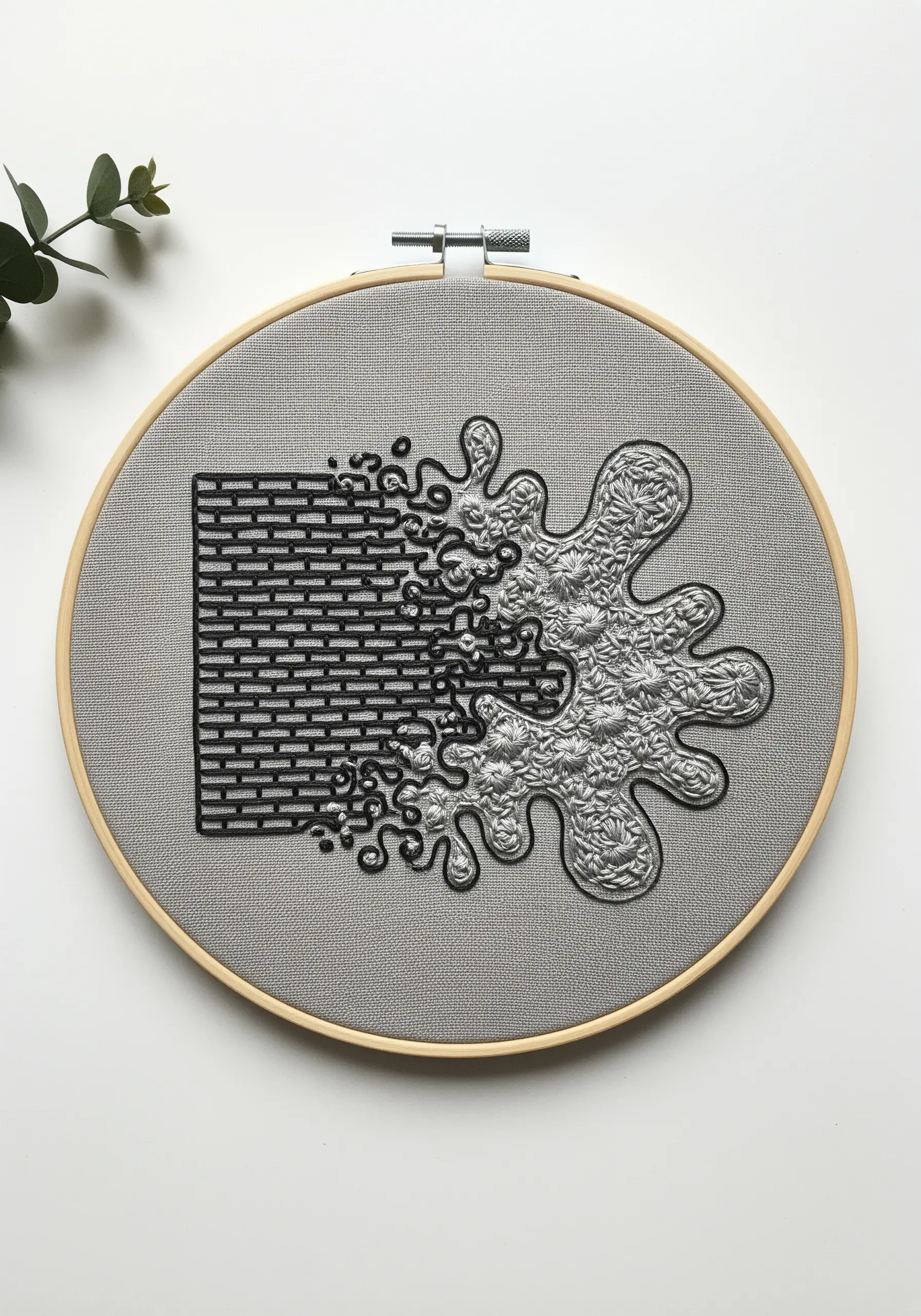
Use your stitching to illustrate a process of transformation or dissolution.
Begin with a highly structured, repeating pattern, like a brick wall created with straight stitches.
As you move across the design, allow the pattern to break down—the stitches become looser, more randomized, and eventually transition into an entirely different, more organic texture like French knots or chaotic seed stitches.
This powerful visual narrative turns a static image into a story of transformation.
22. Creating a Gradient with Stitch Density
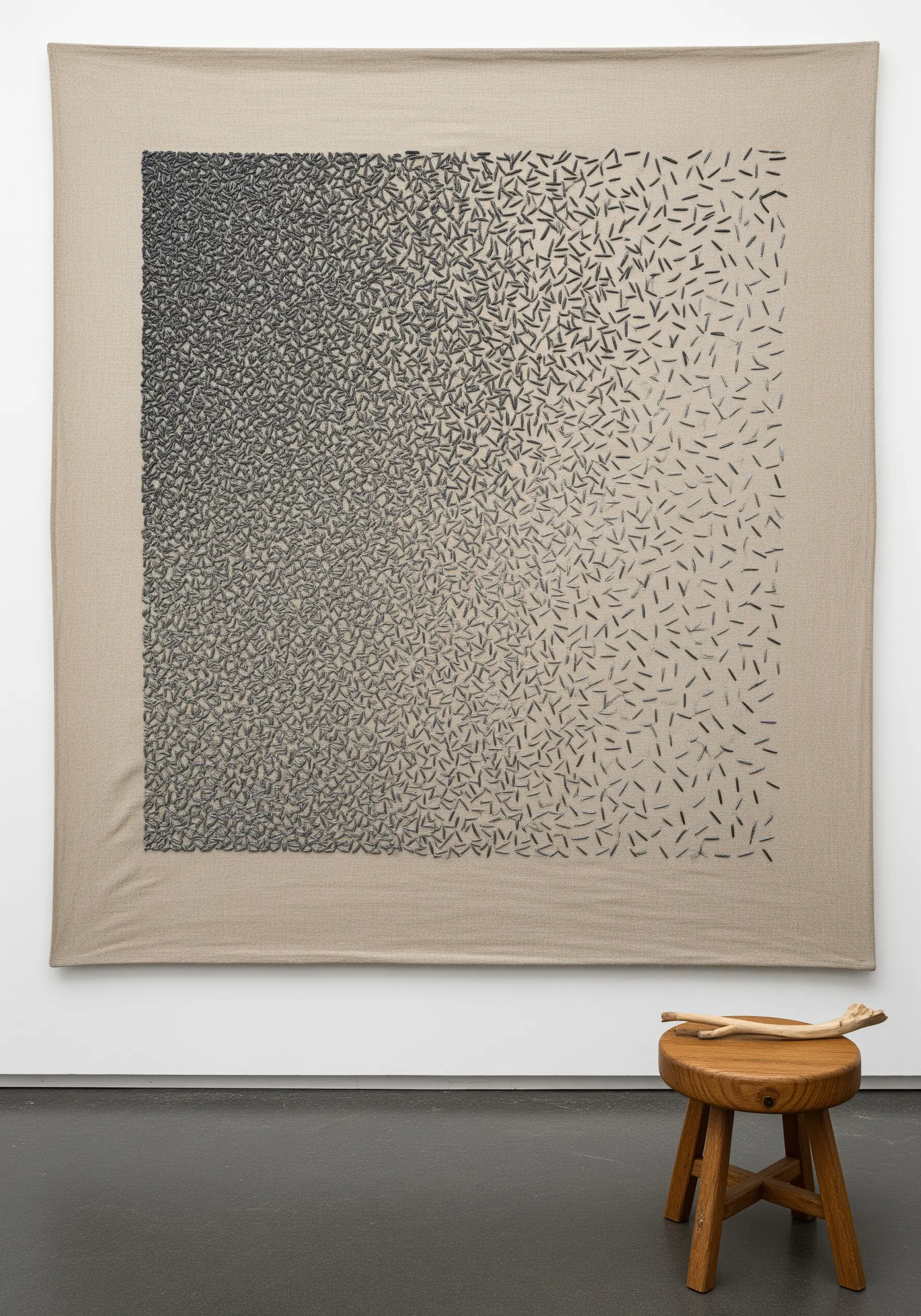
You can create a beautiful gradient effect without changing your thread color at all.
The secret is to vary the density of your stitches.
Start with a tightly packed area of small seed stitches or straight stitches, creating a solid mass of texture.
Then, as you move across the fabric, gradually increase the amount of negative space between each stitch until they are very sparse.
This creates a stunning fade from solid to ethereal, adding a profound sense of movement and depth.
23. Contrasting Hard and Soft Textures

Juxtapose materials with opposite physical qualities for a rich and engaging tactile experience.
Combine the rigid, cool, and light-reflecting quality of tiny metallic seed beads with the soft, warm, and light-absorbing texture of wool roving or felt.
The strict, grid-like order of the beading against the organic, fluffy chaos of the wool creates a powerful dialogue between the industrial and the natural, the hard and the soft.
24. The Visual Narrative of Chaos and Order

Craft a story within your hoop by contrasting extreme chaos with perfect order.
On one side, allow your thread to become a tangled, uncontrolled mass—secure it with a few hidden couching stitches.
From this mass, pull a single thread and transition it into a perfectly straight, meticulously stitched line.
This technique creates an immediate and powerful emotional narrative: the journey from confusion to clarity, from a tangled thought to a single, focused idea.
25. Defining Soft Shapes with Delicate Outlines

When you fill a shape with a highly textural stitch like needle weaving or dense knots, the edges can sometimes appear soft or undefined.
To give your work a crisp, polished finish, add a delicate outline after your filling is complete.
Use a single strand of a contrasting thread and a simple backstitch or stem stitch to trace the perimeter of the shape.
This simple act of framing elevates the entire piece, making it feel more deliberate and complete.
26. The Art of Intentional Fragmentation

Create dynamism and intrigue by “breaking” a complete shape.
Stitch a recognizable geometric form, like this target, using a combination of satin stitch and backstitch.
Then, intentionally leave gaps and misalign sections as if the object has shattered.
You can enhance the effect by adding a few tiny, scattered straight stitches nearby to represent flying shards.
This technique transforms a static design into a dramatic moment frozen in time.
27. Creating Upward Motion with Scale and Color

Give your composition a feeling of effervescence and buoyancy by playing with size, spacing, and color.
Use a single motif, like the woven wheel stitch, and start with larger, more complex versions at the bottom of the hoop.
As you move up, gradually decrease the size of the wheels and increase the space between them.
Using hot, energetic colors like magenta, orange, and yellow enhances this feeling of lightness and upward movement.
28. A Dialogue Between Stitches and Fibers

Create a stunning conversation within a single shape by pairing two textures with opposing qualities.
Fill one half with a flat, uniform stitch like darning or brick stitch for a smooth, woven surface.
For the other half, use a high-pile technique like Turkey work loops or French knots made with thick wool yarn.
This contrast between the sleek, controlled plane and the plush, organic volume creates a sophisticated and engaging design.
29. Pointillist Gradients with French Knots
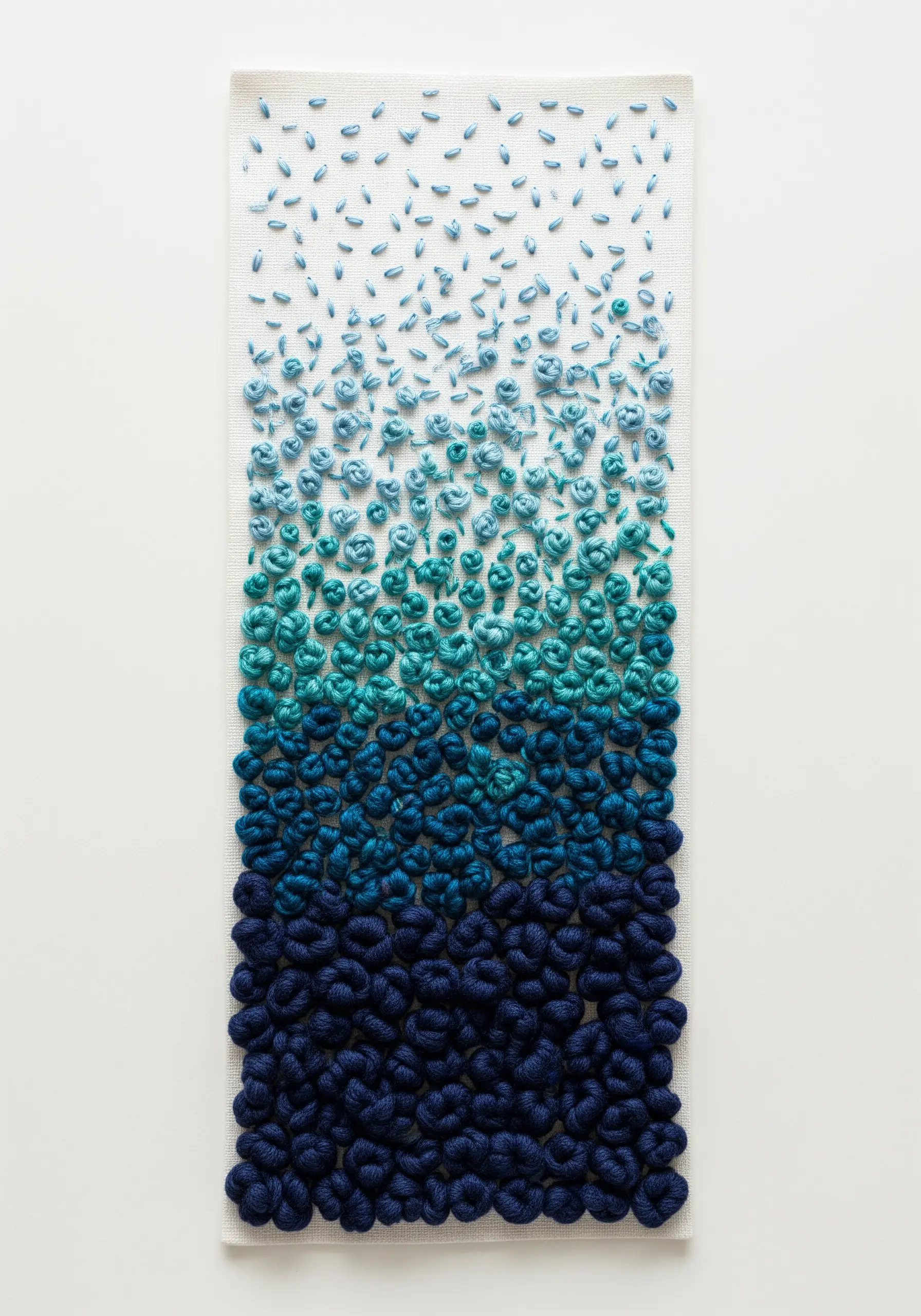
Create a soft, seamless color gradient using the pointillist effect of French knots.
Start with your darkest color at the bottom, packing the knots tightly.
As you move upward, begin mixing in knots of the next shade, gradually increasing their frequency until you have fully transitioned.
For an even softer fade, make your knots smaller or space them further apart at the very top.
This technique creates a rich, textural fade that feels more like a painting than stitching.
30. Building Patterns with a Single, Simple Stitch

You don’t need a large repertoire of complex stitches to create an intricate design.
Choose one simple stitch—like the humble seed stitch (short, straight stitches in varying directions)—and use it as a building block.
By filling geometric shapes with this single, easy stitch, you can create a composition that has a surprisingly complex and modern texture.
The overall impact comes from the repetition and arrangement, not the complexity of the individual stitches.
31. Outlining with Sculptural Knots
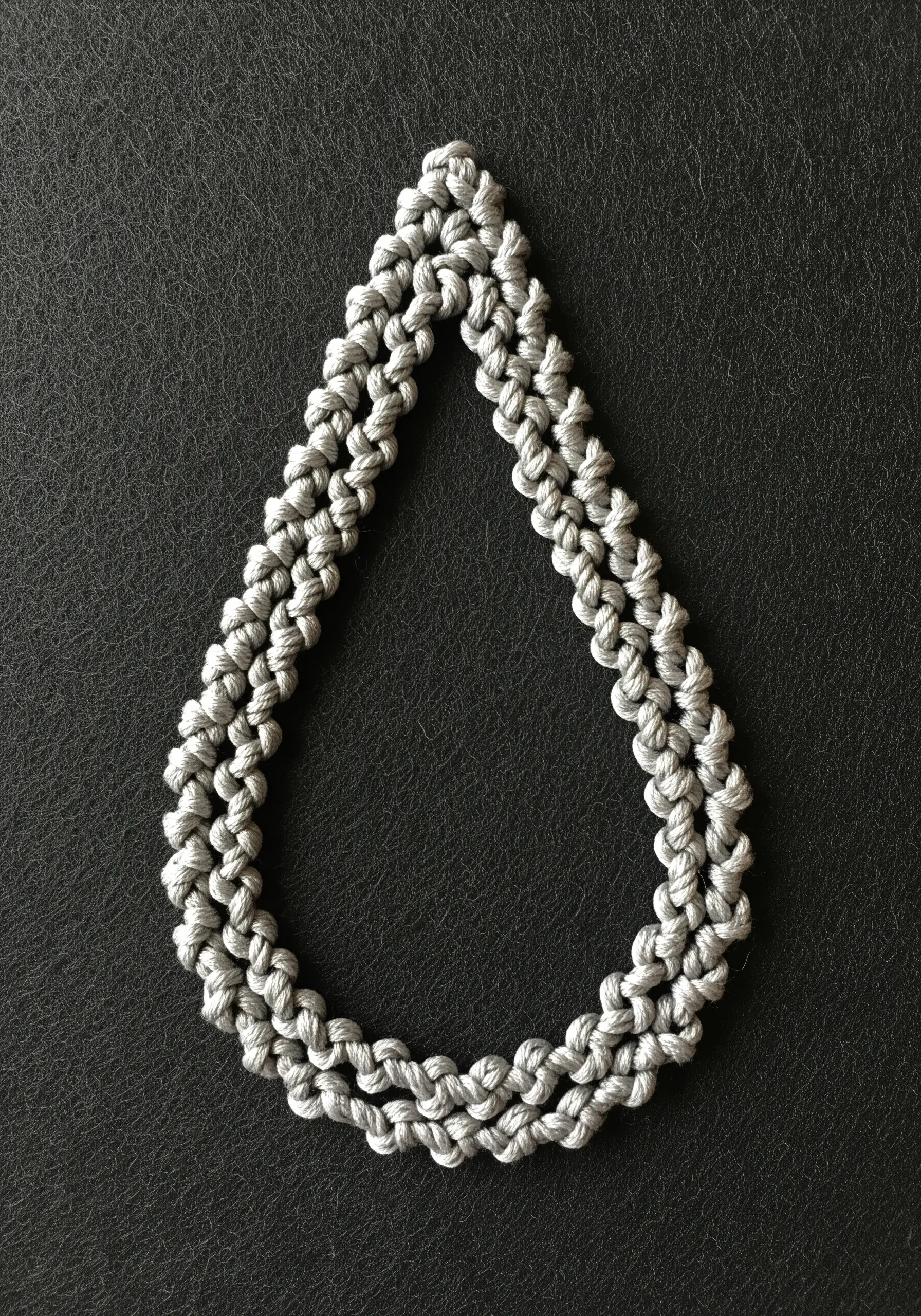
Elevate your outlines from simple lines to sculptural statements.
Instead of a standard backstitch, use a knotted stitch like the Palestrina knot, the knotted chain stitch, or the Danish knot.
These stitches create a raised, beaded, or rope-like line that adds significant texture and dimension to the edge of your shape.
This technique is perfect for turning a simple line drawing into a powerful, tactile, rope-like form.