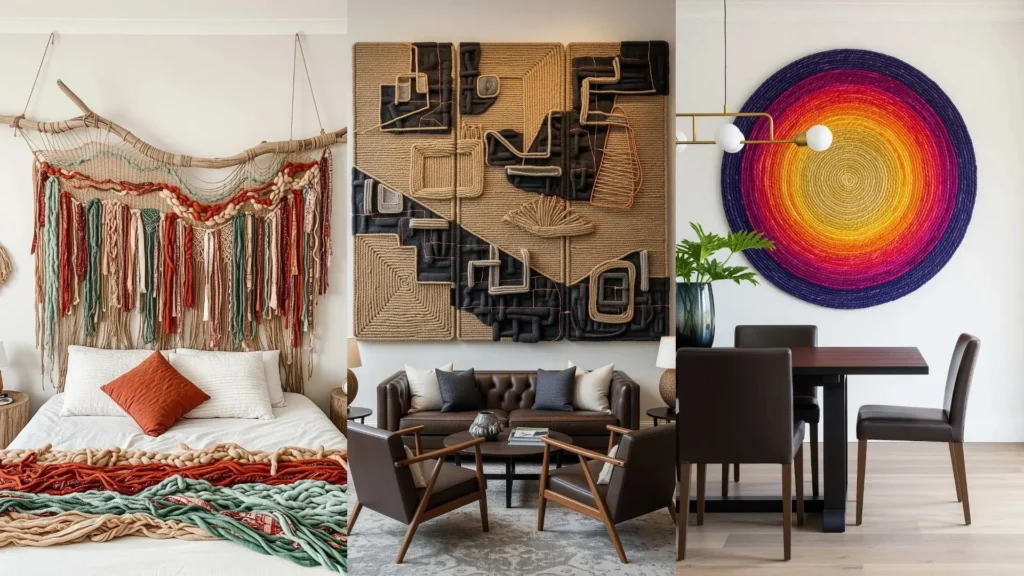
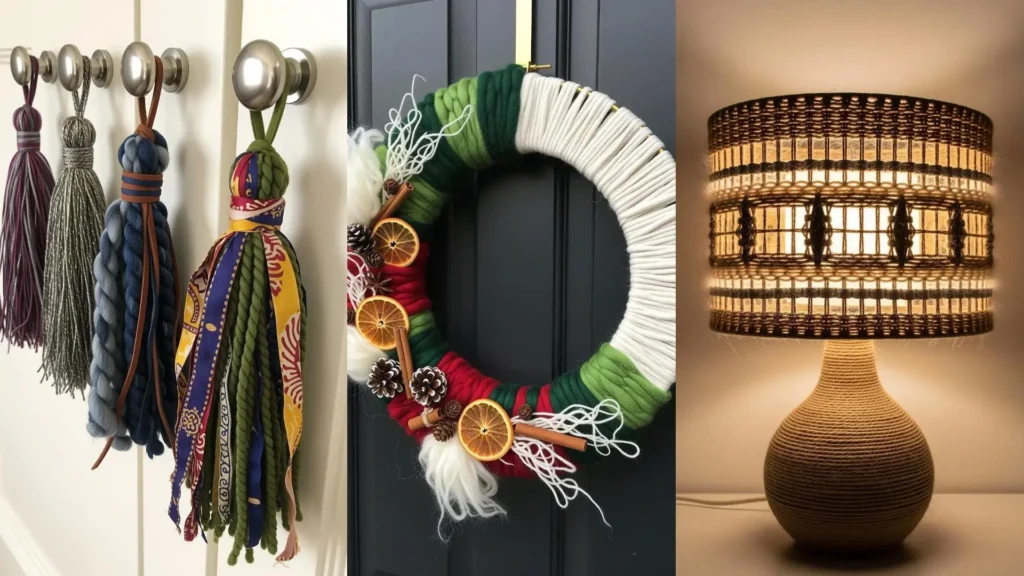
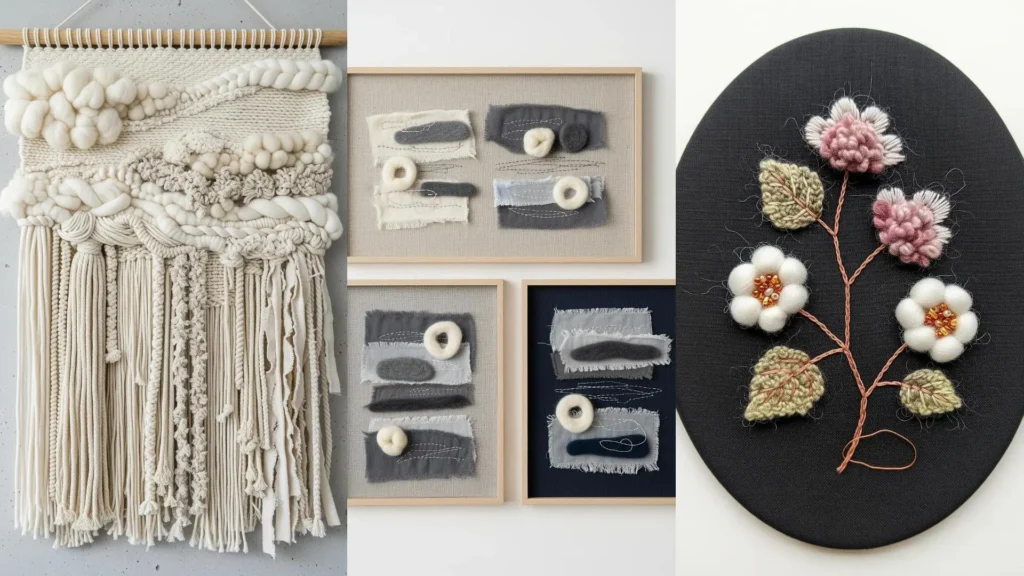
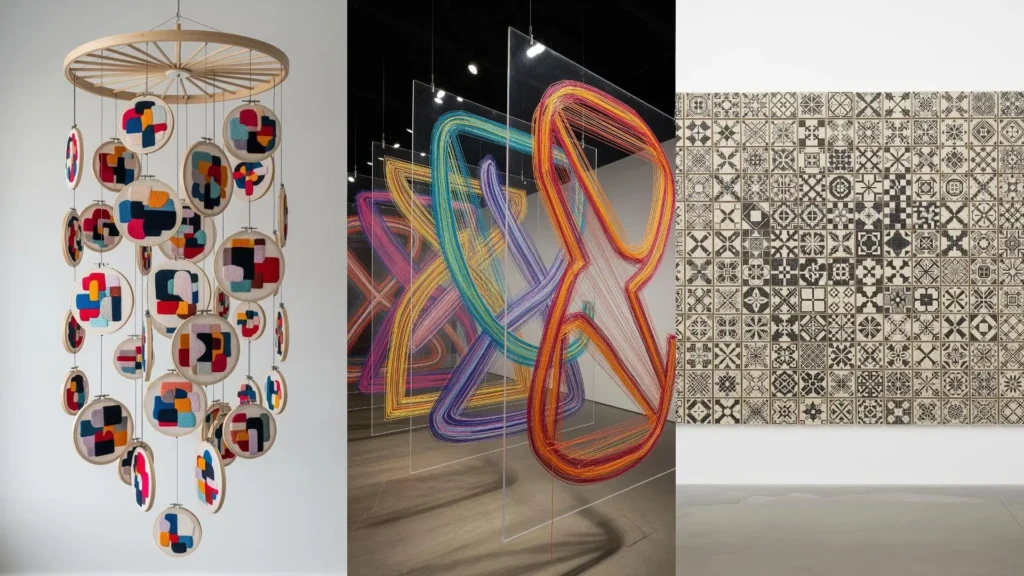
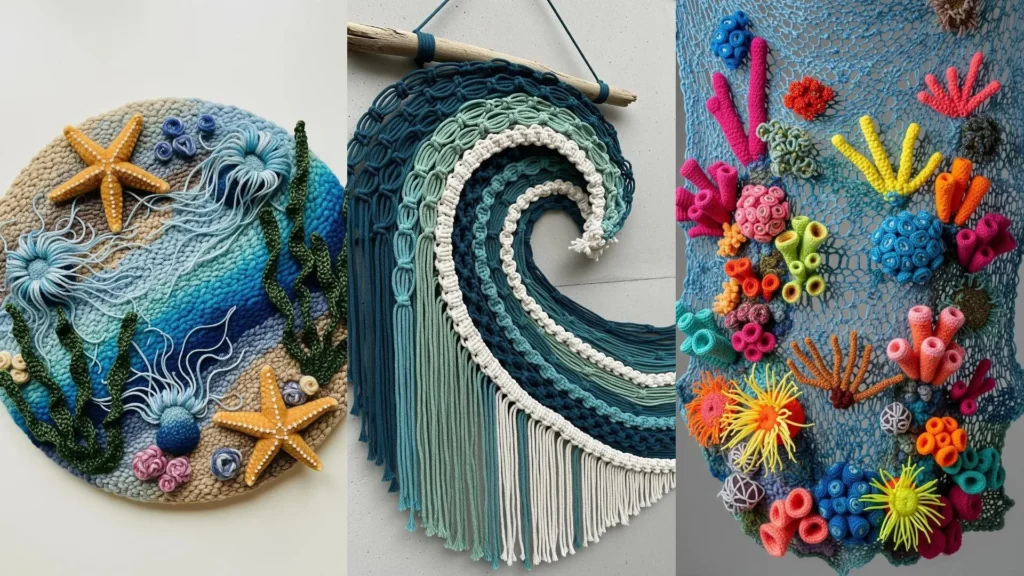
You have a deep appreciation for the quiet rhythm of needle and thread, but perhaps you feel a pull to move beyond the flat surface of the hoop.
Consider this an invitation to rethink the very nature of your materials. Imagine your thread not just as a line of color, but as a sculptural element capable of defining space, catching light, and creating form out of thin air.
These installations demonstrate that fiber art is not confined to fabric. It can float, flow, and fill a room. Let these ideas encourage you to experiment with scale, dimension, and unconventional materials, and to see every empty space as a potential canvas.
1. Sculpt Voluminous Textures with Wool Roving
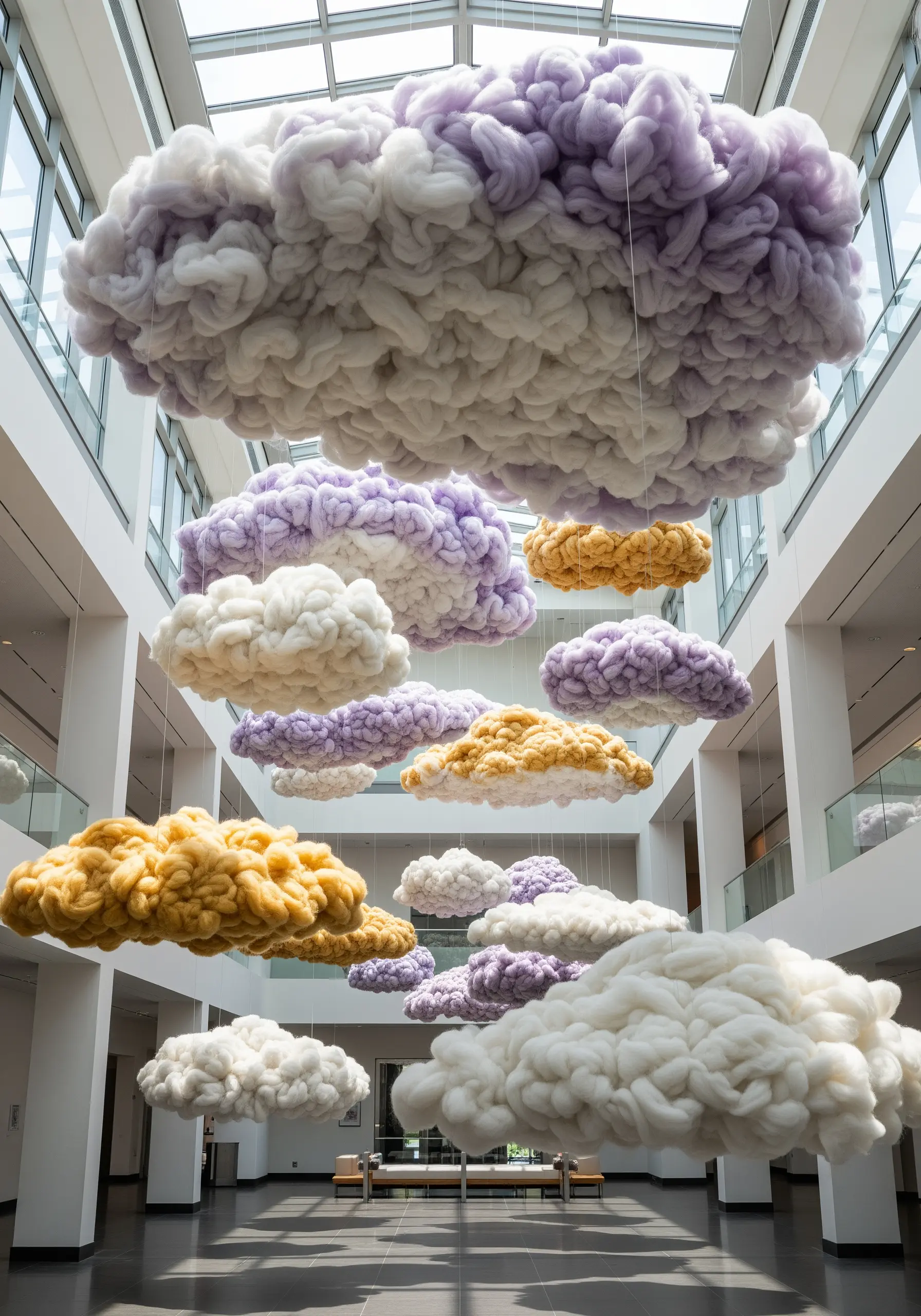
To create soft, cloud-like forms in your own work, move beyond thread and embrace wool roving.
Instead of dense satin stitching, use needle felting techniques to build up airy, three-dimensional shapes on a felt or wool base.
Layer different shades of roving—like lilac and off-white—and gently blend them with your felting needle to create soft, natural gradients.
This method adds incredible depth and a tactile quality that traditional embroidery floss cannot replicate, making it perfect for abstract wall hoop designs.
2. Create Movement with a Cascade of Threads
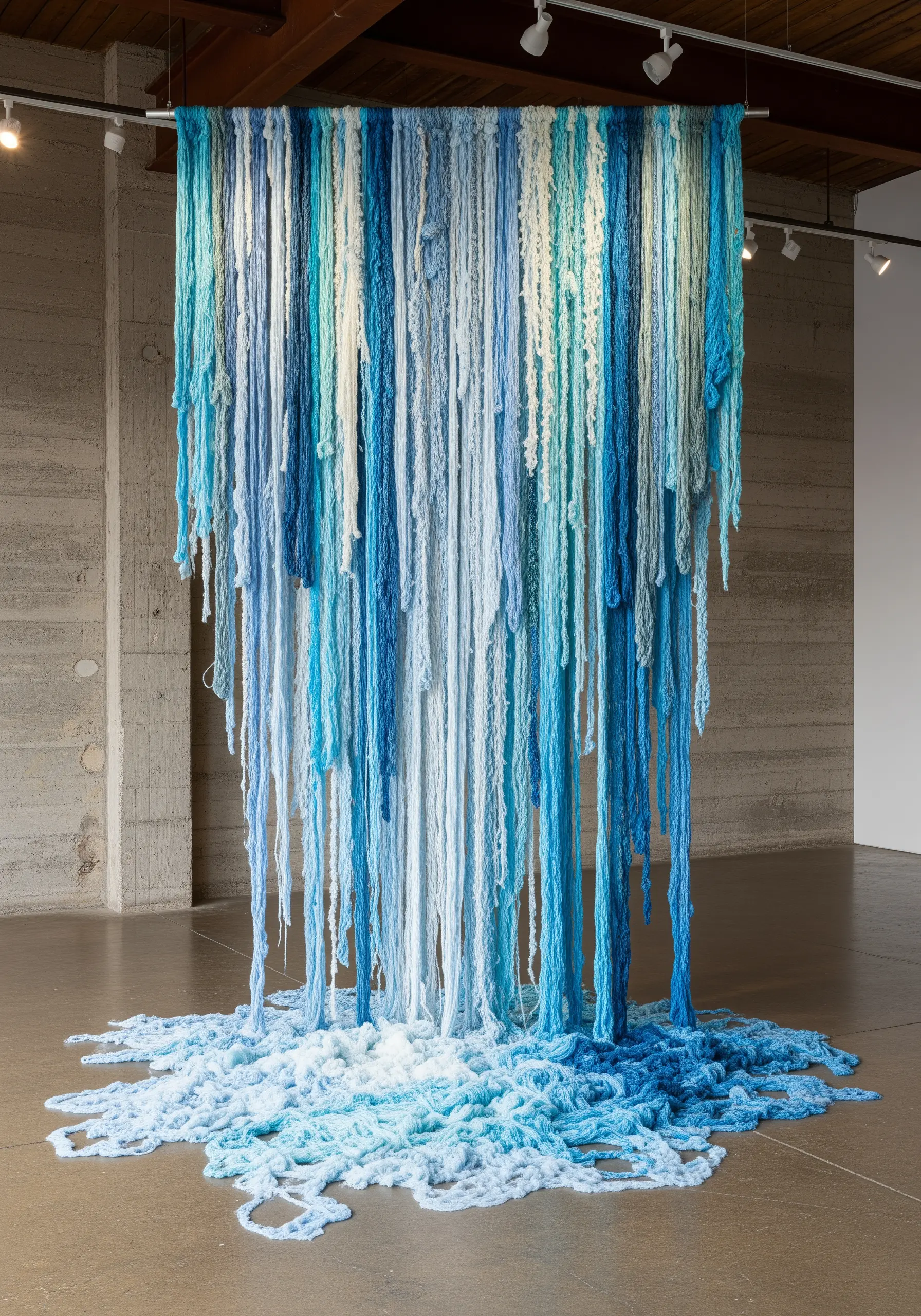
Capture the feeling of flowing water by letting your threads hang free.
Instead of terminating every stitch, allow long tails of yarn and floss to cascade down from your fabric or dowel.
Create a rich gradient by grouping threads by color, moving from light blues and whites to deep indigos.
Varying the texture and weight—mixing fine cotton floss with chunky wool yarn—will add visual interest and enhance the sense of natural, untamed movement.
This technique is perfect for creating embroidery wall tapestries that feel alive.
3. Use Fiber Wrapping for Bold, Graphic Elements
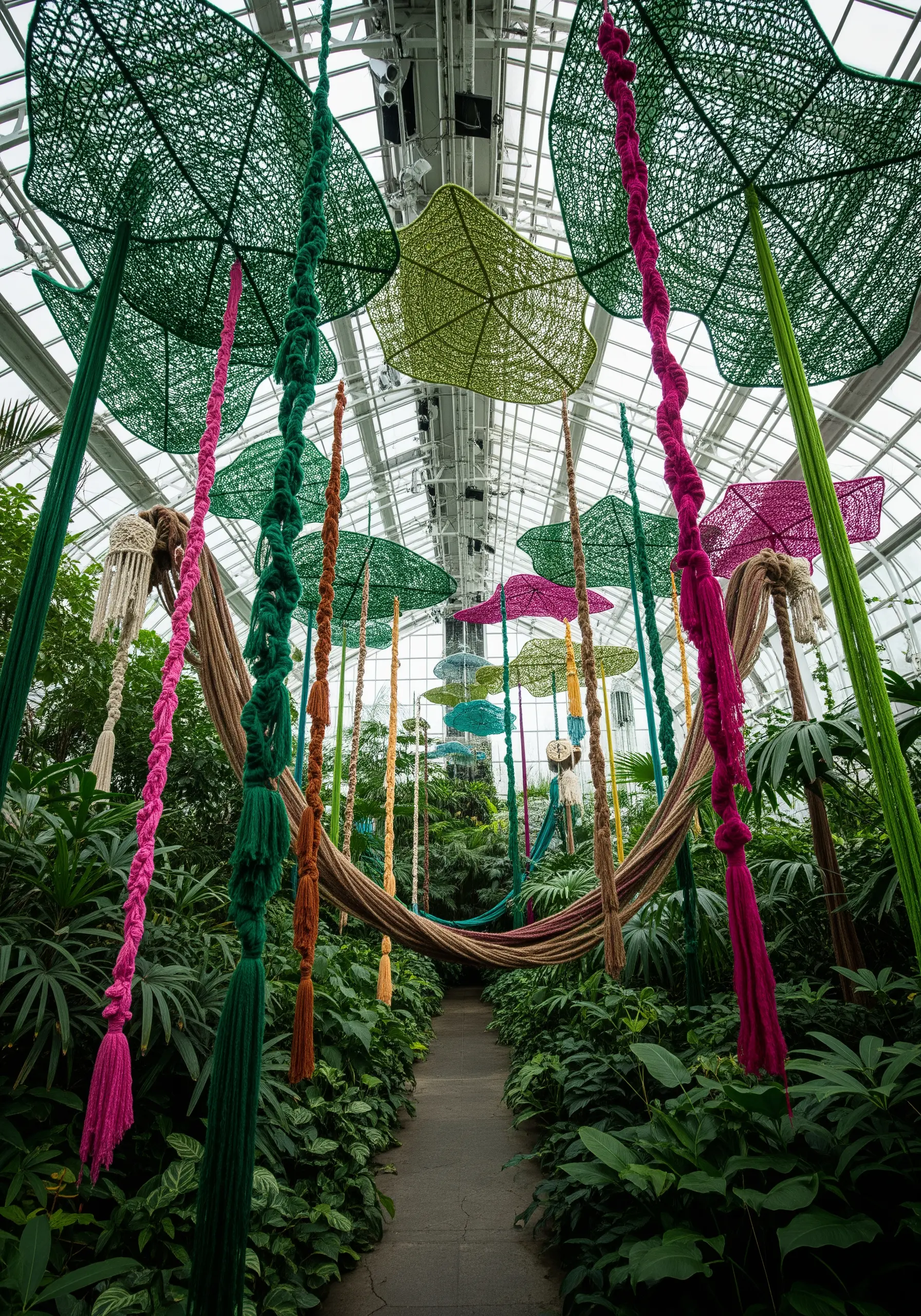
Transform simple structures into vibrant sculptural elements through yarn wrapping.
Start with a wire frame, a wooden dowel, or even a sturdy branch, and wrap it tightly with colorful yarn, ensuring no part of the base shows through.
Experiment with macrame knots or braids to introduce intricate patterns and textures along the wrapped form.
This technique allows you to introduce bold color and texture into a space without needing to stitch onto fabric, making it ideal for large-scale yarn wall art ideas.
4. Construct 3D Forms with Water-Soluble Stabilizer
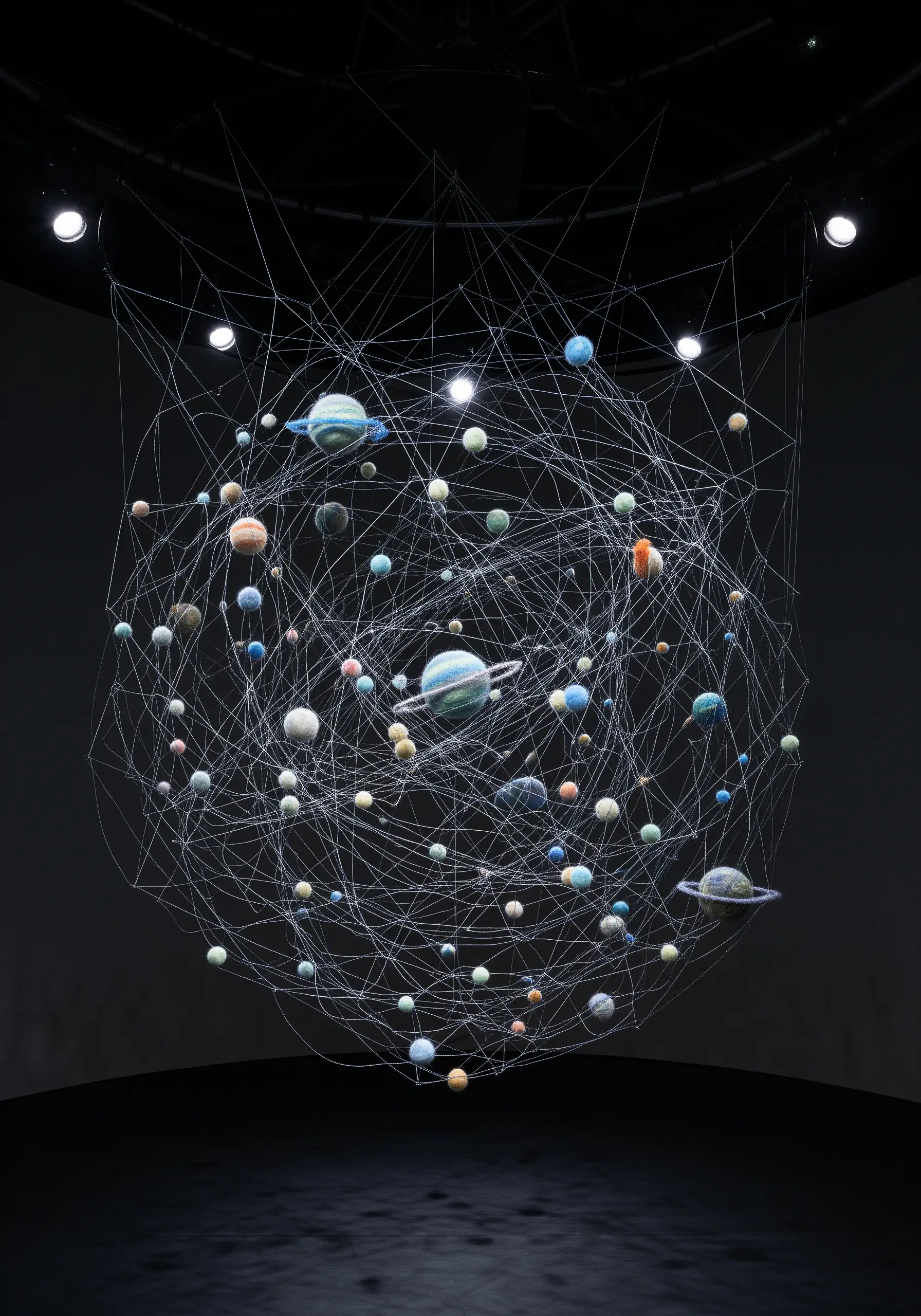
To create delicate, hollow shapes that seem to float, work with water-soluble stabilizer as your canvas.
Stretch the stabilizer in a hoop and stitch your design—or for a spherical shape, wrap thread around a small balloon coated in fabric stiffener.
Once your stitching is complete and interconnected, simply dissolve the stabilizer in water, leaving behind a freestanding thread sculpture.
This advanced technique opens a world of possibilities for creating jewelry, ornaments, and cosmic embroidery art.
5. Define Geometric Space with Thread Tension
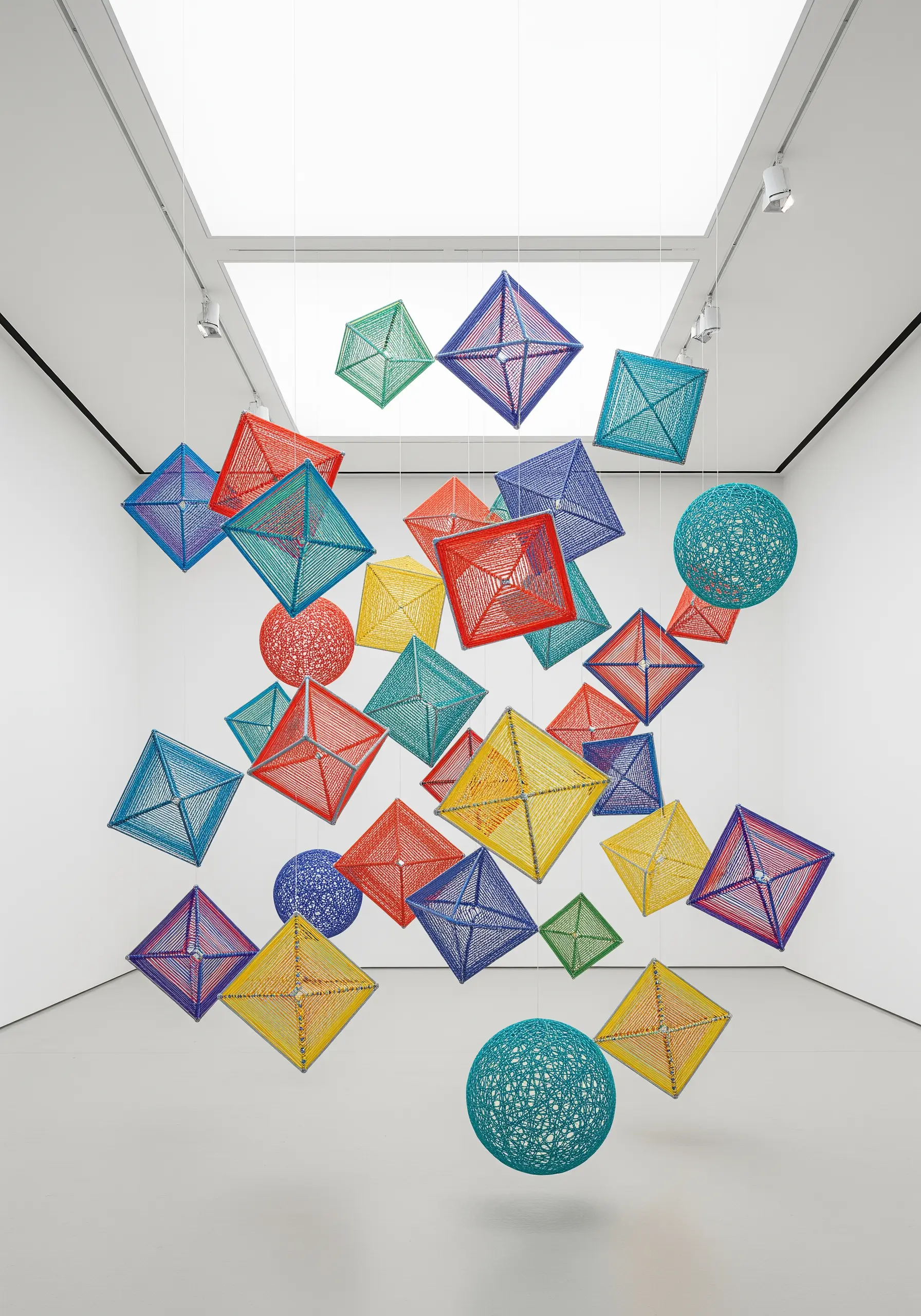
Explore the principles of string art to build lightweight, geometric forms that play with line and color.
Create a frame from wire or wood, adding nails or notches at regular intervals.
Stretch colorful thread between these points, crisscrossing to build up translucent planes of color.
The tension of the thread is what defines the shape, creating an illusion of solid form from nothing but straight lines.
This is a powerful way to make geometric hoop art designs that feel both airy and structured.
6. Mimic Organic Textures with Freeform Stitches
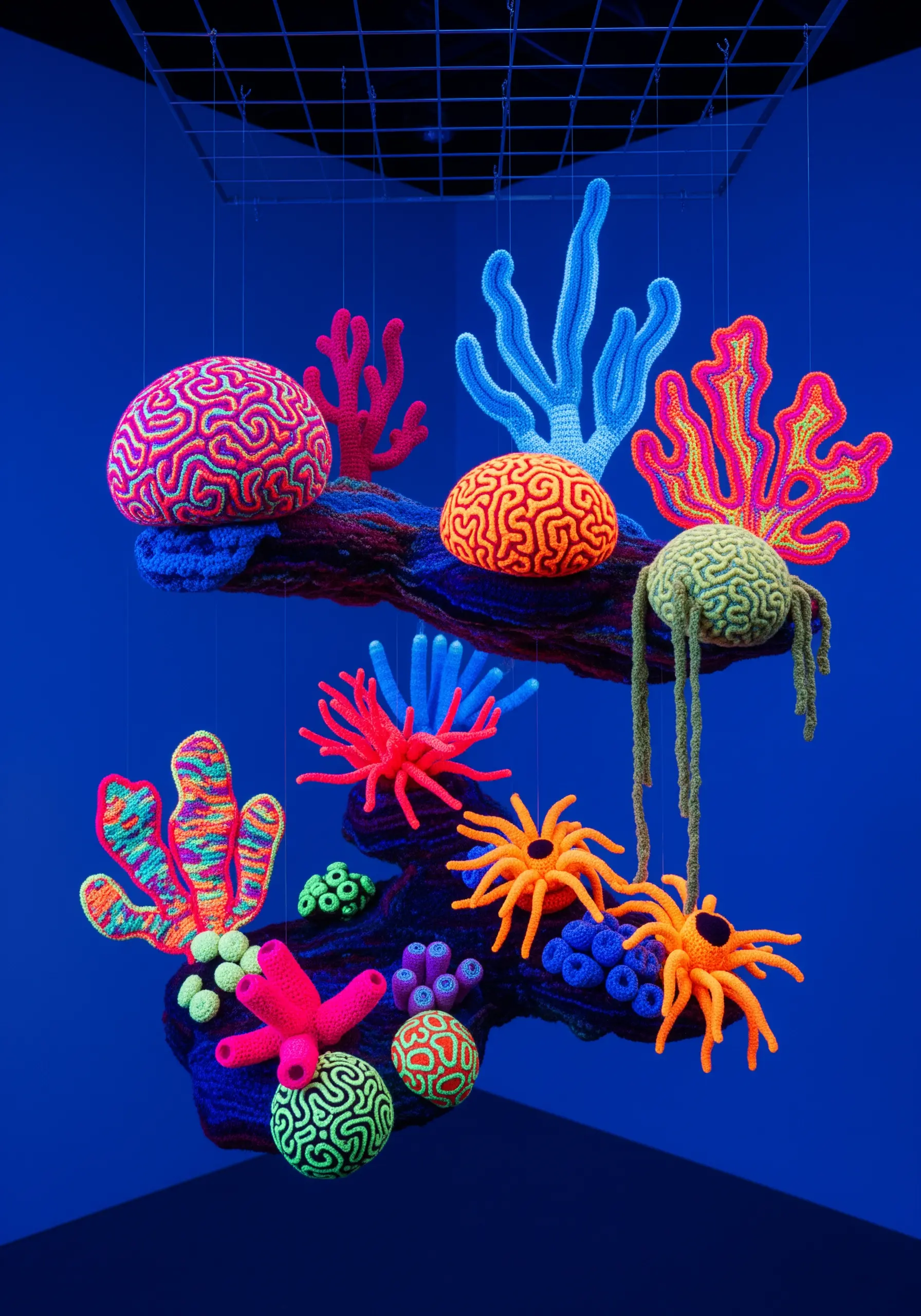
Recreate the intricate, alien beauty of a coral reef by combining freeform stitching with crochet.
Use a dense collection of French knots and bullion knots in neon colors to build up brain-like coral textures.
For branching forms, try hyperbolic crochet, which naturally creates ruffled, organic shapes.
Combine these elements into a single piece to create a rich, tactile ecosystem that invites closer inspection. This approach is wonderful for organic texture embroidery designs.
7. Stitch on Sheer Fabric for Ethereal Layers
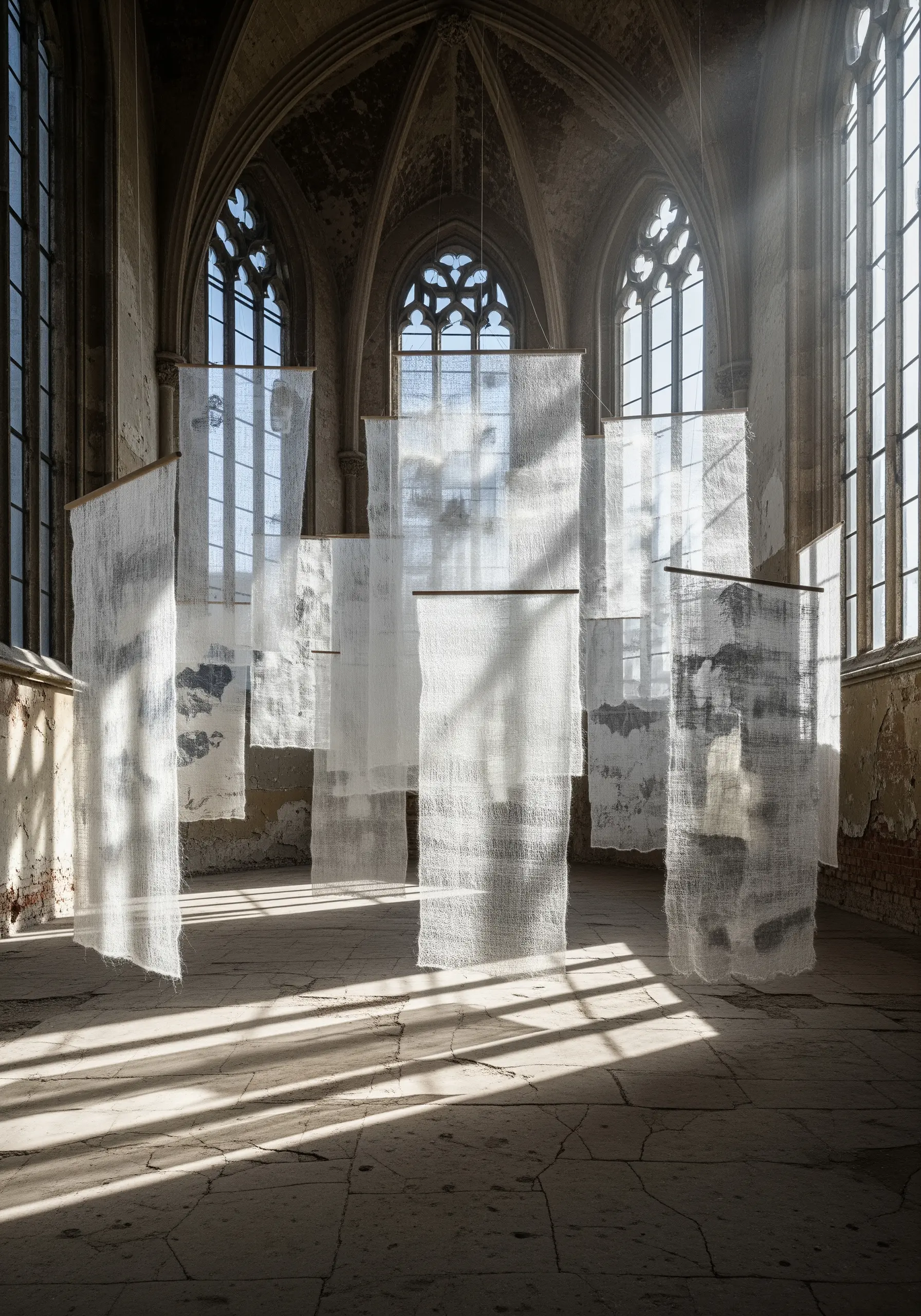
Create a sense of memory and light by stitching on transparent or semi-sheer fabrics like organza or tulle.
Use simple running stitches or minimal satin stitch blocks, allowing the negative space to become a core element of your design.
When layered and hung, these panels interact with light, casting shadows and creating a composite image that shifts as the viewer moves.
The transparency adds a delicate, ghostly quality, turning simple stitches into something much more profound and transforming them into minimalist embroidery art pieces.
8. Introduce Sculptural Weight with Rope and Knots
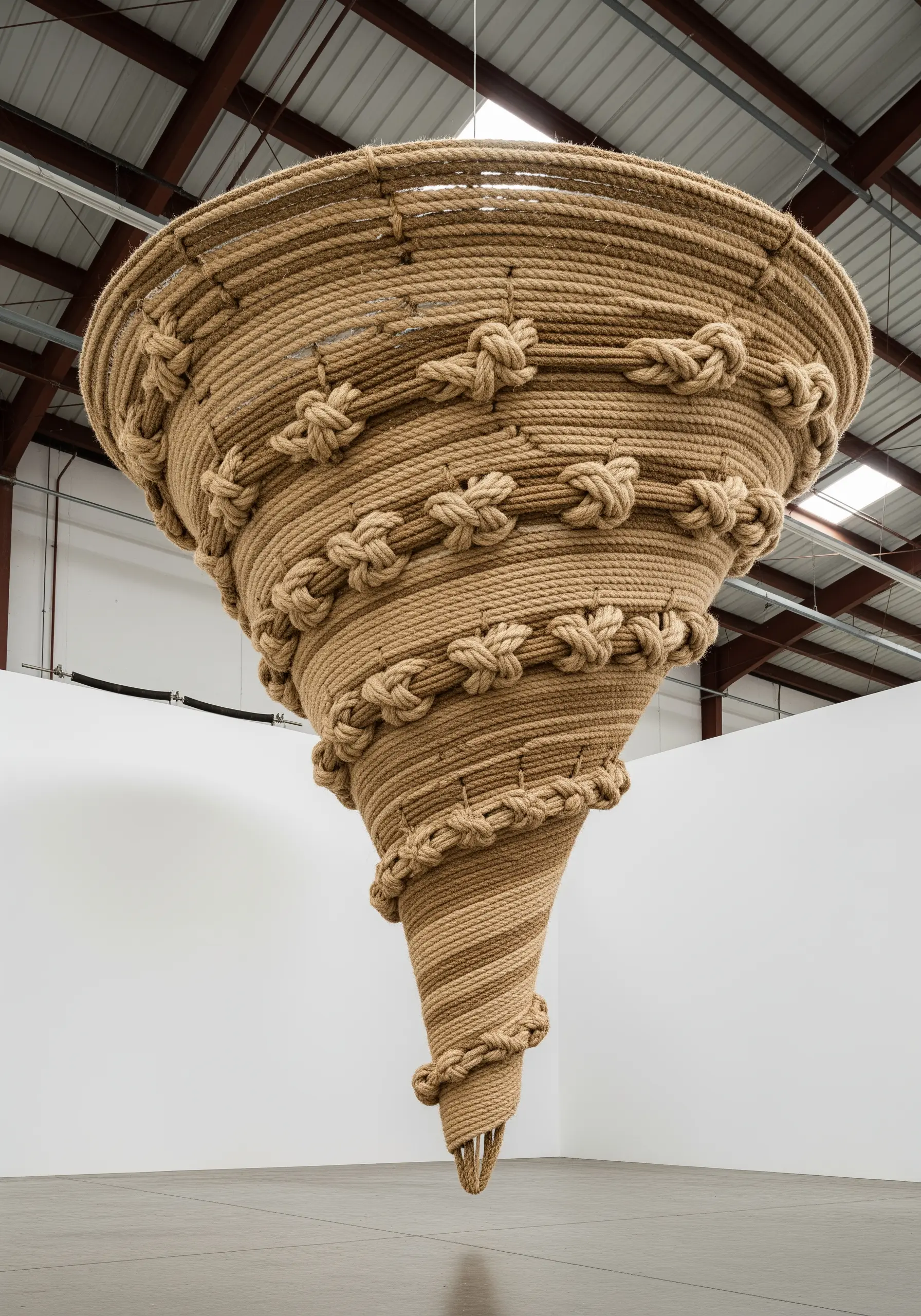
To give your work a monumental, sculptural presence, swap fine floss for thick rope.
Instead of stitching, use knotting techniques like the figure-eight or cow hitch to create repeating, decorative patterns.
Couching heavy rope onto a sturdy canvas backing allows you to create powerful lines and textures that command attention.
This technique is all about embracing weight and materiality, creating handmade art pieces with undeniable physical presence.
9. Build Compositions with Modular Fiber Blocks
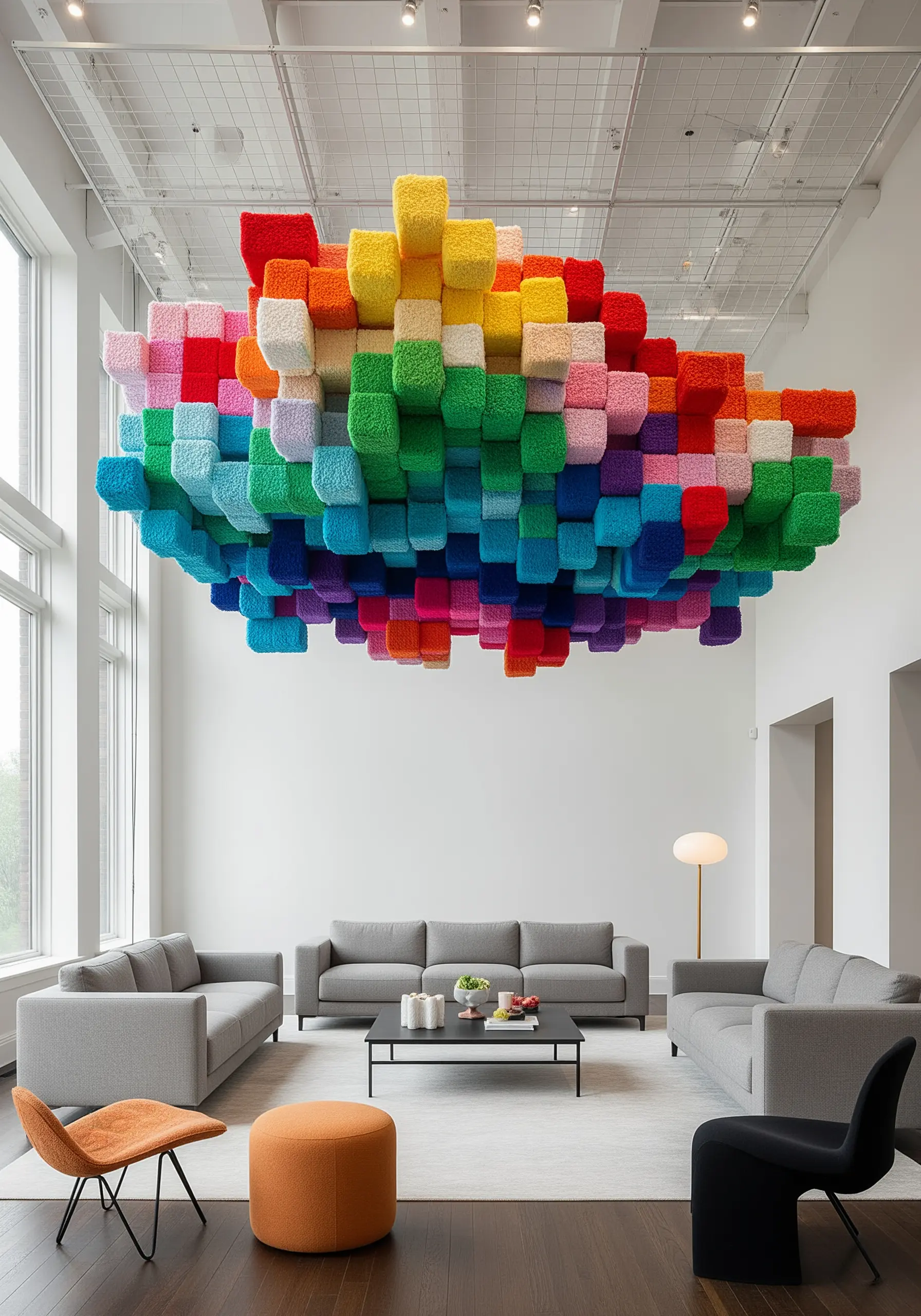
Create a pixelated, graphic effect by building your design from individual, yarn-wrapped blocks.
Cut uniform shapes from foam or wood and wrap each one tightly in a different color of yarn.
Arrange these blocks on a grid to form a larger, abstract image, much like pixels on a screen.
This modular approach allows for incredible precision in color placement and results in a unique, highly textured surface that blends softness with structure, perfect for colorful mixed-fiber ideas.
10. Shape Fabric to Create Dynamic Flow
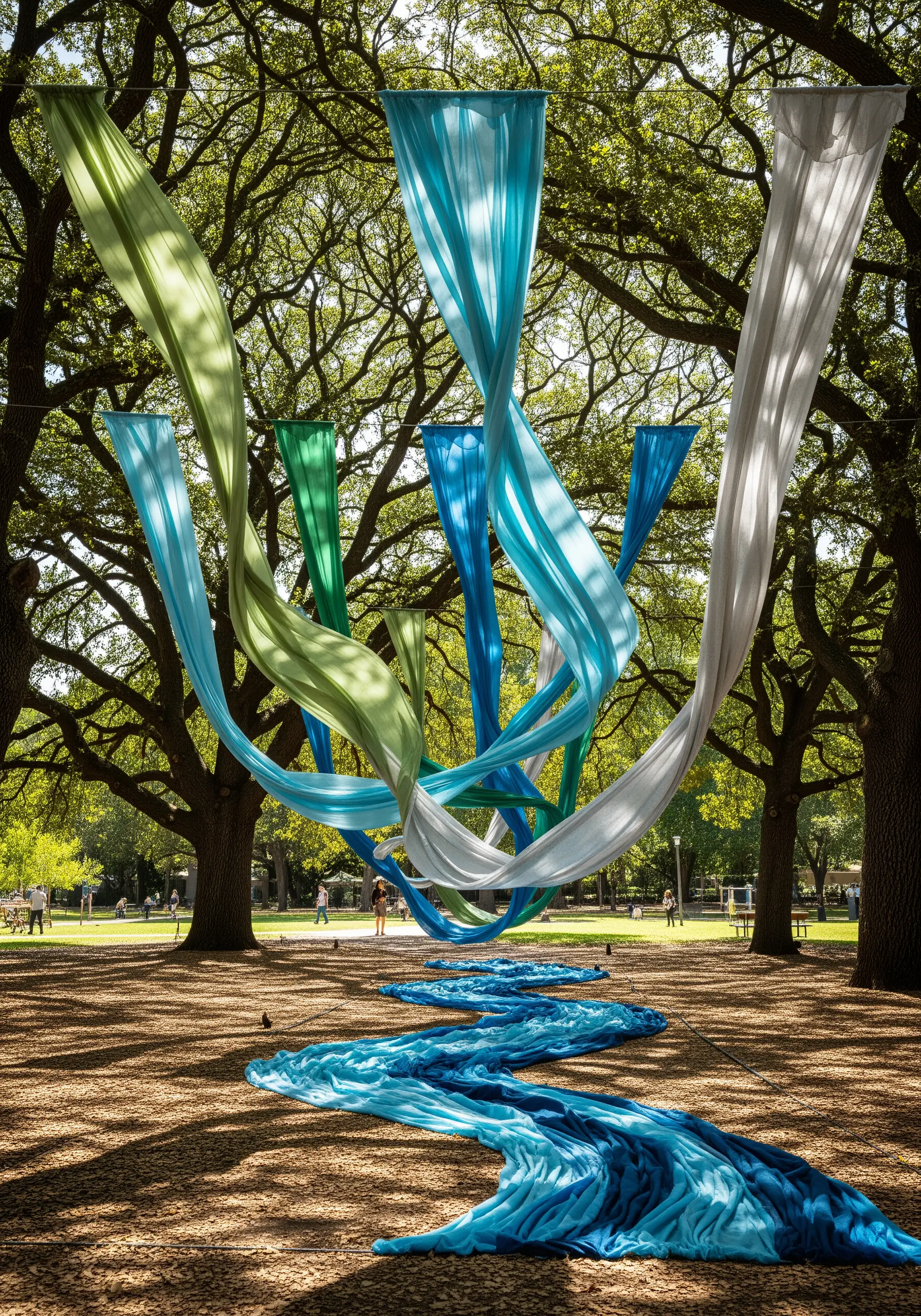
Manipulate lightweight fabric to evoke the movement of wind or water.
Instead of stitching a motif onto fabric, use the fabric itself as your medium.
Create graceful curves and ripples through pleating, gathering, and strategic draping, securing the forms with discreet stitches.
By dyeing the fabric in a subtle ombré, you can enhance the illusion of depth and motion, making it seem as if your installation is a frozen moment in time.
These are the kinds of fiber art installations that transform a space.
11. Illuminate Your Work with Unexpected Materials
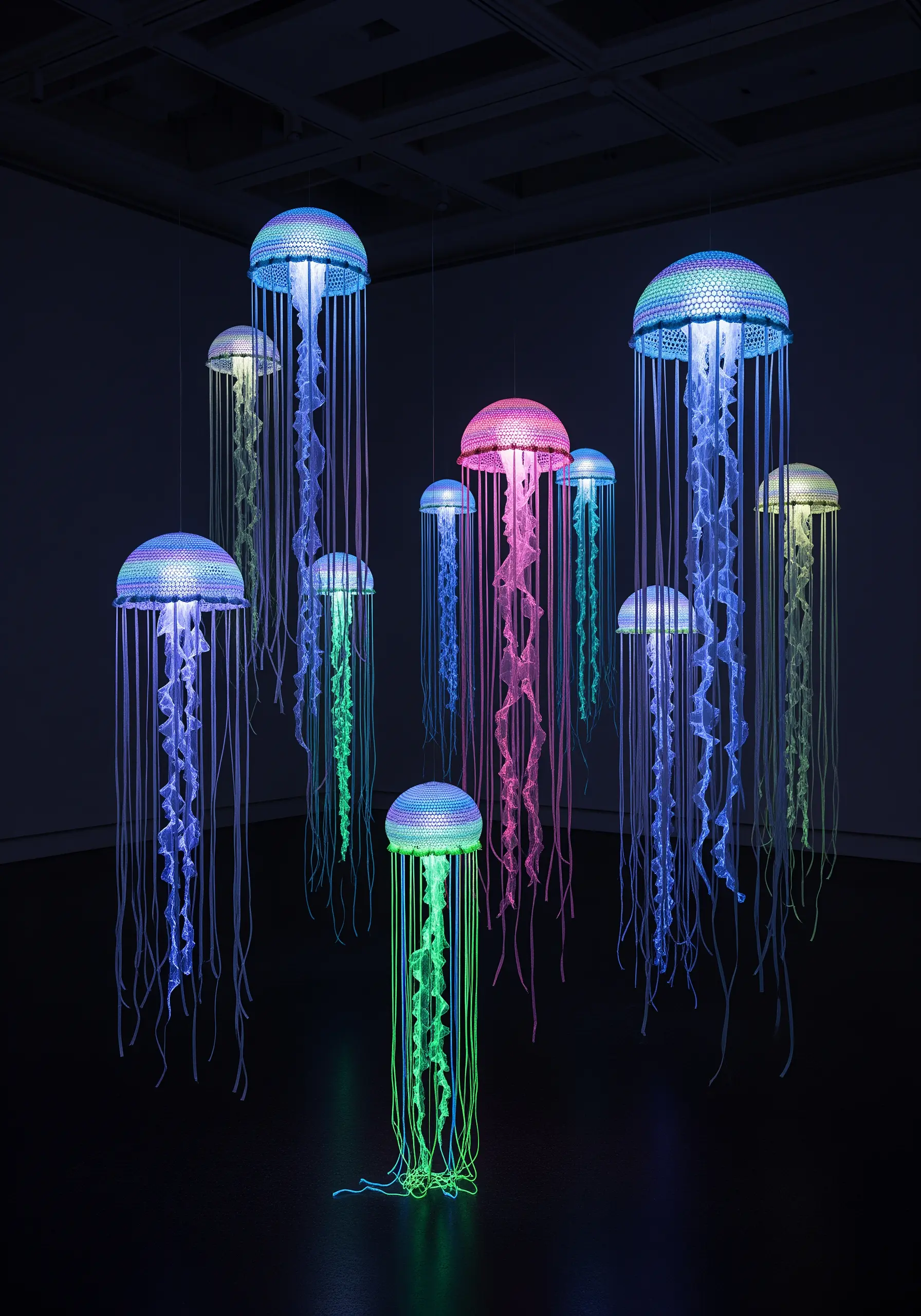
Combine fiber techniques with light to create mesmerizing, otherworldly creatures.
Use crochet or 3D printing to form the main structure, then incorporate phosphorescent or UV-reactive threads for the delicate, trailing elements.
Under specific lighting, these threads will glow, transforming your piece from a static sculpture into a vibrant, living entity.
This blending of craft and technology pushes the boundaries of what thread can do, creating modern neon-on-black thread art.
12. Redefine a Space with Lines of Thread
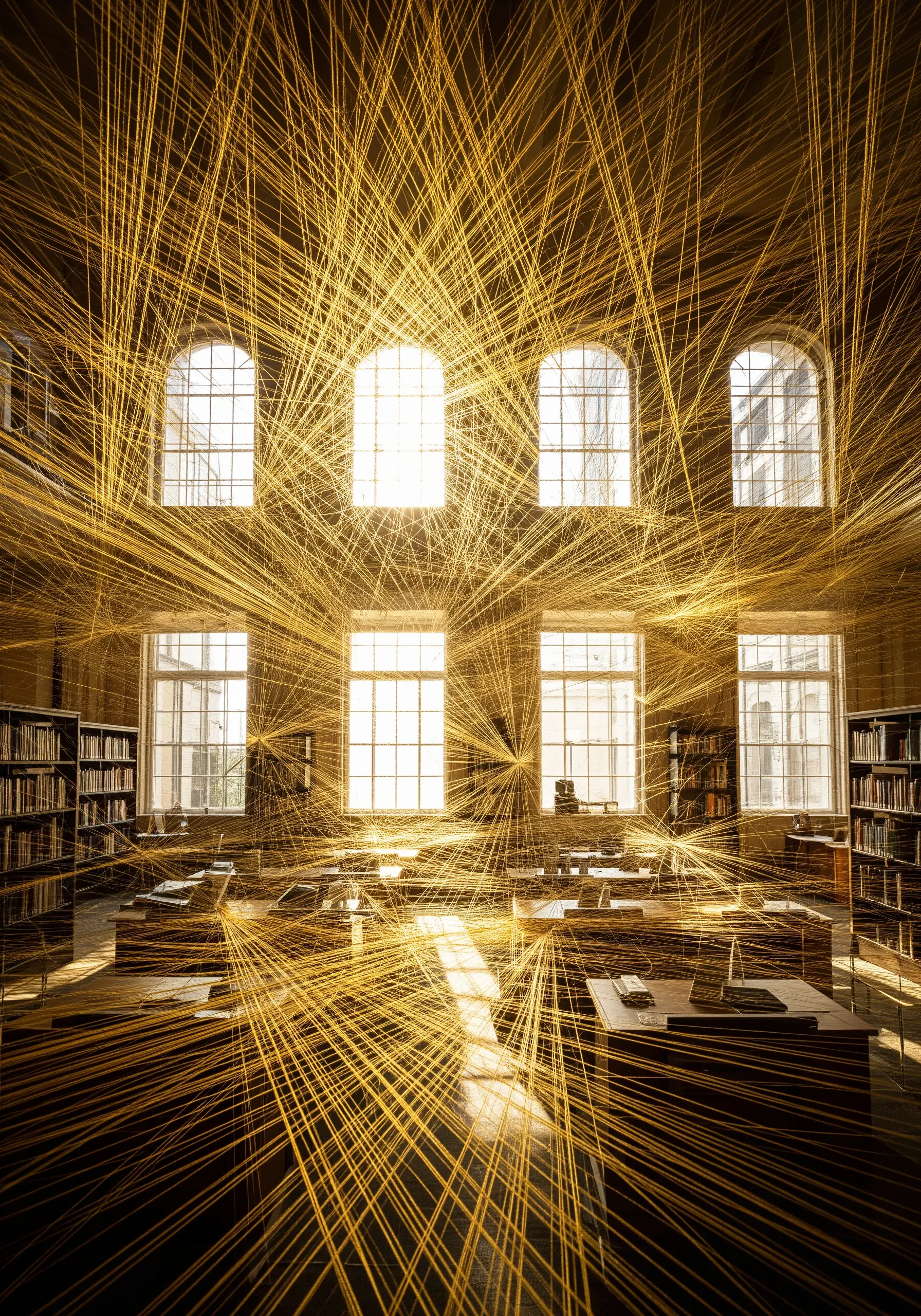
Use single strands of thread to create an immersive architectural experience that plays with perspective and light.
Anchor threads at multiple points across a room—from walls, ceilings, and floors—to create a dense web of intersecting lines.
Using a single, high-contrast color like gold or white enhances the graphic quality, turning empty space into a tangible, glowing volume.
You can apply this concept to a smaller frame or hoop to create dynamic, modern thread illusion techniques.
13. Paint with Fiber for Textured Landscapes
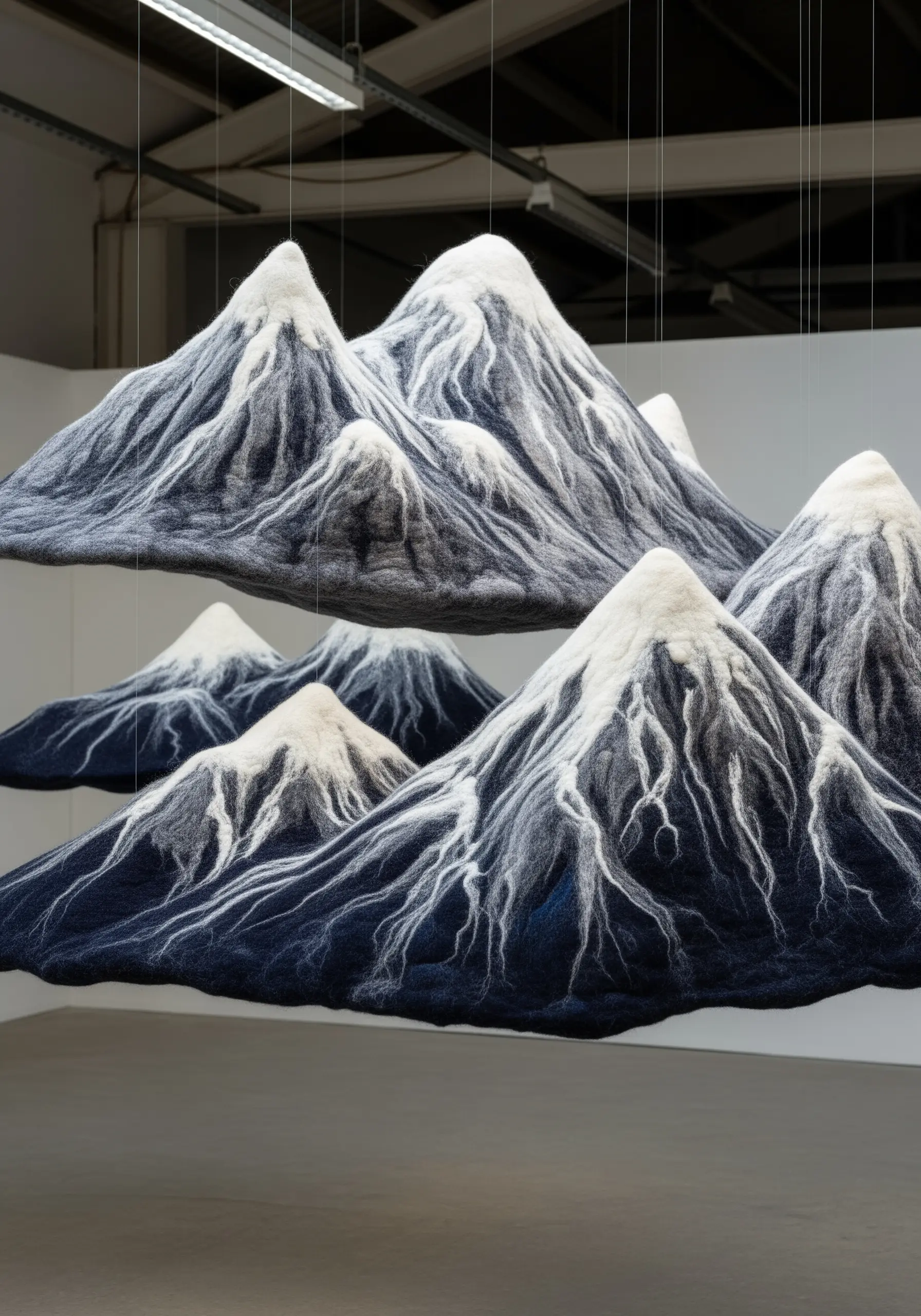
Use needle felting to create soft, painterly landscapes with incredible depth and texture.
Lay down a base of dark wool roving for your mountain silhouette, then add lighter shades for snowy peaks and highlights.
Use your felting needle to blend the fibers directly on your piece, much like a painter blends colors on a canvas.
This technique allows for subtle gradients and a soft-focus effect that is perfect for capturing the atmospheric quality of nature scene pillow embroidery ideas.
14. Frame a View with Macrame Architecture
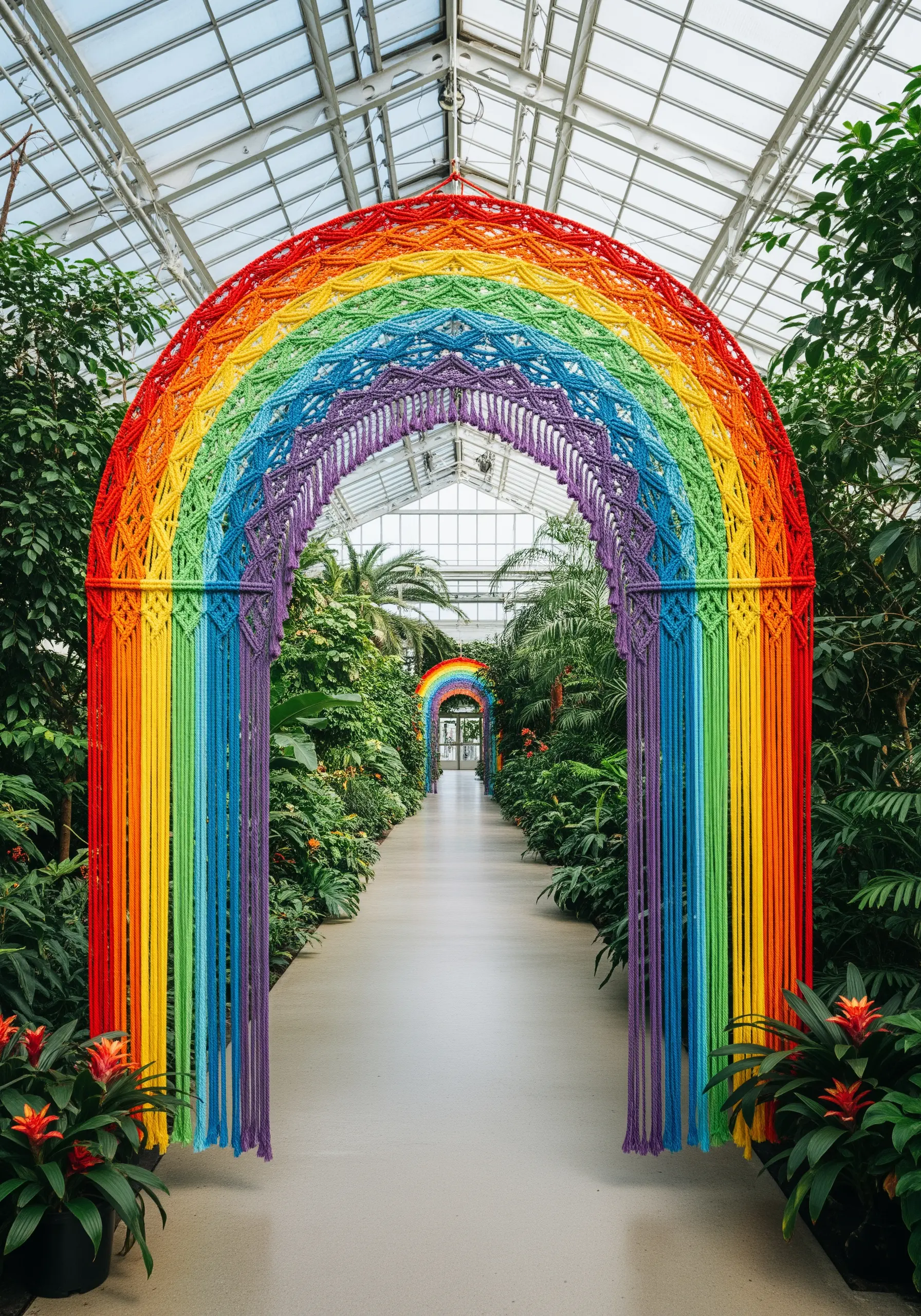
Elevate the humble macrame knot from a simple plant hanger to a structural, architectural element.
By working on a large scale with thick, colorful cord, you can create arches and entryways that define and frame a space.
Incorporate a variety of intricate knots to add pattern and texture, turning a simple structure into a decorative focal point.
This approach transforms fiber craft into a functional and immersive art form, perfect for creating your own rainbow thread table linen inspired archways.
15. Construct Intricate, Air-Like Structures
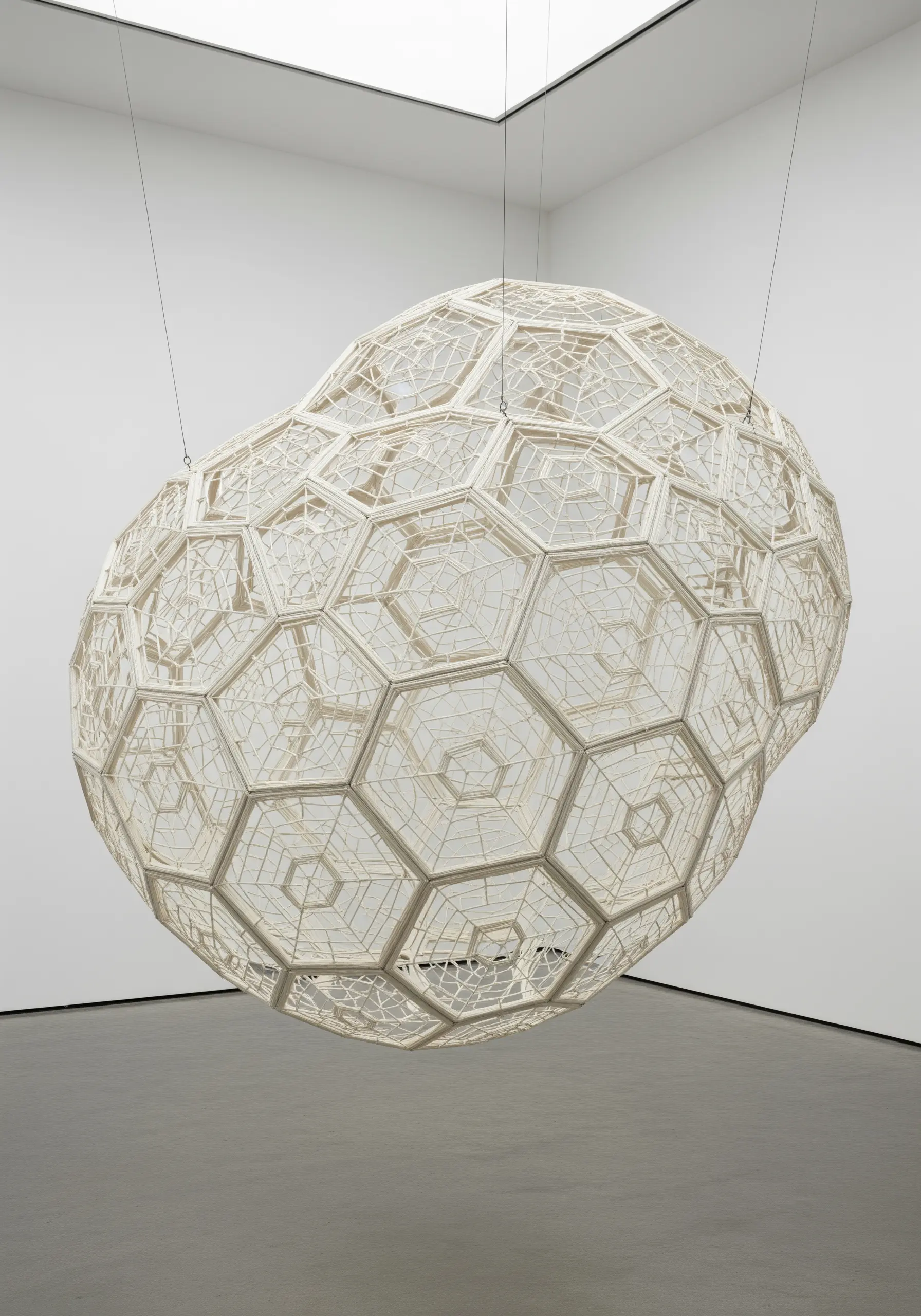
Create complex, delicate forms that seem to be spun from air by combining rigid frames with fine lacework.
Build a lightweight skeleton from thin strips of wood or wire, creating a series of connected geometric shapes.
Then, work within each segment, using bobbin lace or tatting techniques to weave intricate, web-like patterns.
The contrast between the rigid structure and the delicate thread work results in a piece that feels both substantial and impossibly fragile, like a minimalist embroidery project on an architectural scale.
16. Capture Energy with Sculptural Line Work
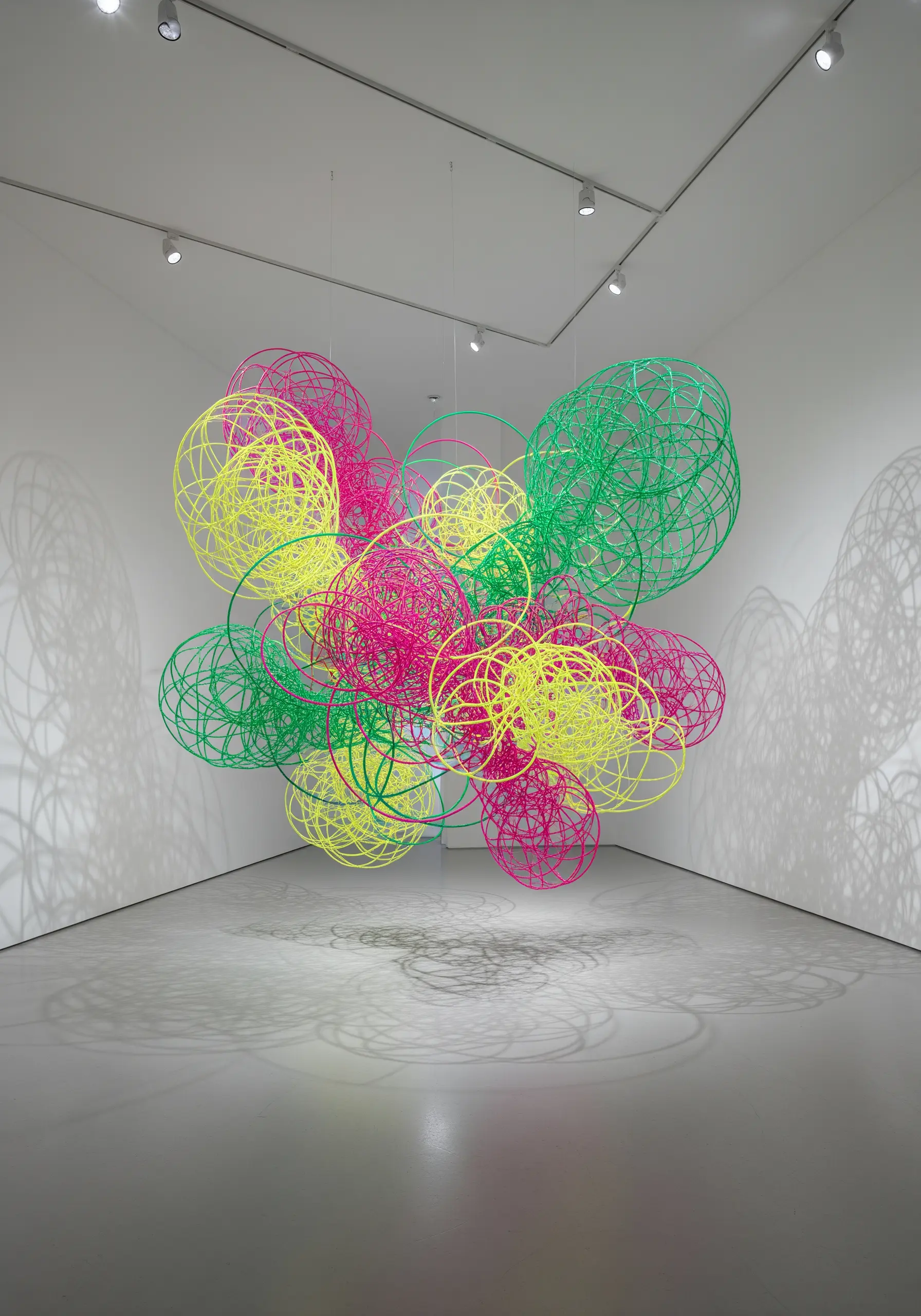
Translate the energy of a freehand sketch into a three-dimensional form by using wire and thread.
Bend a flexible yet sturdy wire into a continuous, looping shape, creating a chaotic yet cohesive structure.
Wrap the wire tightly in vibrant, neon thread to add color and transform the metallic armature into a soft, tactile line.
When suspended, the sculpture casts intricate shadows, adding another layer of complexity to these modern line art thread designs.
17. Recreate Landscapes with Tactile Fiber Surfaces
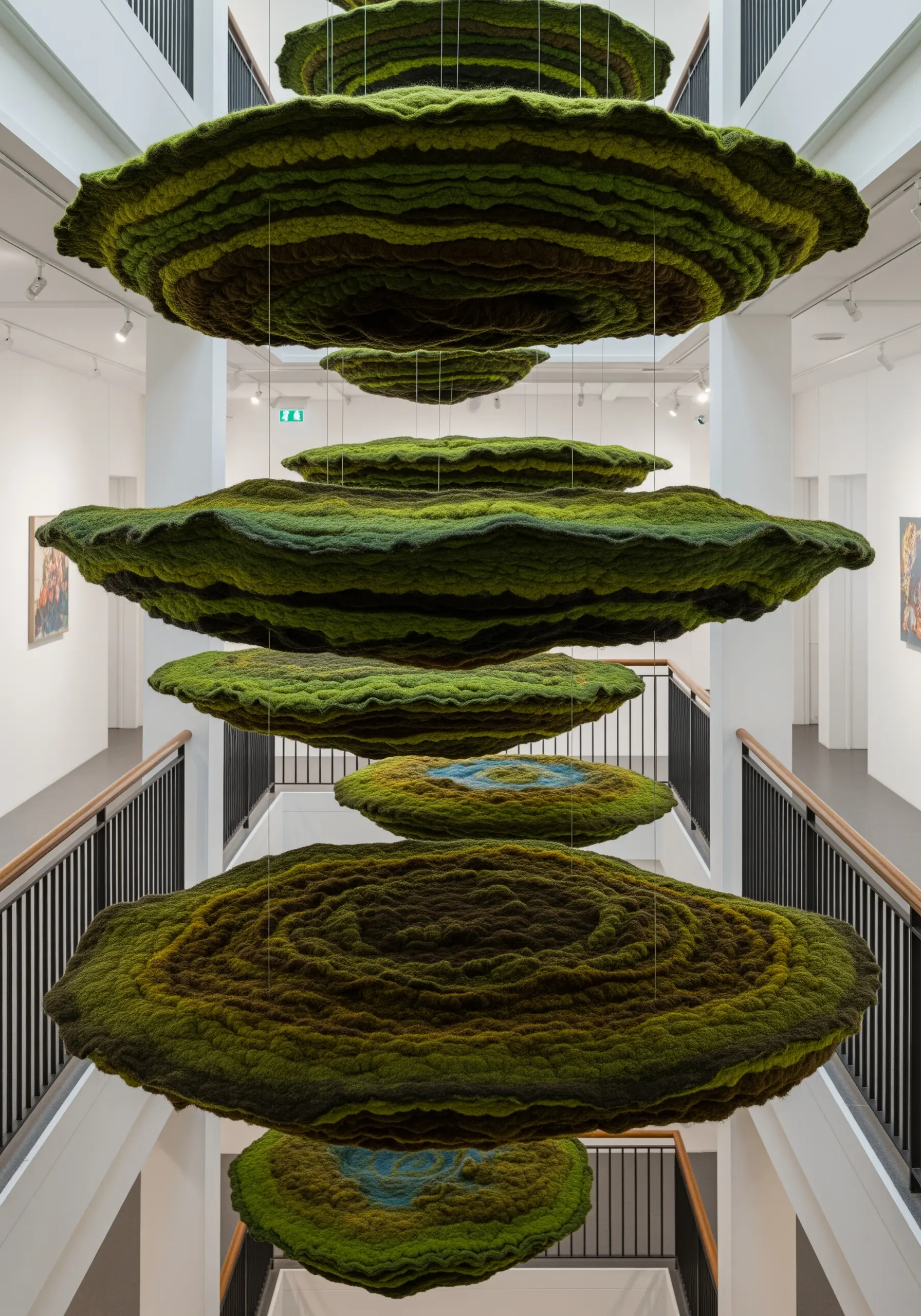
Evoke the texture of a mossy landscape using dense, textural stitch techniques.
To create a rich, layered surface, use a combination of Turkey work (also known as Ghiordes knot) and French knots.
Work with variegated green and brown wool yarn to mimic the natural, complex colors of earth and moss.
By varying the density and height of your stitches, you can create contours and patterns that suggest topography, turning your embroidery into a miniature, tactile world.
This is a great technique for tree ring bark texture embroidery patterns.
18. Achieve Monumental Scale with Arm Knitting
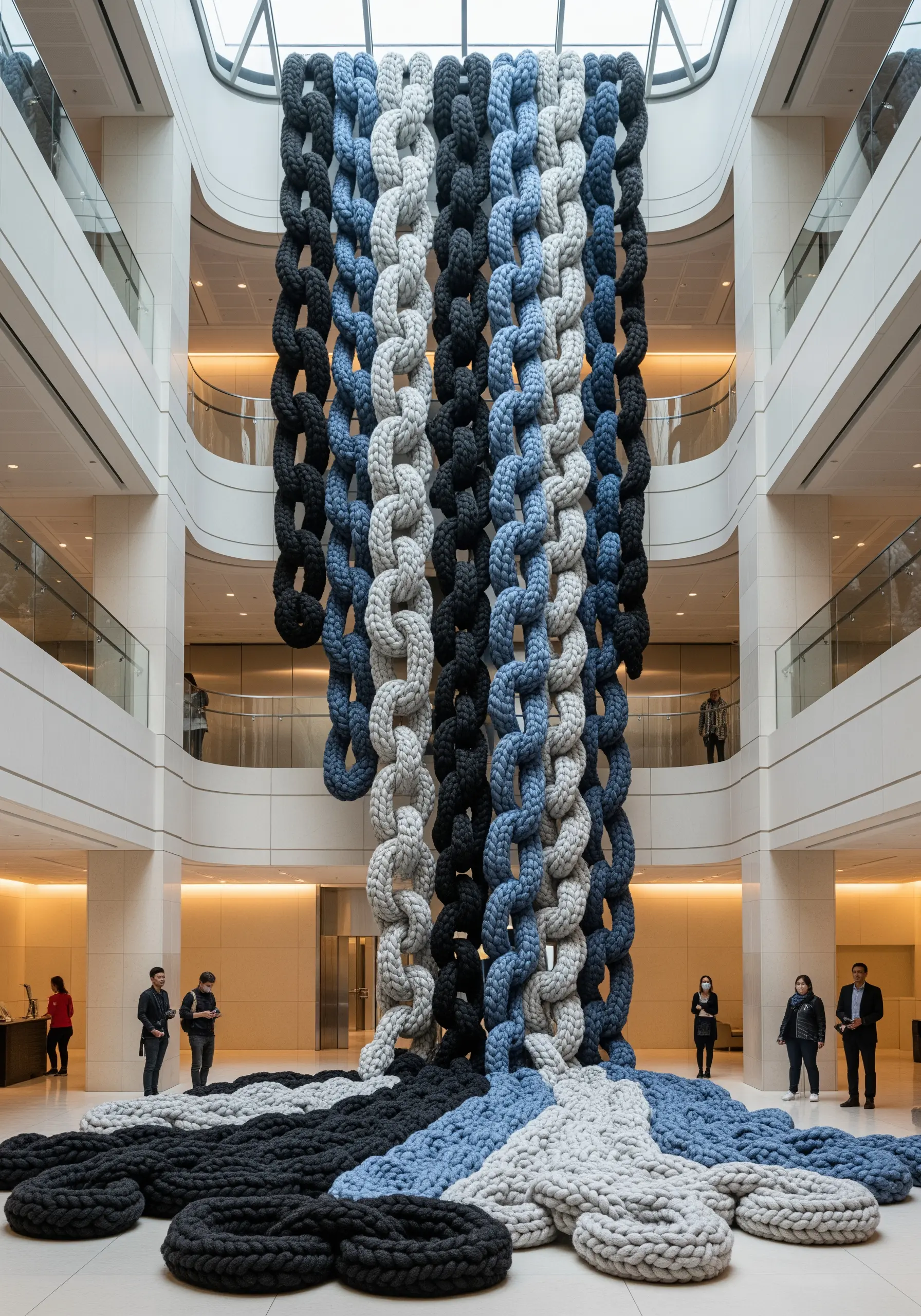
Create impressively large-scale fiber sculptures without any tools but your own two arms.
Using super-chunky roving or yarn, arm knitting allows you to produce massive knitted chains and panels quickly.
The oversized stitches create a soft, pillowy texture that is both visually dramatic and inviting to the touch.
This technique is perfect for creating eye-catching mixed-fiber wall hangings or sculptural installations with minimal effort and maximum impact.
19. Deconstruct and Suspend Textiles for a New View
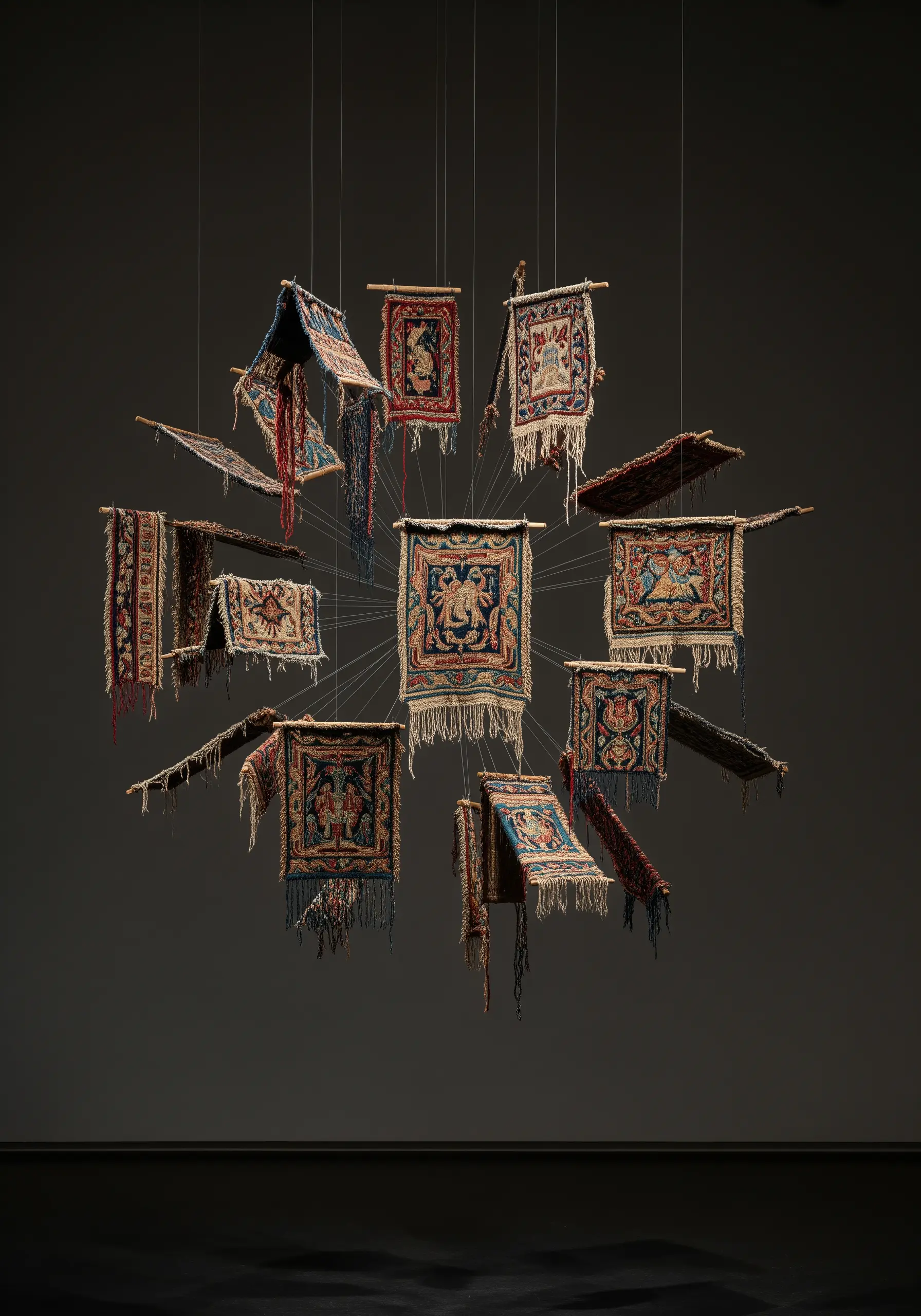
Give a traditional textile a modern, conceptual twist by deconstructing it and displaying the fragments in space.
Carefully cut an old rug or tapestry into sections, preserving interesting motifs or patterns.
Suspend these pieces at varying heights and angles, using fine, nearly invisible threads.
This act of fragmentation encourages the viewer to look closer at the details and consider the object in a completely new way, making for compelling handmade wall art embroidery ideas.
20. Weave Illusions with Iridescent and Fine Threads
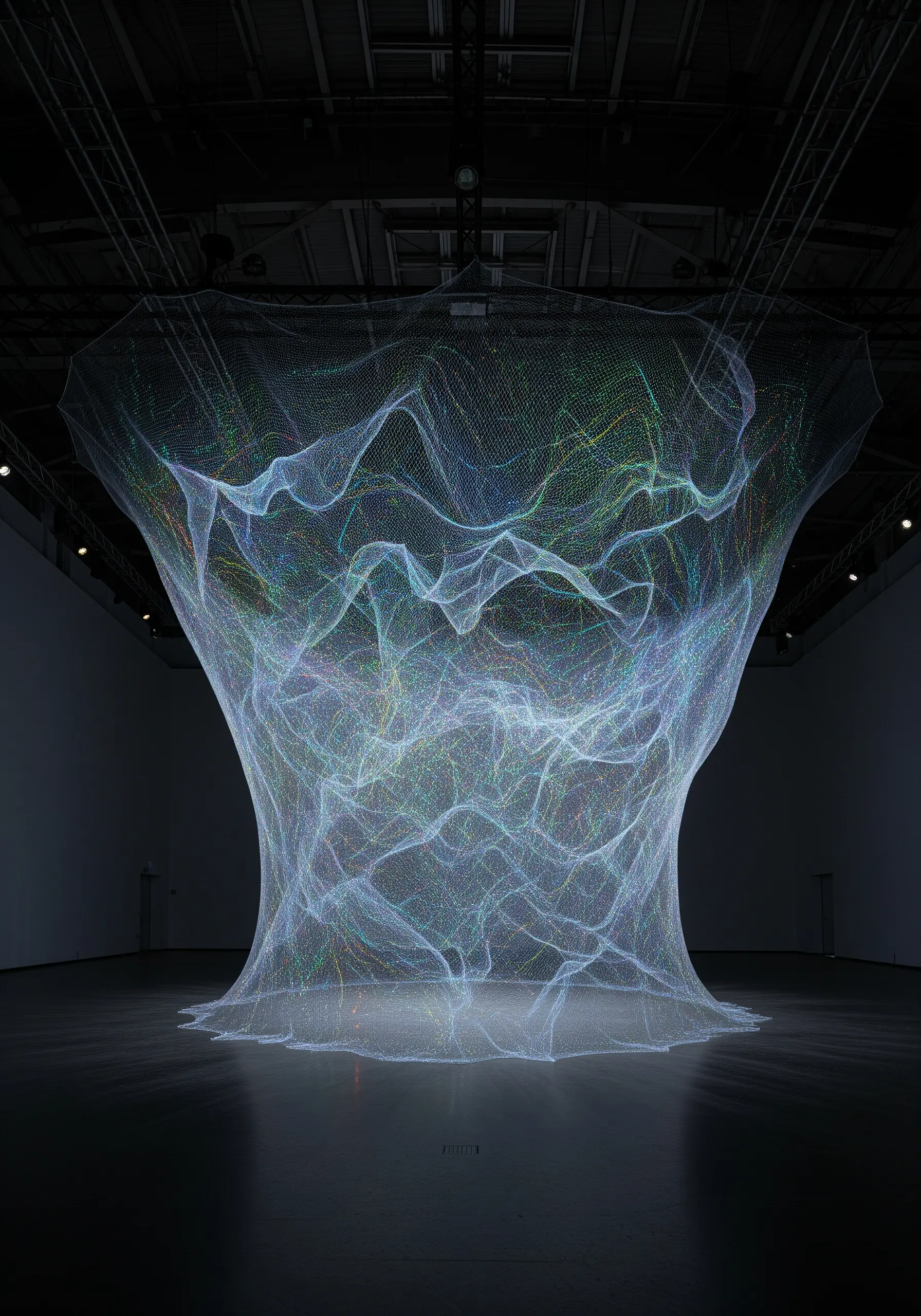
Create ethereal, ghost-like forms by working with materials that are barely there.
Use monofilament (fishing line) or fine, iridescent threads as your primary medium, weaving or knitting them into a delicate, net-like structure.
When lit correctly, these materials catch the light in unpredictable ways, shimmering and changing color as the viewer moves.
The result is a sculpture that seems to hover on the edge of visibility, a beautiful exploration of light and transparency, and inspiration for unexpected ways to use metallic thread.
21. Embody a Brushstroke with Plush Fiber
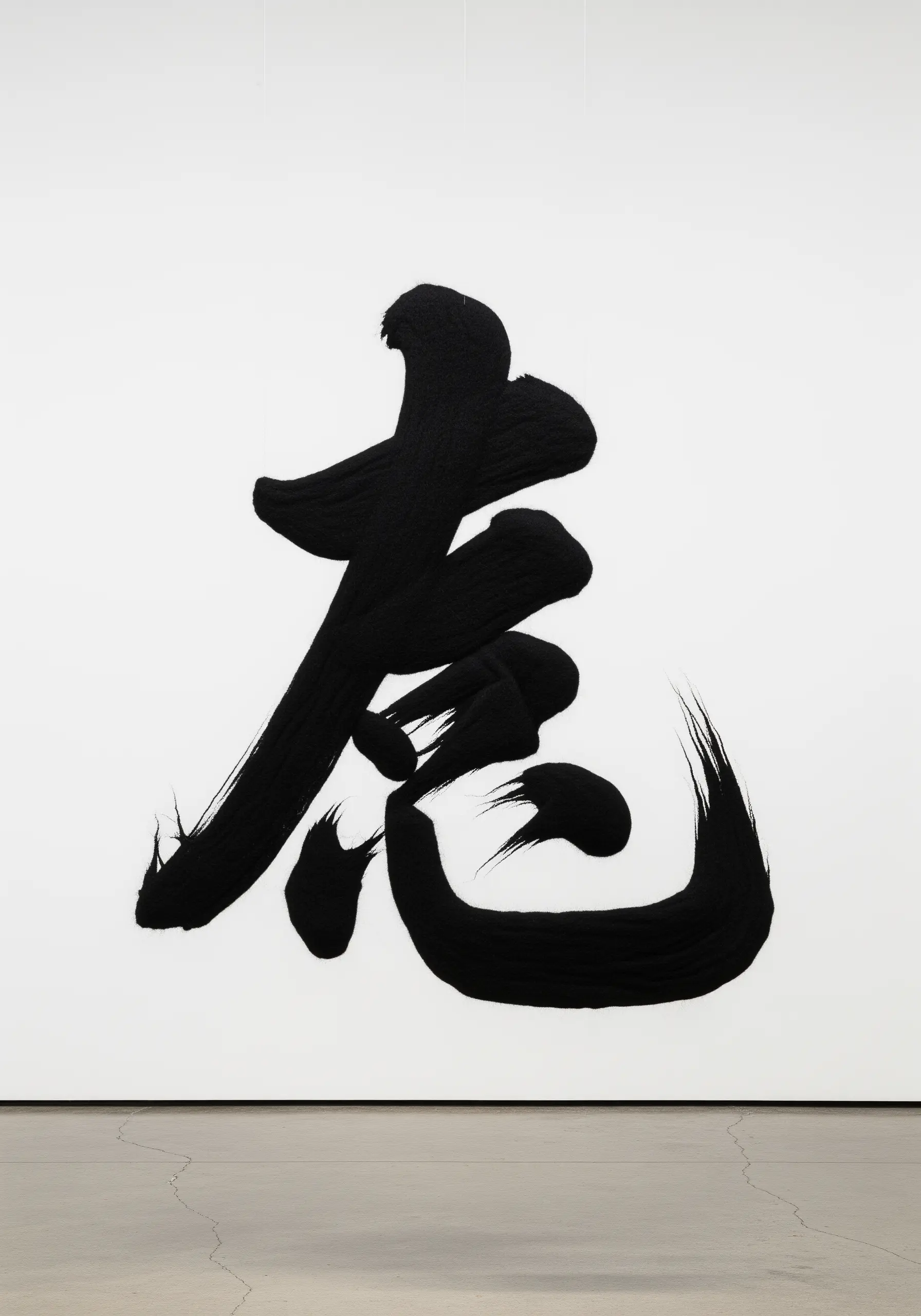
Translate the fluid energy of calligraphy into a tactile, three-dimensional form.
To mimic the varied weight of an ink brushstroke, use a combination of techniques.
Couch down bundles of thick, black chenille yarn for the heavier parts of the character, then switch to single strands of embroidery floss and needle felting to create the tapered, feathery edges.
This approach captures not just the shape, but the textural spirit of the original mark, making for powerful abstract monochrome thread designs.