

It’s easy to feel that your embroidery, however much you love it, is missing a certain something—a quiet confidence, a polished finish. You see beautiful work online and wonder how to translate that effortless style into your own hands, without simply copying a pattern.
The secret isn’t in complex new stitches or expensive materials. It’s in the small, intentional adjustments: choosing the right thread weight for your fabric, mastering the tension of a single line, or understanding how negative space can make a simple motif breathe.
These designs are more than just ideas; they are invitations to refine your technique. Each one offers a specific insight to help you create work that feels not just finished, but truly and elegantly yours.
1. The Continuous Line Portrait
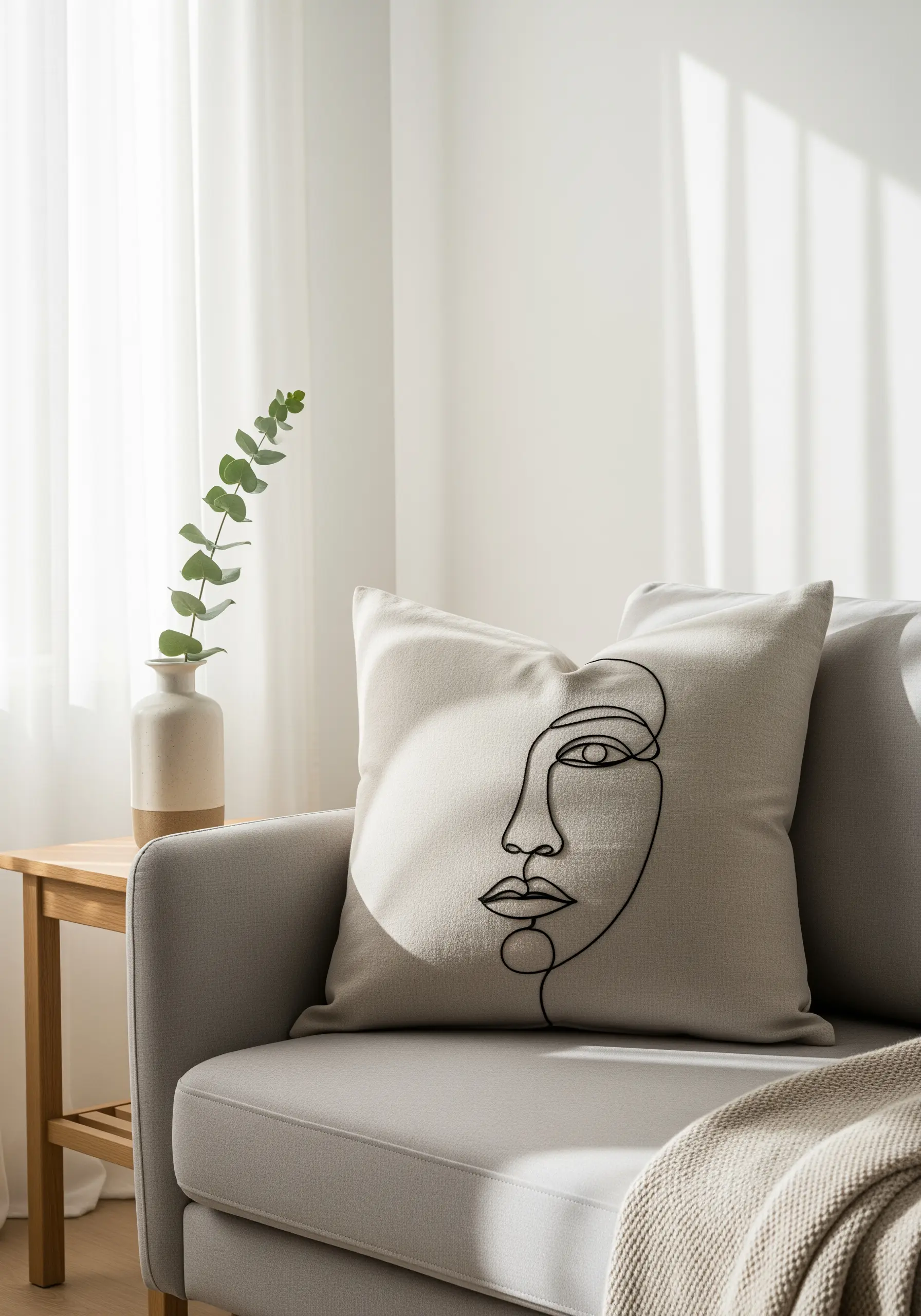
Create the illusion of a single, unbroken pen stroke by using a whipped backstitch or stem stitch.
This technique smooths out the segmented look of a basic backstitch, giving your lines a fluid, calligraphic quality perfect for abstract faces or figures.
Use three strands of black floss on a light, medium-weight linen or cotton canvas.
The key is maintaining even tension to prevent the fabric from puckering, which allows the line to feel both delicate and confident on the surface.
This turns a simple cushion into a piece of functional art, ideal for modern, aesthetic neutral homes.
2. Architectural Precision on Table Linens
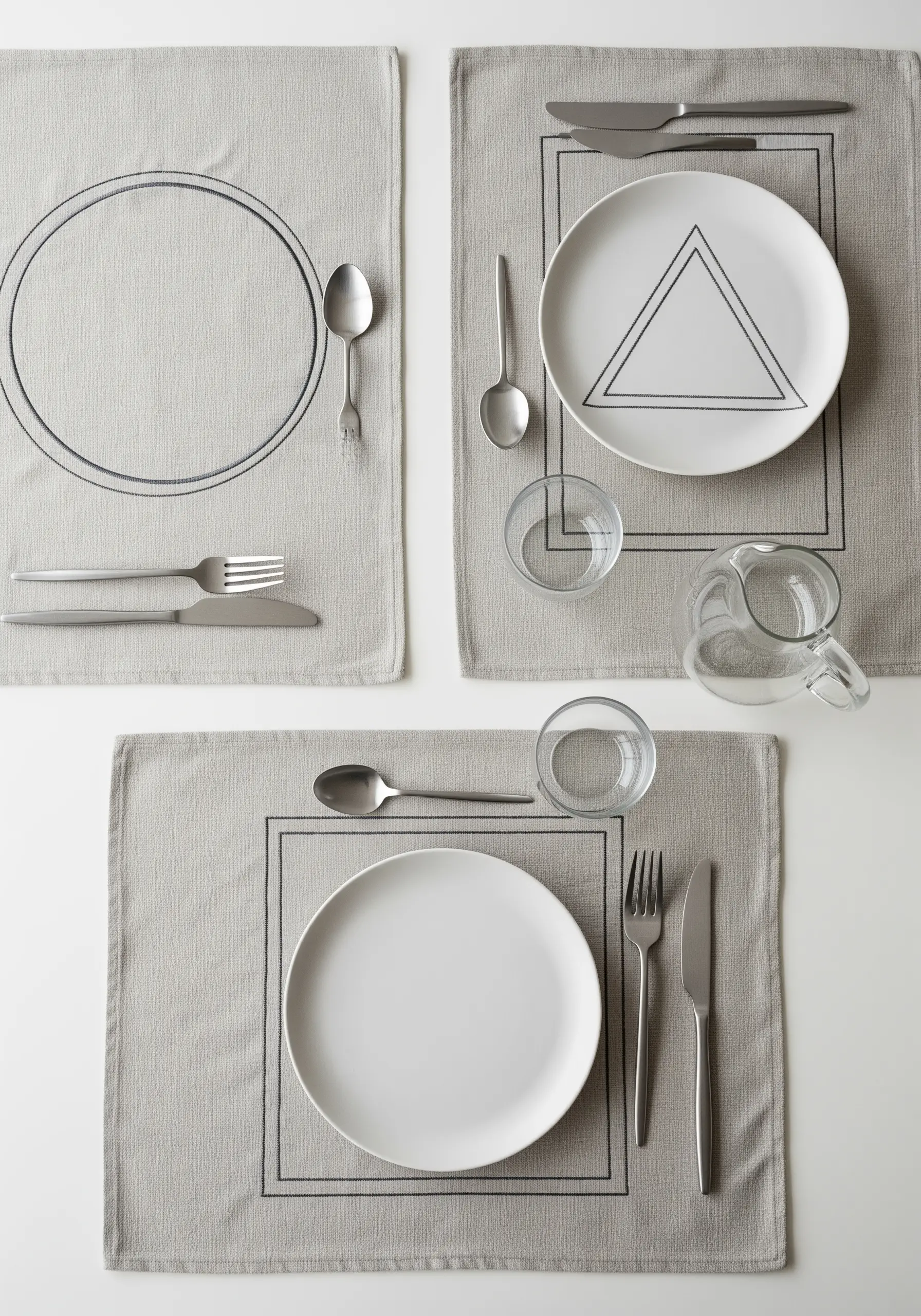
Elevate your dining setup by treating your placemats like architectural drafts.
Use a water-soluble transfer pen and a ruler to draw perfect geometric frames before you stitch.
A simple running stitch or backstitch in a contrasting color, like black on natural linen, creates a sharp, graphic statement.
For absolute precision on evenweave fabrics, count the threads to ensure your lines are perfectly parallel and your corners are exact.
This thoughtful detail turns everyday linen table napkins into luxury-style items.
3. The Asymmetrical Botanical Drape
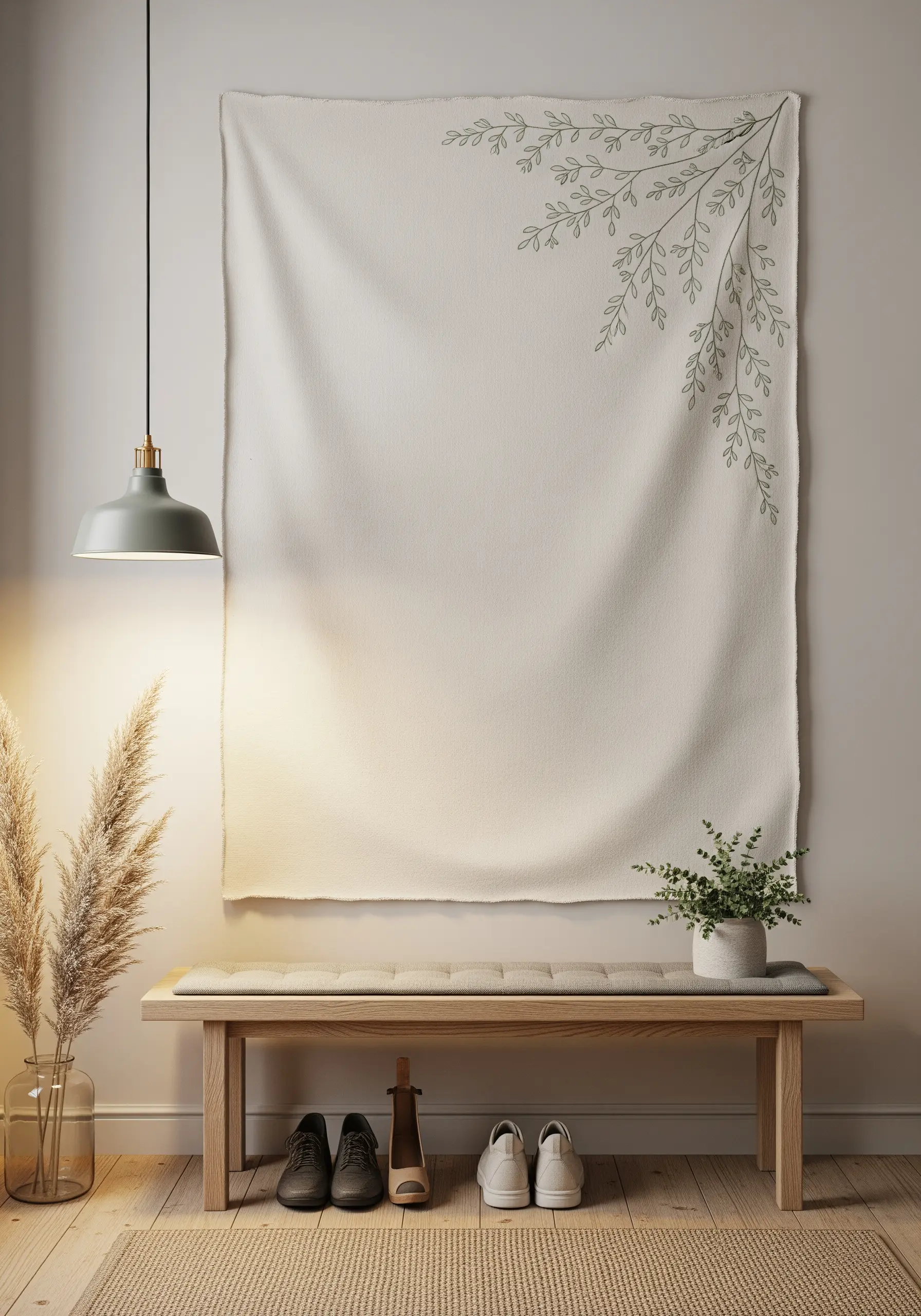
Use negative space to your advantage by placing a delicate botanical motif in the corner of a large fabric panel.
This draws the eye and creates a sense of calm and balance, rather than overwhelming the space.
Stitch a trailing vine using a fine stem stitch in a soft, tonal color—like sage green on off-white cotton—to maintain a quiet, organic feel.
Finish the fabric with a simple raw edge for a relaxed, wabi-sabi aesthetic that complements hand-embroidered wall hangings.
4. The Subtle Rhythmic Pattern
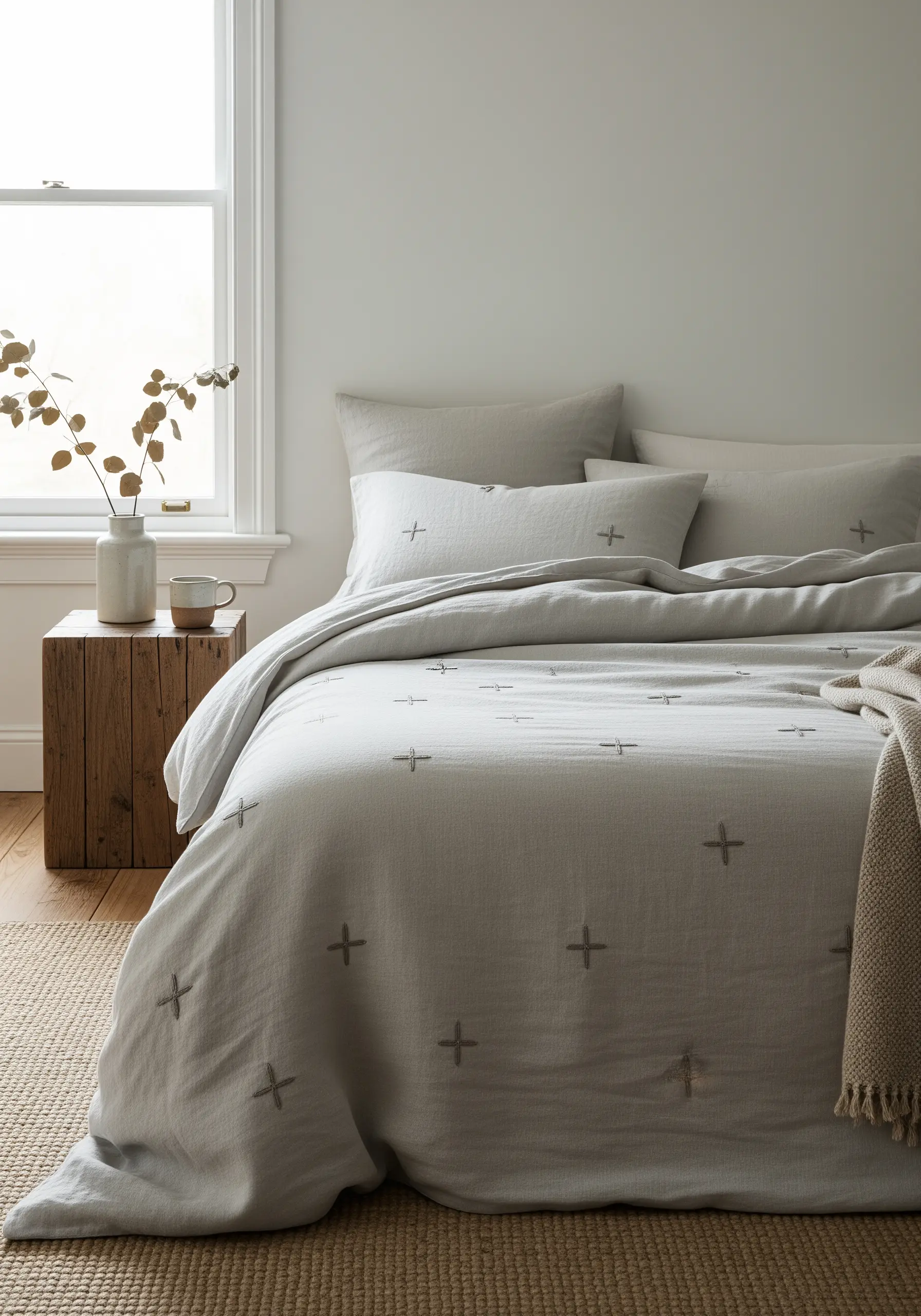
Transform bedding with a scattered pattern of simple, repeating marks like plus signs or dashes.
The key to a high-end look is consistency in stitch size and spacing, so create a small cardboard template to guide your placement.
Use a slightly heavier thread, such as cotton perle #8, on a soft fabric like linen or muslin.
This adds a subtle, pleasing texture that feels intentional and integrated, elevating the entire piece beyond a simple print.
This approach works beautifully for creating a calm bedroom sanctuary.
5. Geometric Lines as Wall Structure
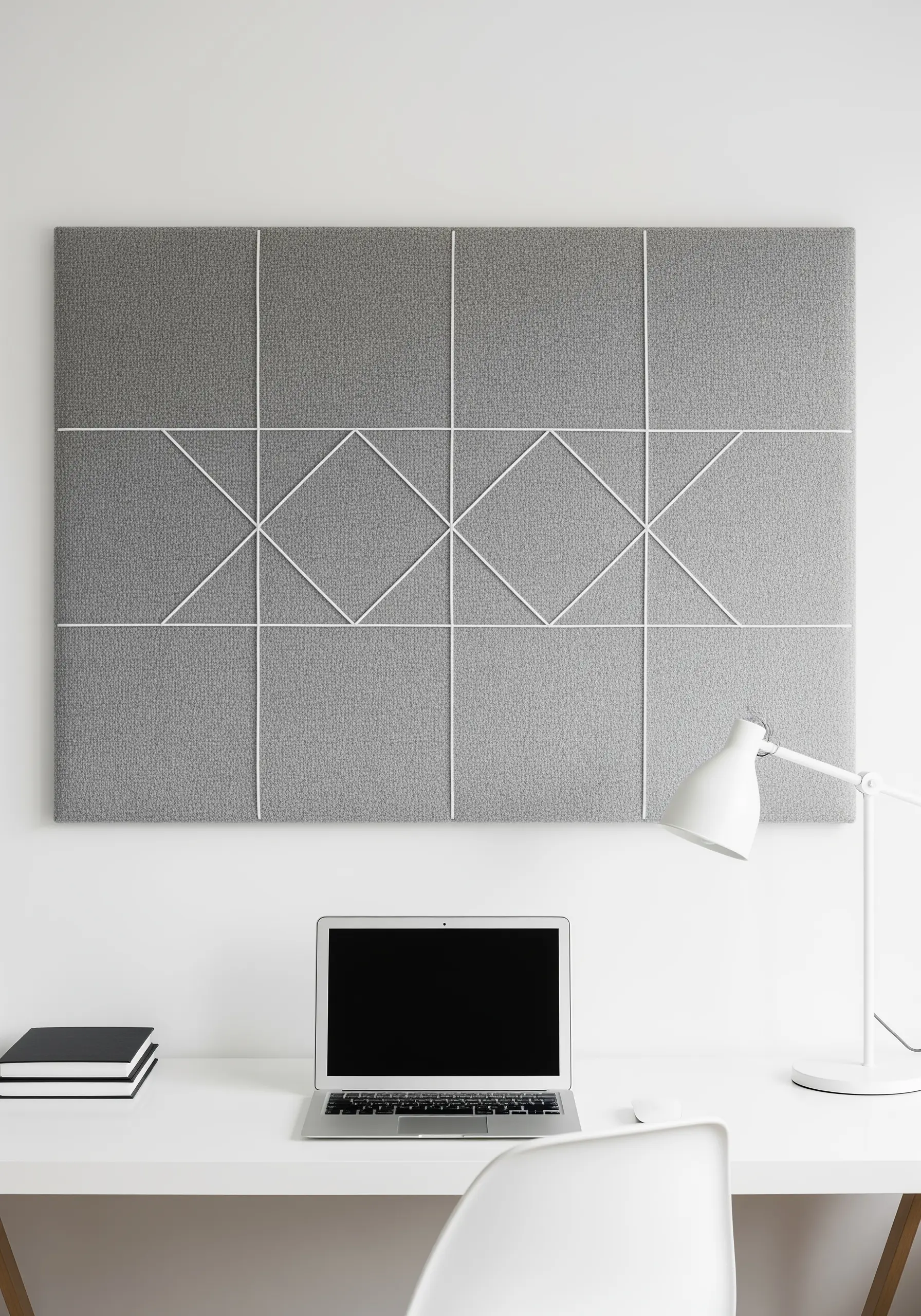
Move beyond the hoop by using an upholstered panel as your canvas for a large-scale geometric design.
This technique is closer to string art; you’ll wrap a durable, non-stretch cord or thick yarn around strategically placed pins or tacks on the reverse side of the panel frame.
Maintaining very tight, even tension is crucial for achieving crisp, straight lines that define the space.
The result is a piece of minimal embroidery that looks like gallery art on your wall.
6. Sculptural Yarn on Soft Textiles
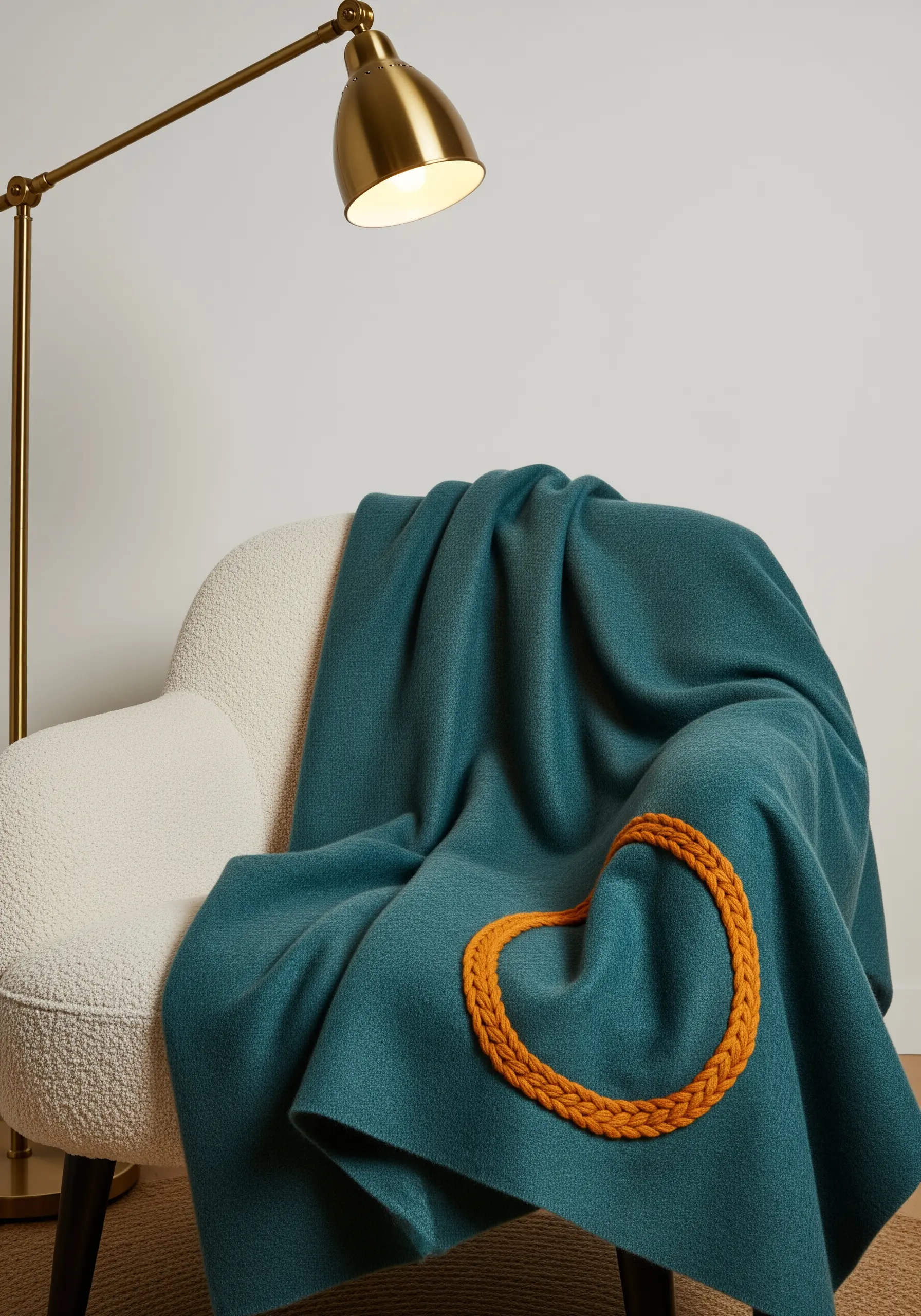
Add a single, bold point of interest to a soft throw with a heavily textured stitch.
Instead of embroidery floss, use a chunky yarn and a large-eyed needle to work a thick, raised chain stitch or braid stitch.
Alternatively, couch a thick cord onto the surface with a thinner, matching thread for a similar three-dimensional effect.
The dramatic contrast between the plush yarn and the smooth wool fabric creates a powerful, tactile focal point, perfect for mixed fiber creations.
7. Line Art with a Hint of Color
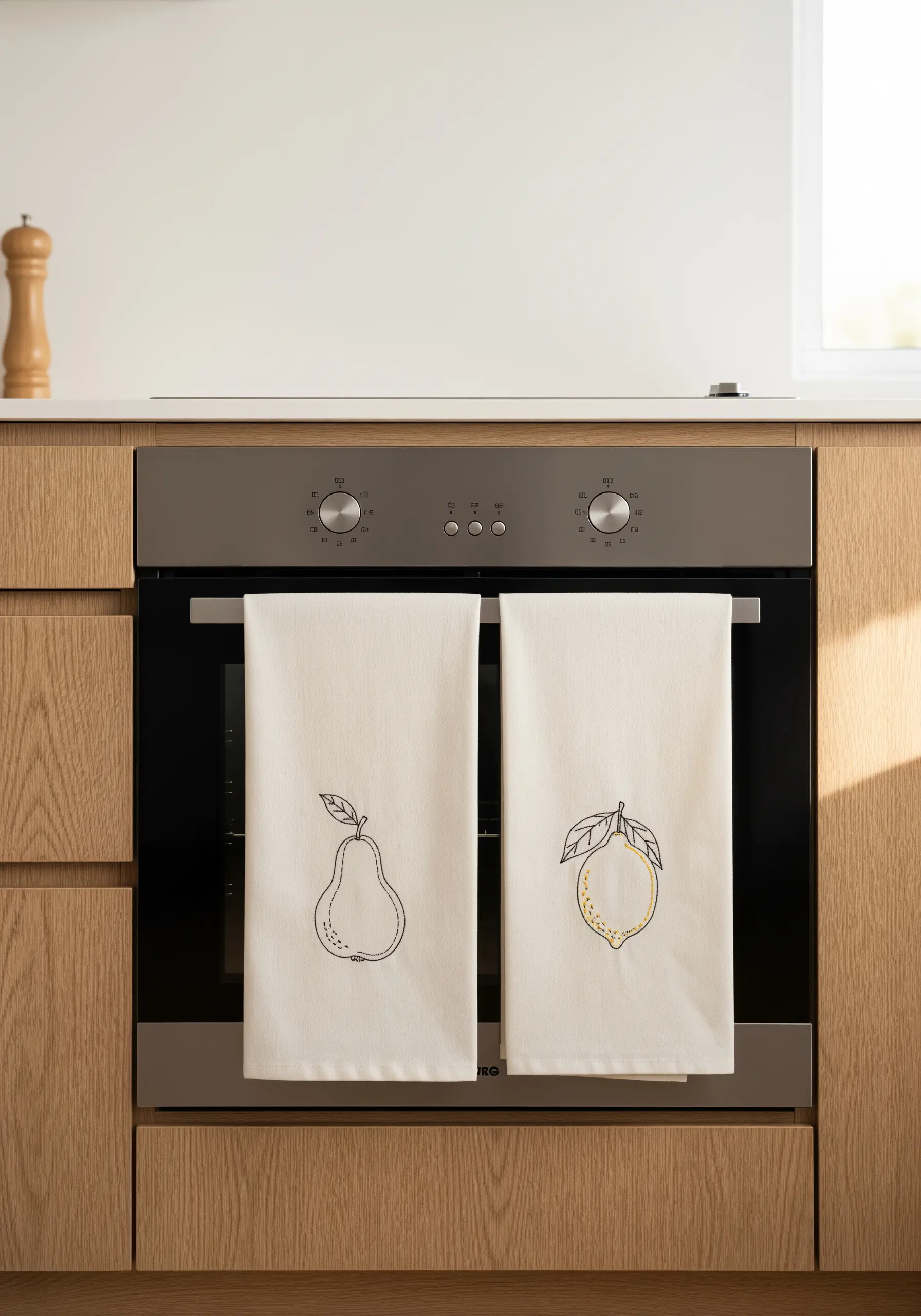
Elevate a simple line drawing by strategically filling one small area with color.
Outline your motif—like these fruits—in a classic black or charcoal using two strands of floss and a neat backstitch.
Then, select one section and fill it with a complementary color using a satin stitch or simple seed stitches for a bit of texture.
This technique guides the viewer’s eye and adds a playful, modern touch without complicating the design, making it perfect for charming kitchen towels.
8. Celestial Maps on Dark Fabric
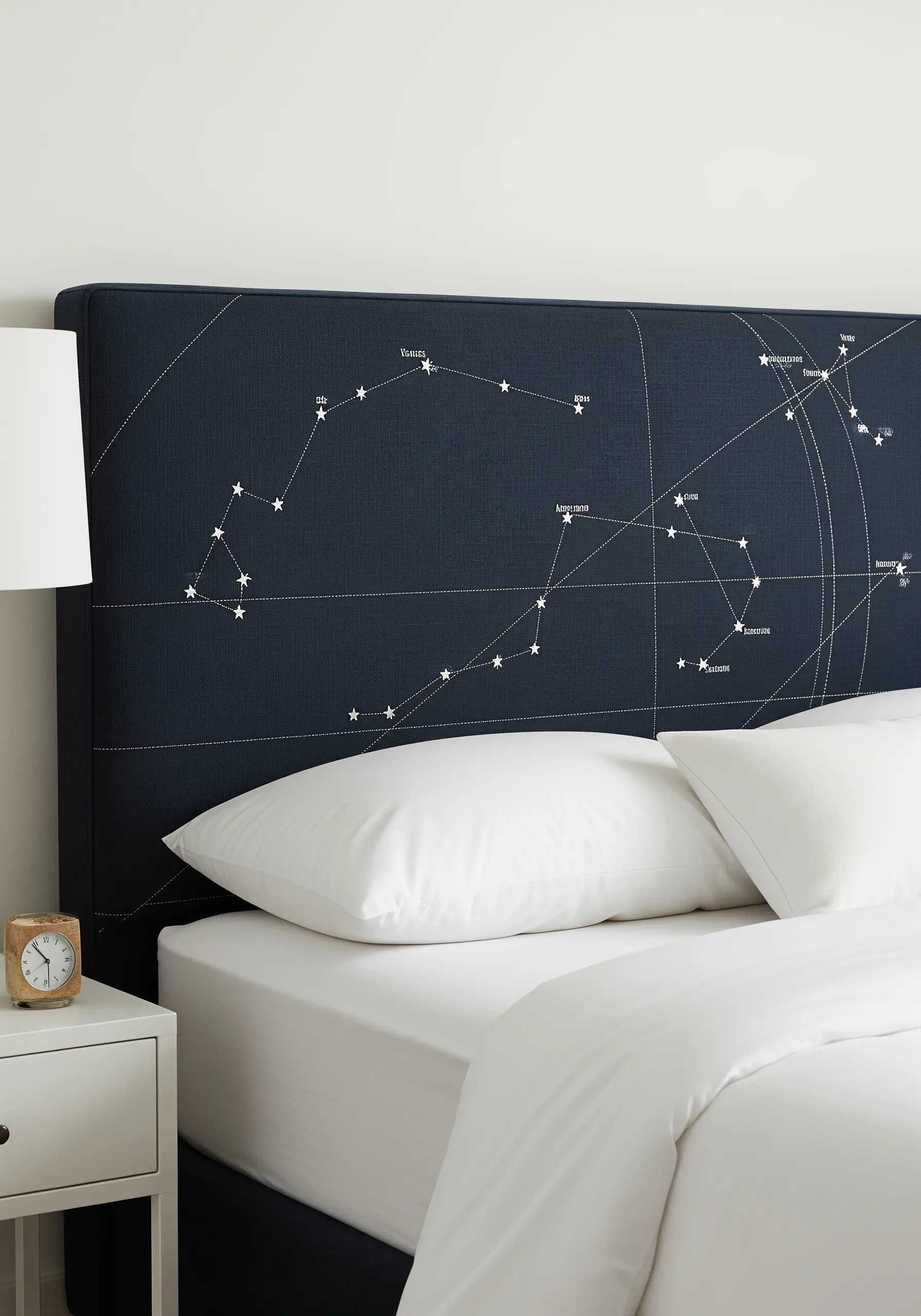
Create a stunning high-contrast piece by stitching constellations on a dark, tightly woven fabric like navy linen or cotton twill.
Use a bright white or silver metallic thread to make the stars and lines pop.
For the stars, use small French knots or simple straight stitches arranged in a starburst.
For the connecting lines, a delicate running stitch keeps the focus on the star formations, creating a dreamy, personalized headboard or wall hanging.
These moon and stars embroidery ideas add a sense of wonder to any bedroom.
9. The Continuous Border Motif
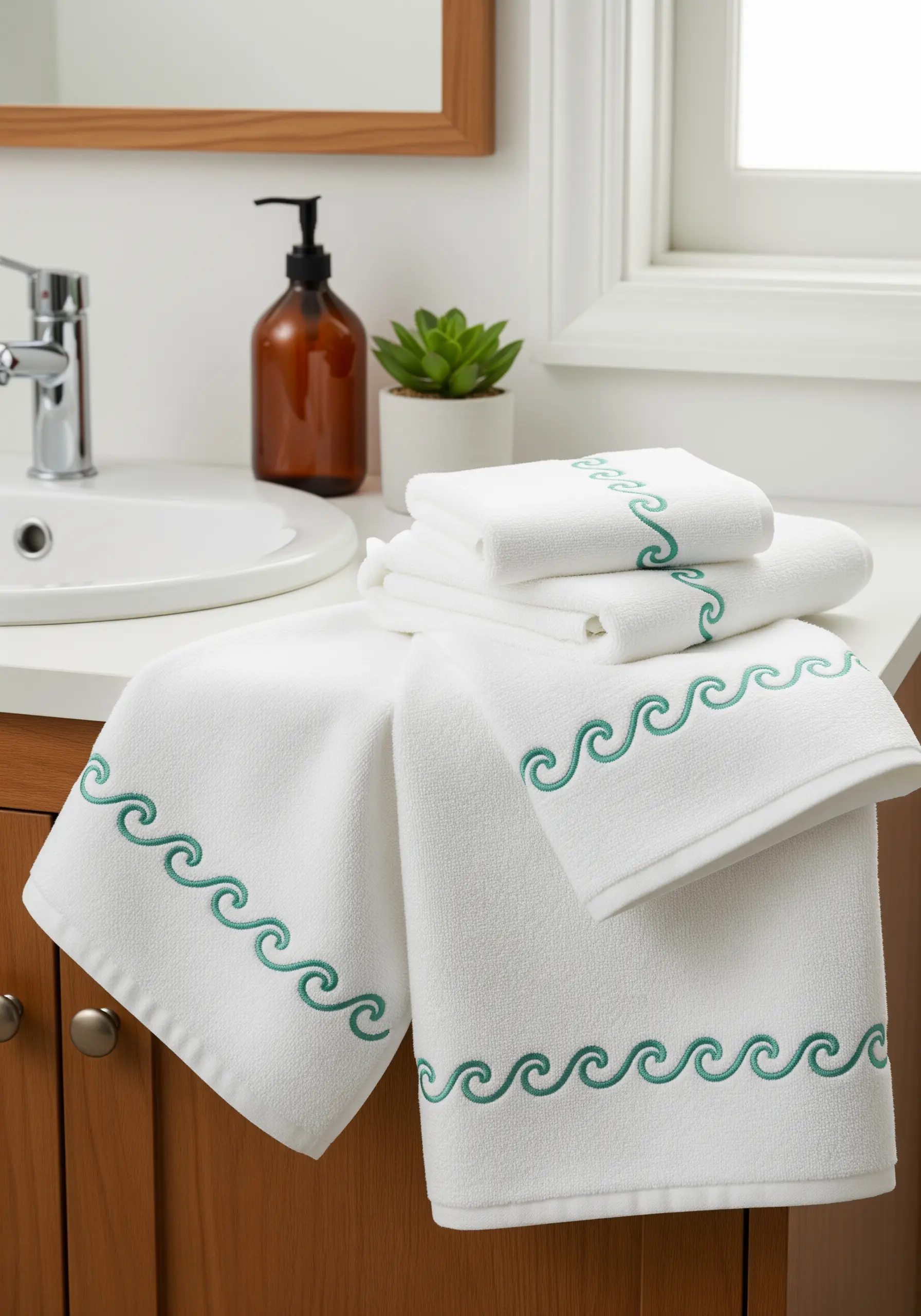
Add a touch of elegance to towels or napkins with a clean, continuous border design.
To ensure the pattern is perfectly even, use a water-soluble stabilizer printed with your design; it will provide a guide and support the stitches on the plush towel terry.
A satin stitch works beautifully for this, creating a smooth, raised line that feels luxurious.
Choose a single, refreshing color that complements your bathroom decor for a cohesive, spa-like feel, ideal for tiny bathroom art projects.
10. The Beaded Raindrop Curtain
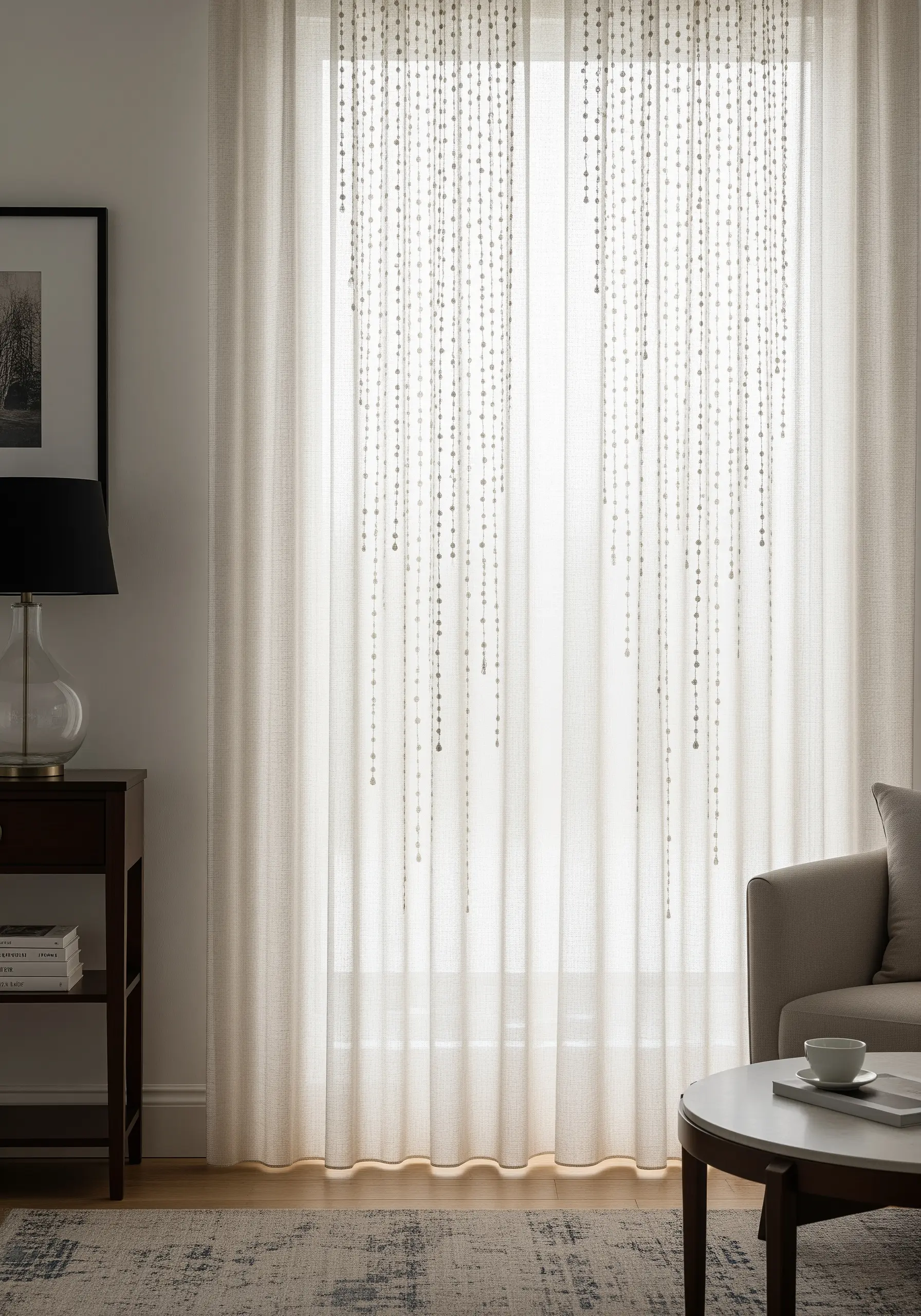
Transform a sheer curtain into an ethereal piece by combining thread and beads.
Use a single strand of translucent or light silver thread to stitch down from the top of the curtain in straight, uneven lines.
At varying intervals, anchor a single seed bead, bugle bead, or small crystal with a tiny knot or a second pass of the thread.
The effect is a delicate cascade of light, like rain on a windowpane, that adds shimmer and movement without blocking the view. This is a beautiful way to try mixed-media textile wall hangings.
11. Bold Appliqué Lettering
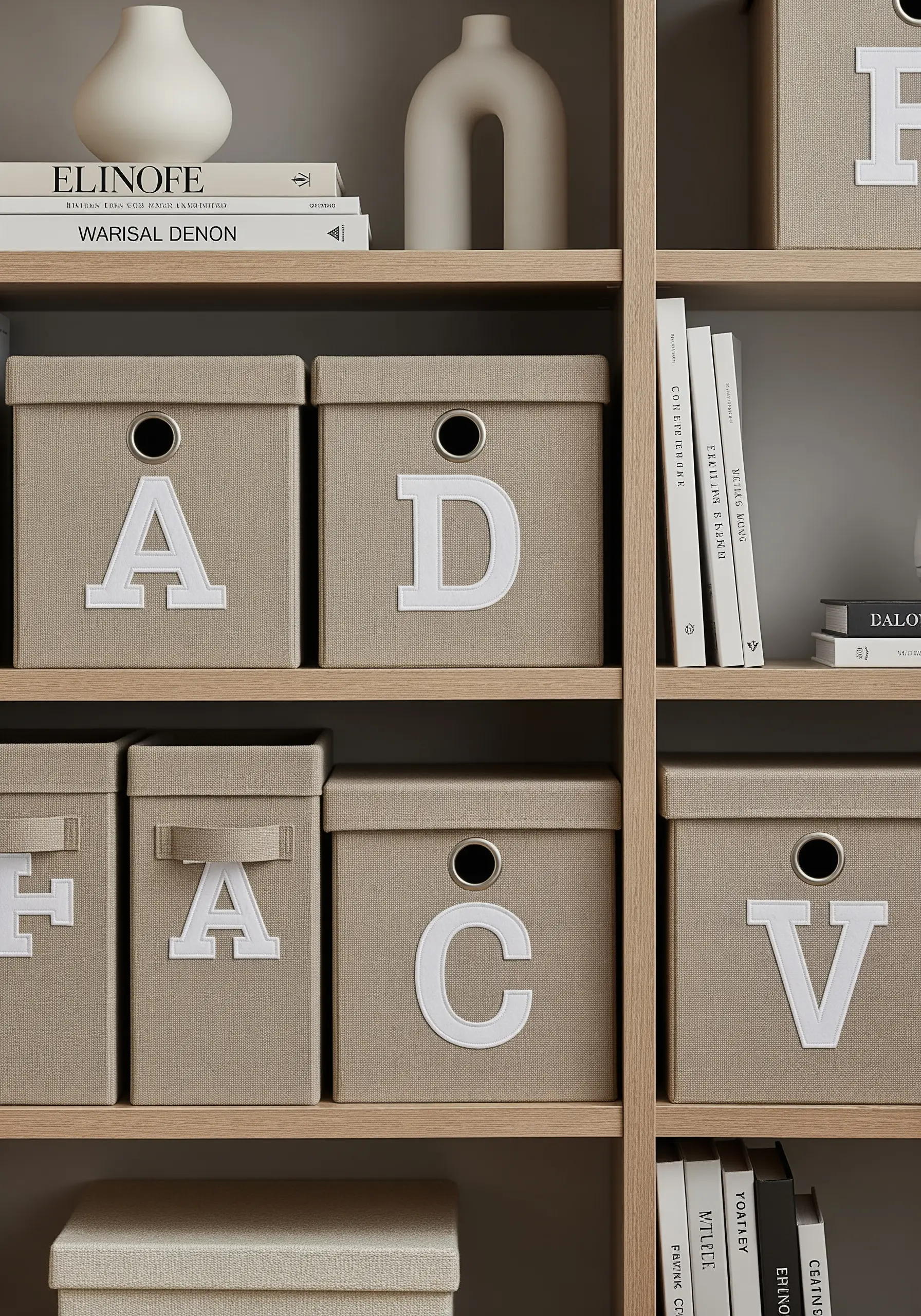
For clean, modern monograms on textured surfaces like canvas storage boxes, choose appliqué over dense satin stitch.
Cut your letters from a crisp, non-fraying material like felt or heat-bonded cotton.
Attach the letter to the box with a fabric adhesive, then secure the edges with a neat, simple running stitch or a subtle whipstitch in a matching thread.
This technique provides a bold, graphic look that stands out clearly and remains perfectly smooth.
12. The Subtle Sunshine Motif
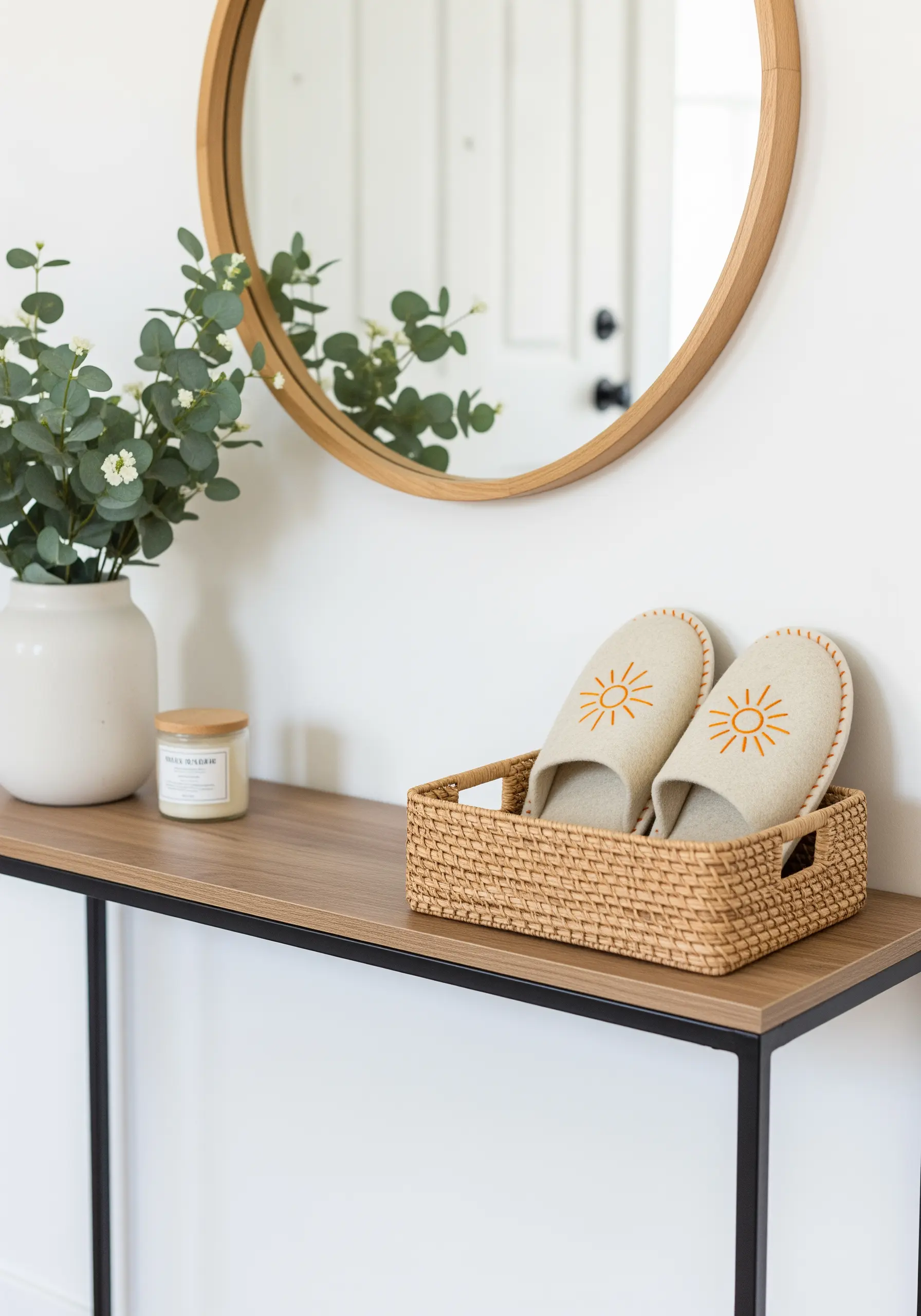
Add a touch of warmth to everyday items like these slippers with a simple, radiating sun motif.
Create the design with straight stitches of varying lengths, all originating from a central point.
For a subtle gradient effect, use two or three closely related shades of gold or yellow floss, alternating them as you stitch the rays.
This adds visual interest and a sense of gentle movement, turning a basic icon into a more dynamic and personal design. These small embroidery motifs are perfect for quick projects.
13. Interlocking Lines on Felt
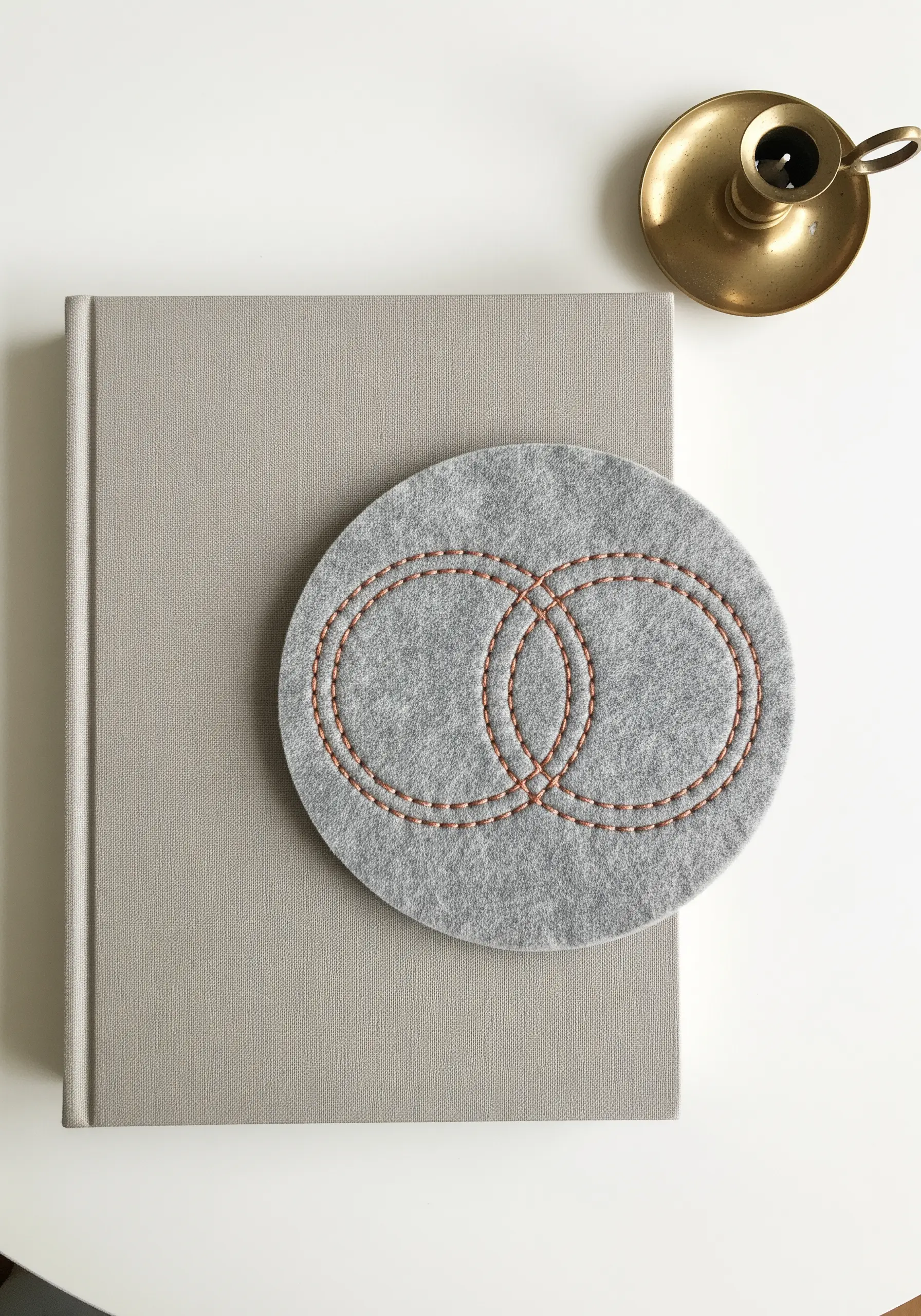
Create beautiful, functional art like coasters using dense wool felt as your base.
The stable, non-woven nature of felt means it won’t warp or pucker, making it ideal for precise geometric designs.
Use a contrasting pearl cotton thread to stitch a simple running stitch, focusing on perfectly even stitch lengths and spacing.
The clean lines and visible stitches become a core part of the design, celebrating the act of construction itself.
14. Abstract Shapes as Accents
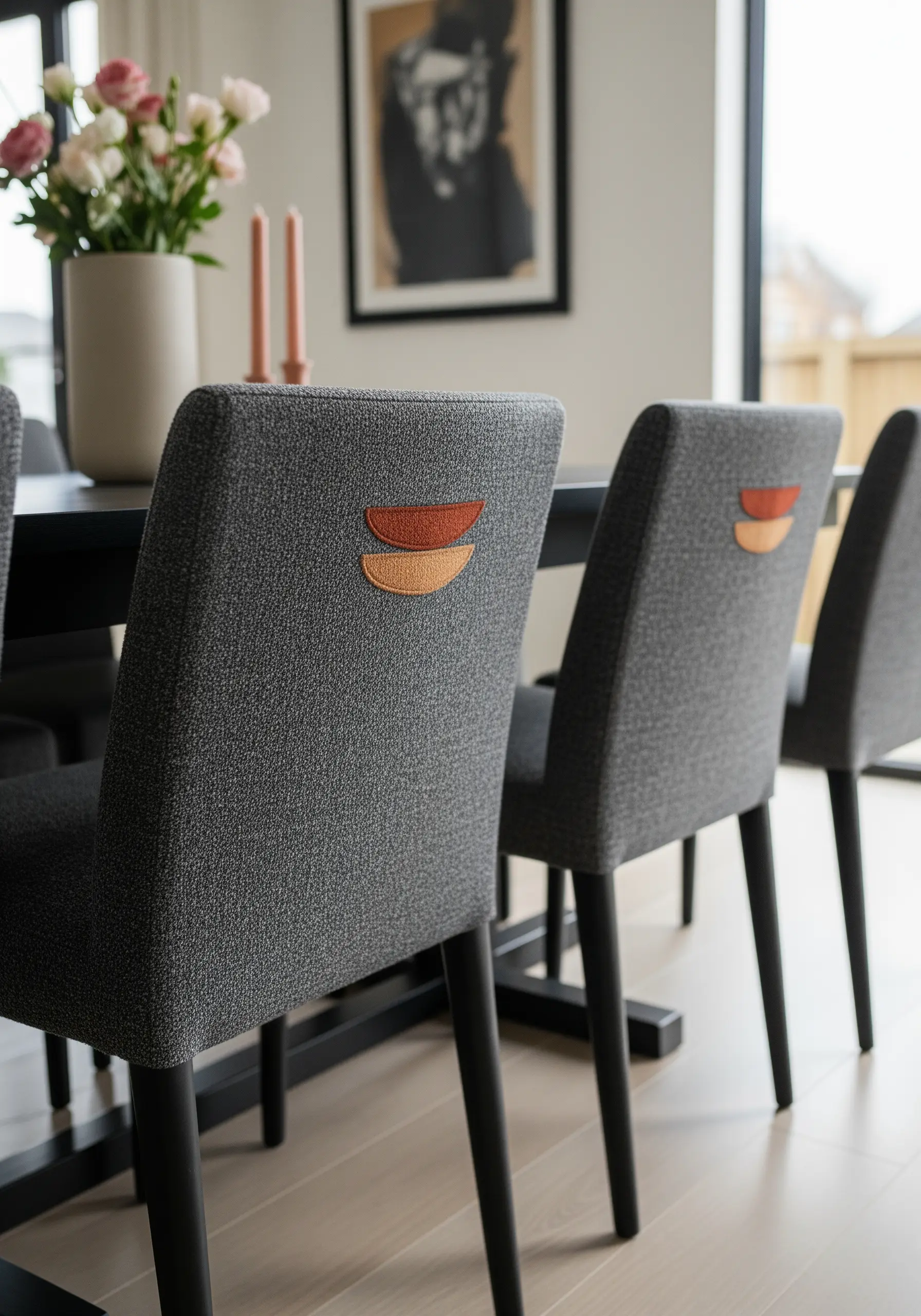
Elevate modern furniture by adding a small, unexpected touch of embroidered art.
Instead of a centered design, place a small cluster of abstract, organic shapes on the upper corner of a chair back.
Use a satin stitch with threads that tonally complement the upholstery fabric—here, earthy oranges on charcoal grey.
This subtle placement feels like a bespoke maker’s mark, adding a point of interest that is both personal and incredibly chic.
15. Botanical Details for Everyday Objects
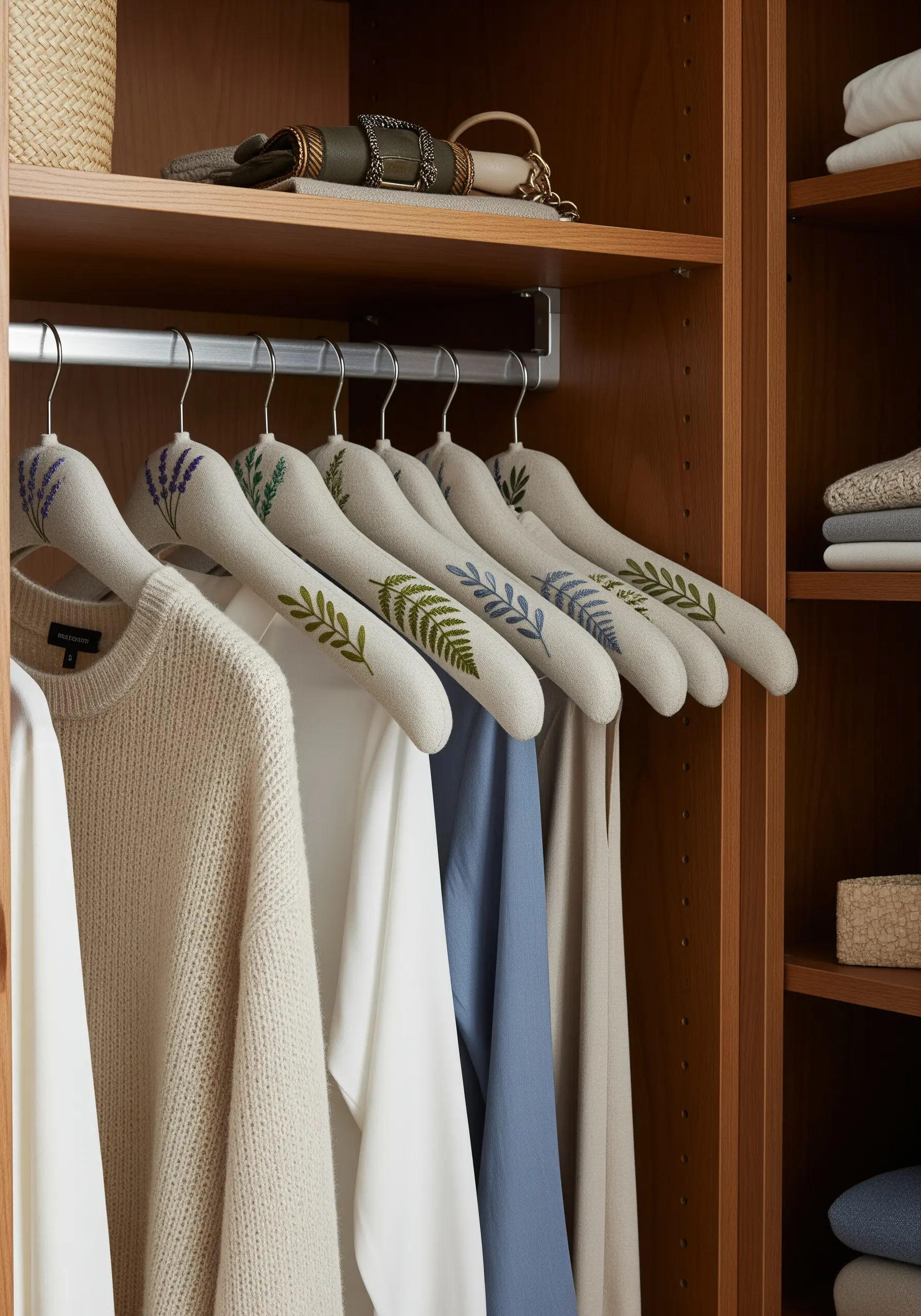
Turn functional items like padded hangers into small canvases for botanical art.
Choose simple, graphic leaf shapes that are easily recognizable, like ferns or eucalyptus.
Use a satin stitch or fishbone stitch to fill the leaves, varying the shades of green and blue to create depth and variety.
This small effort transforms a mundane closet into a beautifully curated space, celebrating artistry in unexpected places. Explore more herbal and plant embroidery motifs for inspiration.
16. High-Texture Rainbow Arch
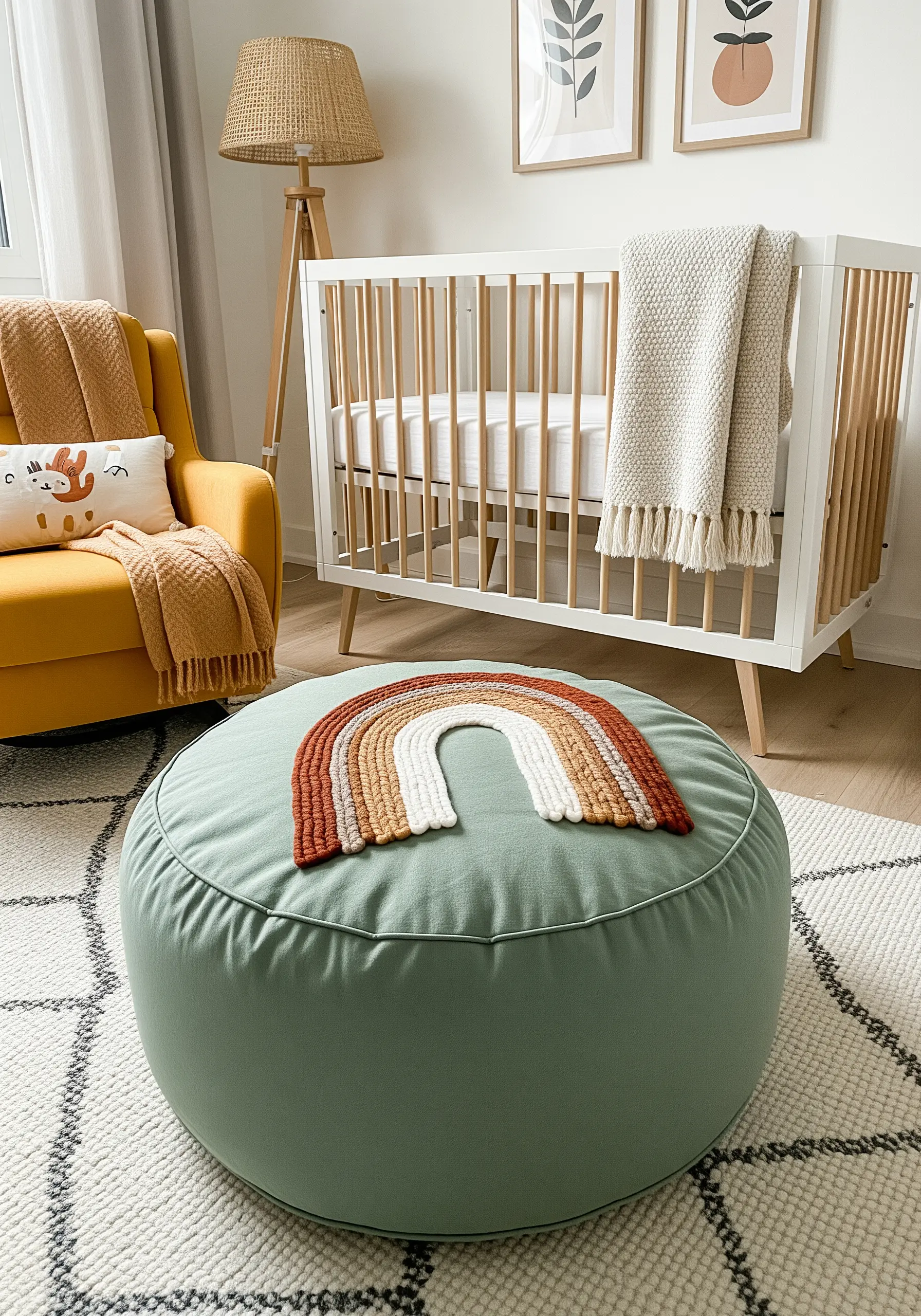
Build a rainbow with texture, not just color, for a tactile and visually engaging piece.
Assign a different stitch to each arch: a chunky chain stitch, rows of French knots, a padded satin stitch, or couched yarn.
Using a palette of earthy, muted tones rather than bright primary colors gives the classic rainbow shape a sophisticated, modern update.
This project is perfect for using up leftover threads and yarns while creating stunning mixed-fiber wall hangings.
17. The Modern Sashiko Pattern
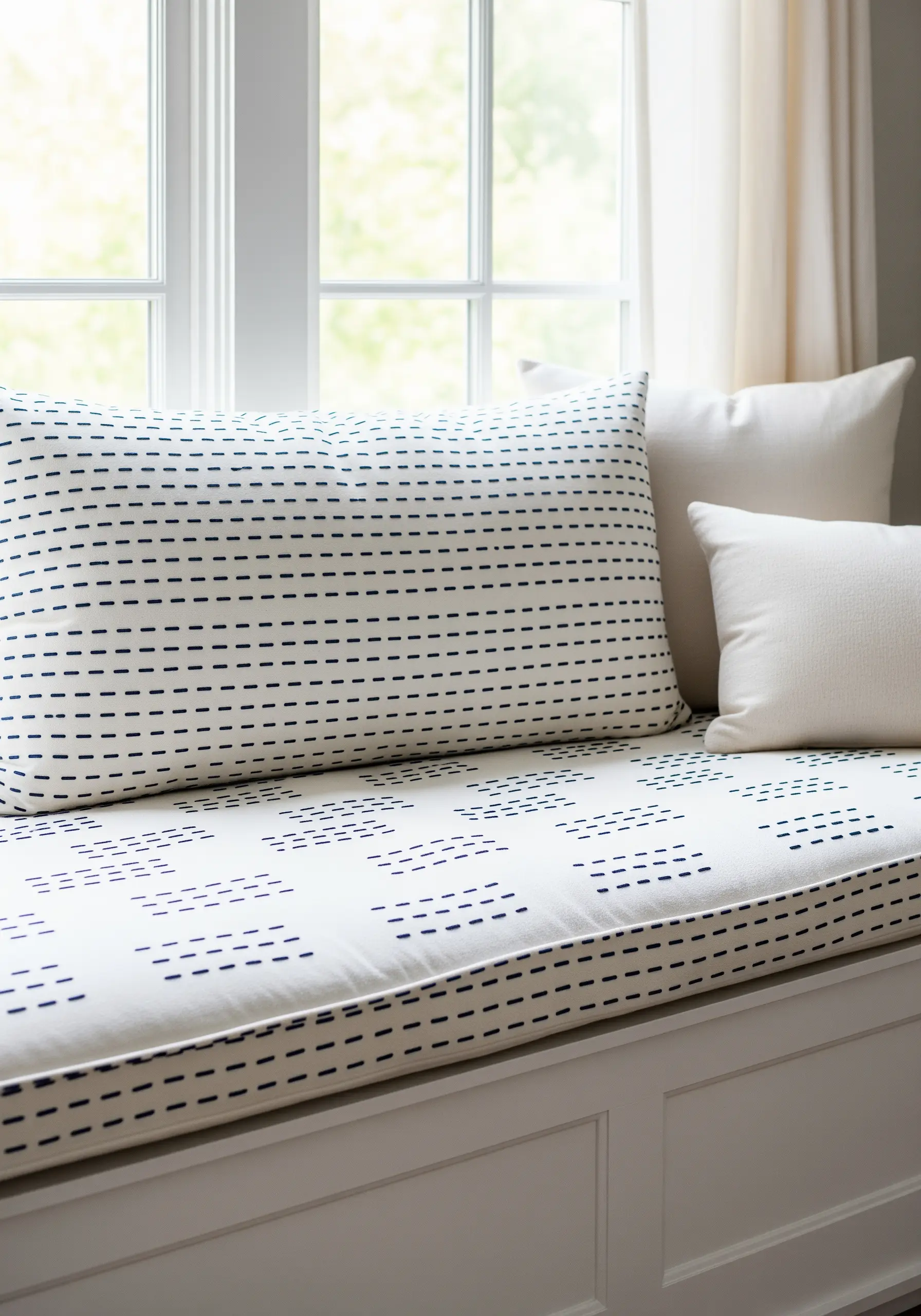
Use the principles of Japanese sashiko stitching to create clean, rhythmic patterns on home textiles.
Work simple running stitches in a contrasting thread, focusing on maintaining perfectly uniform stitch and gap lengths.
The beauty of sashiko lies in its meditative repetition and graphic clarity.
Arrange the lines in staggered rows or geometric grids to give cushions and bench seats a modern, yet timeless, appeal. These simple stitched patterns are incredibly versatile.
18. A Single Motif on a Lampshade
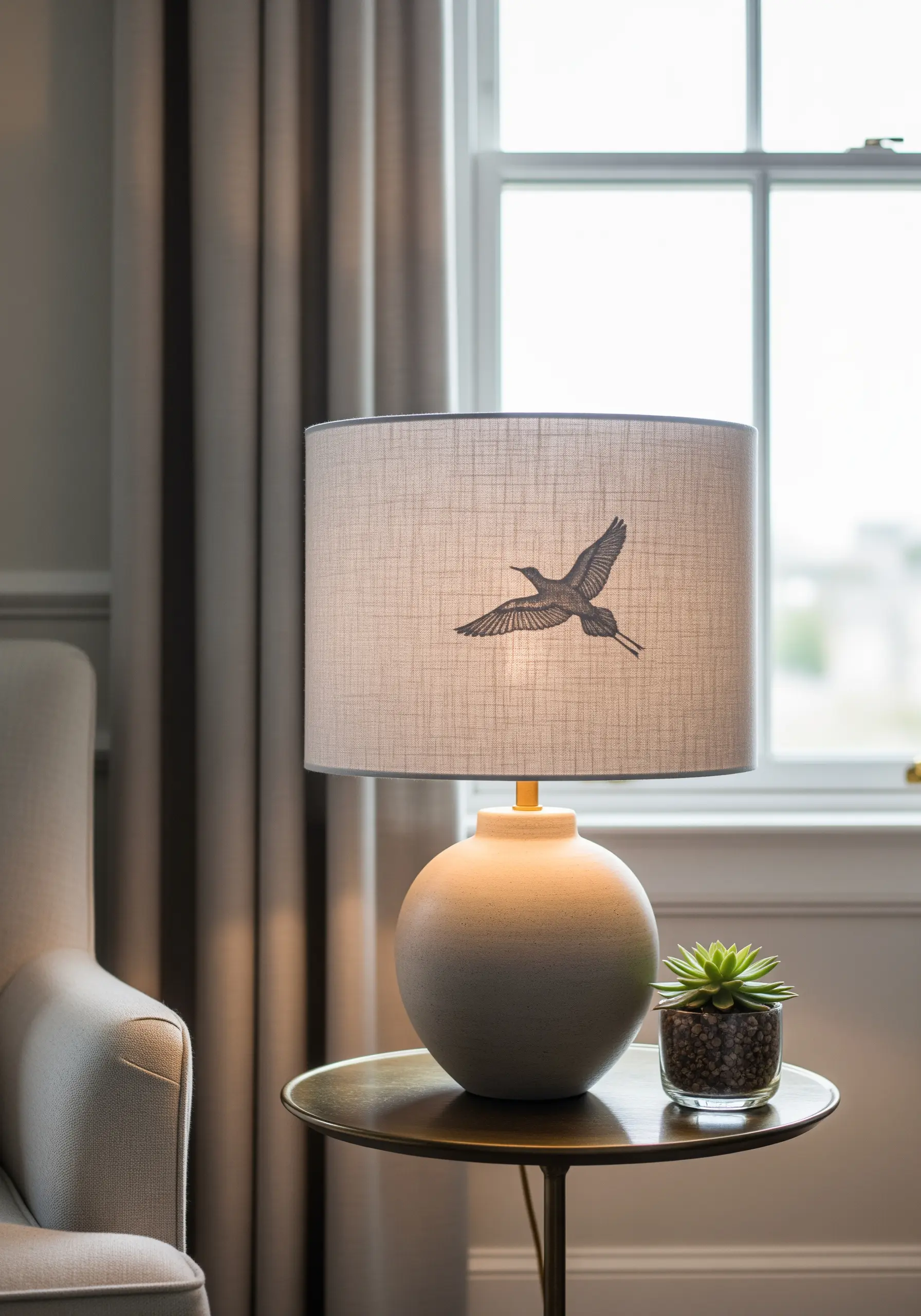
Turn a plain lampshade into a piece of subtle art by adding a single, thoughtfully placed motif.
Choose a simple design, like this flying bird, and stitch it using a dark thread that will create a clear silhouette when the lamp is on.
Use a simple backstitch or stem stitch to maintain clean lines.
The key is restraint; one elegant image is far more impactful than a busy, repeating pattern, and it allows the light to become part of the art.
19. A Gradient of Stitched Chains
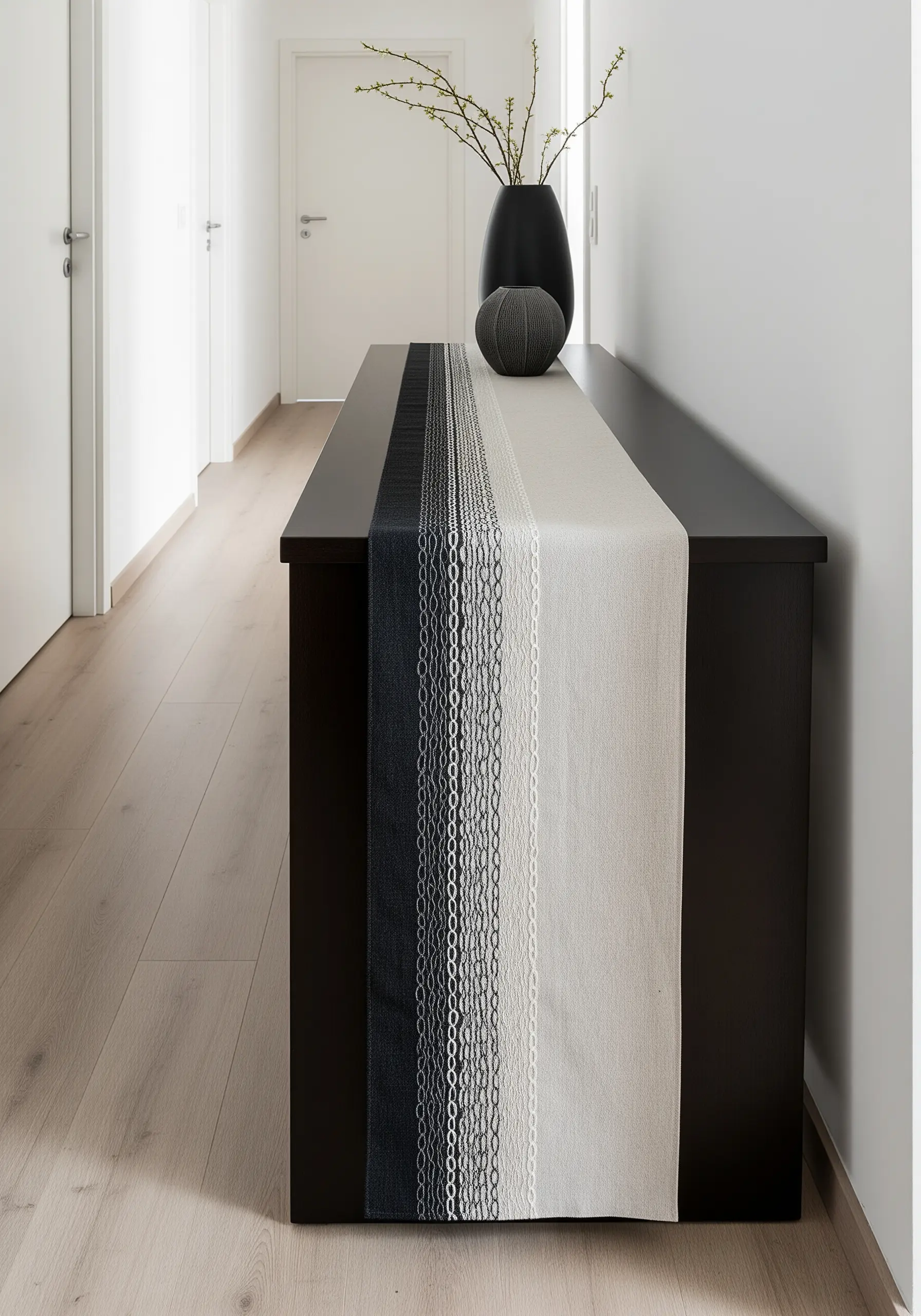
Create a sense of movement and depth on a table runner using only one simple stitch in varying tones.
Work parallel lines of chain stitch, arranging your threads in a gradient from dark to light.
The interlocking loops of the chain stitch create a texture that resembles woven braids, adding a beautiful tactile quality.
This technique is a perfect way to explore color theory and create a dynamic visual effect with minimal complexity. You can find similar inspiration in these abstract color-blend stitch ideas.
20. The Metallic Geometric Accent
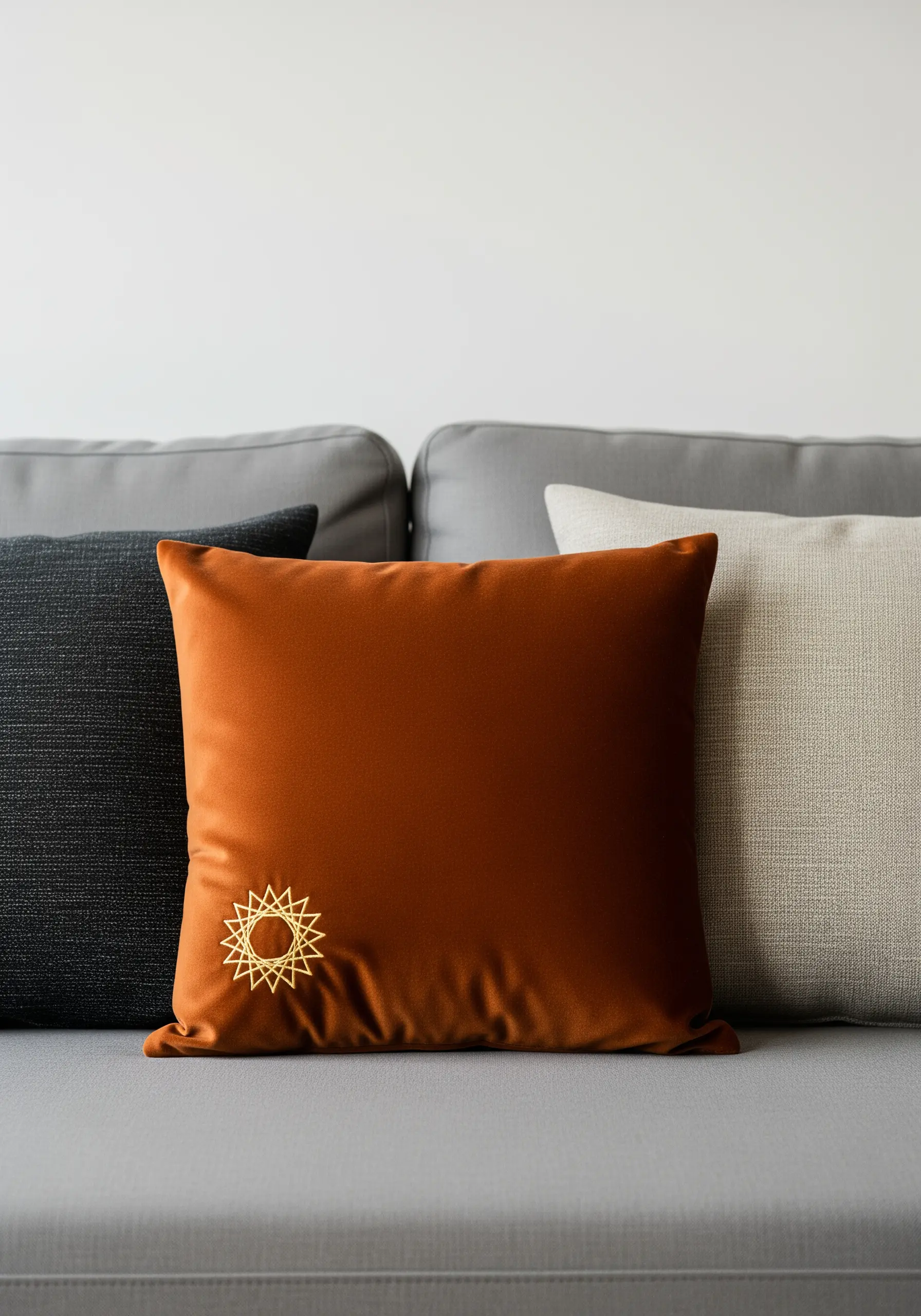
Add a touch of unexpected glamour to your decor with a small, sharp geometric motif stitched in metallic thread.
To prevent the frustration of fraying, use a needle with a larger eye and work with shorter lengths of metallic floss.
Stitch your design with clean, straight stitches on a rich, saturated fabric like this rust-colored satin.
The way the metallic thread catches the light creates a focal point that feels both luxurious and modern, making it one of the best contemporary metallic thread designs.
21. The Evocative Outline
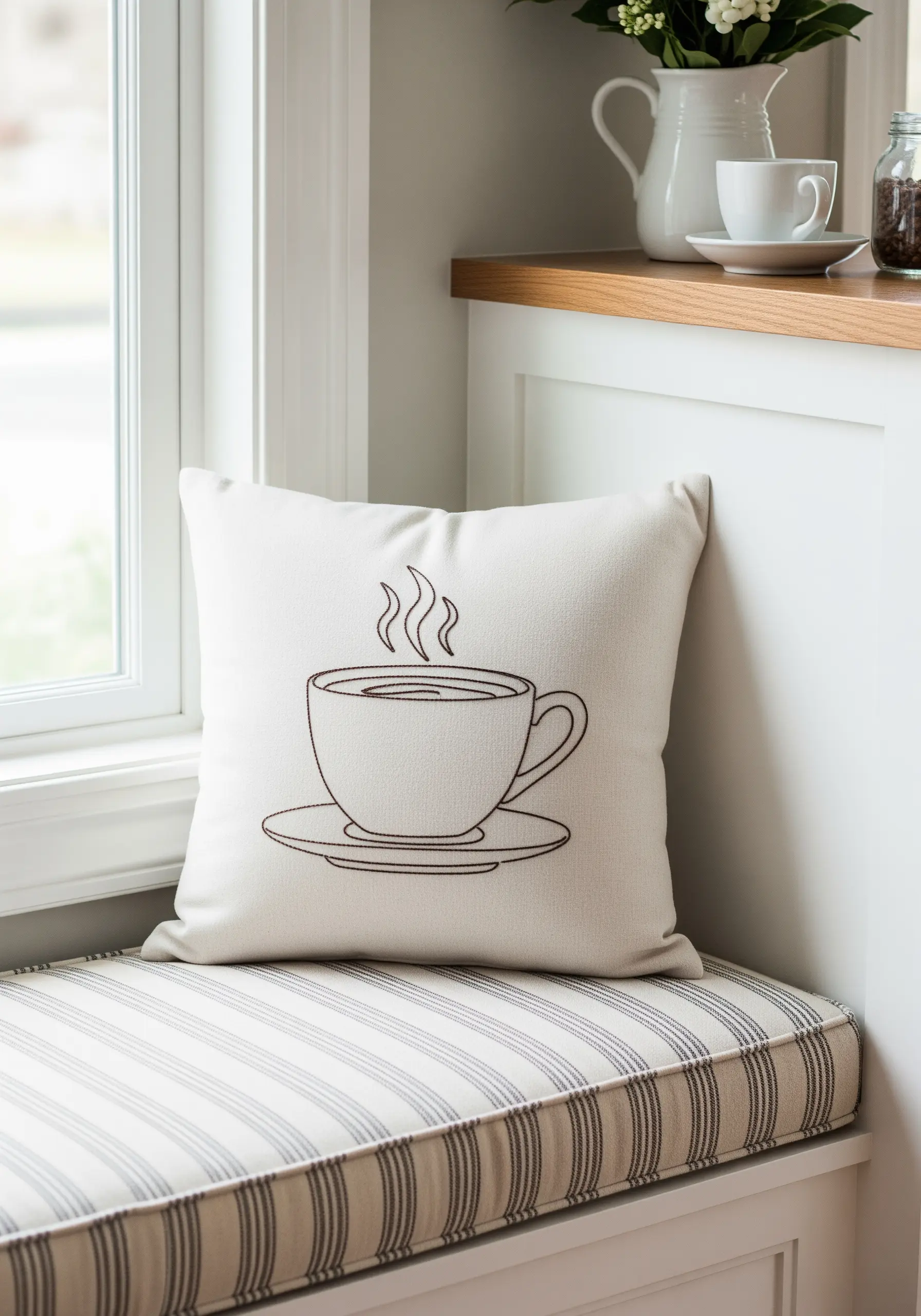
Capture the essence of a cozy moment with a simple, clean outline stitch.
For a design like this coffee cup, use a stem stitch in a warm, earthy brown to give the lines a smooth, slightly raised quality, almost like a pen drawing.
Use two or three strands of floss to achieve a line with enough presence to stand on its own without appearing heavy.
This approach proves that a minimal design can still be full of warmth and personality, perfect for a quiet reading corner.
22. The Delicate Leaf Border
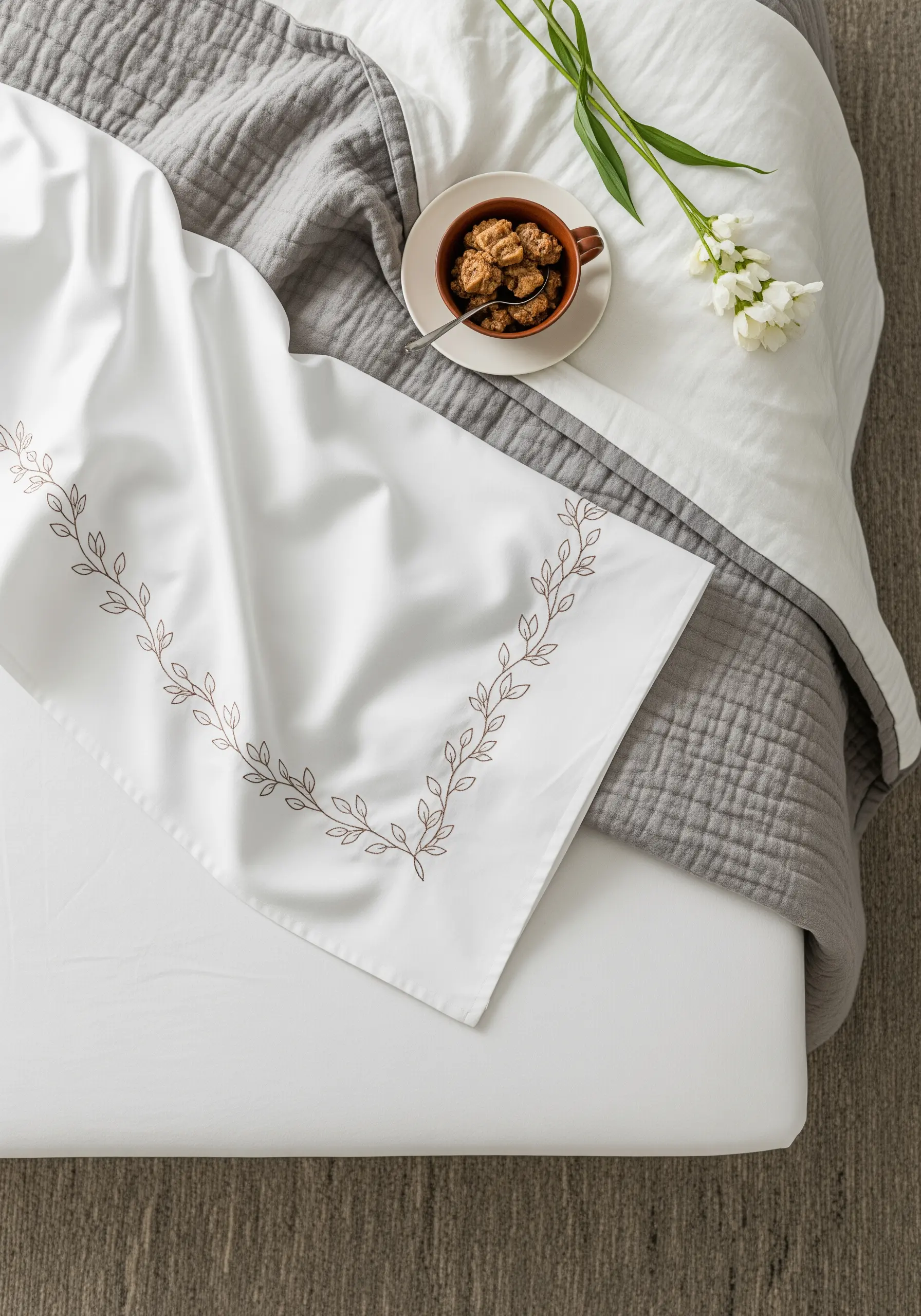
Frame a pillowcase or sheet with an elegant, trailing vine for a touch of botanical luxury.
Use a delicate stem stitch for the main vine and a single detached chain stitch (lazy daisy) for each leaf.
Stitching with a soft, neutral thread on crisp white cotton creates a timeless, high-end hotel look.
This design is sparse enough to feel modern, yet classic enough to remain stylish for years, ideal for bedsheets that feel expensive and cozy.
23. Tone-on-Tone Textural Art
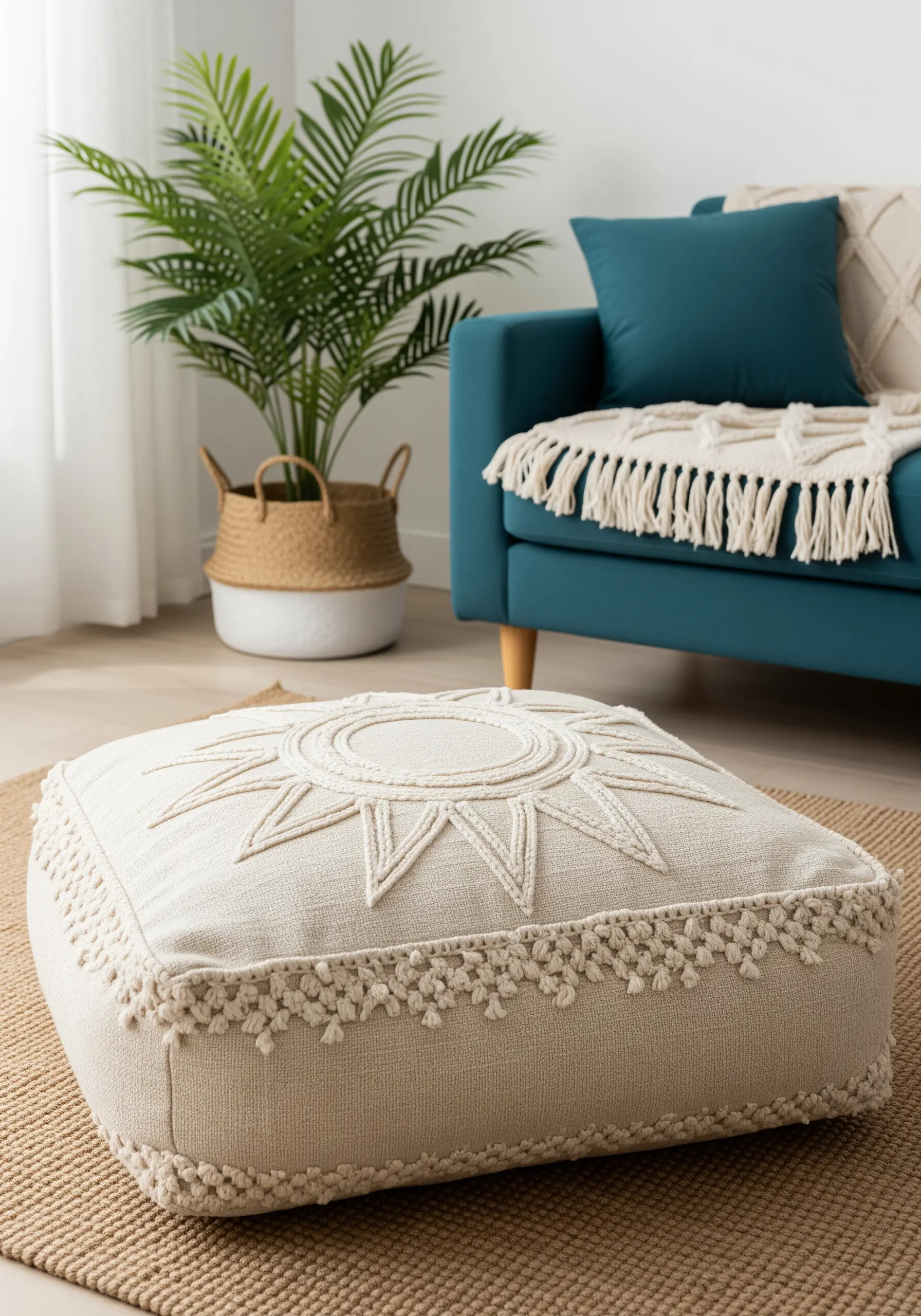
Explore texture over color by using thread that exactly matches your fabric.
This technique, known as whitework even with colors, creates a subtle, sculptural effect where the design is revealed by light and shadow.
Use raised stitches like French knots, padded satin stitch, or couching to build dimension.
The result is a sophisticated, tactile piece that adds interest to a room without introducing competing colors, making it one of the most elegant tone-on-tone embroidery techniques.
24. Minimalist Pantry Labels
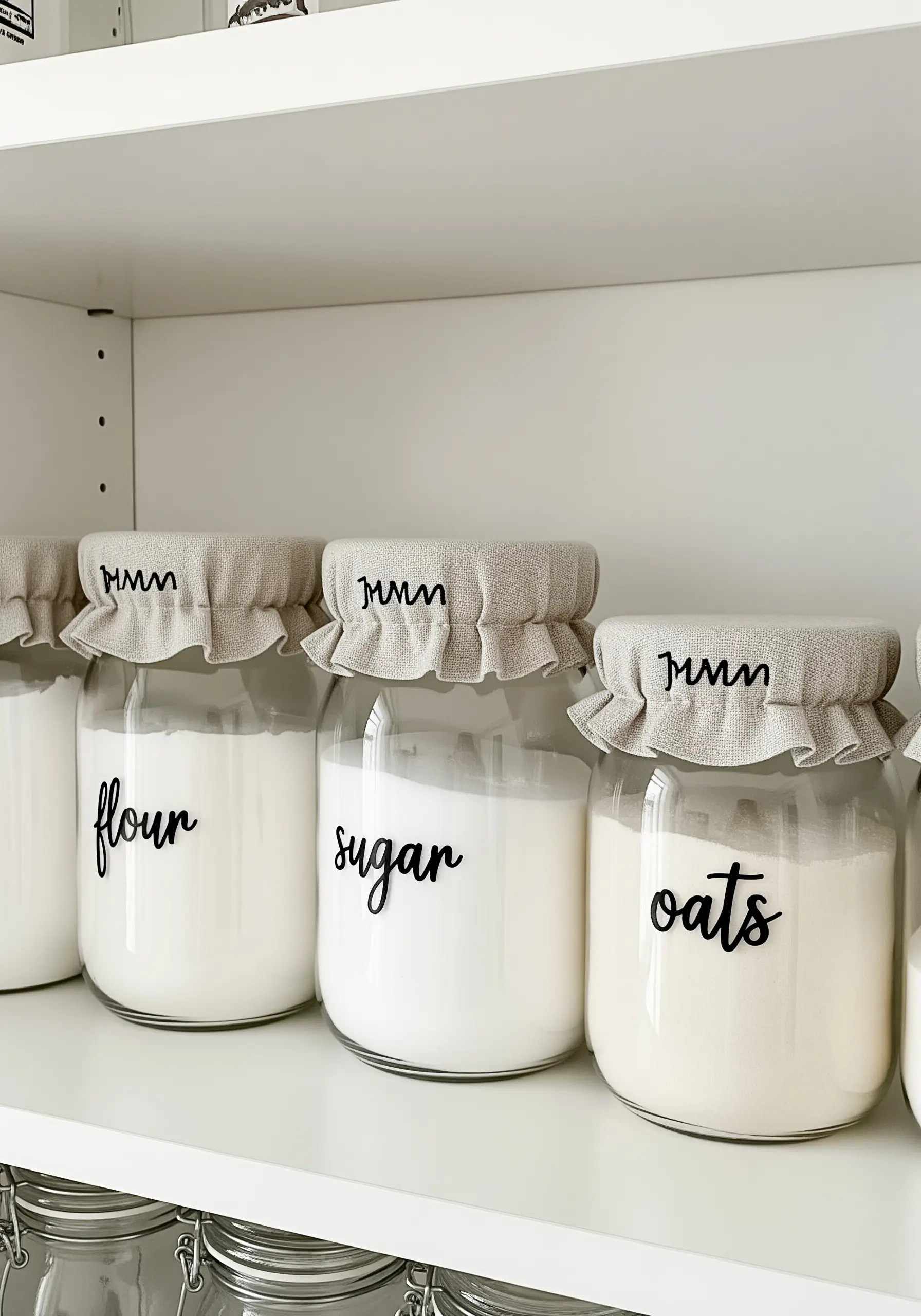
Add a charming, handmade touch to your pantry organization with simple embroidered jar covers.
Use a single strand of black floss on a natural linen scrap to stitch a simple, repeating pattern or monogram.
A basic backstitch or even a few cross stitches are all you need.
The beauty is in the repetition and the subtle, personal detail it adds to an otherwise utilitarian space, showing how small stitches can transform everyday items.
25. The Single Abstract Form
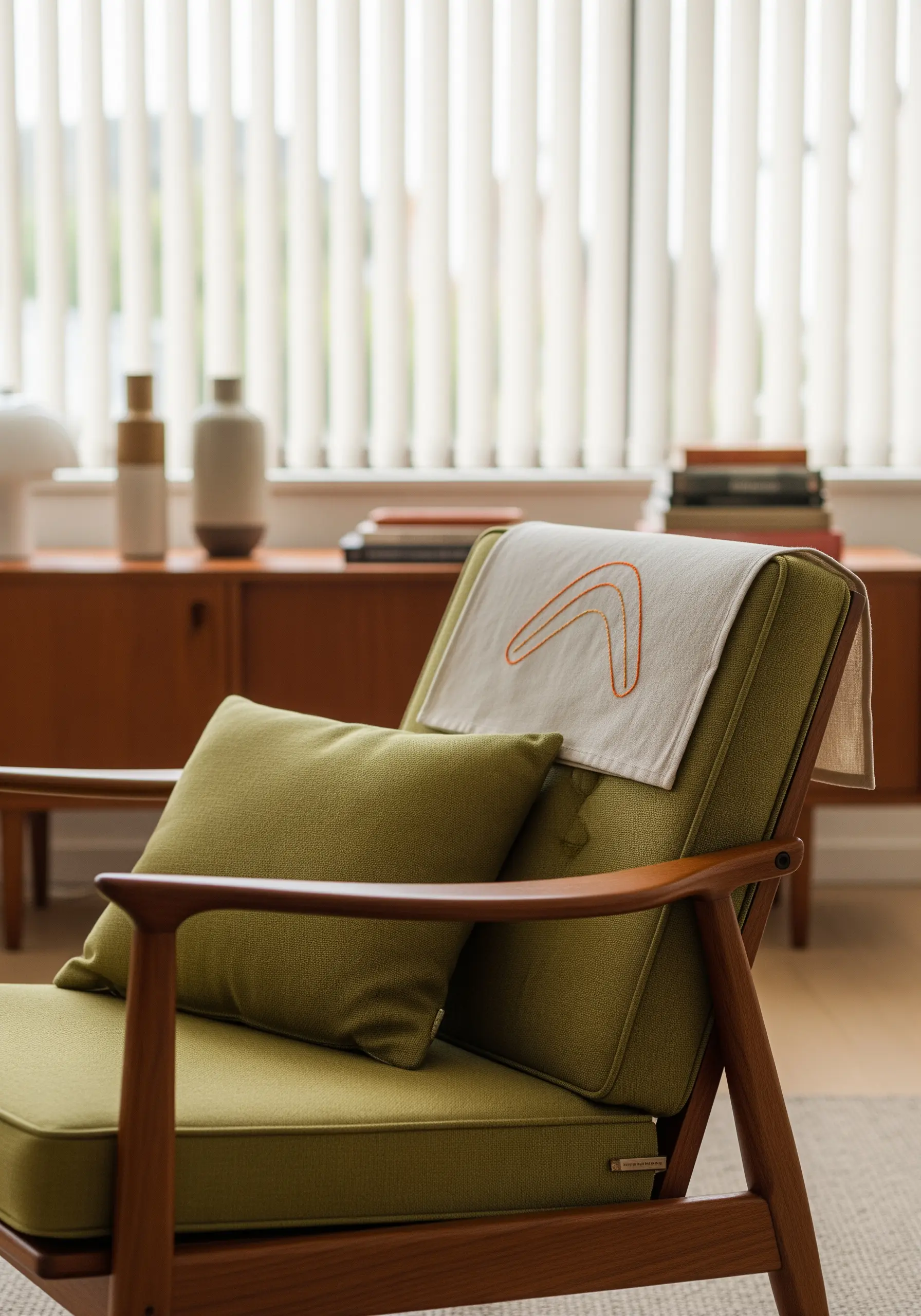
Make a statement with one solitary, abstract shape on a simple textile throw.
Choose a graphic form, like this boomerang, and render it with a smooth, clean outline using a stem stitch or split stitch.
Using a single, bold color provides a strong focal point against the neutral background fabric.
This minimalist approach adds a touch of mid-century modern style and feels curated and intentional, perfect for modern home decor projects.
26. Lunar Phases in Hoop Art
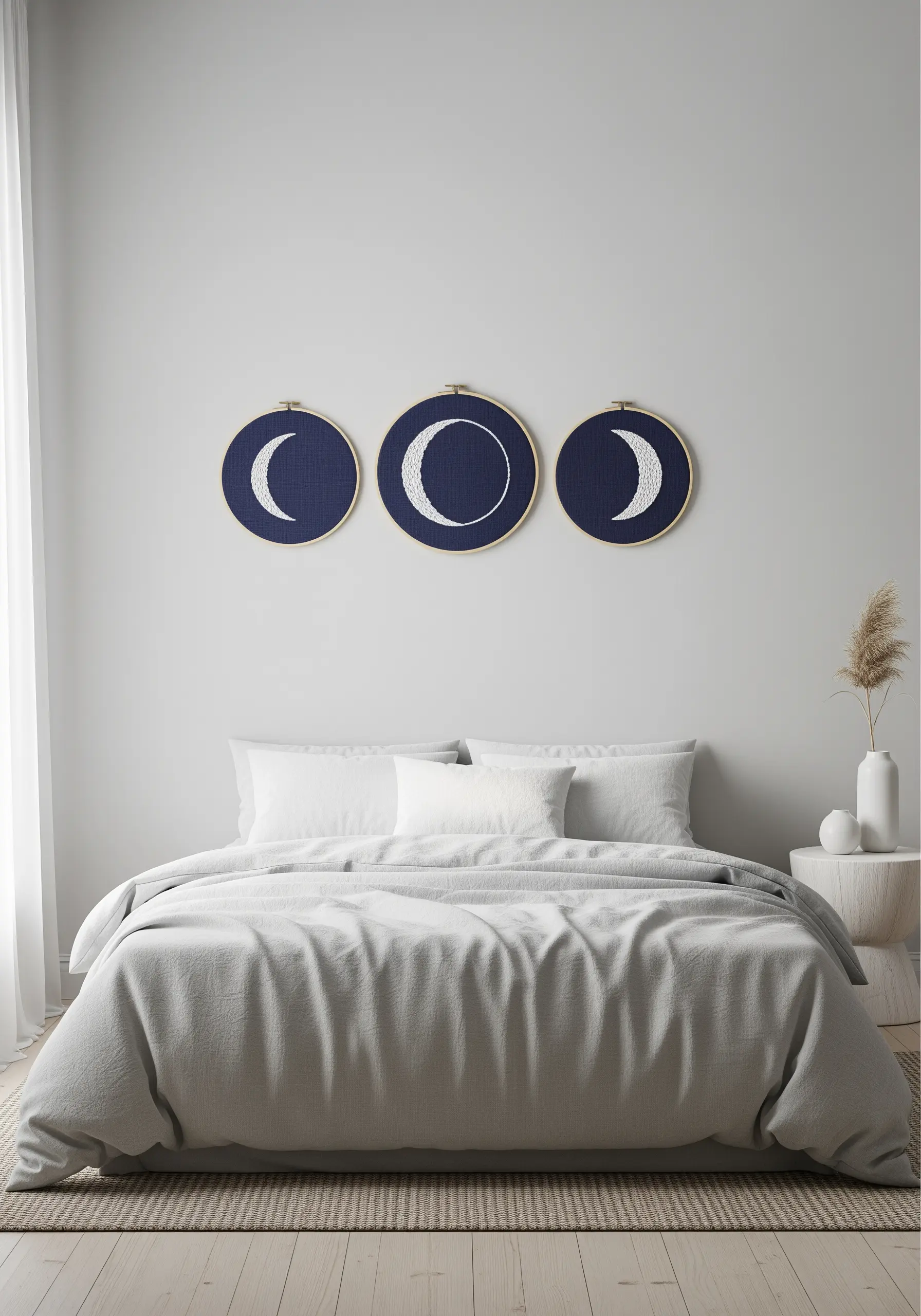
Create a striking triptych by dedicating each hoop to a different phase of the moon.
Use a dark, rich fabric like navy blue linen to represent the night sky.
Fill the moon shapes with a dense satin stitch using a bright white or silver floss for a luminous effect. To keep your satin stitches perfectly smooth, outline the shape with a split stitch first to create a raised, clean edge.
This series turns simple embroidery hoops into a sophisticated piece of minimalist wall art.
27. The Playful Pet Motif
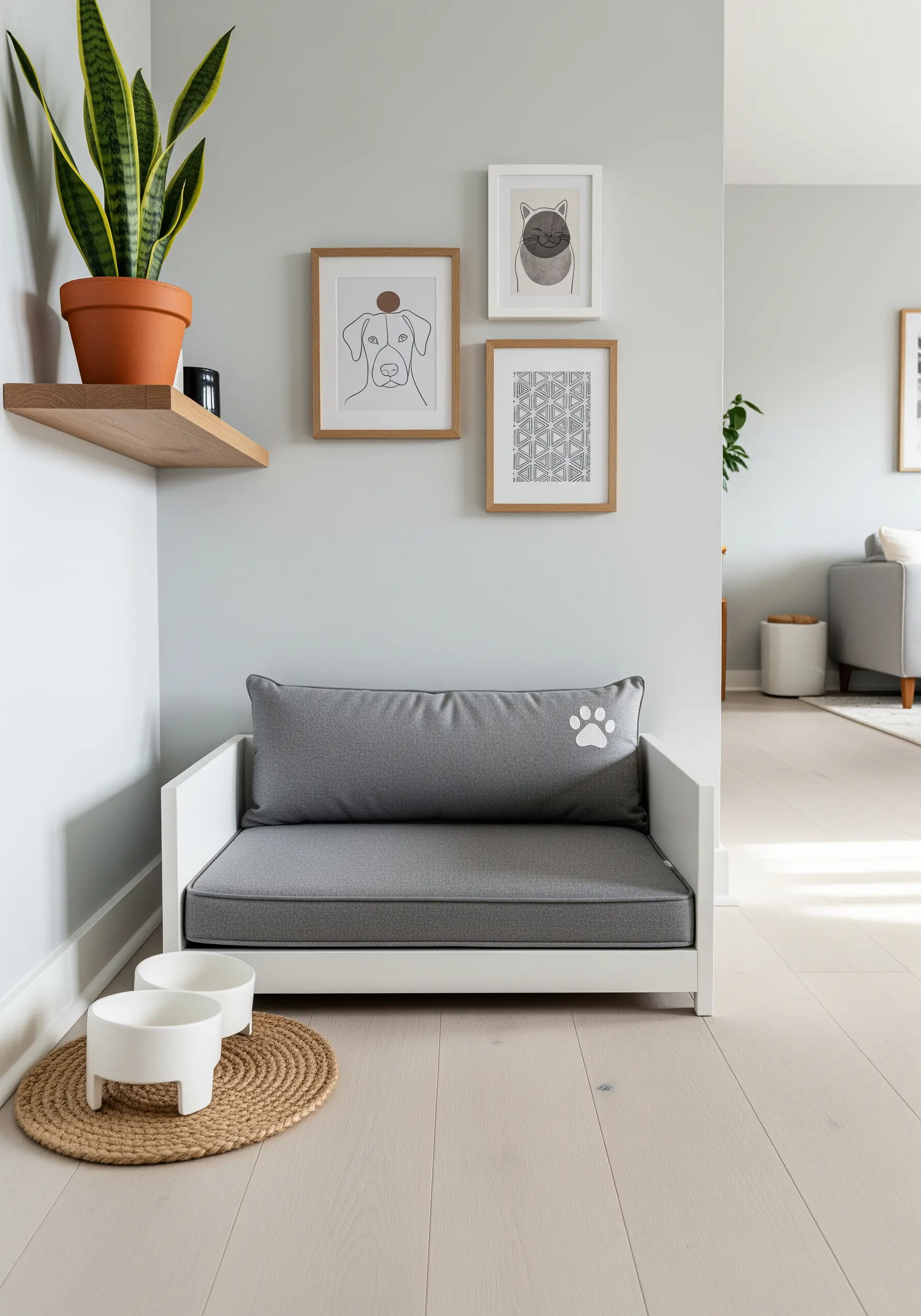
Add a touch of subtle personality to a pet’s space with a clean, iconic motif.
Instead of a complex portrait, choose a simple symbol like a paw print or a bone outline.
Use a satin stitch in a crisp white thread to create a solid, graphic shape that stands out against the grey fabric.
This small detail is a sweet, stylish nod to a furry family member without sacrificing a modern aesthetic. For more inspiration, explore these delicate pet line art ideas.
28. The Cocktail Hour Collection
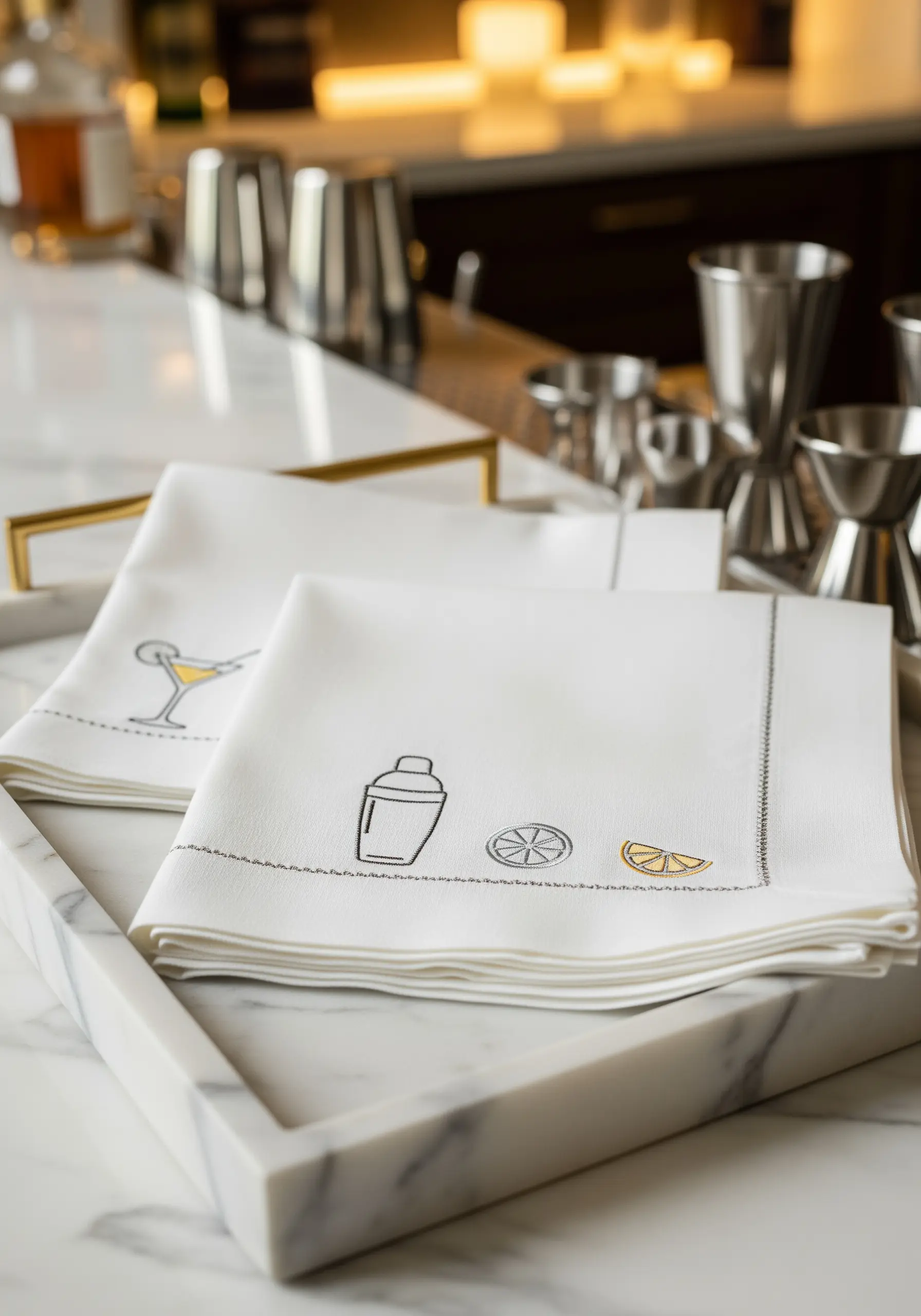
Curate a set of cocktail napkins, each with a different but related minimalist motif.
Use a clean backstitch for the outlines and introduce a single pop of color with a satin stitch for an accent, like the slice of lemon.
To keep the set cohesive, use the same thread colors and maintain a consistent line weight across all the designs.
This turns a functional item into a conversation starter, perfect for turning everyday items into presents.
29. The Landscape Line Drawing
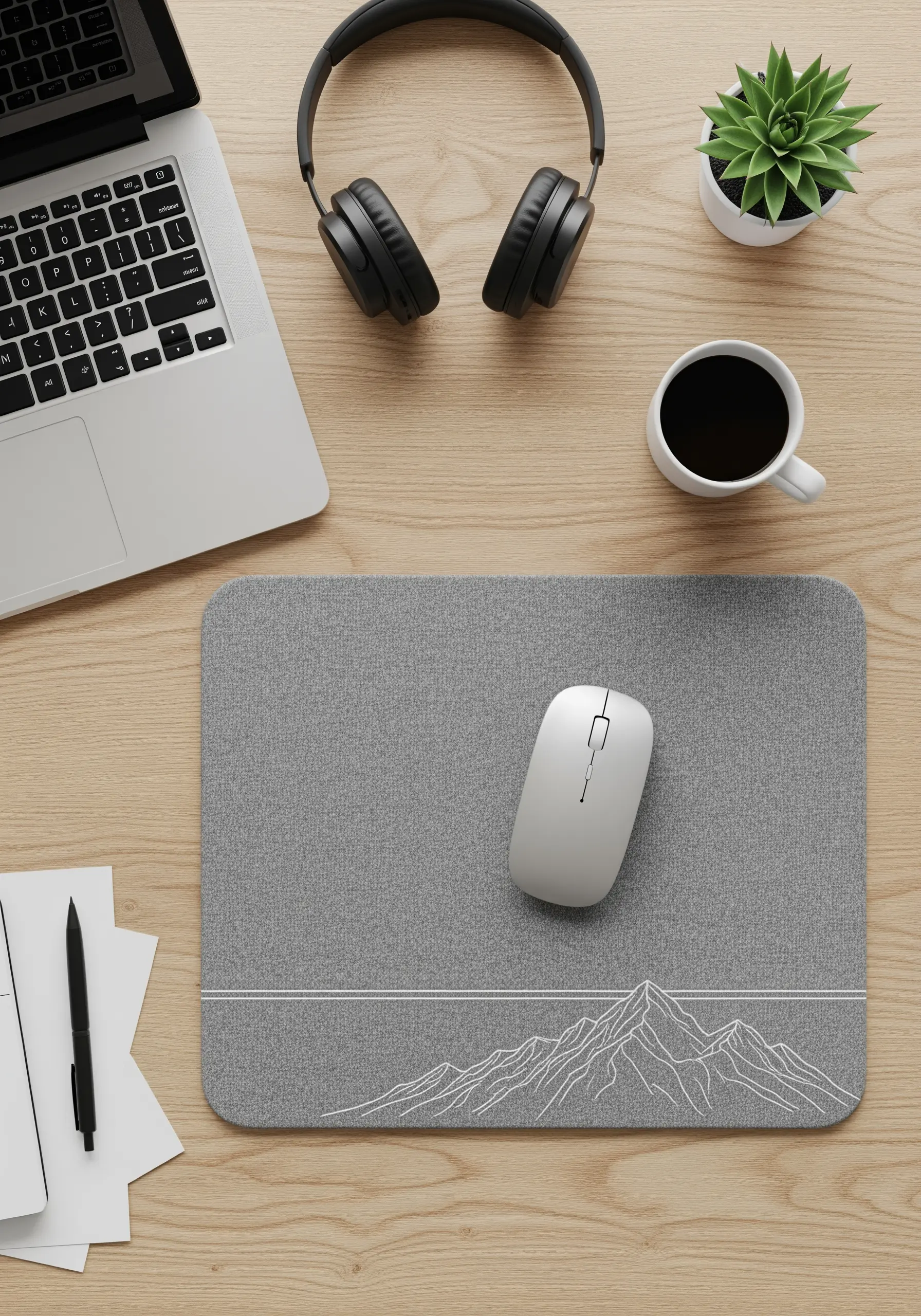
Capture the essence of a mountain range with a single, continuous line on an unexpected surface like a mousepad.
Use a whipped backstitch in a high-contrast color (white on grey) to achieve a smooth, uninterrupted line.
This technique simplifies a complex landscape into its most essential form, creating a design that is both calming and graphic.
It proves that embroidery can bring a touch of artistry to even the most functional objects in your workspace. You can also try these simple nature-inspired patterns.
30. Scattered Metallic Seed Stitches
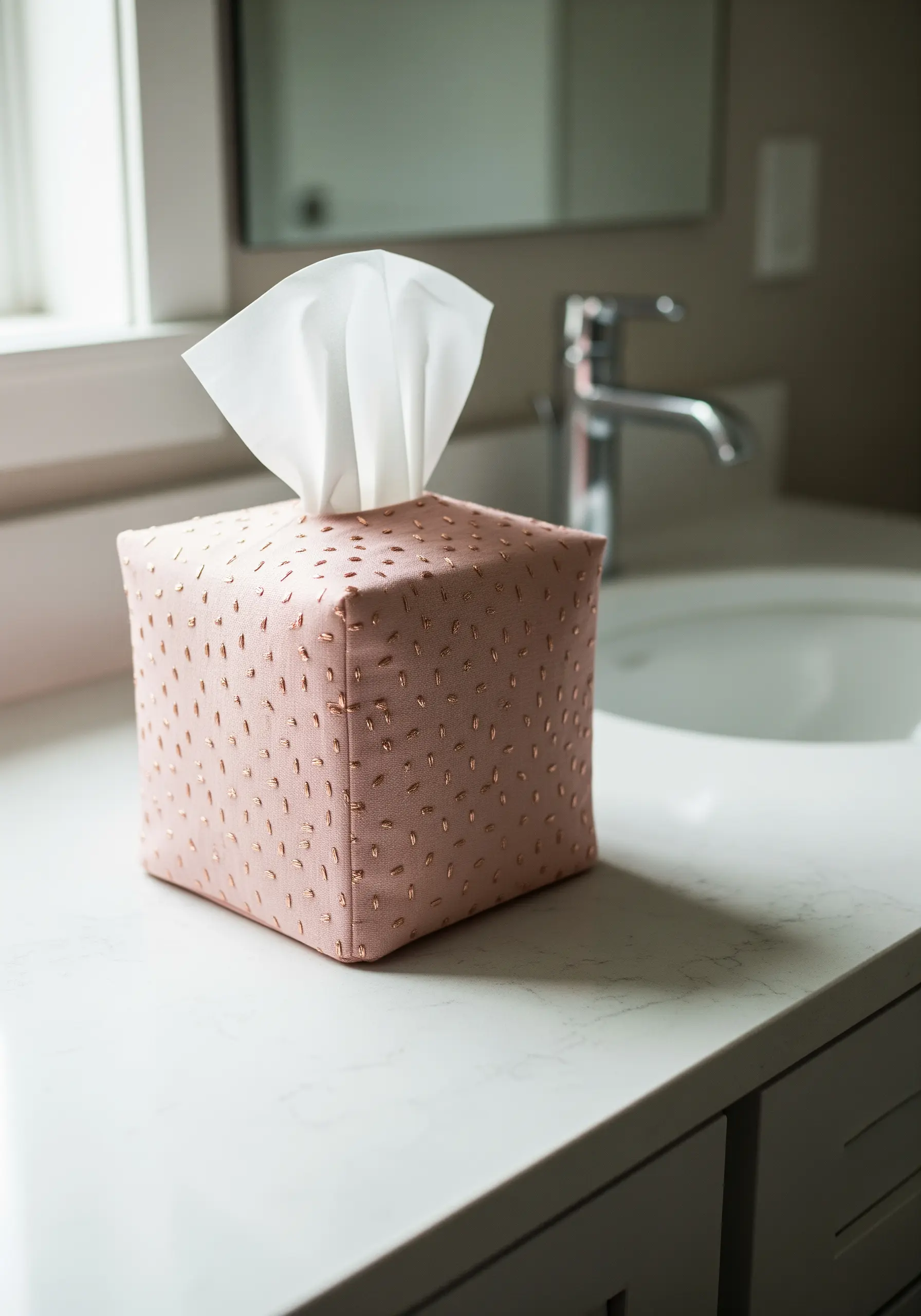
Create a field of subtle shimmer with randomly placed seed stitches using metallic thread.
The seed stitch is simply a small, straight stitch. By scattering them irregularly across the fabric, you create a texture that catches the light from different angles.
Use a single strand of a soft gold or copper metallic floss on a colored fabric for a gentle, confetti-like effect.
This is an incredibly simple way to add a touch of glamour that feels both organic and modern, and it’s one of the most unexpected ways to use metallic thread.
31. The Refined Double Border
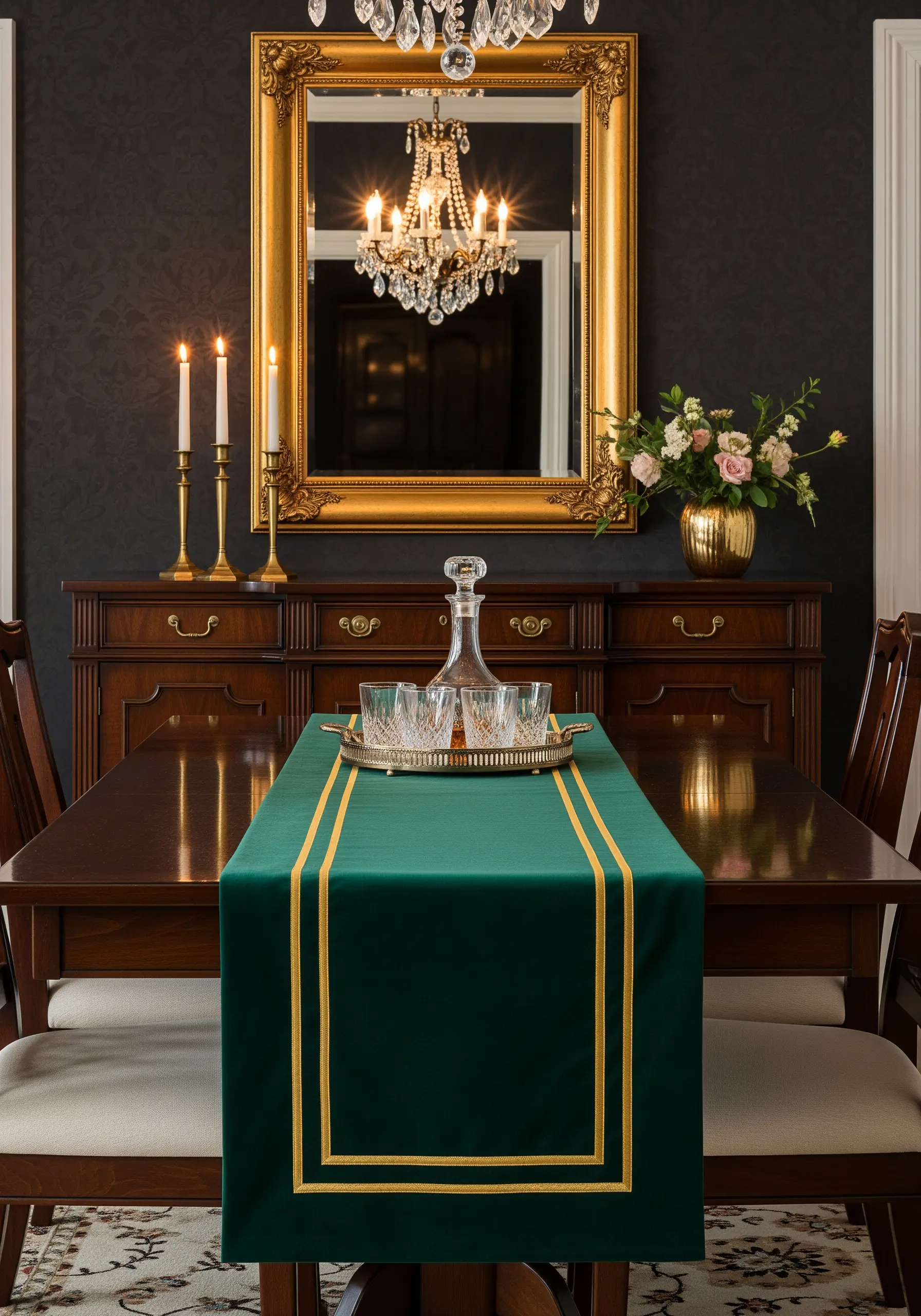
Achieve a formal, tailored look on a table runner with a precise double border.
Use a satin stitch to create two parallel lines, one thick and one thin, in a luxurious thread like gold or deep emerald green.
To ensure perfectly crisp lines and corners, outline your entire design with a split stitch first. This acts as a ‘dam,’ giving you a firm edge to tuck your satin stitches against.
This classic technique adds a sense of occasion and formality to your dining decor. It is perfect for glamorous dinner hosts.
32. The Sculptural Dash Pattern
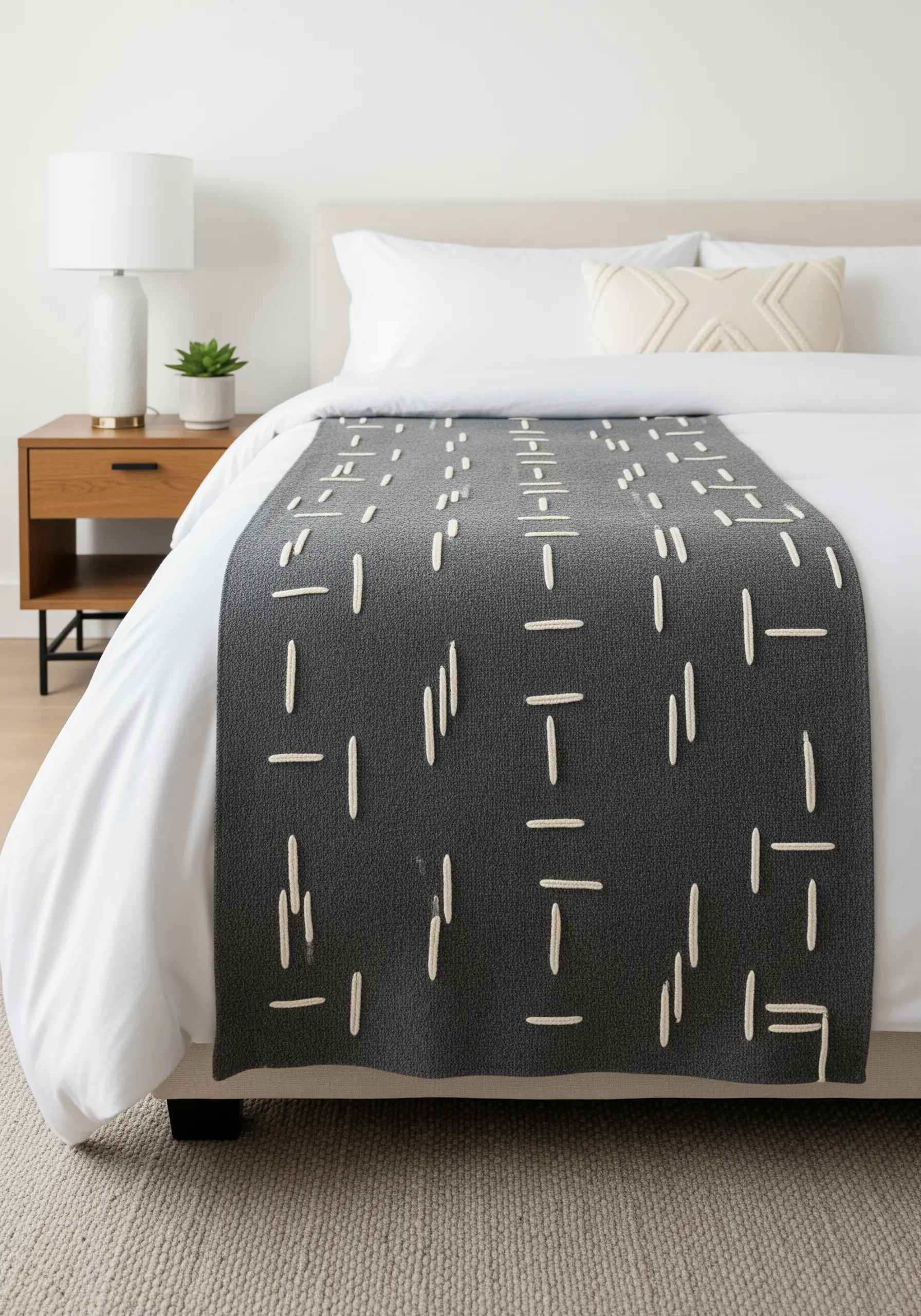
Create a bold, textural pattern using thick yarn or roving instead of floss.
Work simple straight stitches or couched lines on a heavy, durable fabric like a wool blend.
The oversized stitches create a highly sculptural, three-dimensional effect that feels both rustic and modern.
Arrange the dashes in an irregular, rhythmic pattern for an artistic look that highlights the raw texture of the fiber, perfect for abstract thread sculpt designs.
33. The Essential Icon Tag
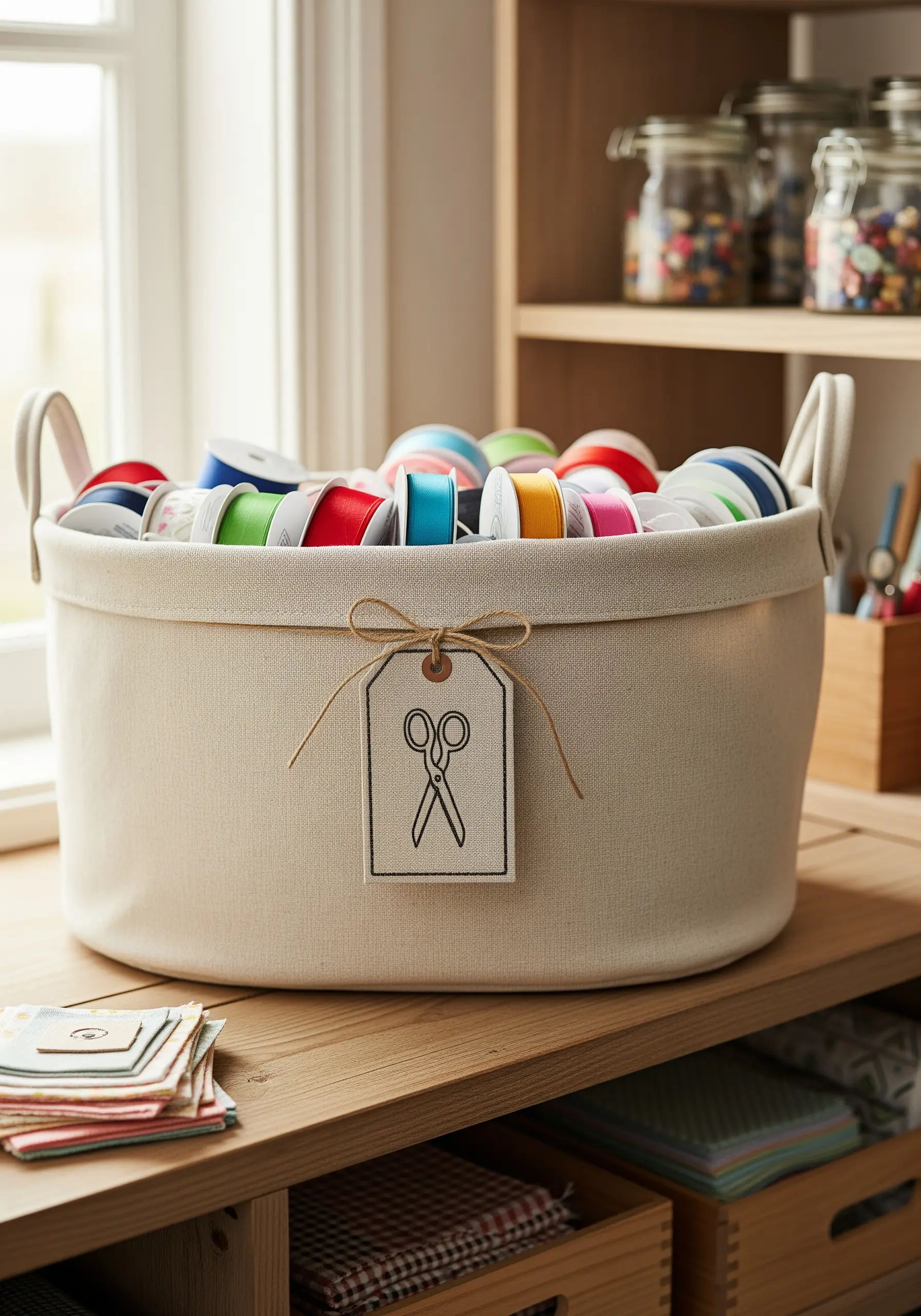
Personalize storage solutions with simple, embroidered tags.
Choose a clean, universally understood icon that represents the contents, like the scissors for craft supplies.
Stitch the outline on a small piece of canvas or felt using a basic backstitch in a contrasting color.
This small, thoughtful detail not only helps with organization but also elevates the entire look of your creative space, making it one of the most charming DIY embroidery projects.
34. The Dotted Outline Concept
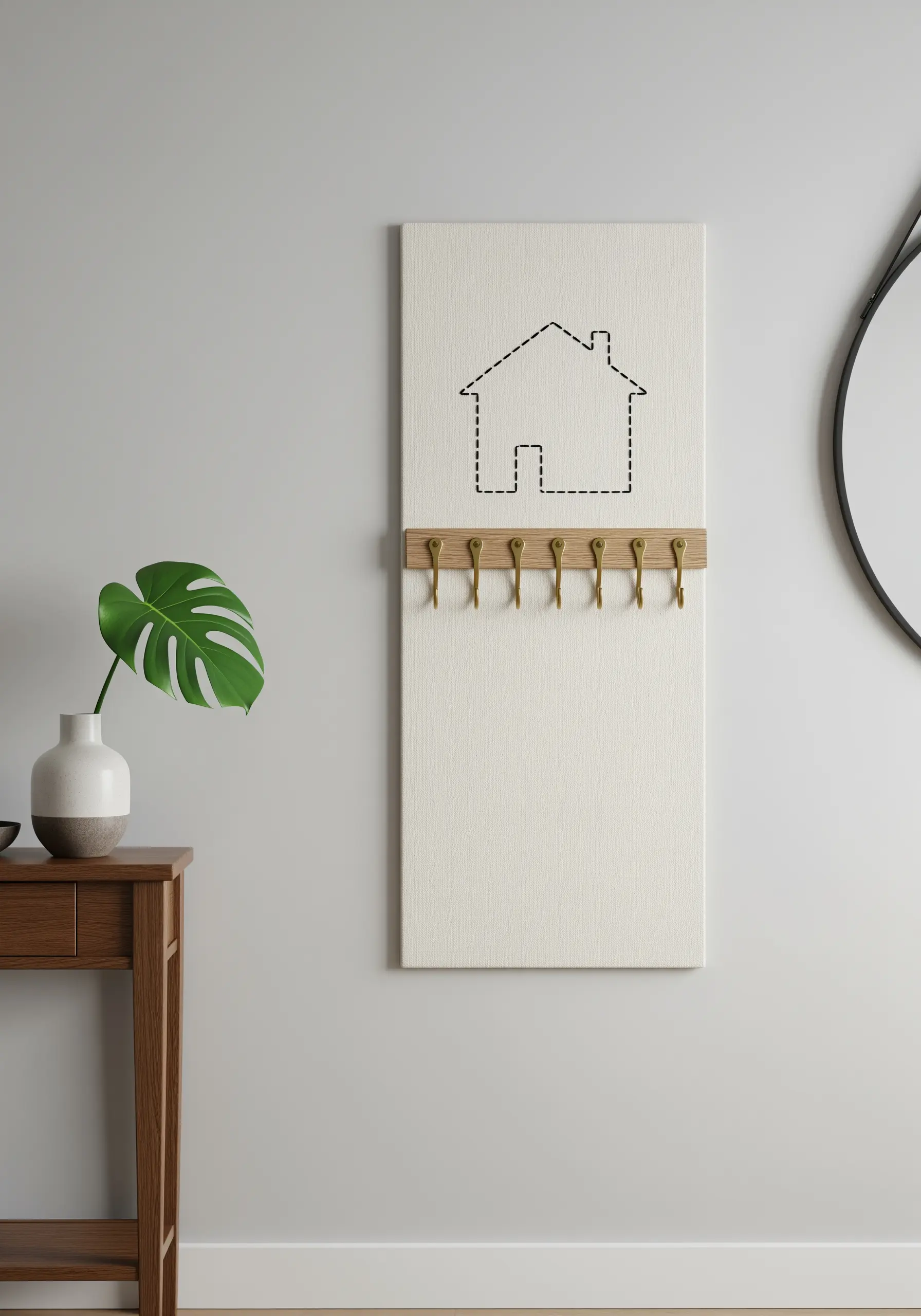
Suggest a shape rather than fully defining it by using a simple running stitch.
The gaps between the stitches create a dotted line effect that feels light, airy, and modern.
This technique works beautifully for architectural or geometric shapes, adding a playful, conceptual touch to your wall art.
It invites the viewer’s eye to connect the dots, making the piece interactive and engaging. It’s a wonderful idea for minimalist entryway decoration.
35. The Woven Band Accent
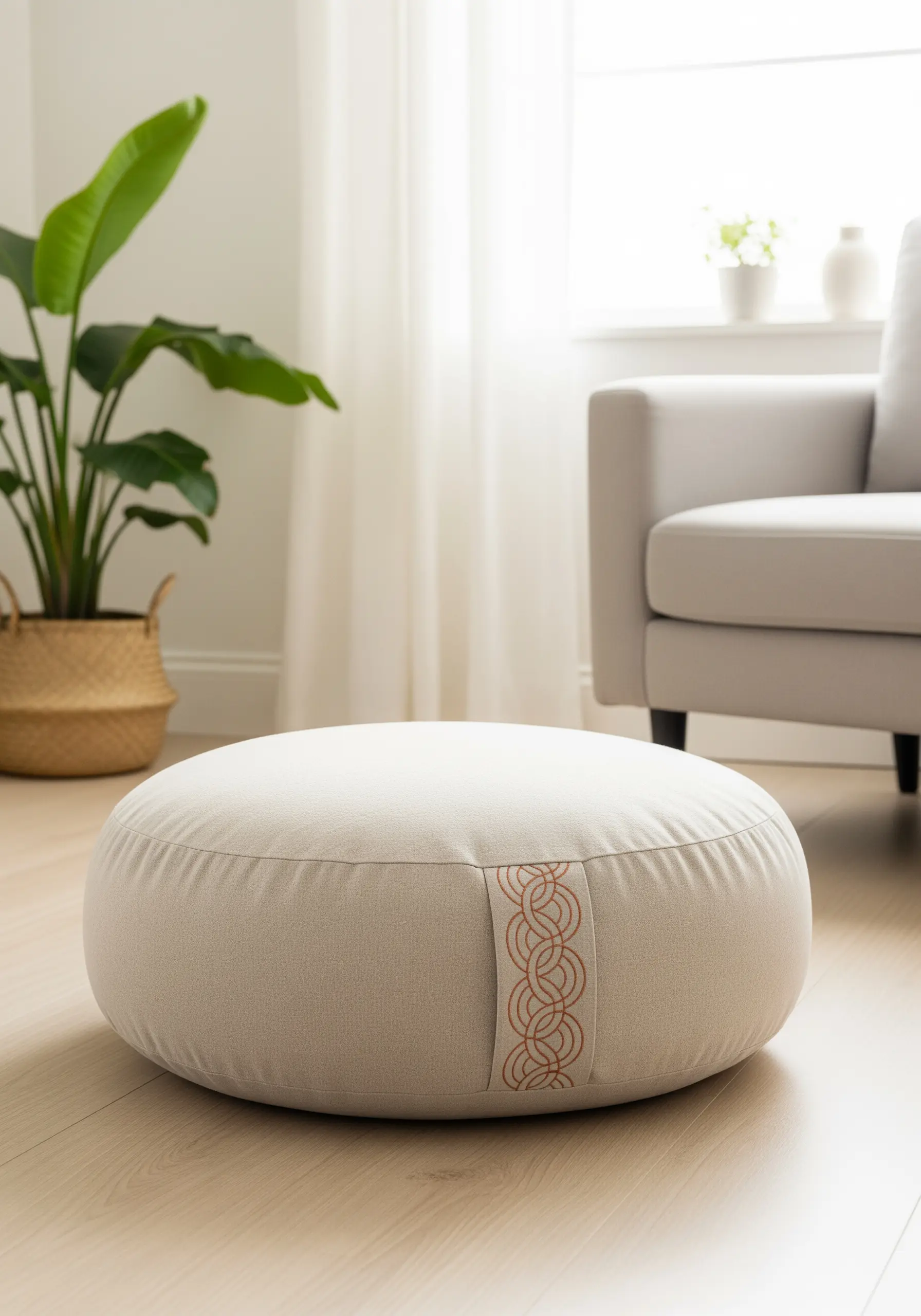
Add a band of intricate texture to a simple object, like this floor cushion, with a woven stitch variation.
Stitches like the woven wheel or spider web stitch create a dense, raised texture that mimics weaving.
Work a series of them side-by-side in a contrasting color to form a decorative band.
This technique adds a sophisticated, handcrafted detail that provides a strong focal point and a satisfying tactile element to your decor.


