You don’t need hours of time or a basket full of supplies to create something beautiful and intentional. Often, the most stunning embroidery accents are the ones that are quiet, clean, and placed with purpose. This is your invitation to explore how a few simple stitches can completely refresh a room, a piece of clothing, or an everyday object.
Think of minimalism not as a lack of detail, but as the mastery of it. It’s about choosing the right stitch for the right line, understanding how thread weight changes a mood, and using negative space as powerfully as you use color. Each of these ideas is designed to be completed quickly, but the techniques behind them will elevate your work forever.
Let’s move beyond just following a pattern and start making deliberate artistic choices. You have everything you need to begin right now. Pick a project that speaks to you, and in the time it takes to drink a cup of tea, you can create a small piece of art that brings a little more calm and beauty into your home.
1. The Art of the Open Outline

Create a bold, graphic statement on neutral linen using just one stitch.
Opt for a stem stitch or a whipped backstitch to ensure your lines are flawlessly smooth and without any gaps.
Using all six strands of your embroidery floss gives the botanical outline a confident weight that feels both modern and substantial.
This technique turns negative space into a critical part of the composition, letting the fabric breathe and the single color shine.
Perfect for plant silhouette embroidery ideas that require clarity and impact.
2. Dimensional Satin Stitch for Graphic Impact

Elevate a simple geometric shape by giving it a subtle, three-dimensional presence.
Before you begin the final layer, build up the interior of the shape with small, underlying running stitches.
This padding creates a raised surface, allowing your top layer of satin stitch to catch the light and appear more luxurious and defined.
On a textured fabric like this cushion cover, maintaining even thread tension is crucial for a smooth, buckle-free finish.
This method transforms flat abstract shapes for pillow covers into tactile, eye-catching accents.
3. A Modern Sampler of Shape and Texture

Explore the interplay of texture by assigning a different stitch to each geometric form.
Use a dense satin stitch for the solid triangle, a clean backstitch for the square’s outline, and a scattered seed stitch for the half-circle.
This approach creates a rich tactile quality and visual interest, even within a restrained color palette.
Think of it as a design exercise: how can you communicate shape not just with lines, but with texture and density?
It’s a perfect way to practice minimalist stitches that instantly upgrade any plain fabric.
4. Playful Dashes for Implied Motion

Bring a static design to life by suggesting movement with a simple running stitch.
The dotted flight path of the bees adds a whimsical, dynamic quality that a solid line would lack.
Contrast the tiny, solid bodies—created with just a few satin stitches—with the airy, delicate dashed lines for visual balance.
When working on a textured waffle-weave towel, use a slightly thicker thread (3-4 strands) to ensure your stitches don’t get lost in the fabric’s grid.
This is one of the most charming embroidered herb & leaf designs perfect for kitchen towels or other linens.
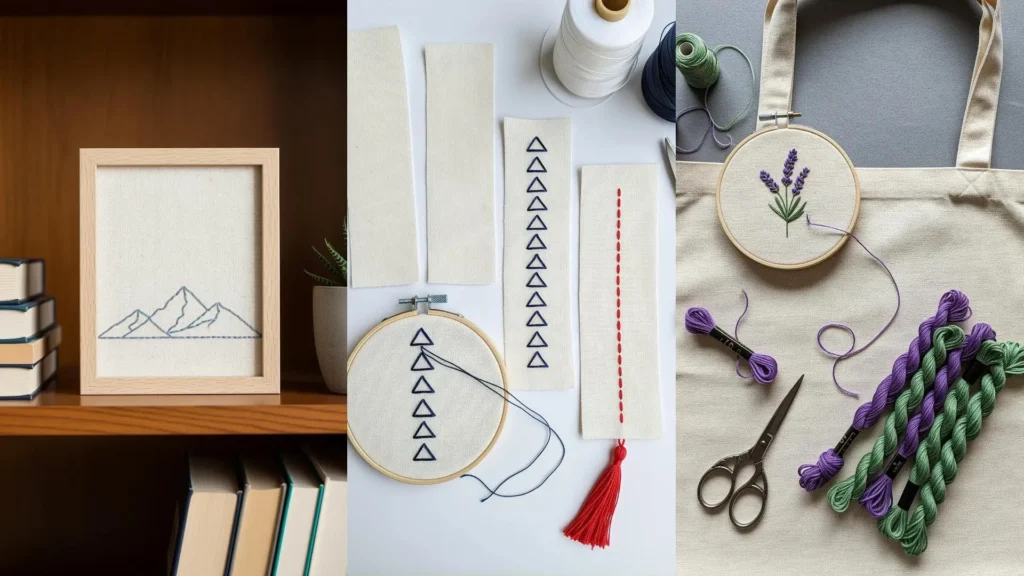
5. Translating Landscapes into Line Art

Capture the essence of a mountain range by reducing it to its most critical lines.
Use a crisp backstitch with two or three strands of floss to create a clean, graphic interpretation of a complex scene.
Sticking to a single color unifies the design and allows the negative space of the fabric to represent the sky and air.
Framing the piece transforms your stitching into a finished work of art, giving it presence and intention on a bookshelf or wall.
This style is central to many embroidery projects inspired by nature.
6. Textured Florals with French Knots

Create realistic lavender blossoms by mastering the French knot.
Use a consistent stem stitch for the stalks to provide a strong green base for the florals.
For the purple buds, vary the texture by wrapping the thread around your needle once for smaller knots and twice for larger, more prominent ones.
This subtle variation mimics the natural growth of the plant and adds depth to the design.
This is one of the most popular tote bag embroidery designs because it’s both beautiful and quick to stitch.
7. Delicate Sprigs for Elegant Linens

When embellishing fine fabrics like these dinner napkins, remember that less is more.
Use only one or two strands of floss to create tiny botanical accents that feel refined and don’t pucker the material.
A combination of satin stitch for the leaves and a few straight stitches for the flower petals provides detail without adding bulk.
The placement is key; a small cluster in a corner adds a touch of bespoke luxury without overwhelming the piece.
This understated style is perfect for heirloom-style table linen embroidery patterns.
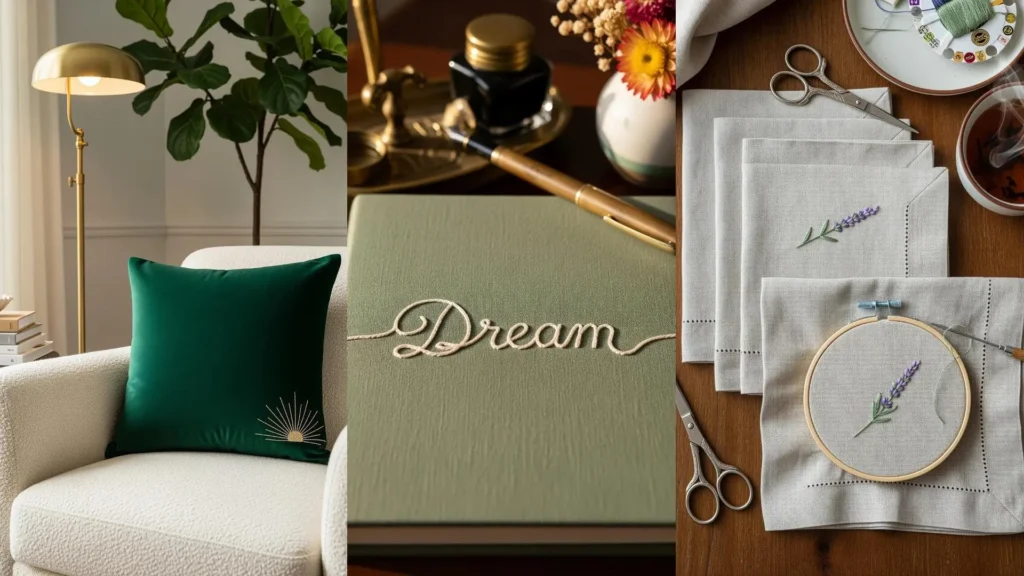
8. The Minimalist Icon for Personal Items

Transform an everyday object, like a journal, with a single, meaningful icon.
A simple running stitch or backstitch in a contrasting color is all you need to create a clean and symbolic design.
The beauty of this accent lies in its simplicity and placement, turning a mass-produced item into something uniquely yours.
This project takes minutes but adds a lasting touch of personality, making it a wonderful idea for personalized embroidered gifts you can make in a weekend.
9. Radiating Stitches for a Focal Point

Create a striking sunburst motif using nothing more than strategically placed straight stitches.
First, stitch a central circle with a satin stitch or backstitch to anchor your design.
Then, use a water-soluble marker and a ruler to draw faint guidelines for the rays, ensuring they are evenly spaced and radiate cleanly from the center.
This precision is what gives the simple design its powerful graphic quality, especially on soft bedding.
It’s one of the easiest embroidery hacks to instantly beautify your bedroom space.
10. Geometric Grids on Utilitarian Objects
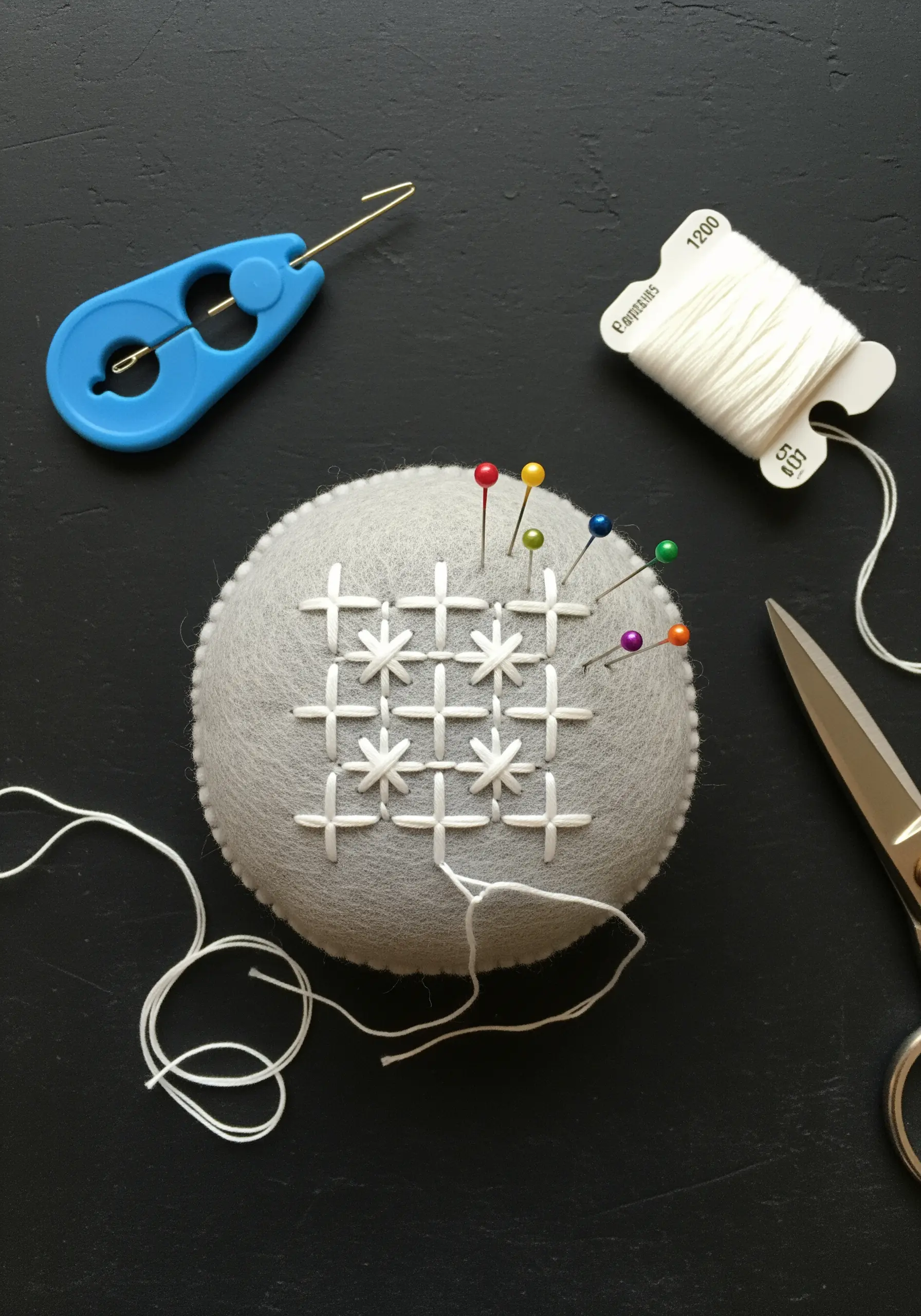
Elevate a simple tool like a pincushion by adding a structured, decorative grid.
This pattern, inspired by Japanese sashiko stitching, uses simple straight stitches arranged in a repeating plus-sign motif.
The high contrast between the white thread and grey felt turns a purely functional item into a small piece of textile art.
Stitching on felt is very forgiving, as the fabric has no weave and won’t fray, making it perfect for beginners.
This project is a perfect example of creative fabric crafts inspired by vintage styles but with a modern twist.
11. Cursive Lettering with Chain Stitch

For flowing script and cursive words, the chain stitch is your best choice.
It creates a substantial, rope-like line that moves smoothly around curves, unlike a backstitch which can look segmented on tight turns.
To achieve a professional finish, focus on keeping the length of each chain link perfectly consistent.
This technique gives your lettering a raised, textural quality that makes it stand out on a simple felt banner.
It is perfect for stitching line art inspirational quote designs that feel both soft and bold.
12. Repetitive Motifs for Rhythmic Design

Create a visually satisfying pattern by repeating a simple shape, like a triangle or a dash.
This project is less about complex stitches and more about precision in spacing and consistency.
Use a ruler and a removable fabric marker to plan your layout before you stitch, ensuring each element is perfectly aligned.
This meditative process results in striking bookmarks that look polished and intentional.
These minimal DIY embroidery ideas are perfect for using up scrap fabric and thread.
13. The Subtle Pocket Embellishment

Add a touch of custom detail to a plain t-shirt with a micro-embroidery accent.
The key to keeping this look refined is scale; use only a single strand of embroidery floss for a delicate, barely-there line.
A split stitch is an excellent choice for tiny outlines, as it creates a sharper, more solid line than a backstitch at this small size.
Choose a simple, iconic design that is recognizable even when stitched no larger than a thumbnail.
This is one of the most effective single-thread embroidery ideas for a discreet, stylish upgrade.
14. Combining Stitches for Botanical Form
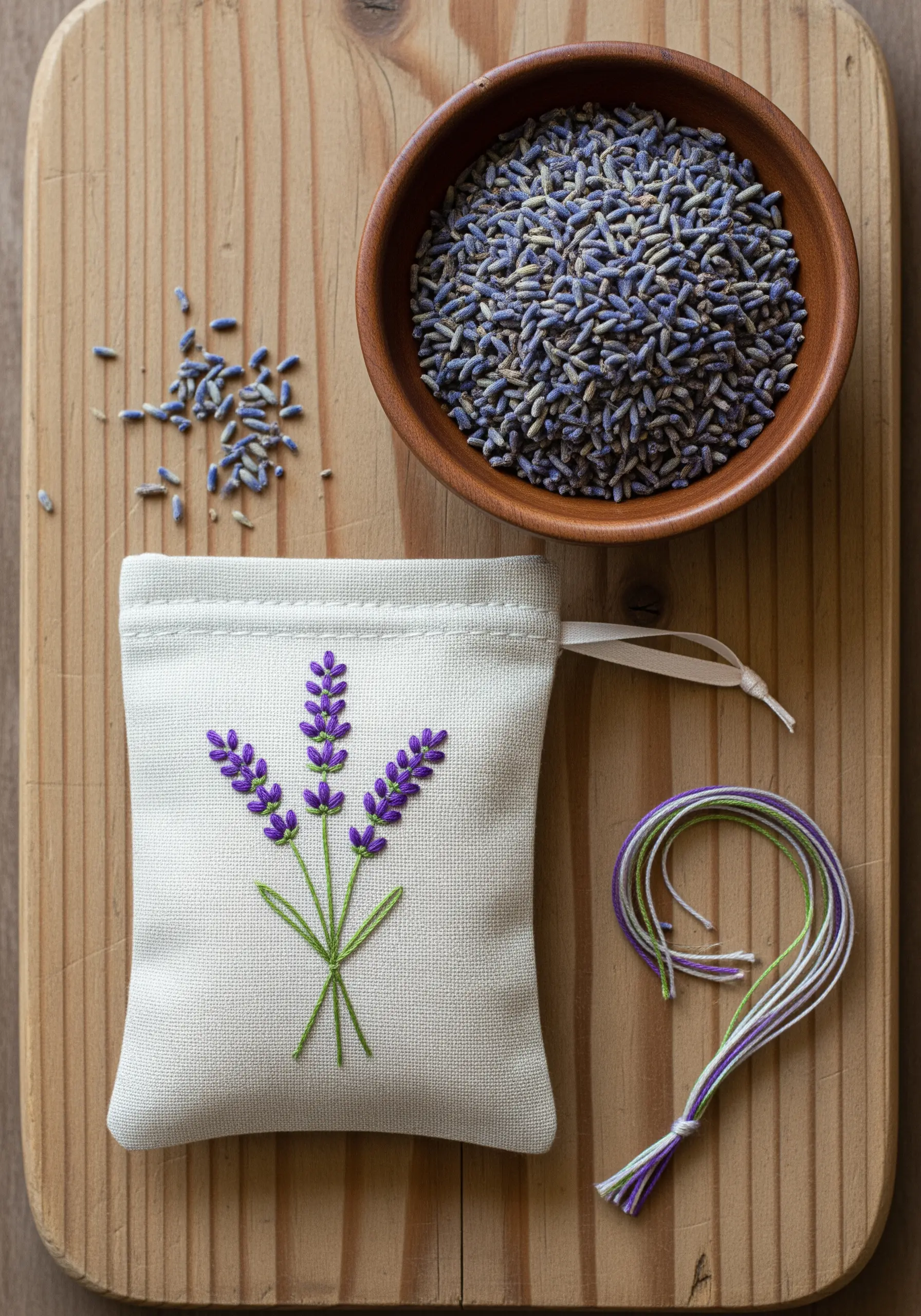
Create a fuller, more dimensional lavender sprig by combining two different stitch textures.
Use a crisp stem stitch for the green stalks to give them structure and a clean line.
For the purple blossoms, switch to a satin stitch, angling your stitches slightly to create the impression of rounded buds clustered together.
This combination adds visual interest and a more realistic texture than using a single stitch for the entire design, making it perfect for a fragrant sachet.
Explore more lavender-inspired embroidery designs to bring calm to your space.
15. Continuous Line Art on Functional Decor
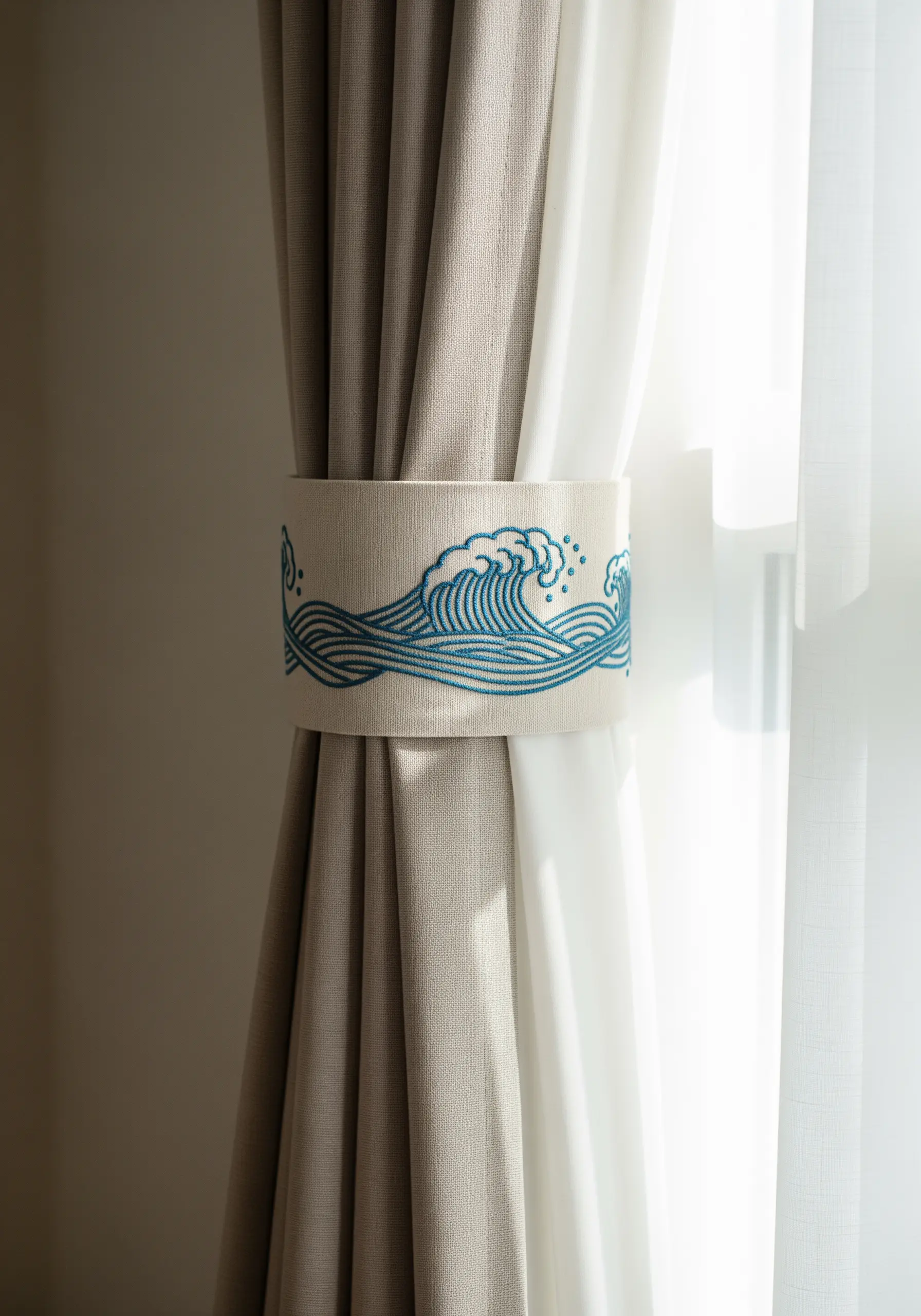
Transform a simple curtain tie-back into a piece of art with a continuous line design.
The Great Wave motif is perfect for this, as its flowing lines add a sense of energy and movement.
To achieve the look of an unbroken line, use a smooth, consistent split stitch or stem stitch.
This technique ensures that even complex, swirling patterns look clean and intentional, adding a custom, high-end touch to your window treatments.
This is a great example of contemporary thread art projects inspired by nature.
16. Abstract Texture with Seed Stitch
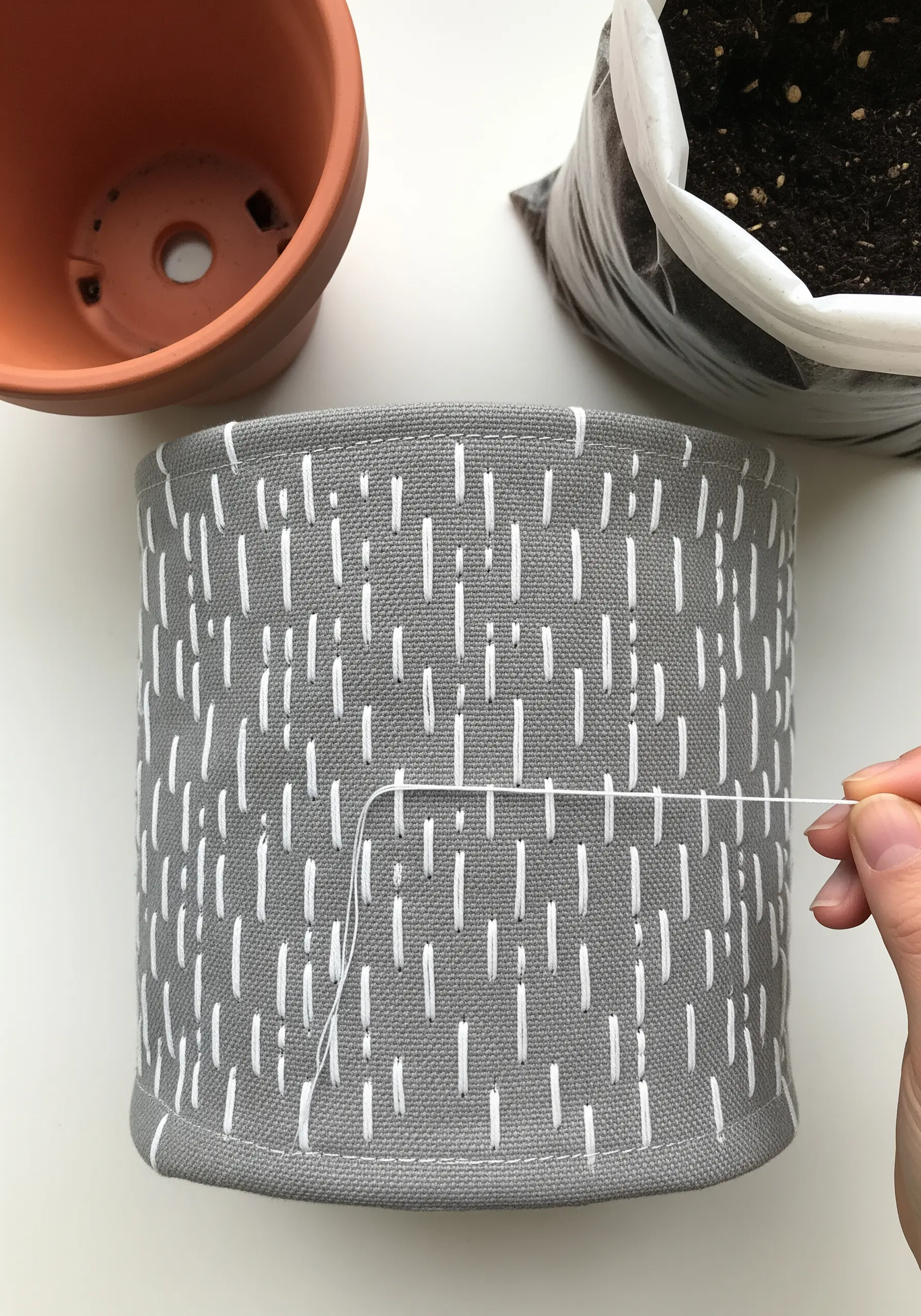
Cover a surface with modern, organic texture using one of the simplest stitches: the seed stitch.
This stitch is essentially a series of small, scattered straight stitches.
The key to this modern look is to vary the length and angle of your stitches randomly to create a pattern that feels dynamic and natural, like falling rain.
It’s an incredibly fast and meditative way to add pattern to a fabric plant pot cover or storage basket.
This is one of the easiest organic texture embroidery designs you can try.
17. An Edging of French Knots

Frame a plain lampshade and add a pop of color with a simple, decorative border.
A row of evenly spaced French knots creates a beautiful, textured edge that looks polished and handmade.
Alternatively, you could use a blanket stitch for a cleaner, more graphic finish.
The key is precise spacing; mark your stitch points with a fabric pen before you begin to ensure a perfectly uniform result.
This simple touch can coordinate a lampshade with other textiles in the room, creating a cohesive look.
18. One-Line Motifs for Everyday Items

Capture the essence of an object with a single, continuous line drawing.
This technique challenges you to simplify a shape down to its most recognizable form.
Use a backstitch with 2-3 strands of floss to ensure the line is crisp and easy to read, especially on a small item like a keychain holder.
The high contrast of white thread on dark blue fabric makes the simple design pop, turning it into a stylish and modern accessory.
It’s a perfect technique for making personalized keychains.
19. A Singular Motif for Entryway Style
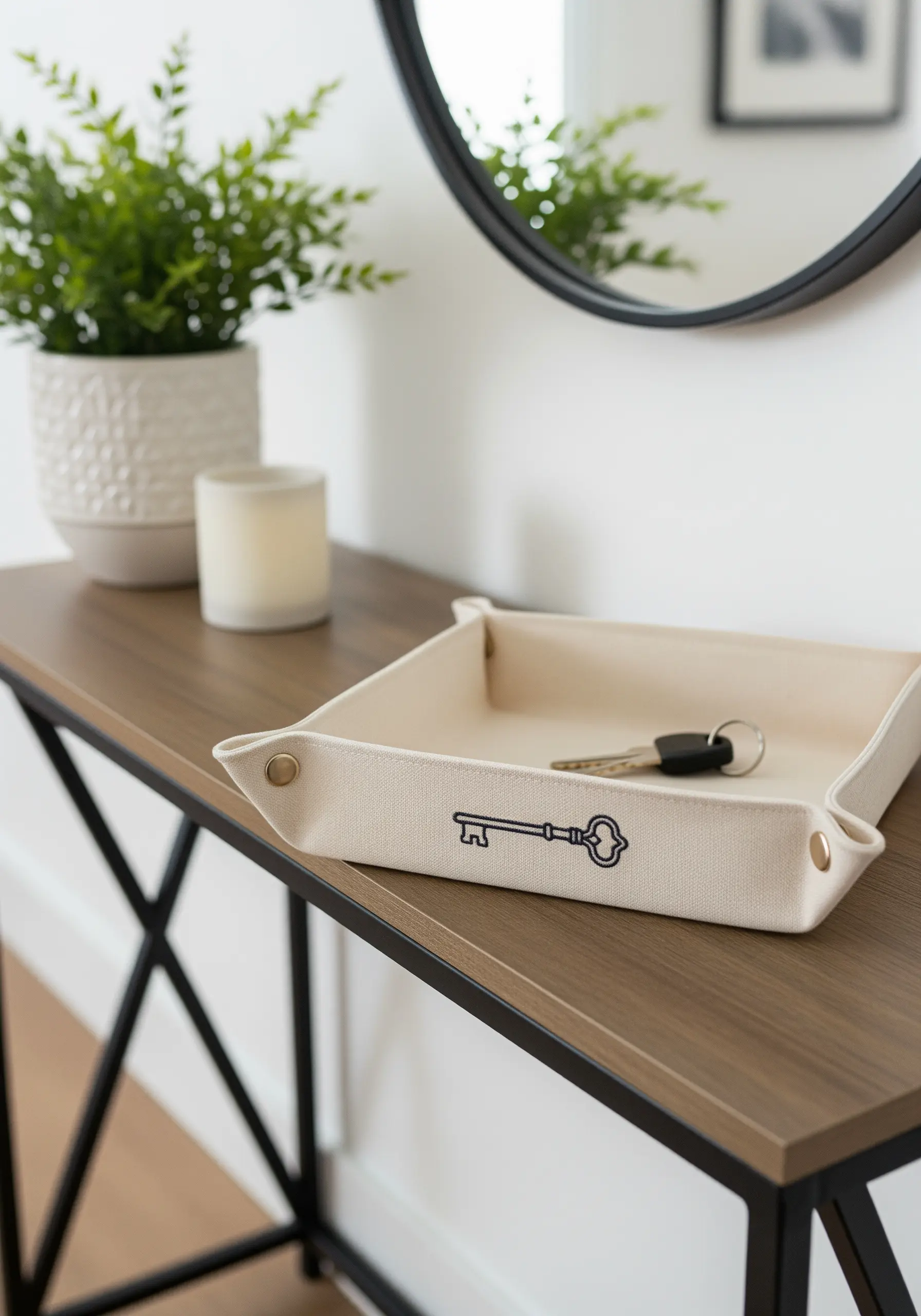
Make a strong design statement in your entryway with a single, perfectly placed motif.
In a minimalist space, one well-chosen symbol carries more weight than a busy pattern.
Stitch a classic icon, like this vintage key, using a clean backstitch or split stitch for sharp, defined lines.
The off-center placement feels deliberate and artistic, drawing the eye and adding a bespoke feel to a simple canvas tray.
This idea is perfect for minimalist embroidery patterns perfect for entryway decoration.
20. Stitched Accents on Paper and Felt

Take your embroidery beyond fabric by stitching on unconventional materials like felt or heavy cardstock.
Use a simple running stitch for outlines and a basic satin stitch to fill in small shapes.
The key is to use a sharp, sturdy needle to pierce the material cleanly and to avoid pulling your thread too tightly, which can cause buckling.
This technique is perfect for creating unique, handmade gift tags or ornaments that have a beautiful, tactile quality.
These mini handmade gifts that double as stunning home decor feel extra special.
21. Framing a Collar with Botanical Stitches

Transform a simple button-down shirt by adding a delicate, symmetrical embellishment to the collar.
A simple vine of leaves can be created using either detached chain stitches or fly stitches for each leaf, connected by a running stitch stem.
Using a contrasting thread color, like white on chambray, makes the design stand out and feel crisp and intentional.
This is a subtle way to infuse personality into your wardrobe, turning a basic piece into a custom-designed garment.
It’s an elegant example of floral collar embroidery patterns.
22. Whimsical Outlines on Felt
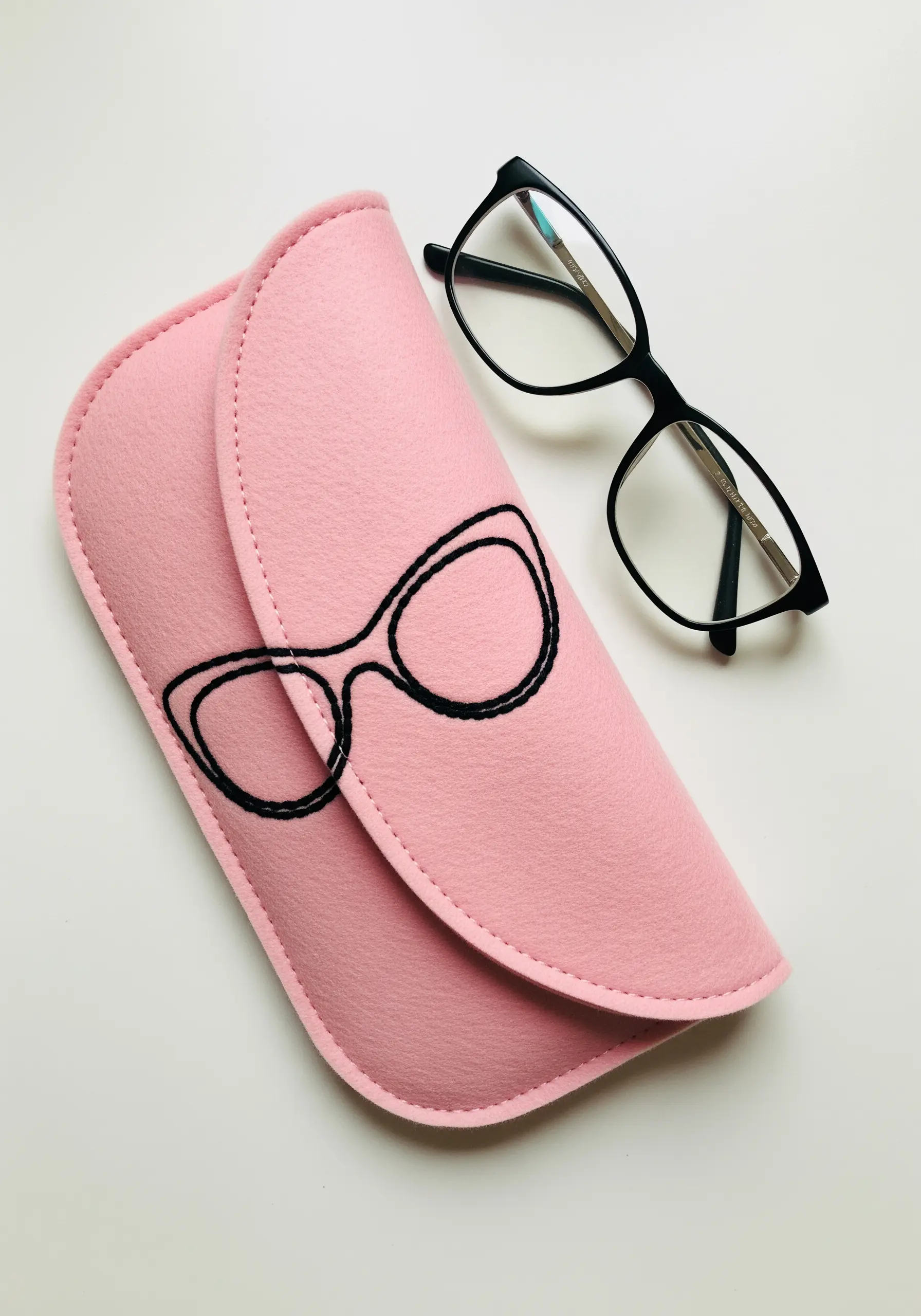
Add a playful touch to accessories by stitching a simple, quirky line drawing.
Felt is an ideal fabric for this kind of project because its stable, non-woven structure allows for smooth curves without any puckering.
To get a bold, clean line like this, use a whipped backstitch—it covers the gaps of a standard backstitch, resulting in a solid, continuous outline.
This is a fast, fun way to personalize a glasses case, coin purse, or phone sleeve.
23. Geometric Precision for the Workspace
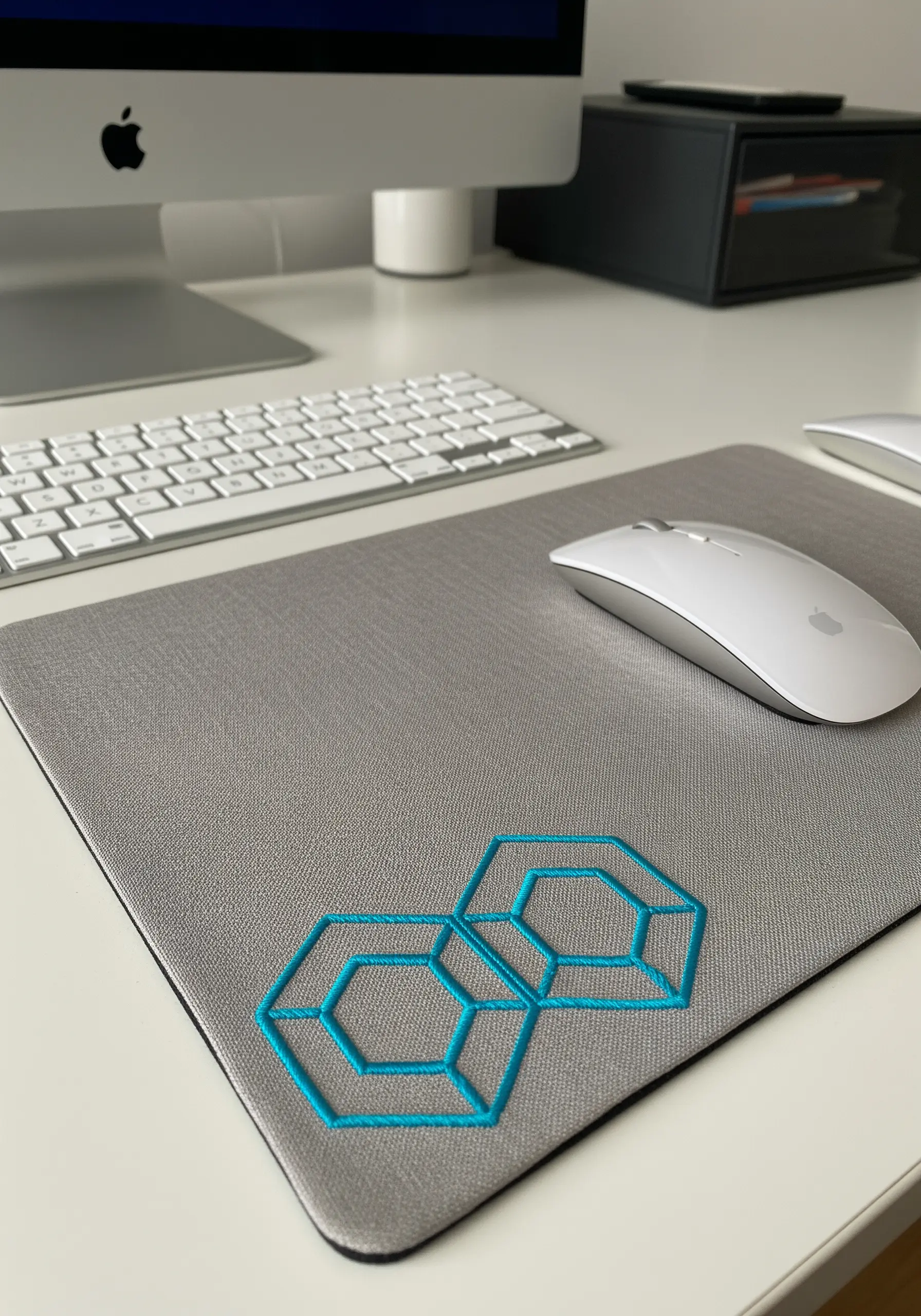
Bring a touch of modern art to your desk with a sharp, geometric embroidery accent.
For a design with precise angles and straight lines, planning is everything.
Use a water-soluble transfer pen or paper to get the pattern onto your mousepad perfectly before you start stitching.
A simple backstitch using 3-4 strands of floss provides a clean, graphic line that stands out against the grey fabric.
This is one of the best sleek and subtle stitches to upgrade your home office.
24. Spiraling Couching for Textural Depth
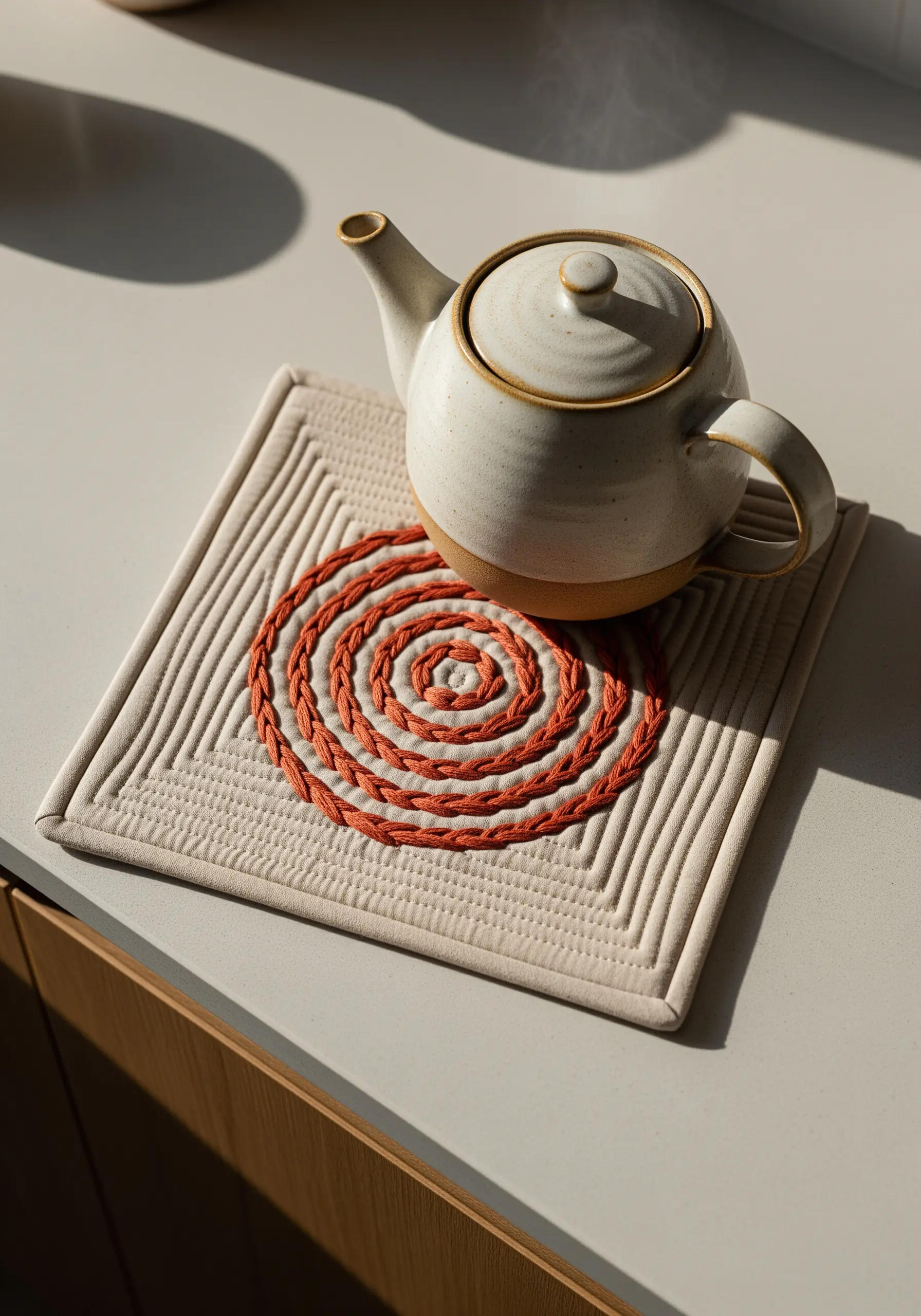
Create a bold, raised spiral design using the couching technique.
Instead of stitching with a thin thread, you’ll lay down a much thicker material—like yarn or multiple strands of floss held together—on the surface of your fabric.
Then, use a separate, thinner thread to tack down the thick bundle with small, perpendicular stitches.
This method is fantastic for creating dramatic, sculptural lines and textures that would be impossible with standard stitches, making it perfect for a functional trivet.
25. Creating Movement with Separated Stitches
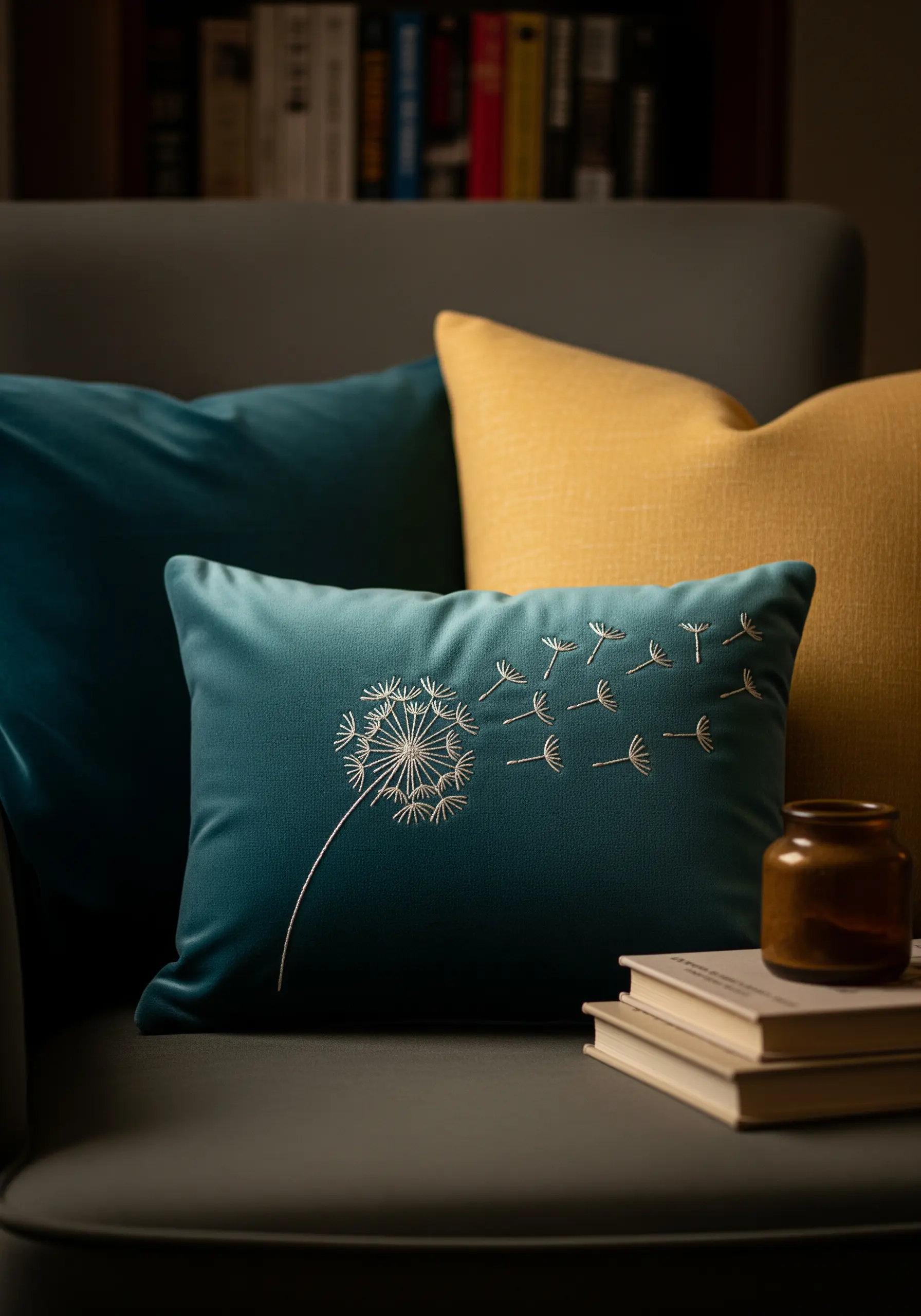
Suggest the delicate, floating movement of dandelion seeds with carefully placed individual stitches.
The key to this design is the use of negative space; the distance between the seeds is what creates the illusion of them being carried on the wind.
Use a combination of detached chain stitches and single straight stitches to represent the seeds, varying their angle and direction.
This technique is a beautiful way to fill a space with a sense of lightness and motion, ideal for embroidered cushion covers.
26. The Bold Simplicity of a Single Outline

Make a strong graphic statement with a single-color outline of a familiar shape.
Using a thick stitch, like a chain stitch or a stem stitch with all six strands of floss, gives the design a bold, confident presence.
The simplicity of the design allows the iconic shape of the apple to be instantly recognizable.
This modern, clean aesthetic is perfect for personalizing functional items like reusable produce bags or kitchen accessories.
These kinds of simple embroidery projects are quick and impactful.
27. Satin Stitch Gradients in Miniature

Add a surprising level of dimension to a tiny motif by incorporating a subtle color gradient.
For this water droplet, use two similar shades of blue—one light, one medium.
Fill the main body with the medium blue satin stitch, then use the lighter blue to add a small highlight, angling your stitches to blend seamlessly.
This simple touch of light makes the tiny design feel more realistic and polished, elevating a basic hand towel.
It is one of those tiny embroidery details that make big impact on your decor.
28. Celestial Mapping with Metallics

Stitch the stars onto dark fabric for a dramatic, high-contrast effect.
Use a silver metallic thread to capture the shimmer of a constellation. Pro tip: work with shorter lengths of metallic thread and use a thread conditioner to prevent tangling and breakage.
Combine simple straight stitches to connect the stars and use star stitches or small French knots to represent the stars themselves.
The result is an elegant, cosmic piece of art perfect for a minimal celestial embroidery wall design.
29. Simple Animal Silhouettes for Gentle Decor

Capture the sweet essence of woodland creatures with simple, continuous line drawings.
A clean backstitch is all you need to create these recognizable animal forms.
Using a single, earthy color on a neutral linen background gives the design a soft, calming feel that is perfect for nursery or children’s room decor.
The beauty of this style is its expressive simplicity; it feels gentle, timeless, and full of character.
This is a lovely approach for vintage-style embroidery banners.
30. A Pop Art Outline for Modern Flair
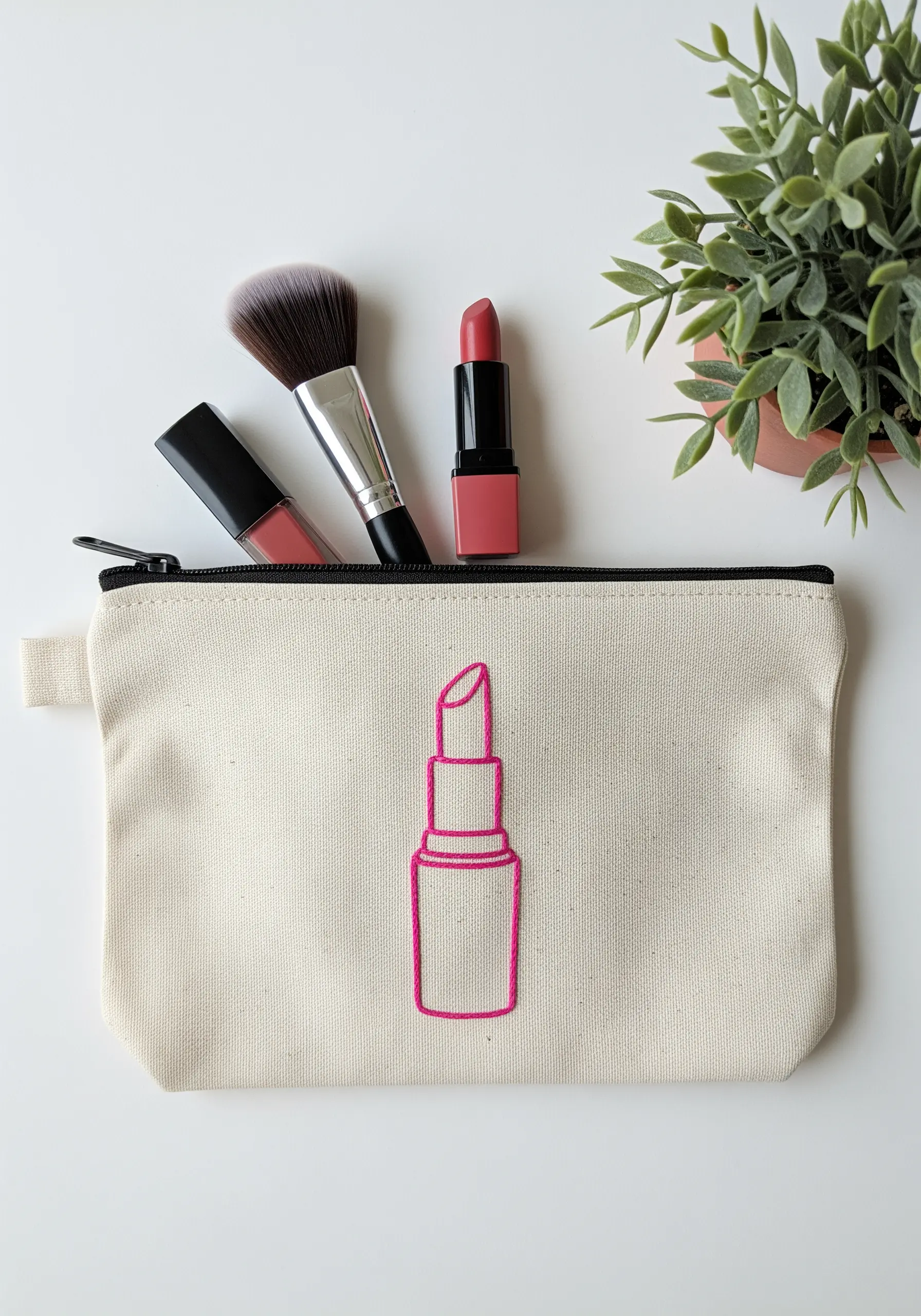
Give a simple accessory a dose of personality with a bold, graphic outline inspired by pop art.
Choose a vibrant, high-contrast thread color, like this hot pink, to make the design jump off the neutral canvas.
Use a whipped backstitch or a stem stitch to create a thick, solid line that looks clean and impactful.
This fun, modern style is a fantastic way to customize a makeup bag, tote, or pouch in under an hour.
Explore more DIY embroidery ideas to add personality to blank canvas bags.
31. Iconic Graphics for Functional Wear

Personalize an apron or other functional item with a single, iconic graphic that reflects its use.
A clean outline of a kitchen whisk is both clever and stylish.
For maximum clarity on a dark fabric, use a high-contrast thread like white on charcoal, and stick to a simple backstitch or split stitch to keep the lines sharp and defined.
This minimalist approach feels more sophisticated than a busy pattern and instantly elevates a simple work apron.