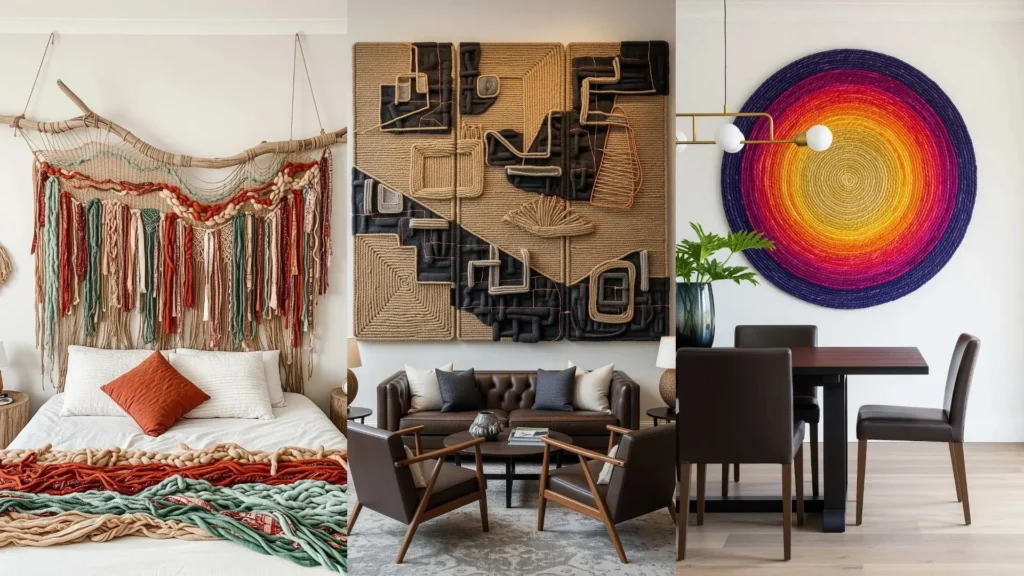
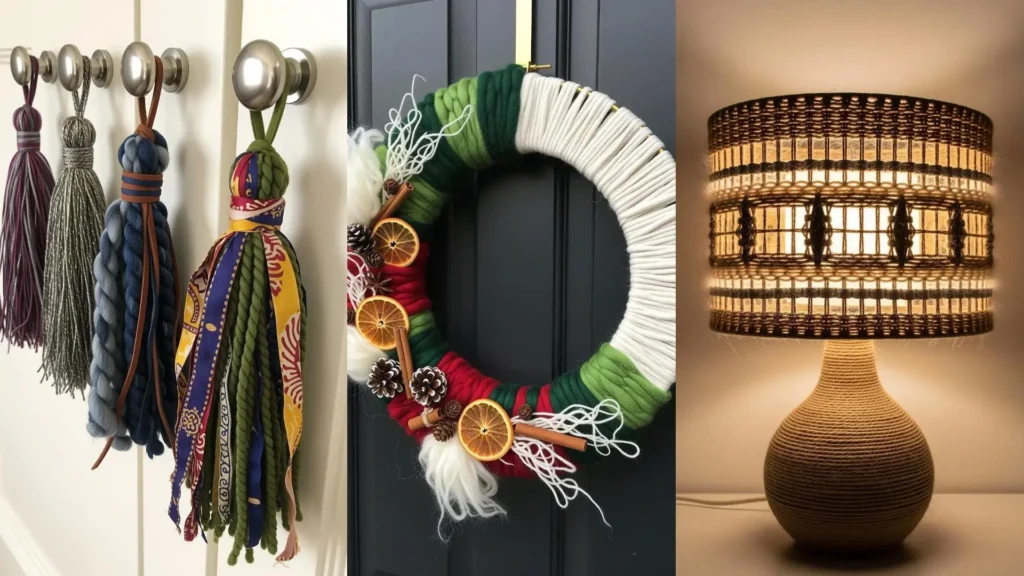
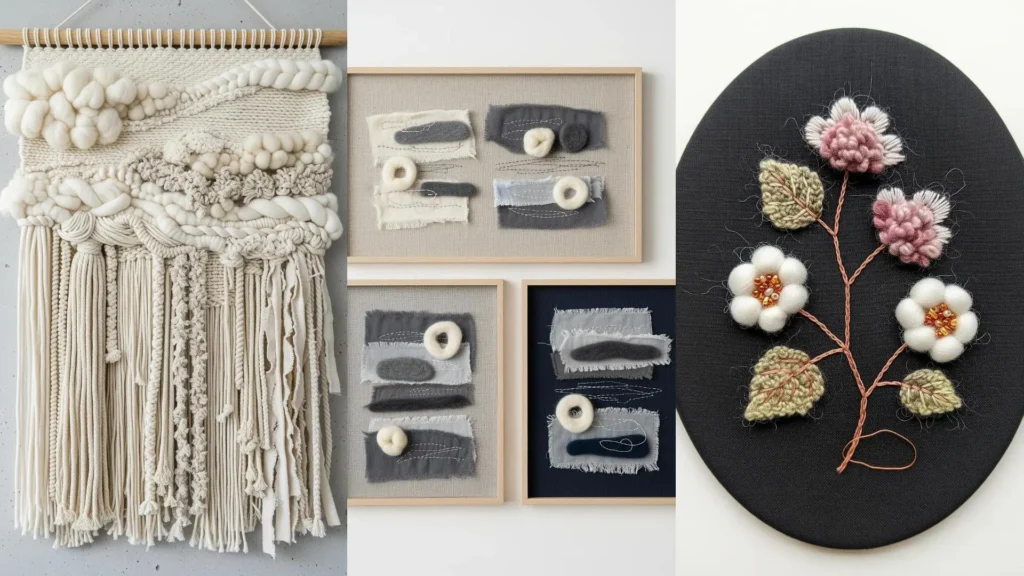
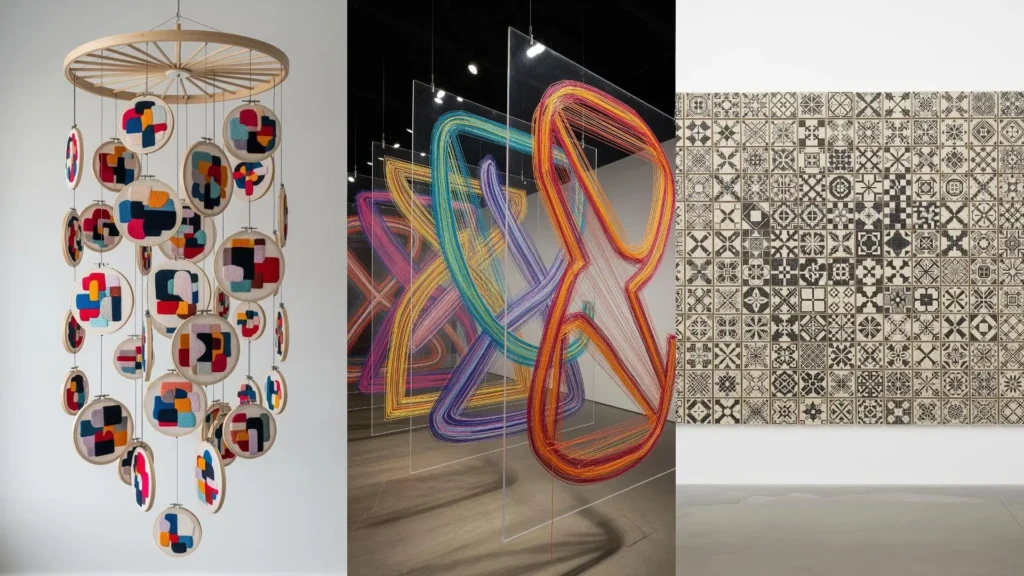
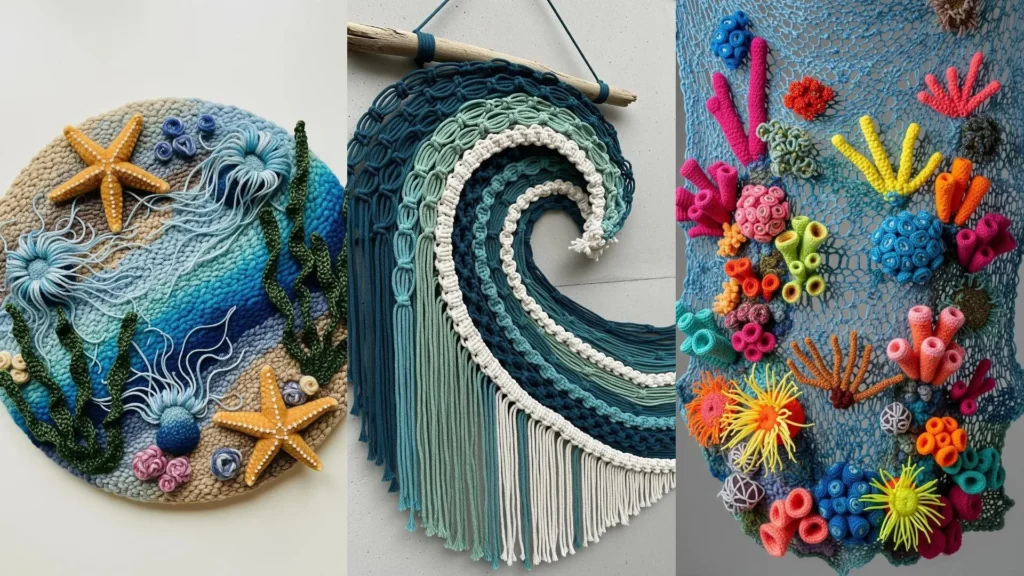
Stop scrolling for a moment and look at the materials you already have. You do not need a new machine or a perfectly organized studio to create something profound. The most compelling textile art often comes from the collision of opposites—soft wool against cold wire, delicate thread repairing broken ceramics, or vibrant yarn wrapping an old chair.
I want you to let go of the idea that embroidery is just for hoops and cotton fabric. When you introduce unexpected elements like driftwood, metal washers, or even film negatives, you aren’t just making a craft; you are engineering a piece of art that demands attention. It is about texture, tension, and the courage to puncture surfaces that weren’t meant to be stitched.
In this collection, I have curated twenty-six specific techniques that will push your practice forward. We will look at how to drill into stone, how to weave light into your warp, and how to use resin to freeze the movement of thread. These are practical, tangible steps you can take today to elevate your work from hobbyist to artist.
1. Sculptural weaving on natural driftwood

Abandon the traditional hoop and utilize the organic curvature of driftwood as your frame.
By anchoring a copper wire grid between branches, you create a structure that supports heavy wool roving without sagging.
Incorporate raw crystals into the web; this mixed media techniques for embroidery lovers who crave unique art approach balances soft fiber with hard, geological elements for a grounded aesthetic.
2. Industrial embedding in chunky knits

Challenge the softness of yarn by integrating industrial hardware directly into your weave.
Use a heavy-gauge needle to stitch washers and gears onto a chunky knit base, ensuring the metal sits flush against the fiber loops.
Overlaying translucent plastic netting adds a layer of sheen, proving there are mixed fiber embroidery techniques you ve never tried before that completely modernize the craft.
3. Geometric interference on vintage photography

Transform flat imagery into tactile art by stitching directly through paper photographs.
Pre-punch your holes with an awl to prevent the paper from tearing, then execute bold, geometric satin stitches to mask facial features.
This technique turns forgotten snapshots into fabric collage embroidery portraits you ll want to try even if you can t draw.
4. Coiling denim and sea glass vessels
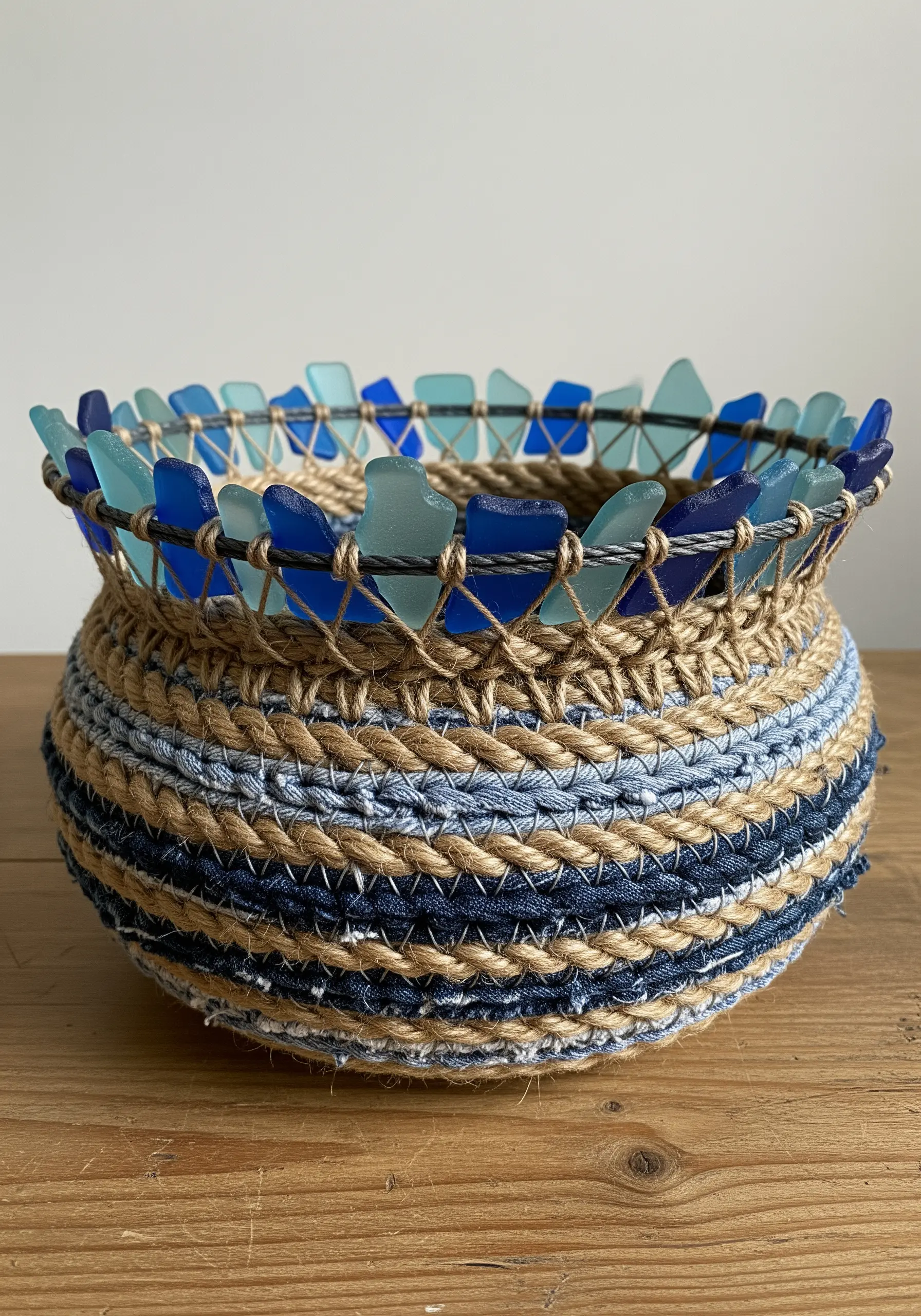
Upcycling requires structure; coil strips of denim wrapped in jute to build a rigid, functional vessel.
Use a blanket stitch to bind the coils, increasing tension as you move upward to shape the bowl.
Finishing the rim with drilled sea glass creates a light-catching edge, one of those embroidery wall art hacks to repurpose tablecloths denim curtains creatively into 3D objects.
5. Large-scale grid and velvet installations

Move beyond domestic textiles and treat your embroidery as an architectural installation.
Utilize a large wire mesh as your canvas, threading velvet fabric through the grid to create massive, pixelated floral motifs.
The drape of the fabric juxtaposed with the rigid metal creates stunning embroidered fabric wall panels you can stitch to impress guests instantly.
6. Dip-dyed architectural macramé

Elevate standard macramé by incorporating rigid natural elements like dried palm leaves.
The key here is the gradient; dip-dye your fringe to create a seamless transition from natural cream to vibrant pink.
This structural approach results in fiber art installations that look like they re floating in mid air.
7. Impasto texture with punch needle
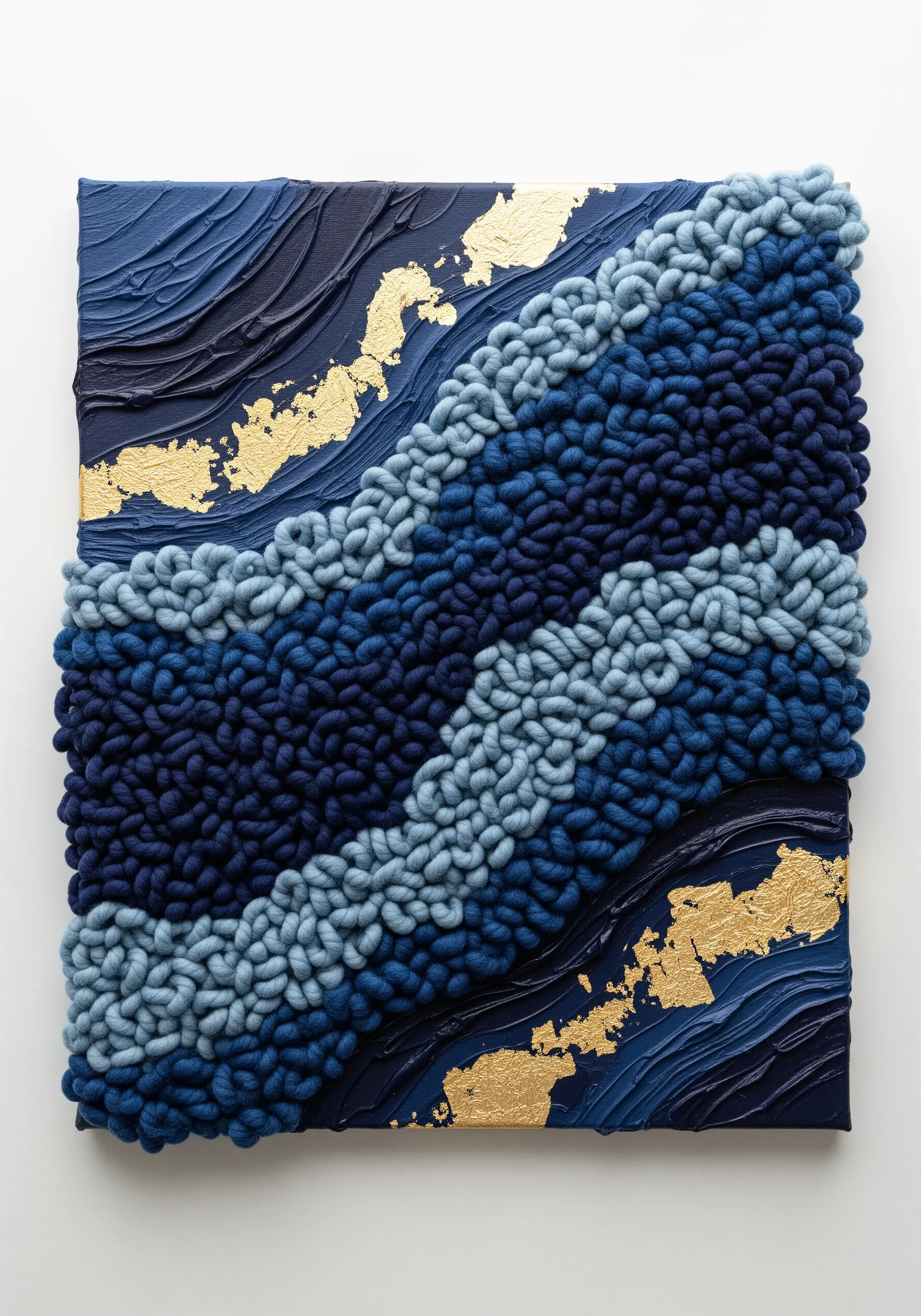
Blur the line between painting and textile art by combining punch needle loops with heavy-body acrylics or gold leaf.
Keep your loops tight and dense to mimic brushstrokes, then apply gold leaf to the negative spaces for a luxurious contrast.
This method offers unexpected ways to use metallic thread for modern artwork that shimmers like real jewelry.
8. Encasement stitching on river stones
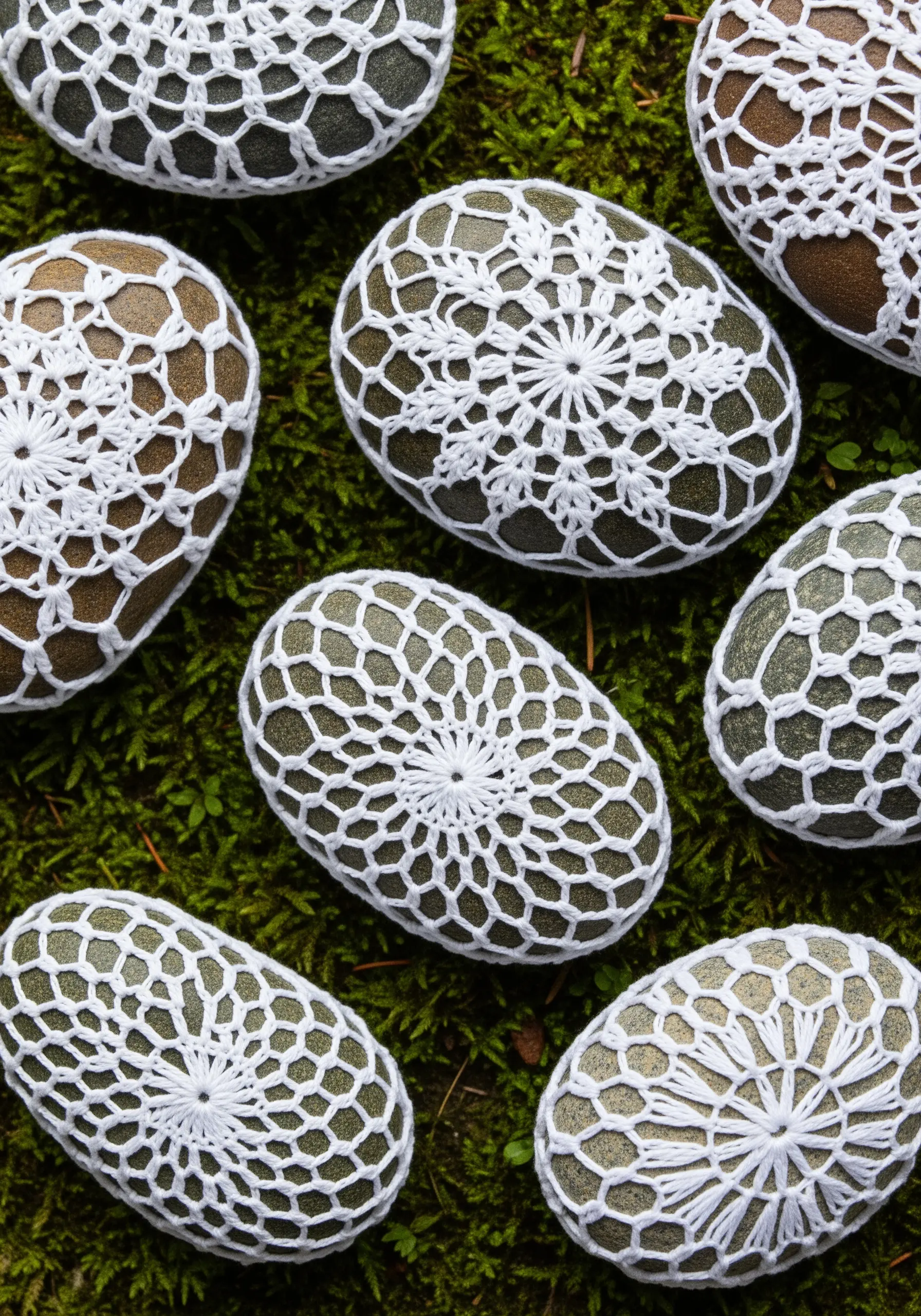
Practice tension control by crocheting or stitching lace networks around smooth river stones.
You must use a high-tensile cotton thread to ensure the lace grips the stone without slipping.
These encapsulated objects are simple ways to embroider natural textures that wow your friends with their delicacy and precision.
9. Illuminated weaving with LED integration
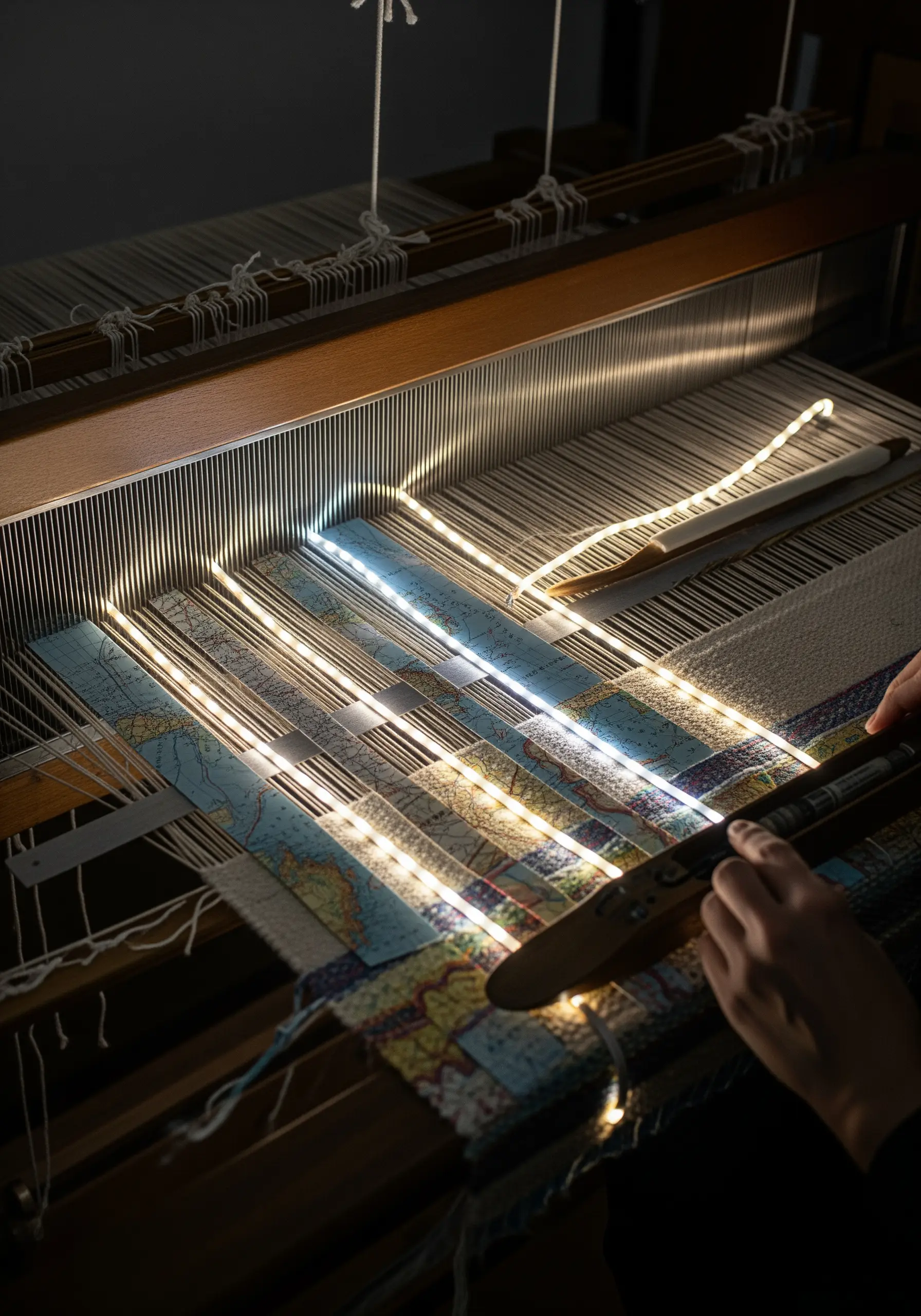
Integrate technology into your loom work by using flexible LED strips as a weft material.
Weave the light source beneath translucent fibers to diffuse the glow, creating a soft, ethereal atmosphere.
This is the future of contemporary thread art that uses light and shadow for breathtaking wall murals.
10. Copper pipe geometric tension frames
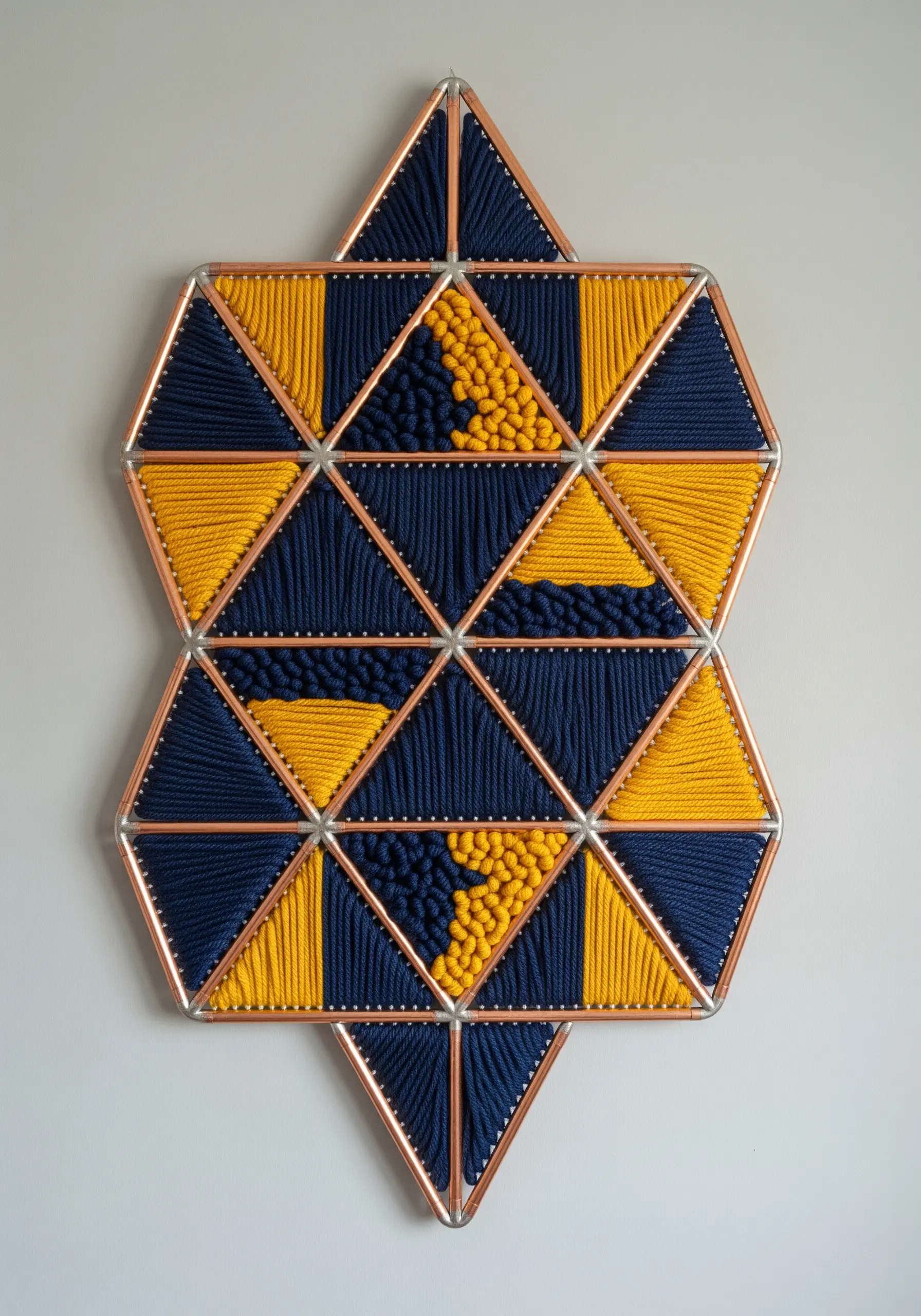
Replace the wooden hoop with a soldered copper pipe frame to introduce an industrial edge.
Wrap the yarn tightly around the copper, using the tension to create sharp, geometric blocks of color.
These structures result in geometric hoop art designs that make a bold statement on walls.
11. Monochromatic relief on leather
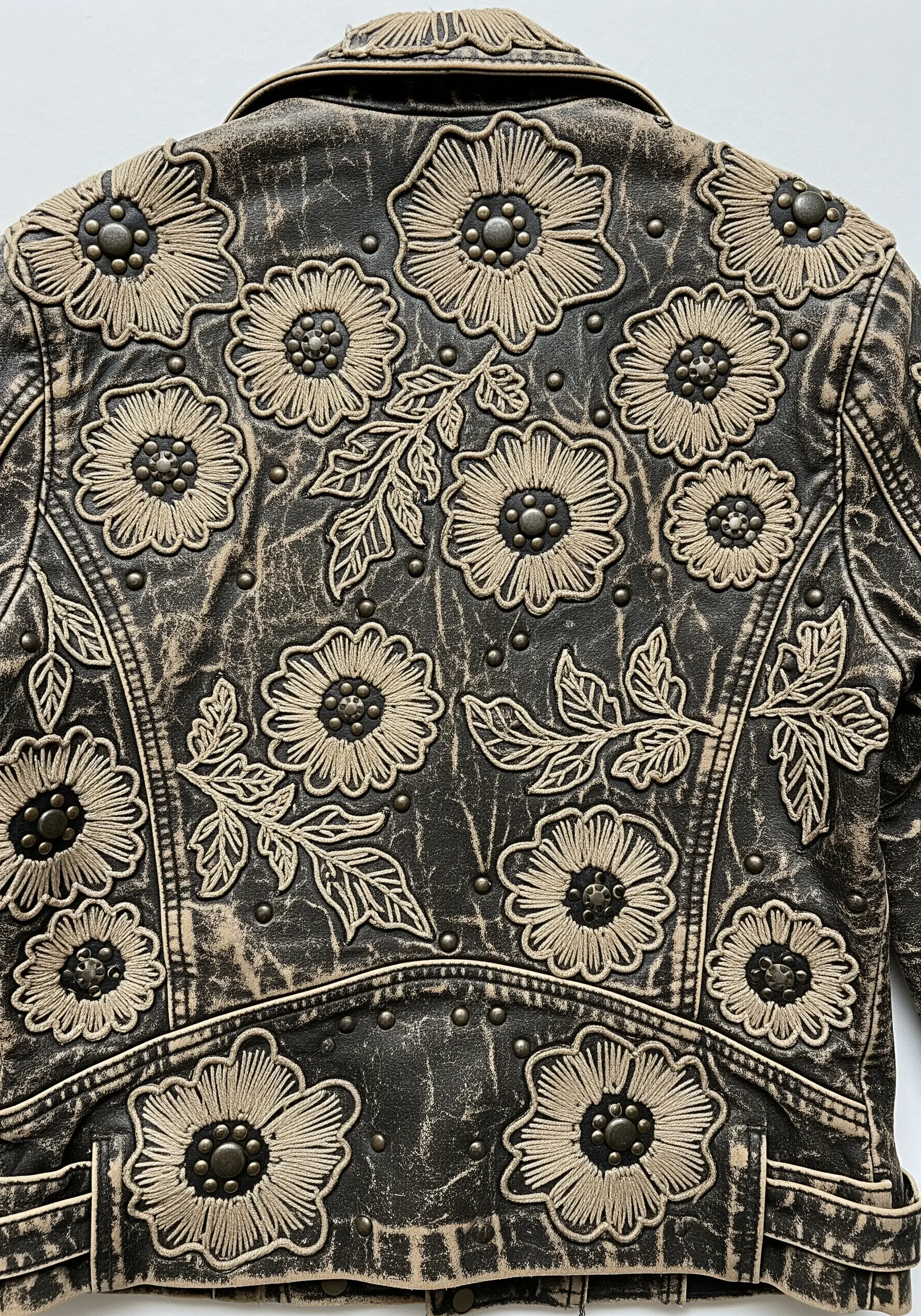
Embellish tough materials like leather with high-relief stumpwork techniques in a matching color palette.
Pre-punch stitching holes to save your hands, and use a heavy buttonhole thread to ensure the motifs stand out against the texture.
This application creates bold back panel embroidery designs to upgrade old shirts into fashion statements.
12. Translucent wire and felt room dividers
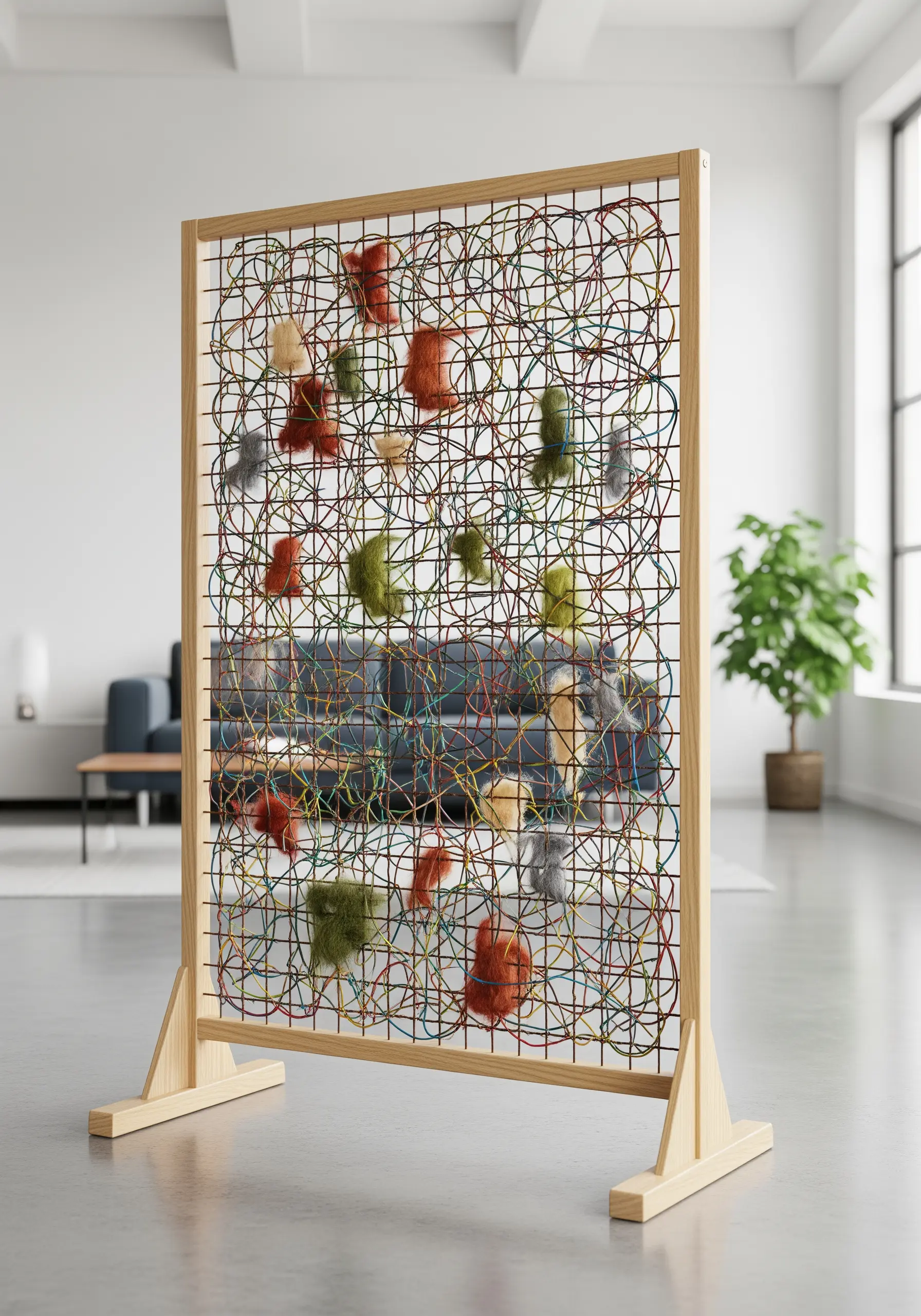
Create privacy without losing light by stitching a chaotic wire web across a large wooden frame.
Trap tufts of felted wool within the wire mesh to add organic softness and color blocking.
These serve as excellent embroidery hoop room divider ideas to create privacy in open studio apartments.
13. Woven bark and lavender assemblage
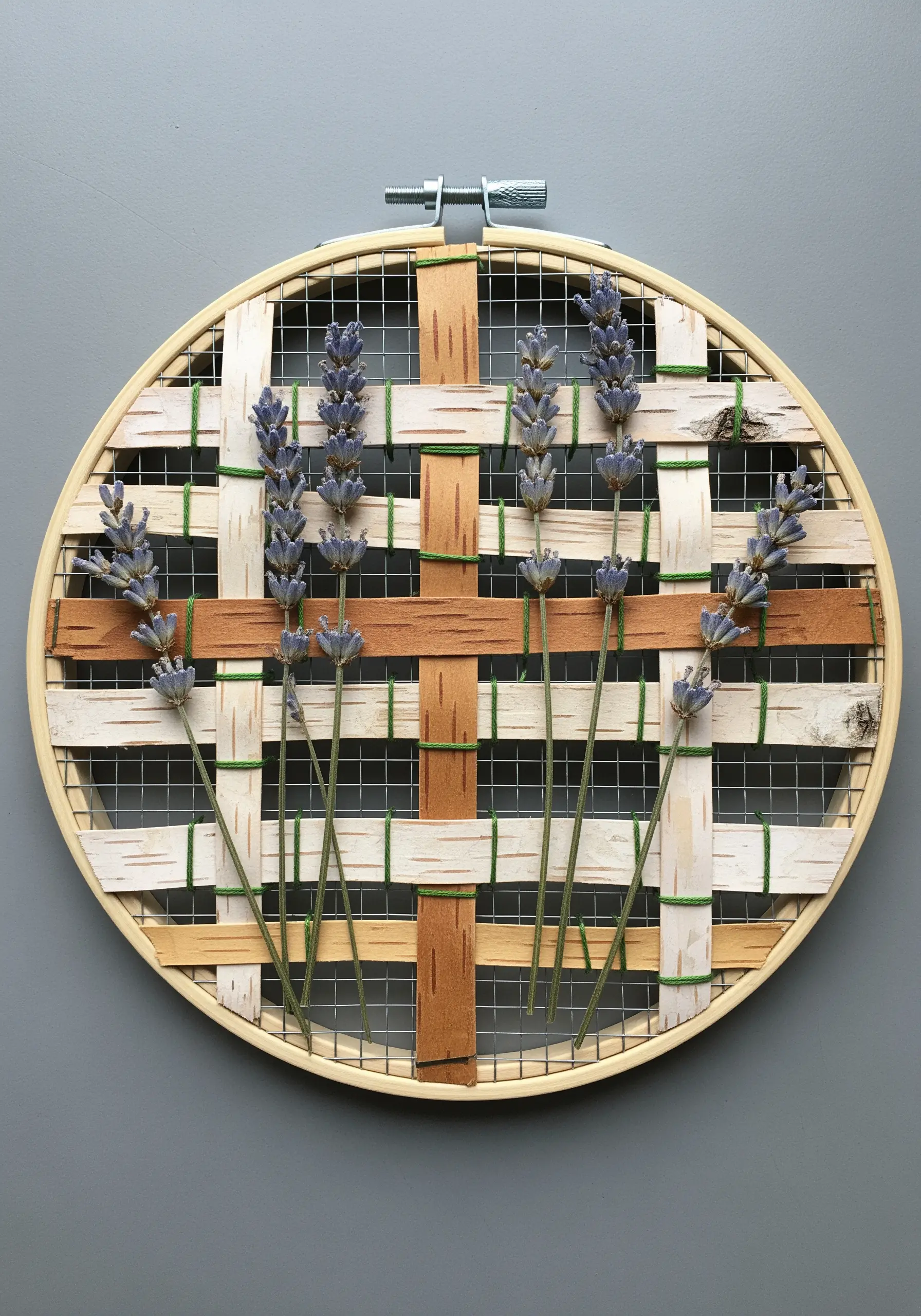
Embrace raw materials by weaving strips of birch bark directly into a wire mesh background.
Secure dried lavender sprigs with a simple couching stitch, allowing the fragrance to become part of the piece.
These organic embroidery designs that pair perfectly with neutral walls bring nature indoors.
14. Stitched film negative tapestries
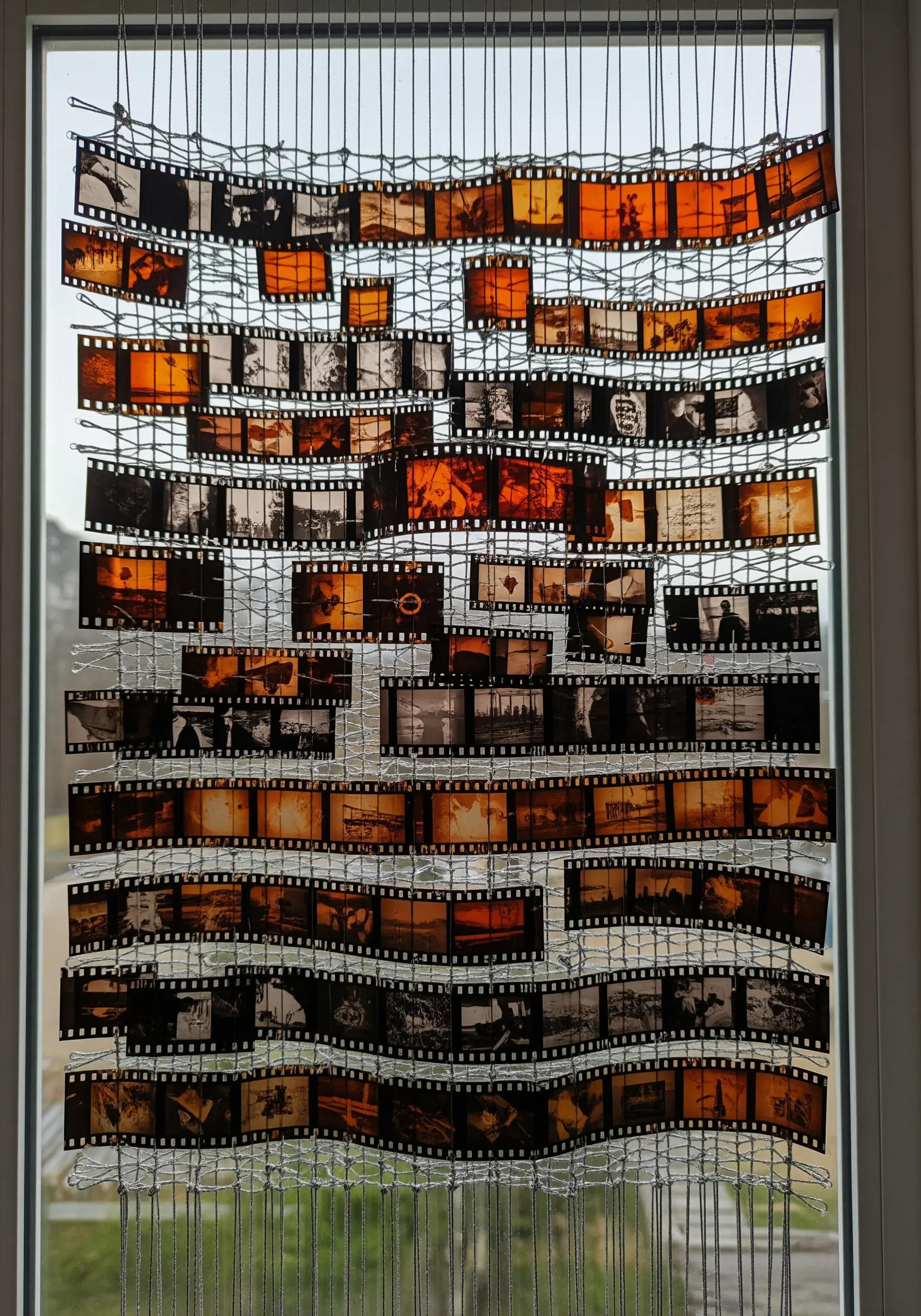
Preserve memories by treating film negatives as fabric tiles, stitching them together into a light-filtering curtain.
Use a small, sharp needle to create linkage points at the corners, using a chain stitch to join the rows.
This is one of those creative mixed media embroidery projects perfect for gift making for photographers.
15. Bohemian antler and ribbon assemblage
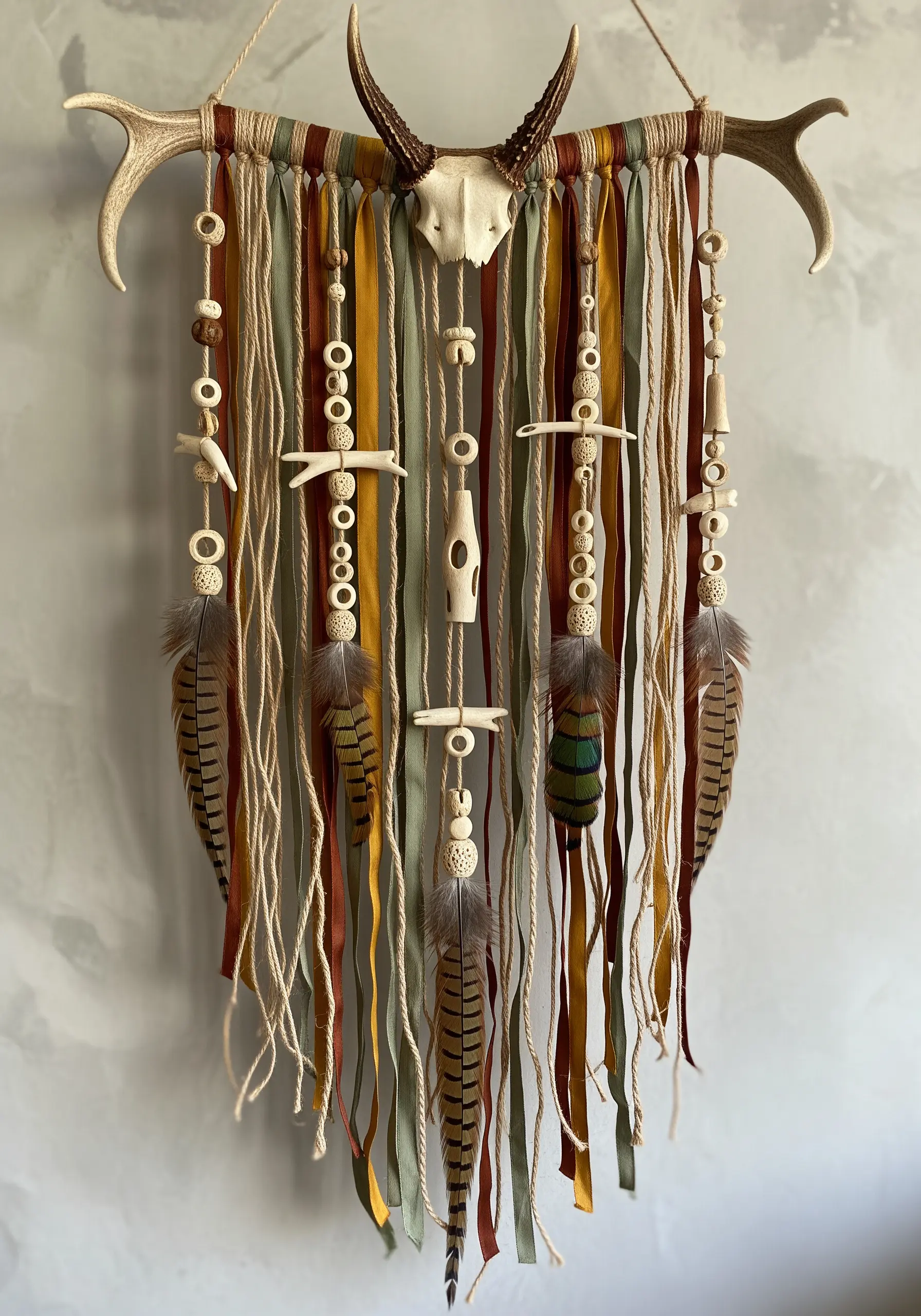
Use natural antlers as a header for a mixed-fiber wall hanging, draping different weights of ribbon and yarn.
Incorporate ceramic beads and feathers to add weight to the bottom, ensuring the ribbons hang straight.
These are boho style embroidery wall canvases beginners can stitch to transform their space.
16. 3D structural macramé cubes
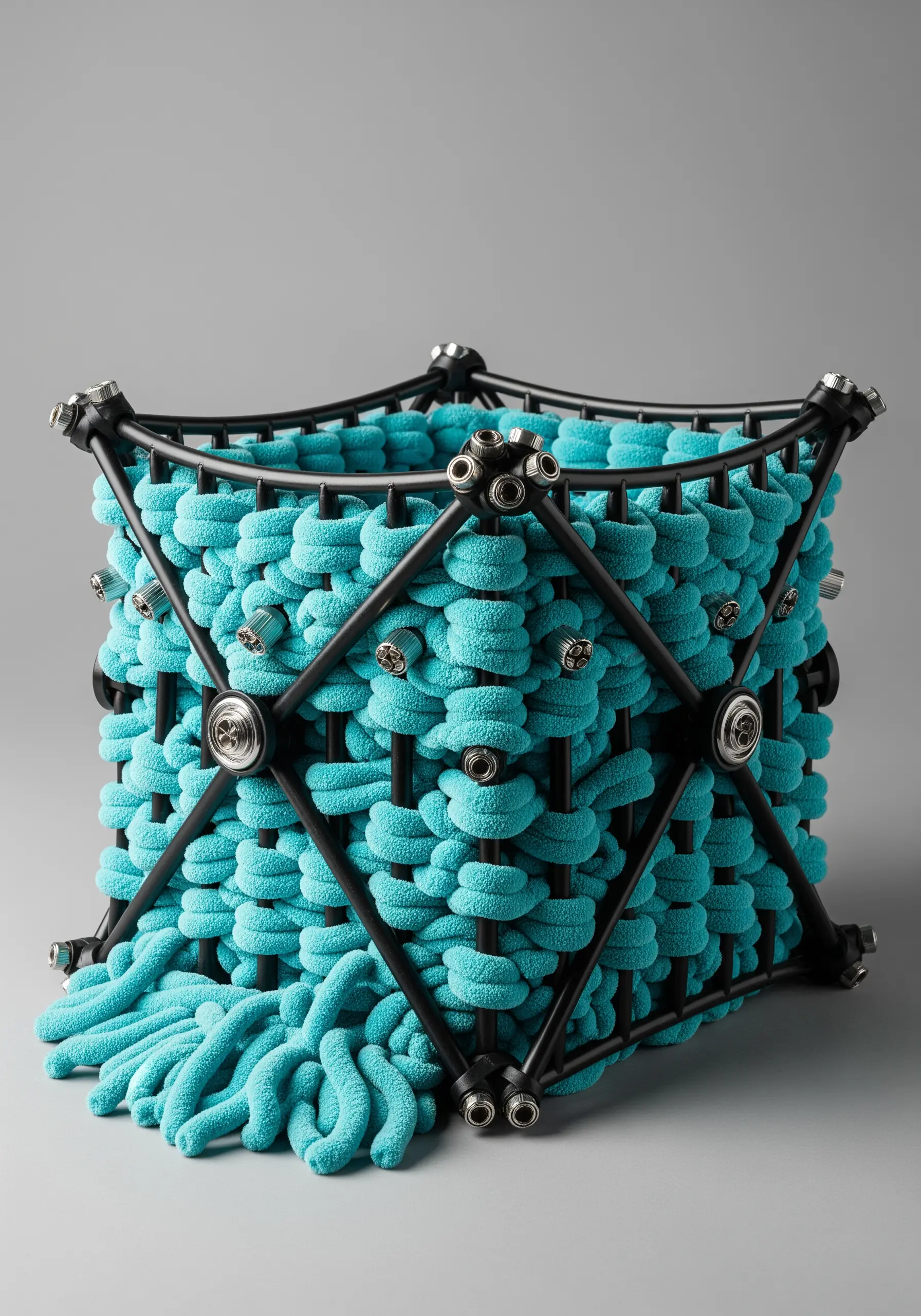
Take fiber art off the wall by constructing a 3D cube frame and knotting macramé tension lines across the voids.
Use industrial connectors to hold the frame, contrasting the soft, knotted yarn with sleek black metal.
Explore statement textured embroidery techniques for 3d wall decor that pops through sculptural forms.
17. Textile kintsugi on ceramics
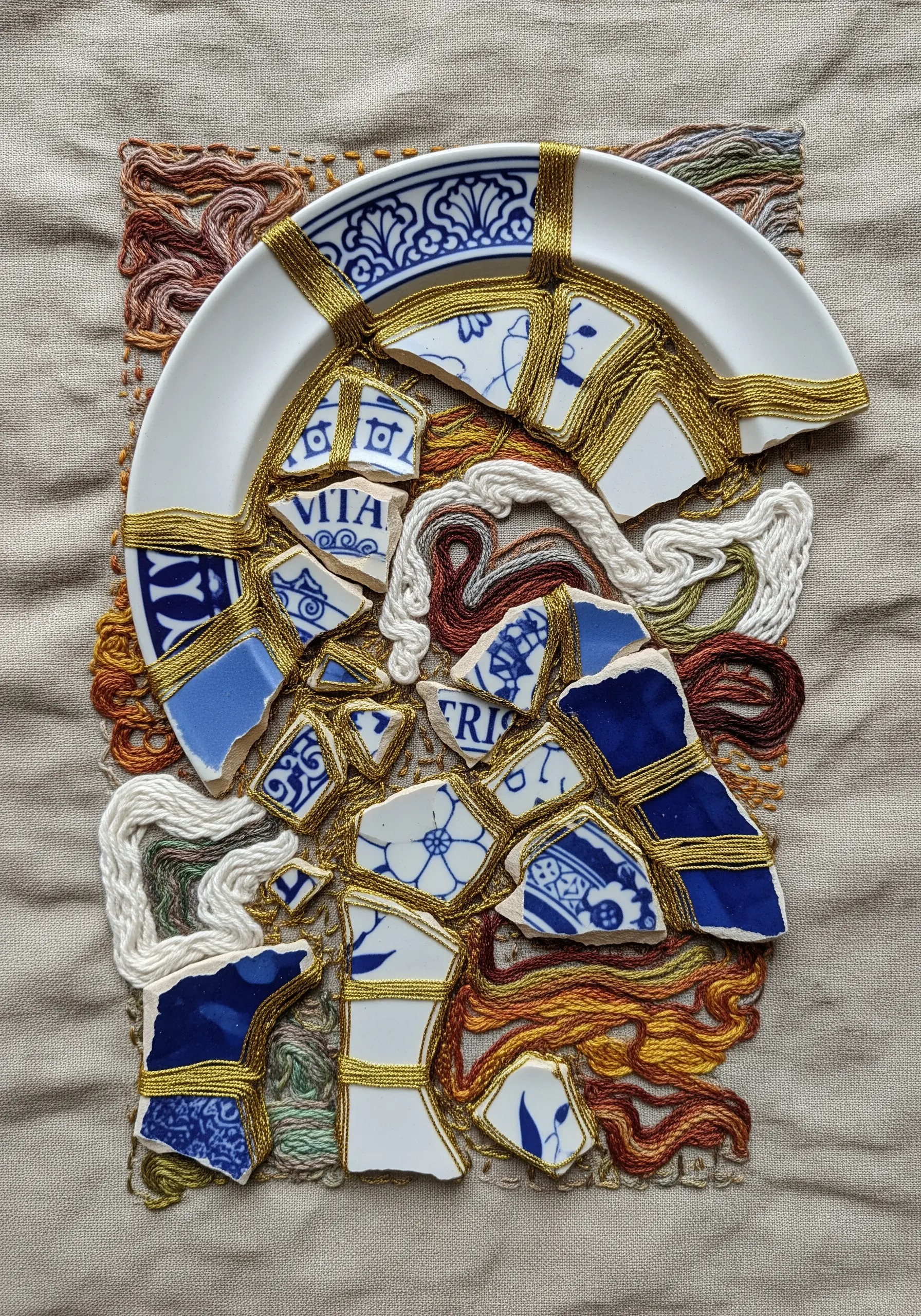
Repair broken ceramics not with gold lacquer, but with elaborate gold thread wrapping and embroidery.
Drill small holes along the fracture lines to anchor your thread, then wrap the shards to rejoin them.
This creates abstract patchwork embroidery mashup ideas for bold statement pieces that honor imperfection.
18. Vertical rope and mirror installations
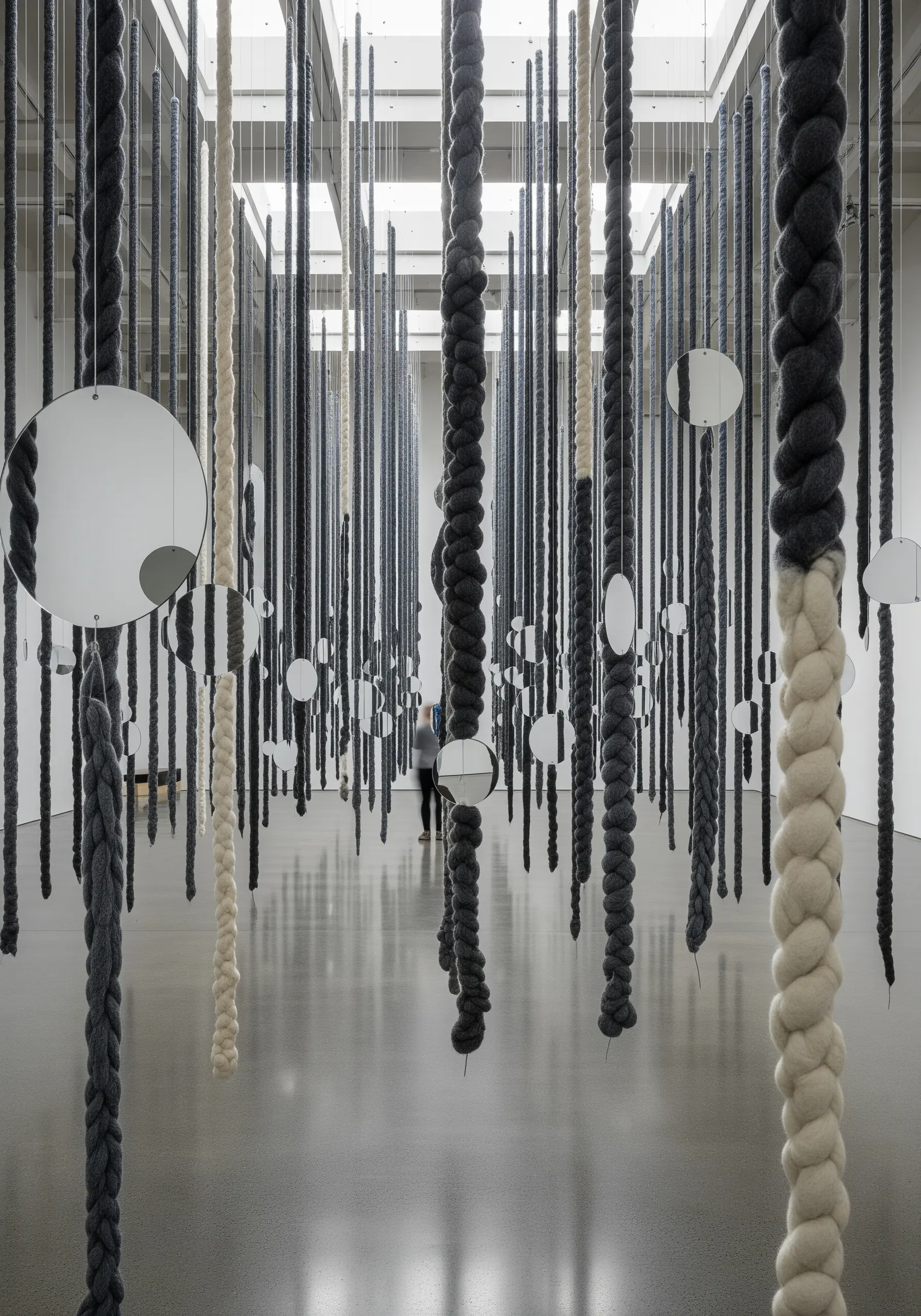
Create depth and illusion by hanging heavy-gauge ropes interspersed with small, suspended mirrors.
Wrap sections of the rope in contrasting wool to break up the vertical lines and add texture.
These giant wall mounted fiber art installations you have to see to believe play with reflection.
19. Neon radial weaving on bicycle wheels

Utilize the existing radial structure of a bicycle wheel to weave high-contrast, neon patterns.
Interlace reflective tape with bright nylon cord to create a piece that reacts to light.
These are neon color string art concepts that pop when transformed into embroidery wall decor.
20. Needle felting on corrugated cardboard

Prove that art doesn’t require expensive canvas by needle felting landscapes directly onto corrugated cardboard.
Peel back layers of the cardboard to reveal the ridges, using them as a textural element in your design.
This aligns with mixed media crafts with embroidery to transform old journals and paper goods.
21. Lace appliqué visible mending
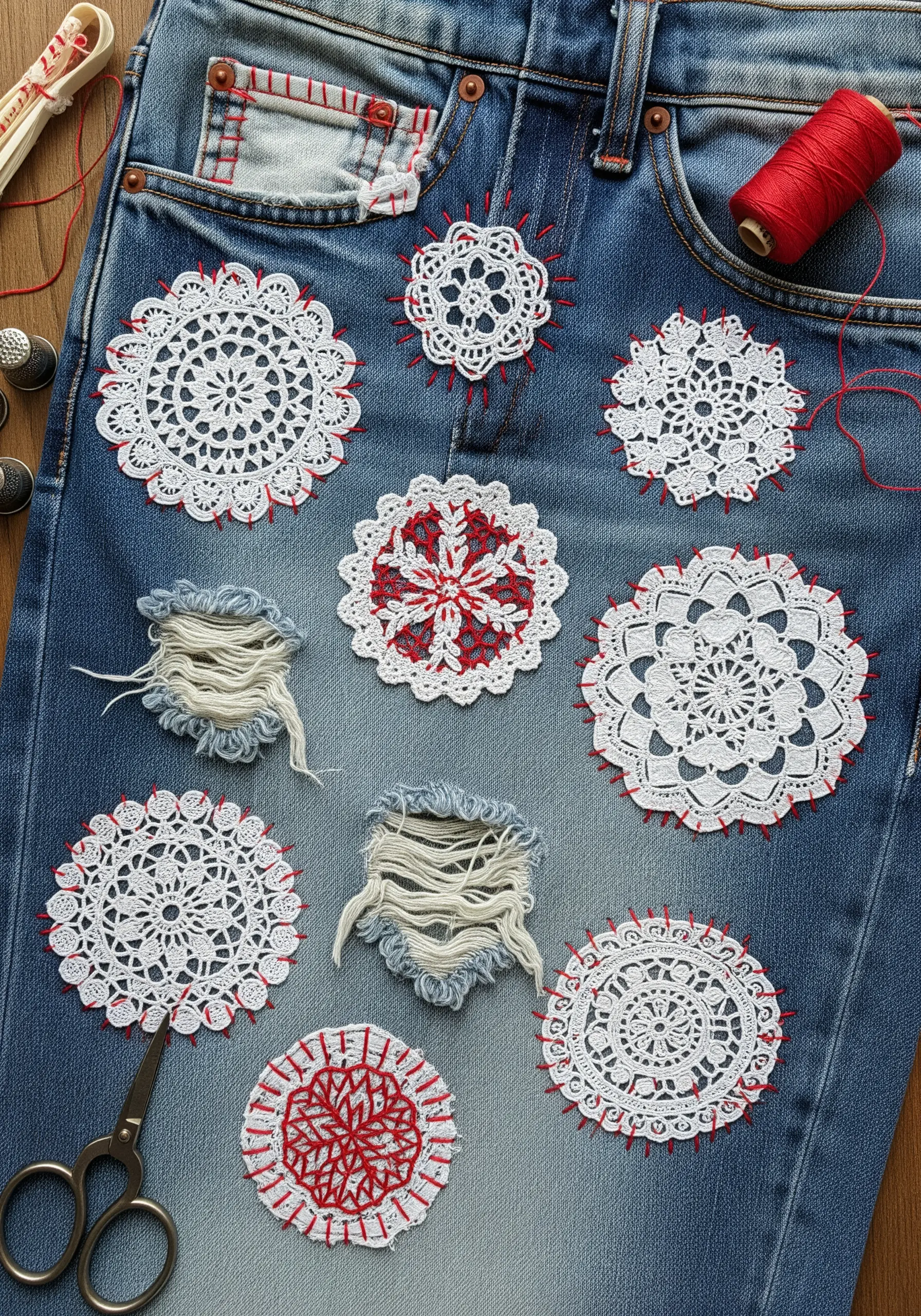
Repair denim tears by appliquéing delicate lace doilies over the rips using a contrasting red sashiko stitch.
The juxtaposition of rugged denim, delicate lace, and bold thread creates a narrative of repair.
Use these embroidered flower patch ideas to turn old jeans into trendy upcycled fashion.
22. Chunky weaving on bamboo mats

Use a simple bamboo table runner as a pre-made grid for weaving massive, chunky wool roving.
Skip several slats at a time to accommodate the thickness of the wool, creating a wavy, undulating surface.
This is a shortcut to textured yarn wall art techniques that will elevate your space.
23. Resin-encased thread and gear vortex
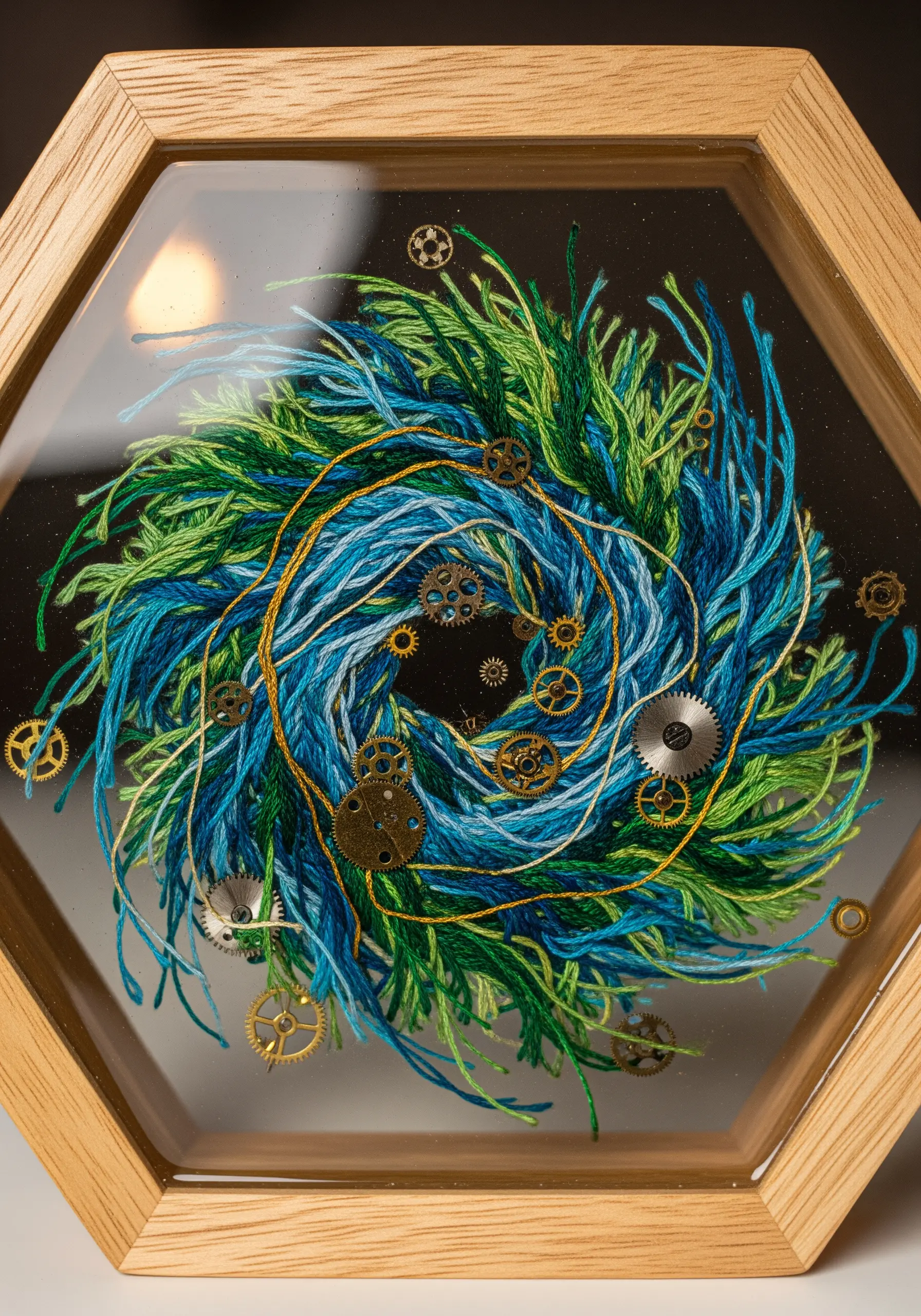
Capture the motion of thread by arranging loose strands in a swirl pattern and encasing them in resin.
Embed watch gears within the layers to suggest time and movement frozen in place.
These thread resin combo ideas for trendy glossy high fashion art pieces are mesmerizing.
24. Ephemeral popcorn and tinsel garlands

Mix edible materials with synthetic sparkle by threading popcorn with metallic tinsel pom-poms.
Use a strong nylon fishing line to support the weight and prevent the popcorn from crumbling.
Try these diy embroidery projects that give a cozy minimalist feeling for the holidays.
25. Cross-stitch on drilled slate
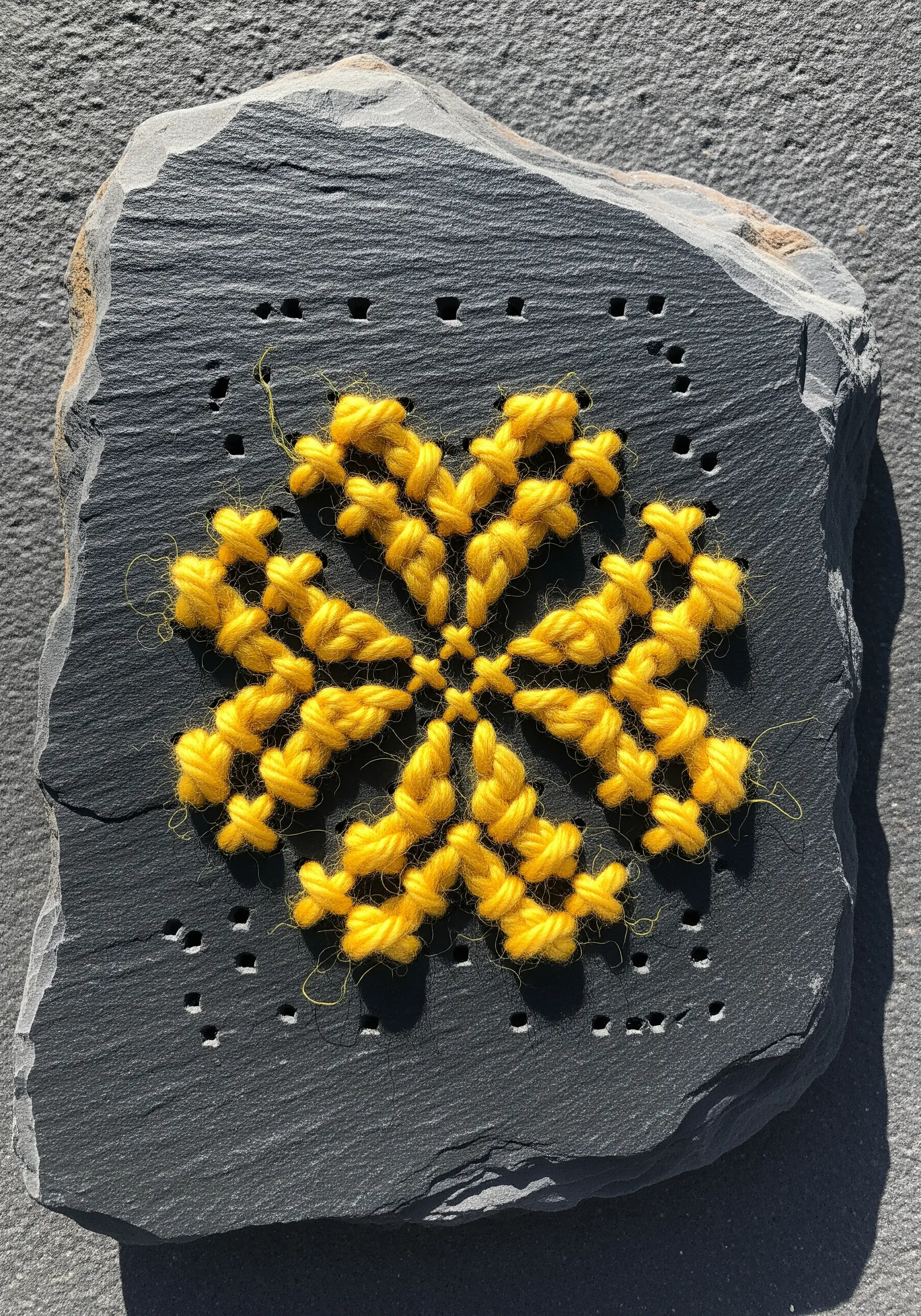
Drill a grid of holes into a piece of slate or stone to create a permanent, heavy-duty embroidery card.
Use a bright, thick yarn like yellow wool to create a high-contrast motif against the dark grey stone.
These are unique diy art pieces that add color and texture to any room.
26. Yarn-bombing furniture with velvet
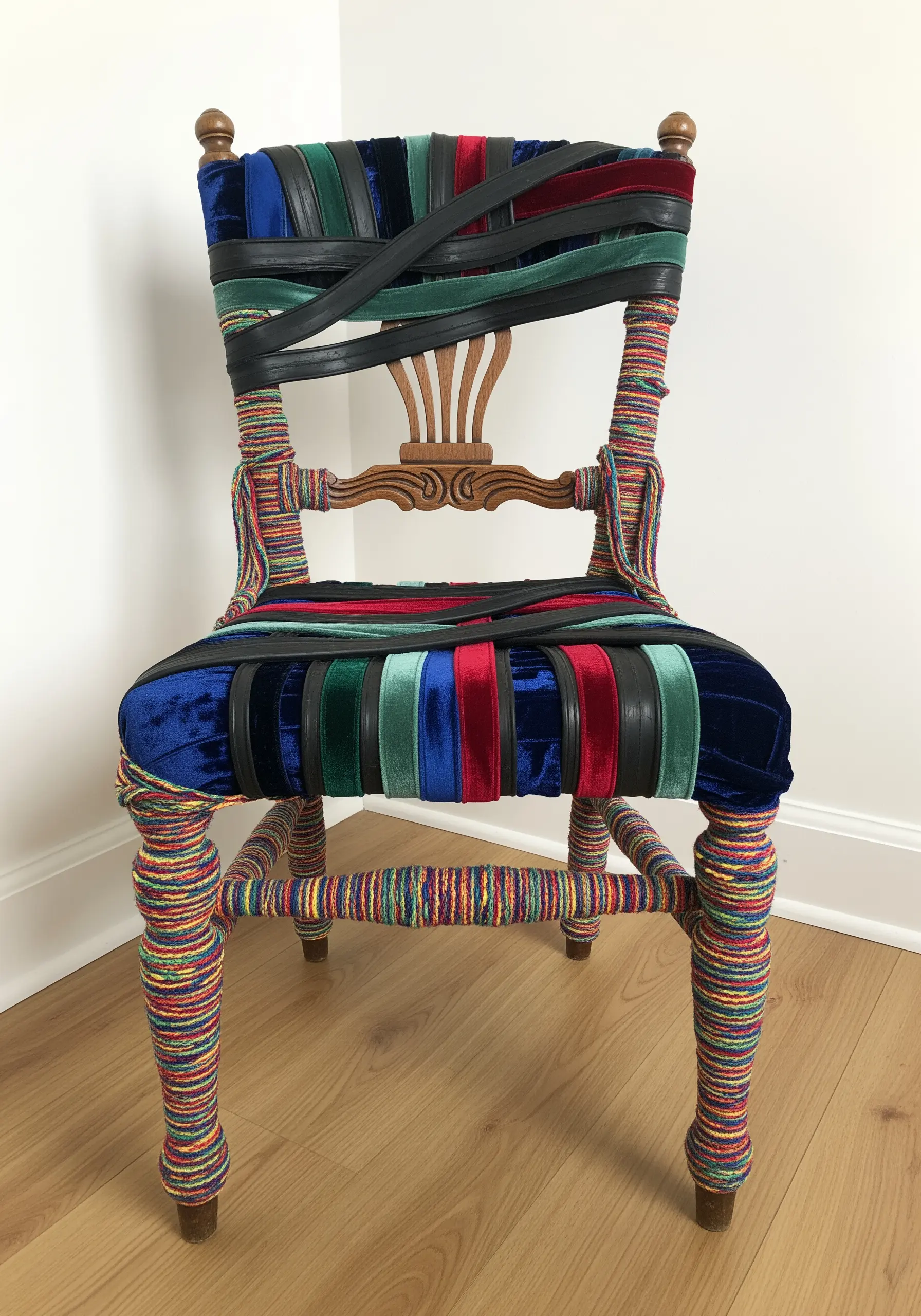
Revitalize antique furniture by wrapping the legs and frame with colorful yarn and strips of velvet.
Ensure the wrapping is incredibly tight to prevent slipping, and use fabric glue at the termination points.
Implement yarn wall art ideas that look like gallery pieces at home directly onto your furniture.